Diet After Gastric Bypass Surgery
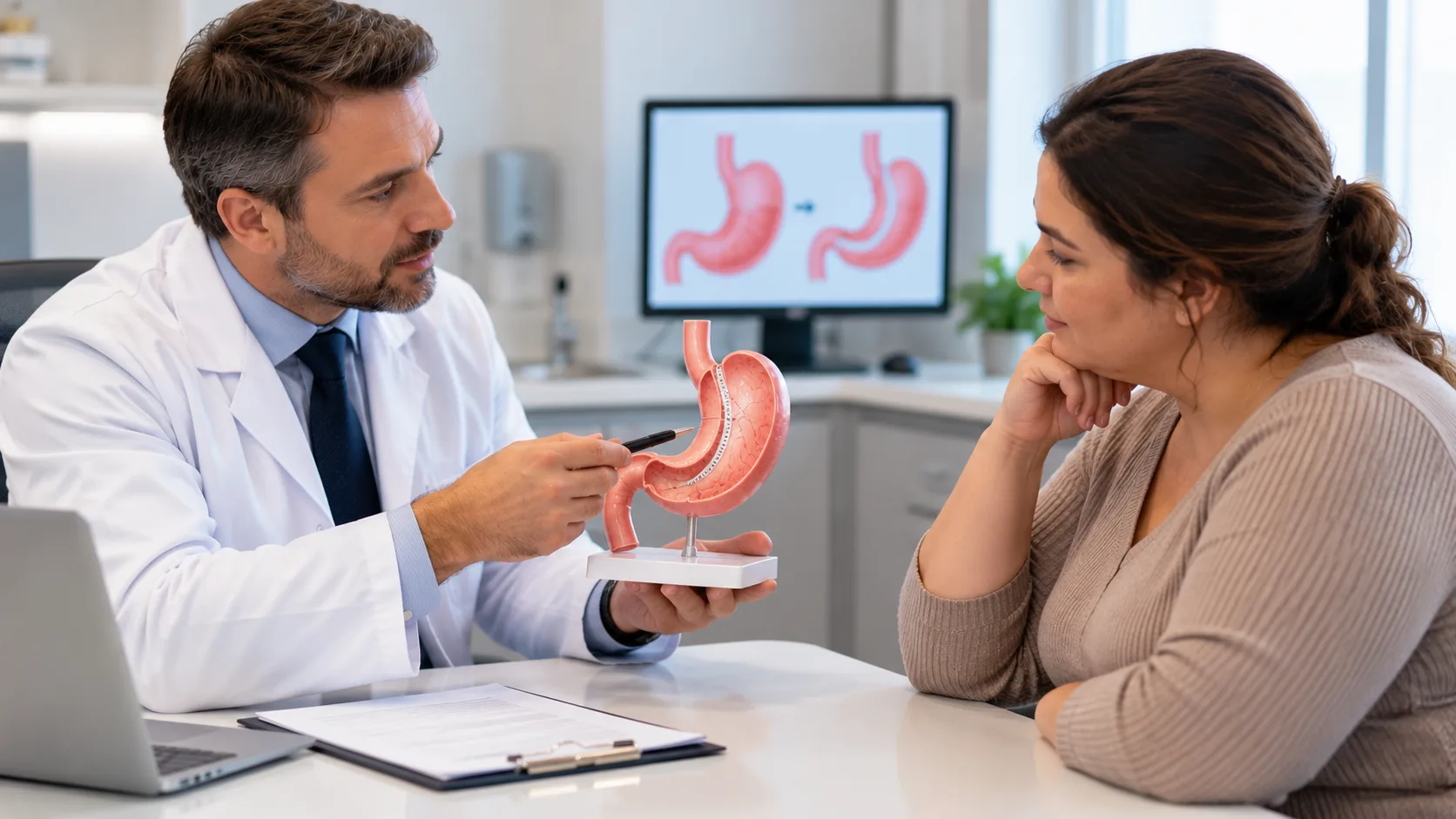
Gastric bypass surgery, most often performed as Roux-en-Y gastric bypass, changes the size of your stomach and the route that food takes through your gastrointestinal tract. These changes make your postoperative diet one of the most important parts of your recovery. This article explains what you can eat, what you should avoid, and how to build eating habits that protect your health for the rest of your life. Every patient receives an individualized plan from a registered dietitian and the bariatric surgery team, but the scientific principles below apply to nearly everyone who has weight loss surgery.
What Is the Purpose of a Diet After Gastric Bypass Surgery?
The postoperative diet protects your healing stomach, prevents digestive complications, and delivers enough nutrients for safe weight loss. Its purpose is not punishment or restriction for its own sake. Each dietary stage gives your new anatomy time to adapt.
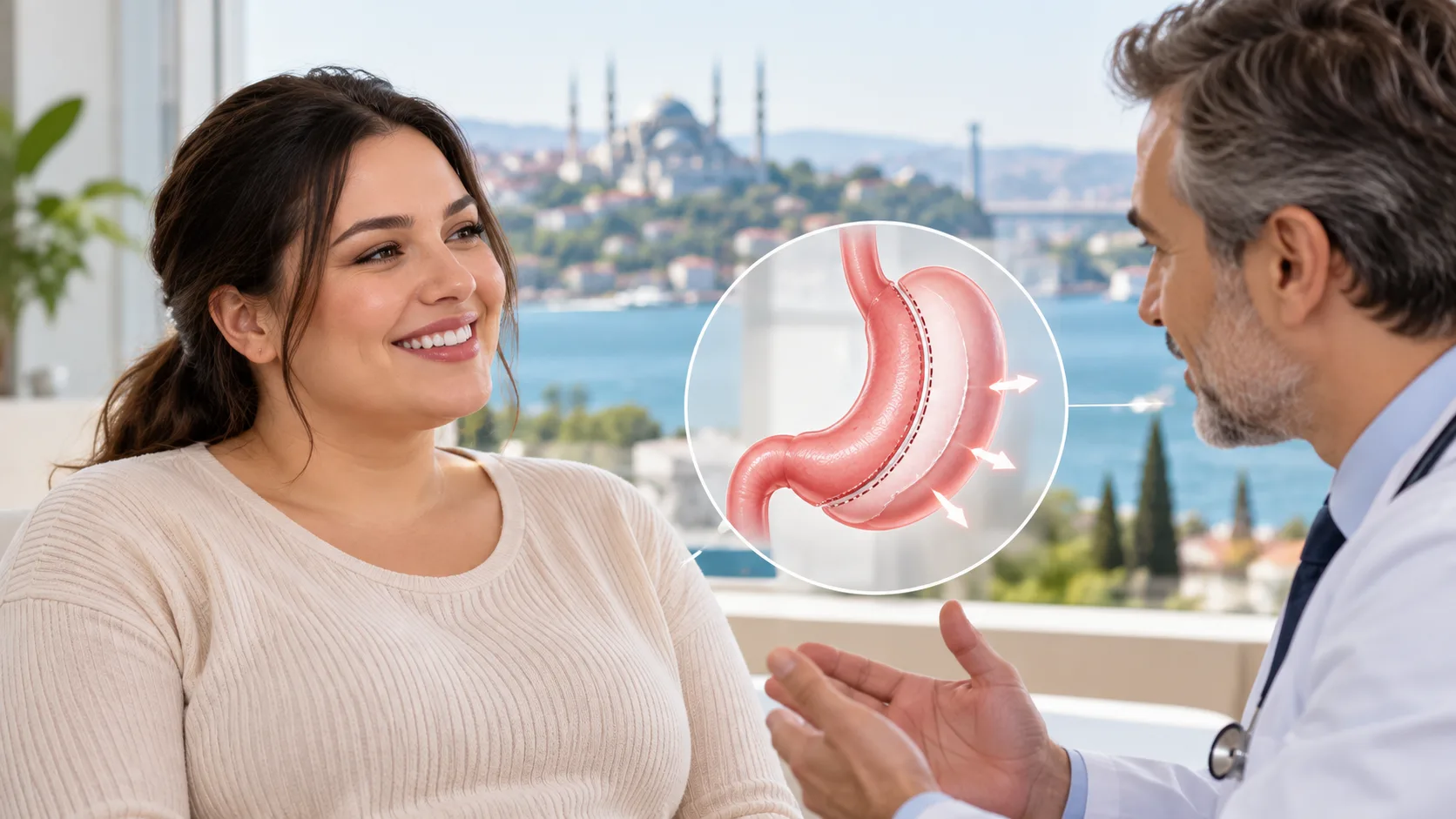
Gastric bypass creates a small stomach pouch, usually about the size of an egg, and connects it directly to the small intestine. Food bypasses most of your stomach and the first section of the small intestine (Mechanick et al. 2013). This new anatomy cannot handle normal portions or firm textures in the early weeks. A structured bariatric diet solves this problem step by step.
The staged progression also reduces the risk of nausea, vomiting, dehydration, and damage to the surgical connection between the stomach pouch and the intestine. Careful nutrition supports wound healing, protects lean muscle during rapid weight loss, and gives you the best chance of long-term weight maintenance. Swedish registry data show that patients who follow structured postoperative programs maintain substantially better metabolic outcomes even a decade after surgery (Sjöström et al. 2004).
Your exact diet depends on your surgical team, your healing rate, and your individual needs. The bariatric team always has the final word.
How Does the Diet Change During the First Weeks After Gastric Bypass?
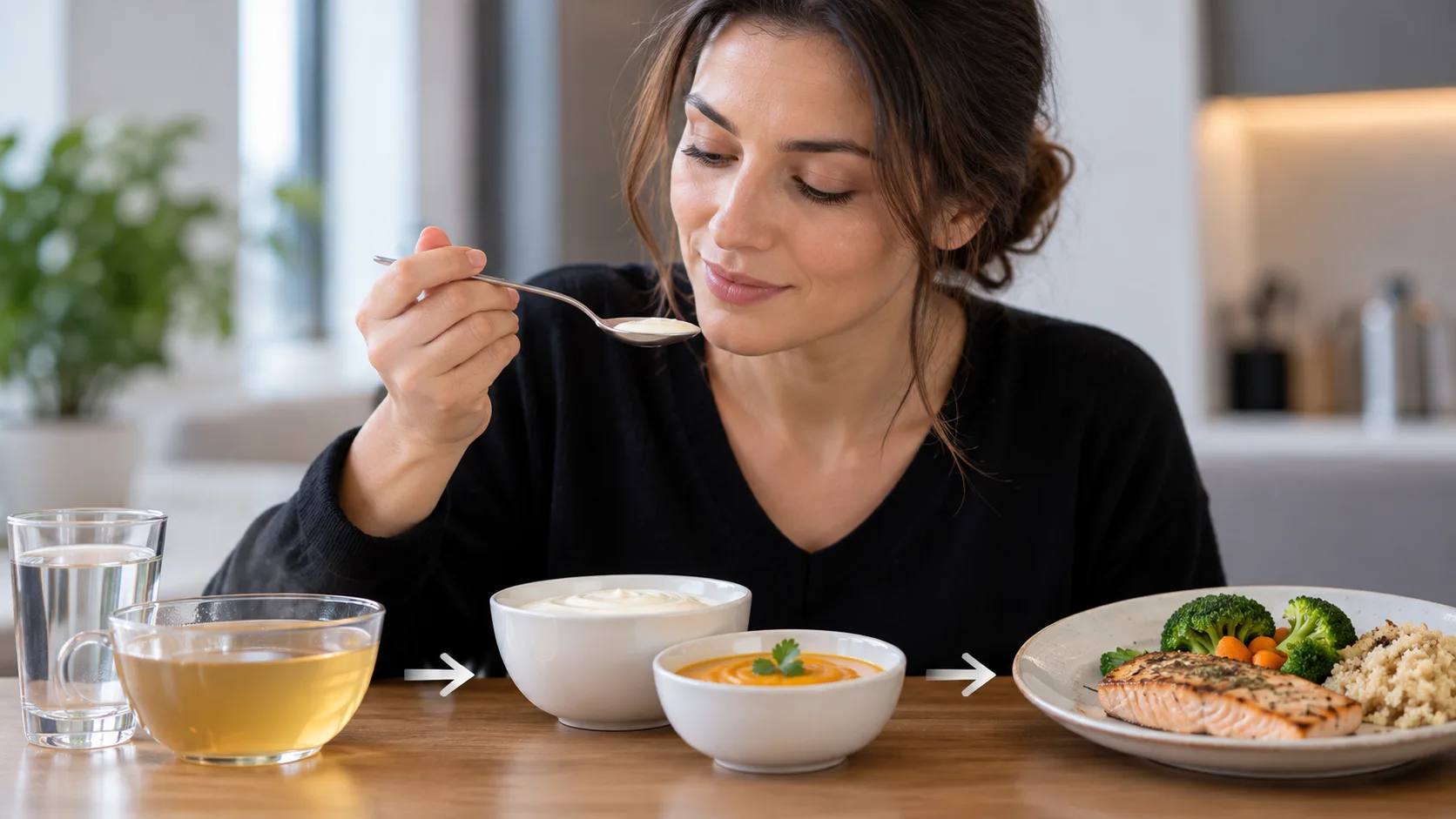
The diet moves through four stages: clear liquids, full liquids, puréed foods, and soft foods, before reaching regular textures. Most patients reach regular foods within several weeks, but the timeline is only a guide. Your surgeon or bariatric dietitian sets your personal schedule.
You must not advance textures faster than recommended. The new stomach pouch is healing, and the intestinal connection remains fragile in the early period. Firm or bulky food at the wrong time can cause pain, vomiting, or serious complications (Aills et al. 2008).
Dietary Stage | Typical Timing | Texture | Examples |
Clear liquids | Days 1-2 | Fully transparent | Water, clear broth, decaffeinated tea |
Full liquids | Weeks 1-2 | Smooth, pourable | Protein shakes, skim milk, strained soup |
Puréed foods | Weeks 2-4 | Smooth, lump-free | Puréed chicken, cottage cheese, soft vegetables |
Soft foods | Weeks 4-8 | Tender, easy to chew | Scrambled eggs, flaked fish, cooked carrots |
Regular foods | Week 8 onward | Firmer textures | Introduced gradually, one at a time |
What Can You Drink Immediately After Gastric Bypass?
You can start with clear liquids only, taken in small, frequent sips, usually within hours after surgery. Water, clear broth, and unsweetened decaffeinated beverages form the foundation of this stage.
Take one or two sips every few minutes rather than drinking a full glass. Your new pouch holds only a small volume, and large gulps cause discomfort and early fullness. Avoid carbonated drinks, caffeinated drinks, sweetened juices, and alcohol during this phase. Caffeine irritates the healing stomach lining, and sugar draws water into the intestine and can trigger cramping (Aills et al. 2008).
When Can You Start Full Liquids After Gastric Bypass?
Most patients move to full liquids within the first week, but only with approval from the surgical team. Full liquids add nutrition that clear liquids cannot provide, especially protein.
Suitable choices include protein shakes, low-fat milk or lactose-free alternatives, smooth blended soups, thin plain yogurt, and sugar-free pudding. Start each new item in a small amount and wait to see how your body responds. Follow the progression schedule from your bariatric team exactly, because the pace of healing differs between patients.
When Can You Eat Puréed Foods After Gastric Bypass?
Puréed foods usually begin around week two to four, once liquids pass comfortably. The food must be smooth and completely free of lumps.
Good options include puréed lean meats, poultry, fish, eggs, low-fat cottage cheese, and well-cooked vegetables blended with a little broth. Introduce one new food at a time so you can identify anything that causes discomfort. Eat slowly, take small spoonfuls, and stop at the first sign of fullness. Portions at this stage are typically only a few tablespoons per meal.
When Can You Eat Soft Foods After Gastric Bypass?
Soft foods, the fourth stage, usually begin around week four to six. These are tender foods you can easily mash with a fork.
Soft fish, scrambled eggs, lean ground meat, and well-cooked vegetables work well. Chew every bite thoroughly until it reaches an almost liquid consistency before you swallow. Bread, tough meat, raw vegetables, nuts, and popcorn remain difficult to tolerate and should wait until your team approves them.
When Can You Return to Regular Foods After Gastric Bypass?
Most patients gradually return to regular textures around six to eight weeks after surgery. Food tolerance varies widely between patients, so your transition may move faster or slower.
Add firmer foods one at a time and in small amounts. Stop eating when you feel comfortably satisfied, not when your plate is empty and not when you feel completely full. The pouch signals fullness differently after surgery, and stretching it with large meals undermines your results.
Which Foods Should You Eat After Gastric Bypass Surgery?
You should build every meal around nutrient-dense foods, not calorie-dense foods. After gastric bypass, your portions stay small for life, so every bite must earn its place. A food either delivers protein, vitamins, and minerals, or it wastes precious space in your pouch.
Nutrient-Dense Choice | Why It Wins | Calorie-Dense Alternative | Why It Loses |
Grilled chicken breast | High protein, low fat | Fried chicken | Fat displaces protein |
Nonfat Greek yogurt | Protein plus calcium | Ice cream | Sugar and fat, little nutrition |
Cooked broccoli | Fiber, vitamin C, folate | Buttered mashed potato | Starch and fat, low protein |
Fresh berries | Antioxidants, low sugar | Fruit juice | Concentrated sugar, no fiber |
Prioritize protein at every meal. Add tolerated vegetables and fruits, and choose low-fat, low-sugar options. Expand food variety slowly as tolerance improves. The ASMBS integrated guidelines identify protein, hydration, and micronutrient coverage as the three non-negotiable pillars of postoperative nutrition (Parrott et al. 2017).
Why Is Protein Important After Gastric Bypass?
Protein heals tissue, preserves muscle, and keeps you full longer. It is the single most important nutrient after surgery.
Rapid weight loss without adequate protein causes the body to break down lean muscle, including heart muscle. A protein-first eating strategy means you eat the protein portion of your meal before anything else. Most bariatric programs target roughly 60 to 100 grams of protein per day, though your individual requirement depends on your weight, kidney function, and activity level (Parrott et al. 2017).
Good sources include eggs, fish, poultry, lean meat, cottage cheese, Greek yogurt, tofu, and protein shakes. Research shows that resting energy expenditure falls after weight loss, and preserving muscle mass helps protect your metabolic rate (Shen et al. 2004). If you cannot meet your target with food alone, protein supplements are a practical and widely used option.
How Much Fluid Should You Drink After Gastric Bypass?
Most patients need at least 48 to 64 ounces, or roughly 1.5 to 2 liters, of fluid per day. Dehydration is the most common reason patients return to the hospital after bariatric surgery, because the small pouch makes drinking large volumes uncomfortable.
Distribute fluids across the entire day. Carry a small bottle and sip constantly instead of drinking large amounts at once. Steady hydration prevents constipation, reduces fatigue, and protects kidney function. Signs of dehydration include dark urine, dizziness, headache, and dry mouth.
Should You Drink With Meals After Gastric Bypass?
No. Separate fluids from meals by about 30 minutes before and after eating. Liquid takes up space in the small pouch and pushes food through faster, which causes early fullness and can flush food out before you absorb its nutrients.
This rule creates a practical challenge, because you must get all your hydration between meals. Keep a bottle nearby throughout the day so drinking between meals becomes automatic rather than an afterthought.
Which Foods and Drinks Should You Avoid After Gastric Bypass?
You should avoid high-sugar foods, high-fat foods, carbonated drinks, alcohol, excess caffeine, and foods that are hard to chew or digest, especially in the first year. Tolerance changes over time, so an early intolerance does not always mean a permanent ban.
Avoid | Reason |
Sugary drinks and desserts | Dumping syndrome, rapid transit |
Fried and high-fat foods | Nausea, delayed gastric emptying, excess calories |
Carbonated beverages | Gas pressure and pouch discomfort |
Alcohol | Faster absorption, higher intoxication risk, empty calories |
Caffeine in early recovery | Gastric irritation and ulcer risk |
Tough meat, raw vegetables, nuts, popcorn | Poor tolerance, obstruction risk |
Why Should You Limit Sugar After Gastric Bypass?
Concentrated sugar moves rapidly into the small intestine and triggers dumping syndrome. After gastric bypass, food enters the intestine without the usual stomach regulation, and a sugary load draws fluid into the bowel and releases gut hormones that cause a sudden systemic reaction.
Symptoms include cramping, nausea, sweating, dizziness, palpitations, and diarrhea (Ukleja et al. 2005). Avoid sodas, candy, pastries, sweetened coffee drinks, and fruit juice. Even "natural" sugars like honey and agave can trigger symptoms, so treat them the same way.
Why Can Some Foods Be Difficult to Tolerate After Gastric Bypass?
Bread, tough meats, raw fibrous vegetables, nuts, seeds, and fried foods are the most common troublemakers. Bread forms a dense bolus in the small pouch and can swell, causing pressure and pain. Fibrous meat and raw vegetables require chewing that the pouch cannot handle well.
Fried and heavily seasoned foods irritate the stomach lining and delay emptying. Tolerance varies enormously between patients, which is why your bariatric team tracks your individual reactions rather than applying a universal banned list.
How Should You Eat After Gastric Bypass?
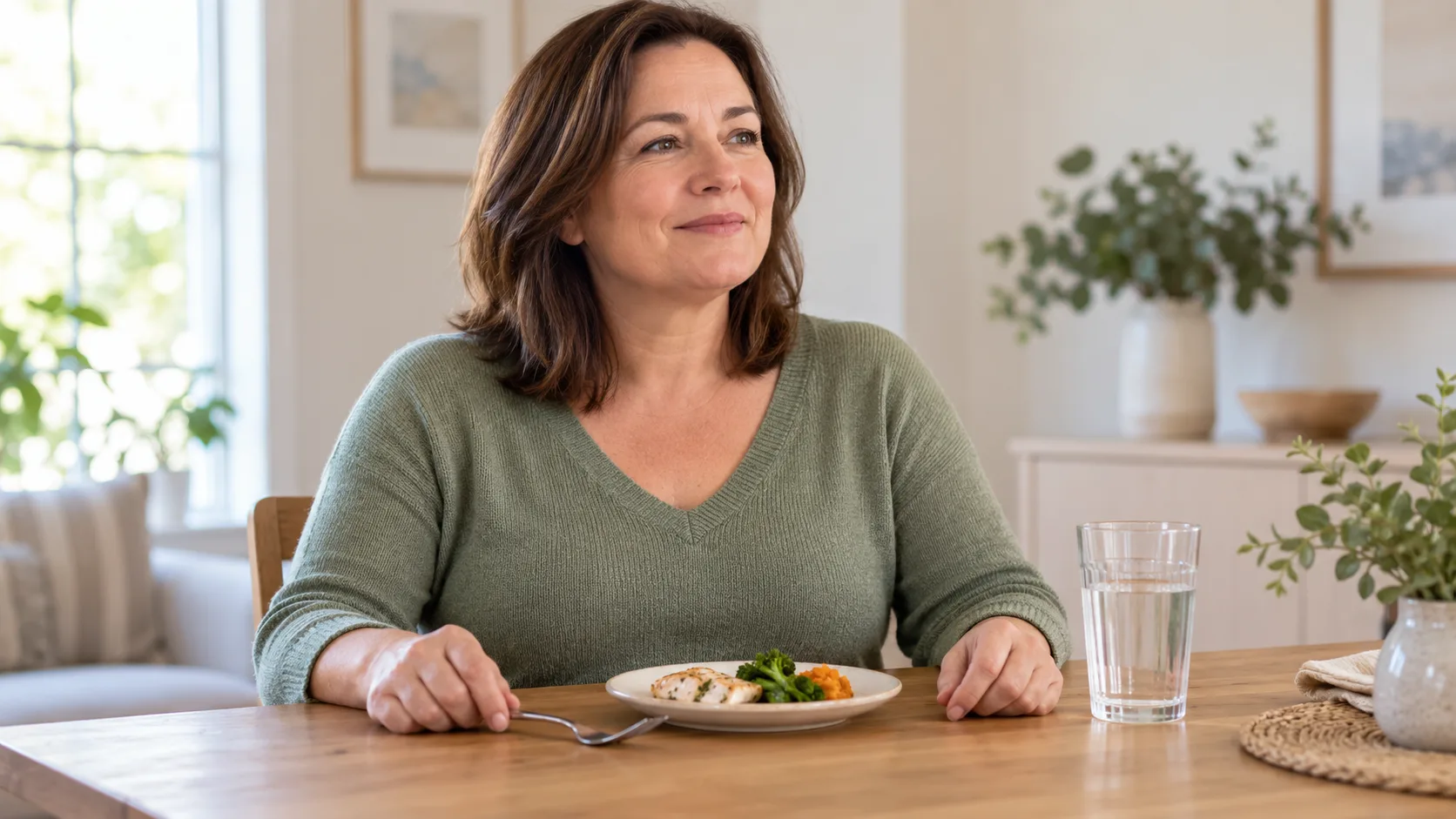
Eat slowly, take small bites, chew thoroughly, and stop before you feel full. These behaviors matter as much as food choice, because the pouch cannot process food the way your old stomach did.
Take bites the size of a pencil eraser. Put your utensils down between bites. A meal should last at least 20 to 30 minutes. Introduce unfamiliar foods one at a time, and build consistent daily habits instead of relying on willpower or calorie counting alone.
How Large Should Meals Be After Gastric Bypass?
Early meals measure one to four tablespoons. Long-term meals settle around half a cup to one cup of food, depending on the food and your pouch.
Portions grow gradually during recovery as healing completes and tolerance improves. Do not compare your portions to another patient's, because pouch size, surgical technique, and healing differ. Your bariatric team sets portion targets at each follow-up visit.
How Many Meals Should You Eat Each Day After Gastric Bypass?
Plan on three small protein-centered meals plus one to two planned protein snacks per day once recovery stabilizes. During the earliest weeks, you may eat six or more tiny liquid "meals" simply because the pouch holds so little.
No single schedule fits everyone. Some patients maintain better protein intake with structured snacks, while others prefer slightly larger meals. Your registered dietitian helps you find a pattern that meets your protein and fluid targets.
Which Vitamins and Minerals Are Needed After Gastric Bypass?
You need lifelong supplementation with a multivitamin, vitamin B12, iron, calcium, and vitamin D. The bypassed stomach and intestine absorb these nutrients poorly, and your small diet cannot supply enough of them.
Nutrient | Typical Daily Target | Main Function | Common Source After Surgery |
Multivitamin | 1 serving bariatric formula | Broad micronutrient coverage | Chewable or capsule supplement |
Vitamin B12 | 350 to 500 mcg or injection | Nerve function, red blood cell production | Sublingual, nasal, or injection |
Iron | 45 to 60 mg with vitamin C | Oxygen transport, prevents anemia | Supplement plus meat and beans |
Calcium citrate | 1200 to 1500 mg | Bone density | Divided doses of 500 to 600 mg |
Vitamin D | 3000 IU | Calcium absorption, immune function | Supplement, checked by blood test |
A randomized clinical comparison found significantly lower vitamin status after gastric bypass than expected from diet alone, confirming that food intake cannot replace supplementation (Aasheim and Bohmer 2009). Iron status drops specifically because the bypassed duodenum is the main site of iron absorption (Ruz et al. 2012).
Why Is Nutrient Monitoring Important After Gastric Bypass?
Blood tests catch deficiencies before symptoms appear. Reduced food intake and changed absorption create risk for anemia, bone loss, neurological problems, and fatigue. Schedule laboratory monitoring at regular intervals, usually at three to six months in the first year and yearly after that. Your team adjusts supplement doses based on your results, not guesswork.
What Is Dumping Syndrome and How Can Diet Help Prevent It?
Dumping syndrome occurs when food moves too quickly from the stomach pouch into the small intestine. It is one of the most distinctive side effects of gastric bypass.
Early symptoms appear within 10 to 30 minutes of eating and include nausea, abdominal cramping, sweating, dizziness, flushing, palpitations, and diarrhea (Ukleja et al. 2005). Large meals and foods high in sugar or fat are the main triggers. Eating slowly, keeping portions small, and separating fluids from meals prevent most episodes.
What Should You Do If You Develop Symptoms After Eating?
Stop eating immediately, sit or lie down, and let the episode pass. Then review what and how you ate to identify the trigger. Common offenders include sweet drinks, large bites, and eating too fast.
Contact your bariatric care team if symptoms recur or worsen. Mild intolerance to one food is common and expected. Severe pain, vomiting that does not stop, or signs of dehydration need prompt medical assessment, because they can signal an obstruction or other complication rather than simple intolerance.
What Does a Long-Term Diet After Gastric Bypass Look Like?
Long-term success looks like small, protein-centered, nutrient-dense meals with adequate hydration and minimal sugar. Recovery ends, but the eating pattern continues for life.
Which Healthy Foods Can You Add as Your Diet Progresses?
Add foods one at a time as tolerance improves. Lean proteins, low-fat dairy or fortified alternatives, well-cooked vegetables, and appropriate fruits form the core. Whole grains and minimally processed foods can return in small portions if you tolerate them.
Introduce a new food every few days rather than several at once. Keep a simple tolerance log so your dietitian can help you expand your diet safely.
How Can You Maintain Weight Loss Through Nutrition?
Maintain your structured eating habits permanently. Long-term registry data show that bariatric surgery produces durable weight loss, but patients who drift back toward high-sugar and high-fat eating patterns regain more weight (Sjöström et al. 2004).
Keep protein first at every meal, keep sipping fluids all day, and combine your diet with regular physical activity and ongoing medical follow-up. Surgery gives you a powerful tool; daily nutrition decides whether the tool keeps working.
What Are Common Problems With Eating After Gastric Bypass?
The most common problems are nausea, vomiting, abdominal discomfort, food intolerance, dehydration, constipation, low protein intake, vitamin deficiencies, and weight regain. Most of these are preventable or manageable with dietary adjustment.
What Should You Do If Food Causes Pain or Vomiting?
Stop that food immediately and do not test it again on your own. Repeated vomiting irritates the pouch and can cause dehydration and nutrient loss. If a food causes symptoms more than once, discuss it with your bariatric team.
Seek urgent medical care for severe or constant abdominal pain, vomiting that will not stop, inability to keep any fluids down, or black stools. These signs can indicate an obstruction, ulcer, or leak and require immediate evaluation.
When Should You Contact Your Bariatric Surgery Team?
Contact your team for persistent vomiting, ongoing abdominal pain, inability to keep fluids down, signs of dehydration, persistent food intolerance, or unexpected weight changes. Also report symptoms that continue despite dietary adjustments, and any nutritional concerns such as hair loss, extreme fatigue, or palpitations.
Your bariatric team expects these calls. Early adjustment of your diet or supplements solves most problems quickly, and waiting only makes recovery harder.
How Can You Build Sustainable Eating Habits After Gastric Bypass?
Sustainable habits come from planning, not willpower. Plan each meal around a protein source. Keep water within reach all day. Eat at a table, slowly, without screens. Track how new foods feel. Attend every nutritional and medical follow-up, and pair your diet with physical activity you enjoy.
These habits turn a strict recovery protocol into a comfortable way of life. Patients who treat the diet as a permanent lifestyle rather than a temporary phase achieve the best long-term outcomes (Parrott et al. 2017).
Frequently Asked Questions About Diet After Gastric Bypass Surgery
How long do you stay on a liquid diet after gastric bypass?
Clear liquids last only days. The combined liquid phase, including full liquids, usually covers the first one to two weeks.
When can you eat solid food after gastric bypass?
Most patients reach soft and then regular foods between six and eight weeks after surgery, guided by their surgical team.
How much protein do you need after gastric bypass?
Most programs target 60 to 100 grams daily, individualized by your dietitian.
How much water should you drink after gastric bypass?
Aim for 48 to 64 ounces daily, sipped between meals.
Can you drink coffee after gastric bypass?
Avoid caffeine during early healing because it irritates the stomach. Many patients reintroduce it later with team approval.
Can you drink alcohol after gastric bypass?
Avoid alcohol in the first year, and use extreme caution afterward. Gastric bypass accelerates alcohol absorption and intensifies its effects (Woodard et al. 2011).
Can you eat bread after gastric bypass?
Bread is poorly tolerated early. Toast it well and introduce it in tiny amounts much later.
Can you eat rice after gastric bypass?
Small portions of well-cooked rice often work better than bread, but add it slowly and watch for fullness or pressure.
Can you eat fruit and vegetables after gastric bypass?
Yes. Start with cooked and soft varieties, then add raw produce as tolerance allows.
Do you need vitamins for life after gastric bypass?
Yes. Lifelong supplementation and yearly blood tests are standard recommendations (Mechanick et al. 2013).
Why do some foods cause discomfort after gastric bypass?
Texture, dryness, and density determine tolerance more than flavor. The small pouch handles soft, moist, chewed food far better than dry or fibrous items.
Can your diet return to normal after gastric bypass?
It can approach normal in variety, but portions stay small and protein stays first, permanently.
Key Takeaways for a Healthy Diet After Gastric Bypass Surgery
Your diet progresses from clear liquids to full liquids, purées, soft foods, and regular textures over several weeks. Protein and hydration remain your core priorities at every stage. Eat slowly, chew thoroughly, and stop before full. Take your vitamins and minerals every day for life, and stay close to your bariatric team. Individualized medical and nutritional follow-up, not any generic plan, is what turns gastric bypass into decades of better health.
References
Aasheim, Erlend T., and Joar Bohmer. "Vitamin Status after Bariatric Surgery: A Randomized Study of Gastric Bypass and Duodenal Switch." The American Journal of Clinical Nutrition, vol. 90, no. 6, 2009, pp. 1531-1537.
Aills, Linda, et al. "ASMBS Allied Health Nutritional Guidelines for the Surgical Weight Loss Patient." Surgery for Obesity and Related Diseases, vol. 4, no. 2, 2008, pp. S73-S108.
Mechanick, Jeffrey I., et al. "Clinical Practice Guidelines for the Perioperative Nutritional, Metabolic, and Nonsurgical Support of the Bariatric Surgery Patient: 2013 Update." Surgery for Obesity and Related Diseases, vol. 9, no. 2, 2013, pp. 159-191.
Parrott, Julie, et al. "American Society for Metabolic and Bariatric Surgery Integrated Health Nutritional Guidelines for the Surgical Weight Loss Patient 2016 Update." Surgery for Obesity and Related Diseases, vol. 13, no. 5, 2017, pp. 727-741.
Ruz, Manuel, et al. "Iron Absorption and Iron Status Are Reduced after Roux-en-Y Gastric Bypass." The American Journal of Clinical Nutrition, vol. 95, no. 3, 2012, pp. 527-532.
Shen, Randolph, Dympna Dugan, and Marc Bessler. "Changes in Resting Energy Expenditure and Body Composition after Weight Loss following Roux-en-Y Gastric Bypass." Obesity Surgery, vol. 14, no. 6, 2004, pp. 798-803.
Sjöström, Lars, et al. "Lifestyle, Diabetes, and Cardiovascular Risk Factors 10 Years after Bariatric Surgery." New England Journal of Medicine, vol. 351, no. 26, 2004, pp. 2683-2693.
Ukleja, Andrew, et al. "Dumping Syndrome: A Review of the Current Concepts of Pathophysiology, Diagnosis, and Treatment." Nutrition in Clinical Practice, vol. 20, no. 5, 2005, pp. 517-525.
Woodard, Gavitt A., et al. "Impaired Alcohol Metabolism after Gastric Bypass Surgery: A Case-Crossover Trial." Journal of the American College of Surgeons, vol. 212, no. 2, 2011, pp. 209-214.