Gastric Bypass Before and After Results
Gastric bypass before and after results show substantial weight loss, visible physical transformation, and meaningful improvement in obesity-related health conditions. However, individual outcomes vary widely because of starting weight, metabolic health, surgical technique, and postoperative habits. This article explains realistic gastric bypass results through scientific evidence, timelines, and comparisons so you can understand what the procedure can and cannot do.
Gastric bypass, also known as Roux-en-Y gastric bypass, ranks among the most studied bariatric surgery procedures worldwide. Medical societies such as the American Society for Metabolic and Bariatric Surgery recognize it as an effective treatment for severe obesity and its related diseases (Eisenberg et al. 2022). Before-and-after photos help prospective patients visualize possible changes. They do not guarantee a specific outcome, but they illustrate the range of transformations that evidence supports.
This guide covers three main areas: physical transformation, health improvements beyond the scale, and long-term weight management. Each section answers a specific question so you can move directly to the information you need.
What Do Gastric Bypass Before and After Results Look Like?
Gastric bypass before and after results typically include a smaller waist circumference, changes in facial fullness, looser clothing fit, and improved mobility. The degree of visible transformation depends on starting weight, age, skin elasticity, medical history, and adherence to postoperative nutrition and activity plans.
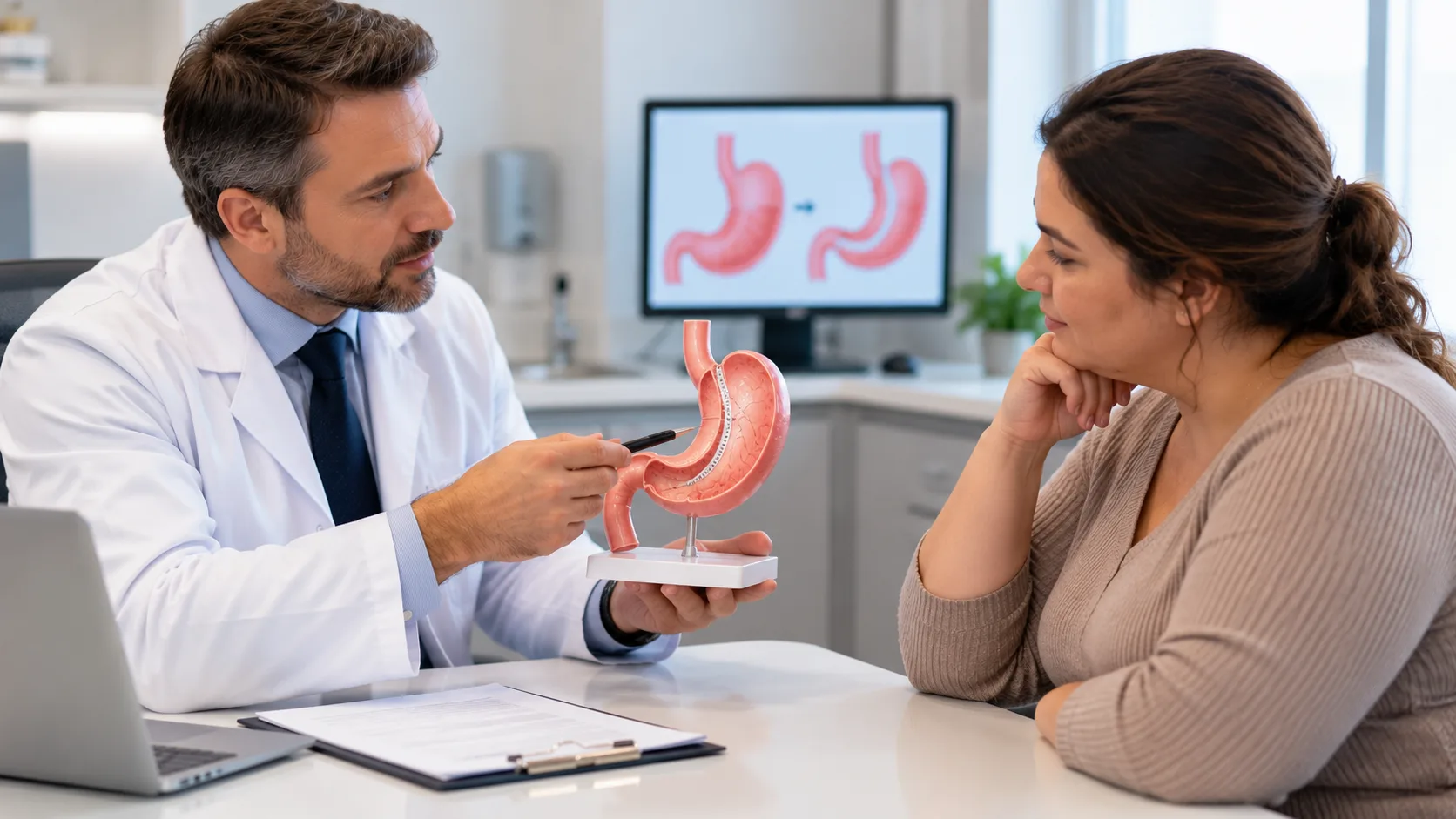
Roux-en-Y gastric bypass works through two mechanisms. First, surgeons create a small stomach pouch that limits food intake. Second, they reroute a portion of the small intestine, which changes digestion and hormonal signaling (Buchwald et al. 2004). These combined effects produce rapid early weight loss followed by gradual stabilization.
Patients often notice the following physical changes:
Visible Change | Typical Onset | Contributing Factors |
Reduced facial fullness | 1 to 3 months | Total weight lost, genetics |
Smaller waist circumference | 2 to 6 months | Fat distribution, muscle tone |
Looser clothing fit | 1 to 4 months | Rate of weight loss |
Improved posture and mobility | 3 to 9 months | Joint load reduction, conditioning |
Loose skin in some areas | 6 to 24 months | Age, skin elasticity, total weight lost |
A single patient photograph shows one individual experience. It does not represent a statistical average. Evidence-based expectations come from clinical studies with defined follow-up periods, not from isolated images.
How Do Gastric Bypass Results Change Over Time?
Gastric bypass results develop in phases: early postoperative recovery, a period of rapid weight loss between three and twelve months, and long-term weight stabilization. Most weight loss occurs within the first year, and the pace slows as the body adapts (Courcoulas et al. 2014).
What Changes Can Patients Expect During the First Month?
Patients typically lose a modest amount of weight during the first month while recovering from surgery and following a staged liquid-to-soft diet. Initial scale changes partly reflect fluid shifts and reduced food volume rather than pure fat loss.
The first month focuses on healing. The bariatric team prescribes a dietary progression that moves from clear liquids to pureed foods and then to soft solids. Hydration matters most during this phase because the small stomach pouch limits how much fluid a patient can consume at one time (Mechanick et al. 2020). Patients who follow the prescribed nutrition plan and attend early follow-up visits establish the foundation for later results.
Weight change during this phase varies considerably. Some patients lose 4 to 8 percent of their body weight. Others lose less because fluid retention, medications, or individual recovery patterns mask early fat loss.
What Results May Develop Between Three and Six Months?
Visible transformation usually becomes noticeable between three and six months as weight loss accelerates. Patients often report easier walking, less joint discomfort, and more energy during daily tasks.
This phase marks the period of most rapid change. The stomach pouch restricts portion sizes, and intestinal rerouting alters hunger hormones such as ghrelin and GLP-1 (Buchwald et al. 2004). Many patients lose 15 to 25 percent of their total body weight during this window, though the pace differs between individuals.
Physical conditioning supports these gains. Patients who add walking, swimming, or resistance training under clinical guidance often improve mobility faster than those who remain sedentary.
What Can Gastric Bypass Results Look Like After One Year?
After one year, many gastric bypass patients have lost 25 to 35 percent of their total body weight, with substantial improvement in obesity-related conditions such as type 2 diabetes and hypertension (Courcoulas et al. 2014). Body proportions change noticeably, and some patients approach their longer-term weight trajectory.
The pace of loss slows during the second six months as the body adapts metabolically. Some patients continue losing weight gradually into the second year. Others plateau near their individual set point. Neither pattern signals failure. Published studies report averages across large groups, and any individual patient may sit above or below the average (Sjöström et al. 2007).
How Do Results Develop Beyond the First Year?
Long-term gastric bypass outcomes depend on sustained nutrition, physical activity, and medical follow-up. Some weight regain occurs in a portion of patients, but most maintain a significant net loss compared with their pre-surgery weight (Adams et al. 2017).
Long-term data from the Swedish Obese Subjects study show that gastric bypass patients maintained an average weight reduction of roughly 25 percent at ten years, even with modest regain in some participants (Sjöström et al. 2007). Regular blood monitoring detects nutritional deficiencies early, and ongoing appointments with a bariatric team help patients address eating difficulties or weight trends before they escalate.
How Much Weight Can You Lose After Gastric Bypass?

Most gastric bypass patients lose 60 to 80 percent of their excess weight within one to two years, which usually equals 25 to 35 percent of total body weight. Results vary with baseline BMI, age, health status, and adherence to postoperative care (Buchwald et al. 2004).
Two measurement systems dominate bariatric research. Understanding the difference prevents misinterpretation of published statistics.
Measurement | Definition | Typical Gastric Bypass Outcome |
Excess weight loss (EWL) | Weight lost above a healthy-weight reference, expressed as a percentage | 60 to 80 percent at 1 to 2 years |
Total body weight loss (TBWL) | Weight lost as a percentage of starting total weight | 25 to 35 percent at 1 to 2 years |
A landmark meta-analysis of more than 22,000 patients found that bariatric procedures produced an average excess weight loss of 61 percent, with gastric bypass among the most effective techniques (Buchwald et al. 2004). These figures describe group averages. Individual patients will not match them exactly.
What Is the Difference Between Excess Weight Loss and Total Weight Loss?
Excess weight equals the difference between your current weight and the weight considered healthy for your height. Excess weight loss percentages always appear larger than total weight loss percentages because the denominator is smaller.
Consider an example. A patient weighs 300 pounds. The healthy reference weight for their height is 150 pounds. Their excess weight equals 150 pounds. If they lose 100 pounds, their excess weight loss equals 100 divided by 150, or 67 percent. Their total weight loss equals 100 divided by 300, or 33 percent. The same achievement produces two very different percentages.
Which Factors Influence Individual Weight-Loss Outcomes?
Five factors explain most of the variation in gastric bypass results: starting weight and BMI, age and metabolic health, surgical technique, lifestyle habits, and access to follow-up care.
Baseline BMI shapes both the rate and total amount of weight loss. Metabolic conditions such as insulin resistance can slow early progress. The specific surgical technique and individual hormonal response also matter. Dietary habits, physical activity, sleep quality, and prescribed medications influence the trajectory directly (Eisenberg et al. 2022). Finally, regular access to dietitians and bariatric clinicians correlates with better long-term maintenance.
What Health Improvements Can Gastric Bypass Produce Beyond Weight Loss?
Gastric bypass can improve type 2 diabetes, high blood pressure, obstructive sleep apnea, cholesterol levels, and joint discomfort, sometimes within days or weeks of surgery. Photographs cannot show these changes because they occur inside the body through altered metabolism, not just reduced body mass (Sjöström et al. 2007).
Gastric bypass resolves or improves type 2 diabetes in a majority of patients, often before substantial weight loss occurs. Hormonal changes after intestinal rerouting improve insulin function independently of weight reduction (Buchwald et al. 2004). Some patients reduce or discontinue certain medications under medical supervision. Others continue treatment because their conditions persist. Surgery never guarantees remission.
These metabolic benefits translate into measurable health outcomes. Long-term studies show reduced incidence of cardiovascular events and lower mortality among surgical patients compared with matched non-surgical controls (Sjöström et al. 2007; Adams et al. 2017).
How Can Gastric Bypass Affect Energy, Mobility, and Daily Activities?
Reduced joint load and improved metabolic function often increase walking endurance, sleep quality, and comfort during routine activities. Gradual physical conditioning amplifies these functional gains.
Carrying less weight reduces mechanical stress on knees, hips, and the lower back. Improved sleep apnea control restores restful sleep, which further increases daytime energy. Patients who combine these physiological changes with structured activity programs report the largest functional improvements. Individual stories illustrate possibilities, but clinical evidence defines realistic expectations.
What Do Real Gastric Bypass Before and After Photos Reveal?
Authentic gastric bypass photos reveal changes in body proportions, waistline, facial appearance, and clothing fit over a defined timeframe. They illustrate possibilities rather than predict any individual outcome.
Accurate interpretation requires attention to detail. Each photo should identify the procedure, because gastric bypass, gastric sleeve, and duodenal switch produce different patterns of change. The time elapsed between surgery and the after image matters enormously, since results at six months differ from results at three years.
Where Can You Find Gastric Bypass Before and After Patient Galleries?
Reputable sources for gastric bypass galleries include academic medical center websites, peer-reviewed journals with patient consent, and bariatric surgery departments that label procedures clearly. Always confirm that each image identifies the specific operation and postoperative timeframe.
University medical centers and teaching hospitals frequently publish consented patient stories alongside clinical data. Peer-reviewed journals such as Obesity Surgery and Surgery for Obesity and Related Diseases include case series with documented timelines. Plastic surgery galleries serve a different purpose: they show body-contouring results after weight loss, not the weight-loss surgery itself.
How Should You Compare Before and After Photos Accurately?
Compare photos with matching camera angles, lighting, posture, clothing, and image distance. Verify the postoperative timeframe and check whether additional procedures occurred. Treat photos as illustrative examples, never as statistical evidence.
An accurate comparison isolates the variable of weight change. Different lighting or posture alone can exaggerate perceived transformation. The most informative galleries include standardized photography and documented time intervals.
Can Gastric Bypass Cause Loose Skin After Major Weight Loss?
Loose skin commonly occurs after substantial weight loss because skin that stretched over months or years may not fully retract. Age, genetics, skin elasticity, and total weight lost determine severity. Loose skin does not indicate an unsuccessful gastric bypass.
Collagen and elastin fibers give skin its ability to contract. Rapid or large-volume weight loss outpaces the skin's natural recoil capacity. Common areas of excess skin include the abdomen, upper arms, thighs, and breasts. Patients who lose more than 100 pounds face the highest likelihood.
What Options Are Available for Managing Excess Skin?
Weight stabilization, resistance training, and adequate protein support body composition, while body-contouring procedures such as abdominoplasty and brachioplasty address persistent excess skin in selected patients. Surgeons assess overall health, nutritional status, and weight stability before recommending additional surgery.
Non-surgical approaches improve muscle tone beneath the skin but cannot remove significant excess tissue. Surgical contouring produces more dramatic change, but it carries separate risks and recovery requirements. These procedures are distinct from the weight-loss surgery itself and should never be confused with gastric bypass results.
What Lifestyle Changes Help Maintain Gastric Bypass Results?
Long-term gastric bypass success requires permanent changes in eating behavior, nutrition, and physical activity. Surgery restricts intake, but it does not replace the need for sustained habits.
Core practices include small portion sizes, protein-first meal structure, adequate hydration, and regular movement. The bariatric team prescribes a dietary progression that patients should follow indefinitely in adapted form. Behavioral support helps patients manage emotional eating and stress-related setbacks (Mechanick et al. 2020).
Which Nutrients and Supplements Require Long-Term Attention?
Gastric bypass patients need lifelong monitoring of iron, vitamin B12, folate, calcium, and vitamin D because intestinal rerouting reduces absorption. Supplementation should follow individualized laboratory results and clinical advice.
Malabsorption affects fat-soluble vitamins and minerals directly. Regular blood tests detect deficiencies before symptoms such as fatigue, anemia, or bone loss appear. Adherence to supplement protocols protects both weight-loss results and overall health.
Why Are Follow-Up Appointments Important After Surgery?
Follow-up appointments monitor weight trajectory, nutritional status, medication needs, and potential complications. They also provide early detection of eating difficulties or regain patterns.
Bariatric clinicians adjust supplements, review laboratory results, and coordinate with dietitians and specialists. Patients who attend regular follow-up show better long-term weight maintenance than those who disengage from care (Eisenberg et al. 2022).
Why Might Gastric Bypass Results Differ From Your Expectations?
Results differ from expectations because social media images show selected highlights, and every patient starts from a different combination of weight, health status, and habits. Weight plateaus and modest regain occur in some patients without indicating failure.
Comparing your timeline with another patient's progress creates unrealistic benchmarks. Individual assessment against your own baseline provides the only meaningful measure. When concerns arise, your bariatric team can adjust nutrition, medication, or support strategies.
What Are the Signs That You Should Contact Your Bariatric Team?
Contact your bariatric team for persistent vomiting, difficulty tolerating fluids, dehydration symptoms, or unexpected weight changes. Severe abdominal pain, chest pain, or breathing difficulties require immediate emergency assessment.
Nutritional deficiencies can develop silently. Fatigue, hair thinning, numbness, or weakness warrant laboratory evaluation. Early intervention prevents minor issues from becoming serious complications.
How Does Gastric Bypass Compare With Gastric Sleeve Results?
Gastric bypass typically produces greater total weight loss and stronger metabolic effects than gastric sleeve, but it requires more intensive nutritional monitoring. Neither procedure suits everyone, and the choice depends on medical history and specialist evaluation.
Factor | Gastric Bypass | Gastric Sleeve |
Mechanism | Small pouch plus intestinal rerouting | Stomach reduced to a narrow sleeve |
Typical excess weight loss | 60 to 80 percent | 50 to 70 percent |
Nutritional risk | Higher, due to malabsorption | Moderate |
Diabetes remission rates | Higher in most studies | Significant but somewhat lower |
Reversibility | Technically reversible | Permanent |
Bypass reroutes the digestive tract, which alters hormones more substantially. Sleeve gastrectomy removes part of the stomach without intestinal rerouting. Both procedures appear on current bariatric society guidelines as appropriate options for qualified candidates (Eisenberg et al. 2022).
Frequently Asked Questions About Gastric Bypass Before and After Results
How Long Does It Take to See Visible Results After Gastric Bypass?
Some visible changes appear within the first two to three months. The full transformation develops progressively over twelve months or longer, and the timeline varies between individuals.
How Much Weight Do Patients Typically Lose After Gastric Bypass?
Published studies report 60 to 80 percent excess weight loss or 25 to 35 percent total body weight loss within one to two years. Outcomes depend on the study population and follow-up period (Buchwald et al. 2004; Courcoulas et al. 2014).
Will My Stomach Look Flat After Gastric Bypass?
Abdominal appearance depends on fat distribution, muscle tone, skin elasticity, and total weight lost. Gastric bypass does not guarantee a flat stomach or eliminate loose skin.
Are Gastric Bypass Results Permanent?
Gastric bypass provides lasting benefits for most patients, but it does not guarantee lifelong weight maintenance. Continued lifestyle changes and medical follow-up protect long-term outcomes.
Can You Regain Weight After Gastric Bypass?
Weight regain can occur due to changes in eating patterns, biological adaptation, or individual factors. Professional support produces better outcomes than extreme dieting attempts.
Do Before and After Photos Show the Full Results of Gastric Bypass?
Photos show external changes only. They cannot demonstrate metabolic improvements, nutritional status, or long-term health outcomes. Review clinical data alongside images for a complete picture.
How Can I Find Out Whether Gastric Bypass Is Right for Me?
Schedule a comprehensive evaluation with a qualified bariatric team. Candidacy depends on BMI, medical history, obesity-related conditions, previous treatments, and individual circumstances.
What Should You Remember About Gastric Bypass Before and After Results?
Gastric bypass produces substantial weight loss and meaningful health improvements for most patients, but results vary. Progress develops over months and years. Before-and-after photos visualize possibilities rather than predict individual outcomes. Long-term nutritional monitoring, lifestyle commitment, and professional follow-up remain essential.
Discuss your specific expectations and treatment options with a qualified bariatric surgeon. An individualized evaluation produces far more useful guidance than any photograph or published average.
References
Adams, Ted D., et al. "Weight and Metabolic Outcomes 12 Years after Gastric Bypass." The New England Journal of Medicine, vol. 377, no. 12, 2017, pp. 1143-1155.
Buchwald, Henry, et al. "Bariatric Surgery: A Systematic Review and Meta-Analysis." JAMA, vol. 292, no. 14, 2004, pp. 1724-1737.
Courcoulas, Anita P., et al. "Long-Term Outcomes After Bariatric Surgery: A Pan-Surgical Portrayal from the Longitudinal Assessment of Bariatric Surgery Study." Annals of Surgery, vol. 260, no. 5, 2014, pp. 820-828.
Eisenberg, Dan, et al. "2022 American Society for Metabolic and Bariatric Surgery Indications for Metabolic and Bariatric Surgery." Surgery for Obesity and Related Diseases, vol. 18, no. 12, 2022, pp. 1345-1356.
Mechanick, Jeffrey I., et al. "Clinical Practice Guidelines for the Perioperative Nutritional, Metabolic, and Nonsurgical Support of Patients Undergoing Bariatric Procedures." Obesity, vol. 28, no. 4, 2020, pp. O1-O58.
Sjöström, Lars, et al. "Effects of Bariatric Surgery on Mortality in Swedish Obese Subjects." The New England Journal of Medicine, vol. 357, no. 8, 2007, pp. 741-752.