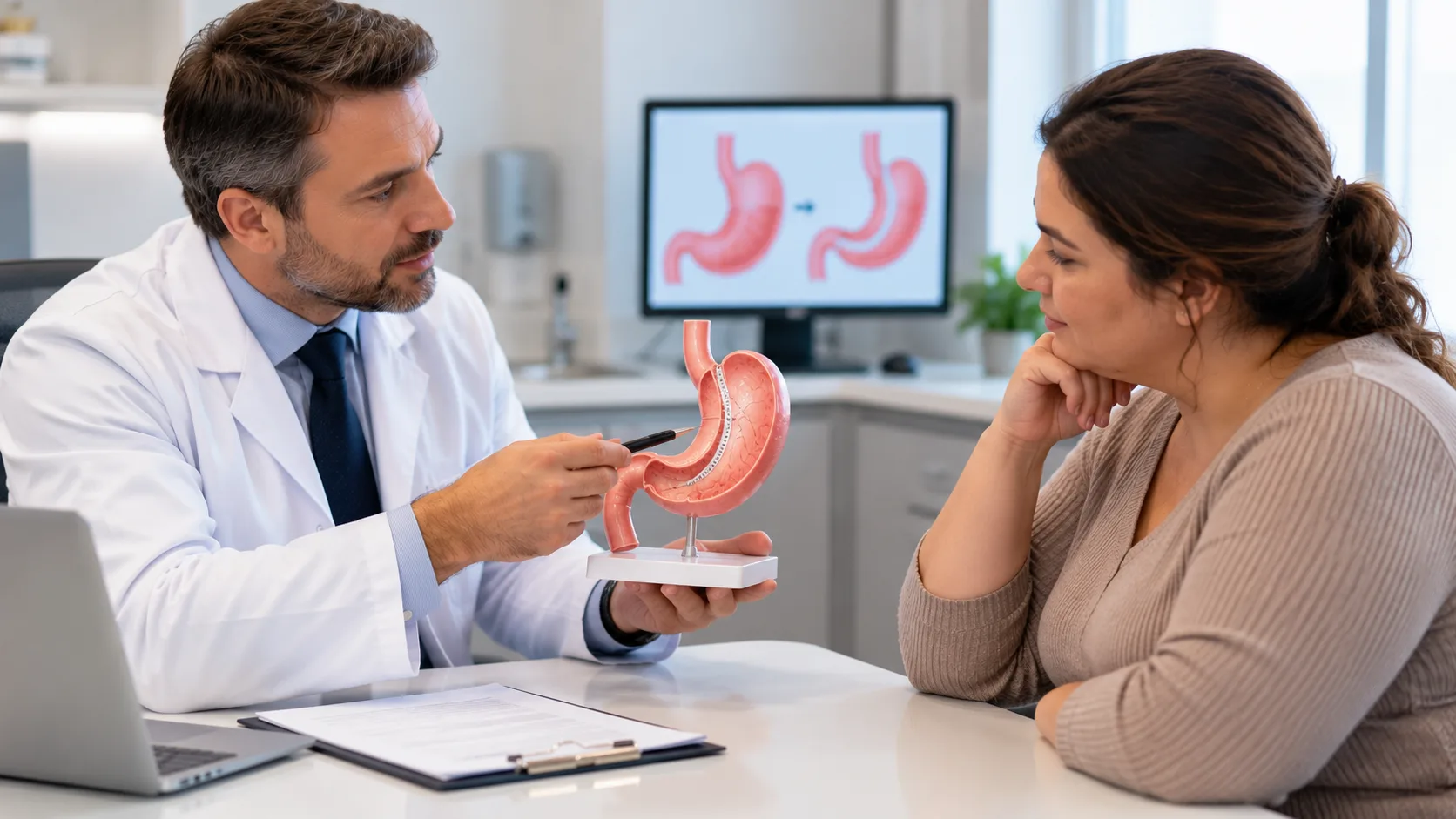
Gastric Bypass Success Rate: Long-Term Results, Weight Loss, and Key Factors
Gastric bypass surgery, most often performed as Roux-en-Y gastric bypass, remains one of the most effective treatments for severe obesity and its related metabolic diseases. However, the gastric bypass success rate is not a single fixed number. It changes depending on how researchers define success, how long they follow patients, and what health conditions they measure. This article answers the most important questions patients ask: how much weight they can lose, how long results last, whether diabetes improves, and which personal factors shape the outcome. Every figure below comes from peer-reviewed studies, and the article clearly separates excess weight loss from total body weight loss so you can compare sources accurately.
What Is the Gastric Bypass Success Rate?
Gastric bypass success typically means losing at least 50% of excess body weight. Many patients lose far more than this threshold, but no single percentage applies to every patient because studies use different definitions and follow-up periods.
Researchers define success after bariatric surgery by a measurable outcome, not by a general feeling of improvement. The most common benchmark dates back decades: a successful operation produces at least 50% loss of excess weight (Reinhold 1982). Excess weight means the amount a person carries above their ideal weight for a body mass index (BMI) of 25.
Success percentages vary across studies for three reasons. First, some teams measure excess weight loss while others measure total body weight loss, and these two numbers are not interchangeable. Second, study populations differ in starting BMI, age, and health status. Third, follow-up length matters, because weight loss peaks early and stabilizes later. Large surgical programs report success rates above 90% when they define success broadly as losing at least 50% of excess weight, but you should not read that figure as a universal guarantee. It reflects averages across selected patients in structured programs, not a promise for any individual.
How Much Weight Can You Lose After Gastric Bypass?
Most patients lose roughly 25% to 35% of their total body weight, with the peak occurring around 12 to 24 months after surgery. Individual results depend on starting weight, metabolism, diet, and follow-up care.
The distinction between the two main measurements is essential. Total body weight loss (TBWL) compares lost weight with your full starting weight. Excess weight loss (EWL) compares lost weight only with the amount above your ideal weight. A patient with more excess weight can post a higher EWL percentage while losing the same number of pounds as a lighter patient.
Measurement | What It Compares | Typical Post-Bypass Range | Best Used For |
Total body weight loss (TBWL) | Lost weight vs. full starting weight | About 25% to 35% at peak | Comparing results with nonsurgical weight loss |
Excess weight loss (EWL) | Lost weight vs. weight above BMI 25 | About 60% to 80% at 1 to 2 years | Comparing bariatric operations |
Diabetes remission | No diabetes medication with normal blood sugar | 54% at 3 years in a large long-term cohort | Measuring metabolic success |
Here is a worked example. A patient weighs 250 pounds. A 30% total body weight loss equals 75 pounds, or about 34 kilograms. The same patient has an ideal weight near 150 pounds, so they carry 100 pounds of excess weight. If they lose 75 pounds, they achieve 75% excess weight loss. Both calculations describe the same result, but the percentages differ because the denominators differ.
Several factors shift these numbers. Higher starting BMI often predicts greater absolute weight loss in kilograms. Age, baseline metabolic health, and pre-existing diabetes influence the trajectory. Adherence to the postoperative diet and follow-up plan shapes results more strongly than any single biological factor (O'Brien et al. 2019).
How Does Gastric Bypass Success Change Over Time?
Weight loss is fastest during the first 6 months, continues through month 18 to 24, and then stabilizes. Some weight regain is common after year two or three, but most patients maintain a significant loss for decades.
The postoperative timeline follows a predictable biological pattern, even though individual numbers vary.
Time After Surgery | Typical Pattern | What Happens Clinically |
First 3 to 6 months | Rapid weight loss, often 15% to 25% of total body weight | Liquid to solid diet progression, high protein intake, rapid metabolic improvement |
6 to 12 months | Continued steady loss | Protein and micronutrient monitoring begins to matter most |
12 to 24 months | Most patients reach their lowest postoperative weight | Appetite hormones shift, eating habits solidify |
2 to 10 years | Weight stabilizes or partially rebounds | Lifestyle habits and follow-up attendance determine maintenance |
10 to 20 years | Average loss holds near 20% to 25% of total body weight | Ongoing nutritional surveillance remains necessary |
This timeline reflects group averages, not guarantees. Early rapid loss reflects a small stomach pouch and reduced hunger hormones. Later stabilization reflects biological adaptation, which is why sustained behavior matters after the honeymoon period ends.
Does Gastric Bypass Maintain Its Results After 10 to 20 Years?
Yes, long-term evidence shows that gastric bypass maintains substantial weight loss for 10 to 20 years, although averages conceal wide individual variation.
A 10-year randomized trial compared laparoscopic Roux-en-Y gastric bypass with adjustable gastric banding. At 10 years, bypass patients maintained about 32.7% total body weight loss versus 21.2% for banding, and the bypass group needed far fewer reoperations (8.1% vs. 31.4%) (Nguyen et al. 2018). This trial established gastric bypass as the more durable of the two operations.
The largest single-center report to date followed 2,045 gastric bypass patients for up to 20 years. Mean total body weight loss peaked at 31.8% at 18 months and stabilized at 23% from 10 years through the 20-year mark (Pina et al. 2026). A separate systematic review of weight loss at 10 or more years confirmed that durable loss persists across bariatric procedures (O'Brien et al. 2019).
These averages do not promise that every patient keeps the same result. They show that the operation works for most appropriately selected patients over decades. Ongoing follow-up, nutritional care, and early response to weight regain protect long-term outcomes.
How Successful Is Gastric Bypass for Type 2 Diabetes?
Gastric bypass produces high rates of diabetes remission, often above 50% in the early years, but remission declines over time and is not a permanent cure.
Gastric bypass improves blood glucose through several mechanisms. The operation reduces calorie intake, raises insulin sensitivity, and changes gut hormone signaling, including GLP-1, which improves blood sugar control within days of surgery, sometimes before major weight loss occurs. In a randomized trial, surgery outperformed intensive medical therapy for diabetes control at five years (Schauer et al. 2017).
In the 2,045-patient long-term cohort, remission among patients with preoperative diabetes reached 54% at three years and fell to 38% at 15 years (Pina et al. 2026). Only about 10% of patients who required insulin before surgery achieved remission, and persistent diabetes occurred more often in insulin-treated patients. Disease duration, baseline severity, and insulin dependence therefore shape metabolic expectations. Patients should discuss individualized targets with their medical team and understand that remission means controlled blood sugar without medication, while diabetes can return if weight or beta-cell function changes.
Which Other Health Conditions May Improve After Gastric Bypass?

Gastric bypass improves many obesity-related conditions, including high blood pressure, abnormal cholesterol, sleep apnea, fatty liver disease, and joint pain, though improvement rates vary by condition and patient.
Condition | Mechanism of Improvement | Evidence of Benefit |
High blood pressure | Lower body weight and improved vascular function | Remission rates near 24% at 10 years in one randomized trial (Salminen et al. 2022) |
High cholesterol | Reduced insulin resistance and dietary fat intake | About 57% of patients showed improvement or remission in a long-term cohort (Nguyen et al. 2018) |
Obstructive sleep apnea | Less fat around the airway | Surgical weight loss significantly improves apnea measures across studies (Greenburg et al. 2009) |
Metabolic liver disease | Reduced hepatic fat and inflammation | Weight loss of this magnitude often reverses fatty liver changes |
Joint pain and mobility | Less mechanical load on knees, hips, and spine | Patients report better function as weight falls |
Quality of life | Better mobility, mood, and daily activity | Quality of life scores remain improved at 10 years (Nguyen et al. 2018) |
Not every condition resolves in every patient. Baseline severity, genetic factors, and how much weight stays off all influence the result.
What Factors Influence Gastric Bypass Success?
Success depends on starting BMI, age, metabolic health, eating habits, physical activity, psychological support, surgical expertise, and long-term follow-up.
Baseline measurements set the frame. Higher starting weight usually produces larger absolute loss. Age and conditions such as diabetes or fatty liver disease shape both weight and metabolic outcomes. Pre-existing insulin-treated diabetes predicts lower diabetes remission rates (Pina et al. 2026).
Behavior determines how well the biological advantage lasts. Patients who control portions, avoid calorie-dense drinks, and eat balanced meals preserve their results. Regular physical activity protects lean mass and supports maintenance. Psychological support matters because emotional eating and stress can restart old patterns. On the clinical side, appropriate patient selection, an experienced surgical team, and structured postoperative follow-up with laboratory testing all correlate with better outcomes (Eisenberg et al. 2022).
Can You Regain Weight After Gastric Bypass?
Yes, some weight regain is common after the lowest postoperative point, but modest regain differs from clinically significant regain, and structured help can reverse it.
Biological adaptation drives much of the regain. The body lowers its energy needs after major weight loss, hunger hormones rise, and the small stomach pouch can stretch over time if eating patterns push against it. Medications, reduced activity, and grazing on high-calorie foods add to the trend. In one long-term trial, bypass patients regained a median of 24.7% of their maximum lost weight by year 10 (Salminen et al. 2022).
Modest fluctuations are normal. Significant regain deserves medical evaluation, not self-blame. Treatment options include dietary review, behavioral support, medication review, and in selected cases, assessment for anatomical changes or revision procedures. Early contact with the bariatric team produces better outcomes than waiting.
What Are the Risks That May Affect Gastric Bypass Outcomes?
Early complications include bleeding, infection, clots, and leaks. Long-term issues include dumping syndrome, ulcers, bowel obstruction, gallstones, and nutritional deficiencies, which require lifelong monitoring.
Every benefit must balance against risk. Early surgical complications occur in a small percentage of patients and depend heavily on patient health and surgical expertise. Digestive problems such as dumping syndrome, marginal ulcers, and internal hernias can appear months or years later. Nutritional deficiencies in iron, vitamin B12, calcium, and vitamin D rank among the most common long-term issues, and they can cause anemia, bone loss, and neurological symptoms if untreated (Lupoli et al. 2017). Regular blood tests and prescribed supplements prevent most of these problems. Individual risk depends on medical history, so each patient needs a personalized assessment rather than a generic estimate.
How Can You Improve Your Chances of Gastric Bypass Success?
Follow the diet stages, prioritize protein, take supplements, attend follow-up visits, exercise consistently, and contact your team early when problems appear.
Practical habits protect surgical investment. Patients should progress through food stages exactly as instructed, drink enough fluids, and build each meal around protein. Daily vitamins and minerals are not optional. Scheduled appointments and blood tests catch deficiencies before symptoms start. A sustainable exercise routine, even walking most days, supports maintenance. Patients who struggle with emotional eating benefit from professional support rather than willpower alone. Rapid contact with the bariatric team after vomiting, regain, or other warning signs prevents small issues from becoming surgical ones.
How Does Gastric Bypass Compare With Other Weight-Loss Treatments?
Gastric bypass generally produces greater long-term weight loss than gastric banding, somewhat more than sleeve gastrectomy, and substantially more than nonsurgical treatment, but the best option depends on the individual.
Treatment | 10-Year Weight Loss | Metabolic Effects | Key Considerations |
Roux-en-Y gastric bypass | About 24% to 33% of total body weight | Strong diabetes and blood pressure effects | Lifelong vitamin monitoring needed |
Sleeve gastrectomy | Slightly lower excess weight loss than bypass in randomized data (Salminen et al. 2022) | Similar diabetes remission in trials | Higher long-term reflux risk |
Gastric banding | About 21% total body weight loss at 10 years (Nguyen et al. 2018) | Weaker metabolic effects | High reoperation rate, now rarely used |
Nonsurgical treatment | Usually under 10% total body weight long term | Modest metabolic improvement | Lower risk, lower effect size |
No option is universally superior. Current guidelines recommend surgery for patients with BMI above 35 regardless of comorbidities, and for patients with type 2 diabetes and BMI above 30 (Eisenberg et al. 2022). Medical history, goals, contraindications, and personal preference should guide the final choice with a specialist.
Who Is Most Likely to Benefit From Gastric Bypass Surgery?
Patients with BMI above 35, or BMI above 30 with type 2 diabetes, who have tried structured nonsurgical treatment and accept lifelong lifestyle change benefit most.
Eligibility rests on three pillars. First, objective criteria: BMI thresholds and the presence of obesity-related conditions such as diabetes, hypertension, or sleep apnea. Second, medical readiness: the team evaluates cardiovascular health, nutritional status, surgical risk, and current medications. Third, behavioral readiness: the patient commits to permanent dietary change, supplement use, and follow-up. A multidisciplinary team of surgeon, dietitian, psychologist, and physician makes this assessment together, and criteria vary by guideline and individual circumstance (Eisenberg et al. 2022).
Frequently Asked Questions About Gastric Bypass Success Rate
Is Gastric Bypass Successful for Most Patients?
Yes, most appropriately selected patients lose substantial weight and improve their health, though exact success rates depend on definitions and populations.
What Percentage of Excess Weight Can You Lose After Gastric Bypass?
Most patients lose 60% to 80% of excess weight in the first one to two years, which is a different calculation from total body weight loss and should not be compared directly with it.
How Long Do Gastric Bypass Results Last?
Evidence shows meaningful weight loss persists for 10 to 20 years in cohort studies, with individual variation.
Can Gastric Bypass Permanently Reverse Type 2 Diabetes?
No. Gastric bypass can produce remission, but diabetes returns in some patients over time, especially those who needed insulin before surgery.
Is It Possible for Gastric Bypass to Fail?
Yes, some patients experience inadequate weight loss, major regain, or persistent obesity-related conditions, but these outcomes are not inevitable and often respond to treatment.
Does Everyone Lose the Same Amount of Weight After Gastric Bypass?
No. Baseline health, biology, lifestyle, and follow-up care create wide individual variation around group averages.
What Happens If You Regain Weight After Gastric Bypass?
Professional assessment identifies contributing factors, and options range from dietary and behavioral support to medical or surgical treatment.
Conclusion: What Does the Gastric Bypass Success Rate Really Mean?
The gastric bypass success rate describes durable, substantial weight loss and metabolic improvement for most patients, but real success also includes health, function, and quality of life, not just the scale.
Gastric bypass delivers among the largest and longest-lasting weight losses of any obesity treatment, with peer-reviewed evidence extending to 20 years. The number on the scale matters, but remission of diabetes, better blood pressure, easier breathing at night, and improved mobility matter just as much. Statistics describe groups, not individuals. Anyone considering the operation should bring these published figures to a qualified bariatric specialist and request an assessment based on their own health profile.
References
Eisenberg, Dan, et al. "2022 American Society of Metabolic and Bariatric Surgery (ASMBS) and International Federation for the Surgery of Obesity and Metabolic Disorders (IFSO) Indications for Metabolic and Bariatric Surgery." Surgery for Obesity and Related Diseases, vol. 18, no. 12, 2022, pp. 1345-1356.
Greenburg, David L., Christopher J. Lettieri, and Alan H. Eliasson. "Effects of Surgical Weight Loss on Measures of Obstructive Sleep Apnea: A Meta-Analysis." The American Journal of Medicine, vol. 122, no. 6, 2009, pp. 535-542.
Lupoli, Roberta, et al. "Bariatric Surgery and Long-Term Nutritional Issues." World Journal of Diabetes, vol. 8, no. 11, 2017, pp. 464-474.
Nguyen, Ninh T., et al. "Ten-Year Outcomes of a Prospective Randomized Trial of Laparoscopic Gastric Bypass Versus Gastric Banding." Annals of Surgery, vol. 267, no. 3, 2018, pp. 479-485.
O'Brien, Paul E., et al. "Long-Term Outcomes after Bariatric Surgery: A Systematic Review and Meta-Analysis of Weight Loss at 10 or More Years for All Bariatric Procedures." Obesity Surgery, vol. 29, no. 1, 2019, pp. 3-14.
Pina, Luis, et al. "Roux-en-Y Gastric Bypass Results in Long-Term Durable Weight Loss and Diabetes Remission: A Single Center, More Than 15 Year Outcomes." Surgery for Obesity and Related Diseases, 2026.
Reinhold, R. B. "Critical Analysis of Long Term Weight Loss Following Gastric Bypass." Surgery, Gynecology & Obstetrics, vol. 155, no. 3, 1982, pp. 385-394.
Salminen, Paulina, et al. "Effect of Laparoscopic Sleeve Gastrectomy vs Roux-en-Y Gastric Bypass on Weight Loss, Comorbidities, and Reflux at 10 Years in Adult Patients with Obesity: The SLEEVEPASS Randomized Clinical Trial." JAMA Surgery, vol. 157, no. 11, 2022, pp. 970-979.
Schauer, Philip R., et al. "Bariatric Surgery versus Intensive Medical Therapy for Diabetes: 5-Year Outcomes." New England Journal of Medicine, vol. 376, 2017, pp. 641-651.