What Is the Gastric Sleeve Diet?
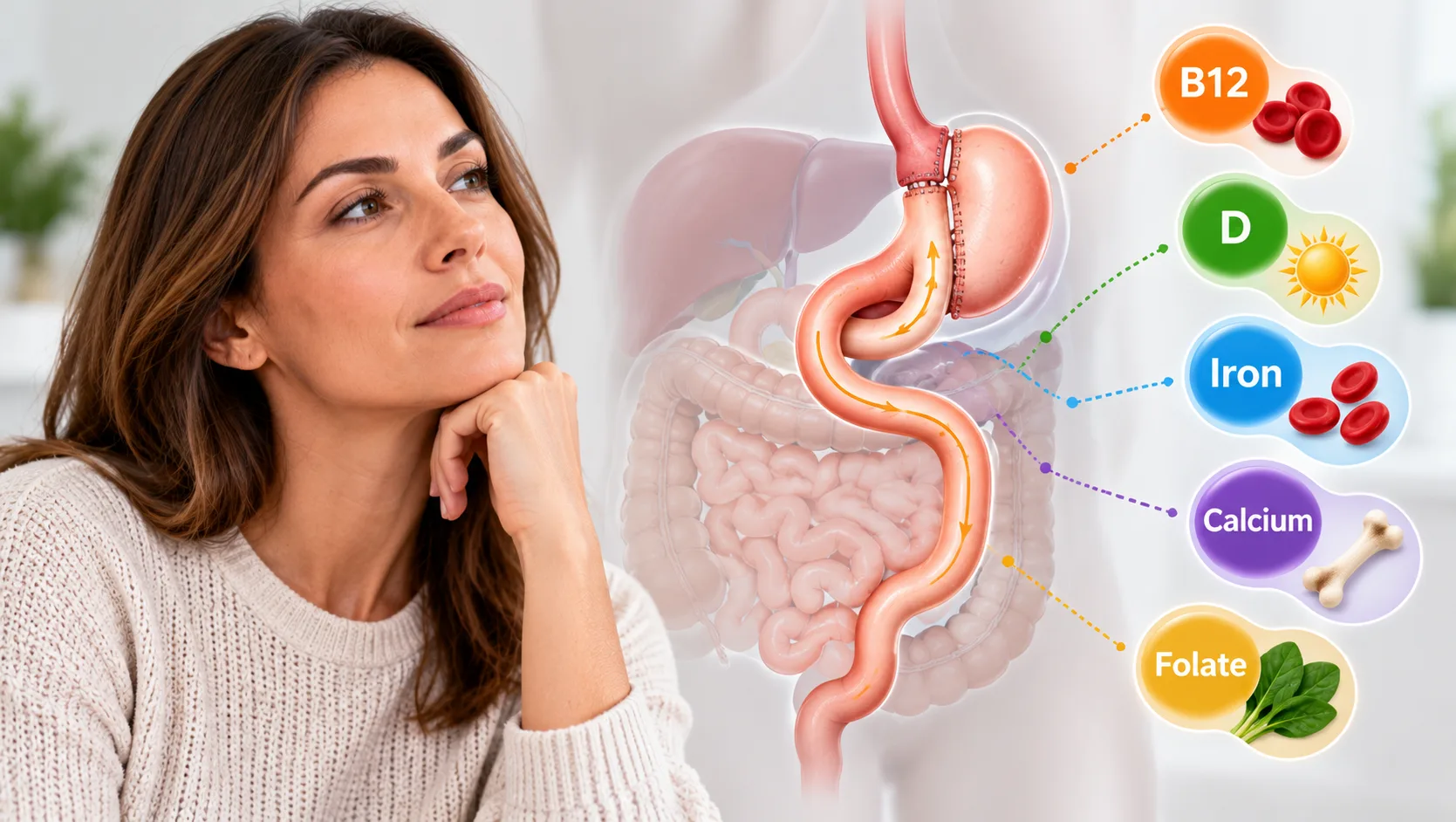
The gastric sleeve diet is a structured nutritional program that patients follow after sleeve gastrectomy. It progresses from clear liquids to soft foods and then to regular foods, while prioritizing protein, hydration, nutrient density, and strict portion control. The purpose of this diet is to protect the healing stomach, prevent complications, and support sustainable weight loss.
Sleeve gastrectomy removes approximately 75 to 80 percent of the stomach and reshapes the remaining tissue into a narrow tube. This smaller stomach holds far less food than before, and it also produces less ghrelin, the hormone that stimulates hunger (Mechanick et al. 2020). As a result, every meal must deliver maximum nutrition in a very small volume. The gastric sleeve diet replaces the old eating pattern with smaller, more frequent, protein-centered meals that match the capacity of the new stomach.
This guide explains each stage of the diet, the nutrients that matter most, and the habits that protect long-term results. It follows the evidence-based framework used in major bariatric guidelines (Aills et al. 2008; Parrott et al. 2017).
How Does Nutrition Change After Gastric Sleeve Surgery?
After surgery, the stomach holds only a few ounces at a time, so meals become small and frequent. Patients must eat slowly, chew thoroughly, and choose nutrient-dense foods, because the body can no longer rely on large food volumes to meet its needs.
The reduced stomach capacity changes eating behavior in three ways. First, meal volume drops sharply, and most patients tolerate only a few tablespoons to half a cup per meal during early recovery (Parrott et al. 2017). Second, hunger often decreases because ghrelin production falls after the part of the stomach that produces most of this hormone is removed. Third, tolerance becomes fragile, and eating too fast, too much, or the wrong texture can trigger nausea, vomiting, or pain.
These changes explain why nutritional quality now matters more than quantity. When a patient eats only a small amount each day, every bite must carry protein, vitamins, and minerals. Empty-calorie foods no longer fit this model.
What Are the Stages of the Gastric Sleeve Diet?
The gastric sleeve diet moves through four stages: clear liquids, full liquids, pureed and soft foods, and solid foods. Each stage lasts roughly one to two weeks, but the exact timeline depends on the surgeon and the bariatric team.
The staged structure allows the stomach lining and the staple line to heal safely. Advancing too fast increases the risk of vomiting, irritation, and staple line stress. The table below shows the typical progression described in bariatric nutrition guidelines (Aills et al. 2008).
Stage | Typical Timing | Foods Allowed | Main Purpose |
Clear liquids | Days 1 to 7 | Water, broth, sugar-free gelatin, diluted juice | Hydration without stomach strain |
Full liquids | Weeks 1 to 2 | Protein shakes, milk, yogurt drinks, strained soup | Protein delivery in liquid form |
Pureed and soft foods | Weeks 2 to 4 | Eggs, cottage cheese, hummus, mashed vegetables, fish | Reintroducing texture safely |
Solid foods | Week 4 onward | Tender meats, cooked vegetables, soft fruits, whole grains | Long-term balanced eating |
No patient should move to the next stage faster than the bariatric team recommends. Individual healing speed, swallowing function, and comfort decide the real timeline.
What Can You Drink During the Liquid Diet Phase?
During the liquid phase, patients drink clear, sugar-free fluids such as water, broth, decaffeinated tea, and sugar-free gelatin. They sip small amounts all day long, and they avoid sugary, carbonated, and caffeinated drinks.
Hydration supports circulation, tissue repair, and energy during the first recovery weeks (O'Kane et al. 2016). The practical rule is to sip constantly rather than gulp. Large volumes stretch the new stomach and can cause pain or vomiting. Most bariatric teams advise patients to aim for about 1.5 liters of fluid per day during this phase, and more once tolerance improves.
Sugary drinks deserve special attention. High sugar content can trigger dumping syndrome, a reaction that causes nausea, sweating, and rapid heartbeat after eating concentrated sugar (Ukleja et al. 2008). Carbonated drinks add gas to a small stomach and cause severe discomfort. Caffeine can irritate the healing stomach, so teams usually delay it for at least the first month.
What Foods Are Suitable During the Pureed and Soft Food Stages?
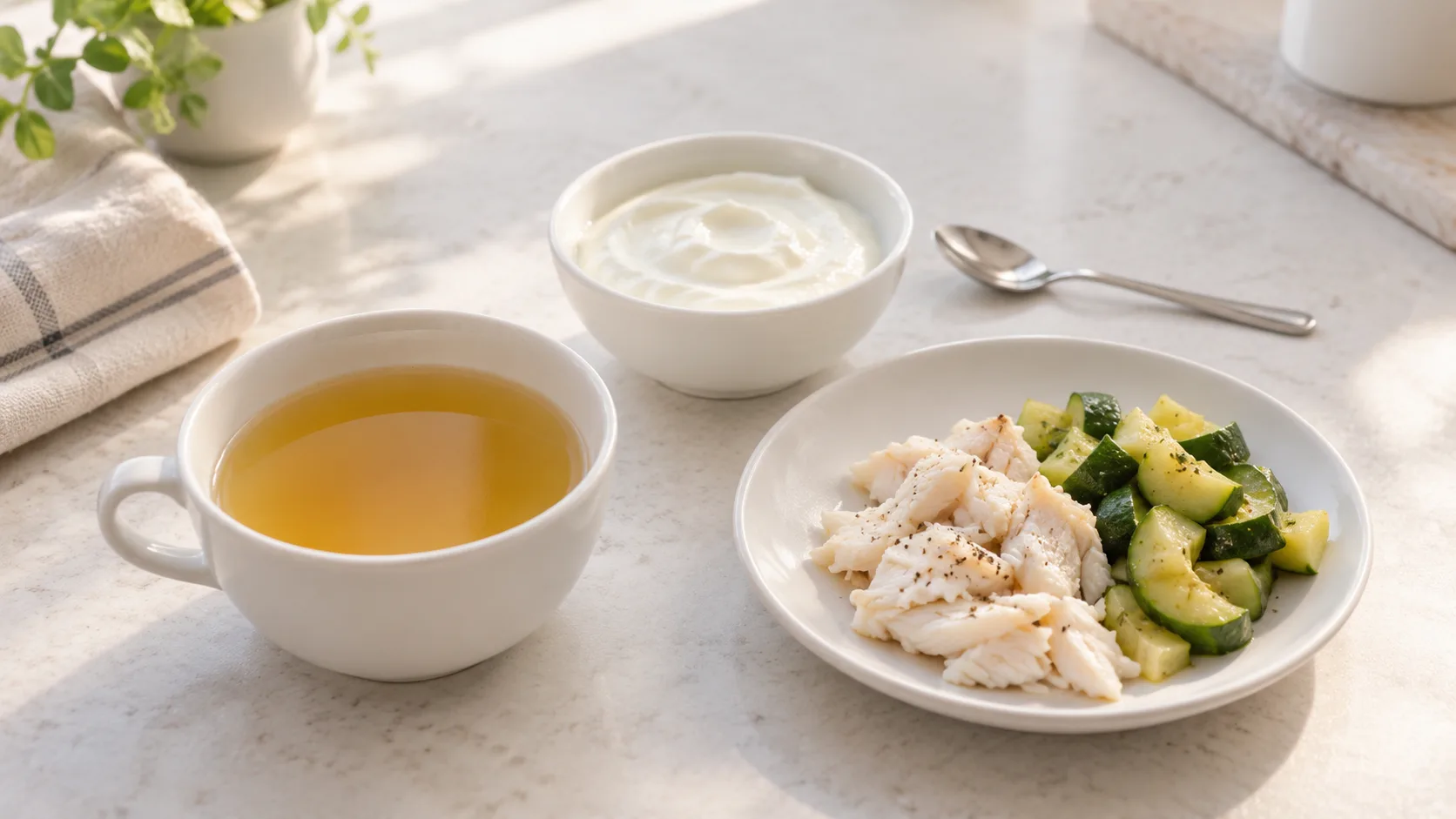
Suitable foods during these stages are smooth, moist, and easy to digest. Good options include scrambled eggs, Greek yogurt, cottage cheese, hummus, mashed beans, canned fish, and well-cooked vegetables blended to a soft texture.
Texture rules protect the healing stomach. Food must be soft enough to pass through the narrow sleeve without resistance. Protein sits at the center of each meal because it preserves muscle mass while weight drops quickly (Parrott et al. 2017). Patients should eat protein first, then vegetables and other nutrient-dense foods if space remains.
Fibrous or dry foods cause problems in this phase. Steak, raw vegetables, nuts, and bread crusts can stick in the sleeve and trigger vomiting. Removing these items and reintroducing them later, one at a time, keeps the transition safe.
When Can You Return to Regular Foods After Gastric Sleeve?
Most patients return to regular foods four to six weeks after surgery, but tolerance varies widely. The bariatric team confirms readiness, and patients test each new food individually.
Solid food reintroduction works like a careful experiment. The patient adds one new food at a time and watches for signs of intolerance: nausea, chest pressure, pain, or vomiting. Foods that cause symptoms leave the menu for a few weeks. This slow approach lets the stomach adapt and prevents a pattern of discomfort that can discourage eating enough protein.
Some foods remain poorly tolerated even months later. Dry meats, doughy bread, and stringy vegetables cause trouble for many patients. Individual variation is normal, and the personal postoperative plan always overrides general timelines.
How Much Should You Eat After Gastric Sleeve?
Portions drop from full plates to roughly half a cup per meal early on, then gradually rise to about one cup by the end of the first year. No single number fits every patient, so measured portions and mindful eating replace guesswork.
A smaller stomach creates a hard portion limit, but eating behavior must also change. Small plates, measured servings, and slow eating help the brain register fullness before the stomach overfills. Most patients feel full after two to three ounces in the first months and tolerate up to eight ounces by month twelve (Mechanick et al. 2020).
Overeating carries real consequences. An overstretched sleeve produces pain, nausea, and in some cases vomiting that stresses the staple line. Portion discipline therefore protects both comfort and surgical safety.
How Much Protein Do You Need After Gastric Sleeve?
Most bariatric teams target 60 to 80 grams of protein per day. Patients reach this goal through protein-first eating and medically recommended protein supplements.
Protein serves three functions after sleeve gastrectomy. It preserves lean muscle during rapid weight loss, it supports wound healing, and it increases satiety between meals (Parrott et al. 2017). Without enough protein, patients lose muscle along with fat, and their metabolism slows.
The practical strategy spreads protein across the day. A patient might include Greek yogurt at breakfast, fish at lunch, a protein shake as a snack, and eggs at dinner. Protein shakes matter most during the liquid and soft stages, when solid protein sources do not yet fit. Patients with kidney conditions should confirm their personal target with their medical team.
How Much Water Should You Drink After Gastric Sleeve?

The daily fluid goal is usually 1.5 to 2 liters. Patients reach it through small, frequent sips spread across the entire day, and they separate fluids from meals when their bariatric team recommends it.
Rapid drinking causes discomfort in a small stomach. Gulping even plain water can trigger pain or vomiting in the early months. Small sips, taken every few minutes, allow steady hydration without overload.
Fluid timing around meals is another key detail. Drinking with meals fills the stomach with liquid instead of nutrient-dense food and can push food through too quickly, reducing meal tolerance. Many programs advise patients to stop drinking 30 minutes before a meal and wait 30 to 60 minutes after it (Aills et al. 2008). This is a program-specific rule, not a universal law, so patients should follow their own team's instructions.
Which Vitamins and Minerals Are Needed After Gastric Sleeve?
Patients need lifelong bariatric supplementation, typically including a multivitamin, iron, vitamin B12, calcium, vitamin D, and folate. Regular blood tests guide dose adjustments.
The sleeve reduces food intake dramatically, so micronutrient gaps appear even though the procedure causes less malabsorption than bypass surgery. Studies show that deficiencies in iron, vitamin D, and B12 remain common after sleeve gastrectomy, often developing silently over months (Toh, Zarshenas, and Jorgensen 2009; O'Kane et al. 2016).
The table below lists the most monitored nutrients and their roles.
Nutrient | Why It Matters After Surgery | Common Sources |
Iron | Prevents anemia and fatigue | Supplements, lean meat, fortified foods |
Vitamin B12 | Supports nerves and red blood cells | Supplements, fish, dairy |
Calcium | Protects bone density | Supplements, dairy, leafy greens |
Vitamin D | Enables calcium absorption | Supplements, fortified milk, sunlight |
Folate | Supports cell production and DNA | Supplements, legumes, greens |
Supplements must follow the prescribed bariatric regimen rather than over-the-counter choices made without guidance. Chewable or liquid forms absorb better in the early months. Blood tests at scheduled intervals catch deficiencies before symptoms appear (O'Kane et al. 2016).
How Should You Plan Meals After Gastric Sleeve?
Effective meal planning follows a fixed structure: protein first, vegetables second, and small measured portions throughout the day. Planning meals in advance prevents reliance on convenient, low-nutrient foods.
Structure removes daily decision fatigue. A patient who plans meals knows exactly what protein anchors each eating occasion and keeps appropriate foods available. This approach also protects the protein-first rule, because planned meals arrive with protein ready to eat.
Advanced preparation supports this system directly, and the next section explains how.
How Can Meal Prep Make the Gastric Sleeve Diet Easier?
Meal prep supports portion control, keeps protein-rich foods ready, and maintains consistency on busy days. Preparing and storing small servings in advance removes the risk of impulsive, oversized meals.
Prepped portions solve two problems at once. First, they lock in correct serving sizes at the moment of cooking rather than at the moment of hunger. Second, they keep protein accessible, which protects the protein-first rule when time pressure appears.
Useful prep habits include cooking a batch of fish or eggs, portioning Greek yogurt into small containers, freezing individual protein shake servings, and cutting soft vegetables in advance. Patients who prep consistently report smoother adherence during the demanding first year.
What Foods Should You Avoid After Gastric Sleeve?
Patients should avoid sugary drinks, high-fat fried foods, tough dry meats, doughy bread, fibrous raw vegetables, nuts in early months, and carbonated beverages. Individual tolerance varies, but these categories cause the most problems.
The comparison below shows why each category conflicts with the post-sleeve physiology.
Food Category | Why It Causes Problems | Better Alternative |
Sugary drinks | Triggers dumping syndrome, adds empty calories | Water, sugar-free drinks |
Fried and high-fat foods | Slows emptying, causes nausea | Grilled or baked lean protein |
Tough red meat and dry poultry | Sticks in the narrow sleeve | Moist fish, tender poultry |
Fresh bread and pasta | Doughy texture obstructs the sleeve | Soft grains in small amounts later |
Carbonated drinks | Gas expands the small stomach | Flat, sugar-free beverages |
Alcohol | Rapid absorption, irritation, empty calories | Avoided or strictly limited per team advice |
Recovery foods differ from long-term foods. Some items, like nuts and steak, return successfully for many patients after the first year. Others, especially sugary liquids, stay off the menu permanently because they work against weight maintenance (Ukleja et al. 2008).
Can You Eat and Drink at the Same Time After Gastric Sleeve?
Many bariatric programs recommend separating food and fluids by 30 to 60 minutes, but this rule varies by team. Patients should follow their specific postoperative instructions.
The rationale is mechanical. Fluid taken with a meal occupies volume that should carry protein and nutrients, and it can speed stomach emptying, which reduces satiety. Separating the two lets the meal deliver its full nutritional value and extends fullness.
This practice is a program rule rather than a universal law. Some teams relax it after the first year. The patient's own bariatric team decides timing based on tolerance and progress.
How Should You Eat to Improve Food Tolerance?
Eat slowly, take bites the size of a dime, chew each bite to a paste, stop at comfortable fullness, and introduce new foods one at a time. Distraction-free meals improve tolerance further.
Slow eating gives the brain time to register fullness signals before the stomach overfills. A practical target is 20 to 30 minutes per meal. Patients who eat while distracted, such as in front of screens, consistently overeat because they miss early satiety cues.
When a new food causes discomfort, the response is simple: stop the food, return to better-tolerated textures for a short period, and retry later. Forcing a problematic food trains the body to associate meals with nausea, which undermines nutrition.
What Does a Typical Day of Eating Look Like After Gastric Sleeve?
A typical day in the soft-food stage includes three small protein-centered meals and one or two protein snacks, with fluids taken between meals. This example shows structure, not a universal prescription.
Time | Meal | Example |
7:00 | Breakfast | 2 tablespoons scrambled eggs, 2 tablespoons Greek yogurt |
10:00 | Snack | Half a protein shake |
13:00 | Lunch | 3 ounces flaked fish, 2 tablespoons mashed carrots |
16:00 | Snack | 2 tablespoons cottage cheese |
19:00 | Dinner | 2 tablespoons pureed lentils, 2 tablespoons soft tofu |
This pattern demonstrates how small portions still deliver balanced nutrition when protein anchors every eating occasion. As recovery progresses, textures advance and portions grow slightly, but the protein-first structure stays constant.
How Does the Gastric Sleeve Diet Change Over the First Year?
The first year moves from liquids to varied solids, with portions growing from a few tablespoons to about one cup per meal. Protein, hydration, and supplementation remain constant through every phase.
The early months demand the most discipline because tolerance is lowest and the risk of complications is highest. By months six to twelve, most patients eat a wide range of regular foods in small portions. This expansion creates a new risk: portion creep and the return of convenient processed foods.
Long-term habits decide the final outcome. The sleeve is a tool, and its effect lasts only when patients protect the protein-first structure, keep portions measured, and maintain supplement and follow-up routines for life (Mechanick et al. 2020).
What Should You Do If a Food Causes Nausea, Vomiting, or Discomfort?
Stop the problematic food immediately, return to better-tolerated textures, and contact the bariatric team if vomiting persists, pain becomes severe, or fluids cannot be kept down.
Intolerance usually means the food arrived too early, too fast, or in too large a piece. Removing it protects the stomach and prevents a learned aversion to eating. Most teams advise waiting one to two weeks before retrying the item in a softer form.
Certain symptoms require prompt medical contact: persistent vomiting, severe abdominal pain, fever, inability to keep fluids down, or signs of dehydration. These can signal staple line problems, strictures, or ulcers that need treatment (Ukleja et al. 2008).
How Can You Prevent Nutritional Deficiencies After Gastric Sleeve?
Prevent deficiencies by following the supplement regimen without gaps, attending all blood test appointments, prioritizing protein at every meal, and avoiding nutritionally poor snacks and sugary drinks.
Deficiencies develop quietly. A patient can feel fine while iron or vitamin D stores decline for months before symptoms appear. This lag makes laboratory monitoring the true defense, since blood work detects problems long before fatigue, hair loss, or bone pain begins (O'Kane et al. 2016).
Patients should never adjust supplement doses on their own. Dose changes belong to the bariatric team, because excess supplementation carries its own risks.
What Are the Most Common Gastric Sleeve Diet Mistakes?
The most common mistakes are eating too fast, oversized portions, poor hydration, skipped protein, missed supplements, early return to processed foods, and advancing textures too soon.
Mistake | Consequence | Correction |
Eating too quickly | Overeating, nausea, vomiting | Slow meals to 20 to 30 minutes |
Portions above tolerance | Pain, vomiting, sleeve stress | Use measured half-cup servings |
Insufficient fluids | Dehydration, fatigue, kidney strain | Sip hourly throughout the day |
Protein not prioritized | Muscle loss, slow metabolism | Eat protein first at every meal |
Skipped supplements | Iron, B12, and D deficiencies | Set daily reminders |
Processed food creep | Weight regain, dumping risk | Return to planned meals |
Advancing textures early | Irritation, vomiting, healing delays | Follow the staged timeline strictly |
Each mistake shares one root cause: abandoning the structure that the surgery demands. Correcting the structure usually corrects the symptom.
How Can You Maintain Healthy Eating Habits Long Term?
Long-term success depends on sustainable routines: protein-first meals, measured portions, daily hydration, consistent supplementation, and regular follow-up care. Short-term restriction does not work because the sleeve requires permanent habits.
The sleeve changes stomach size, not food psychology. Patients who build enjoyable, repeatable meal routines maintain their results more reliably than patients who rely on willpower. Follow-up visits provide accountability, blood monitoring, and early correction of drifting habits (Mechanick et al. 2020).
Weight-related progress and nutritional status move together. Protecting one protects the other, and neglect of either undermines the surgical investment.
Frequently Asked Questions About the Gastric Sleeve Diet
How long do you stay on liquids after gastric sleeve surgery?
Most patients stay on clear liquids for about one week and full liquids for the second week. The bariatric team sets the exact timeline.
When can you eat solid food after sleeve gastrectomy?
Solid food usually returns between weeks four and six. The team confirms readiness based on healing and tolerance.
How much food can you eat four months after gastric sleeve?
Most patients tolerate about half a cup to three quarters of a cup per meal at four months. Portions vary by individual.
How much protein should you eat after gastric sleeve surgery?
The standard target is 60 to 80 grams per day. The personal target may be higher or lower based on body size and medical history.
Can you drink coffee after gastric sleeve?
Most teams allow coffee after the first month. Patients should introduce it slowly and avoid it if it causes stomach irritation.
Can you eat rice, bread, or pasta after gastric sleeve?
Yes, in small amounts after the soft-food stage. Doughy bread and large pasta servings cause problems, so portions must stay small and textures soft.
What happens if you eat too much after gastric sleeve?
Overeating causes pain, nausea, and vomiting. Repeated overeating can stretch the sleeve and reduce the surgery's effectiveness.
Do you need vitamins for life after gastric sleeve surgery?
Yes. Lifelong supplementation is a medical requirement, not an option. Blood tests guide the exact regimen.
Can you eat sweets after gastric sleeve surgery?
Small amounts of low-sugar sweets may be tolerated by some patients after the first year. High-sugar items commonly trigger dumping syndrome and work against weight maintenance.
What should you do if you cannot tolerate a particular food?
Stop the food, return to softer textures, and retry in a few weeks. Persistent problems belong in a conversation with the bariatric team.
References
Aills, Linda, et al. "ASMBS Allied Health Nutritional Guidelines for the Surgical Weight Loss Patient." Surgery for Obesity and Related Diseases, vol. 4, no. 5, 2008, pp. S73-S108.
Mechanick, Jeffrey I., et al. "Clinical Practice Guidelines for the Perioperative Nutritional, Metabolic, and Nonsurgical Support of the Bariatric Surgery Patient." Surgery for Obesity and Related Diseases, vol. 16, no. 2, 2020, pp. 175-247.
O'Kane, Mary, et al. "British Obesity and Metabolic Surgery Society Guidelines on Perioperative and Postoperative Biochemical Monitoring and Micronutrient Replacement for Bariatric Surgery." Obesity Reviews, vol. 17, no. 9, 2016, pp. 870-874.
Parrott, Julie, et al. "American Society for Metabolic and Bariatric Surgery Integrated Health Nutritional Guidelines for the Surgical Weight Loss Patient 2016 Update." Surgery for Obesity and Related Diseases, vol. 13, no. 5, 2017, pp. 727-741.
Toh, S. Y., N. Zarshenas, and J. Jorgensen. "Prevalence of Nutrient Deficiencies in Bariatric Patients." Nutrition, vol. 25, no. 11-12, 2009, pp. 1150-1156.
Ukleja, Andrew, et al. "Nutrition and Metabolic Complications After Bariatric Surgery and Their Treatment: An Update." JPEN Journal of Parenteral and Enteral Nutrition, vol. 32, no. 6, 2008, pp. 589-596.