Pregnancy After Gastric Sleeve Surgery: What Should You Know?
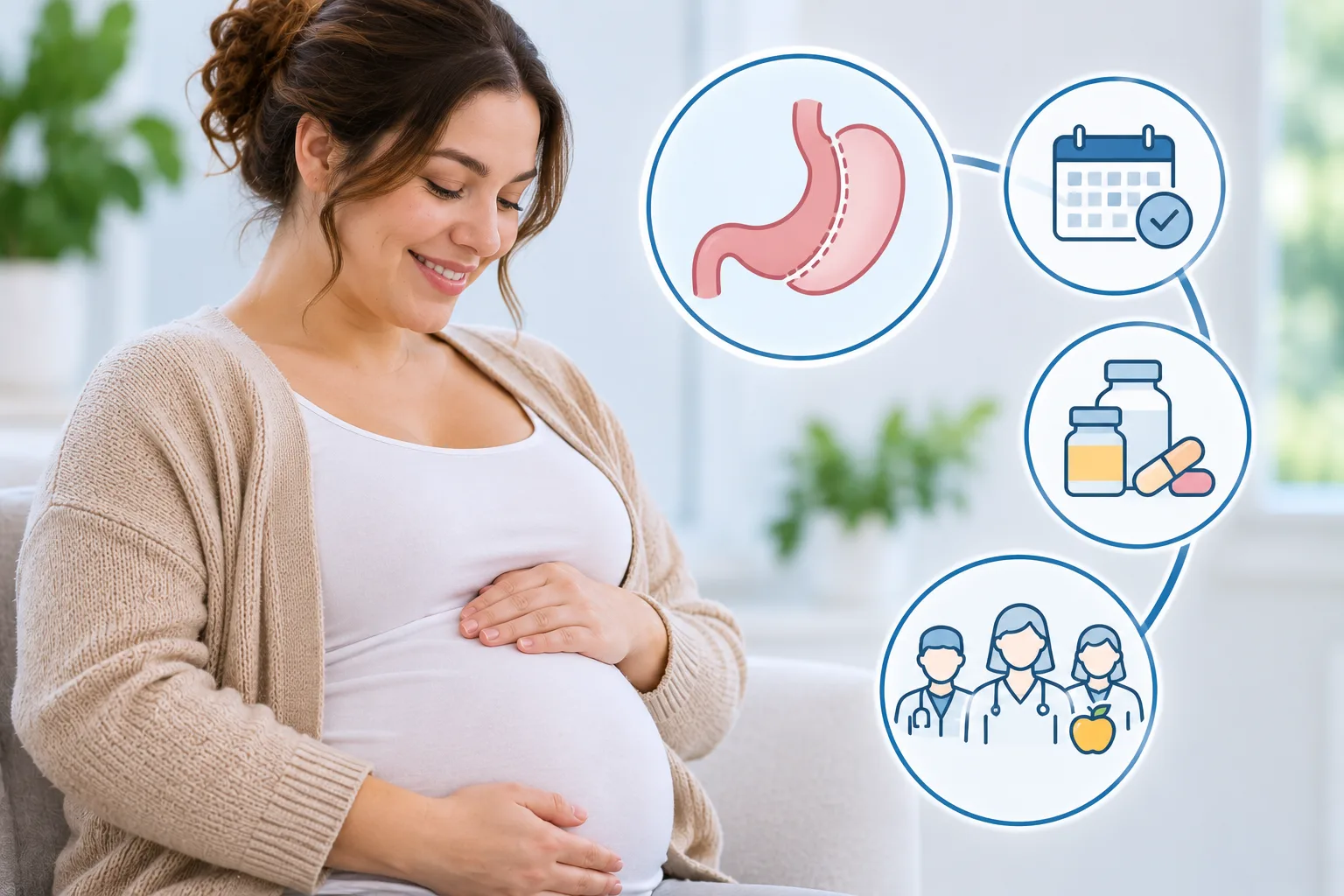
You can have a healthy pregnancy after gastric sleeve surgery. Most bariatric teams recommend waiting 12 to 24 months after the operation, correcting nutrient deficiencies first, and then planning conception with your surgeon, obstetrician, and dietitian.
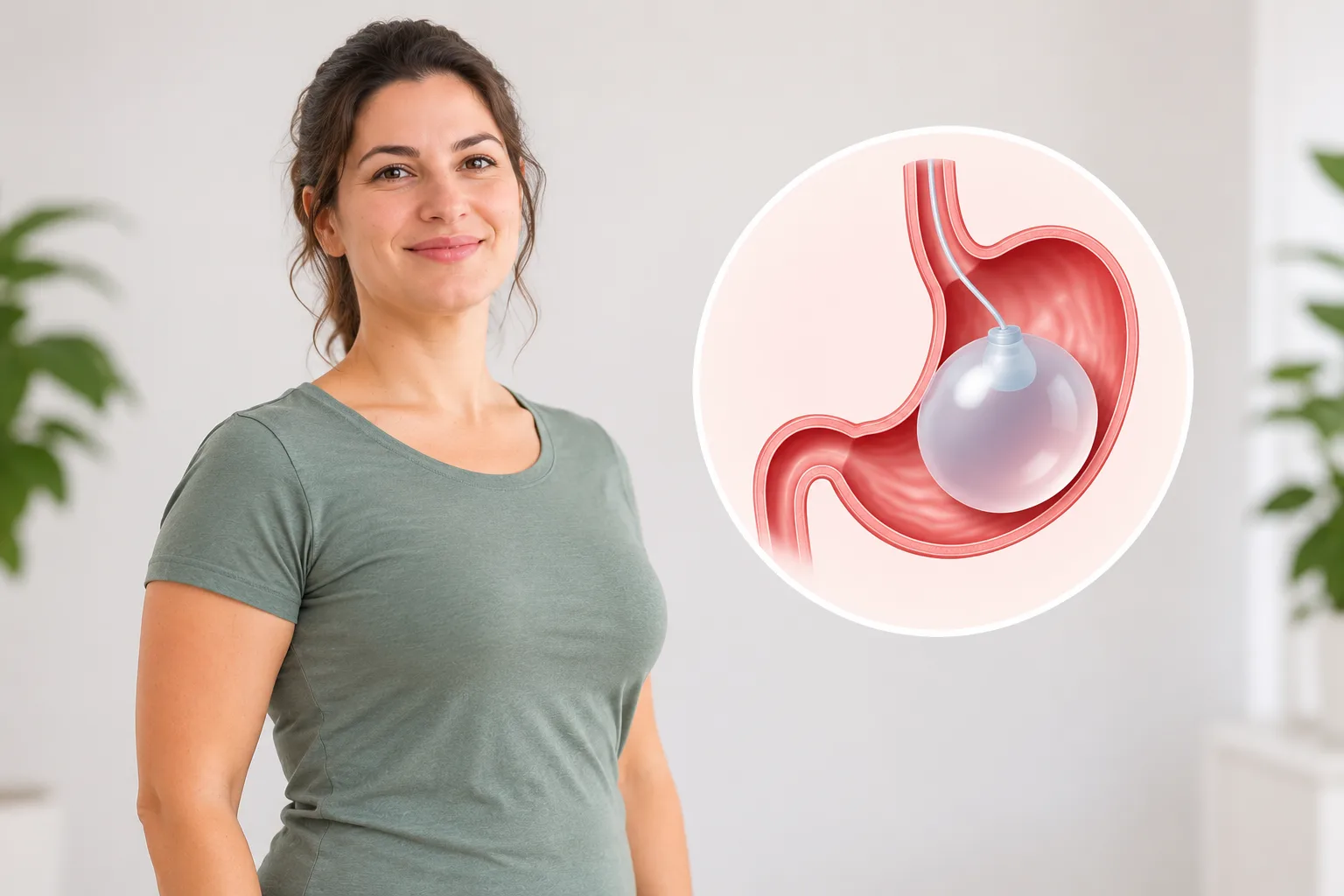
Sleeve gastrectomy removes roughly 75 to 80 percent of the stomach and leaves a narrow tube that limits food intake. The procedure changes how much you eat, how fast you lose weight, and how much nutrition your body stores. These changes directly shape reproductive health, so pregnancy after gastric sleeve surgery needs more planning than a routine pregnancy. The good news is strong. Weight loss after surgery often restores ovulation, lowers insulin resistance, and reduces obesity related pregnancy risks such as preeclampsia and gestational diabetes (Johansson et al. 2015).
This article explains fertility, timing, nutrition, monitoring, delivery, and breastfeeding after sleeve gastrectomy. Each section answers one question that patients actually ask. The central concern is simple: does the surgery harm the mother or the baby? Current evidence says no, provided that conception happens at the right time and under specialist supervision (Kwong, Tomlinson, and Feig 2018).
How Does Gastric Sleeve Surgery Affect Fertility?
Sleeve gastrectomy usually improves fertility. Postoperative weight loss restores hormonal balance, regulates the menstrual cycle, and raises the chance of natural conception.
Excess body fat acts as an endocrine organ. It produces estrogen and disrupts the hypothalamic pituitary ovarian axis, the signaling chain that controls ovulation. Women with obesity frequently develop insulin resistance, and high insulin levels stimulate the ovaries to produce androgens. This mechanism drives polycystic ovary syndrome (PCOS), irregular cycles, and anovulation (Practice Committee of the American Society for Reproductive Medicine 2021).
Weight loss after sleeve gastrectomy reverses much of this disruption. Studies show that most women regain regular menstrual cycles within months of surgery, and ovulation resumes as insulin sensitivity improves (Toh, Karshenas, and Ritchie 2009). Systematic reviews report higher spontaneous conception rates in women who lose weight after bariatric procedures compared with women who remain severely obese (Guelinckx, Devlieger, and Vansant 2009).
Improved fertility does not guarantee pregnancy. Age, ovarian reserve, tubal health, and male factor fertility still matter. The practical consequence is important though: many women who struggled to conceive before surgery become fertile soon afterward, often before they expected it. This is why contraception planning, discussed later in this article, matters from the first postoperative month.
How Long Should You Wait Before Getting Pregnant After Gastric Sleeve Surgery?
Most guidelines recommend waiting 12 to 24 months after sleeve gastrectomy before trying to conceive. Your bariatric team should confirm weight stability and normal blood test results first.
The first postoperative year involves rapid, active weight loss. Calorie intake stays low, protein intake often falls short, and vitamin and mineral stores can drop. Conceiving during this catabolic phase exposes the embryo to a nutritional environment that may restrict fetal growth (ACOG 2009). A systematic review of time-to-conception intervals found that pregnancies conceived within 12 months of bariatric surgery carried a higher risk of prematurity and small-for-gestational-age infants than pregnancies conceived later (Heusschen et al. 2022).
Five factors determine whether your body is ready for conception:
Readiness factor | What your team checks | Why it matters |
Weight stabilization | Stable weight for several months | Active loss signals a negative energy balance |
Protein intake | Diet history, albumin levels | Protein supports placental and fetal tissue growth |
Vitamin and mineral status | Ferritin, B12, folate, vitamin D, calcium | Deficiencies raise anemia and fetal development risks |
Surgical recovery | Complete healing, no complications | Pregnancy strains an unhealed digestive tract |
Absence of complications | No leaks, strictures, or dumping episodes | Complications reduce nutrient intake further |
These factors explain why a fixed calendar rule never fits every patient. A woman who reaches nutritional stability at 12 months may conceive earlier than a woman whose ferritin stays low at 18 months. Obtain written clearance from both your bariatric surgeon and your obstetrician before stopping contraception. This clearance visit usually includes a full blood panel and a dietitian review, which together form the foundation of preconception care.
Is Pregnancy Safe After Gastric Sleeve Surgery?
Yes, pregnancy after gastric sleeve surgery is generally safe. Evidence shows that outcomes for mothers and babies after bariatric surgery are at least as good as, and often better than, outcomes in women with untreated severe obesity.
Large population studies confirm this. A Swedish national cohort of over 670,000 pregnancies found that women who had bariatric surgery experienced lower rates of gestational diabetes and preeclampsia than matched women with obesity (Johansson et al. 2015). A meta-analysis of more than 1.8 million pregnancies reached similar conclusions and reported reduced odds of large-for-gestational-age infants (Kwong, Tomlinson, and Feig 2018).
One distinction matters throughout this article. Sleeve gastrectomy is a restrictive procedure only. It reduces stomach volume but leaves the small intestine intact, so nutrient absorption remains largely normal. Gastric bypass reroutes the intestine and creates true malabsorption. Research on bypass patients, including risks of internal hernia and severe dumping syndrome, does not automatically apply to sleeve patients (Adam et al. 2017).
Safety still depends on individual conditions. Your nutritional reserves, time since surgery, and recovery quality all influence outcomes. Even a fully recovered sleeve patient needs structured prenatal monitoring, because the anatomical change is permanent and pregnancy raises nutrient demands sharply. Safety is not passive; it is managed.
What Nutritional Deficiencies Can Occur During Pregnancy?
The most common deficiencies after sleeve gastrectomy involve iron, vitamin B12, folate, vitamin D, calcium, and protein. Reduced stomach capacity limits intake, while pregnancy raises demand.
The sleeve leaves a stomach of roughly 100 to 150 milliliters. A pregnant woman needs about 300 extra calories and at least 60 grams of protein per day in the second and third trimesters, yet early satiety makes reaching these targets difficult (Kominiarek 2011). Systematic reviews of postoperative pregnancies consistently identify iron and vitamin B12 as the nutrients most frequently depleted (Rottenstreich et al. 2019).
Each nutrient plays a distinct role in maternal and fetal health:
Nutrient | Role in pregnancy | Risk if deficient |
Iron and ferritin | Supports maternal blood expansion and fetal blood formation | Maternal anemia, fatigue, low birth weight |
Folic acid (B9) | Drives fetal neural tube closure in the first 28 days | Neural tube defects such as spina bifida |
Vitamin B12 | Supports fetal brain and nerve development | Neurological impairment, megaloblastic anemia |
Vitamin D | Regulates calcium absorption and fetal bone formation | Impaired fetal skeletal development |
Calcium | Builds fetal bones and teeth, protects maternal bone mass | Maternal bone loss, neonatal hypocalcemia |
Protein | Builds the placenta, uterus, and fetal tissue | Fetal growth restriction |
Iron deficiency deserves special attention because pregnancy normally expands maternal blood volume by about 45 percent. A sleeve patient who enters pregnancy with low ferritin can develop anemia quickly, and anemia reduces oxygen delivery to the fetus (Rottenstreich et al. 2019). Folate and B12 deficiencies matter most in the first trimester, often before a woman knows she is pregnant. This is why deficiency screening belongs before conception, not after a positive test.
Sleeve patients face different risks from bypass patients. Because the sleeve preserves the intestine, fat malabsorption and severe B12 malabsorption occur less often than after bypass. The main mechanism in sleeve patients is low intake, not failed absorption (Kominiarek 2011). This difference shapes the supplementation strategy discussed next.
Which Vitamins and Supplements Are Necessary During Pregnancy?
You need a prenatal multivitamin plus targeted supplements based on your blood test results, typically folic acid, iron, vitamin B12, calcium, and vitamin D. Your care team, not the product label, should set the doses.
Standard prenatal vitamins were designed for a full-size stomach. One tablet may not deliver adequate micronutrients to a sleeve patient who eats small volumes, so many bariatric programs recommend doubling the standard prenatal dose or using a bariatric-specific formulation, always under medical supervision (ACOG 2009).
A typical supplementation plan includes a prenatal multivitamin with minerals, at least 400 micrograms of folic acid daily (higher doses when deficiency or risk factors exist), elemental iron based on ferritin levels, vitamin B12, and calcium citrate with vitamin D. Many patients also need protein supplements to reach daily targets. When oral iron fails to correct anemia or ferritin stays critically low, clinicians may prescribe intravenous iron. Vitamin B12 injections replace oral tablets when deficiency proves severe or persistent (Rottenstreich et al. 2019).
More is not better. Fat-soluble vitamins, especially vitamin A, accumulate in the body and can cause birth defects at high doses. Excess iron causes gastrointestinal side effects that worsen the nausea and constipation of pregnancy. Never raise your supplement doses on your own; adjust them only after repeat blood tests. Supplementation also continues after delivery, because breastfeeding keeps nutrient demands high.
How Should Your Diet Change During Pregnancy After Gastric Sleeve Surgery?
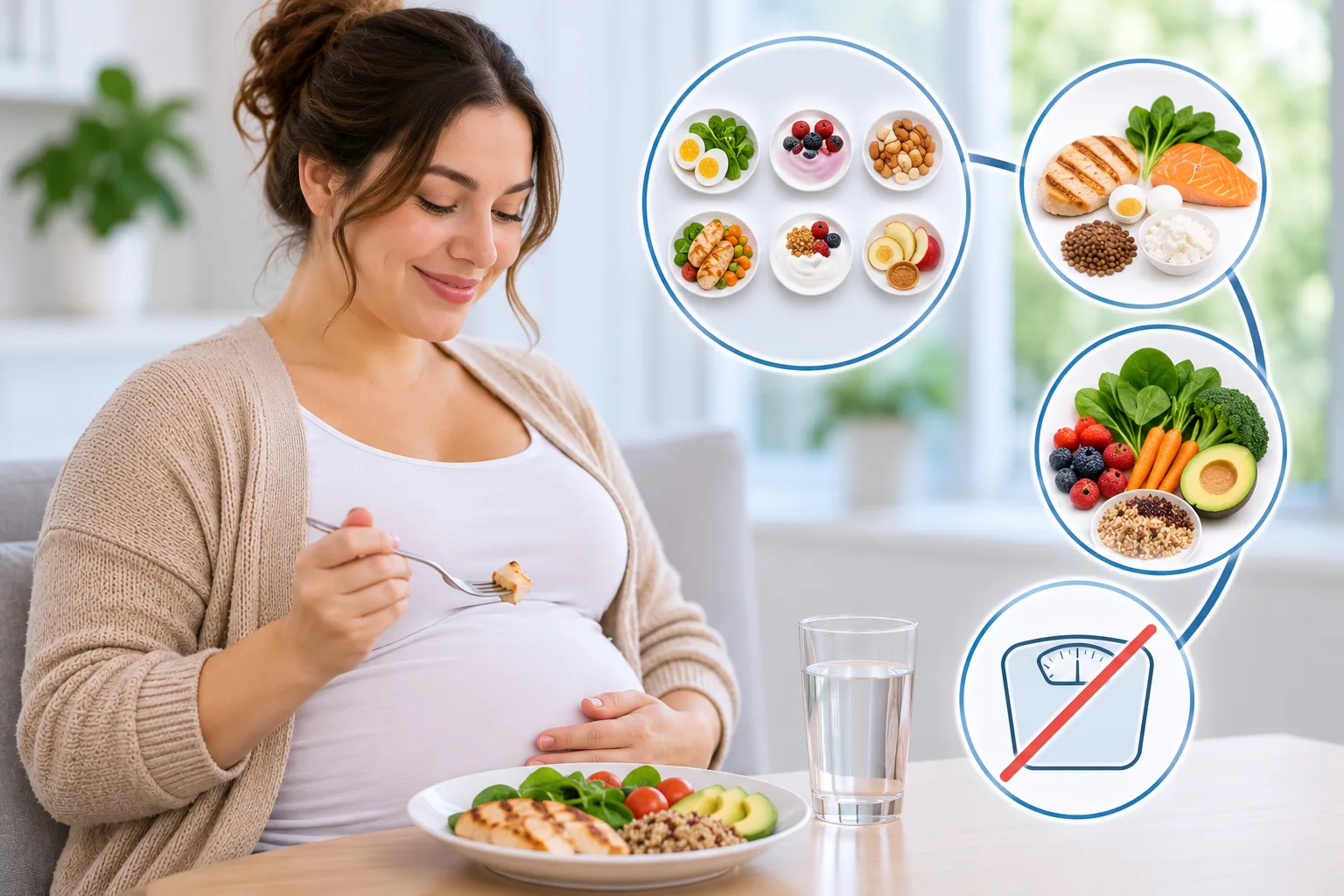
Eat small, protein-first meals five to six times a day, prioritize nutrient-dense foods, and abandon any weight-loss restriction. Pregnancy after a sleeve requires deliberate eating, not dieting.
Protein comes first at every meal. Eggs, fish, poultry, lean meat, Greek yogurt, cottage cheese, and legumes deliver the amino acids the placenta and fetus need. After protein, add vegetables, fruits, and whole grains to supply fiber, folate, and antioxidants. Drink fluids between meals rather than with meals, because a small stomach fills quickly and liquid displaces solid food (Kominiarek 2011).
Expect practical challenges. Early satiety can appear after just a few bites. Food intolerances, especially to red meat or bread, may persist from the early postoperative months. Pregnancy nausea compounds surgical food aversions, and appetite often drops when the growing uterus compresses the already small stomach. Strategies that help include eating every two to three hours, choosing soft protein sources, and using protein shakes when solid food fails.
Restrictive weight-loss diets have no place in pregnancy. Deliberate calorie restriction deprives the fetus of energy during critical growth windows. Instead of restricting, work with a bariatric dietitian to build an individualized meal plan that meets pregnancy targets within your stomach's capacity. This collaboration turns diet from a source of stress into a monitored tool.
How Much Weight Should You Gain During Pregnancy After Gastric Sleeve?
Follow standard pregnancy weight-gain targets based on your pre-pregnancy BMI, set individually by your obstetrician and bariatric team. Do not try to keep losing weight during pregnancy.
Healthy gestational weight gain supports the placenta, amniotic fluid, increased blood volume, and fetal growth. The Institute of Medicine guidelines assign targets according to pre-pregnancy body mass index (Rasmussen and Yaktine 2009):
Pre-pregnancy BMI | Recommended total gain |
Below 18.5 (underweight) | 12.5 to 18 kg |
18.5 to 24.9 (normal) | 11.5 to 16 kg |
25.0 to 29.9 (overweight) | 7 to 11.5 kg |
30 and above (obesity) | 5 to 9 kg |
Inadequate gain raises the risk of fetal growth restriction and preterm birth, which matters because many sleeve patients already struggle to eat enough. Excessive gain reintroduces obesity related risks such as gestational hypertension and macrosomia. Watch trends across weeks rather than reacting to single weigh-ins; fluid shifts cause day-to-day noise. Your obstetrician and bariatric team should agree on one individualized target and review it at every visit.
What Pregnancy Complications Should You Watch For?
The main risks involve iron-deficiency anemia, inadequate weight gain, gestational diabetes, hypertensive disorders, and insufficient fetal growth. Most sleeve pregnancies proceed without complications when nutrition and monitoring stay on track.
Maternal complications cluster around nutrition. Iron-deficiency anemia is the most frequent problem, and persistent nausea with vomiting can cause dehydration because a small stomach cannot hold large fluid volumes at once. Severe or repeated vomiting warrants prompt assessment, since it may signal a gastric complication such as stenosis rather than ordinary morning sickness (Guelinckx, Devlieger, and Vansant 2009).
Weight loss itself does not eliminate all obesity related risk. Women who remain overweight after surgery still face elevated odds of gestational diabetes and preeclampsia, although the odds fall substantially compared with before surgery (Johansson et al. 2015). Persistent abdominal pain, repeated vomiting, or an inability to tolerate food and fluids always requires urgent evaluation.
Sleeve anatomy changes the risk profile in one reassuring way. Because the operation does not rearrange the intestine, internal hernias through surgically created defects, a known emergency after gastric bypass, do not apply to sleeve patients (Adam et al. 2017). Fetal complications center on growth: insufficient maternal nutrition can restrict fetal growth, a topic the next section covers in detail. Remember the baseline: most pregnancies after sleeve gastrectomy end with healthy mothers and healthy babies.
How Does Gastric Sleeve Surgery Affect Your Baby's Development?
When maternal nutrition is adequate, babies of sleeve mothers develop normally. The two opposing risks are restricted growth from poor nutrition and, less often, excess growth from residual metabolic problems.
The placenta acts as the transfer organ between mother and fetus. It depends on steady supplies of protein, iron, folate, and fatty acids. When maternal stores run low, placental function suffers and fetal growth slows (Rottenstreich et al. 2019). Clinicians classify undersized newborns as small for gestational age (SGA), meaning birth weight below the tenth percentile for gestational age. Oversized newborns are large for gestational age (LGA), typically linked to maternal diabetes and obesity.
The evidence shows a shift in both directions after bariatric surgery. The Swedish cohort study found that surgery reduced the odds of LGA infants but increased the odds of SGA infants compared with matched controls with obesity (Johansson et al. 2015). The net effect depends heavily on the mother's nutritional management. A sleeve patient who corrects deficiencies and gains weight appropriately narrows the SGA risk considerably.
One caution applies to interpretation. Much bariatric pregnancy research pools sleeve and bypass patients together, or predates the sleeve era entirely. Findings driven by bypass related malabsorption should not be projected onto sleeve pregnancies without qualification (Kwong, Tomlinson, and Feig 2018). Regular growth ultrasounds, described in the next section, provide the real-time check that statistics cannot.
What Prenatal Tests and Monitoring Are Recommended?
Expect the standard pregnancy schedule plus nutritional blood panels each trimester and serial growth ultrasounds. Your obstetrician should review your surgical history at the first visit.
Pregnancy after a sleeve adds a nutritional surveillance layer to routine prenatal care. At the booking visit, your team should document your operation date, weight trajectory, supplement regimen, and most recent laboratory results. Standard monitoring then proceeds alongside sleeve-specific testing:
Test | Purpose | Typical timing |
Complete blood count (CBC) | Detects anemia | Each trimester |
Ferritin and iron studies | Measures iron stores | Each trimester |
Vitamin B12 and folate | Detects neurological risk deficiencies | Each trimester |
Vitamin D and calcium | Monitors bone and fetal skeletal support | Each trimester |
Albumin and nutritional markers | Assesses protein status when indicated | When intake is poor |
Growth ultrasound | Tracks fetal size and amniotic fluid | Third trimester, serial if growth concerns |
Repeat testing every trimester is common practice because pregnancy steadily drains nutrient stores (Rottenstreich et al. 2019). Ultrasound frequency rises when gestational weight gain falls short or fundal height measurements lag. The principle behind every item on this list is individualization: routine pregnancy care assumes an intact digestive system, and a sleeve patient needs care built around her anatomy.
How Is Gestational Diabetes Screened After Gastric Sleeve Surgery?
Screening remains essential, but the standard glucose tolerance drink may need replacing. Alternatives include fasting glucose tests, home finger-stick monitoring, or continuous glucose monitoring.
Pregnancy hormones, especially human placental lactogen, increase insulin resistance in every woman. Sleeve patients retain some risk of gestational diabetes if they remain overweight, so skipping screening is not an option (Adam et al. 2017).
The problem is the test itself. The standard oral glucose tolerance test requires drinking 75 grams of glucose in minutes. Rapid sugar delivery into a small stomach can trigger dumping syndrome, a reaction of nausea, sweating, dizziness, and diarrhea caused by osmotic fluid shifts and reactive hypoglycemia. Dumping occurs most often after gastric bypass but also occurs after sleeve gastrectomy, so tolerance varies by patient (Adam et al. 2017).
Alternatives solve the problem. Fasting blood glucose measurements, one to two weeks of home capillary glucose monitoring after meals, or a continuous glucose monitor all capture abnormal patterns without the sugar load. Your obstetric team should select the method based on your surgical history and your tolerance, and should note your sleeve in the screening plan from the start.
Can You Have a Natural Birth After Gastric Sleeve Surgery?
Yes. A previous sleeve gastrectomy does not require a cesarean delivery, and most women with uncomplicated pregnancies can deliver vaginally.
Delivery decisions follow obstetric factors, not bariatric history. Fetal position, fetal size, placental health, labor progress, and maternal conditions such as preeclampsia determine the route of birth. A sleeve reshapes the stomach, not the uterus or the birth canal (Kominiarek 2011).
A cesarean section becomes medically necessary for the same reasons as in any pregnancy: fetal distress, breech presentation, failed labor progression, or placenta previa. Discuss your delivery preferences with your obstetrician early in the third trimester, and make sure your bariatric history appears in your hospital records so the anesthetic and surgical teams can plan if an operative delivery becomes necessary.
Can You Breastfeed After Gastric Sleeve Surgery?
Yes, sleeve gastrectomy does not prevent breastfeeding. Success depends on adequate maternal calories, protein, hydration, and continued supplementation.
Lactation demands roughly 400 to 500 extra calories per day, which challenges any woman with a small stomach. Prioritize calorie-dense, nutrient-rich foods and eat frequently throughout the day. Milk production responds to infant demand, not stomach size, so the surgery itself does not limit supply (Kominiarek 2011).
Maternal nutrient status shapes milk composition. Severe maternal B12 deficiency has caused neurological damage in breastfed infants in documented cases after bariatric surgery, which makes continued supplementation and periodic blood tests during lactation non-negotiable (Guelinckx, Devlieger, and Vansant 2009). A lactation consultant can help with positioning and milk transfer, while the pediatrician tracks the baby's weight curve. Any faltering growth in the baby warrants a review of both feeding technique and maternal nutrition.
What Birth Control Options Are Suitable After Gastric Sleeve Surgery?
All major contraceptive methods remain available after sleeve gastrectomy, including IUDs, implants, injections, pills, and barrier methods. Plan contraception before surgery, because fertility can return within weeks.
Fertility often rebounds faster than patients expect. Ovulation can resume during the rapid weight-loss phase, precisely when pregnancy is least advisable. Effective contraception protects the 12 to 24 month recovery window (ACOG 2009).
Method choice matters less after a sleeve than after a bypass. Because the sleeve leaves the intestine intact, oral contraceptive absorption remains reliable, whereas bypass patients are often steered away from pills (Adam et al. 2017). Options include copper and hormonal intrauterine devices, subdermal implants, depot injections, combined or progestin-only pills, and barrier methods. Long-acting reversible methods such as IUDs and implants offer the highest effectiveness during the waiting period. Discuss your reproductive timeline with a gynecologist before the operation or at early postoperative follow-up, so contraception is settled before fertility returns.
How Can You Prepare Your Body for Pregnancy After Gastric Sleeve Surgery?
Complete a preconception assessment, correct every deficiency, stabilize your weight, review medications, and build a care team that includes your bariatric surgeon, obstetrician, and dietitian.
Preconception counseling converts the risks discussed in this article into a checklist. Start with a full nutritional blood panel three to six months before stopping contraception, and treat any deficiency until values normalize. Confirm that your weight has been stable for several months, because active loss signals an ongoing calorie deficit (Heusschen et al. 2022).
Review every medication and supplement with your providers, since some drugs used after bariatric surgery require adjustment before pregnancy. Regular physical activity and a balanced, protein-forward diet support hormonal health and ovulatory function. Finally, formalize your care plan: your bariatric surgeon manages surgical history, your obstetrician manages the pregnancy, and your registered dietitian manages nutrition. Preconception counseling identifies risks while you still have time to fix them, which is the single most effective safety step available to you.
Frequently Asked Questions About Pregnancy After Gastric Sleeve Surgery
The questions below address the most common concerns patients raise after reading the main sections. Each answer condenses evidence discussed in detail above.
Can You Get Pregnant Naturally After Gastric Sleeve Surgery?
Yes. Sleeve gastrectomy does not prevent natural conception and usually improves it.
Weight loss restores ovulation and hormonal balance, which raises the chance of spontaneous pregnancy (Toh, Karshenas, and Ritchie 2009). Many women conceive without fertility treatment after surgery, sometimes sooner than they planned.
What Happens If You Get Pregnant Within the First Year After Gastric Sleeve Surgery?
It requires closer monitoring, not panic. Early conception raises nutritional risks, so contact your obstetrician immediately.
Rapid postoperative weight loss and low nutrient stores can affect fetal growth (Heusschen et al. 2022). Early assessment, intensive supplementation, and serial growth scans manage most of the added risk.
Does Gastric Sleeve Surgery Increase the Risk of Miscarriage?
Current evidence does not show that sleeve gastrectomy directly causes miscarriage.
Obesity itself raises miscarriage risk, and weight loss improves metabolic health (Guelinckx, Devlieger, and Vansant 2009). Studies have not established the surgery as an independent cause of pregnancy loss.
Can You Lose Weight During Pregnancy After Gastric Sleeve Surgery?
Intentional weight loss is not recommended during pregnancy. Report unintentional loss to your care team.
Deliberate restriction deprives the fetus of energy. Unintentional loss or failure to gain weight signals inadequate intake and requires dietary review and extra monitoring (Rasmussen and Yaktine 2009).
Does Gastric Sleeve Surgery Affect the Amount of Breast Milk?
No, the surgery does not reduce milk production. Inadequate maternal calorie intake can.
Milk supply follows infant demand. Eating enough calories and protein, staying hydrated, and continuing supplements protect supply (Kominiarek 2011).
Can You Have More Than One Pregnancy After Gastric Sleeve Surgery?
Yes, multiple pregnancies are possible. Rebuild nutritional reserves between pregnancies.
Each pregnancy drains iron, folate, and B12 stores. Check blood values before each new conception and allow time for repletion, with individualized planning for every pregnancy.
Does Gastric Sleeve Surgery Affect the Baby's Birth Weight?
Birth weight depends mainly on your nutrition, weight gain, and metabolic health during pregnancy.
Sleeve mothers face a modestly higher chance of smaller babies and a lower chance of excessively large babies than women with untreated obesity (Johansson et al. 2015). Adequate nutrition narrows both risks, and sleeve-specific evidence continues to grow separately from older bypass studies.
References
ACOG Committee on Practice Bulletins. "ACOG Practice Bulletin No. 105: Bariatric Surgery and Pregnancy." Obstetrics and Gynecology, vol. 113, no. 6, 2009, pp. 1405-1413.
Adam, Sana, et al. "Pregnancy after Bariatric Surgery: Screening for Gestational Diabetes." BMJ, vol. 356, 2017, j533.
Guelinckx, I., R. Devlieger, and G. Vansant. "Reproductive Outcome after Bariatric Surgery: A Critical Review." Human Reproduction Update, vol. 15, no. 2, 2009, pp. 189-201.
Heusschen, K., et al. "Pregnancy after Bariatric Surgery: The Effect of Time-to-Conception on Pregnancy Outcomes. A Systematic Review." Obesity Surgery, vol. 32, no. 4, 2022, pp. 1045-1057.
Johansson, Kari, et al. "Outcomes of Pregnancy after Bariatric Surgery." New England Journal of Medicine, vol. 372, no. 9, 2015, pp. 814-824.
Kominiarek, Michelle A. "Preparing for and Managing a Pregnancy after Bariatric Surgery." Seminars in Perinatology, vol. 35, no. 6, 2011, pp. 356-361.
Kwong, Wendy, George Tomlinson, and Denice S. Feig. "Maternal and Neonatal Outcomes after Bariatric Surgery: A Systematic Review and Meta-Analysis. Do the Benefits Outweigh the Risks?" American Journal of Obstetrics and Gynecology, vol. 218, no. 6, 2018, pp. 573-580.
Practice Committee of the American Society for Reproductive Medicine. "Obesity and Reproduction: A Committee Opinion." Fertility and Sterility, vol. 116, no. 5, 2021, pp. 1266-1285.
Rasmussen, Kathleen M., and Ann L. Yaktine, editors. Weight Gain during Pregnancy: Reexamining the Guidelines. National Academies Press, 2009.
Rottenstreich, Amihai, et al. "Maternal Nutritional Status and Related Pregnancy Outcomes Following Bariatric Surgery: A Systematic Review." Surgery for Obesity and Related Diseases, vol. 15, no. 2, 2019, pp. 324-332.
Toh, S. Y., N. Karshenas, and J. Ritchie. "Weight Loss and Conception: A Systematic Review of Fertility Outcomes." Best Practice and Research: Clinical Obstetrics and Gynaecology, vol. 23, no. 5, 2009, pp. 577-588.