


ريجينيرا أكتيفا: كيف تدعم نمو الشعر؟
تدعم ريجينيرا أكتيفا نمو الشعر من خلال توصيل الميكروغرافتات الذاتية الغنية بخلايا المنشأ، والإكسوزومات، ومكونات المصفوفة خارج الخلوية مباشرةً إلى مناطق ترقق الشعر.
يتطلب الشعر الأفريقي ذو الملمس الخاص أساليب جراحية فريدة. لقد أصبحت تركيا وجهة رائدة للمرضى الذين يبحثون عن استعادة الشعر الأفريقي المتخصص. جراحون متمرسون في اسطنبول ومدن رئيسية أخرى...
منتجات العناية بعد العملية والعناية بالشعر من متجرنا الإلكتروني.
استكشف المزيد من الرؤى حول العلاجات، التعافي، والرعاية الجمالية.
تدعم ريجينيرا أكتيفا نمو الشعر من خلال توصيل الميكروغرافتات الذاتية الغنية بخلايا المنشأ، والإكسوزومات، ومكونات المصفوفة خارج الخلوية مباشرةً إلى مناطق ترقق الشعر.
علاج الإكسوزوم بعد زراعة الشعر هو علاج تجديدي مساعد يستخدم الحويصلات خارج الخلوية لدعم بيئة فروة الرأس، شفاء الطعوم، وكثافة الشعر. الأدلة السريرية واعدة ولكن لا تزال مبكرة. لا يوجد بروتوكول موحد بعد الزراعة، لذا يحتاج كل خطة لموافقة الجراح.
البلازما الغنية بالصفائح الدموية ليست جزءًا إلزاميًا من عملية زراعة الشعر. يقوم الجراحون بإجراء آلاف من عمليات زراعة الشعر الناجحة بتقنية FUE كل عام بدونها. تشير الأبحاث الحالية إلى أن PRP قد يدعم شفاء فروة الرأس، ويحمي الشعر الأصلي، ويعمل على تحسين كثافة الشعر بشكل معتدل عندما يتم إضافته كملحق.
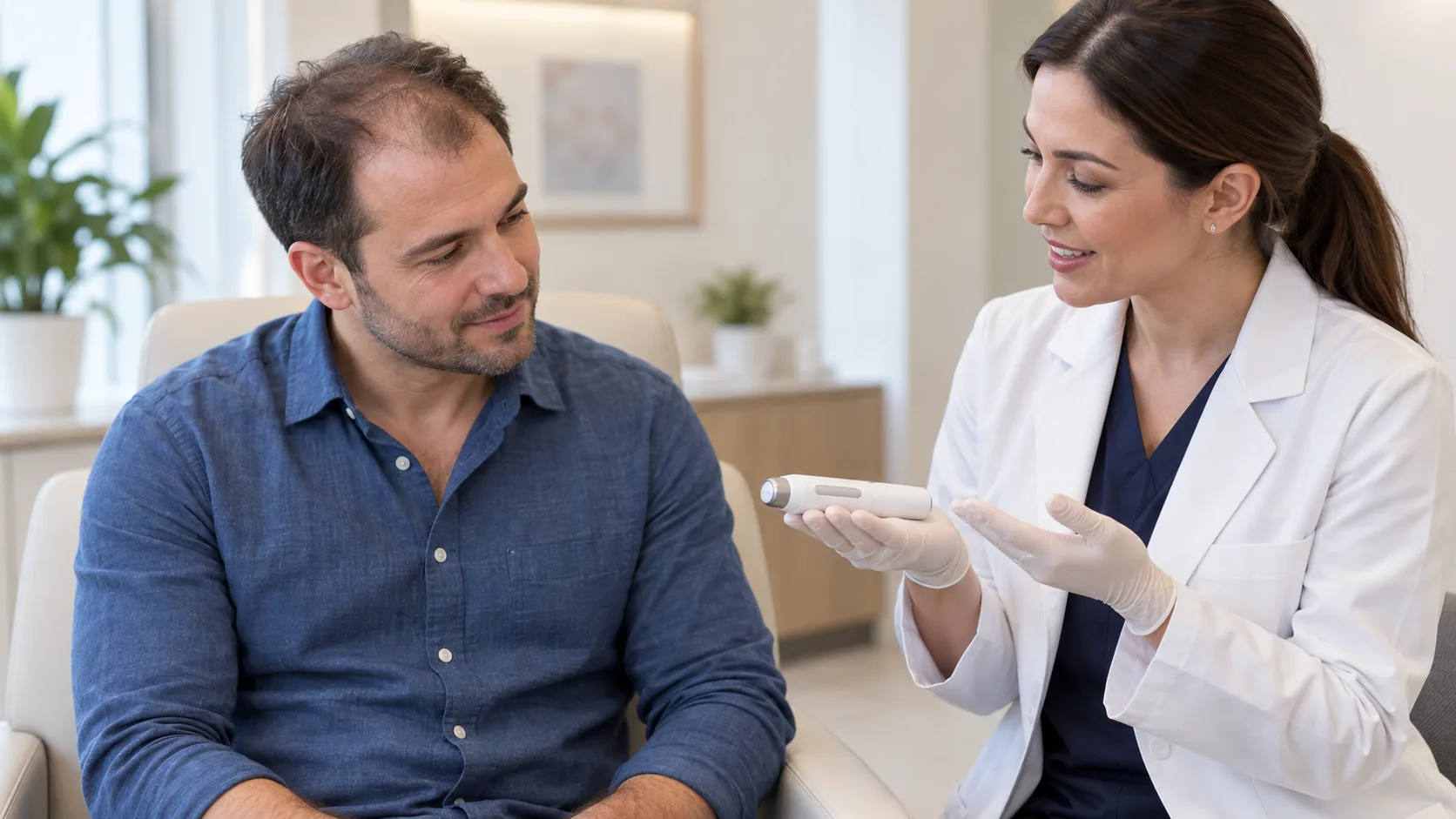
نعم. يعمل التخدير النفاث بدون إبرة في مرحلة التخدير الأولي لزراعة الشعر. لا يضمن عدم ظهور إبرة في أي لحظة. إنه يقلل من الألم والخوف المرتبطين بالحقن الأولى، وغالبًا ما يعمل بسرعة. يحتاج بعض المرضى إلى حقنة تقليدية للوصول إلى عمق التخدير الكامل.
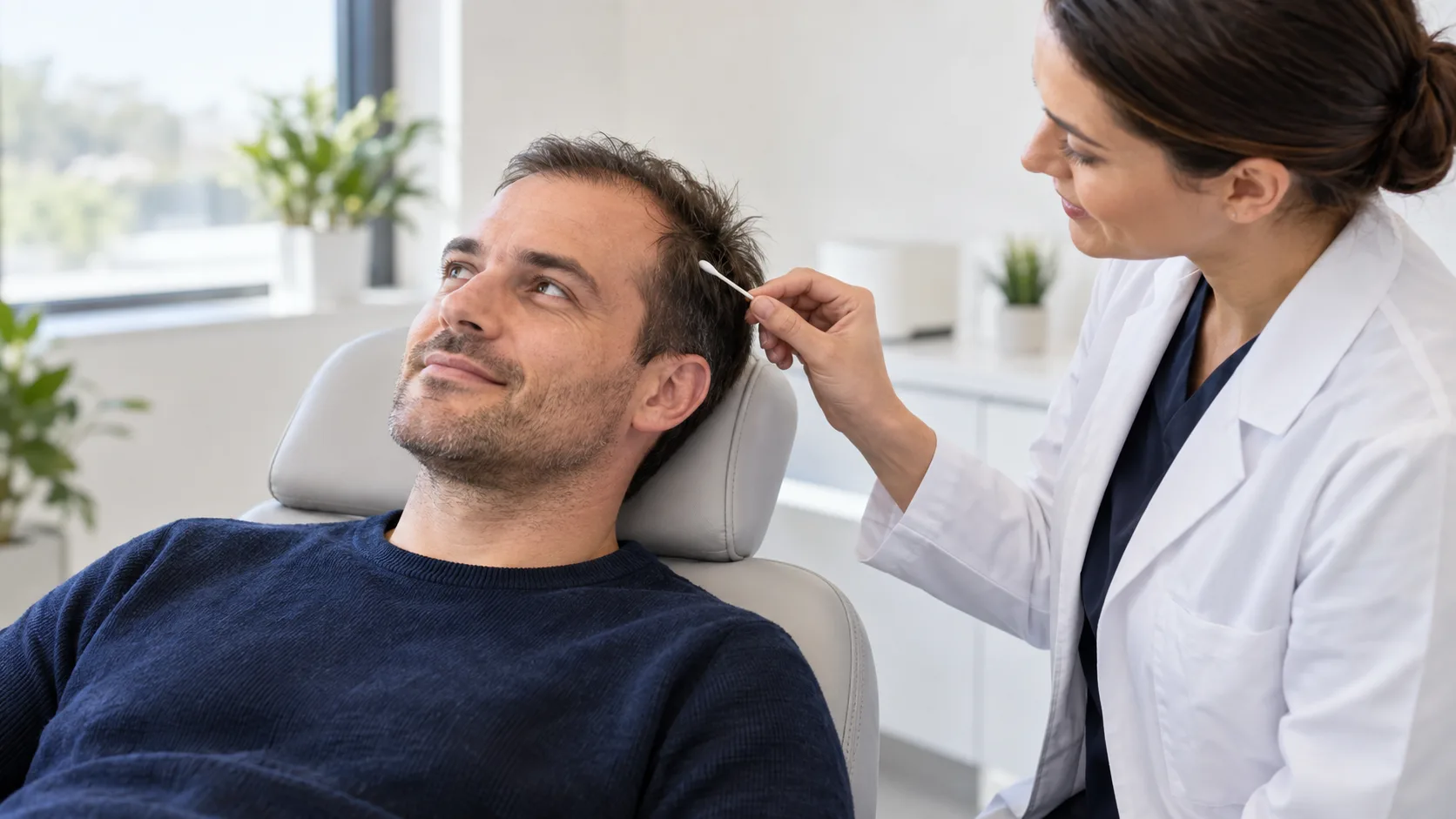
يمنع التخدير الموضعي إشارات الألم في فروة الرأس، مما يسمح للمريض بالبقاء مستيقظًا ومريحًا وقادرًا على التواصل أثناء إجراء زراعة الشعر. يستخدمه الجراحون في كل من مناطق المتبرع والمستقبل خلال إجراءات FUE وDHI. تسبب الحقنة انزعاجًا خفيفًا، ولكن من المفترض أن تكون العملية غير مؤلمة بمجرد أن يصبح فروة الرأس مخدرًا.
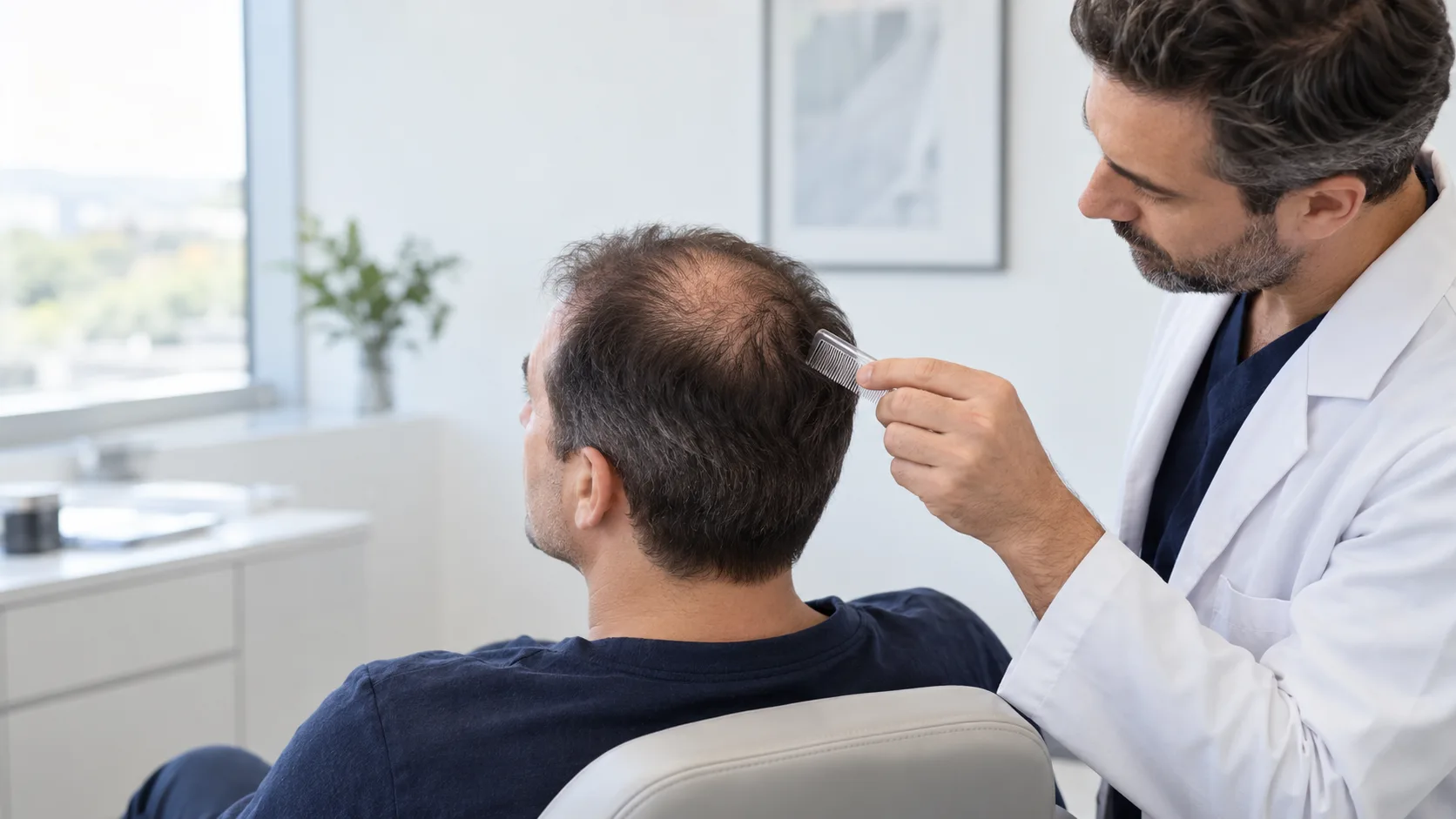
حساب طعوم زراعة الشعر ليس معادلة. إنها عملية تخطيط سريرية تتطابق مع نمط فقدان الشعر لدى المريض، ومساحة السطح المستلمة، والاحتياطي المتاح من المتبرع، وخصائص الشعر مقابل كثافة مستهدفة.
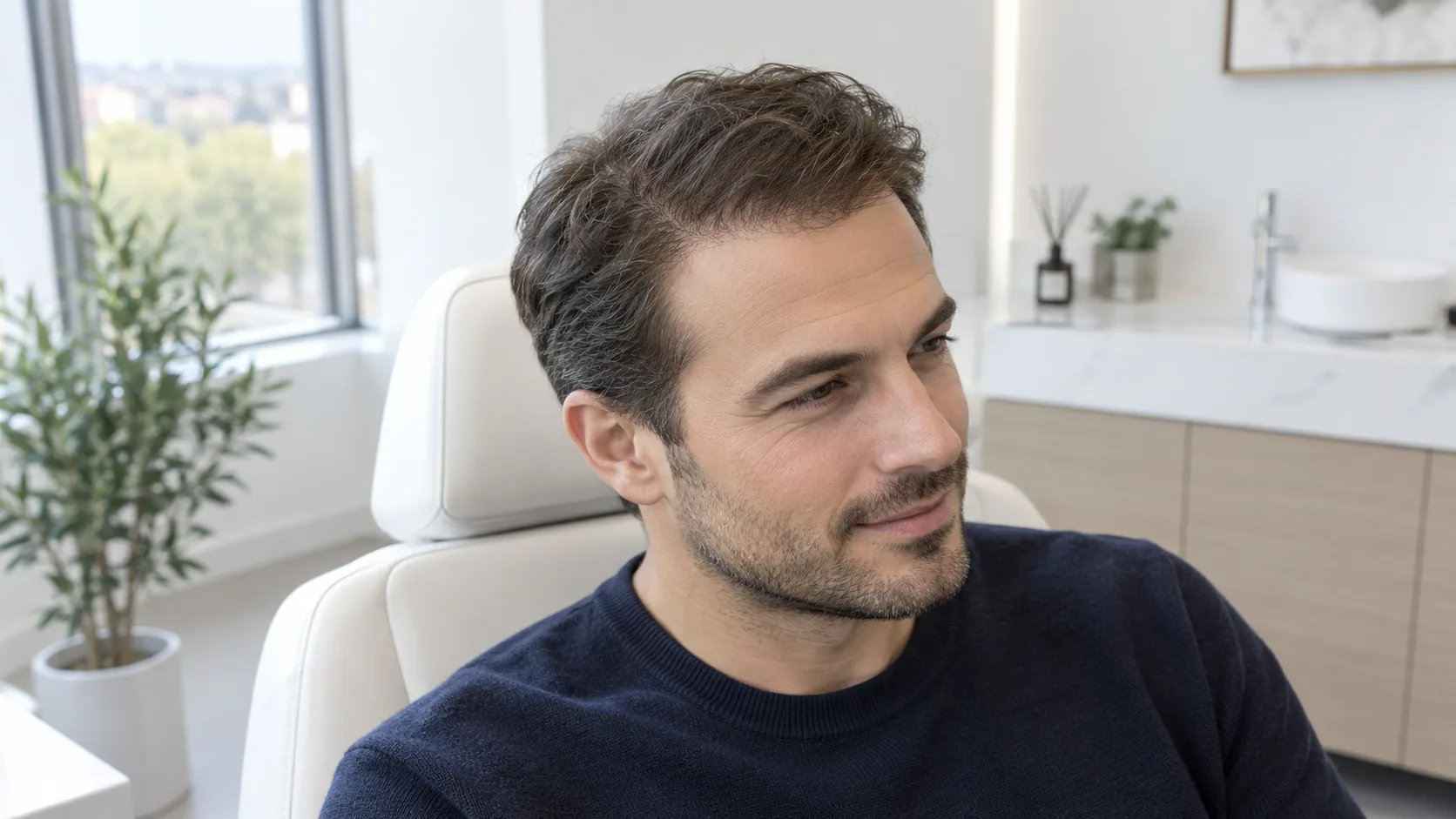
تحدد الكثافة ما إذا كانت زراعة الشعر تبدو طبيعية أو اصطناعية. الأمر لا يتعلق ببساطة بوضع أكبر عدد ممكن من الطعوم في أقل مساحة ممكنة. الكثافة هي توازن محسوب بين بقاء الطعوم، والإدراك البصري، وقدرة المتبرع، والتخطيط على المدى الطويل.
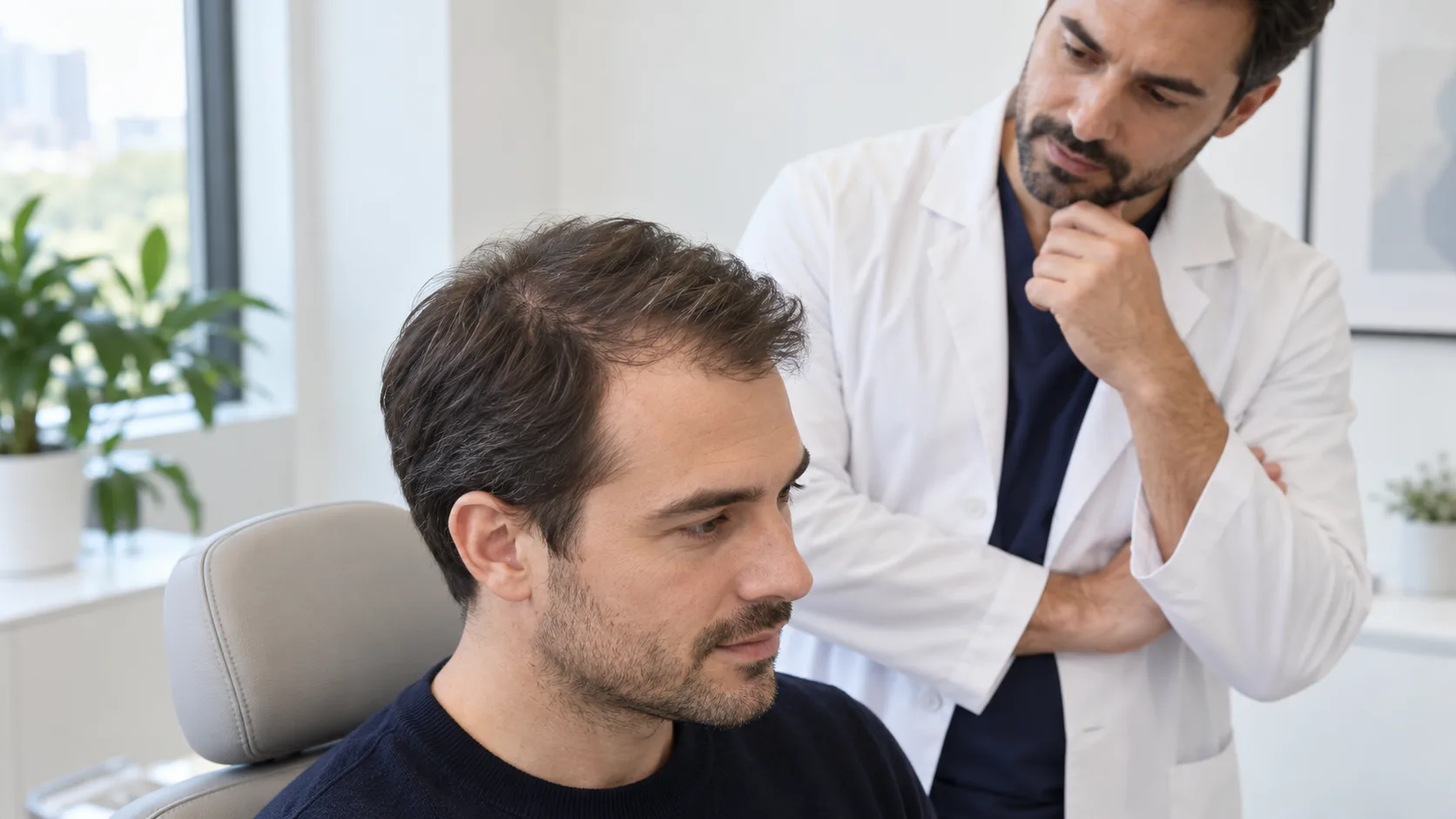
تتضمن زراعة الشعر أكثر بكثير من مجرد حساب الطعوم وقياس الكثافة. تحدد الزاوية التي يخرج بها كل وحدة شعر من فروة الرأس والاتجاه الذي تشير إليه كل شعرة ما إذا كانت النتيجة النهائية تبدو طبيعية أو صناعية.
تتطلب الشعر الأفريقي مقاربات جراحية فريدة. لقد أصبحت تركيا وجهة رائدة للمرضى الذين يسعون لاستعادة شعر الأفارقة المتخصص. يقدم الجراحون المهرة في إسطنبول ومدن رئيسية أخرى الآن تقنيات متقدمة مصممة خصيصًا لجذور الشعر المنحنية والأنماط الضيقة للتجاعيد. يشرح هذا المقال كل جانب من جوانب الإجراء. سيتعلم المرضى لماذا يعتبر الرعاية المتخصصة مهمة وكيف توفر العيادات الحديثة نتائج طبيعية ودائمة.
يتم نقل زرع الشعر الأفريقي من منطقة مانحة إلى مناطق تعاني من الترقق أو الصلع. يتطلب هذا الإجراء أدوات وتقنيات معدلة لأن الشعر الأفريقي ينمو من جذور منحنية تحت فروة الرأس. وغالبًا ما تتسبب الطرق القياسية المصممة للشعر المستقيم في تلف هذه الجذور المنحنية.
أكد لوصوارن وآخرون أن الشعر الأفريقي يظهر أضيق نمط تجعيد بين جميع المجموعات العرقية (لوصوارن وآخرون، 2007). وقد أثبت برنارد أن بصيلة الشعر تحدد شكل التجعيد من المصباح إلى الأعلى (برنارد، 2003). تفسر هذه النتائج لماذا يجب على الجراحين تكييف كل خطوة من خطوات الإجراء. تمتد الجذور المنحنية في مسارات على شكل C أو في شكل لولبي تحت الجلد. لا يمكن أن يتبع الخرم المستقيم هذا الانتفاخ. يرتفع خطر القطع بشكل كبير عندما تستخدم العيادات الأدوات القياسية.
تجذب تركيا آلاف المرضى الدوليين كل عام. تستثمر العيادات في إسطنبول بشكل كبير في خبرة الشعر العرقي. يتدرب الجراحون بشكل خاص على أنواع الشعر الأفريقي والأفريقي الأمريكي والأفريقي الكاريبي. إنهم يدركون أن الحفاظ على نمط التجعيد يتطلب أكثر من مهارات الاستخراج الأساسية. يختار المرضى تركيا لأن الفرق المجربة تقدم رعاية عالية الجودة بأسعار معقولة مع بروتوكولات متخصصة.
يختلف الشعر الأفريقي عن الشعر المستقيم أو المجعد على كل مستوى هيكلي. تبدأ هذه الاختلافات عميقًا في فروة الرأس وتمتد إلى الجذع المرئي.
يتميز الشعر الأفريقي بجذور منحنية تحت فروة الرأس وملفوفات ضيقة فوق الجلد. يحتوي جذر الشعر على مقطع عرضي بيضاوي بدلاً من دائري. وثق دي لا ميتري وآخرون هذه الشكل البيضاوي عبر مجموعات سكانية متنوعة وربطوه مباشرة بشدة التجعيد (دي لا ميتري وآخرون، 2007).
تنحني الجذور في شكل C أو شكل J تحت الجلد. تستمر هذه الانحناءة عبر الأدمة. لا يتوقف التجعيد عند السطح. أثبت ثيبو وآخرون أن المصباح يحدد هذا الشكل أثناء النمو، مما يجعل التجعيد سمة بيولوجية فطرية (ثيبو وآخرون، 2005).
تزيد بصيلات الشعر المنحنية من مخاطر التقطيع أثناء الاستخراج. يقطع البانش المستقيم الجذر المنحني. يفقد الجراح الطعم. لاحظ ويستغيت وآخرون أن هذه التعقيدات الهيكلية تتطلب أدوات خاصة وتدريباً متخصصاً (ويستغيت وآخرون، 2013).
تجلس البصيلة أيضاً بزاوية حادة. يجب على الجراح اتباع الانحناء الطبيعي. أي انحراف يضر بالبصلة. تميل البشرة المحيطة بالشعر الأفريقي إلى أن تكون أكثر كثافة وسُمكاً. هذا يضيف مقاومة أثناء الاستخراج.
يخلق الشعر المجعد كثافة بصرية ممتازة. يشغل كل تجعيد مساحة أكبر من الخصلة المستقيمة. يحتاج المرضى غالباً إلى عدد أقل من الطعوم لتحقيق تغطية كاملة. تتجاوز الكثافة الضوئية عدد الطعوم الفعلي. تفيد هذه الكثافة الطبيعية المرضى الذين لديهم احتياطيات مانحة محدودة.
يتأهل العديد من المرضى ذوي الشعر الأفريقي لزراعة الشعر. يقيم الجراح كل حالة على حدة.
يمثل الرجال الذين يعانون من تساقط الشعر من النمط الذكوري أكبر مجموعة. تستجيب الجبهات المتراجعة و thinning في القمة بشكل جيد للزراعة. يحتاج المرشحون إلى كثافة مانحة مستقرة في الجهة الخلفية والجوانب من فروة الرأس.
تسعى النساء اللاتي يعانين من ثعلبة الشد إلى الاستعادة بشكل متكرر. حدد سامراو وآخرون ثعلبة الشد كأحد الأسباب الرئيسية لفقدان الشعر لدى النساء من أصل أفريقي (سامراو وآخرون، 2011). تستجيب الحالات في المراحل المبكرة بشكل أفضل. تتأهل النساء اللواتي يعانين من thinning العشوائي أيضاً إذا ظلت المنطقة المانحة قوية.
يمكن للمرضى المختارين الذين يعانون من ثعلبة الندب المستقرة أن يتلقوا زراعة. يجب أن تظل الحالة غير نشطة لمدة عام على الأقل. يتجنب الجراحون إجراء العمليات الجراحية على الحالات الالتهابية النشطة. راجع مكمايكل ثعلبات الندب في السكان العرقيين وأكد الحاجة إلى اختيار المرضى بعناية (مكمايكل، 2003).
نعم. يستفيد المرضى الذين يسعون إلى زيادة كثافة اللحية أو إعادة بناء الحواجب من تقنيات متخصصة. يتكيف الجراح مع الزاوية واتجاه التجعيد لكل منطقة وجه.
غالباً ما يخضع المرضى الذين حققوا نتائج سيئة من العمليات السابقة لإجراءات تصحيحية. يستخرج الجراحون طعوم جديدة ويخفيون الندوب القديمة. يتطلب هذا مهارة متقدمة ولكنه يحقق تحسينات كبيرة.
هناك عدة عوامل تزيد من صعوبة جراحة الشعر الأفريقي. يجب على الجراحين التعامل مع كل تحدي بصورة منهجية.
يمتد الجذر على شكل حرف C لعدة ملليمترات تحت الجلد. لا يمكن للجراح رؤية الانحناء الكامل. يقطع الثقب المستقيم بصيلة الشعر عند الانحناء. هذا يدمر الجرافت. تستخدم العيادات أقطار ثقب أكبر أو ثقوب منحنية لالتقاط البصيلة بالكامل.
يخرج الشعر الإفريقي من فروة الرأس بزوايا غير قابلة للتنبؤ. يتغير اتجاه التجعيد عبر فروة الرأس. يجب على الجراح رسم خريطة لهذه الزوايا قبل الاستخراج. يتطلب كل جرافت ضبط زاوية فردية.
يميل الجلد في فروة الرأس ذات الملمس الإفريقي إلى أن يكون أكثر سمكًا والألياف. يزيد هذا من مقاومة الأنسجة. يجب على الجراح تطبيق قوة دقيقة. الضغط الزائد يتسبب في تلف الجرافت. القليل جدًا يترك البصيلة خلفه.
يمكن أن تصل معدلات القطع إلى 80 في المئة مع التقنية غير السليمة. تقلل العيادات الحديثة من هذا إلى أقل من 10 في المئة. تجعل الأدوات المتخصصة والخبرة هذا ممكنًا. أكد غرايمز أن جراحة الشعر العرقي تتطلب خبرة محددة لتجنب فقدان الجرافت (غرايمز، 2000).
يتعرف الجراح المتخصص على أنماط التجعيد على الفور. يقوم الفريق بتعديل حجم الثقب وعمق وزاوية الثقب في الوقت الفعلي. تتطور هذه الحدس فقط بعد مئات من حالات الشعر الإفريقي.
تسيطر تقنيتان رئيسيتان على المجال. كل منهما تقدم مزايا مميزة للشعر ذو الملمس الإفريقي.
تقوم تقنية الاستخراج بواسطة وحدات البصيلات، أو FUE، بإزالة الجرافتات الفردية مباشرة من فروة الرأس. يستخدم الجراح ثقبًا صغيرًا لعزل كل وحدة بصيلة. تتجنب هذه الطريقة الندبات الخطية.
يجري الجراحون ثلاث تعديلات رئيسية. أولاً، يستخدمون أقطار ثقب أكبر، غالبًا من 1.0 إلى 1.2 ملليمتر. ثانيًا، يقللون من سرعة الدوران لمنع تلف الحرارة. ثالثًا، يتبعون مسار الاستخراج المنحني بدلاً من الثقب مباشرة لأسفل.
أوضح برنارد أن شكل البصيلة يتطلب هذه التعديلات للحفاظ على سلامة المصباح (برنارد، 2003). تتطابق زاوية الاستخراج مع اتجاه التجعيد الطبيعي. يتحرك الجراح ببطء لتجنب القطع.
تترك FUE ندبات صغيرة تشبه النقاط تختبئ بسهولة. يمكن للمرضى ارتداء تسريحات شعر قصيرة. يستغرق الشفاء وقتًا أقل من طرق الشريط. يمكن للجراح اختيار الجرافتات من منطقة المتبرع بأكملها.
تستغرق FUE وقتًا أطول من جراحة الشريحة. يبقى خطر القطع أعلى بدون أدوات مناسبة. قد تتطلب الشعر curl الشديد استخراجه يدويًا بدلاً من استخدام الأجهزة الكهربائية.
تستخدم زراعة الشعر المباشرة، أو DHI، قلم Choi لزرع grefts مباشرة بعد الاستخراج. يقوم الجراح بتحميل كل greft في إبرة مجوفة ويدخله مباشرة في فروة الرأس. هذا يقلل من وقت التعامل مع grefts.
تقلل DHI من تعرض grefts للهواء. يقوم الفريق بزراعة grefts خلال ثوانٍ من الاستخراج. هذا يحافظ على الترطيب ويقلل من الصدمات. يسمح قلم Choi بالتحكم الدقيق في الزاوية والعمق.
يفضل الجراحون DHI لأعمال خط الشعر والتغليف الكثيف. ينشئ القلم مواقع مستقبلية ويزرعها في الوقت نفسه. هذا يسرع من الإجراءات ويحسن من بقاء grefts.
|
الميزة |
FUE |
DHI |
|
طريقة الاستخراج |
استخراج بواسطة ثقب فردي |
نفس الاستخراج، زراعة مختلفة |
|
أداة الزراعة |
ملقط أو قلم زراعة |
قلم Choi |
|
وقت التعامل مع greft |
متوسط |
بسيط |
|
تحكم الزاوية |
جيد |
ممتاز |
|
الكثافة القابلة للتحقيق |
عالية |
مرتفع للغاية |
|
أفضل حالة استخدام |
مساحات كبيرة، عمل اللحية |
خط الشعر، الحواجب |
يستخدم الجراحون عدة تقنيات متخصصة لضمان النجاح.
تلتقط المثاقب المنحنية والمثاقب ذات القطر الأكبر بصيلات الشعر على شكل حرف C. تفشل المثاقب القياسية بقطر 0.8 ملليمتر مع التجاعيد الضيقة. تستخدم العيادات غالبًا المثاقب بقطر يتراوح بين 1.0 و1.2 ملليمتر. تستخدم بعض الأنظمة المتقدمة أجهزة تستجيب للبشرة وتعدل العزم تلقائيًا.
يحدد الجراح اتجاه التجعيد قبل البدء في الثقب. تتبع زاوية الدخول منحنى البصيلة. وهذا يمنع القطع العرضي. قد يقوم الفريق بقص الشعر تقريبًا ليكون متساويًا مع فروة الرأس لإظهار زاوية الخروج الحقيقية.
تنكسر الشرائح ذات الجذور المنحنية بسهولة. يتعامل الفريق مع كل شريحة بلطف. يتجنبون ضغط المصباح. تمسك الملاقط بالشريحة تحت المصباح، وليس عند الجذر.
يخزن الفريق الشرائح في محلول تبريدي. تحافظ السيطرة على درجة الحرارة على صلاحية الخلايا. يحاكي المحلول البيئة الخارجية الطبيعية. لا تجف الشرائح أبدًا.
يخطط الجراح اتجاه التجعيد قبل إجراء الشقوق. تتبع كل موقع زاوية الشعر الطبيعية. يباعد الفريق بين المواقع لاستيعاب حجم التجعيد. وهذا يمنع تنافس الشرائح على المساحة.
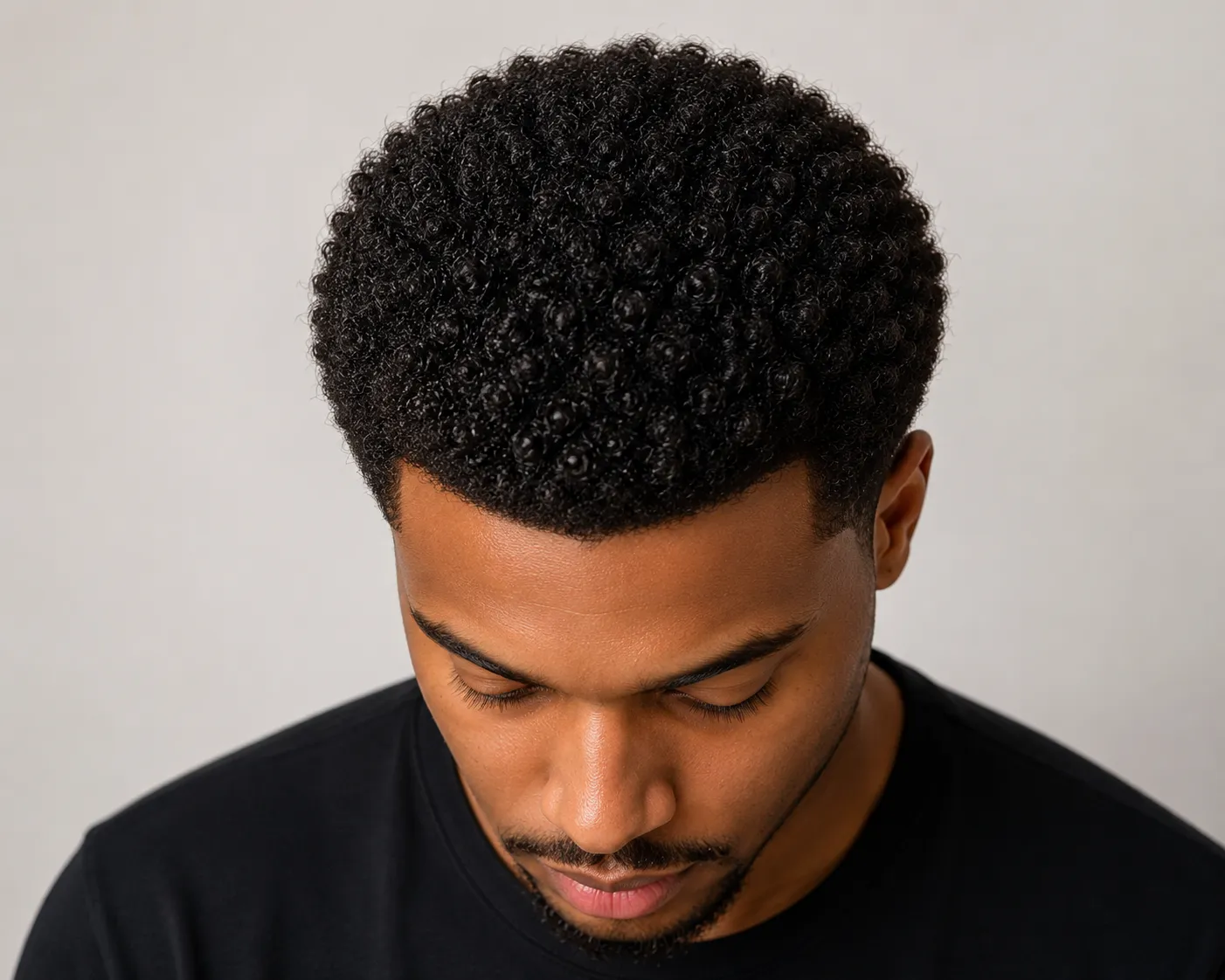
يتطلب تصميم خط الشعر حساسية ثقافية ودقة تقنية.
يدرس الجراح شكل خط شعر المريض الطبيعي. غالبًا ما تتميز خطوط الشعر الأفريقية بمنحنى أكثر استقامة أو تعرج طفيف. يتجنب الجراح التراجع المبالغ فيه أو الزاوية غير الطبيعية. الهدف هو توافق الملامح العرقية للمريض.
يؤطر خط الشعر الوجه. يأخذ الجراحون في الاعتبار ارتفاع الجبين، موضع الحاجب، والنسب الوجهية. غالبًا ما يفضل الرجال خط شعر مستقيم وقوي. قد تسعى النساء إلى منحنى أكثر نعومة ودائرية.
عادةً ما يحتاج المرضى الذكور إلى استعادة المعابد وكثافة جبهية. غالبًا ما تحتاج المرضى الإناث إلى زيادة السماكة عند الحواف وتأطير زمني. يقوم الجراح بتعديل الكثافة والشكل وفقًا لذلك.
يجب على الجراح أن يأخذ في الاعتبار كيف تسقط التجاعيد إلى الأمام. تشير كل شريحة في اتجاه النمو الطبيعي. تؤدي الزاوية غير الصحيحة إلى التصاق غير مريح أو تغطية غير متساوية.
تختلف أعداد الجريفتات حسب شدة تساقط الشعر وخصائص التجعيد.
تساقط الشعر الخفيف يحتاج إلى 800 إلى 1,200 جريفت. وهذا يغطي انحسار الخط الجبهي الطفيف أو تصفيف تاج صغير.
تساقط الشعر المت moderate يحتاج إلى 1,500 إلى 2,500 جريفت. وهذا يستعيد المنطقة الأمامية أو منتصف فروة الرأس.
قد يحتاج تساقط الشعر المتقدم إلى 2,500 إلى 3,500 جريفت. بعض الحالات الشديدة تتطلب عدة جلسات.
تحدد كثافة المتبرع العرض المتاح. التجعيدات tight تخلق مزيدًا من التغطية البصرية لكل جريفت. تعيق شعيرات الشعر السميكة وضوح فروة الرأس بشكل أفضل من الخيوط الرقيقة. يقوم الجراح بحساب أهداف الكثافة بناءً على هذه المتغيرات.
يتطلب تقييم المتبرع تحليلًا دقيقًا.
تقوم الفريق بحساب وحدات بصيلات الشعر لكل سنتيمتر مربع. يظهر الشعر الأفريقي غالبًا كثافة عددية أقل من الشعر المستقيم. ومع ذلك، تحتوي كل وحدة بصيلة على المزيد من الشعر. وهذا يعوض جزئيًا عن العدد الأقل.
يكشف نمط التجعيد عن كيفية انحناء بصيلات الشعر تحت الجلد. يقوم الجراح بتحسس فروة الرأس ويدرس الشعر المقصوص. وهذا يتنبأ بصعوبة الاستخراج.
توفر الشعرات السميكة تغطية أفضل. يلاحظ الجراح عيار الشفرة عبر منطقة المانح. ينتج العيار المت uniform نتائج متسقة.
تعني القدرة الاستيعابية للمتبرع العدد الإجمالي للجريفتات المتاحة دون التسبب في ترقق مرئي. يؤدي الإفراط في الحصاد إلى ظهور مظهر ممزق. يحدد الجراح حدودًا صارمة.
يستخرجون الجريفتات بشكل متساوٍ عبر منطقة المانح. يتركون مسافة كافية بين مواقع الاستخراج. يتوقفون عندما تنخفض الكثافة عن الحدود الآمنة.
يعمل شعر الجسم كمصدر متبرع ثانوي عندما ينفد عرض فروة الرأس.
ينمو شعر اللحية بشكل كثيف ومجعد. يشبه شعر فروة الرأس في النسيج. تعيش جريفتات اللحية بشكل جيد وتتداخل بشكل طبيعي. توفر خط الفك والرقبة أفضل مصدر.
ينمو شعر الصدر بشكل أرفع وأطول. له دورة نمو أقصر. قد لا تتطابق زراعة شعر الصدر مع قوام فروة الرأس تمامًا. يستخدم الجراحون شعر الصدر لتعبئة المناطق بدلاً من التغطية الأمامية.
يوصي الجراحون باستخدام شعر الجسم للحالات المتقدمة التي تفتقر إلى مانحي فروة الرأس. كما يستخدمونه لتغطية الندبات واستعادة لحية.
يوسع شعر الجسم مجموعة المتبرعين. ومع ذلك، فإنه يقدم تباينًا في القوام. يحتفظ شعر اللحية بتجاعيده بعد الزراعة. قد ينمو شعر الصدر ببطء وبشكل أرق من شعر فروة الرأس.
يتبع الإجراء تسلسلًا منظمًا.
يقوم الجراح بفحص فروة الرأس ويستعرض تاريخ المريض. يناقشون الأهداف والتوقعات. يشرحون التقنيات المتخصصة المطلوبة.
تلتقط الفريق صورًا لفروة الرأس من زوايا متعددة. قد يستخدمون التريخوسكوب لدراسة كثافة وصحة البصيلات. يقيسون نمط التجاعيد وسماكة الجذع.
يستعرض الجراح الأدوية والحساسية والعمليات الجراحية السابقة. يقومون بفحص اضطرابات النزيف واتجاه الكيلويد. يتحققون من وجود أمراض نشطة في فروة الرأس.
يرسم الجراح خط الشعر المقترح مع المريض. يأخذون في الاعتبار السمات العرقية ونسب الوجه والعمر. يحددون مناطق الاستقبال.
يقوم الفريق بقص شعر المتبرع بشكل قصير. يطبقون تخدير موضعي. يقومون برسم زوايا الاستخراج بناءً على اتجاه التجاعيد.
يستخرج الجراح الزرعات واحدة تلو الأخرى. يستخدمون مثاقيب معدلة ودوران بطيء. يتحققون من كل زرعة للتأكد من عدم وجود تلف.
يضع الفنيون الزرعات في محلول حفظ مبرد. يجمعون الزرعات حسب الحجم وعدد الشعر. يحافظون على رطوبة البرعم ويدعونه باردًا طوال الإجراء.
يخلق الجراح شقوقًا صغيرة في منطقة الاستقبال. يطابقون زاوية واتجاه نمو الشعر الطبيعي. يوزعون المواقع لتناسب حجم التجاعيد.
يضع الفريق كل زرع في موقعه المخصص. يتجنبون سحق البصيلة. يتأكدون من أن اتجاه تجعيد الشعر يتماشى مع الشعر المحيط.
يقوم الجراح بمراجعة وضع الزرع. يتحققون من وجود نزيف أو تورم. يقدمون تعليمات العناية الفورية بعد الجراحة.
تتبع فترة التعافي جدولًا زمنيًا متوقعًا.
يشفى فروة الرأس من الاستخراج والغرس. تتشكل قشور صغيرة حول كل زرع. يشكو المرضى من تورم خفيف وحساسية. يقدم الفريق تعليمات الغسيل.
يدخل الشعر المزروع في مرحلة راحة. يحدث تساقط طفيف. هذا طبيعي. تعود فروة الرأس إلى مظهرها الطبيعي.
فقدان الصدمة يعني أن الشعر الأصلي الموجود يسقط مؤقتًا. يحدث هذا بسبب صدمة جراحية. ينمو الشعر مرة أخرى خلال أشهر.
يبدأ الشعر الجديد في الظهور. يبدو النمو المبكر رقيقًا وناعمًا. يصبح نمط التجعيد مرئيًا تدريجيًا.
تتزايد الكثافة بشكل ملحوظ. يزداد سمك الشعر وطوله. يرى المرضى تحسينًا تجميليًا واضحًا.
تنضج النتائج النهائية بعد اثني عشر شهرًا. يصل الشعر إلى كثافة وطول كاملين. يستقر نمط التجعيد في شكله الدائم.
تساعد التوقعات الواقعية المرضى على تقدير نتائجهم.
نعم. يحتفظ الشعر المزروع بنمط تجعيده الأصلي. يبرمج الجريب الشكل من البصيلة. لا يتغير التجعيد بعد النقل.
يحقق المرضى كثافة تبدو طبيعية. يوفر الشعر المجعد وهم المزيد من الحجم مقارنة بالشعر المستقيم. غالبًا ما يتجاوز المظهر النهائي التوقعات العددية.
يبدو خط الشعر طبيعيًا عندما يتبع الجراح مبادئ التصميم العرقية. يسقط التجعيد للأمام في اتجاه طبيعي. تبدو منطقة الانتقال ناعمة وغير ملحوظة.
نعم. الشعر المزروع يأتي من مناطق المانح المقاومة وراثيًا. يستمر في النمو مدى الحياة. قد يعاني المرضى من فقدان الشعر الأصلي المستمر، لذلك تساعد العلاجات الطبية في الحفاظ على الكثافة الإجمالية.
تقدم تركيا مزايا مميزة للمرضى الدوليين.
تقوم العيادات التركية بتنفيذ آلاف عمليات زراعة الشعر سنويًا. يواجه الجراحون أنواع الشعر العرقية المتنوعة يوميًا. هذا الحجم يعزز الخبرة بسرعة.
تستخدم العيادات الرائدة في إسطنبول جراحين يتدربون خصيصًا على الشعر ذو القوام الأفريقي. يدرسون تشريح الجريب المنحني وتقنيات الاستخراج المعدلة. يحضرون مؤتمرات دولية حول استعادة الشعر العرقي.
تستثمر العيادات في أجهزة FUE المستجابة للبشرة، والميكروسكوبات المتطورة، وأجهزة الزرع الدقيقة. تحافظ على مرافق حديثة ومعقمة. تتبنى الابتكارات بسرعة.
تقدم تركيا العلاج بتكلفة أقل بنسبة 60 إلى 80 في المئة مقارنة بالولايات المتحدة أو المملكة المتحدة. يحصل المرضى على جودة مماثلة أو متفوقة. وتغطي التوفير نفقات السفر والإقامة.
توفر العيادات خدمات نقل من المطار، وترتيبات الفنادق، وخدمات الترجمة. تقدم استشارات عبر الإنترنت قبل السفر. تنسق الرعاية اللاحقة عن بعد.
تضمن التحضيرات تجربة سلسة.
يقدم المرضى صورًا وتاريخًا طبيًا عبر بوابة آمنة. يقوم الجراح بتقييم الأهلية وتقدير عدد الطعوم. يشرحون التقنية والجدول الزمني.
يحضر المرضى تحاليل الدم الحديثة وقائمة بالأدوية الحالية. يجب عليهم الكشف عن أي تاريخ لندوب الكيلويد أو اضطرابات النزيف. يجب إعلام الفريق بأي حساسية.
يصل المرضى قبل يوم من العملية. يبقون لمدة تتراوح بين ثلاثة إلى خمسة أيام. يتيح ذلك الوقت لإجراء العملية والمتابعة الأولية.
تتعاون العيادات مع فنادق قريبة. ينظم الطاقم وسائل النقل بين الفندق والعيادة. يستريح المرضى بشكل مريح خلال فترة التعافي.
توظف معظم العيادات التركية منسقين يتحدثون الإنجليزية. يقدم البعض خدمات باللغة الفرنسية أو العربية أو لغات أخرى. يتدفق التواصل بسلاسة طوال الزيارة.
تجدول العيادة الفحوصات قبل المغادرة. يستعرضون رعاية الجروح وبروتوكولات الغسيل. يصفون الأدوية إذا لزم الأمر.
يرسل المرضى صورًا على فترات منتظمة. يتابع الجراح التقدم ويجيب على الأسئلة. يستمر هذا لمدة اثني عشر شهرًا.
كل إجراء جراحي يحمل مخاطر. فهمها يساعد المرضى على اتخاذ قرارات مستنيرة.
يعني القطع قطع الجريب أثناء الاستخراج. لا يمكن أن ينمو الجرف التالف. تقلل الأدوات المتخصصة والخبرة من هذه المخاطر بشكل كبير.
يستخرج الإفراط في الحصاد عددًا كبيرًا جدًا من الجرفات من منطقة واحدة. تبدو منطقة المتبرع رقيقة أو متقطعة. يوزع الجراحون المهرة الاستخراجات بالتساوي.
يبدو خط الشعر غير الطبيعي واضحاً ويخيب آمال المرضى. تحتاج خطوط الشعر العرقية إلى أشكال وزوايا محددة. يجب على الجراح احترام الأنماط الطبيعية.
العدوى نادرة في العيادات المعتمدة. يستخدم الجراحون تقنية معقمة ويصفون المضادات الحيوية. يتبع المرضى تعليمات الغسل لتجنب العدوى.
فقدان الصدمة يعني تساقط الشعر الطبيعي مؤقتًا. يحدث بسبب الصدمة الجراحية. ينمو الشعر مرة أخرى في معظم الحالات.
ينمو الشعر الأفريقي بشكل أبطأ قليلاً من الشعر المستقيم. نمط التجعد يجعل من الصعب رؤية النمو المبكر. يجب على المرضى الانتظار لمدة اثني عشر شهرًا كاملة قبل الحكم على النتائج.
يختارون المرشحين المناسبين. يستخدمون الأدوات المناسبة. يتبعون بروتوكولات صارمة. يراقبون المرضى عن كثب طوال فترة التعافي.
تحسن التحضيرات المناسبة النتائج وتقلل من التعقيدات.
يحدد الجراح موانع الاستخدام. ويعدل الخطط للمرضى المصابين بداء السكري، ارتفاع ضغط الدم، أو اضطرابات النزيف. ويضمن أن المريض يمكنه تحمل الجراحة بأمان.
يكمل المرضى تعداد الدم الكامل، ودراسات التجلط، وفحص الأمراض المعدية. تكشف هذه الفحوصات عن المخاطر الخفية.
يقلل التدخين من تدفق الدم إلى فروة الرأس. هذا يعيق الشفاء. يخفف الكحول الدم ويزيد من خطر النزيف. يجب على المرضى التوقف عن كليهما لمدة أسبوعين على الأقل قبل الجراحة.
يتجنب المرضى استخدام المكونات الكيميائية، الضفائر الضيقة، وعلاجات الحرارة لمدة شهر قبل الجراحة. ويجب عليهم المحافظة على نظافة فروة الرأس وصحتها.
بعض الأدوية تزيد من النزيف أو تتفاعل مع التخدير. يقوم الجراح بمراجعة جميع الأدوية والمكملات. قد يحتاج المرضى إلى إيقاف مميعات الدم.
تدعم الحمية المتوازنة الشفاء. البروتينات، الفيتامينات، والمعادن تعزز بصيلات الشعر. يحافظ الترطيب الجيد على دوران الدم في فروة الرأس.
تحمي العناية بعد الجراحة من الطعوم وتسرع الشفاء.
يبدأ المرضى بغسل شعرهم بلطف في اليوم الثاني أو الثالث. يستخدمون شامبو خاص ويسكبون الماء بعناية. ويتجنبون فرك أو خدش الطعوم.
ينام المرضى برؤوسهم مرتفعة في الأسبوع الأول. هذا يقلل من التورم. ويجب عليهم تجنب الضغط على الطعوم ضد الوسادة.
يتجنب المرضى التمارين الثقيلة لمدة أسبوعين. ويتجنبون السباحة والساونا لمدة شهر. يجب عليهم حماية فروة الرأس من أشعة الشمس المباشرة.
يمكن أن تؤدي الشمس إلى اسمرار الجلد أثناء الشفاء. يجب على المرضى ارتداء القبعات أو استخدام واقي الشمس بعد فترة الشفاء الأولى. هذا يمنع فرط التصبغ.
تسقط القشور اللينة طبيعيًا خلال عشرة أيام. لا يجب على المرضى التقاطها. يساعد الغسيل اللطيف على إذابتها.
تتحقق العيادة من الشفاء في الأسبوع الأول، شهر، ثلاثة أشهر، ستة أشهر، واثني عشر شهرًا. يعالجون أي مشكلات على الفور.
يتجنب المرضى تسريحات الشعر الضيقة التي تسبب الشد. يستخدمون منتجات خفيفة ومرطبة. يعاملون فروة الرأس بلطف للحفاظ على الشعر المزروع والطبيعي على حد سواء.
يتميز الشعر الأفريقي بخصائص جراحية فريدة. يلخص الجدول أدناه الاختلافات الرئيسية.
|
الميزة |
الشعر الأفريقي |
الشعر المستقيم |
الشعر المتموج |
|
شكل الجريب |
منحني (على شكل C) |
مستقيم |
منحني قليلاً |
|
صعوبة جراحية |
عالية |
متوسطة |
متوسطة |
|
خطر القطع |
أعلى |
أقل |
متوسط |
|
الكثافة البصرية |
عالية |
متوسطة |
متوسطة |
|
الأدوات المتخصصة المطلوبة |
نعم |
أحياناً |
أحياناً |
|
عدد الطعوم اللازمة للتغطية |
أقل |
أكثر |
متوسط |
|
خطر الكيلويد |
مرتفع |
أقل |
أقل |
|
تصميم خط الشعر |
خاص بالعرق |
عالمي |
عالمي |
تمنع المعلومات المغلوطة المرضى من طلب المساعدة. إليكم الحقائق.
لا. يتم تنفيذ زراعة الشعر الأفريقي بنجاح كل يوم. يحتاج الجراحون فقط إلى التقنيات المناسبة. يحقق آلاف المرضى نتائج ممتازة سنويًا.
لا. يحتفظ الشعر المزروع بتجعيده الطبيعي. يحدد بصيلة الشعرة الشكل. لا يغير النقل هذه البيولوجيا.
لا. يستخدم الجراحون FUE وDHI وطرق أخرى. يختارون أفضل تقنية لكل مريض. غالبًا ما تعمل DHI بشكل جيد لتحسين خط الشعر.
لا. تبدو النتائج طبيعية تمامًا عندما يقوم جراح ذو خبرة بإجراء العملية. السر يكمن في التخطيط الصحيح للزاوية والاتجاه والكثافة.
لا. غالبًا ما تحتاج الشعر الأفريقي إلى عدد أقل من الطعوم مقارنة بالشعر المستقيم. يخلق التجعيد حجمًا. يحقق المرضى تغطية كاملة بكثافة عددية أقل.
نعم. تأتي البصيلات المزروعة من مناطق دائمة وراثيًا. تستمر في النمو مدى الحياة.
كلاهما يعمل بشكل جيد. تقدم DHI تحكمًا ممتازًا في الزوايا لخطوط الشعر. تغطي FUE مناطق كبيرة بكفاءة. يوصي الجراح بأفضل خيار بعد الفحص.
نعم. يغطي الشعر المجعد فروة الرأس بشكل أكبر لكل شعرة. يتمتع المرضى بمظهر أكثر اكتمالًا مع عدد أقل من الطعوم.
يحتاج معظم المرضى من 1,500 إلى 2,500 طعمة. قد تحتاج الحالات الخفيفة إلى عدد أقل. قد تحتاج الحالات المتقدمة إلى المزيد.
نعم. تسعى النساء عادةً للحصول على علاج للثعلبة الناتجة عن الشد وترقق الشعر. يعمل الإجراء بأمان للنساء.
نعم. يوفر شعر اللحية مصدرًا ثانويًا ممتازًا للمتبرع. يتطابق عن قرب مع قوام فروة الرأس.
نعم. يظل التجعيد غير متغير. تقوم بصيلة الشعر ببرمجة الشكل.
تنضج النتائج النهائية بعد اثني عشر شهرًا. يرى المرضى تحسنًا ملحوظًا خلال ستة أشهر.
لا. يستخدم الجراحون التخدير الموضعي. يشعر المرضى بالضغط ولكن بدون ألم. تكون الانزعاج أثناء التعافي خفيفة وقصيرة.
يجب على المرضى البحث عن جراحين ذوي خبرة مثبتة في الشعر الأفريقي. ينبغي عليهم مراجعة صور قبل وبعد لحالات مشابهة. يجب عليهم التحقق من اعتماد العيادة ومراجعات المرضى.
يتميز الشعر الأفريقي بخصائص تشريحية فريدة. تتطلب البصيلات المنحنية، والسيقان البيضاوية، وأنماط التجعيد الضيقة تقنيات جراحية معدلة. الطرق القياسية المصممة للشعر المستقيم تفشل هنا. تنتج معدلات قطع مرتفعة، وكثافة ضعيفة، ونتائج غير طبيعية.
استثمرت تركيا بشكل كبير في خبرة الشعر العرقي. يتدرب الجراحون في إسطنبول تحديدًا على الحالات ذات الشعر الأفريقي. يستخدمون أدوات منحناة وزوايا مخصصة وتعامل منخفض التوتر. يقومون بتصميم خطوط شعر تحترم الهوية العرقية. يقدمون تقنية متقدمة بأسعار متاحة.
يجب على المرضى اختيار العيادات ذات الخبرة الموثقة في استعادة الشعر الأفريقي. تحدد مهارة الجراح النتيجة أكثر من أي جهاز. عندما يطبق الخبراء التقنيات الصحيحة، يحقق المرضى نتائج طبيعية، كثيفة، ودائمة. يبقى نمط التجعيد سليمًا. يبدو خط الشعر أصيلًا. يعود الثقة.
العلم واضح. الأدوات موجودة. تتزايد الخبرة. توفر زراعة الشعر الأفريقي في تركيا مسارًا مثبتًا لاستعادة المرضى حول العالم.
برنارد، برونو أ. "شكل الشعر المجعد." مجلة الأكاديمية الأمريكية للأمراض الجلدية، المجلد 48، العدد 6، 2003، الصفحات S120-S126.
دي لا ميتري، رولان، وآخرون. "تغير الشكل وتصنيف الشعر البشري: نهج عالمي." علم الأحياء البشري، المجلد 79، العدد 3، 2007، الصفحات 265-281.
غرايمز، بيرل إي. "قضايا التجميل المتعلقة بالبشرة والشعر لدى النساء من ذوات البشرة الملونة." عيادات الأمراض الجلدية، المجلد 18، العدد 4، 2000، الصفحات 659-665.
لوسوارن، جنيفيف، وآخرون. "تنوع تجعيد الشعر حول العالم: طريقة جديدة للتقييم." المجلة الدولية للأمراض الجلدية، المجلد 46، 2007، الصفحات 2-6.
ماكمايكل، آمي ج. "اضطرابات الشعر وفروة الرأس في السكان العرقيين." عيادات الأمراض الجلدية، المجلد 21، العدد 4، 2003، الصفحات 629-644.
ميرميراني، بارادي، ونونهلانغلا ب. خومالو. "تساقط الشعر الناتج عن الشد." عيادات الأمراض الجلدية، المجلد 32، العدد 2، 2014، الصفحات 153-161.
سامراو، أمان، وآخرون. "تساقط الشعر الناتج عن الشد: جذر المشكلة." المجلة الإلكترونية للأمراض الجلدية، المجلد 17، العدد 12، 2011.
ثيبوت، سيلفي، وآخرون. "شكل الشعر البشري مبرمج من البصيلة." المجلة البريطانية للأمراض الجلدية، المجلد 152، العدد 4، 2005، الصفحات 632-638.
ويستغيت، جيلان إي، وآخرون. "بيولوجيا تنوع الشعر." المجلة الدولية لعلوم التجميل، المجلد 35، العدد 4، 2013، الصفحات 329-336.
أونجر، والتر ب، ورونالد شابيرو. زراعة الشعر. الطبعة الخامسة، مارسيل ديكر، 2011.