


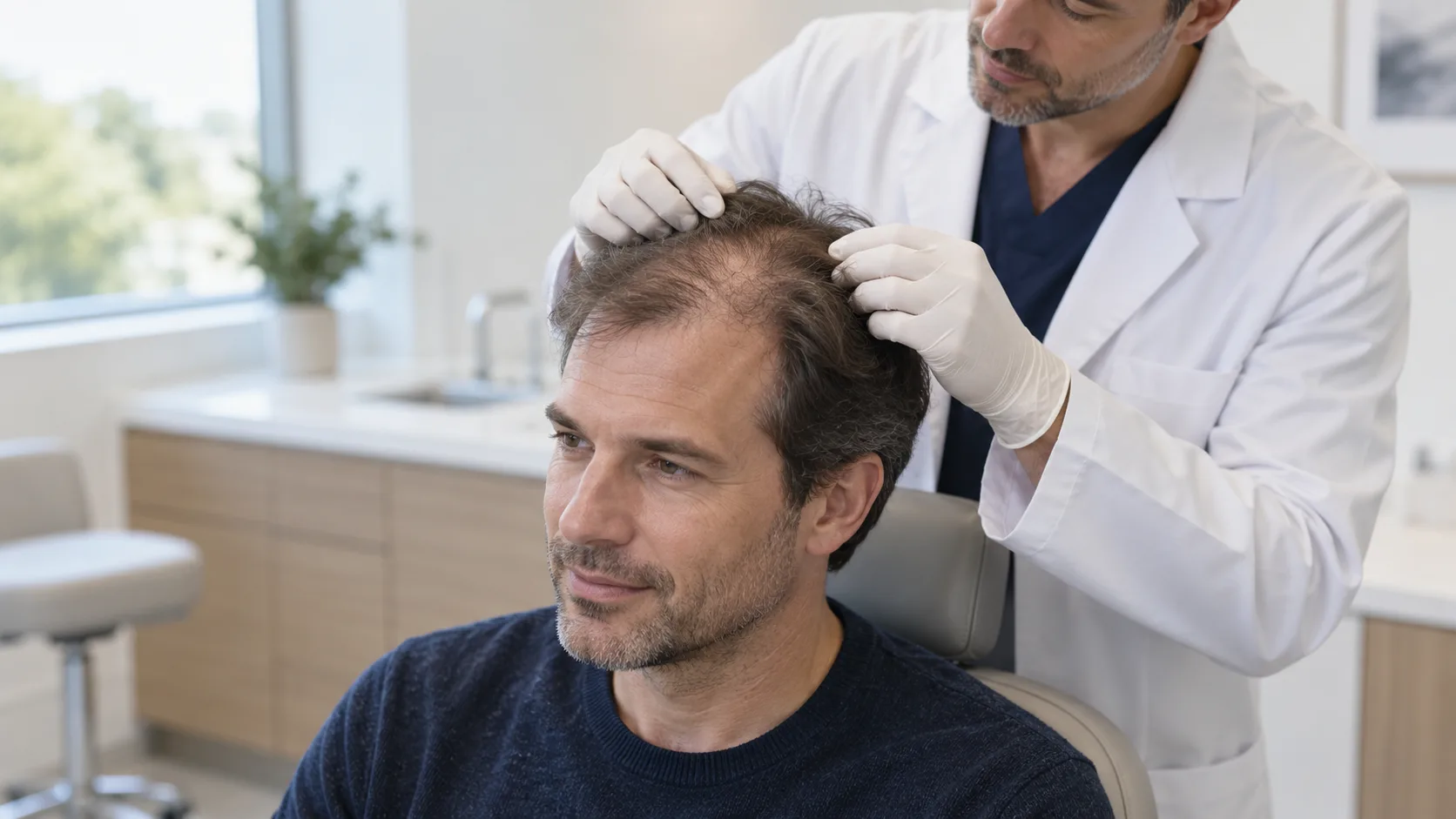
ريجينيرا أكتيفا: كيف تدعم نمو الشعر؟
تدعم ريجينيرا أكتيفا نمو الشعر من خلال توصيل الميكروغرافتات الذاتية الغنية بخلايا المنشأ، والإكسوزومات، ومكونات المصفوفة خارج الخلوية مباشرةً إلى مناطق ترقق الشعر.
أصبحت زراعة الشعر واحدة من أكثر الإجراءات التجميلية المطلوبة في جميع أنحاء العالم، حيث يختار الملايين من الرجال والنساء تقنيات الاستعادة الحديثة لمعالجة تساقط الشعر الأندروجيني و…
منتجات العناية بعد العملية والعناية بالشعر من متجرنا الإلكتروني.
استكشف المزيد من الرؤى حول العلاجات، التعافي، والرعاية الجمالية.
تدعم ريجينيرا أكتيفا نمو الشعر من خلال توصيل الميكروغرافتات الذاتية الغنية بخلايا المنشأ، والإكسوزومات، ومكونات المصفوفة خارج الخلوية مباشرةً إلى مناطق ترقق الشعر.
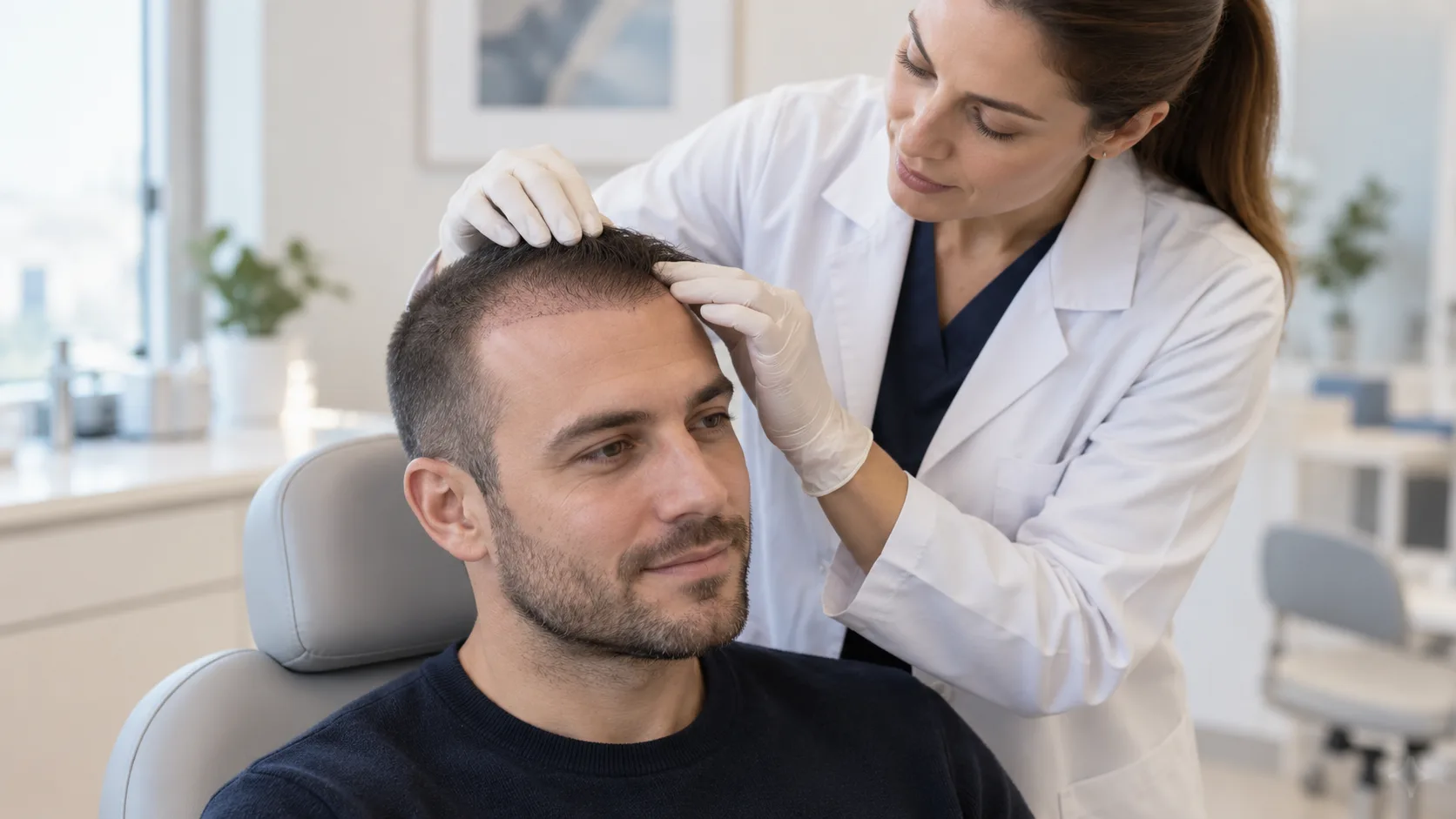
علاج الإكسوزوم بعد زراعة الشعر هو علاج تجديدي مساعد يستخدم الحويصلات خارج الخلوية لدعم بيئة فروة الرأس، شفاء الطعوم، وكثافة الشعر. الأدلة السريرية واعدة ولكن لا تزال مبكرة. لا يوجد بروتوكول موحد بعد الزراعة، لذا يحتاج كل خطة لموافقة الجراح.
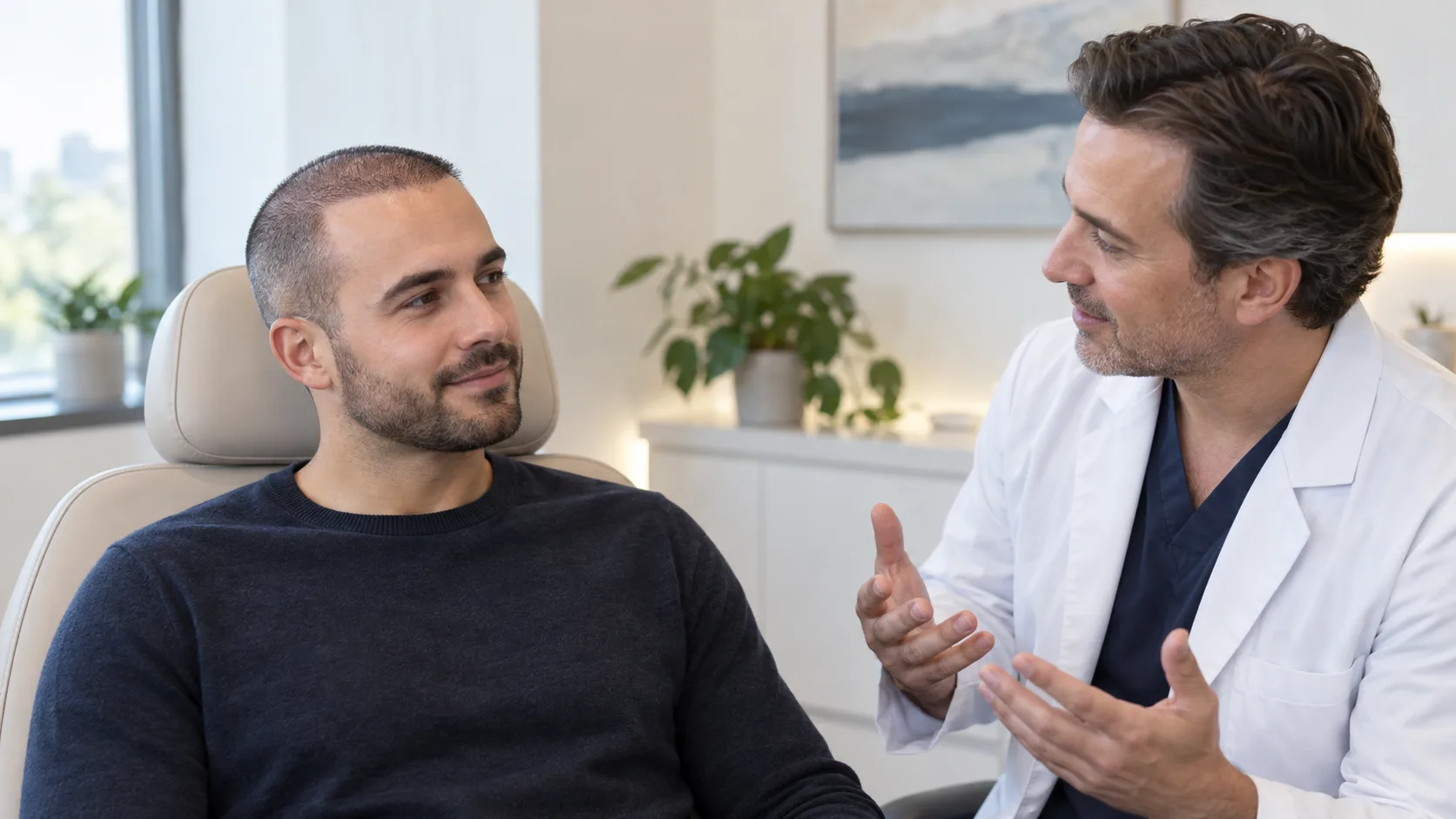
البلازما الغنية بالصفائح الدموية ليست جزءًا إلزاميًا من عملية زراعة الشعر. يقوم الجراحون بإجراء آلاف من عمليات زراعة الشعر الناجحة بتقنية FUE كل عام بدونها. تشير الأبحاث الحالية إلى أن PRP قد يدعم شفاء فروة الرأس، ويحمي الشعر الأصلي، ويعمل على تحسين كثافة الشعر بشكل معتدل عندما يتم إضافته كملحق.
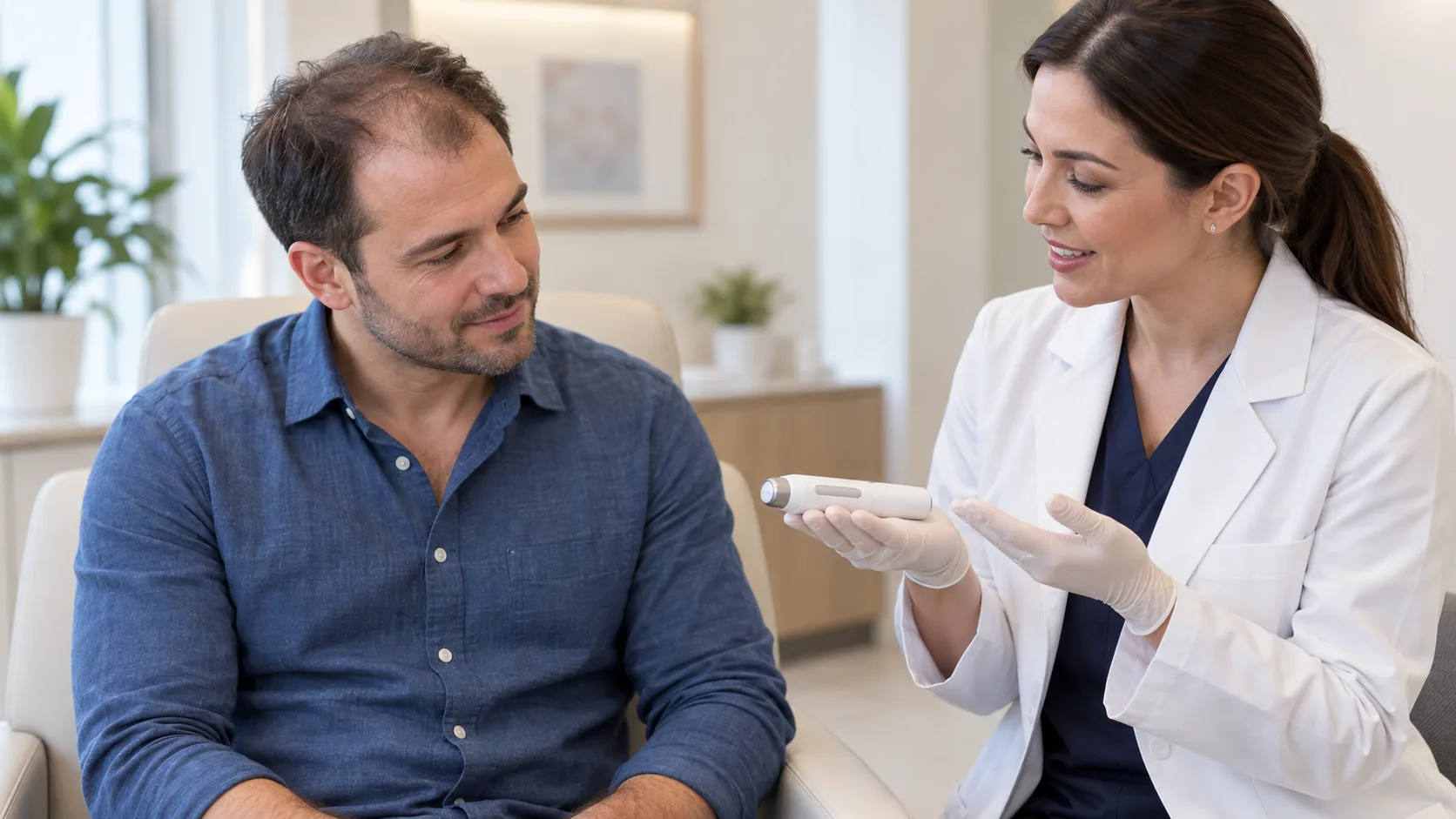
نعم. يعمل التخدير النفاث بدون إبرة في مرحلة التخدير الأولي لزراعة الشعر. لا يضمن عدم ظهور إبرة في أي لحظة. إنه يقلل من الألم والخوف المرتبطين بالحقن الأولى، وغالبًا ما يعمل بسرعة. يحتاج بعض المرضى إلى حقنة تقليدية للوصول إلى عمق التخدير الكامل.
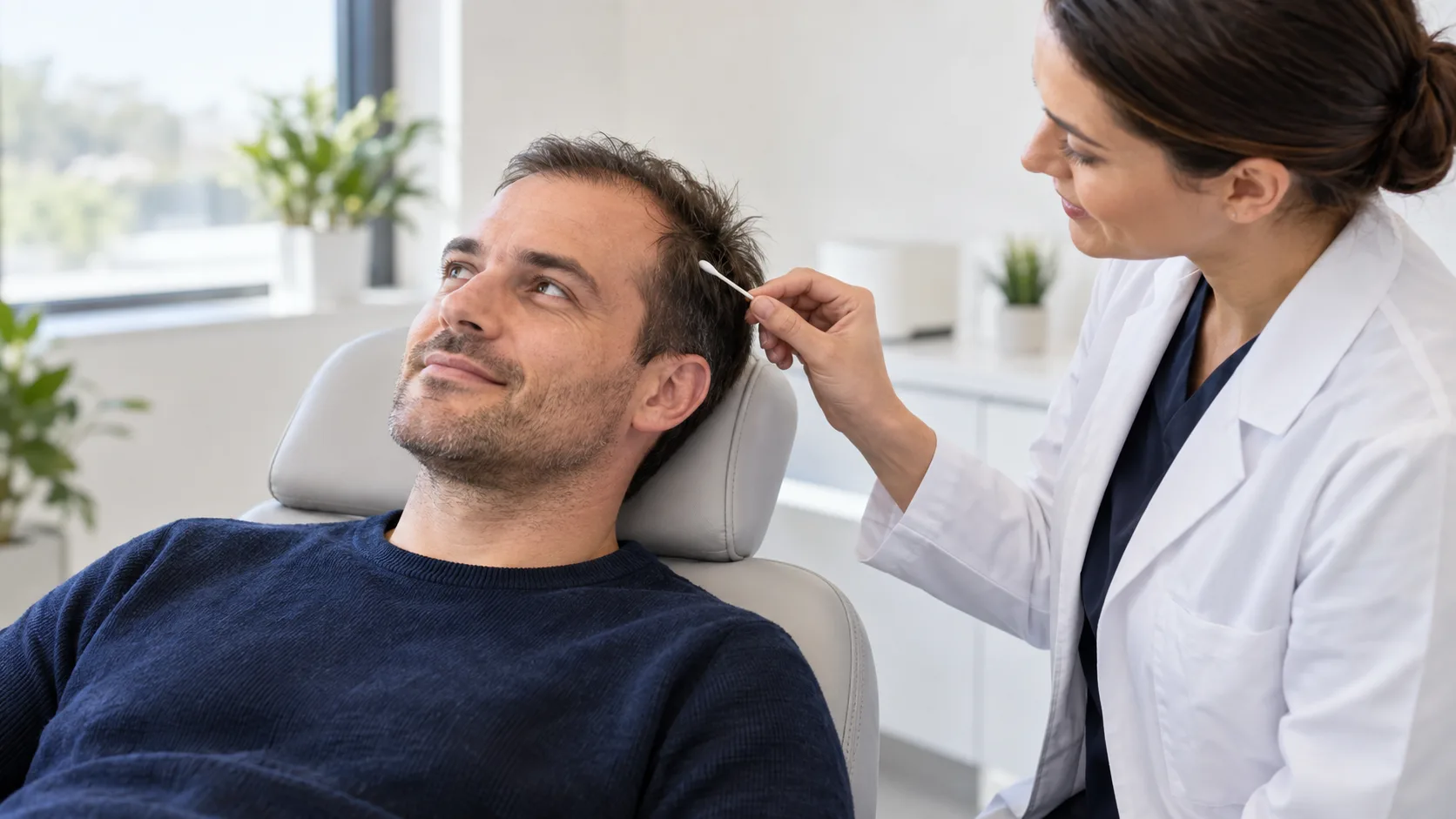
يمنع التخدير الموضعي إشارات الألم في فروة الرأس، مما يسمح للمريض بالبقاء مستيقظًا ومريحًا وقادرًا على التواصل أثناء إجراء زراعة الشعر. يستخدمه الجراحون في كل من مناطق المتبرع والمستقبل خلال إجراءات FUE وDHI. تسبب الحقنة انزعاجًا خفيفًا، ولكن من المفترض أن تكون العملية غير مؤلمة بمجرد أن يصبح فروة الرأس مخدرًا.
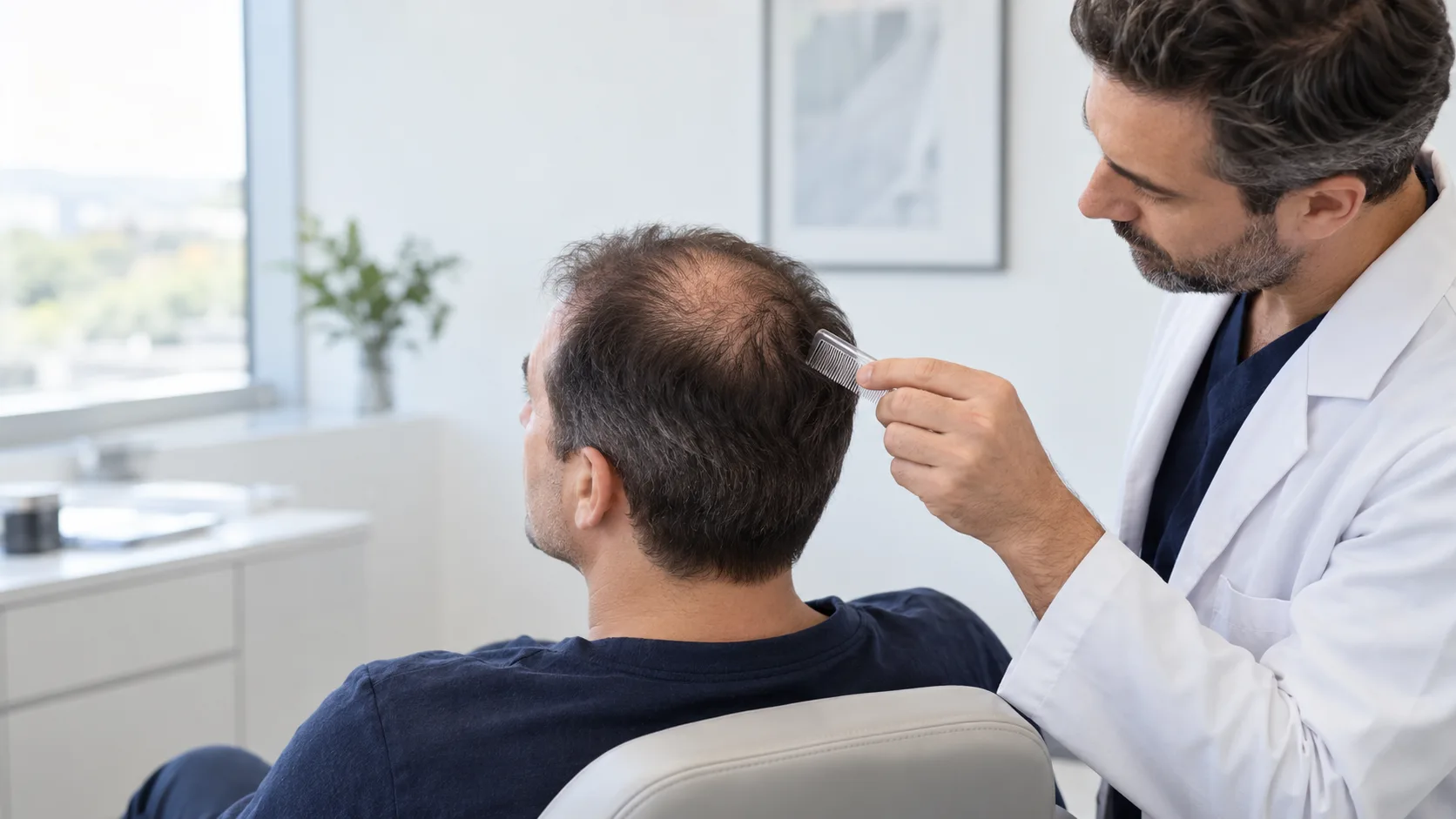
حساب طعوم زراعة الشعر ليس معادلة. إنها عملية تخطيط سريرية تتطابق مع نمط فقدان الشعر لدى المريض، ومساحة السطح المستلمة، والاحتياطي المتاح من المتبرع، وخصائص الشعر مقابل كثافة مستهدفة.
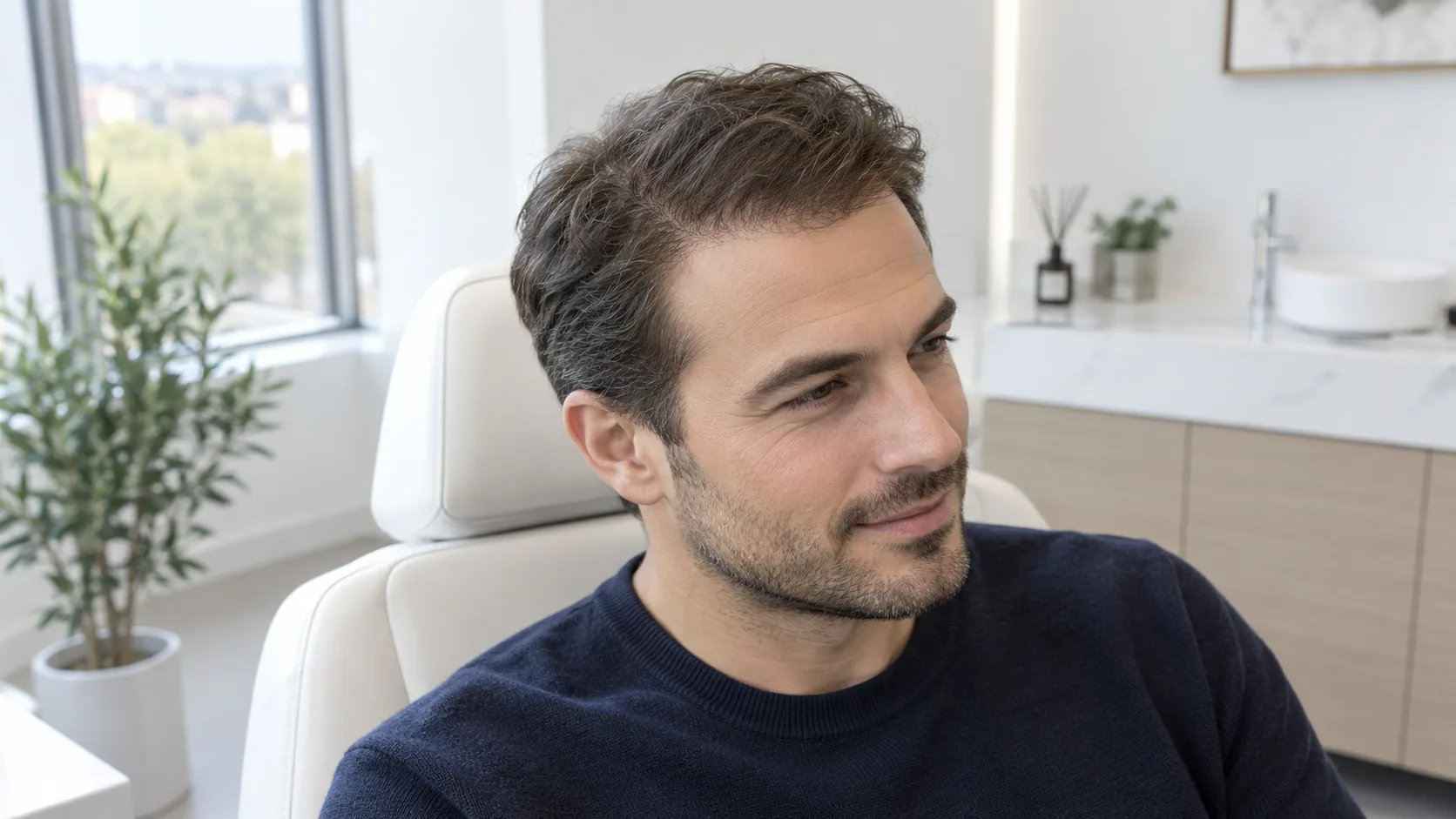
تحدد الكثافة ما إذا كانت زراعة الشعر تبدو طبيعية أو اصطناعية. الأمر لا يتعلق ببساطة بوضع أكبر عدد ممكن من الطعوم في أقل مساحة ممكنة. الكثافة هي توازن محسوب بين بقاء الطعوم، والإدراك البصري، وقدرة المتبرع، والتخطيط على المدى الطويل.
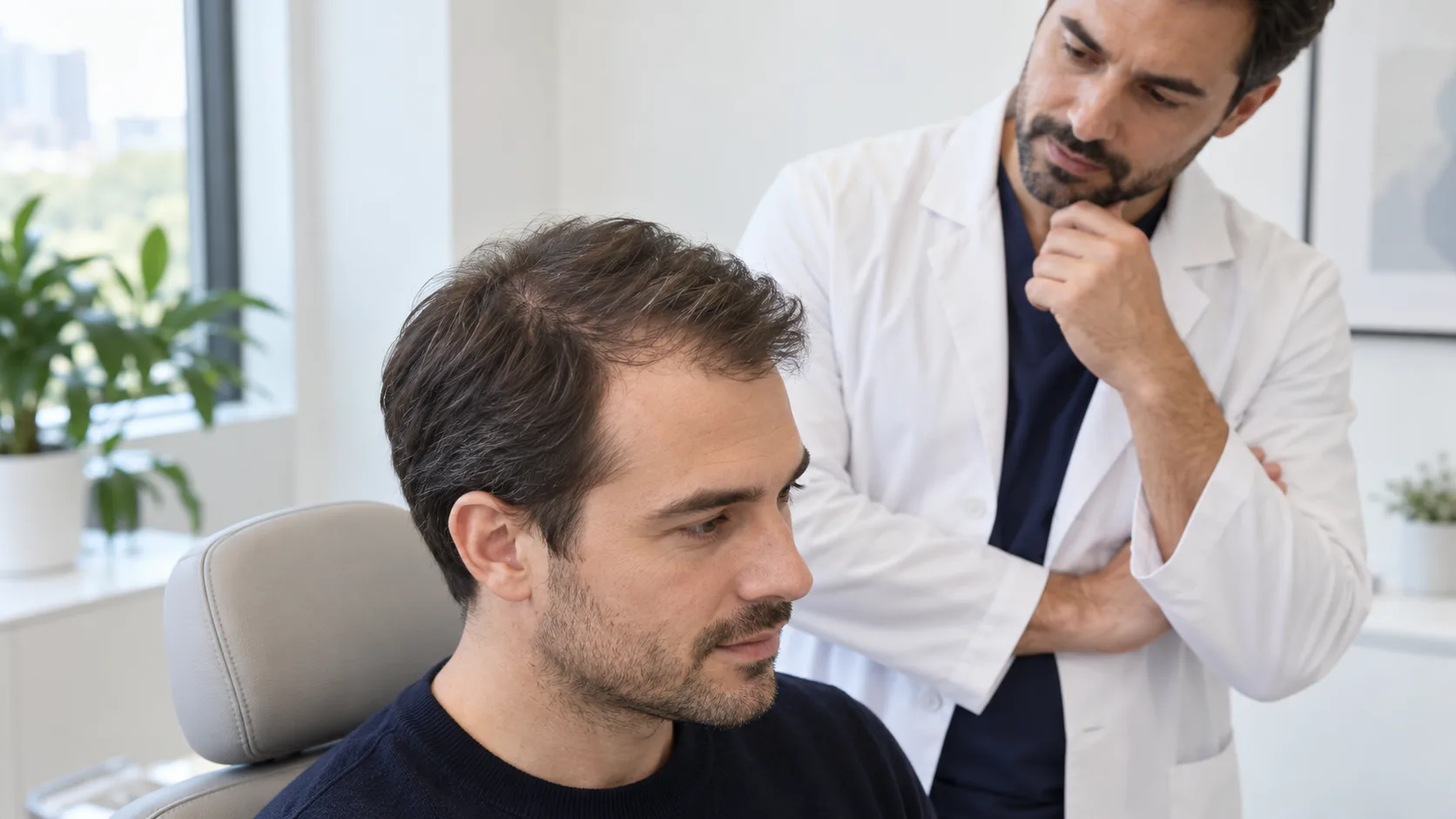
تتضمن زراعة الشعر أكثر بكثير من مجرد حساب الطعوم وقياس الكثافة. تحدد الزاوية التي يخرج بها كل وحدة شعر من فروة الرأس والاتجاه الذي تشير إليه كل شعرة ما إذا كانت النتيجة النهائية تبدو طبيعية أو صناعية.
أصبحت عمليات زراعة الشعر واحدة من أكثر إجراءات التجميل طلبًا على مستوى العالم، حيث اختار ملايين الرجال والنساء تقنيات الترميم الحديثة لمعالجة الصلع الوراثي وتخفيف الشعر. مع استمرار ارتفاع الطلب العالمي، فإن فهم مجموعة التأثيرات الجانبية لزراعة الشعر بالكامل يعد أمرًا ضروريًا لأي شخص يفكر في إجراء العملية. تستخدم العيادات الرائدة اليوم بشكل أساسي تقنيتي DHI (زرع الشعر المباشر) وSapphire FUE، وكلاهما يقدم نهجًا مصقولًا لاستخراج البصيلات وغرسها. على الرغم من أن هذه الطرق تعتبر ذات تدخّل طفيف، يتعين على المرضى التمييز بين التأثيرات الجانبية المؤقتة العادية والمضاعفات الحقيقية التي تتطلب تدخلًا طبيًا. خبرة الجراح، وظروف التشغيل المعقمة، واختيار المرضى بعناية، والرعاية اللاحقة الدقيقة تحدد مجتمعة أمان ونجاح كل إجراء.
تُصنف زراعة الشعر كإجراء جراحي خارجي ذو تدخّل طفيف مع سجل سلامة مثبت عندما يتم القيام به من قِبل محترفين مؤهلين. وقد أدّت تقنيات DHI وSapphire FUE الحديثة إلى تقليل الضرر النسيجي بشكل كبير مقارنة بالأساليب القديمة، مما أدى إلى انخفاض معدلات المضاعفات وزيادة سرعة خطط التعافي. نظرًا لأنه يتم إجراء العملية تحت التخدير الموضعي ولا تتطلب تخديرًا عامًا، تظل المخاطر النظامية ضئيلة. يعود معظم المرضى إلى منازلهم في نفس اليوم ويستأنفون الأنشطة الخفيفة في غضون 48 إلى 72 ساعة. تؤكد المراجعات النظامية الحديثة أن المضاعفات الخطيرة نادرة في الأيدي الماهرة، مع تقدير معدل الحوادث الضارة بشكل عام بنحو 1–5%.
تختلف النتائج الفردية بناءً على عدة متغيرات رئيسية. تؤثر خبرة الجراح بشكل مباشر على بقاء الطعوم وشفاء الجروح. العدد الإجمالي للطعوم المزروعة يؤثر على مدة الإجراء وضرر فروة الرأس. يمكن أن تؤثر الحالات الموجودة مسبقًا في فروة الرأس، وعادات التدخين، والأمراض المزمنة مثل السكري على الدورة الدموية وتأخير الشفاء. يساهم الامتثال الصارم لبروتوكولات الغسيل بعد العملية، ووضعيات النوم، وجداول الأدوية في تقليل احتمالية المضاعفات. ربما الأهم من ذلك، أن إدارة المانحين بشكل محافظ تمنع الإفراط في الحصاد وتحافظ على جمالية منطقة المانح على المدى الطويل.
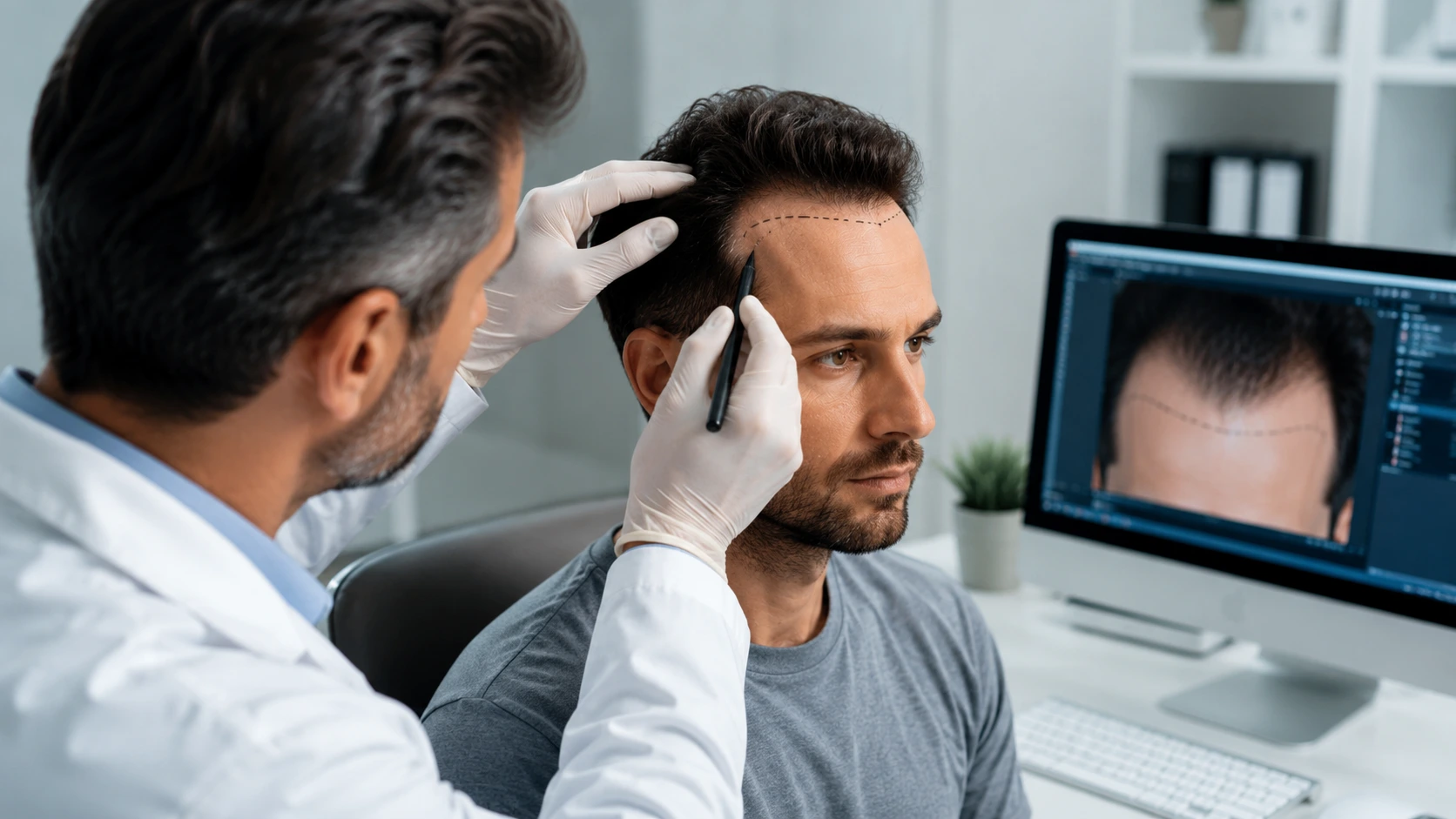
تظهر وذمة الجبين والجفن غالبًا خلال الساعات الـ 48 الأولى بعد الجراحة. تنتج هذه الانتفاخات عن استجابة الجسم الالتهابية للتخدير الموضعي والشقوق الدقيقة. عادة ما يصل الوضع إلى ذروته بين اليومين الثاني والرابع ويختفي بشكل تلقائي بحلول اليوم الخامس. يمكن للمرضى تقليل الانتفاخ عن طريق النوم مع رفع رأسهم بزاوية 45 درجة، والمحافظة على ترطيب مناسب، وتناول الأدوية المضادة للالتهابات التي تم وصفها حسب التوجيهات.
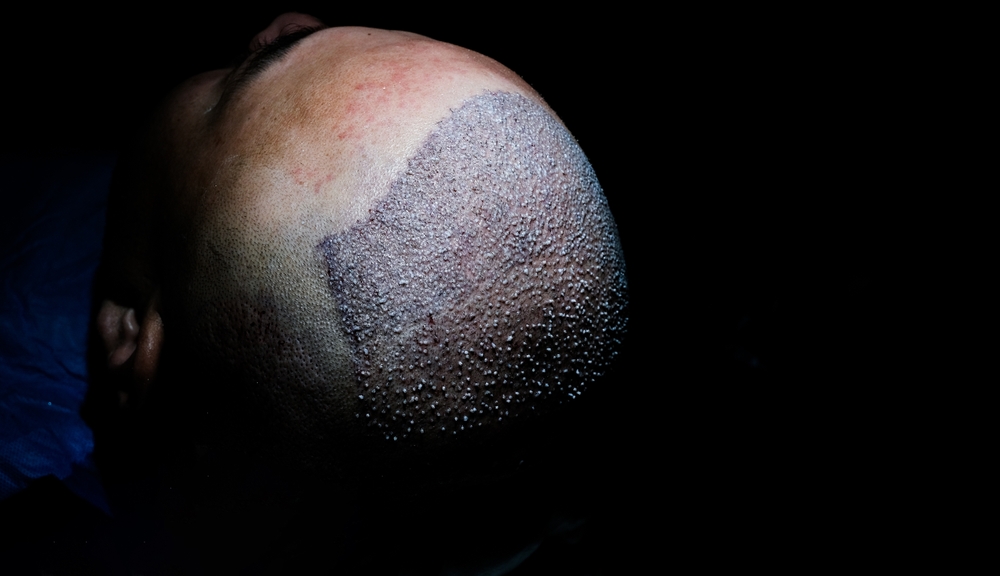
يمثل الاحمرار في منطقة المتلقي استجابة شفاء طبيعية بعد زراعة الطعوم. تختلف المدة حسب نوع الجلد، حيث تظهر الوجوه الشاحبة غالبًا الاحمرار لفترة أطول من درجات لون البشرة الداكنة. عادة ما يتلاشى الاحمرار الخفيف خلال أسبوعين إلى ثلاثة. ومع ذلك، إذا زاد الاحمرار أو انتشر أو صاحبته حرارة وألم، فقد يكون ذلك علامة على عدوى ويتطلب تقييمًا سريريًا فوريًا.
تتكون القشور الواقية حول كل طعيمة مزروعة خلال 24 إلى 48 ساعة بعد الجراحة. عادة ما تبدأ هذه القشور في التساقط بشكل طبيعي بين اليوم السابع والرابع عشر أثناء الغسل بلطف. تعتبر تقنية التنظيف المناسبة حاسمة؛ يجب على المرضى تجنب نزع القشور أو حكها، حيث أن الإزالة المبكرة يمكن أن تؤدي إلى تفكك الطعوم وتقليل الكثافة النهائية.
تظهر الحكة عادة خلال الأسبوعين الأول والثاني مع شفاء فروة الرأس وتجدد نهايات الأعصاب. تسهم الجفاف الناتج عن انخفاض إنتاج الزهم والنشاط المبكر لبصيلات الشعر في هذه الإحساس. يجب على المرضى مقاومة الحكة وبدلاً من ذلك استخدام بخاخات ملحية أو مرطبات معتمدة من الطبيب لتخفيف الانزعاج بشكل آمن.
يعتبر الانزعاج في منطقة المتبرع والشعور بنوع من الشد الخفيف عبر فروة الرأس أمرًا متوقعًا خلال الساعات الـ 72 الأولى. يكون الألم عمومًا قابلًا للإدارة باستخدام مسكنات الألم التي تُصرف بدون وصفة طبية. وغالبًا ما يبلغ مرضى Sapphire FUE عن شعور أقل قليلاً بالشد بعد الجراحة بفضل الشقوق الأصغر والأكثر دقة، بينما قد يعاني المتلقون في DHI من انزعاج طفيف لأن الزراعة تتم دون قنوات مسبقة الصنع.
يمكن أن يسبب تهيج الأعصاب الطفيف أثناء الاستخراج والزراعة خدرًا مؤقتًا أو تنميلًا في مناطق المتبرع أو المتلقي. عادة ما يحدث الشفاء الحسي في غضون ثلاثة إلى اثني عشر أسبوعًا. يكون الخدر الطويل الأمد بعد ثلاثة أشهر غير شائع ولكنه ينبغي مناقشته مع فريق الجراحة.
يشير فقدان الشعر الصدمي إلى تساقط مؤقت لكل من الشعر المزروع والأصلي بعد التعرض لصدمة جراحية. قد يلاحظ المرضى زيادة في تساقط الشعر بين الأسبوعين الثاني والثامن، مما قد يسبب قلقًا مفهومًا على الرغم من كونه ظاهرة فيزيولوجية معروفة.
الضغط الجسدي الناتج عن الجراحة يدفع بصيلات الشعر المجاورة إلى مرحلة الراحة التيلوجينية في دورة الشعر. إن الالتهاب الموضعي، التعديلات الدموية، واستجابات الإجهاد النظامية تُسهم في هذا الحدث المتزامن للتساقط.
في الغالبية العظمى من الحالات، فإن تساقط الشعر المفاجئ يكون مؤقتًا. عادةً ما يبدأ نمو الشعر مرة أخرى حوالي الشهر الثالث وينضج خلال الشهرين الثامن إلى الثاني عشر. يعتبر التساقط الدائم نادرًا وعادة ما يرتبط بتقليل الحجم الموجود مسبقًا، أو حالات طبية أساسية، أو أخطاء تقنية أثناء التعامل مع الطعوم.
تحدث العدوى بعد العملية في أقل من واحد في المئة من الحالات عند الحفاظ على التقنية المعقمة. تشمل علامات التحذير الإفرازات القيحية، الحمى، الاحمرار الشديد المتصاعد، والرائحة الكريهة. تمنع المضادات الحيوية الوقائية والنظافة المناسبة للجروح معظم العدوى بشكل فعال.
إن ظهور بقع طفيفة يعتبر أمرًا طبيعيًا خلال الأربع والعشرين ساعة الأولى. النزيف المفرط أو تكوين الكدمة أمر نادر لكنه أكثر احتمالا في المرضى الذين يستخدمون مضادات التخثر أو الذين يعانون من اضطرابات نزيف. الإفصاح الكامل عن تاريخ الأدوية خلال الاستشارة أمر ضروري.
بينما تخترق الشعرات الجديدة البشرة، فإن بعض المرضى يصابون بانتفاخات شبيهة بحب الشباب أو التهاب جريبات الشعر الطفيف. عادة ما تحل هذه الاستجابات الناتجة عن الشعر المنغرس بفضل الكمادات الدافئة، التنظيف اللطيف، والعلاجات الموضعية إذا لزم الأمر.
قد تتكون كيسات كيراتينية صغيرة عندما يتم احتجاز الحطام الظهاري تحت السطح. يتم حل معظمها ذاتيًا. أحيانًا تتطلب الكيسات الأكبر تصريفًا طبيًا معقمًا، على الرغم من أن ذلك نادر الحدوث مع التقنيات الحديثة.
قد يعاني المرضى الذين لديهم ضعف في الدورة الدموية الطرفية، المدخنون النشطون، أو مرضى السكري غير المنضبط من إطالة مدة شفاء الجروح. كما أن استخراج الطعوم بشكل مفرط يؤثر على تعافي منطقة المتبرع، ويجب تجنبه من خلال التخطيط الحذر للطعوم.
كلا من Sapphire FUE و DHI ينتجان ندبات دائرية صغيرة أو نقطية في منطقة المتبرع. هذه العلامات تكون عادة غير مرئية تحت أطوال الشعر العادية حتى بضع مليمترات. تؤثر خصائص الشفاء الفردية، نوع البشرة، ورعاية ما بعد العملية على مظهر الندبة النهائي.
الأفراد الذين لديهم استعداد وراثي قد يطورون ندوب بارزة هيبرتروفية أو كلويد. الفحص قبل العملية للتاريخ الشخصي أو العائلي من الندوب غير الطبيعية يسمح للجراحين بتعديل التقنية وتوصية بالعلاجات الوقائية عند الضرورة.
الاستخراج العدواني الذي يتجاوز الحدود الآمنة للمتبرع يخلق مظهراً متقطعاً ومضعفاً. الحفاظ على كثافة كافية في منطقة المتبرع يضمن إمكانية إجراء العمليات المستقبلية وأن المنطقة تحافظ على جاذبيتها الطبيعية.
يمكن أن يؤدي الزاوية غير الصحيحة للزرع، أو توزيع الكثافة غير المناسب، أو مبادئ التصميم القديمة إلى ظهور مظهر اصطناعي أو متكتل. التخطيط الدقيق قبل العملية والغرس الفني يمنع هذه المخاوف الجمالية الدائمة.
يستمر الثعلبة الأندروجينية في الشعر غير المزروع بعد الجراحة. قد يحتاج المرضى إلى جلسات مستقبلية أو علاج طبي صيانة مع المينوكسيديل أو الفيناسترايد للحفاظ على التغطية الكاملة.
نادراً، يبلغ المرضى عن انزعاج مستمر أو حساسية متزايدة تستمر لأكثر من ستة أشهر. عادةً ما ترتبط هذه الأعراض بتغيرات طفيفة في الأعصاب وتتحسن عادةً تدريجياً مع مرور الوقت.
يمثل التأثير النفسي والتوقعات غير الواقعية آثارًا جانبية غير جسدية كبيرة. تساعد الاستشارات الشاملة مع المحاكاة المرئية في توافق توقعات المرضى مع النتائج القابلة للتحقيق.
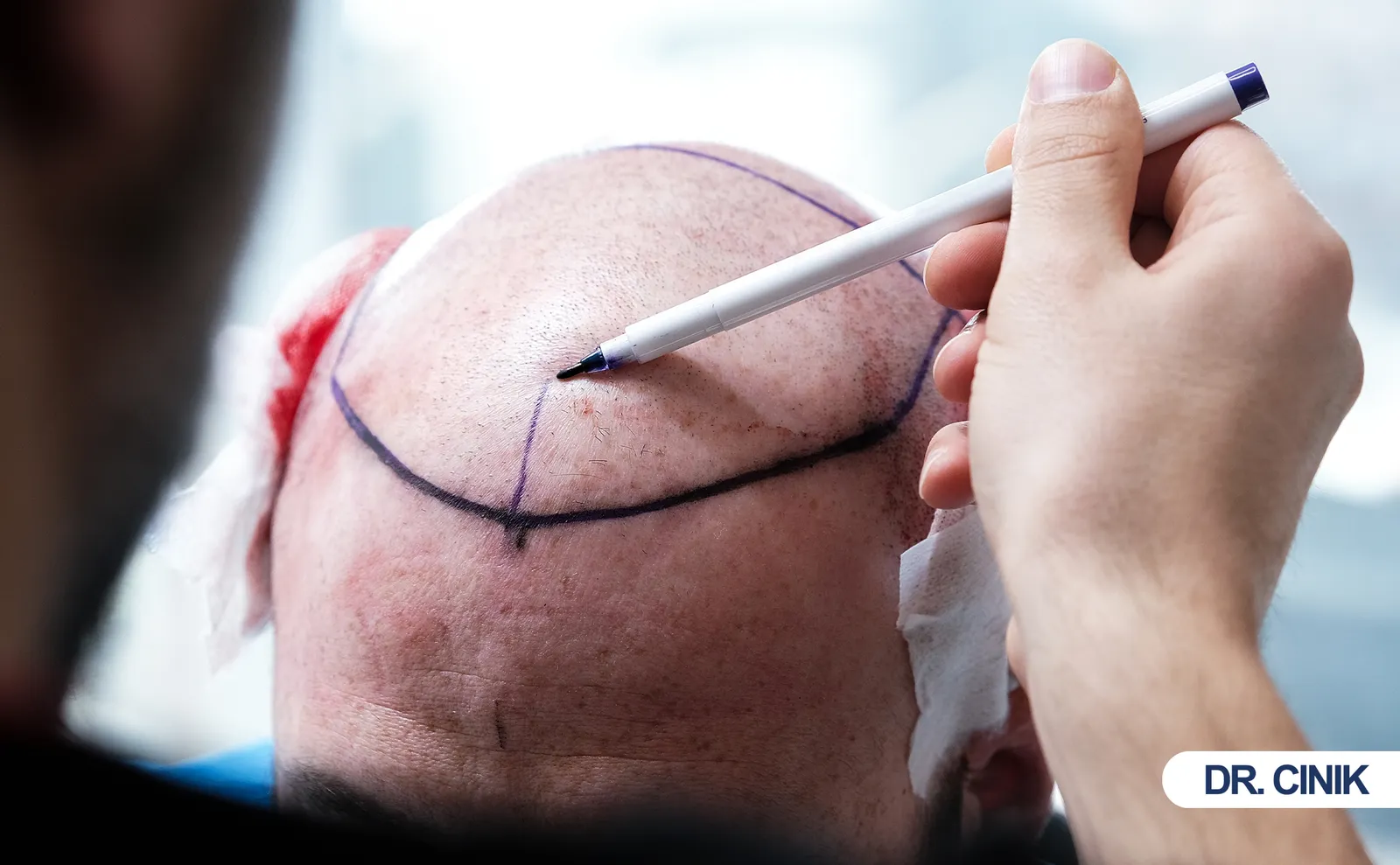
تستخدم Sapphire FUE شفرات مصنوعة من الياقوت الصناعي لإنشاء شقوق أصغر وأحد. تشمل الفوائد الشفاء الأولي الأسرع، وتقليل صدمة الأنسجة، وخطر الندوب المنخفض. يبقى خطر التورم معتدلاً ومقارنًا مع أنواع FUE الأخرى.
تستخدم DHI قلم زراعة Choi المتخصص الذي يقوم بإدخال الزرعات مباشرة دون إجراء شقوق مسبقة في موقع المتلقي. هذا يقلل من وقت التعامل مع الزرعات، ويحسن التحكم في الكثافة، ويقلل من التعرض للجريبات خارج الجسم. قد تمتد مدة الإجراء للحالات الكبيرة، ولكن التورم بعد العملية غالباً ما يكون أقل حدة.
|
التقنية |
سرعة الشفاء |
خطر الندوب |
خطر الانتفاخ |
Kontrolle الكثافة |
|
Sapphire FUE |
سريع |
منخفض |
متوسط |
عالي |
|
DHI |
سريع-متوسط |
منخفض |
خفيف-متوسط |
عالي جداً |
تحقق من المؤهلات الطبية، الشهادات، واعتماد العيادة. تجنب المنشآت غير المرخصة التي تقدم أسعاراً منخفضة بشكل غير معتاد، حيث إن هذه غالباً ما تُعرض معايير التعقيم والخبرة الجراحية للخطر.
التزم بدقة بالبروتوكولات الخاصة بالغسيل بدءاً من 48 إلى 72 ساعة بعد الجراحة. نم مع رفع الرأس لمدة أسبوع. تجنب التدخين والكحول لمدة لا تقل عن عشرة أيام. احمِ فروة الرأس من التعرض المباشر للشمس خلال الشهر الأول.
أكمل دورات المضادات الحيوية والمضادات الالتهابية الموصوفة. قد تسرع العلاج PRP من الشفاء وبقاء الطعوم. ناقش توقيت استخدام المينوكسيديل أو الفيناسترايد مع جراحك لدعم احتفاظ الشعر الطبيعي.
اطلب الاتصال الطبي الفوري في حالة استمرار النزيف، أو ارتفاع الحرارة عن 38 درجة مئوية، أو انتفاخ شديد أو متفاقم، أو تصريف صديدي، أو علامات نخر الجلد، أو فقد مفاجئ واسع النطاق للطعم.
تمييز الأعراض الشافية المتوقعة عن الطوارئ. يشمل التعافي الطبيعي احمرار طفيف، انتفاخ مؤقت، وتنميل قصير. أي عرض يتفاقم بدلاً من التحسن بعد اليوم الثالث يستحق التقييم المهني.
تختفي معظم الآثار الجانبية المؤقتة خلال أسبوعين إلى أربعة أسابيع. قد تستمر فقدان الصدمة والتغيرات الحسية لمدة شهرين إلى ثلاثة أشهر قبل التعافي الكامل.
عندما يتم تنفيذها بشكل صحيح بواسطة جراحيين ذوي خبرة، فإن الأضرار الدائمة نادرة للغاية. ومع ذلك، يمكن أن تؤدي التقنية السيئة أو المضاعفات غير المعالجة إلى انسدادات دائمة أو نتائج غير طبيعية.
نعم، تساقط الشعر المؤقت بعد زراعة الشعر هو ظاهرة موثقة بشكل جيد وعادة ما تكون محدودة ذاتيًا.
تنتج كل من DHI وSapphire FUE تندبات طفيفة مقارنة بالتقنيات القديمة. توفر DHI ميزة إضافية تتمثل في عدم وجود شقوق مسبقة الصنع في موقع الاستقبال.
لا يمكن منع جميع الآثار الجانبية بالكامل، ولكن يمكن تقليل شدتها ومدة حدوثها بشكل كبير من خلال اختيار الجراح وتقنية التعقيم والرعاية اللاحقة الصارمة.
الإجراء نفسه غير مؤلم بسبب التخدير الموضعي. الانزعاج بعد العملية عادةً ما يكون خفيفًا وقابلًا للسيطرة باستخدام المسكنات العادية.
نعم، تخضع النساء لزراعة الشعر بأمان. تساقط الشعر بنمط الإناث يتطلب تقييم تشخيصي دقيق لضمان ملاءمة مناسبة والتخطيط لنتائج واقعية.
تظل زراعة الشعر واحدة من الحلول الأكثر أمانًا وفعالية لتساقط الشعر النمطي عندما يتعامل المرضى مع القرار بتوقعات مستنيرة. غالبية الآثار الجانبية مؤقتة ومحدودة ذاتيًا ويمكن إدارتها من خلال تقنيات DHI وSapphire FUE الحديثة. اختيار عيادة ذات سمعة حسنة وخبرة جراحية مثبتة يقلل بشكل كبير من خطر المضاعفات. في النهاية، يعتمد الرضا على المدى الطويل على الجمع بين الدقة التقنية، وتخطيط العلاج الفردي، والرعاية ما بعد العملية الملتزمة.
Mysore V, et al. المضاعفات في زراعة الشعر باستخدام وحدة بصيلات الشعر. PMC. 2025. https://pmc.ncbi.nlm.nih.gov/articles/PMC12909172/
Nadimi S. المضاعفات المتعلقة بزراعة الشعر. عيادات جراحة الوجه التجميلية في أمريكا الشمالية. 2020;28(2):225-235. https://pubmed.ncbi.nlm.nih.gov/32183750/
أفرام م. ر، رودجرز ن، واتكنز س. الآثار الجانبية الناتجة عن استخراج وحدات الشعر في زراعة الشعر. مجلة الجراحة الجلدية والتجميلية. 2014؛7(3):177-179. https://pmc.ncbi.nlm.nih.gov/articles/PMC6371733/
أوكوشي ه، وآخرون. تحليل لعوامل الخطر للتهيج المؤقت في موقع المستلم بعد استئصال وحدات الشعر. الجراحة التجميلية الجمالية. 2024؛48:1258-1263. https://pubmed.ncbi.nlm.nih.gov/40913181/
تشو ي، وآخرون. توصيف وعوامل خطر التهاب الجريبات الشعرية بعد زراعة الشعر: دراسة استرجاعية متعددة المراكز. الجراحة التجميلية والترميمية. 2024؛154(6):1115e-1122e. https://pubmed.ncbi.nlm.nih.gov/39121234/
سيرين ف. نخر موقع المستلم بعد تقنية استئصال وحدات الشعر لزراعة الشعر: تقييم 18 مريضًا. الجراحة التجميلية الجمالية. 2024؛48:3735-3740. https://pubmed.ncbi.nlm.nih.gov/38420456/
الحمزاوي ن. ك. ندبات الكيلويد الناشئة بعد زراعة شعر وحدات الشعر. مجلة الجراحة الجلدية والتجميلية. 2020؛13(3):237-239. https://pmc.ncbi.nlm.nih.gov/articles/PMC6371733/
خيمينيز ف، فogel ج. إ، أفرام م. مقال CME الجزء الثاني. زراعة الشعر: التقنية الجراحية. مجلة الأكاديمية الأمريكية للأمراض الجلدية. 2021؛85(4):818-829. https://pubmed.ncbi.nlm.nih.gov/33838237/
تان إ. ج، جعفراني م. الأبعاد النفسية لزراعة الشعر: مراجعة سردية للأدلة الحالية. مجلة الأمراض الجلدية التجميلية. 2025؛24:e70475. https://pubmed.ncbi.nlm.nih.gov/39607645/
غارغ أ. ك، غارغ س. مضاعفات إجراءات زراعة الشعر - الأسباب والإدارة. المجلة الهندية لجراحة التجميل. 2021؛54(4):477-482. https://pubmed.ncbi.nlm.nih.gov/40913181/