


ريجينيرا أكتيفا: كيف تدعم نمو الشعر؟
تدعم ريجينيرا أكتيفا نمو الشعر من خلال توصيل الميكروغرافتات الذاتية الغنية بخلايا المنشأ، والإكسوزومات، ومكونات المصفوفة خارج الخلوية مباشرةً إلى مناطق ترقق الشعر.
تقدم تقنية DHI دقة ممتازة لاستعادة خط الشعر، ولكن الأدلة السريرية الحالية لا تثبت تفوقها العالمي على تقنية FUE. خبرة الجراح، خصائص المريض، والرعاية الفردية…
منتجات العناية بعد العملية والعناية بالشعر من متجرنا الإلكتروني.
استكشف المزيد من الرؤى حول العلاجات، التعافي، والرعاية الجمالية.
تدعم ريجينيرا أكتيفا نمو الشعر من خلال توصيل الميكروغرافتات الذاتية الغنية بخلايا المنشأ، والإكسوزومات، ومكونات المصفوفة خارج الخلوية مباشرةً إلى مناطق ترقق الشعر.
علاج الإكسوزوم بعد زراعة الشعر هو علاج تجديدي مساعد يستخدم الحويصلات خارج الخلوية لدعم بيئة فروة الرأس، شفاء الطعوم، وكثافة الشعر. الأدلة السريرية واعدة ولكن لا تزال مبكرة. لا يوجد بروتوكول موحد بعد الزراعة، لذا يحتاج كل خطة لموافقة الجراح.
البلازما الغنية بالصفائح الدموية ليست جزءًا إلزاميًا من عملية زراعة الشعر. يقوم الجراحون بإجراء آلاف من عمليات زراعة الشعر الناجحة بتقنية FUE كل عام بدونها. تشير الأبحاث الحالية إلى أن PRP قد يدعم شفاء فروة الرأس، ويحمي الشعر الأصلي، ويعمل على تحسين كثافة الشعر بشكل معتدل عندما يتم إضافته كملحق.
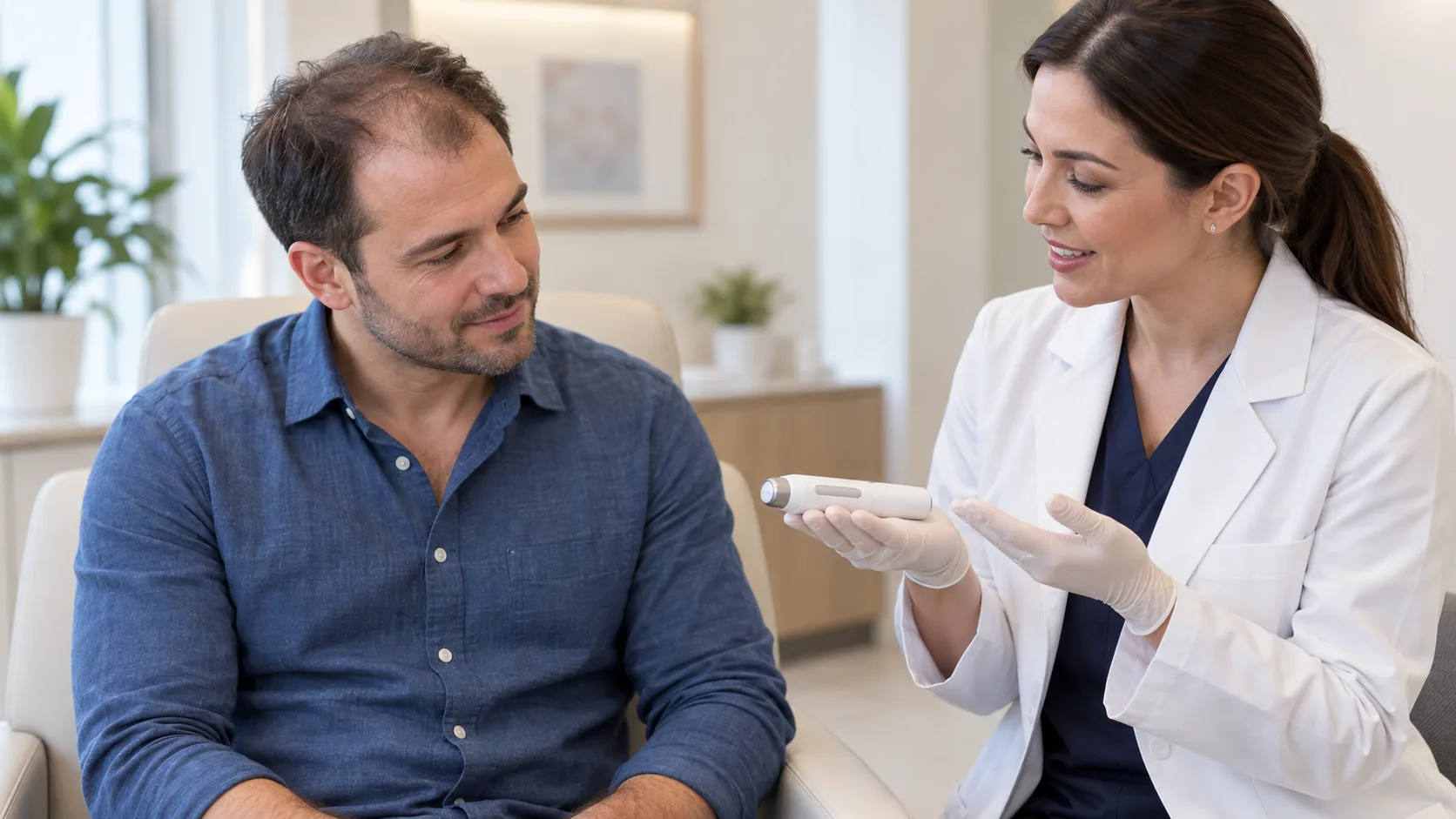
نعم. يعمل التخدير النفاث بدون إبرة في مرحلة التخدير الأولي لزراعة الشعر. لا يضمن عدم ظهور إبرة في أي لحظة. إنه يقلل من الألم والخوف المرتبطين بالحقن الأولى، وغالبًا ما يعمل بسرعة. يحتاج بعض المرضى إلى حقنة تقليدية للوصول إلى عمق التخدير الكامل.
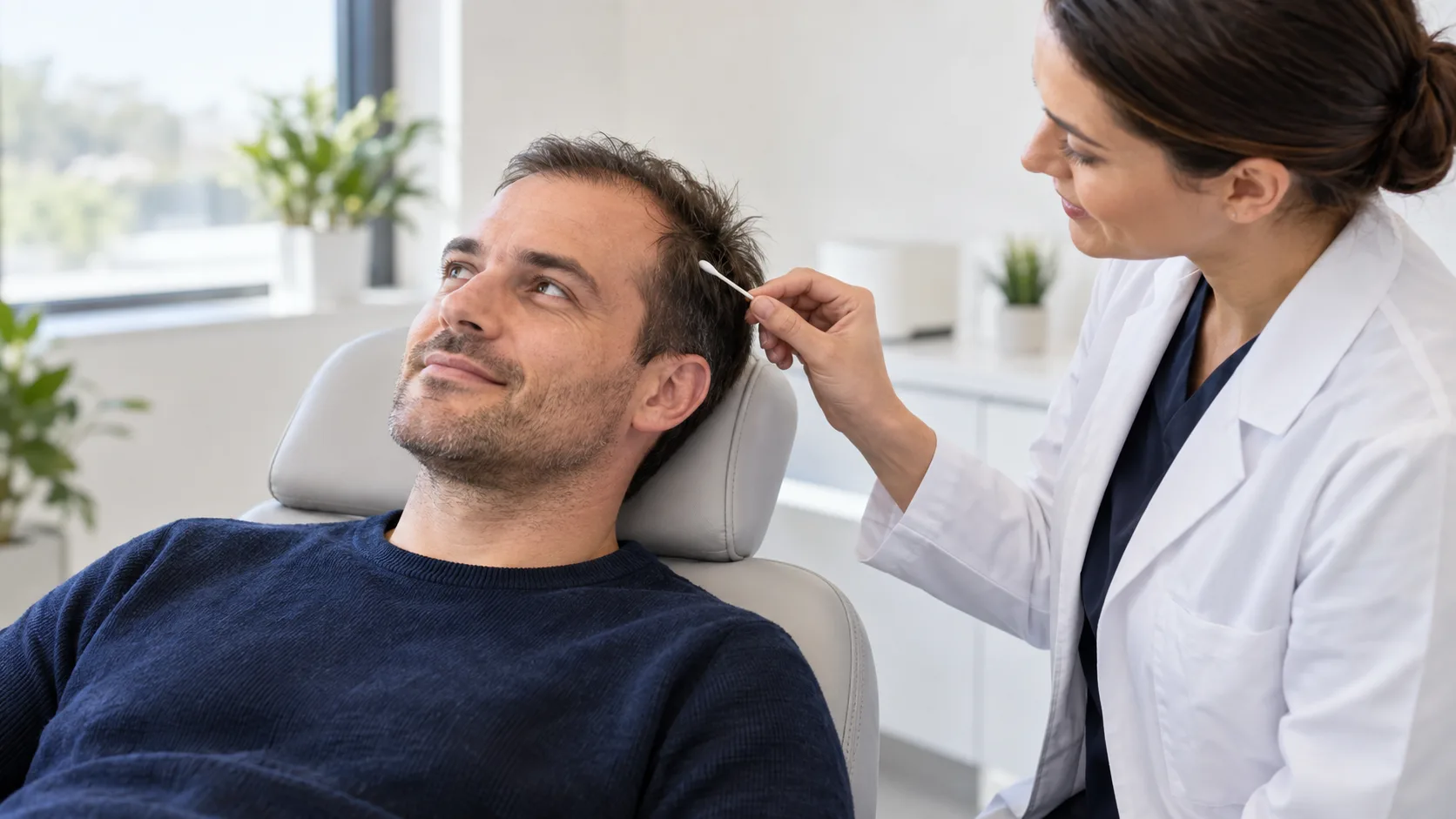
يمنع التخدير الموضعي إشارات الألم في فروة الرأس، مما يسمح للمريض بالبقاء مستيقظًا ومريحًا وقادرًا على التواصل أثناء إجراء زراعة الشعر. يستخدمه الجراحون في كل من مناطق المتبرع والمستقبل خلال إجراءات FUE وDHI. تسبب الحقنة انزعاجًا خفيفًا، ولكن من المفترض أن تكون العملية غير مؤلمة بمجرد أن يصبح فروة الرأس مخدرًا.
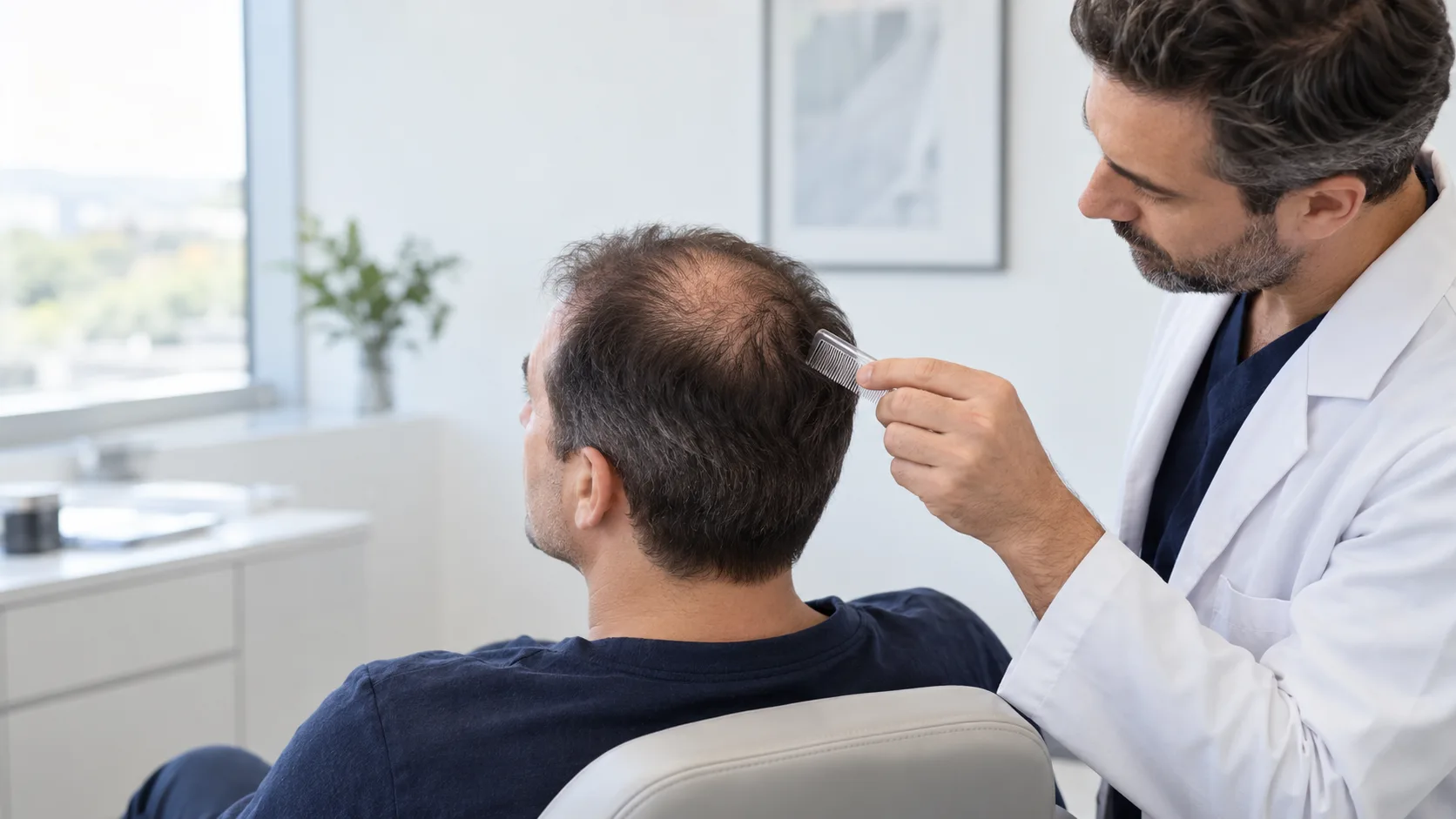
حساب طعوم زراعة الشعر ليس معادلة. إنها عملية تخطيط سريرية تتطابق مع نمط فقدان الشعر لدى المريض، ومساحة السطح المستلمة، والاحتياطي المتاح من المتبرع، وخصائص الشعر مقابل كثافة مستهدفة.
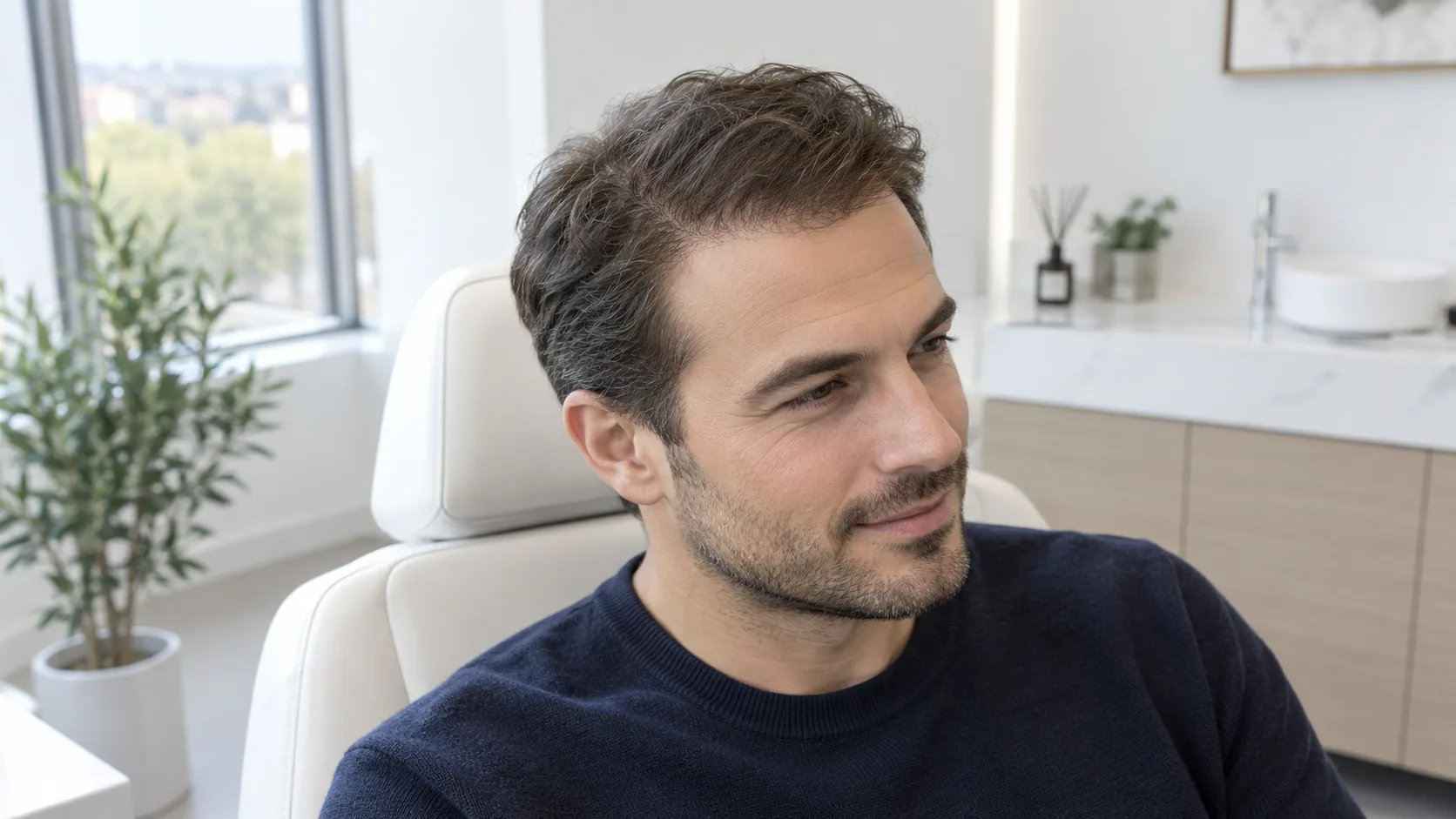
تحدد الكثافة ما إذا كانت زراعة الشعر تبدو طبيعية أو اصطناعية. الأمر لا يتعلق ببساطة بوضع أكبر عدد ممكن من الطعوم في أقل مساحة ممكنة. الكثافة هي توازن محسوب بين بقاء الطعوم، والإدراك البصري، وقدرة المتبرع، والتخطيط على المدى الطويل.
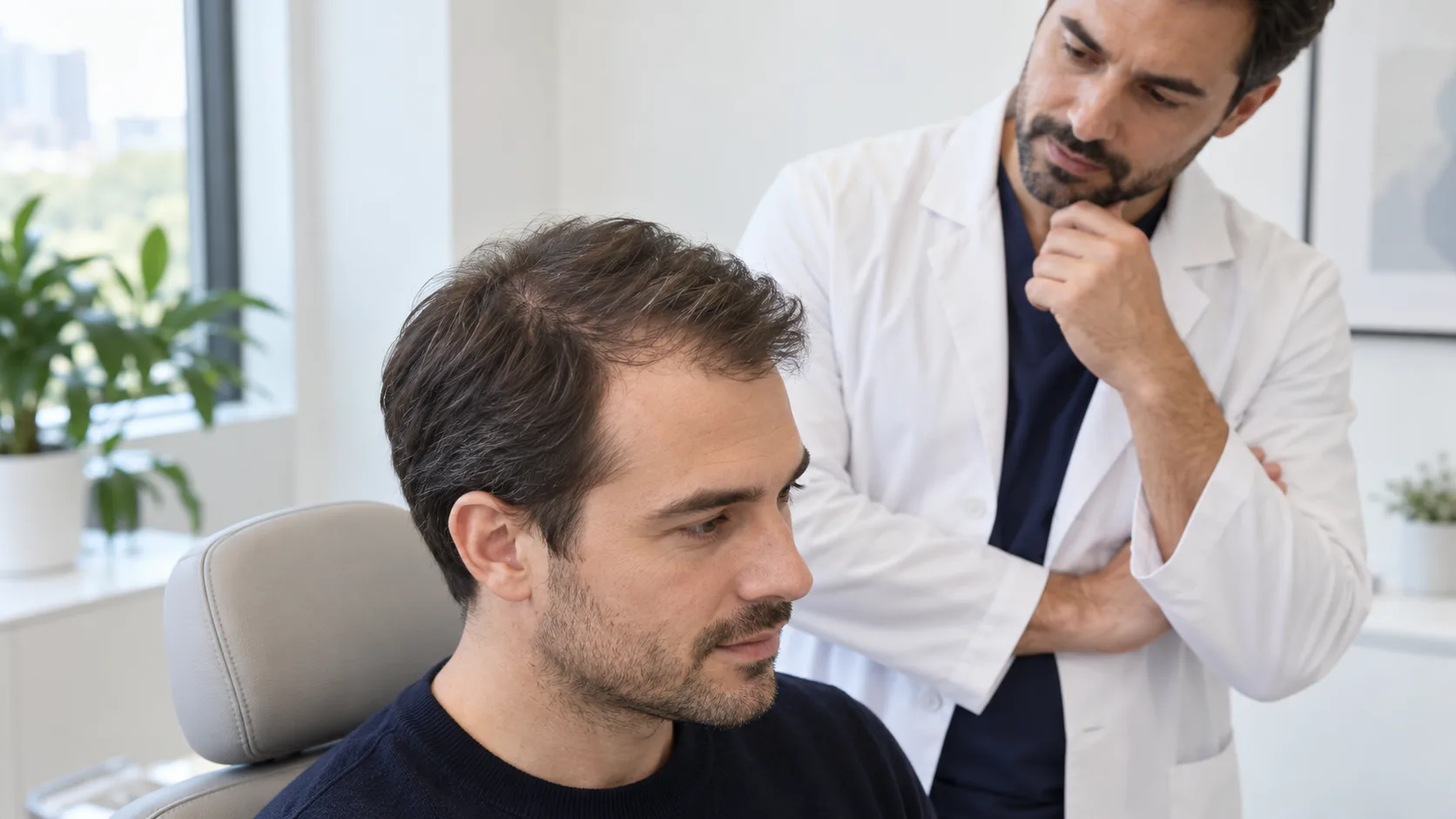
تتضمن زراعة الشعر أكثر بكثير من مجرد حساب الطعوم وقياس الكثافة. تحدد الزاوية التي يخرج بها كل وحدة شعر من فروة الرأس والاتجاه الذي تشير إليه كل شعرة ما إذا كانت النتيجة النهائية تبدو طبيعية أو صناعية.
تقدم تقنية DHI دقة ممتازة لاستعادة خط الشعر، لكن الأدلة السريرية الحالية لا تثبت أنها متفوقة عالمياً على FUE. خبرة الجراح، وخصائص المريض، والتخطيط الفردي تحدد النتيجة النهائية أكثر من تقنية الزرع وحدها.
يُشكِّل خط الشعر إطار الوجه. إنه يحدد الانطباعات الأولى. كما يُحدد تناظر الوجه. لهذا السبب، يُدقق الجراحون والمرضى في كل تفصيل من تفاصيل استعادة خط الشعر الأمامي. ظهرت تقنية زراعة الشعر المباشرة، أو DHI، كأداة رائدة لهذه المهمة الحساسة. تستعرض هذه المقالة الأدلة. تستكشف كيف تعمل DHI. تقارن بين DHI وFUE. تجيب على السؤال المركزي: هل تقدم DHI نتائج أفضل لاستعادة خط الشعر فعلاً؟
DHI اختصار لزراعة الشعر المباشرة. يقوم الجراحون باستخراج بصيلات فردية من منطقة المانح وزرعها فوراً في منطقة المستلم باستخدام قلم زراعة خاص من نوع Choi.
تمثل زراعة الشعر المباشرة نهجاً متقدماً في زراعة الشعر. تعتمد التقنية على أسس استخراج وحدات الشعر، أو FUE. تشترك الطريقتان في نفس عملية الاستخراج. يقوم الجراحون بحصاد وحدات شعر فردية من منطقة المانح، عادةً في الجزء الخلفي من فروة الرأس. يكمن الاختلاف الحاسم في عملية الزرع.
غيرت FUE زراعة الشعر في أوائل العقد الأول من القرن 21. لم يعد الجراحون بحاجة لإزالة شريط خطي من فروة الرأس. بدلاً من ذلك، قاموا باستخراج بصيلات فردية باستخدام قواطع صغيرة. هذا قلل من الندوب. وسرع من الشفاء. ومع ذلك، ظلت مرحلة الزرع غير متغيرة إلى حد كبير. أعد الجراحون مواقع المستلم أولاً. ثم قاموا بزرع الطعوم في هذه الشقوق المُعدة مسبقاً.
قدمت DHI تحولاً في المفاهيم. طور الدكتور تشوي قلم الزرع من نوع Choi في كوريا الجنوبية خلال التسعينيات. يجمع هذا الجهاز بين إنشاء القنوات ووضع الطعوم في إجراء واحد. سمح القلم للجراحين بزراعة البصيلات مباشرة دون الحاجة لتحضير مواقع المستلم مسبقاً. قللت هذه الابتكار من وقت التعامل مع الطعوم. وحافظت على صلاحية الطعوم. وزادت من دقة الزراعة.
تتبع عملية DHI تسلسلًا واضحًا:
تتطلب العملية برمتها تنسيقًا دقيقًا. يعمل الفريق الجراحي في أزواج متزامنة. يستخرج أحد الأعضاء. بينما يقوم الآخر بتحميل الوحدات الطعومية في أقلام الزراعة. يقوم الجراح بوضع كل بصيلة بدقة متعمدة.
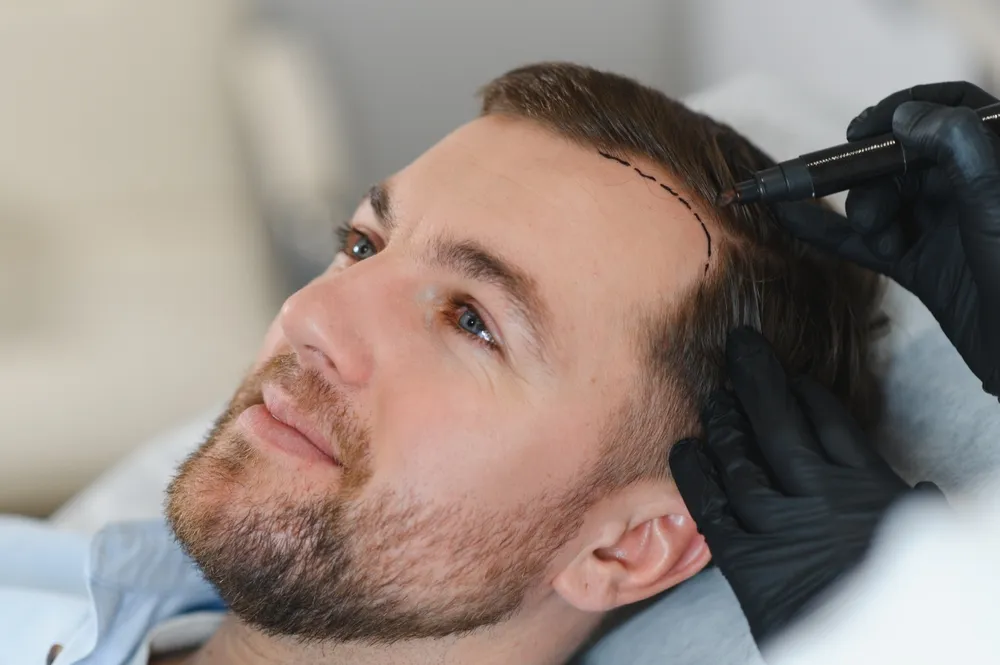
تتطلب استعادة خط الشعر دقة فنية أعلى من الزراعة العامة. يجب على الجراحين التحكم في اتجاه الشعر وزاويته وانتقال الكثافة وتناسق الوجه أثناء وضع وحدات الشعر الفردية عند الحافة الأمامية.
يقدم خط الشعر الأمامي تحديات فريدة. يجلس في مركز الجماليات الوجهية. تؤثر كل قرار بشأن مكانة الوحدة الطعومية على المظهر العام. تشرح هذه القسم لماذا تتطلب استعادة خط الشعر خبرة متخصصة.
يعمل خط الشعر الأمامي كإطار طبيعي للوجه. يحدد العمر المدرك والجاذبية وتوازن الوجه. هناك عدة عوامل تجعل هذه المنطقة تحديًا خاصًا:
غالباً ما تعطي زراعة الشعر العامة الأولوية للتغطية والحجم. بينما تعطي استعادة خط الشعر الأولوية للجمالية والطبيعية. هذه التفريق يشكل اختيار التقنية.
تصميم خط الشعر يتجاوز التنفيذ الفني. يتطلب رؤية فنية. يجب على الجراحين مراعاة:
يبدو خط الشعر المصمم بشكل جيد طبيعيًا عند عمر 30 عامًا ويظل مناسبًا عند عمر 60 عامًا. يجب على الجراحين التخطيط لتقدم فقدان الشعر على المدى الطويل. يمنع هذا النظر بعيد المدى المضاعفات الجمالية في المستقبل.
يسمح قلم الزرع Choi للجراحين بالتحكم في زاوية الزرع، الاتجاه، والعمق بدقة استثنائية. يقلل هذا من التعامل مع Greft والإصابة الميكانيكية من خلال إنشاء القنوات وزرعها في وقت واحد.
يميز قلم الزرع Choi DHI عن زرع FUE التقليدي. يشبه هذا الجهاز اليدوي قلمًا. يحتوي على إبرة مجوفة وآلية دفع. فهم وظيفته يفسر مزايا دقة DHI.
يتيح قلم الزرع إنشاء القنوات وزرع Greft في وقت واحد. يوفر هذا العمل الثنائي عدة مزايا ميكانيكية:
يتطلب FUE التقليدي خطوتين متميزتين. أولاً، يقوم الجراح بإنشاء مواقع المستقبل باستخدام الشفرات أو الإبر. بعد ذلك، يقوم الفريق بوضع الجرافتات في تلك المواقع. هذا الفصل يقدم متغيرات. قد تتعرض الجرافتات للضغط. قد تنحني. قد لا تجلس بشكل مثالي.
يقلل DHI من تلاعب الجرافتات. في FUE التقليدي، يتعامل الفنيون مع الجرافتات عدة مرات:
كل خطوة في التعامل تعرض الجرافت للجفاف، أو الصدمة الميكانيكية، أو أضرار الحرارة. يقلل DHI من هذه السلسلة. يقوم الجراح بتحميل الجرافت مباشرة في قلم الزراعة. يقوم القلم بإدخاله على الفور. تحافظ هذه العملية المبسطة على حيوية الجرافت.
تشير الأبحاث إلى أن تقليل التلاعب يتوافق مع زيادة بقاء الجرافت. تخلق إبرة قلم Choi المجوفة قناة تتطابق تمامًا مع قطر الجرافت. وهذا يقلل من ضغط الأنسجة. ويقلل من اضطراب الأنسجة المحيطة.
ومع ذلك، يمكن أن يسبب قلم الزراعة نفسه صدمة إذا تم استخدامه بشكل غير صحيح. يجب أن تتطابق الإبرة مع قطر الجرافت. القوة الزائدة يمكن أن تقطع الجرافتات. التحميل غير السليم يمكن أن ينحني البصيلات. لذلك، تبقى مهارة الجراح مع قلم Choi ذات أهمية كبيرة.
يتفوق DHI في دقة خط الشعر وتجميل المناطق الصغيرة. يظل FUE أكثر كفاءة للجلسات الكبيرة والصلع الواسع. لا تُعتبر أي من الطريقتين متفوقة بشكل عام. إن خبرة الجراح تحدد النتائج أكثر من اختيار الطريقة.
يتطلب هذا المقارنة دقة. تنتج كلتا الطريقتين نتائج ممتازة في الأيدي الماهرة. تبرز الجدول التالي الفروق الرئيسية:
|
الخاصية |
DHI |
FUE |
|
تقنية الزرع |
قلم زراعة شوى |
مواقع مستقبلية جاهزة |
|
دقة خط الشعر |
تحكم أعلى |
ممتاز مع تخطيط خبير |
|
تحكم الزاوية |
ممتاز |
ممتاز في الأيدي المتمرسة |
|
تحكم الاتجاه |
ممتاز |
ممتاز مع إنشاء المواقع بشكل صحيح |
|
تحكم الكثافة |
مرتفع جداً |
مرتفع |
|
كفاءة الجلسة الكبيرة |
أقل كفاءة |
أكثر كفاءة |
|
مدة الإجراء |
أطول |
أقصر |
|
خيار عدم الحلاقة |
غالباً ممكن |
أقل شيوعاً |
|
أفضل مؤشر |
خط الشعر والمناطق الصغيرة |
مناطق تغطية أكبر |
|
التكلفة |
عادة أعلى |
عادة أقل |
|
التعامل مع الجريفتات |
قليلة |
متوسطة |
تقنية DHI تناسب المرضى الذين يحتاجون إلى عمل دقيق في خط الشعر. تتيح هذه التقنية تعبئة كثيفة في مناطق صغيرة. كما تمكن وضع الشعر بدقة فردية عند الحافة الأمامية. وغالبًا ما تسمح بإجراءات دون حلاقة منطقة الزرع.
تتناسب تقنية FUE مع المرضى الذين يحتاجون إلى تغطية واسعة. إن الجلسات الكبيرة التي تتجاوز 3,000 جريب تتم بشكل أكثر كفاءة مع المواقع المُعدة مسبقاً. يمكن للفريق إنشاء مئات المواقع بسرعة. ثم يقومون بوضع الجريبات بشكل منظم.
يمكن لجراح ماهر يستخدم تقنية FUE أن يتفوق على مبتدئ يستخدم تقنية DHI. ويحصل العكس أيضاً. اختيار التقنية مهم أقل من:
لا يضمن قلم الزراعة نتائج متفوقة. بل يوفر أدوات للدقة. يجب على الجراح استخدام هذه الأدوات بفعالية.
يمكن لتقنية DHI خلق خطوط شعر طبيعية للغاية من خلال التحكم الدقيق في اتجاه الشعر، وزاوية الميل، وتدرجات الكثافة. ومع ذلك، يعتمد المظهر الطبيعي أكثر على التخطيط الجراحي والفن من الجهاز المستخدم في الزراعة فقط.
تحتوي خطوط الشعر الطبيعية على عدم انتظامات دقيقة. فهي ليست خطوطاً مستقيمة. وليست ذات كثافة موحدة. تحتوي على تباينات دقيقة تحاكي الطبيعة. تسهل تقنية DHI هذه الفروق الدقيقة.
يتبع الشعر الطبيعي أنماط اتجاهية محددة. تشير شعرات الجبهة للأمام والجانبين. تخلق مظهراً رقيقاً متدرجاً عبر الجبهة. تتيح تقنية DHI للجراح وضع كل جريب عند الاتجاه الدقيق المطلوب. هذا يُكرر التدفق الطبيعي.
يسمح التحكم الدوراني في قلم Choi بهذا المستوى من الدقة. يقوم الجراح بتعديل اتجاه القلم لكل جريب على حدة. تتجاوز هذه السيطرة الدقيقة ما تقدمه شفرات صنع المواقع التقليدية.
تحدد زاوية خروج الشعر كيفية وجود الشعر على فروة الرأس. يظهر شعر الجبهة الطبيعي عند زوايا ضحلة، عادة ما بين 10-20 درجة. تخلق الزوايا الأكثر حدة مظهراً "مدبباً". وتخلق الزوايا الضحلة مظهراً مسطحاً ومزيفاً.
تتيح تقنية DHI للجراح تحديد مسار الإبرة بدقة. وهذا يتحكم في زاوية الظهور النهائية. النتيجة تتماشى مع سلوك الشعر الطبيعي.
لا تبدأ خطوط الشعر الطبيعية بكثافة كاملة. تحتوي الحافة الجبهية على شعيرات رقيقة وقليلة. تزداد الكثافة تدريجياً خلف هذه الحافة. مما يخلق انتقالاً ناعماً ورقيقاً.
يتيح DHI تحقيق هذا التدرج من خلال المسافات المتحكم بها. يضع الجراح زراعة الشعر فردية الشعر على فترات أوسع عند الحافة. ويقوم بتعبئة زراعة الشعر متعددة الشعر بكثافة أكبر في الخلف. هذه الطبقات تحاكي الأنماط الطبيعية.
تبدو خطوط الشعر المستقيمة تماماً صناعية. تحتوي خطوط الشعر الطبيعية على عدم انتظامات دقيقة. لديها تموجات طفيفة. تحتوي على فجوات صغيرة. تختلف في الارتفاع عبر الجبهة.
يتيح DHI للجراح إدخال هذه عدم الانتظامات بشكل متعمد. يمكنهم تغيير عمق زراعة الشعر. يمكنهم تعديل المسافات. يمكنهم إنشاء عدم تماثل طفيف يبدو طبيعياً.
يتيح DHI تعبئة كثيفة على طول خط الشعر. يمكن للجراحين وضع الزرع بالقرب من بعضه البعض. ومع ذلك، تعتمد الكثافة الفعلية على توفر المتبرع، وخصائص فروة الرأس، وبقاء الزرع، وليس فقط على التقنية.
تعتبر الكثافة قضية رئيسية للمرضى. الجميع يريد خط شعر سميك وكامل. يوفر DHI مزايا لتحقيق هذه الهدف.
تشير التعبئة الكثيفة إلى وضع الزرع بكثافات أعلى من المعتاد. غالباً ما تضع المسافات التقليدية الزرع على بعد 1.0-1.2 مليمتر. تحقق التعبئة الكثيفة مسافات قدرها 0.6-0.8 مليمتر.
يسهل DHI ذلك لأن قلم تشوي يخلق اختلالاً ضئيلاً في الأنسجة المحيطة. تقوم الإبرة بعمل قناة ضيقة ودقيقة. وهذا يترك الأنسجة المجاورة سليمة. يمكن للجراحين وضع الزرع التالي أقرب دون المساس بتدفق الدم.
يجب أن يفهم المرضى هذا التمييز. تشير الكثافة الفعلية إلى عدد الجريبات لكل سنتيمتر مربع. تشير الكثافة التجميلية إلى المظهر البصري للامتلاء.
يحسن DHI الكثافة التجميلية من خلال:
ومع ذلك، تعتمد كثافة الجريبات الفعلية على:
قد تقلل تقنية DHI من الصدمة للشعيرات الأصلية الموجودة. يخلق قلم الزرع قناة صغيرة. هذا يقلل من الاضطراب في بصيلات الشعر المجاورة. يستفيد المرضى الذين يعانون من فقدان الشعر المبكر من هذا الحفاظ.
ومع ذلك، يجب على الجراحين تجنب وضع الجرافتات بالقرب من الشعر الأصلي. التنافس على إمدادات الدم يمكن أن يصدم البصيلات الموجودة. التخطيط السليم يمنع هذه المضاعفة.
قد تقلل DHI من صدمة النسج المرتبطة بالزراعة في بعض الحالات. يخلق قلم تشوي جروح مستقبلية أصغر. ومع ذلك، تعتمد عملية الشفاء الإجمالية على التقنية الجراحية وصحة المريض ورعاية ما بعد العملية.
تؤثر صدمة النسج على سرعة الشفاء والتورم والنتائج النهائية. يفضل المرضى بطبيعتهم الإجراءات الأقل تدخلاً.
تتطلب تقنية FUE التقليدية تدخلين في النسج. أولاً، ينشئ الجراح مواقع مستقبلية. يتضمن ذلك شقوق متعددة باستخدام شفرات. ثم، يضع الفريق الجرافتات في هذه المواقع. يتطلب ذلك إدخال ملقط وضغط النسج.
تجمع DHI هذه الإجراءات في عمل واحد. يتم اختراق الإبرة مرة واحدة. ويتبع ذلك الجرافت مباشرة. هذا يقلل من عدد الشقوق النسجية الإجمالية.
تخلق إبرة قلم تشوي قناة تتناسب مع قطر الجرافت. وهذا يعني تقليل إزالة النسج. تتطلب المواقع التقليدية إزالة نواة صغيرة من النسج لخلق مساحة. بينما تقوم DHI بإزاحة النسج بدلاً من إزالته.
قد يقلل هذا التمييز من:
يبلغ بعض المرضى عن شفاء أسرع في البداية مع DHI. قد تغلق الجروح الأصغر بشكل أسرع. ومع ذلك، الأدبيات العلمية لا تثبت بشكل قاطع شفاء أسرع بشكل عام. تبقى مرحلة الاستخراج متطابقة بين DHI وFUE. لذلك، تتقدم عملية شفاء منطقة المانح بنفس الوتيرة.
تؤثر عوامل المريض بشكل كبير على عملية الشفاء:
تشمل المرشحين المثاليين المرضى الذين يعانون من تراجع جبهوي خفيف إلى معتدل، مناطق مانحة intact، الصلع الأندروجيني المبكر، توقعات تجميلية مرتفعة، والنساء اللواتي يفضلن الحد الأدنى من الحلاقة.
تحدد عملية اختيار المرضى النجاح أكثر من اختيار التقنية. ليس الجميع يستفيد بنفس القدر من DHI.
تتوافق الملفات الشخصية التالية جيدًا مع مزايا DHI:
مرضى يعانون من تراجع جبهوي خفيف إلى معتدل: يحتاج هؤلاء المرضى إلى عمل دقيق على خط الشعر بدلاً من تغطية واسعة. دقة DHI تناسب هذا المطلب المحدد.
مرضى لديهم مناطق مانحة intact: تضمن كثافة منطقة المانحة الكافية توفر عدد كافٍ من الجرافتات لتعبئة كثيفة. المناطق المانحة الرقيقة تحد من توفر الجرافتات بغض النظر عن التقنية.
مرضى يعانون من صلع أندروجيني مبكر: يحتاج المرضى الأصغر سناً الذين يعانون من تساقط الشعر المبكر إلى خطوط شعر طبيعية ومحافظة. تسمح DHI بوضع دقيق يدوم طويلاً.
مرضى لديهم توقعات تجميلية مرتفعة: يستفيد الأفراد الذين يطلبون نتيجة طبيعية قدر الإمكان من التحكم الدقيق لـ DHI.
نساء يعانين من ترقق منتشر: غالبًا ما يحافظ تساقط الشعر الأنثوي على الحافة الجبهوية ولكنه يخف وراءها. يمكن أن تملأ DHI هذه المنطقة بدقة دون الحلاقة.
مرضى يفضلون الحد الأدنى من الحلاقة: غالبًا ما تسمح DHI بإجراءات غير حلاقة أو جزئياً. هذا يجذب المرضى الذين لا يمكنهم الحلاقة لأسباب مهنية أو شخصية.
تظهر DHI تفوقها في سيناريوهات محددة:
تتطلب هذه التطبيقات الدقة التي تقدمها DHI.
تتناسب تقنية FUE مع المرضى الذين يعانون من الصلع الواسع، ومتطلبات كبيرة من greft، واحتياجات استعادة التاج، والقيود الميزانية، وأولئك الذين يحتاجون إلى إجراءات سريعة في الجلسات الكبيرة.
تظل تقنية FUE هي الأساس في زراعة الشعر. حيث تقدم مزايا مميزة لمجموعات معينة من المرضى.
المرضى الذين يعانون من الصلع الواسع: تتطلب المناطق الكبيرة العديد من greft. تجعل كفاءة FUE في الجلسات الكبيرة الأمر عملياً.
المرضى الذين يحتاجون إلى استعادة التاج: يتطلب التاج أنماط وضع greft مختلفة. تعمل طريقة صنع المواقع في FUE بشكل جيد لهذا النمط الدائري المتداخل.
المرضى الذين لديهم ميزانية أقل: عادةً ما تكون تكلفة FUE أقل من DHI. يقلل وقت الإجراء الأقصر من الرسوم الجراحية.
المرضى الذين يحتاجون إلى جلسات سريعة وكبيرة: تتيح FUE للفرق إنشاء المواقع بسرعة. هذا يقلل من الوقت الكلي للعملية للحالات الكبيرة.
يعتبر العديد من الجراحين هذه التقنيات كأدوات تكميلية بدلاً من كونها منافسة. قد يستخدم خطة علاج شاملة:
تستفيد هذه الاستراتيجية من نقاط قوة كل تقنية. تعظم النتائج الجمالية مع الحفاظ على الكفاءة.
يعتبر تصميم خط الشعر أكثر أهمية من تقنية الزراعة. تحدد التخطيط الملائم للعمر، وتحليل نسب الوجه، والاعتبارات العرقية، وتوقعات فقدان الشعر المستقبلية النجاح على المدى الطويل.
لا يمكن لأفضل قلم زراعة في العالم إنقاذ خط شعر مصمم بشكل سيء. يسبق التخطيط الجمالي التنفيذ الفني.
يحتاج المريض البالغ من العمر 25 عامًا إلى خط شعر مختلف عن مريض يبلغ من العمر 55 عامًا. يتطلب المرضى الشباب خطوط شعر محافظة وأعلى. هذه تستوعب التراجع المستقبلي. تجعل خطوط الشعر المنخفضة والعنيفة على المرضى الشباب من المظهر غير الطبيعي مع تقدم العمر.
يجب على الجراحين توقع أنماط فقدان الشعر. يجب عليهم تصميم خطوط شعر تبقى ملائمة لعقود.
يجب أن يتناغم خط الشعر مع ملامح الوجه. تشمل القياسات الرئيسية:
توجه هذه النسب ارتفاع وشكل خط الشعر. إذا كان خط الشعر منخفضًا جدًا أو مرتفعًا جدًا، فإن إجراء DHI المثالي من الناحية الفنية يفشل.
تمتلك مجموعات عرقية مختلفة أنماط خط شعر مميزة:
يجب على الجراحين احترام هذه الاختلافات العرقية. يسمح DHI بدقة إعادة تمثيلها بدقة.
يتقدم تساقط الشعر الناتج عن الأندروجين مع مرور الوقت. قد يبدو خط الشعر المصمم اليوم منعزلًا بعد عشر سنوات إذا تراجع الشعر المحيط به أكثر. يجب على الجراحين:
تفكير طويل الأمد يفصل بين الجراحين الممتازين والعاديين.
يرى المرضى الشفاء الأولي خلال أسبوع واحد، والتساقط عند 2-4 أسابيع، وإعادة النمو المبكرة عند 3 أشهر، وكثافة ملحوظة في 6 أشهر، نضج كبير عند 9 أشهر، والنتائج النهائية عند 12-18 شهرًا.
تتبع زراعة الشعر جدول زمني قابل للتنبؤ. فهم هذا الجدول يساعد المرضى على الحفاظ على توقعات واقعية.
|
الفترة الزمنية |
التغييرات المتوقعة |
|
الأسبوع الأول |
تتشكل قشور حول الطعم المزروع. قد يحدث تورم خفيف. يجب على المرضى تجنب لمس المنطقة. |
|
2-4 أسابيع |
تبدأ مرحلة التساقط. تتساقط الشعر المزروع. هذا أمر طبيعي ومتوقع. |
|
3 أشهر |
تبدأ إعادة النمو مبكرًا. تظهر شعرات رقيقة. يبدو التغطية في هذه المرحلة محدودة. |
|
6 أشهر |
يحدث تحسن ملحوظ في الكثافة. تتسمك الشعرات وتطول. يصبح شكل خط الشعر ظاهرًا. |
|
9 أشهر |
تستمر النضوج بشكل ملحوظ. تكتسب الشعرات القطر والتصبغ. يصبح التصفيف ممكنًا. |
|
12-18 شهرًا |
تظهر النتيجة الجمالية النهائية. تصل الشعرات إلى سماكة وطول كامل. تبدو النتيجة طبيعية وناضجة. |
تدخل بصيلات الشعر المزروعة في مرحلة راحة بعد الجراحة. تسقط جذوع الشعر. تبقى البصيلات حية تحت الجلد. تعود للدخول في مرحلة النمو بعد عدة أشهر. هذه العملية، التي تسمى الانسحاب، تفاجئ العديد من المرضى. التعليم يمنع القلق غير الضروري.
بعد 6 أشهر، يوجد طول كاف للتصفيف الأساسي. بعد 9 أشهر، يقص معظم المرضى شعرهم بشكل طبيعي. بعد 12 شهراً، يتصرف خط الشعر مثل الشعر الطبيعي. ينمو ويقص ويُصفف دون قيود.
تتطلب تقنية DHI أوقات تشغيل أطول، وتكلف أكثر، وتحتاج إلى تدريب جراحي مكثف، وتحدد عدد الطعوم لكل جلسة، وتفرض متطلبات تقنية أكبر من FUE.
كل تقنية لها مزايا وعيوب. تقنية DHI ليست استثناء.
يتطلب كل طعم تحميلًا فرديًا في القلم المزروع. يجب على الجراح محاذاة كل إدخال بدقة. هذه الدقة تستهلك الوقت. قد تستغرق جلسة DHI تحتوي على 1,500 طعم من 6-8 ساعات. بينما قد تستغرق جلسة FUE المعادلة من 4-6 ساعات.
هناك عدة عوامل تزيد من تكاليف DHI:
يجب على المرضى weighing هذه التكاليف مقابل الفوائد المحتملة للدقة.
تتطلب قلم الزراعة Choi ممارسة واسعة. قد يتسبب الجراحون المبتدئون في تلف الجرافات أثناء التحميل. قد يقومون بإدخالها بزاوايا خاطئة. قد يخلقون تحكمًا ضعيفًا في العمق. تتطلب الإتقان مئات من الإجراءات تحت الإشراف.
تحديات وقت الجراحة المطول حجم الجلسة. تستوعب معظم جلسات DHI ما بين 1,500-2,500 جرفة. تتطلب الحالات الأكبر عدة جلسات أو نهج هجين من FUE/DHI.
جودة شعر المتبرع، بقاء الجرفات، خبرة الجراح، خبرة الفريق، زاوية الزراعة، الرعاية بعد العملية، صحة المريض، وإدارة تساقط الشعر على المدى الطويل كلها تحدد النجاح.
يمثل اختيار التقنية متغيرًا واحدًا فقط. تحمل العوامل التالية وزنًا متساويًا أو أكبر.
تشمل خصائص شعر المتبرع:
تلك الخصائص مهمة بغض النظر عن تقنية الزراعة.
يعتمد بقاء الجرفات على:
قد تُحسن تقنية DHI بعض هذه العوامل، لكنها لا تستطيع تعويض ضعف الاستخراج أو التخزين.
الجراح ذو الخبرة:
تتجاوز هذه الخبرة تسميات التقنيات.
تحدد التزام المريض النتائج. يجب على المرضى:
الإهمال في هذه المجالات يُضعف حتى أفضل التقنيات الجراحية.
لا تضمن تقنية DHI نتائج أفضل، ولا تحسن بقاء الطعوم بشكل عالمي، ولا تكون خالية تمامًا من الندوب، ولا تناسب كل مريض، ولا تحل محل مهارة الجراح.
تنتشر المعلومات الخاطئة على نطاق واسع في تسويق زراعة الشعر. يوضح هذا القسم المفاهيم الخاطئة الشائعة.
الواقع: توفر DHI أدوات للدقة. لكنها لا تضمن النتائج. تعتمد النتائج على مهارة الجراح، وخصائص المريض، ورعاية ما بعد العملية. يمكن لجراح FUE المتمرس تحقيق نتائج تساوي أو أفضل من جراح DHI المبتدئ.
الواقع: تشير بعض الدراسات إلى تحسين البقاء مع DHI بسبب تقليل التعامل. ومع ذلك، تظهر دراسات أخرى معدلات بقاء متساوية بين DHI وFUE عند تنفيذها بواسطة فرق ذو خبرة. تؤثر عوامل المريض الفردية على البقاء أكثر من اختيار التقنية.
الواقع: تترك DHI، مثل FUE، ندبات صغيرة في منطقة المتبرع. هذه الندبات صغيرة ومخفيّة بواسطة الشعر المحيط. ومع ذلك، فهي موجودة. قد تظهر منطقة المستلم أيضًا علامات دقيقة. لا يوجد زراعة شعر خالية تمامًا من الندبات.
الواقع: اختيار المريض مهم. قد لا يستفيد المرضى الذين يعانون من تساقط الشعر الواسع، ووجود حد محدود من المتبرع، أو الشعر المجعد جدًا من DHI. تتطلب بعض الحالات كفاءة FUE. بينما تتطلب حالات أخرى الحصول على شريط لزيادة إنتاج الغُرف إلى الحد الأقصى.
الواقع: تبقى مهارة الجراح العامل الرئيسي في تحديد النجاح. التقنية الأفضل في يد غير المهرة تنتج نتائج ضعيفة. يجب على المرضى إعطاء الأولوية لخبرة الجراح، وسمعته، ونتائجه على التسويق التقني.
تتميز DHI بدقة خط الشعر، لكن "الأفضل" يعتمد على احتياجات المريض الفردية. قد يستفيد المرضى الذين يحتاجون إلى تغطية واسعة أكثر من FUE. بينما قد يفضل المرضى الذين يحتاجون إلى تحسين دقيق DHI.
تساعد DHI في تحقيق خطوط شعر طبيعية من خلال التحكم الدقيق في الزوايا والاتجاهات. ومع ذلك، تعتمد الطبيعة العامة على فن الجراحة والتخطيط، وليس فقط على جهاز الزراعة.
تتيح DHI تعبئة كثيفة من خلال الحد الأدنى من الاضطراب في الأنسجة. تعتمد الكثافة القابلة للتحقيق فعليًا على إمداد المتبرع، وخصائص فروة الرأس، وبقاء الغُرف.
تستخدم كلتا الإجراءين التخدير الموضعي. يشعر المرضى بمستويات راحة مماثلة أثناء الجراحة. يختلف الانزعاج بعد العملية من فرد لآخر لكنه بشكل عام يبقى خفيفًا لكلتا التقنيتين.
تتطلب معظم استعادة خط الشعر من 800-2,000 غرفة. يعتمد العدد الدقيق على:
نعم. تستفيد النساء اللواتي يعانين من thinning frontal و temporal recession أو ارتفاع خطوط الشعر من تقنية DHI. غالبًا ما تسمح هذه التقنية بإجراء العمليات دون حلاقة، مما يجذب العديد من المريضات.
通常 تستغرق الجلسات من 4 إلى 8 ساعات حسب عدد الجرافت. الحالات الأصغر التي تتضمن 800-1,000 جرافت قد تستغرق من 4 إلى 5 ساعات. بينما قد تتطلب الحالات الأكبر التي تتجاوز 2,000 جرافت من 7 إلى 8 ساعات.
تظهر النتائج النهائية بعد 12-18 شهرًا. يرى المرضى تحسينات ملحوظة بعد 6 أشهر. يحدث نضوج ملحوظ بعد 9 أشهر.
غالبًا ما تسمح DHI بإجراءات دون حلاقة أو حلاقة جزئية. وهذا appealing للمرضى الذين لا يمكنهم الحلاقة لأسباب مهنية أو شخصية. ومع ذلك، تستفيد بعض الحالات من الحلاقة للحصول على أقصى سهولة في الوصول.
تعتمد القيمة على أولويات المريض. يجد المرضى الذين يسعون للحصول على أعلى درجات الدقة في تحسين خط الشعر أن التكلفة الإضافية تستحق ذلك. بينما قد يجد المرضى الذين يحتاجون إلى تغطية كبيرة أن طريقة FUE تقدم قيمة أفضل.
توفر تقنية DHI دقة ممتازة لاستعادة خط الشعر الأمامي. تمكّن قلم الغرس Choi من وضع متحكم به مع عناية دقيقة بالزاوية والاتجاه والعمق. تحقق هذه التقنية فوائد خاصة للمرضى الذين يحتاجون إلى تصميم خط شعر دقيق، ومناطق معالجة أصغر، ودقة عالية في الوضع.
ومع ذلك، لا تثبت الأدلة السريرية الحالية أن DHI متفوقة بطبيعتها على FUE لكل مريض. لا تزال خبرة الجراح، والتخطيط الفردي، وجودة الشعر المانح، واستراتيجية العلاج على المدى الطويل هي العوامل الرئيسية لنتائج طبيعية ودائمة. يجب على المرضى اختيار الجراحين بناءً على المهارة المثبتة والنتائج بدلاً من تسويق التقنيات فقط.
يحدد خط الشعر الجماليات الوجهية. تستدعي استعادته أعلى معايير الرعاية الجراحية. سواء من خلال DHI، أو FUE، أو المناهج المشتركة، تتطلب استعادة خط الشعر الناجحة فنًا ودقة وتخطيطًا مركزًا حول المريض. التقنية تخدم الجراح. الجراح يخدم المريض. تضمن هذه الهيكلية تحقيق أفضل النتائج الممكنة.
برنشتاين، روبرت م.، وويليام ر. راسمان. "زراعة وحدات البصيلات: 2005." جراحة الجلد، المجلد 31، العدد 6، 2005، الصفحات 823–33.
كول، جون ب. "أحدث التقنيات في استعادة الشعر." عيادات جراحة الوجه التجميلية في أمريكا الشمالية، المجلد 22، العدد 4، 2014، الصفحات 541–48.
غو، كوان أ.، وآخرون. "استخراج وحدة البصيلة: طريقة جديدة لزراعة الشعر." جراحة الجلد، المجلد 30، العدد 5، 2004، الصفحات 758–62.
هابر، روبرت س. "التقنيات الناشئة في استعادة الشعر." عيادات الجلدية، المجلد 31، العدد 1، 2013، الصفحات 141–48.
خيمينيز، فرانسيسكو، وآخرون. "التحليل النسجي لاستخراج وحدة البصيلة ومعدل الانقطاع." جراحة الجلد، المجلد 36، العدد 8، 2010، الصفحات 1236–42.
كيم، جاي تشول، وآخرون. "تجديد بصيلات الشعر من جذور الشعر المنقطعة." جراحة الجلد، المجلد 28، العدد 8، 2002، الصفحات 721–26.
مارزولا، مونيكا. "زراعة وحدات البصيلة ذات الشعر الواحد لاستعادة خط الشعر." جراحة الجلد، المجلد 31، العدد 7، 2005، الصفحات 785–89.
روز، بول ت. "أحدث الابتكارات في زراعة الشعر." مجلة الجراحة الجلدية والتجميلية، المجلد 4، العدد 2، 2011، الصفحات 131–36.
أونغر، والتر ب.، وآخرون. زراعة الشعر. الطبعة الخامسة، مارسيل ديكر، 2011.
أفراهم، مارك ر.، ونيكول روجرز. "البلازما الغنية بالصفائح الدموية لفقدان الشعر: مراجعة للأدبيات." جراحة الجلد، المجلد 43، العدد 12، 2017، الصفحات 1445–54.