


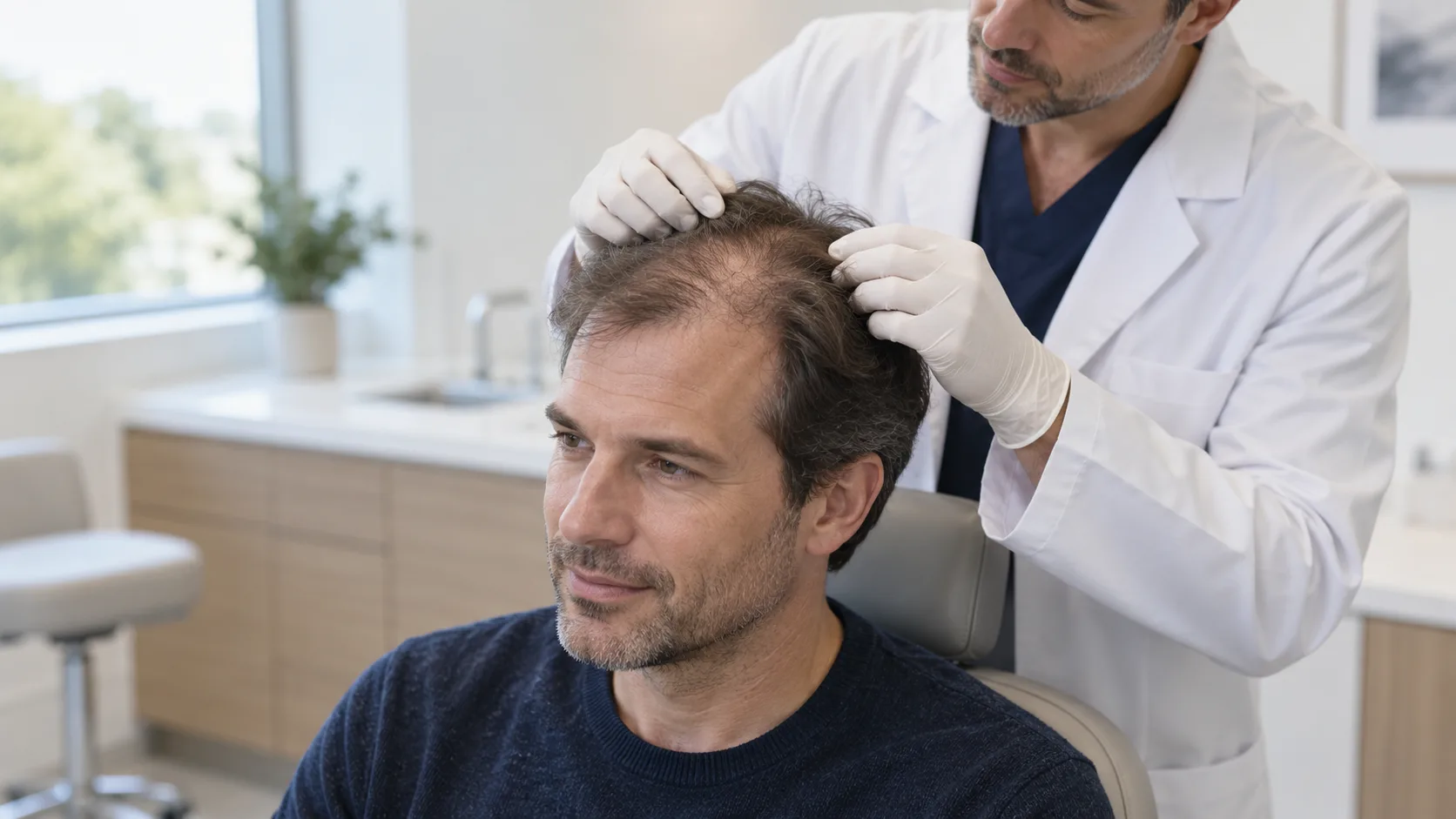
ريجينيرا أكتيفا: كيف تدعم نمو الشعر؟
تدعم ريجينيرا أكتيفا نمو الشعر من خلال توصيل الميكروغرافتات الذاتية الغنية بخلايا المنشأ، والإكسوزومات، ومكونات المصفوفة خارج الخلوية مباشرةً إلى مناطق ترقق الشعر.
تتربع تركيا على عرش سوق استعادة الشعر العالمي. يسافر الآلاف من المرضى إلى إسطنبول كل عام للخضوع لعملية استخراج وحدات الشعر. الكثير من هؤلاء المرضى يطلبون الآن تقنية FUE اليدوية على وجه الخصوص. هم…
منتجات العناية بعد العملية والعناية بالشعر من متجرنا الإلكتروني.
استكشف المزيد من الرؤى حول العلاجات، التعافي، والرعاية الجمالية.
تدعم ريجينيرا أكتيفا نمو الشعر من خلال توصيل الميكروغرافتات الذاتية الغنية بخلايا المنشأ، والإكسوزومات، ومكونات المصفوفة خارج الخلوية مباشرةً إلى مناطق ترقق الشعر.
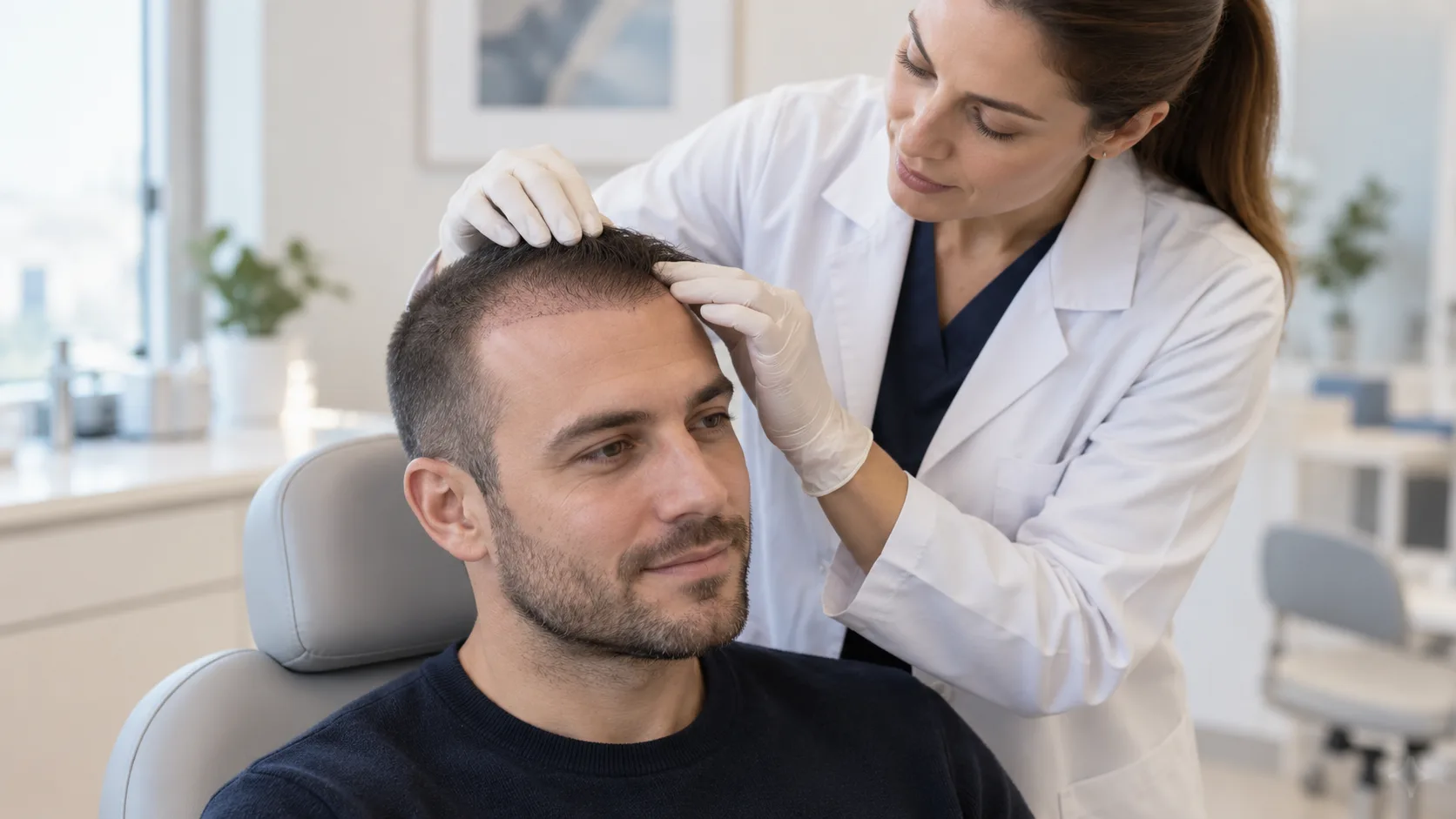
علاج الإكسوزوم بعد زراعة الشعر هو علاج تجديدي مساعد يستخدم الحويصلات خارج الخلوية لدعم بيئة فروة الرأس، شفاء الطعوم، وكثافة الشعر. الأدلة السريرية واعدة ولكن لا تزال مبكرة. لا يوجد بروتوكول موحد بعد الزراعة، لذا يحتاج كل خطة لموافقة الجراح.
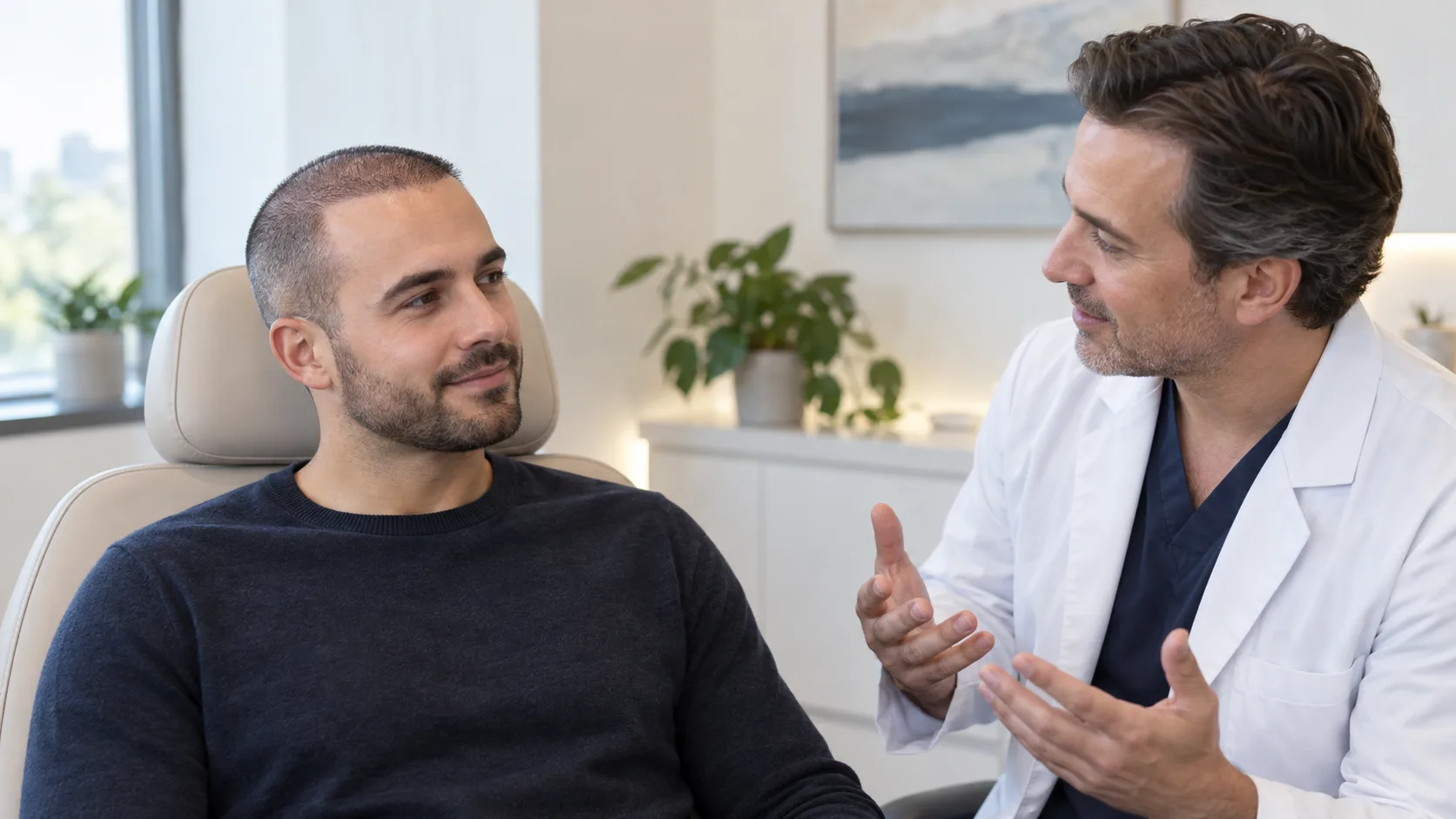
البلازما الغنية بالصفائح الدموية ليست جزءًا إلزاميًا من عملية زراعة الشعر. يقوم الجراحون بإجراء آلاف من عمليات زراعة الشعر الناجحة بتقنية FUE كل عام بدونها. تشير الأبحاث الحالية إلى أن PRP قد يدعم شفاء فروة الرأس، ويحمي الشعر الأصلي، ويعمل على تحسين كثافة الشعر بشكل معتدل عندما يتم إضافته كملحق.
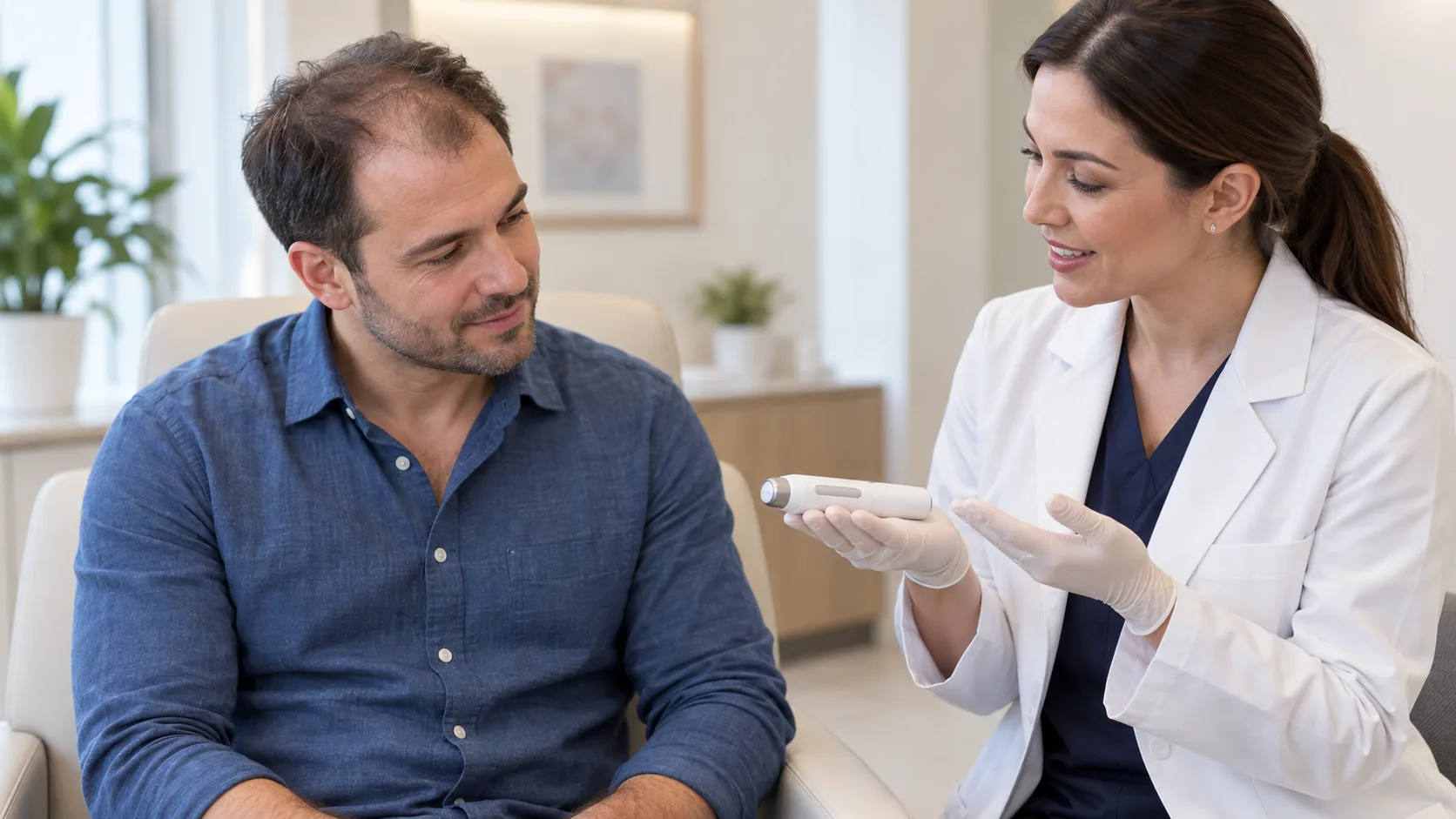
نعم. يعمل التخدير النفاث بدون إبرة في مرحلة التخدير الأولي لزراعة الشعر. لا يضمن عدم ظهور إبرة في أي لحظة. إنه يقلل من الألم والخوف المرتبطين بالحقن الأولى، وغالبًا ما يعمل بسرعة. يحتاج بعض المرضى إلى حقنة تقليدية للوصول إلى عمق التخدير الكامل.
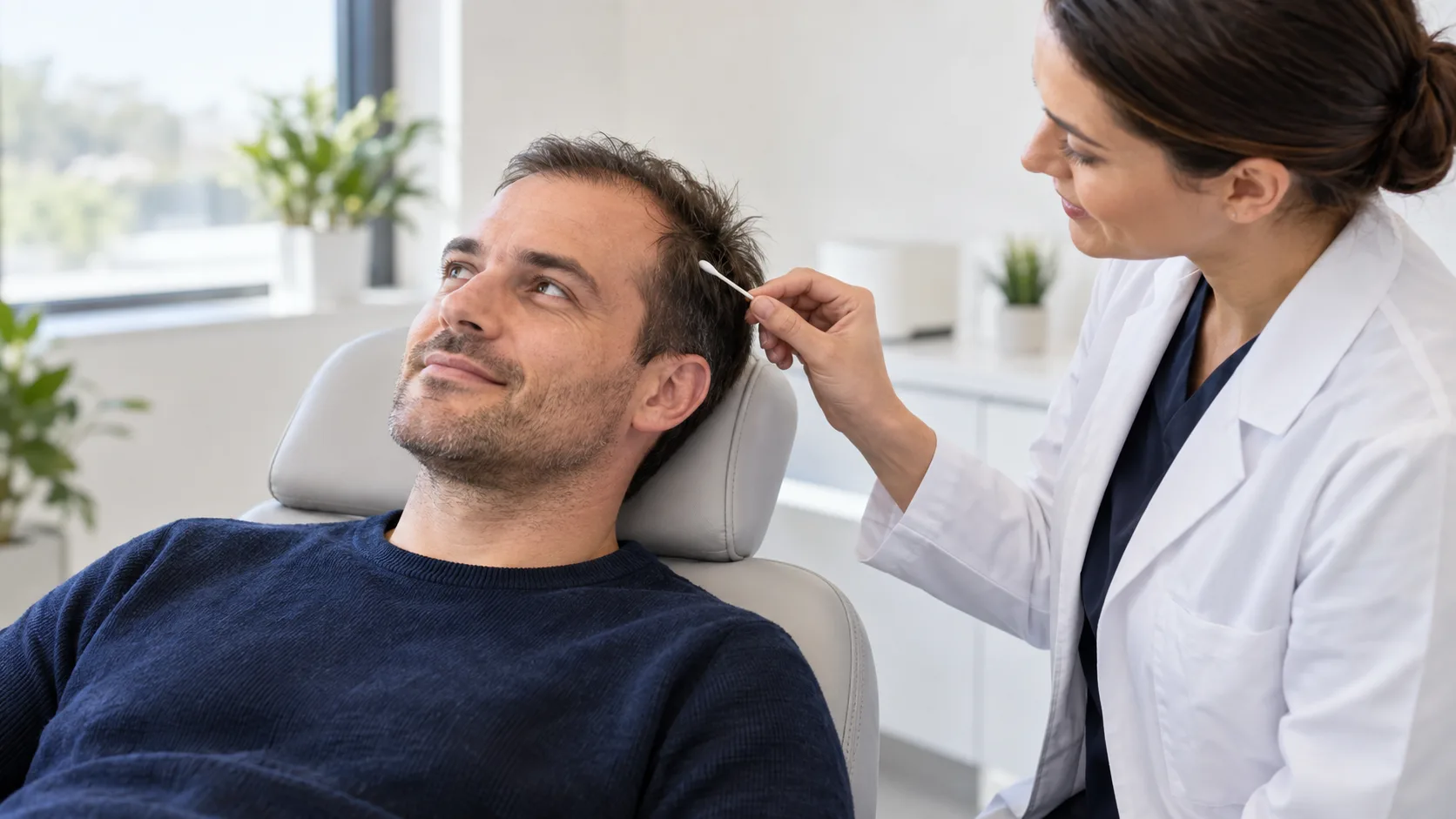
يمنع التخدير الموضعي إشارات الألم في فروة الرأس، مما يسمح للمريض بالبقاء مستيقظًا ومريحًا وقادرًا على التواصل أثناء إجراء زراعة الشعر. يستخدمه الجراحون في كل من مناطق المتبرع والمستقبل خلال إجراءات FUE وDHI. تسبب الحقنة انزعاجًا خفيفًا، ولكن من المفترض أن تكون العملية غير مؤلمة بمجرد أن يصبح فروة الرأس مخدرًا.
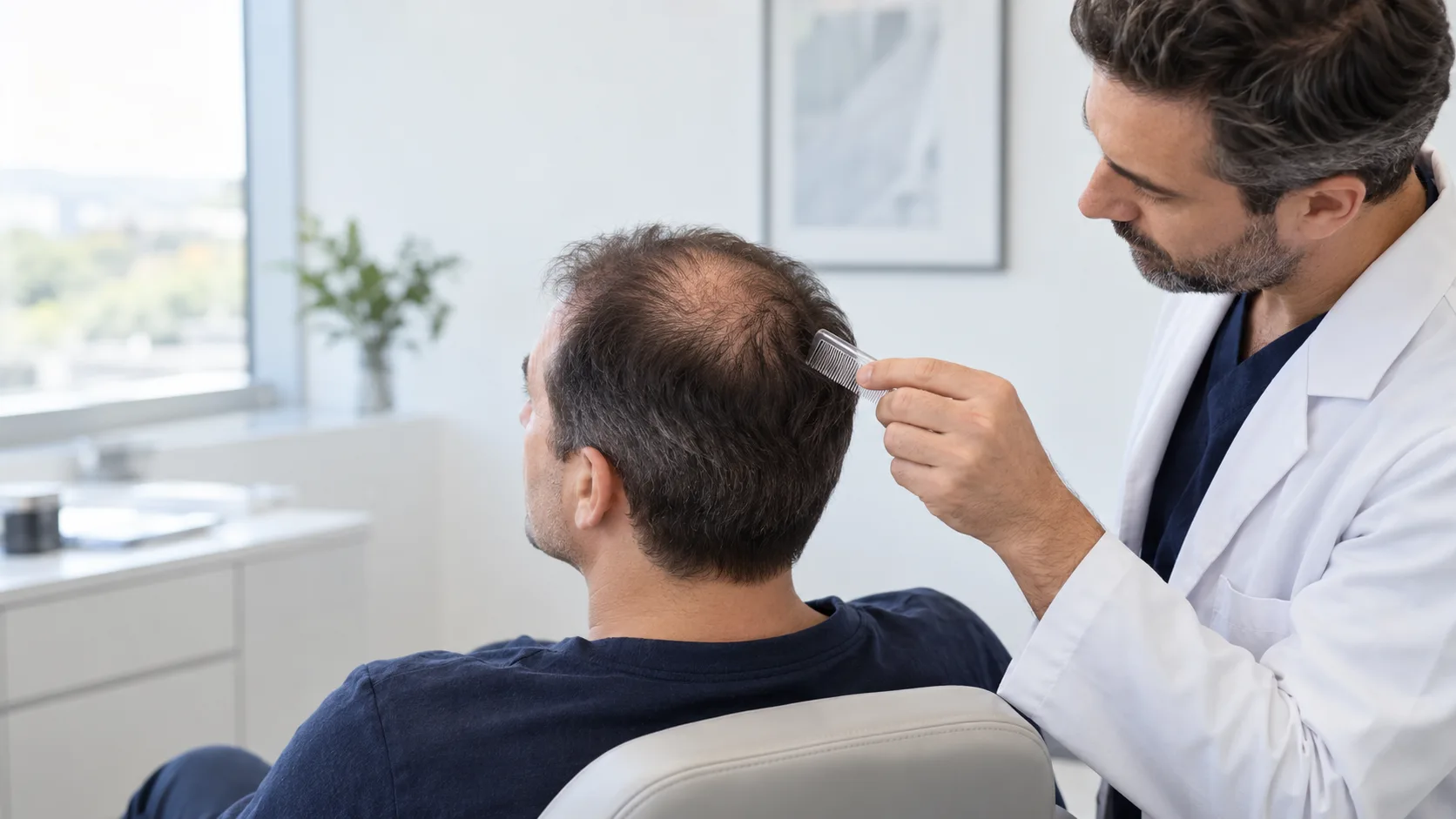
حساب طعوم زراعة الشعر ليس معادلة. إنها عملية تخطيط سريرية تتطابق مع نمط فقدان الشعر لدى المريض، ومساحة السطح المستلمة، والاحتياطي المتاح من المتبرع، وخصائص الشعر مقابل كثافة مستهدفة.
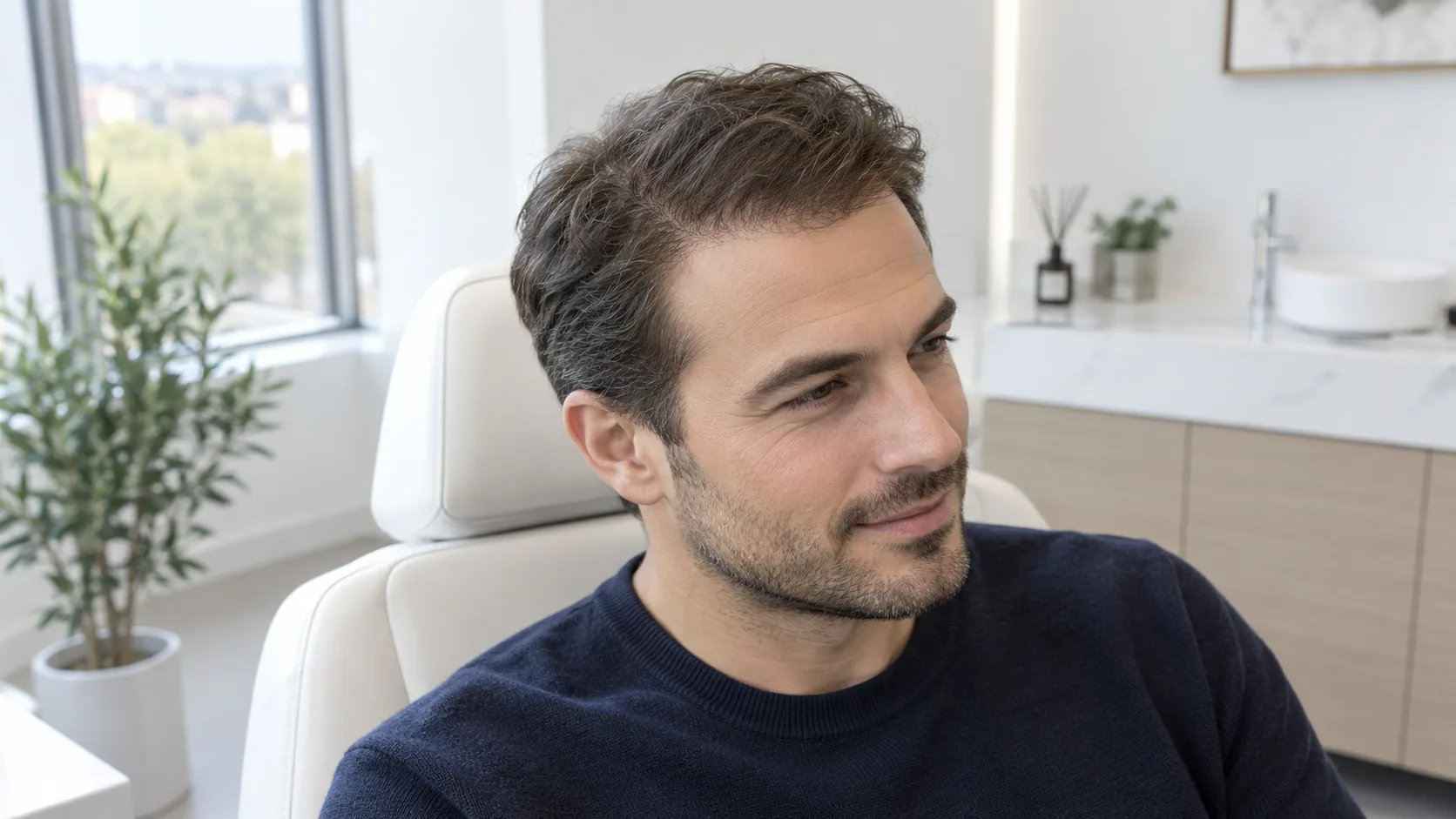
تحدد الكثافة ما إذا كانت زراعة الشعر تبدو طبيعية أو اصطناعية. الأمر لا يتعلق ببساطة بوضع أكبر عدد ممكن من الطعوم في أقل مساحة ممكنة. الكثافة هي توازن محسوب بين بقاء الطعوم، والإدراك البصري، وقدرة المتبرع، والتخطيط على المدى الطويل.
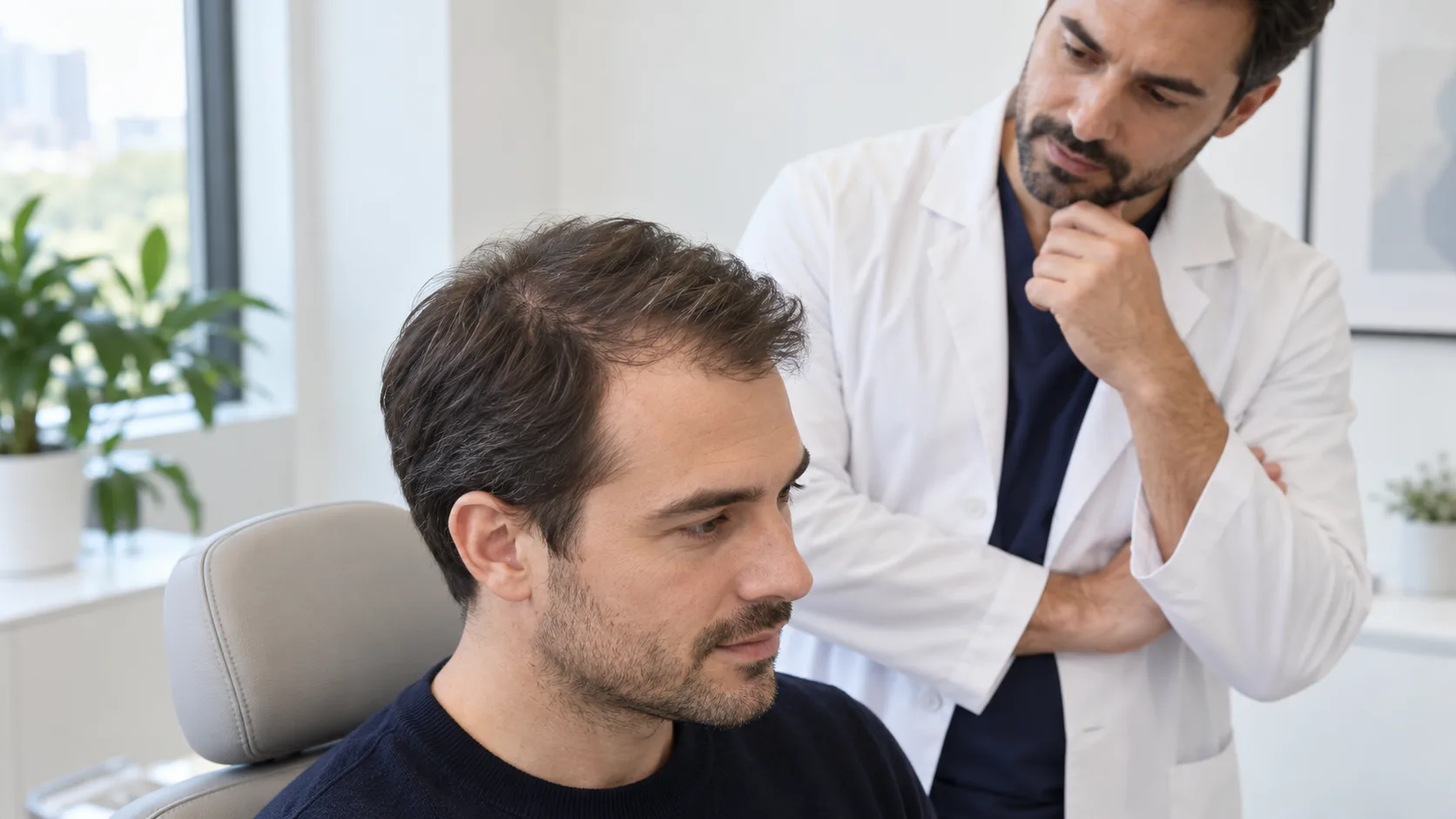
تتضمن زراعة الشعر أكثر بكثير من مجرد حساب الطعوم وقياس الكثافة. تحدد الزاوية التي يخرج بها كل وحدة شعر من فروة الرأس والاتجاه الذي تشير إليه كل شعرة ما إذا كانت النتيجة النهائية تبدو طبيعية أو صناعية.
تركيا تتصدر سوق استعادة الشعر العالمية. يسافر آلاف المرضى إلى إسطنبول كل عام من أجل استخراج وحدات الشعر. الكثير من هؤلاء المرضى الآن يسألون عن تقنية FUE اليدوية تحديدًا. إنهم يريدون دقة الطبيب السريرية بدلاً من السرعة المعتمدة على الآلات. يوضح هذا الدليل ما تتضمنه تقنية FUE اليدوية، وكيف تختلف عن الاستخراج الآلي، ولماذا تهيمن تركيا على هذه الفئة.
تتطلب تقنية FUE اليدوية المزيد من الجهد من الجراح. يقوم الطبيب باستخراج كل غرسة يدويًا. تقدم هذه الطريقة تحكمًا لا مثيل له في الزاوية، العمق، والاتجاه. تنتج تركيا بعضًا من أعلى حجم عمليات جراحة الشعر في العالم. يخلق هذا الحجم خبرة عميقة في التقنيات اليدوية. يختار المرضى من أوروبا والشرق الأوسط وأمريكا الشمالية العيادات التركية لهذا السبب.
يغطي هذا المقال العلم خلف تقنية FUE اليدوية. يشرح الإجراء خطوة بخطوة. يقارن الأساليب اليدوية والآلية بشكل مباشر. يجيب على الأسئلة الشائعة حول التكلفة، التعافي، والأهلية. كل قسم يستخدم لغة واضحة. كل ادعاء يرتبط بأبحاث منشورة.
تعني تقنية FUE اليدوية أن الجراح يستخرج بصيلات الشعر باستخدام أداة ثقب محمولة يدويًا دون مساعدة آلية.
تقنية FUE اليدوية تعني استخراج وحدات الشعر يدويًا. يحمل الجراح أداة ثقب حادة أو غير حادة. يدور الجراح الأداة يدويًا. تقوم الأداة بقطع حول كل وحدة شعر. ثم يقوم الجراح بإزالة الغرسة باستخدام ملقط. لا توجد آلة تقود الدوران. لا تتحكم أي آلة في السرعة. الجراح يقرر كل حركة.
تحتوي وحدات الشعر على من شعر واحد إلى أربعة. تنمو هذه الوحدات بشكل طبيعي في فروة الرأس. تستهدف تقنية FUE اليدوية هذه الوحدات بشكل مباشر. يقوم الجراح بعزل كل وحدة بشكل فردي. يحمي هذا العزل الأنسجة المحيطة. كما أنه يقلل من خطر القطع العرضي.
يعد الجراح منطقة المتبرع أولاً. يقوم الفريق بحلق أو قص الشعر. يحقن الجراح التخدير الموضعي. يمسك الجراح الأداة بين الإبهام والأصابع. يضع الجراح الأداة حول وحدة شعر واحدة. يدور الجراح الأداة في اتجاه عقارب الساعة أو عكسه. تقوم الدوران بعمل قطع في الجلد. يرفع الجراح الغرسة برفق. يضع الفريق الغرسة في محلول للحفظ.
يكرر الجراح هذه العملية مئات أو آلاف المرات. تترك كل غرسة فروة الرأس سليمة. يتحكم الجراح في العمق. يتحكم الجراح في الزاوية. يشعر الجراح بمقاومة الأنسجة. تعطي هذه الاستجابة اللمسية توجيهًا للاستخراج.
قام جراحو زراعة الشعر بتطوير تقنية FUE في أواخر التسعينيات. وصف الدكتور روبرت بيرنشتاين والدكتور ويليام راسمان مفهوم وحدة الشعر في عام 1997. كانت تقنية FUE المبكرة تستخدم الأدوات اليدوية فقط. لم تكن المحركات موجودة بعد. قام الجراحون بجميع عمليات الاستخراج يدويًا.
ظهرت أجهزة FUE الآلية في منتصف العقد الأول من القرن الحادي والعشرين. قامت هذه الأجهزة بأتمتة دوران المثقاب. زادت من سرعة الاستخراج. اعتمدت العديد من العيادات عليها بسرعة. ومع ذلك، لم تختفِ تقنية FUE اليدوية. استمر الجراحون المتميزون في استخدام الأساليب اليدوية. كانوا يعتقدون أن التحكم اليدوي يوفر دقة أفضل. الآن تدعم الأبحاث هذا الاعتقاد. تظهر الدراسات أن الجراحين المتمرسين الذين يستخدمون التقنية اليدوية يحققون معدلات قطع أقل من الأنظمة الآلية في حالات معينة (هاريس، 2018).
يتضمن الإجراء الاستشارة، تقييم المتبرع، تصميم خط الشعر، التخدير، الاستخراج اليدوي، إنشاء المواقع، الزرع، والرعاية اللاحقة.
يلتقي الجراح بالمريض شخصيًا أو عبر الفيديو. يقوم الجراح بفحص فروة الرأس. يقيس الجراح كثافة المتبرع. يقيم الجراح سمك الشعر. يتحقق الجراح من مرونة فروة الرأس. يستعرض الجراح التاريخ الطبي للمريض. يسأل الجراح عن الأدوية، والحساسية، والعمليات السابقة.
يأخذ الجراح صورًا. توثق هذه الصور الأساس. يناقش الجراح التوقعات. يشرح الجراح ما يمكن أن تحققه تقنية FUE اليدوية. يوضح الجراح أيضًا ما لا يمكن أن تحققه. هذه الصراحة تبني الثقة. كما تمنع الإحباط.
تقع منطقة المتبرع عادةً في خلف الرأس. تقاوم هذه المنطقة ثنائي هيدروتستوستيرون. توفر شعرًا دائمًا. يفحص الجراح منطقة المتبرع تحت التكبير. يعد الجراح الوحدات الجريبية لكل سنتيمتر مربع. يتحقق الجراح من التصغير. تشير الشعرات المصغرة إلى فقدان مستقبلي. يتجنب الجراح الاستخراج الزائد.
يقيم الجراح أيضًا منطقة المتبرع للندوب. تؤثر العمليات السابقة أو جلسات FUE على المشهد. يعدل الجراح حجم المثقاب وفقًا لذلك. تتيح تقنية FUE اليدوية هذه التكيف. يمكن للجراح تبديل أقطار المثقاب أثناء الإجراء.
إطار خط الشعر يُشكل الوجه. يحدد النتيجة الجمالية. يرسم الجراح خط الشعر قبل التخدير. يأخذ الجراح في الاعتبار النسب الوجهية. يتبع الجراح قاعدة الأثلاث. يضع الجراح خط الشعر على المسافة الرأسية الصحيحة من الجبلة.
يخطط الجراح أيضًا لفقدان الشعر المستقبلي. يحتاج المرضى الأصغر سنًا إلى تصميمات محافظة. يخلق الجراح انحدارًا زمنيًا. يُحدد الجراح التموجات الجانبية. يُحدد الجراح القمة. يستخدم الجراح قلم رصاص ناعم الرصاص. يوافق المريض على التصميم قبل أن يتقدم الفريق.
يقوم الجراح بحقن مخدر موضعي في مناطق المتبرع والمستقبل. يوفر الليدوكائين مع الإيبينيفرين تخديرًا ويساهم في تقليل النزيف. يقوم الجراح بالحقن ببطء. يقلل الحقن البطيء من الألم. يستخدم الجراح إبرًا رفيعة. تقدم بعض العيادات التخدير. يساعد التخدير المرضى القلقين على الاسترخاء.
يبدأ efeito التخدير بعد دقائق. لا يشعر المريض بأي ألم أثناء استخراج الشعر. يبقى المريض مستيقظًا. يمكن للمريض التحدث مع الفريق. يطمئن هذا التواصل العديد من المرضى.
يبدأ الجراح عملية الاستخراج بعد التخدير. يختار الجراح حجم الثقب. تتراوح الأحجام الشائعة من 0.8 مم إلى 1.0 مم. يمسك الجراح الثقب مثل القلم. يطابق الجراح الثقب مع زاوية الشعر. يقوم الجراح بعمل شقوق خفيفة في الجلد مع دوران لطيف. يخترق الجراح العمق المناسب. يحرر الجراح الثقب. يرفع الجراح الطعوم باستخدام ملقط المجوهرات.
يضع الجراح الطعوم في محلول تبريد. يحافظ هذا المحلول على صلاحية الطعوم. ينتقل الجراح إلى وحدة الشعر التالية. تستمر العملية لساعات. تعطي الجلسة النموذجية 1,500 إلى 2,500 طعوم يدويًا. تتطلب الجلسات الأكبر مزيدًا من الوقت.
يقوم الجراح بعمل شقوق صغيرة في المنطقة الصلعاء. تستقبل هذه الشقوق الطعوم. يستخدم الجراح شفرة أو إبرة مخصصة. يتحكم الجراح في العمق والزاوية والاتجاه. يتناسب كل شق مع نمط الشعر الطبيعي. يضع الجراح الشقوق بكثافة عالية. تخلق هذه الكثافة امتلاءً.
يعد الجراح المواقع قبل الزرع. تمنع هذه الخطوة جفاف الطعوم. يحتفظ الفريق بالطعوم في محلول بينما يعمل الجراح. يصمم الجراح المواقع لتوزيع طبيعي. يتجنب الجراح الصفوف المتوازية. يستخدم الجراح نمطًا عشوائيًا.
يضع الفريق الطعوم في المواقع. غالبًا ما يقوم الفنيون بهذه الخطوة. يتم إشراف الجراح. يستخدم الفريق ملاقط أو أجهزة زراعة. يقومون بإدخال كل طعم بعناية. يتجنبون سحق البصلة. يضعون الطعم بالعمق المناسب. تؤدي الطعوم المستخرجة بشكل سطحي إلى حدوث كسر. تؤدي الطعوم المدفونة بشكل عميق إلى طعوم مدفونة.
يعمل الفريق بسرعة. تعيش الطعوم أفضل عندما تقضي أقل وقت خارج الجسم. تُظهر الدراسات أن النقص المطول في التروية يقلل من بقاء الطعوم (Uebel et al., 2017). يحتفظ الفريق بالطعم رطبًا وباردًا طوال الوقت.
ينظف الفريق فروة الرأس. يطبقون ضمادة. يقدمون للمريض تعليمات. يجب على المريض تجنب لمس الطعوم. يجب على المريض النوم مع رفع الرأس. يجب على المريض تجنب التعرض لأشعة الشمس المباشرة. يتلقى المريض مضادات حيوية وأدوية مضادة للالتهابات. يحدد المريض موعدًا لغسل الرأس ليوم غدٍ.
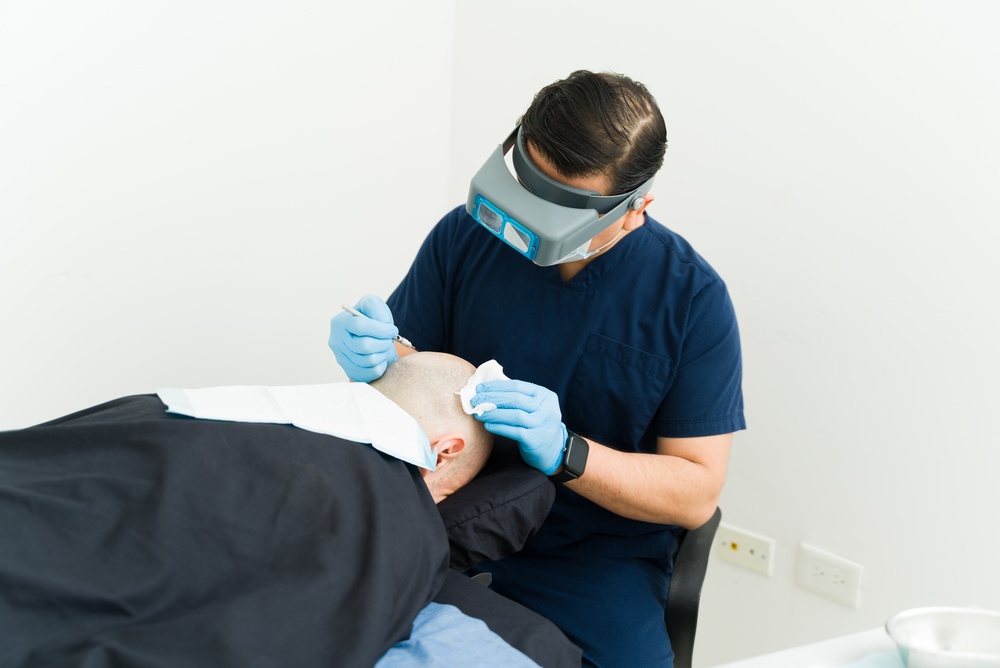
تمنح تقنية FUE اليدوية الجراح السيطرة اللمسية المباشرة. تستخدم تقنية FUE الميكانيكية محركًا دوارًا للسرعة.
تعتمد تقنية FUE اليدوية على دوران اليد. يقوم الجراح بتدوير الأداة بحركة المعصم. يشعر الجراح باستجابة الأنسجة. تستخدم تقنية FUE الميكانيكية أداة تعمل بالبطارية. يدور المحرك الأداة بسرعة محددة. لا يتعب المحرك. يحافظ على سرعة دوران ثابتة.
تتأقلم تقنية FUE اليدوية على الفور. يبطئ الجراح سرعته حول الشعرات المنحنية. يغير الجراح الزاوية للشعرات المستلقية. تتحرك تقنية FUE الميكانيكية بمعدل ثابت. يجب على الفني التعويض يدويًا. يتطلب هذا التعويض تجريبًا.
يسيطر الجراح على كل متغير في تقنية FUE اليدوية. يحدد الجراح متى يوقف الدوران. يقرر الجراح متى يسحب. يشعر الجراح بإطلاق الشعيرات. تحمي هذه الدورة الراجعة الجرافتات.
تقدم تقنية FUE الميكانيكية تغذية راجعة أقل. يخفي المحرك الإحساس اللمسي. يرى الجراح أو الفني الجرافت بدلاً من الشعور به. تساعد الإشارات البصرية، لكنها تصل بعد وقت الإشارات اللمسية. يتغلب المستخدمون ذوو الخبرة على هذه القيود. قد يتعرض المبتدئون لقطع المزيد من الجرافتات.
تتيح تقنية FUE اليدوية تعديلات دقيقة. يمكن للجراح تدوير الأداة خمس درجات. يمكن للجراح التوقف في منتصف الدوران. يمكن للجراح تحريك الأداة برفق. هذه الحركات الصغيرة مهمة. تفصل الشعيرات عن الجلد دون قطع البصلة.
تدور تقنية FUE الميكانيكية بمئات الدورات في الدقيقة. تساعد السرعة في التعامل مع الشعرات المستقيمة. يمكن أن تلتقط الشعرات المجعدة أو المتموجة. قد يؤدي العزم إلى لف الشعيرات. يتسبب هذا اللف في قطع الشعيرات. تتجنب تقنية FUE اليدوية هذه المشكلة من خلال التحكم في الدوران.
تستخرج تقنية FUE الميكانيكية بشكل أسرع. يمكن لجهاز ميكانيكي إتمام 2000 جرافت في وقت أقل. تستغرق تقنية FUE اليدوية وقتًا أطول. قد يحتاج الجراح اليدوي إلى ساعة أو ساعتين إضافتين لنفس العدد. تهم السرعة في الحالات الكبيرة. يحتاج المرضى الذين يعانون من الصلع المتقدم إلى العديد من الجرافتات. تناسب تقنية FUE الميكانيكية هذه الحالات.
ومع ذلك، لا تضمن السرعة الجودة. قد تتسبب الاستخراج اليدوي المتسرع في إتلاف الجرافتات. تحتفظ الاستخراج الميكانيكي الحذر بالجرافتات. مهارة الجراح أهم من الأداة.
قطع الخيوط يعني قطع الجريبات. لا يمكن للجريبات المقطوعة أن تنمو. تظهر الدراسات أن تقنية FUE اليدوية تحقق معدلات انخفاض أقل في القطع في سيناريوهات محددة. الشعر المجعد يمثل تحديًا. يختبئ التموج تحت الجلد. قد يقوم المحرك بقطع التموج. يمكن للجراح اليدوي اتباع التموج من خلال اللمس.
تظهر أبحاث هاريس وفينتون (2018) أن الاستخراج اليدوي في أيدي الخبراء ينتج معدلات قطع أقل من 5%. تتراوح الأنظمة الآلية بين 5% إلى 15% اعتمادًا على نوع الشعر ومهارة المشغل.
تسبب تقنية FUE اليدوية صدمات أقل في المحيط. يستخرج الجراح فقط ما هو ضروري. يوزع الجراح الاستخراجات بالتساوي. يتجنب الجراح فرط الاستخراج. تلتئم منطقة المتبرع مع ندوب طفيفة.
يمكن أن تؤدي تقنية FUE الآلية إلى جروح أوسع. قد يسحب المحرك الأنسجة المجاورة. قد تسخن الأداة قليلاً. الحرارة تتلف الجريبات القريبة. تقلل المحركات الحديثة من هذا الخطر. تلغي تقنية FUE اليدوية هذا تمامًا.
تشفى الطريقتان بشكل مشابه. تتشكل منطقة المتبرع على قشور صغيرة. تسقط هذه القشور خلال أسبوع. تتقشر منطقة المستلم. تتساقط القشور في غضون عشرة أيام. قد تنتج تقنية FUE اليدوية التهابًا أقل قليلاً. تقلل الاستخراجات اللطيفة من صدمات الأنسجة.
يعود المرضى إلى الأنشطة الطبيعية في غضون أيام قليلة. كلا الطريقتين توفران هذا التعافي السريع. تتجنب FUE الندبة الخطية لجراحة الشريط. ينطبق هذا الفائدة على كل من اليدوية والآلية.
يمكن للطريقتين أن تنتجا نتائج ممتازة. العامل الأساسي هو الجراح، وليس الأداة. تتألق تقنية FUE اليدوية في الأعمال التفصيلية. تستفيد دقة خط الشعر من السيطرة اليدوية. يستفيد الكثافة في تاج الرأس من التوزيع اليدوي. تتفوق FUE الآلية في التغطية على نطاق واسع.
أفضل العيادات تجمع بين الطريقتين. تستخدم تقنية FUE اليدوية لخط الشعر. تستخدم FUE الآلية لمنتصف فروة الرأس. هذه المقاربة الهجينة تعزز الدقة والكفاءة.
الجدول أدناه يُظهر مقارنات مباشرة عبر الميزات الحاسمة.
|
الميزة |
تقنية FUE اليدوية |
تقنية FUE الآلية |
|
حركة الأداة |
يدور الجراح يدويًا |
يدفع المحرك الدوران |
|
تحكم الجراح |
تحكم مباشر كامل |
مساعد من الجهاز |
|
الدقة |
عالية جدًا لزوايا معقدة |
مرتفعة للشعر المستقيم |
|
مدة الإجراء |
أطول لكل جريب |
أقصر لكل جريب |
|
صدمات المتبرع |
أقل مع جراح متمرس |
أعلى قليلاً |
|
تعامل مع الطعوم |
إزالة لمسية فردية |
الاستخراج الكمي بشكل أسرع |
|
الحالات المثالية |
جلسات صغيرة إلى متوسطة، شعر مجعد، زوايا صعبة |
جلسات كبيرة، شعر مستقيم |
|
منحنى التعلم |
عالية جدًا للجراحين |
معتدلة للتقنيين |
|
رجع لمسي |
فوري ومستمر |
مخفض بسبب اهتزاز المحرك |
|
مخاطر القطع |
أقل في الحالات المعقدة |
أعلى إذا كانت الشعر يتقوس تحت الجلد |
تجمع تركيا بين الخبرة الجراحية، حجم المرضى العالي، العيادات الحديثة، الأسعار التنافسية، وسمعة دولية قوية.
يجري الجراحون الأتراك آلاف إجراءات FUE سنويًا. هذا الحجم يبني ذاكرة عضلية. يشكل الحكم. يبني الاتساق. الجراح الذي يستخرج 500,000 جريب في السنة يطور لمسة مصقولة. تقنية FUE اليدوية تكافئ هذه الخبرة.
تدرب العديد من الجراحين الأتراك في أوروبا والولايات المتحدة. عادوا إلى تركيا بمهارات متقدمة. لقد قاموا بتكييف هذه المهارات لممارسة ذات حجم كبير. لقد قاموا بتوجيه الجراحين الأصغر سنًا. أوجدت هذه الإرشادات قاعدة مواهب عميقة.
يعتبر الحجم مهمًا في الجراحة. الجراح الذي يجري إجراء FUE يدوي واحد في الشهر يبقى بطيئًا. الجراح الذي يجري عشرة في الأسبوع يصبح مرنًا. تجذب العيادات التركية المرضى من عشرات الدول. يحافظ هذا الطلب على حجم مرتفع.
الحجم الكبير أيضًا يُحسن الفريق. يكتسب الممرضون والفنيون الخبرة. يتعلمون كيفية التعامل مع الجُرَف بلطف. يتعلمون كيفية الحفاظ على رطوبة الجُرَف. يتحسن النظام البيئي بالكامل.
تستثمر تركيا بشكل كبير في بنية الرعاية الصحية. تستضيف إسطنبول مستشفيات معتمدة من JCI. تلبي هذه المستشفيات المعايير الدولية. تستخدم غرف عمليات معقمة. تستخدم ميكروسكوبات متقدمة. تستخدم مقصات وملاقط عالية الجودة.
تستثمر العيادات أيضًا في راحة المرضى. تقدم غرف خاصة. تقدم خدمات الترجمة. تقدم خدمات النقل من المطارات. تجذب هذه الخدمات المرضى الدوليين. ثم يشاركون تقييمات إيجابية. يعزز هذا الدائرة سمعة تركيا.
تكلفة FUE اليدوي في تركيا أقل من تلك الموجودة في غرب أوروبا أو أمريكا الشمالية. قد يدفع المريض ما بين 2,000 إلى 4,000 دولار في تركيا. نفس الإجراء يكلف 10,000 إلى 20,000 دولار في أماكن أخرى. لا تعكس هذه الفجوة السعرية جودة أقل. بل تعكس انخفاض تكاليف التشغيل ومزايا العملة.
يحصل المرضى على نفس مهارة الجراح. يحصلون على نفس عدد الجُرَف. يحصلون على نفس التكنولوجيا. إنهم ببساطة يدفعون أقل. يدفع هذا الاقتراح قيمة السياحة الطبية.
تتخصص العيادات التركية في المرضى الأجانب. يتحدثون الإنجليزية والفرنسية والعربية والإسبانية. يفهمون التوقعات الثقافية. يقدمون تعليمات رعاية ما بعد العناية بالتفصيل. يقدمون متابعة عبر مكالمات الفيديو.
يشارك المرضى نتائجهم على وسائل التواصل الاجتماعي. ينشرون صور قبل وبعد. يكتبون تقييمات في المنتديات. يصل هذا التسويق العضوي إلى الملايين. يبني الثقة. يخلق طلبًا على FUE اليدوي بشكل خاص.
لا ترفض العيادات التركية التكنولوجيا. تجمع بين FUE اليدوي والأدوات الحديثة. تستخدم برامج تصميم خط الشعر الرقمي. تستخدم أنظمة الفيديو ذات التكبير العالي. تستخدم علاج البلازما الغنية بالصفيحات. تستخدم شفرات الياقوت لمواقع المستلمين.
يوفر هذا الدمج للمرضى أفضل ما في كلا العالَمين. يحصلون على دقة بشرية في الاستخراج. يحصلون على دعم تكنولوجي في التخطيط والغرس.
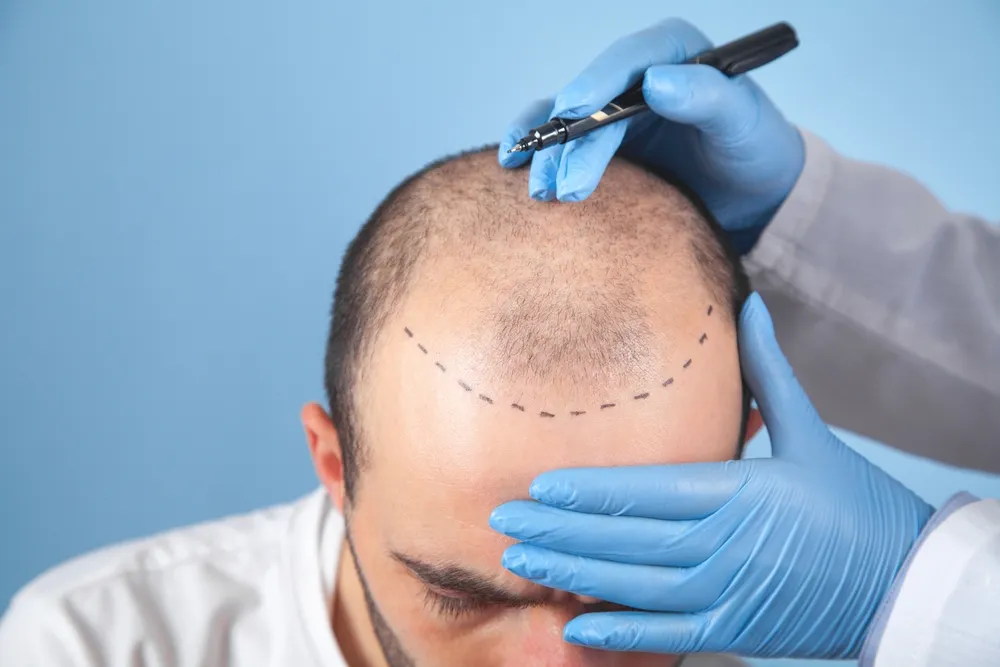
تقدم FUE اليدوي تحكمًا متفوقًا، تكيفًا أفضل للزاوية، ضررًا أقل للجُرَف، تصميمًا طبيعيًا، صدمة أقل، وجودة محسّنة.
يمسك الجراح الأداة بشكل مباشر. لا تتدخل أي موتور. يحدد الجراح السرعة. يحدد الجراح العمق. يحدد الجراح الدوران. هذه الاستقلالية تقضي على الخطأ الميكانيكي. كما تقضي على التعب الميكانيكي في الجهاز. المتغير الوحيد هو مهارة الجراح.
لا ينمو الشعر بشكل مستقيم. يميل إلى الأمام أو الخلف أو الجانبين. كما يتلوى تحت الجلد. تدور الماكينة بزاوية ثابتة. لا يمكنها التكيف أثناء القطع. يمكن للجراح اليدوي إمالة الأداة. يمكن للجراح اتباع المسار الطبيعي للشعر. هذا التكيف يحمي المسام.
يحدث تلف الطعوم أثناء الاستخراج والمعالجة. تستخدم تقنية الاستخراج اليدوية قوة لطيفة. يشعر الجراح عندما تتحرر الطعوم. لا يسحب الجراح بقوة مفرطة. يمكن أن تؤدي الاستخراجات الآلية إلى تلف الطعوم. قد تتسبب قوة دوران الماكينة في تمزق المسام.
كما أن التعامل اليدوي يقلل من الأضرار. يستخرج الجراح طعمًا واحدًا في كل مرة. يضع الفريق الطعم فورًا في المحلول. لا توجد عملية جمع كبيرة. لا يوجد تسرع.
يتطلب خط الشعر طعومًا من شعرة واحدة. يجب أن تميل هذه الطعوم إلى الأمام. يجب أن تميل قليلاً نحو الأسفل. يجب أن تحاكي عدم الانتظام الطبيعي. تحافظ تقنية الاستخراج اليدوية على هذه الطعوم الدقيقة. يمكن للجراح اختيار أصغر وحدات الشعر. يمكن للجراح وضعها بدقة.
يترك كل استخراج جرحًا صغيرًا. تنتج تقنية FUE اليدوية جروحًا أنظف. تدخل الأداة وتخرج بسلاسة. يعاني الجلد المحيط من اضطراب أقل. تظل إمدادات الدم سليمة. يستمر الشعر المتبقي في النمو بشكل طبيعي.
تعني الجودة وجود مسام سليمة مع الأنسجة المحيطة بها. تحمي هذه الأنسجة الطعم أثناء الزرع. كما توفر العناصر الغذائية خلال فترة الشفاء المبكر. تحافظ تقنية الاستخراج اليدوية على المزيد من الأنسجة المحيطة بالمسام. تبقى الطعم قوية.
يمثل الشعر المجعد تحديًا. يبدأ التجعيد تحت الجلد. قد تقطع الأداة المستقيمة المنحنى. تتيح تقنية FUE اليدوية للجراح متابعة التجعيد. يمكن للجراح استخدام أداة منحنية. يمكن للجراح تعديل العمق. تجعل هذه المرونة تقنية FUE اليدوية مثالية لأنواع الشعر الأفريقي والشرق أوسطي والمتوسطي.
تستغرق تقنية FUE اليدوية وقتًا أطول، وتتطلب مهارة عالية، وتُتعب الجراح، وقد تكون غير ضرورية للحالات البسيطة.
يتطلب كل greft اهتمامًا فرديًا. لا يمكن للجراح الاستعجال. قد تستغرق جلسة 3,000 greft ثماني ساعات. قد تستغرق جلسة آلية خمس ساعات. تعني الجراحة الأطول المزيد من التخدير. تعني المزيد من إجهاد المريض. تعني أيضًا تكاليف أعلى للعيادة.
تقوم الآلة بالتعويض عن قلة الخبرة. تدور بسرعة ثابتة. تقلل من الأخطاء البشرية. لا تقدم تقنية FUE اليدوية مثل هذا التعويض. قد يقوم الجراح المبتدئ بقطع العديد من grefts. بينما قد يقوم الجراح الماهر بقطع عدد قليل. الفجوة بين الأداء الجيد والسيء أوسع مع تقنية FUE اليدوية.
يُعد تعب الجراح مسألة حقيقية. يتعب المعصم. تتقلص الأصابع. تتقلب التركيز. بعد الساعة السادسة، قد تنخفض السرعة والدقة. تدير الفرق ذلك عن طريق تبديل الجراحين. تستخدم بعض العيادات جراحين يدويين في جلسة واحدة. تحافظ هذه الطريقة على الجودة.
بعض المرضى لديهم شعر مفرود. يحتاجون إلى تغطية بسيطة. يحتاجون إلى العديد من grefts. تتعامل تقنية FUE الآلية مع هذه الحالات بشكل جيد. توفر الوقت. توفر المال. تقدم تقنية FUE اليدوية فوائد هامشية في هذه السيناريوهات. يجب على الجراح اختيار الأداة بناءً على المريض، وليس بناءً على التسويق.
المرشحون المثاليون هم المرضى الذين يعانون من فقدان محدود، أو يحتاجون إلى تحسين خط الشعر، أو لديهم شعر مجعد، أو لديهم زراعة سابقة، أو لديهم متطلبات دقيقة عالية.
نعم. يحتاج المرضى الذين يعانون من ترقق مبكر إلى جلسات صغيرة. يحتاجون من 1,000 إلى 1,500 greft. تتعامل تقنية FUE اليدوية مع هذا النطاق بشكل مريح. يمكن للجراح التركيز على التفاصيل. تظل منطقة المتبرع نقية.
نعم. يتطلب خط الشعر دقة فنية. تخلق grefts الشعر الفردي نعومة. يتم اختيار هذه grefts من خلال الاستخراج اليدوي. يتحكم الوضع اليدوي في الزاوية. المرضى الذين يرغبون في خط شعر طبيعي وغير واضح يستفيدون أكثر.
نعم. يخفي الشعر المجعد مساره الحقيقي تحت الجلد. تتبع تقنية FUE اليدوية هذا المسار. يمكن للجراح الشعور بالمقاومة. يمكن للجراح التكيف وفقًا لذلك. غالبًا ما تواجه الأنظمة الآلية صعوبة مع الشعر المجعد الضيق.
نعم. تُترك جروح زراعة FUE أو العمليات الجراحية السابقة على منطقة المتبرع. تبقى grefts المتبقية في مشهد معقد. تتنقل تقنية FUE اليدوية بعناية في هذا المشهد. يتجنب الجراح أنسجة الندبة. يجد الجراح grefts الصحية.
نعم. بعض المرضى يريدون الكمال. يقبلون بعملية جراحية أطول. يقبلون بتكلفة أعلى. يريدون اهتمام الجراح الكامل بكل greft. يلبي Manual FUE هذا الطلب.
يجب على جراحك أن يقرر بناءً على نوع شعرك، وكثافة المانح، وحجم الجلسة.
يعمل Manual FUE بشكل أفضل في الحالات التالية:
يعمل Motorized FUE بشكل أفضل في الحالات التالية:
سيفحص جراحك كثافة المانح. تقدم المانحين الكثيفين مزيداً من grefts. تحتاج المانحين القليلين إلى حفظ دقيق. سيفحص جراحك خصائص الشعر. يتحمل الشعر المستقيم الاستخراج الآلي. يحتاج الشعر المجعد إلى براعة يدوية.
سيحسب جراحك عدد grefts. تفضل الأعداد الكبيرة السرعة الآلية. تفضل الأعداد الصغيرة الدقة اليدوية. سيختبر جراحك مرونة فروة الرأس. تحد الفروة المشدودة الاستخراج. تسمح الفروة المرنة بمزيد من الاستخراج. سيقوم جراحك بمراجعة الإجراءات السابقة. تحتاج الفروة المشوهة إلى تنقل يدوي.
يتبع التعافي جدولة متوقعة من فترة ما بعد العملية الفورية إلى النتائج النهائية على مدى 18 شهراً.
تشعر فروة الرأس بالضيق. قد يظهر تورم خفيف حول الجبين. تتشكل قشور صغيرة في منطقة المانح. تبدو منطقة المستلم وردية. يتناول المريض المضادات الحيوية. ينام المريض مع رفع الرأس. تغسل العيادة فروة الرأس في اليوم التالي.
تبدأ القشور بالسقوط. يعود المريض إلى أنشطة خفيفة. يتجنب المريض الأثقال. يتجنب المريض التعرق. يستخدم المريض شامبو خاص. تقوم العيادة بإزالة القشور المتبقية حوالي اليوم العاشر.
تدخل الشعر المزروع في مرحلة راحة. تتساقط بعض الشعرات. هذا التساقط طبيعي. تبقى البصيلات حية تحت الجلد. يعود فروة الرأس إلى اللون الطبيعي. يستأنف المريض التمارين بشكل تدريجي.
فقدان الصدمة يعني التساقط المؤقت للشعر الأصلي. تؤثر الجراحة على فروة الرأس. تتساقط بعض الشعرات الموجودة. عادةً ما تنمو مرة أخرى في غضون ثلاثة أشهر. قد يسبب التقنيّة اليدوية لفروة الرأس فقدان صدمة أقل. يقلل الاستخراج اللطيف من الضرر للبصيلات المجاورة.
تظهر الشعرات الجديدة حوالي الشهر الثالث. تبدو رقيقة في البداية. تزداد كثافتها بحلول الشهر السادس. يظهر تغطية ملحوظة بحلول الشهر التاسع. ينضج الشعر خلال الشهر الثاني عشر.
تستغرق النتائج النهائية من 12 إلى 18 شهرًا. يزداد كثافة الشعر. يكتسب قوامًا. يمتزج بالشعر الأصلي. يصففه المريض بشكل طبيعي. تبدو النتيجة دائمة وطبيعية.
تتجاوز معدلات النجاح 90% عندما يقوم الجراحون ذوو الخبرة بإجراء العملية ويتبع المرضى التعليمات بعد العلاج.
يعتمد بقاء الطعوم على تقنية الاستخراج، ومدة التعامل، والترطيب، وعمق الزراعة. تحمي تقنية FUE اليدوية الطعوم أثناء الاستخراج. يجب على الفريق أيضًا حمايتها أثناء الفرز والزراعة. تظهر الدراسات أن معدلات بقاء الطعوم التي تتجاوز 90% يمكن تحقيقها بتقنية مثلى (غو وآخرون، 2019).
تتنبأ الخبرة بالنتيجة. الجراح الذي أجرى 5000 عملية استخراج يدوية يرتكب أخطاءً أقل. يعرف الجراح متى يتوقف. يعرف متى يجب التعديل. يأتي هذا الحكم فقط مع التكرار.
يجب على المرضى اتباع التعليمات. يجب عليهم تجنب التدخين. يقلل التدخين من تدفق الدم. يجب عليهم تجنب الكحول. يخفف الكحول الدم. يجب أن يناموا بشكل صحيح. يجب عليهم حماية الطعوم من الصدمات. يؤثر الالتزام مباشرة على النمو.
يأتي الشعر المزروع من منطقة المانح. يقاوم هذا الشعر الهرمون الذي يسبب الصلع. ينمو بشكل دائم. قد يستمر المرضى في فقدان الشعر الأصلي. قد تصبح الجلسات المستقبلية ضرورية. يدوم الشعر المزروع نفسه مدى الحياة.
تترك طريقة FUE اليدوية ندبات صغيرة على شكل نقاط. عادةً ما تكون هذه الندبات غير مرئية مع الشعر القصير.
كل عملية استخراج تترك جرحاً دائرياً. يكون عرض الجرح أقل من 1 مم. يلتئم عن طريق النية الثانوية. يملأ الجسم الفراغ بالكولاجين. تنكمش الندبة. بعد ستة أشهر، تصبح النقاط شبه غير مرئية. تخلق طريقة FUE اليدوية صدمة أقل حول المنطقة. قد تلتئم الندبات بشكل أملس أكثر من الندبات الناتجة عن الطريقة الآلية.
تلتئم منطقة المستلم بسرعة. الشقوق ميكروسكوبية. تغلق في غضون أيام. لا تبقى أي ندبات مرئية. الشعر الجديد يغطي أي أثر.
يقوم معظم المرضى بقص شعرهم إلى طول حارس رقم اثنان أو ثلاثة. عند هذا الطول، تمتزج ندبات طريقة FUE اليدوية. النقاط متفرقة. تحاكي مسام الجلد الطبيعية. فقط عند الفحص عن قرب تظهر. تبدو ندبات طريقة FUE الآلية مماثلة. الفارق ضئيل في معظم الحالات.
يجب على المرضى تجنب التعرض للشمس أثناء الشفاء. تؤدي الأشعة فوق البنفسجية إلى تغميق الندبات. يجب على المرضى تجنب حك الجروح. يؤدي الحك إلى اتساع الجرح. يجب على المرضى اتباع بروتوكول غسيل العيادة. تلتئم الجروح النظيفة بشكل أفضل.
لا. كلا الطريقتين تستخدمان نفس التخدير. مستويات الألم متشابهة.
يقوم الجراح بحقن المخدر الموضعي. يشعر المريض بوخز خفيف. بعد ذلك، يصبح فروة الرأس مخدرة. يشعر المريض بالضغط ولكن دون ألم. يستمع بعض المرضى إلى الموسيقى. يشاهد بعض المرضى الأفلام. الجراحة مريحة.
تستمر الانزعاج الخفيف لمدة يومين إلى ثلاثة أيام. تشعر منطقة المانح كأنها حروق شمس خفيفة. تتحكم مسكنات الألم في ذلك بسهولة. يحتاج معظم المرضى فقط إلى أقراص متاحة بدون وصفة طبية.
تعتبر طريقة FUE أقل ألماً من جراحة الشريط. تقوم جراحة الشريط بإزالة شريط من فروة الرأس. تحتاج إلى غرز. تسبب توتراً أكبر. تتجنب طريقة FUE ذلك. تتسبب كل من FUE اليدوية وFUE الآلية في انزعاج مشابه. الفارق ضئيل.
تتراوح تكلفة طريقة FUE اليدوية في تركيا بين 2,000 إلى 5,000 دولار حسب عدد الجرافت، والعيادة، والجراح.
يعتمد السعر على عدد الجرافت، وموقع العيادة، وسمعة الجراح، ومحتويات الحزمة. المزيد من الجرافت يعني تكلفة أكبر. قد تكون عيادات وسط إسطنبول أكثر تكلفة من العيادات الطرفية. يتقاضى الجراحون المشهورون رسوماً مرتفعة.
عادةً ما تسعّر العيادات حسب الطُعوم. تكلف جلسة 2000 طُعمة أقل من جلسة 4000 طُعمة. قد تكلف تقنية FUE اليدوية أكثر قليلاً لكل طُعمة. الجراح يقضي وقتًا أطول. تتقاضى العيادة مقابل هذه الخبرة.
تستثمر العيادات المعروفة في التسويق. تستثمر في المرافق. تنقل هذه التكاليف إلى المرضى. قد تقدم العيادات الجديدة أسعارًا منخفضة لبناء محفظتها. يجب على المرضى التوازن بين التكلفة وسجل الأداء.
يتقاضى الجراح الذي لديه عشرون عامًا من الخبرة أكثر من الجراح المبتدئ. تعكس هذه التكلفة الإضافية مخاطر أقل. كما تعكس معدلات نجاح أعلى. يجب على المرضى التحقق من هوية الجراح الذي يقوم بالعملية. تستخدم بعض العيادات فنيين لأعمال المحركات. تتطلب تقنية FUE اليدوية حضور الجراح شخصيًا.
تشمل الحزم عادةً:
تضيف هذه العناصر قيمة. تقوم بتبسيط اللوجستيات للمرضى الدوليين.
تمتلك تركيا تكاليف عمالة أقل من أوروبا الغربية. لديها إيجارات أقل. لديها تكاليف تأمين أقل. الحكومة تدعم السياحة الطبية. تستفيد العيادات من الحوافز الضريبية. تصل هذه المدخرات إلى المريض. يتلقى المريض جراحة على مستوى عالمي بسعر أقل بكثير.
تحقق من المؤهلات، راجع النتائج، أكد مشاركة الجراح، قيّم إدارة المتبرعين، تحقق من الرعاية ما بعد العملية، واقرأ المراجعات المستقلة.
تحقق من رخصة الجراح الطبية. تحقق من تخصصه. تحقق من عضويته في جمعيات دولية مثل الجمعية الدولية لجراحة استعادة الشعر. تحقق من تاريخ تدريبه. يقوم الجراح المؤهل بأداء FUE اليدوية بشكل أفضل.
تظهر الصور مهارة الجراح الجمالية. ابحث عن خطوط شعر طبيعية. ابحث عن كثافة متسقة. ابحث عن مرضى يعانون من تساقط شعر مشابه لك. اطلب صور غير معدلة. اطلب نتائج طويلة الأمد.
بعض العيادات تُفَوِّض الاستخراج إلى الفنيين. هذه الممارسة قانونية في تركيا لكنها محفوفة بالمخاطر. تتطلب تقنية FUE اليدوية يد الجراح. اسأل من يحمل الأداة. اسأل كم عدد الغرسات التي يستخرجها الجراح شخصياً. يجب أن تكون الإجابة مُرضية لك.
تحمي العيادة الجيدة منطقة المتبرع. لا يبالغون في الحصاد. يخططون لفقدان الشعر المستقبلي. يشرحون استراتيجيتهم. يظهرون لك قياسات كثافة المتبرع. يقدمون لك أعداد غرسات صادقة.
تحدد الرعاية اللاحقة النتائج. اسأل عن جدول الغسل. اسأل عن بروتوكولات الأدوية. اسأل عن جهة الاتصال في حالات الطوارئ. اسأل عن مواعيد المتابعة. العيادة التي تختفي بعد الجراحة خطرة.
تحقق من مراجعات جوجل. تحقق من تروست بايلوت. تحقق من منتديات تساقط الشعر. ابحث عن تجارب مفصلة. ابحث عن ذكر الجراح بالاسم. ابحث عن صور من مرضى حقيقيين. تجاهل المراجعات التي تبدو عامة أو مدفوعة.
لا تعتبر تقنية FUE اليدوية قديمة، ليست دائماً متفوقة، ليست الخيار الآمن الوحيد، وليست مطلوبة من الجميع.
لا. تقنية FUE اليدوية سبقت تقنية FUE الآلية. لا تزال ذات صلة. لا تستبدل التكنولوجيا دائمًا المهارة. لا يزال الطباخ الماهر يستخدم السكين اليدوية. لا يزال الجراح الماهر يستخدم الأداة اليدوية. تتطور التقنية مع أدوات أفضل وأدوات أكثر حدة. لا تصبح عتيقة.
لا. ينتج جراح يدوي متوسط نتائج أسوأ من جراح آلي ممتاز. الأداة أقل أهمية من المستخدم. توفر تقنية FUE اليدوية مزايا محتملة. لكنها لا تضمنها.
لا. تعتبر تقنية FUE الآلية آمنة عند تنفيذها بشكل صحيح. المحرك لا يجعلها خطرة. التقنية السيئة تجعلها خطرة. التقنية الجيدة تجعلها آمنة. كلا الطريقتين لهما سجلات أمان قوية.
لا. يشعر العديد من المرضى بالراحة مع تقنية FUE الآلية. يجب أن يوصي الجراح بأفضل طريقة لكل فرد. لا يجب أن يقود التسويق الخيار. يجب أن يقود الاحتياج الطبي الخيار.
تجيب هذه الفقرة على أكثر الأسئلة الشائعة للمرضى حول تقنية FUE اليدوية.
تستخدم تقنية FUE اليدوية الدوران اليدوي. بينما تعتمد تقنية FUE الميكانيكية على المحركات. توفر تقنية FUE اليدوية تحكمًا لمسيًا أكبر. بينما توفر تقنية FUE الميكانيكية سرعة أكبر. يختار الجراح بناءً على احتياجات المريض.
تشير تقنية FUE الياقوتية إلى مادة الشفرة لمواقع الاستقبال. ولا تصف عملية الاستخراج. يمكن للعيادة استخدام الاستخراج اليدوي مع الشفرات الياقوتية معًا. فهي ليست متنافسة. إنهما أدوات تكمل بعضها البعض.
تتراوح جلسات تقنية FUE اليدوية عادةً بين 1,000 إلى 2,500 جريبة. يمكن أن تكون الجلسات الأكبر ممكنة ولكنها مرهقة. تقوم بعض العيادات بتقسيم الحالات الكبيرة إلى يومين. هذه الطريقة تحافظ على الجودة.
نعم. تحتاج النساء غالبًا إلى تنقيح خط الشعر أو ملء القمة. عادةً ما يحتاجن إلى جلسات أصغر. تناسب تقنية FUE اليدوية هذه الاحتياجات. كما أنها تحافظ على منطقة المتبرع للإجراءات المستقبلية.
نعم. تعني تقنية DHI زراعة الشعر المباشرة. تستخدم قلمًا خاصًا لوضع الجريبات. يمكن أن تكون الاستخراج يدويًا. ويمكن أن تكون الزراعة بتقنية DHI. هذا الدمج شائع في تركيا.
تستغرق جلسة يدوي بقدر 2,000 جريبة بين ست إلى ثماني ساعات. يختلف الوقت حسب سرعة الجراح وخصائص المريض. تحدد العيادة موعد اليوم وفقًا لذلك.
أحيانًا. ينفق الجراح وقتًا أطول. قد تفرض العيادة رسومًا إضافية. الفارق عادة ما يكون معتدلاً. يجب على المرضى طلب عرض واضح.
يعود معظم المرضى إلى العمل المكتبي في غضون ثلاثة إلى خمسة أيام. تتطلب الوظائف الشاقة أسبوعين. يبدو فروة الرأس طبيعية خلال أسبوع. يتلاشى الاحمرار بحلول اليوم العاشر.
نعم. الشعر المزروع يأتي من منطقة المتبرع الدائم. يقاوم الصلع. ينمو مدى الحياة. يجب على المرضى العناية بالشعر الطبيعي. قد يستمر الشعر الطبيعي في الترقق.
زراعة الشعر بتقنية FUE اليدوية في تركيا تقدم شيئًا مميزًا. تضع يد الجراح في مركز كل استخراج. تتبادل السرعة بالدقة. تعتمد على الحكم البشري بدلاً من الثبات الميكانيكي.
تعتبر تركيا رائدة في هذا المجال لأسباب واضحة. يجري جراحوها كميات استثنائية من العمليات. يطورون لمستهم يومًا بعد يوم. يجمعون بين المهارة اليدوية وأدوات التخطيط الحديثة. يقدمون هذه الخبرة بأسعار معقولة.
تقنية FUE اليدوية تناسب المرضى الذين يقدرون التفاصيل. تناسب المرضى ذوي الشعر المعقد. تناسب المرضى الذين يرغبون في الحصول على خط شعر طبيعي قدر الإمكان. لا تناسب جميع المرضى. لا تحل محل تقنية FUE الآلية. تستخدم أفضل العيادات كلا النظامين.
الاختيار يعتمد على الفرد. يجب على الجراح تقييم كثافة المتبرعين، وخصائص الشعر، والأهداف الجمالية. يجب على المريض البحث عن العيادة. يجب على المريض التحقق من مشاركة الجراح. يجب على المريض الالتزام بالعناية اللاحقة.
عندما تتماشى هذه العناصر، تقدم تقنية FUE اليدوية نتائج مميزة. تخلق خطوط شعر يصعب اكتشافها. تحافظ على مناطق المتبرعين في المستقبل. تحول الإجراء الجراحي إلى ترميم فني.
ستظل تركيا المركز العالمي لهذه التقنية. مزيجها من الخبرة والبنية التحتية والقيمة لا يعلى عليه. المرضى الذين يختارون تقنية FUE اليدوية في تركيا يستثمرون في إبداع الجراح. يستثمرون في تقنية تكرم تعقيد كل بصيلة شعر على حدة.
غو، كورتني ج. وآخرون. "زراعة الشعر: الوقاية من تلف بصيلات الشعر أثناء إدخال الجرافت." جراحة الأمراض الجلدية، المجلد 45، العدد 8، 2019، الصفحات 1050–1058.
هاريس، جيمس أ. "استخراج وحدة الشعر البصيلية: نظام SAFE." منتدى زراعة الشعر الدولي، المجلد 28، العدد 2، 2018، الصفحات 47–52.
هاريس، جيمس أ. وديفيد أ. فنتون. "استخراج وحدة الشعر البصيلية يدوياً مقابل الآلي: دراسة مقارنة لمعدلات القطع." مجلة الأمراض الجلدية التجميلية، المجلد 17، العدد 6، 2018، الصفحات 1125–1130.
يوبل، كارلوس أوسكار وآخرون. "دور عوامل نمو بلازما الصفائح الدموية في جراحة تساقط الشعر عند الذكور." جراحة التجميل والترميم المفتوحة عالمياً، المجلد 5، العدد 11، 2017، الصفحات 1–8.
عمر، سانوسي. "استخدام جرافت الشعر من الجسم في زراعة الشعر لتساقط الشعر المتقدم." جراحة الأمراض الجلدية، المجلد 43، العدد 12، 2017، الصفحات 1411–1418.
واتكنز، فيليپ. "زراعة الشعر في المرضى من أعراق مختلفة: اعتبارات خاصة." عيادات الجراحة التجميلية للوجه في أمريكا الشمالية، المجلد 27، العدد 2، 2019، الصفحات 209–218.
زونتوس، جورج وآخرون. "تطور FUE: من الاستخراج اليدوي إلى الروبوتي." مجلة الجراحة التجميلية، المجلد 40، العدد 5، 2020، الصفحات 567–575.