What Foods Should You Avoid After Gastric Bypass Surgery?
You should avoid sugary foods and drinks, fried and high-fat foods, alcohol, tough dry meats, fibrous raw vegetables, and empty-calorie snacks after gastric bypass surgery. Early recovery also restricts bread, rice, pasta, carbonated drinks, and caffeine. Most restrictions ease as healing progresses, but sugar and alcohol stay limited for life.
Why Does Food Choice Matter After Gastric Bypass?
Gastric bypass shrinks the stomach to a small pouch and reroutes digestion, so every bite must deliver nutrients. Poor food choices cause dumping syndrome, vomiting, and nutritional deficiencies.
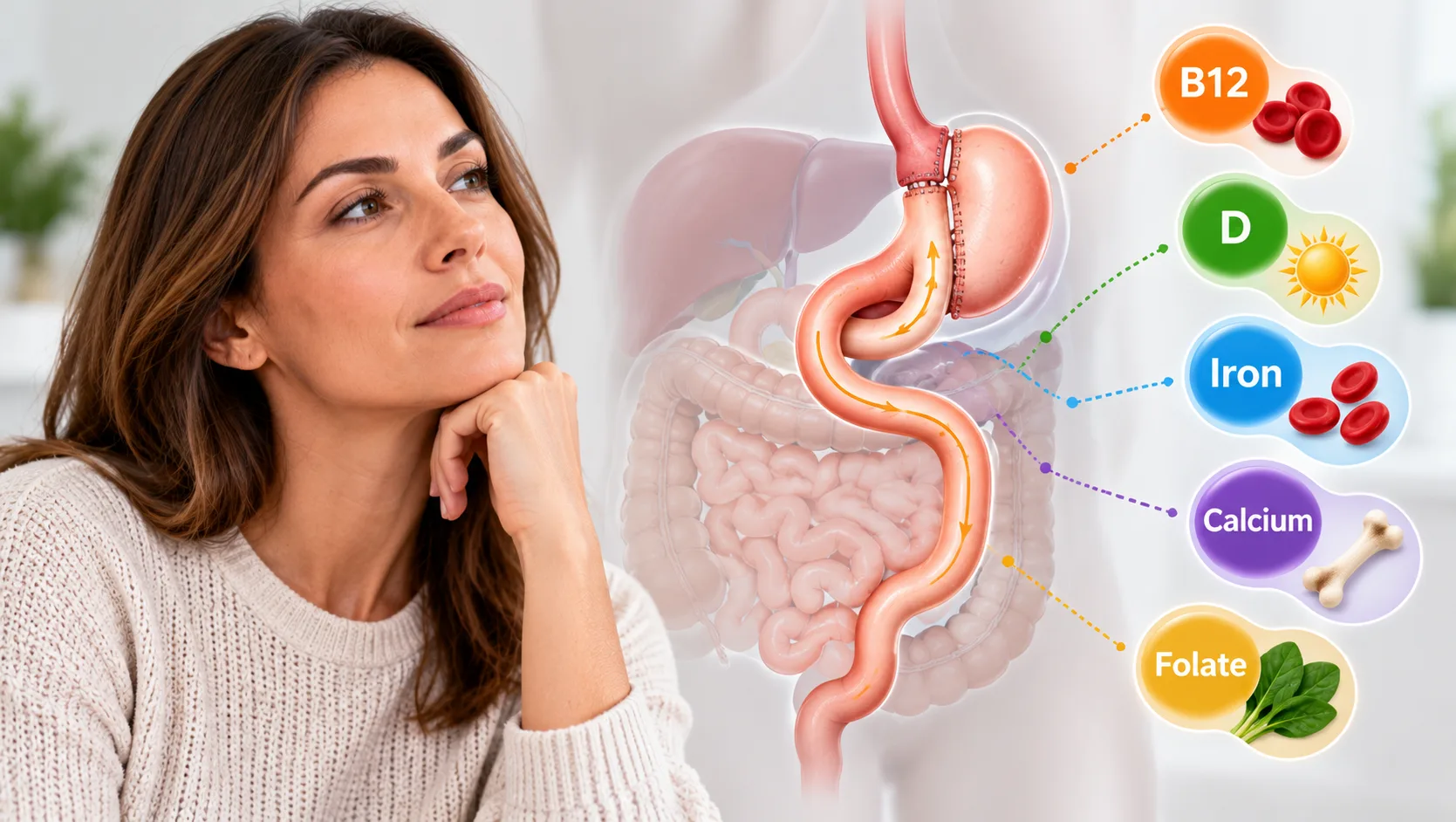
Roux-en-Y gastric bypass (RYGB) creates a stomach pouch roughly the size of an egg and connects it directly to the small intestine. The surgery bypasses most of the stomach, the pylorus, and the duodenum. This anatomy reduces food capacity and limits absorption of iron, calcium, vitamin B12, and vitamin D (Aills et al. 2008).
These changes explain why smaller portions and nutrient-dense foods become essential. A patient who fills the pouch with chips or soda leaves no room for protein. Over time, this pattern triggers malnutrition and weight regain (Shankar et al. 2010).
Food restrictions also change over time. Liquids dominate the first weeks. Puréed, soft, and solid foods follow in stages. A food that causes pain in week three may work fine in month six. Individual tolerance and the bariatric team's instructions decide when each food returns.
Which Foods Should You Avoid After Gastric Bypass?
Restricted foods fall into four groups: high-sugar items, high-fat items, difficult textures, and low-nutrient snacks. Some apply only during early recovery, while sugar and alcohol stay limited long term.
Category | Examples | Why Restricted | Duration |
Sugary foods and drinks | Candy, soda, pastries, syrup | Dumping syndrome, empty calories | Long term |
High-fat and fried foods | Bacon, sausage, fried chicken | Nausea, dumping symptoms | Long term, in large amounts |
Alcohol | Beer, wine, spirits | Rapid absorption, addiction risk | Long term |
Difficult textures | Tough meat, dry bread, raw fibrous vegetables | Obstruction risk, poor tolerance | Early recovery |
Empty-calorie snacks | Chips, pretzels, popcorn | Displace nutritious food | Long term |
Carbonated and caffeinated drinks | Soda, energy drinks | Bloating, irritation | Early recovery, varies later |
Foods earn restrictions for four reasons: they resist swallowing, they trigger intolerance, they contain concentrated sugar or fat, or they offer little nutritional value. The next sections explain each category.
Why Are Sugary Foods and Drinks Restricted After Gastric Bypass?
Concentrated sugar dumps rapidly into the small intestine and causes dumping syndrome. Symptoms include nausea, sweating, weakness, abdominal pain, and diarrhea.
After RYGB, sugar passes straight from the pouch into the jejunum. The intestine draws in water to dilute the sugar load, and blood sugar swings trigger hormonal responses. The result is early dumping, reported in 15 to 70 percent of bypass patients (Salminen et al. 2012). The symptom set includes nausea, weakness, sweating, abdominal discomfort, palpitations, and diarrhea (Tack et al. 2009).
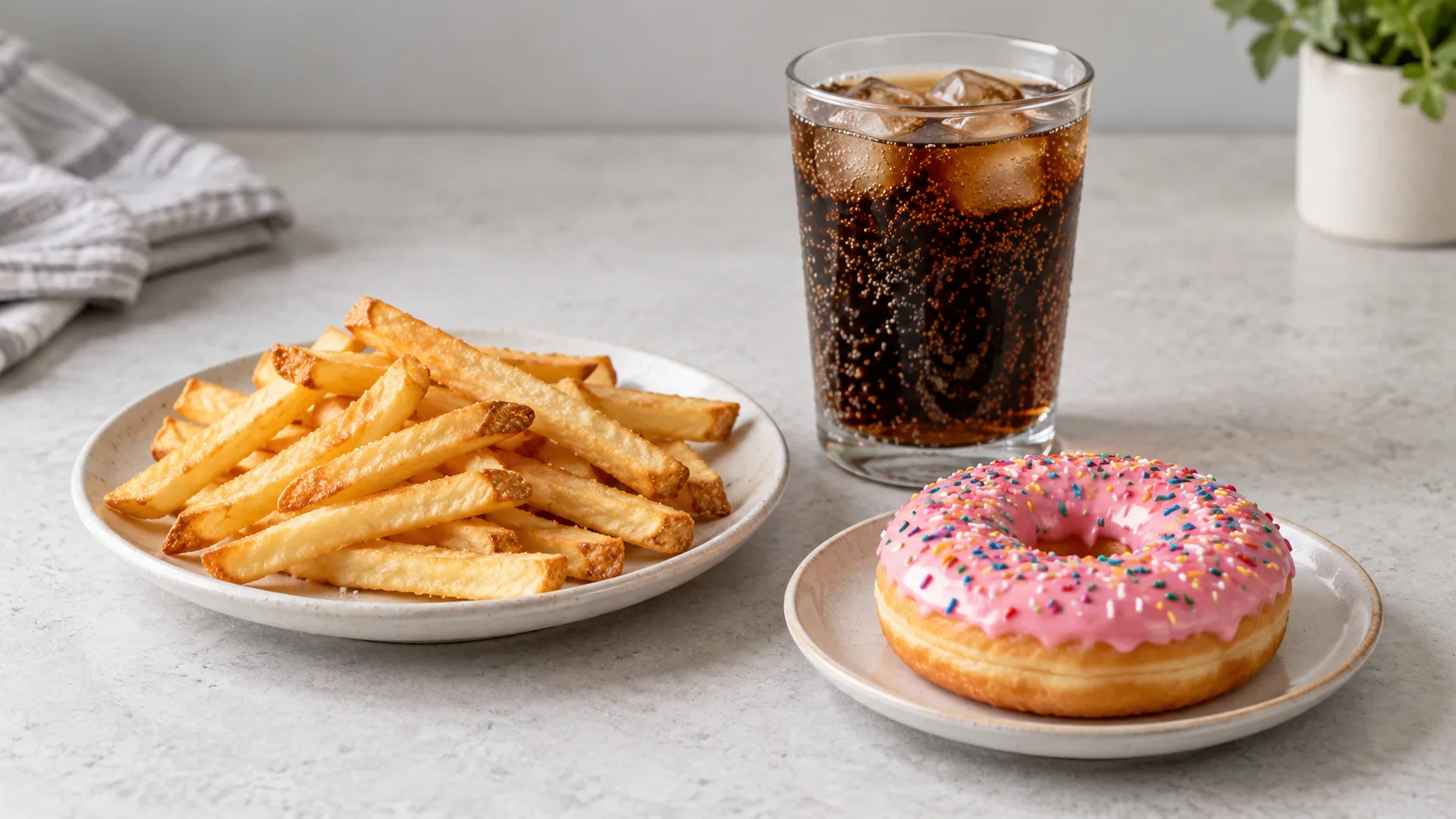
Candy, pastries, desserts, sweetened beverages, syrups, and fruit juices all deliver this sugar hit. Sugary drinks pose a special danger because they require almost no chewing and empty from the pouch in minutes.
Sugar creates a second problem: displacement. Every sweet replaces protein and micronutrient-rich food inside a stomach that holds only a few ounces. Chronic displacement accelerates deficiency of iron, B12, and vitamin D (Mechanick et al. 2013).
Which High-Fat and Fried Foods Should You Avoid?
Skip fried foods, bacon, sausage, butter, whole-milk products, and high-fat cheeses. Fat delays gastric emptying, provokes nausea, and triggers late dumping in some patients.
Fried chicken, greasy burgers, and fatty cuts of meat overload the small pouch and provoke nausea and abdominal discomfort. Fat also stimulates gut hormones that contribute to dumping symptoms (Tack et al. 2009).
Processed meats deserve special caution. Bacon and sausage combine saturated fat, sodium, and low nutritional value. Butter, cream, and full-fat cheese concentrate calories into tiny volumes, which works against weight loss goals.
Lower-fat preparation methods solve most of these problems. Grilling, baking, steaming, and poaching produce lean proteins the pouch handles well. Skinless poultry, white fish, and legumes provide protein without the fat load.
Why Should You Avoid Alcohol After Gastric Bypass?
Alcohol absorbs two to three times faster after bypass, reaches higher blood concentrations, and raises addiction risk. One glass can equal two or more in effect.
The bypassed stomach contains less alcohol dehydrogenase, the enzyme that starts alcohol breakdown. Alcohol therefore enters the jejunum almost immediately and floods the bloodstream. Women after gastric bypass show faster absorption and peak concentrations about 50 percent higher than controls (Klockhoff, Näslund, and Jones 2002).
Pepino and colleagues documented this effect precisely. Two standard drinks after RYGB produced blood alcohol levels equivalent to four drinks before surgery (Pepino et al. 2015). Steffen and her team confirmed that blood alcohol concentrations rise rapidly and dramatically after bypass (Steffen et al. 2013).
Alcohol also carries 7 calories per gram with zero essential nutrients. It occupies limited pouch space and interferes with vitamin absorption. Long-term data link bypass to elevated alcohol use disorder rates (King et al. 2012; Ostlund et al. 2013). Patients should follow their bariatric team's specific guidance and avoid alcohol entirely during rapid weight loss.
Are Bread, Rice, and Pasta Difficult to Eat After Gastric Bypass?
Yes, starchy foods often block the pouch outlet during early recovery. Small portions, moist textures, and patience allow many patients to reintroduce them later.
Bread forms a dense bolus that resists breakdown. Rice and pasta swell with moisture and can obstruct the narrow connection between pouch and intestine. These foods cause pain, regurgitation, or vomiting in the first months.
Texture and portion decide tolerance. A teaspoon of well-cooked pasta differs from a bowl of dry bread. As healing progresses, patients often reintroduce these foods in tiny, moist portions. Surgeons differ in timing, so patients should follow their own protocol rather than a universal rule.
Which Fibrous Fruits and Vegetables May Cause Problems?
Raw celery, corn, cabbage, broccoli, asparagus, and pineapple cores challenge the early postoperative gut. Soft, cooked vegetables digest far better.
Tough skins, strings, and fibrous strands resist the reduced chewing and acid exposure of the bypassed system. Undigested fiber can lodge at the pouch outlet and cause pain or vomiting.
Cooking transforms these foods. Steamed carrots, well-cooked green beans, and soft squash deliver vitamins without the structural resistance. Blending or mashing bridges the gap during the puréed and soft stages. Gradual reintroduction under professional guidance works for most patients.
Why Can Tough or Dry Foods Be Difficult to Tolerate?
Dry, dense foods lack the moisture needed to pass the pouch outlet smoothly. Small bites, added sauce, and thorough chewing solve most problems.
Dry meat, nuts, granola, and crackers absorb saliva and swell in the pouch. Without adequate chewing, they form a plug. Moisture, tenderness, small bites, and 20 to 30 chews per mouthful dramatically improve tolerance.
Healing improves swallowing mechanics over months. Patients who struggle with dry chicken in month two often manage tender, sauced protein by month six.
Which Meats Should You Avoid After Gastric Bypass?
Avoid steak, pork chops, hot dogs, and ham early on because tough, chewy, fatty textures obstruct the pouch. Choose ground poultry, flaky fish, and tender chicken instead.
Protein remains the top nutritional priority after bypass. The problem is texture, not protein itself. Gristly cuts and processed meats like hot dogs require chewing power the new anatomy cannot deliver.
Ground turkey, moist fish, shredded chicken, eggs, and cottage cheese provide protein in gentle forms. Patients work up to firmer textures as tolerance develops (Parrott et al. 2017).
Should You Avoid Empty-Calorie Snack Foods?
Yes. Chips, pretzels, popcorn, pastries, and candy deliver calories without nutrients, and limited pouch space makes this trade costly.
A pouch holding a few ounces cannot hold both a snack bag and a protein source. Frequent empty-calorie eating crowds out iron, calcium, and B12 intake. This pattern correlates with inadequate nutrition and weight regain in long-term follow-up studies (Shankar et al. 2010).
Nutrient density should drive every snack choice. Greek yogurt, a cheese stick, or a spoonful of hummus serves the body better than a handful of crackers.
Are Carbonated and Highly Caffeinated Drinks Safe After Gastric Bypass?
Avoid carbonated and caffeinated drinks during early recovery. Gas distends the pouch and caffeine irritates the healing stomach lining.
Carbonation expands inside the small pouch and causes pain, bloating, or reflux. Sugary sodas combine this problem with a sugar load, so they face permanent restriction. Unsweetened sparkling water remains questionable and depends on individual tolerance and team guidance.
Caffeine receives temporary restriction because it stimulates acid secretion and may irritate the healing pouch. Water, herbal tea, and sugar-free electrolyte drinks remain the standard hydration choices during recovery. Reintroduction timing varies by protocol.
Can Milk and Dairy Products Cause Problems After Gastric Bypass?
Some patients develop lactose intolerance after bypass. Whole milk may trigger bloating or diarrhea, while lactose-free or low-fat options often work.
The bypassed duodenum handles less lactase, the enzyme that digests milk sugar. Undigested lactose ferments in the colon and produces gas, cramps, and loose stools.
Intolerance is individual, not universal. Many patients tolerate lactose-free milk, aged hard cheeses, and Greek yogurt well. The care team can confirm tolerance through guided reintroduction.
What Eating Habits Should You Avoid After Gastric Bypass?
Avoid fast eating, oversized portions, drinking with meals, and ignoring fullness signals. Behavior matters as much as food choice.
Rapid eating outpaces the brain's fullness signal by about 20 minutes. A patient who eats quickly consumes two pouch volumes before the body registers satiety. Small bites and thorough chewing slow the meal and protect the pouch outlet.
Overeating stretches the pouch over time and restores capacity. Patients who stop at the first sensation of fullness protect their surgical result.
Why Should You Avoid Drinking With Meals?
Fluids with meals wash food through the pouch too fast, reduce satiety, and crowd out nutritious food. Separate fluids by roughly 30 minutes before and after eating in most protocols.
Liquid with a meal speeds emptying and reduces the restriction that controls portions. It also fills space that protein should occupy. Most bariatric programs advise waiting about half an hour after a meal before drinking, though exact timing varies by team (Mechanick et al. 2013).
How Does the Gastric Bypass Diet Change During Recovery?
The diet advances through four stages: clear liquids, puréed foods, soft foods, and solids. Each stage lasts about two to four weeks, guided by the surgical team.
Stage | Typical Timing | Food Examples | Purpose |
Clear liquids | Weeks 1 to 2 | Broth, water, sugar-free gelatin | Hydration, healing |
Full liquids/purées | Weeks 2 to 4 | Protein shakes, blended soups, yogurt | Protein without chewing |
Soft foods | Weeks 4 to 6 | Scrambled eggs, cottage cheese, soft fish | Gentle texture transition |
Solids | Month 6 onward | Lean meats, cooked vegetables | Normal, nutrient-dense diet |
Texture progression follows healing. A food unsuitable at week three may fit at week eight. Patients should introduce one new food at a time, never several difficult foods in the same day.
What Foods Should You Choose Instead of Restricted Foods?
Build meals around lean protein, soft produce, and approved low-sugar drinks. Protein comes first at every meal.
Lean poultry, fish, eggs, legumes, and appropriate dairy anchor the post-bypass plate. Soft cooked vegetables add fiber and micronutrients. Water and unsweetened drinks complete hydration.
Avoid | Choose Instead | Benefit |
Fried chicken | Baked chicken breast | Lower fat, easier digestion |
Soda or juice | Water, herbal tea | No sugar dump, hydration |
Steak | Ground turkey or flaky fish | Tender texture, complete protein |
Raw broccoli | Steamed carrots or squash | Fiber without obstruction risk |
Chips | Greek yogurt or cottage cheese | Protein plus calcium |
Candy | Fresh berries in small portions | Micronutrients, lower sugar load |
Protein targets typically reach 60 to 80 grams daily. Prescribed vitamin and mineral supplements cover the rest (Parrott et al. 2017).
How Can You Tell if a Food Is Not Tolerated?
Nausea, vomiting, abdominal pain, diarrhea, or stuck-food sensation signal intolerance. Stop the food, record the details, and report recurring problems.
A food log transforms guesswork into data. Record the food, portion, texture, eating speed, and symptoms. Patterns emerge quickly. Repeatedly testing a food that causes symptoms irritates the pouch and risks dehydration. Persistent or recurring intolerance deserves a call to the bariatric team.
How Can You Maintain Adequate Nutrition While Avoiding Problem Foods?
Prioritize protein at every meal, take prescribed supplements, and attend regular nutritional follow-ups. Iron, calcium, B12, and vitamin D need lifelong monitoring.
Limited capacity raises the value of every bite. Protein preserves muscle mass during rapid weight loss. Supplements fill the gaps that reduced absorption creates. Deficiencies of iron, calcium, vitamin B12, and vitamin D rank among the most common after RYGB (Majumder et al. 2017). Annual lab work catches problems before symptoms appear.
What Are the Most Common Mistakes to Avoid With Food After Gastric Bypass?
The biggest mistakes involve speed, portions, poor food quality, and skipped follow-up care.
Eating too quickly.
Taking portions beyond current tolerance.
Choosing foods with little nutritional value.
Consuming excessive sugar or fat.
Failing to chew thoroughly.
Introducing difficult textures too early.
Ignoring recurring symptoms.
Neglecting supplements and follow-up visits.
Each mistake traces back to one principle: the pouch rewards patience and punishes shortcuts.
Frequently Asked Questions About Foods to Avoid After Gastric Bypass
What Foods Are Hardest to Tolerate After Gastric Bypass?
Tough meats, dry foods, fibrous raw produce, and dense starches cause the most early difficulty. Individual tolerance varies widely.
Steak, dry chicken, nuts, raw celery, and fresh bread top the list. Most patients outgrow these restrictions as healing progresses.
Can I Ever Eat Bread, Rice, or Pasta After Gastric Bypass?
Yes, most patients reintroduce these foods in small, moist portions after the soft-food stage. Portion size and individual tolerance decide success.
Can I Eat Sugar After Gastric Bypass?
Limit sugar strictly. Concentrated sugar triggers dumping syndrome and displaces nutritious food.
Can I Drink Coffee After Gastric Bypass?
Caffeine stays restricted during early recovery. Reintroduction depends on the patient's protocol and tolerance.
Can I Eat Vegetables After Gastric Bypass?
Yes. Vegetables remain essential. Choose soft, cooked produce and add fibrous raw varieties gradually.
Why Does Food Suddenly Make Me Feel Sick After Gastric Bypass?
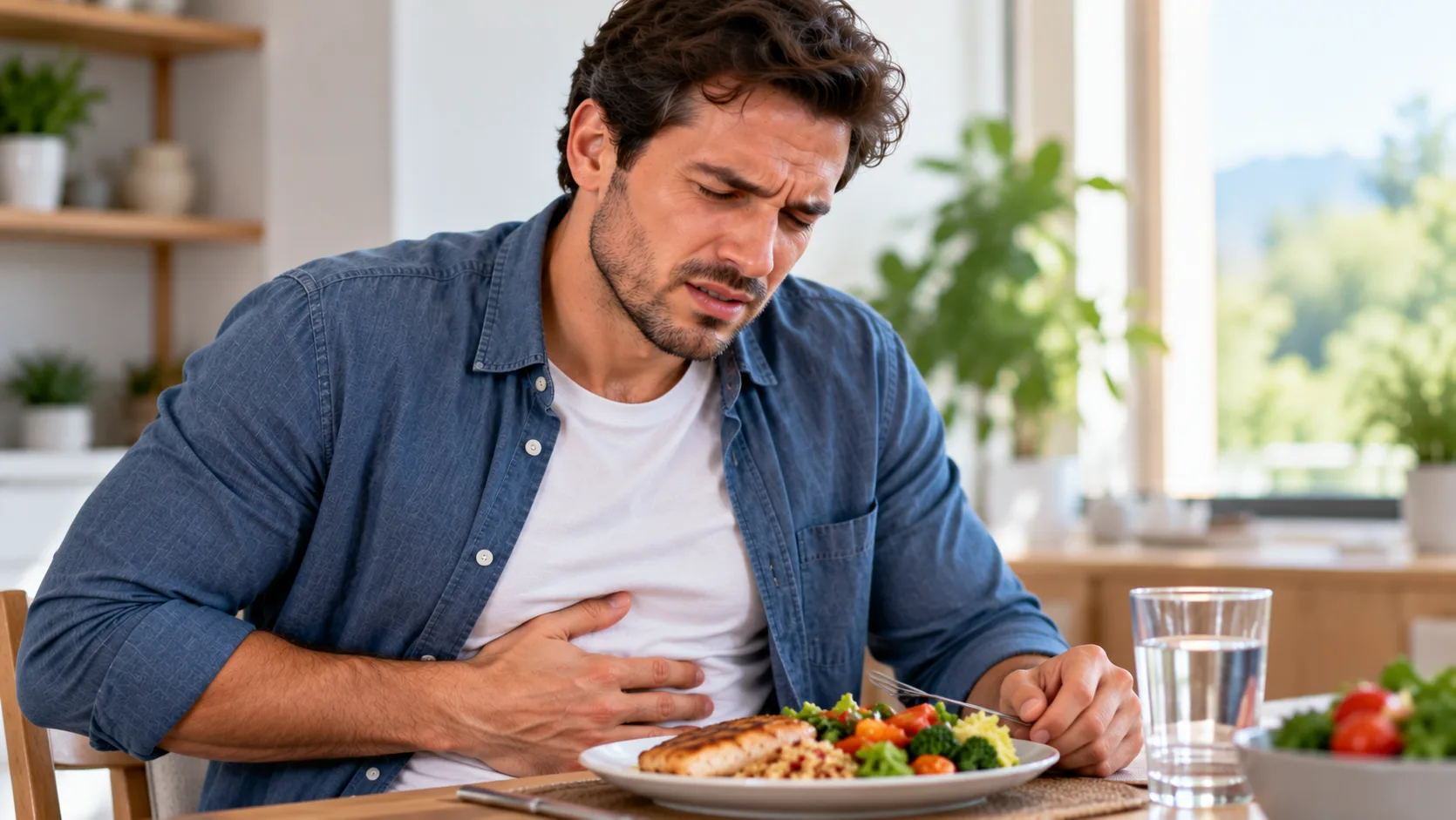
Altered anatomy, texture, portion size, eating speed, and individual intolerance all contribute. Contact the bariatric team when symptoms persist or recur.
How Long Do I Need to Avoid Certain Foods After Gastric Bypass?
No single timeline exists. Texture restrictions ease over months, while sugar and alcohol restrictions last indefinitely.
What Are the Key Takeaways for Building a Sustainable Diet After Gastric Bypass?
Follow your team's stage plan, prioritize protein, limit sugar and fat, eat slowly, and keep every follow-up appointment.
Restriction is a tool, not a life sentence. Most texture limits fade as healing advances. Sugar and alcohol limits protect long-term health and weight outcomes. Supplements and lab monitoring prevent the deficiencies that reduced absorption makes likely. Patients who treat their bariatric team as a long-term partner achieve the most durable results.
References
Aills, Laurie, et al. "ASMBS Allied Health Nutritional Guidelines for the Surgical Weight Loss Patient." Surgery for Obesity and Related Diseases, vol. 4, no. 5, 2008, pp. S73-S108.
King, Wendy C., et al. "Prevalence of Alcohol Use Disorders Before and After Bariatric Surgery." JAMA, vol. 307, no. 23, 2012, pp. 2516-2525.
Klockhoff, H., I. Näslund, and A.W. Jones. "Faster Absorption of Ethanol and Higher Peak Concentration in Women After Gastric Bypass Surgery." British Journal of Clinical Pharmacology, vol. 54, no. 6, 2002, pp. 587-591.
Majumder, Shounak, et al. "Recognizing and Managing Nutritional Consequences of Bariatric Surgery." The Journal of Family Practice, vol. 66, no. 6, 2017, pp. E1-E7.
Mechanick, Jeffrey I., et al. "Clinical Practice Guidelines for the Perioperative Nutritional, Metabolic, and Nonsurgical Support of the Bariatric Surgery Patient: 2013 Update." Endocrine Practice, vol. 19, no. 2, 2013, pp. 337-372.
Ostlund, M.P., et al. "Increased Admission for Alcohol Dependence After Gastric Bypass Surgery Compared with Restrictive Bariatric Surgery." JAMA Surgery, vol. 148, no. 4, 2013, pp. 174-177.
Parrott, Julie, et al. "American Society for Metabolic and Bariatric Surgery Integrated Health Nutritional Guidelines for the Surgical Weight Loss Patient 2016 Update: Micronutrients." Surgery for Obesity and Related Diseases, vol. 13, no. 5, 2017, pp. 727-741.
Pepino, M. Yanina, et al. "Effect of Roux-en-Y Gastric Bypass Surgery: Converting 2 Alcoholic Drinks to 4." JAMA Surgery, vol. 150, no. 11, 2015, pp. 1096-1098.
Salminen, Paulina, et al. "Incidence of Dumping Syndrome After Laparoscopic Sleeve Gastrectomy and Roux-en-Y Gastric Bypass." Obesity Surgery, vol. 22, no. 5, 2012, pp. 643-649.
Shankar, Preeti, Miriam Boylan, and Krishnan Sriram. "Micronutrient Deficiencies After Bariatric Surgery." Nutrition, vol. 26, no. 11-12, 2010, pp. 1031-1037.
Steffen, Kristine J., et al. "Blood Alcohol Concentrations Rise Rapidly and Dramatically After Roux-en-Y Gastric Bypass." Surgery for Obesity and Related Diseases, vol. 9, no. 3, 2013, pp. 470-473.
Tack, Jan, et al. "Pathophysiology, Diagnosis and Management of Postoperative Dumping Syndrome." Nature Reviews Gastroenterology & Hepatology, vol. 6, 2009, pp. 583-590.