What Is the Right Way to Wash Your Hair After a Hair Transplant?
You should wait 48 to 72 hours before your first wash, use lukewarm water, apply only surgeon-approved gentle shampoo, avoid all direct water pressure on the grafts, and pat the scalp dry without rubbing. Research shows that transplanted grafts anchor through a protein called fibrin during the first 72 hours, so gentle washing removes crust and dried blood without disturbing healing tissue (Bernstein and Rassman, 2006; Parsley, Perez-Meza, and Frechet, 2010).
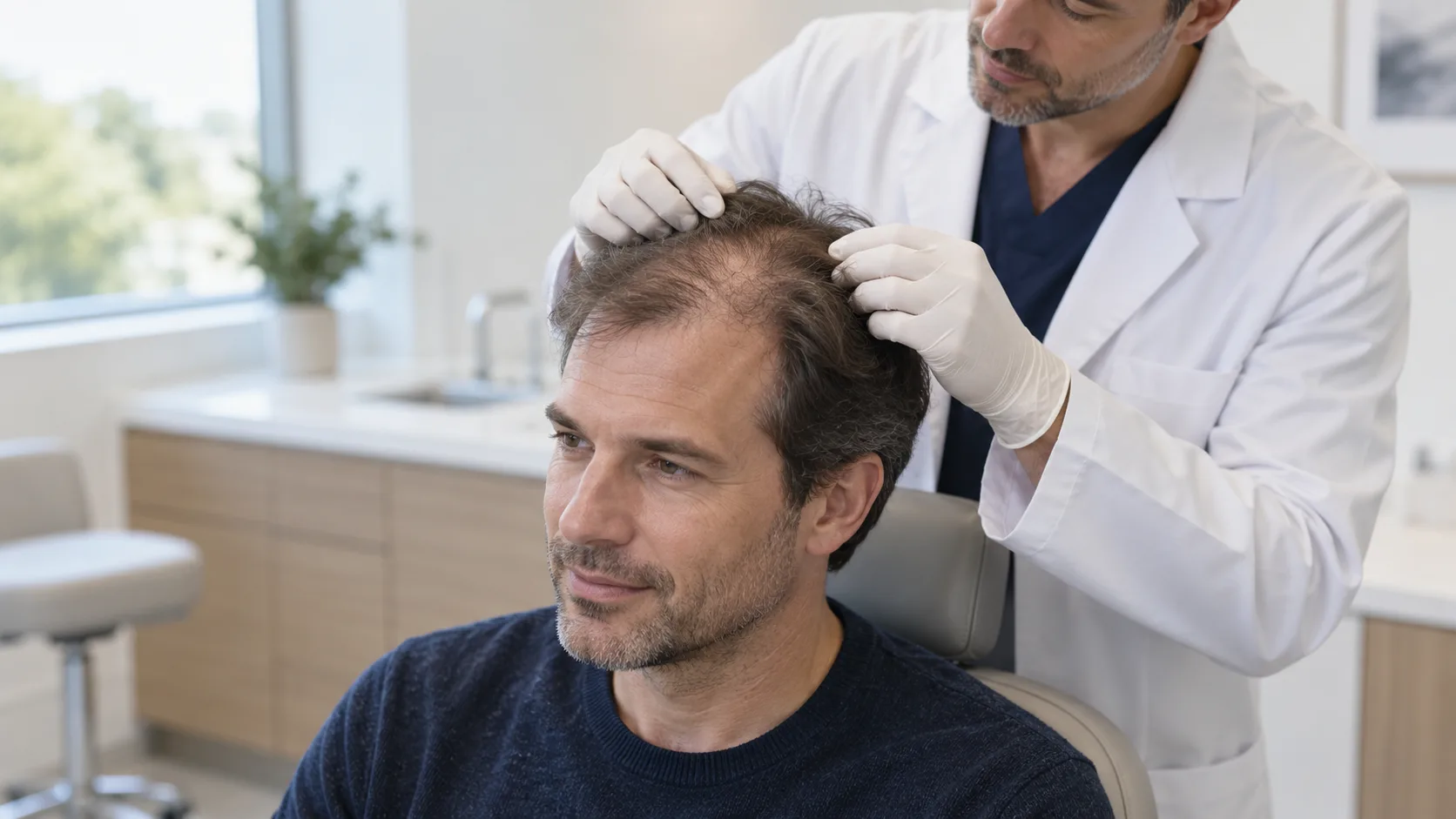
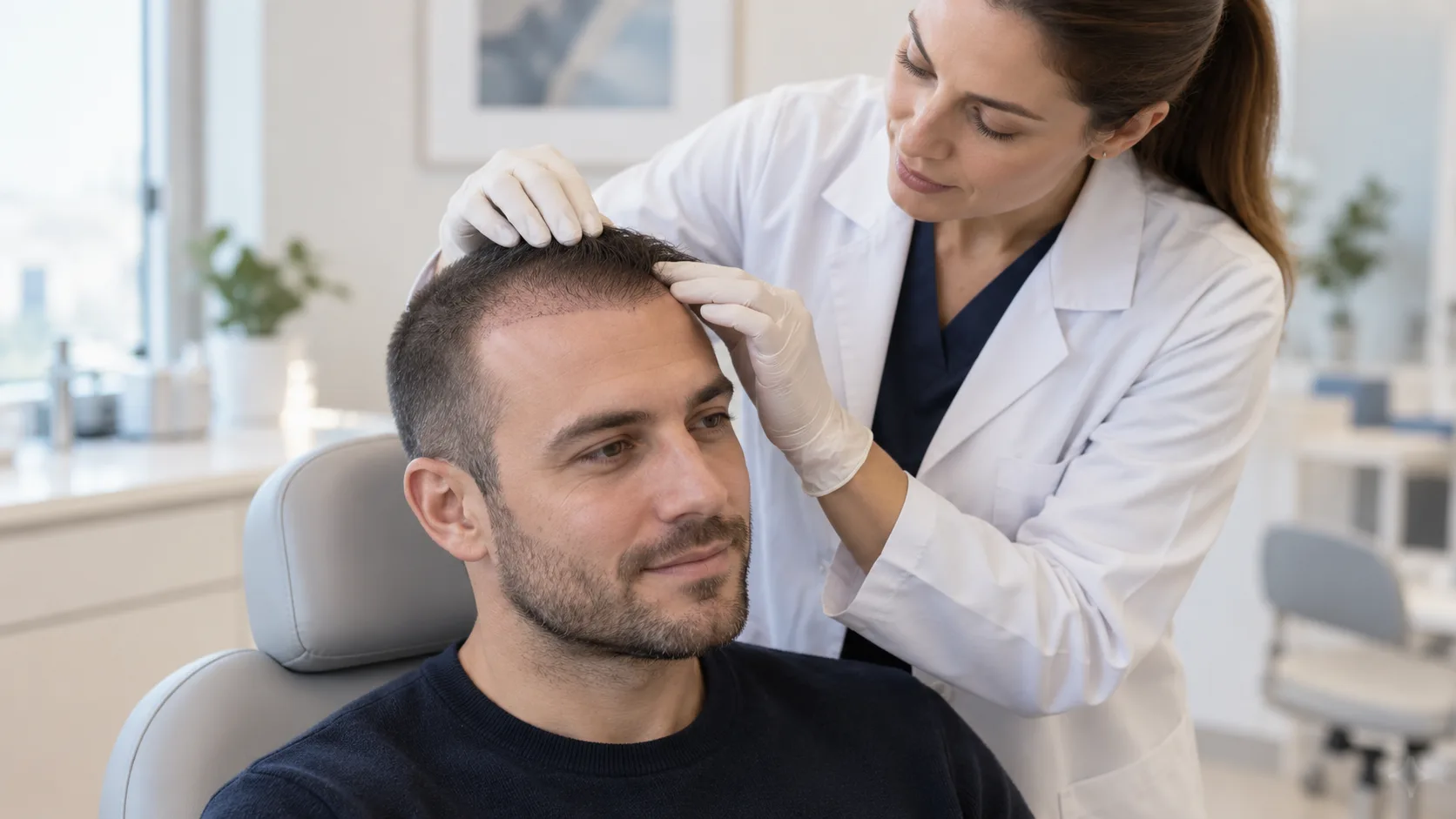
Washing after hair transplant surgery is not a cosmetic habit. It is a medical step that protects follicular graft survival. A follicular unit graft needs a clean, stable environment to establish a new blood supply. Dried blood, sebum, and crusting create a breeding ground for bacteria and inflammation. On the other hand, aggressive scrubbing can dislodge a graft before it anchors. This article explains each stage of post-transplant washing, what the science says about graft anchoring, and how to recognize normal healing versus complications.
Why Is Washing After Hair Transplant Surgery So Important?
Washing removes dried blood, excess oil, and crusts that trap bacteria and delay healing. Gentle cleansing also reduces inflammation and lowers infection risk. Studies show that proper graft handling and postoperative care directly influence follicular survival rates, which typically range between 90 and 95 percent (Parsley, Perez-Meza, and Frechet, 2010).
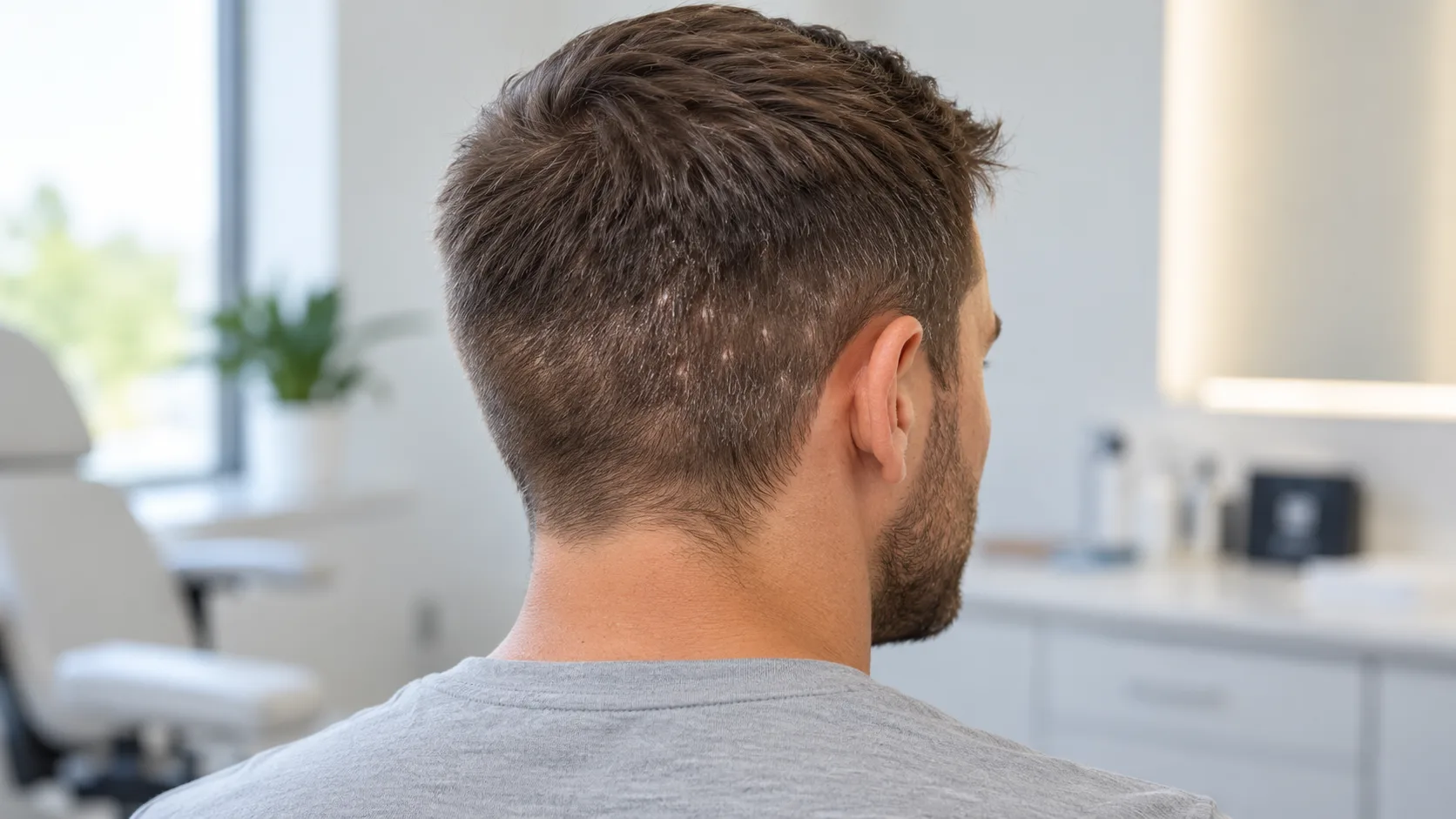
After transplantation, the recipient scalp contains hundreds of micro-wounds. Each wound releases blood plasma and lymph that dry into crusts around the new grafts. These crusts are not harmful by themselves, but thick crusting can harbor bacteria and prolong redness. Research on graft survival confirms that the perioperative environment, including scalp cleanliness, is one of the factors that determines whether a follicle survives (Parsley, Perez-Meza, and Frechet, 2010).
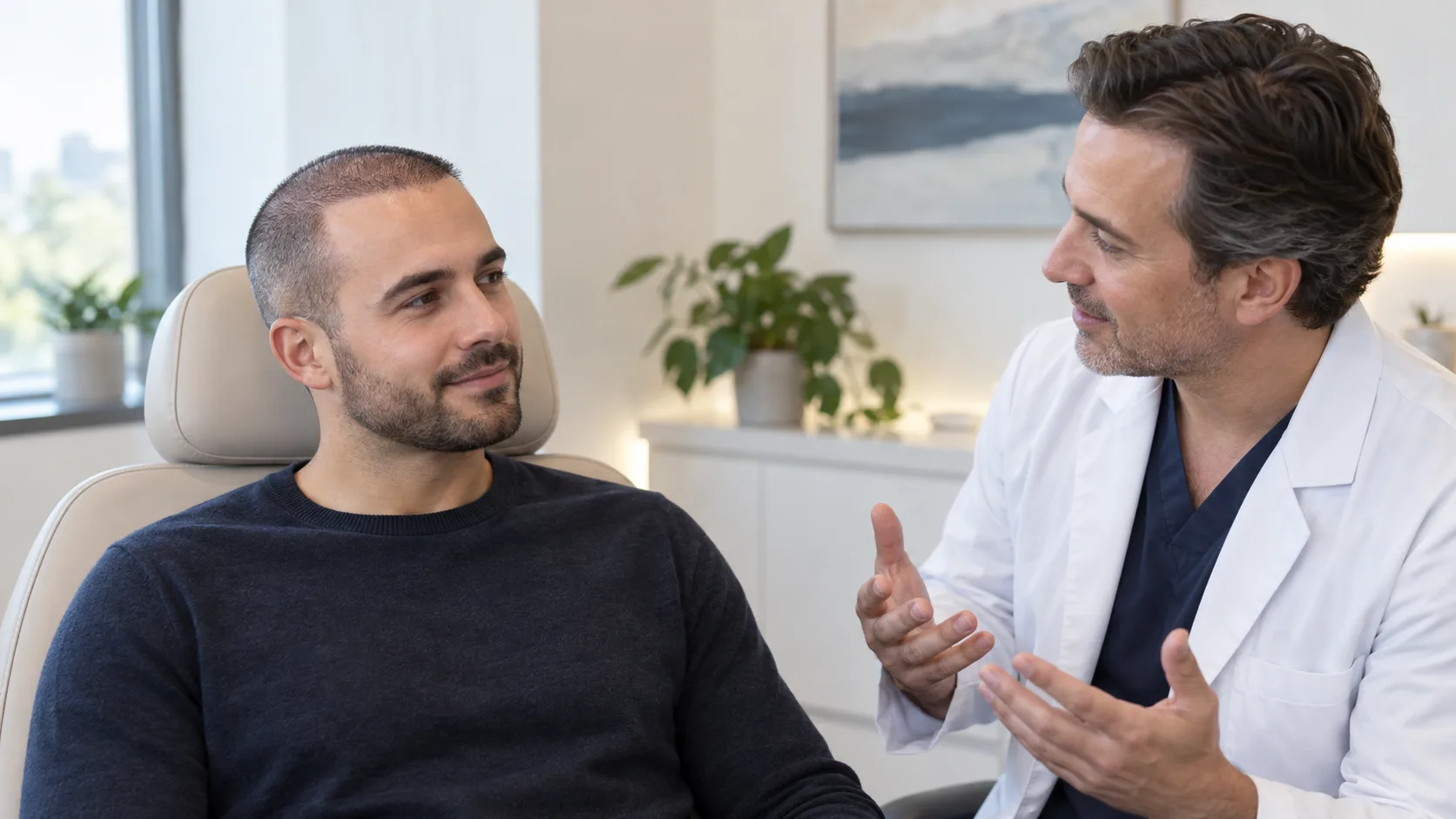
The key is balance. You must keep the scalp clean without applying mechanical force to the grafts. This balance depends on timing, water temperature, product choice, and touch. That is why surgeons provide an individualized washing protocol instead of a generic routine.
When Can You Wash Your Hair After a Hair Transplant?
Most protocols allow the first wash between 24 and 72 hours after surgery. FUE patients often wash earlier than FUT patients because the donor area heals differently. Never wash before your surgeon approves it, because grafts rely entirely on fibrin anchoring during the first three days (Bernstein and Rassman, 2006).
A landmark clinical study measured graft anchoring strength after transplantation. The researchers found that pulling on a transplanted hair dislodged the graft during the first days, but resistance to displacement increased steadily. By day 6, pulling on a hair no longer removed the graft. However, adherent crusts extended the vulnerability window to day 5 (Bernstein and Rassman, 2006).
This finding explains why timing varies. Some surgeons schedule a supervised first wash at 24 hours. Others wait 72 hours. The technique matters too. FUE creates small dot wounds, while FUT leaves a linear sutured incision that needs extra protection. Individual healing speed, graft count, and scalp condition also shape the timeline.
What Should You Do Before Your First Hair Wash?
Gather your surgeon-approved shampoo, a clean cup or bowl, lukewarm water, and a soft towel. Cut your fingernails short. Remove showerheads that produce strong pressure. These preparations prevent accidental scratching and uncontrolled water force on the grafts.
Preparation removes the two biggest risks of the first wash: fingernails and water pressure. Short nails eliminate the chance of catching a crust or graft even if your hand slips. A cup lets you pour water gently instead of exposing the scalp to a shower jet.
Keep everything clean. Use a freshly washed towel and wash your hands before touching the scalp. A contaminated towel can introduce bacteria to healing wounds and raise infection risk (Kerure and Patwardhan, 2018).
How Do You Wash Your Hair After a Hair Transplant? A Step-by-Step Guide
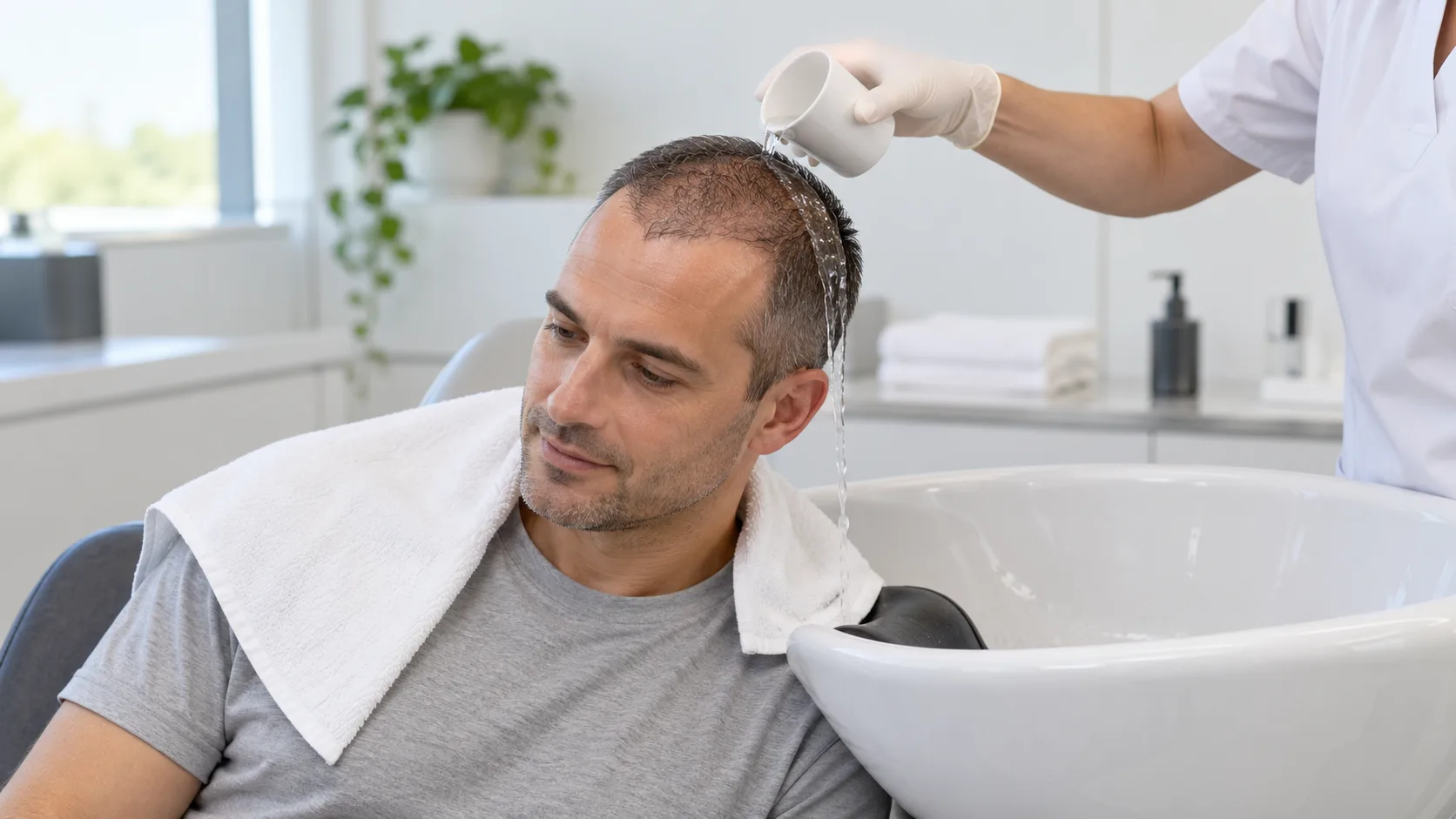
Pour lukewarm water gently over the scalp with a cup. Dilute the shampoo, spread it with foam or fingertip pads without rubbing, then rinse slowly by pouring water again. Never scratch, massage hard, or aim water directly at the grafts.
Follow this sequence for every wash during the first week:
Wet the scalp by pouring lukewarm water from a low height.
Mix a small amount of approved shampoo with water in the cup.
Pour the diluted foam over the recipient area.
Let the foam sit for two to three minutes to soften crusts.
Rinse by pouring water gently until no residue remains.
Pat dry with a soft towel. Do not rub.
Use the pads of your fingertips, never the nails. If your surgeon has not cleared direct fingertip contact yet, skip step 3 and only allow the foam to flow over the area. Compliance with a structured washing protocol correlates with better graft survival outcomes (Wang et al., 2024).
How Should You Apply Shampoo to the Transplanted Area?
Dilute the shampoo in water first and pour it over the scalp. Once your surgeon permits contact, use only the pads of your fingertips in soft circular motions. Never rub, scratch, or massage vigorously, because mechanical trauma can dislodge healing tissue.
Direct application of thick shampoo requires rubbing to spread it. Dilution solves this problem. The foam distributes evenly with almost no friction. Research on postoperative complications shows that vigorous manipulation of the recipient area is a preventable cause of graft damage (Kerure and Patwardhan, 2018).
Choose a mild, fragrance-free, pH-balanced shampoo. Harsh surfactants strip the skin barrier and irritate micro-wounds. Many surgeons recommend baby shampoo or a medical-grade gentle cleanser during early healing.
How Should You Rinse Your Hair After a Hair Transplant?
Use lukewarm water and let it flow gently across the scalp. Avoid strong shower pressure on the recipient area. Rinse until the water runs completely clear, because shampoo residue irritates healing skin.
Hot water dilates blood vessels and increases swelling around new grafts. Cold water causes discomfort and scalp tension. Lukewarm water, around body temperature, supports circulation without stress.
Crusts may loosen during rinsing. Let them detach naturally. Pulling a crust can pull the graft underneath with it. If a crust does not soften after several washes, leave it and ask your medical team at the next follow-up.
How Should You Dry Your Hair After Washing?
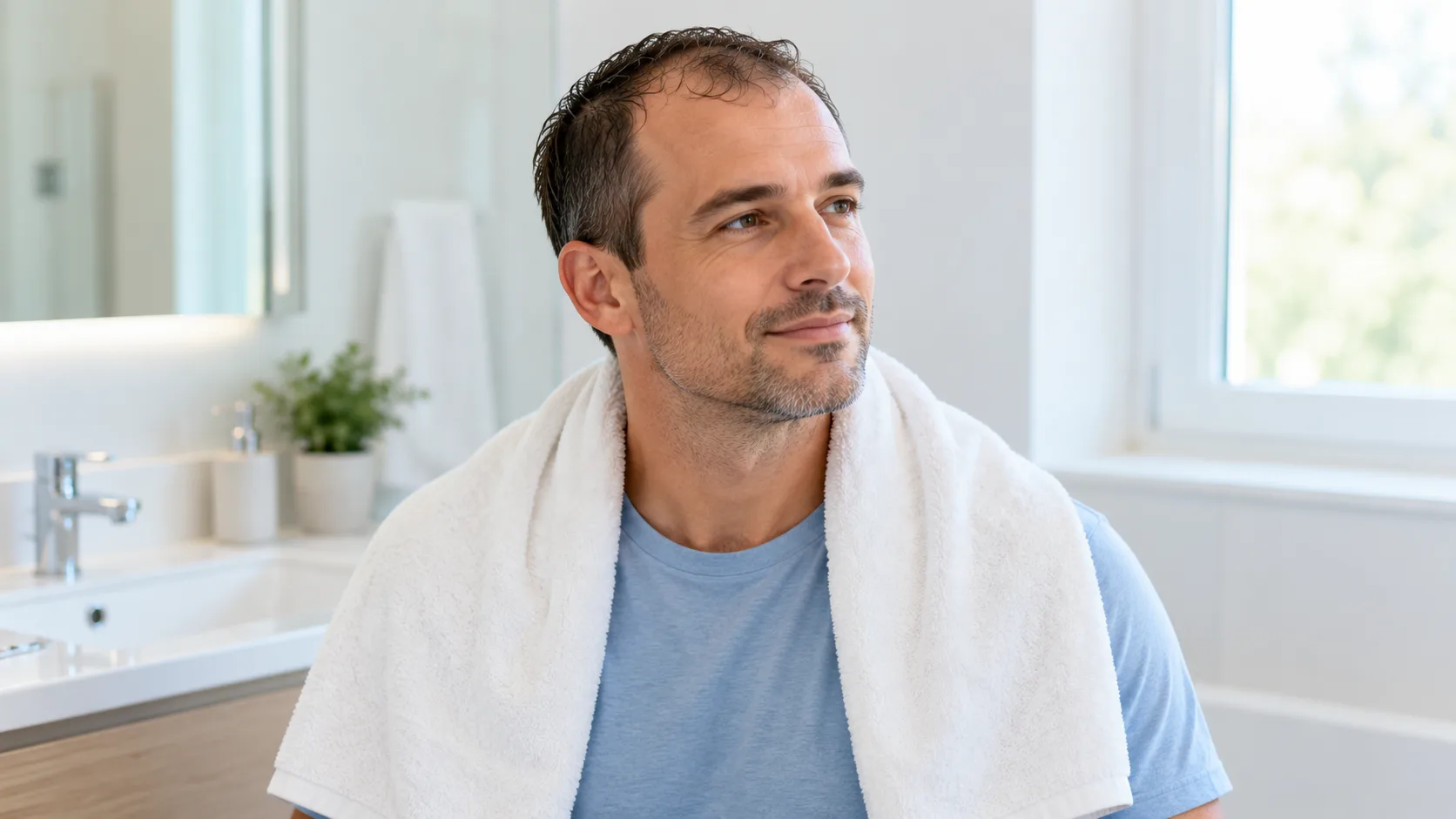
Pat the scalp gently with a clean, soft towel. Do not rub. Air drying is the safest method during the first two weeks. Avoid hot blow-dryers unless your surgeon explicitly approves a cool setting.
Rubbing creates friction, and friction equals mechanical stress on grafts. Pressing a towel lightly against the scalp absorbs water without movement. Some clinics prefer disposable paper towels or sterile gauze because they guarantee cleanliness.
If you receive approval for a hair dryer, use the cool air setting and hold it at least 20 centimeters from the scalp. Heat dries and irritates healing tissue. Clean towels and pillowcases also reduce bacterial exposure during recovery.
What Should You Avoid When Washing After Hair Transplant?
Avoid scratching, picking, hard massage, hot water, strong water pressure, harsh shampoos, blow-dryer heat, aggressive towel drying, and brushing the recipient area. Each of these actions applies force or irritation to grafts that have not fully anchored.
Here is a quick comparison of safe versus risky washing behavior:
Washing Behavior | Safe Practice | Risky Practice |
Water temperature | Lukewarm | Hot |
Water pressure | Gentle pour | Direct shower jet |
Touch | Fingertip pads | Nails, scrubbing |
Shampoo | Diluted, mild | Concentrated, fragranced |
Drying | Pat with soft towel | Rub, hot air |
Crusts | Let them soften naturally | Pick or scrape |
The most dangerous habit is picking scabs. A crust attached to a hair shaft can pull out the entire follicle when removed forcefully (Bernstein and Rassman, 2006).
How Does Hair Washing Change During the First Week?
The first week moves from a no-touch rinse to gentle fingertip washing. Crusts soften with each wash and detach naturally around days 5 to 10. Never force a crust off, even if it seems ready.
Days 1 to 3 involve only gentle pouring. Days 4 to 7 introduce light fingertip contact if the surgeon approves. By day 7, most crusts have softened. This gradual transition matches the biology of healing: fibrin anchoring strengthens, new capillaries form, and collagen stabilizes the graft (Parsley, Perez-Meza, and Frechet, 2010).
Daily washing is standard during this period. Over-washing more than once or twice a day, however, increases mechanical exposure. Follow your clinic's exact schedule.
Can Washing Dislodge Hair Transplant Grafts?
Gentle washing does not dislodge properly anchored grafts. Excessive mechanical trauma can. Grafts become secure enough for normal handling by day 6 for the hair shaft and by day 10 to 14 for full stability (Bernstein and Rassman, 2006).
The Bernstein and Rassman study is the key evidence here. Researchers tested graft anchoring by pulling on transplanted hairs at different intervals. Grafts resisted displacement increasingly over the first week. This confirms that careful washing with diluted shampoo and poured water poses minimal risk, while scrubbing and picking remain dangerous through at least day 5.
Shedding hairs without the white bulb at the root is normal. It is shock loss, not graft loss. The follicle stays in the scalp and regrows the hair later.
When Can You Return to Your Normal Hair-Washing Routine?
Most patients resume normal washing, including shower jets and regular gentle shampoo, 10 to 14 days after surgery. Full clearance depends on graft stability and complete crust removal, so wait for your surgeon's confirmation.
Return to normalcy in stages. First, increase water pressure slightly. Then, resume normal shampoo lathering. Finally, reintroduce styling products around week 3 or 4. Styling products like gel and wax can clog follicles and irritate healing skin, so delay them as long as possible (Kerure and Patwardhan, 2018).
What Should You Do If Crusts Remain After Washing?
Persistent crusts need patience, not force. Extend the foam contact time to five minutes, wash daily, and let the crusts detach naturally. If crusting is heavy or lasts beyond two weeks, contact your medical team.
Crusts form from dried blood and plasma around each graft. They protect the wound early on. With consistent gentle washing, they soften and fall off with the shed hair shafts. Research shows adherent crusts extend the period of graft vulnerability, so softening them matters, but removing them mechanically causes damage (Bernstein and Rassman, 2006).
Persistent crusting with pain, pus, or odor signals a problem that needs clinical evaluation rather than stronger washing.
Which Hair Products Should You Avoid After a Hair Transplant?
Avoid sulfates, alcohol-based products, strong fragrances, exfoliating acids, and styling products during the first two to four weeks. Use only surgeon-approved shampoo and lotion.
Certain ingredients disrupt healing:
Sulfates strip natural oils and irritate micro-wounds.
Alcohol dries healing tissue.
Fragrance is a common allergen on a sensitized scalp.
Salicylic and glycolic acids dissolve surface cells and can disturb grafts.
Gels, waxes, and oils clog follicles and trap bacteria.
Can You Shower Normally After a Hair Transplant?
You can shower normally for your body from day one if you protect the scalp. Keep the recipient area out of direct water flow until day 10 to 14. Avoid soaking the scalp in baths, pools, or saunas for at least three to four weeks.
The distinction is pressure and exposure. Body showering with the head tilted back or using a handheld shower at low pressure is safe. Strong direct jets, steam rooms, and submersion expose grafts to force, heat, and bacteria.
What Are the Signs That Your Scalp Is Healing Normally?
Mild redness, small pinpoint scabs, slight swelling, and itching are normal for one to two weeks. These signs should steadily improve. Increasing pain, spreading redness, pus, or fever is not normal.
Normal Healing | Warning Sign |
Mild redness | Spreading red, warm area |
Small crusts | Pus or foul odor |
Light itching | Intense, worsening itch |
Minor swelling | Severe or increasing swelling |
Brief pink rinse water | Heavy or persistent bleeding |
Follow your follow-up schedule so your team can verify healing at each stage.
When Should You Contact Your Hair Transplant Clinic?
Contact your clinic immediately for persistent pain, increasing redness or warmth, pus, heavy bleeding, fever, or any sign of graft damage. Early treatment of infection protects both healing tissue and final density.
Infectious complications, while uncommon, can compromise graft survival if ignored. A study of hair transplant complications identified folliculitis and infection as the most frequent postoperative issues, nearly all manageable with prompt care (Kerure and Patwardhan, 2018).
Frequently Asked Questions About Washing After Hair Transplant
Here are direct answers to the most common questions patients ask about post-transplant washing.
How often should I wash my hair after a hair transplant?
Wash once or twice daily during the first week or two, then reduce to your normal frequency after clearance.
Can I use regular shampoo after a hair transplant?
Use only surgeon-approved shampoo until day 10 to 14, then switch to a gentle, sulfate-free regular shampoo.
Can I touch the transplanted area while washing?
Only after your surgeon permits it, and only with fingertip pads, never nails.
Can shower water damage newly transplanted grafts?
Strong direct pressure can. Gentle poured water cannot once grafts begin anchoring.
What should I do if my scalp becomes very itchy after washing?
Itching is a normal healing sign. Do not scratch. Gentle washing and approved moisturizer help.
When can I wash my hair normally after a hair transplant?
Most patients resume normal washing at 10 to 14 days, pending medical clearance.
References
Bernstein, Robert M., and William R. Rassman. "Follicular Unit Grafts Are 'Anchored' in Recipient Sites During the First Week." Dermatologic Surgery, vol. 32, no. 8, 2006.
Kerure, Aparna S., and Nikhil Patwardhan. "Complications in Hair Transplant." Indian Dermatology Online Journal, vol. 9, no. 4, 2018.
Parsley, William M., David Perez-Meza, and Pierre Frechet. "Review of Factors Affecting the Growth and Survival of Follicular Grafts." Hair Transplant Forum International, vol. 20, no. 4, 2010.
Wang, Fang, et al. "Using the Follicular Unit Extraction Technique in Treatment of Male Androgenetic Alopecia." Aesthetic Plastic Surgery, vol. 48, 2024.