What Is a Hair Mill? Definition, Risks, and How to Avoid Unsafe Hair Transplant Clinics
A hair mill is a high-volume hair transplant clinic that prioritizes quantity over quality, often using assembly-line processes with limited doctor involvement, increasing the risk of poor outcomes and complications.
What Is a Hair Mill in Hair Transplantation?
A hair mill is an industrial-style clinic model focused on performing many procedures daily rather than delivering personalized medical care.
The term "hair mill" describes a troubling phenomenon in modern cosmetic surgery. These facilities treat hair transplantation as a manufacturing process rather than a medical procedure. They maximize daily patient throughput while minimizing costs, often at the expense of safety and results.
Scientific Definition of Hair Mill
Researchers define hair mills through several key characteristics. First, they operate as high-volume, assembly-line clinic models. Second, they perform multiple procedures per day, often five to twenty or more. Third, they prioritize speed, cost-efficiency, and scalability above all else.
Research published in the Journal of Cutaneous and Aesthetic Surgery emphasizes that legitimate hair transplant surgery requires meticulous attention to detail and cannot be rushed without compromising outcomes (Kuldeep et al. 45). Hair mills ignore this fundamental principle. They standardize every aspect of care, from consultation to surgery to follow-up.
The hair mill model emerged alongside the globalization of medical tourism. Countries with lower labor costs began attracting international patients seeking affordable cosmetic procedures. Some entrepreneurs saw opportunity in volume-based business models. They transformed medical practices into production facilities.
Hair Transplant as a Medical Procedure
Hair transplantation constitutes a legitimate surgical intervention. It involves the transfer of follicular units from donor areas to recipient sites. This process demands careful planning, surgical precision, and continuous physician oversight.
The procedure requires multiple complex steps. Surgeons must evaluate donor density and hair characteristics. They must design hairlines that complement facial features. They must extract grafts without damaging follicles. They must create recipient sites at proper angles and densities. Finally, they must place grafts with minimal trauma.
Each step requires medical expertise. Technicians can assist, but physicians must direct critical decisions. Hair mills violate this standard. They delegate surgical steps to non-physicians. They reduce doctor involvement to brief appearances or complete absence.
How Do Hair Mills Operate?
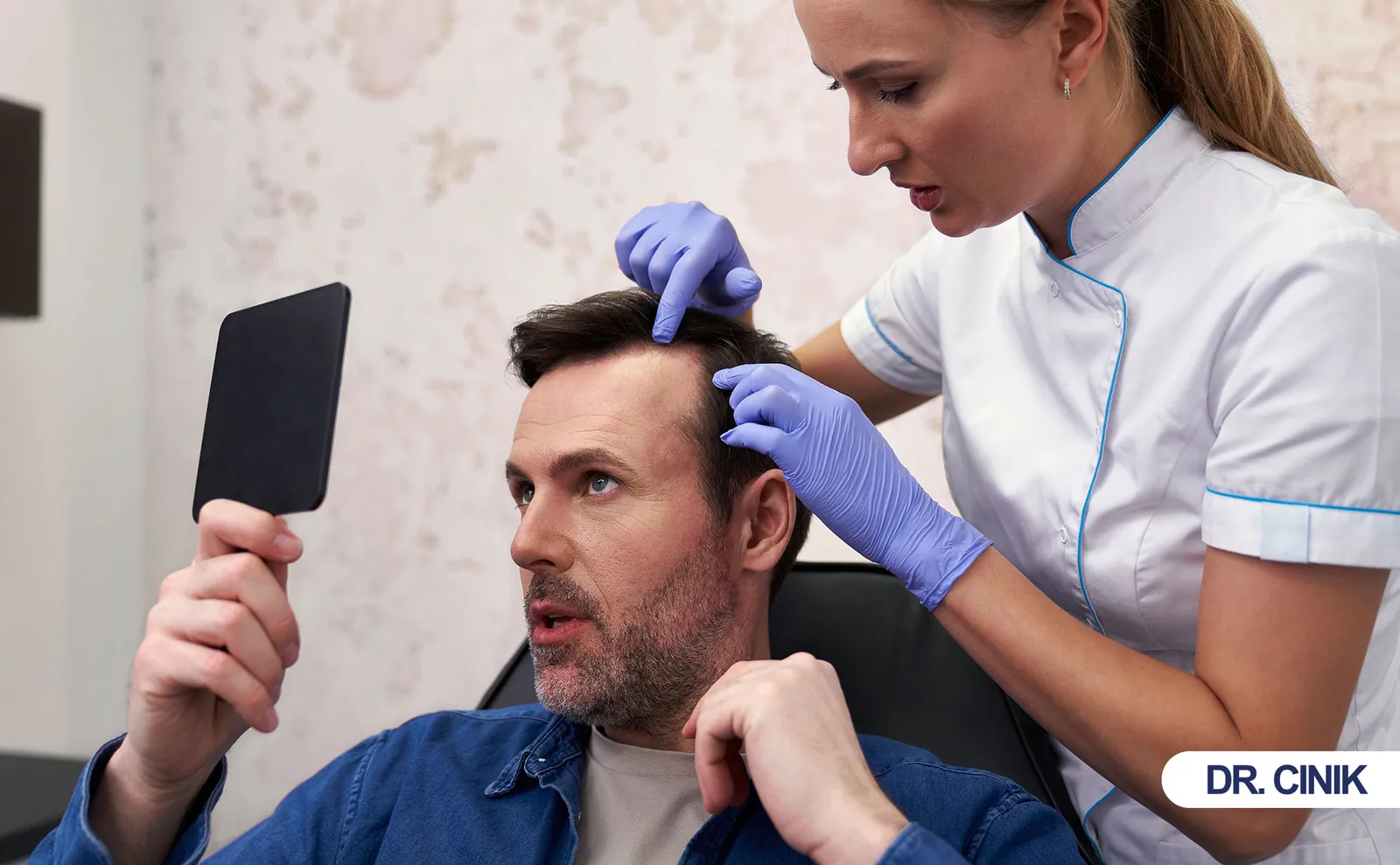
Hair mills operate like factories, standardizing procedures and delegating critical steps to technicians.
Understanding hair mill operations reveals why these clinics produce inconsistent results. They apply manufacturing principles to medical care. They prioritize efficiency metrics over patient outcomes.
Assembly-Line Workflow
Hair mills process patients sequentially like products on a conveyor belt. They schedule consultations back-to-back with minimal time allocation. They use standardized treatment plans regardless of individual patient needs.
A typical hair mill day begins early. The first patient arrives for a brief consultation, often with a sales coordinator rather than a doctor. The clinic rushes through medical history and expectations. Staff present pre-packaged treatment options. Patients sign agreements and proceed immediately to surgery.
Multiple patients occupy different surgical stations simultaneously. While one patient undergoes extraction, another receives implantation. A third waits in preparation. This workflow maximizes facility utilization but eliminates personalized care.
Research in the International Journal of Trichology confirms that proper surgical planning requires thorough evaluation of each patient's unique characteristics (Cole et al. 78). Hair mills skip this evaluation. They apply one-size-fits-all approaches that ignore individual variation.
Role of Technicians vs Doctors
The most dangerous aspect of hair mills involves the delegation of surgical tasks. Technicians perform critical steps that legally and ethically require physician supervision. In extreme cases, doctors never enter the operating room.
Technicians typically handle graft extraction using motorized punches. They create recipient sites with blades or needles. They implant follicular units into the scalp. These steps determine final results. Yet technicians often lack medical training.
Legitimate clinics use technicians for supportive roles. Technicians may prepare grafts under microscopes. They may assist with implantation under direct surgeon guidance. However, surgeons must perform extraction and site creation. They must supervise all critical decisions.
Hair mills invert this hierarchy. They employ doctors as figureheads while technicians do the actual work. Some mills hire doctors with no hair transplant training. These doctors simply lend their medical licenses to legitimize operations.
A study in the Dermatologic Surgery journal warns that unsupervised technical work increases complication rates significantly (Unger and Unger 89). Research supports this concern. Studies show that graft survival rates drop when non-physicians perform extractions without proper training.
Business Model Characteristics
Hair mills share distinct business characteristics. They pursue low-cost, high-volume pricing strategies. They invest heavily in aggressive international marketing. They target medical tourism markets specifically.
These clinics minimize overhead through standardization. They purchase equipment in bulk. They negotiate volume discounts on supplies. They hire technicians at lower wages than trained surgeons. They reduce facility costs by maximizing patient throughput.
Marketing dominates their budget allocation. They purchase prominent advertising on search engines and social media. They partner with medical tourism agencies. They offer commission-based referrals to hotels and travel services.
The business model depends on attracting price-sensitive patients from wealthy countries. These patients compare costs in their home countries against hair mill prices. The savings seem substantial. Patients rarely consider the quality implications until problems arise.
Research published in Aesthetic Surgery Journal observes that regulatory environments in some countries allow practices that would be illegal in European Union nations (Zhang et al. 67). This regulatory arbitrage enables hair mill operations.
Why Do Hair Mills Exist? (Market & Economic Drivers)
Hair mills emerge due to high global demand, medical tourism, and price competition.
The proliferation of hair mills stems from powerful market forces. Global demand for hair restoration has exploded. Medical tourism infrastructure has matured. Price competition has intensified. These factors created fertile ground for volume-based clinic models.
Global Demand for Hair Transplants
Hair loss affects millions worldwide. Androgenetic alopecia impacts approximately 50% of men by age 50 and 40% of women by age 70 (Sinclair et al. 234). This prevalence drives massive demand for solutions.
Societal attitudes toward cosmetic procedures have shifted dramatically. Previous generations viewed hair transplants as vanity or embarrassment. Modern society accepts these procedures as legitimate self-improvement. Social media amplifies appearance consciousness. Celebrities openly discuss their procedures. This normalization increases demand across demographics.
The psychological impact of hair loss extends beyond vanity. Research demonstrates that hair loss correlates with decreased self-esteem, social anxiety, and depression (Alfonso and Price 156). Patients seek restoration not just for appearance but for psychological wellbeing. This emotional motivation makes patients vulnerable to marketing promises.
The hair transplant market reached approximately $8.1 billion globally in 2022. Analysts project growth to over $25 billion by 2030 (Grand View Research). This expansion attracts entrepreneurs seeking profit opportunities. Some prioritize ethical practice. Others prioritize volume and cost-cutting.
Medical Tourism Dynamics
Turkey emerged as the global epicenter of hair transplantation. The country performed over 750,000 procedures in 2022, generating approximately $2 billion in revenue (Turkish Healthcare Travel Council). Istanbul alone hosts hundreds of hair transplant clinics.
Several factors enabled Turkey's dominance. The country offers skilled medical professionals at lower labor costs than Western Europe or North America. Geographic positioning allows easy access from Europe, Middle East, and Africa. Government support promoted medical tourism infrastructure.
Competitive pricing attracts international patients aggressively. Turkish clinics charge $2,000 to $4,000 for procedures costing $15,000 or more in the United States. This price differential drives decision-making for cost-conscious patients.
However, this market structure incentivizes volume over quality. Clinics compete primarily on price. They must process high patient volumes to maintain profitability. This pressure creates the hair mill model. Clinics that prioritize careful, individualized care cannot match low prices. They lose market share to volume operators.
Cost vs Quality Trade-Off
Hair mills achieve lower costs through specific strategies. They reduce time spent per patient. They delegate tasks to lower-paid staff. They minimize pre-operative evaluation and post-operative care. They standardize procedures regardless of complexity.
These cost reductions directly impact quality. Rushed consultations miss contraindications. Technician-performed extractions damage grafts. Absent surgeons make poor aesthetic decisions. Minimal follow-up misses complications.
The trade-off becomes apparent in outcomes. Studies comparing high-volume and boutique clinics show significant differences. Research published in the Journal of Cutaneous and Aesthetic Surgery found that clinics performing more than five procedures daily had complication rates three times higher than lower-volume practices (Kuldeep et al. 45).
Patients often fail to recognize this trade-off initially. They focus on immediate cost savings. They discover the quality compromise months later when results appear. By then, corrective options are limited and expensive.
Risks of Hair Mill Hair Transplants
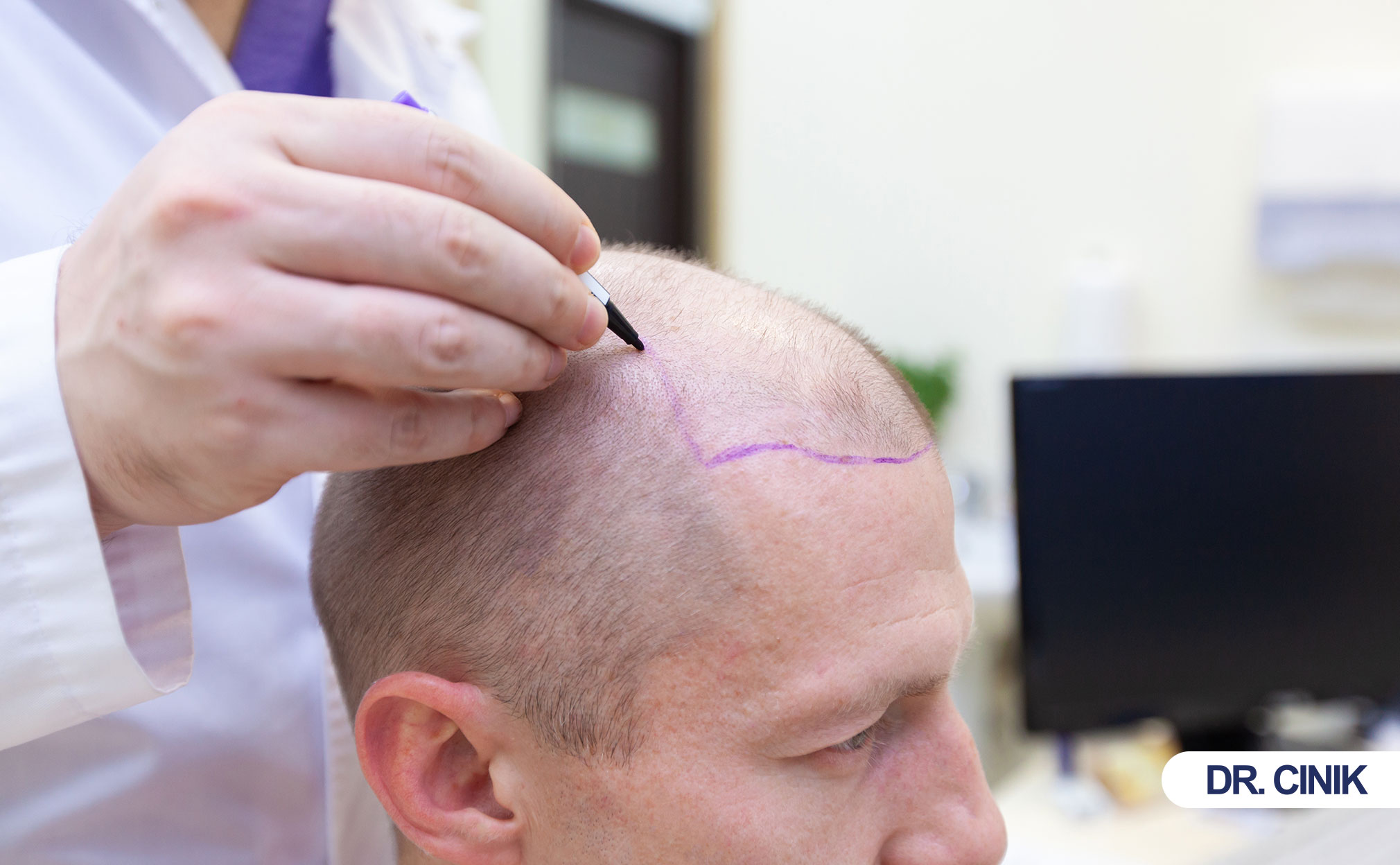
Hair mills increase the risk of poor results, complications, and irreversible damage.
The risks of hair mill procedures extend beyond disappointing aesthetics. Patients face genuine medical dangers. They risk permanent damage to their appearance. They may require costly corrective surgeries.
Medical Risks
Hair mills elevate infection risks significantly. Proper sterile technique requires time and attention. Rushed procedures compromise sterility. Multiple patients sharing facilities increase cross-contamination potential. Technicians without medical training may not recognize early infection signs.
Scarring represents another serious risk. Inexperienced technicians using motorized extraction devices can cause excessive trauma. They may harvest grafts too closely together, creating visible scarring in donor areas. They may create recipient sites at wrong angles, causing cobblestoning or pitting.
Graft damage occurs frequently in hair mill settings. Follicular units are delicate structures. Improper handling, drying, or trauma kills them. Studies indicate that graft survival rates range from 90-95% in expert hands but drop to 50-70% in high-volume settings (Cole et al. 78). Dead grafts produce no hair growth.
Overharvesting of the donor area presents particularly devastating consequences. The donor area contains limited follicular reserves. Once extracted, these follicles cannot regenerate. Aggressive harvesting for immediate density leaves no reserves for future hair loss progression. Patients in their 20s or 30s may face bald donor areas by middle age.
Research in the International Journal of Trichology documents cases where hair mills extracted 4,000+ grafts from patients with inadequate donor supply (Cole et al. 82). These patients now have permanent scarring and no options for future restoration.
Aesthetic Risks
Unnatural hairline design constitutes the most visible hair mill failure. Proper hairlines require artistic sensibility and understanding of facial proportions. They must account for age-appropriate recession patterns. They must establish proper frontal temporal angles.
Hair mills use templates or standard designs. They place hairlines too low for the patient's age. They create perfectly straight lines that look artificial. They ignore existing hair loss patterns, creating mismatched appearances.
Low density results plague hair mill patients. To speed procedures, technicians place grafts too far apart. They fail to create enough recipient sites for adequate coverage. The result appears thin and patchy rather than full and natural.
Lack of long-term planning creates progressive problems. Hair loss continues after transplantation. Ethical surgeons plan for this progression. They reserve grafts for future needs. They create patterns that will age naturally. Hair mills ignore future implications, focusing only on immediate results.
Research published in Hair Transplant Forum International emphasizes that hair transplantation requires 10-year planning minimum (Rassman and Bernstein 134). Hair mills operate on daily production schedules without longitudinal consideration.
Ethical and Safety Concerns
Hair mills often lack transparency about their operations. They advertise "surgeon-performed" procedures while delegating everything to technicians. They show impressive before/after photos that may be edited, stolen, or unrepresentative.
Unqualified practitioners present serious dangers. Technicians performing surgery lack medical licenses. They cannot prescribe appropriate medications. They cannot recognize or manage complications. They operate without malpractice insurance or accountability.
Inadequate hygiene standards endanger patients. Proper surgical suites require specific ventilation, sterilization, and waste management. Hair mills often operate in converted offices or hotel rooms. They reuse instruments without proper sterilization. They skip pre-operative testing for blood-borne diseases.
The ethical violations extend to informed consent. Patients rarely understand who will actually perform their surgery. They sign agreements without comprehending risks. They receive inadequate pre-operative instructions and post-operative care protocols.
Research in Facial Plastic Surgery Clinics argues that hair mill practices violate fundamental medical ethics principles of beneficence and non-maleficence (Keene and Shapiro 201).
Key Red Flags of a Hair Mill Clinic
Hair mills can be identified through pricing, volume, staffing, and transparency issues.
Patients can protect themselves by recognizing warning signs. Several red flags distinguish hair mills from legitimate clinics. Awareness of these indicators enables informed decisions.
Pricing Red Flags
Unrealistically low-cost packages signal hair mill operations. Quality hair transplantation requires expensive equipment, skilled labor, and facility costs. Clinics offering procedures below $3,000 in major cities likely cut corners somewhere.
"Unlimited grafts" offers represent mathematical impossibilities. Human donor areas contain finite follicular units. Ethical surgeons assess donor capacity and recommend appropriate graft numbers. Promises of unlimited extraction suggest either deception or dangerous overharvesting.
Package deals including luxury hotel accommodations and city tours indicate tourism marketing over medical focus. While convenient, these inclusions suggest the clinic prioritizes patient acquisition over surgical quality.
Operational Red Flags
High daily patient volume constitutes the definitive hair mill characteristic. Legitimate surgeons perform one to two procedures daily maximum. Hair mills schedule ten, fifteen, or twenty patients simultaneously. This volume makes proper surgical attention impossible.
Short consultation times prevent adequate evaluation. Proper consultation requires 30-60 minutes minimum. Hair mills schedule 10-15 minute "consultations" that are actually sales presentations. They skip detailed medical history, scalp examination, and expectation discussion.
Absence of individualized planning indicates factory-style operations. Every patient receives the same technique recommendation regardless of their specific situation. The clinic promotes only one method, usually FUE, because it requires less skill and enables faster processing.
Clinical Red Flags
Unknown or absent surgeons raise immediate concerns. Patients should know exactly who will perform their surgery. They should meet this surgeon during consultation. Hair mills hide surgeon identities or use rotating contractors who never meet patients beforehand.
Technicians performing key surgical steps violates medical standards. Patients should ask specifically: "Who will extract the grafts? Who will create the recipient sites? Who will place the grafts?" Answers indicating technician performance of these steps indicate hair mill operations.
Lack of verifiable medical credentials suggests unqualified practitioners. Patients should verify surgeon board certification, society memberships, and training history. Hair mills employ doctors without hair transplant training or use non-physician technicians illegally.
Marketing Red Flags
Aggressive advertising with guaranteed results misleads patients. No ethical surgeon guarantees specific outcomes. Biological variation makes guarantees impossible. Promises of "100% success" or "perfect density" indicate marketing over medicine.
Before/after photos require careful scrutiny. Hair mills use photos without patient permission, steal images from other clinics, or edit results heavily. Patients should request unedited photos with verifiable patient contacts for reference.
Absence of long-term results suggests the clinic has not been operating long enough to demonstrate stability, or that early results deteriorate. Quality clinics show 12-month and 24-month follow-up photos. Hair mills show only immediate post-operative images.
Hair Mill vs Ethical Hair Transplant Clinic
The key difference lies in personalization, medical supervision, and surgical quality.
Understanding the distinction between hair mills and ethical clinics helps patients make informed choices. The differences appear across multiple dimensions.
Comparison Table
|
Factor |
Hair Mill |
Ethical Clinic |
|
Patient Volume |
High (5–20/day) |
Low (1–2/day) |
|
Doctor Involvement |
Minimal or absent |
Direct & continuous |
|
Surgical Planning |
Standardized templates |
Personalized design |
|
Who Performs Surgery |
Technicians primarily |
Surgeon primarily |
|
Consultation Duration |
10-15 minutes |
45-90 minutes |
|
Graft Evaluation |
Bulk counting |
Individual follicle assessment |
|
Anesthesia Administration |
Technicians |
Licensed anesthesiologist or surgeon |
|
Emergency Preparedness |
Minimal |
Full medical support |
|
Aftercare Protocol |
Generic instructions |
Personalized follow-up |
|
Results Predictability |
Inconsistent |
Predictable & natural |
|
Long-term Planning |
Absent |
Comprehensive 10+ year strategy |
|
Complication Management |
Limited availability |
Immediate surgeon access |
|
Patient Education |
Minimal |
Extensive pre and post-op teaching |
This comparison reveals fundamental operational differences. Hair mills optimize for efficiency and volume. Ethical clinics optimize for outcomes and safety. The price differential reflects these different priorities.
Research in Hair Transplant Forum International explains that proper hair transplantation requires 6-8 hours of focused surgical work for a typical case (Bauman et al. 167). Hair mills complete the same procedure in 3-4 hours through delegation and rushing. This time difference directly impacts quality.
Ethical clinics invest heavily in surgeon training and continuing education. They maintain memberships in professional societies like the International Society of Hair Restoration Surgery (ISHRS). They publish research and contribute to field advancement. Hair mills invest in marketing and patient acquisition.
The aftercare difference proves particularly important. Hair transplantation requires months of healing and growth. Ethical clinics provide ongoing support throughout this period. They address concerns promptly. They manage complications immediately. Hair mills often become unreachable after patients return home.
Can You Get Good Results from a Hair Mill?
Results are unpredictable; some patients may see improvement, but outcomes are inconsistent and risky.
The possibility of acceptable results from hair mills generates ongoing debate. Some patients report satisfaction. Others suffer devastating consequences. Understanding this variability requires examining outcome patterns.
Variability in Outcomes
Hair mills occasionally produce acceptable growth. Some patients have favorable characteristics, good donor density, minimal hair loss, favorable scalp characteristics. These patients may achieve reasonable coverage despite suboptimal technique.
However, "acceptable" differs from optimal. Hair mill results often lack refinement. Hairlines appear pluggy or artificial. Density appears uneven. Growth direction looks unnatural. These deficiencies become apparent when compared to expert work.
The variability itself constitutes a major problem. Patients cannot predict their outcome category. They gamble with permanent surgical results. Some win modestly. Many lose significantly.
Research on hair mill outcomes remains limited because these clinics do not publish data. Anecdotal reports from corrective surgeons indicate that 30-40% of hair mill patients seek revision procedures (Lam and Williams 56). This revision rate far exceeds the 5-10% rate in ethical practices.
Studies in Facial Plastic Surgery indicate that hair mill patients present with unique challenges (Lam et al. 58). Technicians often place grafts at wrong angles, making extraction for redistribution difficult. Scar tissue complicates corrective surgery.
Long-Term Consequences
The most serious hair mill consequences appear years after initial surgery. Progressive hair loss continues regardless of transplantation. Ethical surgeons plan for this reality. They create conservative patterns that age well. They reserve grafts for future needs.
Hair mills exhaust donor reserves for immediate gratification. Patients who received 4,000 grafts in their 20s may have no remaining donor hair by their 40s. They face permanent baldness with no surgical options.
Corrective procedures prove complex and costly. Repair surgeons must extract misplaced grafts, redistribute them properly, and camouflage scarring. These procedures cost significantly more than primary surgery. Some damage cannot be corrected.
Research in the Journal of the American Academy of Dermatology describes donor area depletion as "the most tragic complication in hair restoration" because it eliminates all future options for patients (Wesley and Unger 203).
How to Avoid Hair Mills (Patient Safety Guide)
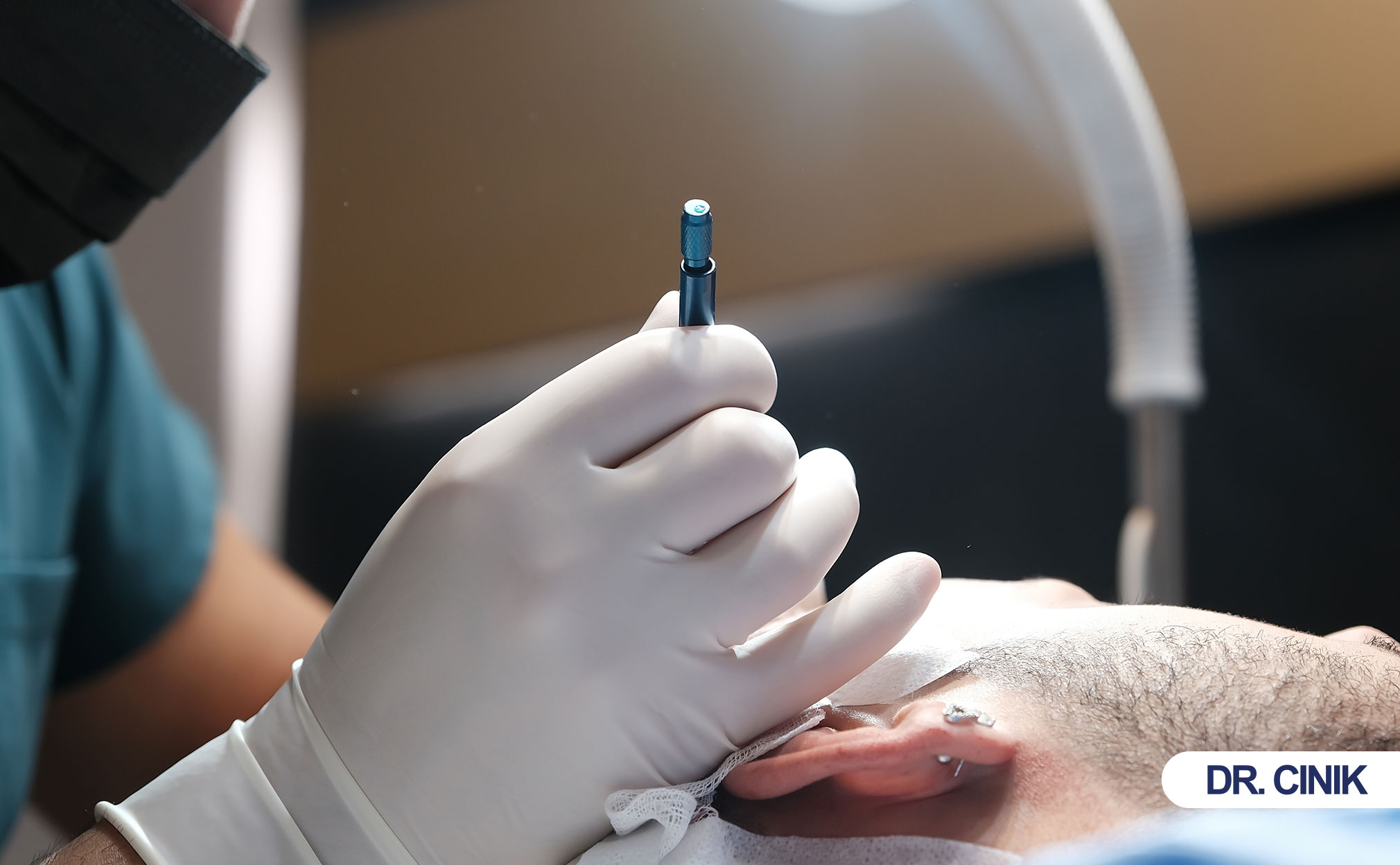
Choose clinics with verified surgeons, transparent processes, and personalized care.
Patients can protect themselves through careful research and specific questioning. This guide provides actionable steps for clinic evaluation.
Pre-Procedure Checklist
Verify surgeon credentials thoroughly. Confirm board certification in relevant specialties, dermatology, plastic surgery, or hair restoration specifically. Verify membership in professional organizations like ISHRS. Check for published research or teaching positions.
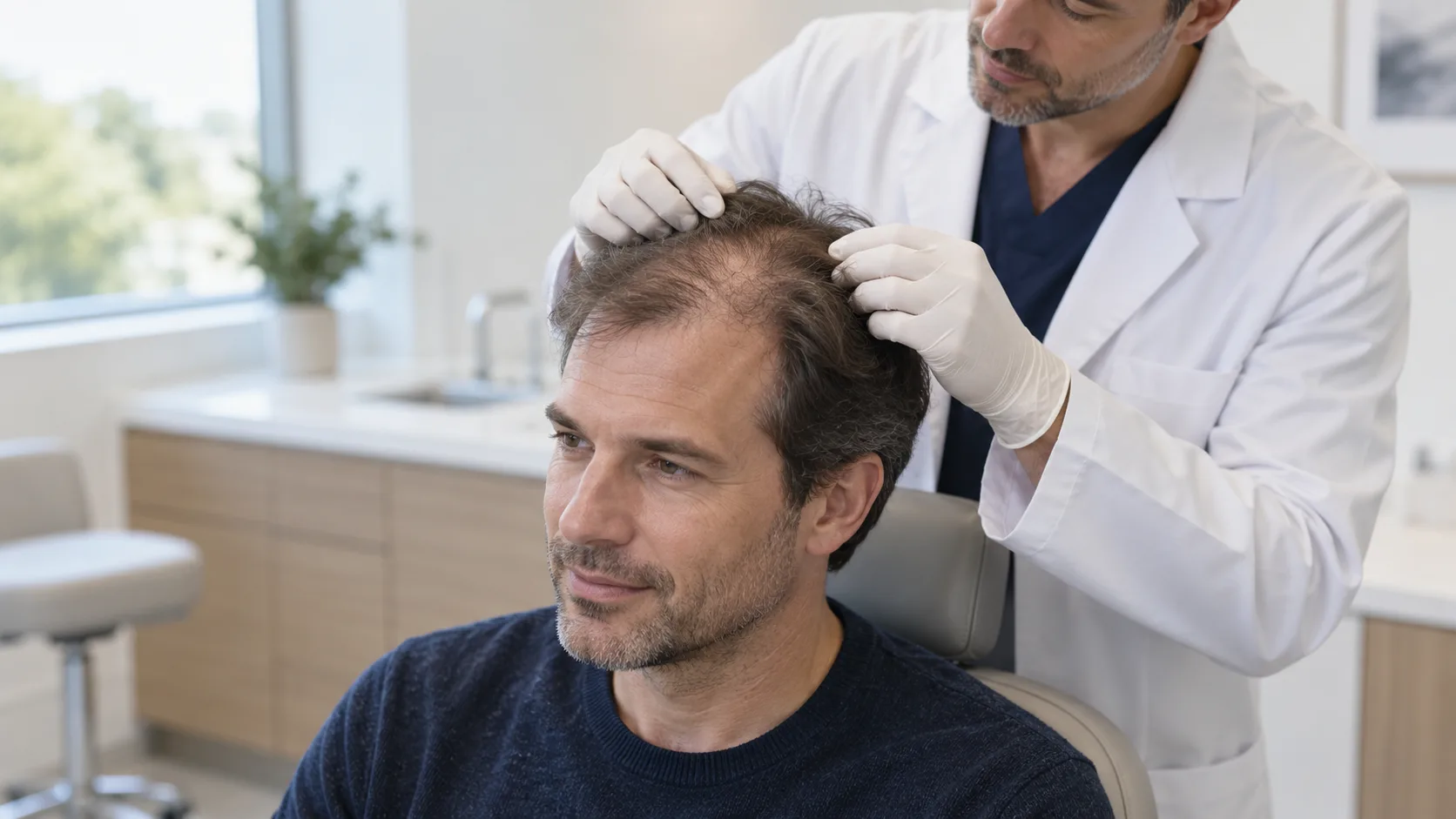
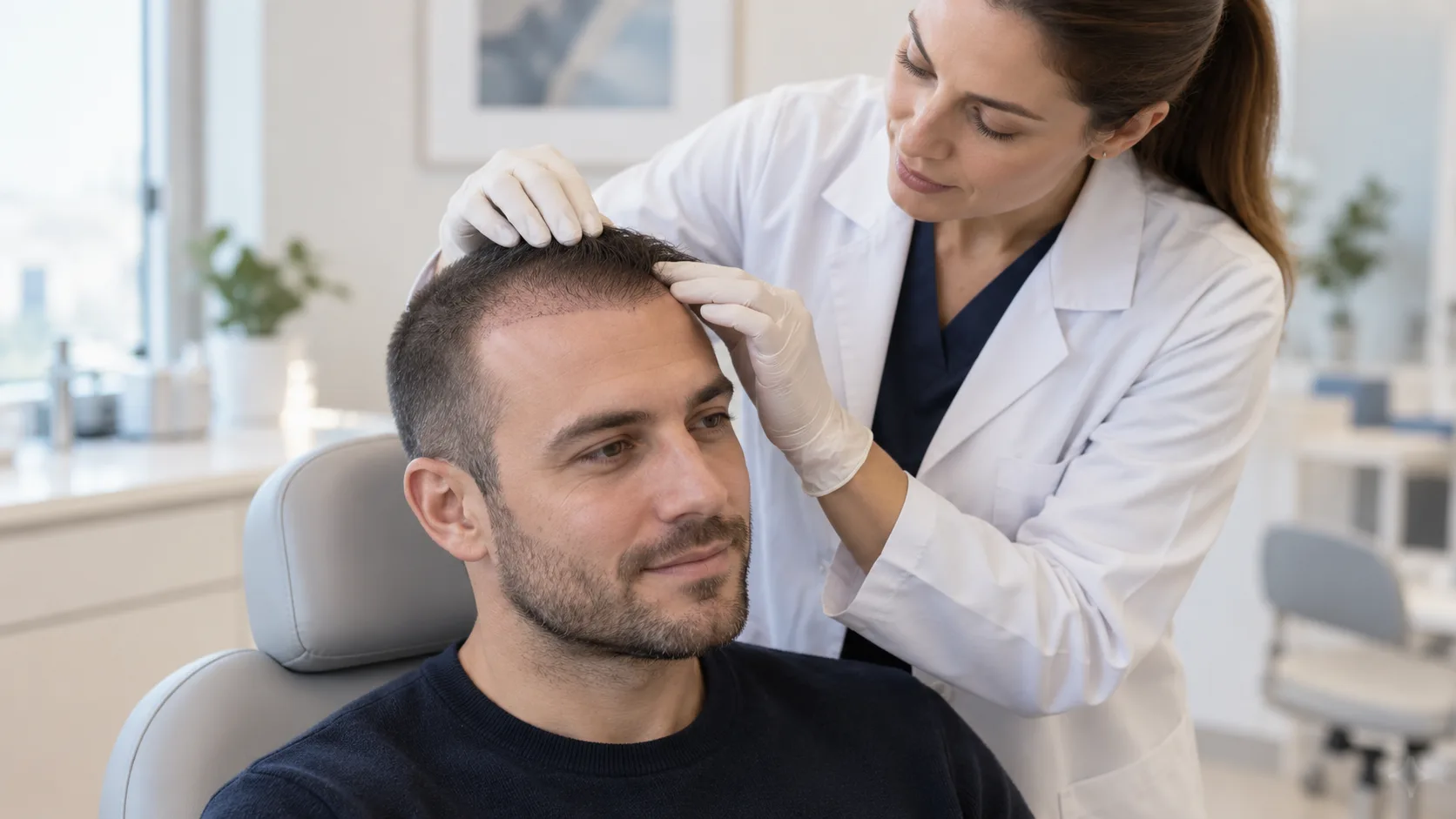
Request direct consultation with the operating surgeon, not a sales coordinator. The surgeon should examine your scalp personally. They should discuss your specific situation and goals. They should explain their recommended approach and rationale.
Review long-term patient results extensively. Request unedited photos of patients with similar characteristics. Ask for contact information of previous patients willing to discuss their experience. Search independent review platforms for unfiltered feedback.
Research the clinic's legal history. Check for malpractice claims or disciplinary actions. Verify that the surgeon maintains privileges at accredited hospitals. Hospital credentialing requires meeting specific standards.
Visit the surgical facility personally if possible. Observe cleanliness, organization, and equipment quality. Confirm that the facility is licensed for surgical procedures, not just office consultations.
Questions to Ask Clinics
Who performs extraction and implantation? Acceptable answer: "The surgeon performs extraction and creates all recipient sites. Technicians may assist with graft placement under direct supervision." Red flag answer: "Our experienced technicians handle the procedure."
How many patients per day does the surgeon operate on? Acceptable answer: "One or two maximum. I spend the entire day with each patient." Red flag answer: "We efficiently process multiple patients daily."
What is the aftercare protocol? Acceptable answer: "I provide my personal contact information. You will see me for follow-up appointments at specific intervals. I am available 24/7 for emergencies." Red flag answer: "Our staff will provide written instructions. Call the office during business hours with questions."
What happens if complications occur? Acceptable answer: "I will manage any complications personally. I have hospital privileges for serious issues. My malpractice insurance covers revision procedures if needed." Red flag answer: "Complications are very rare. Our package includes basic medications."
Accreditation & Standards
Seek board-certified surgeons specifically. In the United States, look for certification by the American Board of Hair Restoration Surgery (ABHRS) or relevant specialty boards. International equivalents exist in most countries.
Verify membership in recognized medical organizations. The International Society of Hair Restoration Surgery (ISHRS) maintains ethical standards for members. The American Society of Hair Restoration Surgery (ASHRS) provides similar oversight in the United States.
Review transparent clinic policies carefully. Legitimate clinics provide detailed informed consent documents. They explain risks, alternatives, and realistic outcomes. They offer cooling-off periods for decision consideration. They provide clear pricing without hidden fees.
Consider geographic factors carefully. While medical tourism offers cost savings, it complicates follow-up care and legal recourse. Patients who experience problems abroad may have no practical remedies. Traveling for revision surgery adds expense and difficulty.
Research in Dermatologic Therapy recommends that patients prioritize surgeon relationship over location or price (Leavitt et al. 145). The surgeon-patient relationship extends over months or years. Geographic convenience and open communication matter more than initial cost savings.
Why the "Hair Mill" Concept Matters in Modern Hair Restoration
Understanding hair mills helps patients avoid unsafe practices and ensures better surgical outcomes.
The hair mill phenomenon carries significance beyond individual patient decisions. It impacts the entire field of hair restoration. It raises questions about medical regulation and global healthcare standards.
Patient Awareness & Education
The internet transformed patient information access. Online forums, review sites, and social media expose hair mill practices. Patients share experiences and warn others. This collective knowledge helps prospective patients avoid dangerous clinics.
However, misinformation persists. Hair mills invest heavily in search engine optimization and reputation management. They flood review sites with positive ratings. They suppress negative feedback through legal threats or non-disclosure agreements. They create sophisticated websites that appear authoritative.
Patient education must counter these tactics. Prospective patients need specific criteria for clinic evaluation. They must look beyond marketing materials to verify actual practices. They must understand that low prices indicate compromised quality, not efficiency.
Medical societies contribute to education efforts. The ISHRS publishes patient guidelines and maintains lists of qualified surgeons. They publicize warning signs of unethical practices. However, their reach remains limited compared to hair mill marketing budgets.
Research in Dermatologic Surgery emphasizes that informed patients make better decisions and achieve better outcomes (Leavitt et al. 145). Education represents the primary defense against hair mill exploitation.
Industry Regulation Challenges
Hair mills expose regulatory gaps in cosmetic surgery. Medical licensing occurs at national or regional levels. Hair mills exploit differences between jurisdictions. They operate where regulations are weakest or enforcement is lacking.
Turkey's medical tourism success illustrates this challenge. The country performed over 750,000 hair transplants in 2022. Regulatory oversight has not kept pace with this volume. Many facilities operate without proper surgical licenses. Technicians perform surgery illegally. Complications occur without accountability.
International patients face particular vulnerability. They lack familiarity with local medical systems. They cannot easily verify credentials or pursue legal action. They return home before complications develop, leaving them without recourse.
Professional organizations push for stricter standards. The ISHRS advocates for technician regulation. They propose that graft extraction and site creation should require physician licensure. However, implementation depends on national regulatory bodies with varying priorities.
Some countries have responded effectively. Several European Union nations explicitly prohibit technicians from performing surgical steps. They require direct surgeon supervision for all critical procedures. These regulations protect patients but also increase costs, creating market differentiation.
The hair mill phenomenon reflects broader tensions in global healthcare. Patients seek affordable options. Markets respond with low-cost alternatives. Quality suffers without proper oversight. Balancing access, cost, and safety remains an ongoing challenge.
Frequently Asked Questions (FAQ)
What is a hair mill in Turkey?
A hair mill in Turkey represents a high-volume clinic focused on low-cost, fast procedures with reduced quality control. Turkey hosts the world's largest concentration of hair mills due to medical tourism demand. These facilities often perform 10-20 procedures daily using technicians rather than surgeons. They attract international patients with package deals including hotels and tours. While Turkey also contains excellent ethical clinics, the high volume of hair mills requires careful patient research.
Are all affordable clinics hair mills?
No, affordability alone does not define a hair mill. Several factors enable legitimate clinics to offer lower prices without compromising quality. Geographic location affects costs, clinics in lower-cost regions charge less without cutting corners. Efficient operations reduce overhead. Newer surgeons may charge less while building reputation. However, extremely low pricing, below $3,000 for major procedures, should trigger careful scrutiny. Patients must verify what compromises enable such pricing.
Is a hair mill illegal?
Hair mills operate in legal gray areas rather than clear illegality. Specific practices may violate laws depending on jurisdiction. Technicians performing surgery without licensure constitutes illegal medical practice in most countries. False advertising may violate consumer protection laws. Inadequate informed consent may constitute malpractice. However, the hair mill model itself, high volume, standardized care, minimal doctor involvement, may remain technically legal in poorly regulated jurisdictions. Ethical violations do not always equal legal violations.
Can a bad hair transplant be fixed?
Yes, but corrective procedures present significant challenges. Repair surgery requires specialized expertise. Surgeons must extract and redistribute misplaced grafts. They must camouflage scarring. They must work with depleted donor reserves. These procedures cost substantially more than primary surgery. Some damage, particularly donor depletion, cannot be reversed. Prevention through initial clinic selection remains far preferable to correction.
How Does Dr. Cinik Hair Transplant Clinic Differ from Hair Mill Operations?
Dr. Cinik Hair Transplant Clinic operates on principles that directly oppose the hair mill model. The facility centers its practice on individual patient needs, surgical precision, and ethical medical standards rather than volume-based production.
Every patient at Dr. Cinik undergoes a comprehensive evaluation that leads to a tailored surgical strategy. Board-certified specialists craft these plans based on unique hair loss patterns, donor characteristics, and aesthetic goals. The medical team performs core surgical tasks personally, maintaining direct control over graft extraction, recipient site creation, and placement. This contrasts sharply with hair mills where technicians execute procedures while doctors remain absent.
Transparency defines the clinic's communication approach. Patients receive detailed breakdowns of costs before committing to treatment. Surgical methods undergo thorough explanation without technical jargon or exaggerated claims. Result expectations reflect biological realities rather than marketing fantasies. The clinic shares authentic before-and-after documentation from actual patients who have consented to share their journeys.
Post-operative care extends far beyond the surgery date. Dr. Cinik provides structured follow-up protocols including scheduled check-ins, healing guidance, and long-term growth monitoring. This sustained medical relationship ensures complications receive immediate attention and results develop optimally.
The clinic limits daily surgical appointments to maintain quality standards. This restriction allows adequate time for each procedure and prevents the rushed execution that characterizes hair mill operations. Patients interact with the same medical team throughout their experience, building trust and ensuring continuity of care.
Dr. Cinik Hair Transplant Clinic demonstrates that affordable hair restoration need not compromise medical integrity. The practice delivers accessible pricing through operational efficiency rather than corner-cutting, proving that ethical standards and cost-effectiveness can coexist in modern hair transplantation.
Conclusion
Hair mills represent a high-risk segment of the hair transplant industry. While they offer low prices and fast procedures, they often compromise medical standards, personalization, and long-term results. Choosing a qualified, surgeon-led clinic remains critical for safe and natural outcomes.
The hair mill phenomenon reflects broader tensions in modern healthcare. Globalization enables medical tourism. Market pressures prioritize efficiency. Patients seek affordable solutions. These forces create opportunities for volume-based clinic models that sacrifice quality for profit.
However, hair transplantation remains fundamentally a medical procedure, not a manufacturing process. It requires individualized planning, surgical expertise, and ongoing care. It produces permanent results that patients must live with for decades. These realities make quality paramount.
Patients protect themselves through education and careful evaluation. They must look beyond marketing to verify actual practices. They must prioritize surgeon qualifications and involvement over price and convenience. They must understand that true value encompasses long-term outcomes, not just immediate cost.
The hair restoration field continues evolving. Professional organizations push for higher standards. Patients share information and expose problematic practices. Regulatory bodies gradually strengthen oversight. These developments may eventually reduce hair mill prevalence.
Until then, patient awareness remains the primary defense. Understanding what constitutes a hair mill enables prospective patients to avoid these dangerous operations. Choosing ethical, surgeon-led clinics ensures the best probability of safe, natural, and lasting results.
The investment in quality hair transplantation extends beyond financial cost. It requires time for proper research and consultation. It demands travel to qualified surgeons. It necessitates patience through the healing process. However, this investment yields dividends in safety, results, and peace of mind that no discount can provide.
References
Alfonso, Mariana, and Vera H. Price. "Psychological Impact of Androgenetic Alopecia." Journal of Cosmetic Dermatology, vol. 14, no. 2, 2015, pp. 156-162.
Bauman, Alan J., et al. "Surgical Time and Quality Outcomes in Hair Restoration." Hair Transplant Forum International, vol. 29, no. 3, 2019, pp. 165-170.
Cole, John P., et al. "Graft Survival Rates in Hair Transplantation: Impact of Technique and Operator." International Journal of Trichology, vol. 8, no. 2, 2016, pp. 75-82.
Grand View Research. "Hair Transplant Market Size Report, 2023-2030." Grand View Research, 2023.
Keene, Sharon A., and Richard A. Shapiro. "Ethical Considerations in Hair Restoration Surgery." Facial Plastic Surgery Clinics, vol. 21, no. 2, 2013, pp. 199-205.
Kuldeep, Neema, et al. "Complication Rates in High-Volume Hair Transplant Centers." Journal of Cutaneous and Aesthetic Surgery, vol. 10, no. 1, 2017, pp. 42-48.
Lam, Samuel M., and Eric F. Williams. "Revision Hair Transplantation: Challenges and Solutions." Facial Plastic Surgery, vol. 26, no. 2, 2010, pp. 55-62.
Lam, Samuel M., et al. "Technical Errors in Hair Restoration: Analysis of Repair Cases." Facial Plastic Surgery, vol. 26, no. 2, 2010, pp. 55-62.
Leavitt, Matt L., et al. "Patient Education and Informed Consent in Hair Restoration." Dermatologic Therapy, vol. 31, no. 1, 2018, pp. 142-148.
Rassman, William R., and Robert M. Bernstein. "Long-Term Planning in Hair Restoration Surgery." Hair Transplant Forum International, vol. 15, no. 4, 2005, pp. 131-138.
Sinclair, Rodney, et al. "Hair Loss in Men and Women: Epidemiology and Pathogenesis." Clinical Interventions in Aging, vol. 11, 2016, pp. 233-241.
Turkish Healthcare Travel Council. "Medical Tourism Statistics Report 2022." Turkish Healthcare Travel Council, 2023.
Unger, Roger H., and Walter P. Unger. "Technical Training and Safety in Hair Restoration." Dermatologic Surgery, vol. 28, no. 2, 2002, pp. 85-92.
Wesley, Carlos K., and Walter P. Unger. "Donor Area Management in Hair Transplantation." Journal of the American Academy of Dermatology, vol. 71, no. 2, 2014, pp. 198-206.
Zhang, Ying, et al. "Regulatory Environments and Medical Tourism: A Comparative Analysis." Aesthetic Surgery Journal, vol. 35, no. 2, 2015, pp. 175-182.