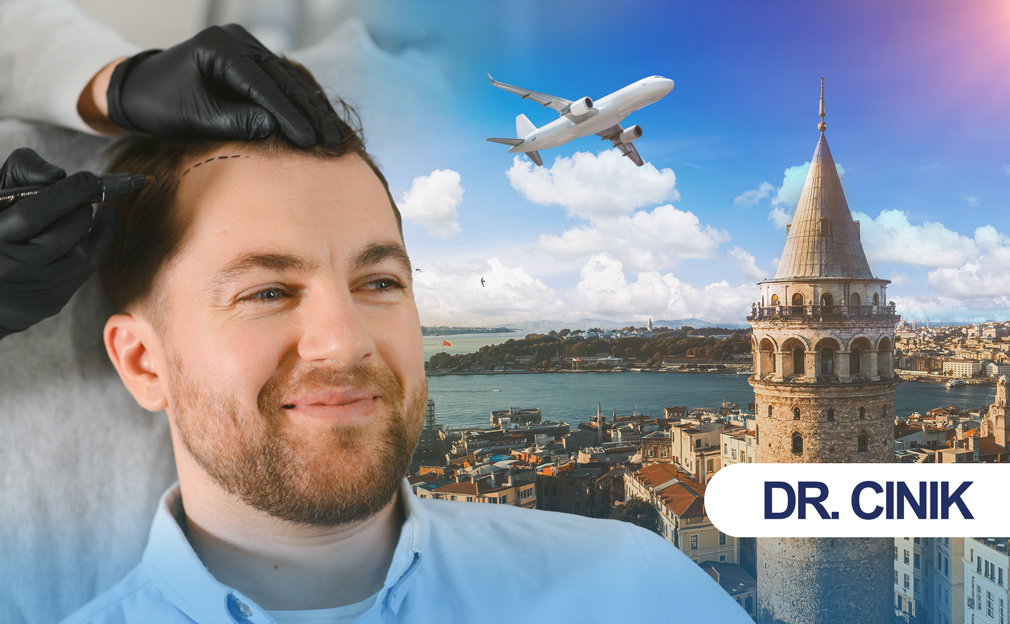
Turkey has become one of the world’s leading destinations for hair restoration. Every year, thousands of patients travel to Istanbul for modern treatments, skilled doctors, and affordable prices. Clinics use advanced methods such as FUE and DHI, and many offer complete travel packages for international visitors.
However, not every clinic provides the same level of care. Choosing the right clinic plays the biggest role in your final results. Asking the right questions helps you protect your health, your investment, and your appearance.
This guide explains the 10 most important questions you should ask before booking your hair transplant Turkey. These questions focus on surgeon experience, clinic safety, techniques, aftercare, and pricing.
Question 1: How Experienced Is the Medical Team in Hair Restoration?
Experience matters more than marketing. Ask how long the surgeons have worked in hair transplantationHair transplantation is a surgical procedure that involves the extraction of hair follicles from a designated donor site, followed by... and how many procedures they perform each year. A skilled doctor understands how to design a natural hairline and protect donor areas.
You should also ask whether the surgeon specializes in modern techniques such as Sapphire FUE or DHI. Clinics with trained and dedicated hair transplant teams usually achieve higher graft survival rates (Bernstein and Rassman, 2002).
Question 2: Can I See Real Before and After Results from Previous Patients?

A trustworthy clinic should show clear and recent before-and-after photos. These images help you understand the clinic’s quality of work. Ask to see results from patients who had hair loss similar to yours.
High success rates usually fall between 90% and 95% graft survival. This level shows proper extraction, storage, and implantation of follicles (Shapiro and Shapiro,2011).
Question 3: What Does the Hair Transplant Package Include in the Total Price?
Turkey attracts patients because of affordable costs, but you must understand exactly what the price covers. Many clinics offer all-inclusive packages.
A complete package should include:
- Medical consultation
- Blood tests
- Hair transplant procedure
- Medications and aftercare products
- Hotel accommodation
- Airport and clinic transfers
Always ask if extra fees apply for additional grafts or extended care.
Question 4: Which Technique Will Be Used for My Case and Why?

Hair transplant clinics mainly use two techniques: FUE (Follicular Unit Extraction) and DHI (Direct Hair Implantation).
FUE works well for large areas of hair loss. DHI allows precise placement and may suit patients who need dense coverage in small areas. A professional clinic explains why one method fits your hair type, scalp condition, and goals better than the other (Uebel, 2011).
Question 5: What Kind of Aftercare and Follow-Up Support Do You Provide?
Healing and growth depend heavily on aftercare. Ask how the clinic supports you after surgery. Good clinics provide written instructions, medical follow-ups, and direct contact with patient coordinators.
Proper aftercare reduces infection risk and improves final density. Clinics should guide you on washing, sleeping position, and activity limits during recovery (Avram and Rogers, 2014).
Question 6: Is the Clinic Licensed and Internationally Accredited?
A professional hair transplant clinic must hold legal health licenses from Turkish authorities. International memberships to show commitment to ethical standards.
You can verify these certificates online. Accreditation protects patients from unsafe practices and untrained staff (ISHRS).
Question 7: Where Do Patient Reviews Come From and Are They Independent?
Online reviews help you understand real patient experiences. Ask if testimonials come from independent platforms such as Google Reviews or Trustpilot. Independent sources reduce the risk of edited or biased feedback.
Clinics with strong reputations usually share patient stories openly and provide video testimonials from real clients.
Question 8: How Do You Handle Possible Complications?
Hair transplantation is safe, but swelling, redness, or infection can happen. A responsible clinic has a clear plan to manage these problems.
Ask who to contact if issues appear after you return home. Continuous support shows the clinic values long-term patient health (Bernstein et al., 2015).
Question 9: What Hotel and Transportation Services Are Included?
Travel comfort matters for international patients. Many Turkish clinics offer VIP transfers between the airport, hotel, and clinic. They also partner with nearby hotels for easy access to medical visits.
Confirm how many nights are included and whether transportation runs on surgery and check-up days.
Question 10: How Will We Communicate if I Do Not Speak Turkish?
Clear communication prevents confusion. Clinics should provide translators or patient coordinators who speak your language. Good communication helps you understand the procedure, aftercare, and timeline.
Language support also reduces stress and improves overall patient satisfaction (WHO, 2021).
Hair Transplant Cost Comparison: Turkey vs Other Countries
Hair transplant prices in Turkey remain much lower than in Western countries. Istanbul clinics compete strongly, which helps keep prices fair while offering complete service packages.
Below is a comparison for an average 3,000-graft procedure:
|
Country |
Average Price |
Typical Inclusions |
|
Turkey |
€2,500 – €6,000 |
Procedure, hotel, transfers, medication |
|
United Kingdom |
€9,000 – €15,000 |
Procedure only |
|
United States |
€12,000 – €20,000 |
Procedure only |
Patients can save up to 70% by choosing Turkey while receiving modern medical care.
Final Thoughts: Choose Knowledge Over Price
A hair transplant changes your appearance and confidence. Price alone should never guide your decision. Asking the right questions protects your health and ensures natural results.
Dr. Cinik Clinic in Istanbul focuses on advanced techniques, experienced surgeons, and patient-centered care. Transparent communication and structured aftercare create safe and lasting outcomes for international patients.
Your journey begins with the right questions. Smart research leads to strong results.
References:
Avram, Marc R., and Nicole Rogers. Hair Transplantation: Principles and Practice. Springer, 2014.
Bernstein, Robert M., and William R. Rassman. “Follicular Unit Transplantation.” Dermatologic Surgery, vol. 28, no. 8, 2002, pp. 720-728.
Bernstein, Robert M., et al. Hair Restoration Surgery. Elsevier Saunders, 2015.
International Society of Hair Restoration Surgery (ISHRS). “Patient Safety Guidelines.” ISHRS, www.ishrs.org.
Shapiro, Ron, and Paul Shapiro. Hair Transplantation: Current Concepts and Techniques. Saunders, 2011.
Uebel, Carlos O. “New Advances in Hair Transplantation.” Aesthetic Plastic Surgery, vol. 35, no. 4, 2011, pp. 567-575.
World Health Organization. Quality of Care and Patient Safety. WHO, 2021, www.who.int.