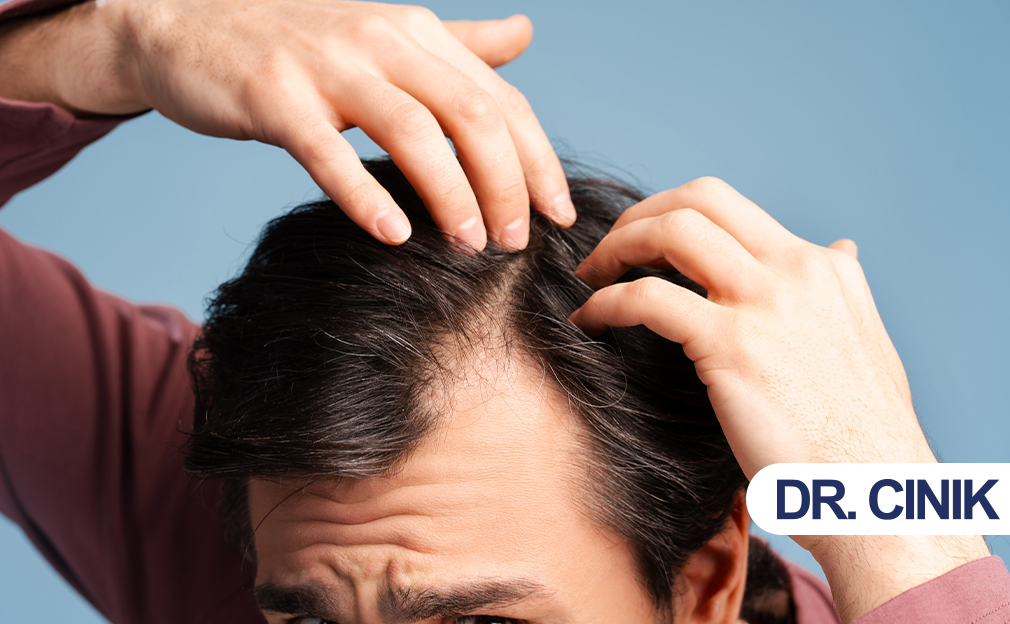
Hair loss is a common concern for both men and women and can happen for many reasons, including genetics, aging, stress, hormonal changes, nutritional gaps, medication use, and underlying health conditions. Because hair grows in repeating cycles, anything that disrupts this rhythm such as illness, emotional strain, or deficiencies can trigger temporary or long-term shedding. Stress hormones like cortisol, for example, may push hair into a resting and shedding phase, while hormonal shifts during puberty, pregnancy, menopause, or thyroid imbalance can also influence hair growth patterns. Low levels of nutrients such as iron, zinc, protein, and certain vitamins add another layer of impact.
Understanding what’s behind your hair loss is the first and most important step toward finding the right solution. Some causes resolve naturally with time or lifestyle changes, while others may benefit from medical treatments, supplements, or supportive home-care routines. This guide breaks down the most common causes of hair loss and explores evidence-based options to help protect, strengthen, and where possible restore healthier hair.
1. What are the Causes of Hair Loss?
Quick Answer: Hair loss is mainly caused by genetics, aging, stress, hormonal changes, nutritional deficiencies (like iron or zinc), medical conditions, and some medications. Stress and hormone imbalances can disrupt the hair-growth cycle, leading to increased shedding or thinning.
Age, genetic background, stress, hormonal changes, nutrition, and medical conditions can all play a role in hair loss. Identifying which factor affects you may help guide appropriate next steps.
Hair grows in cycles. Each strand can be in a different stage. Stress, tension, and anxiety can disrupt this. Depending on your stress signals whether acute or chronic stress can stimulate shedding at various points in the cycle.
Hormonal and nutrition changes also play a role. Puberty, pregnancy, thyroid disorders, iron deficiency, zinc deficiency, and insufficient protein complicate nutrition. These factors can affect thinning and loss on women’s parts and “widow peaks” or receding patterns.
Stress, tension, and anxiety can affect hair growth. The hair growth cycle has three stages: anagen (active growth), telogen (rest), and catagen (transition) (Owecka et al., 2024). Shedding typically occurs at the telogen stage, where hair roots weaken and detach, allowing new hairs to grow. The length of each stage varies per person, and average hair loss is between 50 and 100 hairs per day.
Accumulated stress can cause your body to produce excess cortisol. High cortisol levels trigger hair shedding, causing people to lose dozens of strands at once (Liu et al., 2024). When stress is continuous, the cycle can remain in telogen longer, and hair thinning can lead to bald spots. Stimuli that spark immediate warmth or irritation or attract sustained notice count as stress signals.
1.1. Do Stress and Tension Lead to Hair Loss?
Quick Answer: Yes. Severe or long-term stress can disrupt the hair-growth cycle and cause increased shedding or thinning.
Acute and chronic stress trigger different reactions in hair. Immediately, the body responds to serious physical hazards like injury, violent assault, and dangerous encounters by putting hair growth on hold and prompting a shedding phase. Can tension cause hair loss: Chronic tension from persistent worries the bills, money, work, health, family, hopes, and fears makes matters worse. It may lead to thinning, the roots entering a prolonged resting state before they finally drop out. Pressure cooker stress has one effect on hair; the ongoing stress of life and work has another, cumulatively pulling it progressively out (Shin et al., 2016). Cortisol, too, helps mediate hair response to stress, repressing damaging immune cell activity that leads to hair loss. Hindered growth and extended resting periods, rather than current loss, signal the accumulation of chronic stimuli and effort; recovery will take longer (Owecka et al., 2024).
1.2. Do Hormonal and Nutritional Factors Lead to Hair Loss?
Quick Answer: Yes. Hormonal changes and nutritional deficiencies (like low iron, zinc, protein, or thyroid imbalance) can disrupt hair growth and lead to thinning or hair loss.
Hormones and nutrients play crucial roles in hair loss. For teenage boys, the kick-off of puberty prompts surges in hormones such as testosterone and DHT. In women, hormonal changes occur around pregnancy, childbirth, menopause, and during conditions like polycystic ovary syndrome (PCOS). Hormones also impact hair health throughout life hence their significance in hair loss discussions.
At any age, hormones other than those related to sex might come into play. In hypothyroidism, for instance, the thyroid does not produce sufficient hormones. Lack of iron, zinc, and protein can similarly stall hair growth (J. Rajput, 2022).
1.3. Do Health Conditions and Medications Lead to Hair Loss?
Quick Answer: Yes. Various health conditions and some medications can disrupt the hair-growth cycle and cause thinning or shedding.
Hormonal changes significantly influence hair. Puberty, pregnancy, menopause, and thyroid problems can alter the balance of androgens, estrogens, and other hormones, potentially affecting growth cycles (Owecka et al., 2024). Hair loss during these periods occurs alongside other signs like acne, hirsutism, or skin changes, marking them as milestones where further investigation should be warranted.
Several nutrients contribute to healthy hair. Iron, zinc, and protein deficiencies can have adverse effects (Liu et al., 2024). Hair not receiving enough reserves may show specific signs: brittle, weak strands; slow increases in length; or increasing amounts of loose hairs. Checking nutrient levels through testing and reviewing dietary habits can help clientele recover from issues.
2. How Stress Affects Hair Loss
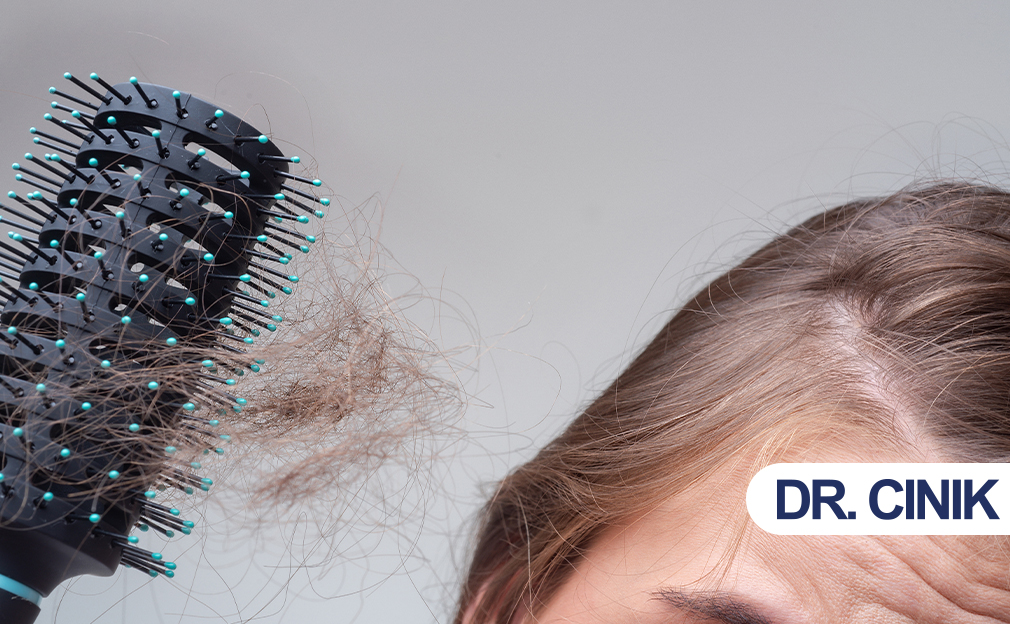
Quick Answer: Stress raises cortisol, which can push hairs into the shedding phase. Ongoing stress keeps follicles in this state longer, leading to noticeable thinning or hair loss.
Stress frequently triggers increased hair shedding. During emotionally demanding situations, the body produces more of the stress hormone cortisol, which in turn can push hair follicles into the shedding phase. Typically, it takes time for stress to show physical effects. The longer the stressful event lingers, the longer hair follicles may remain in this compromised state. Therefore, chronic stress conditions that last for weeks, months, or longer may have a more profound impact on hair health than isolated acute stress events like the unexpected loss of a loved one or the breakup of a romantic relationship (Shin et al., 2016).
Normally, hair follicles transition through various stages repeatedly throughout life. Each hair strand grows and rests, cycles last for years in healthy adults, but stress can disrupt this cycle. Most hair strands grow for three to seven years, remain resting for about three months, and are nurtured in the follicles for up to one year. If shedding remains unusually high for over six months, a medical examination may help pinpoint other potential factors that affect the cycles (Owecka et al., 2024).
2.1. Can Tension and Stress Cause Hair Loss?
Quick Answer: Yes, significant or long-term stress can trigger extra shedding, but everyday tension usually doesn’t.
Stress, both mental and physical, influences hair growth. Fortunately, normal daily tension does not usually impact hair. Only when significant strain of any type occurs does shedding become noticeable. Following major stress events, such as a divorce or serious illness, individuals experience a common fall-out. Stress-induced hormone levels balance and hair resumes growth afterward (Owecka et al., 2024).
Cortisol may increase shedding at the scalp. Under long-term tension, hair health deteriorates further. Hair shifts into resting and shedding phases. Routine stresses do not produce this pattern.
3. What are the Substances and Treatments to Consider?
Quick Answer: Several factors may affect hair, including rosemary oil (possibly soothing the scalp), creatine (no clear link to hair loss), hard water (can irritate and cause buildup), vitamin and iron deficiencies, and some medications like Mounjaro. Evidence varies, so medical advice is recommended if shedding persists.
Having tried different kinds of hair products, some people wonder whether rosemary oil could create a better environment for scalp and hair. Rosemary oil contains compounds with possible anti-microbial and anti-inflammatory effects (Park and Lee, 2021). These characteristics might improve scalp condition.
Creatine is a common supplement, mainly taken for muscle gain. There were speculations that it might be associated with hair loss because of elevated DHT levels. Research (mainly on small groups) is insufficient to conclude whether such a connection exists (Liu et al., 2024). Therefore, creatine alone does not appear a risk factor for male or female pattern hair loss.
In certain regions, tap water may be classified as “hard” water due to mineral content. The hair might feel stiff and dirty despite frequent washing, possible indicators of a hard water problem. The build-up can even lead to scalp irritation and, in extreme cases, hair loss. Although the shampoo aids cleansing, the deposits can recur rapidly. Conditioning, pre-wash rinsing, and diluted shampoo help maintain a less harsh effect.
Vitamin A deficiency causes changes in the hair structure. Deficiency of vitamin B2 may lead to swollen tissue. A biotin deficit is also known to trigger skin alterations; sufficient supply of this vitamin might support healthy hair growth. Common food products help restore these vitamins easily.
Iron constitutes another possible link. This element performs crucial duties in the human body, and organism inner conditions signal the need for food supplementary of this element. Standard blood tests applicable in addition to finding iron supplement sources help speculating this possibility during meals.
Mounjaro treatment sent as observation. Users prohibited from long-term administration due to wide-body alteration reported alteration of the hair state. No solid data uncovered yet, only groundless speculation pointing to potential initiation of a telogenic state, but nothing justified at this moment.
3.1. Can rosemary oil cause hair loss?
Quick Answer: Possibly. Rosemary oil may help scalp health and hair thickness, but evidence is limited and results vary by person.
Rosemary (Rosmarinus officinalis) oil has long been praised for its beneficial effects on hair health. In folk medicine, it has been used as a remedy for greying and falling hair, which according to traditional views reflects impaired liver function. It is known to exert several biological effects, including antioxidant, antibacterial, and antifungal activity, and to stimulate the growth of certain tissues (M. Hashem et al., 2024).
The oil comprises a mixture of monoterpenes (camphor, 1,8-cineole, and α-pinene), sesquiterpenes (caryophyllene and α-himachalene), and other compounds (β-pinene, limonene, and bornyl acetate). Extracts of rosemary and neem have been proposed for treating greying, thinning, and falling hair. A combination of rosemary and neem has been incorporated into a topical gel, which when applied to the hair and scalp has been found to result in a thicker, longer, and healthier appearance of hair after four weeks of treatment—benefits surpassing those of a standard minoxidil solution. The combined extract is reported to enhance the penetration of drugs through the skin and the hair shaft.
3.2. Does Creatine Cause Hair Loss?
Quick Answer: Probably not. Evidence doesn’t show creatine causes hair loss, though men already prone to DHT-related thinning may want to use it with caution.
Some people worry that creatine supplements make hair thinner. Like caffeine and other substances, creatine has a mild, temporary stimulating effect. This may increase dihydrotestosterone (DHT) production in some men. High DHT can lead to hair loss in those with a genetic predisposition. However, most studies have found no link between creatine and hair thinning, some even report protective effects. No research has focused on women. At present, creatine should be used with caution by young men at risk, especially anyone with previously thinning hair.
3.3. Can Hard Water Cause Hair Loss?
Quick Answer: Hard water doesn’t directly cause hair loss, but mineral buildup can irritate the scalp and make hair dry, brittle, and more likely to break.
Water quality affects the health of one’s hair. Hard water can be detrimental, as it has elevated mineral content, particularly calcium and magnesium. Such minerals can create a build-up on the hair and scalp that irritates and causes itchiness. Gritty deposits may be noticeable and contribute to an unpleasant appearance. Hard water mineral deposits block cleansing agents in shampoo, preventing effective cleaning. A mineral film on the scalp can inhibit moisture transfer and worsen dry conditions. Hair may require more frequent washing in hard water areas to maintain a clean feel, often leading to over-cleaning and its associated problems (Somasundaram and Kunjiappan, 2018).
3.4. What are the Best Vitamins for Hair Loss?
Quick Answer: Yes. Deficiencies in vitamins like D, B12, biotin, and others can contribute to hair thinning or shedding, but true deficiency is uncommon with a balanced diet.
Certain vitamins are widely associated with hair health. Signs of deficiency include:
• B3 (niacin):dry scalp, brittle hair.
• B12 (cobalamin): dry, itchy scalp, premature graying.
• B7 (biotin): thinning, dullness, shedding.
• D3: increased dryness, irritation, flaking. Loss is common at far extremes of the scale (<10 or >100).
• E: loss of shine, dryness, brittleness.
• A: increased scalp itchiness, associated with other skin signs.
• C: increased split ends.
• F: dullness, amotility.
Restoring any single vitamin should not be needed in developed countries, even with a restricted diet. Common daily multivitamins provide sufficient quantities. For those experiencing hair loss, simple options include:
• Multivitamins.
• Hair-focused products containing common vitamins, although real need is rare, package value often low, and mixing products may exceed limits for some vitamins.
• Dietary sources such as eggs (providing B7 and D), seeds (B3), mushrooms (D), oily fish (D), liver (B12). Optimal timing and amounts of meals vary, refer to additional resources for details.
3.5. Does Iron Deficiency Lead to Hair Loss?
Quick Answer: Yes. Low iron can trigger thinning or shedding, so iron-rich foods or treatment may help when deficiency is confirmed.
Hair loss lack of iron: Iron deficiency can cause hair loss. Symptoms include fatigue and pale skin. Poor hair growth may be another sign, though it’s less common. The link between iron and hair health is strong enough that physicians may test for low iron when a person develops thinning hair. If testing shows the need for more iron, it’s best to eat iron-rich foods. Meat, poultry, seafood, beans, lentils, and dark green vegetables are all good sources of this mineral.
Some people experience a lower iron level without becoming deficient. For them, eating simple iron-rich foods could help stimulate better hair growth and prevent falling strands. Good choices include meat, beans, peas, lentils, and dark green vegetables like spinach and Swiss chard, as well as nuts and grains. Cooking in iron pots and pans also adds a little iron to food.
3.6. Could Dry Scalp Cause Hair Loss?
Quick Answer: Usually no. Dry scalp doesn’t directly cause hair loss, but irritation or scratching can weaken hair and make shedding seem worse.
A dry scalp can be confusing. People often mistake dryness for shedding. Shedding is linked to a hair growth cycle that is too short, while dryness comes from dirt, oil, and sweat build-up. A healthy scalp can support the hair and make it grow better. People being sometimes very messy and sometimes overly delicate, a good practice is to wash the hair often with a natural cleansing product and on average every three days. If the scalp is still dry, it may no longer be getting enough oil from the skin.
Shampoos, conditioners, and hair masks with a strong moisturizing effect are usually for styled, bleached, and perm hair. These products do not contain high concentrations of moisturizing and nourishing ingredients but are made for hair that has become weak or dull or that needs extra care for a special occasion. They should be used as needed and should not be applied at every wash.
3.7. Does Mounjaro Cause Hair Loss?
Quick Answer: Possibly. Some people report hair loss with Mounjaro, often linked to rapid weight loss or nutrient shortfalls, but clear long-term evidence is still limited.
Mounjaro is a relatively new diabetes medication. Its long-term effects are largely unknown. Some users have reported experiencing hair loss after starting Mounjaro.
Mounjaro (tirzepatide) is an injectable medication for type 2 diabetes. It works by activating multiple receptors implicated in glucose metabolism. In early clinical trials, Mounjaro showed significant weight loss side effects (Bassino et al., 2020). Although tight glucose control prevents many complications, anti-diabetic medicines can have adverse effects. The lack of long-term safety data for Mounjaro raises concerns about its popularity as a weight loss agent. Adverse effects include skin and gastrointestinal issues, as well as potential hair loss.
The mechanism by which Mounjaro might induce hair loss is not fully understood. Weight loss generally promotes better hair health, as excess fat contributes to various hormonal imbalances and micronutritional deficiencies. Nevertheless, a reduced caloric intake resulting from the Mounjaro regimen may lower essential nutrients and trigger telogen effluvium. Concerns about the medication’s safety profile may also increase anxiety levels, which in turn may affect hair retention. Further evidence on this topic is warranted.
4. What are the Treatments for Hair Loss?
Quick Answer: Hair loss treatments include medications like minoxidil and finasteride, PRP injections, and good scalp-care habits at home. Results vary, side effects are possible, and hair loss often returns if treatment stops.
Hair loss can be treated using medical and protocol-based techniques, and home-care practices that are fundamentally safe (Liu et al., 2024).
Medical Treatments. Hair growth can be stimulated with the topical application of minoxidil or the oral administration of finasteride (Ashique et al., 2020). While both of these treatments aim to encourage hair regrowth, they differ in their mechanisms of action. Topical minoxidil is applied directly to scalp, while finasteride is taken orally and is the only medical treatment approved for male or female androgenetic alopecia (AGA). Minoxidil and finasteride are generally effective and well tolerated; however, they can still produce side effects. Minoxidil can cause hair growth in undesirable locations, while finasteride can cause breast tenderness, breast enlargement, and erectile problems. Hair loss typically resumes within several months of stopping treatment.
Home Hair-Loss Treatments. Subject to a few necessary cautions, a number of safe, basic practices can contribute to abating hair loss. Shampooing daily is acceptable if hair is short, oily, or black; otherwise, it can be done every other day or longer. Washing with scalp-care shampoos is appropriate once or twice a week. Home-care options can be pursued without expectation of dramatic restoration. Time and consistency are required.
Platelet-Rich Plasma (PRP) for Hair Loss. PRP refers to a component of blood containing high concentrations of platelets, and is purported to encourage hair regrowth when injected into the scalp. Very few studies have been done on the methodology, and the limited evidence suggests further investigation is required before no longer classifying the treatment as experimental. Nonetheless, accredited dermatologists provide the treatment.
4.1. What are the Medical Treatments for Hair Loss?
Quick Answer: The main medical treatments for pattern hair loss are topical minoxidil and oral finasteride; both can slow thinning and trigger some regrowth, but benefits stop when treatment is discontinued.
Male and female pattern hair loss (androgenetic alopecia) are the most common forms of hair loss. Although hair loss can occur as an isolated condition or as part of an underlying medical problem, the vast majority of male and female pattern baldness is classed as an inherited condition (Liu et al., 2024). Androgenetic alopecia occurs in both men and women and can begin developing at any point after puberty, although early signs typically arise by the late teens or early twenties for men and in the twenties or thirties for women. Hair becomes thinner and shorter and begins receding at the temples in men, while hair becomes diffusely thinner over the top of the scalp in women. Androgenetic alopecia is accompanied by an increase in the hormone dihydrotestosterone (DHT), which is synthesized from testosterone by the enzyme 5-alpha-reductase.
The only non-surgical, FDA-approved therapies for male and female pattern hair loss are minoxidil and finasteride. Minoxidil is a topical treatment that can stimulate crude hair growth but does not restore hair coverage in most patients. Benefits from use do not begin to occur for several months. Discontinuation typically leads to loss of any newly grown hair within three to six months. Systemic treatment with finasteride also requires several months to see initial benefits, and similar to minoxidil, any hair gained is lost within three to six months of stopping treatment. Most men taking finasteride at FDA-approved doses show no improvement, although the option remains in some cases for those whose condition continues progressing. Minoxidil solutions of six percent or less are generally recommended to avoid side-effects such as scalp irritation and facial hair growth.
4.2. What are the Home Hair Loss Treatments?
Quick Answer: Home treatments like gentle, regular washing, scalp massage, and hair oils can improve scalp health and hair thickness, but they don’t cure hair loss or replace medical therapy.
Hair loss treatments fall into medical and home categories. Medical products require prescriptions, and their use involves risks. Home remedies cannot cure hair loss, but safe, low-cost practices improve scalp health, nourish hair, and control styling. They do not worsen hair loss and are compatible with medical treatments.
Basic home practices encourage healthy hair. Standard recommendations include frequent washing, leaving hair uncovered, applying hair oil, and daily scalp massages. Frequency varies according to scalp condition; low current loss allows less vigorous treatment (Liu et al., 2024).
Home treatments cannot fully prevent hair loss. They may enhance current thickness, but individuals seldom regrow lost hair, as medical therapy addresses ongoing mechanisms such as hormonal or other factors.
4.3. What is the Platelet Enriched Plasma Hair Loss?
Quick Answer: PRP is an injection of your own platelet-rich blood into the scalp to stimulate growth. It may help some people, but evidence is still limited.
Platelet-rich plasma (PRP) is an injectable treatment for hair loss. PRP is plasma-rich in growth factors. Doctors use PRP for a wide variety of purposes in the medical field. For hair loss, PRP can stimulate wound healing and cell regeneration. PRP is easier to obtain than many other biological materials and does not require any time-consuming or complicated preparation (Kachhawa et al., 2017).
A simple procedure makes PRP hair restoration easy to try. After a blood sample is taken, a centrifuge separates the blood. The doctor injects the patient’s own PRP into the scalp at easily accessible intervals (Paichitrojjana and Paichitrojjana, 2022). Scientific evidence about PRP for hair loss remains limited. Treatments have no documented or well-established side effects. PRP is mainly available in larger markets, but local clinics may also offer it.
5. How to Address Hair Loss by Gender
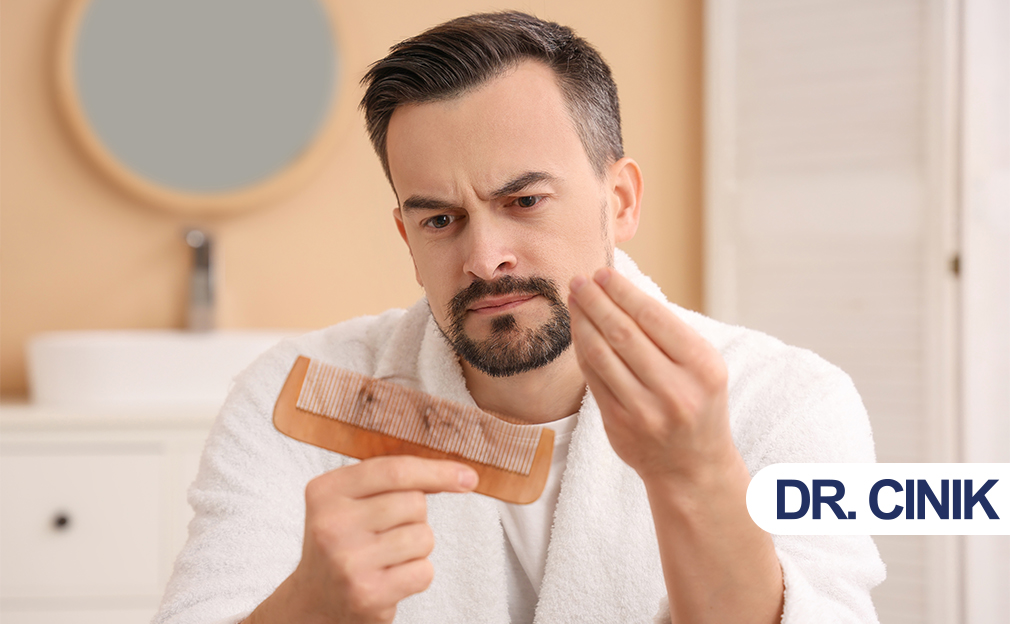
Quick Answer: Men usually lose hair in a defined pattern, while women tend to have overall thinning. Treatments and causes can differ by gender, so management is often tailored separately for men and women.
Hair loss occurs in both men and women, which can be distressing. Each gender has different factors driving hair loss, influencing how one may set out to fix it. Men often begin losing hair in their twenties, while women typically keep their hair until much later. Men usually lose hair in a defined pattern. Receding hairlines and thinning at the crown appear first, which sometimes results in bald patches or a horseshoe shape. Women’s hair becomes gradually thinner, making the hair appear weaker and less healthy, or leading to an overall increase in visible scalp.
For men, anti-hormonal therapies are less common, as they may counteract secondary sexual characteristics. Minoxidil and lotions can be used to prevent the separation of hair follicles from the scalp and help maintain scalp health. Many men still regard hair loss as a sign of aging, and keeping hair dense is essential in a society where looking younger is valued. Hair transplantation remains a permanent solution, although this form of treatment is often avoided if hair loss is still in the early stages (Singh and Acharya, 2021). Keeping the scalp clean by washing regularly removes excess oils and prevents dust from accumulating on the follicle (Liu et al., 2024).
5.1. How to Fix Hair Loss in Women
Quick Answer: Women usually treat hair loss with topical minoxidil, sometimes hormone-blocking medicines like spironolactone, and by correcting issues such as iron, thyroid, or stress problems under a doctor’s guidance.
Hair loss affects both men and women, but the patterns and causes differ. Women usually lose hair from the parting or the top of the head rather than at the temples or crown. After age 20, half of women experience some thinning; by age 50, a quarter have moderate shedding, typically due to hormonal changes. Reducing hair loss in women remains difficult because few options are effective at this later stage (Liu et al., 2024).
Hormonal factors initiating thinning usually appear in the twenties. Hair loss starts with some wide-scale shedding at the top of the head. A good approach is to begin topical minoxidil (2%, 5%, or higher); using 2% twice daily may be better than 5% once daily (Fabbrocini et al., 2018). Starting oral spironolactone may also help. If root causes are suspected such as possible iron or zinc deficiency, thyroid imbalance, or stress nthe best option is to seek consultation with a suitably qualified clinician, such as a dermatologist, trichologist, or family doctor (unless local healthcare access is limited).
5.2. How to Fix Hair Loss in Men
Quick Answer: Men usually manage hair loss with minoxidil or finasteride, and sometimes hair transplants or scalp micropigmentation. Good scalp care and healthy habits can help, but results vary.
Men generally lose their hair in similar ways and at similar ages. Male pattern hair loss usually starts at the forehead or the crown of the head, followed by hairline recession and thinning in each direction. Treatment options include FDA-approved topical and oral therapies. While they mainly reduce hair loss, they can lead to some regrowth. Other possible strategies include scalp micropigmentation or tattooing and hair transplants.
A healthy scalp and hair hygiene support vitality and growth. Gentle cleansing without heavy buildup is recommended. Avoiding exposure to extreme temperatures preserves moisture and vitality. While air dryers and heat tools should be limited, if they are used, protective care is advisable. A healthy diet and proper nutrient intake support scalp and hair health. Adequate hydration, a balanced diet without deficiencies, and possibly a broader selection of nutritious foods help overall health and possibly hair condition (Liu et al., 2024) ; (Waldman, 2017) ; (Ashique et al., 2020).
6. Do Diet, Supplements, and Products Affect Hair Health?
Quick Answer: Yes, diet, supplements, and hair products can influence hair and scalp health, but none can naturally regrow lost hair, and evidence for many products is limited.
Hair products and supplements for hair loss are plentiful. They include shampoos, conditioners, gels, capsules, and topical solutions. The range is huge and contains restrictions and distinctions. Evidence of benefits is varied. Many products and supplements lack well-designed studies. Evidence of safety and quality varies. Shortages may exist in safety information, a reason to consult with a clinician first. Specific recommendations for hair loss products cannot be given without understanding the full spectrum of hair loss and causes. No product will cause hair to regrow naturally. Common categories of consideration are Biotin and more generally hair vitamins, Rosemary oil and DHT blockers, and High protein and amino acids (Sabina Goluch-Koniuszy, 2016).
6.1. Do Supplements & Products Used for Hair Loss?
Quick Answer: Yes, some supplements and products may help, but evidence is mixed, quality varies, and many don’t make a real difference. Choose reputable brands and get medical advice first.
Certain supplements and topical products claim to reduce hair loss. The scientific backing varies considerably among the various products on sale. It is worth approaching the world of supplements with care. Many products do not deliver any noticeable result, whatever the money spent. Additional risk arises from differences in production quality and ingredient concentration. Selecting a reputable brand remains crucial (H. Williams, 2006).
Some of the more popular categories of supplements and products intended for hair loss include vitamins, iron, omega-3, vitamin D, biotin, collagenA structural protein found in the skin and other connective tissues, which is responsible for skin firmness and elasticity...., creatine, saw palmetto, rosemary oil, caffeine, and keratin. The availability of many products gives attractive choices; yet the fundamental uncertainty about how to approach supplementation requires caution.
6.2. Do Hair Loss Supplements Work?
Quick Answer: Sometimes. Supplements may help if you have a true deficiency, but most people won’t see extra hair growth so talk to a clinician before using them.
Some products may help restore lost hair, but many supplements and formulations lack enough scientific evidence and regulatory oversight. Body requirements vary greatly, so any supplement must be chosen wisely. Consult a healthcare professional before taking dietary supplements, particularly regarding general health or hair concerns (Park and Lee, 2021).
Many people inquire about hair-loss supplements like biotin. Vitamins and minerals are essential for bodily health and internal repair, but observe a balance: supplements cannot improve well-being if needs are met already (Liu et al., 2024). Biotin is tolerated up to 300μg daily, but doses above 30μg should be avoided unless medically directed. Biotin is also found in many foods, making supplements unnecessary under normal healthy conditions. Conversely, supplementation may be helpful if other body areas show symptoms of deficiency.
6.3. How are biotin supplements for hair loss?
Quick Answer: Usually no. Extra biotin rarely helps hair loss unless you’re truly deficient and high doses should only be taken with medical advice.
Biotin supplements are common in the quest to prevent or reduce hair loss, but dietary biotin deficiency is rare. Such a lack usually brings obvious symptoms and is quickly remedied by dietary changes. In people with normal diets, a biotin-rich body supports hair health; extra biotin has no clear added benefits. Supplies from normal diets are processed and metabolized before being used in support of new hair.
Vitamin deficiencies that cause hair loss: Biotin is often grouped with vitamin deficiencies and hair health, it is best not to take extra doses or supplements higher than dietary requirements without professional guidance. Doing so could be risky. Excesses can impair the clarity of clinical tests for several medical conditions, including some thyroid disorders.
6.4. What are the Best Hair Loss Supplements?
Quick Answer: Zinc and iron may help if you’re deficient, and some hormone-balancing supplements can support hair health but the “best” supplement depends on your individual needs and tests.
To find the best supplements for hair loss, consider supporting evidence, quality, and individual needs. Nutritional and hormonal factors are among the most common contributors to hair thinning. As a result, products that enhance the absorption or action of key substances may be helpful. The following nutrients, targeted by widely available supplements, often influence hair health.
Zinc: Deficiency may lead to hair loss in both men and women. Lowered levels can signal a need to inspect one’s diet, particularly for vegetarians and the elderly (Liu et al., 2024). Zinc status critically impacts thyroid hormone action, with lower levels diminishing the hair cycle, especially in women. The mineral also plays a crucial role in stimulating protein synthesis, which is vital for hair formation.
Iron: Insufficient iron is a major cause of hair thinning, especially among women. Deficiency can lead to pernicious anemia and reduced synthesis of hemoglobin, which transports oxygen to tissues, including hair follicles. Symptoms may include fatigue, brittle nails, and headaches. Attention to iron sources may be key if hair loss accompanies these signs.
Hormonal support: Female androgens can play a role in hair loss for both sexes. Stabilising these hormones with natural supplements could be beneficial.
6.5. What is the Best Shampoo for Hair Loss and Thinning?
Quick Answer: A gentle, low-lather shampoo with a near-neutral/pH-balanced formula (around pH 5) is best. It should clean without drying the scalp; anti-dandruff options can help if flakes are present.
Selecting an appropriate shampoo is a key aspect of hair hygiene and can also be significant in preserving healthy hair. Consequently, when selecting a shampoo, a range of factors should be taken into consideration. A gentle shampoo that cleanses with limited lathering and a suitable pH value (around pH 5) is preferable, allowing for frequent washing without removing excessive oil and preventing potential damage associated with high-lathering shampoos (Liu et al., 2024). Additionally, anti-dandruff shampoos with neutral pH levels are beneficial in maintaining a healthy scalp. A shampoo containing sufficient nutrients is also appropriate to promote random hair growth. A spacious choice of shampoos containing vitamins (A, D, B6, B12, C, and E), keratin, collagen, amino acids, riboflavin, and magnesium is available on the market.
7. What are the Lifestyle and Practical Tips for Hair Loss?
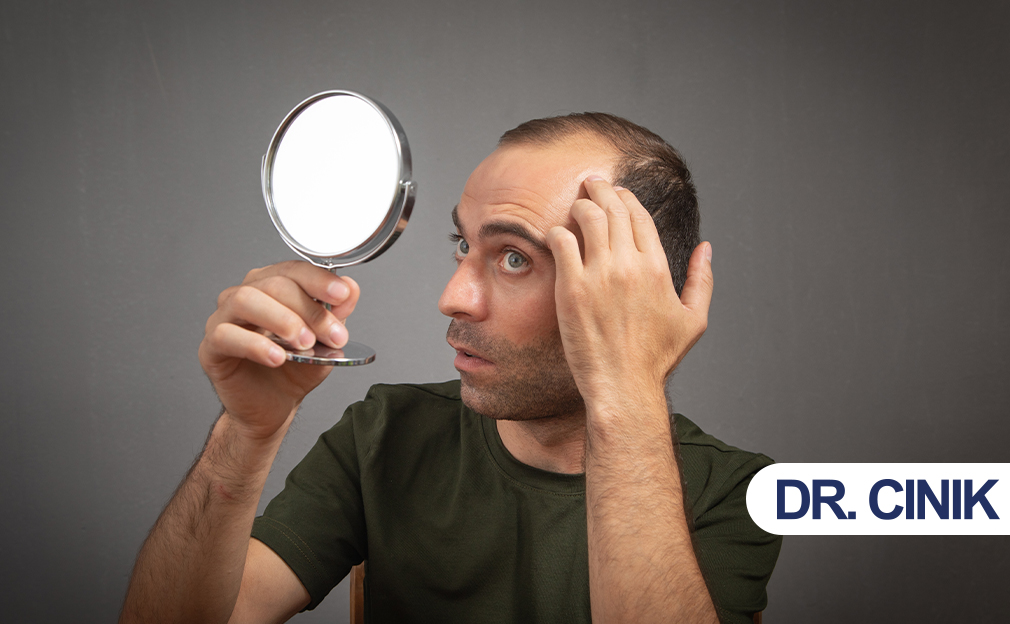
Quick Answer: Lower stress, eat well, wash gently with a pH-balanced shampoo, keep the scalp moisturized, avoid tight hairstyles, and minimize hard-water buildup to help protect hair and scalp health.
Hair loss causes concern for many, but the good news is there are daily habits that can help. Stress reduction remains a vital factor. Meditation, exercise, hobbies, and spending time with loved ones can all help reduce stress levels. Devoting focused time to eating meals without distractions may also help prevent overeating and ensure adequate nutrition.
Daily hair care routines can affect hair health. A gentle shampoo that cleanses without creating buildup is recommended. Seasonal changes in moisture and temperature can cause scalp skin to dry. A dry scalp does not indicate shedding; it’s just skin that can be treated with moisturizing products. Using an appropriate moisturizer or even a conditioner on the scalp can help, but the key is sufficient moisture. Daily washing with hard water can make it difficult to gauge moisture levels. Consider thoughtful use of hard-water-built up products or washing with distilled or filtered water every few days. Avoid styling hair in a tight fashion, and remove any physical reminders of stress and tension.
7.1. How does Lifestyle Affect Hair Health?
Quick Answer: Daily habits matter. Stress, poor sleep, harsh treatments, hard water, and excessive sun or styling can worsen hair health—while balanced routines and stress relief help protect it.
Each day, consider how to act or react in your daily life that may impact hair loss. Avoiding excessive combing, sitting in direct sunlight, washing hair with hard water, using too many topical agents, and using chemical treatments are examples of activities to consider carefully. Many people do not pay attention to things like falling hair, white hair, or thinning hair and when they decide to manage them, they already range to moderate to serious conditions, especially in young people (Liu et al., 2024). Try to manage daily habits at an early stage. In addition, negative stress is widely known to impact hair loss. More important is to establish a variety of ways to relieve mental and emotional stress. Among them, laughing is absolutely the best remedy in terms of both mental and physical comforts.
Managing the time of eating and sleeping is essential for hair management as well. The human body is programmed in a circadian rhythmic manner to accommodate different physiological functions in response to stimuli like daily light (J. Rajput, 2022). Each organ’s function has its own peak efficiency time within a 24-hour cycle. Also avoid staying up; staying up negatively affects many systems in the human body as well as the hair loss problem.
8. Who are the Celebrities Affected by Hair Loss?
Quick Answer: Many celebrities men and women—have spoken openly about hair loss, helping normalize it and reduce stigma. Examples include Jada Pinkett Smith, Kylie Jenner, Tyra Banks, Daniel Craig, Jason Statham, and LeBron James.
Celebrities are known for their appearance, and hair loss often devastates their on-screen charisma. The media’s attention on visible baldness and thinning may create unintended pressure for keeping up appearances. Yet well-known actors also often express their struggle with this very problem out in the open, be it via social media posts or interviews, which conveys a reassuring message to people suffering hair loss that baldness does not hinder success in life and career. Moreover, both male and female figureheads, including such beauty icons as models and movie stars, openly talk about their hair challenge and start encouraging fewer cosmetic processes and more natural beauty, sending more supportive messages across again.
Examples of female celebrities affected by hair loss include the American actress and singer Jennifer Lopez, the actress and musician Jada Pinkett Smith, the Kardashian-Jenner family member Kylie Jenner, the singer and fashion designer Rihanna, the actress and producer Sarah Jessica Parker, the singer and actress Selena Gomez, and the model Tyra Banks—many of whom have openly discussed their challenges. Male figures include musicians Justin Bieber, Nick Jonas, and Pete Davidson, actors Daniel Craig and Jason Statham, NBA player Lebron James, and comedian and actor Rob Schneider, to name a few. Such presence sends a beneficial signal to the broader public in dispelling anxious thoughts surrounding hair and coping with baldness (Liu et al., 2024).
8.1. Who are the Celebrities with Hair Loss Female?
Quick Answer: Several female celebrities including Serena Williams, Jennifer Aniston, and Lady Gaga have openly discussed experiencing hair loss, helping raise awareness and reduce stigma.
Female celebrities like Serena Williams, Jennifer Aniston, and Lady Gaga have opened up about their experiences with hair loss. Such candid admissions help raise awareness and encourage patients to seek medical assistance. Many women remain unaware that hair loss is a widespread phenomenon in their gender. When they notice thinning patches, it can trigger panic or embarrassment, often leading to avoidance of the issue and delays in seeking help.
To address the situation, celebrities can play a part by discussing their struggles with hair loss in public. Female celebrities who have done so often emphasize the importance of seeking advice from hair specialists rather than relying solely on anecdotal advice from friends (Okereke et al., 2019).
8.2. Who are the Male Celebrities with Hair Loss?
Quick Answer: Male celebrities who’ve openly experienced hair loss include Dwayne Johnson, Kevin Hart, Jason Statham, Vin Diesel, Daniel Craig, Pete Davidson, Nick Jonas, and LeBron James.
Multiple male celebrities have experienced the effects of hair loss, including both thinning hair and bald spots. Very few can naturally keep a full head of hair for life and most begin balding at some point, but talking about it is not always easy. Nevertheless, some well-known personalities have helped to raise awareness of the issue.
Balding men typically lose hair at the top and the front while keeping a bushy area around the sides and back. Acceptance of this pattern often needs time, so being aware of male celebrities who started losing hair in their 20s can provide reassurance. Comedian Dwayne Johnson faced height-related jibes throughout his schooling, which added to the pain of losing hair early. He later gained fame as a professional wrestler in the WWE and is now one of the most talked-about actors in Hollywood. Taking baldness in his stride, he often uses humour to touch upon it.
Comedian and actor Kevin Hart was another early starter. Losing hair in his late twenties, he owned up to it on talk shows and found it amusing. Eventually, he shaved his head. Several other male celebrities are famous for their bald looks. These include action movie heroes Jason Statham and Vin Diesel as well as the charismatic and powerful bald eagle, the iconic James Bond of the 1980s.
9. Conclusion
Plans to treat hair loss usually include products, procedures, advice, or remedies. Products, procedures, and advice can help address hair loss. Iron and certain vitamins can be supplemented by taking multivitamins or food or drinks to restore a deficiency. Solutions should be tailored to specific situations.
References:
Owecka, B., Tomaszewska, A., Dobrzeniecki, K., and Owecki, M. “The Hormonal Background of Hair Loss in Non-Scarring Alopecias.” 2024. ncbi.nlm.nih.gov
Liu, D., Xu, Q., Meng, X., Liu, X., and Liu, J. “Status of research on the development and regeneration of hair follicles.” 2024. ncbi.nlm.nih.gov
Shin, H., Choi, S. J., Cho, A. R., Young Kim, D., Han Kim, K., and Kwon, O. “Acute Stress-Induced Changes in Follicular Dermal Papilla Cells and Mobilization of Mast Cells: Implications for Hair Growth.” 2016. ncbi.nlm.nih.gov
- Rajput, R. “Influence of Nutrition, Food Supplements and Lifestyle in Hair Disorders.” 2022. ncbi.nlm.nih.gov
Park, S. and Lee, J. “Modulation of Hair Growth Promoting Effect by Natural Products.” 2021. ncbi.nlm.nih.gov
- Hashem, M., Attia, D., A. Hashem, Y., S. Hendy, M., AbdelBasset, S., Adel, F., and M. Salama, M. “Rosemary and neem: an insight into their combined anti-dandruff and anti-hair loss efficacy.” 2024. ncbi.nlm.nih.gov
Somasundaram, B. and Kunjiappan, S. “Scanning Electron Microscopes/Silicon Drift Detector-Energy Dispersive Spectroscopy: An Analytical Tool to Identify Waterborne Microminerals Pickup in Human Scalp Hair Cuticle due to Water Quality.” 2018. ncbi.nlm.nih.gov
Bassino, E., Gasparri, F., and Munaron, L. “Protective Role of Nutritional Plants Containing Flavonoids in Hair FollicleA hair follicle is a small, tube-like structure embedded in the scalp that produces and grows individual strands of hair.... Disruption: A Review.” 2020. ncbi.nlm.nih.gov
Ashique, S., Kaur Sandhu, N., Niyamul Haque, S., and Koley, K. “A Systemic Review on Topical Marketed Formulations, Natural Products, and Oral Supplements to Prevent Androgenic Alopecia: A Review.” 2020. ncbi.nlm.nih.gov
Kachhawa, D., Vats, G., Sonare, D., Rao, P., Khuraiya, S., and Kataiya, R. “A Spilt Head Study of Efficacy of Placebo versus Platelet-rich Plasma Injections in the Treatment of Androgenic Alopecia.” 2017. ncbi.nlm.nih.gov
Paichitrojjana, A. and Paichitrojjana, A. “Platelet Rich Plasma and Its Use in Hair Regrowth: A Review.” 2022. ncbi.nlm.nih.gov
Singh, M. and Acharya, A. “Overview and Algorithmic Approach to Management of Male and Female Pattern Hair Loss.” 2021. ncbi.nlm.nih.gov
Fabbrocini, G., Cantelli, M., Masarà, A., Annunziata, M. C., Marasca, C., and Cacciapuoti, S. “Female pattern hair loss: A clinical, pathophysiologic, and therapeutic review()().” 2018. ncbi.nlm.nih.gov
Waldman, S. “An Analysis on Whether or Not Baldness Can Be Reversed.” 2017. [PDF]
Sabina Goluch-Koniuszy, Z. “Nutrition of women with hair loss problem during the period of menopause.” 2016. ncbi.nlm.nih.gov
- Williams, M. “Dietary Supplements and Sports Performance: Metabolites, Constituents, and Extracts.” 2006. [PDF]
Okereke, U. R., Simmons, A., and Callender, V. D. “Current and emerging treatment strategies for hair loss in women of color().” 2019. ncbi.nlm.nih.gov