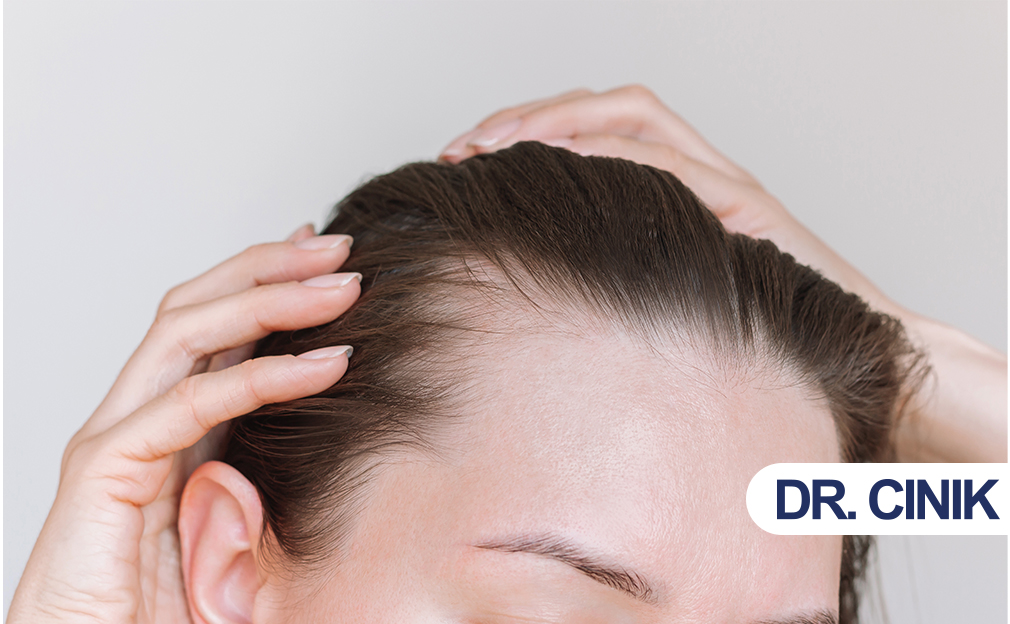
Hair loss in women is increasingly common and is most often driven by hormonal imbalance, chronic stress, and underlying medical issues. Fluctuations in estrogen and progesterone, androgen dominance, thyroid disorders, low ferritin (iron deficiency), insulin resistance, and PCOS can disrupt the hair growth cycle and trigger excessive shedding or thinning. Modern lifestyle factors such as burnout, crash dieting, rapid weight loss, and hormonal birth control changes have sharply increased female hair loss rates since 2020. Early signs include diffuse shedding, widening part lines, reduced ponytail volume, and texture changes. Identifying the cause through blood tests and clinical evaluation is crucial, as early diagnosis and targeted treatment significantly improve outcomes. Women should seek professional help if hair loss persists beyond three months, worsens progressively, or is accompanied by hormonal or systemic symptoms.
1. What is Hormonal Imbalance (The #1 Cause in Women)
Quick Answer: Hormonal imbalance is the most common cause of hair loss in women. Changes in estrogen, progesterone, and androgens triggered by menstruation, pregnancy, menopause, stress, or illness can disrupt the hair growth cycle and cause excessive shedding. Low ferritin, thyroid disorders, PCOS, and insulin resistance often contribute. Hair loss typically starts 6–8 weeks after a hormonal shift and may appear as frontal thinning, crown thinning, or diffuse shedding across the scalp.
Hormonal issues are a very common cause of hair loss in women. Hormones fluctuate throughout a woman’s life due to menstruation, pregnancy, and menopause. They also change in response to stress, illness, and lifestyle choices. Women often experience excessive hair shedding during these times. Other causes, such as low ferritin, thyroid disorders, and PCOS, also have hormonal components.
Female hair loss is often linked to estrogen and progesterone falling out of balance, too much of the male hormone androgen, lack of ferritin and thyroid hormones, and insulin resistance. Although hormones do not trigger all types of hair loss, they are common causes for all women at some point in their lives. The phases of the hair growth cycle are controlled by hormones. Many hair follicles stop growing and enter the shedding phase simultaneously. This begins six to eight weeks after the hormonal trigger and may last a few months until the underlying issues resolve. Some women experience frontal hair loss; others notice thinning on the top of the head or diffuse shedding across the scalp.
Hair shedding spikes after hormonal swings. For example, estrogen drops before menstruation, following pregnancy, and during perimenopause and menopause. Shedding also rises with stress and burnout. Other signs of stress-induced telogen effluvium include lockdown fatigue, excessive caffeine, and alcohol consumption.
1.1. What are estrogen fluctuations?
Quick Answer: Estrogen fluctuations are natural changes in estrogen levels during the menstrual cycle, pregnancy, postpartum, and menopause. When estrogen drops, hair shedding and thinning can increase.
Estrogen fluctuates in a woman’s lifetime, and these fluctuations can trigger hair shedding. High levels of estrogen are present during pregnancy and, when estrogen levels drop after delivery, hair shedding can occur. During the menstrual cycle, days 1 to 14 typically correspond to rising estrogen levels, while days 14 to 28 correspond to falling levels. Menstrual irregularities, such as long or absent periods, can occur from stress or other factors, resulting in hair loss. Hormonal changes during perimenopause, menopause, and after menopause can also lead to thinning and hair loss (Owecka et al., 2024).
1.2. What are progesterone drops?
Quick Answer: Progesterone drops happen when progesterone levels fall, allowing androgens to have a stronger effect. This imbalance can disrupt the hair cycle and lead to hair thinning or shedding.
Hair loss in women has many potential causes, including hormonal changes, stress, and health conditions such as PCOS and thyroid disorders. While hair loss among men has been studied for many years, fewer women are familiar with the ins-and-outs of female hair loss. Here are the primary causes of female hair loss. For example, fluctuations in hormone levels play an important role. Women experience hormone fluctuations during their life, which contribute to hair loss.
There are many different hormones in the body, but one of the best-known groups of hormones is sex hormones. Sex hormones can be divided into female hormones and male hormones. Female hormones include estrogen and progesterone, while male hormones include androgens such as testosterone. In women, a hormonal imbalance can occur when a female hormone drops after a certain activity period and androgen activity does not drop together. An imbalance caused by the dropping of female hormones relative to male hormones is called “androgen dominance.” Another group of hormones that are also closely associated with hair is called thyroid hormones. A thyroid hormone is a hormone secreted by the thyroid that regulates a person’s metabolism, energy level, growth and development, and body temperature. Hair loss occurs when there is a problem with thyroid hormones such as hypothyroidism and hyperthyroidism.
In addition to hormone-related hair loss, stress is another common factor contributing to hair loss in women. Stress from modern life contributes to chronic telogen effluvium, a condition where hair falls out uniformly. Stress can arise from unstable finances, career ambition, and children (Jabeen Bhat et al., 2020).
1.3. What is Androgen dominance?
Quick Answer: Androgen dominance is a hormonal imbalance where androgens like testosterone and DHT have a stronger effect than female hormones. Even at low levels, this can shorten the hair growth phase and cause scalp thinning in women, especially during puberty, reproductive years, or perimenopause.
Androgens such as testosterone and dihydrotestosterone (DHT) trigger hair loss in androgenetic alopecia but also cause thinning in women due to androgens. Women produce these hormones in significantly lower amounts than men, and the physiological effects of DHT are often mediated by testosterone. Androgens promote growth in certain scalp regions and can induce thinning when metabolites are above the physiological range during pubescent, reproductive, or perimenopausal hormone oscillations (Owecka et al., 2024). Excess minerals like selenium and cadmium can promote androgen synthesis post-androgen deprivation with follicles remaining in their cycle. Levels of naturally occurring androgens sometimes reduce at different rates, so early detection remains critical.
1.4. What are Thyroid hormones?
Quick Answer: Thyroid hormones (T3 and T4) control hair growth. Imbalances can cause diffuse thinning, shedding, and texture changes, making thyroid disorders a common cause of hair loss in women.
Thyroid hormones (thyroxine [T4] and triiodothyronine [T3]) are crucial for maintaining hair follicleA hair follicle is a small, tube-like structure embedded in the scalp that produces and grows individual strands of hair.... growth and development. Their deficiency causes widespread diffuse thinning over the scalp, loss of eyebrows, coarseness of hair, reduced growth, and changed texture (Owecka et al., 2024). Hypothyroidism is a common and frequently unrecognized cause of chronic telogen effluvium. T4 administration in hypothyroid patients shortens the shedding period of hair and lessens the hair occultation index (S Hussein et al., 2023). Besides, women suffering from frontal fibrosing alopecia often have moderate to severe hypothyroidism. The hair loss observed in patients affected by androgenetic alopecia or alopecia areata also has a connection with thyroid dysfunction. Overt hyperthyroidism results in diffuse scalp hair thinning, which occurs in approximately 50% of hyperthyroid individuals. Some antithyroid drugs can also provoke hair loss in hyperthyroid patients.
1.5. What is insulin resistance?
Quick Answer: Insulin resistance is a condition where the body’s cells respond poorly to insulin, causing elevated blood sugar and chronically high insulin levels. It often precedes type 2 diabetes and can contribute to hair thinning through increased androgen and IGF-1 activity.
Blood glucose levels are tightly controlled within a narrow range through the interplay between diet, physical activity, and hormones such as insulin and glucagon. Insulin resistance is when glucose remains elevated postprandially due to insufficient insulin secretion or decreased cellular glucose uptake. Insulin resistance often precedes the onset of type 2 diabetes. Insulin levels begin to rise after a meal, but with the development of insulin resistance, this postprandial increase becomes ever more exaggerated. Blood insulin levels remain chronically elevated, and the postprandial decline is prolonged. The link with hair thinning appears to be mediated by androgens and IGF-1 (F. Coogan et al., 2019).
1.6. How hormones trigger hair loss
Quick Answer: Hormones trigger hair loss by disrupting the hair growth cycle. Hormonal changes can push follicles into the shedding (telogen) phase too early or shorten the growth (anagen) phase, causing hair to stop growing sooner. Estrogens, androgens, thyroid hormones, and stress hormones play a key role in this process.
Hormones trigger hair loss through multiple biological pathways affecting the hair cycle and hair follicles (Owecka et al., 2024). Hair follicles experience a natural cycle composed of growth (anagen), regeneration (catagen), and rest (telogen) phases. Hormonal changes can shift the cycle in two ways. A change can cause to start telogen early, switching to another follicle and triggering hair loss; and this can occur even though the follicle remains in anagen. Alternatively, a change can shorten the anagen phase, causing affected follicles to stop growing sooner than usual. Many systems are known to affect hair cycles, but those most relevant to women include (1) those that can start anagen too early, such as CRH and ACTH, and (2) those that shorten the anagen phase, like estrogens, androgens, and thyroid hormones; other systems, including cortisol, seem to have mixed effects.
1.7. What are the most common types of hormonal hair loss?
Quick Answer: The most common types of hormonal hair loss in women include hair loss caused by estrogen and progesterone fluctuations, androgen dominance (especially DHT-related thinning), thyroid hormone imbalances (hypothyroidism or hyperthyroidism), and PCOS-related hair loss. These imbalances shorten the hair growth phase and increase shedding, often leading to diffuse thinning or pattern-like hair loss.
Hair loss in women remains underestimated and underappreciated. Social stigma and psychological impact lead many women to suffer in silence, even resorting to wigs and hairpieces instead of seeking appropriate care. A major component of the problem comes from the broad range of physiological, biochemical, and metabolic variation between women, owing to the multitude of hormonal, lifestyle, psychological and inflammatory influences relevant to the hair growth cycle. Mostly considered to be primarily of cosmetic concern, hair loss can have enormous repercussions on women’s quality of life. Yet timely and competent intervention can make a substantial difference.
Estrogen levels fluctuate over long and short timeframes, and hair loss correspondingly increases during periods of abrupt change (Owecka et al., 2024). Estrogen is a collective term for a group of closely related hormones, including estrone (E1), estradiol (E2), and estriol (E3), which together promote hair growth.
Fluctuations in scalp progesterone also correlate with hair loss, with lower progesterone levels leading to increased hair shedding.
Androgen excess and hormone dominance relate closely, but rather than excessive androgens, the typical pattern involves insufficient estradiol relative to androgens, which may rise after hormone treatment stops. Dihydrotestosterone (DHT) is the androgen most closely associated with hair loss in women, and increased DHT levels decrease the duration of the hair growth phase. Other androgens, particularly testosterone, may similarly decrease hair growth.
Hair loss is also linked to the thyroid hormones thyroxine (T4), triiodothyronine (T3), and calcitonin. The prevailing pattern emphasizes thyroid excess rather than deficiency, since hyperthyroidism tends to increase hair shedding while hypothyroidism disrupts the hair cycle and induces other symptoms. Hypothyroidism in particular brings a characteristic combination of signs: hair loss (often non-patterned), dry skin, fatigue, and emotional lability. Polycystic ovary syndrome (PCOS) represents one of the most rapidly growing causes of hair loss among women; the neologism “thigh gaps” embodies broader changes in attractiveness and diet. Androgen excess serves a dominant role in hair surface and distribution (Okereke et al., 2019).
1.8. What are the typical signs?
Quick Answer: Typical signs of hormonal hair loss include irregular menstrual cycles, increased body or facial hair, mood changes, fatigue, and weight gain. These symptoms often appear years before noticeable hair thinning.
Typical signs can indicate if hormones are the likely cause of hair loss. Such signs include increased body hair, irregular cycles, mood changes, fatigue, and weight gain. Note that these signs may appear from years to many decades before hair thinning (Jabeen Bhat et al., 2020).
2. Stress & Modern Lifestyle (Chronic Telogen Effluvium)
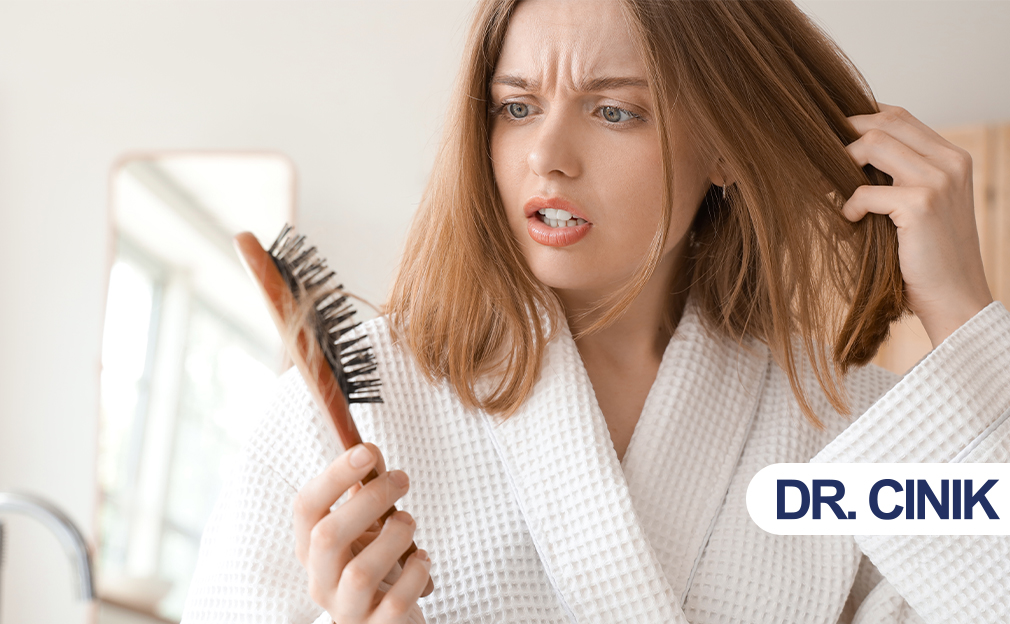
Quick Answer: Chronic stress can trigger telogen effluvium by pushing hair follicles into the shedding phase. Hair loss often appears months later, especially in women with genetic or hormonal sensitivity.
Stress can lead to hair loss as it interferes with hair growth cycles (M. Millan, 2011). Hair follicles follow three growth phases: anagen (growth), catagen (transition), and telogen (resting). The stressor must be sufficiently challenging—personal, professional, or financial—to trigger hair loss, and it may take months for shedding to occur. Women with a family history of hair loss or background factors like teenage acne or excessive body hair are at greater risk. Shedding under 50 hairs per day is not typically stress-induced. Patients experiencing value loss, shame, or physical pain from hair loss should consult a physician, as these factors increase the likelihood of stress-induced shedding.
Stress comes in many forms. Regardless of the stressor—personal, professional, or financial—hair loss occurs. Only sufficiently challenging stressors initiate hair loss. Familial background further increases risk. Adolescent approach to hair loss often manifests through acne flare-ups. Patients who shred fewer than 50 hairs a day under chronic stress typically do not lose hair; a three-month follow-up is then reasonable. Value loss related to hair heightens urgency and justifies quick intervention.
2.1. How stress affects hair
Quick Answer: Stress affects hair by disrupting the hair growth cycle. Chronic psychological stress and burnout—often combined with hormonal and thyroid issues—have made female hair loss increasingly common, especially since 2020.
From ancient times until the mid-twentieth century, hair loss in women was a rare condition viewed by society as shameful. Yet it quietly emerged as a new health concern for women by 1960. Now, between 2020 and 2025, it has become a serious and wide-spread health issue in this group.
The causes of hair loss among women stem from hormonal factors, psychological stresses, thyroid issues, and polycystic ovary syndrome. The modern hair-loss epidemic is largely attributable to cultural stress, burnouts, and excessive awareness of the issue leading to sight of minor or hidden hair loss, and is manifested through the controversy and in intellectual spheres (M. J. Peters et al., 2017).
2.2. What are the signs of stress-induced shedding?
Quick Answer: Signs of stress-induced shedding include sudden hair loss after acute stress or ongoing daily shedding with chronic stress. Hair loss becomes constant rather than cyclical and often worsens during stressful periods. It may be accompanied by symptoms like tension headaches, jaw clenching, or teeth grinding.
Acute stress causes sudden hair loss. Chronic stress leads to long-term shedding. In chronic cases, increased hairs enter a telogen resting phase. The patient sheds normal daily hair amounts but gradually loses more.
Two signs indicate chronic shedding. First, hair loss occurs daily instead of in cycles. Second, shedding increases during daily stressors instead of during break periods.
The catecholamine neurotransmitter epinephrine decreases the growth cycle. Chronic elevated epinephrine decreases growth and increases resting hormone production (M. J. Peters et al., 2017). Reactive shear rates thus change from cyclical to constant.
Internal stressors also affect shedding. Internal factors increase fraying of chronic telogen shears. Symptoms such as tension headaches and teeth grinding accompany the process.
3. What are the Low Ferritin & Thyroid Problems? (Always Check Your Bloodwork)
Quick Answer: Low ferritin and thyroid problems are common hidden causes of hair loss in women. Low iron (ferritin) leads to thinning, excess shedding, and reduced hair volume, while thyroid disorders—both hypo- and hyperthyroidism—disrupt the hair cycle and cause diffuse hair loss. Blood tests including ferritin, TSH, T3, and T4 are essential for accurate diagnosis.
Ferritin indicates systemic iron levels. It is crucial for hair health; low ferritin causes thinning and shedding. Early signs include big clumps in the shower, followed by widening parting and decreased ponytail thickness. The lowest-level reference range for ferritin is 30–40 ng/mL for women. Under 30 ng/mL, hair thinning and shedding worsen; under 10 ng/mL indicate iron deficiency and very high risk. Normal-grade tests may miss this. Ensure tests include ferritin and transferrin.
Thyroid problems rank second in prevalence after iron issues; about one-third of women experience hair loss or thinning. Autoimmune hypothyroidism (Hashimoto’s) and early menopause are common coat-disrupting conditions. Signs include an increasing number of short hairs, hair not keeping up with loss, hair growth on unintended areas, and loss from lashes and brows. High TSH (thyroid-stimulating hormone) indicates hypothyroidism; free T4 and free T3 levels show active hormone availability. Hyperthyroidism (secondary to tumors or medication) also causes shedding, either diffuse or in patches (Poonkuzhi Naseef et al., 2022).
3.1. What is Ferritin — one of the biggest hidden causes
Quick Answer: Ferritin is the body’s iron store. Low levels reduce oxygen to hair follicles, causing thinning and shedding—often before other symptoms appear.
Ferritin acts as the body’s iron store. An essential mineral for many bodily functions, iron deprivation causes many issues. For hair follicles, very low ferritin levels can lead to thinning or shedding. Ferritin needs to be in the 80-100 ng/mL range for hair health; lower levels warrant a root cause assessment. Deficiency occurs when iron levels drop, and haemoglobin can no longer be supported. Severe deficiency usually manifests first with signs in the nails, and low levels put cells at risk. Nails appear thin, brittle, and dark or flat spots. Fatigue, tiredness, pale skin, and cramps may accompany the deficiency, but sometimes the body works hard to keep these symptoms at bay. For hormone levels, consideration of the degree detected is key. Ferritin below 40–50 ng/mL and iron deficiency is concerning, while negative effects are seen at values below 70 ng/mL.
Two forms of thyroid dysfunction are linked to hair thinning and shedding. Hypothyroidism involves a lack of T3/T4, and hyperthyroidism is often the body taking antithyroid medication to lower T3/T4 levels. Signs of hypothyroidism include tiredness, weight gain, depression, and high cholesterol; hyperthyroidism symptoms tend to be opposite. Common tests include T4, TSH, and T3. To assess hair loss, testing hypothyroid-like symptoms, TSH levels, and T3/T4 can differentiate between normal ranges and a diagnosis. A TSH/TSI combo test can indicate thyroid eye disease, a useful finding, while T3/T3r can show a fast metabolism in hyperthyroidism. Symptoms of thyroid eye disease can be difficult to detect, especially in younger people or those without thyroid dysfunction. In summary, tests done slowly can allow for a tailored approach and avoid missing ferritin or thyroid issues.
3.2. What are thyroid disorders (hypo & hyperthyroidism)
Quick Answer: Thyroid disorders (hypo- or hyperthyroidism) disrupt T3 and T4 hormones, affecting the hair cycle and causing thinning or diffuse hair loss.
Thyroid disorders can lead to hair loss in women. The thyroid is a small butterfly-shaped gland located in the neck. It releases hormones that help the body use energy, regulate temperature, and keep the brain, heart, muscles, and organs functioning normally. Hair requires two main thyroid hormones to grow: thyroxine (T4) and triiodothyronine (T3). Both are essential for the hair growth cycle and its main phases of anagen, catagen, and telogen (Chiovato et al., 2019). Deficiency in these hormones can lead to hair loss. Hypothyroidism (underactive thyroid) symptoms also include fatigue, weight gain, and cold intolerance. It is the most common hormonal disorder in women, especially during menopause. Hyperthyroidism (overactive thyroid) is less common and can lead to thinning hair and diffuse hair loss. Symptoms include nervousness, increased heart rate, weight loss, and heat intolerance. If hypofunction or hyperfunction of the thyroid is detected, a TSH blood test can measure thyroid-stimulating hormone to assess proper activity.
4. What is PCOS (Polycystic Ovary Syndrome) – A Major Rising Cause
Quick Answer: PCOS (Polycystic Ovary Syndrome) is a hormonal disorder marked by irregular periods and elevated androgens. These hormones can cause scalp hair thinning—often at the frontal hairline and crown—while increasing facial or body hair growth.
Polycystic Ovary Syndrome (PCOS) is a hormonal disorder affecting up to 10% of women of reproductive age (Shah, 2019). PCOS is characterized by a hormonal imbalance that leads to irregular menstrual cycles and increased androgen levels (Kshetrimayum et al., 2019). Androgens, such as testosterone, can inhibit hair growth on the scalp while promoting unwanted hair growth on the body and face (Lynn Ellerman, 2012). PCOS hair loss tends to follow a male pattern with thinning on the frontal hairline, vertex, and diffuse overall shedding. The condition was previously considered rare and mainly a concern for younger women seeking pregnancy; however, increased awareness now leads to more diagnoses across the lifespan.
4.1. Why PCOS causes hair loss
Quick Answer: PCOS causes hair loss by raising androgen levels, which disrupt the normal hair growth cycle. These hormones shorten the growth phase and push follicles into early shedding, leading to frontal, crown, or diffuse scalp thinning.
Polycystic Ovarian Syndrome, or PCOS, is a leading cause of hair loss in women today. In women with PCOS, hormonal imbalance leads to elevated levels of androgens, or male hormones. PCOS is often accompanied by other metabolic disorders like insulin resistance, obesity, or metabolic syndrome; yet, hair loss may still occur in early stages of the syndrome even without those additional features (Kshetrimayum et al., 2019). PCOS-induced hair loss generally follows a pattern of thinning at the frontal and/or vertex areas or diffuse shedding across the entire scalp, especially when detected early on.
Hormonal balance is crucial for normal hair growth. Increased levels of male hormones among women with PCOS disrupt this balance and trigger hair cycle disturbances. These hormonal changes stimulate hair follicles to transition into the shedding phase prematurely.
4.2. What is typical PCOS hair loss pattern
Quick Answer: The typical PCOS hair loss pattern involves gradual, diffuse thinning on the central scalp and crown, with preserved density at the back of the head. It may also combine with frontal, androgenetic-type thinning.
Polycystic ovarian syndrome (PCOS) has emerged as one of the leading factors contributing to hair loss among women. The development of hair loss associated with PCOS can be traced back to the effects of elevated androgens and consequent hormonal imbalance on hair follicle growth cycles (Singh and Acharya, 2021). The typical presentation of PCOS-induced alopecia manifests itself through gradual, diffuse thinning throughout the central scalp extension, while hair retains a good density in the occipital region. The thinning pattern may occur in combination with androgenetic-pattern hair loss in the frontal area (Okereke et al., 2019).
5. Why Female Hair Loss Is Rising So Fast (2020–2025 trend)
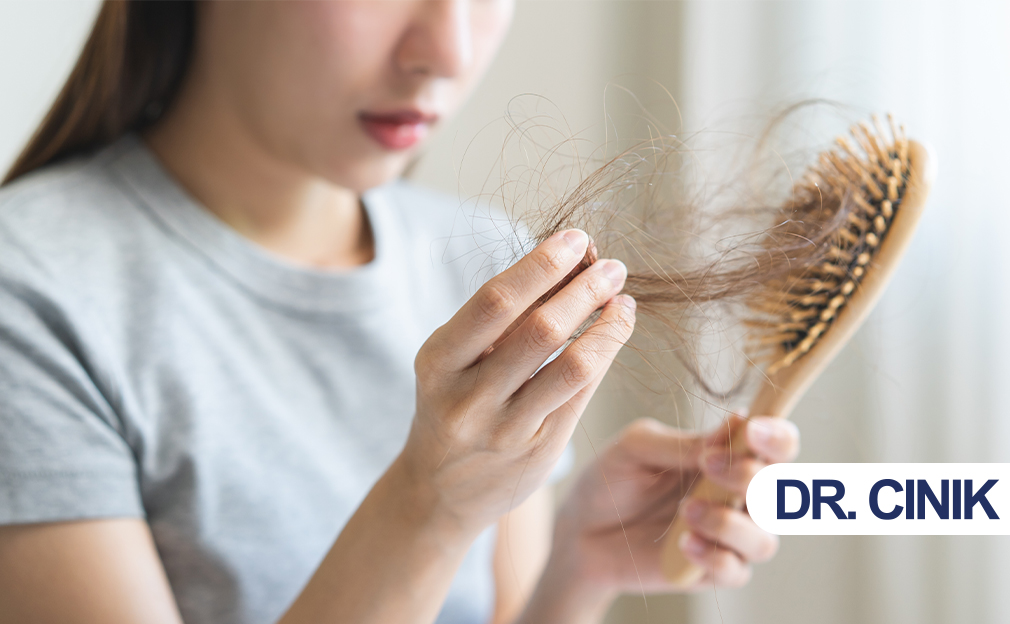
Quick Answer: Female hair loss has risen rapidly since 2020 due to chronic stress and burnout, crash dieting and rapid weight loss, hormonal shifts from birth control, and increasing thyroid disorders, especially postpartum. Greater awareness has also led more women to notice changes early and seek diagnosis.
From 2020 to 2025, female hair loss rates are increasing sharply. Numerous factors contribute to this worrying trend, including lifestyle, dieting, hormonal factors, and greater awareness of hair issues.
Chronic stress and burnout culture are major factors. The resulting excessive shedding often matches timelines associated with new hair loss.
Crash dieting and rapid weight loss are also highly damaging. As follicles become stressed, they can enter prolonged shedding phases.
Changing birth control cycles lead to different hormonal exposures, potentially triggering new hair loss. These patterns often manifest at certain times during the cycle.
Thyroid issues are becoming more common, particularly postpartum. At the same time, awareness of these conditions and their hair-related symptoms is increasing.
Overall awareness and monitoring of female hair loss have expanded significantly. Women are more informed about what constitutes “normal” and are increasingly likely to seek help earlier. As a result, attention is more likely to focus on underlying causes rather than culminate in substantial baldness.
Thyroid issues are among the most common hair-loss factors affecting women today (Jabeen Bhat et al., 2020).
5.1. What is chronic stress & burnout culture?
Quick Answer: Chronic stress and burnout keep the body in a prolonged stress state, disrupting the hair cycle and extending the shedding phase, often causing hair loss months later.
An inflammatory reaction continues for months after encountering a stressor that’s usually reprocessed within a few hours. Chronic stress induces a drop in energy levels, observable as hair shear or hair fall. Stress influences the growth cycle of hair; the hair cycle is split into three phases—growth (anagen), transition (catagen), and rest (telogen)—with the last phase being able to be extended and thus leading to a shedding of hair between four to six months after noting the stress (T. McDonald et al., 2019). A closure of the energy circuit occurs, because the whole system is burnt out which affects the hair follicle circuit (P. Herman, 2013).
Signs indicating chronic stress lead to assessing whether this is the cause of hair loss or not. if the hairs are coming with roots, it means that the hair was in the telogen phase earlier and has been shed entirely. If not, it indicates another cause.
Chronic stress correlates with an unprecedented level of burnout experienced in modern society. The pressure of ongoing daily tasks induces stress at home, school, and working place; in the context of hair loss, these days of overwork, repetitive actions affect entirely different parts of the individual, and extends all aspects of the existence. Consequently; hair loss occurs in much higher levels, not to mention extended periods of time during which hair thinning is triggered.
5.2. What are crash dieting & rapid weight loss trends?
Quick Answer: Crash dieting and rapid weight loss involve sudden calorie or nutrient restriction that stresses the body. Losing around 10% of body weight can push hair follicles into the shedding phase (telogen effluvium), leading to increased hair loss until nutrition and energy balance are restored.
Crash dieting is not a new phenomenon, but its impact on shedding can be subtle and easily forgotten. The hair follicles are not equipped to withstand an abrupt cessation of nutrient intake, whether for weight loss, beauty, health reasons, or other motivations. Rapid weight loss from any cause can accelerate hair loss once about 10% of total body weight is lost; some women would benefit from reassessing the need for fast weight loss. Telogen effluvium can occur after any stress or disturbance, particularly of a physical nature, such as pregnancy, surgery, or illness; loss of fat or muscle can also affect hair strength and growth.
The hair cycle is particularly sensitive to changes in the body. Significant food restriction sends a signal to the system that growth should be shut down for the time being until the situation improves. Although food craving plays a part in the first part of the dieting process, once the decision to diet has been made, the feeling of all-day hunger disappears. Unfortunately, this is partly due to the body prioritising support for the vital organs and less-important functions. It would be a good season to start eating – to give the body the nourishment it is screaming for.
5.3. What are hormonal birth control cycles?
Quick Answer: Hormonal birth control cycles cause shifts in estrogen and progesterone that can disrupt the hair cycle and trigger shedding in some women.
Hormonal changes play a key role in the development of women’s hair loss, particularly during birth control cycles (Owecka et al., 2024). Combined oral contraceptives (COCs) are considered when the underlying cause of hair loss is not determined, although their widespread use suggests there might be better alternatives (Gómez Vázquez et al., 2011). Estrogen and progesterone fluctuate in different periods of the treatment. Anti-androgens also directly affect hair, yet the medication of indirect approach needs to be more elucidated for better clinicians’ understanding.
5.4. What are the thyroid issues becoming more common?
Quick Answer: Thyroid issues are increasingly common and can disrupt the hair cycle, causing thinning, shedding, and brittle hair.
Thyroid issues are becoming quite common. They may affect skin and hair health and can lead to noticeable changes in hair. Hair loss, thinning, dryness, brittleness, and breakage are all possible. In rare cases, hair color may change due to disruptions in melanin production. The association between thyroid disorders and hair alterations has prompted several decades of research. Thyroid signaling governs hair cycle timing and hair stem cell activity. Consequently, these conditions may disrupt the hair cycle and trigger hair loss (Owecka et al., 2024) ; (S Hussein et al., 2023).
5.5. Increased awareness and earlier diagnosis
Quick Answer: Increased awareness and earlier diagnosis mean more women now recognize hair loss sooner and seek treatment earlier. However, chronic stress, dieting trends, hormonal birth control changes, and rising thyroid issues continue to drive higher rates of female hair thinning despite better detection.
In the past several years, growing public awareness of female hair loss has led to much earlier diagnosis, enabling women to seek effective treatment at an earlier stage of hair thinning. The surge of interest has stimulated research across various hair loss conditions, including those that may be unique to, or specifically prevalent among, women. Despite significant advances in the detection of underlying medical conditions and increases in treatment options, female hair loss remains significantly underdiagnosed, underreported, and undertreated—especially relative to male hair loss (Okereke et al., 2019).
Many women experiencing hair loss have noticed a worsening condition during the COVID-19 pandemic due to chronic stress, yet other aspects of contemporary life continue to exacerbate overall rates of hair thinning. Factors such as ongoing high-stress lifestyles and increased demands, frequently coupled with crash dieting and rapid weight loss, especially after 2020, can all have detrimental impacts on hair follicles (F. Coogan et al., 2019). Furthermore, the use of hormonal birth control is more common than before, and females are waiting longer to have children or for the menstrual cycles to return to normal after discontinuing its use. Such fluctuations may trigger hair loss that has been unnoticed in the past, yet females affected are often unwilling to engage with topical minoxidil, the most prevalent treatment option. Finally, thyroid issues are becoming more common and are increasingly detected as symptoms for which women are routinely screened.
6. How to Know Your Type of Female Hair Loss
Quick Answer: Female hair loss can be identified by its pattern: heavy diffuse shedding suggests stress or iron-related telogen effluvium, while gradual crown thinning points to early female pattern hair loss. Sudden thinning without frontal loss usually signals hormonal or systemic causes, whereas breakage and uneven lengths indicate hair shaft damage rather than true hair loss.
Several types of female hair loss are distinguished by their presentation. Identifying the type is a key first care-step. Certain specific cues help pinpoint the problem.
– Woman sheds excess hair all over, often in large amounts. First, check the context. Excess hair loss can be caused by stress, illness, or childbirth. If none of these apply, consider a specialist consultation. If shedding complements major life changes such as personal losses or similar, a close watch is warranted for other patterns that develop and an appropriate specialist may be indicated. The complete recovery can take months afterwards. After at least three months, if the case has not yet been fully clarified, a consultation is warranted. These cases tend to classify as chronic telogen effluvium due to contributing causes built up or iron disruptions after blood loss associated with a larger event.
– Some hair disappears progressively but in smaller numbers. Check if friends or relatives notice the first changes. A ca. 10-15% density loss that goes unnoticed in brushes or combs, typically on the vertex, tends to classify as early stage female pattern hair loss (androgenetic alopecia for female type) (Jabeen Bhat et al., 2020). These cases mark the commonest need for treatment and recovery, often accompanied by gradual hypo- or hyperthyroid signs (e.g. cold extremities or heat flashes).
– Others experience sudden or lengthy thinning without frontal area density loss. Without familial referral, genuine female pattern hair loss is ruled out. Day-to-day progression is commonly distinguishable, and systemic causes are suspected. Besides PCOS where scalp thinning matches frontal area retention, the commonest ones include iron depletion, burn-out-stress, and estrogen-only pill disruption at the end of previous cycles without replacement does not match recovery, still along with other signs (Okereke et al., 2019).
– If initial days observed also breakage shorter than other hair along with visible length discrepancy transfer towards surface hair from the vertex of the single unit sharing the same shaft. At other stages, under a magnifier, a coating of dust or glue-like deposits forms along shaft surfaces; some stick into groups or create a rope-like overview. All cases increase indirect strain and favour abnormal loss; a few indirect repetitions might already suffice to intercept recovery.
7. When Should Women Seek Treatment?
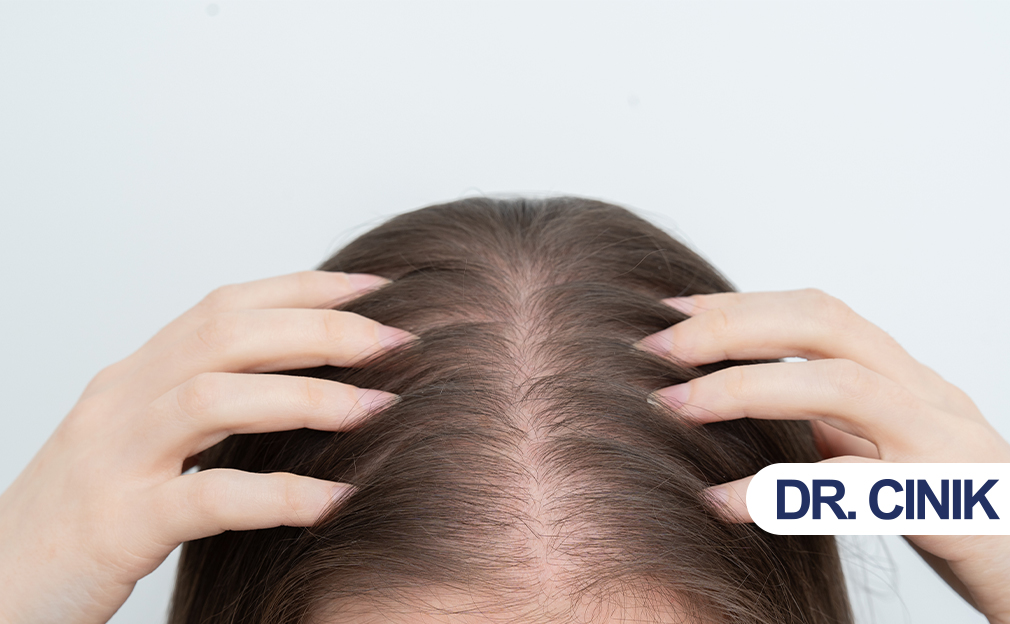
Quick Answer: Women should seek treatment if hair loss is excessive, sudden, or lasts longer than three months. Visible thinning, patchy loss, or scalp changes also require medical evaluation.
Women should seek treatment when hair loss clearly exceeds normal levels, especially when combined with changes in hair texture, scalp visibility, or other specific signs. Lost hair with short hairs still attached indicates likely shedding, while easy pull-out without tugging suggests excessive loss (Okereke et al., 2019). Treatment should also be pursued when hair loss arises after severe stress, surgery, or other life changes, as it can lead to chronic telogen effluvium. Indications for such cases include shedding persisting beyond three months, reduction of hair-bulb size, loss within typical cycles, or continuity of hair fall after more than a year (Mysore et al., 2019). Referrals are necessary for significant patch loss, thinning forming an overall pattern, sudden excessive loss, scalp or other physical signs, and the presence of a comorbidity linked to hair loss.
References:
Owecka, B., Tomaszewska, A., Dobrzeniecki, K., and Owecki, M. “The Hormonal Background of Hair Loss in Non-Scarring Alopecias.” 2024. ncbi.nlm.nih.gov
Jabeen Bhat, Y., Saqib, N. U., Latif, I., and Hassan, I. “Female Pattern Hair Loss—An Update.” 2020. ncbi.nlm.nih.gov
S Hussein, R., Atia, T., and Bin Dayel, S. “Impact of Thyroid Dysfunction on Hair Disorders.” 2023. ncbi.nlm.nih.gov
- Coogan, P., N. Bethea, T., C. Cozier, Y., A. Bertrand, K., R. Palmer, J., Rosenberg, L., and Lenzy, Y. “Association of type 2 diabetes with central-scalp hair loss in a large cohort study of African American women()().” 2019. ncbi.nlm.nih.gov
Okereke, U. R., Simmons, A., and Callender, V. D. “Current and emerging treatment strategies for hair loss in women of color().” 2019. ncbi.nlm.nih.gov
- Millan, A. “Modeling and Characterization of Acute Stress under Dynamic Task Conditions.” 2011. [PDF]
- J. Peters, E., Mueller, Y., Snaga, W., Fliege, H., Reisshauer, A., Schmidt-Rose, T., Max, H., Schweiger, D., Rose, M., and Kruse, J. “A pilot study of hair and cytokine balance alteration in healthy young women under major exam stress.” 2017. [PDF]
Poonkuzhi Naseef, P., Elayadeth-Meethal, M., Mohammed Salim, K. T., Anjana, A., Muhas, C., Abdul Vajid, K., and Saheer Kuruniyan, M. “Therapeutic potential of induced iron depletion using iron chelators in Covid-19.” 2022. ncbi.nlm.nih.gov
Chiovato, L., Magri, F., and Carlé, A. “Hypothyroidism in Context: Where We’ve Been and Where We’re Going.” 2019. ncbi.nlm.nih.gov
Shah, R. “Emerging Topics in Cardiometabolic and Psychologic Sequelae, Pathogenesis, and Treatment of Polycystic Ovarian Syndrome: A Review.” 2019. ncbi.nlm.nih.gov
Kshetrimayum, C., Sharma, A., Vashistha Mishra, V., and Kumar, S. “Polycystic ovarian syndrome: Environmental/occupational, lifestyle factors; an overview.” 2019. ncbi.nlm.nih.gov
Lynn Ellerman, J. “Donu27t Blame It on My Ovaries: Exploring the Lived Experience of Women with Polycystic Ovarian Syndrome and the Creation of Discourse.” 2012. [PDF]
Singh, M. and Acharya, A. “Overview and Algorithmic Approach to Management of Male and Female Pattern Hair Loss.” 2021. ncbi.nlm.nih.gov
- McDonald, L., F. Lopez, M., L. Helke, K., McCrackin, M. A., J. Cray, J., C. Becker, H., and C. LaRue, A. “Early Blood Profile of C57BL/6 Mice Exposed to Chronic Unpredictable Stress.” 2019. ncbi.nlm.nih.gov
- Herman, J. “Neural control of chronic stress adaptation.” 2013. ncbi.nlm.nih.gov
Gómez Vázquez, M., Navarra Amayuelas, R., Lamarca, M., Baquedano, L., Romero Ruiz, S., Vilar-Checa, E., and D. Iniesta, M. “Ethinylestradiol/Chlormadinone Acetate for Use in Dermatological Disorders.” 2011. ncbi.nlm.nih.gov
Mysore, V., Parthasaradhi, A., Kharkar, R. D., Ghoshal, A. K., Ganjoo, A., Ravichandran, G., Saraswat, A., Shah, Y., Singh, M., Remadevi, T. J., and Matte, P. “Expert consensus on the management of Telogen Effluvium in India.” 2019. ncbi.nlm.nih.gov