Turkey offers significantly lower hair transplant costs through high-volume clinics, all-inclusive medical tourism packages, and widespread access to advanced FUE/DHI techniques. Its strong international reputation and large pool of specialized, board-certified surgeons make it a global hub for hair restoration.
Germany provides higher-cost procedures with fewer bundled services and more limited access to advanced techniques, often prioritizing local aftercare and lower surgical volume.
Overall, Turkey appeals to patients seeking affordability, efficiency, and advanced technology, while Germany suits those prioritizing proximity and domestic follow-up.
1. What is the average procedure cost?
Quick Answer: Hair transplant cost Turkey is about €2,100–€6,500 versus €5,000–€12,500 in Germany, with Turkey being more affordable due to high-volume clinics and all-inclusive medical tourism packages.
Turkey is typically less expensive than Germany for hair transplants. Typical all-inclusive packages cost €2,100 to €4,800 without financing. Graft counts start at around 1,500 for a conventional procedure. The price range varies depending on the method used. Standard FUE usually costs between €2,000 and €4,000, DHI between €2,500 and €5,000, and Sapphire FUE between €2,500 and €6,500. Germany is more expensive: standard FUE generally costs between €5,000 and €10,000, Sapphire FUE between €6,000 and €12,000, and DHI between €6,500 and €12,500.
The factors that make hair transplants more affordable in Turkey include intense competition, greater staffing efficiency, a more developed medical tourism infrastructure, and the use of bundled all-inclusive packages. Many clinics possess a large pool of qualified staff that frees up top surgeons to focus primarily on the procedure itself. The average clinic can perform 15 procedures a day, and many clinics offer at least 80 procedures every week. The high volume of procedures helps clinics develop standardized protocols that ensure consistent outcomes, improve recovery times, and reduce overall costs.
2. How does a high procedure volume affect clinical outcomes, consistency, and patient safety?
Quick Answer: High procedure volume enhances consistency and outcomes through experience and standardized protocols while supporting patient safety.
The volume of hair restoration cases a physician performs significantly impacts patient outcomes. Successful hair transplantation demands careful planning and execution, and clinics treating high patient volumes can offer better services. Turkey boasts many well-equipped hair restoration clinics, with numerous physicians conducting hair transplants daily. This allows clinics to manage several dozen surgeries weekly while maintaining patient attention. Turkish clinics begin with consultations to set expectations, design strategies, and schedule operations, ensuring patients receive detailed post-operative reports explaining procedures and aftercare. Turkey has established itself as a prominent international hair transplantHair transplantation is a surgical procedure that involves the extraction of hair follicles from a designated donor site, followed by... destination, drawing patients from Western Europe, the Middle East, and beyond. Its marketing, including before and after galleries and international accreditation, enhances its reputation, leading to referrals from satisfied patients. (Hortling, 2021)
3. What factors make a destination globally recognized for hair transplant procedures?
Quick Answer: Global recognition comes from strong medical tourism marketing, accreditation, clinic networks, and competitive pricing, with patient due diligence remaining essential.
Turkey attracts international patients for hair transplants through its focused marketing efforts, participation in growing medical tourism, and international accreditation. Well-established networks of clinics and referral agreements with medical tourism services enhance the offerings and reassure patients, who no longer rely on word of mouth recommendations. With a large volume of patients, rapid recovery, lower costs, and bundled services, Turkey has become a major destination for the procedure, especially for Europeans.
Concerns about quality dilution as a result of rapid volume growth are valid. Long-distance travel, the unpredictable nature of hospital services, and the unregulated status of health services for foreigners place the responsibility of due diligence on patients. Aftercare also requires close cooperation with plastic surgeons in the patient’s home country, as physicians in Turkey may not be familiar with their patients’ individual postoperative evolution.
4. How do all-inclusive medical tourism packages affect patient decisions?
Quick Answer: All-inclusive medical tourism packages simplify logistics, reduce uncertainty, and speed decision-making by bundling treatment, travel, and aftercare into a single, cost-effective offer.
Turkey’s pricing structure lends itself to packaged sales. In addition to the surgery itself, most patients require transfers to and from the airport and hotel and post-op recovery in Turkey. Bundling these services, along with medical consultations, medication, and follow-up appointments, into a single package reduces friction and expedites decision-making. Industry specialists can offer these complete packages at competitive prices, regardless of whether the patient chooses to spend a week or merely a few hours in the country.
German clinics can certainly offer similar, though less extensive, packages. Commonly included in the price of a transplant are medication for the days immediately following the procedure and a follow-up examination a week or two later. Beyond that, however, it is generally the patient’s responsibility to arrange anything else. Because of the much shorter time spent in the country, most patients will not require hotel accommodation or airport transfers.
5. How does wider access to FUE/DHI technology affect outcomes?
Quick Answer: Wider access to FUE and DHI technologies improves efficiency and produces more natural-looking results, reinforcing Turkey’s leadership in advanced hair restoration outcomes.
Turkey offers greater access to modern FUE and DHI hair transplant techniques than other countries, including Germany. Clinics frequently provide procedures that are more advanced than the traditional hair transplant methods still used by the majority of German clinics (Dua and Dua, 2010) , These techniques are not only more efficient but also achieve more natural-looking results. As a result, Turkey has become a global leader in hair restoration technology. Germany remains years behind in the race to adapt advanced technology. Such techniques are rarely even taught in medical schools, making it hard for German physicians to acquire the necessary training. Advanced procedures and the diverse equipment that supports them are only available at a few specialized clinics, and these facilities also offer just a weak selection of equipment compared to Turkey.
6. How does having more board-certified surgeons dedicated to hair restoration impact results?
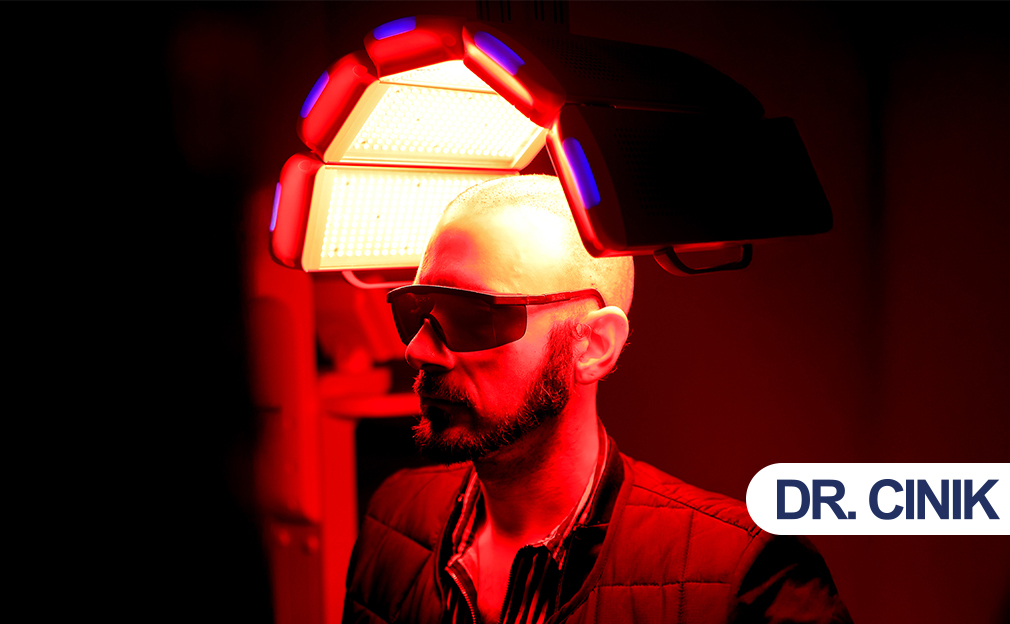
Quick Answer: More board-certified hair restoration surgeons improve precision and consistency, though outcomes ultimately depend on individual surgeon skill.
The concentration of board-certified surgeons specializing exclusively in hair transplant in Turkey presents an additional rationale for choosing the country as a destination for treatment. Board-certified surgeons are qualified in accordance with internationally recognized criteria set by the ISHRS, regarded as the global facilitator for training and certification in the field. Prospective patients may wish to verify their surgeon’s credentials and certifications on the official ISHRS website. The greater the number of procedures performed, the more standardized the approach becomes, so patients tend to seek surgeons with more extensive experience. The surgeon’s experience in treating the donor areaThe Source of Restoration The donor area plays a critical role in hair transplantation, as it serves as the source... may be especially important when graft numbers are high or repeat surgery is being considered. Concerns often arise about the competence of assistants, but the results of FUE and DHI surgery are highly dependent on the surgeon’s planning, skill in performing the recipient incisions, and expertise in choosing the correct recipient angle. The only part that a surgeon cannot directly control is the preparation of the grafts, which is normally done by a team of assistants.
As in other medical specialties, however, the quality of outcomes in hair restoration surgery depends on the individual surgeons involved rather than the number of surgeons in a particular country.
Key trade-offs exist for anyone considering surgery in Germany or Turkey. In Turkey, lower prices and faster access are appealing; but patients should ensure that the final decision is based not just on cost but also on factors such as surgeon qualifications, the amount of grafts performed, and the likely quality of postoperative care. Those preferences may lead in different directions.
7. Conclusion
Many factors differentiate hair transplants in Germany from those in Turkey. Lower average hair transplant Turkey cost stems from intense competition, greater staffing efficiency, and a developed medical tourism infrastructure. The advantages of higher weekly surgeon workload may also be relevant; a larger clinic capacity with corresponding patient throughput can enable shorter wait times and foster standardized protocols with consequent efficiency benefits, although trade-offs include less individualized attention and possible variability in postoperative recovery.
Turkey’s prominence as a global hub for hair transplants is well established and widely marketed; many international agencies specialize in advertising Turkish clinics and arranging all-inclusive medical tourism packages. Accreditation from the Turkish government adds credibility.
References:
Hortling, A. “Gutachten nach Haartransplantation: Auf was sollte man in der präoperativen Aufklärung achten?.” 2021. ncbi.nlm.nih.gov
Dua, A. and Dua, K. “Follicular Unit Extraction Hair Transplant.” 2010. ncbi.nlm.nih.gov