Liposuction is a popular aesthetic surgery performed over 1.5 million times annually. It targets adipose tissue, which remains despite diet and exercise, by suctioning unwanted fat to create a slimmer body shape. Its use among adolescents is rising due to increased body dissatisfaction and obesity, prompting them to seek cosmetic surgery earlier than adults. Body image and self-esteem are essential for a healthy, happy life; body image relates to how one perceives their physique, while self-esteem reflects one’s self-worth. Many pursue aesthetic surgeries to enhance both. Preoperative psychological evaluations, like the Body Dysmorphic DisorderBody Dysmorphic Disorder (BDD) A psychological condition involving obsessive focus on perceived flaws in appearance, affecting surgical candidacy. Questionnaire (BDDQ) and the Body Shape Questionnaire (BSQ), are vital as patients with Body Dysmorphic Disorder often report dissatisfaction with their results and heightened psychological issues. (Geliebter et al., 2015)
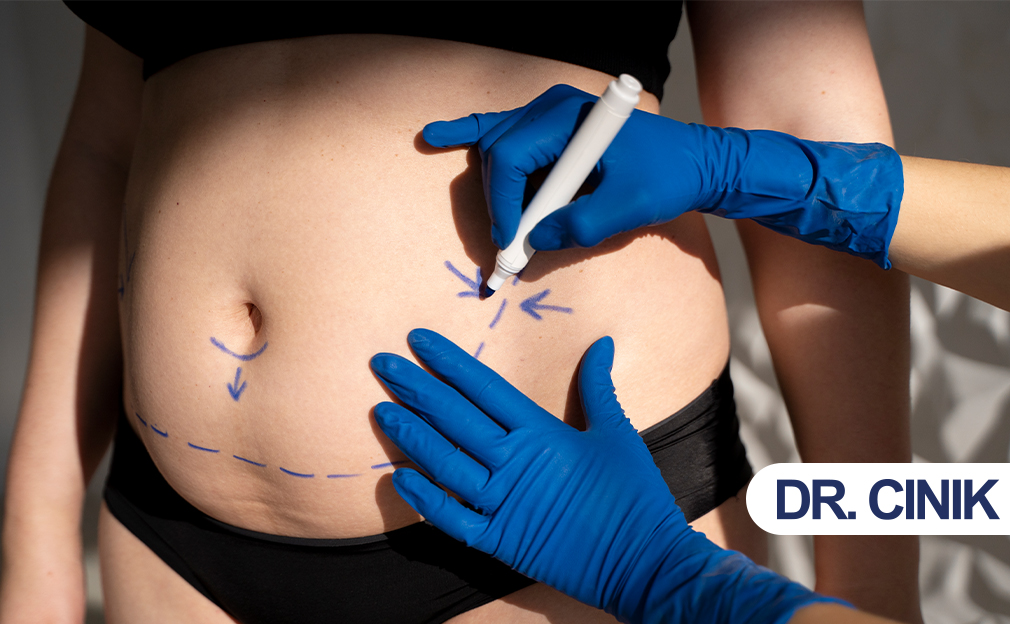
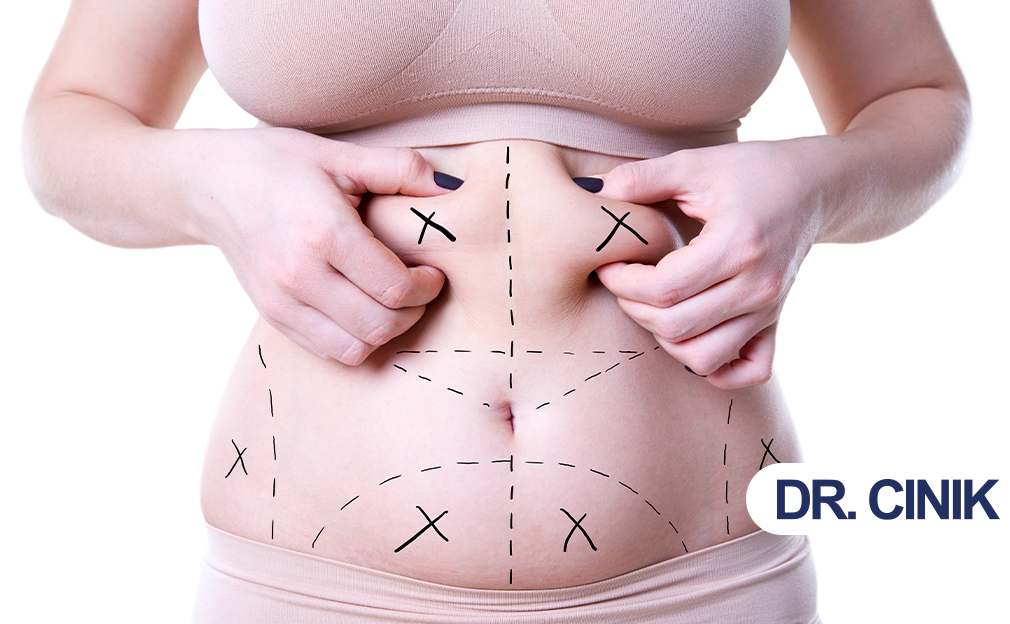
Liposuction is a surgical procedure that removes fat from specific areas of the body. It works best for removing localized fat deposits that have not responded to diet and exercise. Traditionally, the procedure focuses on areas such as the abdomen, hips, thighs, buttocks, knees, ankles, chin, cheeks, neck, and calves. The treatment may also be applied in reconstructive procedures, traumatic injuries, and burns (Bellini et al., 2017).
Liposuction is not a treatment for obesity. Its purpose is to reshape body contours. It can improve self-esteem and body image, but it has not been proven to treat Body Dysmorphic Disorder (BDD). Liposuction can be performed concurrently with other procedures that enhance body and facial proportions (Geliebter et al., 2015).
2. What is the link between Body image and self-esteem?
Quick Answer: Body image influences self-perception, and dissatisfaction with it is often linked to lower self-esteem.
Body image and self-esteem are essential aspects of overall psychological wellbeing (Geliebter et al., 2015). Body image refers to the cognitive perception of physical appearance. Many people with body-image dissatisfaction spend much time reflecting on their bodies and comparing themselves to others. Self-esteem reflects emotional self-evaluation during an appraisal process based on body image; experiencing a lot of self-positive feedback indicates higher self-esteem. For clinical and research purposes, both body image and self-esteem can be quantitatively assessed using standardized scales (Manos et al., 2005).
3. How liposuction can affect body image
Quick Answer: Liposuction may improve body satisfaction and self-esteem for some, but others experience disappointment or no lasting psychological benefit.
Liposuction is one of the most common cosmetic surgeries performed today. The surgery helps remove fat and contour the body, leading to increased body satisfaction and improved self-esteem. Weight-loss programs do not always provide the desired body shape, which may lead to frustration and low self-esteem. Patients often resort to repeated liposuction to meet their body-image goals. While many individuals may feel satisfaction with the fat removal after several lapses, some experience no improvement in self-esteem (Geliebter et al., 2015).
Patients who have increased confidence and body satisfaction through liposuction often report a variety of factors leading to sustained improvement in self-esteem. However, many liposuction patients express disappointment with their post-operative body-image changes and decreased self-esteem.
4. What are the cases where self-esteem improves after liposuction?
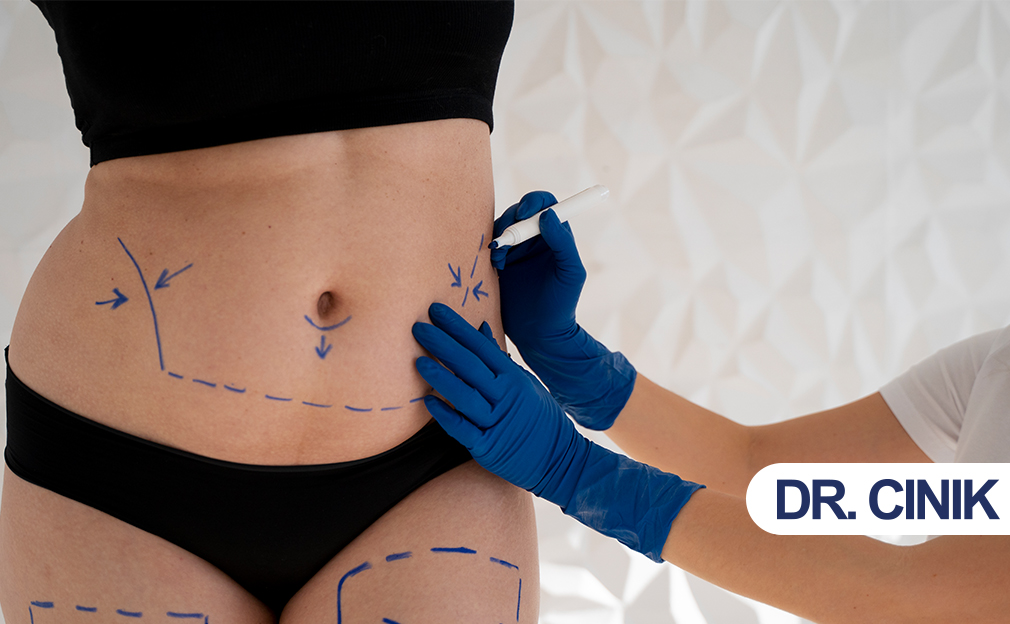
Quick Answer: Self-esteem may improve after liposuction in patients who experience reduced distress and greater body image satisfaction, especially after large-volume procedures.
Preliminary observations suggest that some individuals do experience an improvement in self-esteem after liposuction. Data derived from pre- and post-operative assessments indicate a decrease in psychosocial distress and improvements in self-esteem among certain patients three months post-surgery (Bosc et al., 2022). In the context of large-volume liposuction, a cohort study on overweight and obese women reported an elevation in body image satisfaction, as reflected by reduced scores on pertinent instruments (Geliebter et al., 2015). Despite these encouraging findings, further investigation is warranted to ascertain the generalizability of these outcomes to other population segments, as well as the duration of these enhanced body image perceptions.
5. What are the potential risks and negative effects on self-esteem?
Quick Answer: Risks include unrealistic expectations, dissatisfaction, and limited self-esteem improvement, particularly in patients with anxiety, personality traits, or low baseline self-esteem.
Liposuction is among the top-five cosmetic surgeries worldwide, effective for removing stubborn fat but not preventing weight gain. Patients often have unrealistic expectations, which can lead to dissatisfaction. Some seek body-contouring to address perceived flaws based on observations of others. Research indicates that dissatisfaction can stem from poor self-esteem linked to poor perceptions of results. However, successful follow-up procedures can enhance self-esteem. High dissatisfaction rates highlight the need for psychological preparation before surgery. Individuals with borderline personality traits are at greater risk for dissatisfaction, emphasizing the importance of psychological evaluations prior to surgery. Additionally, those with generalized anxiety disorder often experience heightened anxiety before surgery, which may slightly decrease post-operation. (Del Aguila et al., 2019)
Liposuction can enhance body imagery regardless of weight, resulting in an improvement for significant volumes. Relevant to a population seeking greater volumes with little satisfaction or self-esteem depends on the fact and -focus of the procedure. Liposuction can result in an increase in self-esteem within follow-up, yet a study indicates the opposite without a low baseline-factor. Evaluation methods are based on body-disatisfaction criteria instead of standard self-esteem calculations; a different bifurcation of self-enhancement between procedures (Geliebter et al., 2015).
6. What is the role of expectations and social factors?
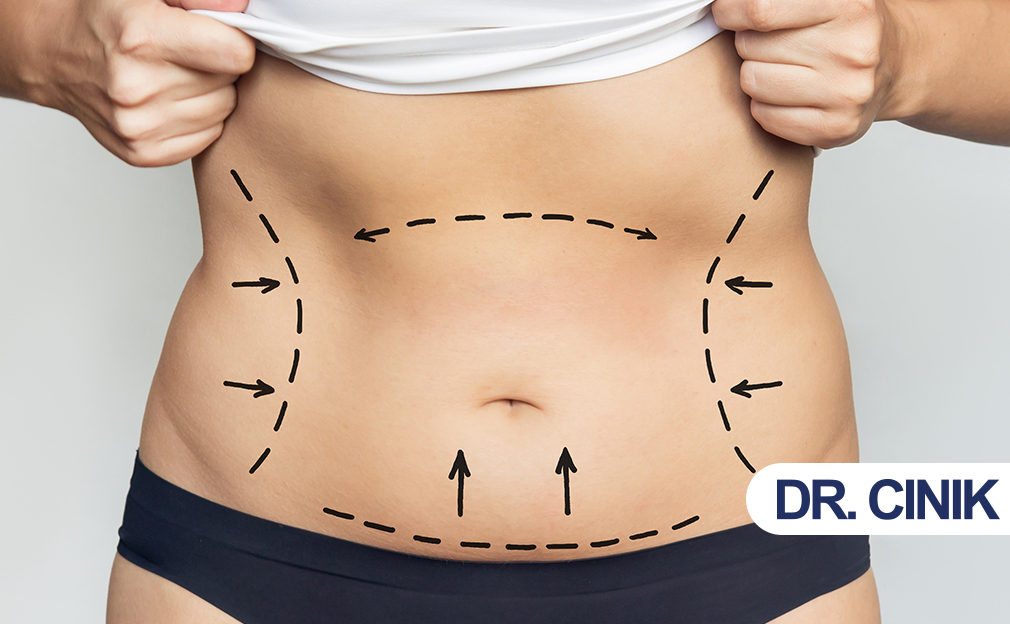
Quick Answer: Expectations and social influences shape body image, with realistic expectations linked to better self-esteem outcomes after liposuction.
People’s body image is not formed merely by their body shape and size, but by internal factors, expectations, and social pressures as well. Expectations about body contour before and after a liposuction procedure have a significant impact on self-esteem. Additional social factors, such as body objectification, awareness, and internalization of beauty ideals, exposure to beauty norms presented in social media, discussion about beauty in society, and media exposure, are also influential (Kim, 2022).
In an empirical research study addressing the cosmetic procedure of liposuction, participants reported that the change in self-esteem before and after undergoing liposuction was significant (Min-Yu Hung, 2017). Among both the high and low expectation groups, self-esteem was raised significantly following surgery. Nonetheless, within the low expectation group, self-esteem remained no more elevated than baseline, whereas in the high expectation group, the increment was considerably greater. Even if high expectation leads to higher risk of disappointment, gaining the successfully anticipated effect still facilitates the enhancement of self-esteem.
7. Conclusion
Liposuction does not guarantee a better body image or greater self-esteem. Expected improvements are sometimes much smaller than anticipated or do not happen at all. Unrealistic expectations, influenced by popular culture and personal experiences, may increase the likelihood of disappointment after the procedure (Geliebter et al., 2015). Improvements in body image do not always lead to higher self-esteem (Min-Yu Hung, 2017). Conversely, negative emotions about one’s body and appearance can affect self-esteem; negative expectations about the effects of body image on self-esteem cannot be easily dismissed.
References:
Geliebter, A., Krawitz, E., Ungredda, T., Peresechenski, E., and Y. Giese, S. “Physiological and Psychological Changes Following Liposuction of Large Volumes of Fat in Overweight and Obese Women.” 2015. [PDF]
Bellini, E., P. Grieco, M., and Raposio, E. “A journey through liposuction and liposculture: Review.” 2017. ncbi.nlm.nih.gov
Manos, D., Sebastián, J., José Bueno, M., Mateos, N., and de la Torre, A. “Body image in relation to self-esteem in a sample of spanish women with early-stage breast cancer.” 2005. [PDF]
Bosc, L., Mathias, F., Monsaingeon, M., Gronnier, C., Pupier, E., and Gatta-Cherifi, B. “Long-term changes in body image after bariatric surgery: An observational cohort study.” 2022. ncbi.nlm.nih.gov
Del Aguila, E., R. Martínez, J., L. Pablos, J., Huánuco, M., M. Encina, V., and L. Rhenals, A. “Personality Traits, Anxiety, and Self-esteem in Patients Seeking Cosmetic Surgery in Mexico City.” 2019. ncbi.nlm.nih.gov
Kim, S. “What factors encourage the acceptance of cosmetic surgery? Differences in sociopsychological influences contingent upon cosmetic surgery experience.” 2022. [PDF]
Min-Yu Hung, M. “The psychological changes in patients undergoing elective aesthetic surgery : a longitudinal study : a thesis presented in partial fulfilment of the requirements for the degree of Doctor of Clinical Psychology at Massey University, Albany, New Zealand.” 2017. [PDF]