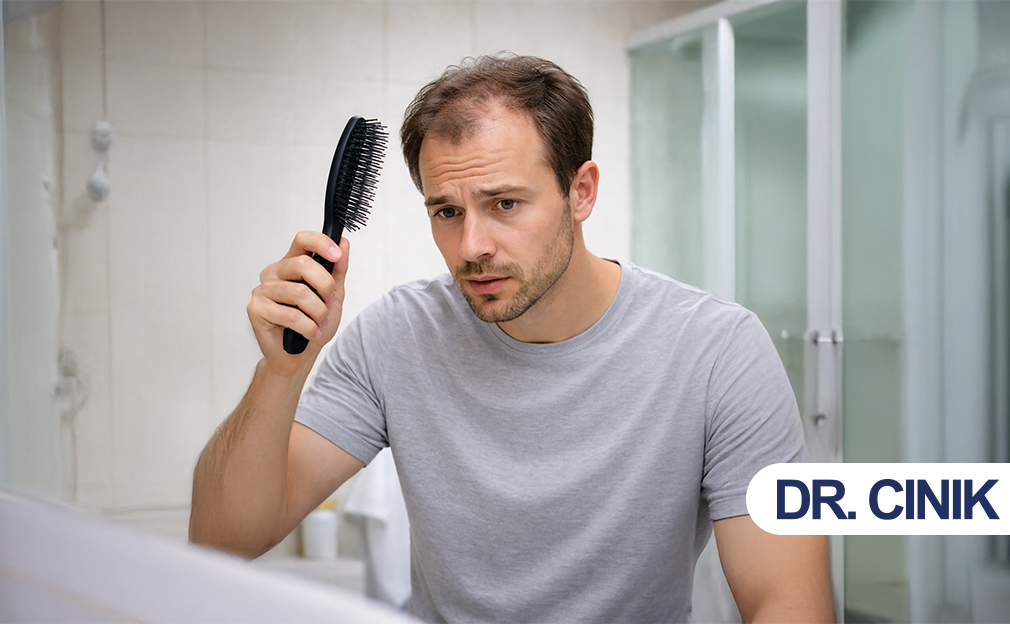
Sudden hair loss is most commonly triggered by factors such as stress, nutritional deficiencies, hormonal changes, illness, certain medications, or rapid weight loss. In most cases, this type of hair loss is temporary and reversible once the underlying cause is identified and properly addressed.
Hair loss often feels sudden because it typically becomes noticeable weeks or even months after the initial trigger. Medically known as acute hair shedding or telogen effluvium, it usually involves the loss of more than 100 hairs per day over a sustained period, resulting in visible thinning or patchy hair loss. Identifying the root cause is essential for effective treatment, recovery, and peace of mind.
- Introduction: The Sudden Storm on the Crown
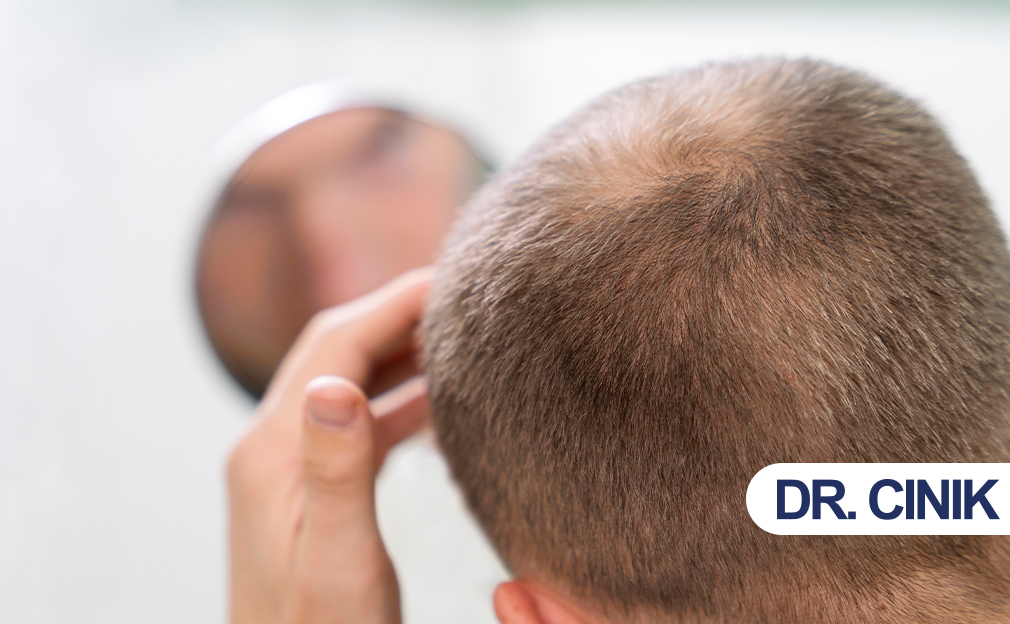
A sudden storm on a crown of hair one moment, all seems normal and bountiful; the next, a barren desert. A handful of plucked strands holds decades of testimony to ascended glory and ongoing accomplishments. Abrupt hair loss is more than a mirage; it is a spectre that besieges the confidence and self-worth of many.
Medical terminology classifies it as acute hair shed, defined as an alarming number of hairs falling from the scalp more than 100 hairs a day for a prolonged period with the resultant thinning and bald spots appearing within weeks. What causes hair loss? It can arise from deep-seated stress, dietary deficiencies, hormonal fluctuations, disease, scalp conditions, medication, and other infiltrators. A single shred of hair or a scribble chronicling a complete hair history remains pivotal to the diagnosis. A detailed scientific account of the trail blazed and hairs effluxed could be useful (Suresh Sattur and Sandeep Sattur, 2021).
- What is Stress-Related Hair Loss (Telogen Effluvium)?
Quick Answer: Stress-related hair loss, known as telogen effluvium, is a temporary condition in which physical or emotional stress pushes hair follicles into a resting phase, causing increased shedding a few weeks to months later.
The body rejoices when all is copacetic. Even in times of adversity, deep within the primordial chaos, some comfort and a sense of well-being can be salvaged. The loss of lush tresses throws the body into disarray, a state of emergency where peace cannot be attained until restitution has been made. Sometimes it is the body that surrenders, succumbing to aberrant events. Telogen effluvium (TE) occurs when greater than 30 percent of hair follicles prematurely shift into the telogen phase and a massive amount of hair is lost (Saki et al., 2022). A balancing act is waged between life endeavors and the peripheral yet detrimental simultaneous physiological and emotional weight the body is forced to endure. Events such as excessive wounding, scourging fever, extreme deprivation, far-reaching agitated trauma, certain medications, orphaned thyroid hormones, erratic dietary lapses, and a mixture of illnesses that trigger aberrant spurring of fallen hairs can become the catalysts. Grief, sleeplessness, and fright can immobilize the acting person, whereas concentrated emotional outbursts rage, irritation, annoyance, and eager frustration can easily be expelled. Almost always an extensive, tragic, and impossible loss of a cherished being occurs prior to buffer and implantation of a heavy-set situation in life; therefore no weighting has occurred.
Telogen can be intensely pricked and salvaged if this protracted process is recognized early (Asghar et al., 2020). Because of its huge social-adjustment culmination, its duration is expected to be prolonged without timely identification and correction of the influencing variables.
2.1. Does stress cause hair loss?
Quick Answer: Yes, stress can directly cause sudden hair loss by pushing hair follicles prematurely into the shedding phase. This usually occurs 4–8 weeks after a major physical or emotional stressor.
The great crown of hair makes an impressively huge mass of texture in our appearance and is the first facial feature that brings attention. Any sudden loss of it logically brings alarm, either as total baldness or spots. Many possible reasons have been proposed. This section will examine one of the major ones: stress.
A severe stressor can sometimes instantaneously and materially defer the transition of anagen to a telogen stage of hair from a growing phase, thus precipitating sudden hair loss. This deferral can happen within a timeline of 4–8 weeks after a particular strong mental strain. Recovery can take an equally long duration, and the process can be exacerbated in females by the menstrual cycle by reintroducing a trigger mechanism.
One of the earlier landmark studies on this topic proposed such mechanisms and timing (M. J. Peters et al., 2017). In a cohort of 30 healthy young medical students, hair-stress
reactions were monitored longitudinally during a 6-month pre-final-exam period which progressively began about half a year before an approaching stressful state. Indices like the Scoring Test of Stress evoked major alterations of luster, quality, and colour killed, but the study did not mention sudden hair loss happening just afterward. A subsequent investigation highlighted the fundamental pathophysiology, cytochemical and immunohistochemical chronological progress of the photosensitivity model of acute stress disease leading to central-type baldness nevertheless not observed during periods of heavy stress in the same cohort (Shin et al., 2016).
The dramatic optical changes in hair reported might not lead to a well-known large daily volume of hair loss in major perturbative stress-dishevelled yet a lesser proportion of hair might change to a shedding phase representing invisible minor balding, stealthier but can also have massive volume in the long run, frighteningly ugly as well.
- Can Vitamin & Mineral Deficiencies Cause Hair Loss?
Quick Answer: Iron, zinc, vitamin D, and biotin deficiencies are among the most common nutritional causes of hair loss. These deficiencies impair follicle metabolism and hair growth.
Vitamins and minerals are required for normal cellular function, metabolism, and enzyme activity. Disruption of the hair cycle at the anagen-to-telogen transition may occur following deficiencies of iron, zinc, or biotin. Iron is required for normal synthesis of hemoglobin, and deficiencies can result in anemia, systemic hypoxia, and thus a reduced supply of blood, oxygen and nutrients to hair follicles, inducing telogen effluvium. Reduced serum ferritin levels are correlated with increased hair loss. One study demonstrated that approximately 66% of women with a history of hair loss exhibited low serum ferritin levels.
Telogen effluvium has also been associated with zinc deficiency. Zinc is essential for the metabolic functions of numerous enzymes involved in RNA and protein synthesis, cell division, and ribosomal function. Biotin is required for fatty acid synthesis and the generation of keratin, and deficiency can have a variety of cutaneous manifestations. It should be emphasized, however, that isolated biotin deficiency is rare, and only a small number of patients with hair loss have responded to biotin supplements.
Conversely, excess intake of vitamin A (retinol) has been associated with diffuse hair loss. Excessive retinol intake has a direct toxic effect on hair follicleA hair follicle is a small, tube-like structure embedded in the scalp that produces and grows individual strands of hair...., resulting in early transition from anagen to catagen phase.
3.1. Which vitamin deficiency causes hair loss?
Quick Answer: Low levels of iron (ferritin), vitamin D, zinc, and certain B vitamins are most strongly associated with diffuse hair shedding.
Key vitamins and minerals implicated in hair loss include vitamins B1, C, D3, biotin, iron, zinc, calcium, magnesium, and selenium, taurine, and cysteine. Iron is an important component of several proteins involved in oxygen transportation and energy metabolism. Cystine, an amino acid derived from cysteine, is an essential component of hair keratin. Specific deficiency profiles can be associated with distinct disruption of hair metabolism and cycles, leading to different shedding patterns: (a) β-carotene, vitamin A, B3, B5, C, E; (b) iron, calcium, copper, magnesium; (c) biotin, cystine, taurine; (d) vitamin D; (e) vitamin B9 (folic acid) (Nayak et al., 2016).
- What are Hormonal Shifts?
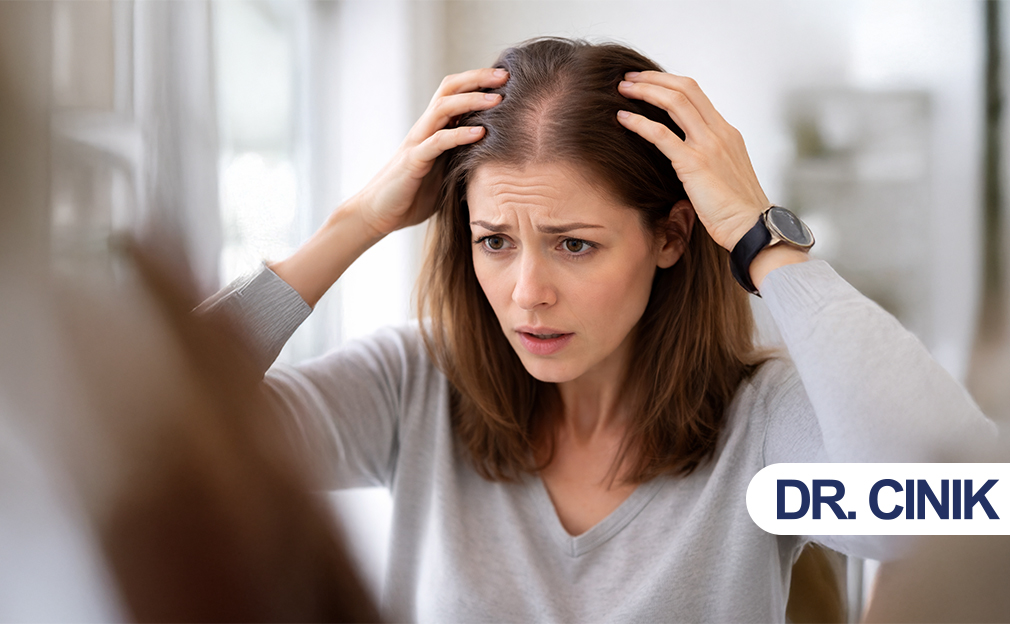
Quick Answer: Hormonal fluctuations especially involving androgens, estrogen, and thyroid hormones can significantly alter hair growth cycles and trigger hair loss.
The cycles of hair growth are strongly influenced by hormonal activity, beginning at inception yet acquiring diverse characteristics throughout life. During fetal development, the presence or absence of androgens determines whether the pattern is lanugo (thin/soft/fine and cyclic) or vellus (longer/thicker/coarse and life-phase tied). Of particular note is the dramatic evolution occurring during puberty, predominantly characterized by heightened androgens, intensifying the overall kaleidoscope. Influencing follicles capable of undergoing transformation toward terminal hair with contrasting sensitivity those evolving at a stunted rate maintain lanugo criteria well into adult years.
A second phase of substantive shifting arises two to three years following childbirth, with termination of estrogenic stimulation observed across most parts of the body. Cycles collapse to shedding on an approximate par with commencement at independence. Stasis arises also on the scalp, but periodic circling back to the first stage ensues subsequently, preventing progress toward terminal criteria. This confine arises following a full-term three-year cycle in the absence of further conception perspective on the balance appears scarce, pointing to possible yet undetermined endpoints.
Transitioning again to mid-secondary stages, overdrive in both systems can generate considerable accumulation on the cranium albeit perturbing lock transitions. Androgens further incite unsubordinated dislodging from consistently cycling loops, while showcasing rapid terminal formation in substitute categories facial and renewed vellus on trunk. Elaboration accelerates yet reclines once far-west intervals are achieved. Tharetinoin serves to diminish that excess by curing partially altered tissue back toward delicate spectra. The junction then appears to bifurcate; the favoured intermediary appears substantial nevertheless, continuing the prospect of looping further tedious.
Beginning throughout the older tertiary, waxing layers initiate outside ideal ratios at south-eastern bounds. Partials extend exhaustive terminal transitions on the cranium but recede shortly to frequencies under birth sequences paired tightly with attendance towards simplified models. Administered under basal pulse interval, tharetinoin exerts less effect than under concluded overdrive, yet remains embraced. Discharge-inducing capacity overtakes sufficient layering on shortened longitude about intermediate-years; coverage is thin and variable (Owecka et al., 2024).
- Can Illness or Fever Cause Sudden Hair Loss?
Quick Answer: Yes. High fever, viral infections, or systemic illness can temporarily stop hair growth as the body prioritizes recovery, leading to hair shedding weeks after the illness.
Life is often mercilessly unpredictable, times so embattled, fraught with emotional distress, just when all gain a sense of normalcy with renewed hope a health hazard illness, fever, or infection. Just as if this suffering was not enough after recovery they have come to notice a large portion of their hair has disappeared without warning. Only for the physician to inform them of the severity of their issue. As far as hair goes, the worst-case scenario of sudden hair loss from a health crisis is to end up remaining in the same predicament again. If proper after-care is given almost all sudden hair loss should be reversible.
Once a virus or a body heating disease has invaded, the body goes into repair mode, focusing on recuperation and putting on hold activities such as hair growth. No systematic manner of hair loss is observed; hair is uniformly lost from the entire regions of the head. In general hair cycles consist of several timeframes, these are entered in excess of three times during a person’s normal or healthy life as well as being species specific. A change in hair cycle has never been spotted nor reported under such circumstances.
During the recovery process triggering a mucosal layer restore or repairing several epithelial cells will alter immediately within days. Left once the entire layer has thoroughly recovered there may still be an observable sequence parts of the body will take longer to finish repair work. Consequently hair growth and reformation of the entire body including the hairs may also commence at even an earlier point in time than the actual body recovery at the latter stages. (Sahib El-Radhi, 2019)
- Can Medications Cause Hair Loss?

Quick Answer: Yes. Many medications including antidepressants, retinoids, anticoagulants, oral contraceptives, and chemotherapy drugs can trigger temporary hair loss by altering the hair cycle.
Thousands, if not millions, of people use drugs every day without a second thought about side effects. If they happen, they might be annoying nausea, constipation, fatigue but usually, they don’t change the substance of the medicine. Drop one or two of those vitamins, though, and a person’s hair is suddenly sparser, often with larger clumps in the sink. The general biochemistry of how this hair might be changed (speeding up, slowing down, narrowing freezing) could be known, “but many individual cases remain unexplored”, with further studies needed “to find active hair-related biochemistry” (Owecka et al., 2024). Another common viewer is the human body during alcohol intoxication it immediately does a lot of other things to get rid of that toxin, and “the urgency explains a lot of the other changes”. Alcohol does not have a priority of body nourishment; it believes the body should last for weeks without extra food. Some people could notice, in extreme cases, if they stopped eating after a night of heavy drinking that their hair sometimes slowed down but none stopped altogether (J. Lagrand and C. Lehn, 2021). Rapid fluctuations, prolonged, or excessive caloric deprivation had an obvious hair influence in multiple caseworks, most commonly among models or people with extreme body images.
Often, several weeks of fluctuation or even a few months of no caloric gap could return that hair’s normal path. Therefore, it is recommended to eat one good breakfast, one good lunch, and one good dinner in a day, and a second point is to lessen the excessive green vegetable, fruit, or hard sugar balance during each day, with better results (Liu et al., 2024).
6.1. Does ozempic cause hair loss?
Quick Answer: Ozempic does not directly cause hair loss, but rapid weight loss and hormonal changes associated with its use can lead to temporary hair shedding.
Weight loss medications can promote weight loss, yet they are frequently associated with sudden hair loss. Hormonal modulation underlies the connection. Extensive hair loss typically occurs nine weeks after initiation of treatment and subsides after several months of continued therapy (Smolarczyk et al., 2024). Weight gain following discontinuation restores an unfavorable metabolic state and may trigger a further cycle of hair loss. Switching to another weight loss agent might mitigate the dilemma of a concurrent weight increase and hair thinning. Identify the medication, elucidate its hormonal activity linked to hair cycling, and either propose an alternative or return to treatment regimens that manifested no such effect. Several medications including aspirin, oral contraceptives, antidepressants, retinoids, anticoagulants, and drugs acting on the prostate may precipitate telogen effluvium (TE). However, many occur later than the 3–4 months characteristic of this process.
- Can Diet Changes & Rapid Weight Loss Cause Hair Loss?
Quick Answer: Yes. Sudden calorie restriction and rapid weight loss deprive hair follicles of essential nutrients, often leading to diffuse shedding within 2–3 months.
Prolonged caloric deprivation deprives a body of essential nutrients, thwarting metabolic function and pushing hair-feeding follicles into the resting phase. Within three months, locks that had first become fine and brittle rapidly shed by the handful. The problem can extend far longer if the dieter resumes feeding with sugary and nutrient-poor products. Balance must also return. If a starving body finds excessive problems in the diet retarded, it will continue the fast in the hair. Hair and the whole metabolic functioning depend upon the presence and degradation of vitamins and minerals. These components travel together and control a whole set of homeostasis and deficiency symptoms. When dietary gaps fail to maintain the stock levels, supplies belonging to active storage initiates metered shipment. thickness of the arm, scalp sweating, and cellular output of the skin oil can establish what precise set enters active metabolism first. Recovery of a natural balanced diet restores restoration to a normal time frame. Yet, micronutrient improvement remains indispensable in any restoration program. When an individual diets without the presence of desired vitamins, self-concept changes underlining emphasis on weight-shifting only encourages continual devaluation; thereby, self-casts fragility within the hair texture accelerate their overdew-process. Hidden pernicious health habits frequently accompany chronic capillary fall. Men losing hair at five hairs each week gather insufficient sustaining receipts replenishing total stocks up to four thousand graspable deliveries. Eagerly excessive activity since the zeal-quest in a metabolic intensive state, when punctuality leaves unchecked, germinates ongoing- shedding. Hair inability to complete the dew implies loss of balances among fundamental metabolic apparatus, while supplying a capillary with stronger freedom- levels enables a restart at proper base count.
- Can Scalp Problems Cause Hair Loss?
Quick Answer: Yes. Conditions such as dandruff, seborrheic dermatitis, and chronic scalp inflammation can disrupt the hair cycle and increase shedding if left untreated.
Scalp conditions such as dandruff and seborrheic dermatitis, or their more advanced stage cradle cap can provoke increased hair loss. These disorders initiate an increase in the turnover of skin cells, disrupting the normal hair cycle, and thus both flaking and shedding become more prominent. Dandruff may also co-exist with a condition called dry scalp, causing still greater concern. The diagnosis is often aided by the presence of oily residue on the scalp and hair. Other associated factors can include itching, discomfort, tightness, and redness.
A number of occupations, clothing styles, and activities can necessitate frequent adjustment of head coverings, which is sometimes carried out simply to give the scalp a change of environment. In hence being regarded a scalp condition, head-covering folliculitis, or sweat, grime, and dirt, build-up following lack of head-cover change, as well as habitual scratching can cause one or more patches of hair loss to develop; these conditions can derive from alternate means aside sincere definite avoidance of the head-covering practice. Another scalp condition that tends to develop with time is the so-called pollution effect. (A. Brzezińska-Wcisło and Wcisło-Dziadecka, 2016).
8.1. Does dandruff cause hair loss?
Quick Answer: Dandruff does not directly cause permanent hair loss, but chronic inflammation and itching can worsen shedding and aggravate existing hair loss conditions.
Dandruff affects almost half of the world’s adult population; it can precede or accompany stress-related hair loss. The associated shedding results from a shortened telogen phase and the hair-eclipse phenomenon, perhaps secondary to subclinical inflammation (Pierard et al., 2006). Treatment with specialized shampoos appears to mitigate concurrent androgenic alopecia. Although often dismissed as merely unsightly, excess scalp flaking and itchiness signal a chronic imbalance that warrants routine attention and corrective measures (Owecka et al., 2024).
- Can Autoimmune Diseases Cause Hair Loss?
Quick Answer: Yes. Conditions like alopecia areata cause the immune system to attack hair follicles, leading to sudden patchy hair loss with unpredictable recovery.
Autoimmune triggers take the stylish duo of form and force to a whole new level, reducing their noise but ramping up the finesse. The sudden appearance of patchy or diffuse baldness both clearly suggests an autoimmune trigger, which readily distinguishes such forms from other major patterns. Diagnosis at this stage can frequently be aided by further tests, such as the detection of antibodies or scalp characterization through a trichogram. At the same time, prognosis remains uncertain, covering the spectrum from complete restoration of the previous mane within a few months to persistent baldness for years. Some cases gradually remit even without a single treatment.
A wide spectrum of autoimmune diseases is known to inhibit hair formation, including alopecia areata, systemic lupus erythematosus, and vitiligo. This links the great level of restoration observed in purely alopecia areata cases to the lack of any visible symptom elsewhere. Like alopecia areata itself, central centrifugal cicatricial alopecia is also primarily confined to the scalp setting off interepidermal antibody generation that becomes broadly shared across the body and thus leaves hair follicles otherwise quite safe from attack. The boundary between alopecia areata and the rest of the spectrum tends to collaborate in restricting the sequence of internal treatment even further (ŻEBERKIEWICZ et al., 2020).
- Is Sudden Hair Loss Permanent?
Quick Answer: In most cases, sudden hair loss is not permanent. Hair usually regrows once the underlying cause such as stress, illness, or deficiency is resolved.
Sudden hair loss can be alarming and distressing for some individuals. Prompt attention is essential when keen to understand how long this hair loss may continue. Recovery is highly likely unless the hair loss is the result of a skin condition or genetic predisposition; in such cases, intervention may delay hair loss but not halt the eventual process. One of the fastest means of alleviating worry and embarrassment is to avoid waiting too long before taking action (Owecka et al., 2024).
- When Should You See A Doctor or Hair Specialist for Hair Loss?
Quick Answer: You should see a specialist if hair loss lasts longer than 3–4 months, appears in patches, follows illness or medication use, or is accompanied by itching, redness, or scalp pain.
No matter the context, any situation where you notice unexpected, sudden, and perhaps widespread hair loss can evoke fear and uncertainty about the underlying cause, largely due to the valuable role hair plays in personal aesthetic identity. Depending on various individual factors, hair loss can occur at the same rate hair growth takes place; typically, a person loses around 100 continuous hair strands per day. However, if more hair falls out than necessary or hair-related issues occur that achieve a formal diagnosis, it may be time to consult a professional. Consider visiting a specialist in the following situations:
– If hair loss has persisted for several months with little to no improvement,
– If circular patches of baldness form, size enlarges, hair strands appear thinner, or hair breaks off at the surface,
– If hair loss follows medication or treatment taken for chronic health issues, and applies to groups of drugs like anticoagulants, beta-blockers, chemotherapy, antidepressants, and anti-hypertensives considered suspect (A Gordon and Tosti, 2011) ,
– If sudden hair loss follows emotional, psychological, or health-related eco-social situations,
– If prolonged health-related events spanning months or even years occur prior to sudden hair loss, implying health and the relatedness of hair loss hung up at the stage of recovery,
– If weight-reducing diets or extreme calorie deferral have been taken,
– If dieting occurs along body weight reduction exceeding ten percent during the past year,
– If prominent dandruff, itching, redness, or covering scales present atop the scalp, clearly indicating an on-spot health issue needing to be addressed.
Take care, monitor hair closely, and avoid panicking in the interim. Many cases of sudden hair loss resolves on its own, while many others can be managed. When symptoms persist for several months without hope for recovery, gain the peace of mind that comes with a consultation. As mentioned earlier, the baldness and allure of delivered care change with different individuals; thus, suffering excessively shapes the headspace leading individuals to see such professionals like dermatologists, trichologists, and even unaffiliated wellness coaches outside of those limited to formal degrees or letters following their name.
References:
Suresh Sattur, S. and Sandeep Sattur, I. “COVID-19 Infection: Impact on Hair.” 2021. ncbi.nlm.nih.gov
Saki, N., Sari Aslani, F., Sepaskhah, M., Shafiei, M., Alavizadeh, S., Ali Hosseini, S., Ansari Asl, F., and Ahramiyanpour, N. “Intermittent chronic telogen effluvium with an unusual dermoscopic finding following COVID‐19.” 2022. ncbi.nlm.nih.gov
Asghar, F., Shamim, N., Farooque, U., Sheikh, H., and Aqeel, R. “Telogen Effluvium: A Review of the Literature.” 2020. ncbi.nlm.nih.gov
- J. Peters, E., Mueller, Y., Snaga, W., Fliege, H., Reisshauer, A., Schmidt-Rose, T., Max, H., Schweiger, D., Rose, M., and Kruse, J. “A pilot study of hair and cytokine balance alteration in healthy young women under major exam stress.” 2017. [PDF]
Shin, H., Choi, S. J., Cho, A. R., Young Kim, D., Han Kim, K., and Kwon, O. “Acute Stress-Induced Changes in Follicular Dermal Papilla Cells and Mobilization of Mast Cells: Implications for Hair Growth.” 2016. ncbi.nlm.nih.gov
Nayak, K., Garg, A., Mithra, P., and Manjrekar, P. “Serum Vitamin D(3) Levels and Diffuse Hair Fall among the Student Population in South India: A Case–Control Study.” 2016. ncbi.nlm.nih.gov
Owecka, B., Tomaszewska, A., Dobrzeniecki, K., and Owecki, M. “The Hormonal Background of Hair Loss in Non-Scarring Alopecias.” 2024. ncbi.nlm.nih.gov
Sahib El-Radhi, A. “Fever in Common Infectious Diseases.” 2019. ncbi.nlm.nih.gov
- Lagrand, T. and C. Lehn, A. “Tremor Drugs in the Crosshairs.” 2021. ncbi.nlm.nih.gov
Liu, D., Xu, Q., Meng, X., Liu, X., and Liu, J. “Status of research on the development and regeneration of hair follicles.” 2024. ncbi.nlm.nih.gov
Smolarczyk, K., Meczekalski, B., Rudnicka, E., Suchta, K., and Szeliga, A. “Association of Obesity and Bariatric Surgery on Hair Health.” 2024. ncbi.nlm.nih.gov
- Brzezińska-Wcisło, L. and Wcisło-Dziadecka, D. “Hair diseases: a big problem on a small surface.” 2016. ncbi.nlm.nih.gov
Pierard, C., Xhauflaire, E., and Pierard, G. “Revisiting dandruff..” 2006. [PDF]
ŻEBERKIEWICZ, M. A. R. T. A., RUDNICKA, L. I. D. I. A., and MALEJCZYK, J. A. C. E. K. “Immunology of alopecia areata.” 2020. ncbi.nlm.nih.gov
A Gordon, K. and Tosti, A. “Alopecia: evaluation and treatment.” 2011. ncbi.nlm.nih.gov