Quick answer: A widow’s peak hair transplant creates a natural V-shaped hairline by placing grafts in a precise central point.
A widow’s peak gives the hairline a sharp and attractive character. Many people lose this shape due to genetics, recession, or past hairline work. A hair transplant restores this signature form with careful planning and artistic skill.
Surgeons design the peak according to face shape, age, and donor density. They place single grafts at the front. This approach creates a soft and natural transition. The result looks balanced and personal.
Patients choose this procedure for three main reasons. Some want to rebuild a lost peak. Others want to soften a flat hairline. A third group wants more character in their facial expression. Each goal needs a different design.
A natural result depends on correct angle and density. The surgeon must follow the original hair direction. This step protects realism and long-term satisfaction (Bernstein, 2021).
Why Does a V-Shaped Hairline Change Facial Expression?
Quick answer: A V-shape adds definition, symmetry, and a youthful frame to the face.
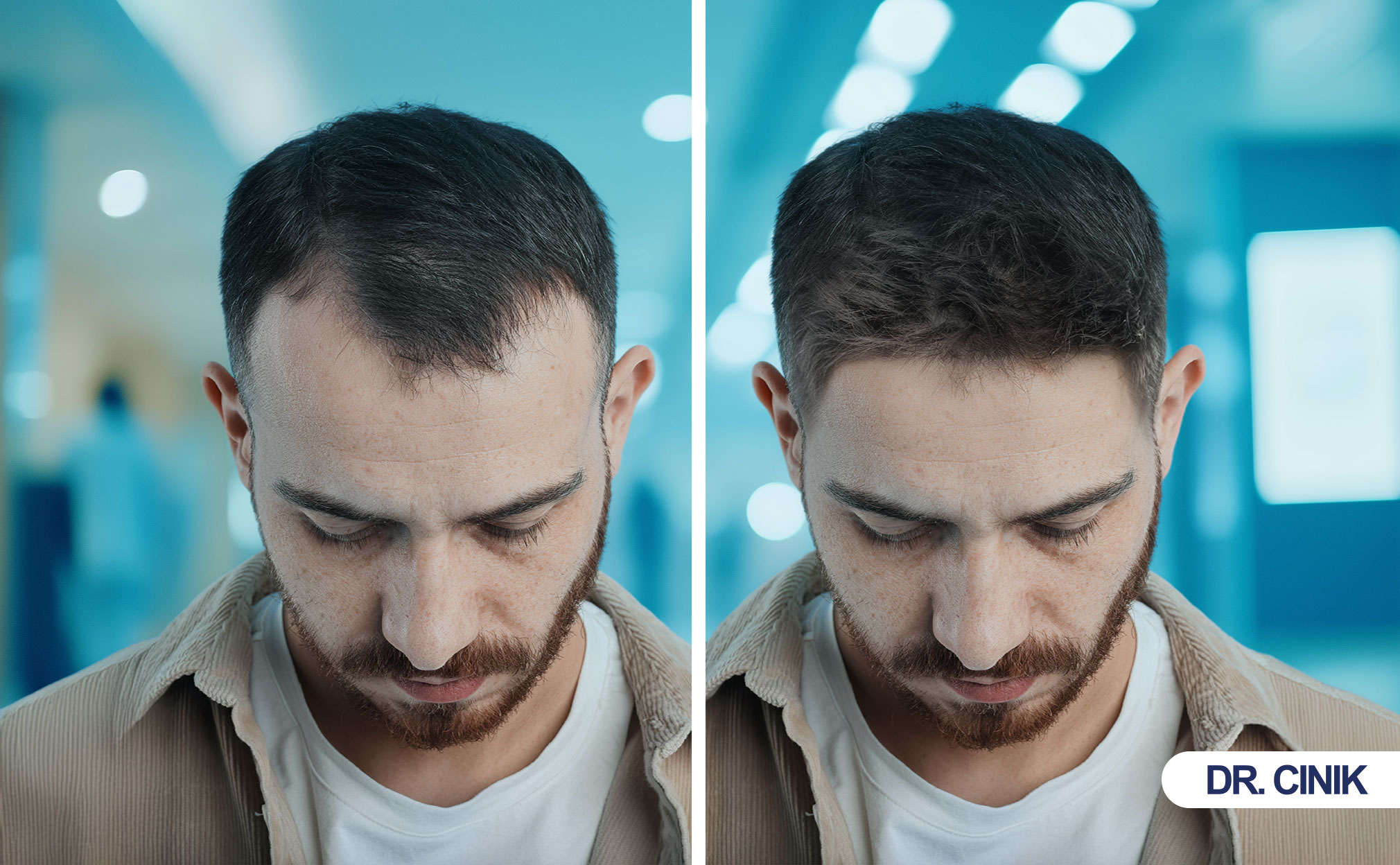
The hairline frames the upper third of the face. A straight line can look flat and artificial. A V-shape adds movement and depth.
This design also creates a stronger midline. It draws attention to the eyes and eyebrows. Many patients say their face looks more dynamic after the procedure.
Men often prefer a sharper peak. Women usually choose a softer and more rounded version. The surgeon adjusts the depth and width for each person.
A correct hairline design supports facial harmony. It should never sit too low. It should never look too dense in the first rows. Natural irregularity keeps the result realistic (Shapiro, 2020).
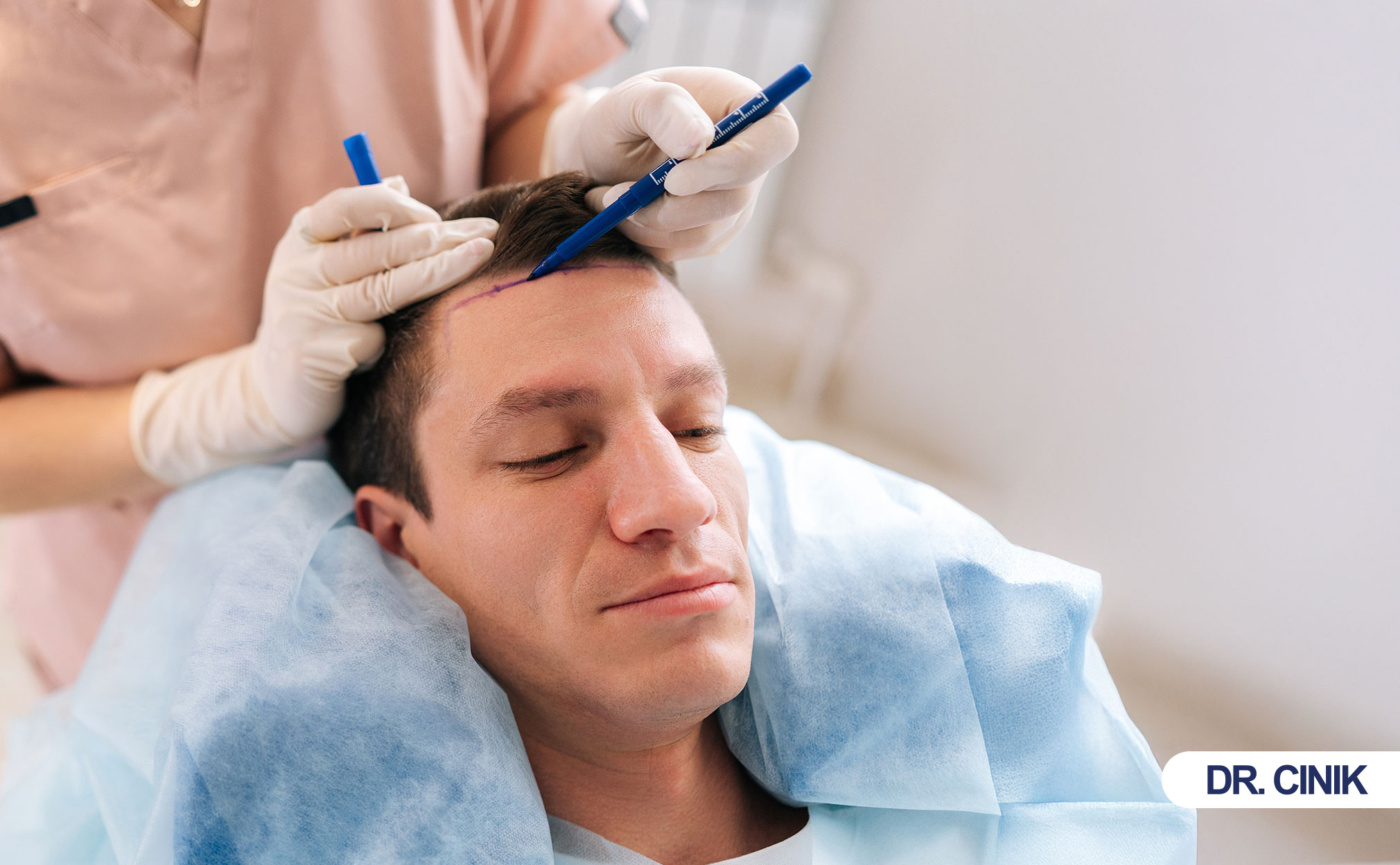
How Does the Surgeon Design a Natural Widow’s Peak?
Quick answer: The surgeon measures facial proportions and plans the peak with micro-irregular graft placement.
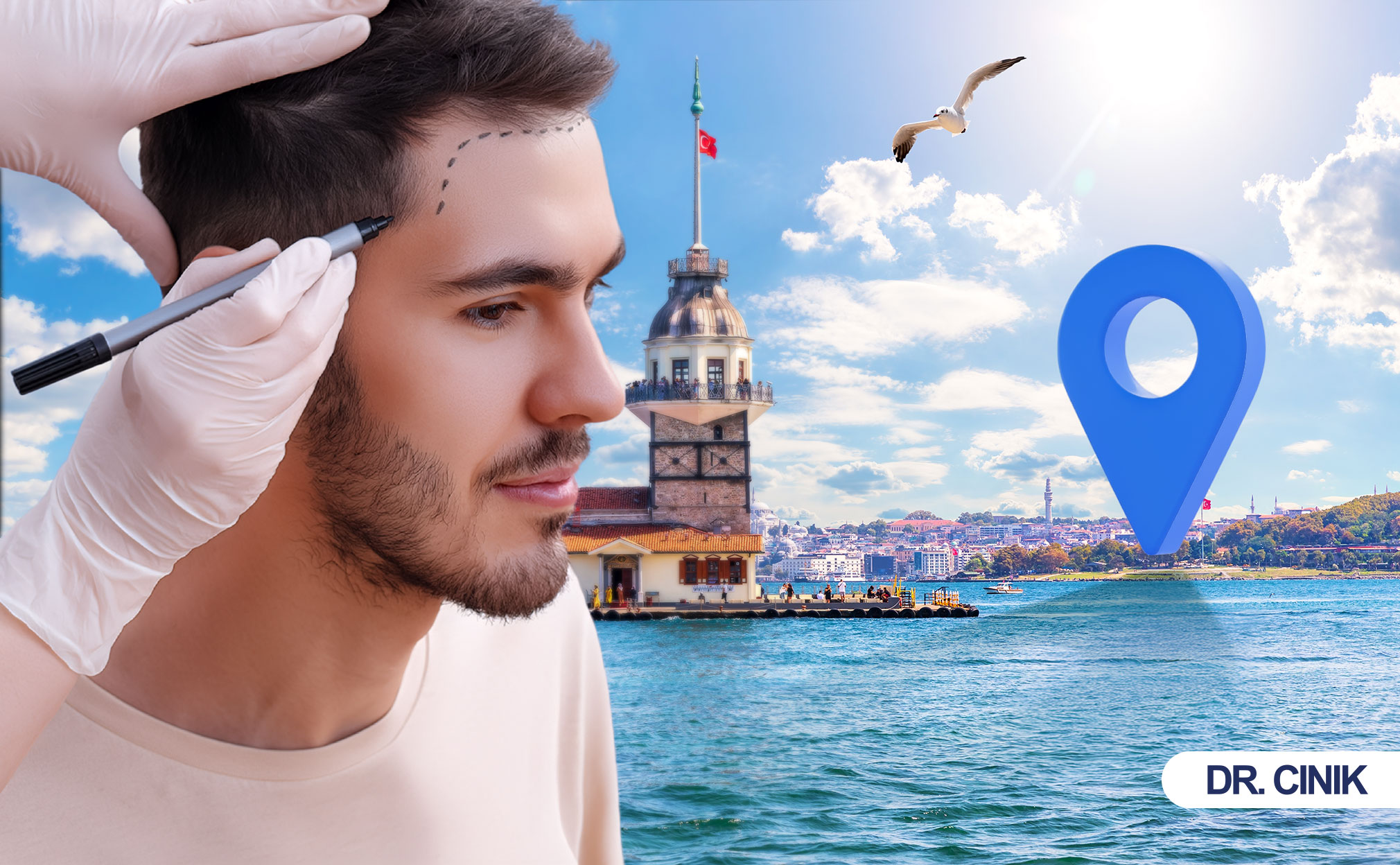
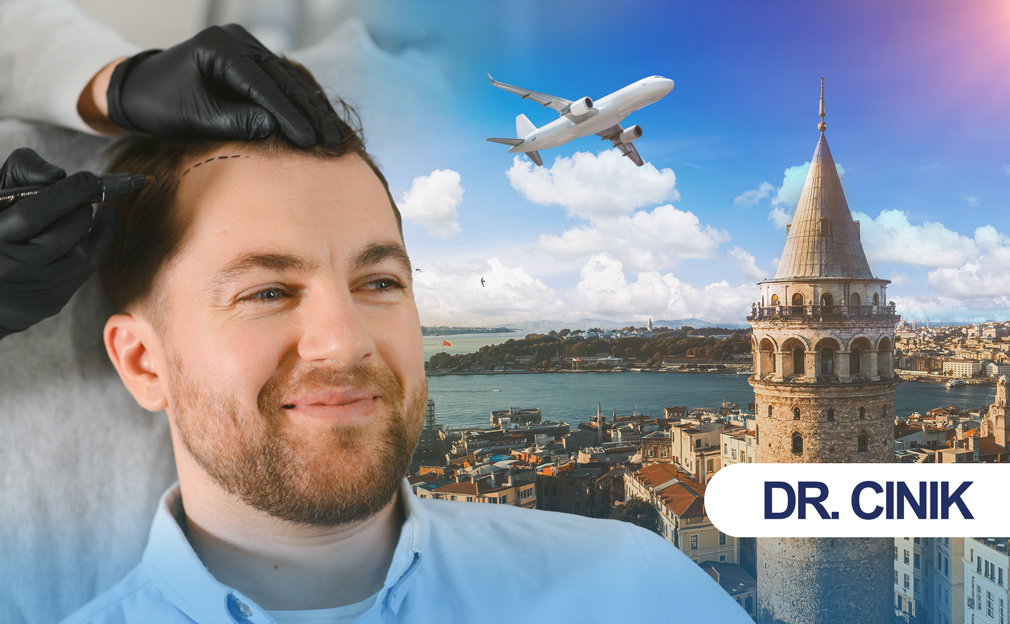
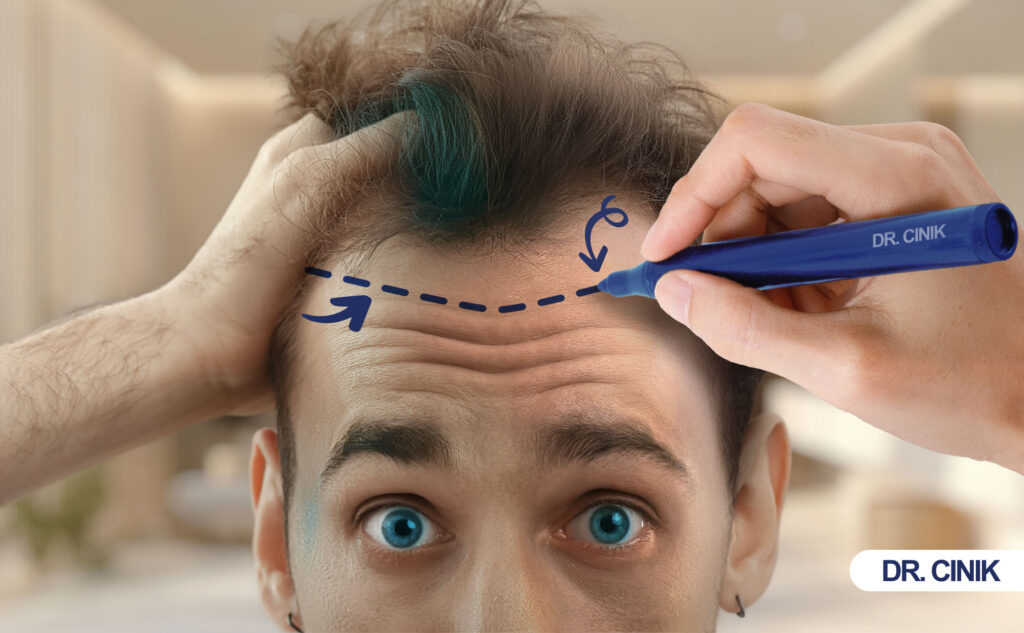
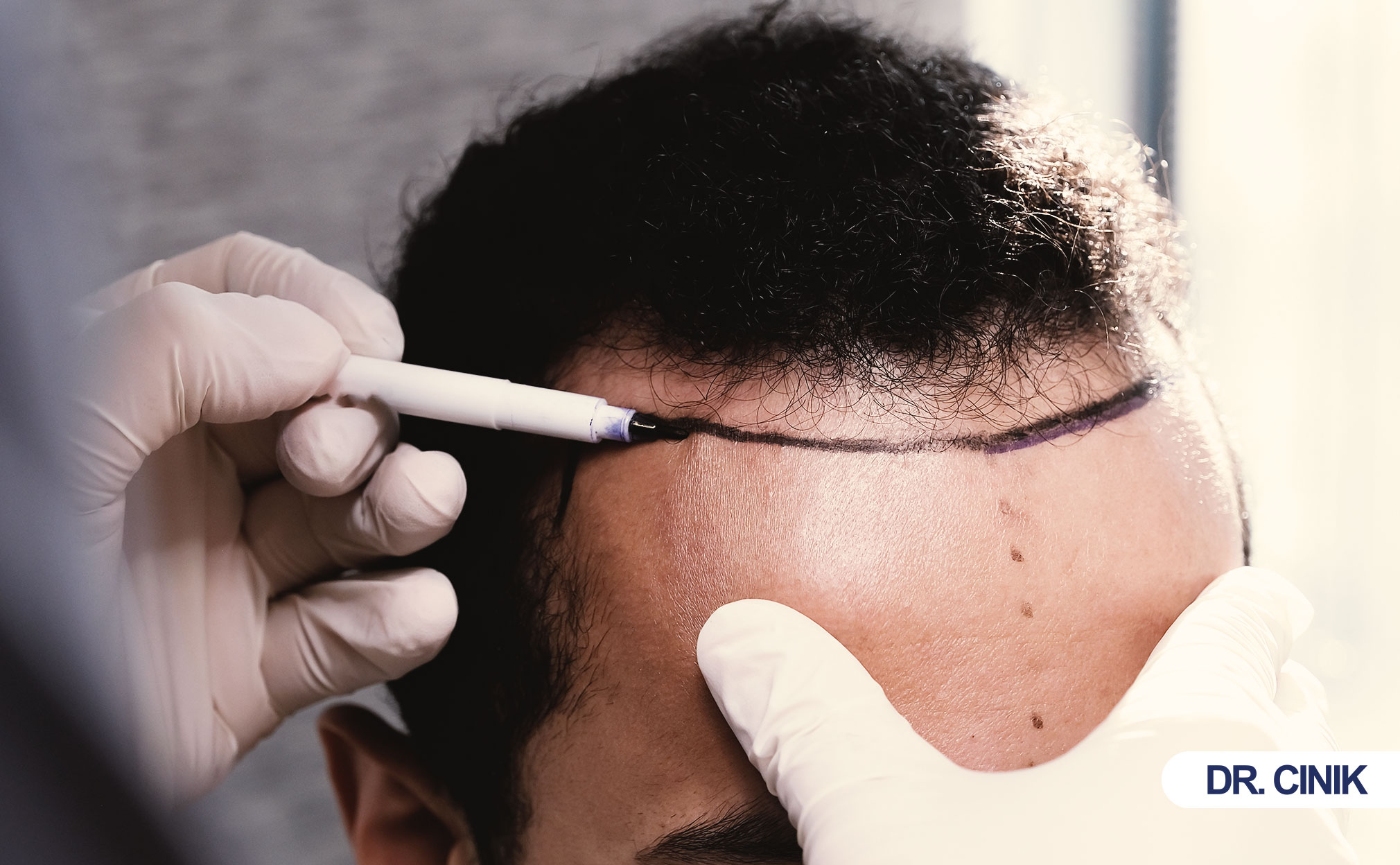
The design stage guides the whole procedure. The surgeon marks the mid-frontal point first. This point controls symmetry.
Next, the surgeon calculates the angle of the peak. A very sharp angle can look aggressive. A wide angle looks softer and mature.
Micro-irregularity plays a key role. Natural hairlines never form a perfect line. The surgeon places grafts in a zigzag pattern. This detail creates realism.
Single-hair grafts build the front. Multi-hair grafts add density behind the peak. This layering gives a natural transition.
A good plan protects donor reserves. The surgeon uses only the required number of grafts. This strategy supports future procedures if needed (Limmer, 2019).
How Many Grafts Does a Widow’s Peak Hair Transplant Need?
Quick answer: Most procedures need 300 to 1,200 grafts depending on depth and density.
A small peak needs fewer grafts. A deeper V-shape needs more density in the center.
Patients with existing recession may need additional temple work. This step increases graft numbers.
The surgeon must spread grafts evenly. Dense packing in a small zone can damage blood supply. Balanced placement protects growth and healing.
Which Hair Transplant Technique Works Best for a Widow’s Peak?
Quick answer: FUE offers the best precision for creating a detailed and natural peak.
FUE allows single graft extraction. This feature gives the surgeon full control during placement.
The technique also avoids a linear scar. Many patients prefer this option for short hairstyles.
DHI can help in some cases. It allows direct implantation without opening channels first. This method supports dense and controlled placement in the peak zone.
The choice depends on hair type, donor capacity, and surgeon experience. Technique alone does not guarantee success. Planning and artistry define the result (Rassman, 2018).
Why Does Angle and Direction Matter in the Central Hairline?
Quick answer: Correct angle makes the transplanted peak blend with native hair.
Hair in the frontal zone grows at a very acute angle. The surgeon must follow this pattern.
If the angle stands too upright, the result looks artificial. If the direction changes, the peak loses its natural flow.
Tiny details create a big visual impact. That is why experienced surgeons perform this stage.
Who Is a Good Candidate for a Widow’s Peak Hair Transplant?
Quick answer: Ideal candidates have stable hair loss, good donor density, and realistic expectations.
Age plays a role in planning. A very low peak in a young patient may not age well.
Patients with diffuse thinning need medical therapy first. Strong native hair improves the final result.
Women with naturally high foreheads often request a soft widow’s peak. This approach shortens the face and creates balance.
Healthy scalp and good blood circulation support graft survival. Smoking and uncontrolled medical conditions can reduce success (Ungar, 2022).
What Happens During the Procedure?
Quick answer: The surgeon extracts grafts, opens channels in a V-shape, and implants follicles with artistic precision.
The procedure starts with local anesthesiaEnsuring Comfort During Hair Transplants Sedation is used in hair transplantation to help patients remain calm and comfortable throughout the.... Patients stay awake and comfortable.
The team extracts grafts from the donor areaThe Source of Restoration The donor area plays a critical role in hair transplantation, as it serves as the source.... The surgeon then creates micro-channels in the designed peak zone.
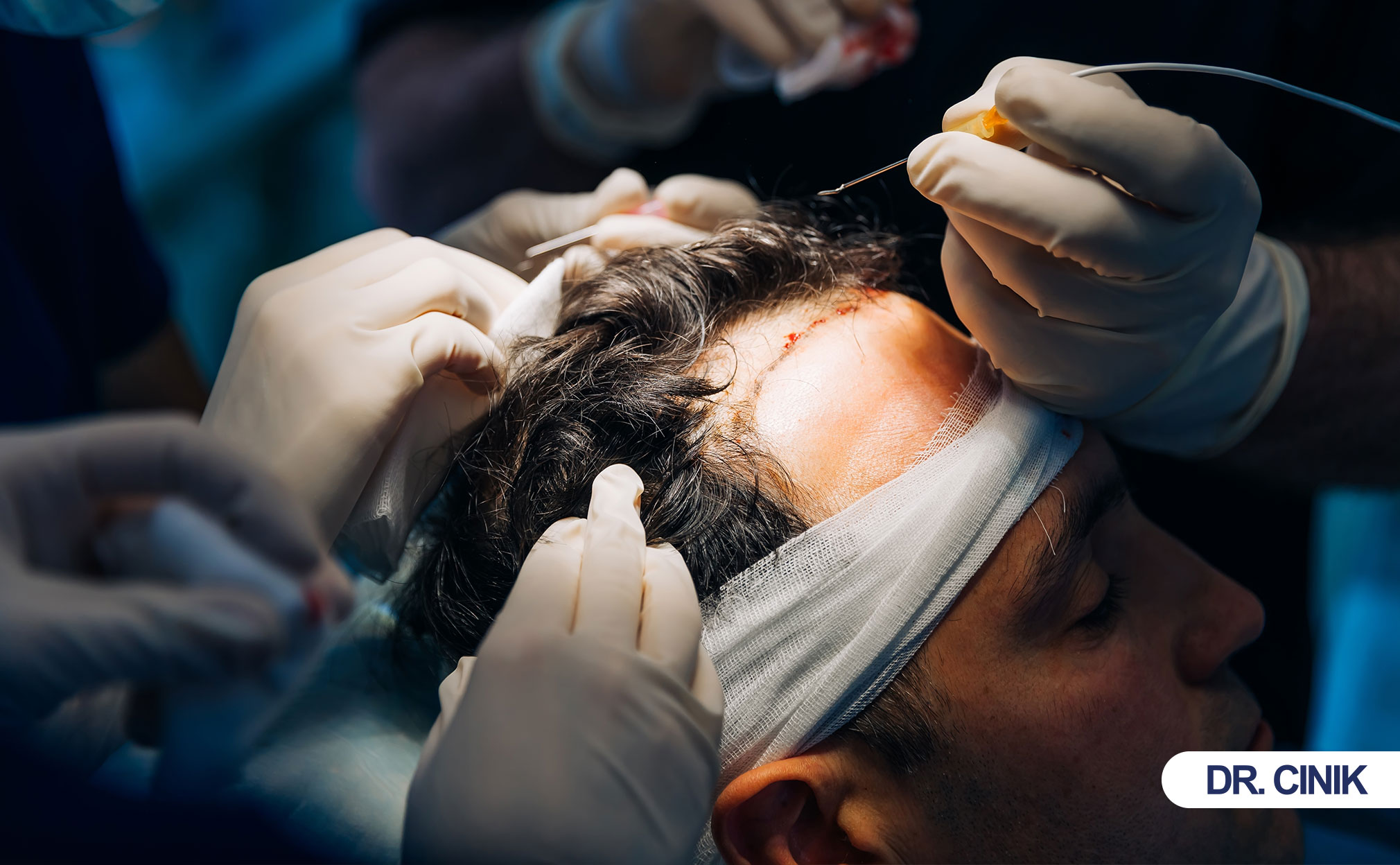
Each graft goes into a specific angle and direction. The first rows use single hairs. This step creates softness.
The procedure usually takes a few hours. Patients return to daily life within a few days.
How Long Does It Take to See the Final Result?
Quick answer: Full results appear in 10 to 12 months.
New hair starts to grow at the third or fourth month. Density improves over time.
The peak becomes sharper and more defined after month six. Final texture and thickness appear at one year.
Patience plays a key role during this period.
What Are the Advantages of Creating a Widow’s Peak with a Hair Transplant?
Quick answer: The procedure delivers permanent, natural, and face-specific results.
The transplanted hair grows for life. Patients can cut, style, and shave it like normal hair.
The design matches the person’s facial structure. This customization improves satisfaction.
The procedure also avoids daily styling products used to fake a peak. It gives freedom and confidence.
Modern techniques reduce downtime and discomfort. Most patients return to work in a short time.
Are There Any Risks or Challenges?
Quick answer: The main risk comes from poor design or incorrect graft angle.
An overly sharp peak can look unnatural. A very low hairline may not age well.
Inexperienced planning can waste donor grafts. Repair procedures become more difficult.
Choosing a skilled and experienced surgeon reduces these risks. Proper consultation and digital planning improve outcomes (True, 2021).
How Do You Maintain a Transplanted Widow’s Peak?
Quick answer: Gentle care, medical therapy, and healthy habits protect long-term density.
Patients must follow the washing protocol during the first weeks. This step supports healing.
Doctors may recommend medical treatment to protect native hair. This strategy keeps the hairline stable.
A healthy lifestyle improves hair quality. Balanced nutrition and stress control support growth.
Regular follow-ups help track progress and density.
Conclusion: Is a Widow’s Peak Hair Transplant the Right Choice for You?
Quick answer: It is the best solution for people who want a permanent and natural V-shaped hairline.
A widow’s peak adds identity and balance to the face. The procedure combines science and artistry.
Success depends on correct design, precise angle, and controlled density. A skilled surgeon creates a result that looks natural at every age.
Patients who choose proper planning and realistic expectations achieve high satisfaction and long-lasting confidence.
References:
Bernstein, Robert M. Hair TransplantationHair transplantation is a surgical procedure that involves the extraction of hair follicles from a designated donor site, followed by.... 5th ed., CRC Press, 2021.
Limmer, Bobby. “Follicular Unit Transplantation and Hairline Design.” Dermatologic Clinics, 2019.
Rassman, William. Hair Restoration Surgery. Elsevier, 2018.
Shapiro, Ron. “Principles of Natural Hairline Creation.” Hair Transplant Forum International, 2020.
True, Robert. “Artistic Planning in Modern Hair Transplantation.” Aesthetic Surgery Journal, 2021.
Ungar, Jennifer. “Patient Selection in Hair Restoration Surgery.” Journal of Cosmetic Dermatology, 2022.