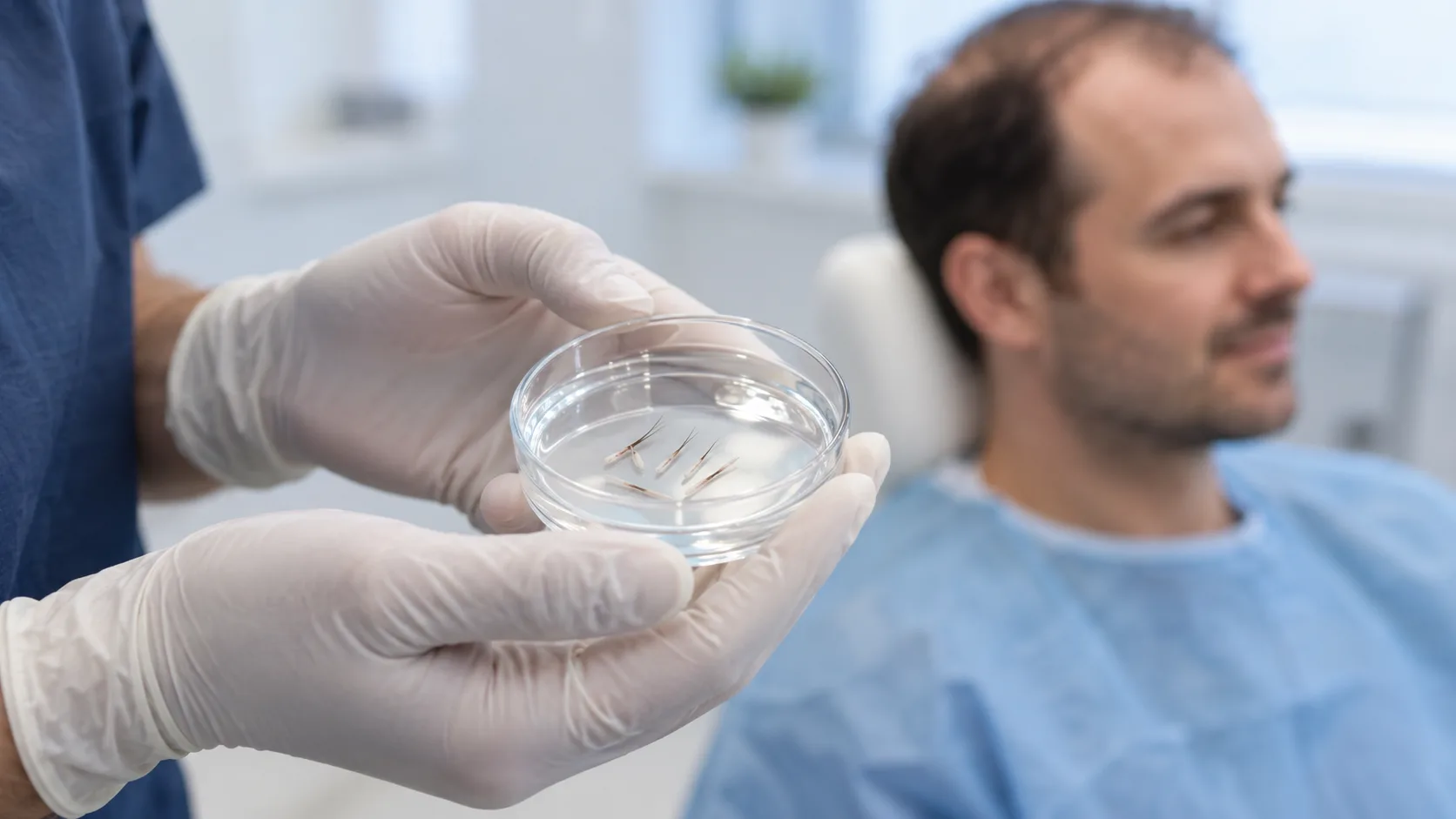
Проблема выпадения волос затрагивает миллионы людей по всему миру. Современные методы восстановления волос предлагают реальные решения для редеющих волос и линии роста волос. Прямая пересадка волос, обычно называемаяDHI, является одной из наиболее обсуждаемых техник в современной трансплантации волос. Эта статья объясяет, что происходит до, во время и после пересадки волос DHI. Вы узнаете, как проходит извлечение гребней, как работает ручка имплантатора Choi для загрузки и размещения каждого фолликула, а также почему позиционирование, угол, направление и глубина гребней определяют ваш конечный результат. Каждый шаг важен. Каждая деталь влияет на ваш результат. Этот гид проведёт вас через полный процесс DHI шаг за шагом.
Что такое пересадка волос DHI?
Пересадка волос DHI перемещает ваши собственные фолликулы волос из донорской зоны в области с редеющими или облысевшими участками с помощью специализированной ручки имплантатора для прямого размещения.
Что означает DHI?
DHI означает Прямая пересадка волос.
Прямая пересадка волос описывает метод восстановления волос. Хирурги перемещают собственные фолликулярные единицы пациента из донорской зоны в области с редеющими или облысевшими участками. Процедура не создает новые фолликулы волос. Она перераспределяет существующие фолликулы из областей с густым ростом в области, где волосы истончились или исчезли. Донорская зона обычно расположена на затылке или боку головы. Эти области обычно устойчивы к выпадению волос, поскольку фолликулы в них обладают генетической устойчивостью к андрогенетическому облысению. Хирург извлекает отдельные фолликулярные единицы и имплантирует их непосредственно в зоны получателей.
Чем DHI отличается от традиционной трансплантации волос?
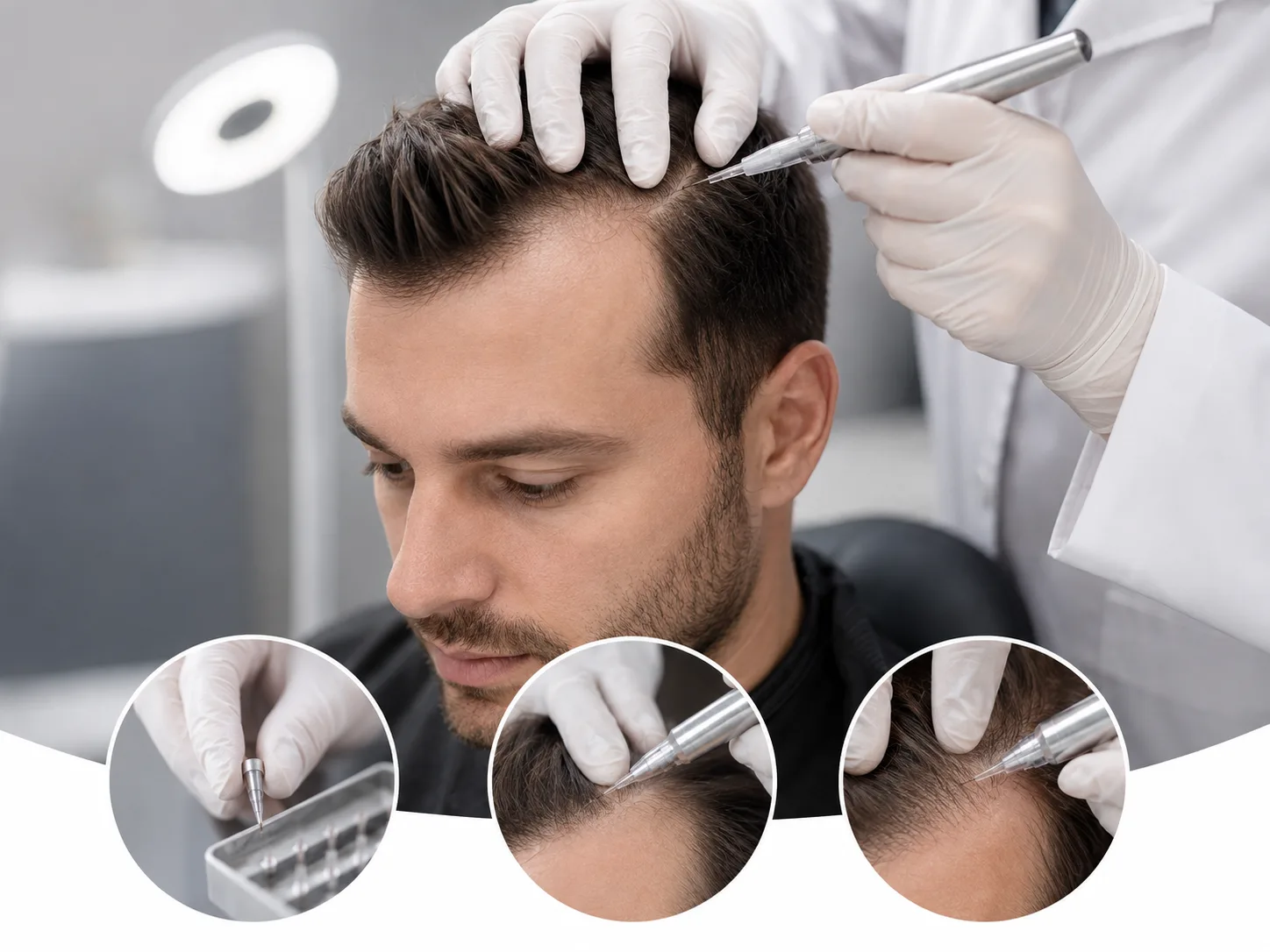
DHI используетручку имплантатора Choiдля формирования мест получения и одновременной имплантации гребней, в отличие от традиционных методов, которые подготавливают места получения перед размещением гребней.
DHI отличается от традиционной трансплантации волос, прежде всего, на этапе имплантации. Традиционные процедуры экстракции фолликулярных единиц (FUE) обычно сначала подготавливают места для получения. Хирург делает небольшие надрезы или щели на коже головы. Затем команда вставляет грефты в эти заранее проделанные отверстия. DHI меняет эту последовательность. Ручка Choi Implanter создает место для получения и имплантирует грефт в одном непрерывном действии. Ручка удерживает отдельный грефт в своей полой игле. Хирург устанавливает ручку в желаемом месте, вставляет иглу в кожу головы и освобождает грефт с помощью механизма поршня. Этот прямой подход исключает отдельный этап создания мест для получения. Тем не менее, DHI все еще требует такой же тщательной экстракции, обработки и планирования, как и любая процедура трансплантации волос.
Является ли DHI типом FUE?
DHI обычно использует экстракцию в стиле FUE для удаления грефтов, но отличается на этапе имплантации, где применяется ручка-имплантер.
DHI и FUE имеют тесные взаимосвязи. Большинство процедур DHI используют экстракцию в стиле FUE для удаления фолликулярных единиц из донорской зоны. Хирург использует небольшое устройство для экстракции индивидуальных фолликулярных единиц. Этот метод экстракции остается идентичным или очень похожим на стандартный FUE. Разница возникает во время имплантации. FUE обычно вставляет грефты в заранее подготовленные места для получения. DHI вставляет грефты непосредственно с помощью устройства-имплантера. Поэтому DHI представляет собой технику имплантации, а не полностью отдельный метод экстракции. Вам не следует рассматривать DHI и FUE как несвязанные процедуры. Они соединяются на этапе экстракции и расходятся на этапе имплантации.
Как работает трансплантация волос DHI? Шаг за шагом?
DHI работает через десять основных шагов: консультация, проектирование линии роста волос, подготовка кожи головы, анестезия, экстракция грефтов, сортировка грефтов, загрузка ручки Choi, прямое имплантирование, контроль угла и послеоперационный уход.
Этот раздел составляет основу статьи. Здесь подробно объясняется каждый этап процедуры DHI.
Шаг 1: Что происходит во время консультации и оценки потери волос?
Хирург изучает вашу медицинскую историю, осматривает кожу головы, оценивает плотность донорских волос и определяет, подходит ли трансплантация для вашего состояния.
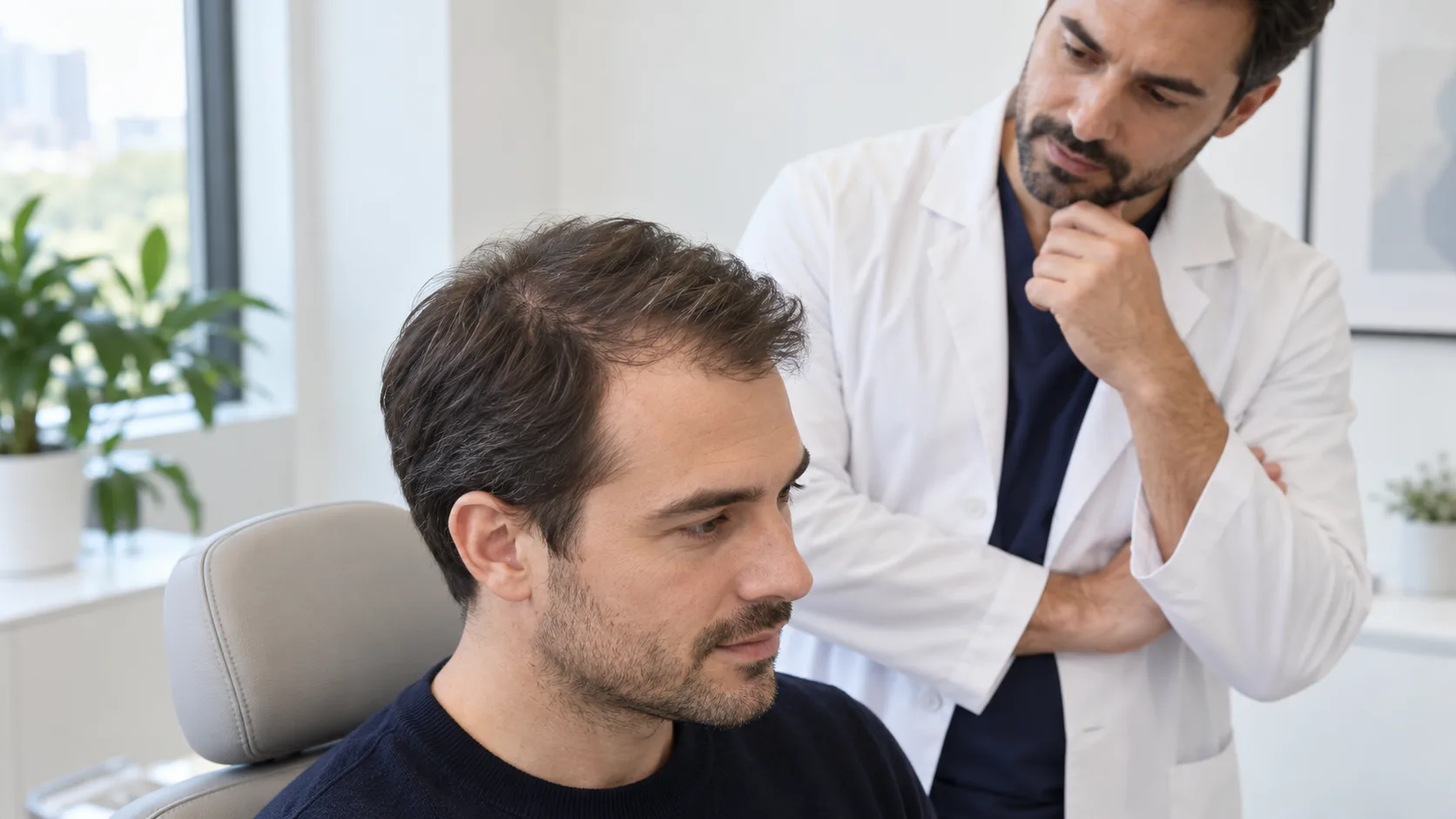
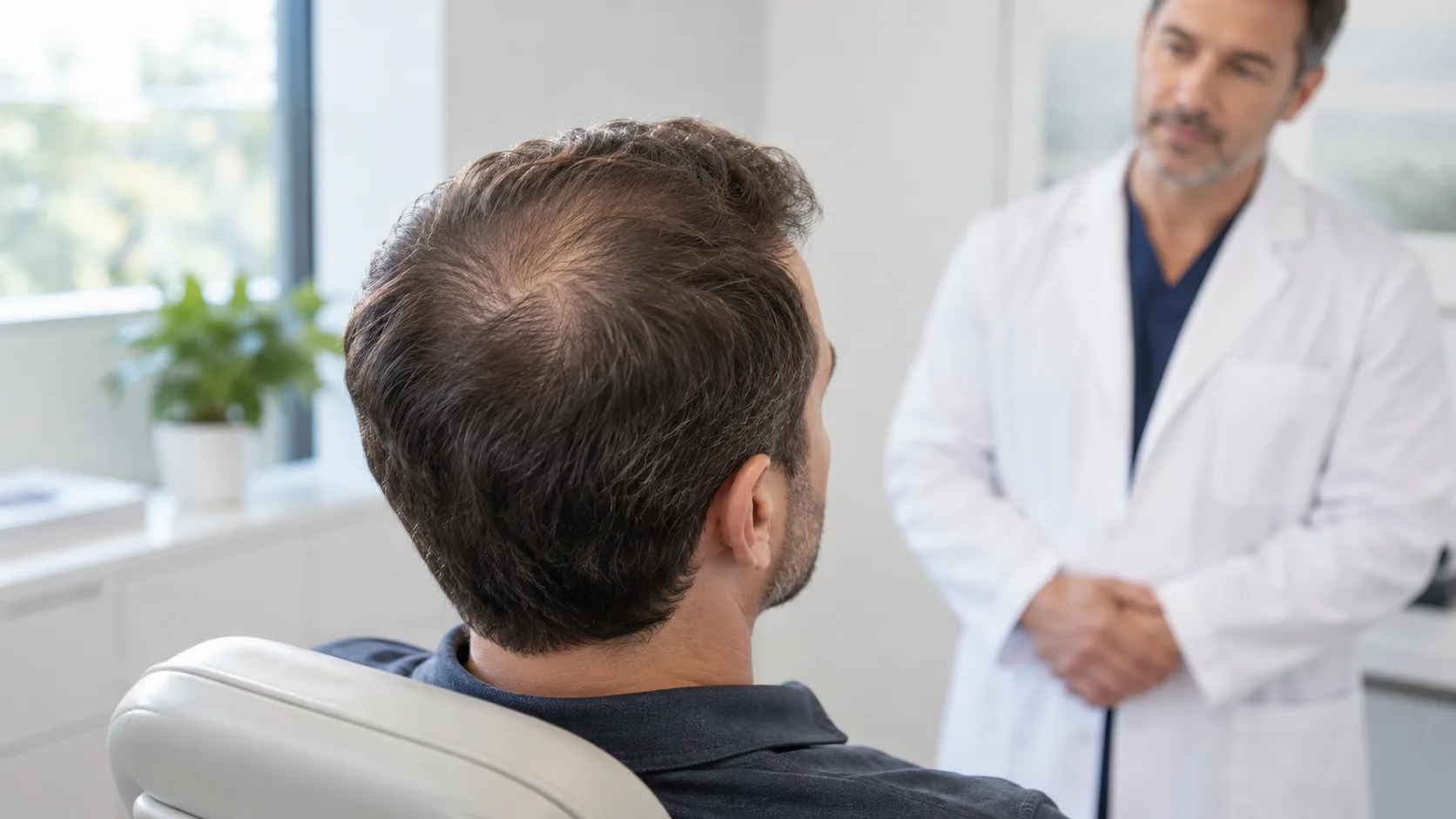
Этап консультации закладывает основу для всей вашей процедуры. Медицинская команда рассматривает вашу медицинскую историю и историю потери волос. Они устанавливают причины и характер вашей потери волос. Они проверяют здоровье вашей кожи головы. Они оценивают плотность донорских волос и качество фолликулов. Они анализируют вашу зону для имплантации. Они обсуждают с вами реалистичные ожидания. Они определяют, является ли трансплантация надлежащим лечением для вашего конкретного состояния.
Не каждый тип потери волос требует немедленной операции. Некоторые состояния требуют предварительного медицинского лечения. Андрогенная алопеция, обычно называемая мужским или женским типом потери волос, часто хорошо реагирует на трансплантацию. Тем не менее, активные инфекции кожи головы, воспалительные состояния или определенные аутоиммунные расстройства могут потребовать диагностики и лечения перед любым хирургическим вмешательством. Хирург тщательно осматривает вашу донорскую область. Адекватная плотность донорских волос обеспечивает достаточное количество грефтов для значительного покрытия. Плохая плотность донорских волос ограничивает количество доступных грефтов и может повлиять на ваш конечный результат.
Компонент оценки | Что оценивает хирург | Почему это важно |
Медицинская история | Предыдущие состояния, лекарства, аллергии | Определяет противопоказания |
Шаблон потери волос | Классификация стадии облысения | Определяет требования к грефтам |
Здоровье кожи головы | Воспаление, инфекция, качество кожи | Обеспечивает безопасные условия для операции |
Плотность донора | Фолликулы на квадратный сантиметр | Прогнозирует доступное количество грефтов |
Качество фолликулов | Толщина, завиток, цвет волос | Влияет на визуальную плотность |
Получающая область | Размер и расположение залысин | Направляет планирование лечения |
Шаг 2: Как работает проектирование линии волос и планирование лечения?
Хирург проектирует вашу линию волос, рассчитывает требования к грефтам, планирует распределение плотности и определяет, где разместить одноборсные и многоборсные грефты.
Проектирование линии волос непосредственно влияет на естественно выглядящие результаты. Хирург разрабатывает предложенную линию волос на основе вашей структуры лица, существующего узора волос и эстетических целей. Команда определяет требования к грефтам. Они планируют распределение плотности по получающей области. Учитываются направление роста и узор ваших существующих волос. Одноборсные грефты планируются для размещения на лобной линии волос. Многоборсные грефты резервируются для участков, где большая плотность обеспечивает лучшее покрытие.
Одноборсные грефты создают мягкие, естественно выглядящие линии волос. Многоборсные грефты обеспечивают плотность за линией волос. Хирург должен согласовать новую линию волос с вашим возрастом, этнической принадлежностью и пропорциями лица. Неправильно спроектированная линия волос выглядит искусственно, независимо от количества грефтов. На этапе планирования также определяется общее количество необходимых грефтов. Это число зависит от степени потери волос, запаса донора и желаемой плотности. Хирург создает подробную карту, показывающую, где должен находиться каждый тип грефта.
Шаг 3: Как хирурги подготавливают донорскую и получающую области?
Команда подстригает или бреет волосы, очищает и дезинфицирует кожу головы, а также отмечает донорские и получающие области перед началом процедуры.
Подготовка обеспечивает стерильную хирургическую среду. Команда подстригает или бреет волосы в зависимости от плана лечения. Некоторые процедуры DHI допускают ограниченное или отсутствие бритья в отдельных случаях. Это зависит от зоны лечения и требований к грефтам. Команда тщательно очищает и дезинфицирует кожу головы. Они отмечают донорские и получающие области хирургическими маркерами. Они подготавливают пациента к процедуре.
Донорская область обычно подвергается короткому подстриганию, чтобы обеспечить точное извлечение. Получающая область может потребовать подстригания или остаться небритой в зависимости от варианта техники и предпочтений хирурга. Некоторые клиники предлагают варианты DHI "без бритья" или "длинные волосы" для пациентов, которые хотят сразу скрыть процедуру. Однако эти варианты требуют больше времени и могут ограничить количество пересаженных грефтов за одну сессию.
Шаг 4: Как действует местная анестезия во время DHI?
Хирург вводит местный анестетик, чтобы обезболить донорские и реципиентные участки, позволяя вам оставаться бодрствующим и комфортным на протяжении всей процедуры.
Местная анестезия обезболивает донорские и реципиентные участки. Хирург вводит анестетический раствор в кожу головы. Вы остаётесь бодрствующим во время процедуры. Обычно вы чувствуете давление или прикосновение, но не боль. Анестезия отличается от общей анестезии. Общая анестезия полностью усыпляет. Местная анестезия лишь блокирует ощущение в определённых областях.
Индивидуальные протоколы анестезии различаются у клиницистов. Некоторые хирурги используют нервные блоки. Другие применяют кольцевые блоки или инъекционные техники. Анестезия, как правило, начинает действовать в течение нескольких минут. Хирург проверяет области, которые были анестезированы, перед началом экстракции. Вы можете почувствовать первоначальную инъекцию, но анестетик быстро устраняет дискомфорт. Послеоперационный дискомфорт остаётся управляемым с помощью стандартных протоколов управления болью.
Шаг 5: Как хирурги извлекают фолликулы из донорской зоны?
Хирург использует экстракцию в стиле FUE для удаления отдельных фолликулярных единиц из донорской зоны, минимизируя повреждение окружающих тканей.
Экстракция фолликулов в стиле FUE формирует основу для изъятия графтов. Хирург удаляет отдельные фолликулярные единицы из донорской зоны. Типичные донорские участки включают затылок и стороны головы. Эти области, как правило, содержат волосы, генетически устойчивые к облысению. Хирург использует небольшое устройство для прокола, обычно диаметром от 0,8 до 1,0 миллиметра, чтобы сделать надрезы вокруг каждой фолликулярной единицы. Затем команда извлекает единицу с помощью пинцета.
Тщательная экстракция имеет огромное значение. Плохая техника приводит к трансекции фолликулов, что повреждает графты и делает их непригодными для использования. Чрезмерное изъятие излишне истощает донорскую зону. Хирург должен сохранить жизнеспособность графта во время обработки. DHI не исключает необходимость аккуратной экстракции фолликулов. Качество графтов остаётся основополагающим для результатов трансплантации, независимо от используемой техники имплантации.
Фактор экстракции | Влияние на результаты | Лучшие практики |
Размер прокола | Влияет на видимость рубцов и качество графтов | Соответствие характеристикам фолликулов |
Скорость экстракции | Влияет на время выживания графтов | Работайте эффективно, не спеша |
Уровень трансекции | Определяет процент пригодных графтов | Держите ниже 5%, когда это возможно |
Расстояние между донорами | Сохраняет внешний вид донора | Поддерживайте достаточное расстояние между экстракциями |
Обработка грефтов | Влияет на жизнеспособность фолликулов | Минимизируйте манипуляции и время высыхания |
Шаг 6: Как команды сортируют и сохраняют извлеченные грефты?
Команда проверяет грефты, разделяет их по количеству волос, хранит в растворе для сохранения и минимизирует время вне тела, чтобы поддерживать жизнеспособность.
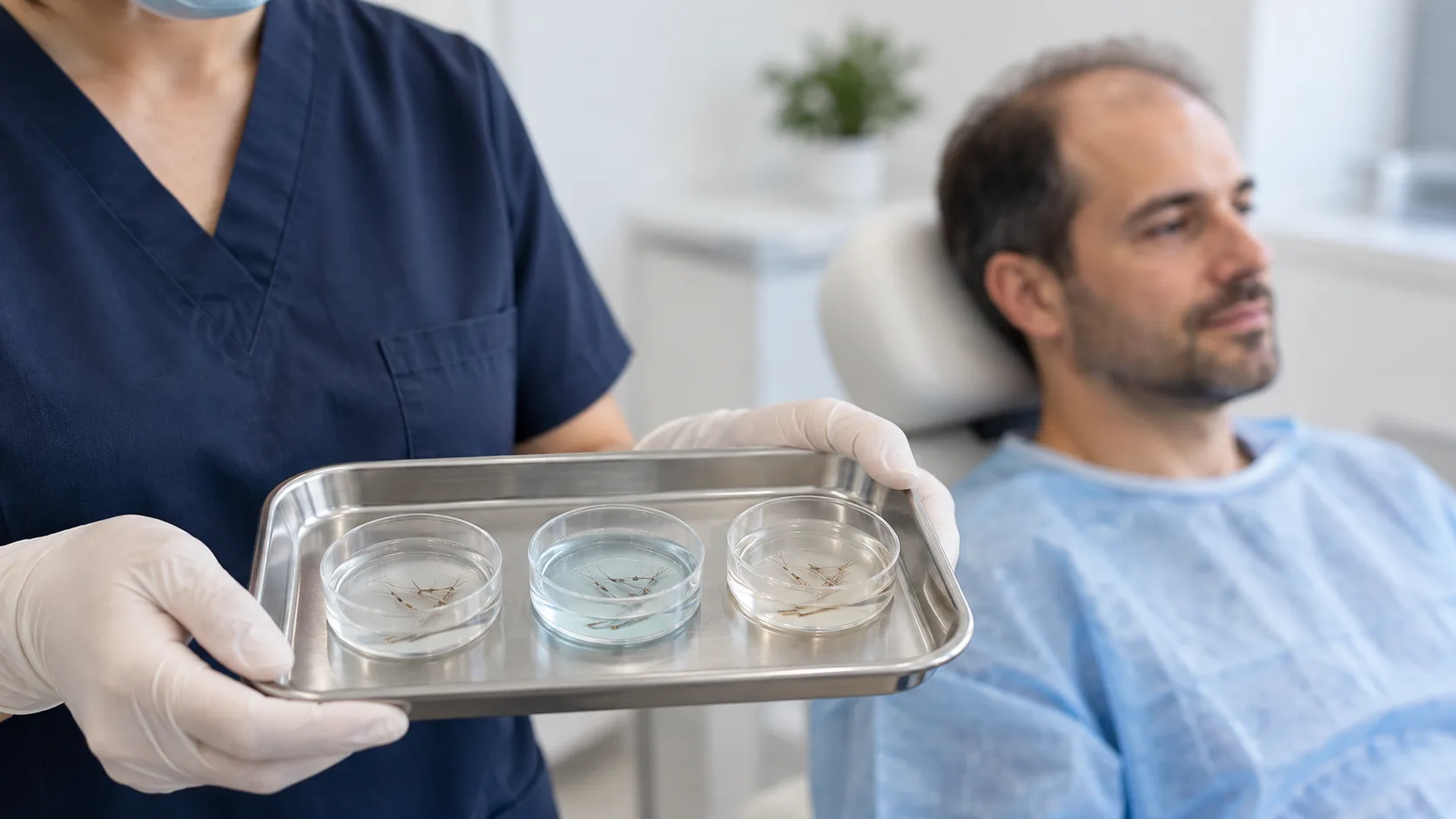
После экстракции команда проверяет каждую фолликулярную единицу. Они разделяют грефты по количеству волос, которое они содержат. Грефты с одним волосом используются для линии волос. Грефты с двумя и тремя волосами обеспечивают плотность в других зонах. Команда хранит грефты в соответствующем растворе для сохранения. Обычные растворы включают гипотерпическую среду хранения, физиологический раствор или специализированные жидкости для сохранения грефтов.
Команда минимизирует время, которое грефты остаются вне кожи головы. Длительное воздействие на воздух повреждает фолликулы. Обезвоживание быстро убивает клетки грефтов. Контроль температуры также важен. Большинство команд хранят грефты при низких температурах, чтобы замедлить метаболическую активность. Источники подчеркивают, что жизнеспособность грефта зависит от внимательной обработки и соответствующих условий хранения. Грефт, который пережил экстракцию, но погиб из-за неправильной обработки, не принесет пользы пациенту.
Шаг 7: Как хирурги загружают грефты в ручку Choi Implanter?
Хирург помещает отдельный грефт в полую иглу ручки Choi implanter, выбирает соответствующий диаметр иглы и готовится к прямой имплантации.
Ручка Choi Implanter произвела революцию в трансплантации волос. Это устройство имеет полую иглу и механизм поршня. Хирург загружает отдельный грефт в иглу. Грефт находится в полом конце, готовом к размещению. Хирург выбирает диаметр иглы в зависимости от характеристик грефта и требований к лечению. Более толстые грефты требуют крупных игл. Более тонкие грефты используют меньшие иглы.
Корректная загрузка снижает механическую травму грефта. Команда должна бережно обращаться с каждым грефтом. Они избегают сжатия или давления на фолликул. Ручка позволяет хирургу точно контролировать размещение. Устройство сочетает создание места для получения и вставку грефта в одно действие. Эта интеграция определяет технику DHI и отличает ее от традиционных подходов.
Компонент ручки Choi | Функция | Важность |
Пола игла | Держит и направляет грефт в кожу головы | Определяет размер разреза и посадку грефта |
Поршень | Выводит грефт из иглы в ткань | Контролирует время и глубину высвобождения |
Диаметр иглы | Соответствует размеру грефта | Предотвращает повреждения от сжатия |
Эргономичная рукоятка | Позволяет хирургу контролировать процесс | Обеспечивает точный угол и направление |
Шаг 8: Как работает прямая имплантация волосковых грефтов?
Хирург размещает ручку Чои в запланированном месте, вставляет иглу в кожу головы, создает отверстие и высвобождает грефт с помощью поршня.
Прямая имплантация является определяющим техническим этапом DHI. Хирург размещает ручку Чои в запланированном месте получателя. Он вставляет иглу в кожу головы под заданным углом. Игла создает отверстие для размещения во время установки. Хирург высвобождает грефт с помощью поршня. Грефт соскальзывает из иглы в ткань кожи головы. Хирург повторяет этот процесс по одному грефту.
DHI сочетает в себе создание мест для получателей и вставку грефтов. Традиционный FUE сначала создает места для получателей, а затем отдельно вставляет грефты. DHI выполняет оба действия одновременно. Хирург контролирует глубину, угол и направление при каждом размещении. Эта интеграция требует значительных навыков и опыта. Хирург должен поддерживать постоянную технику при тысячах размещений грефтов. Каждый грефт получает индивидуальное внимание. Этот тщательный подход требует времени, но позволяет достичь исключительного контроля над конечным результатом.
Шаг 9: Как хирурги контролируют угол, направление, глубину и плотность грефта?
Хирург подбирает геометрию имплантации к окружающим волосам, использует незначительные углы на линии волос, точно контролирует глубину и распределяет грефты в соответствии с планом лечения.
Геометрия имплантации определяет, будут ли ваши результаты выглядеть естественно. Хирург сопоставляет направление трансплантированных волос с окружающими волосами. Он использует подходящие углы на линии волос. Грезты на линии волос обычно располагаются под очень маленькими углами, около 10-15 градусов, чтобы создать мягкий, перистый вид. Грефа на макушке может использовать разные углы для соответствия спиральным узорам.
Хирург контролирует глубину имплантации. Слишком неглубокая установка обнажает грефты. Слишком глубокая установка повреждает фолликулы или создает вмятины. Команда распределяет грефты в соответствии с планом лечения. Они размещают одно-волосные грефты впереди. Они размещают многоволосные грефты за линией волос для увеличения плотности. Плохое позиционирование создает неестественный вид. Грефта, которые указывают в неправильных направлениях или расположены под неправильными углами, выглядит явно трансплантированными. Источники конкретно определяют угол, направление и глубину как важные переменные при имплантации DHI.
Переменная имплантации | Типичный диапазон | Влияние на внешний вид |
Угол | 10–45 градусов в зависимости от места | Определяет, как волосы лежат на коже головы |
Направление | Совпадает с естественным ростом волос | Обеспечивает бесшовную интеграцию |
Глубина | Обычно 4–6 миллиметров | Обеспечивает выживаемость трансплантатов без ямок |
Плотность | Обычно 30–50 трансплантатов на см² | Сбалансирует покрытие с кровоснабжением |
Шаг 10: Как команда очищает кожу головы и завершает процедуру?
Команда очищает обе области, проверяет имплантированные трансплантаты, накладывает защитную повязку, дает инструкции и организует последующие приемы.
После размещения всех трансплантатов команда очищает донорскую и реципиентную области. Они проверяют имплантированные трансплантаты для обеспечения правильного размещения. Они накладывают подходящую повязку или защитные меры на донорскую область. Они предоставляют подробные послеоперационные инструкции. Они организуют последующие приемы для контроля за заживлением.
DHI обычно проходит как амбулаторная процедура. Вы возвращаетесь домой в тот же день. Точная продолжительность варьируется в зависимости от количества трансплантатов и характеристик пациента. Небольшие случаи могут занять от четырех до пяти часов. Большие случаи могут занять восемь часов и более. Некоторым пациентам требуется несколько сеансов при обширной потере волос. Команда предоставляет письменные инструкции по поводу мытья, медикаментов, ограничений в активности и признаков тревоги.
Сколько времени занимает трансплантация волос DHI?
DHI обычно занимает несколько часов, обычно 6–8 часов, хотя продолжительность варьируется в зависимости от количества трансплантатов и сложности лечения.
Каково среднее время проведения процедуры DHI?
Большинство сеансов DHI продолжается несколько часов, без единой фиксированной продолжительности, поскольку количество трансплантатов, размер области и опыт команды влияют на время проведения.
Продолжительность процедуры варьируется значительно. Количество грефтов напрямую влияет на время. Случай с 1,000 грефтами занимает меньше времени, чем случай с 4,000 грефтами. Степень потери волос имеет значение. Более крупные зоны приема требуют больше времени. Место расположения области лечения влияет на скорость. В некоторых зонах доступ легче, чем в других. Опыт хирургической команды влияет на эффективность. Опытные команды работают быстрее, не жертвуя качеством. Также играют роль факторы, специфичные для пациента. Характеристики волос, гибкость кожи головы и комфорт пациента влияют на темп.
Обзор источников обычно описывает сеансы, длящиеся несколько часов, с примерами около 6–8 часов. Однако нет единой фиксированной продолжительности, применимой ко всем случаям. Некоторые клиники завершают менее сложные случаи за четыре часа. Сложные случаи могут требовать два последовательных дня. Хирург должен проинформировать вас о предполагаемой продолжительности во время консультации.
Количество грефтов | Предполагаемое время | Необходимое количество сеансов |
1,000–1,500 | 4–5 часов | Обычно один |
2,000–3,000 | 6–8 часов | Обычно один |
3,500–5,000 | 8–10 часов | Может потребоваться два сеанса |
5,000+ | Обычно два дня | Обычно два сеанса |
Что происходит после трансплантации волос DHI?
После DHI вы испытываете покраснение, легкую опухоль и чувствительность в течение нескольких дней, за которыми следует двухнедельный период заживления, требующий осторожной защиты кожи головы.
Что происходит в первые несколько дней?
Вы будете замечать покраснение, легкую отечность, чувствительность, небольшие корочки и возможную чувствительность кожи головы, защищая свои вновь имплантированные графты.
Первые несколько дней после DHI приносят ожидаемые изменения. Покраснение появляется как в донорской, так и в приемной зонах. Может возникнуть легкая отечность, иногда доходящая до лба или вокруг глаз. Чувствительность сохраняется в донорской области. Небольшие корочки образуются вокруг имплантированных графтов. Ваша кожа головы чувствует себя нежной. Вы должны тщательно защищать вновь имплантированные графты.
Спите с приподнятой головой, чтобы уменьшить отечность. Избегайте прикосновений или трения к области приема. Точно следуйте инструкциям по мытью, данным вашей клиникой. Некоторые клиники рекомендуют начинать легкое мытье на второй или третий день. Другие советуют подождать дольше. Индивидуальные протоколы различаются. Не прикладывайте давление непосредственно к графтам. Избегайте шляп и всего, что касается имплантированной зоны, если это не одобрено вашим хирургом.
Что делать в первые две недели?
Вы должны аккуратно мыть, избегать почесывания, ограничивать физическую активность, защищаться от солнца и точно следовать всем инструкциям по медикаментам и послеоперационному уходу.
Первые две недели являются критическим периодом заживления. Вы аккуратно моете кожу головы в соответствии с клиническими инструкциями. Вы избегаете почесывания или трения этой области. Вы ограничиваете тяжелую физическую активность. Вы защищаете кожу головы от прямых солнечных лучей. Вы точно следуете предписанным медикаментам и инструкциям по послеоперационному уходу.
Источники описывают первые одну-две недели как важный период заживления. Строгие физические нагрузки, плавание, обильное потоотделение и прямое солнечное воздействие могут потребовать временного ограничения. Пот приводит к раздражению заживающей кожи головы. Хлор и соленая вода могут повредить графты. Воздействие солнца повреждает чувствительную кожу и может повлиять на изменения пигментации. Также следует избегать алкоголя и курения в этот период. Оба вещества ухудшают заживление и кровоснабжение графтов.
Активность | Период ограничений | Причина |
Строгая физическая нагрузка | Обычно 10–14 дней | Предотвращает потоотделение и скачки кровяного давления |
Плавание | Обычно 2–4 недели | Избегает хлора и риска инфекции |
Прямое солнечное воздействие | Обычно 2–4 недели | Защищает заживающую кожу и графты |
Употребление алкоголя | Минимум 3–7 дней | Поддерживает заживление и кровообращение |
Курение | Не менее 2 недель | Улучшает показатели выживания грефтов |
Что собой представляет восстановление после пересадки волос DHI и временные рамки роста волос?
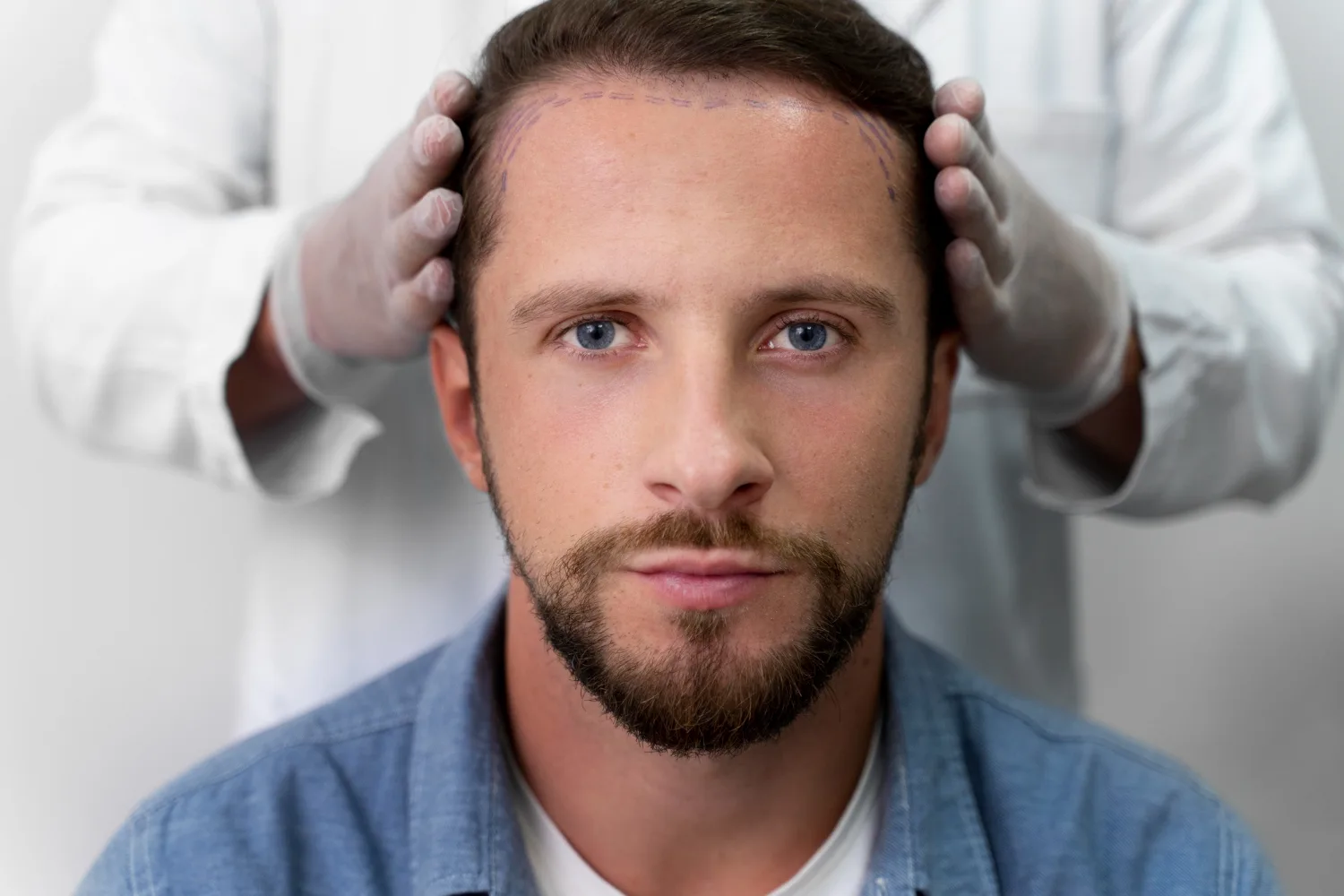
Восстановление после DHI включает первоначальное заживление в течение одного месяца, шоковое выпадение волос на 2–3 месяце, ранний рост на 3–4 месяце, увеличение плотности на 6–9 месяцах и окончательную зрелость на 12+ месяце.
Что происходит в первый месяц?
Зоны доноров и получателей заживают, корки отпадают, и временное выпадение может начаться, поскольку фолликулы входят в фазу покоя.
Первый месяц сосредоточен на заживлении. Зона донора закрывается и начинает восстанавливаться. Зона получателя оседает. Корки и корочки отпадают естественным образом. Не трогайте их. Трение может вызвать выдёргивание грефтов. Может произойти временное выпадение. Некоторые пересаженные волосы выпадают. Это происходит потому, что фолликул попадает в фазу покоя, прежде чем начнётся новый рост. Стебель волоса отпадает, но фолликул остаётся живым под кожей.
Какие изменения происходят на 2–3 месяцах?
Пересаженные фолликулы продолжают переход, и некоторые пациенты испытывают шоковое выпадение или шоковое выпадение волос в этот период.
На вторых и третьих месяцах происходит продолжение перехода. Пересаженные фолликулы подстраиваются к своему новому месту. Некоторые пациенты испытывают шоковое выпадение или шоковое выпадение волос. Это явление возникает, когда пересаженные волосы выпадают перед повторным ростом. Это представляет собой нормальную часть цикла роста волос. Фолликул остаётся целым. Новый волос появится из того же фолликула. Некоторые пациенты замечают минимальное выпадение. Другие испытывают более заметное временное истончение. Оба паттерна вписываются в нормальные пределы.
Когда становится видимым раннее новое нарастание волос?
Раннее новое нарастание волос обычно становится видимым вокруг 3–4 месяцев, хотя время варьируется от человека к человеку.
Третий и четвёртый месяцы часто приносят первые видимые признаки нового роста. Тонкие, мягкие волосы появляются на коже головы. Эти ранние волосы могут казаться мягкими и бесцветными изначально. Они постепенно утолщаются и затемняются. Не все грефты растут одновременно. Некоторые фолликулы начинают расти раньше других. Этот ступенчатый рост создает постепенное, а не резкое преображение. Терпение остаётся важным в этот период.
Что происходит на 6–9 месяцах?
Плотность волос значительно увеличивается, стержни волоса созревают, и пересаженная область начинает выглядеть значительно более полной.
С шестого по девятый месяц наблюдается увеличение плотности. Стержни волоса созревают и утолщаются. Пересаженная область начинает выглядеть значительно более полной. Вы можете укладывать волосы с большей уверенностью. Линия роста волос выглядит более четкой. Покрытие вокруг короны улучшается. Текстура новых волос приближается к текстуре ваших родных волос. Некоторые пациенты начинают чувствовать удовлетворение от своих результатов к девятому месяцу. Однако дальнейшее улучшение обычно происходит и после этого момента.
Когда вы увидите окончательные результаты?
Окончательные результаты могут занять год или дольше у некоторых пациентов, с дальнейшим созреванием после 12 месяца.
Месяцы с двенадцатого и позже приносят дальнейшее созревание. Окончательные результаты могут занять год или дольше у некоторых пациентов. Волосы продолжают утолщаться и укрепляться. Текстура становится более естественной. Некоторые завивочные или волнистые узоры могут требовать времени для полного формирования. Источники немного различаются по точной хронологии. Статья избегает обещать фиксированную дату результата, так как индивидуальные отличия остаются значительными. Генетика, возраст, характеристики волос и соблюдение рекомендаций по уходу влияют на временные рамки.
Хронологическая фаза | Чего ожидать | Типичная продолжительность |
Первичное заживление | Сброс корок, сокращение покраснения | 2–4 недели |
Шоковое выпадение | Временная потеря волос из грефтов | 2–8 недель после процедуры |
Ранняя рост | Тонкие новые волосы начинают появляться | 3–4 месяца |
Увеличение плотности | Заметное утолщение | 6–9 месяцев |
Созревание | Окончательная текстура и плотность | 12–18 месяцев |
Каковы преимущества DHI-пересадки волос?
DHI обеспечивает точное размещение графтов, детальный дизайн линии волос, прямую имплантацию, минимально инвазивную экстракцию и, при квалифицированном выполнении, потенциально естественно выглядящие результаты.
Как DHI позволяет точно размещать графты?
DHI предоставляет хирургам прямой контроль над углом, направлением, глубиной и расстоянием для каждого отдельного графта.
Ручка имплантера Choi обеспечивает исключительный контроль. Хирург определяет точный угол каждого графта. Он контролирует направление роста волос. Он точно управляет глубиной имплантации. Он регулировает расстояние между графтами в соответствии с планом лечения. Эта точность особенно ценна для реконструкции линии волос. Графты с одним волосом спереди требуют точного размещения для создания естественно выглядящих результатов.
Как DHI поддерживает детальный дизайн линии волос?
Ручка имплантера позволяет точно размещать графты с одним волосом на линии волос, создавая мягкие, естественные переходы.
Дизайн линии волос требует точности. Передняя линия волос обрамляет лицо. Искусственно выглядящие линии волос выдают трансплантацию. DHI позволяет хирургу размещать графты с одним волосом с точным контролем. Они могут создавать неправильные, перистые линии волос, которые имитируют естественные модели роста волос. Они могут подгонять направление к существующим волосам. Они могут постепенно регулировать плотность от передней части к задней части зоны трансплантации.
Что означает прямая имплантация графтов?
DHI создает приемники и имплантирует графты одновременно, исключая отдельный этап создания приемников, используемый в традиционном FUE.
Прямая имплантация упрощает процесс. Хирург не создает приемники заранее. Им не нужно многократно обращаться с графтами. Графт перемещается из раствора хранения в ручку имплантера и затем на кожу головы. Это уменьшенное обращение может положительно сказаться на выживаемости графта. Одновременное создание участков и имплантация также позволяют хирургу корректировать размещение в реальном времени в зависимости от того, как располагается каждый графт.
Насколько минимально инвазивна экстракция DHI?
DHI использует индивидуальную экстракцию фолликулярных единиц, а не удаляет полоску кожи головы, избегая линейных рубцов.
Метод экстракции удаляет отдельные фолликулярные единицы. Хирург не вырезает полоску кожи головы из донорской области. Этот подход избегает линейного рубца, связанного с полосной экстракцией (FUT). Маленькие следы экстракции обычно заживают как маленькие точечки. Эти следы обычно становятся незаметными, как только вырастают окружающие волосы. Тем не менее, процедура остается хирургической. Она включает проникновение в кожу, кровотечение и заживление.
Может ли DHI дать естественно выглядящие результаты?
DHI может дать естественно выглядящие результаты, когда качество донора, хирургическое планирование, выживаемость графтов и техника имплантации соответствуют высоким стандартам.
Естественно выглядящие результаты зависят от множества факторов. Качество донорских волос имеет значение. Хирургическое планирование имеет значение. Выживаемость графтов имеет значение. Техника имплантации имеет значение. DHI предоставляет инструменты для точности, но мастерство хирурга определяет результат. Ни одна техника не гарантирует автоматические идеальные результаты. Healthline специально отмечает, что DHI не был убедительно продемонстрирован как превосходящий другие техники трансплантации во всех случаях. Эта техника служит инструментом. Экспертиза хирурга и ваши индивидуальные характеристики определяют успех.
Как DHI сравнивается с FUE-пересадкой волос?
DHI и FUE имеют общие методы экстракции, но различаются в имплантации, при этом DHI использует прямую имплантацию ручкой, а FUE использует заранее подготовленные места для графтов.
Особенность | DHI | FUE |
Извлечение фолликулов | Индивидуальное извлечение на основе FUE | Индивидуальное извлечение фолликуляров |
Подготовка места для имплантации | Создано во время имплантации с помощью имплантера | Обычно готовится перед размещением грефта |
Основной инструмент | Ручка Чои/имплантер | Инструменты для извлечения + имплантации |
Размещение грефта | Прямое имплантирование | Грефт вставляется в подготовленное место получателя |
Точность | Высокий контроль во время имплантации | Высокий контроль с использованием соответствующей техники |
Подходящесть | Зависит от пациента и плана лечения | Зависит от пациента и плана лечения |
Время процедуры | Часто дольше из-за индивидуального размещения | Часто короче для крупных случаев |
Требование к бритью | Может позволить ограниченные варианты без бритья | Обычно требует бритья донора |
DHI не является автоматически лучшим вариантом по сравнению с FUE. Выбор техники должен зависеть от уровня потери волос у пациента, наличия донора, зоны рецепиента, характеристики волос и оценкиclinician. Некоторые пациенты в большей степени выигрывают от DHI. Другие достигают отличных результатов с помощью FUE. Некоторые хирурги комбинируют элементы обеих техник. Лучший подход варьируется индивидуально. Вам следует обсудить варианты с квалифицированным хирургом, а не предполагать, что одна техника подходит всем.
Кто подходит в качестве хорошего кандидата на DHI пересадку волос?
Хорошие кандидаты имеют стабильную потерю волос, достаточное количество донорских волос, здоровую кожу головы, достаточную плотность донора, реалистичные ожидания и способность следовать послеоперационным инструкциям.
Какие характеристики определяют подходящего кандидата?
Стабильная или правильно диагностированная потеря волос, достаточное количество донорских волос, здоровая кожа головы, достаточная плотность донора, реалистичные ожидания и приверженность послеоперационному уходу определяют подходящих кандидатов.
Подходящие кандидаты имеют несколько общих характеристик. У них стабильная или правильно диагностированная потеря волос. Их потеря волос стабилизировалась или следует предсказуемой схеме. У них достаточно донорских волос. Зона донора содержит достаточное количество фолликулов, чтобы обеспечить зону рецепиента. У них здоровая кожа головы. Нет активных инфекций или воспалительных состояний, которые мешают заживлению. У них достаточная плотность донора. Количество фолликулов на квадратный сантиметр соответствует требованиям для запланированного покрытия. У них реалистичные ожидания. Они понимают, что пересадка перераспределяет волосы, а не создает неограниченный новый рост. Они могут следовать послеоперационным инструкциям. Они привержены протоколу ухода и изменению образа жизни, необходимым в период восстановления.
Когда DHI может быть неуместен?
DHI может не подойти пациентам с активными инфекциями кожи головы, временными причинами выпадения волос, недостаточным количеством донора, нереалистичными ожиданиями или потерей волос, требующей предварительного медицинского лечения.
Некоторые состояния противопоказаны для немедленной пересадки. Активная инфекция кожи головы или воспалительное заболевание должны быть вылечены сначала. Некоторые причины временного выпадения волос, такие как телогеновый эффект, могут разрешиться без хирургического вмешательства. Недостаточное количество донора ограничивает достигаемый результат. Нереалистичные ожидания приводят к неудовлетворенности независимо от технического успеха. Некоторые виды потери волос требуют предварительного медицинского лечения перед пересадкой. Источники подчеркивают, что состояния, такие как воспалительная или аутоиммунная потеря волос, могут потребовать диагностики и лечения перед тем, как рассматривать пересадку.
Фактор кандидата | Идеальный статус | Противопоказание |
Стабильность потери волос | Стабильная более 1 года | Быстрая потеря волос |
Плотность донорской области | 80+ фолликулов/см² | Менее 40 фолликулов/см² |
Здоровье кожи головы | Чистая, без воспалений | Активный дерматит или инфекция |
Возраст | Как правило, 25+ | Слишком юный с непредсказуемым образом |
Ожидания | Реалистичные ожидания относительно покрытия и плотности | Ожидание полного восстановления волос подросткового возраста |
Медицинская история | Нет противопоказаний | Неконтролируемый диабет, нарушения свертываемости крови |
Каковы риски и побочные эффекты DHI?
DHI может вызывать краткосрочные эффекты, такие как покраснение и отек, а также менее распространенные осложнения, такие как инфекция или плохой рост, что требует тщательного выбора хирурга и последующего ухода.
Какие общие краткосрочные эффекты вы можете ожидать?
После DHI обычно возникают покраснение, отек, болезненность, зуд, мелкие корочки и временная онемение.
Общие краткосрочные эффекты включают покраснение в обработанных областях. Отёк может возникнуть на лбу и вокруг глаз. Чувствительность сохраняется на протяжении нескольких дней. Зуд сигнализирует о заживлении, но не должен вызывать расчесывание. Маленькие корки образуются вокруг трансплантатов. Временное онемение может затронуть кожу головы по мере заживления нервов. Эти эффекты, как правило, проходят в течение одной-двух недель. Они представляют собой нормальное заживление, а не осложнения.
Какие менее распространенные осложнения могут возникнуть?
Инфекция, кровотечение, фолликулит, рубцевание, плохой рост трансплантатов, неестественное направление волос, истончение донорской области и реакции на анестезию представляют собой менее распространенные, но серьезные осложнения.
Менее распространенные осложнения требуют внимания. Инфекция может развиться, если бактерии попадут в места экстракции или имплантации. Кровотечение может произойти во время или после процедуры. Может возникнуть фолликулит, воспаление волосяных фолликулов. Рубцевание может происходить в донорской области или в местах трансплантации. Плохой рост трансплантатов приводит к разочаровывающей плотности. Неестественное направление волос создает явные косметические проблемы. Истончение донорской области может возникнуть при избыточной экстракции. Реакции на анестезию затрагивают некоторых пациентов. Обзор медицинских источников последовательно подчеркивает, что DHI остается хирургической процедурой и, следовательно, несет риски, несмотря на свою минимально инвазивную природу.
Как можно снизить риски осложнений?
Правильный выбор пациентов, квалифицированные хирурги, правильная обработка трансплантатов, стерильная техника, корректная имплантация, хорошее послеоперационное наблюдение и контроль за состоянием здоровья уменьшают риск осложнений.
Снижение риска требует множества мер предосторожности. Правильный выбор пациентов гарантирует, что процедура подходит для вашего состояния. Квалифицированные медицинские специалисты обладают подготовкой и опытом, чтобы правильно выполнить технику. Правильная обработка трансплантатов сохраняет жизнеспособность фолликулов. Стерильная техника предотвращает инфекции. Корректная имплантация минимизирует травмы и оптимизирует рост. Правильный уход после процедуры поддерживает заживление. Контроль за состоянием здоровья позволяет своевременно выявлять проблемы.
Фактор риска | Стратегия предотвращения | Сигнал тревоги |
Инфекция | Стерильная техника, профилактические антибиотики | Увеличение покраснения, гной, лихорадка |
Плохой рост | Осторожная обработка, правильная глубина | Отсутствие роста через 6+ месяцев |
Неестественное направление | Опытный хирург, тщательное планирование | Явные углы роста волос через 9+ месяцев |
Истощение донорской области | Консервативное извлечение, промежутки | Видимое истощение донорской зоны |
Шрамы | Подходящий размер инструмента, техника | Поднятые или видимые следы |
Оставляет ли имплантация волос DHI шрамы?
Имплантация DHI избегает линейных шрамов, но может оставить небольшие, обычно незаметные следы от извлечения отдельных фолликулов.
Имплантация DHI не производит линейный шрам, связанный с полосовым забором. Извлечение по типу FUE удаляет отдельные фолликулы, а не полоску кожи головы. Однако извлечение фолликулов все же может оставить небольшие следы. Эти следы обычно становятся незаметными, когда вырастают окружающие волосы. Важна разница между "минимально видимыми шрамами" и "совершенно безшрамовыми". Ни одна хирургическая процедура, проникающая в кожу, не остается буквально без шрамов.
Управление донорской зоной предотвращает чрезмерное извлечение. Чрезмерное извлечение создает видимое истончение или мольчатый вид в донорской зоне. Хирург должен правильно дозировать извлечение. Они должны учитывать лимиты донорского ресурса. Healthline специально предостерегает от описания процедур на основе FUE как буквально безшрамовых, поскольку индивидуальное извлечение может оставить небольшие шрамы. Пациенты с очень короткой стрижкой могут заметить следы донорской зоны больше, чем те, у кого волосы длиннее.
Когда вы увидите результаты имплантации DHI?
Пересаженные фолликулы нуждаются в нескольких месяцах, чтобы войти в новый цикл роста; видимый рост обычно начинается примерно через 3–4 месяца, а окончательное созревание занимает 12 и более месяцев.
Пересаженные фолликулы нуждаются во времени, чтобы войти в новый цикл роста. После имплантации фолликул переходит в фазу покоя. Волос может выпасть. Это временное выпадение происходит потому, что фолликул перенаправляет энергию с поддержания волоса на укоренение в новом месте. Ранний рост начинается примерно через три-четыре месяца для большинства пациентов.
Постепенное утолщение продолжается с шестого по девятый месяц. Волосы созревают. Они увеличивают толщину и пигмент. Они развивают более естественную текстуру. Окончательное созревание занимает месяцы, потому что волосы растут медленно. Средняя скорость роста волос составляет примерно один сантиметр в месяц. Пересаженные волосы следуют этому естественному темпу. Вы должны установить реалистичные ожидания, а не надеяться на мгновенную трансформацию. Некоторые пациенты замечают значительное улучшение к девятому месяцу. Другим требуется полное двенадцать-восемнадцать месяцев для полного созревания.
Часто задаваемые вопросы о том, как работает имплантация волос DHI
Как работает имплантация волос DHI?
DHI использует индивидуально извлеченные фолликулярные единицы и специализированный инструмент-имплантатор, чтобы помещать их непосредственно в зону получения, контролируя угол, направление и глубину размещения.
Является ли DHI тем же самым, что и FUE?
DHI обычно использует извлечение в стиле FUE, но отличается на стадии имплантации, где используется имплантатор для прямого размещения.
Что такое имплантатор Чои?
Имплантатор Чои - это специализированное устройство с полой иглой и поршнем, которое загружает отдельные графты и имплантирует их непосредственно в кожу головы.
Сколько времени занимает DHI?
Длительность зависит от количества графтов и сложности лечения, обычно составляет от 4 до 8+ часов.
Больна ли пересадка волос DHI?
Местная анестезия предотвращает боль во время процедуры, а послеоперационный дискомфорт остается под контролем стандартного ухода.
Требуется ли бритье для DHI?
Требования к бритью варьируются в зависимости от случая и плана лечения, некоторые клиники предлагают ограниченные варианты без бритья.
Как долго длится восстановление после пересадки волос DHI?
Первичное заживление занимает 1-2 недели, в то время как полное созревание роста волос требует 12-18 месяцев.
Когда начинают расти волосы после DHI?
Заметный рост обычно начинается через несколько месяцев, как правило, примерно через 3-4 месяца после процедуры.
Подходит ли DHI женщинам?
Право на процедуру зависит от диагноза, наличия донорских волос и схемы выпадения волос, а не только от пола.
Может ли DHI восстановить линию роста волос?
Тщательно подобранные графты, установленные с точным контролем, могут реконструировать или улучшить фронтальную линию роста волос.
Являются ли результаты пересадки волос DHI постоянными?
Пересаженные фолликулы из донорских областей, преобладающих над естественными, обычно сохраняются надолго, хотя окружающие волосы могут продолжать истончаться.
Какие ключевые факторы влияют на результаты пересадки волос DHI?
Опыт хирурга, качество донорских волос, отбор пациентов, дизайн линии роста волос, выживание графтов, время обработки, геометрия имплантации, плотность получателя, здоровье кожи головы, уход после операции и дальнейшее управление потерей волос — все это влияет на результаты.
Множественные факторы определяют ваш результат. Опыт хирурга и медицинской команды стоит на первом месте. Пересадка волос остается как искусством, так и наукой. Качество и плотность донорских волос предоставляют исходный материал. Правильный отбор пациентов гарантирует, что процедура подходит вашей ситуации. Дизайн линии роста волос влияет на вашу внешность на десятилетия. Выживаемость графтов определяет, сколько пересаженных фолликулов действительно вырастет. Время обработки графтов вне тела влияет на показатели выживаемости. Угол и направление имплантации создают естественный вид. Плотность в зоне получателя сбалансирована с достаточным кровоснабжением. Здоровье кожи головы поддерживает заживление и рост. Послеоперационный уход защищает вашу инвестицию. Продолжение управления основной потерей волос сохраняет ваш общий результат.
Фактор | Почему это важно | Контроль пациента |
Экспертиза хирурга | Определяет техническую реализацию | Выбирайте квалифицированного и опытного специалиста |
Качество донорской области | Обеспечивает материал для пересадки | Ограничено; генетика определяет это |
Отбор пациентов | Обеспечивает соответствие критериям | Сообщите полную медицинскую историю |
Дизайн линии волос | Обрамляет лицо и создает естественный вид | Четко обозначьте свои цели |
Выживаемость графта | Определяет конечную плотность | Следуйте всем указаниям по уходу после процедуры |
Геометрия имплантации | Создает естественный внешний вид | Выбирайте опытного хирурга |
Послеоперационный уход | Защищает трансплантаты во время заживления | Следуйте инструкциям точно |
Заключение: Как работает DHI-метод пересадки волос шаг за шагом?
DHI включает в себя консультацию, планирование линии волос, подготовку кожи головы, местную анестезию, извлечение в стиле FUE, сортировку графтов, загрузку перо Чои, прямую имплантацию, контроль угла и последующий уход.
Трансплантация волос методом DHI проходит четкую последовательность. Процесс начинается с консультации и оценки потери волос. Хирург разрабатывает линию роста ваших волос и планирует лечение. Команда подготавливает вашу кожу головы и наносит местную анестезию. Они извлекают фолликулы с использованием методов FUE. Они тщательно сортируют и сохраняют грёфт. Каждую грёфт загружают в имплантер Choi. Они имплантируют грёфт непосредственно, контролируя угол, направление и глубину. Процедура завершается очисткой и защитными мерами. Уход после процедуры и последующее наблюдение способствуют вашему выздоровлению и росту.
Основная особенность метода DHI заключается в том, как имплантируются графты. Техника прямой имплантации обеспечивает точный контроль над геометрией размещения. Однако индивидуальная пригодность и клиническое планирование определяют результаты. Не каждому пациенту нужно DHI. Не каждая клиника выполняет DHI с одинаковым мастерством. Эта техника служит инструментом. Успех зависит от опыта хирурга и ваших индивидуальных характеристик.
Перед тем как принимать решение, вам следует получить оценку от квалифицированного специалиста по восстановлению волос. Они смогут оценить вашу модель выпадения волос, запас донорских волокон и цели лечения. Они могут порекомендовать, подходит ли вам метод DHI, традиционный FUE или другой подход. Пересадка волос — это значительная инвестиция в вашу внешность и уверенность в себе. Тщательно выбирайте своего провайдера. Узнайте об их опыте работы с методом DHI в частности. Попросите показать результаты «до и после» из аналогичных случаев. Поймите временные рамки, риски и ожидаемые результаты. Обладая этой информацией, вы сможете принять обоснованное решение о том, соответствует ли трансплантация волос методом DHI вашим целям.
Ссылки
Бернштейн, Роберт М., и Уильям Р. Рассман. "Трансплантация фолликулярных单位̆: 2005." Дерматологические клиники, т. 23, № 3, 2005, с. 393–403.
Unger, Walter P., и Ronald Shapiro. Пересадка волос. 5-е издание, Марсель Деккер, 2011.
Роуз, Пол Т. "Последние инновации в области трансплантации волос."Журнал кожной и эстетической хирургии, vol. 4, no. 2, 2011, pp. 67–74.
Аврам, Марк Р., и Никол Роджерс. "Контroversии по поводу пересадки волос." Дерматологическая хирургия, т. 35, № 11, 2009, с. 1702–14.
Хименес, Хоакин Х., и Мария Э. Викаманаайке. "Управление потерей волос в первичном звене."Американский семейный врач, т. 89, № 7, 2014, с. 563–70.
Расспман, Уильям Р., и др. "Извлечение фолликулярных единиц: минимально инвазивная хирургия для пересадки волос."Дерматологическая хирургия, т. 28, № 8, 2002, с. 720–28.
Колена, Б., и К. Балла. "Пересадка волос и её споры."Журнал клинических и диагностических исследований, т. 9, № 9, 2015, с. 1–4.
Перейра, Ж., и А. Мачадо. "Прямая имплантация волос: Обзор техники и результатов."Международный журнал трихологии, т. 11, № 2, 2019, с. 45–51.
Гупта, А. К., и К. Фоли. "Руководство дерматолога по здоровым практикам ухода за волосами."Журнал Американской академии дерматологии, т. 82, № 3, 2020, с. 567–75.
Лолли, Франческа, и др. "Пересадка волос: Обзор техники и результатов."Журнал косметической дерматологии, т. 16, № 4, 2017, с. 498–506.