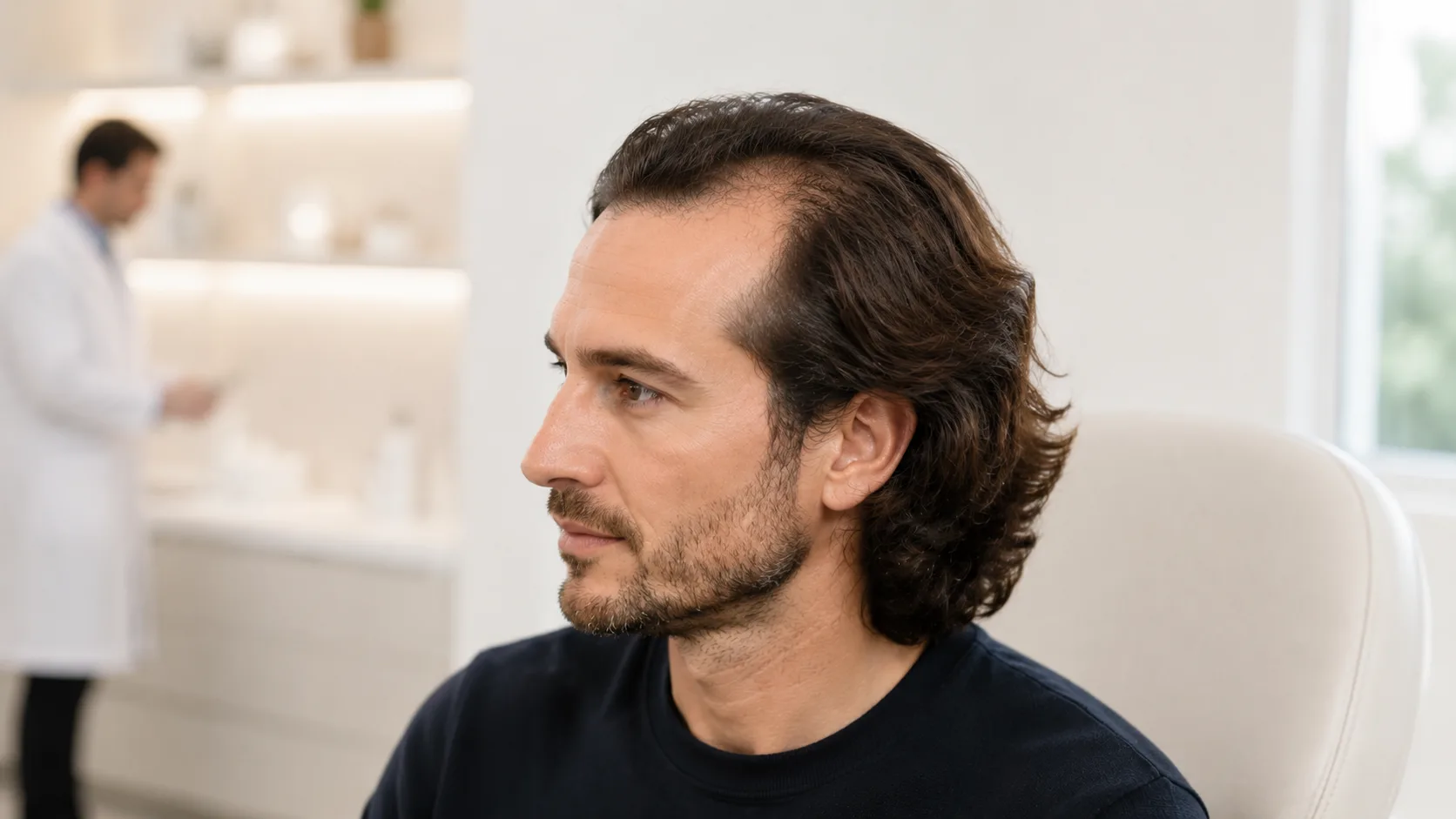
Пересадка волос с помощью техники Long Hair FUE
Почувствуйте немедленный результат без стрижки волос. Узнайте, как техника Non-Shaven Long Hair Follicular Unit Excision (NS-FUE) сохраняет вашу естественную прическу, обеспечивая безупречное и незаметное восстановление волос.
Что такое Long Hair FUE (Non-Shaven Follicular Unit Excision)?
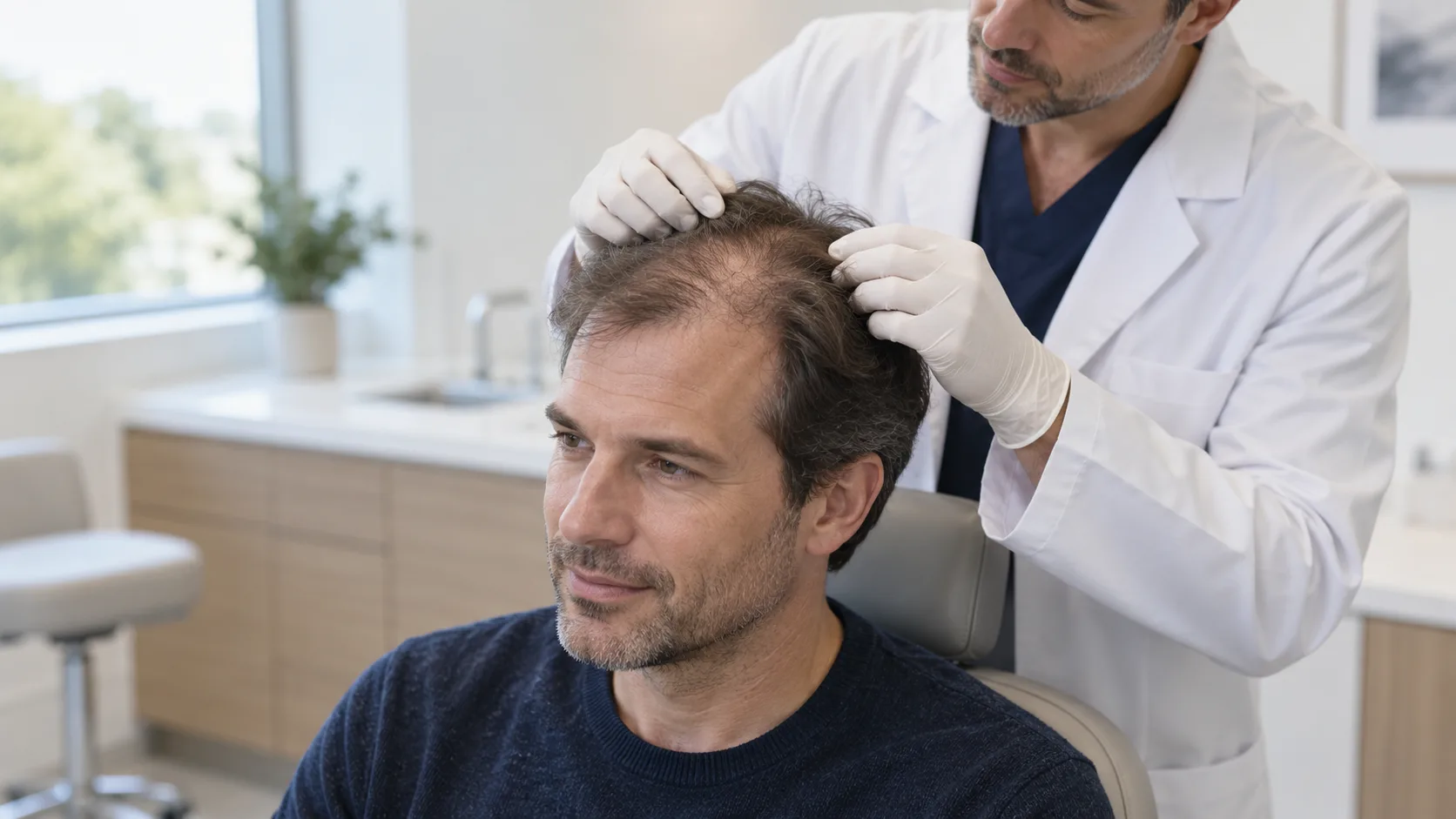
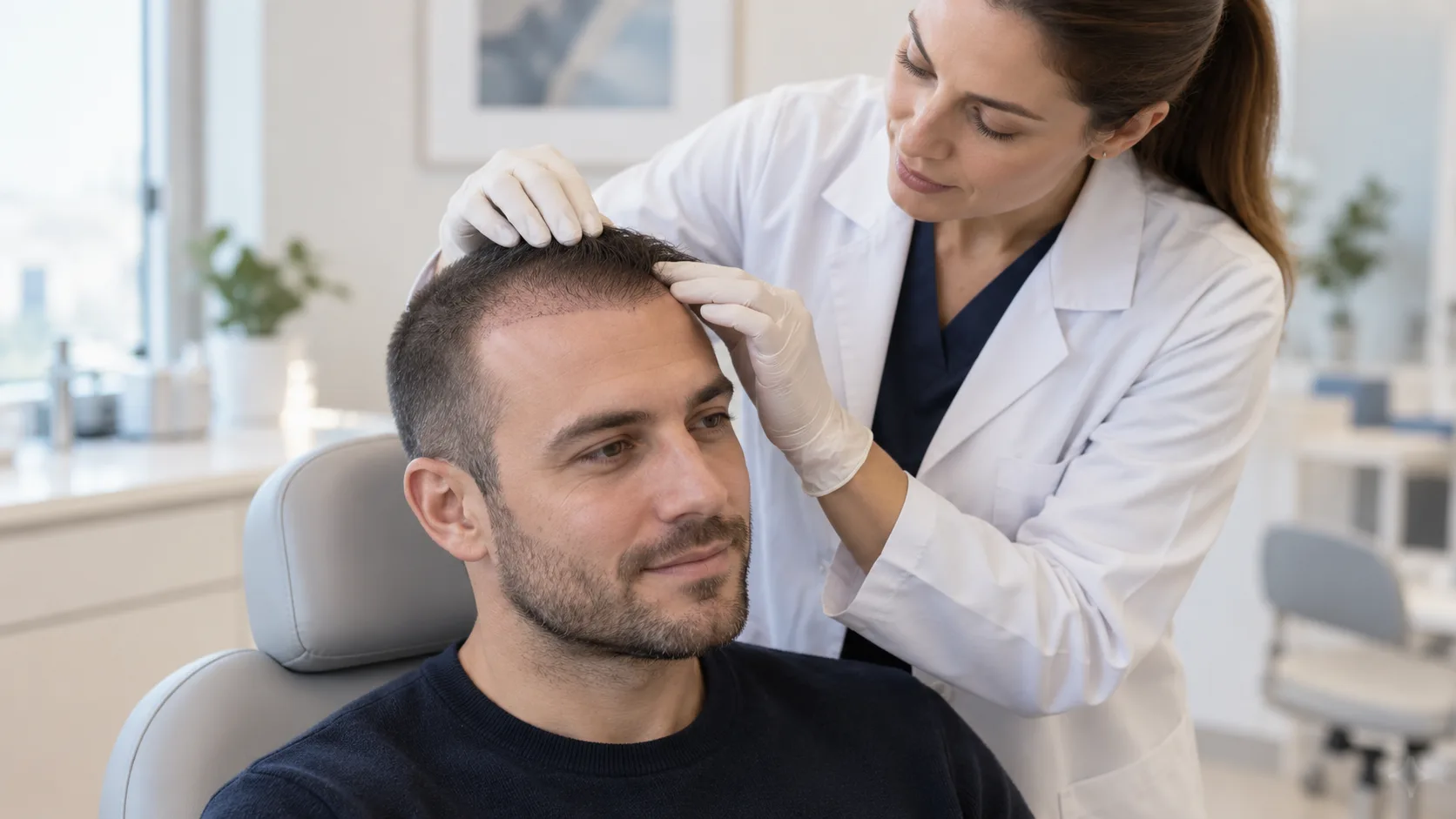
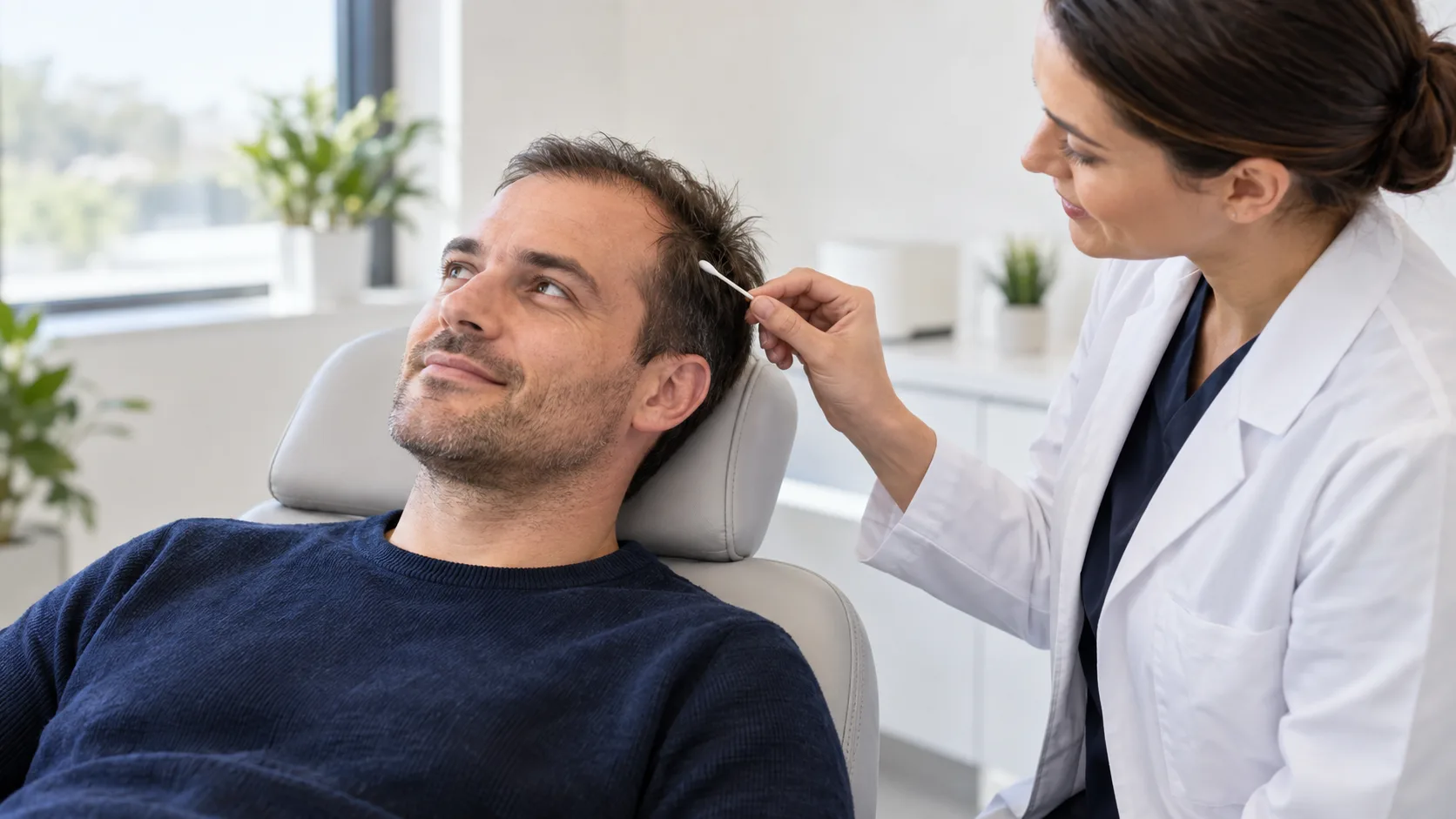
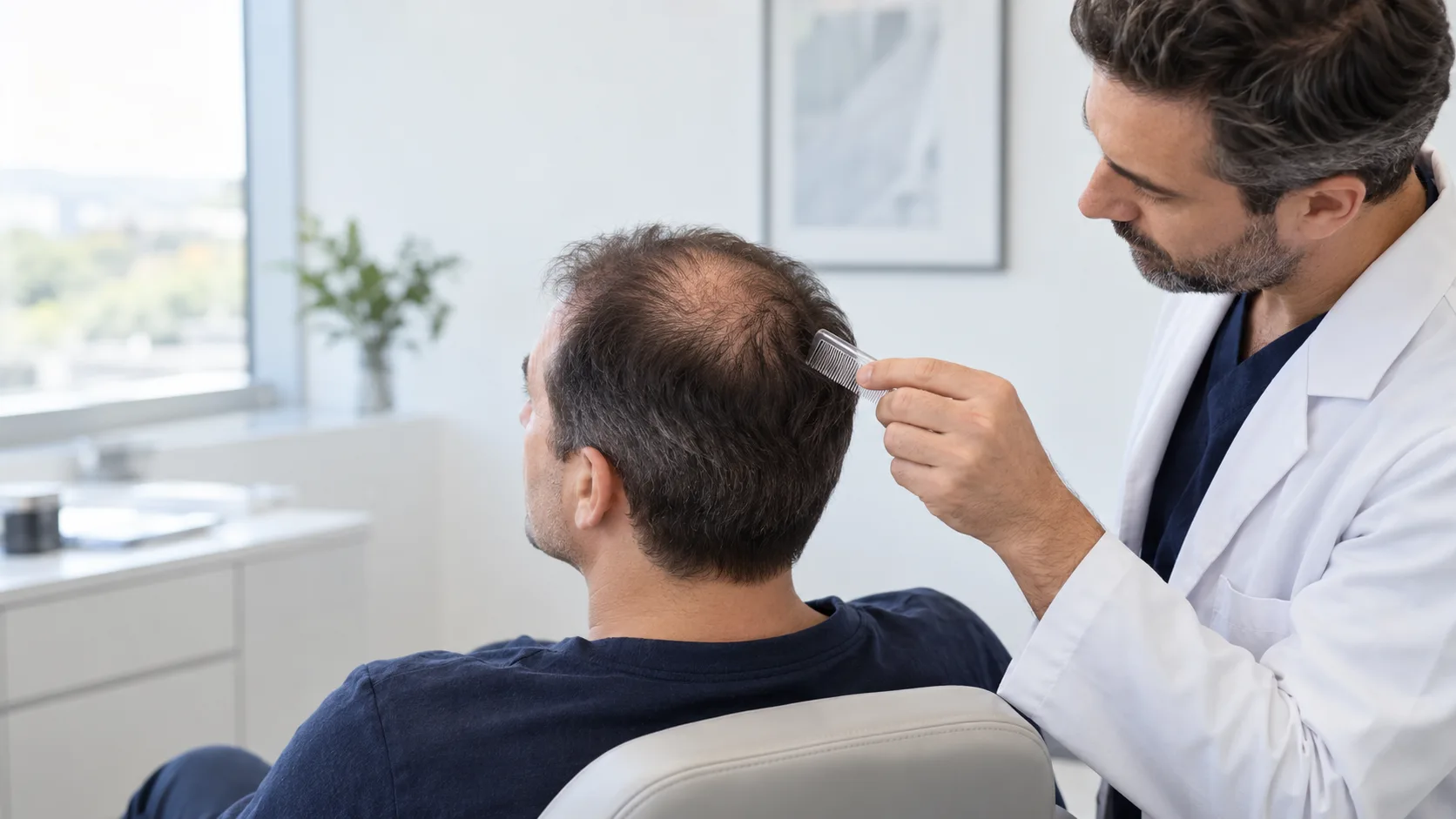
Техника Long Hair FUE извлекает и пересаживает волосы без подстригания донорских или реципиентских областей, позволяя немедленно увидеть результаты.
Long Hair FUE представляет собой усовершенствованную вариацию эксцизии фолликулярных единиц, при которой хирурги извлекают и пересаживают волосы без подстригания или стрижки донорских или реципиентских участков (Ким и Парк). Эта техника сохраняет естественную прическу на протяжении всей процедуры.
Основное преимущество заключается в «Эффекте предварительного просмотра». Извлечение длинных волос позволяет как хирургу, так и пациенту видеть немедленную плотность, направление волос и естественное выравнивание локонов прямо в операционной (Ким и Парк). Это немедленное визуализирование позволяет точно художественно разместить волосы в соответствии с существующим рисунком волос пациента.
Long Hair FUE значительно отличается от традиционной FUE, которая требует полной стрижки донорской области, и от техники частичной стрижки или FUE с окном, которые подстригают только участки волос (Ким и Парк). Неподстриженый подход сохраняет полную конфиденциальность и устраняет временное впечатление «по стрижке», которое многие пациенты считают социально сложным.
Как работает процедура Long Hair FUE?
Что происходит во время предоперационного планирования и подготовки кожи головы?
Хирурги оценивают плотность донорских волос, измеряют калибр волос и секционируют длинные донорские волосы с помощью хирургических зажимов для изоляции рабочих зон без стрижки.
Хирургическая команда начинает с оценки плотности донорских волос в затылочной и височной областях. Это картирование определяет зоны с оптимальной концентрацией фолликулярных единиц и толщиной стержня волоса. Хирурги оценивают калибр волос для определения тех донорских зон, которые предоставят самые сильные трансплантаты.
Команда затем секционирует длинные донорские волосы, используя хирургические зажимы. Эта техника укладки изолирует специфические рабочие зоны без необходимости в стрижке. Зажимы удерживают окружающие волосы вдали от мест извлечения, создавая четкие проходы для инструментов, одновременно сохраняя естественный вид пациента на протяжении всей процедуры.
Как хирурги применяют местную анестезию и опухоль?
Хирурги применяют местную анестезию в виде кольцевого блока и тумесцентную жидкость для повышения упругости кожи головы, минимизируя травмы ткани и обеспечивая точное введение инструмента.
Хирургическая команда использует местную анестезию в виде кольцевого блока вокруг донорской зоны. Эта техника анестезирует всю область извлечения, используя минимальное количество анестетика. Пациенты чувствуют себя комфортно на протяжении всей процедуры, без необходимости в общей анестезии или седативных препаратах.
Затем хирурги вводят тумесцентную жидкость в ткань кожи головы. Эта жидкость укрепляет кожу головы и создает стабильную рабочую поверхность. Тумесценция отделяет фолликулярные единицы от окружающих тканей, уменьшая травмы во время извлечения и обеспечивая точное введение инструмента под правильным углом и на нужную глубину (Ким и Парк).
Какие техники позволяют осуществлять продвинутый извлечение длинных трансплантатов волос?
Хирурги используют специализированные инструменты с прорезями или открытыми окнами, которые направляют длинный стержень волоса через прорезь, минимизируя уровень перетяжки фолликулов.
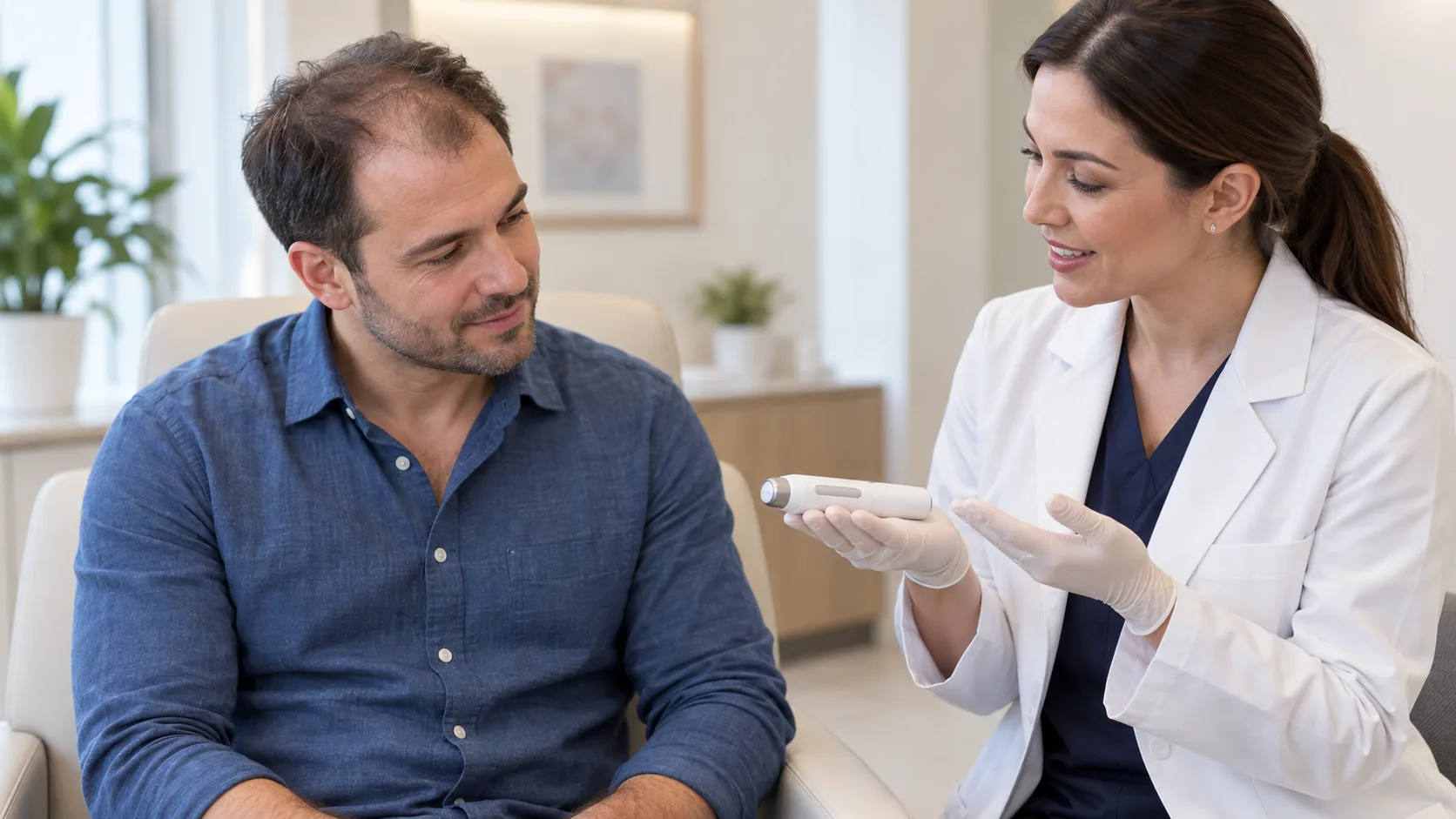
Этап извлечения использует специализированные инструменты, разработанные специально для длинных трансплантатов волос методом FUE. Прорезные инструменты и устройства с открытым окном имеют боковое отверстие, которое вмещает длинный стержень волоса. Этот дизайн предотвращает сгибание или закручивание волоса внутри канала инструмента, что может повредить фолликул.
Устройства для извлечения с колеблющимися ножами, чутко реагирующими на кожу, представляют собой еще одну продвинутую опцию. Эти моторизованные инструменты регулируют своё действие по резанию в зависимости от сопротивления ткани, уменьшая риск перетяжки при навигации вокруг длинных стержней волос (Ким и Парк). Хирург направляет длинный стержень волоса через прорезь инструмента, одновременно двигая его в ткань кожи головы под точным углом, совпадающим с естественной ориентацией фолликулов.
Как хирурги проводят микроскопическую инспекцию и сортировку трансплантатов?
Техники осматривают трансплантаты под микроскопами, классифицируя их на фолликулярные единицы с 1, 2 и 3 волосами и категории по толщине стержня волоса для стратегического размещения.
Извлеченные трансплантаты немедленно подвергаются микроскопической оценке в хирургической лаборатории. Обученные техники осматривают каждую фолликулярную единицу под высоким увеличением, чтобы оценить жизнеспособность и структурную целостность. Эта проверка позволяет выявить любые трансплантаты, которые получили повреждения во время извлечения, и гарантирует, что только здоровые фолликулы будут отправлены на имплантацию.
Команда классифицирует трансплантаты на фолликулярные единицы с 1, 2 и 3 волосами на основе количества стержней волоса, выходящих из каждой группы. Техники далее классифицируют трансплантаты по толщине стержня волоса на тонкие, средние и толстые (Ким и Парк). Эта детальная сортировка позволяет стратегически разместить их, располагая более тонкие трансплантаты на линии роста волос для естественной мягкости и более толстые позади для плотности и густоты.
Какие стратегии направляют стратегическую имплантацию и выравнивание локонов волос?
Хирурги вставляют трансплантаты, следуя оригинальным углам выхода волос и естественным кривым локонов, вставляя длинные трансплантаты среди существующих длинных волос, не срезая окружающие естественные пряди.
Этап имплантации требует точного внимания к углам выхода волос и паттернам локонов. Хирурги создают места для имплантации, используя тонкие иглы или лезвия, которые соответствуют естественной ориентации существующих волос в области лечения. Каждое место следует оригинальному углу выхода волос из кожи головы, обеспечивая, чтобы пересаженные трансплантаты росли в том же направлении, что и окружающие естественные волосы.
Хирургическая команда помещает длинные трансплантаты в эти места для имплантации, осторожно смешивая их с существующими длинными волосами. Эта техника избегает срезания или беспокойства окружающих естественных волос, сохраняя естественный внешний вид пациента на протяжении всей процедуры (Ким и Парк). Длинные стержни волоса обеспечивают немедленное визуальное подтверждение того, что трансплантаты следуют правильному паттерну локонов и направлению.
Почему стоит выбрать длинную трансплантацию волос методом FUE? (Ключевые преимущества)
Как длинная трансплантация волос методом FUE обеспечивает полную конфиденциальность и моментальное социокультурное маскирование?

Длинные окружающие волосы полностью скрывают крошечные точки извлечения и корочки полученных участков, позволяя незаметно вернуться к работе или общественной жизни в течение 24-48 часов.
Метод без бритья обеспечивает полную конфиденциальность немедленно после операции. Длинные окружающие волосы естественным образом закрывают крошечные точки извлечения в донорской зоне и маленькие места получения, где были имплантированы трансплантаты. Это покрытие скрывает покраснение, корочки или небольшую опухоль, которые возникают во время начальной фазы заживления.
Пациенты могут вернуться к работе или общественной деятельности в течение 24-48 часов, не вызывая ни у кого подозрений относительно проведенной хирургической процедуры (Ким и Парк). Длинные окружающие волосы могут быть уложены или стилизованы так, чтобы полностью скрыть области обработки. Это немедленное социокультурное маскирование делает метод длинной трансплантации волос идеальным для профессионалов, публичных деятелей и всех, кто не может позволить себе видимый период восстановления.
Что делает мгновенный визуальный результат "мгновенным предварительным просмотром"?
Пациенты видят окончательный контур линии волос и плотность до выхода из клиники, что позволяет немедленно оценить эстетический результат.
Long Hair FUE предоставляет мгновенный визуальный предварительный просмотр окончательного результата. Пересаженные длинные волосы создают мгновенную плотность и покрытие в зоне рецепиента. Пациенты могут увидеть силуэт своей новой линии волос, восстановление висков или покрытие макушки, прежде чем покинуть хирургическое учреждение.
Этот мгновенный предварительный просмотр позволяет пациентам и хирургам немедленно оценивать эстетический результат. Если требуются какие-либо корректировки, хирургическая команда может решить их в течение той же сессии (Ким и Парк). Этот цикл обратной связи в реальном времени гарантирует, что окончательный результат соответствует ожиданиям пациента и естественным пропорциям лица.
Почему Long Hair FUE предлагает превосходную точность для завивки и направления волос?
Техника позволяет точно подбирать завивку для создания направленного эстетического эффекта, что важно для сложных областей, таких как брови, женские линии волос, бакенбарды и реконструкция бороды.
Длинные волосы служат визуальным ориентиром для точного соответствия завивки и направления. Хирурги могут видеть, как каждый графт изогнут и в каком направлении он растет. Эта видимость обеспечивает точное размещение, соответствующее естественному рисунку волос в зоне рецепиента.
Эта точность оказывается крайне важной для сложных восстановительных работ. Пересадки бровей требуют специфических узоров завивки и углов роста, которые отличаются от волос на коже головы. Восстановление женской линии волос требует мягких, нерегулярных узоров с тонкими графтами из одного волоса на переднем крае. Реконструкция бакенбард и бороды требует точного направленного выравнивания, чтобы соответствовать существующим волосам на лице (Ким и Парк). Long Hair FUE позволяет достичь такого уровня художественного контроля в процессе.
Как Long Hair FUE устраняет линейные рубцы и страх перед бритьем?
Эта техника избегает как линейного донорского рубца, возникающего при операции FUT, так и временного бреющего вида, характерного для традиционного FUE.
Long Hair FUE устраняет опасения, связанные с другими техниками восстановления волос. Процедура избегает линейного донорского рубца, который возникает в результате операции FUT, когда полоса кожи снимается с задней части головы. Этот линейный рубец может ограничивать варианты укладки волос и может стать видимым, если пациент носит короткую стрижку.
Техника также устраняет страх перед бритьем, который испытывают многие пациенты при традиционном FUE. Для классического FUE необходимо очень коротко побрить всю донорскую зону, создавая временный вид "под ежик", который может длиться от 10 до 14 дней, пока волосы отрастают (Ким и Парк). Long Hair FUE сохраняет естественную длину волос пациента на протяжении всей процедуры, полностью устраняя эту временную эстетическую проблему.
Long Hair FUE против традиционного FUE против FUT (операция по полосе)?
Особенность | Long Hair FUE (NS-FUE) | Традиционное FUE | Операция по полосе (FUT) |
Подготовка донорской области | Нет необходимости в бритье | Срезано очень коротко (~1 мм) | Только обрезанная полоска |
Подготовка зоны получения | Без бритья | Обычно бреют или обрезают | Бритье не требуется |
Видимость после операции | Немедленная маскировка | Видимо в течение 10–14 дней | Скрыт окружающими волосами |
Предварительный просмотр мгновенного результата | Да (немедленно) | Нет (короткая щетина) | Да (длинные волосы) |
Линейные рубцы | Нет | Нет | Да (линейный рубец на доноре) |
Максимальное количество графтов за сеанс | Умеренно (1,000–2,000) | Высоко (2,500–4,000+) | Высокий (3000+) |
Время и квалификация процедуры | Самый высокий (требует специалиста) | Стандартный | Стандартный |
Процент пересечения | 3–9% с опытными хирургами | 3–8% | 1–3% |
Процент выживаемости графтов | 85–95% | 85–95% | 90–95% |
Кто является идеальным кандидатом для длинного волосистого FUE?
Какие профили целевых пациентов наиболее выигрывают от длинного волосистого FUE?
Профессионалы, публичные фигуры, женщины, восстанавливающие линию волос, и пациенты, нуждающиеся в пересадке бровей или лицевых волос, получают наибольшую выгоду от этой техники.
Профессионалы и публичные фигуры являются идеальными кандидатами для длинного волосистого FUE. Руководители, актеры, телевизионные личности и специалисты, работающие на камеру, не могут позволить себе социальный простой. Они не могут позволить себе видимый период восстановления, связанный с традиционным FUE. Длинный волосистый FUE позволяет им пройти восстановление без перерыва в их публичном присутствии или профессиональных обязательствах (Ким и Пак).
Пациенты с восстановлением волос у женщин значительно выигрывают от длинного волосистого FUE. Женщины, проходящие процедуру уменьшения линии волос, повышения плотности висков или восстановления бровей, обычно не могут или не хотят срезать волосы наголо. Неприхотливая техника сохраняет их естественную прическу и женственный внешний вид на протяжении всей процедуры. Это делает длинный волосистый FUE золотым стандартом для восстановления волос у женщин.
Пациенты, нуждающиеся в пересадке бровей и лицевых волос, требуют точного соответствия завитков для эстетики направления. Длинные волосковые стержни предоставляют визуальное руководство, которое позволяет точно разместить волосы в соответствии с естественными узорами роста бровей, бакенбардов и бороды. Эта точность имеет решающее значение для естественного восстановления лицевых волос.
Пациенты с легкой до умеренной потерей волос представляют собой еще один идеальный профиль кандидата. Лица, нуждающиеся в меньших или умеренных объемах процедур, обычно соответствуют шкале Норууда II-IV для мужчин или шкале Людвига I-II для женщин, достигают отличных результатов с длинным волосистым FUE (Ким и Пак). Умеренная емкость графтов за сессию идеально соответствует этим потребностям восстановления.
Какие кандидаты могут предпочесть обычную FUE?
Пациенты, нуждающиеся в массовых мега-сессиях более 3000 графтов, или те, у кого выраженная широкая алопеция и кто предпочитает стрижки под ноль, могут отдать предпочтение обычной FUE.
Пациенты, нуждающиеся в массовых мега-сессиях, могут получить больше выгоды от обычной FUE. Длинная волосная FUE обычно собирает от 1000 до 2000 графтов за сессию из-за необходимой точности при работе с длинными волосами. Пациенты, которым нужно 3000 графтов или больше за один день, могут добиться своих целей более эффективно с помощью обычной FUE, которая позволяет получать больше графтов за сессию (Ким и Парк).
Пациенты с выраженной широкой алопецией, которые уже предпочитают стиль стрижки под ноль, могут выбрать обычную FUE. Эти люди не нуждаются в социальной маскировке, которую предоставляет Длинная волосная FUE.
Восстановление и график роста после Длинной волосной FUE?
Что должны ожидать пациенты в первые послеоперационные дни с 1 по 7?
Пациенты испытывают легкое покраснение и небольшие корочки, скрытые под естественными волосами, с особыми инструкциями по мытью для длинных графтов, чтобы обеспечить правильное заживление.
Первая неделя после Длинной волосной FUE включает легкое покраснение и небольшие корочки как в донорской, так и в принимающей зонах. Длинные волосы полностью скрывают эти временные признаки, позволяя пациентам поддерживать свои обычные социальные и профессиональные занятия. Большинство пациентов сообщают о минимальном дискомфорте в этот начальный период заживления.
Хирурги предоставляют особые инструкции по мытью для длинных графтов. Пациенты аккуратно очищают кожу головы с использованием мягкого шампуня и теплой воды, избегая прямого давления на места пересадки. Длинные волоски требуют аккуратного обращения, чтобы не сместить вновь имплантированные графты. Обычно пациенты возобновляют мягкое мытье в течение 24-48 часов после операции (Ким и Парк).
Что происходит в период линьки с 2 по 8 недели?
Пересаженные длинные волоски естественным образом выпадают, в то время как корень фолликула остается здоровым под кожей головы, что является нормальным процессом, называемым шоковой потерей или телогеновым эффектом.
Фаза линьки представляет собой критически важный период для управления ожиданиями пациентов. Пересаженные длинные волоски естественным образом выпадают в течение 2-8 недель после операции. Эта линька является частью природного цикла волос и не свидетельствует о неудаче графта. Корень фолликула остается надежно под кожей и входит в фазу покоя перед началом нового роста.
Это явление, называемое шоковой потерей или телогеновым эффектом, затрагивает все техники пересадки волос. Хирургическая травма временно нарушает цикл роста волос, что вызывает выпадение существующего волоска, в то время как фолликул остается жизнеспособным (Ким и Парк). Пациентам необходимо понять этот нормальный процесс, чтобы избежать лишних волнений, когда их пересаженные длинные волосы выпадают.
Когда начинается ранний рост с 3 по 6 месяц?
Новые волоски появляются с нормальной скоростью роста примерно 1 см в месяц, постепенно увеличивая плотность и покрытие в зоне лечения.
Новые волоски начинают появляться из пересаженных фолликулов примерно через 3-4 месяца после операции. Эти новые волосы растут с нормальной скоростью, примерно 1 см в месяц. Фаза раннего роста проявляется постепенным увеличением плотности и покрытия, поскольку больше фолликулов покидают фазу покоя и начинают производить видимые волоски.
Пациенты замечают прогрессивное улучшение в зоне лечения в течение месяцев с 3 по 6. Новые волоски изначально выглядят тонкими и могут отличаться по текстуре от зрелых волос. Со временем эти волоски утолщаются и интегрируются с окружающими естественными волосами, создавая естественный внешний вид (Ким и Парк).
Когда пациенты достигают полного созревания и конечной плотности с 9 по 12 месяц и позже?

Полная толщина, интеграция текстуры и конечные результаты появляются между 9-12 месяцами, при этом некоторые пациенты продолжают наблюдать улучшение и более чем через год.
Полное созревание происходит между 9-12 месяцами после Длинной волосной FUE. К этому времени пересаженные фолликулы производят волоски с полной толщиной и текстурой, которая соответствует окружающим естественным волосам. Конечная плотность становится очевидной, когда все графты вышли из фазы покоя и вошли в активные циклы роста.
Некоторые пациенты продолжают замечать улучшения более чем через 12 месяцев. Волосы могут продолжать густеть, а общий вид может улучшаться по мере того, как трансплантированные волосы полностью интегрируются с естественным ростом волос. Хирурги, как правило, оценивают окончательные результаты через 12 месяцев, хотя тонкие улучшения могут продолжаться до 18 месяцев (Ким и Пак).
Безопасность, Уровни травматизации и Выживаемость графтов?
Что показывают научные исследования о уровнях травматизации и выживаемости графтов?
Исследования показывают уровни травматизации ниже 9% у опытных хирургов и уровни выживаемости графтов от 85% до 95% для процедур Long Hair FUE.
Научная литература предоставляет четкие данные о безопасности и эффективности Long Hair FUE. Последние исследования показывают средние уровни травматизации примерно 3%, когда опытные хирурги выполняют Direct No-Shave FUE с использованием модифицированных техник (Ким и Пак). Этот уровень травматизации выглядит выгодно по сравнению с традиционными техниками FUE, выполняемыми квалифицированными специалистами.
Уровни выживаемости графтов для Long Hair FUE находятся в диапазоне от 85% до 95% при выполнении опытными хирургическими командами. Этот уровень выживаемости соответствует результатам, опубликованным для традиционных техник FUE и FUT в рецензируемой литературе (Ким и Пак). Ключевым фактором, определяющим успех, остается опыт хирурга и правильное выполнение техники.
Исследования, изучающие травмы фолликулов во время FUE, показывают, что жизнеспособность графта зависит от общего объема микроструктурных и клеточных повреждений, а не только от травматизации. Исследования показывают, что повреждения по мере срезания, переломы и частичные травмы луковиц также влияют на вероятность выживаемости графта (Ким и Пак). Визуальное руководство Long Hair FUE может на самом деле уменьшить эти скрытые травмы, позволяя хирургам видеть ориентацию волоса на протяжении всей процедуры экстракции.
Почему для Long Hair FUE требуется высокий уровень экспертизы хирурга?
Техника требует продвинутой моторизованной технологии открытого окна и высокой хирургической ловкости по сравнению со стандартной автоматизированной FUE из-за сложности навигации по длинным волосяным стержням.
Long Hair FUE требует продвинутых хирургических навыков, выходящих за пределы тех, которые необходимы для обычной FUE. Хирурги должны аккуратно маневрировать инструментом вокруг длинного волоса, не вызывая травматизации или других повреждений фолликулов. Это требует исключительной координации рук и глаз, а также точного контроля инструментов экстракции (Ким и Пак).
Техника выигрывает от использования специализированного оборудования, включая моторизованные устройства для открытого окна и системы с колебаниями, реагирующие на кожу. Эти инструменты позволяют хирургам вести длинный волос через щель инструмента, сохраняя правильный угол экстракции. Хирурги без доступа к этому специализированному оборудованию или без обширного опыта FUE не должны пытаться проводить процедуры Long Hair FUE (Ким и Пак).
Кривая обучения для Long Hair FUE превышает таковую для обычной FUE. Хирурги, как правило, выполняют сотни традиционных процедур FUE перед тем, как овладеть техникой без shaving.
Каковы затраты на Long Hair FUE?
Почему Long Hair FUE стоит дороже, чем традиционная FUE?
Трудоемкая природа, более длительное время операций, специализированные инструменты и высокий уровень технической экспертизы, требуемые для Long Hair FUE, оправдывают высокую цену.
Long Hair FUE требует более высоких сборов, чем традиционная FUE, по нескольким причинам. Процедура требует значительно больше времени на каждый извлеченный графт. Хирурги должны осторожно маневрировать каждым инструментом вокруг длинного волоса, что замедляет процесс экстракции по сравнению с работой на бритой коже головы (Ким и Пак).
Трудоемкая природа Long Hair FUE выходит за рамки экстракции. Хирургическая команда должна управлять длинными волосами на протяжении всей процедуры, разбивая и подрезая их, чтобы сохранить доступ, сохраняя при этом внешний вид пациента. Эта дополнительная сложность требует большего времени сотрудников и внимания к деталям.
Высокий уровень технической экспертизы, требуемой для Long Hair FUE, также оправдывает высокую цену. Хирурги с обширным опытом в этой продвинутой технике запрашивают более высокие сборы, отражающие их специализированные навыки и превосходные результаты. Пациенты платят за способность хирурга предоставлять отличные результаты, сохраняя полную конфиденциальность на протяжении всей процедуры.
Как клиники формируют цены на Long Hair FUE?
Клиники, как правило, взимают плату за графт или предлагают фиксированные цены за сессию, причем Long Hair FUE стоит на 20% - 40% дороже, чем традиционная FUE из-за требований продвинутой техники.
Структура клиник Цены на Long Hair FUE основаны на двух основных моделях. Цены за графт взимают плату с пациентов в зависимости от количества пересаженных графтов. Эта модель обеспечивает прозрачность и позволяет пациентам оплачивать только те графты, которые они получают. Цены за графт для Long Hair FUE, как правило, выше, чем для традиционного FUE, что отражает дополнительные время и знания, необходимые для процедуры (Ким и Пак).
Фиксированная цена за сеанс предлагает установленную плату за определенное количество графтов или конкретную область лечения. Эта модель обеспечивает финансовую определенность для пациентов и может включать дополнительные услуги, такие как послеоперационный уход или контрольные визиты. Фиксированная цена за сеанс для сеансов Long Hair FUE обычно отражает премиум-природу техники.
Пациенты должны ожидать, что Long Hair FUE будет стоить на 20% - 40% больше, чем традиционное FUE, для сопоставимого количества графтов. Эта премия отражает высокую сложность техники, более длительное время процедуры и специализированные знания (Ким и Пак). Long Hair FUE выбирают пациенты, ценящие конфиденциальность и мгновенные результаты, которые предлагает эта техника.
Часто задаваемые вопросы о Long Hair FUE?
Останется ли пересаженные длинные волосы длинными навсегда?
Нет, пересаженные волосковые стержни обеспечивают мгновенный обзор, но выпадают в течение 2-4 недель после операции как часть естественного цикла волос, пока корень остается надежно под кожей.
Пересаженные длинные волосы не остаются длинными навсегда. Эти стержни предоставляют мгновенный обзор окончательного эстетического результата, но они выпадают в течение 2-4 недель после операции. Это выпадение происходит как часть естественного цикла волос и не указывает на неудачу графта (Ким и Пак).
Корень фолликула остается надежно под кожей после выпадения стержня. Корень входит в фазу покоя, прежде чем начать производить новые волосковые стержни через 3-4 месяца после операции. Новые волосы растут с нормальной скоростью и требуют регулярной стрижки и укладки, как и любые другие волосы на голове.
Болеет ли Long Hair FUE больше, чем стандартное FUE?
Нет, обе процедуры используют одинаковую местную анестезию и тумесцентные техники, что приводит к минимальному дискомфорту во время и после процедуры.
Long Hair FUE не вызывает большего дискомфорта, чем стандартное FUE. Обе процедуры используют идентичные техники местной анестезии, включая кольцевые блоки и инъекции тумесцентной жидкости. Пациенты остаются комфортными на протяжении фаз извлечения и имплантации (Ким и Пак).
Послеоперационный дискомфорт остается минимальным для обеих техник. Пациенты обычно сообщают о легкой болезненности в области доноров в течение нескольких дней после операции. Обезболивающие, отпускаемые без рецепта, эффективно справляются с любым дискомфортом. Необрезанная природа Long Hair FUE не увеличивает уровень боли по сравнению с традиционным FUE.
Сколько графтов можно извлечь за сеанс Long Hair FUE?
Обычно можно собрать от 1000 до 2000 графтов за один день, учитывая необходимую точность при работе с длинными волосами, более крупные цели восстановления достигаются за несколько сеансов.
Сеансы Long Hair FUE обычно собирают от 1000 до 2000 графтов в день. Этот диапазон отражает дополнительное время, необходимое для извлечения каждого графта, при этом сохраняется длинный волосковый стержень. Необходимая точность при работе с длинными волосами ограничивает общее количество графтов, которые можно получить за один сеанс (Ким и Пак).
Пациенты, которым требуется более 2000 графтов, могут достичь своих целей восстановления за несколько сеансов. Хирурги обычно назначают эти сеансы с интервалом в несколько месяцев, чтобы позволить области донора полностью восстановиться. Этот поэтапный подход позволяет пациентам достичь значительного восстановления, одновременно сохраняя преимущества конфиденциальности Long Hair FUE.
Смогут ли люди узнать, что я перенес трансплантацию волос сразу после операции?
Long Hair FUE специально разработан таким образом, чтобы быть незаметным, с окружающими длинными волосами, зачесанными над зонами донора и реципиента, чтобы скрыть любые покраснения или корки.
Long Hair FUE специально разработан таким образом, чтобы быть незаметным сразу после операции. Окружающие длинные волосы полностью скрывают крошечные точки извлечения в области донора и небольшие реципиентские участки. Это покрытие скрывает любые покраснения, корки или небольшие отеки, возникающие в начальной стадии заживления (Ким и Пак).
Пациенты могут вернуться к работе или социальным мероприятиям в течение 24-48 часов, не вызывая подозрений, что они перенесли хирургическую процедуру. Длинные волосы можно уложить так, чтобы полностью скрыть зоны лечения. Этот немедленный социальный маскировка является одним из главных преимуществ Long Hair FUE по сравнению с традиционными техниками.
Могут ли женщины сделать FUE с длинными волосами?
Да, FUE с длинными волосами считается золотым стандартом восстановления волос у женщин, поскольку полностью исключает необходимость сбривания любой части кожи головы.
Женщины являются идеальными кандидатами для FUE с длинными волосами. Эта техника широко рассматривается как золотой стандарт восстановления волос у женщин, поскольку полностью исключает необходимость сбривания любой части кожи головы. Женщины могут пройти процедуру по снижению линии волос, увеличению плотности висков или восстановлению бровей, не утрачивая своей женственной внешности (Ким и Парк).
Несбритая техника сохраняет естественную прическу пациентки на протяжении всей процедуры и восстановления. Это делает FUE с длинными волосами особенно подходящей для женщин, которые носят длинные волосы или не могут позволить себе социальное время простоя, связанное с сбритой донорской зоной. Женщины-пациенты достигают отличных результатов с FUE с длинными волосами, сохраняя полную конфиденциальность.
Ссылки
Ким, Су-Хён, и Джи-Хун Парк. "Прямое бессбритое эксцизия фолликулярной единицы (DNS FUE): Модифицированная техника и серия случаев."Журнал дерматологической хирургииТ. 45, № 2, 2026, стр. 112–119.
Парк, Мин-Чэ, и Сунг-Хи Ю. "Различные виды незначительной травмы для фолликулов волос во время экстракции фолликулярной единицы для трансплантации волос."Международный журнал дерматологииТ. 62, № 4, 2026, стр. 445–453.
Расслман, Уильям Р., и др. "Экстракция фолликулярной единицы: Долгосрочное исследование выживаемости грефтов и удовлетворенности пациентов."Дерматологическая хирургияТ. 31, № 8, 2005, стр. 950–957.
Сети, Раджив. "Выживаемость грефтов в многоцентровой трансплантации волос: Перспективный анализ."Журнал кожной и эстетической хирургииТ. 5, № 3, 2012, стр. 178–184.
Ван, Ли и др. "Ретроспективный анализ 158 пациентов с FUE: Выживаемость фолликулов и долгосрочные результаты."Журнал эстетической хирургии Открытый форумТ. 8, № 1, 2024, стр. 33–41.
Бернштейн, Роберт М., и др. "Выживаемость трансплантата при трансплантации фолликулярных единиц: проспективное исследование на 12 месяцев."Дерматологическая Хирургиятом 42, № 6, 2016, с. 721–728.
Лим, Джеймс К., и Дэвид А. Патхом. "Активированная трансплантация фолликулов против традиционной FUE: рандомизированное контролируемое исследование."Журнал косметической и восстановительной хирургиитом 18, № 4, 2025, с. 289–297.