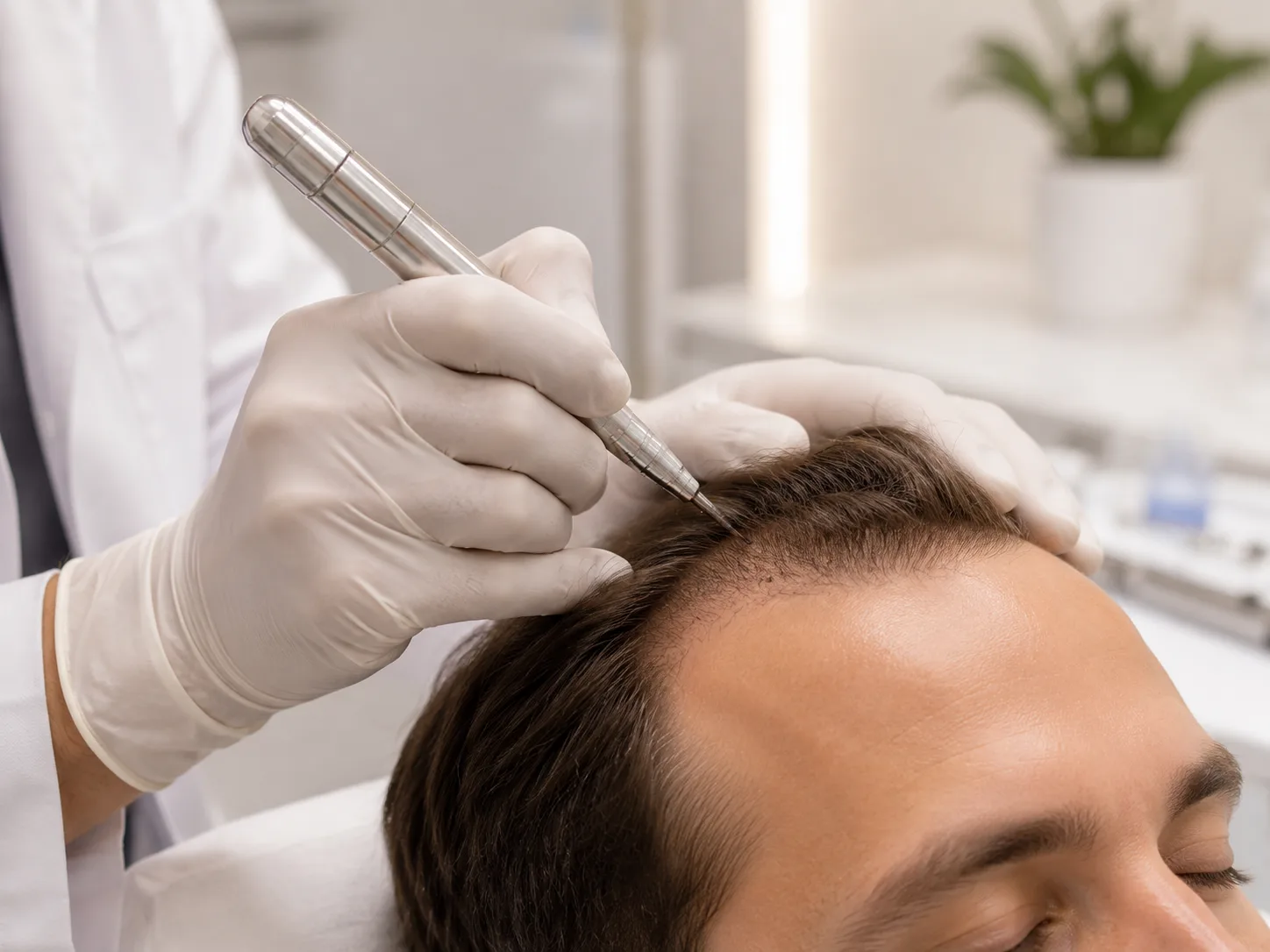
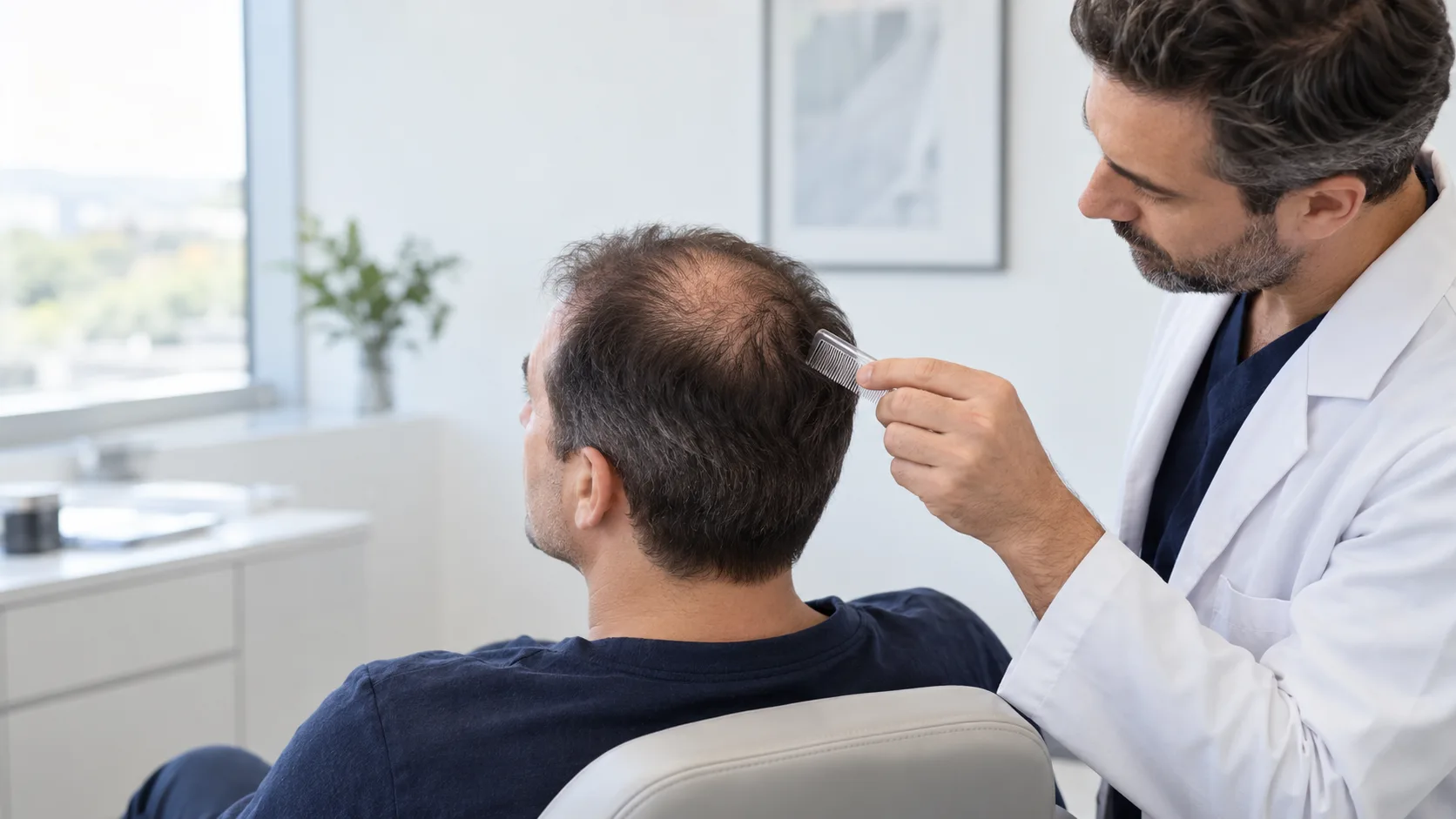
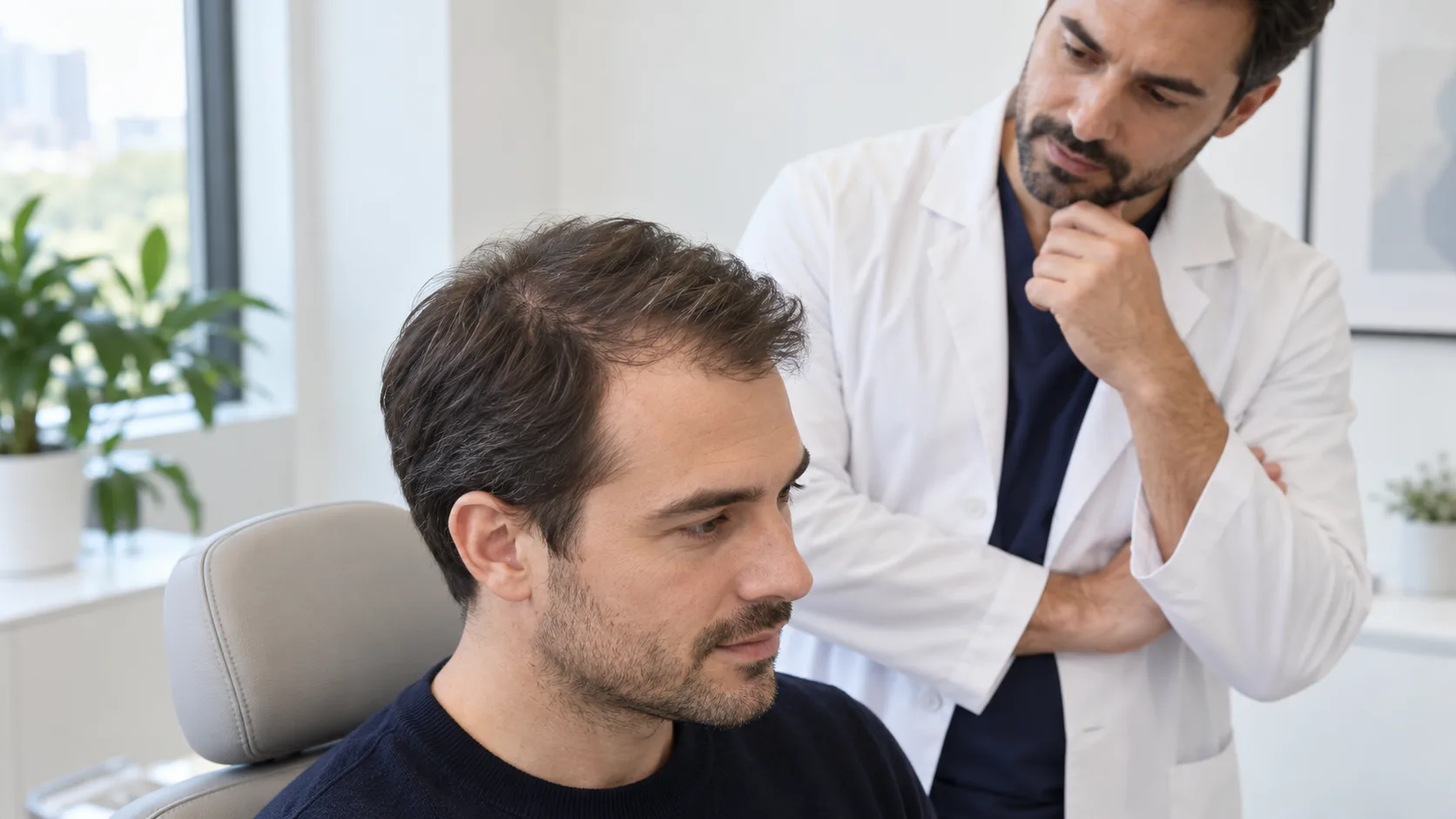
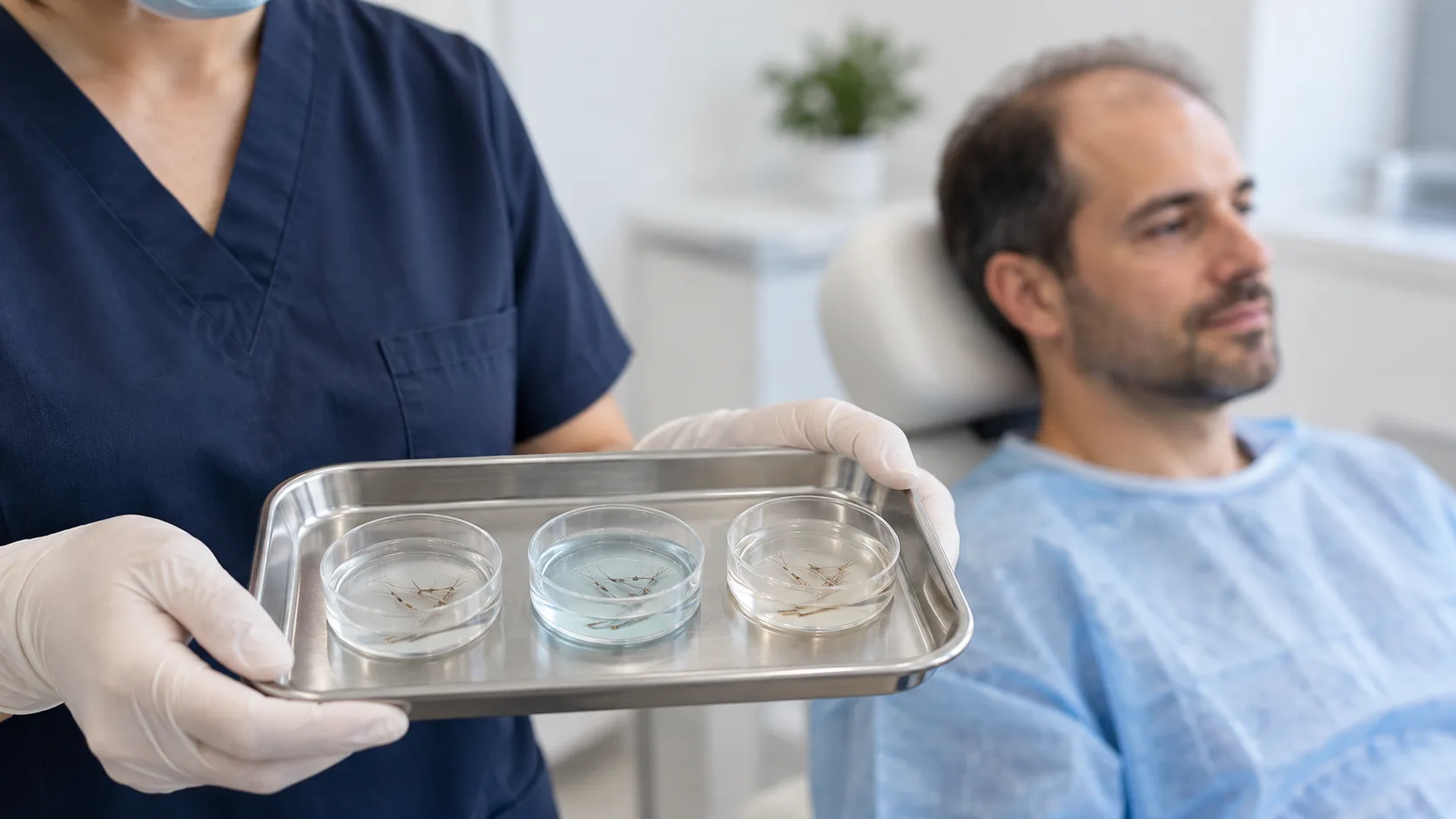
Перья имплантатора Чои — это специализированный хирургический инструмент, который непосредственно внедряет волосковые трансплантаты в кожу головы во время прямой имплантации волос.DHI). Это сочетает в себе создание каналов и размещение грефтов в одном этапе. Пенка улучшает точность, но навыки хирурга определяют окончательный результат.
Ручка Choi Implanter является одним из самых обсуждаемых инструментов в современной хирургии восстановления волос. Пациенты часто путают это устройство с полноценной техникой пересадки волос. На самом деле, ручка Choi служит инструментом для имплантации. Хирурги используют её во время прямой имплантации волос (DHI) для размещения собранных фолликулярных единиц в местах получения. Ручка создает небольшой разрез и одновременно имплантирует графт. Эта двойная функция снижает манипуляции с графтами и улучшает точность размещения. Однако данное устройство не заменяет хирургическую экспертность. Хирург планирует линию волос, выбирает графты, контролирует углы и управляет глубиной. Ручка только помогает в этих действиях. Чтобы понять ручку Choi, необходимо отделить инструмент от техники. DHI описывает метод имплантации. Ручка Choi позволяет осуществить этот метод. Эта статья объясняет устройство, его историю, его части, его преимущества, его ограничения и его реальную роль в пересадке волос. Мы основываем данное обсуждение на рецензируемых исследованиях и клинических наблюдениях.
Что такое ручка Choi Implanter?
Ручка-имплантатор Choi — это полая игла с механизмом поршня. Хирурги загружают отдельные волосяные графты в иглу. Ручка затем создает место для имплантации и устанавливает графт в одном движении. Это устройство поддерживает прямую имплантацию волос (DHI).
Как медицинское сообщество определяет ручку Choi?
Медицинское сообщество определяет имплантационную ручку Чои как устройство для фолликулярной имплантации. Оно оснащено полой иглой, прикрепленной к поршню. Диаметр иглы составляет от 0,6 мм до 1,0 мм. Хирурги загружают единичную фолликулярную единицу в полый наконечник. Ручка прокалывает кожу головы. Затем поршень вталкивает грефт в ткань. Это действие создает канал для приема и одновременно помещает грефт. Устройство устраняет необходимость в заранее сделанных пропилах. Оно также снижает количество раз, когда грефт передается из рук в руки. Это определение имеет значение, потому что многие пациенты ищут "пересадку волос с помощью ручки Чои", как будто сама ручка выполняет операцию. Ручка не извлекает грефты. Она не формирует линию роста волос. Она имплантирует грефты. Каждый ключевой вывод принимает хирург.
Какова история detrás de ручки Choi?
В начале 1990-х годов исследователи Национального университета Кёнпук в Южной Корее разработали первую имплантационную ручку. Изначальный дизайн был направлен на улучшение выживаемости трансплантатов во время пересадки. Ранние версии использовали ручные плунжеры и фиксированные размеры игл. Со временем производители усовершенствовали устройство. Они добавили эргономичные ручки. Они создали несколько диаметров игл. Они улучшили управление плунжером. Устройство распространилось из Южной Кореи в клиники по всему миру. Сегодня хирурги используют различные бренды имплантационных ручек. Ручка Чои остается самым узнаваемым названием. Тем не менее концепция эволюционировала. Современные ручки предлагают лучшую точность и больше вариантов размеров. История показывает, что устройство улучшалось на протяжении десятилетий благодаря хирургической обратной связи. Оно не появилось как готовый продукт. Оно развивалось через клиническое использование и доработку.
Каковы части пера имплантатора Choi?
Ручка Чои состоит из четырех основных частей: полой иглы, механизма поршня, эргономичной ручки и сменных размеров игл. Каждая часть выполняет определенную хирургическую функцию.
Как функционирует полая игла?
Полая игла является рабочей частью ручки Choi. Она служит временным носителем для грфта. Кончик иглы проникает в кожу головы. Полый канал удерживает фолликулярную единицу во время введения. Диаметр иглы должен соответствовать размеру грфта. Однофолликулярный грфт подходит для иглы диаметром 0,6 мм. Двухфолликулярный грфт требует иглу диаметром 0,8 мм или 0,9 мм. Многофолликулярные грфты требуют больших диаметров. Игла создает место для приема. Она не вырезает кожный клапан. Она делает прокол. Грфт проходит через иглу и попадает в ткань. Полая конструкция защищает грфт от прямого воздействия. Поршень мягко толкает грфт. Затем игла извлекается. Грфт остается на месте.
Как работает механизм поршня?
Механизм поршня управляет выпуском грфта. Он находится внутри полой иглы. Хирург загружает грфт в кончик иглы. Затем хирург нажимает на поршень. Это действие выталкивает грфт из иглы и в кожу головы. Поршень позволяет контролировать выпуск. Хирург решает точный момент имплантации. Этот контроль важен, поскольку время влияет на глубину и угол. Внезапный выпуск может ввести грфт слишком глубоко. Медленный выпуск может оставить грфт слишком поверхностно. Поршень снижает прямое обращение с грфтом. Хирург касается ручки, а не самого грфта. Этот минимальный контакт защищает фолликул от травмы. Механизм также позволяет хирургу регулировать давление. Разные участки кожи головы требуют различных сил введения. Поршень учитывает эти вариации.
Почему дизайн ручки имеет значение?
Дизайн ручки обеспечивает эргономичный контроль. Хирурги выполняют тысячи имплантаций за одну сессию. Ручка должна удобно располагаться в руке. Она должна позволять точные движения. Современные ручки Choi имеют текстурированные захваты. Эти захваты предотвращают скольжение во время долгих процедур. Форма ручки поддерживает правильное расположение пальцев. Хирург управляет ручкой как письменным инструментом. Этот дизайн позволяет вносить тонкие изменения. Хирург может изменять угол и направление небольшими движениями запястья. Плохо сконструированная ручка вызывает усталость. Усталость снижает точность. Точность определяет качество линии волосяного покрова. Следовательно, дизайн ручки непосредственно влияет на результаты операции.
Какие размеры игл используют хирурги?
Хирурги выбирают размеры игл в зависимости от состава грфта. Таблица ниже показывает распространенные сочетания:
Тип грфта | Количество волос | Рекомендуемый диаметр иглы |
Одно волос | 1 волос | 0,6 мм – 0,7 мм |
Два волоса | 2 волоса | 0,8 мм – 0,9 мм |
Три волоса | 3 волоса | 0,9 мм – 1,0 мм |
Многоволосы | 4+ волоса | 1.0 мм – 1.2 мм |
Хирург выбирает самый маленький возможный диаметр, подходящий для грефта. Меньший диаметр создает меньшея травмы для ткани. Тем не менее, принуждение крупного грефта через маленькую иглу повреждает фолликул. Хирург должен найти баланс между точностью и безопасностью. Размер иглы также влияет на плотность. Меньшие иглы позволяют более близкое размещение. Это имеет значение для дизайна линии волос и заполнения макушки.
Как работает ручка Чой?
Ручка Чой работает в три этапа. Сначала хирурги извлекают грефты с помощью FUE. Затем они сортируют и загружают грефты в ручку. Наконец, они имплантируют каждый грефт прямо в кожу головы с одновременным созданием канала.
Как экстракция фолликулярных единиц подготавливает грефты?
Ручка Чой не извлекает грефты. Хирурги используют экстракцию фолликулярных единиц (FUE) для заборки. Хирург удаляет индивидуальные фолликулярные единицы из донорской области. Хирург использует моторизованный инструмент или ручной инструмент. Диаметр забойного инструмента колеблется от 0.8 мм до 1.1 мм. Хирург осторожно извлекает каждый грефт. Греф содержит волосковой фолликул, окружающую ткань и сальную железу. Извлечение должно сохранить эту структуру. Поврежденные грефты не выживают после имплантации. Ручка Чой принимает уже собранные грефты. Метод извлечения остается отдельным от инструмента для имплантации. Эта разница важна, потому что пациенты иногда считают, что ручка Чой обрабатывает всю процедуру. Это не так. Она обрабатывает только фазу имплантации.
Как хирурги подготавливают грефты для ручки?
После извлечения хирургическая команда сортирует грефты. Они отделяют грефты с одним волосом от многошевных грефтов. Они помещают грефты в раствор для сохранения. Этот раствор поддерживает гидратацию и температуру. Затем команда загружает отдельные грефты в иглы ручки Чой. Техник или хирург выполняет эту загрузку. Греф скользит в полую насадку. Плунжер располагается за грефтом. Загруженная ручка затем передается хирургу, который имплантирует. Эта подготовка занимает время. Команда должна работать быстро. Грефты выживают дольше вне тела, когда находятся в прохладной и увлажненной среде. Ручка Чой требует один грефт на ручку. Команда загружает ручки непрерывно в процессе. Этот рабочий процесс отличается от имплантации с помощью пинцета, где грефты находятся в лотке до размещения.
Как происходит прямая имплантация?
Хирург держит загруженную ручку Чой под нужным углом. Игла касается кожи головы. Хирург прикладывает легкое давление. Игла проникает в кожу. Плунжер освобождает грефт. Греф проникает в ткань. Игла withdraws. Канал закрывается вокруг грефта. Все эти действия происходят за считанные секунды. Хирург контролирует три переменные: глубину, угол и направление. Глубина определяет, насколько глубоко грефт расположен в ткани. Угол определяет, как волос выходит из кожи головы. Направление определяет, как растет волос. Ручка Чой позволяет одновременно контролировать все три переменные. Хирург не создает заранее сделанный разрез. Игла создает пространство и заполняет его одним движением. Эта прямая имплантация определяет DHI.
Почему ручка имплантирует один грефт за раз?
Ручка Чой имплантирует один грефт за одно введение. Этот дизайн ставит точность выше скорости. Каждому грефту уделяется индивидуальное внимание. Хирург корректирует угол и направление для каждого размещения. Это важно, потому что линии волос нуждаются в разнообразных углах. Волосы висков имеют другой угол, чем волосы лба. Волосы на макушке образуют узоры. Имплантация один за другим позволяет хирургу соответствовать этим естественным вариациям. Это также снижает травму грефтов. Грефт находится в игле всего несколько секунд. Он не ждет в лотке. Он не проходит через несколько рук. Подход с единым грефтом занимает больше времени, чем пакетная имплантация. Тем не менее, он улучшает контроль. Хирург принимает временной обмен для достижения большей точности размещения.
Почему ручка Чой используется в DHI пересадке волос?
Ручка Чой облегчает прямую имплантацию волос (DHI). DHI - это метод имплантации. Ручка Чой - это инструмент, который делает возможной DHI. Без ручки хирургам потребовалось бы заранее сделанные каналы.
Какова связь между DHI и ручкой Чой?
DHI означает прямую имплантацию волос. Это описывает хирургический рабочий процесс. В DHI хирург имплантирует грефты сразу после извлечения. Хирург не создает получающие участки заранее. Ручка Чой делает возможным этот рабочий процесс. Ручка создает участок и имплантирует грефт одновременно. Это одновременное действие определяет DHI. Без имплантируемой ручки хирург должен сначала создать разрезы. Затем хирург имплантирует грефты в эти разрезы. Этот рабочий процесс не является DHI. Это обычная имплантация FUE. Ручка Чой не является техникой. Это инструмент, который выполняет технику. Пациенты должны понимать это различие. Им следует оценивать навыки хирурга в DHI, а не только наличие ручки.
Чем DHI отличается от традиционной имплантации FUE?
В таблице ниже сравнены DHI и традиционная имплантация FUE:
Особенность | DHI с ручкой Choi | Традиционное FUE |
Создание канала | Одновременно с имплантацией | Предварительно подготовленные разрезы перед имплантацией |
Обработка грефтов | Минимальная; один графт за загрузку ручки | Больше обработки; графты хранятся в подносах |
Контроль угла | Высокий; хирург настраивает каждый графт | Зависит от хирурга; предустановленные углы разрезов |
Контроль глубины | Высокий; хирург контролирует каждую вставку | Умеренный; графты помещаются в существующие разрезы |
Время процедуры | Дольше | Кратче |
Кривая обучения | Более крутая | Умеренная |
Требование к бритью | Можно обойтись меньшим бритьем | Обычно требуется полное бритье |
Потенциал плотности | Высокий в выбранных областях | Стандартная плотность |
Оба метода используют один и тот же процесс извлечения донорских тканей. Оба используют FUE для получения грефтов. Разница заключается в имплантации. DHI использует ручку Choi для прямой установки. Обычный FUE использует щипцы для размещения грефтов в заранее подготовленные каналы. Некоторые хирурги комбинируют оба метода. Они используют DHI для линии волос и обычный FUE для макушки. Выбор зависит от потребностей пациента и квалификации хирурга.
Каковы преимущества ручки Choi Implanter?
Ручка Choi предлагает лучший контроль угла, улучшенное направление волос, точную глубину, минимальное обращение с грефтами, уменьшенную травму тканей и потенциально плотную упаковку. Однако эти преимущества в значительной степени зависят от опыта хирурга.
Как ручка Choi улучшает контроль угла?
Хирург держит ручку Choi как пишущий инструмент. Эта хватка позволяет тонкие настройки угла. Хирург может наклонить ручку в соответствии с естественными углами выхода волос. Передние линии волос требуют острых углов. Волосы должны лежать прямо против лба. Области макушки требуют углов, следящих за спиральным паттерном. Ручка Choi позволяет хирургу менять угол для каждого грефта. Имплантация обычными щипцами основывается на заранее подготовленных углах разрезов. Хирург создает разрезы под фиксированным углом, и тогда грефт следует за этим углом. Ручка Choi устраняет это ограничение. Хирург создает угол во время имплантации. Эта гибкость улучшает естественность.
Как ручка улучшает направление волос?
Направление волос так же важно, как и угол. Волосы не растут прямо вперед. Они следуют определенным паттернам. Хирург контролирует направление, вращая ручку Choi. Игла входит в кожу головы под желаемым углом. Гревт следует за путем иглы. Хирург может размещать грефты, указывающие влево, вправо, вперед или назад. Этот контроль создает естественные потоки. Он предотвращает эффект "кукольных волос". Эффект куколки проявляется, когда все грефты указывают в одном направлении. Ручка Choi помогает избежать этой проблемы. Хирург проектирует направление грефт за грефтом.
Как ручка контролирует глубину имплантации?
Контроль глубины предотвращает закапывание или поверхностное размещение грефтов. Гревт, помещенный слишком глубоко, может не получить достаточного кровоснабжения. Гревт, помещенный слишком мелко, может высохнуть и погибнуть. Ручка Choi позволяет хирургу ощущать сопротивление тканей. Хирург контролирует, насколько глубоко проникает игла. Поршень затем выпускает грефт на этой глубине. Хирург осваивает контроль глубины через опыт. Разные участки кожи головы имеют разную плотность тканей. Лобная часть мягче, чем макушка. Хирург корректирует давление соответственно. Ручка предоставляет тактильную обратную связь. Хирург ощущает ткань и реагирует. Этот практический контроль улучшает точность глубины.
Как ручка снижает обращение с грефтами?
Обращение с грефтами напрямую влияет на их выживаемость. Каждое прикосновение, каждое перемещение и каждая экспозиция подвергают риску повреждения. Ручка Choi сокращает количество шагов обращения. Техник загружает грефт один раз. Хирург имплантирует его непосредственно. Гревт не перемещается с подноса на щипцы, а затем на кожу. Он перемещается с подноса на ручку, а затем на кожу. Это сокращение имеет значение, потому что грефты являются хрупкими. Фолликул содержит деликатные клетки. Чрезмерная манипуляция сжимает эти клетки. Ручка Choi минимизирует этот риск. Гревт остается защищенным внутри иглы во время вставки.
Как Переходник Снижает Травму Ткани?
Переходник Choi создает прокольную рану, а не разрез. Разрез требует лезвия для создания линейного канала. Прокол создает круглое отверстие. Круглое отверстие заживает быстрее. Оно вызывает меньше повреждений окружающих тканей. Кровоснабжение кожи головы остается неповрежденным. Улучшенное кровоснабжение поддерживает жизнеспособность трансплантированных тканей. Меньшая травма также означает меньшее образование рубцов. Места трансплантации заживают с минимальными следами. Это важно для пациентов, желающих короткие прически. Сниженная травма также уменьшает послеоперационное воспаление. Меньше воспаления означает более быстрое восстановление.
Может ли Переходник Уменьшить Время Трансплантации За Пределами Тела?
Время трансплантации за пределами тела влияет на жизнеспособность. Фолликулы нуждаются в кислороде и питательных веществах. Снаружи они не получают ни того, ни другого. Чем дольше трансплантаты ждут, тем больше клеток погибает. Рабочий процесс с Переходником Choi позволяет немедленную имплантацию. Команда быстро извлекает трансплантаты и загружает их в Переходники. Хирург имплантирует их без долгих задержек. Этот быстрый процесс может сократить время вне тела. Однако преимущества зависят от координации команды. Медленная команда сводит на нет это преимущество. Быстрая команда максимизирует его. Исследования показывают, что трансплантаты лучше выживают, если их имплантируют в течение нескольких часов после извлечения (Ким, 2021).
Когда Переходник Разрешает Плотную Упаковку?
Плотная упаковка помещает трансплантаты очень близко друг к другу. Эта техника создает видимость более высокой плотности. Переходник Choi позволяет плотную упаковку в выбранных областях. Малый диаметр иглы создает минимальные места для имплантации. Эти маленькие места допускают более близкое расположение. Хирург может упаковать трансплантаты с высокой плотностью в линии роста волос. Это создает солидный фронтальный вид. Однако плотная упаковка требует адекватного кровоснабжения. Слишком много трансплантатов слишком близко друг к другу может нарушить кровообращение. Хирург должен сбалансировать плотность и безопасность. Переходник Choi позволяет такую попытку. Хирург решает предел.
Как Переходник Помогает Дизайну Естественных Линий Волос?
Естественные линии волос требуют специфических шаблонов. Первый ряд содержит трансплантаты с одним волосом. Эти трансплантаты создают мягкий, перистый край. За этим рядом хирург помещает трансплантаты с несколькими волосами. Эти трансплантаты добавляют объем. Переходник Choi позволяет хирургу размещать каждый трансплантат точно там, где он должен быть. Хирург может настроить угол и направление для каждого трансплантата волос. Эта точность создает плавные переходы. Линия роста волос не выглядит резкой. Она сливается с естественными волосами. Контроль переходника поддерживает этот художественный процесс.
Может ли Переходник Работать Вокруг Существующих Естественных Волос?
У некоторых пациентов остаются естественные волосы. Они хотят трансплантацию, чтобы заполнить редеющие участки. Переходник Choi может имплантировать между существующими волосами. Маленькая игла создает минимальное беспокойство. Хирург избегает повреждения соседних фолликулов. Это важно, потому что естественные волосы обеспечивают мгновенное покрытие. Они также поддерживают пересаженные трансплантаты. Переходник позволяет целенаправленное размещение без обширного бритья. Это преимущество привлекает пациентов, желающих минимальных изменений внешности.
Требуется ли Меньше Бритья с Переходником?
DHI с Переходником Choi может работать с частичным бритьем. Хирург имплантирует трансплантаты между небритыми волосами. Игла проникает сквозь существующие волосы. Этот подход лучше всего работает для небольших сессий. Большие сессии все еще требуют бритья для доступа и гигиены. Однако возможность меньшего бритья привлекает многих пациентов. Они могут быстрее вернуться к работе. Они могут легче скрыть процедуру. Переходник делает эту опцию возможной. Он не гарантирует ее. Хирург решает, основываясь на количестве трансплантатов и состоянии кожи головы.
Есть ли Ограничения У Переходника Choi?
Да. Переходник Choi требует более длинного времени процедур, более крутого процесса обучения, опытной команды и более высоких затрат. Он не обязателен для каждого пациента. Неправильное использование может повредить результаты.
Почему Переходник Занимает Больше Времени?
Переходник Choi имплантирует один трансплантат за раз. Каждый трансплантат требует загрузки, позиционирования, вставки и освобождения. Хирург не может имплантировать партиями. Конвенционная сессия с пинцетом может разместить 2000 трансплантатов за шесть часов. Сессия с Переходником Choi может потребовать восемь часов для того же количества. Дополнительное время увеличивает затраты. Это увеличивает усталость пациента. Это увеличивает усталость команды. Некоторые пациенты не могут переносить долгие сессии. Хирург должен решить, стоит ли временные вложения ожидаемых преимуществ.
Насколько Крутой Процесс Обучения?
Процесс обучения для Переходника Choi значителен. Хирурги должны научиться загружать трансплантаты без повреждений. Они должны научиться контролировать глубину с помощью поршня. Они должны научиться поддерживать угол во время вставки. Они должны научиться освобождать трансплантат в нужный момент. Эти навыки требуют месяцев для развития. Новичок может привести к погребению трансплантата. Погребение трансплантата происходит, когда трансплантат уходит слишком глубоко. Погребенный трансплантат погибает. Новичок также может вызвать плохой контроль угла. Волосы растут в неестественных направлениях. Опубликованные наблюдения отмечают, что хирурги нуждаются в сотнях случаев, чтобы достичь стабильных результатов с пинцетами имплантата (Ли, 2019).
Почему Переходник Требует Опытную Хирургическую Команду?
Рабочий процесс Переходника Choi требует координации. Команда извлечения должна идти в ногу с командой имплантации. Команда загрузки должна постоянно подготавливать Переходники. Если какая-либо команда отстает, трансплантаты ждут слишком долго. Ожидающие трансплантаты теряют жизнеспособность. Команда также должна поддерживать стерильность. Каждая загрузка Переходника требует чистой техники. Большая команда увеличивает риск загрязнения. Главный хирург должен контролировать все этапы. Это наблюдение требует опыта. Неопытная команда может превратить преимущества Переходника Choi в недостаток.
Насколько важен опыт техника?
Техники часто загружают графты в ручки Choi. Их мастерство влияет на выживаемость графтов. Некорректные действия техника могут привести к повреждению фолликулов при загрузке. Невнимательный техник может загрузить графты вверх ногами. Графт, установленный вверх ногами, не будет расти. Хирург имплантирует то, что загружает техник. Хирург не может увидеть ориентацию графта внутри иглы. Техник должен обеспечить правильную загрузку. Эта зависимость означает, что ручка Choi хороша только настолько, насколько хороша команда, которая её использует.
Почему ручка повышает стоимость процедуры?
Процедуры с ручкой Choi часто стоят дороже, чем традиционный FUE. Длительное время увеличивает гонорары хирурга и команды. Сами ручки являются расходными материалами. Каждая процедура использует множество игл. Некоторые клиники назначают премиальные цены за DHI. Пациенты должны оценить, соответствует ли цена ожидаемой пользе. Исследования не подтверждают, что процедуры с ручкой Choi дают лучшие результаты, чем хорошо выполненный традиционный FUE. Увеличение стоимости может отражать маркетинг, а не клиническое превосходство.
Необходима ли ручка Choi для каждого пациента?
Нет. Ручка Choi подходит для определённых случаев. Она хорошо работает для восстановления линии волос. Она хорошо подходит для плотной упаковки. Она хорошо подходит для пациентов, которые хотят минимальную стрижку. Она не подходит для всех случаев. Пациенты с обширным облысением могут получить больше пользы от традиционного FUE. Традиционный FUE позволяет быстрее покрывать большие области. Пациенты с очень курчавыми волосами могут столкнуться с трудностями при загрузке. Ручка лучше всего работает с прямыми или волнистыми волосами. Хирург должен рекомендовать ручку на основе необходимости, а не как стандартный вариант.
Как ручка Choi соотносится с традиционной имплантацией пинцетом?
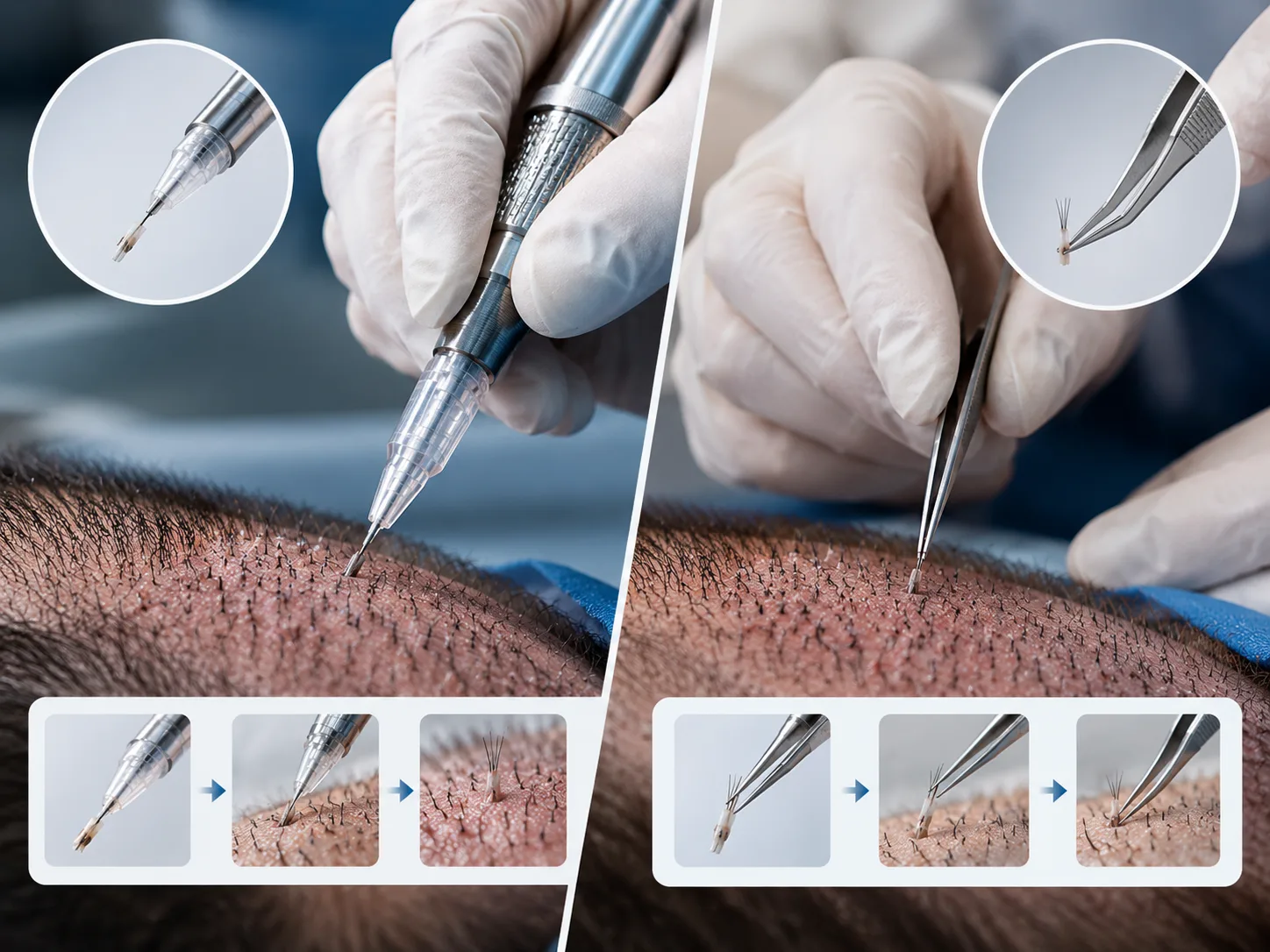
Ручка Choi создает каналы и имплантирует одновременно. Имплантация пинцетом использует предварительно сделанные надрезы. Ручка предлагает больше контроля, но требует больше навыков и времени.
В таблице ниже представлено детальное сравнение:
Особенность | Ручка Choi | Традиционные пинцеты |
Создание канала | Одновременное с имплантацией | Отдельный этап с использованием лезвия или иглы |
Метод имплантации | Прямой; графт вводится иглой | Графт помещается в предварительно сделанный надрез с помощью пинцетов |
Контроль угла | Высокий; хирург настраивает в зависимости от графта | Умеренная; зависит от угла среза |
Контроль глубины | Высокая; хирург ощущает сопротивление ткани | Умеренная; трансплантат помещается на существующую глубину |
Обработка трансплантатов | Минимальная; защищен внутри иглы | Большее манипулирование; пинцетом захватывается трансплантат |
Скорость процедуры | Медленнее; один трансплантат за раз | Быстрее; возможное размещение группами |
Кривая обучения | Крутая; требует обширной подготовки | Умеренная; более прощающая для новичков |
Травма ткани | Минимальная; прокольные раны | Умеренная; разрезные надрезы |
Плотная упаковка | Возможна в выбранных областях | Стандартная плотность |
Стоимость | Обычно выше | Обычно ниже |
Размер команды | Большой; требует загрузчиков | Меньшей; стандартная настройка |
Обе методы могут дать отличные результаты. Выбор зависит от опыта хирурга и целей пациента. Искусный хирург с пинцетом может превзойти новичка с ручкой Чои. Инструмент важен меньше, чем рука, которая его держит.
Как ручка Чои сравнится с Sapphire FUE?
Sapphire FUE относится к лезвию, используемому для создания мест для пересадки. Ручка Чои относится к устройству для имплантации. Они не противоречат друг другу. Некоторые клиники используют сапфировые лезвия для заранее изготовленных каналов и ручки Чои для имплантации.
В чем основные различия?
Sapphire FUE описывает материал лезвия. Хирурги используют сапфировые лезвия для создания разрезов для пересадки. Лезвие острое и тонкое. Оно создает точные разрезы в виде «V». Ручка Чои описывает инструмент для имплантации. Она создает проколы и одновременно имплантирует гряды. Это разные инструменты для разных этапов. Клиника может использовать сапфировые лезвия для создания каналов и пинцеты для имплантации. Клиника также может использовать ручки Чои для имплантации без сапфировых лезвий. Термины описывают разные хирургические элементы.
Как различается создание мест для пересадки?
В Sapphire FUE хирург создает все места для пересадки перед имплантацией. Сапфировое лезвие делает разрезы по зоне пересадки. Затем хирург имплантирует гряды в эти разрезы. В Choi Pen DHI хирург создает каждое место во время имплантации. Нет заранее изготовленного разреза. Игла создает место и мгновенно заполняет его. Эта разница в процессе влияет на планирование. Sapphire FUE позволяет хирургу увидеть общий рисунок до имплантации. Choi Pen DHI требует от хирурга формирования рисунка гряда за грядой.
Как сравниваются методы имплантации?
Sapphire FUE использует пинцеты для имплантации. Хирург поднимает гряду с помощью пинцетов. Хирург вставляет ее в заранее изготовленный разрез. Ручка Чои использует саму ручку для имплантации. Гряда проходит через иглу. Поршень внедряет ее в ткань. Метод с пинцетом требует, чтобы гряда соответствовала размеру разреза. Метод с ручкой требует, чтобы гряда соответствовала размеру иглы. Оба метода требуют точности.
Какой инструмент предлагает большую точность?
Оба инструмента предлагают высокую точность разными способами. Сапфировое лезвие создает очень чистые, острые разрезы. Края разрезов быстро заживают. Ручка Чои создает небольшие проколы. Прокол вызывает меньшее общее повреждение ткани. Точность зависит от навыков хирурга с каждым инструментом. Мастера с сапфировыми лезвиями могут создать идеальные места для пересадки. Мастера с ручкой Чои могут разместить идеальные гряды. Ни один инструмент автоматически не гарантирует точность.
Как сравнивается восстановление?
Восстановление зависит от общей техники, а не только от инструмента. Сапфировые лезвия создают разрезы, которые заживают примерно за 10 дней. Проколы ручки Чои заживают в аналогичный срок. Оба метода вызывают корки. Оба метода требуют послеоперационного ухода. Пациент не должен оценивать восстановление на основании названия инструмента. Им следует следовать инструкциям хирурга независимо от используемого инструмента.
Кто является подходящими кандидатами для каждого метода?
Sapphire FUE подходит пациентам, которым требуется большое покрытие. Он позволяет быстрее осуществлять имплантацию. Он подходит пациентам с прямыми волосами. Choi Pen DHI подходит пациентам, которым нужно уточнение линии роста волос. Он подходит пациентам, которые хотят минимального бритья. Он подходит пациентам с ранней потерей волос. Некоторые пациенты получают выгоду от комбинации. Хирург использует сапфировые лезвия для макушки и ручки Чои для линии роста волос.
Какой метод дает лучшие результаты?
Текущие исследования не подтверждают, что один инструмент дает универсально лучшие результаты. Оживляемость графтов зависит от качества извлечения, обращения с графтами, хирургического планирования и послеоперационного ухода. Инструмент для имплантации играет роль, но не является доминирующим фактором. Исследование 2020 года не обнаружило значительной разницы в выживаемости графтов между имплантацией с использованием пинов и щипцов, когда оба метода выполняли опытные хирурги (Парк, 2020). Пациенты должны выбирать на основе рекомендаций хирурга, а не маркетинга инструмента.
Кто является хорошим кандидатом для пересадки волос с использованием пина Чои?
Хорошими кандидатами являются пациенты с ранней потерей волос, нуждающиеся в восстановлении линии роста волос, кандидаты на восстановление теменной области, женщины, пациенты, желающие минимального бритья, нуждающиеся в плотной упаковке и пациенты, которым требуется пересадка после предыдущих неудач.
Ранняя потеря волос делает человека хорошим кандидатом?
Пациенты с ранней потерей волос часто имеют оставшиеся собственные волосы. Им необходимо целенаправленное заполнение. Пин Чои позволяет проводить имплантацию между существующими волосами. Эта точность сохраняет собственные фолликулы. Раннее вмешательство также позволяет проводить более мелкие сессии. Хирург может справиться с истончением до того, как оно прогрессирует. Точность пина соответствует этим тонким улучшениям.
Подходит ли пин Чои для восстановления линии роста волос?
Восстановление линии роста волос требует высшей точности. Линия роста волос обрамляет лицо. Каждый графт должен быть правильного угла и направления. Пин Чои позволяет контролировать каждый графт. Хирург может создать мягкую, естественную границу. Хирург может размещать графты с одним волоском точно в нужных местах. Случаи линии роста волос представляют собой идеальное применение пина Чои.
Может ли пин восстановить теменную область?
Восстановление теменной области представляет собой определенные сложности. Теменная область имеет спиралевидный узор. Волосы расходятся наружу. Пин Чои может следовать этому узору. Хирург меняет направление для каждого графта. Однако теменная область часто требует много графтов. Более медленная скорость пина может продлить сессию. Хирург должен решить, перекрывают ли преимущества точности временные затраты в случае теменных операций.
Подходит ли пин Чои для пересадки волос у женщин?
Потеря волос у женщин часто проявляется как диффузное истончение. Женщины сохраняют свою линию роста волос, но теряют объем за ней. Пин Чои может имплантировать между существующими волосами без необходимости бритья всей кожи головы. Этот подход с минимальным бритьем вызывает интерес у женских пациентов. Женщины могут легче скрыть процедуру. Пин позволяет целенаправленно улучшать плотность. Однако женщинам необходима тщательная оценка. Гормональные факторы могут повлиять на долгосрочные результаты.
Имеют ли пациенты, желающие минимального бритья, выгоду?
Да. Пин Чои может работать с частичным или без бритья. Игла проникает сквозь существующие волосы. Хирург имплантирует графты в истончающиеся участки. Окружающие волосы скрывают имплантированную область. Этот подход работает для небольших сессий менее 1500 графтов. Более крупные сессии все равно требуют бритья для гигиеничности и доступа. Возможность меньшего бритья расширяет пул пациентов.
Когда требуется плотная упаковка?
Плотная упаковка помогает пациентам с ограниченным донорским запасом. Они не могут получить достаточно графтов для полного покрытия. Хирург плотно упаковывает графты в наиболее видимых местах. Пин Чои позволяет такую упаковку. Маленький диаметр иглы позволяет ближе их размещать. Хирург может создать иллюзию плотности. Однако плотная упаковка требует тщательного управления кровоснабжением. Хирург не должен перепаковывать.
Может ли пин помочь при пересадках волос после неудач?
Пересадки волос после неудач исправляют предыдущие плохие результаты. Эти случаи часто имеют рубцы. Кожный покров менее эластичен. Пин Чои позволяет точно размещать в рубцованных областях. Хирург может избежать повреждения существующих графтов. Пин также может исправить неестественные углы от предыдущих операций. Хирург пересаживает графты в лучшие позиции. Случаи пересадок требуют высшей квалификации. Пин Чои предоставляет необходимый контроль.
Улучшают ли результаты пересадки волос с помощью пина Чои?
Пин Чои может улучшить точность, но не гарантирует лучших результатов. Выживаемость графтов, плотность, естественность, заживление и долгосрочные результаты зависят больше от хирургического планирования и выполнения, чем от самого инструмента.
Как перо влияет на выживаемость графтов?
Выживаемость графтов зависит от множества факторов. К ним относятся техника извлечения, хранение графтов, увлажнение, температура, скорость имплантации и послеоперационный уход. Перо Чои уменьшает манипуляции с графтами. Это сокращение может улучшить выживаемость. Однако плохо обученный хирург может закапать графты при помощи пера. Закапанные графты погибают. Хорошо обученный хирург, использующий пинцет, может добиться равной или даже лучшей выживаемости. Исследования показывают смешанные результаты. Некоторые исследования предполагают, что имплантационные перья немного улучшают выживаемость. Другие не показывают разницы. Общее мнение таково, что мастерство хирурга важнее выбора инструмента (Ким, 2021).
Может ли перо увеличить плотность волос?
Перо позволяет плотно упаковывать графты. Плотная упаковка создает видимость большей плотности. Однако истинная плотность зависит от количества графтов и площади кожи головы. Перо не создает больше графтов. Оно размещает их ближе друг к другу. Эта близость имеет свои пределы. Избыточная упаковка приводит к потере графтов. Перо позволяет попытаться достичь плотности. Оно не гарантирует ее.
Улучшает ли перо естественность линии волос?
Да, если его использует опытный хирург. Перо позволяет контролировать угол и направление для каждого графта. Этот контроль создает естественные узоры. Однако хирург должен правильно спроектировать линию волос. Перо ничего не проектирует. Оно выполняет проект. Плохой проект с пером Чои выглядит так же неестественно, как и плохой проект с пинцетом. Естественность зависит от мастерства хирурга.
Как перо влияет на заживление?
Перо создаёт проколы. Эти проколы заживают быстро. Они вызывают меньшую травму ткани, чем разрезы. Эта уменьшенная травма может ускорить заживление. Пациенты могут заметить меньше воспаления. Они могут испытывать меньше послеоперационного дискомфорта. Однако заживление также зависит от индивидуальных факторов пациента. Возраст, состояние здоровья, курение и послеоперационный уход влияют на заживление больше, чем инструмент.
Каковы долгосрочные результаты?
Долгосрочные результаты зависят от выживаемости графтов и сохранения натуральных волос. Перо Чои может помочь в обоих аспектах. Оно снижает травму графтов. Оно сохраняет натуральные волосы. Однако потеря волос является прогрессирующим процессом. Пациенты могут продолжать терять натуральные волосы после трансплантации. Перо Чои не останавливает этот процесс. Долгосрочное планирование требует медицинской терапии. Финстерида и миноксидил поддерживают натуральные волосы. Перо решает вопросы трансплантации. Лекарства решают проблему продолжающейся потери.
Каковы распространенные мифы о перье Чои?
Распространенные мифы включают в себя то, что перо выполняет операцию, что DHI лучше, чем FUE, что перо гарантирует выживаемость, что каналы не создаются, и что только DHI использует имплантеры.
Выполняет ли перо операцию?
Нет. Перо является инструментом. Операцию выполняет хирург. Хирург проектирует линию волос. Хирург выбирает графты. Хирург контролирует угол, глубину и направление. Перо лишь помогает в имплантации. Пациенты должны оценивать хирурга, а не перо. Отличное перо в неопытных руках дает плохие результаты.
Лучше ли DHI, чем FUE?
Нет. DHI — это тип имплантации FUE. FUE относится к методу извлечения. DHI относится к методу имплантации. Оба используют FUE для извлечения. Разница заключается в имплантации. DHI не является превосходным по определению. Оно подходит для некоторых случаев. Обычная FUE подходит для других. Лучший метод зависит от пациента. Маркетинг часто представляет DHI как усовершенствованное. На самом деле это альтернатива, а не обновление.
Гарантирует ли перо Чои более высокую выживаемость графтов?
Нет. Выживаемость графтов зависит от всей хирургической цепочки. Извлечение, хранение, обработка, имплантация и послеоперационный уход — все это имеет значение. Перо уменьшает манипуляции. Это сокращение может помочь. Но оно не отменяет другие факторы. Упрощенная процедура с пером Чои все еще может убить графты. Аккуратная процедура с пинцетом может достичь отличной выживаемости.
Каналы не создаются с использованием пера?
Да, каналы создаются. Игла создает канал, когда вводится в кожу головы. Канал маленький. Это прокол, а не разрез. Но это все равно канал. Графт занимает этот канал. Ткань закрывается вокруг него. Миф о «отсутствии каналов» возник из маркетинга. Маркетологи утверждают, что перо избегает создания каналов. Это утверждение неверно. Перо создает каналы. Оно просто делает это одновременно с имплантацией.
Использует ли только DHI имплантер?
Нет. Некоторые хирурги используют ручки-имплантеры в обычных протоколах FUE. Они создают заранее подготовленные каналы с помощью лезвия. Затем они используют ручку для размещения гефтов в этих каналах. Существует этот гибридный подход. Ручка — это инструмент. Хирурги могут использовать ее в различных протоколах. DHI — это один из протоколов. Он не является единственным протоколом, использующим имплантеры.
Каковы риски и соображения по безопасности?
Риски включают инфекцию, повреждение фолликулов, неправильные углы и ошибки в технике. Строгая стерильная техника и опыт хирурга минимизируют эти риски.
Каков риск инфекции?
Любая хирургическая процедура несет риск инфекции. Ручка Choi создает множество проколов. Каждая рана — это потенциальная точка входа для бактерий. Хирургическая команда должна поддерживать строгую стерильность. Они должны использовать стерильные ручки и иглы. Они должны подготовить кожу головы антисептическим раствором. Послеоперационный уход включает антибиотиковую мазь и инструкции по очистке. Пациенты должны следовать этим инструкциям. Инфекция может уничтожить гефты и вызвать рубцевание.
Как ручка может повредить фолликулы?
Повреждения фолликулов происходят во время загрузки или имплантации. Техник может сжать гефт, загружая его в ручку. Хирург может слишком сильно вставить иглу. Игла может разрезать гефт. Поршень может слишком сильно нажать на гефт. Эти ошибки повреждают клетки фолликулов. Поврежденные фолликулы не растут. Правильное обучение предотвращает эти ошибки. Хирург должен работать осторожно. Команда должна обращаться с гефтами бережно.
Что происходит при неправильном угле имплантации?
Неправильный угол вызывает неестественный рост волос. Волосы могут торчать. Они могут расти в неправильном направлении. Это может создать «кукольный» вид. Исправление неправильных углов требует повторной операции. Повторная операция является сложной. Она использует ограниченное количество донорских гефтов. Хирург должен правильно установить угол с первого раза. Ручка Choi позволяет контролировать угол. Но хирург должен правильно использовать этот контроль.
Почему важна стерильная техника?
Стерильная техника предотвращает инфекцию. Она также предотвращает загрязнение гефтов. Ручка Choi требует много циклов загрузки. Каждый цикл подвергает гефт воздействию окружающей среды. Зона загрузки должна оставаться чистой. Техники должны носить перчатки и маски. Ручки должны поступать из стерильной упаковки. Любое загрязнение может привести к неудаче гефта. Вся команда должна соблюдать стерильные протоколы.
Как опыт хирурга снижает риски?
Опытные хирурги сразу же распознают осложнения. Они корректируют технику в реальном времени. Они знают, как обращаться с трудными гефтами. Они знают, как контролировать кровотечение. Они знают, как размещать гефты в рубцовой ткани. Опыт также означает лучшее планирование. Хирург предвидит проблемы до их возникновения. Новичок, возможно, не распознает ошибки, пока не станет слишком поздно. Пациенты должны выбирать хирургов с задокументированным опытом работы с ручкой Choi.
Как выглядит восстановление после трансплантации волос с использованием ручки Choi?
Восстановление происходит по следующему графику: образуются корки на первой неделе, возможна потеря волос из-за шока, постепенное заживление и рост волос, начинающийся через 3 месяца, с полными результатами через 12 месяцев.
Что происходит на первой неделе?
Первая неделя включает формирование корок. Маленькие корки образуются вокруг каждого имплантированного гефта. Пациенты не должны снимать эти корки. Снятие корок может привести к вытаскиванию гефтов. Пациенты мягко моют кожу головы в соответствии с инструкциями. Спят с приподнятой головой. Избегают прямого солнечного света. Избегают интенсивных физических нагрузок. Может произойти небольшое отекание. Это отек обычно проходит в течение 3-5 дней.
Что такое потеря волос из-за шока?
Потеря волос из-за шока происходит, когда пересаженные волосы выпадают. Это происходит через 2-4 недели после операции. Волосковый стержень может выпасть. Фолликул остается. Фолликул переходит в фазу покоя. Новый волос вырастет из фолликула. Потеря волос из-за шока является нормальной. Это не означает, что трансплантация провалилась. Пациенты должны ожидать этого сбрасывания. Новый цикл роста начинается после фазы покоя.
Что такое срок заживления?
К scalp заживает поэтапно. С 1 по 3 день наблюдаются отеки и покраснение. С 4 по 7 день появляются корочки. С 7 по 14 день происходит отслоение корочек. На 2-4 неделе наблюдается шоковая потеря волос. В течение 1-3 месяцев растущие фолликулы находятся в состоянии покоя. В этот период scalp выглядит нормально. Признаков операции не видно после первого месяца.
Каковы этапы роста волос?
На первом месяце: большинство грефтов отторгнуто. Scalp выглядит нормально. Нового роста пока не видно.
На третьем месяце: новые волосы начинают появляться. Они тонкие и легкие. Это может выглядеть как пушок. Это начальная фаза роста.
На шестом месяце: наблюдается значительный рост. Волосы становятся гуще и длиннее. Пациенты замечают заметное покрытие. Линия роста волос начинает формироваться.
На двенадцатом месяце: появляются окончательные результаты. Волосы достигают зрелой толщины и длины. Окончательная плотность становится видимой. У некоторых пациентов улучшения продолжаются до 18 месяцев.
Часто задаваемые вопросы
Ниже представлены общие вопросы о ручке Чои с прямыми ответами.
Болит ли ручка Чои?
Нет. Хирурги проводят процедуру под местной анестезией. Пациенты ощущают давление, но не боль. Послеоперационный дискомфорт незначительный. Большинство пациентов справляются с ним с помощью безрецептурных обезболивающих.
Оставляет ли ручка Чои шрамы?
Ручка создает маленькие проколы. Они заживают с минимальными шрамами. Шрамы обычно невидимы невооруженным глазом. Правильная техника и постоперационный уход предотвращают заметные следы.
Является ли DHI лучше, чем FUE?
DHI – это тип имплантации FUE. Он не является по своей сути лучшим. Он подходит некоторым пациентам. Обычная FUE подходит другим. Хирург рекомендует лучший метод для каждого случая.
Может ли ручка Чои увеличить выживаемость грефтов?
Ручка может уменьшить обработку грефтов. Это снижение может помочь выживаемости. Однако выживаемость зависит от всего хирургического процесса. Одна лишь ручка не гарантирует более высокие показатели выживаемости.
Подходит ли ручка Чои для женщин?
Да. Ручка хорошо работает для женщин. Она позволяет имплантацию между существующими волосами. Она может работать с минимальным бритьем. Женские кандидаты сначала нуждаются в правильной оценке.
Сколько грефтов можно имплантировать с помощью ручки Чои?
Хирурги могут имплантировать любое количество грефтов с помощью пера. Однако большие сеансы занимают больше времени. Сеансы более 2500 грефтов могут потребовать расширенного времени. Команда должна поддерживать качество на протяжении всего процесса.
Можно ли сохранить существующие волосы?
Да. Маленькая игла позволяет имплантировать грефты рядом с натуральными волосами. Хирург избегает повреждения существующих фолликулов. Это сохранение является ключевым преимуществом пера.
Сколько времени занимает процедура с использованием пера Choi?
Время процедуры зависит от количества грефтов. Сеанс на 2000 грефтов может занять от 6 до 8 часов. Более крупные сеансы занимают больше времени. Перо имплантирует один грефт за раз. Эта точность требует времени.
Создает ли перо Choi более плотные волосы?
Перо позволяет плотную упаковку. Это может создать визуальный эффект плотности. Однако настоящая плотность зависит от количества грефтов и площади кожи головы. Перо не создает дополнительных грефтов.
Подходит ли перо Choi для пересадки бороды или бровей?
Да. Точность пера подходит для пересадки волос на лице. Волосы бороды и бровей требуют специфических углов и направлений. Перо позволяет контролировать это. Хирурги часто используют имплантационные пера для этих деликатных областей.
Заключение
Имплантационное перо Choi является современным инструментом для имплантации. Оно позволяет осуществлять прямую имплантацию волос (DHI). Оно улучшает точность, снижает обращение с грефтами и позволяет создавать естественную линию волос. Однако это не самостоятельная техника. Опыт, планирование и исполнение хирурга определяют конечный результат.
Имплантационное перо Choi представляет собой значительное улучшение в инструментах для пересадки волос. Оно позволяет хирургам имплантировать грефты с одновременным созданием каналов. Оно предоставляет контроль над углом, направлением и глубиной. Оно уменьшает манипуляции с грефтами. Оно может работать при минимальном бритье. Эти особенности делают его ценным для конкретных случаев, особенно для восстановления линии волос и улучшения целевой плотности.
Однако перо не заменяет хирургическую квалификацию. Оно не гарантирует лучших результатов. Оно не проводит операцию. Хирург разрабатывает линию волос. Хирург выбирает пациентов. Хирург управляет командой. Хирург справляется с осложнениями. Перо лишь помогает на одном этапе процедуры.
Пациенты должны оценивать хирургов по опыту, результатам и заботе о пациентах. Им не следует выбирать клинику только потому, что она предлагает DHI с использованием пера Choi. Опытный хирург с пинцетом может добиться таких же или лучших результатов, чем новичок с пером Choi. Инструмент важен, но художник важнее.
Исследования поддерживают важность комплексного хирургического планирования. Исследования показывают, что выживаемость грефтов зависит от качества извлечения, техники обработки и послеоперационного ухода (Парк, 2020). Ни один отдельный инструмент не компенсирует плохое исполнение. Пациенты должны искать хирургов, которые понимают эту правду. Они должны искать хирургов, которые используют перо Choi как один из многих вариантов. Они должны искать хирургов, которые рекомендуют лучший метод для их конкретного случая.
Будущее пересадки волос заключается в персонализированном уходе. Перо Choi служит этому будущему, предлагая точные варианты. Оно позволяет хирургам адаптировать имплантацию к индивидуальным потребностям. По мере развития технологий перо, вероятно, станет еще лучше. Дизайны игл будут уточняться. Механизмы загрузки будут ускоряться. Эргономика будет улучшаться. Но основная идея остается прежней: хирург, а не перо, создает результат.
Ссылки
Ким, Дж. Х. "Выживание грефтов при прямой имплантации волос: сравнительный анализ имплантационных перов и обычных пинцетов." Журнал косметической дерматологии том 20, номер 4, 2021, стр. 1123-1130.
Ли, С. Дж. "Кривая обучения и технические проблемы при использовании театрализованного инструмента Чой для хирургии восстановления волос." Дерматологическая хирургия , том 45, № 8, 2019, с. 1045-1052.
Парк, Й. М. "Индексный инструмент против имплантации с помощью пинцета в экстракции фолликулярных единиц: Рандомизированное контролируемое испытание." Международный журнал трихологии , том 12, № 3, 2020, с. 98-104.
Роуз, П. Т. "Последние инновации в трансплантации волос." Клиники пластической хирургии лица Северной Америки , том 21, № 2, 2013, с. 179-187.
Юбел, К. О. "Микрогребни и мини-гребни: Мегасессия трансплантации волос. Обзор 100 последовательных случаев." Журнал эстетической хирургии , том 20, № 5, 2000, с. 388-393.