Exosome Hair Therapy: It Is Time to Say Farewell to Your Hair Loss!
Disappointing as it is for so many, hair loss damages self-esteem and quality of life altogether. Exosome hair therapy has appeared like a magic cure for many who are searching for treatment options, as it claims to offer effective treatment even for those who have thinning hair and baldness.
It is said to be an innovative kind of therapy that works by using exosomes, tiny vesicles stowed with a lot of growth factors and bioactive molecules that allow them to communicate and regenerate and that facilitate cellular communication and regeneration. In this article, we will delve into exosome therapy's success in stopping hair loss, a few advantages offered by the exosome hair treatment, and the ones who make up ideal candidates for this therapy, among other points.
It also focuses on wider applications of exosome therapy apart from hair restoration. By the end of this article, you will understand how exosome hair therapy is a new advancement with a great possibility in the fight against hair loss.
Understanding Hair Loss
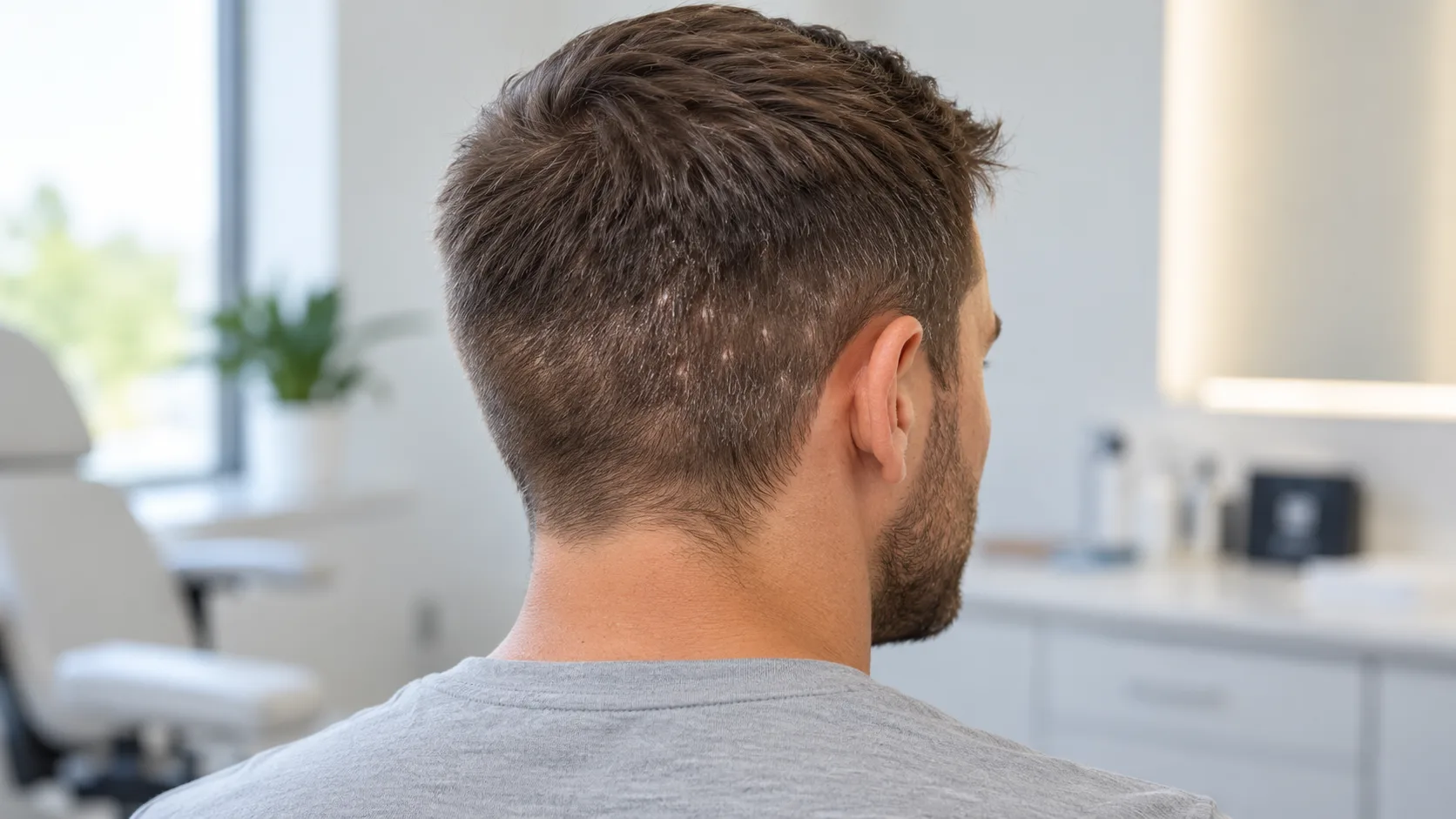
Many people worldwide suffer from a condition known medically as alopecia, which signifies loss of hair. Besides being medical, it is a psychological disorder that often accompanies decreased self-esteem and greater social anxiety.
What Are the Causes of Hair Loss?
There are numerous factors that could be attributed to hair loss; some of them are:
- Genetic Factors: The most common cause for baldness happens to be genetic, i.e., androgenetic alopecia. Major genetic influences contribute to this type of hair loss.
- Hormonal Changes: Hair loss is also attributed to hormonal imbalance caused by thyroid disorders, pregnancy, and changes in life's stage (menopause), which might disturb the hair growth pattern from normal to abnormal.
- Medical Conditions: Infections such as scalp ringworm, autoimmune diseases like alopecia areata, and other different types of medical ailments can be attributed to hair fall.
- Lifestyle and Environmental Factors: Certain treatments of hair may aggravate hair loss, along with some other factors such as substandard nutrition and stress, among other environmental and lifestyle factors.
What Are Exosomes?
Exosomes, diminutive extracellular vesicles secreted by cells, have now garnered attention as a possible therapeutic approach to treat hair loss conditions. These vesicles, which range in size down to the nanoscale, are full with diverse bioactive molecules, such as proteins, nucleic acids, lipids, and growth factors, that modulate cellular and tissue regeneration.
 The History of Exosomes
Platelet-derived exosomes were labeled as cellular debris when first discovered in the 1980s, but their role in intercellular communication became widely accepted. Research was then directed toward their involvement in hemostasis, thrombosis, immune modulation, inflammation, and tissue regeneration by the early 2000s. The growing interest in their therapeutic potential in regenerative medicine has been aided by various advances in isolation and characterization techniques and clinical applications.
Research into exosomes as agents for regenerative medicine and in treating hair loss is a very new area. According to studies, exosomes derived from a variety of cell types- mesenchymal stem cells, adipose-derived stem cells, and dermal papilla cells—have been reported to enhance hair growth and follicle activity.
What Are the Sources of Exosomes?
The two main sources of exosome production are biological fluids and cell culture medium. Biological fluids most widely studied for exosome research include serum, platelet-rich plasma, urine, cerebrospinal fluid, breast milk, and saliva. The production yield varies depending on the parent cell types and the conditions of cell culture or preconditioning of biological fluid.
How Are Exosomes Manufactured?
T-flasks and cell culture media are responsible for the secretion of exosomes from many cultured cells. Being a product of cells, exosome manufacture essentially relies on whether the cells can produce large quantities without affecting certain behaviors and characteristics of the cells. There must be consideration of probabilities of changes in cellular phenotype during technical transfers, such as scale-up and equipment change.
What Are Exosomes for Hair Loss and How Do They Work?
Exosome therapy is a hair regeneration procedure that takes an individual's skin cells to regenerate hair follicles. This treatment is particularly good for people whose hair loss is hereditary and who have not responded to any other treatments.
It is also a good treatment for thicker hair types that do not need serious hair loss interventions. Exosomes function as signaling agents that exist in the form of small vesicles that behave like balloons.
The vesicle cells send information to one another containing something they want to communicate, such as "grow" or "divide," etc. They are released by cells upon fusion. They contain a cocktail of DNA, RNA, and proteins, which, in turn, regulate cell behavior.
There are over 95 clinical trials investigating the effects of exosomes. The stem cell-derived exosomes are particularly interesting because those signals may carry significantly more stem cell-like effects.
 Exosomes used for hair loss treatment are isolated from human amniotic mesenchymal stem cells using a proprietary method and purified from other cellular components.
Regarding how exosome therapy for hair loss functions, Dr. Emrah Cinik, our hair transplant expert at Dr. Cinik Hospital, says, “Advanced use of exosomes consists of injecting them into the injured areas of the scalp, where they stimulate hair regeneration. They bear the instructions for cell regeneration and signals to instruct the specific cell processes. Due to their 20-1000 nm small size, exosomes are most likely penetrating deep within the tissue in question when injected.”
PRP Hair Loss Treatment vs. Exosomes Hair Treatment?
Platelet-rich plasma is a hair restoration technique that injects the scalp with a gel of platelet-rich fibrin. The platelet-rich fibrin gel is characterized by a high concentration of growth factors, which stimulate and nourish hair follicles when injected. The relevant growth factors are platelet-derived growth factor, vascular endothelial growth factor, and transforming growth factor beta—they all stimulate increased stem cell activity in hair follicles.
Both exosomes and PRP stimulate hair growth using growth factors; however, their targets differ in approach. Exosomes target existing stem cells in the scalp, while PRP stimulates tissue repair and regeneration.
Unlike PRP hair loss treatment, exosome hair therapy requires only one session for each treatment cycle. Results appear after 3 months; at this point, your medical practitioner will assess the effects of exosomes on your hair loss and may recommend further sessions.
Exosomes have another distinct advantage over PRP. When platelets and stem cells are injected into the scalp, they bring along some unnecessary agents that have to be processed and discarded by the host body. Delivering exosomes is done with great precision, ensuring that the right components are delivered in the right amounts.
Read more: The Top 5 Benefits of Choosing Turkey for an FUE Hair Transplant
Exosomes Hair Treatment Benefits
The benefits of exosome therapy for hair restoration are:
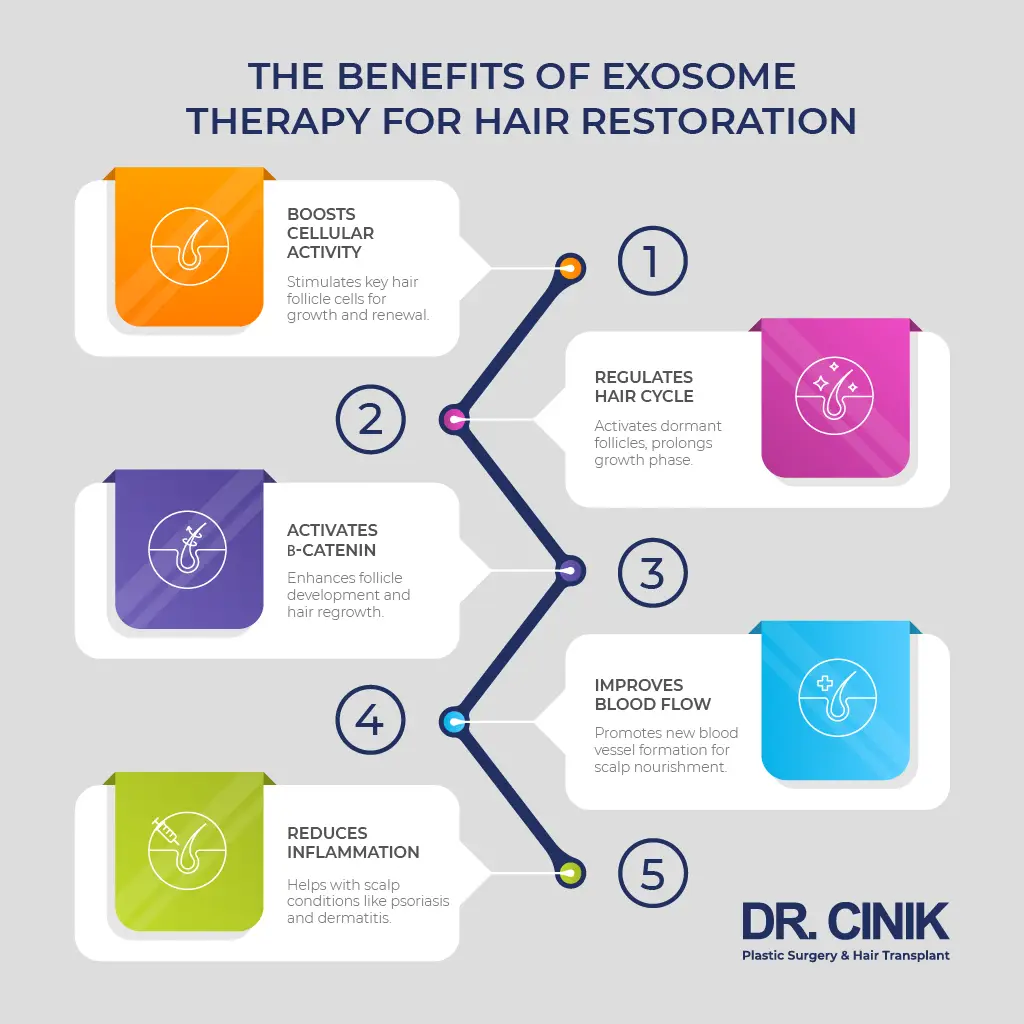
- Cellular Activity Promotion—Exosomes encourage the growth and differentiation of key cells in the hair follicle ecosystem, such as hair follicle stem cells, outer root sheath cells, and dermal papilla cells.
- Hair Cycle Regulation—Exosome treatment is essential in the regulation of the hair growth cycle by stimulating various hair growth phases, including transitioning from a dormant telogen phase to an active anagen phase, delaying the eventual progression to the catagen phase.
- β-Catenin Activation—Exosomes for hair loss increase the levels of β-Catenin, a key signaling molecule in hair follicle development and growth.
- Angiogenesis—Exosome treatment aids in angiogenesis, the formation of new blood vessels.
- Reduces Inflammation—Exosomes have shown efficacy in combating inflammation, thus proving to be helpful to those affected by scalp problems such as psoriasis and seborrheic dermatitis, as well as other inflammatory scalp conditions.
Who Are the Ideal Candidates for Exosome Hair Therapy?
If you have any or more of the following characteristics, you are an ideal patient for exosome hair loss therapy:
- Suffering from androgenetic alopecia
- Experiencing alopecia areata
- Looking for non-surgical treatment
- Have already spent time using traditional medications without success
- Desiring a more natural treatment
- Are generally healthy.
How Can I Prepare for an Exosome Hair Loss Procedure?
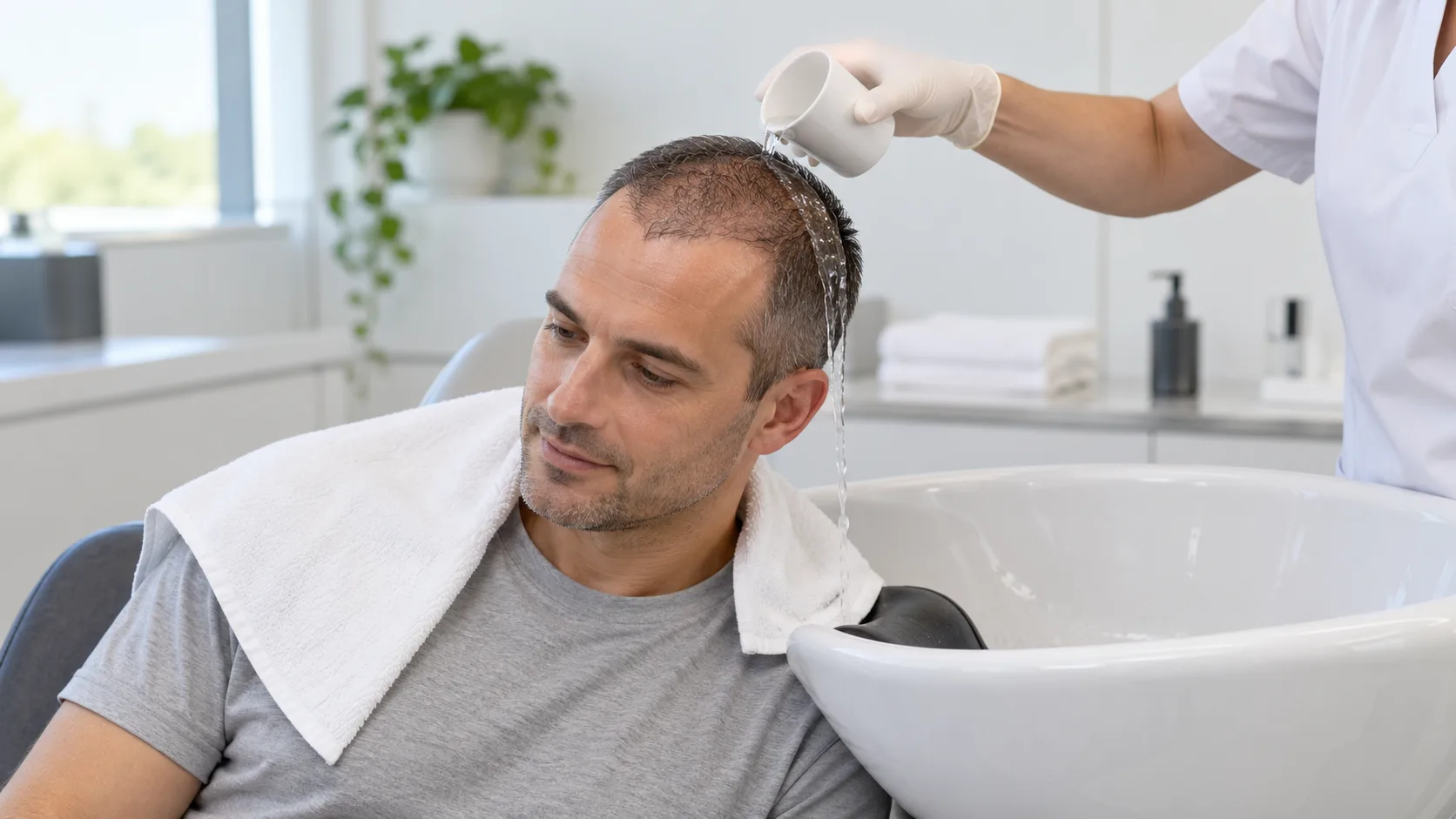
According to Dr. Cinik, “Being minimally invasive, exosome hair loss treatment does not require much preparation beforehand. After washing their head and scalp, the patient should arrive at their appointment without any hair products applied the day before.”
What Should I Expect From the Exosomes Hair Treatment?
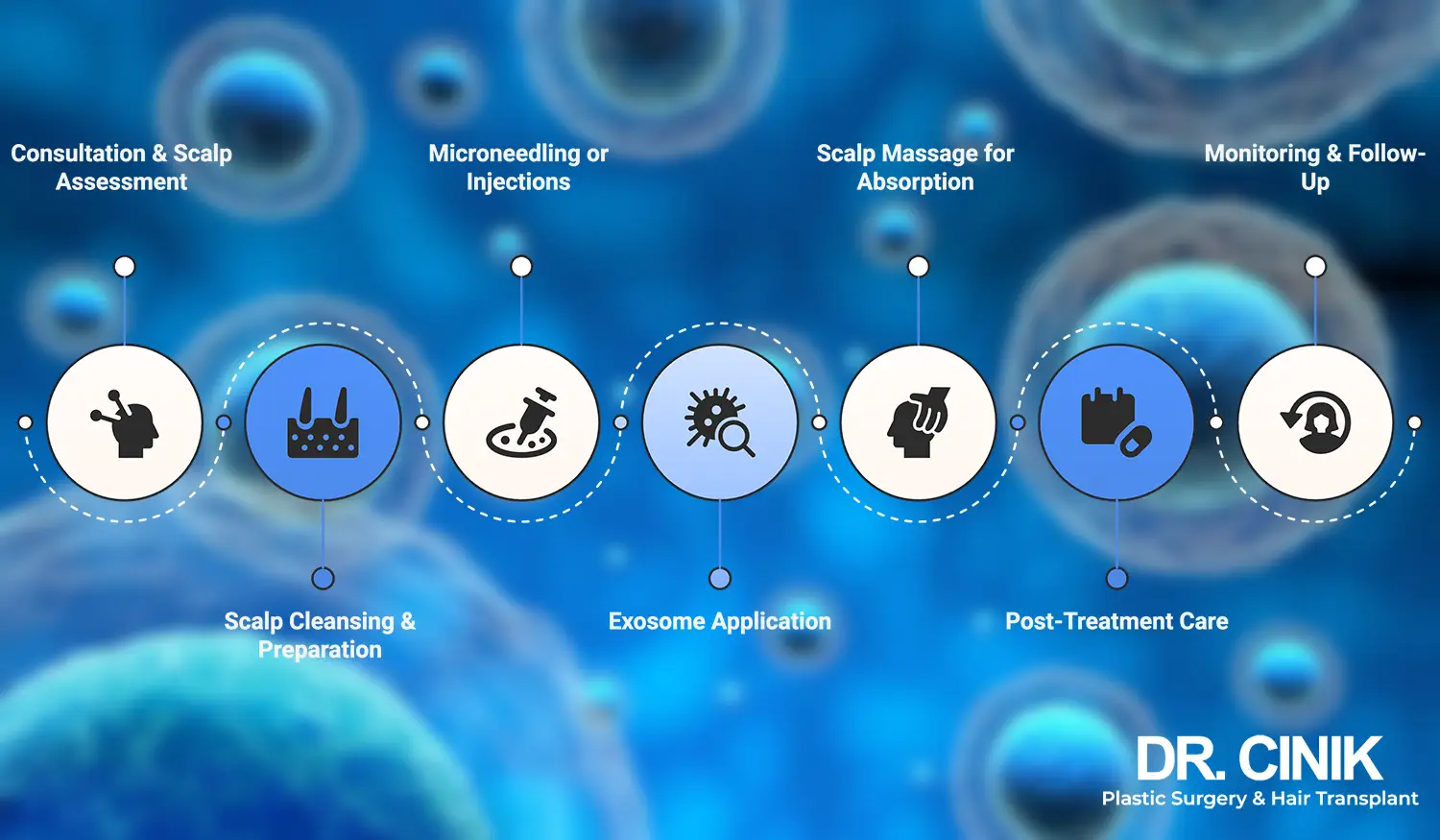
The exosome hair treatment is tailored according to the patient's needs and usually involves multiple sessions of exosome applications into the scalp. And this is what you may expect during the treatment:
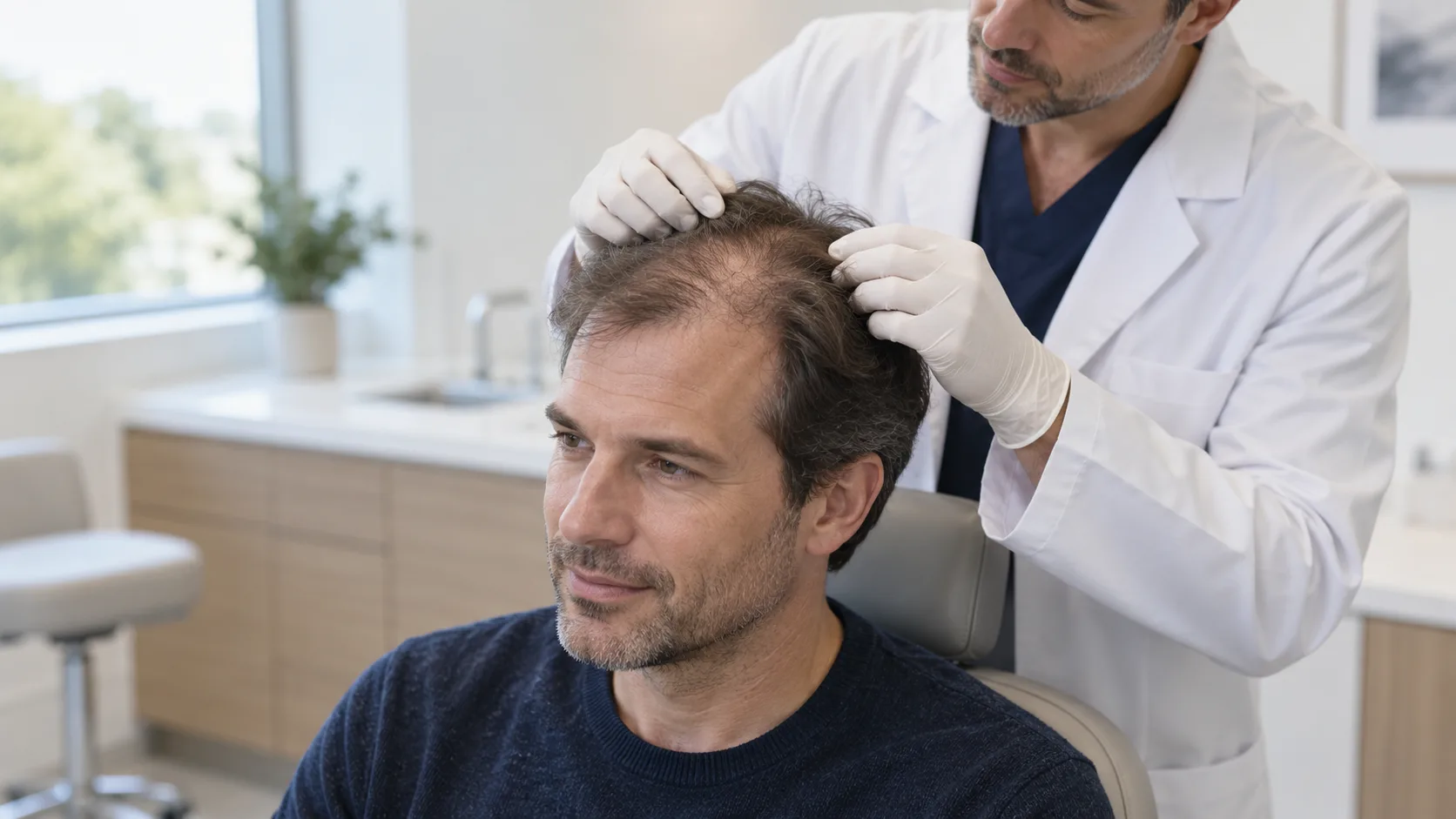
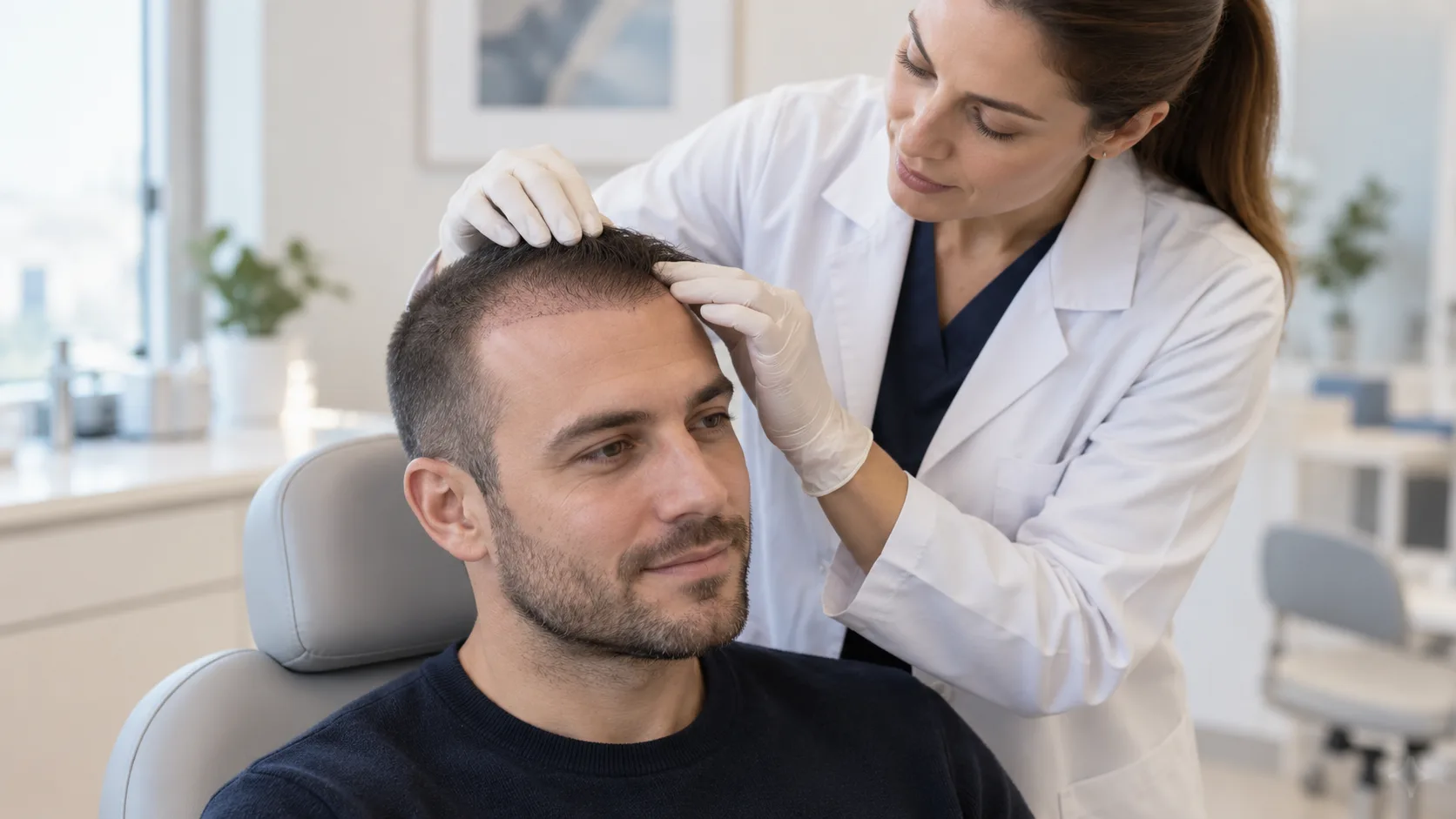
- Before the treatment, healthcare providers will assess the scalp and hair health and evaluate the suitability of the exosome hair therapy treatment for you.
- The exosomes typically used are obtained from placental tissue or mesenchymal stem cells. Then, they are isolated and purified within a laboratory environment.
- The scalp is cleaned and numbed with a local anesthetic in order to minimize any discomfort during the injections.
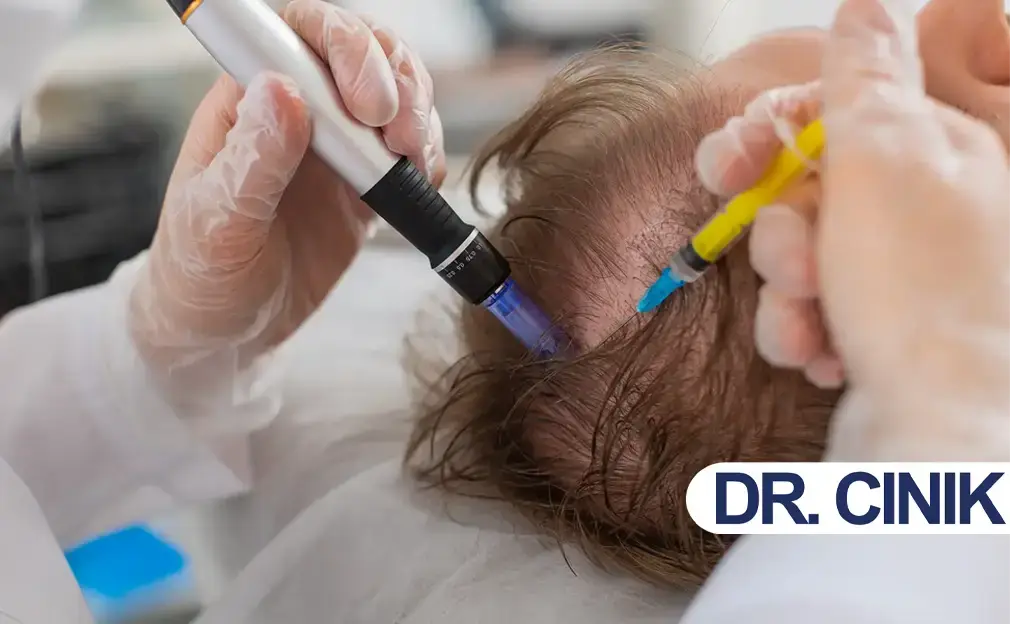
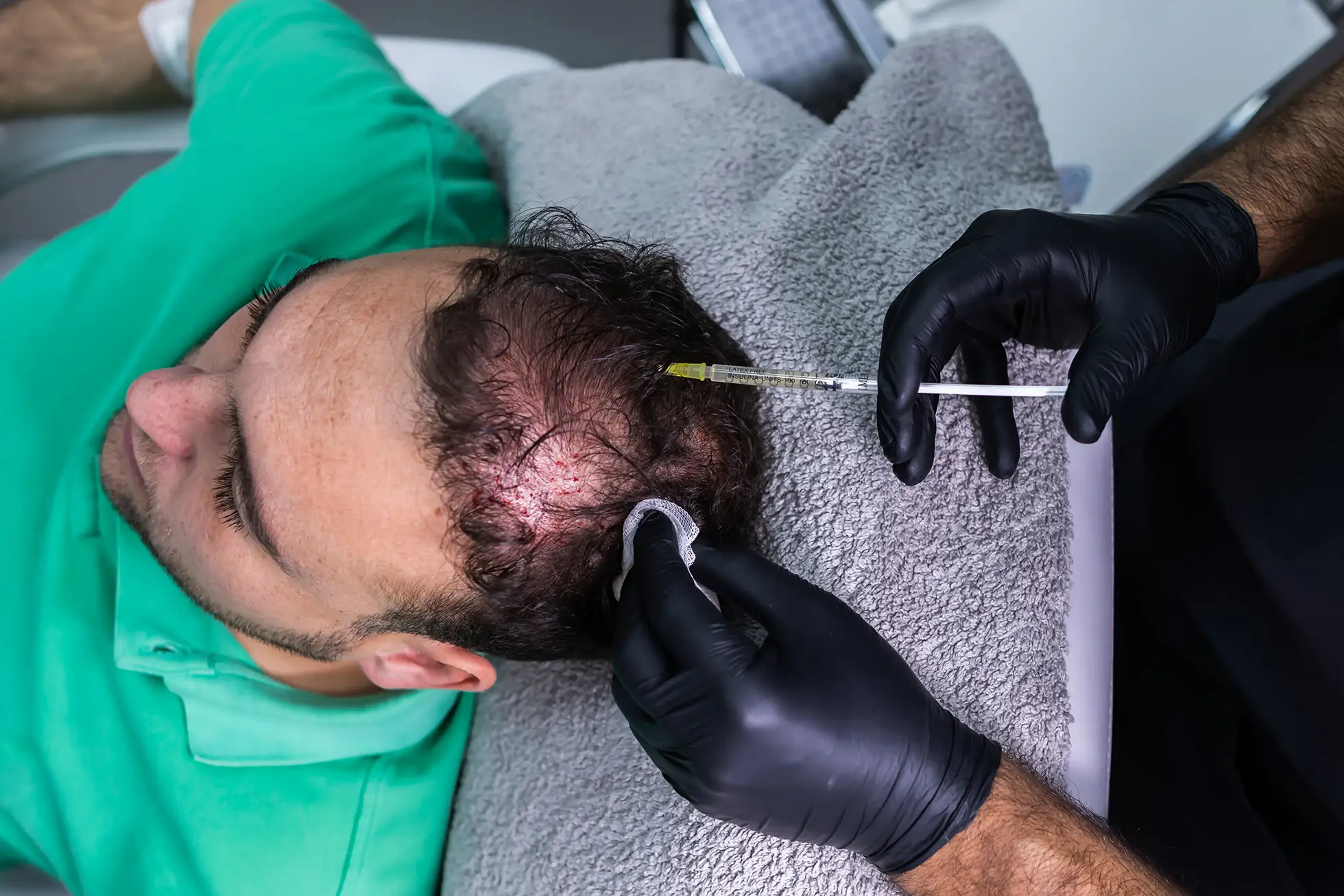
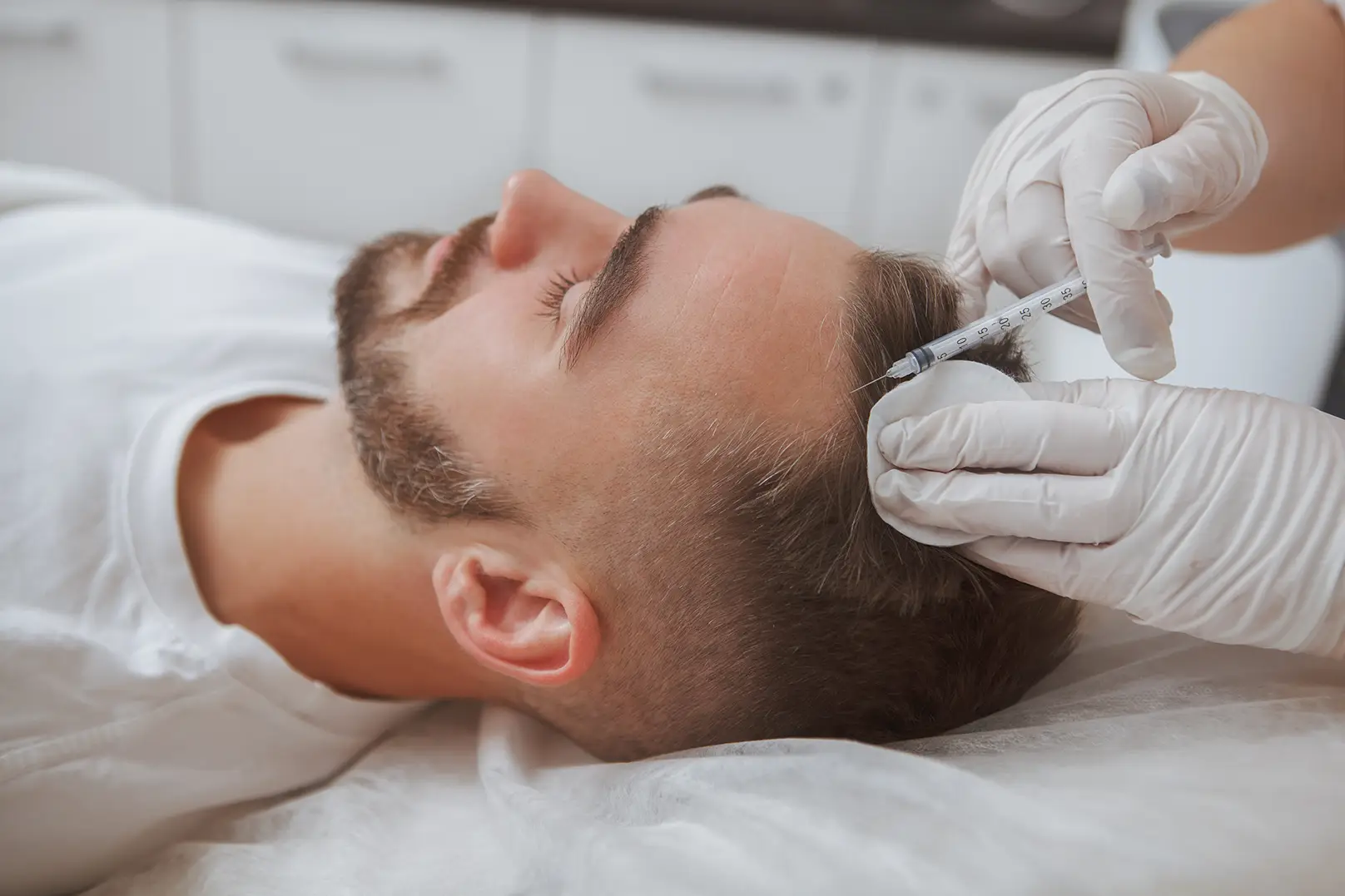
- Exosomes are applied directly onto the scalp, and microneedling enhances the effects of the treatment. Generally, the applications of exosomes are executed on areas where there is a desire for hair growth, i.e., hairline, crown, or other thinning areas.
- After the application, it is advisable to refrain from washing the hair or utilizing any products for some time following the treatment. Detailed post-treatment care instructions will be provided by your healthcare practitioner.
- You might feel little to no pain during and after your procedure. Tenderness to the touch might be experienced right after your exosome's treatment.
How Long Does the Exosome Hair Loss Therapy Procedure Take?
Exosome hair therapy differs in how long it generally lasts in one session based on the treatment plan set. Commonly, exosome therapy involves a series of multiple sessions, spaced weeks or months apart.
Session length may vary from one and a half hours to several hours, with respect not only to the length of individual appointments according to the treatment protocol but also to the surface area of the scalp being treated. Most people usually undergo 3 to 6 sessions at least a week or two apart from each other.
 Recovery From Exosome Therapy for Hair Loss
After exosome therapy for hair loss, recovery is generally fast, and most of the patients can return to their normal activities soon after. Injection-related swelling and redness can occur but usually subside within a few days.
During the recovery period, avoid any rubbing, touching, or washing of the treated area for a minimum of 12 hours after treatment to prevent possible infection.
Hair growth and quality might be noticed by patients within a few weeks after the procedure, as new hair follicles are being formed and the existing ones are becoming stronger and healthier. This improvement could go on for several months as more hair follicles continue to be formed and the existing ones become even healthier.
Exosomes Hair Treatment Side Effects
While exosome therapy is highly tolerable with a very good safety profile, if you considering this treatment, it’s important to understand its safety aspects and any potential side effects.
Being mostly reliant on natural biochemical processes, the treatment generally causes little to no reaction. Yet, cosmetic procedures oftentimes involve some points to consider:
- Mild reactions: Clients may experience some redness, swelling, or mild discomfort at the injection area. These symptoms should last a few hours and generally resolve on their own.
- Allergic reactions: Although rare, an allergic reaction may occur to one or more components of the exosome preparation.
What Are the Results of Exosome Hair Treatment?
The outcome of exosome hair therapy differs from one patient to another.
On this point, Dr. Cinik states, “For some patients, results may become visible as early as a few weeks after starting, while others will probably benefit from it after the complete course of treatment and the maintenance phases. Therefore, following post-treatment care and recurring follow-ups would ensure that the benefits of long-term hair restoration through exosome therapy can be optimized and prolonged.”
How Long Does It Take to See the Results From Exosome Hair Loss Therapy?
Natural hair growth may begin as early as 2 to 3 months post-treatment for exosome hair restoration. Expect new hair growth to continue during the year following treatment, with maximum observable results starting around the six-month mark after the treatment.
Other Uses of Exosome Therapy
Besides treating baldness, exosome treatment areas also include:
Scars, spots, aging, and skin rejuvenation:
It helps the skin maintain its lost elasticity and strength. Due to their great regenerative abilities, exosomes help to restore some of the functions lost to aging.
Treatment for autoimmune diseases:
Exosomes purify the activation of regulatory T cells for the betterment of the immune system.
Orthopedic disease treatment:
Cartilage damage and joint calcification
Exosomes from mesenchymal stem cells induce regeneration of cartilage tissue. This reduces inflammation and helps to proliferate cartilage cells. It is used for the treatment of joint conditions such as osteoarthritis, and talus.
Bone healing
Exosomes help with the quick recovery of fractures. It enhances the activity of osteoprogenitor cells to regenerate bone tissue.
Muscle and tendon injury
Exosomes accelerate muscle and tendon injury recovery. They downregulate the inflammation in tendon injuries like tendonitis and tendinosis and support fast tendon cell regeneration.
Ligament injury
Exosomes accelerate ligament regeneration. This treatment promotes speedy recovery from sports injuries and other traumatic situations.
Exosomes help ovarian rejuvenation
Ovarian aging may be indicated by a decrease in follicle count. This is defined primarily with respect to the quantity and quality of primordial follicles.
Primordial follicle counts significantly and markedly increase after exosome intervention. Mesenchymal stem cell-derived exosomes are applied in the treatment of polycystic ovary syndrome, ovarian maturation, uterine conditions, and endometrial receptivity.
Exosome Hair Therapy Cost in Turkey
Turkey is emerging at the forefront as a hub for hair restoration treatments, especially exosome hair therapy, due to its advanced medical infrastructure coupled with internationally accredited clinics and a great number of specialists experienced in the field. Traveling to Turkey for exosome hair therapy treatment offers patients a number of advantages, such as:
- Affordable services: In Turkey, the costs for procedures would come at a much lower rate than in any Western country without hampering quality.
- High-end clinics: Turkish medical centers adopt extremely advanced technology and maintain strict protocols in their operations.
- Experienced specialists: Having board-certified Turkish dermatologists and trichologists probably guarantees the best treatment outcome.
- All-inclusive treatment packages: Many clinics offer lump-sum packages that cover accommodation, airport transport, and aftercare.
The pricing of exosome hair therapy in Turkey differs from clinic to clinic and depends on the treatment plan, with packages generally costing from around €1,300 to €3,200 per session.
To conclude, exosome hair therapy is paving the way for innovative approaches to treating hair loss. This method is a revolution that applies cutting-edge science to practical results. It stops hair loss while also promoting hair growth and improving scalp health. Apart from having clear cosmetic benefits, as we have seen, exosome therapy is a possibility that many will use to enhance their confidence.
The spectrum of applications for the exosome therapy approach hints at promising applications in many other areas of medicine. If research and technology continue to grow, exosome hair therapy will be poised to change the standards of care for hair restoration, giving hope to many suffering from hair loss and ushering in new generations of protocols within regenerative medicine.
Frequently Asked Questions
Is Exosome Therapy for Hair Loss Scientifically Proven?
Although a promising research trial and anecdotal evidence exist to support exosome therapy, it is still considered an experimental approach. Only rigorous scientific evaluation can determine beyond doubt whether the treatment is effective and safe.
Does Exosome Hair Therapy Work for Hair Loss?
Findings from studies conducted on animal models and at the cellular level have revealed that exosomes from diverse cell types such as dermal papilla cells and mesenchymal stem cells have a substantial ability to enhance hair growth. This suggests that exosomes could be one promising therapeutic strategy for treating alopecia.
How Effective Is Exosome for Hair?
Many studies have proven the effectiveness of exosome hair therapy. As shown in many studies, exosomes promote the proliferation of hair follicles, speed up the transition from telogen to anagen phases, and protect hair follicle cells from oxidative damage caused by reactive oxygen species.
Does the Application of Exosome Hair Therapy Have an Age Limit?
There is no specific age requirement for exosome treatment, but the treatment's effectiveness and benefits may vary depending on the individual.
Which Is Better, PRP or Exosomes?
Both options are equally effective, but exosomes may provide faster results with the added benefit of their anti-inflammatory effects. A standard PRP injection delivers 7-25 growth factors into the skin. In comparison, exosome treatment acts more powerfully by delivering over 400 growth factors.
How Long Does It Take for Exosomes to Grow Hair?
Following exosome hair loss therapy, patients usually experience hair growth within just a few weeks and will continue to improve with increased follicle maturation in subsequent months.
Is Exosome Hair Therapy Safe?
Exosome therapy is one of the safest and least invasive forms of hair loss therapy; the side effects are low, and there is no need for extensive recovery. If the exosomes used in this therapy come from the patient's own stem cells, the chances of adverse reactions or rejection are reduced.
Does Exosome Therapy Hurt?
No, exosome hair therapy is not painful. There's just that pressure felt on the scalp during the injection process. Since exosome therapy is microneedled, one could think that the pain would amount to three out of ten. Prior to the session, a local anesthetic will be used to minimize the sensation.
How Many Sessions of Exosomes for Hair Loss Do I Need?
Exosomes for hair loss sessions are determined by personal factors such as the degree of hair loss, underlying conditions, and responsiveness to therapy. Generally, one to three sessions are recommended, with follow-up sessions conducted at intervals of several months.
Can Exosome Therapy Reverse Baldness?
When it comes to promoting hair regrowth in areas of thinning hair, exosome therapy has displayed huge promise; however, the therapy's efficiency in areas with a complete absence of hair remains inconclusive, hence requiring further evaluation.
Is Exosome Therapy Suitable for All Types of Hair Loss?
While exosome therapy may be effective in treating hair loss induced by environmental factors or aging, its effectiveness is compromised when applied to congenital conditions such as male or female pattern baldness.
Can Exosome Therapy Be Combined With Other Hair Loss Treatments?
It is possible to combine several hair loss treatments with exosome therapy, such as finasteride, PRP, or minoxidil, but such combinations should be carried out under the supervision of a healthcare professional.