أبالون المعدةيوفر خيار فقدان الوزن بدون جراحة. تركيا تقدم هذا العلاج من خلال أخصائيين ذوي خبرة بأسعار تنافسية. هذا الدليل يشرح كل ما تحتاج لمعرفته حول الإجراء، المتطلبات، الأنواع، التكاليف، والتعافي.
ما هو بالون المعدة؟
بالون المعدة هو جهاز مصنوع من السيليكون الناعم، يقوم الطبيب بإدخاله داخل المعدة. يشغل مساحة ويساعدك على الشعور بالشبع مع تناول كميات أقل من الطعام.
بالون المعدة هو جهاز داخلي في المعدة. ويطلق عليه الأطباء أيضًا اسم بالون المعدة. يبقى البالون داخل المعدة لفترة محددة. لا يتطلب جراحة. يقوم الأطباء بإدخاله عبر الفم باستخدام منظار داخلي أو نظام كبسولة قابلة للابتلاع.
يعمل البالون كأداة مؤقتة. يشغل مساحة في المعدة. هذه القيود المكانية تخلق شعورًا بالشبع في وقت مبكر. تشعر بالشبع سريعًا. تأكل كميات أقل. البالون لا يغير معدتك بشكل دائم. يقوم الأطباء بإزالته بعد عدة أشهر.
العديد من المرضى يخلطون بين بالون المعدة وجراحة إنقاص الوزنهذه العلاجات تختلف بشكل كبير. جراحة إنقاص الوزن تغير أناتوميا الجهاز الهضمي بشكل دائم. يقوم الجراحون بإزالة جزء من المعدة أو إعادة توجيه الأمعاء. البالون المعدي لا يفعل أي من هذا. إنه ببساطة يبقى داخل المعدة ويخلق حاجزًا ميكانيكيًا ضد الإفراط في الأكل.
درس الباحثون البالونات الداخلية في المعدة لعقود. ظهرت أول البالونات الحديثة في الثمانينيات. منذ ذلك الحين، قام الفرق الطبية بتحسين الأجهزة. تستخدم بالونات اليوم مواد أكثر أمانًا. يقوم الأطباء بفهم اختيار المرضى بشكل أفضل. وقد تحسنت النتائج بشكل مستمر.
يعتبر بالون المعدة أداة واحدة ضمن استراتيجية أكبر لإدارة الوزن. يساعد المرضى الذين يحتاجون إلى تحكم فوري في الحصص. يملأ الفجوة بين برامج الحمية والحلول الجراحية الدائمة. بالنسبة للمريض المناسب، فإنه يبدأ تغيير نمط الحياة بشكل فعّال.
كيف يعمل بالون المعدة؟
يملأ البالون جزءًا من معدتك، مما يقلل المساحة المتاحة للطعام. تشعر بالشبع أسرع، وتأكل طبيعيًا أقل.
كيف يقلل البالون من تناول الطعام؟
يحتل البالون حجم المعدة بشكل مادي. يبقى مساحة أقل للطعام. يستقبل دماغك إشارات الشبع في وقت مبكر.
يأخذ البالون حوالي 400 إلى 700 مل من المساحة داخل المعدة. هذه المساحة ذات أهمية. تحتوي معدة البالغين النموذجية على حوالي 1,000 إلى 1,500 مل عندما تكون على راحتها. يزيل البالون جزءًا كبيرًا من تلك السعة.
عندما تأكل، يمتزج الطعام بالبالون. يتمدد جدار المعدة أقل. ترسل مستقبلات التمدد في بطانة المعدة إشارات الشبع إلى الدماغ. تصل هذه الإشارات في وقت مبكر من الوجبة. تتوقف عن الأكل في وقت أقرب. تنخفض إجمالي السعرات الحرارية التي تتناولها.
يؤخر البالون أيضًا إفراغ المعدة لدى بعض المرضى. يترك الطعام المعدة تدريجيًا أكثر. تعزز هذه الفترة الممتدة من وجود الطعام الشعور بالشبع. تشعر بالرضا لفترات أطول بين الوجبات.
هل يقلل بالون المعدة الشهية؟
يقلل البالون بشكل رئيسي من سعة المعدة. بعض المرضى يبلغون عن شعور أقل بالجوع. يختلف التأثير من شخص لآخر.
يلعب تمدد المعدة دورًا رئيسيًا في تنظيم الشهية. عندما تتمدد المعدة، تطلق هرمونات مثل الجريلين. يحفز الجريلين الجوع. يغير البالون هذه الرقصة الهرمونية. تُظهر بعض الدراسات انخفاض مستويات الجريلين مع وضع البالون (جينكو وآخرون، 2013).
ومع ذلك، فإن التحكم في الشهية أمر معقد. يتناول البالون الجانب الميكانيكي. لا يصلح للأكل العاطفي. لا يقضي على الرغبة في الطعام تمامًا. لا بد أن يقوم المرضى باتخاذ خيارات غذائية واعية. يخلق البالون الظروف المادية لتحقيق النجاح. السلوك يخلق النجاح الفعلي.
هل بالون المعدة حل دائم لفقدان الوزن؟
لا، البالون مؤقت. يجب على الأطباء إزالته. يعتمد النجاح على المدى الطويل على عاداتك الغذائية.
يعمل بالون المعدة كجسر، وليس وجهة. يبقى في مكانه لعدة أشهر، وليس لسنوات. بعد الإزالة، تعود معدتك إلى حجمها الأصلي. تختفي القيود المادية. تبقى فقط العادات التي تعلمتها.
تؤكد الأبحاث هذه الحقيقة. المرضى الذين يحافظون على تغييرات النظام الغذائي يحافظون على وزنهم أكثر. المرضى الذين يعودون إلى العادات القديمة يستعيدون الوزن. يعلمك البالون التحكم في الكمية. يجب أن تستمر في تلك الدروس بعد الإزالة.
من هو المرشح المناسب لبالون المعدة؟
قد يتأهل البالغون الذين يعانون من السمنة ولم ينجحوا في الحمية وممارسة الرياضة بمفردهم. يجب على الطبيب تقييم كل مريض على حدة.
يُقيّم الأطباء المرشحين بعناية. ينظرون إلى ما هو أبعد من الرقم الموجود على الميزان. يراجعون التاريخ الطبي. يقيمون سلوكيات الأكل. يتحققون من الحالات التي قد تعقد العلاج.
المرشح المثالي يفهم الطبيعة المؤقتة للجهاز. يلتزم بإجراء تغييرات في نمط الحياة. لديهم توقعات واقعية. يرغبون في خيار غير جراحي. يحتاجون إلى أداة لبدء رحلة فقدان الوزن الخاصة بهم.
غالبًا ما يستفيد المرضى الذين يعانون من حالات مرتبطة بالسمنة. تشمل هذه الحالات داء السكري من النوع الثاني وارتفاع ضغط الدم وانقطاع النفس النومي. حتى فقدان الوزن المعتدل يحسن هذه الحالات. يمكن أن يحفز البالون تلك الخسارة الأولية.
ما هو مؤشر كتلة الجسم الذي تحتاجه لوجود بالون المعدة؟
تختلف متطلبات مؤشر كتلة الجسم حسب الجهاز والدولة. تستهدف معظم الأنظمة المرضى الذين لديهم مؤشر كتلة جسم بين 30 و40. يسمح البعض بنطاقات أقل أو أعلى.
تحدد شركات تصنيع البالونات عتبات مختلفة. عادةً ما يخدم نظام أوربيرا المرضى الذين لديهم مؤشر كتلة جسم بين 30 و40. قد يستوعب بالون سباتز3 القابل للتعديل نطاقات أوسع. توافق بعض الجهات التنظيمية الأوروبية على البالونات لحالات وجود مؤشر كتلة جسم منخفض يصل إلى 27 في حالة وجود حالات مصاحبة.
لا توجد قاعدة عالمية لمؤشر كتلة الجسم. يقوم طبيبك بتقييم صحتك الكاملة. يأخذون في الاعتبار محيط الخصر. يقيمون الصحة الأيضية. يراجعون تاريخ فقدان الوزن لديك. يوفر مؤشر كتلة الجسم نقطة بيانات واحدة. لكنه لا يروي القصة الكاملة.
من قد لا يتأهل لوجود بالون المعدة؟
قد لا يتأهل المرضى الذين يعانون من أمراض معينة في المعدة، أو جراحة سابقة في مجال السمنة، أو فتق حجابي كبير، أو حالات طبية غير مضبوطة.
يقوم الأطباء بفحص الحساسيات بعناية. تشمل هذه الحالات قرحات المعدة النشطة، واضطرابات النزيف، وأمراض الكبد الشديدة. لا يمكن للمرضى الحوامل الحصول على بالون. يحتاج المرضى الذين يعانون من اضطرابات الأكل الشديدة إلى علاج مختلف أولاً.
تغير جراحة المعدة السابقة التشريح. قد يجعل هذا وضع البالون غير آمن. كما أن الفتق الحجابي الكبير يمثل مخاطر أيضًا. قد ينزلق البالون إلى المريء. يتطلب السكري غير المضبوط أو أمراض القلب استقرارًا أولاً.
يحتاج كل مريض إلى تقييم فردي. ما يستبعد شخصًا ما قد لا يستبعد آخر. فقط طبيب مؤهل يمكنه اتخاذ هذا القرار.
ما أنواع بالونات المعدة المتاحة في تركيا؟
تقدم تركيا بالونات منظارية، وبالونات قابلة للابتلاع، وبالونات لمدة ستة أشهر، وبالونات قابلة للتعديل لمدة اثني عشر شهراً. يعمل كل نوع بشكل مختلف.
تشمل سوق السياحة الطبية في تركيا أنظمة بالونات متعددة. يجد المرضى الدوليون خيارات قد لا توجد في بلدانهم الأصلية. توفر المستشفيات التركية العلامات التجارية الرئيسية. يتدرب المتخصصون على أجهزة مختلفة.
ما هي بالونات المعدة المنظارية؟
يضع الأطباء هذه البالونات عبر الفم باستخدام منظار داخلي. تتلقى تخديرًا. يزيل الأطباء البالونات بنفس الطريقة.
يبقى وضع المنظار هو الطريقة الأكثر شيوعًا. يستلقي المريض على جانبه. يقوم الطبيب بإعطاء التخدير عبر الوريد. يتم إدخال منظار مرن عبر الفم. يحمل المنظار بالونًا غير منتفخ.
يفحص الطبيب المعدة أولاً. يتحقق من وجود قروح أو شذوذات. ثم يضع البالون. يملأه بمحلول ملحي معقم. في بعض الأحيان يضيفون صبغة زرقاء. تنبه هذه الصبغة الأطباء إذا تسرب البالون.
يتطلب الإزالة منظارًا داخليًا آخر. يقوم الطبيب بخرق البالون. يمتص السوائل. يمسك البالون الفارغ بالأدوات. pull it out through the mouth.
ما هي بالونات المعدة القابلة للابتلاع؟
تبتلع كبسولة متصلة بأنبوب رفيع. يملأ الأطباء البالون من خلال الأنبوب. لا حاجة لإجراء المنظار لوضعه.
تستخدم الأنظمة القابلة للابتلاع مثل بالون أليوريون نهجًا مختلفًا. يبتلع المريض كبسولة بحجم فيتامين كبير. تحتوي الكبسولة على بالون غير منتفخ. يبقى قثطار رفيع متصل.
يؤكد الأطباء على وضع الكبسولة بواسطة الأشعة السينية. ثم يملأون البالون من خلال القسطرة. بعد ذلك، يزيلون القسطرة. يبقى البالون في المعدة. تمر بعض البالونات القابلة للابتلاع بشكل طبيعي بعد عدة أشهر. بينما تتطلب أخرى الإزالة بالتنظير الداخلي.
تجذب هذه الطريقة المرضى الذين يخشون التنظير الداخلي. إنها ت eliminates مخاطر التخدير. تقلل من وقت الإجراء. ومع ذلك، ليس كل المرضى قادرين على ابتلاع الكبسولة. قد تمنع الضيق في المريء الاستخدام.
ما هي بالونات المعدة التي تستمر لمدة ستة أشهر؟
تبقى هذه البالونات في المعدة لمدة حوالي ستة أشهر. يقوم الأطباء بإزالتها وفق الجدول الزمني. تناسب المرضى الذين يحتاجون إلى دعم متوسط الأجل.
يمثل طول الستة أشهر نافذة العلاج التقليدية. استخدمت معظم أنظمة البالونات المبكرة هذا الجدول الزمني. يتبع بالون Orbera هذا الجدول. يتلقى المرضى دعمًا مكثفًا خلال هذه الستة أشهر. يلتقي اختصاصيو التغذية معهم بانتظام.
يخلق الجدول الزمني الثابت شعورًا بالإلحاح. يعرف المرضى أن الجهاز سيترك. يحفز هذا تغيير السلوك. يرسخون عادات جديدة بينما يعمل البالون. ثم يحافظون على هذه العادات بعد الإزالة.
ما هي بالونات المعدة القابلة للتعديل التي تستمر لمدة اثني عشر شهرًا؟
تبقى هذه البالونات لفترة أطول. يستطيع الأطباء تغيير حجم التعبئة. وتقدم دعماً ممتداً لبعض المرضى.
تسمح البالونات القابلة للتعديل مثل Spatz3 بتغييرات في الحجم. إذا تكيف المريض كثيرًا، يضيف الأطباء المزيد من السائل. هذا يستعيد التأثير التقييدي. إذا عانى المريض من الغثيان كثيرًا، يزيل الأطباء بعض السائل. هذه المرونة تخصيص العلاج.
تتناسب المدة الأطول مع المرضى الذين لديهم وزنه أكبر ليخسروا. تعطيهم مزيدًا من الوقت لبناء العادات. ومع ذلك، تزيد الإقامة الأطول من مخاطر معينة. يراقب الأطباء هؤلاء المرضى عن كثب.
ما هي علامات بالونات المعدة الشائعة في تركيا؟
تقدم العيادات التركية عموما Orbera و Spatz3 و Allurion. تختلف التوافر حسب المستشفى والموافقة التنظيمية.
يبقى Orbera هو العلامة التجارية الأكثر شهرة على مستوى العالم. يستخدم بالون سيليكون كروي. يملأه الأطباء بـ 500 إلى 700 مليلتر من المحلول الملحي. يبقى لمدة ستة أشهر.
يوفر Spatz3 القابلية للتعديل. يمكن للأطباء زيادة أو تقليل الحجم من خلال صمام خاص. يبقى لمدة تصل إلى اثني عشر شهرًا. يناسب هذا النظام المرضى الذين يحتاجون إلى تدخل أطول.
تقدم Allurion خيارًا قابلًا للابتلاع. يمر بشكل طبيعي بعد حوالي أربعة أشهر. لا تحتاج إلى إجراء إزالة. يجذب هذا السياح الطبيين الذين يرغبون في تقليل زيارات العيادة.
توجد أنظمة أخرى أيضًا. تقدم بعض المستشفيات التركية علامات تجارية إقليمية. يتغير التوافر مع تطور اللوائح. ينبغي على المرضى أن يسألوا بشكل محدد عن اسم الجهاز وصانعه.
كيف تقارن أنواع بالونات المعدة؟
تتطلب البالونات التنظيرية إجراءات تخدير وإزالة. بينما لا تتطلب البالونات القابلة للابتلاع أي تنظير لوضعها. تقدم البالونات القابلة للتعديل المرونة في الحجم.
ميزة | بالون تنظيري | بالون قابل للابتلاع | بالون قابل للتعديل |
وضع | تنظير داخلي | كبسولة/ابتلاع | تنظير داخلي |
تخدير | عادةً ما يكون مطلوبًا | عادةً لا يكون مطلوبًا | عادةً ما يكون مطلوبًا |
إزالة | استخراج عن طريق التنظير الداخلي | مرور طبيعي أو تنظير داخلي | استخراج عن طريق التنظير الداخلي |
مدة | 6 أشهر تقريبًا | حوالي 4 أشهر | حتى 12 شهرًا |
قابلية التعديل | لا | لا | نعم |
قابلية للعكس | نعم، عن طريق الإزالة | نعم، عن طريق المرور | نعم، عن طريق التعديل أو الإزالة |
ماذا يحدث خلال إجراء بالون المعدة في تركيا؟
تشمل العملية استشارة، اختبارات، تحضير، وضع، ومراقبة. يكمل معظم المرضى كل شيء في يوم أو يومين.
ماذا يحدث في الاستشارة الطبية الأولية؟
يقوم الطبيب بمراجعة تاريخك الصحي. يتحقق من وزنك ومؤشر كتلة الجسم (BMI). يناقش أهدافك. يشرح الإجراء.
تبدأ الاستشارة بالأوراق. تقدم تاريخك الطبي. تسرد الأدوية الحالية. تصف محاولات فقدان الوزن السابقة. يسأل الطبيب عن الحساسية. يستفسر عن عادات الأكل.
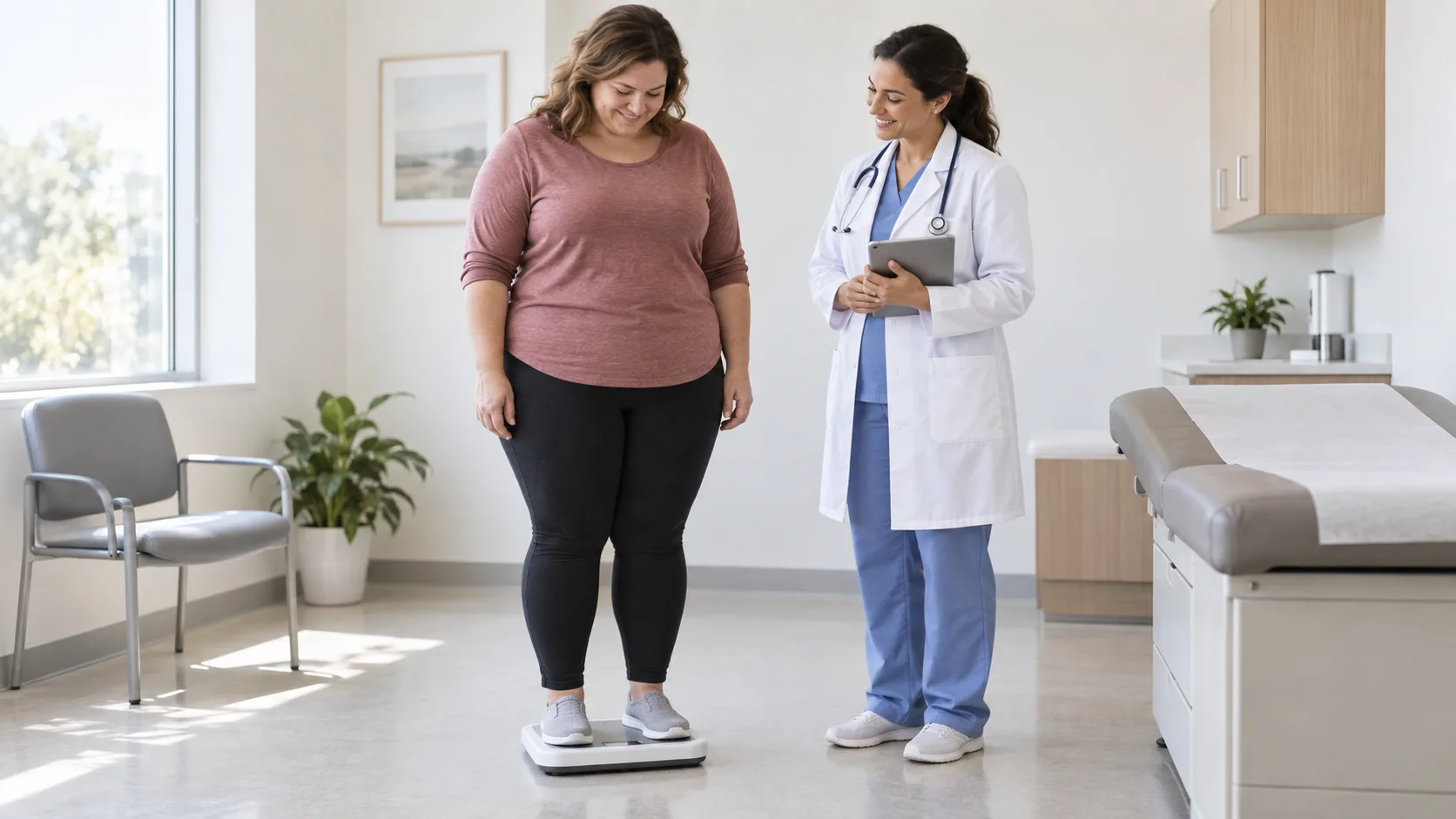
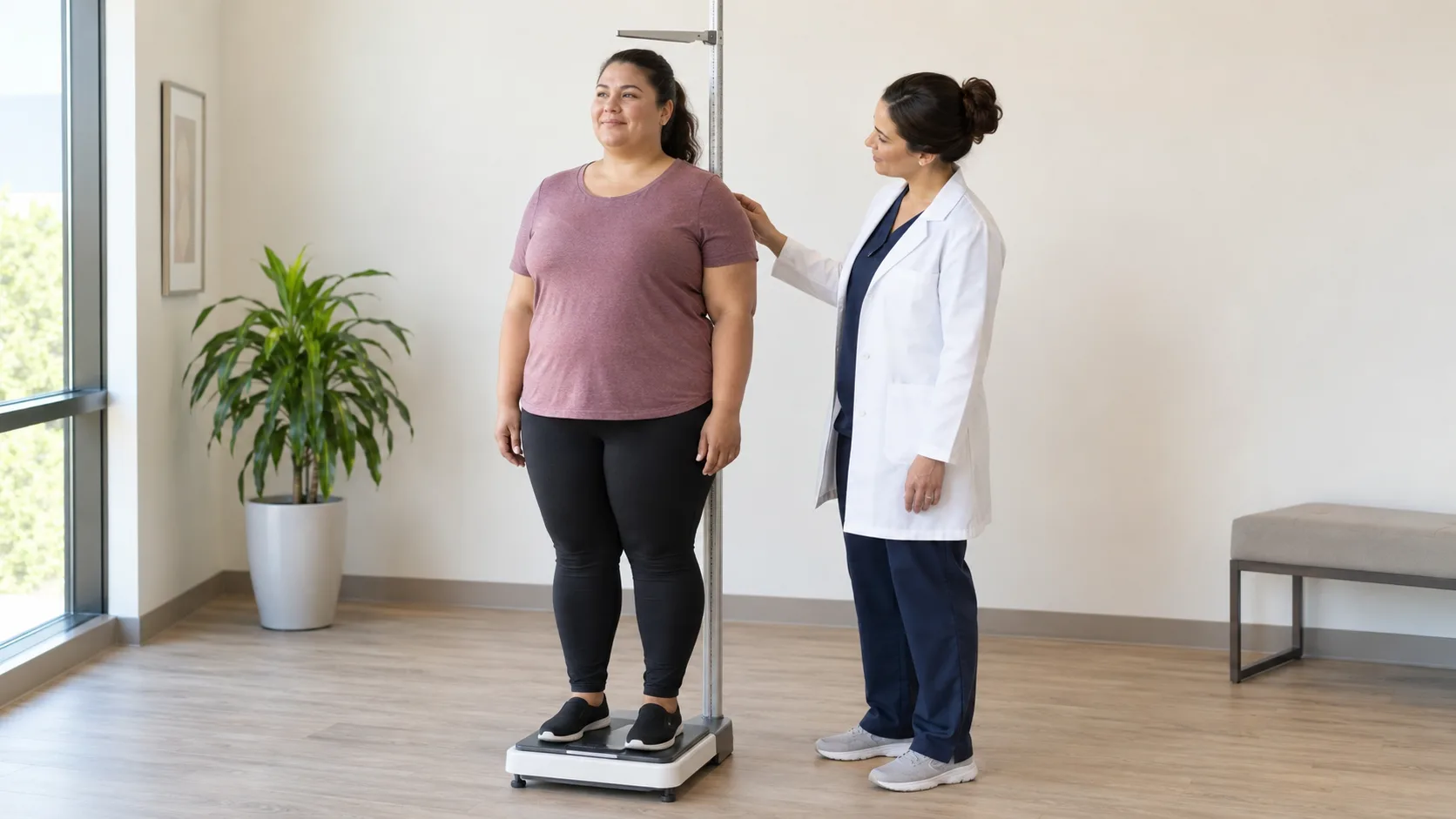
تتبع ذلك الفحص البدني. يقيس الطبيب الطول والوزن. يحسب مؤشر كتلة الجسم (BMI). يتحقق من ضغط الدم. يستمع إلى قلبك ورئتيك. يفحص بطنك.
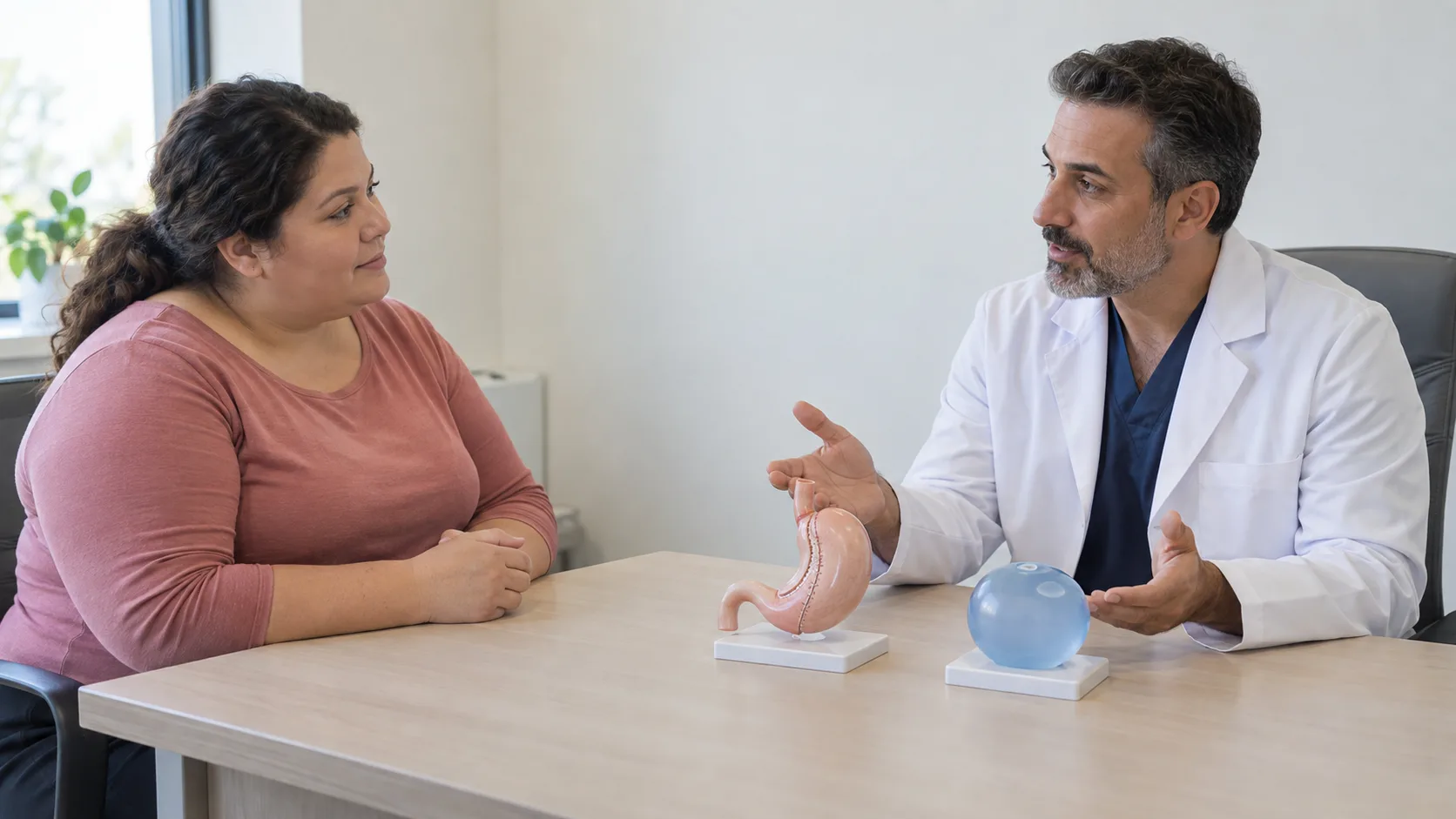
يشرح الطبيب نظام البالون الذي يوصي به. يناقش النتائج الواقعية. يحدد خطة النظام الغذائي. يجيب على أسئلتك. يبني هذا الحديث الثقة. يحدد التوقعات.
ما هي الاختبارات الضرورية قبل الإجراء؟
تحتاج إلى اختبارات دم وقد تكون هناك حاجة لتصوير داخلي. يتحقق الطبيب من حالتك الصحية العامة. يبحث عن موانع الاستعمال.
تشمل الاختبارات القياسية تعداد دم كامل. يتحقق الأطباء من فقر الدم أو العدوى. يقومون بإجراء تحاليل أيضية. يقيمون وظيفة الكلى والكبد. يتحققون من مستويات السكر في الدم.
يطلب الكثير من الأطباء إجراء تنظير علوي قبل وضع البالون. يكشف هذا الفحص عن قرحات المعدة. يحدد الفتوق الحجابية. يتحقق من الشذوذات التشريحية. العثور على هذه القضايا قبل الوضع يمنع المضاعفات.
يحتاج بعض المرضى إلى اختبارات إضافية. قد تشمل هذه تخطيط القلب الكهربائي لصحة القلب. قد يكون من الضروري إجراء صورة أشعة للصدر. تساعد الفحوصات النفسية في تحديد اضطرابات الأكل. يحدد تقييم التغذية مستوى أساسي.
كيف يمكنك التحضير للإجراء؟
تصوم لبضع ساعات. قد تتوقف عن تناول بعض الأدوية. تنظم وسيلة النقل إلى المنزل.
يتطلب التحضير عادةً الصيام لمدة 8 إلى 12 ساعة. يقلل المعدة الفارغة من مخاطر الاستنشاق. يحدد الطبيب التوقيت الدقيق. يجب عليك عدم تناول الطعام أو الشراب بعد الوقت المحدد.
قد تتطلب مميعات الدم التوقف المؤقت. يقوم الطبيب بالتنسيق مع طبيبك الموصي. قد تحتاج أدوية السكري إلى تعديل. يوفر الفريق الطبي تعليمات محددة.
لا يمكنك القيادة بعد التهدئة. رتب وسيلة نقل إلى فندقك. ارتدِ ملابس مريحة. اترك المجوهرات في المنزل. أحضر سجلاتك الطبية وقائمة أدويتك.
ماذا يحدث أثناء وضع البالون؟
ستحصل على تخدير. يقوم الطبيب بإدخال البالون من خلال فمك. يملؤه بالسوائل. يتحققون من الموضع. تستغرق العملية من 20 إلى 30 دقيقة.
تستلقي على جانبك الأيسر في غرفة العملية. يقوم IV بتوصيل التخدير. تراقب الممرضة علاماتك الحيوية. يقوم الطبيب برش مادة مخدرة في حلقك.
يدخل المنظار من خلال فمك. يرى الطبيب معدتك على شاشة. يفحصون البطانة. يبحثون عن مشكلات. إذا كانت كل الأمور تبدو طبيعية، يستمرون.
يسير البالون غير المنفوخ عبر قناة المنظار. يقوم الطبيب بتوجيهه في جسم المعدة. يقومون بنفخه بمحلول ملحي معقم. قد يضيفون صبغة ميثيلين زرقاء. يسحبون المنظار. يتحققون من الوضع المناسب.
كم من الوقت يستغرق وضع البالون في المعدة؟
يستغرق وضع البالون الفعلي من 20 إلى 30 دقيقة. تبقى في الانتعاش لعدة ساعات بعد ذلك.
تنتهي معظم عمليات التداخل بالمنظار في غضون نصف ساعة. تستغرق عمليات وضع الكبسولات القابلة للبلع وقتًا أقل. لا يسرع الفريق الطبي. يتحققون من كل خطوة.
بعد العملية، تستريح في الانتعاش. تراقب الممرضات تنفسك ومعدل ضربات قلبك. يراقبون ردود الفعل التحسسية. يديرون الغثيان إذا بدأ. يذهب معظم المرضى إلى المنزل في نفس اليوم.
ماذا يحدث بعد تركيب بالون المعدة؟

تكون الأيام القليلة الأولى مصحوبة بالغثيان والتقلصات. تتحسن الأعراض خلال أسبوع. يعود معظم المرضى إلى الأنشطة العادية بسرعة.
ماذا يجب أن تتوقع في الأيام القليلة الأولى؟
الغثيان والقيء والتقلصات المعوية شائعة. تصل هذه الأعراض إلى ذروتها في الأربع والعشرين ساعة الأولى. تساعد الأدوية في السيطرة عليها.
يتعرف معدتك على البالون كجسم غريب. يحاول طردها. هذا يؤدي إلى الشعور بالغثيان. قد تتعرض للقيء عدة مرات. تحدث تقلصات البطن مع تكييف المعدة. يشعر الانتفاخ بأنه مكثف.
يصف الأطباء أدوية مضادة للغثيان. قد يوصون بمخفضات الحمض. يحتاج بعض المرضى إلى مسكنات للألم. يجب عليك شرب الماء ببطء. تفاقم الجفاف الأعراض.
يشعر معظم المرضى بتحسن ملحوظ بحلول اليوم الثالث أو الرابع. بنهاية الأسبوع الأول، يبلغ الكثيرون عن انزعاج خفيف فقط. تتكيف المعدة. تقبل البالون.
ما هي مدة فترة التكيف؟
تتكيف المعدة خلال 3 إلى 7 أيام. يحتاج بعض المرضى إلى أسبوعين. تسرع الترطيب والأدوية من عملية التعافي.
تختلف فترة التكيف بشكل كبير. أحياناً يتكيف المرضى الأصغر سناً بشكل أسرع. قد يحتاج المرضى ذوو المعدة الحساسة إلى وقت أطول. يقوم طبيبك بتعديل الأدوية بناءً على تقدمك.
يظل الترطيب حيوياً خلال هذه المرحلة. تعمل الرشفات الصغيرة والمتكررة بشكل أفضل. قد تؤدي الجرعات الكبيرة إلى القيء. توفر السوائل الشفافة السوائل اللازمة دون إضافة كتلة.
متى يمكنك العودة إلى الأنشطة الطبيعية؟
يستأنف معظم المرضى الأنشطة الخفيفة خلال 24 إلى 48 ساعة. يجب عليك تجنب رفع الأثقال الثقيلة لمدة أسبوع تقريباً.
تكون الأعمال المكتبية ممكنة بسرعة. إذا كنت تعمل على مكتب، يمكنك العودة بعد يومين. تتطلب الوظائف الجسدية وقتاً أطول. تجهد التمارين الشاقة البطن. انتظر إذن طبيبك.
السفر ممكن بعد بضعة أيام. الطيران يعتبر آمناً بشكل عام بمجرد أن تتلاشى الغثيان. ومع ذلك، ناقش خطط سفرك المحددة مع طبيبك. هم يعرفون عن تعافيك الفردي.
ماذا يمكنك أن تأكل مع بالون المعدة؟
تبدأ مع السوائل الشفافة. تتقدم إلى الأطعمة اللينة. وفي النهاية، تعود إلى الأطعمة الصلبة. التحكم في الحصص يبقى أساسياً إلى الأبد.
ماذا يمكنك أن تأكل فور تلقيه؟
المشروبات الواضحة فقط خلال الـ 24 إلى 48 ساعة الأولى. الماء، والمرق، والجيلاتين الخالي من السكر هي خيارات شائعة.
تحتاج المعدة إلى معاملة لطيفة في البداية. توفر السوائل الشفافة الترطيب دون بقايا. تمر بسهولة حول البالون. يجب أن تلتقط باستمرار. استهدف على الأقل 1.5 لتر يومياً.
تجنب المشروبات السكرية. تقدم سعرات حرارية فارغة. قد تسبب أعراضاً شبيهة بالتفريغ. تخلق المشروبات الغازية غازات وعدم راحة. التزم بالماء العادي، وشاي الأعشاب، والمرق الشفاف.
متى تنتقل إلى الأطعمة اللينة؟
بعد 48 ساعة، تضيف الأطعمة المهروسة واللينة. تأكل كميات صغيرة. يجب عليك المضغ جيداً.
تدخل الزبادي، والخضروات المهروسة، ومخفوقات البروتين إلى القائمة. تأكل 5 إلى 6 وجبات صغيرة يومياً. تناسب كل وجبة في كوب صغير. تأكل ببطء. تتطلب كل قضمة مضغاً دقيقاً.
يهم البروتين خلال هذه المرحلة. يحتاج جسمك إلى الأحماض الأمينية. تدعم المحافظة على العضلات الأيض. اختر الزبادي اليوناني، أو جبن القريش، أو المشروبات المخفوقة المدعمة بالبروتين.
متى يمكنك تناول الأطعمة الصلبة مرة أخرى؟
يعود معظم المرضى إلى الأطعمة الصلبة خلال أسبوع إلى أسبوعين. يجب عليك الأكل ببطء. يجب عليك التوقف عند أول علامة على الشبع.
تُعاد إدخال الأطعمة الصلبة تدريجياً. ابدأ بالبروتينات اللينة مثل السمك أو البيض. أضف الخضروات المطبوخة. في النهاية أدرج اللحوم الخالية من الدهون والحبوب الكاملة. قد تسبب الخضروات النيئة واللحوم القاسية عدم الراحة في البداية.
البالون يعلم عادات جديدة. يجب عليك مضغ كل قضمة 20 إلى 30 مرة. ضع الشوكة جانبًا بين القضمتين. توقف عن الأكل عندما تشعر بأول علامة على الشبع. تجاهل هذه الإشارات يسبب الألم والتقيؤ.
ما هي الأطعمة والمشروبات التي يجب عليك تقليلها؟
تجنب المشروبات الغازية، المشروبات السكرية، الكحول، والأجزاء الكبيرة. هذه تؤثر على نتائجك.
فئة الطعام/الشراب | لماذا يجب التقليل | بديل أفضل |
المشروبات الغازية | توسع الغاز يسبب الألم | الماء العادي |
المشروبات السكرية | سعرات فارغة ترفع مستوى السكر في الدم | شاي غير محلى |
الكحول | سعرات إضافية، تهيج المعدة | نقوع الأعشاب |
الأطعمة المقلية | سعرات حرارية عالية، قد تسبب الغثيان | البروتينات المشوية |
الأجزاء الكبيرة | تمطط مفرط يسبب التقيؤ | وجبات صغيرة ومتكررة |
وجبات خفيفة معالجة بشدة | قليلة التغذية، تؤدي للإفراط في الأكل | خضروات طازجة |
لماذا يعتبر اختصاصي التغذية مهمًا؟
يعد اختصاصي التغذية خطة الوجبات الخاصة بك. يضمن التغذية الكافية. يعلم التحكم في الحصص. يدعم النجاح على المدى الطويل.
يفهم الاختصاصيون المسجلون في التغذية قيود البالون. يصممون وجبات تناسب المساحة المحدودة. يحسبون احتياجات البروتين. يوصون بمكملات الفيتامينات. يتناولون أنماط الأكل العاطفي.
تساعد عليك جلسات المتابعة الأسبوعية أو نصف الشهرية. يقوم اختصاصي التغذية بتعديل خطتك مع تقدمك. يعدونك لإزالة البالون. يبنون خطة الصيانة التي ستحتاجها لاحقًا.
كم من الوزن يمكنك أن تخسر مع بالون المعدة؟
يفقد العديد من المرضى 10% إلى 15% من وزنهم الإجمالي. البعض يخسر أكثر. تختلف النتائج الفردية بشكل كبير.
ما هو متوسط فقدان الوزن مع بالون المعدة؟
تبلغ الدراسات السريرية عن نطاقات واسعة. يفقد معظم المرضى وزنًا كبيرًا في الأشهر الثلاثة الأولى. تت plateau النتائج مع تكيف الجسم.
تظهر الأبحاث المنشورة في المجلات الطبية نتائج متنوعة. أظهرت إحدى التحليلات الشاملة متوسط فقدان الوزن من 12% إلى 15% من الوزن الإجمالي خلال العلاج (Kotzampassi et al., 2012). وأفادت دراسة أخرى بفقدان الوزن الزائد بين 25% و 35% (Genco et al., 2013).
تمثل هذه الأرقام متوسطات. قد يخسر المرضى الأفراد أكثر أو أقل. يُنشئ البالون الحالة الجسدية لفقدان الوزن. يحقق المريض الخسارة الفعلية من خلال الالتزام بالنظام الغذائي.
ما العوامل التي تؤثر على فقدان الوزن؟
الوزن الابتدائي، العمر، جودة النظام الغذائي، التمارين، والامتثال للمتابعة جميعها تؤثر على النتائج.
العامل | كيف يؤثر على النتائج |
مؤشر كتلة الجسم الابتدائي | قد يؤدي الوزن الابتدائي الأعلى إلى خسائر مطلقة أكبر |
العمر | فقدان الوزن أسرع للمرضى الأصغر سناً |
الالتزام بالنظام الغذائي | اتباع الخطة يؤثر مباشرة على النتائج |
النشاط البدني | تساعد التمارين على الحفاظ على العضلات وتعزيز الأيض |
حضور المتابعة | التحقق المنتظم يعزز المساءلة |
مدة البالون | وضعه لفترة أطول قد يؤدي إلى فقدان إجمالي أكبر |
الصحة النفسية | أنماط الأكل العاطفي تؤثر على اختيارات الطعام |
كيف تبدو النتائج قبل وبعد؟
تشمل التغييرات انخفاض الوزن وصغر محيط الخصر وتحسن العلامات الصحية. الصور لا يمكن أن تتنبأ بنتائجك الفردية.
النتائج الواقعية تمتد إلى ما هو أبعد من الميزان. يلاحظ المرضى الملابس الأكثر اتساعًا. يصعدون السلالم بسهولة أكبر. ينخفض ضغط الدم. يستقر مستوى السكر في الدم. تتحسن جودة النوم.
صور قبل وبعد المتاحة على الإنترنت تظهر الإمكانيات. لكنها لا تظهر ضمانات. يستجيب جسمك بشكل فريد. ركز على العلامات الصحية، وليس فقط المظهر.
ما هي فوائد معالجة بالون المعدة؟
يقدم البالون فقدان وزن غير جراحي، مؤقت، قابل للعكس. لا يتطلب أي شقوق. يدعم تحسينات الصحة الأيضية.
لماذا يعتبر النهج غير الجراحي مهمًا؟
تتجنب مخاطر الجراحة. تحافظ على معدتك سليمة. تتعافى بشكل أسرع.
لا يقوم أي جراح بقطع بطنك. لا يقوم أحد بإزالة أنسجة المعدة. لا يقوم أحد بإعادة توجيه أمعائك. الإجراء يحمل خطرًا أقل فورية من الجراحة بالمنظار. تتجنب الندبات الجراحية.
لماذا يعتبر العلاج المؤقت مهمًا؟
البالون لا يترك تغييرات دائمة. يمكنك عكس العلاج. هذا يجذب المرضى الذين يرغبون في اختبار القيود قبل الالتزام بالجراحة.
تقدم الطبيعة المؤقتة فترة تجريبية. تختبر الحياة بمعدة أصغر فعّالة. تتعلم ما إذا كنت تستطيع التكيف. إذا نجحت، يمكنك اختيار الجراحة الدائمة لاحقًا. إذا واجهت صعوبة، يمكنك ببساطة إزالة البالون.
ما هي الفوائد الأيضية التي قد تحدث؟
فقدان الوزن يحسن ضغط الدم، وسكر الدم، والكوليسترول، وشدة انقطاع النفس النومي.
حتى فقدان الوزن المعتدل يحسن الصحة الأيضية. عادة ما يقلل تخفيض الوزن بنسبة 10% بشكل كبير من ضغط الدم. تزيد حساسية الأنسولين. تتحسن ملفات الكوليسترول. تنخفض حلقات انقطاع النفس النومي.
هذه الفوائد تهم أكثر من المظهر. إنهم يقللون من خطر القلب والأوعية الدموية. إنهم يحسنون طول العمر. إنهم يعززون جودة الحياة اليومية.
ما هي المخاطر والآثار الجانبية لبالون المعدة؟
الغثيان والقيء شائعان في البداية. المضاعفات الجادة نادرة ولكن ممكنة. الإشراف الطبي يقلل من المخاطر.
ما هي الآثار الجانبية الشائعة على المدى القصير؟
الغثيان، والقيء، والتقلصات، والانتفاخ، والارتجاع تؤثر على معظم المرضى في الأسبوع الأول.
تعكس هذه الأعراض التكيف الطبيعي للمعدة. من المتوقع حدوثها، وليست مقلقة. التحكم بالأدوية يسيطر عليها بشكل فعال. يتمكن معظم المرضى من التعامل معها باستخدام مضادات القيء الموصوفة. تساعد مثبطات الحمض في أعراض الارتجاع.
ما هي المضاعفات الأقل شيوعًا؟
تتطلب القرحة، وتفريغ البالون، والهجرة، والانغلاق انتباهاً طبيًا. تحدث هذه في نسبة صغيرة من المرضى.
مضاعفة | الوصف | التكرار |
قرحة المعدة | تهيج بطانة المعدة | غير شائع |
تفريغ البالون | البالون يفقد السوائل | نادر |
هجرة البالون | البالون يتحرك من المعدة | نادر |
انسداد الأمعاء | البالون يسد الأمعاء | نادر جداً |
ثقب في المعدة | تمزق جدار المعدة | نادر جداً جداً |
الصبغة الزرقاء في بعض البالونات تساعد في اكتشاف التفريغ مبكراً. إذا تحول بولك إلى الأزرق-الأخضر، اتصل بطبيبك على الفور. هذه الإشارة تشير إلى تسرب البالون.
متى يجب عليك الاتصال بطبيب؟
اتصل إذا استمر القيء، وتفاقمت الآلام، ولم تتمكن من شرب السوائل، أو لاحظت البول الأزرق.
القيء المستمر يؤدي إلى الجفاف. الألم الشديد قد يشير إلى تقرحات أو ثقب. عدم القدرة على شرب السوائل يتطلب تدخلاً عاجلاً. البول الأزرق يشير إلى التفريغ. وجود دم في القيء يتطلب تقييمًا فوريًا.
كم من الوقت يبقى البالون المعدي في المعدة؟
مدة بقاء البالون تعتمد على الجهاز. معظم البالونات تبقى من 4 إلى 12 شهراً. يتبع طبيبك إرشادات الشركة المصنعة.
كم من الوقت تبقى البالونات التي تستمر 6 أشهر؟
هذه البالونات تبقى لمدة ستة أشهر تقريبًا. الجدول الزمني للإزالة يُجنب المضاعفات.
يتماشى الجدول الزمني لمدة ستة أشهر مع نظام أوربيرا. صمم المصنع المواد الخاصة بالبالون لهذه المدة. الوجود لفترة أطول يزيد من خطر تدهور المواد. يحدد الأطباء موعد الإزالة قبل ظهور المشكلات.
كم من الوقت تبقى البالونات التي تدوم لمدة اثنا عشر شهرًا؟
يمكن أن تبقى البالونات القابلة للتعديل حتى اثني عشر شهرًا. يراقب الأطباء هؤلاء المرضى عن كثب.
تقدم المدة الممتدة دعمًا لفترة أطول. يناسب المرضى الذين لديهم وزن زائد ليخسروه. ومع ذلك، كلما طالت فترة بقاء البالون، زادت مخاطر القرحة. يصف الأطباء أدوية قوية لتثبيط الحموضة. يجري الأطباء فحوصات أكثر تكرارًا.
كم من الوقت تبقى البالونات القابلة للابتلاع؟
يمر معظمها بشكل طبيعي بعد حوالي أربعة أشهر. لا حاجة لموعد إزالة.
يشهد بالون ألوريون تدهورًا مع مرور الوقت. يفتح الصمام تلقائيًا. يتم تفريغ البالون. يسير عبر الأمعاء. يخرج مع حركات الأمعاء. يؤكد المرضى مرور البالون عبر التصوير.
كيف يتم إزالة بالون المعدة؟
تتطلب البالونات التنظيرية إجراءً ثانيًا. تمر البالونات القابلة للابتلاع بشكل طبيعي. يشرح طبيبك عملية الإزالة الخاصة بك.
ماذا يحدث أثناء إزالة بالون تنظيري؟
ستحصل على تخدير مرة أخرى. يقوم الطبيب بثقب البالون. يقومون بشفط السائل. يسحبون البالون الفارغ عبر فمك.
تشبه عملية الإزالة عملية التركيب. تصوم قبل ذلك. تحصل على تخدير وريدية. يُدخل الطبيب المنظار. يقومون بتحديد موقع البالون.
باستخدام أداة خاصة، يقومون بثقب جدار البالون. يقوم جهاز الشفط بإزالة المحلول الملحي. ينهار البالون المنفوخ. تسحب ملقطات القبض البالون خارجه. يقوم الطبيب بفحص بطانة المعدة بعد ذلك. يتحققون من وجود قرح أو تهيج.
كيف تخرج بالونات الابتلاع؟
يفتح الصمام تلقائيًا. يفرغ البالون. يمر عبر جهازك الهضمي. قد لا تلاحظ خروجه.
يعني المرور الطبيعي عدم الحاجة إلى إجراء ثانٍ. وهذا يجذب المرضى المشغولين. يقلل من التكاليف الطبية. ومع ذلك، يجب على المرضى التأكد من أن البالون قد مر. يُحقق الأشعة السينية في ذلك.
ماذا يحدث لمعدتك بعد الإزالة؟
تعود معدتك إلى حجمها الأصلي. قد تزداد الشهية. تصبح عادات تناول الطعام هي الآلية الوحيدة للتحكم.
تتعافى بطانة المعدة بسرعة. يظهر معظم المرضى عدم تغييرات دائمة. تختفي القيود الجسدية. قد تزداد هرمونات الجوع. مما يجعل فترة ما بعد الإزالة صعبة.
يجب أن تستبدل السلوكيات التي اكتسبتها البالون. حصص صغيرة. أكل ببطء. التركيز على البروتين. هذه العادات تحافظ على وزنك. دونها، سيحدث استعادة للوزن.
كيف يمكنك الحفاظ على الوزن بعد إزالة البالون المعدي؟
استمر في خطة نظامك الغذائي. مارس التمارين بانتظام. راقب وزنك. اطلب الدعم عند الحاجة.
هل يمكنك استعادة الوزن بعد الإزالة؟
نعم. استعادة الوزن شائعة دون الحفاظ على نمط الحياة. لا يمنع البالون زيادة الوزن بشكل دائم.
تظهر الدراسات معدلات استعادة متباينة. يحتفظ بعض المرضى بمعظم خسارتهم. فيما يستعيد آخرون كل شيء خلال عام. تكمن الفروق في السلوك. المرضى الذين يواصلون دعم أخصائي التغذية يتمتعون بنتائج أفضل. أولئك الذين يستأنفون العادات القديمة يستعيدون الوزن.
يوفر البالون نافذة لتشكيل العادات. يجب عليك استخدام تلك النافذة بحكمة. النجاح على المدى الطويل يتطلب تغييرات دائمة في نمط الحياة.
كيف يقارن البالون المعدي بعلاجات إنقاص الوزن الأخرى؟
يقدم البالون فقدان وزن أقل من الجراحة. يتجنب التغييرات الدائمة. يناسب المرضى الذين يريدون خيارًا قابلاً للإلغاء.
كيف يقارن البالون المعدي بجراحة تكميم المعدة؟
التكميم هو جراحة دائمة. يزيل معظم المعدة. ينتج فقدان وزن أكبر. البالون مؤقت وغير جراحي.
خاصية | بالون المعدة | تكميم المعدة |
الطبيعة الجراحية | غير جراحي | جراحي |
الديمومة | مؤقت | دائم |
تغيير المعدة | لا شيء | 80% تم إزالته |
مدة التعافي | أيام | أسابيع |
فقدان الوزن المتوقع | 10-15% من الوزن الكلي للجسم | 25-35% من الوزن الكلي للجسم |
القابلية للعكس | نعم | لا |
كيف يقارن بالون المعدة بتجاوز المعدة؟
يجعل التحويل الأمعاء تعيد التوجيه. إنه يغير الامتصاص. يحمل مخاطر جراحية أعلى. ينتج فقدان وزن أكثر دراماتيكية.
يظل تجاوز المعدة هو المعيار الذهبي للسمنة الشديدة. إنه يقيّد الطعام ويقلل من الامتصاص. يحل مشكلة السكري بسرعة. ومع ذلك، يتطلب مكملات فيتامين مدى الحياة. يحمل مخاطر الوفاة الجراحية. يوفر البالون خطوة أولى أكثر أمانًا.
كيف يقارن بالون المعدة بجراحة أنبوب المعدة بالتنظير؟
تستخدم ESG الخياطة التنظيرية لإعادة تشكيل المعدة. يستمر لفترة أطول من البالون. يتطلب مهارات تقنية أكثر.
تخلق ESG شكل المعدة الأنبوبية باستخدام غرز داخلية. لا يبقى جهاز داخل المعدة. تستمر التأثيرات لفترة أطول. ومع ذلك، فإن ESG أحدث. البيانات طويلة المدى محدودة. تكلفتها أعلى من تركيب البالون.
كيف يقارن بالون المعدة بأدوية GLP-1؟
تقلل الأدوية مثل السيماغلوتيد الشهية كيميائيًا. يخلق البالون تقييدًا جسديًا. يتطلب كلاهما التزامًا مستمرًا.
الميزة | حبة المعدة | أدوية GLP-1 |
الآلية | الاحتلال الجسدي للمساحة | تثبيط الشهية الهرموني |
المدة | أشهر | مستمرة (أثناء استخدام الدواء) |
الآثار الجانبية | غثيان، تقلصات | غثيان، مشاكل هضمية محتملة |
التكلفة | إجراء لمرة واحدة | وصفة طبية مستمرة |
قابلية التراجع | نعم، عن طريق الإزالة | نعم، من خلال وقف الدواء |
لماذا تختار حبة المعدة في تركيا؟
تركيا تقدم أطباء ماهرين، ومرافق حديثة، وأسعار تنافسية، وخدمات شاملة للسياحة الطبية.
ما هي بنية السياحة الطبية الموجودة في تركيا؟
تستضيف تركيا قطاعا كبيرا من المرضى الدوليين. تلبية المستشفيات الكبرى في إسطنبول ومدن أخرى لاحتياجات المرضى الأجانب.
تحتل تركيا مرتبة بين الوجهات الرئيسية للسياحة الطبية في العالم. ساهم الدعم الحكومي في تعزيز هذا القطاع. استثمرت المستشفيات في إدارات المرضى الدوليين. وظفوا طاقما متعدد اللغات. حصلوا على اعتمادات دولية.
تعمل إسطنبول كمركز رئيسي. تستقبل أنقرة وإزمير وأنطاليا أيضا المرضى. كل مدينة تقدم مرافق حديثة. كل واحدة توفر الوصول إلى المطار. كل واحدة تدعم استشفاء مريح.
ما هي الخبرة المتخصصة التي يمكن أن تتوقعها؟
تنفذ الفرق التركية في جراحة السمنة حجمًا كبيرًا من الإجراءات. يديرون مجموعات مرضى متنوعة. يتعاملون مع الحالات المعقدة.
يرتبط حجم الإجراءات العالي بنتائج أفضل. يضع المتخصصون الأتراك آلاف البالونات سنويا. يتعرفون على المضاعفات مبكرا. يديرون فترات التكيف بفعالية. يتحدثون لغات متعددة.
تشمل الفرق متعددة التخصصات أطباء المناظير، وأخصائيي التغذية، وعلماء النفس، والممرضات. يعالج هذا النهج الجماعي جميع جوانب السمنة. مما يعزز السلامة. ويحسن النتائج.
ما هي معايير المنشآت التي تنطبق؟
تتبع المستشفيات المعتمدة البروتوكولات الدولية. تحافظ على قدرات الطوارئ. توظف فرق تخدير مؤهلة.
ابحث عن اعتماد اللجنة المشتركة الدولية. يضمن هذا المعيار الجودة. تحقق من غرف المناظير الحديثة. تحقق من قدرات الاستجابة للطوارئ. تأكد من مؤهلات فريق التخدير.
ما هي الخدمات التي يتلقاها المرضى الدوليون؟
تتضمن الحزم غالبًا تنقلات من وإلى المطار، وإقامة في الفنادق، وترجمة، وتنسيق للعلاج.
تبسط حزم السياحة الطبية السفر. يستقبلك منسق في المطار. ينقلك إلى الفندق. يرافقك إلى المواعيد. يقدم الترجمة خلال الاستشارات. ينظم التواصل بعد عودتك إلى المنزل.
كم يكلف بالون المعدة في تركيا؟
تتفاوت الأسعار على نطاق واسع. قد تكون الإجراءات البسيطة أقل تكلفة. تكلف الحزم الشاملة أكثر. يعتمد السعر الدقيق على الجهاز والخدمات المضمنة.
ما الذي يؤثر على تكلفة بالون المعدة؟
تؤثر علامة البالون، والمدة، وسمعة المستشفى، وخبرة الطبيب، ومحتويات الحزمة جميعها على السعر.
عوامل التكلفة | الأثر على السعر |
علامة البالون | العلامات التجارية المتميزة تكلف أكثر |
مدة العلاج | تكلفة البالونات لمدة 12 شهرًا أكثر من 6 أشهر |
موقع المستشفى | عيادات إسطنبول قد تتقاضى أكثر من المراكز الإقليمية |
خبرة الطبيب | الأخصائيون الكبار يتقاضون رسوم أعلى |
نوع التخدير | التخدير العام يكلف أكثر من التخدير الواعي |
اختبارات ما قبل العملية | الاختبارات المكثفة تضيف إلى التكلفة الإجمالية |
رعاية المتابعة | حزم المراقبة عن بعد تزيد التكلفة |
ماذا تتضمن الحزم الشاملة؟
عادةً ما تشمل الحزم الاستشارة، الاختبارات، التركيب، الأدوية، الإقامة، والتنقلات.
التضمين الف típico | الوصف |
استشارة طبية | التقييم الأولي والتخطيط |
فحوصات الدم | تقييم مختبر أساسي |
تنظير | فحص ما قبل الإجراء |
وضع البالون | الإجراء والتخدير |
الأدوية | الأدوية المضادة للغثيان ومخفضات الحمض |
جلسات أخصائي التغذية | إرشادات غذائية |
الإقامة في الفندق | من 2 إلى 5 ليالٍ في فندق قريب |
خدمات النقل من وإلى المطار | خدمة استلام وتوصيل |
المتابعة | استشارات عن بُعد بعد العودة |
كيف تقارن تكاليف تركيا بأسعار المملكة المتحدة والولايات المتحدة؟
تتقاضى تركيا عادةً 50% إلى 70% أقل من أسعار المملكة المتحدة أو الولايات المتحدة للإجراءات المماثلة.
الموقع | نطاق السعر المقدر |
تركيا | $1,700 – $4,000+ |
المملكة المتحدة | $4,500 – $8,000 |
الولايات المتحدة | $6,000 – $12,000 |
قد تكون المقارنات المباشرة مضللة. غالبًا ما تتضمن الأسعار في المملكة المتحدة متابعة شاملة مثل خدمات NHS. تختلف الأسعار في الولايات المتحدة حسب تغطية التأمين. حزم تركيا تشمل خدمات مختلفة. قارن دائمًا أشياء مشابهة.
ما الأسئلة التي يجب أن تطرحها حول التسعير؟
استفسر عن تكاليف الإزالة، الأدوية، الإقامة، المتابعة، وسياسات الإزالة المبكرة.
هل تشمل السعر المقتبس تكاليف إزالة البالون؟
هل تشمل الفحوصات ما قبل العملية؟
كم عدد جلسات أخصائي التغذية التي تغطيها الحزمة؟
هل الإقامة في فندق جزء من السعر؟
ماذا يحدث إذا كانت هناك مضاعفات تتطلب إزالة مبكرة؟
هل تشمل تكاليف النقل من وإلى المطار؟
هل يشمل السعر أدوية للغثيان؟
كيف تختار عيادة بالون المعدة في تركيا؟
ابحث عن الطبيب، المنشأة، علامة الجهاز، وخدمات الرعاية بعد العملية. تجنب العيادات التي تعد بنتائج مضمونة.
ماذا يجب أن تتحقق منه حول الطبيب المعالج؟
تحقق من تدريبهم التخصصي. أكد على خبرتهم مع نظام البالون الذي اخترته. استعرض مؤهلاتهم.
شهادة مجلس الإدارة في أمراض الجهاز الهضمي أو طب السمنة مهمة. اسأل عن عدد البالونات التي تم إدخالها. استفسر عن معدلات المضاعفات. اطلب مراجع من المرضى إذا كان ذلك ممكنًا.
ماذا يجب أن تتحقق منه بشأن المنشأة؟
تحقق من وجود معدات التنظير المناسبة. تأكد من قدرات الطوارئ. ابحث عن الاعتماد.
يجب أن تتعامل المنشأة مع حالات الطوارئ أثناء التخدير. تحتاج إلى معدات الإنعاش. ينبغي أن تحافظ على معايير مكافحة العدوى. يوفر الاعتماد الدولي التحقق الخارجي.
كيف تتحقق من علامة البالون؟
اطلب اسم الجهاز الدقيق والشركة المصنعة. تأكد من مؤشرات الاستخدام المعتمدة. افهم متطلبات الإدخال والإزالة.
تستخدم بعض العيادات بالونات عامة أو غير موسومة. قد تفتقر هذه إلى موافقة إدارة الغذاء والدواء أو CE. التزم بالعلامات التجارية المعروفة. اطلب الوثائق. تعرف على حقوقك كمريض.
لماذا يجب عليك تقييم رعاية ما بعد العملية؟
دعم اختصاصيي التغذية، والمتابعة الطبية، وتوفر الاتصال الطارئ يؤثران على النجاح على المدى الطويل.
تقدم أفضل العيادات رعاية ما بعد العملية بشكل منظم. تضع مواعيد فحص منتظمة. توفر اتصالات طارئة على مدار 24 ساعة. تنسق الإزالة قبل مغادرتك تركيا. تستمر في تقديم الدعم بعد عودتك إلى المنزل.
لماذا يجب عليك تجنب النتائج المضمونة؟
لا يمكن لأي مزود أخلاقي أن يعد بفقدان وزن محدد. تشير الضمانات إلى التسويق بدلاً من الطب.
يعتمد فقدان الوزن على سلوك المريض. تشير عيادة تعد بفقدان "20 كجم مضمونة" إلى تضليل المرضى. يشارك المزودون الأخلاقيون النتائج المتوسطة. يشرحون المتغيرات. يحددون توقعات واقعية.
ماذا يجب أن تعرفه المرضى الدوليون عن السفر إلى تركيا؟
خطط للاستشارة، والإجراء، والتعافي، والمتابعة. يقيم معظم المرضى من 5 إلى 7 أيام.
كم من الوقت يجب أن تبقى في تركيا؟
يقضي معظم السياح الطبيين من 5 إلى 7 أيام. يشمل هذا الاستشارة، والإدخال، والتعافي المبكر.
يوم واحد يتضمن الاستشارة والاختبارات. يجلب اليوم الثاني الإجراء. تتيح الأيام من الثالث إلى الخامس الملاحظة والتعافي. يجلب اليوم السادس الموافقة الطبية للسفر. يمدد بعض المرضى إقامتهم للراحة.
هل يمكنك الطيران بعد إدخال بالون المعدة؟
يمكن لمعظم المرضى الطيران بعد 48 إلى 72 ساعة. يجب على طبيبك أن يوافق عليك بشكل فردي.
الطيران باستخدام بالون جديد آمن عمومًا. ومع ذلك، قد تسبب تغييرات الضغط في المقصورة عدم الراحة. الغثيان خلال الرحلة غير مريح. تزداد الجفاف على الارتفاعات. انتظر حتى تستقر الأعراض. اتبع نصيحة طبيبك المحددة.
ماذا يجب أن تأخذ معك؟
احضر سجلاتك الطبية، قوائم الأدوية، نتائج الاختبارات السابقة، وتفاصيل التأمين على السفر.
عنصر | لماذا يعتبر مهمًا |
السجلات الطبية | يحتاج طبيبك إلى تاريخك الصحي |
قائمة الأدوية | بعض الأدوية تتفاعل مع التهدئة |
نتائج التنظير السابقة | تكشف عن مشاكل تشريحية |
نتائج اختبارات الدم | قد تلغي الحاجة لاختبارات مكررة |
تأمين السفر | يغطي المضاعفات غير المتوقعة |
جهات الاتصال في حالات الطوارئ | يجب أن يكون هناك شخص يمكن الوصول إليه في المنزل |
ما هي النتائج طويلة الأمد لبالون المعدة؟
يعتمد النجاح على المدى الطويل على الحفاظ على نمط الحياة. بعض المرضى يحافظون على فقدان الوزن. الآخرون يستعيدون الوزن. يبدأ البالون العملية. يجب أن تكملها.
يتطلب الحفاظ على فقدان الوزن تغيرات دائمة في العادات. يوفر البالون بداية جيدة. لكنه لا يكمل السباق بأكمله. المرضى الذين يواصلون العمل مع اختصاصيي التغذية يحافظون على فقدان أكبر. أولئك الذين يعودون إلى أنماط الأكل السابقة يستعيدون الوزن.
البالون هو جزء من إدارة الوزن المزمن. السمنة حالة مزمنة تتطلب اهتمامًا مستمرًا. البالون هو أداة من بين العديد. يحتاج بعض المرضى إلى عمليات وضع بالون متكررة. بينما يتقدم الآخرون نحو الجراحة. كل مسار يعتبر صحيحًا.
هل بالون المعدة في تركيا آمن؟
تعتمد السلامة على اختيار المرضى، واختيار الجهاز، ومهارة الطبيب، ومعايير المنشأة، ورعاية المتابعة. تقدم تركيا علاجًا آمنًا عند اختيار مقدمي خدمة مؤهلين.
لا توجد إجراءات طبية خالية من المخاطر. السلامة ليست وجهة، بل هي عملية. تبدأ العملية بفحص صادق للمرضى. تستمر باختيار الجهاز المناسب. تتطلب تقنية وضع ماهرة. تتطلب متابعة يقظة.
تتبع أفضل العيادات في تركيا هذه المبادئ. تقوم بفحص دقيق. تستخدم أجهزة معتمدة. توظف أطباء داخليين ذوي خبرة. تحافظ على مرافق حديثة. تقدم رعاية بعدية منظمة.
يجب على المرضى الدوليين إجراء بحث شامل. لا يجب عليهم الاختيار بناءً على السعر وحده. يجب عليهم التحقق من المؤهلات. ينبغي عليهم طرح الأسئلة. يجب أن يطالبوا بالشفافية.
ما هي فوائد وسلبيات بالون المعدة في تركيا؟
يوفر البالون فقدان وزن مؤقت دون جراحة. يتطلب تغييرات في نمط الحياة. ينطوي على بعض المخاطر. النتائج تختلف.
الفوائد | السلبيات |
لا حاجة للجراحة | الغثيان والقئ في البداية |
مؤقت وقابل للعكس | يمكن أن يتم استعادة الوزن بعد الإزالة |
لا إزالة للمعدة | غير مناسب لجميع المرضى |
وقت استرداد قصير | بعض المضاعفات تتطلب تدخلاً |
يدعم التحكم في الحصص الغذائية | تختلف التكلفة بشكل كبير |
خيارات متعددة من الأجهزة متاحة | يتطلب الالتزام القوي بالنظام الغذائي |
تكلفة أقل من الجراحة | فقدان وزن أقل من جراحة السمنة |
ما هي الأسئلة المتداولة حول بالون المعدة في تركيا؟
يسأل المرضى عادةً عن الأهلية، تفاصيل الإجراء، فترة التعافي، التكاليف، والمقارنات مع علاجات أخرى.
ما هو بالون المعدة بالضبط؟
هو جهاز ناعم يوضع في معدتك لتقليل سعة الطعام.
هل وضع بالون المعدة عملية جراحية؟
لا. يقوم الأطباء بوضعه من خلال فمك. لا حاجة لعمل شقوق.
كيف يساعدك البالون على فقدان الوزن؟
إنه يشغل مساحة في المعدة. تشعر بالشبع مع كمية أقل من الطعام.
من المؤهل لوضع بالون المعدة؟
البالغون الذين يعانون من السمنة ولم ينجحوا في اتباع نظام غذائي وممارسة الرياضة قد يكونون مؤهلين. يقرر الطبيب ذلك بشكل فردي.
ما هو مؤشر كتلة الجسم الذي تحتاجه؟
تستهدف معظم الأجهزة مؤشر كتلة جسم يتراوح بين 30 إلى 40. البعض يسمح بنطاقات أوسع. يقيم طبيبك حالتك المحددة.
كم من الوزن ستفقد؟
يفقد العديد من المرضى من 10% إلى 15% من إجمالي وزن الجسم. تختلف النتائج الفردية.
ما مدة بقاء البالون في المعدة؟
تتراوح المدة من 4 إلى 12 شهرًا حسب الجهاز.
ما هي الأنواع المتاحة في تركيا؟
تتوفر بالونات نهاية العيادة، القابلة للابتلاع، ذات الستة أشهر، والقابلة للتعديل لمدة اثني عشر شهرًا.
ما الفرق بين أوربيرا وسباتز3؟
أوربيرا تبقى لمدة ستة أشهر وغير قابلة للتعديل. بينما سباتز3 تبقى لمدة تصل إلى اثني عشر شهرًا وتسمح بتعديل الحجم.
ما هو البالون القابل للابتلاع؟
إنه عبارة عن كبسولة تبتلعها. يقوم الأطباء بملئها دون الحاجة إلى التنظير الداخلي. ويمكنها أن تمر بشكل طبيعي لاحقًا.
هل يتوفر ألوريون في تركيا؟
تختلف التوفرات حسب العيادة. يرجى سؤال مقدم الخدمة لديك بشكل محدد.
هل الإجراء مؤلم؟
يتم إعطاؤك مهدئات. يشعر معظم المرضى بعدم الألم أثناء وضع البالون. قد يتبع ذلك بعض الانزعاج لعدة أيام.
ما هي الآثار الجانبية؟
تعتبر الغثيان، والتقيؤ، والتقلصات، والارتجاع من الأعراض الشائعة في البداية. أما المضاعفات الخطيرة فتكون نادرة.
كم مدة التعافي؟
يستأنف معظم المرضى أنشطتهم العادية خلال 48 ساعة. يستغرق التكيف الكامل من أسبوع إلى أسبوعين.
متى يمكنك العودة إلى العمل؟
يمكنك أداء الأعمال المكتبية بعد يومين إلى ثلاثة أيام. بينما قد تتطلب الوظائف البدنية أسبوعًا.
ماذا يمكنك أن تأكل بعد ذلك؟
تبدأ بالسوائل. ثم تنتقل إلى الأطعمة اللينة. وفي النهاية تعود إلى كميات صغيرة من الأطعمة الصلبة.
كيف يتم إزالة البالون؟
تتطلب البالونات التنظيرية إجراءً ثانٍ. بينما تخرج البالونات القابلة للابتلاع بشكل طبيعي.
هل يمكنك استعادة الوزن بعد الإزالة؟
نعم. يعتمد الحفاظ على الوزن على عاداتك الغذائية المستمرة.
كم يكلف العلاج في تركيا؟
تتراوح الأسعار من حوالي 1,700 دولار إلى 4,000 دولار أو أكثر حسب الباقة.
هل العلاج في تركيا آمن؟
نعم، عندما تختار مرافق معتمدة وأطباء ذوي خبرة.
كم من الوقت يجب أن تبقى في تركيا؟
يستقر معظم المرضى لمدة 5 إلى 7 أيام.
هل يمكنك السفر إلى الوطن بعد العلاج؟
يمكن لمعظم المرضى السفر بعد 48 إلى 72 ساعة مع تصريح طبي.
ما الأفضل: بالون أم تكميم؟
ينتج التكميم فقدان وزن أكبر ولكنه جراحة دائمة. يناسب البالون المرضى الذين يرغبون في خيار قابل للعكس.
الخلاصة: هل يتناسب بالون المعدة في تركيا معك؟
يناسب بالون المعدة المرضى الذين يريدون دعم فقدان الوزن غير الجراحي والزمني. تقدم تركيا رعاية ذات خبرة بتكاليف تنافسية. يتطلب النجاح مشاركتك النشطة.
بالون المعدة هو أداة. ليس سحراً. إنه يخلق ظروفاً جسدية لفقدان الوزن. يجب عليك توفير التغييرات السلوكية. يجب أن تلتزم بتعديل النظام الغذائي. يجب أن تتبنى تغييرات في نمط الحياة.
توفر تركيا بيئة ممتازة لهذا العلاج. يقوم أخصائيون ذوو خبرة بأداء حجم عالٍ. تحافظ المرافق الحديثة على المعايير الدولية. تعمل الباقات الشاملة على تبسيط الأمور اللوجستية. تظل التكاليف في متناول اليد.
ومع ذلك، فإن اختيار المرضى أمر مهم. لا ي qualify الجميع. لا يستفيد الجميع على قدم المساواة. تحتاج إلى تقييم طبي صادق. تحتاج إلى توقعات واقعية. تحتاج إلى خطة لرعاية ما بعد العلاج.
اختر مزودك بعناية. تحقق من الشهادات. اطرح أسئلة محددة. اطلب الشفافية. تجنب العيادات التي تقدم وعوداً غير واقعية. يشارك أفضل المزودين الأدلة. يشرحون المخاطر. يدعمون رحلتك بالكامل.
يمكن أن يبدأ بالون المعدة في تركيا تحولك. يمكنه تعليمك التحكم في الحصص. يمكنه تحسين مؤشرات صحتك. يمكنه بناء ثقتك. لكن العمل الحقيقي يبدأ بعد التركيب. يستمر العمل الحقيقي بعد الإزالة. تحدد التزامك نتيجتك.
المراجع
جينكو، ألفريدو، وآخرون. "البالون داخل المعدة متبوعًا بالحمية مقابل البالون داخل المعدة متبوعًا ببالون آخر: دراسة prospective على 100 مريض."جراحة السمنة، المجلد 23، رقم 9، 2013، الصفحات 1494-1500.
كوتزامباسي، كاترينا، وآخرون. "500 بالون داخل المعدة: ماذا يحدث بعد 5 سنوات؟"جراحة السمنة، المجلد 22، رقم 6، 2012، الصفحات 896-903.
بابافراميديس، سبيريدون، وآخرون. "البالون داخل المعدة لعلاج السمنة: تقييم رجعي لفعالية أوربيرا."التنظير الجراحي، المجلد 26، رقم 10، 2012، الصفحات 2849-2856.
سليجان، شيلبي، وآخرون. "دراسة عشوائية محكومة بالشام تقيم فعالية وسلامة تثنية المعدة بالتنظير لعلاج السمنة الأولية: تجربة ESSENTIAL."السمنة، المجلد 25، رقم 2، 2017، الصفحات 294-301.
أبو ديه، برهام ك، وآخرون. "تغير عملية المعدة نتيجة لتثنية المعدة بالتنظير وتسبب في فقدان الوزن لدى الأفراد السمينين."علم الأمراض السريرية وعلم الكبد، المجلد 15، رقم 1، 2017، الصفحات 37-43.
ماخيتكا، إيفزين، وآخرون. "البالونات داخل المعدة القابلة للتعديل: تجربة تجريبية لمدة 12 شهرًا في فقدان الوزن بالتنظير."التنظير الهضمي، المجلد 83، رقم 5، 2016، الصفحات 890-896.