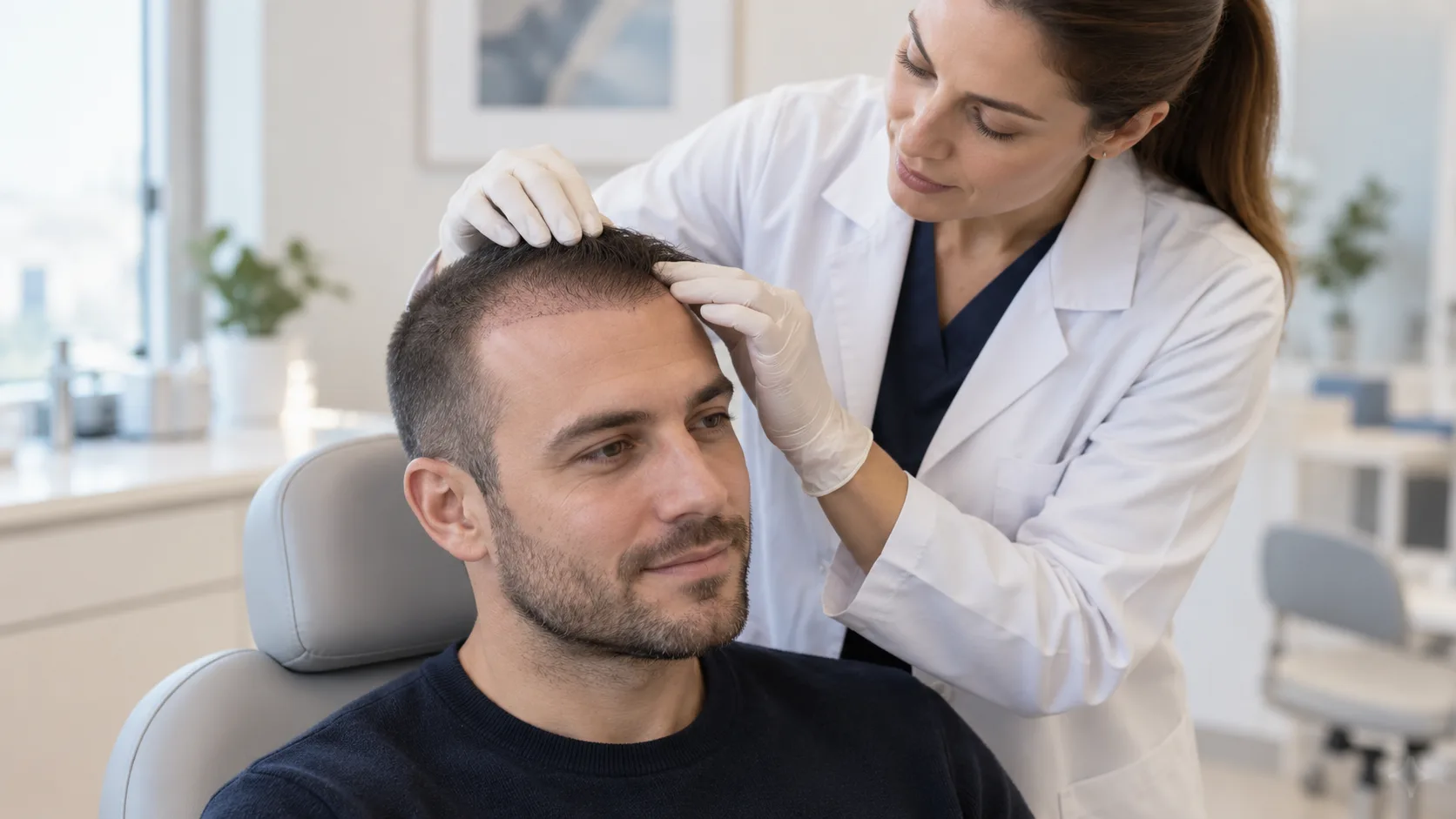
أصبح ملء خط الفك واحدة من أكثر العلاجات التجميلية غير الجراحية المطلوبة للأشخاص الذين يسعون للحصول على تعريف وجه أكثر حدة وتحسين توازن المظهر. مع استمرار الهيمنة على الصناعة التجميلية، يتوجه المزيد من المرضى إلى حقن الفيلر الجلدية لنحت وتشكيل الجزء السفلي من الوجه دون المخاطر أو فترات التعافي المرتبطة بالجراحة. يستكشف هذا الدليل الشامل ما هو ملء خط الفك، وكيف يعمل، ومن هو المرشح المثالي، وما يمكن أن يتوقعه المرضى قبل وأثناء وبعد العلاج.
ما هو ملء خط الفك؟
تعريف ملء خط الفك
يشير ملء خط الفك إلى الفيلر الجلدية القابلة للحقن المستخدمة بشكل خاص لتعزيز، وتعريف، وتشكيل منطقة الفك السفلي. على عكس زيادة الفك الجراحية، التي تتطلب زرعًا وإجراءات تدخلية، تقدم علاجات الفيلر حلاً مؤقتًا ولكنه فعال للغاية لنحت الوجه. تضيف هذه الحقن حجمًا تحت الجلد، مما يخلق وهمًا بفك أكثر تركيزًا وبروزًا مع الحفاظ على حركة الوجه الطبيعية وتعبيراته.
الأهداف الرئيسية لتعزيز خط الفك
تشمل الأهداف الرئيسية لعلاج ملء خط الفك تحسين التعريف العام لخط الفك، وخلق توازن وتناظر في الوجه، وتقليل المظهر المرئي للدهون الظاهرة أو ترهل الجلد الطفيف، وتعزيز معالم الوجه الخاصة بالنوع. بالنسبة للرجال، يعني ذلك غالبًا تحقيق مظهر أكثر تحديدًا وزوايا، بينما تسعى النساء عادةً للحصول على نحت أكثر نعومة وتميزًا يتناغم مع المعالم الأخرى للوجه.
المناطق الشائعة التي يتم علاجها
يستهدف الممارسون عادةً زاوية الفك السفلي والذقن وأخدود ما قبل الفك، وكذلك الحد العلوي للفك بالكامل لإنشاء خط مستمر للوجه السفلي. من خلال معالجة هذه المناطق المتصلة كوحدة جمالية موحدة، يمكن للحقن تحقيق نتائج سلسة تبدو طبيعية بدلاً من أن تكون مقسمة بشكل مصطنع.
كيف تعمل مواد ملء خط الفك
استعادة الحجم والدعم الهيكلي
تعمل الفيلرز الجلدية عن طريق إدخال مواد هلامية تحت سطح الجلد، مما يرفع ويدعم الأنسجة التي فقدت حجمها بسبب الشيخوخة أو الوراثة. عندما تُوضع بشكل استراتيجي على طول خط الفك، تخلق هذه الفيلرز تباينًا وإبرازًا تحاكي الهيكل العظمي العميق، مما يعيد تشكيل الوجه السفلي دون تغيير الإطار الهيكلي نفسه.
حمض الهيالورونيك ومواد الفيلر الأخرى
تشمل مواد ملء خط الفك الأكثر شيوعًا تركيبات حمض الهيالورونيك (HA)، التي تقدم ملفات تعريف أمان ممتازة ونتائج قابلة للعكس. يوفر هيدروكسيapatite الكالسيوم (CaHA) قوامًا أكثر صلابة مثاليًا للتشكيل الهيكلي مع تحفيز إنتاج الكولاجين الطبيعي. للمرضى الذين يسعون للحصول على نتائج طويلة الأمد، توفر الفيلز PMMA والفيلر المحفزة البيولوجية تعزيزًا شبه دائم، على الرغم من أن هذه تتطلب مزيدًا من الاعتبار بسبب طبيعتها غير القابلة للعكس.
كيفية تفاعل الفيلرز مع تشريح الوجه
يتطلب تشكيل خط الفك بنجاح معرفة دقيقة بتشريح الوجه، لا سيما بنية العظام وأنظمة دعم الأنسجة الرخوة. يجب على المحقنين أن يتحلوا بدقة قصوى بالقرب من الأوعية الدموية الرئيسية والأعصاب لتجنب المضاعفات وتحسين النتائج التجميلية. يجب أن يندمج الفيلر بشكل متناغم مع الأنسجة الموجودة لخلق نتائج تتفاعل بشكل طبيعي مع تعابير الوجه.
من هو المرشح الجيد لحقن الفيلر في خط الفك؟
المرشحين المثاليين
تشمل المرشحين المثاليين لحقن الفيلر في خط الفك الأفراد الذين لديهم تعريف ضعيف وراثيًا لخط الفك، أولئك الذين يعانون من فقدان الحجم المرتبط بالعمر في الجزء السفلي من الوجه، المرضى الذين لديهم ترهل خفيف في الجلد والذين لم يكونوا مستعدين بعد للتدخل الجراحي، وأي شخص يرغب في تشكيل غير جراحي مع وقت تعطل قليل.
من يجب أن يتجنب حقن الفيلر في خط الفك؟
تشمل موانع الاستخدام الالتهابات الجلدية النشطة في منطقة العلاج، والاعتبارات المتعلقة بالحمل والرضاعة، واضطرابات المناعة الذاتية أو اضطرابات النزيف التي قد تعقد الشفاء، والمرضى الذين يحملون توقعات جمالية غير واقعية بشأن ما يمكن أن تحققه العلاجات القابلة للحقن.
استشارة طبية وتقييم وجه
يجب أن تبدأ كل معالجة بتحليل شامل لنسب الوجه والملف الشخصي. يجب على الممارسين تطوير خطط علاج فردية تأخذ في الاعتبار بنية العظام الفريدة لكل مريض، وجودة البشرة، والأهداف الجمالية بدلاً من تطبيق أساليب موحدة.
أنواع الفيلرز المستخدمة في الطب التجميلي
فيلرز حمض الهيالورونيك
تظل فيلرز HA الخيار الأكثر شعبية بفضل سجلها الممتاز في السلامة، ونتائجها الطبيعية المظهر، وقدرتها على إذابة المنتج باستخدام الهيالورونيداز إذا لزم الأمر. تعد مرونتها مناسبة لإجراء تحسينات طفيفة وكذلك تحولات أكثر دراماتيكية.
فيلرز هيدروكسيباتيت الكالسيوم
تقدم منتجات CaHA قوامًا أكثر صلابة مصممة خصيصًا لتطبيقات تشكيل الهيكل. بالإضافة إلى تعزيز الحجم الفوري، تحفز هذه الفيلرز إنتاج الكولاجين الطبيعي في الجسم، مما قد يمدد النتائج بينما يحسن جودة الجلد مع مرور الوقت.
فيلرز طويلة الأمد ومحفزة حيوية
توفر حقن PMMA والمحسسات الكولاجين ديمومة طويلة تصل إلى عدة سنوات. ومع ذلك، يجب على المرضى أن يفهموا أن هذه الخيارات تتطلب التزامًا أكبر، حيث لا يمكن عكس النتائج بسهولة مقارنةً ببدائل حمض الهيالورونيك.
اختيار الفيلر المناسب لتشكيل خط الفك
اختيار الحشوات يعتمد على سمك البشرة، مستوى التعريف المرغوب، توقعات الاستدامة، وتفضيلات الممارس بناءً على خبرته مع منتجات معينة. عمومًا، فإن الحشوات الأكثر سمكًا وتماسكًا تحقق أداءً أفضل على طول خط الفك مقارنةً بالتركيبات الألطف المصممة لتعزيز الشفاه أو الخطوط الدقيقة.
كيف يتم تطبيق حشوات الفك؟
التحضير قبل الإجراء
تتم مراجعة التاريخ الطبي الشامل قبل كل علاج، مصحوبة بتصوير الوجه وعلامات تشريحية دقيقة. يجب على المرضى تجنب الكحول والأدوية التي تُسيّح الدم لعدة أيام قبل موعدهم لتقليل خطر الكدمات.
خطوات إجراء حشوات الفك
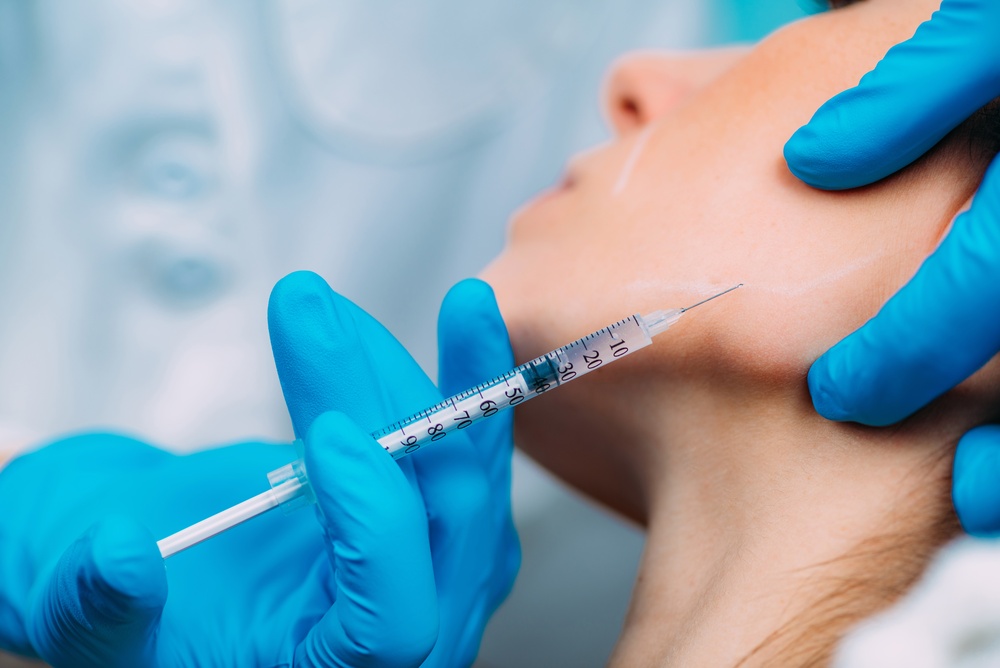
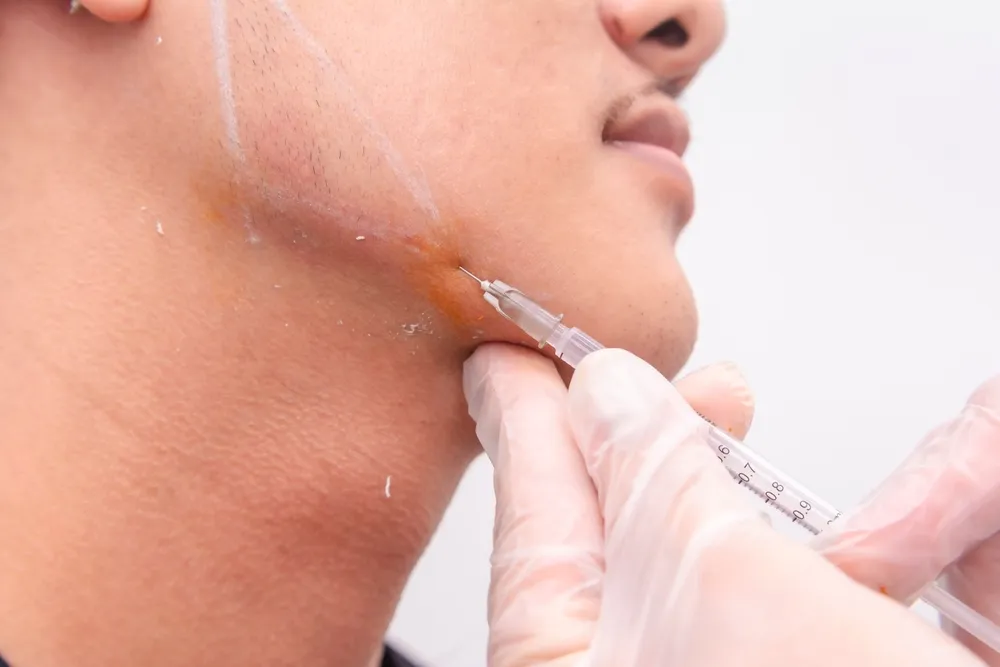
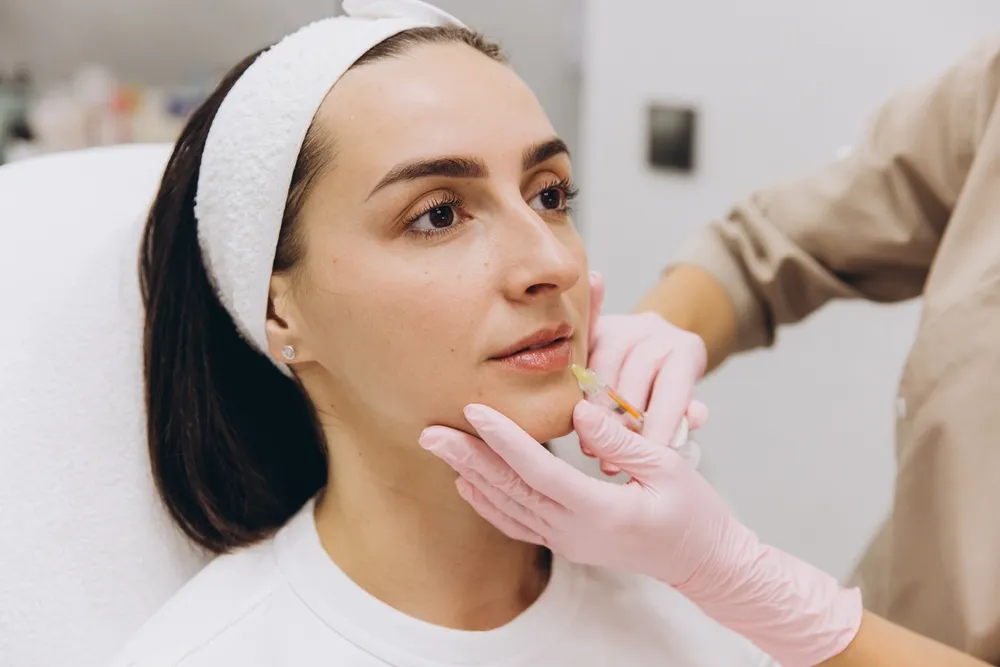
يبدأ العلاج بتنظيف وتعقيم شامل لمواقع الحقن. يضمن التخدير الموضعي راحة المريض خلال الإجراء. بعد ذلك، يقوم الطبيب بإجراء تخطيط وتحديد دقيق للحقن قبل-administering المنتج باستخدام تقنيات الكانيولا أو الإبرة. بعد وضع المنتج، يقوم الممارس بنحت وتشكيل الحشوة لضمان الحصول على خطوط سلسة ومتناسقة قبل إجراء تقييم فوري بعد العلاج.
تقنيات الحقن
يستخدم الأطباء ذوي الخبرة طرقًا متنوعة بما في ذلك الخياطة الخطية للتشكيل المستمر، وحقن البويلوس لنقاط التعزيز المحددة، وطرق التكديس التي تبني الهيكل تدريجيًا. يعتمد الاختيار بين نهج الإبرة أو الكانيولا على مناطق العلاج، تشريح المريض، وخبرة الحقن.
مدة الإجراء
تتطلب المواعيد المتعلقة بحشوات الفك عادةً من ثلاثين إلى ستين دقيقة، بما في ذلك الوقت المخصص للاستشارة والتحضير. يعود معظم المرضى إلى أنشطتهم اليومية على الفور بعد ذلك، مما يجعل هذا الإجراء مثاليًا خلال فترة الغداء للمهنيين المشغولين.
ما الذي يمكن توقعه بعد علاج حشوات الفك
نتائج فورية
يلاحظ المرضى تحسنًا فوريًا في التشكيل بعد الحقن، على الرغم من أن التورم والاحمرار المؤقت قد يبالغان في النتائج في البداية. تقدم هذه التغييرات الفورية لمحة عن النتيجة النهائية بمجرد اكتمال الشفاء.
جدول التعافي
تختفي الكدمات الطفيفة والحساسية عادةً خلال أسبوع واحد. يتقلص التورم تدريجيًا خلال عدة أيام، مع ظهور النتائج النهائية بعد انتهاء فترة الاستقرار، عادةً خلال أسبوعين إلى أربعة أسابيع.
تعليمات العناية بعد العلاج
يتطلب الشفاء الأمثل تجنب الضغط واللمس المفرط للمناطق المعالجة، والحد من ممارسة التمارين الرياضية الشاقة واستهلاك الكحول لمدة أربع وعشرين إلى ثماني وأربعين ساعة، والحفاظ على وضعيات نوم مناسبة تمنع ضغط الوجه خلال مرحلة التعافي الأولية.
فوائد حشوات الفك
تحديد ملامح الوجه غير الجراحي
تغني مواد ملء الفك عن الحاجة إلى الشقوق أو التخدير العام، مع الحاجة إلى وقت تعافي قليل مقارنةً بالخيارات الجراحية. يحقق المرضى تحسينات جمالية كبيرة دون أن تعطل جداولهم المهنية أو الشخصي.
التوازن والتعريف للوجه
تخلق مواد ملء الفك المُعطاة بشكل صحيح مظهرًا أكثر حدة وتعريفًا، بينما تحسن الجمالية العامة للبروفايل. يعزز العلاج التناغم البصري بين مناطق الذقن والفك والرقبة.
نتائج قابلة للتخصيص والعكس
يمكن للممارسين تعديل الحجم والشكل أثناء العلاج، وتوفر مواد الملء HA ميزة فريدة من نوعها من خلال إمكانية الذوبان إذا أراد المرضى تعديل النتائج أو إلغائها بالكامل.
الفوائد النفسية والجمالية
إلى جانب التحول الجسدي، غالبًا ما يزيد تعزيز الفك من الثقة بالنفس ويحسن تصور المرضى لتوازن وجوههم، مما يساهم بشكل إيجابي في رفاههم العام.
المخاطر والآثار الجانبية لملء الفك
الآثار الجانبية المؤقتة الشائعة
تشمل ردود الفعل المتوقعة انتفاخًا وكدمات وألمًا واحمرارًا في مواقع الحقن. وعادةً ما تختفي هذه بشكل تلقائي دون تدخل خلال أيام.
مضاعفات نادرة ولكن خطيرة
على الرغم من كونها نادرة، تشمل المخاطر المحتملة انسداد الأوعية، وهجرة المواد المملوءة، والعدوى، ونخر الجلد، ومضاعفات الرؤية النادرة جدًا الناتجة عن تقنية الحقن غير المناسبة بالقرب من الهياكل الوعائية الحساسة.
أهمية اختيار مُحقن مؤهل
تتميز الخبرة في تشريح الوجه، والبيئات السريرية المعقمة، وقدرات إدارة المضاعفات الطارئة، الأطباء المؤهلين عن الممارسين غير الخاضعين للتنظيم. تعتمد سلامة المريض تمامًا على اختيار المُحقن.
كم تدوم مواد ملء الفك؟
متوسط طول العمر حسب نوع المادة المملوءة
تحافظ مواد الملء HA عادةً على النتائج لمدة تتراوح بين ستة إلى ثمانية عشر شهرًا، ومواد ملء CaHA حوالي اثني عشر شهرًا، ومواد ملء PMMA قد تستمر لعدة سنوات حسب العوامل الفردية.
العوامل المؤثرة في مدة بقاء مادة الملء
يؤثر الأيض، وعادات نمط الحياة، وعمق الحقن، ونوع المنتج، وكثافة المادة المملوءة جميعها على سرعة تفكيك الجسم للمواد المحقونة.
جلسات الصيانة والتغذية الراجعة
تساعد علاجات المتابعة في الحفاظ على أشكال مثالية مع حدوث ت Breakdown تدريجي للفيلر. يقوم العديد من المرضى بتحديد مواعيد لصيانة قبل زوال الفيلر بالكامل للحفاظ على التحسين المستمر.
توقعات الفيلر لخط الفك قبل وبعد
نتائج تبدو طبيعية
تظل النسب والاعتدال مبادئ أساسية. تعزز العلاجات الأكثر نجاحًا الميزات الموجودة بدلاً من خلق مظهر صناعي أو غير متناسب.
تحسين خط الفك للذكور مقابل الإناث
توجه أهداف تشكيل الخطوط المحددة حسب الجنس نهج المدخّل، حيث يسعى الرجال عمومًا لتعريفات أوسع وأكثر زوايا، بينما تُفضل النساء غالبًا تحولات أنيقة ومشذبة بلطف.
توقعات واقعية
يجب على المرضى فهم ما يمكن للفيلرات تحقيقه وما لا يمكنها. عندما توجد نقص هيكلي كبير، قد تمثل زراعة الجراحة حلولًا أكثر ملاءمة.
فيلر خط الفك مقابل علاجات تشكيل خط الفك الأخرى
فيلر خط الفك مقابل بوتوكس
بينما تعزز الفيلرات الحجم والهيكل، يقلل البوتوكس من كتلة العضلات لتأثيرات التخفيف. تعالج هذه العلاجات مخاوف مختلفة جوهريًا وغالبًا ما تكمل بعضها البعض.
فيلر خط الفك مقابل فيلر الذقن
تتحد هذه العلاجات التكميلية للوجه السفلي غالبًا لخلق تحسينات جمالية موحدة عبر منطقة الفك السفلي بالكامل.
فيلر خط الفك مقابل زراعة جراحية
تقدم الفيلرات تكلفة أقل، وشفاءً minimal، وقابلية عكسية، في حين توفر زراعة الجراحة الديمومة على حساب التدخل، والتكلفة، وفترة التعطل الممتدة.
علاجات مركبة
يُحسن العديد من المرضى النتائج من خلال دمج الفيلرات لخط الفك مع شد الجلد RF، ورفع الخيوط، أو إجراءات تقليل الدهون لتحقيق تجديد شامل للوجه السفلي.
تكلفة فيلرات خط الفك
متوسط نطاق السعر
تختلف التكاليف بشكل كبير حسب الموقع الجغرافي وموقع العيادة، وعادة ما تحسب لكل حقنة مع الحاجة إلى عدة حقن في معظم علاجات خط الفك لتحقيق أفضل النتائج.
عوامل تؤثر على تكلفة العلاج
يحدد خبرة المدخّل، اختيار علامة المنتج، ومتطلبات الحقن الإجمالية الأسعار النهائية بشكل رئيسي. تتطلب المنتجات الفاخرة التي يجرى إعطاؤها من قبل متخصصين ذوي خبرة رسومًا أعلى تعكس السلامة الفائقة والنتائج.
لماذا يمكن أن تزيد الفيلرات الرخيصة من المخاطر
تقدم المنتجات المقلدة والحقن غير الطبية مخاوف جدية تتعلق بالسلامة. إن اختيار المزودين بناءً فقط على السعر يزيد بشكل كبير من مخاطر التعقيد.
أسئلة متكررة حول حشوات خط الفك
هل حشوات خط الفك مؤلمة؟
يعاني معظم المرضى من عدم راحة بسيطة بفضل التخدير الموضعي وصيغ الحشوات الحديثة التي تحتوي على ليدوكائين.
هل يمكن إذابة حشوات خط الفك؟
يمكن إذابة حشوات حمض الهيالورونيك باستخدام الهيالورونيداز، مما يوفر الأمان والمرونة التي لا تتوفر مع أنواع الحشوات الأخرى.
كم عدد الحقن المطلوبة؟
تتطلب معظم علاجات خط الفك من حقنتين إلى أربع حقن اعتمادًا على مستوى التحسين المرغوب فيه وتشريح الفرد.
هل هناك فترة نقاهة بعد حشوة خط الفك؟
تسمح فترة النقاهة القصيرة بالعودة الفورية لمعظم الأنشطة، على الرغم من أنه يجب على المرضى تجنب التمارين الشاقة والحرارة الزائدة لمدة أربع وعشرين ساعة.
هل يمكن أن تهاجر حشوات خط الفك؟
نادراً ما تهاجر الحشوات الموضوعة بشكل صحيح، على الرغم من أن تقنية الحقن السيئة أو حجم المنتج الزائد يمكن أن تسهم في الإزاحة.
هل حشوات خط الفك آمنة؟
عند إدارتها بواسطة محترفين طبيين مؤهلين باستخدام منتجات أصلية، تحافظ حشوات خط الفك على سجلات أمان ممتازة.
الخاتمة
تعتبر حشوات خط الفك خيارًا استثنائيًا للأفراد الذين يسعون للحصول على تعريف وجه محسّن دون الالتزام الجراحي. من خلال فهم الإجراء والمواد ومتطلبات الأهلية وتوقعات التعافي، يمكن للمرضى اتخاذ قرارات مستنيرة بشأن رحلتهم الجمالية. لا يمكن المبالغة في أهمية التقييم الفردي للوجه، حيث إن تخطيط العلاج الشخصي ينتج عنه نتائج طبيعية ومرضية. يجب أن توجه اعتبارات السلامة والتوقعات الواقعية كل قرار، بينما تظل قيمة اختيار محترفين طبيين ذوي خبرة أمرًا في غاية الأهمية لتحقيق نتائج مثلى ومتناسقة تعزز من المظهر والثقة.
المراجع
الجمعية الأمريكية لجراحي التجميل. (2024). حشوات الأنسجة الرخوة. https://www.plasticsurgery.org/cosmetic-procedures/soft-tissue-fillers
فونت، د.& بافيتش، ت. (2013). الحشوات الجلدية في التجميل: لمحة عامة عن الأحداث السلبية وطرق العلاج. dermatology, Clinical, Cosmetic and Investigational, 6, 295–316. https://doi.org/10.2147/CCID.S50546
دي لورينزي، سي. (2014). مضاعفات المواد المالئة القابلة للحقن، الجزء 2: المضاعفات الوعائية. مجلة الجراحة التجميلية، 34(4)، 584–600. https://doi.org/10.1177/1090820X14525035
بيليزناي، ك.، همفري، س.، كاراثيرز، ج. د.، وكاراثيرز، أ. (2015). المخاطر الوعائية الناجمة عن تجميل الأنسجة الرخوة: سلسلة حالات، إدارة، والوقاية. مجلة الأدوية في الأمراض الجلدية، 14(5)، 489–493.
ساندارام، هـ.، وكاسوتو، د. (2011). الخصائص الفيزيائية الحيوية لمواد الحشو القائمة على حمض الهيالورونيك وصلة تطبيقاتها التجميلية. الجراحة التجميلية والترميمية، 128(5)، 253S–262S. https://doi.org/10.1097/PRS.0b013e31823039bf
لوغهيم، ج. في.، يوتسكوفسكايا، ي. أ.، وويرشلار، و. بي. (2015). هيدروكسيلاباتيت الكالسيوم: أكثر من عقد من الخبرة السريرية. مجلة الأمراض الجلدية التجميلية، 14(3)، 234–241. https://doi.org/10.1111/jocd.12162
المجلس الأمريكي للجراحة التجميلية. (2024). مواد الحشو: الأنواع، الفوائد، والمخاطر. https://www.americanboardcosmeticsurgery.org/procedure-learning-center/non-surgical/dermal-fillers-guide/
شوير، ج. إف.، سيبر، د. أ.، بيزشك، ر. أ.، غاسمان، أ. أ.، كامبل، س. ف.، وروهريش، ر. ج. (2017). المناطق الخطرة للوجه: تقنيات لزيادة الأمان أثناء حقن المواد المالئة للأنسجة الرخوة. الجراحة التجميلية والترميمية، 139(5)، 1102–1108. https://doi.org/10.1097/PRS.0000000000003234
غولد، م. هـ. (2007). استخدام الهيالورونيداز لعكس تأثيرات مواد حشو حمض الهيالورونيك. مجلة الأمراض الجلدية التجميلية، 6(1)، 26–28. https://doi.org/10.1111/j.1473-2165.2007.00314.x
الجمعية الأمريكية لجراحة الجلد. (2024). مواد الحشو. https://www.asds.net/skin-experts/skin-treatments/fillers