Exercise with a Gastric Balloon: How Can You Stay Active and Lose Weight Safely?
Yes, you can and should exercise with a gastric balloon. The balloon reduces hunger and portion size, while physical activity raises energy expenditure, and research shows that combining both produces better weight management outcomes than dietary restriction alone (Swift et al. 2014).
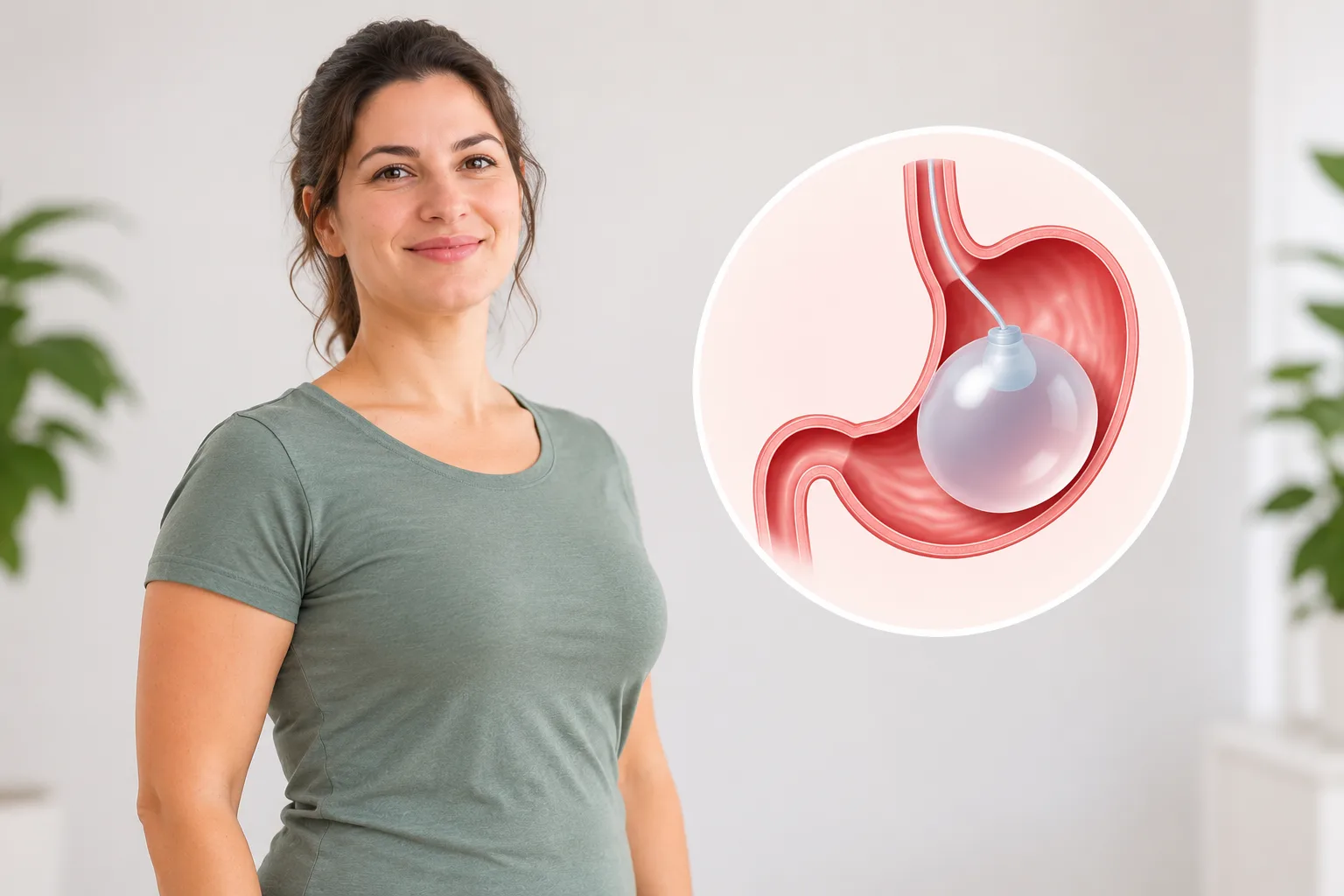
A gastric balloon is a temporary medical device. A doctor places a soft, fluid filled balloon inside your stomach, either by endoscopy or as a swallowable capsule such as the Allurion system. The balloon occupies space, slows gastric emptying, and helps you feel full with smaller meals (Dumonceau 2008). This mechanism lowers calorie intake. Exercise attacks the problem from the other side: it burns calories, protects muscle, and improves how your body handles blood sugar. When you pair medical supervision, balanced nutrition, and regular physical activity, you build the conditions for sustainable weight management rather than short term loss.
Intensity must match your recovery stage. Your stomach needs time to adapt to the balloon, and your exercise plan should respect that adaptation. The sections below answer the practical questions patients ask, in the order recovery unfolds.
Can You Exercise with a Gastric Balloon?
Yes. Patients can exercise while the intragastric balloon sits inside the stomach, and physical activity actually strengthens the results of the device.
The balloon works on appetite and food consumption. Exercise works on energy output and body composition. Together they close both sides of the energy balance equation. Regular movement improves cardiovascular health, preserves lean muscle during weight loss, supports metabolic function, and raises overall fitness (Wolfe, Kvach, and Eckel 2016). Without exercise, a portion of the weight you lose comes from muscle tissue, which slows your resting metabolism and makes regain more likely.
Your exact ability to exercise depends on three factors: the balloon type, your recovery progress, and your individual medical circumstances. This is why an individually tailored programme matters more than any generic schedule. Your bariatric team should approve the plan, and a qualified fitness professional can help you execute it safely.
When Can You Start Exercising After Gastric Balloon Placement?
Most patients resume gentle walking within the first few days, then add structured exercise gradually over the following weeks, once the medical team confirms the stomach has adapted.
The first days after placement involve a physiological adjustment. The stomach detects a foreign object and reacts with nausea, vomiting in some cases, abdominal discomfort, and fatigue. Clinical experience with large patient groups shows these symptoms usually settle within the first week as the stomach adapts (Genco et al. 2005). During this window, strenuous activity adds stress your body does not need. Postpone demanding workouts until your treating team gives clearance.
Timelines differ between balloon systems. Endoscopic fluid filled balloons typically remain in place for six to twelve months, while swallowable balloons pass naturally after roughly four months (Ienca et al. 2020). Recovery guidance from providers such as Healthdirect and NHS related resources describes a gradual return to exercise, but recommended timelines vary between providers and devices. Treat any fixed day count with caution and follow the protocol attached to your specific balloon.
What Physical Activities Are Suitable During the First Week?
Gentle walking and short periods of light movement, adjusted to how you feel each day.
Walk for five to ten minutes at a comfortable pace, several times a day, if your symptoms allow. Movement supports circulation and helps your body clear the fatigue of the procedure. Skip vigorous exercise while you still experience significant nausea or abdominal discomfort. Drink fluids in small, frequent sips throughout the day, because reduced stomach capacity makes it easy to fall behind on hydration. Learn to read your body: worsening nausea, dizziness, or rising abdominal pain means you should stop and rest.
How Should You Increase Exercise Intensity During the Following Weeks?
Extend your walking sessions first, then add low impact cardiovascular work, then resistance training after medical clearance.
Progress in steps. Lengthen walks from ten minutes toward thirty minutes over two to three weeks. When your team approves, introduce low impact cardiovascular activities such as stationary cycling. Move to moderate intensity exercise only as your tolerance allows, and add resistance exercises after you receive explicit clearance. The logic is simple: each stage builds the fitness base the next stage requires.
Which Exercises Are Best for Gastric Balloon Patients?
A combination of cardiovascular exercise, resistance training, and flexibility work delivers the best results, because each form targets a different component of weight management.
Cardiovascular exercise drives calorie expenditure and heart health. Resistance training preserves muscle, which protects your metabolism. Flexibility work maintains mobility and reduces injury risk. Patients should select activities according to current fitness, joint health, and physical limitations rather than copying a programme designed for someone else.
Exercise type | Primary benefit | Joint impact | Best starting point |
Walking | Daily energy expenditure | Low | 10 minute sessions |
Stationary cycling | Aerobic fitness | Very low | Low resistance, 15 minutes |
Swimming | Full body cardio | Minimal | After team clearance |
Resistance bands | Muscle preservation | Low | Light bands, 2 sets |
Gentle yoga | Flexibility and balance | Minimal | Restorative poses |
Is Walking Effective for Weight Loss with a Gastric Balloon?
Yes. Walking raises daily energy expenditure, requires no equipment, and suits patients at every fitness level.
Regular walking supports cardiovascular health and daily mobility, and it forms the foundation of almost every bariatric exercise programme. Start at a conversational pace and increase duration before you increase speed. Consistent daily walking produces more benefit than occasional long hikes, because total weekly volume drives the calorie deficit.
Can You Cycle After Getting a Gastric Balloon?
Yes, once your team approves. Stationary cycling is usually the safer entry point because it removes balance and traffic variables.
Cycling delivers cardiovascular exercise with relatively low joint impact, which matters for patients carrying excess weight on knees and hips. Start with low resistance and short sessions of ten to fifteen minutes, then extend duration as fitness improves. Sip water during longer rides and stop if fatigue rises sharply, since your calorie intake during recovery runs lower than usual.
Is Swimming a Suitable Exercise After Gastric Balloon Placement?
Yes. Swimming trains the cardiovascular system and major muscle groups while water supports your body weight.
Water based activity removes pressure from weight bearing joints, which makes swimming one of the most comfortable options for patients with joint pain. The timing of your return depends on your specific procedure and post procedure instructions, so confirm with your medical team before entering the pool. Once cleared, begin with relaxed laps or water walking rather than demanding strokes.
Can You Do Strength Training with a Gastric Balloon?
Yes, and you should. Resistance training preserves lean muscle mass during weight loss, which keeps your metabolism from slowing.
Begin with light weights and resistance bands, two sessions per week, focusing on major muscle groups. Heavy lifting and demanding abdominal exercises belong later in the programme, because straining against high loads raises intra abdominal pressure that feels uncomfortable during early recovery. Increase resistance gradually, in small steps, as your strength returns.
Can Yoga and Pilates Help Gastric Balloon Patients?
Yes. Gentle yoga and Pilates improve flexibility, balance, mobility, and body awareness, and they support relaxation during a demanding recovery period.
Choose restorative or beginner classes first. Modify movements that compress the abdomen, such as deep forward folds or strong twisting poses, if they cause discomfort. Introduce demanding flows and advanced Pilates work only after medical approval, since these formats load the core heavily.
How Does Exercise Improve Gastric Balloon Weight Loss Results?
Exercise creates the energy deficit that the balloon alone cannot fully deliver, and it directs weight loss toward fat rather than muscle.
The balloon reduces how much you eat. Exercise increases how much you burn. Together they widen the calorie gap that drives weight reduction, and research on physical activity interventions confirms that combined strategies outperform diet restriction by itself (Donnelly et al. 2009). Beyond the scale, regular exercise improves cardiovascular fitness, insulin sensitivity, and broader metabolic health. It also builds routine. Patients who train regularly during treatment carry the habit into the period after removal, which is when long term outcomes are decided (Kotzampassi et al. 2012).
How Much Exercise Should You Do with a Gastric Balloon?
Aim toward the general adult guideline of at least 150 minutes of moderate aerobic activity per week plus two resistance sessions, but build up gradually and adjust for your age, fitness, weight, medical history, and recovery stage (Bull et al. 2020).
No single target fits every patient. A 55 year old beginner with joint pain needs a different programme from a 30 year old with prior gym experience. Divide weekly activity into shorter sessions if long workouts feel overwhelming, and balance aerobic work, resistance training, and recovery days rather than training hard every day.
Is 30 Minutes of Exercise a Day Enough?
Yes. Thirty minutes of daily moderate activity meets the core of international guidelines and contributes meaningfully to weight management (Bull et al. 2020).
Consistency beats intensity at this stage. Thirty minutes every day outperforms two exhausting weekend workouts, because regular sessions sustain the energy deficit and protect muscle. Beginners can start with ten minute blocks and add five minutes per week until the target feels comfortable.
How Many Days a Week Should Gastric Balloon Patients Exercise?
Most patients do well with four to six active days per week, mixing cardiovascular and resistance sessions with at least one rest day.
Distribute the week so resistance sessions never fall on consecutive days, which gives muscle tissue time to repair. Place lighter activities such as walking on the days between demanding workouts. Rest is not lost time; it is when adaptation happens.
Which Exercises Should You Avoid After Gastric Balloon Placement?
During early recovery, avoid high intensity training, heavy lifting, and demanding abdominal work. Most restrictions are temporary, not permanent.
Certain activities raise discomfort while the stomach adapts. The key distinction is between temporary restrictions, which lift as recovery progresses, and the rare long term limitations your team may set for your specific case. Stop any activity that triggers nausea, dizziness, or abdominal pain, regardless of which phase you are in.
Should You Avoid High-Intensity Interval Training After a Gastric Balloon?
Yes, during the initial adaptation period. HIIT demands maximal effort that your recovering body cannot supply safely.
High intensity interval training alternates short bursts of hard effort with brief rests, which strains the cardiovascular system and the abdomen simultaneously. During the first weeks, your calorie and fluid intake run low, so intense work raises the risk of dizziness and exhaustion. Return to demanding cardiovascular formats gradually, after your team confirms your tolerance.
Can Heavy Weightlifting Cause Problems with a Gastric Balloon?
Heavy lifting is best postponed during early recovery, because the abdominal strain it creates feels uncomfortable and serves no purpose while you can still make progress with lighter loads.
Maximal lifts force you to brace your core against high intra abdominal pressure. That pressure sits poorly against a stomach already occupied by the balloon. Obtain medical clearance before returning to heavy lifting, then rebuild loads step by step rather than jumping back to previous personal records.
Are Abdominal Exercises Safe with a Gastric Balloon?
Gentle core work is fine, but demanding exercises such as sit ups, crunches, and long planks should wait until your team approves them.
Core exercises compress and strain the abdominal wall directly over the balloon. Patients often find them uncomfortable in the first weeks. Reintroduce core strengthening gradually: start with standing or lying exercises that engage the trunk without crunching, then progress toward planks and crunches as comfort allows.
How Can You Prevent Dehydration and Fatigue While Exercising?
Sip fluids in small amounts throughout the day, follow your prescribed drinking schedule, and eat enough protein to support recovery.
Hydration deserves special attention for gastric balloon patients. Reduced stomach capacity limits how much you can drink at once, and exercise raises fluid losses through sweat. Insufficient calorie intake during recovery also drains energy, which shows up as poor exercise performance. Balanced nutrition with adequate protein protects muscle and supports training (Wolfe, Kvach, and Eckel 2016).
How Should You Stay Hydrated During Physical Activity?
Spread fluid intake across the whole day in small sips, following the schedule your medical team gave you.
Watch for dehydration signs: dark urine, dizziness, headache, and unusual fatigue. Carry a bottle during workouts and drink before you feel thirsty. If you cannot keep fluids down, treat that as a medical issue rather than a training problem.
What Should You Eat Before and After Exercising?
Follow the gastric balloon dietary stages your team prescribed, prioritise protein, and keep portions within your individual tolerance.
Appropriate protein sources include eggs, fish, poultry, dairy, and legumes, introduced according to your current diet stage. Consume enough nutrients to fuel training without forcing portions your stomach cannot hold. Consult your dietitian before changing your nutritional routine, because dietary adjustments interact with both the balloon and your training load.
What Symptoms Mean You Should Stop Exercising?
Stop immediately if you feel persistent nausea, worsening abdominal pain, dizziness, or repeated vomiting, and contact your medical team.
Normal exercise fatigue feels like tired muscles and heavier breathing that settles with rest. Warning signs feel different: pain that sharpens, nausea that does not fade, vomiting that repeats, or an inability to keep fluids down. Severe abdominal pain, persistent vomiting, or failed hydration requires prompt medical assessment, because these can signal device related complications (Dumonceau 2008). Report suspected problems instead of trying to exercise through them.
How Can You Maintain Weight Loss Through Exercise After Gastric Balloon Removal?
Keep exercising. The balloon provides temporary assistance, and the habits you build during treatment determine whether the weight stays off.
A gastric balloon is a training period, not a cure. Long term follow up shows that patients who return to previous eating and activity habits regain a substantial share of the lost weight, while those who maintain lifestyle change keep better results (Kotzampassi et al. 2012). Regular exercise after removal supports weight maintenance by sustaining energy expenditure and preserving muscle. Ongoing nutritional counselling and behavioural change complete the picture, because no single tool works alone (Swift et al. 2014).
Should You Change Your Exercise Routine After Balloon Removal?
You can usually progress rather than restrict. Without the balloon, many patients tolerate higher intensity work, but follow your post removal instructions first.
Give your stomach a short settling period after removal, then build gradually toward your long term fitness goals. This is often the right moment to add the demanding formats you postponed earlier, such as running, HIIT, or heavier resistance work, always in stages.
How Can You Build Sustainable Exercise Habits?
Set realistic and measurable goals, choose activities you enjoy, track your progress, and use professional support for accountability.
Goals work when they are specific: three walks per week beats the vague promise to move more. Enjoyment drives consistency, because nobody sustains an activity they dread. Log your sessions in an app or notebook, review progress monthly, and lean on your bariatric team or a qualified trainer when motivation dips.
How Can You Create a Personalised Exercise Plan with a Gastric Balloon?
Work with your bariatric physician, dietitian, and a qualified fitness professional to build a plan around your baseline fitness, mobility, medical history, and weight loss goals.
A standard programme rarely fits every patient, because age, joint health, cardiovascular status, and recovery speed vary widely. A personalised bariatric exercise programme starts with an assessment, sets intensity and duration for the current phase, and evolves as treatment progresses. Monitor your progress and adjust the plan when results stall or symptoms change, rather than following a static schedule for the full treatment period.
Frequently Asked Questions About Exercise with a Gastric Balloon
The answers below address the practical questions patients raise most often after placement.
Can You Go to the Gym with a Gastric Balloon?
Yes, once your team clears you. Start with light cardio machines and add strength training as recovery allows.
Gyms offer treadmills, bikes, and resistance machines that suit a staged return. The distinction that matters is between light cardio, which most patients resume within weeks, and demanding strength work, which waits for explicit medical clearance.
Can You Run After Gastric Balloon Placement?
Yes, but walking should come first. Most patients add running intervals after several weeks of comfortable brisk walking, depending on individual recovery.
Running raises impact on joints and jostles the abdomen, so it belongs later in the progression. Build toward it with walk run intervals and stop if discomfort appears.
Does Exercise Help Prevent Weight Regain After Gastric Balloon Removal?
Yes. Regular physical activity is one of the strongest predictors of maintaining weight loss after any obesity treatment (Swift et al. 2014).
Exercise sustains energy expenditure and preserves the muscle mass that keeps your metabolism active. Pair it with the healthy eating habits you built during treatment, since neither works as well alone.
Can You Exercise If You Feel Nauseous After Gastric Balloon Placement?
No. Avoid strenuous exercise while nauseous, and contact your medical team if nausea persists or blocks fluid intake.
Nausea is common during the first days as the stomach adapts (Genco et al. 2005). Rest during symptomatic periods, keep sipping fluids, and treat ongoing nausea as a clinical question rather than a motivation problem.
Is Walking Enough to Lose Weight with a Gastric Balloon?
Walking is an excellent starting point and contributes real calorie expenditure, but adding resistance training improves results.
Walking alone suits previously inactive patients well. Over time, combining aerobic activity with resistance work protects muscle and produces better body composition than walking by itself (Donnelly et al. 2009).
Can Exercise Make a Gastric Balloon Move or Deflate?
No. Normal physical activity does not dislodge or deflate a correctly placed balloon.
Balloon complications such as deflation or migration are device events, not exercise events, and they remain uncommon (Dumonceau 2008). Follow any device specific restrictions your team gives you, and treat unusual symptoms such as sudden pain or vomiting as a reason for medical evaluation rather than a training setback.
References
Bull, Fiona C., et al. "World Health Organization 2020 Guidelines on Physical Activity and Sedentary Behaviour." British Journal of Sports Medicine, vol. 54, no. 24, 2020, pp. 1451-1462.
Donnelly, Joseph E., et al. "Appropriate Physical Activity Intervention Strategies for Weight Loss and Prevention of Weight Regain for Adults." Medicine and Science in Sports and Exercise, vol. 41, no. 2, 2009, pp. 459-471.
Dumonceau, Jean-Marc. "Evidence-Based Review of the Bioenterics Intragastric Balloon for Weight Loss." Obesity Surgery, vol. 18, no. 12, 2008, pp. 1611-1617.
Genco, Alfredo, et al. "BioEnterics Intragastric Balloon: The Italian Experience with 2,515 Patients." Obesity Surgery, vol. 15, no. 8, 2005, pp. 1161-1164.
Ienca, Roberta, et al. "The Procedureless Elipse Gastric Balloon Program: Multicenter Experience in 1770 Consecutive Patients." Obesity Surgery, vol. 30, no. 9, 2020, pp. 3354-3362.
Kotzampassi, Kassiani, et al. "500 Intragastric Balloons: What Happens 5 Years Thereafter?" Obesity Surgery, vol. 22, no. 6, 2012, pp. 896-903.
Swift, Damon L., et al. "The Role of Exercise and Physical Activity in Weight Loss and Maintenance." Progress in Cardiovascular Diseases, vol. 56, no. 4, 2014, pp. 441-447.
Wolfe, Bruce M., Elan Kvach, and Robert H. Eckel. "Treatment of Obesity: Weight Loss and Bariatric Surgery." Circulation Research, vol. 118, no. 11, 2016, pp. 1844-1855.