Foods to Eat After Gastric Bypass
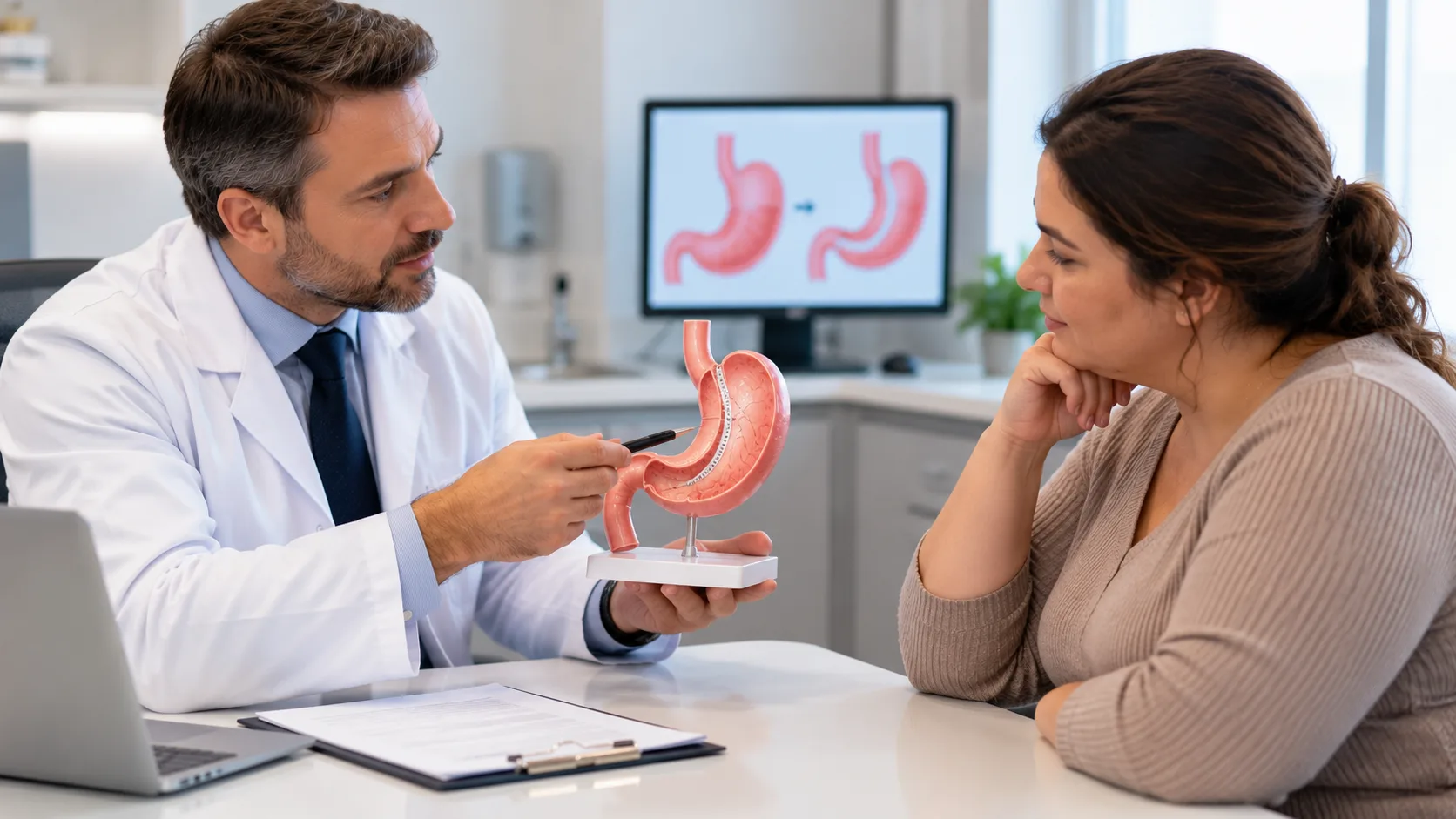
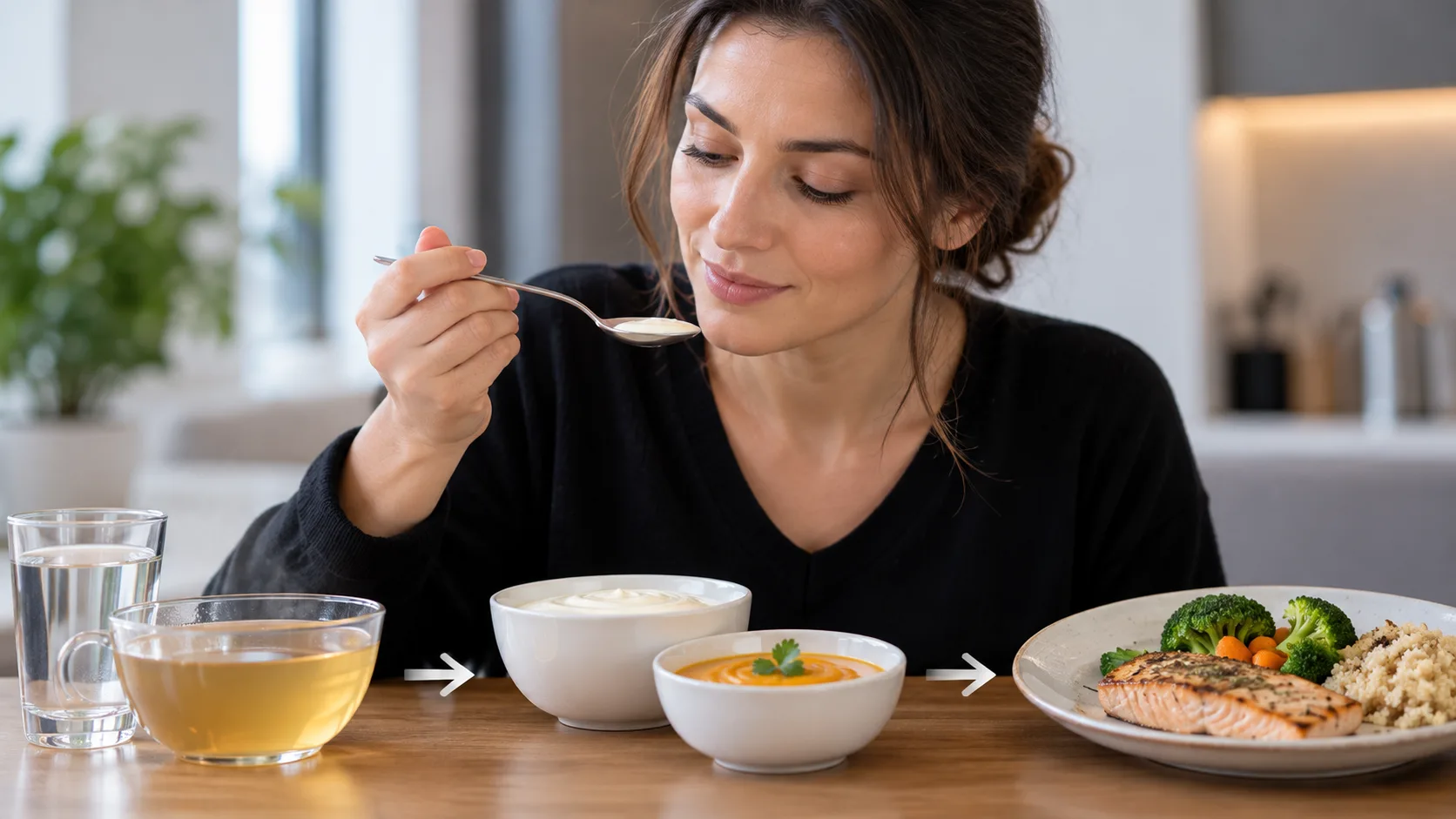
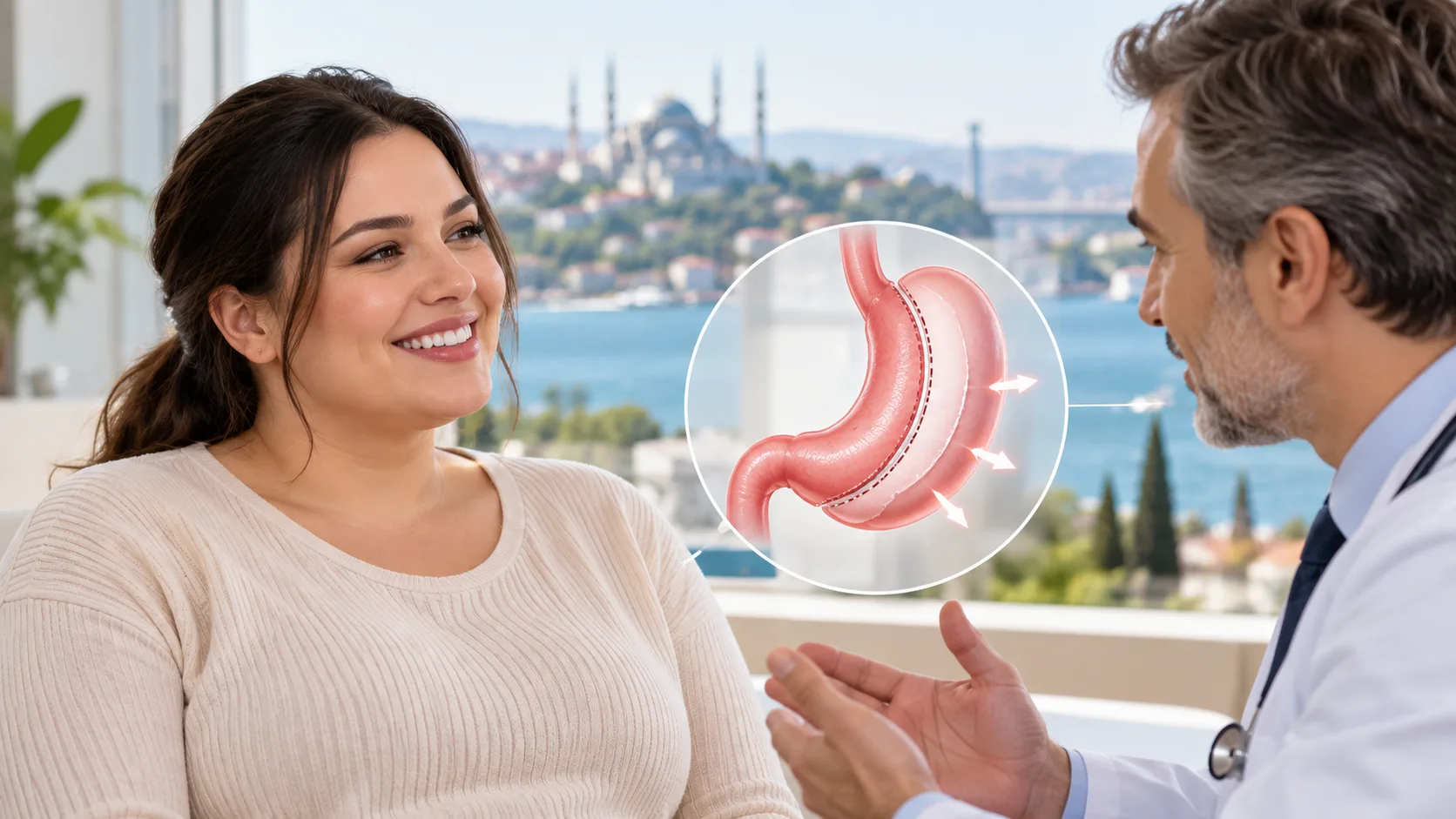
Roux-en-Y gastric bypass reduces the stomach to a small pouch and reroutes part of the small intestine. This change limits how much food the stomach holds and how many nutrients the body absorbs. Because of this, your diet must progress gradually from clear liquids to puréed foods, soft foods, and finally solid foods. The goal is to protect healing tissue, deliver enough protein and micronutrients, maintain hydration, and support sustainable weight loss. Keep in mind that timelines vary by surgeon and dietitian, so always follow your own bariatric team's protocol rather than a generic schedule.
Why Does Your Diet Change After Gastric Bypass?
Your stomach pouch now holds only a few ounces, so large meals cause pain, nausea, or vomiting. The digestive tract also needs time to heal from surgical incisions. Staged eating protects these tissues while the body adjusts. Eating too fast or choosing the wrong textures can block the small outlet of the pouch, which creates serious discomfort. Diet also plays a direct role in preventing nutritional deficiencies, since the bypass reduces absorption of iron, calcium, vitamin D, and vitamin B12 (Mechanick et al.).
What Are the Main Nutrition Priorities After Gastric Bypass?
Three priorities define post-surgery nutrition: protein first, steady hydration, and lifelong vitamin and mineral supplementation.
Why Is Protein a Priority After Surgery?
Protein rebuilds surgical tissue and protects lean muscle while you lose weight rapidly. You should eat protein before any other food at each meal. Suitable sources include Greek yogurt, cottage cheese, eggs, fish, poultry, tofu, and bariatric protein shakes. Most bariatric teams set individual targets between 60 and 100 grams per day, so confirm your number with your dietitian (Moize et al.).
How Much Fluid Should You Drink After Gastric Bypass?
You need at least 48 to 64 ounces of fluid daily, sipped slowly between meals rather than with them. Water is the default choice; sugar-free, non-carbonated, caffeine-free drinks also count. Drinking around mealtime fills the pouch and can push food through too quickly. Signs of dehydration include dark urine, dizziness, fatigue, and headache. Sip consistently all day because the pouch cannot handle large gulps.
Why Are Vitamins and Minerals Important After Gastric Bypass?
The bypass shortens the small intestine, so absorption of key nutrients drops sharply. Lifelong supplementation covers this gap. Most patients need a daily bariatric multivitamin, calcium with vitamin D, vitamin B12, and iron. Blood tests every few months confirm your levels stay adequate, because deficiencies in iron or B12 can cause anemia and fatigue that food alone cannot correct (Mechanick et al.).
What Can You Eat Immediately After Gastric Bypass?
You start with clear liquids only, usually within the first day or two after surgery.
Which Clear Liquids Are Usually Allowed?
Water, clear broth, and surgeon-approved non-carbonated clear liquids are standard. Choose sugar-free options where possible, since sugar promotes dumping syndrome. Take small sips every few minutes rather than drinking glasses at once.
Why Should You Avoid Large Volumes at Once?
A small, healing pouch cannot stretch safely. Large volumes cause nausea, pain, and stress on surgical stitches. Slow, frequent sipping lets you reach your fluid target without distressing the new stomach.
What Foods Are Suitable During the Full-Liquid Stage?
Full liquids add protein without requiring chewing. Suitable choices include lactose-free or low-fat milk, sugar-free yogurt, low-fat cottage cheese, strained cream soups, refined low-fiber hot cereals, and bariatric protein drinks. Blend protein powder into milk or strained soup to raise protein intake without adding volume, since the pouch still holds only small amounts at this stage (Schollenberger et al.).
Which Puréed Foods Can You Eat After Gastric Bypass?
Purées introduce real food textures in a smooth, safe form.
What Protein Foods Work Well in Puréed Form?
Puréed lean poultry, lean ground meat, fish, eggs, cottage cheese, and tofu all work well. Blend each with a small amount of broth or skim milk to reach a smooth consistency.
Which Fruits and Vegetables Can Be Introduced as Purées?
Soft fruits, unsweetened applesauce, and well-cooked vegetables work. Avoid tough skins, seeds, and fibrous parts, since these resist blending and can irritate the pouch outlet.
How Should Puréed Foods Be Prepared?
Blend foods until completely smooth, with no chunks. Add liquid gradually to control thickness. Serve small portions, eat slowly, and let each spoonful pass comfortably before taking the next.
What Soft Foods Can You Eat as Your Diet Progresses?
Soft textures come next: soft eggs, flaked fish, tender lean meat, cottage cheese, yogurt, soft or cooked vegetables, soft fruits, and cooked cereals. A food counts as "soft enough" when it is tender, cuts easily, and requires minimal chewing. Take small bites, chew thoroughly, and introduce one new food at a time so you can spot any food that causes nausea, discomfort, or difficulty swallowing.
When Can You Start Eating Solid Foods After Gastric Bypass?
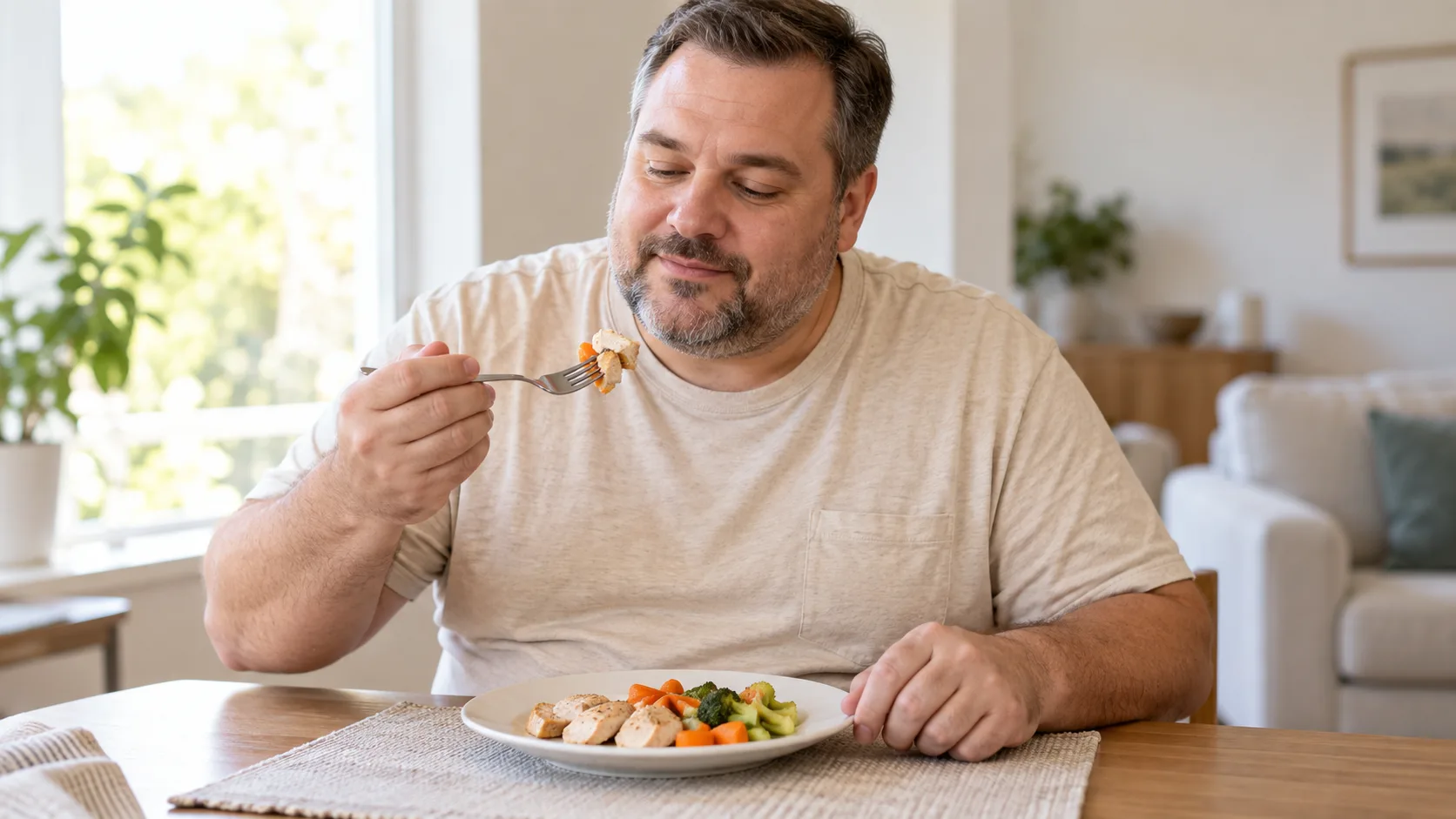
Solid foods typically return around 6 to 8 weeks, but progression depends on tolerance rather than a fixed calendar date. Move from soft foods to firmer textures only when your team approves. Advancing too fast risks pain, vomiting, and outlet obstruction. As regular foods return, keep portions small and stop at comfortable fullness, not at an empty plate.
Which Healthy Foods Should Become Part of Your Long-Term Gastric Bypass Diet?
Your long-term diet builds around lean protein, vegetables, and controlled portions of tolerated carbohydrates.
Which Protein Sources Are Appropriate Long Term?
Fish, lean poultry, eggs, low-fat dairy, lean meat when tolerated, and tofu or other plant proteins should anchor most meals.
Which Vegetables Are Appropriate?
Start with well-cooked vegetables and gradually expand to raw or higher-fiber options based on your tolerance.
Which Fruits Can You Add?
Choose soft fruits first. Peel fruits with tough skins when necessary, introduce new types one at a time, and limit dried fruit because its sugar concentrates in a small, dense serving.
Which Carbohydrates and Starches Should Be Limited?
Limit refined starches, bread, large portions of rice, and highly processed carbohydrate foods. These provide calories without the protein density your limited stomach capacity demands.
Which Foods Should You Avoid or Limit After Gastric Bypass?
Why Should You Limit High-Sugar Foods?
Sugar triggers dumping syndrome, a rapid reaction of nausea, cramping, sweating, and diarrhea. Sugary foods also add empty calories, which undermines weight management and displaces nutritious food from your small pouch (Ukleja et al.).
Why Are High-Fat and Fried Foods Often Poorly Tolerated?
Fat slows gastric emptying, which causes discomfort and can trigger dumping-like symptoms. Fried and greasy foods also carry high calorie density in small volumes.
Which Foods May Be Difficult to Tolerate?
Tough meats, bread, raw and fibrous vegetables, nuts, seeds, popcorn, and very spicy foods often cause pain or vomiting early on. Tolerance can improve over time, so retest problem foods later with your team's guidance.
Can You Drink Coffee, Tea, or Alcohol After Gastric Bypass?
What Should You Know About Caffeine?
Caffeine policies differ by program. Caffeine is mildly dehydrating and can irritate the healing stomach, so most teams restrict it during early recovery and reintroduce it gradually.
Why Is Alcohol Generally Discouraged?
Alcohol absorbs faster after surgery, hits harder, and adds empty calories that compete with nutritional goals. It also raises the risk of ulcers and low blood sugar. Most bariatric programs advise avoiding alcohol entirely.
How Should You Eat After Gastric Bypass?
How Large Should Your Meals Be?
Keep meals to a few ounces at first, and let portion size grow with your tolerance rather than a fixed target.
Why Should You Eat Slowly?
A small pouch signals fullness quickly, but only if you pace yourself. Eating slowly reduces discomfort and prevents overfilling.
Why Is Thorough Chewing Important?
Chew food to a paste-like consistency. Large pieces can lodge at the gastric outlet and cause obstruction.
When Should You Drink Fluids?
Drink between meals and avoid fluids for about 30 minutes before and after eating. This habit preserves room for protein at mealtimes and supports all-day hydration.
What Does a Typical Gastric Bypass Meal Plan Look Like?
Stage | Food Texture | Examples | Main Nutrition Focus |
Early recovery | Clear liquids | Water, broth | Hydration |
Liquid stage | Full/protein liquids | Yogurt, milk, protein drinks, strained soups | Protein + fluids |
Puréed stage | Smooth foods | Puréed poultry, fish, eggs, vegetables | Protein + tolerance |
Soft-food stage | Tender foods | Flaked fish, soft eggs, cooked vegetables | Protein + variety |
Solid transition | Regular textures | Lean protein, vegetables, tolerated fruits | Balanced nutrition |
Long term | Healthy bariatric diet | Protein, vegetables, suitable fruits and starches | Sustainable nutrition |
Timing and portions vary by individual and protocol, so treat this table as a framework, not a prescription.
What Are Some Simple Meal Ideas After Gastric Bypass?
Early stage: approved clear liquids, protein shakes, strained soups, smooth sugar-free yogurt.
Puréed stage: puréed chicken with broth, smooth scrambled egg, blended cottage cheese, puréed cooked vegetables.
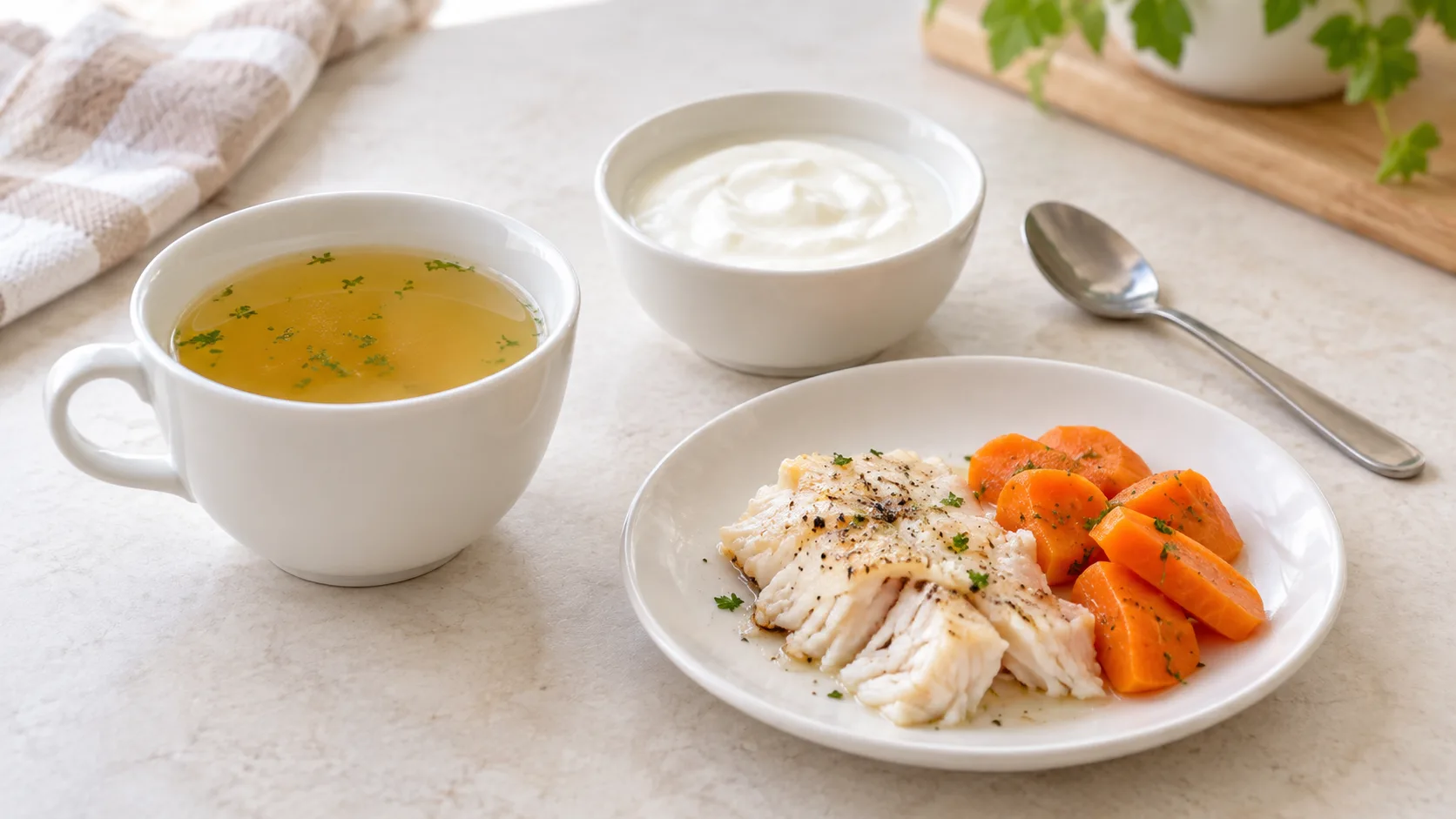
Soft stage: flaked fish with cooked vegetables, soft eggs, cottage cheese with soft fruit, tender lean poultry.
Long term: grilled fish with vegetables, eggs with spinach, lean poultry with a small portion of tolerated starch, low-fat yogurt with soft fruit.
How Can You Prevent Common Eating Problems After Gastric Bypass?
How Can You Reduce the Risk of Dumping Syndrome?
Limit concentrated sugar and high-fat foods, eat slowly, keep portions small, and separate fluids from meals.
How Can You Prevent Dehydration?
Sip fluids consistently from morning to evening, track your intake if needed, and choose non-caloric drinks.
How Can You Reduce Constipation?
Stay hydrated, add fiber gradually as your diet advances, stay physically active, and report persistent constipation to your team.
What Should You Do If a Food Causes Pain or Nausea?
Stop eating that food. Do not repeatedly retest a food that causes significant symptoms, and report persistent problems to your bariatric team, since ongoing pain or vomiting can signal an obstruction (Ukleja et al.).
How Do Nutritional Needs Change Over the First Year?
Weeks 1 to 4: liquids and advancing textures only, with hydration and protein as priorities.
Months 2 to 6: expanding food variety, shifting protein intake toward whole foods, and introducing tolerated fruits, vegetables, and starches.
Long term: small, balanced, protein-focused meals with controlled portions, broader variety by tolerance, and continued attention to hydration and supplements (Kaiser Permanente; UCSF).
What Role Do Supplements Play in a Gastric Bypass Diet?
Food alone cannot reliably meet micronutrient needs after a bypass because of reduced absorption. Lifelong supplementation with a bariatric multivitamin, iron, vitamin B12, calcium, and vitamin D is standard practice. Regular blood work guides dose adjustments, and your bariatric care team should set all supplement doses (Mechanick et al.).
When Should You Contact Your Bariatric Care Team?
Call your team if you experience persistent vomiting, ongoing nausea, abdominal pain, difficulty tolerating fluids, signs of dehydration, trouble swallowing, or unexpected weight changes. These symptoms can signal a blockage or complication that needs prompt evaluation.
Frequently Asked Questions About Foods to Eat After Gastric Bypass
What can I eat in the first week after gastric bypass?
Clear liquids such as water, broth, and approved sugar-free clear drinks, sipped frequently in small amounts.
When can I eat eggs after gastric bypass?
Usually in the puréed or soft-food stage, around weeks 3 to 6, blended or fully soft.
When can I eat meat after gastric bypass?
Lean meat returns in puréed form first, then as tender soft pieces, typically after about a month.
Can I eat fruit after gastric bypass?
Yes, starting with soft fruits and applesauce, then expanding by tolerance.
Can I eat vegetables after gastric bypass?
Yes, begin with well-cooked vegetables and gradually add firmer types.
Can I eat bread after gastric bypass?
Bread is often poorly tolerated early on. Test it later in small amounts if your team agrees.
Can I drink coffee after gastric bypass?
Most programs restrict caffeine during early recovery, then allow it gradually based on your tolerance.
How much protein do I need after gastric bypass?
Most patients need 60 to 100 grams daily. Your bariatric team sets your exact target.
How much water should I drink after gastric bypass?
Aim for 48 to 64 ounces daily, sipped between meals.
Can I eat sweets after gastric bypass?
Limit them strictly. Sugar triggers dumping syndrome and displaces nutritious food.
How long do I need to follow the gastric bypass diet?
The staged approach lasts a few months, but the core habits are lifelong.
Do I need vitamins for life after gastric bypass?
Yes. Lifelong supplementation is required because of permanently altered absorption.
What Is the Key to Eating Well After Gastric Bypass?
Protein comes first at every meal. Hydrate steadily between meals. Eat slowly, chew thoroughly, and keep portions small. Progress through textures gradually, limit sugar and fat, take your supplements daily, and maintain regular follow-up with your bariatric team. There is no single universal menu for every patient. The safest path depends on your procedure, recovery, tolerance, nutritional status, and the protocol your surgeon or registered dietitian designed for you.
References
Mechanick, Jeffrey I., et al. "Clinical Practice Guidelines for the Perioperative Nutritional, Metabolic, and Nonsurgical Support of the Bariatric Surgery Patient." Obesity, vol. 21, 2013, pp. S1-S27.
Moize, Violeta, et al. "Protein Intake and Lean Body Mass Preservation During Weight Loss in Obese Bariatric Surgery Patients." Nutrition, vol. 29, no. 6, 2013, pp. 849-854.
Schollenberger, Amy E., et al. "Food Tolerance and Diet Quality Post-Bariatric Surgery." Surgery for Obesity and Related Diseases, vol. 12, no. 8, 2016, pp. 1536-1542.
Ukleja, Andrew, et al. "ASMBS Guidelines on Dumping Syndrome." Surgery for Obesity and Related Diseases, vol. 16, no. 10, 2020, pp. 1517-1526.