Gastric Sleeve Surgery in Turkey: Complete Guide
Obesity now ranks as one of the most pressing global health challenges. The World Health Organization reports that obesity rates have tripled since 1975. Millions of people now struggle with weight-related diseases. These diseases include type 2 diabetes, hypertension, and sleep apnea. Bariatric surgery offers a proven solution for morbid obesity. Among all weight loss procedures, gastric sleeve surgery stands out as the most popular choice worldwide.
More patients now travel abroad for bariatric care. Turkey has emerged as a leading destination for gastric sleeve surgery. The country combines experienced surgeons, modern hospitals, and affordable prices. This guide covers everything you need to know about gastric sleeve surgery in Turkey. You will learn about the procedure, recovery, costs, and long-term outcomes.
What Is Gastric Sleeve Surgery?
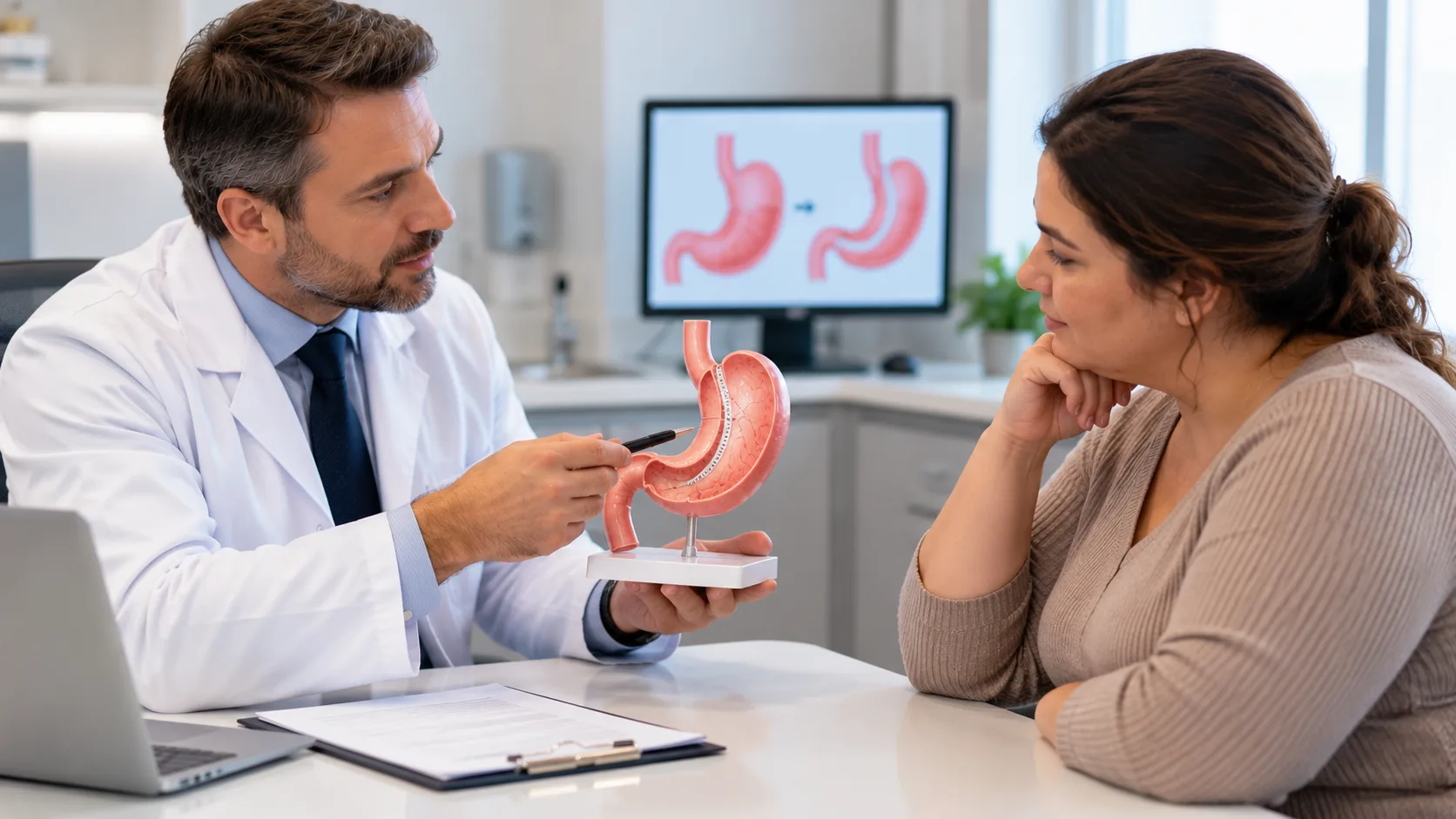
Gastric sleeve surgery removes about 75% to 80% of the stomach. This creates a narrow tube or "sleeve." The procedure restricts food intake and reduces hunger hormones.
What Does Sleeve Gastrectomy Mean?
Sleeve gastrectomy refers to a restrictive bariatric procedure. Surgeons remove the large, curved portion of the stomach. They leave behind a banana-shaped sleeve. This sleeve holds roughly 100 to 150 milliliters of food. The removed portion contains most of the cells that produce ghrelin. Ghrelin is the hunger hormone. Less ghrelin means patients feel less hungry after surgery.
The procedure creates a permanent anatomical change. Unlike adjustable gastric bands, surgeons cannot reverse sleeve gastrectomy. However, the remaining stomach still functions normally. It still produces digestive enzymes. It still moves food into the small intestine.
How Does Gastric Sleeve Surgery Work?
Gastric sleeve surgery works through two main mechanisms. First, it reduces stomach capacity. Patients can only eat small portions. Second, it alters gut hormones. The surgery removes the fundus of the stomach. The fundus produces ghrelin. After surgery, ghrelin levels drop sharply. Patients feel full faster. They also feel less hungry between meals.
The surgery also triggers changes in other hormones. These include glucagon-like peptide-1 (GLP-1) and peptide YY (PYY). Both hormones improve satiety and glucose control. This explains why many patients see rapid improvement in type 2 diabetes. Even before significant weight loss occurs.
How Does Gastric Sleeve Differ from Other Bariatric Procedures?
Gastric sleeve differs from gastric bypass in important ways. Gastric bypass reroutes the small intestine. It creates a small pouch and bypasses part of the digestive tract. Gastric sleeve does not reroute intestines. It only reduces stomach size. This means sleeve patients absorb nutrients normally. They face lower risks of nutritional deficiencies.
Mini gastric bypass also reroutes the intestine. It carries higher risks of bile reflux. Adjustable gastric banding places a silicone band around the stomach. Bands often require revision surgery. Many countries now favor sleeve gastrectomy over banding. The duodenal switch combines sleeve gastrectomy with intestinal bypass. It produces more weight loss but carries higher complication risks.
Procedure | Mechanism | Reversibility | Malabsorption Risk |
Restrictive | Permanent | Low | |
Restrictive + Malabsorptive | Permanent | Moderate | |
Mini Gastric Bypass | Restrictive + Malabsorptive | Permanent | Moderate |
Adjustable Band | Restrictive | Reversible | Low |
Duodenal Switch | Restrictive + Malabsorptive | Permanent | High |
Why Do Patients Choose Turkey for Gastric Sleeve Surgery?
Turkey offers experienced surgeons, JCI-accredited hospitals, advanced technology, and prices 60% to 80% lower than Western countries. Patients also enjoy short waiting times and comprehensive medical tourism packages.
Why Are Turkish Bariatric Surgeons So Experienced?
Turkish bariatric surgeons perform thousands of procedures each year. High patient volume builds exceptional surgical skill. Many surgeons train in Europe and the United States. They hold memberships in the International Federation for the Surgery of Obesity and Metabolic Disorders (IFSO). They attend international conferences. They publish research in peer-reviewed journals.
This experience translates into better outcomes. Studies show that surgeon volume correlates with lower complication rates. High-volume centers report fewer leaks, bleeds, and conversions to open surgery.
What Technology Do Turkish Hospitals Use?
Leading Turkish hospitals invest heavily in surgical technology. They use advanced laparoscopic equipment. Many centers now offer robotic-assisted sleeve gastrectomy. They use high-definition cameras and precision staplers. Some hospitals employ 3D visualization systems. These tools improve accuracy. They reduce tissue trauma. They shorten operating times.
Hospitals also follow Enhanced Recovery After Surgery (ERAS) protocols. These protocols speed up recovery. They reduce pain. They lower infection risks.
How Safe Are Turkish Hospitals for International Patients?
Many Turkish bariatric centers hold Joint Commission International (JCI) accreditation. JCI sets the highest global standards for patient safety. Accredited hospitals must meet strict criteria. These criteria cover infection control, surgical protocols, and emergency response.
Turkey also regulates medical tourism through the Health Tourism Authorization Certificate. The Ministry of Health inspects facilities. Only approved hospitals can treat international patients. This oversight protects patients from unsafe practices.
Why Is Gastric Sleeve Surgery More Affordable in Turkey?
Turkey offers gastric sleeve surgery at 60% to 80% less than the UK or USA. Several factors explain this difference. Turkey has lower operating costs. Staff salaries, facility rents, and equipment costs run lower. The government supports medical tourism. It offers tax incentives to healthcare providers. The exchange rate also favors foreign patients.
Despite lower prices, quality remains high. Surgeons use the same techniques. Hospitals use the same equipment. Patients receive the same standard of care.
What Do Medical Tourism Packages Include?
Most Turkish clinics offer all-inclusive packages. These packages typically cover:
Preoperative consultations and tests
The surgical procedure and hospital stay
General anesthesia and operating room fees
Postoperative medications
Airport transfers
Hotel accommodation
Interpreter services
Follow-up consultations
Some packages also include companion accommodation. Others offer city tours during recovery. These services remove stress. Patients focus on healing.
How Long Do Patients Wait for Surgery?
Waiting times in Turkey remain very short. Most patients schedule surgery within two to four weeks. This contrasts sharply with public health systems in some countries. In the UK, NHS waiting times for bariatric surgery can exceed two years. In Canada, waits often stretch beyond three years. Turkey eliminates these delays.
How Accessible Is Turkey from Other Countries?
Turkey sits at the crossroads of Europe and Asia. Istanbul Airport serves as a major global hub. Direct flights connect Turkey to the UK, Germany, France, the USA, Australia, and the Middle East. Flight times from London to Istanbul take roughly four hours. Patients from Dubai reach Istanbul in about four hours as well. This accessibility makes Turkey an easy destination.
Who Qualifies for Gastric Sleeve Surgery?
Good candidates have a BMI of 40 or higher. Patients with a BMI of 35 or higher may qualify if they have obesity-related diseases. Candidates must also show psychological readiness and lifestyle commitment.
What BMI Do Patients Need for Gastric Sleeve Surgery?
The standard BMI threshold for bariatric surgery stands at 40 or above. Patients with a BMI between 35 and 39.9 may qualify if they have serious comorbidities. These include type 2 diabetes, hypertension, or severe sleep apnea. Some guidelines now consider patients with a BMI of 30 to 34.9 who have uncontrolled diabetes. The American Society for Metabolic and Bariatric Surgery (ASMBS) updated these criteria in 2022.
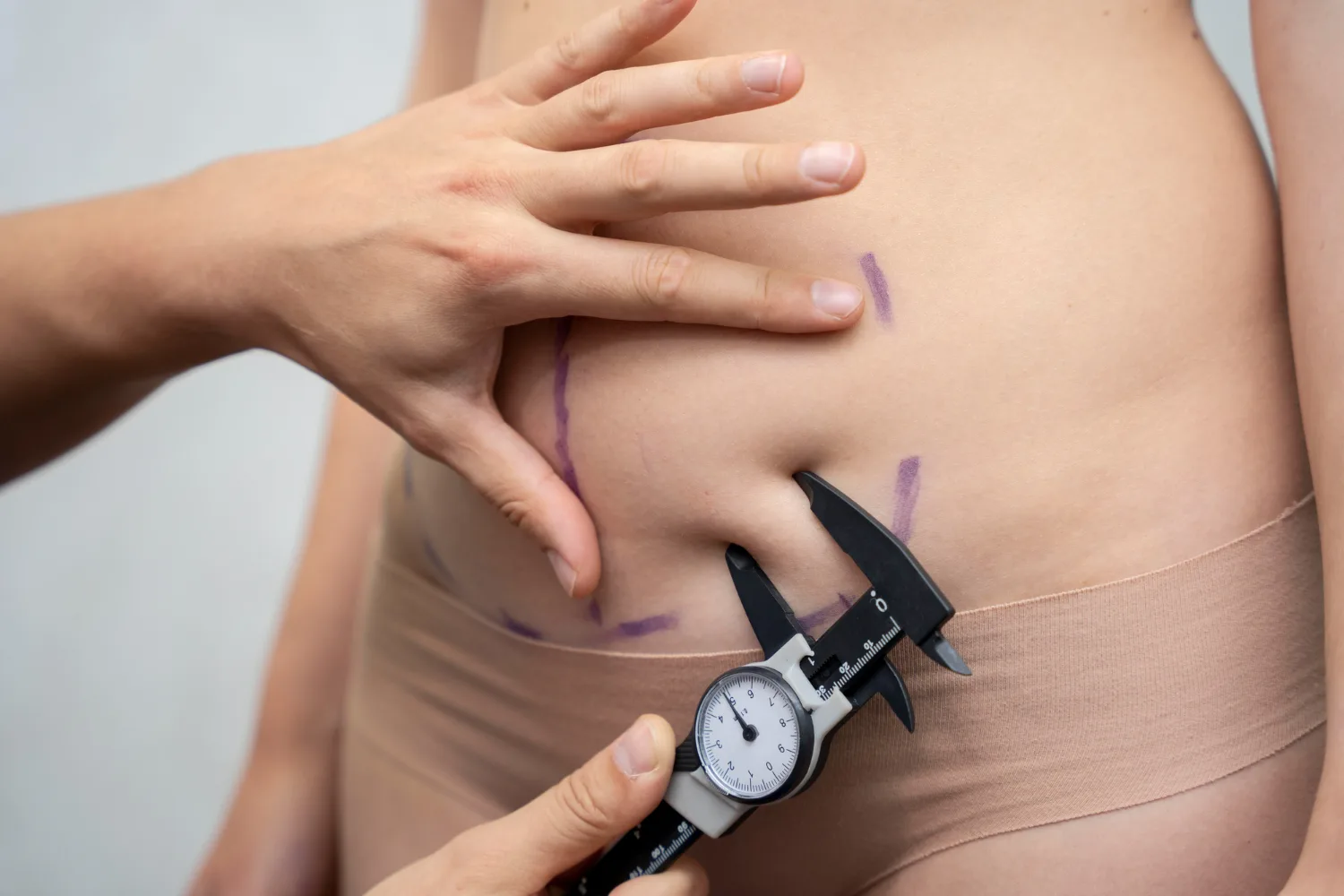
BMI alone does not determine eligibility. Surgeons also assess waist circumference, body composition, and overall health.
Which Medical Conditions Support Eligibility?
Obesity-related diseases strongly support surgical candidacy. Type 2 diabetes ranks among the most common. Many sleeve patients achieve diabetes remission. Hypertension also improves after surgery. Patients often reduce or eliminate blood pressure medications.
Sleep apnea represents another key indication. Severe sleep apnea raises cardiovascular risks. Weight loss after sleeve surgery often resolves sleep apnea entirely. Non-alcoholic fatty liver disease (NAFLD) also improves. Liver inflammation and fibrosis decrease as patients lose weight.
Does Age Affect Candidacy?
Most surgeons operate on patients between 18 and 65 years old. However, age limits have expanded. Adolescents with severe obesity and comorbidities may now qualify. Some centers operate on patients over 65 if they remain healthy enough. Age alone does not disqualify a patient. Overall health status matters more.
Why Does Psychological Readiness Matter?
Bariatric surgery changes eating habits forever. Patients must understand this commitment. A psychological evaluation screens for eating disorders. It checks for depression, anxiety, and substance abuse. It assesses the patient's support system. Patients with untreated mental health conditions may struggle after surgery. Addressing these issues before surgery improves long-term success.
What Lifestyle Commitment Does Surgery Require?
Gastric sleeve surgery is not a quick fix. Patients must commit to lifelong dietary changes. They must take daily vitamin supplements. They must attend regular follow-up appointments. They must engage in physical activity. Patients who refuse these commitments face higher risks of complications and weight regain.
What Happens During Preoperative Assessment?

Patients complete medical evaluations, blood tests, imaging studies, nutritional assessments, and psychological screenings. They also begin lifestyle modifications before surgery.
What Medical Evaluations Do Patients Undergo?
The preoperative assessment ensures patient safety. A bariatric surgeon reviews the patient's full medical history. They examine the heart, lungs, and abdomen. They check for hernias. They assess surgical risks. An anesthesiologist evaluates fitness for general anesthesia.
Which Blood Tests Are Required?
Standard blood tests include a complete blood count (CBC). This checks for anemia. Tests also measure kidney function, liver enzymes, and blood sugar. Thyroid function tests rule out hypothyroidism. Vitamin levels check for pre-existing deficiencies. Coagulation studies assess bleeding risk. Some patients need H. pylori testing. This bacterium increases leak risks after surgery.
What Imaging Studies Do Surgeons Order?
Most patients need an abdominal ultrasound. This checks for gallstones. Gallstones are common in obese patients. Surgeons may remove the gallbladder during sleeve surgery. Some patients need an upper endoscopy. This examines the esophagus and stomach. It rules out ulcers, hiatal hernias, and other abnormalities. A chest X-ray evaluates lung health.
Why Do Patients Need Nutritional Assessment?
A registered dietitian evaluates the patient's eating habits. They identify problem areas. They teach preoperative dietary requirements. Many surgeons require a preoperative diet. This diet shrinks the liver. A smaller liver makes laparoscopic surgery safer and easier. The dietitian also plans postoperative nutrition. They calculate protein and fluid needs.
What Does the Psychological Evaluation Involve?
A mental health professional interviews the patient. They screen for depression, anxiety, and binge eating disorder. They assess motivation and expectations. They identify coping strategies. Patients with active substance abuse may need treatment first. The evaluation also checks for understanding of lifelong commitments.
What Lifestyle Changes Must Patients Make Before Surgery?
Patients must quit smoking at least six weeks before surgery. Smoking increases leak and infection risks. They must stop alcohol consumption. They must begin a low-calorie diet. This diet typically lasts one to two weeks. It reduces liver size. Some patients start light exercise. These habits build a foundation for postoperative success.
How Do Surgeons Perform Gastric Sleeve Surgery?
Surgeons use laparoscopic technique under general anesthesia. They remove about 75% to 80% of the stomach with stapling devices. The procedure takes 60 to 90 minutes. Patients stay in the hospital for two to three days.
What Is the Laparoscopic Technique?
Laparoscopic surgery uses small incisions. Surgeons make four to five tiny cuts in the abdomen. Each cut measures 5 to 12 millimeters. They insert a camera and specialized instruments. The camera displays the stomach on a monitor. Surgeons perform the entire operation through these small openings.
Laparoscopic surgery offers major advantages. It causes less pain. It reduces infection risks. It leaves smaller scars. Patients recover faster. Most patients return home within two to three days.
What Role Does General Anesthesia Play?
An anesthesiologist administers general anesthesia. The patient sleeps throughout the procedure. They feel no pain. They have no memory of the surgery. The anesthesiologist monitors heart rate, blood pressure, and oxygen levels. They adjust medications as needed. General anesthesia makes the procedure safe and comfortable.
What Are the Surgical Steps?
The surgeon first inspects the abdomen. They check for adhesions or unexpected findings. They then divide the blood vessels along the stomach's greater curvature. They free the stomach from surrounding tissue. Next, they insert a sizing bougie. This tube guides the sleeve shape. The surgeon fires a stapling device along the bougie. This removes the excess stomach. They reinforce the staple line. Some surgeons use buttressing material. Others oversew the line. They remove the stomach specimen through a small incision. Finally, they test for leaks. Some surgeons use a dye test. Others perform an intraoperative endoscopy.
How Long Does the Surgery Take?
The average operating time ranges from 60 to 90 minutes. Experienced surgeons often complete the procedure in under an hour. Complex cases may take longer. These include patients with prior abdominal surgery or large livers.
How Long Do Patients Stay in the Hospital?
Most patients stay two to three nights. The first night takes place in a monitored setting. Nurses watch for bleeding, pain, and nausea. Patients begin walking within hours. They start drinking clear liquids the next day. By day two or three, most patients feel ready to leave. Some centers offer same-day discharge for select patients. However, most bariatric experts recommend at least one overnight stay.
What Does Recovery After Gastric Sleeve Surgery Involve?
Patients begin walking within hours. They manage pain with medications. They follow a staged diet. Most patients return to light activities within one to two weeks. Full recovery takes four to six weeks.
What Care Do Patients Receive Immediately After Surgery?
Nurses monitor vital signs closely. They check for signs of bleeding or leaks. They manage nausea and pain. Patients receive intravenous fluids. They begin breathing exercises. These exercises prevent pneumonia. Nurses encourage early mobilization. Walking reduces blood clot risks. It also speeds bowel function recovery.
How Do Surgeons Manage Pain?
Pain after laparoscopic sleeve gastrectomy remains moderate. Surgeons use multimodal pain management. This combines different medications. Patients receive acetaminophen and anti-inflammatory drugs. Opioids are used sparingly. Opioids cause constipation and nausea. These side effects complicate recovery. Most patients need pain medication for only three to five days.
Why Is Early Mobilization Important?
Patients walk within four to six hours after surgery. Early walking prevents blood clots. It reduces gas pain. It stimulates bowel function. It prevents muscle weakness. Nurses help patients stand and walk short distances. Each day, patients walk farther. By discharge, most patients walk independently.
When Can Patients Return Home?
Local Turkish patients return home after two to three days. International patients usually stay five to seven days total. This includes hospital stay and hotel recovery. Surgeons check the patient before departure. They confirm stable vital signs. They ensure the patient tolerates liquids. They provide diet instructions and medications.
What Follow-Up Appointments Do Patients Need?
Patients see the surgeon one week after discharge. They then return at one month, three months, six months, and one year. These visits track weight loss. They check for complications. They monitor nutritional levels. Many Turkish clinics offer remote follow-up for international patients. They use video calls and email. Patients also see a dietitian regularly.
What Is the Gastric Sleeve Diet Timeline?
Patients progress through five diet stages. They start with clear liquids. They advance to full liquids, pureed foods, soft foods, and finally a long-term healthy diet. Protein and hydration remain critical throughout.
What Can Patients Eat During Stage 1?
Stage 1 lasts about three to five days. Patients consume only clear liquids. These include water, broth, sugar-free gelatin, and diluted juice. They sip slowly. They avoid carbonation. They aim for 48 to 64 ounces of fluid daily. Protein intake remains low during this stage. This is temporary.
What Foods Are Allowed in Stage 2?
Stage 2 begins around day five and lasts one to two weeks. Patients add full liquids. These include protein shakes, skim milk, yogurt drinks, and cream soups. Patients aim for 60 to 80 grams of protein daily. They continue sipping fluids throughout the day. They avoid caffeine and carbonation.
When Do Patients Start Pureed Foods?
Stage 3 starts around week two or three. Patients eat soft, blended foods. These include scrambled eggs, cottage cheese, hummus, and blended chicken. They eat small portions. Each meal should measure one-quarter to one-half cup. They chew thoroughly. They eat slowly. Meals take 20 to 30 minutes.
What Soft Foods Can Patients Eat in Stage 4?
Stage 4 begins around week four. Patients add soft solid foods. These include flaky fish, ground turkey, soft vegetables, and ripe fruits. They avoid tough meats, raw vegetables, and bread. Bread can form a paste and block the small stomach opening. Patients continue focusing on protein. They eat protein first. Then vegetables. Then carbohydrates if room remains.
What Does the Long-Term Diet Look Like?
By month two or three, patients eat a regular healthy diet. They focus on lean proteins. These include chicken, fish, eggs, and legumes. They eat vegetables at every meal. They choose whole grains in small amounts. They avoid sugary drinks and processed snacks. They eat three small meals daily. They avoid snacking. They drink water between meals. They never drink with meals.
How Much Protein and Fluid Do Patients Need?
Protein needs range from 60 to 80 grams daily. This supports healing. It preserves muscle mass. It promotes satiety. Patients meet these goals through food and supplements. Fluid needs range from 64 to 80 ounces daily. Dehydration remains a common early complication. Patients must sip constantly.
Which Vitamins and Minerals Do Patients Need?
Lifelong supplementation is mandatory. Standard protocols include:
Supplement | Daily Dose | Purpose |
Multivitamin with minerals | 1-2 tablets | General micronutrient coverage |
Calcium citrate | 1200-1500 mg | Bone health |
Vitamin D3 | 3000 IU | Calcium absorption, immunity |
Vitamin B12 | 1000 mcg | Nerve function, energy |
Iron | 18-65 mg | Prevent anemia |
Thiamine (B1) | 100 mg | Prevent beriberi |
Patients take calcium separately from iron. These minerals compete for absorption. Surgeons check blood levels every three to six months. They adjust supplements based on results.
What Weight Loss Results Can Patients Expect?
Patients lose 60% to 70% of excess weight within the first year. Monthly weight loss averages 8 to 12 pounds. Long-term success depends on adherence to diet and exercise.
How Much Weight Do Patients Lose Each Month?
Weight loss follows a predictable pattern. Patients lose the most weight in the first three months. Average monthly loss ranges from 15 to 25 pounds during this period. Months four to six show slower loss. Patients lose 8 to 12 pounds monthly. After six months, loss continues but at a slower pace. Most patients reach their lowest weight between 12 and 18 months.
What Excess Weight Loss Occurs in the First Year?
Excess weight loss (EWL) measures success. It compares weight lost to excess weight above ideal body weight. Studies show that sleeve patients lose 60% to 70% of excess weight in the first year. Some patients lose even more. A patient 100 pounds overweight might lose 60 to 70 pounds in year one.
What Are the Long-Term Outcomes?
Long-term data shows durable results. Arterburn and colleagues tracked patients for five years. They found sustained weight loss of 50% to 60% of excess weight (Arterburn et al., 2020). Some patients regain 10% to 20% of lost weight after year three. However, most maintain significant improvement. Long-term success requires ongoing lifestyle management.
What Factors Influence Weight Loss Success?
Several factors affect outcomes. Younger patients often lose weight faster. Higher initial BMI correlates with greater absolute loss. Male patients typically lose weight faster than females. Patients who follow dietary guidelines achieve better results. Regular exercise boosts loss and preserves muscle. Attending follow-up appointments improves compliance. Psychological support reduces emotional eating.
What Health Benefits Occur Beyond Weight Loss?
Gastric sleeve surgery improves or resolves type 2 diabetes, hypertension, sleep apnea, and fatty liver disease. Patients also gain better mobility, cardiovascular health, and quality of life.
How Does Surgery Affect Type 2 Diabetes?
Type 2 diabetes often improves within days of surgery. This happens before significant weight loss. Gut hormone changes drive this effect. GLP-1 and PYY improve insulin sensitivity. The STAMPEDE trial showed remarkable results. Schauer and colleagues found that 42% of sleeve patients achieved diabetes remission at five years. This compared to 12% with medical therapy alone (Schauer et al., 2017). Many patients reduce or eliminate diabetes medications.
How Does Blood Pressure Change After Surgery?
Hypertension improves in 60% to 80% of patients. Weight loss reduces vascular resistance. It decreases strain on the heart. Many patients stop antihypertensive medications. Others reduce dosages. Sustained weight loss maintains these benefits.
Can Sleep Apnea Resolve Completely?
Obstructive sleep apnea improves in most patients. Many achieve complete resolution. Weight loss reduces fat deposits around the airway. It decreases neck circumference. Patients stop snoring. They no longer need CPAP machines. Sleep quality improves dramatically. Daytime energy increases.
How Does Mobility Improve?
Joint pain decreases as weight drops. Knees, hips, and ankles bear less load. Patients walk farther. They climb stairs easily. They engage in physical activities they once avoided. Improved mobility creates a positive cycle. More activity leads to more weight loss.
What Cardiovascular Benefits Occur?
Weight loss improves every cardiovascular risk factor. LDL cholesterol drops. HDL cholesterol rises. Triglycerides decrease. Inflammation markers fall. Blood pressure normalizes. These changes reduce heart attack and stroke risks. Studies show bariatric surgery reduces cardiovascular mortality by 30% to 40%.
How Does Quality of Life Improve?
Patients report dramatic quality of life improvements. Kolotkin and colleagues developed the Impact of Weight on Quality of Life (IWQOL) questionnaire. Bariatric patients score significantly higher after surgery. They report better self-esteem. They enjoy social activities more. Depression scores drop. They feel more confident at work and in relationships.
What Risks and Complications Can Occur?
Gastric sleeve surgery carries a 1% to 3% risk of serious complications. These include gastric leak, bleeding, infection, blood clots, and nutritional deficiencies. GERD and weight regain also occur in some patients.
What Are the Main Surgical Risks?
All surgery carries risks. Sleeve gastrectomy is no exception. However, laparoscopic sleeve gastrectomy remains very safe. Major complication rates range from 1% to 3%. Mortality rates sit below 0.1%. These figures compare favorably to other major surgeries.
How Common Is Gastric Leak?
Gastric leak represents the most feared complication. It occurs in 1% to 2% of cases. A leak happens when the staple line fails. Stomach contents spill into the abdomen. This causes infection and sepsis. Early detection saves lives. Symptoms include rapid heart rate, fever, and abdominal pain. Surgeons prevent leaks by reinforcing the staple line. They test for leaks during surgery. They place drains in some cases.
What About Bleeding?
Intraoperative bleeding occurs in 1% to 4% of cases. Most bleeding stops with pressure or cautery. Postoperative bleeding is less common. It usually presents as blood in vomit or stool. Severe bleeding may require transfusion or reoperation.
How Do Infections Occur?
Surgical site infections affect 2% to 5% of patients. Obesity increases infection risks. JCI-accredited hospitals use strict infection control. They administer preventive antibiotics. They monitor wounds closely. Most infections respond to oral antibiotics.
What Is the Risk of Blood Clots?
Blood clots, or deep vein thrombosis (DVT), threaten all surgical patients. Obesity raises this risk further. Surgeons prevent clots with blood thinners. They use compression stockings. They encourage early walking. These measures reduce clot risks to less than 1%.
Why Do Nutritional Deficiencies Happen?
The smaller stomach holds less food. Patients eat fewer nutrients. They also produce less stomach acid. This reduces absorption of iron, calcium, and B12. Without supplements, deficiencies develop. Regular blood monitoring catches problems early. Lifelong supplementation prevents most deficiencies.
Can GERD Worsen After Surgery?
Some patients develop new or worsened gastroesophageal reflux disease (GERD) after sleeve gastrectomy. The surgery alters stomach anatomy. This can increase pressure on the lower esophageal sphincter. Studies show 10% to 20% of patients report new GERD symptoms. Pre-existing GERD may worsen. Surgeons screen for hiatal hernias before surgery. They repair them if found. Patients with severe GERD may need conversion to gastric bypass.
Why Does Weight Regain Happen?
Weight regain affects 10% to 20% of patients. The stomach can stretch over time. Patients may return to old eating habits. They may stop exercising. They may skip supplements and follow-ups. Early intervention prevents major regain. Support groups and counseling help patients stay on track.
How Much Does Gastric Sleeve Surgery Cost in Turkey?
Gastric sleeve surgery in Turkey costs between $3,000 and $6,000. This includes surgery, hospital stay, and basic services. The same procedure costs $15,000 to $25,000 in the USA and $10,000 to $15,000 in the UK.
What Do Treatment Packages Include?
Standard packages typically include:
Preoperative blood tests and consultations
Surgeon and anesthesiologist fees
Hospital stay (2-3 nights)
Operating room and equipment fees
Postoperative medications
Airport transfers
Hotel accommodation (3-7 nights)
Interpreter services
One year of follow-up support
Premium packages may add companion stays, city tours, and longer hotel accommodation.
What Factors Affect the Cost?
Several factors influence pricing. Surgeon experience and reputation matter. JCI-accredited hospitals charge more than non-accredited ones. City location affects prices. Istanbul and Antalya often cost more than smaller cities. Package inclusions vary. Some include more nights in the hospital. Others offer more comprehensive aftercare.
How Do Turkish Prices Compare Globally?
Country | Average Cost | Included Services |
Turkey | $3,000 - $6,000 | All-inclusive packages |
United Kingdom | $10,000 - $15,000 | Surgery only; long NHS waits |
United States | $15,000 - $25,000 | Surgery only; insurance varies |
Canada | $12,000 - $18,000 | Surgery only; long waits |
Australia | $12,000 - $18,000 | Partial Medicare coverage |
Germany | $10,000 - $14,000 | Surgery and basic hospital stay |
Why Are Prices So Much Lower in Turkey?
Lower costs do not mean lower quality. Turkey benefits from lower wages and facility costs. The government subsidizes healthcare infrastructure. Competition among medical tourism providers drives efficiency. The favorable exchange rate helps foreign patients. Turkish surgeons perform high volumes. This efficiency reduces per-case costs.
What Does the Medical Journey Look Like for International Patients?
Patients begin with an online consultation. They receive travel guidance. They arrange visas if needed. Clinics provide airport transfers, hotels, interpreters, and companion support.
How Does the Online Consultation Work?
Patients submit medical history forms. They share height, weight, and comorbidities. They list current medications. Surgeons review this information. They determine candidacy. They answer questions. They provide preliminary cost estimates. Some clinics arrange video consultations. This builds trust before travel.
What Travel Planning Is Required?
Patients book flights to Istanbul, Antalya, or Izmir. Clinics recommend arrival dates. Patients should arrive one or two days before surgery. This allows time for final tests. They should plan to stay five to seven days total. They need a valid passport. Some nationalities need visas. Turkey offers e-visas for many countries.
What Are the Visa Requirements?
Citizens of the UK, EU, USA, Canada, and Australia need e-visas or visas on arrival. The process takes minutes online. Patients print the e-visa. They present it at immigration. Some nationalities enter visa-free. Clinics often assist with visa guidance.
How Do Airport Transfers Work?
Clinics send a driver to meet patients at the airport. The driver holds a name sign. They transport patients directly to the hotel or hospital. This service removes navigation stress. It ensures safe arrival.
What Hotel Options Are Available?
Packages include three-star to five-star hotels. Hotels sit near the hospital. Some clinics offer hospital-affiliated hotels. These provide medical support if needed. Rooms include WiFi, meals, and comfort amenities. Patients rest in a clean, quiet environment.
Do Patients Need Interpreter Services?
Yes. Medical discussions require precise communication. Leading clinics employ multilingual staff. They offer interpreters in English, Arabic, French, German, Spanish, and Russian. Interpreters attend consultations. They translate during hospital stays. They ensure patients understand every instruction.
What Are the Companion Policies?
Most clinics welcome one companion free of charge. Companions stay in the patient's hotel room. Some packages include companion meals. Companions provide emotional support. They help with travel logistics. They assist during early recovery.
What Should Patients Pack?
Patients should bring:
Comfortable loose clothing
Slippers and walking shoes
Personal toiletries
All current medications in original containers
Medical records and test results
Phone charger and entertainment
Travel pillow for the flight home
Compression stockings for the return flight
How Can Patients Choose the Right Bariatric Clinic in Turkey?
Patients should verify surgeon qualifications, hospital accreditation, multidisciplinary teams, infection control, ICU availability, patient reviews, and follow-up support.
What Surgeon Qualifications Should Patients Verify?
Patients should confirm the surgeon's board certification. They should check IFSO membership. They should ask about annual case volume. Surgeons should perform at least 100 sleeve gastrectomies yearly. They should have formal bariatric fellowship training. They should publish research or lecture at conferences.
Why Does Hospital Accreditation Matter?
JCI accreditation proves the hospital meets international standards. Patients can verify accreditation on the JCI website. Accredited hospitals maintain strict protocols. They have emergency response systems. They employ qualified nursing staff.
What Is a Multidisciplinary Team?
The best clinics employ teams, not just surgeons. Teams include bariatric surgeons, anesthesiologists, dietitians, psychologists, and nurses. This team approach addresses every aspect of care. It improves outcomes. It reduces complications.
How Important Are Infection Control Standards?
Infection control prevents surgical site infections. Accredited hospitals follow WHO guidelines. They use sterile techniques. They track infection rates. They publish these rates on request. Low infection rates indicate quality care.
Why Does ICU Availability Matter?
Though rare, complications may require intensive care. Leading hospitals maintain fully equipped ICUs. They have ventilators. They have cardiac monitors. They have trained intensivists. This capability provides a safety net.
How Should Patients Evaluate Reviews and Success Rates?
Patients should read independent reviews. They should check Google, Trustpilot, and RealSelf. They should ask the clinic for success rate data. Good clinics track and publish their outcomes. They share complication rates honestly.
What Follow-Up Support Should Patients Expect?
Quality clinics offer structured follow-up. This includes remote consultations. It includes dietitian support. It includes access to the surgeon for questions. Some clinics partner with local doctors in the patient's home country. This ensures continuity of care.
What Does Life Look Like After Gastric Sleeve Surgery?
Patients adopt regular physical activity. They maintain long-term healthy eating. They seek mental health support when needed. They plan pregnancies carefully. They avoid alcohol and smoking. They commit to lifelong weight maintenance.
What Physical Activity Should Patients Do?
Patients begin walking immediately after surgery. They increase activity gradually. By week two, they walk 20 to 30 minutes daily. By month two, they add light strength training. By month three, they engage in most regular exercises. They should aim for 150 minutes of moderate activity weekly. They should include resistance training twice weekly. Exercise preserves muscle mass. It boosts metabolism. It improves mood.
What Long-Term Dietary Habits Are Essential?
Successful patients eat protein at every meal. They fill half their plate with vegetables. They choose whole grains in small portions. They avoid sugary drinks completely. They limit alcohol. They eat slowly. They stop when full. They plan meals ahead. They avoid emotional eating. These habits become second nature over time.
When Do Patients Need Mental Health Support?
Weight loss changes body image. It changes relationships. Some patients feel overwhelmed. Others struggle with food addiction transfer. They may turn to alcohol, shopping, or other behaviors. Regular counseling helps. Support groups provide understanding. Patients should seek help early. Mental health is as important as physical health.
How Does Surgery Affect Pregnancy?
Women should wait 12 to 18 months after surgery before becoming pregnant. This allows weight to stabilize. It allows nutritional stores to rebuild. Pregnancy after sleeve surgery is generally safe. However, patients need close monitoring. They need extra folate, iron, and B12. They should work with an obstetrician experienced in post-bariatric pregnancy.
Why Should Patients Avoid Alcohol and Smoking?
Alcohol absorption changes after surgery. Patients feel effects faster. They also face higher risks of alcohol use disorder. The surgery alters reward pathways in the brain. Smoking increases leak risks early after surgery. It worsens healing. It increases long-term health risks. Patients should quit both permanently.
How Do Patients Maintain Weight Loss?
Maintenance requires the same discipline as initial loss. Patients weigh themselves weekly. They track food intake. They stay active. They attend follow-ups. They take supplements. They address problems early. Patients who treat surgery as a tool, not a cure, succeed long-term.
What Do Patients Most Often Ask About Gastric Sleeve Surgery?
Patients ask about permanence, weight loss amounts, pain, travel duration, flying home, stomach stretching, plastic surgery needs, diabetes improvement, work return, and weight regain management.
Is Gastric Sleeve Surgery Permanent?
Yes. Surgeons remove the stomach permanently. They cannot reattach it. The remaining sleeve stays small for life. However, it can stretch slightly over time. Patients must protect their results through healthy habits.
How Much Weight Will I Lose?
Most patients lose 60% to 70% of excess weight in the first year. A patient 100 pounds overweight typically loses 60 to 70 pounds. Some lose more. Individual results vary. Commitment to diet and exercise determines final outcomes.
Is the Surgery Painful?
Laparoscopic surgery causes moderate pain. Most patients describe it as soreness, not sharp pain. Pain medications control discomfort effectively. Most patients need pain relief for only three to five days. Walking reduces gas-related pain significantly.
How Long Will I Stay in Turkey?
Most international patients stay five to seven days. This includes two to three hospital nights and three to four hotel nights. Surgeons clear patients for travel before departure. Patients should not book return flights too early.
When Can I Fly Home?
Surgeons typically clear patients for flying five to seven days after surgery. Short flights are safer than long-haul flights early on. Patients should walk during flights. They should wear compression stockings. They should stay hydrated. Long flights increase blood clot risks.
Can the Stomach Stretch Again?
Yes, the stomach can stretch over time. Consistent overeating causes gradual expansion. However, the sleeve never returns to its original size. Patients who follow portion guidelines protect their results. Regular follow-ups catch problems early.
Will I Need Plastic Surgery After Weight Loss?
Many patients develop loose skin after massive weight loss. The need for plastic surgery depends on age, genetics, and total weight lost. Younger patients with good skin elasticity may tighten naturally. Others choose body contouring procedures. These include tummy tucks, arm lifts, and breast lifts. Patients should wait 12 to 18 months after sleeve surgery before considering plastic surgery.
Can Diabetes Improve After Surgery?
Yes. Type 2 diabetes improves in most patients. Many achieve complete remission. The STAMPEDE trial demonstrated that 42% of sleeve patients achieved remission at five years (Schauer et al., 2017). Improvements often begin within days of surgery. This happens before major weight loss occurs.
How Soon Can I Return to Work?
Patients with desk jobs return within one to two weeks. Those with physical jobs need four to six weeks. Recovery speed varies. Patients should listen to their bodies. They should not rush back too early.
What Happens If I Regain Weight?
Some weight regain is normal after year two. Patients may regain 10% to 20% of lost weight. Early intervention prevents further regain. Patients should return to basics. They should track food. They should increase activity. They should see their bariatric team. Support groups help. In some cases, surgeons offer revision procedures.
What Should Patients Remember About Gastric Sleeve Surgery in Turkey?
Gastric sleeve surgery offers a powerful, proven tool for lasting weight loss. Turkey provides world-class care at accessible prices. Success depends on choosing an experienced team and committing to lifelong lifestyle changes.
Gastric sleeve surgery changes lives. It reduces body weight by 60% to 70% in the first year. It improves or resolves type 2 diabetes, hypertension, and sleep apnea. It enhances mobility, cardiovascular health, and quality of life. Turkey has earned its reputation as a top destination for this procedure. The country combines surgical expertise, modern technology, JCI-accredited facilities, and affordable pricing.
However, surgery is not a magic solution. It is a tool. Patients must use this tool correctly. They must follow dietary guidelines. They must take supplements. They must stay active. They must attend follow-ups. They must address psychological challenges. Patients who commit to these changes enjoy durable, life-changing results.
Selecting the right bariatric team matters enormously. Patients should verify surgeon qualifications. They should choose accredited hospitals. They should demand comprehensive follow-up. They should read independent reviews. They should ask questions. An informed patient makes better decisions.
Realistic expectations protect patients from disappointment. Weight loss takes time. Complications, though rare, can occur. Lifestyle changes are permanent. Patients who understand these truths enter surgery with confidence. They leave with a new chance at health.
Long-term follow-up ensures lasting success. The first year brings rapid change. Years two through five require vigilance. Decades of healthy living await the committed patient. Gastric sleeve surgery opens the door. Patients must walk through it.
References
Arterburn, David E., et al. "Long-Term Outcomes after Bariatric Surgery: A Systematic Review and Meta-Analysis of Weight Loss at 10 or More Years for All Bariatric Procedures and a Single-Centre Review of 20-Year Outcomes after Adjustable Gastric Banding." Obesity Surgery, vol. 30, no. 8, 2020, pp. 2811–2821.
Buchwald, Henry, et al. "Bariatric Surgery: A Systematic Review and Meta-Analysis." JAMA, vol. 292, no. 14, 2004, pp. 1724–1737.
Karamanakos, Spyridon N., et al. "Weight Loss, Appetite Suppression, and Changes in Fasting and Postprandial Ghrelin and Peptide-YY Levels After Roux-en-Y Gastric Bypass and Sleeve Gastrectomy: A Prospective, Double Blind Study." Annals of Surgery, vol. 247, no. 3, 2008, pp. 401–407.
Kolotkin, Ronette L., et al. "Health-Related Quality of Life in Patients Seeking Gastric Bypass Surgery: A Two-Year Follow-Up Study." Obesity Surgery, vol. 21, no. 5, 2011, pp. 637–644.
Langer, Felix B., et al. "Sleeve Gastrectomy and Gastric Banding: Effects on Plasma Ghrelin Levels." Obesity Surgery, vol. 15, no. 7, 2005, pp. 1024–1029.
Mechanick, Jeffrey I., et al. "Clinical Practice Guidelines for the Perioperative Nutrition, Metabolic, and Nonsurgical Support of Patients Undergoing Bariatric Procedures - 2019 Update." Obesity, vol. 27, no. 4, 2019, pp. 501–508.
Mingrone, Geltrude, et al. "Bariatric Surgery versus Conventional Medical Therapy for Type 2 Diabetes." New England Journal of Medicine, vol. 366, no. 17, 2012, pp. 1577–1585.
Parrott, Julie, et al. "American Society for Metabolic and Bariatric Surgery Integrated Health Nutritional Guidelines for the Surgical Weight Loss Patient 2016 Update." Obesity Surgery, vol. 27, no. 1, 2017, pp. 1–26.
Peterli, Ralph, et al. "Effect of Laparoscopic Sleeve Gastrectomy vs Laparoscopic Roux-en-Y Gastric Bypass on Weight Loss in Patients with Morbid Obesity: The SM-BOSS Randomized Clinical Trial." JAMA, vol. 319, no. 3, 2018, pp. 255–265.
Schauer, Philip R., et al. "Bariatric Surgery versus Intensive Medical Therapy for Diabetes - 5-Year Outcomes." New England Journal of Medicine, vol. 376, no. 7, 2017, pp. 641–651.
Sjostrom, Lars, et al. "Lifestyle, Diabetes, and Cardiovascular Risk Factors 10 Years after Bariatric Surgery." New England Journal of Medicine, vol. 351, no. 26, 2004, pp. 2683–2693.