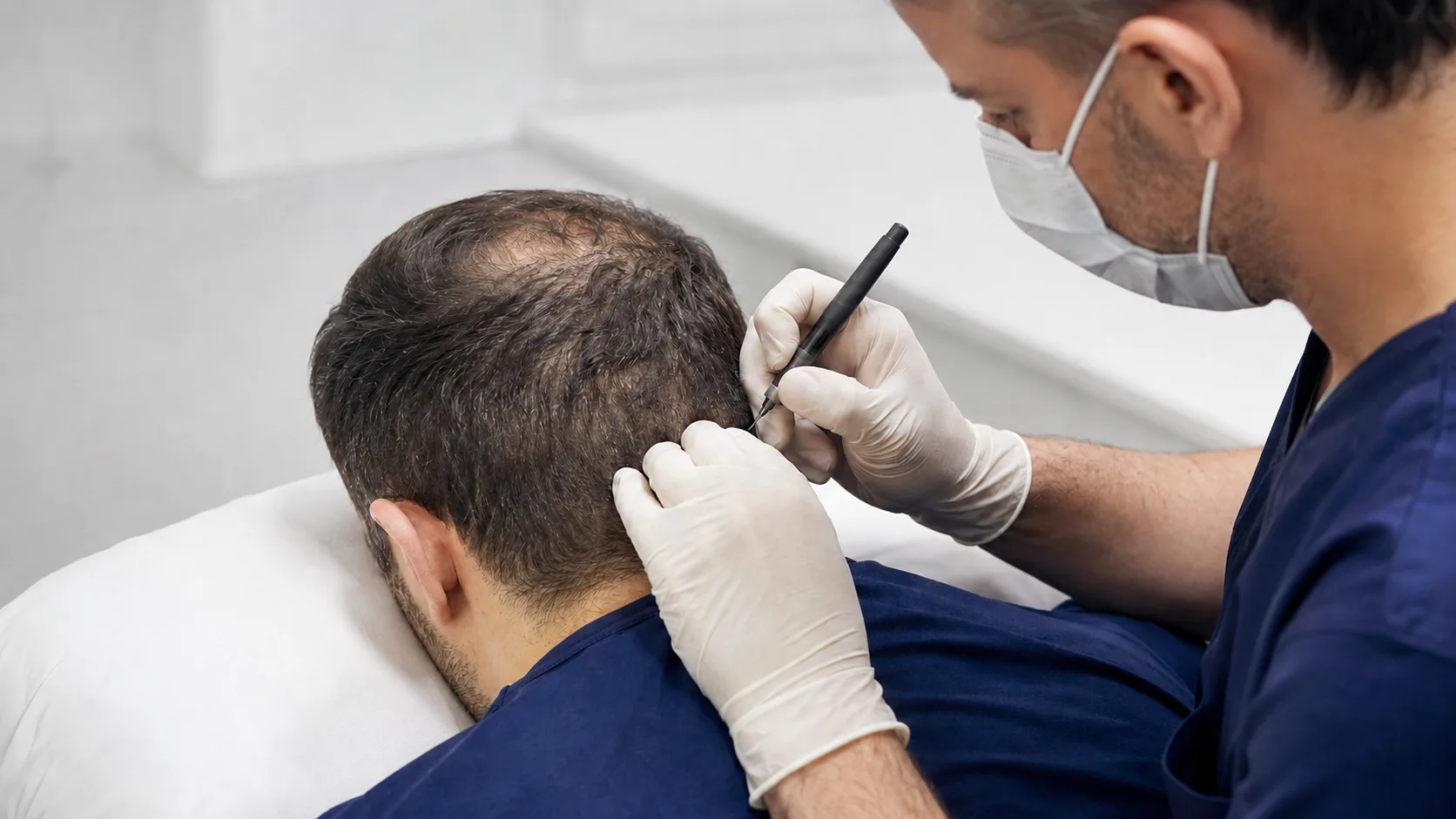
How Hair Grafts Are Collected Without Damage?
Hair graft collection stands as one of the most critical phases in modern hair restoration surgery. The way surgeons harvest follicular units directly determines how many grafts survive, how natural the results appear, and how well the donor area recovers. This article examines the biological and surgical principles that protect hair follicles during donor harvesting. We focus on follicular unit excision (FUE), follicular anatomy, punch selection, extraction technique, transection prevention, graft handling, and donor-area management. When we say "without damage," we mean minimizing follicular injury and transection. No surgical technique can guarantee zero risk of trauma. However, skilled surgeons can reduce damage to levels that support excellent outcomes.
What Is a Hair Graft and What Does It Contain?
A hair graft is a small piece of tissue that contains one or more hair follicles along with their supporting structures. Surgeons extract these grafts from the donor area and implant them into thinning or balding regions. The quality of each graft determines whether the transplanted hair will grow naturally and persist over time.
What Is a Follicular Unit?
A follicular unit is the natural grouping of hair follicles in the human scalp. Research shows that scalp hair grows in clusters rather than as individual strands. These clusters typically contain one to four hairs, though most people have a mixture of single-, double-, and triple-hair units (Bernstein and Rassman, 1997). Each follicular unit includes the hair follicles themselves, surrounding connective tissue, sebaceous glands, and small blood vessels. The connective tissue sheath and adipose tissue around the follicle provide structural support and nourishment. When surgeons preserve this entire unit intact, the graft maintains its biological potential. Disrupting these structures can compromise blood supply, reduce survival rates, and produce weaker hair growth after transplantation.
What Is the Difference Between a Graft and a Hair?
One graft can contain multiple hairs. This distinction matters because patients and sometimes clinics confuse graft numbers with hair counts. A single-hair graft contains one hair follicle. A multi-hair graft contains two, three, or occasionally four hairs. If a surgeon transplants 2,000 grafts, the actual number of hairs might exceed 4,000 if many grafts are multi-hair units. This difference affects planning, pricing, and expected density. Surgeons must count both grafts and hairs to create realistic expectations and appropriate distribution strategies.
Why Must the Follicular Unit Remain Intact?
Physical injury reduces graft viability. When a follicular unit tears, crushes, or transects, the damaged follicles may lose their ability to produce hair. Follicular transection, cutting through part of a follicular unit, ranks among the most common harvesting complications. Even partial damage can weaken a follicle or prevent it from entering the anagen growth phase after transplantation. Intact follicular units have higher survival rates because they retain their natural architecture, blood vessel connections, and sebaceous gland support (Cole, 2013).
Where Are Hair Grafts Collected From?
Surgeons collect hair grafts from specific regions of the scalp. The location, density, and characteristics of donor hair significantly influence surgical planning and long-term results.
Why Is the Back and Sides of the Scalp Usually Used as the Donor Area?
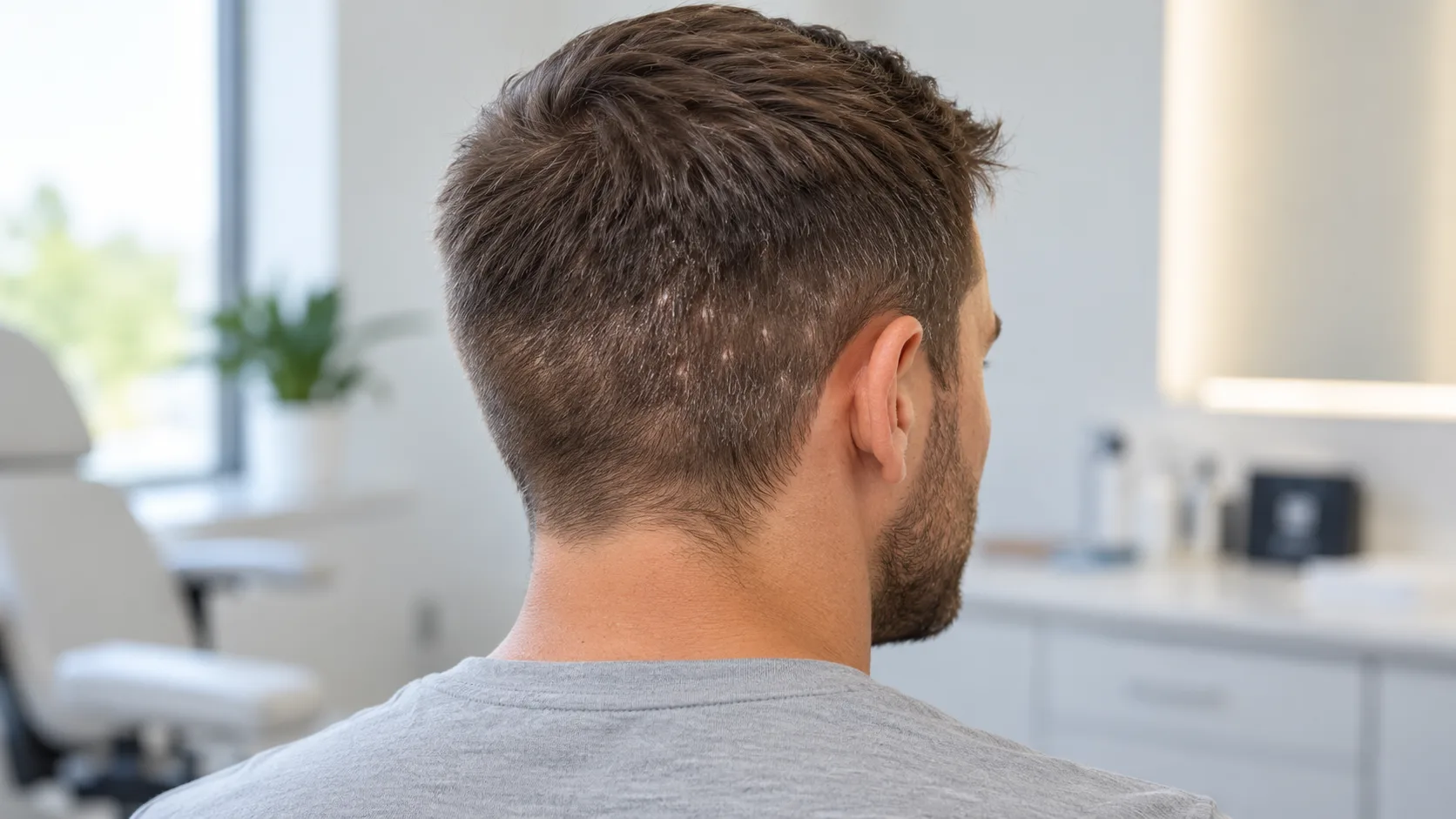
The back and sides of the scalp form the standard donor zone. These areas contain hair follicles that resist the effects of dihydrotestosterone (DHT), the hormone responsible for pattern hair loss. This resistance makes donor hair from these regions stable over time. Even as hair on the crown and frontal scalp thins, the back and sides often retain their density. Surgeons call this phenomenon "donor dominance." Because transplanted hair maintains its original characteristics, using DHT-resistant follicles ensures that the results persist. Donor-area stability matters for long-term success. If surgeons harvest from regions susceptible to future thinning, the transplanted hair might eventually fall out.
How Does Donor Hair Density Affect Graft Collection?
Donor density refers to the number of follicular units per square centimeter. Higher density allows surgeons to harvest more grafts while maintaining visual fullness. However, density alone does not tell the whole story. Hair caliber, texture, curl, and distribution also influence outcomes. Thick, coarse hair creates more visual coverage per graft than fine hair. Curly or wavy hair can provide better density camouflage but may require different punch alignment during extraction. Surgeons evaluate all these factors before determining how many grafts they can safely collect. A patient with high density but fine hair may need different planning than a patient with lower density but thick, wavy hair.
Why Is Future Hair Loss Considered Before Harvesting?
Androgenetic alopecia is progressive. Hair loss rarely stops after a single transplant. Surgeons must consider how the patient's hair loss pattern will evolve over the next 10 to 20 years. The International Society of Hair Restoration Surgery (ISHRS) emphasizes that harvesting should begin only after the complete transplant plan has been established (ISHRS, 2022). This plan includes consideration of future hair loss and the need to reserve donor follicles. If surgeons extract too many grafts during the first procedure, they may deplete the donor supply needed for future sessions. Conservative harvesting preserves options and protects the patient's long-term appearance.
How Are Hair Grafts Collected During FUE?
Follicular unit excision (FUE) removes individual follicular units directly from the scalp without creating a linear scar. This technique requires precision, proper instrumentation, and careful execution.
What Happens Before the Extraction Begins?
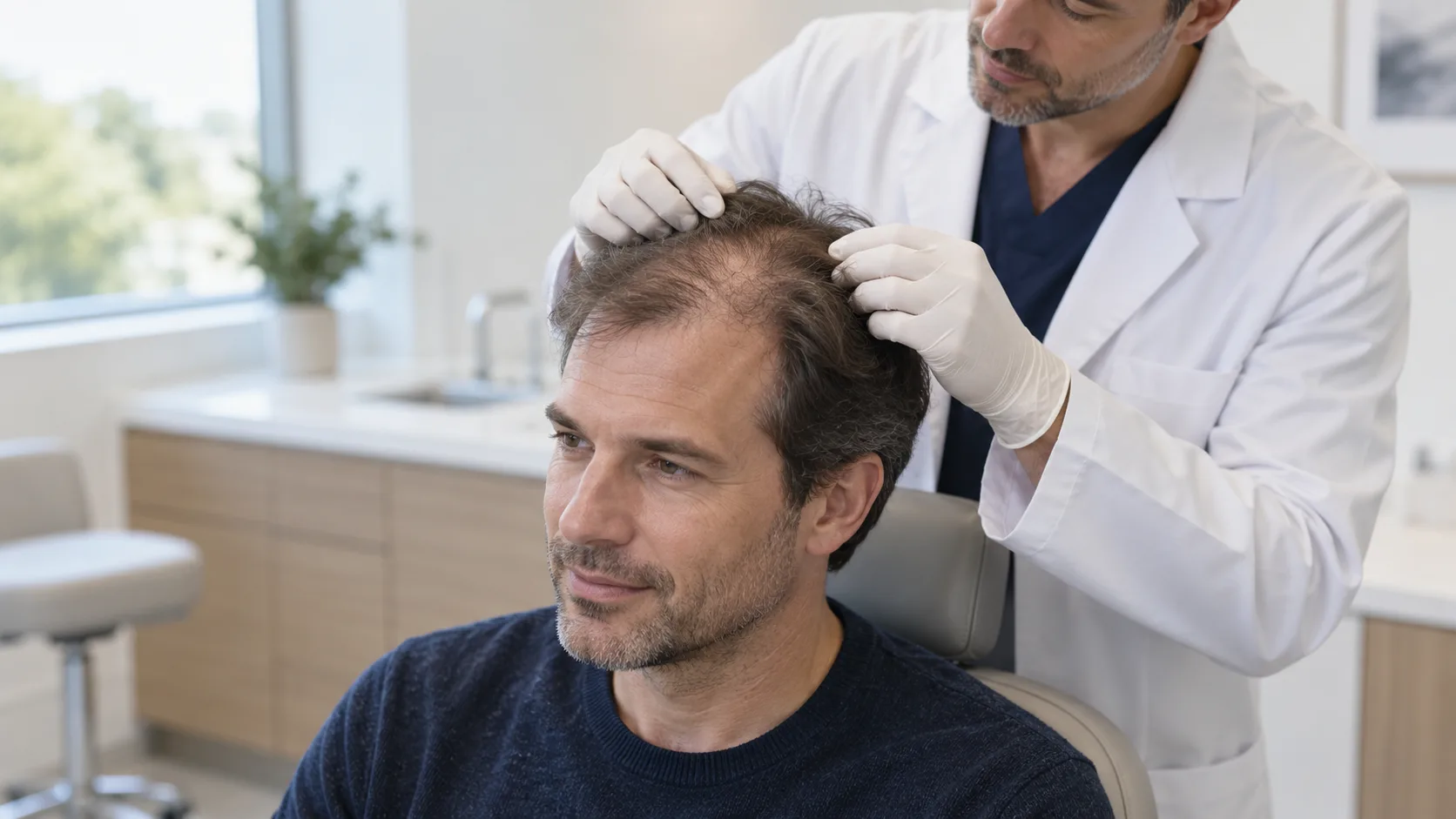
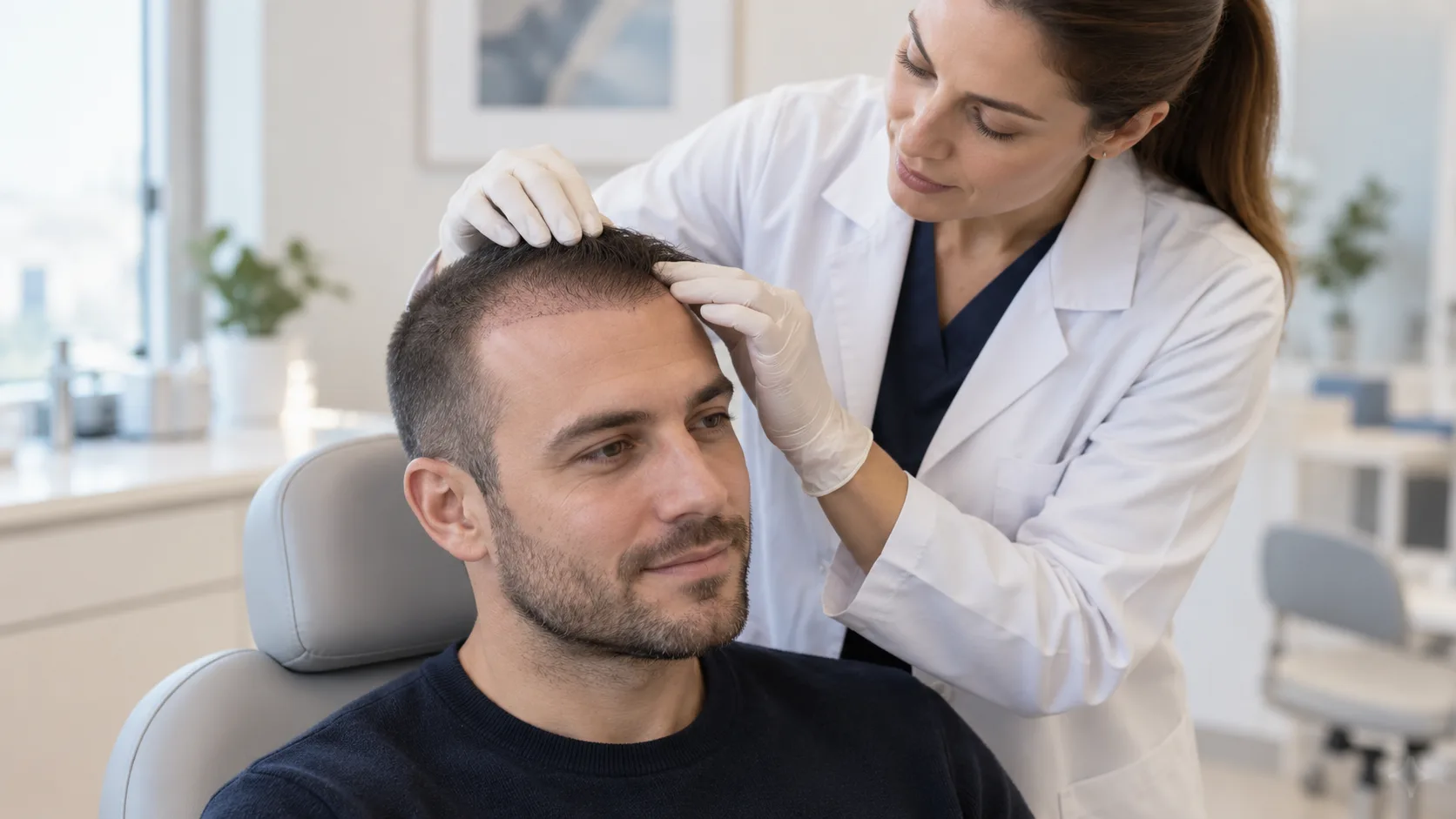
Surgeons first evaluate the donor area thoroughly. They map extraction zones, determine the required graft number, and identify follicular-unit characteristics. They select appropriate instruments and punch dimensions based on the patient's hair type. They also establish an extraction pattern that protects donor density. This planning phase prevents haphazard harvesting and ensures that the surgeon distributes extraction sites evenly. Trichoscopy or digital hair analysis may help assess follicular density, hair caliber, and scalp characteristics before the procedure begins.
How Does the FUE Punch Separate a Follicular Unit From Surrounding Tissue?
The FUE punch is a small, hollow, cylindrical instrument. The surgeon places the punch around a visible hair and rotates it to create a circular incision in the skin. This incision severs the connective tissue anchoring the follicular unit to the surrounding scalp. The punch must follow the visible hair direction while accounting for the subcutaneous follicular anatomy. Importantly, the punch creates an incision but does not immediately remove the graft. The follicular unit remains connected to deeper tissue until the surgeon performs the extraction step. The depth, angle, and alignment of the punch determine whether the incision fully encircles the follicular unit without cutting through it.
How Are Extracted Grafts Removed Without Excessive Traction?
After the punch creates the circular incision, the surgeon uses fine forceps or specialized extraction devices to grasp the graft gently. Controlled extraction applies minimal mechanical stress. Excessive pulling can damage follicles, separate hairs from their surrounding tissue, or stretch the follicular structures beyond their elastic limits. Surgeons extract each unit individually, but transection can occur if the punch fails to fully encompass the unit or if excessive traction damages the follicle during removal. Gentle, deliberate extraction preserves graft integrity and reduces the risk of follicular trauma.
What Is Follicular Transection and Why Does It Matter?
Follicular transection represents one of the most significant risks during graft collection. Understanding this complication helps patients and practitioners appreciate why technique matters so much.
What Does Transection Mean in Hair Transplantation?
Transection occurs when a punch or extraction maneuver cuts through part of a follicular unit. This cut can sever individual hair follicles, divide the follicular unit into fragments, or damage the connective tissue sheath. Transection differs from normal graft extraction. During proper extraction, the surgeon removes the entire intact follicular unit. During transection, the instrument slices through the unit, leaving part of it behind or creating a damaged graft with reduced viability.
What Causes Graft Transection During FUE?
Several factors contribute to transection. Incorrect punch alignment ranks among the most common causes. Follicles often curve or change direction beneath the skin surface. If the punch follows only the visible hair angle without accounting for subcutaneous curvature, it can cut through the follicle. Inappropriate punch size or geometry also increases risk. A punch that is too small may not encompass the entire follicular unit. A punch that is too large can cause unnecessary tissue trauma. Excessive extraction force, inadequate operator experience, and anatomically difficult donor areas further elevate transection rates. Research on donor harvesting has specifically identified transection as a mechanism that reduces the number of intact follicles available for transplantation (Wolf et al., 2014).
Can Transection Be Completely Prevented?
No surgical harvesting technique can guarantee zero follicular injury. Even the most experienced surgeons encounter some transection. The goal is to minimize the transection rate to acceptable levels, typically below 5 to 10 percent depending on patient characteristics and technique. Surgeon experience, instrumentation, punch selection, and patient anatomy all influence outcomes. Patients should view "zero transection" claims with skepticism. The realistic expectation is low transection rates, not absolute elimination.
How Do Surgeons Reduce Hair Follicle Damage During Graft Extraction?
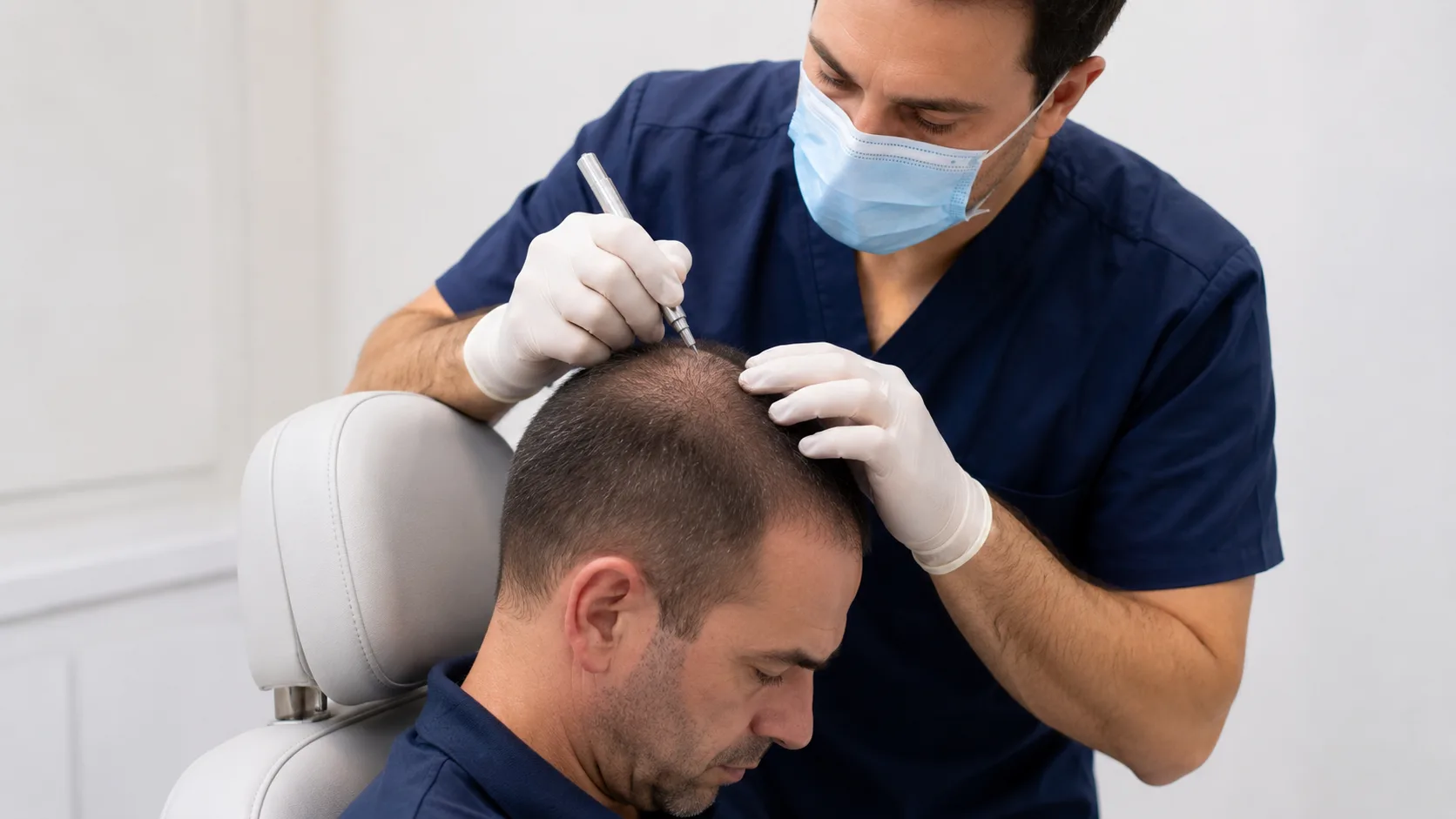
Surgeons employ multiple strategies to protect follicles during extraction. These strategies involve instrument selection, alignment precision, force control, and surgical experience.
How Does Punch Size Influence Graft Safety?
Punch diameter must match follicular-unit dimensions. Most FUE punches range from 0.7 mm to 1.1 mm in diameter. Smaller punches create less visible scarring but may not encompass large multi-hair units. Larger punches reduce the risk of missing follicles but increase tissue trauma and scarring. Surgeons select punch size based on hair characteristics, follicular-unit dimensions, and donor-area features. Excessively aggressive instrumentation, punches that are too sharp, too dull, or improperly sized, can increase tissue trauma and transection rates.
Why Does Punch Alignment Matter?
The punch must follow the follicular unit's natural direction. This sounds simple, but follicles often curve beneath the scalp surface. The visible hair direction at the skin surface does not always predict the subcutaneous follicle trajectory. Experienced surgeons recognize this discrepancy and adjust punch angle accordingly. Some patients have follicles that angle acutely relative to the skin surface. Others have follicles that curve significantly within the first few millimeters of tissue. Proper alignment requires understanding these variations and making real-time adjustments during extraction.
How Does Extraction Force Affect Graft Integrity?
Controlled traction protects graft integrity. When surgeons apply excessive force, they risk crushing the follicle, stretching the connective tissue beyond recovery, or separating the hair shaft from the follicular bulb. Gentle and deliberate extraction allows the follicular unit to release from surrounding tissue without structural damage. The extraction force should release the unit carefully, avoiding crushing or excessive pulling that could compromise the graft's biological potential.
How Does Surgeon Experience Affect Transection?
FUE has a significant learning curve. Novice practitioners often experience higher transection rates than experienced surgeons. Instrumentation alone cannot replace surgical judgment. Experienced surgeons develop tactile feedback, visual recognition of follicular patterns, and the ability to adapt technique to different hair textures and follicular orientations. The ISHRS notes that newer FUE instruments can improve efficiency and reduce transection, but emphasizes that technology does not replace the skill and experience of the physician performing the procedure (ISHRS, 2022).
How Are Hair Grafts Protected After They Leave the Scalp?
Graft protection continues after extraction. The period between harvesting and implantation presents risks that can compromise even perfectly extracted grafts.
Why Is Graft Handling Important After Extraction?
Follicular units remain living tissue after they leave the scalp. They require careful handling, appropriate storage, and protection from environmental stress. Unnecessary manipulation, rough sorting, or prolonged exposure to air can damage grafts before implantation. The surgical team must handle grafts with the same care the surgeon applied during extraction.
How Are Grafts Sorted According to Hair Count?
After extraction, technicians sort grafts by the number of hairs they contain:
Graft Type | Hair Count | Typical Use |
Single-hair graft | 1 hair | Hairline, temples, fine detailing |
Double-hair graft | 2 hairs | Behind hairline, mid-scalp |
Triple-hair graft | 3 hairs | Mid-scalp, crown density |
Four-hair graft | 4 hairs | Crown, areas needing maximum density |
This classification allows surgeons to place each graft type in the most appropriate recipient site. Single-hair grafts create soft, natural transitions. Multi-hair grafts build density in areas behind the hairline.
Why Must Extracted Grafts Be Protected From Dehydration and Mechanical Trauma?
Grafts can dehydrate within minutes of leaving the scalp. Dehydration damages cellular structures and reduces survival rates. The surgical team places extracted grafts in a holding solution, typically a chilled saline or specialized storage medium, to maintain hydration and temperature. Mechanical trauma, crushing, squeezing, or dropping grafts, can destroy follicles. The literature emphasizes careful graft dissection, loading, and handling because trauma or dehydration can compromise graft quality before implantation (Uebel et al., 1991).
How Are Single-Hair and Multi-Hair Grafts Used Differently?
Strategic graft distribution creates natural-looking results. Simply maximizing graft numbers without considering placement produces artificial, plug-like appearances.
Why Are Single-Hair Grafts Important for the Hairline?
Single-hair grafts create soft, natural transitions at the frontal hairline and temples. Hair naturally transitions from fine, single hairs at the leading edge to thicker, denser groupings behind. Using multi-hair grafts at the hairline creates a harsh, unnatural appearance. Surgeons place single-hair grafts along the frontal hairline to replicate this natural pattern. Graft distribution matters more than simply maximizing graft numbers.
Why Are Multi-Hair Grafts Used Behind the Hairline?
Two-, three-, and four-hair units contribute to visual density in the mid-scalp and crown. These areas do not require the same fine transition as the hairline. Multi-hair grafts provide more coverage per graft, making efficient use of the donor supply. Surgeons combine different graft types to reproduce natural density gradients, placing finer grafts anteriorly and denser grafts posteriorly.
Why Should Graft Selection Follow the Natural Hair Pattern?
Natural hair patterns show variation in caliber and follicular-unit composition across the scalp. Surgeons consider these patterns when planning graft distribution. Hair caliber and follicular-unit composition directly influence visual density. A patient with naturally thick, multi-hair units requires different planning than a patient with fine, predominantly single-hair follicular units. Single-hair grafts suit areas requiring finer transitions, while multi-hair grafts provide greater density behind the hairline. Appropriate distribution depends on the patient's anatomy and treatment plan.
How Can the Donor Area Be Protected During Hair Graft Collection?
Donor-area preservation ensures that the patient maintains acceptable appearance after harvesting. Overharvesting and poor extraction patterns can create visible problems.
What Is Overharvesting?
Overharvesting means extracting too many grafts from the donor area relative to its capacity. This excessive extraction produces visible thinning, patchy appearance, or even scarring. Overharvesting differs from graft survival issues. A patient might have excellent graft survival but still suffer from donor-area depletion. Surgeons must balance the patient's desire for maximum coverage against the donor area's ability to sustain extraction.
Why Does Extraction Pattern Matter?
Strategic distribution of extraction sites maintains visual donor density. Surgeons avoid concentrating extraction in one region. Instead, they distribute sites across the available donor zone. This approach prevents obvious thinning in any single area. Concentrated extraction can create a "moth-eaten" appearance that patients find distressing. Proper pattern planning also facilitates faster healing and less noticeable post-procedural changes.
How Does Long-Term Planning Protect the Donor Supply?
Progressive hair loss may require future transplantation. Surgeons must reserve adequate donor follicles for potential subsequent procedures. Matching graft demand to realistic donor capacity prevents depletion. Conservative first procedures often serve patients better than aggressive harvesting that leaves no reserves. Long-term planning considers the patient's age, hair loss progression, family history, and treatment goals.
What Happens If a Hair Graft Is Damaged During Collection?
Graft damage does not automatically mean transplant failure. Understanding the consequences helps set realistic expectations.
Can a Transected Follicle Still Grow Hair?
The extent and location of follicular damage determine whether a transected follicle survives. A partial transection that leaves the follicular bulb intact may still produce hair, though growth may be weaker or slower. Complete transection that severs the bulb typically destroys the follicle's growth potential. Not every transected follicle is automatically nonviable, but significant damage usually reduces transplantation potential.
How Can Excessive Graft Damage Affect the Final Result?
High transection rates lower effective graft yield. If a surgeon attempts to extract 2,000 grafts but transects 20 percent, only 1,600 intact grafts remain available for implantation. This reduction limits coverage potential and may necessitate additional procedures. Excessive damage also increases pressure on the donor supply because wasted grafts cannot be recovered.
Does Graft Damage Always Mean a Failed Hair Transplant?
Isolated graft injuries do not necessarily determine overall outcomes. A skilled surgeon can achieve excellent results even with some transection, provided the overall graft quality and survival remain high. Hair transplantation involves thousands of grafts. The cumulative effect of good technique, proper handling, and adequate graft numbers usually outweighs isolated damage. Realistic expectations acknowledge that perfection is impossible, but excellence remains achievable.
Which Factors Determine Whether Hair Grafts Are Collected Safely?
Multiple variables influence graft safety. No single factor guarantees success. Rather, the interaction of surgeon skill, technology, patient characteristics, and team coordination determines outcomes.
How Important Is the Surgeon's Experience?
Experience matters significantly. FUE-specific experience, anatomical knowledge, ability to recognize follicular direction, and controlled punch and extraction technique all develop over time. Experienced surgeons recognize challenging cases, adapt their approach to different hair types, and maintain lower transection rates. They also make better decisions about punch selection, extraction patterns, and donor management.
How Important Is the Harvesting Instrument?
Instruments range from manual punches to motorized systems to robotic-assisted devices. Punch diameter, design, sharpness, and control all affect outcomes. However, technology should support, not substitute for, clinical expertise. A skilled surgeon with basic manual tools often achieves better results than an inexperienced practitioner with advanced technology. The instrument is a tool; the surgeon provides the judgment.
How Important Are the Patient's Hair Characteristics?
Patient-specific factors heavily influence extraction difficulty:
Characteristic | Impact on Extraction |
Hair curl | Curly hair often has curved follicles beneath the skin, increasing transection risk |
Hair caliber | Thick hair requires larger punches; fine hair may slip through standard punches |
Follicular-unit density | High density allows more grafts but requires precise spacing |
Follicular orientation | Acute angles or significant curvature challenge alignment |
Skin characteristics | Elastic, thick, or scarred skin affects punch penetration |
Previous procedures | Scar tissue alters anatomy and complicates extraction |
How Important Is Team Coordination?
Hair transplantation is a team procedure. Assistants handle graft dissection, sorting, loading, and storage. Published surgical guidance highlights the importance of trained assistants in preventing dehydration or trauma (Harris, 2018). Consistent graft-handling protocols, staff training, and monitoring ensure that extracted grafts remain viable until implantation. Poor team coordination can waste perfectly extracted grafts through mishandling.
How Does Modern FUE Technology Help Minimize Graft Damage?
Technological advances have improved FUE precision and efficiency. However, technology serves as an adjunct to surgical skill rather than a replacement.
How Have FUE Instruments Evolved?
FUE instrumentation has progressed through several generations:
Generation | Description | Characteristics |
Manual punches | Hand-operated sharp or blunt punches | High control, slower extraction, significant learning curve |
Motorized systems | Electrically driven rotating punches | Faster extraction, consistent rotation, requires skill |
Mechanically assisted devices | Devices with suction or automated alignment | Improved efficiency, variable transection rates |
Electronically assisted systems | Advanced control systems with feedback | Enhanced precision, high cost, operator-dependent |
Contemporary extraction technologies | Refined punches, hybrid systems, robotic assistance | Improved accuracy, still requires surgeon oversight |
Can Technology Reduce Transection Rates?
Instrument design can improve precision and efficiency. Sharper punches, better depth control, and improved visualization help surgeons align with follicular units more accurately. However, technological capability differs from actual clinical performance. The operator's skill, judgment, and experience ultimately determine whether advanced instruments achieve their theoretical benefits. Studies comparing manual and motorized FUE show variable results, with some indicating reduced transection and others showing no significant difference (Rashid et al., 2020).
Why Is the Technique More Important Than the Device Alone?
Surgeon skill encompasses correct punch selection, proper alignment, controlled extraction, and individualized donor management. A skilled surgeon adapts to each patient's unique anatomy. Technology provides tools, but technique determines outcomes. The best instrument in unskilled hands produces inferior results compared to basic tools in experienced hands. Patients should evaluate surgeon experience and results rather than focusing solely on device marketing.
What Does a Safe Hair Graft Collection Process Look Like From Start to Finish?
A systematic approach ensures consistent graft quality and donor protection.
Step 1: Assess and Map the Donor Area
Surgeons determine donor density and quality using visual examination, trichoscopy, or digital analysis. They identify stable donor regions and plan extraction distribution. This mapping prevents overconcentration and ensures even harvesting.
Step 2: Select Appropriate Follicular Units
Surgeons match graft requirements to recipient-area needs. They identify single- and multi-hair units during planning. This selection guides extraction sequencing and sorting.
Step 3: Position and Align the Punch
The surgeon follows follicular direction, using controlled penetration depth. They avoid unnecessary tissue trauma by adjusting angle and depth based on real-time visual and tactile feedback.
Step 4: Extract the Graft With Minimal Traction
The surgeon releases the follicular unit carefully, avoiding crushing or excessive pulling. Controlled extraction preserves graft integrity and reduces mechanical stress.
Step 5: Inspect and Sort the Graft
Technicians assess integrity and classify grafts according to hair count. They separate damaged grafts from intact ones and prepare viable grafts for implantation.
Step 6: Maintain Graft Quality Until Implantation
The team minimizes manipulation and protects grafts against dehydration. They use appropriate holding solutions and temperature control. Consistent handling protocols prevent damage during the waiting period.
Step 7: Monitor the Donor Area
Surgeons evaluate the extraction pattern throughout the procedure. They avoid excessive concentration of extraction sites and protect the long-term appearance of the donor zone. This monitoring ensures that harvesting remains within safe limits.
What Should Patients Ask About Hair Graft Safety Before FUE?
Patients can use the following questions to evaluate a clinic's approach to graft safety:
Does the surgeon measure or monitor transection? Clinics should track transection rates and discuss them openly. Avoid clinics that claim zero transection.
How does the clinic evaluate the donor area? Proper assessment includes density measurement, hair characteristic analysis, and long-term planning.
What punch technology and extraction method will be used? Patients should understand whether the clinic uses manual, motorized, or other systems, and why.
How are grafts handled after extraction? Ask about holding solutions, temperature control, sorting procedures, and team training.
How does the treatment plan prevent donor overharvesting? The clinic should demonstrate conservative planning that preserves donor reserves.
Who performs the extraction and who handles the grafts? Clarify whether the surgeon performs extraction or delegates to technicians. Understand the team's qualifications and experience.
Frequently Asked Questions About Damage-Free Hair Graft Collection
Can Hair Grafts Be Collected Without Any Damage?
No surgical technique can collect every graft without any risk of damage. The goal is to minimize trauma and transection to acceptable levels. Skilled surgeons achieve low transection rates, but zero damage is not realistic.
What Is the Main Cause of Hair Graft Damage During FUE?
Incorrect punch alignment causes most transection. Follicles often curve beneath the skin surface. If the punch follows only the visible hair direction, it can cut through the follicular unit.
What Is Follicular Transection?
Transection occurs when the extraction instrument cuts through part of a follicular unit. This damage can sever individual follicles or divide the unit, reducing graft viability.
What Is a Good Transection Rate in FUE?
Acceptable transection rates typically fall below 5 to 10 percent. Rates vary based on patient characteristics, surgeon experience, and instrumentation. Rates above 15 percent suggest significant technique or planning problems.
Does a Larger Punch Protect the Hair Follicle Better?
Not necessarily. Larger punches encompass more tissue but also increase scarring and trauma. The ideal punch size matches the follicular-unit dimensions. Excessively large punches can cause unnecessary damage.
Can Damaged Hair Grafts Be Transplanted?
Surgeons typically discard significantly damaged grafts. Partially transected grafts with intact bulbs may still grow, but their survival rates are lower. Using damaged grafts wastes recipient sites and reduces overall results.
How Are Single-Hair Grafts Different From Multi-Hair Grafts?
Single-hair grafts contain one hair and suit hairline detailing. Multi-hair grafts contain two to four hairs and provide density in areas behind the hairline.
Does FUE Damage the Donor Area?
FUE creates small circular scars at each extraction site. Proper technique limits visible scarring. Overharvesting or poor extraction patterns can cause noticeable thinning.
Can Overharvesting Permanently Thin the Donor Area?
Yes. Extracting too many grafts relative to donor capacity creates permanent visible thinning. Conservative harvesting prevents this complication.
Does Surgeon Experience Affect Graft Survival?
Yes. Experienced surgeons achieve lower transection rates, better graft handling, and superior outcomes. The learning curve for FUE is significant, and experience directly correlates with results.
How Long Can Extracted Grafts Remain Outside the Scalp?
Grafts should remain outside the body for the shortest time possible. Most clinics aim to implant grafts within a few hours of extraction. Prolonged exposure increases dehydration and trauma risks.
What Happens If a Graft Is Damaged During Extraction?
Damaged grafts may be discarded or may produce weaker growth if implanted. Isolated damage does not ruin the transplant, but high damage rates reduce overall yield and coverage.
Conclusion: How Can Hair Grafts Be Collected With Minimal Damage?
Graft preservation begins with comprehensive donor-area planning. Surgeons must understand follicular anatomy, select appropriate punches, align instruments accurately, apply controlled extraction forces, and handle grafts carefully. Donor-area management ensures that harvesting remains sustainable over the long term.
Zero damage cannot be guaranteed. Every FUE procedure involves some risk of transection or mechanical trauma. However, skilled harvesting minimizes follicular injury to levels that support excellent transplantation outcomes. Graft quality, not simply graft quantity, determines successful hair restoration. A smaller number of intact, well-handled grafts produces better results than a larger number of damaged grafts.
Patients should prioritize selecting a qualified, experienced hair-restoration surgeon. Experience, judgment, and technique matter more than marketing claims about technology. By understanding the principles of gentle graft collection, patients can make informed decisions and set realistic expectations for their hair restoration journey.
References
Bernstein, Robert M., and William R. Rassman. "Follicular Transplantation." Dermatologic Surgery, vol. 23, no. 9, 1997, pp. 771–84.
Cole, John P. "An Analysis of Follicular Punches, Mechanics, and Dynamics in Follicular Unit Extraction." Hair Transplant Forum International, vol. 23, no. 6, 2013, pp. 217–22.
Harris, James A. "Follicular Unit Extraction: The SAFE System." Hair Transplant Forum International, vol. 28, no. 4, 2018, pp. 125–30.
ISHRS. "Position Statement on Qualifications for Hair Restoration Surgery." International Society of Hair Restoration Surgery, 2022, www.ishrs.org.
Rashid, Rashid M., et al. "Follicular Unit Extraction: A Comparison of Manual and Motorized Methods." Journal of Cosmetic Dermatology, vol. 19, no. 3, 2020, pp. 612–18.
Uebel, Carlos O., et al. "The Role of Platelet Plasma Growth Factors in Male Pattern Baldness Surgery." Plastic and Reconstructive Surgery, vol. 118, no. 6, 2006, pp. 1458–66.
Wolf, Jens, et al. "Follicular Unit Extraction: Analysis of Transection Rates with Different Punches and Techniques." Journal of Cutaneous and Aesthetic Surgery, vol. 7, no. 3, 2014, pp. 155–59.