What Causes Vitamin Deficiencies After Gastric Bypass?
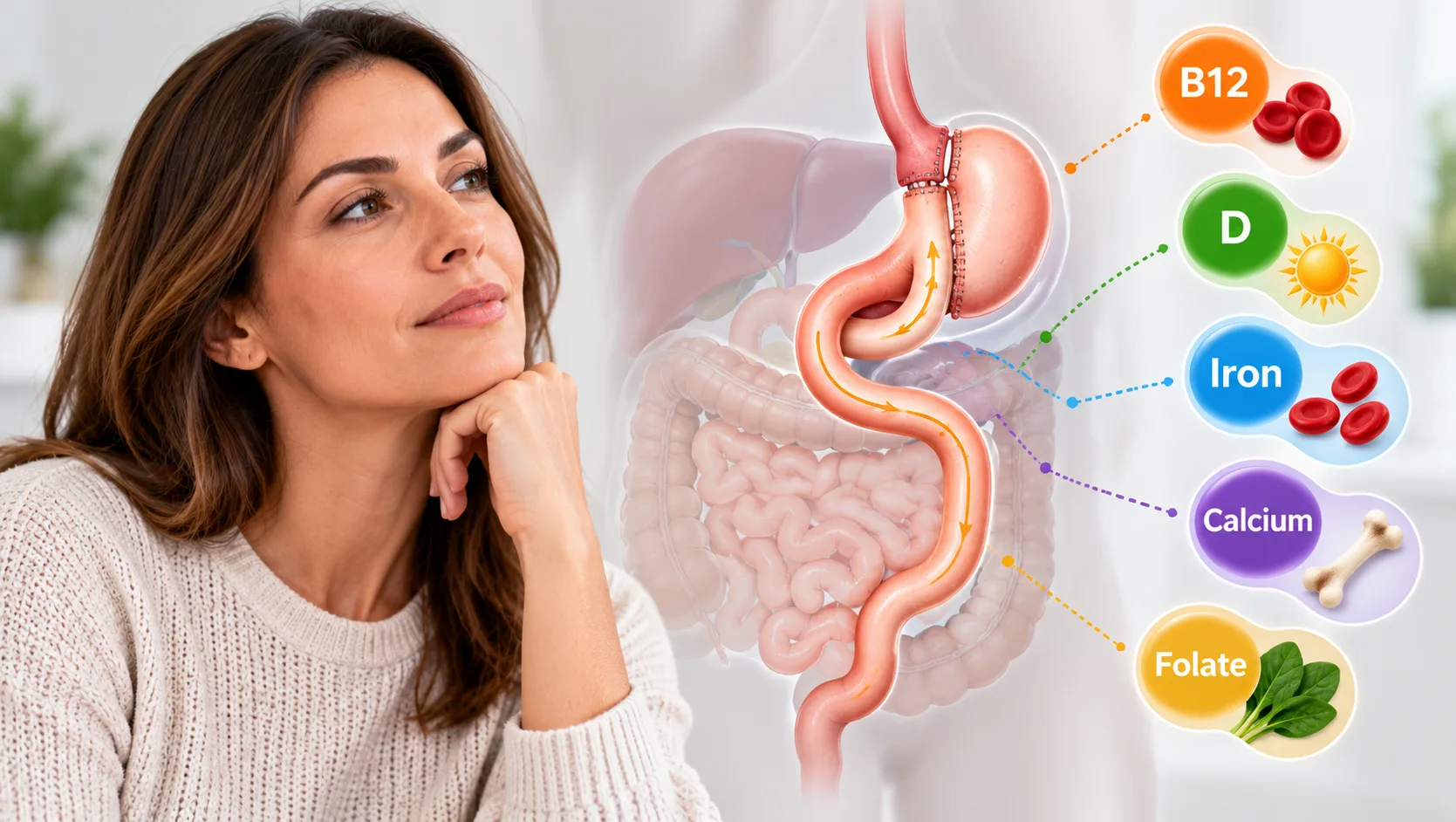
Gastric bypass changes the anatomy of the digestive system, which reduces food intake, alters nutrient absorption, and lowers stomach acid production. These changes make vitamin and mineral deficiencies one of the most important long-term considerations after surgery.
Gastric bypass, especially the Roux-en-Y procedure, helps patients lose weight by creating a small stomach pouch and rerouting the small intestine. This design limits how much food a patient can eat and changes how the body digests nutrients. The result affects three core processes: nutrient intake, digestion, and absorption. Because of this, vitamin and mineral deficiencies can appear months or even years after surgery, even in patients who initially feel well.
Nutritional care does not end after the first postoperative year. Studies show that deficiencies can develop gradually as nutrient stores deplete, which makes lifelong monitoring essential (Parrott et al. 2017). This article explains which deficiencies are most common, which symptoms signal a problem, how doctors diagnose them, and how patients can prevent long-term complications.
Why Does Gastric Bypass Increase the Risk of Nutritional Deficiencies?
The surgery reduces stomach size, changes the path food takes through the intestine, lowers stomach acid, and limits food tolerance. Together, these factors make it harder to absorb enough vitamins and minerals from diet alone.
Roux-en-Y gastric bypass alters the route food takes through the digestive tract. Food bypasses the duodenum and part of the jejunum, the two regions where iron, calcium, and several vitamins absorb most efficiently. This anatomical change explains why gastric bypass patients face higher deficiency rates than patients who undergo purely restrictive procedures.
Reduced stomach size also means smaller meal portions. A patient who eats only small amounts of food struggles to meet micronutrient needs, even with a balanced diet. Reduced stomach acid compounds the problem because acid helps release vitamin B12 and iron from food proteins. When acid levels drop, the body absorbs less of both nutrients (Shankar et al. 2010).
Other factors add risk. Some patients cannot tolerate protein-rich or nutrient-dense foods such as meat, dairy, or leafy greens after surgery. Pre-existing deficiencies in iron and vitamin D are common before bariatric surgery and often go undiagnosed. Finally, inconsistent supplementation remains one of the strongest predictors of deficiency, since skipping prescribed vitamins allows stores to deplete over time (Lupoli et al. 2017).
Which Vitamin Deficiencies Are Most Common After Gastric Bypass?
Vitamin B12, vitamin D, thiamine (B1), folate, and the fat-soluble vitamins A, E, and K are the most frequently observed deficiencies. Each one affects a different body system, so the clinical picture varies widely between patients.
The table below summarizes the most common vitamin deficiencies and their primary effects.
Vitamin | Primary Role | Common Deficiency Effect |
B12 | Red blood cell formation, nerve function | Anemia, tingling, balance problems |
D | Calcium absorption, bone strength | Bone pain, muscle weakness |
B1 (Thiamine) | Energy metabolism | Neurological damage, Wernicke encephalopathy |
B9 (Folate) | DNA synthesis | Macrocytic anemia, fatigue |
A | Vision, immune function | Night blindness |
E | Antioxidant protection | Neurological problems |
K | Blood clotting | Bleeding tendency |
What Causes Vitamin B12 Deficiency After Gastric Bypass?
Reduced stomach acid and lower intrinsic factor production prevent the body from releasing and absorbing vitamin B12 from food. Deficiency can lead to anemia and nerve damage if left untreated.
Vitamin B12 plays a central role in red blood cell formation, DNA synthesis, and nerve function. After gastric bypass, the stomach produces less acid, which reduces the release of food-bound B12. The surgery also reduces intrinsic factor, the protein that carries B12 through the intestine. Without enough intrinsic factor, absorption drops sharply.
Clinical consequences include megaloblastic anemia, tingling in the hands and feet, numbness, and balance difficulties. Because nerve damage can become permanent, early detection matters. Many bariatric programs recommend oral high-dose B12, sublingual forms, or injections, since standard oral doses often fail to correct the problem (Parrott et al. 2017).
Why Does Vitamin D Deficiency Develop After Bariatric Surgery?
Inadequate intake, pre-existing low levels, and reduced intestinal absorption combine to lower vitamin D levels after gastric bypass. The result can include bone pain, muscle weakness, and secondary hyperparathyroidism.
Vitamin D regulates calcium absorption, bone mineralization, and muscle function. Many patients already have low vitamin D before surgery due to obesity-related sequestration of the vitamin in fat tissue. After surgery, reduced food intake and malabsorption worsen the problem.
Low vitamin D triggers the parathyroid glands to release more parathyroid hormone, a condition called secondary hyperparathyroidism. Over time, this hormonal shift draws calcium from the bones and raises the risk of osteomalacia and fractures. Regular 25-hydroxyvitamin D testing guides dosing, since individual needs vary widely (Mechanick et al. 2013).
How Does Thiamine Deficiency Affect Gastric Bypass Patients?
Prolonged vomiting, poor food intake, and rapid weight loss deplete thiamine stores quickly. Severe deficiency can trigger Wernicke encephalopathy, a serious neurological emergency.
Thiamine (vitamin B1) supports energy metabolism and nervous system function. The body stores only small amounts, so deficiency can develop within weeks of inadequate intake. Persistent vomiting after surgery accelerates depletion.
Warning signs include confusion, unsteady gait, and eye movement abnormalities. Because thiamine deficiency can cause irreversible brain damage, clinicians treat suspected cases immediately rather than waiting for laboratory confirmation (Lupoli et al. 2017).
What Happens When Folate Levels Drop After Gastric Bypass?
Inadequate folate intake can cause macrocytic anemia and fatigue. Doctors always check vitamin B12 alongside folate because the two deficiencies share symptoms and treatment of one can mask the other.
Folate supports DNA synthesis and red blood cell production. Reduced food intake and poor tolerance of folate-rich foods lower levels after surgery. Folate deficiency raises red blood cell size, a finding visible on a complete blood count.
Supplementation corrects folate deficiency readily, but treating folate alone can hide ongoing B12 deficiency while nerve damage continues. Guidelines therefore recommend evaluating both vitamins together (Mechanick et al. 2013).
Can Gastric Bypass Cause Fat-Soluble Vitamin Deficiencies?
Yes. Reduced fat absorption can lower levels of vitamins A, E, and K, especially after procedures with stronger malabsorptive effects. The risk varies by surgical technique and individual nutritional status.
Vitamins A, E, and K require dietary fat and bile for absorption. When the digestive tract processes less fat, these vitamins absorb less efficiently. Vitamin A deficiency can cause night blindness, vitamin E deficiency can produce neurological symptoms, and vitamin K deficiency can impair blood clotting. Routine monitoring of fat-soluble vitamins is standard in bariatric follow-up care (Parrott et al. 2017).
What Mineral Deficiencies Can Develop After Gastric Bypass?

Iron, calcium, copper, zinc, magnesium, and selenium deficiencies all occur after gastric bypass. Iron deficiency is the most common and can progress to anemia.
Minerals work alongside vitamins, so deficiencies often overlap. Iron and calcium deserve the most attention because of their prevalence and clinical impact.
How Does Iron Deficiency Develop After Gastric Bypass?
Bypassing the duodenum and reduced stomach acid impair iron absorption. Fatigue, pallor, and shortness of breath are the most common symptoms, and ferritin testing confirms the diagnosis.
The duodenum absorbs most dietary iron. Gastric bypass routes food away from this region, which sharply reduces absorption. Lower stomach acid further limits iron release from food. Menstruating women face the highest risk.
Symptoms include fatigue, pallor, shortness of breath, and reduced exercise tolerance. Doctors diagnose iron deficiency through hemoglobin, ferritin, and iron studies. Oral iron supplements often cause nausea after surgery, so some patients need intravenous iron (Aaseth et al. 2018).
Why Does Calcium Deficiency Threaten Bone Health After Surgery?
Reduced absorption of calcium and vitamin D weakens bones over time. Blood calcium levels can appear normal even when bone stores are inadequate, so bone density testing matters.
Calcium and vitamin D work together to maintain bone strength. When absorption drops, the body responds with secondary hyperparathyroidism, which pulls calcium from bone. The result is reduced bone mineral density and a higher fracture risk.
Normal serum calcium does not rule out bone loss because the body tightly regulates blood calcium at the expense of bone tissue. Calcium supplementation, usually as calcium citrate, plus vitamin D protects bone health (Mechanick et al. 2013).
How Do Copper and Zinc Deficiencies Affect Recovery?
Copper and zinc support blood cell production, immune function, wound healing, and neurological health. Copper deficiency can cause anemia, sensory disturbances, and gait abnormalities that mimic vitamin B12 deficiency.
Trace minerals receive less attention than iron or calcium, but their depletion causes serious problems. Copper deficiency produces anemia and neurological damage that doctors sometimes misattribute to B12 deficiency. Zinc deficiency impairs wound healing and immunity. Magnesium and selenium require assessment in selected patients with persistent symptoms (Aaseth et al. 2018).
What Are the Symptoms of Vitamin Deficiencies After Gastric Bypass?
Symptoms vary by nutrient, severity, and duration. Common warning signs include fatigue, hair thinning, muscle cramps, tingling, and shortness of breath. Some deficiencies cause no symptoms until they become severe.
Symptoms rarely point to a single nutrient, which is why laboratory testing remains essential. Still, patterns help clinicians prioritize which tests to order.
What Are the Early Warning Signs of Nutritional Deficiency?
Persistent fatigue, weakness, hair thinning, brittle nails, and mouth ulcers often signal early deficiency. These symptoms warrant laboratory testing rather than self-diagnosis.
Early signs include dizziness, dry skin, poor wound healing, and muscle cramps. Mouth ulcers and a sore tongue can indicate low B vitamins or iron. Because these symptoms overlap across many deficiencies, patients should report them to their bariatric care team promptly.
Which Neurological and Vision Symptoms Require Urgent Attention?
Tingling in the hands and feet, poor coordination, balance problems, and night blindness demand immediate medical evaluation. Delayed treatment can cause permanent damage.
Neurological symptoms suggest vitamin B12, thiamine, or copper deficiency. Vision changes, especially difficulty seeing in low light, may indicate vitamin A deficiency. These complications can become irreversible, so clinicians treat suspected cases urgently rather than waiting for confirmation (Lupoli et al. 2017).
How Do Anemia and Bone Problems Present After Surgery?
Anemia causes shortness of breath, palpitations, pallor, and exhaustion. Bone problems cause pain, weakness, and higher fracture risk. Both conditions often develop silently.
Iron, B12, and folate deficiencies all cause anemia, each with a distinct blood pattern. Bone-related deficiency presents more gradually through pain and reduced mobility. Regular blood tests catch both before symptoms appear (Shankar et al. 2010).
When Do Vitamin Deficiencies Develop After Gastric Bypass?
Deficiencies can appear within months, develop over years, or emerge more than a decade after surgery. Timing depends on the nutrient, supplementation habits, and follow-up care.
The timeline varies widely between patients. Understanding when risk peaks helps patients and clinicians plan monitoring.
Which Deficiencies Appear During the First Postoperative Year?
Thiamine deficiency is the main early risk, especially after prolonged vomiting or rapid weight loss. Iron deficiency also develops early in many patients.
The first year brings the highest risk of thiamine depletion because vomiting and poor intake reduce intake while weight loss increases demand. Early nutritional assessments catch these problems before they become emergencies (Mechanick et al. 2013).
Can Deficiencies Develop Years After Gastric Bypass?
Yes. Vitamin B12, iron, and vitamin D levels can decline gradually over several years as stores deplete. Feeling well does not rule out future deficiency.
Some deficiencies progress silently because the body maintains normal function while drawing down stored nutrients. By the time symptoms appear, stores may be severely depleted. This pattern explains why long-term follow-up matters even for patients with an uneventful early recovery.
Why Does Lifelong Monitoring Matter After Bariatric Surgery?
Inconsistent supplementation and missed follow-up appointments allow deficiencies to progress unnoticed. Clinical evidence documents significant deficiencies more than two years after surgery, so monitoring should continue for life.
Skipping vitamins for months or years gradually erodes nutrient status. Patients who feel healthy often stop attending checkups, which removes the safety net that routine testing provides. Lifelong surveillance remains the standard recommendation in bariatric guidelines (Parrott et al. 2017).
Who Is at Greater Risk of Developing Nutrient Deficiencies?
Patients with pre-existing deficiencies, inconsistent supplement use, ongoing vomiting, or restricted diets face the highest risk. Menstruating women, pregnant patients, and people with absorption disorders need individualized care.
Risk varies by procedure type as well. Roux-en-Y gastric bypass carries moderate malabsorptive risk, while procedures like biliopancreatic diversion carry higher risk. Lifestyle factors also matter. Alcohol consumption interferes with thiamine absorption, and limited access to bariatric follow-up care reduces the chance of early detection (Shankar et al. 2010).
How Are Vitamin Deficiencies Diagnosed After Gastric Bypass?
Diagnosis combines medical history, symptom review, dietary assessment, and targeted blood tests. No single test covers every deficiency, so clinicians order panels based on risk and symptoms.
Laboratory monitoring forms the backbone of bariatric follow-up. Baseline testing before surgery identifies pre-existing deficiencies, and scheduled testing tracks recovery.
Which Blood Tests Detect Nutritional Deficiencies After Gastric Bypass?
Key tests include a complete blood count, ferritin, vitamin B12, folate, 25-hydroxyvitamin D, calcium, and parathyroid hormone. Additional tests cover zinc, copper, magnesium, and fat-soluble vitamins when needed.
The table below shows the standard panel and what each test evaluates.
Vitamin | Primary Role | Common Deficiency Effect |
B12 | Red blood cell formation, nerve function | Anemia, tingling, balance problems |
D | Calcium absorption, bone strength | Bone pain, muscle weakness |
B1 (Thiamine) | Energy metabolism | Neurological damage, Wernicke encephalopathy |
B9 (Folate) | DNA synthesis | Macrocytic anemia, fatigue |
A | Vision, immune function | Night blindness |
E | Antioxidant protection | Neurological problems |
K | Blood clotting | Bleeding tendency |
Clinicians add thiamine testing when vomiting or neurological symptoms appear, since routine thiamine measurement is not always practical (Parrott et al. 2017).
How Often Should Nutritional Levels Be Checked?
Most guidelines recommend testing every three to six months in the first year and annually thereafter, with adjustments based on symptoms and previous results.
Testing frequency depends on the procedure, time since surgery, and laboratory history. Patients with identified deficiencies need more frequent monitoring until levels normalize. The bariatric care team sets the final schedule, but annual testing should continue for life (Mechanick et al. 2013).
How Are Vitamin Deficiencies Treated After Gastric Bypass?
Treatment depends on the nutrient, severity, and absorption capacity. Oral supplements work for most deficiencies, while injections or intravenous therapy address severe cases or absorption problems.
Treatment follows a stepwise approach. The table below compares the main options.
Treatment Route | Best For | Limitations |
Oral supplements | Mild to moderate deficiencies | Poor tolerance after surgery |
Sublingual or liquid forms | Patients who cannot tolerate pills | Variable absorption |
Injections (B12) | Severe B12 deficiency or neuropathy | Requires clinic visits |
Intravenous iron | Intolerance to oral iron, severe anemia | Higher cost, specialist setting |
When Are Oral Supplements Enough After Gastric Bypass?
Individualized bariatric multivitamins plus targeted nutrients resolve most mild to moderate deficiencies. Standard over-the-counter multivitamins often provide inadequate doses.
Bariatric-specific formulations contain higher doses of the nutrients most at risk. Patients may need additional B12, vitamin D, calcium, or iron based on lab results. Dosing follows laboratory values, not guesswork (Parrott et al. 2017).
When Do Patients Need Injections or IV Treatment?
Injections or intravenous therapy become necessary when oral supplements fail, absorption is severely impaired, or deficiency is advanced. Neurological B12 deficiency and severe iron-deficiency anemia are the most common indications.
Intramuscular B12 bypasses intestinal absorption entirely, making it reliable for patients with neurological symptoms. Intravenous iron raises ferritin quickly and avoids gastrointestinal side effects. A specialist directs these treatments with repeat testing to confirm response.
How Are Severe or Symptomatic Deficiencies Managed?
Severe deficiencies, especially with neurological symptoms, require urgent specialist care. Clinicians treat suspected thiamine deficiency immediately after prolonged vomiting rather than waiting for test results.
Self-treatment with high-dose supplements risks masking serious problems or causing toxicity from fat-soluble vitamins. Clinical guidance and laboratory findings should drive every dosing decision (Lupoli et al. 2017).
How Can Vitamin Deficiencies Be Prevented After Gastric Bypass?
Prevention combines a nutrient-dense diet, consistent bariatric supplementation, regular blood testing, and professional dietary support. No single strategy is sufficient on its own.
Prevention works best as a system. Each element supports the others, and gaps in one area increase risk across the board.
How Should Postoperative Eating Support Nutritional Health?
Patients should prioritize protein-rich, nutrient-dense foods in small portions and stay well hydrated. Following the staged dietary progression protects healing and supports intake.
The postoperative diet advances from liquids to soft foods to solid foods over weeks. Protein comes first at every meal because it supports healing and preserves muscle. As tolerance improves, patients add varied whole foods to broaden micronutrient intake.
Why Is Consistent Supplementation Essential?
Reduced intake and altered absorption make food alone insufficient for most patients. Daily bariatric-specific supplements fill the gap that diet cannot close.
Standard multivitamins use doses designed for people with normal digestion. Bariatric formulations account for malabsorption with higher, bioavailable forms of key nutrients. Patients should avoid unsupervised megadoses, since fat-soluble vitamins accumulate in the body and can reach toxic levels (Parrott et al. 2017).
Why Do Follow-Up Appointments Matter?
Regular blood tests catch deficiencies before symptoms develop. Prompt reporting of vomiting, diarrhea, food intolerance, or new neurological symptoms prevents complications.
Follow-up appointments create a feedback loop between diet, supplements, and lab results. Adjustments happen early, before stores deplete. Patients who skip appointments lose this protection.
How Does a Bariatric Dietitian Improve Outcomes?
A bariatric dietitian personalizes meal plans, reviews supplement adherence, and solves tolerance problems. Professional support reduces the risk of multiple simultaneous deficiencies.
Dietitians translate laboratory findings into practical eating strategies. They address food aversions, hydration challenges, and supplement timing, which improves long-term adherence and reduces recurrence of deficiencies (Boylan et al. 2018).
Can Vitamin Deficiencies Affect Long-Term Health After Gastric Bypass?
Yes. Untreated deficiencies can cause anemia, osteoporosis, fractures, muscle weakness, vision loss, and permanent nerve damage. Early treatment prevents most of these outcomes.
The long-term consequences follow directly from each nutrient's role. Iron deficiency reduces oxygen delivery and daily functioning. Calcium and vitamin D deficiency weaken bones. Severe B12, thiamine, or copper deficiency can produce irreversible neurological damage. Vitamin A deficiency can impair vision permanently.
The reassuring news is that most deficiencies respond well to treatment when detected early. Lifelong monitoring and consistent supplementation keep complications preventable in the majority of patients (Lupoli et al. 2017).
Frequently Asked Questions About Vitamin Deficiencies After Gastric Bypass
Deficiencies are common but not universal. With consistent supplementation and monitoring, many patients maintain normal levels for decades.
Do All Gastric Bypass Patients Develop Vitamin Deficiencies?
No. Deficiencies are common enough to require routine monitoring, but many patients maintain adequate levels with consistent supplementation. Adherence, diet quality, and follow-up care determine individual risk.
Which Vitamin Is Most Important After Gastric Bypass?
No single vitamin covers every need, but B12, thiamine, and vitamin D require particular attention because their deficiencies cause the most serious complications. Comprehensive supplementation remains the goal.
Do You Need to Take Vitamins for Life After Gastric Bypass?
Yes. Lifelong supplementation and periodic blood testing are standard recommendations. The regimen may change over time based on laboratory results.
Can You Get Enough Vitamins From Food Alone After Gastric Bypass?
Usually not. Reduced stomach capacity and altered absorption make it difficult to meet micronutrient needs through food alone, even with an excellent diet. Supplements fill this structural gap.
Can Vitamin Deficiencies Develop 10 Years After Gastric Bypass?
Yes. Delayed deficiencies occur years after surgery, particularly when patients stop supplementation or discontinue follow-up care. Lifelong vigilance prevents this outcome.
What Should You Do if You Experience Fatigue or Tingling After Surgery?
Contact your bariatric care team for evaluation rather than assuming the cause. These symptoms overlap across several deficiencies, and self-treatment can mask a serious problem.
What Does Lifelong Nutritional Care After Gastric Bypass Require?
Successful long-term management combines consistent supplementation, a nutrient-dense diet, regular laboratory testing, and prompt attention to new symptoms. Nutritional care is a permanent part of life after gastric bypass.
Gastric bypass changes digestion permanently. Reduced food intake and altered absorption increase the risk of vitamin and mineral deficiencies for the rest of a patient's life. This reality does not diminish the procedure's benefits, but it does require commitment.
Patients who take bariatric supplements daily, eat a balanced protein-centered diet, attend scheduled blood tests, and report symptoms early protect themselves from preventable complications. Professional guidance from the bariatric care team tailors this plan to individual needs. With that support, most patients maintain strong nutritional health for decades after surgery.
References
Aaseth, Jan, et al. "The Association between Bariatric Surgery and Trace Elements." Journal of Trace Elements in Medicine and Biology, vol. 50, 2018, pp. 457–463.
Boylan, Molly, et al. "ASMBS Pediatric Committee Best Practice Guidelines." Obesity Surgery, vol. 28, no. 2, 2018, pp. 382–391.
Lupoli, Roberta, et al. "Vitamin and Mineral Deficiencies After Bariatric Surgery." Current Opinion in Clinical Nutrition and Metabolic Care, vol. 20, no. 6, 2017, pp. 462–467.
Mechanick, Jeffrey I., et al. "Clinical Practice Guidelines for the Perioperative Nutritional, Metabolic, and Nonsurgical Support of the Bariatric Surgery Patient." Obesity, vol. 21, 2013, pp. S1–S27.
Parrott, Julie, et al. "American Society for Metabolic and Bariatric Surgery Integrated Health Nutritional Guidelines for the Surgical Weight Loss Patient 2016 Update." Obesity Surgery, vol. 27, no. 2, 2017, pp. 435–441.
Shankar, Padmini, et al. "Micronutrient Deficiencies After Bariatric Surgery." Nutrition, vol. 26, no. 11–12, 2010, pp. 1031–1037.