What Is a Gastric Balloon?
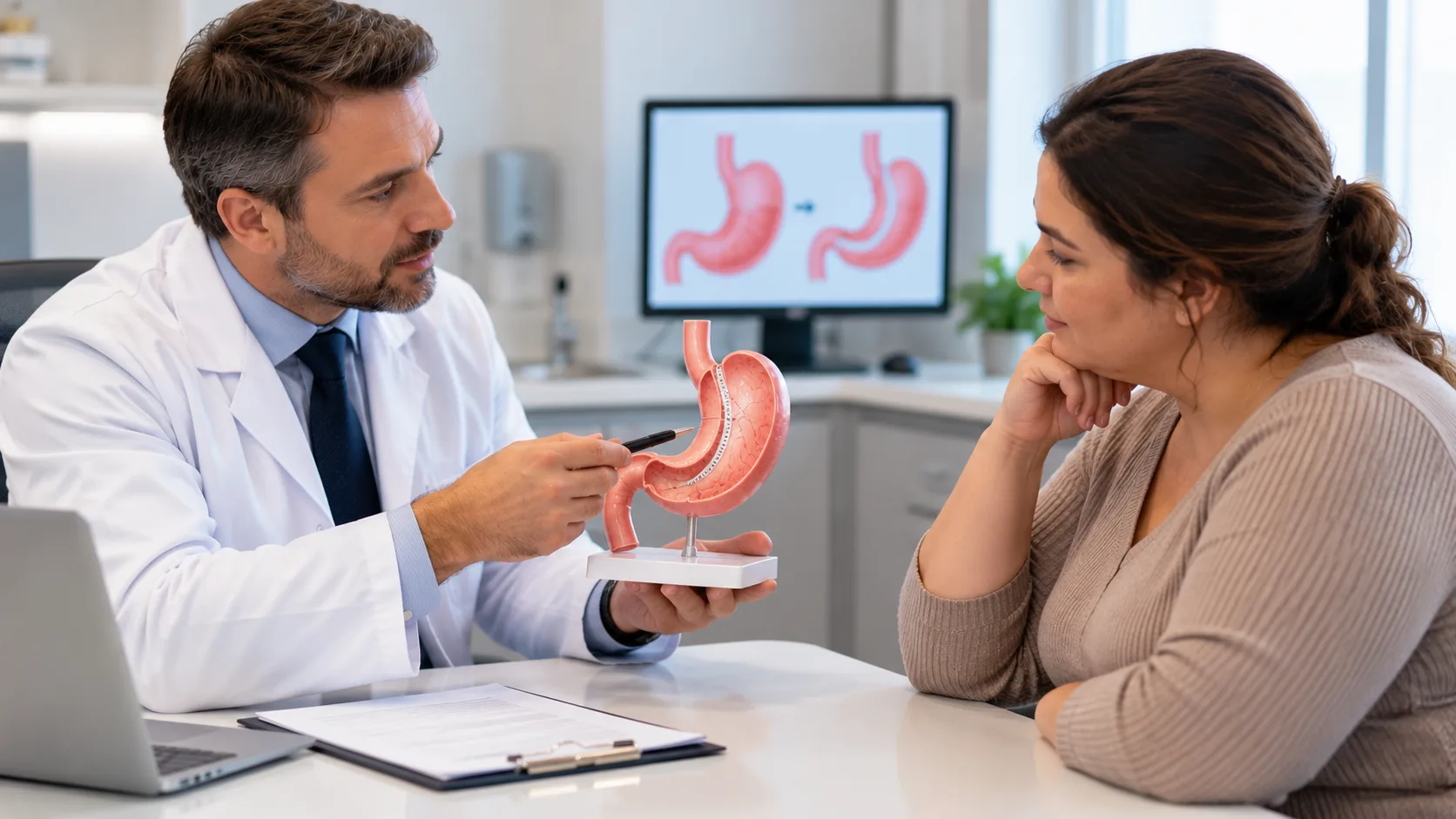
A gastric balloon is a temporary, space-occupying medical device that doctors place inside the stomach to help people lose weight. This device takes up room in the stomach, which makes patients feel full sooner and eat less food. The gastric balloon offers a non-surgical path to weight loss, and doctors around the world now use it as a key tool in the fight against obesity. More patients than ever seek non-surgical weight-loss procedures because they want results without the risks of major surgery. The balloon stays in the stomach for a set period, usually six to twelve months. During this time, patients work closely with dietitians and medical teams to build healthier habits. This article explains what a gastric balloon is, how it works, who qualifies for it, what the procedure involves, what results patients can expect, and how it compares to other weight-loss treatments.
What Is the Medical Definition of an Intragastric Balloon?
An intragastric balloon is an FDA-approved temporary weight-loss device. Doctors classify it as a space-occupying device because it physically fills part of the stomach cavity. The balloon itself does not change the anatomy of the stomach. It simply sits inside the stomach and creates a feeling of fullness. The FDA has approved several balloon systems for adults with a body mass index (BMI) between 30 and 40 who have not succeeded with diet and exercise alone (Ponce et al., 2015). The device serves as a bridge treatment. It helps patients lose enough weight to improve their health while they learn new eating behaviors.
What Is the Purpose of Gastric Balloon Treatment?
The main goal of gastric balloon treatment is to reduce stomach capacity. When the balloon occupies space in the stomach, patients feel full after eating much smaller portions. This early satiety helps patients consume smaller meals at every sitting. Over time, patients learn portion control and develop healthier eating patterns. The balloon also encourages sustainable lifestyle changes because medical teams pair the device with structured diet and exercise programs. Without these changes, the balloon alone cannot produce lasting results.
How Does a Gastric Balloon Work?
The balloon fills part of the stomach, slows how quickly food leaves the stomach, and triggers feelings of fullness. These effects help patients eat fewer calories.
What Is the Mechanism of Action?
The gastric balloon works through three primary mechanisms. First, it occupies stomach volume. A typical balloon holds between 400 and 700 milliliters of saline solution, which takes up significant space in the stomach. Second, it slows gastric emptying. Food stays in the stomach longer when a balloon is present, which extends the feeling of fullness after meals. Third, it increases feelings of fullness. The stretched stomach walls send signals to the brain that tell the body it has eaten enough. Together, these effects help reduce calorie intake without the need for surgery (Mathus-Vliegen et al., 1990).
What Are the Physiological Effects?
The balloon affects appetite regulation in measurable ways. Research shows that intragastric balloons influence satiety hormones such as ghrelin and peptide YY. Ghrelin levels often drop after balloon placement, which reduces hunger signals. Patients also experience eating behavior modification because the physical presence of the balloon makes overeating uncomfortable. This discomfort reinforces portion control and teaches patients to recognize true hunger cues. Over the treatment period, these physiological changes support long-term weight management.
What Types of Gastric Balloons Exist?
Doctors use single balloons, dual balloons, and swallowable capsule balloons. Each type differs in design, placement method, and how long it stays in the stomach.
What Are Single Balloon Systems?
Single balloon systems contain one fluid-filled balloon. Most single balloons use saline solution as the fill material. Some designs also add a small amount of methylene blue dye to the saline. If the balloon leaks, the dye turns the patient's urine blue or green, which alerts them to seek medical care. Single balloons typically stay in place for six months. Doctors remove them endoscopically after the treatment period ends.
What Are Dual Balloon Systems?
Dual balloon systems contain two connected balloons instead of one. These systems offer improved stomach conformity because the two balloons adapt better to the natural shape of the stomach. If one balloon deflates, the second balloon can prevent the device from passing into the intestines. This design reduces the risk of intestinal obstruction. The dual balloon system also distributes pressure more evenly across the stomach wall, which may reduce the risk of gastric ulcer formation.
What Are Swallowable Balloon Systems?
Swallowable balloon systems use a capsule-based placement method. The patient swallows a capsule attached to a thin catheter. Once the capsule reaches the stomach, doctors inflate the balloon through the catheter. The patient then removes the catheter. This method does not require endoscopy for placement, which appeals to patients who want to avoid the sedation and recovery associated with endoscopic procedures. Some swallowable balloons pass naturally through the digestive system after deflation, while others still require endoscopic removal (Machytka et al., 2016).
How Do Balloon Designs Differ?
Feature | Single Balloon | Dual Balloon | Swallowable Balloon |
Placement technique | Endoscopic | Endoscopic | Capsule (no endoscopy) |
Fill material | Saline (often with dye) | Saline | Gas or saline |
Treatment duration | 6 months | 6 months | 4–6 months |
Balloon volume | 400–700 mL | 400–900 mL total | 250–550 mL |
Removal requirements | Endoscopic | Endoscopic | Natural excretion or endoscopic |
Who Is a Good Candidate for a Gastric Balloon?
Adults with a BMI of 30 to 40 who have failed diet and exercise programs often qualify. Doctors also consider patients with obesity-related health conditions.
What Are the BMI Requirements?
Most gastric balloon programs require a BMI between 30 and 40. This range covers patients with obesity class I and class II. Some programs accept patients with a BMI as low as 27 if they have obesity-related conditions such as type 2 diabetes, hypertension, or sleep apnea. Patients with a BMI above 40 may still receive a balloon, but doctors often recommend bariatric surgery for this group because surgery produces greater weight loss. The balloon works best for patients who need moderate weight reduction rather than massive weight loss.
Who Are the Ideal Candidates?
The ideal candidate has tried conservative weight-loss methods without lasting success. These patients have followed diets, exercised regularly, and possibly tried weight-loss medications, but they still struggle with their weight. Individuals seeking non-surgical treatment prefer the balloon because it avoids incisions, scars, and permanent changes to the digestive system. Some patients use the balloon to prepare for bariatric surgery. Losing weight before surgery reduces surgical risks and improves outcomes. Other patients need moderate weight reduction to improve their health and avoid the need for surgery altogether.
Who Should Not Have a Gastric Balloon?
Doctors screen carefully for contraindications. Patients who have had previous gastric surgery may not qualify because altered anatomy increases risks. A large hiatal hernia also disqualifies most candidates because the balloon can worsen the hernia. Active gastrointestinal bleeding, severe liver disease, and eating disorders rule out balloon placement. Pregnant women cannot receive a gastric balloon. Patients with alcohol or substance misuse disorders may not qualify because these conditions interfere with the lifestyle changes required for success. Doctors identify all contraindications during the pre-procedure evaluation (Kotzampassi et al., 2012).
How Is the Gastric Balloon Procedure Performed?
Doctors insert the balloon through the mouth using an endoscope while the patient receives sedation. The procedure takes 20 to 30 minutes, and most patients go home the same day.
What Happens During Pre-Procedure Assessment?
The medical team conducts a thorough evaluation before scheduling the procedure. This assessment includes a full medical history and physical examination. Doctors calculate the patient's BMI and review any obesity-related health conditions. An upper endoscopy helps doctors examine the esophagus and stomach for problems such as ulcers, inflammation, or hiatal hernias. Laboratory tests check blood counts, liver function, kidney function, and blood sugar levels. Nutritional counseling begins before placement so patients understand the dietary changes they will need to make.
How Does Balloon Placement Work?
Doctors perform balloon placement in an endoscopy suite. The patient receives sedation through an IV line, which keeps them comfortable but not fully unconscious. The doctor passes a flexible endoscope through the patient's mouth and into the stomach. Through the endoscope, the doctor guides the deflated balloon into position. Once the balloon sits correctly in the stomach, the doctor inflates it with saline solution or gas. The entire procedure lasts 20 to 30 minutes. Most patients tolerate the procedure well and experience no pain during placement.
What Does Recovery After Placement Involve?
After the procedure, medical staff observe the patient for one to two hours. Most patients go home the same day. The first few days require a liquid-only diet. Patients start with clear liquids, then progress to full liquids. This initial dietary progression allows the stomach to adapt to the balloon. Most patients return to work and normal daily activities within two to three days.
What Happens After Gastric Balloon Placement?
The first week brings nausea, vomiting, and cramping as the stomach adjusts. After this adaptation period, patients follow a structured lifestyle program with dietitian support and exercise.
What Should Patients Expect During the First Week?
The first week after placement challenges most patients. Nausea affects nearly every patient to some degree. Vomiting occurs frequently during the first two to three days. Abdominal discomfort and cramping feel similar to strong indigestion. These symptoms happen because the stomach recognizes the balloon as a foreign object and tries to push it out. Doctors prescribe anti-nausea medications to manage these symptoms. The adaptation period typically lasts three to seven days. After this period, most patients feel much better and can eat small portions comfortably.
What Does the Long-Term Lifestyle Program Include?
Success with a gastric balloon depends entirely on the lifestyle program that accompanies it. Dietitians create personalized meal plans that emphasize protein, vegetables, and controlled portions. Exercise recommendations start with walking and progress to more vigorous activities as the patient loses weight and builds stamina. Behavioral counseling addresses emotional eating, food triggers, and stress management. Follow-up appointments occur monthly or bi-monthly to track progress, adjust plans, and provide encouragement. Patients who engage fully with this support system achieve the best results.
How Is the Gastric Balloon Removed?
Doctors remove the balloon endoscopically after six to twelve months. They deflate the balloon and pull it out through the mouth while the patient receives sedation.
When Does Removal Happen?
The typical treatment duration ranges from six to twelve months depending on the specific device. Single balloons usually stay in place for six months. Some newer devices remain for twelve months. Doctors schedule removal before the device reaches its maximum recommended time because prolonged placement increases the risk of complications such as balloon degradation or ulcer formation.
How Does the Removal Procedure Work?
Removal follows a similar process to placement. The patient receives sedation. The doctor passes an endoscope into the stomach and punctures the balloon to deflate it. Once deflated, the doctor grasps the balloon with specialized tools and pulls it out through the mouth. The procedure takes 15 to 30 minutes. Most patients tolerate removal well and experience minimal discomfort.
What Does Recovery After Removal Involve?
After removal, patients follow a gradual diet progression. They start with liquids, move to soft foods, and then return to normal textures over several days. Follow-up care continues to monitor weight and health markers. The most critical phase begins now: weight maintenance. Patients must apply the eating habits and exercise routines they learned during the balloon period. Without these efforts, weight regain becomes likely.
What Are the Benefits of a Gastric Balloon?

Patients lose significant weight, improve their BMI, reduce waist circumference, and often see improvements in blood pressure, blood sugar, and sleep apnea.
What Weight Loss Benefits Can Patients Expect?
Clinical studies show that gastric balloons produce significant excess weight loss. On average, patients lose 10% to 15% of their total body weight during the six-month treatment period. This translates to 25% to 35% of excess weight. BMI drops measurably, and waist circumference improves. These changes reduce the health risks associated with central obesity (Imaz et al., 2008).
What Health Benefits Accompany Weight Loss?
Weight loss from a gastric balloon improves multiple health markers. Blood pressure often drops within the first month. Blood sugar control improves, and insulin resistance decreases. Patients with type 2 diabetes may reduce their medication doses. Sleep apnea symptoms often lessen as neck circumference shrinks. Mobility improves as joint stress decreases. Quality of life scores rise across physical, emotional, and social domains.
What Advantages Does the Balloon Offer Compared with Surgery?
Factor | Gastric Balloon | Bariatric Surgery |
Invasiveness | Non-surgical, endoscopic | Surgical, requires incisions |
Permanence | Temporary | Permanent (most procedures) |
Recovery | 2–3 days | 2–6 weeks |
Weight loss | Moderate (10–15% total body weight) | Substantial (25–35% total body weight) |
Risks | Lower | Higher |
Cost | Lower | Higher |
The gastric balloon requires no incisions. It is a temporary treatment, which means patients can reverse the procedure at any time. The outpatient nature of the procedure keeps costs lower than surgery. Recovery takes days rather than weeks.
What Are the Risks and Possible Complications?
Common side effects include nausea, vomiting, and acid reflux. Less common complications include balloon deflation or migration. Serious complications such as perforation or pancreatitis are rare.
What Are the Common Side Effects?
Nausea tops the list of common side effects. Almost every patient experiences it during the first week. Vomiting occurs frequently in the first few days. Acid reflux and heartburn affect some patients throughout the treatment period. Bloating and abdominal pain feel like persistent indigestion. Doctors manage most of these symptoms with medications and dietary adjustments.
What Are the Less Common Complications?
Balloon deflation occurs in a small percentage of cases. If the balloon deflates and passes into the intestines, it can cause obstruction. Balloon migration into the small bowel requires immediate medical attention. Gastric ulcers form where the balloon presses against the stomach wall. Gastric perforation is rare but serious. Intestinal obstruction represents a surgical emergency.
What Are the Serious Complications?
Acute pancreatitis has occurred in rare cases, possibly due to balloon compression on the pancreas. Balloon hyperinflation causes sudden severe abdominal pain. Severe dehydration can result from persistent vomiting. Any of these complications may require early balloon removal. Patients must contact their medical team immediately if they experience warning signs.
What Warning Signs Require Medical Attention?
Patients should seek immediate care if they experience persistent vomiting that does not respond to medication. Severe abdominal pain, especially sudden or worsening pain, demands urgent evaluation. Fever may indicate infection. Difficulty swallowing suggests esophageal irritation or obstruction. Signs of gastrointestinal bleeding, such as vomiting blood or passing black stools, require emergency care.
What Weight Loss Results Can Patients Expect?
Most patients lose 10% to 15% of their total body weight over six months. Results vary based on diet adherence, exercise habits, and initial BMI.
What Is the Average Weight Loss?
Meta-analyses of intragastric balloon studies report consistent results. Patients typically achieve total body weight loss of 10% to 15% during the active treatment phase. Excess weight loss reaches 25% to 35%. The timeline shows the fastest weight loss during the first three months. Weight loss continues at a slower pace through month six. Some patients lose additional weight in the months following removal if they maintain their lifestyle changes (Abu Dayyeh et al., 2015).
What Factors Affect Success?
Diet adherence matters most. Patients who follow their meal plans closely lose more weight. Physical activity accelerates results and preserves muscle mass. Behavioral modification addresses the psychological side of eating, which prevents relapse. Follow-up participation keeps patients accountable. Initial BMI also plays a role: patients with higher starting BMIs often lose more total pounds, though the percentage of excess weight loss remains similar across BMI ranges.
What Does the Gastric Balloon Diet Look Like?
Patients start with clear liquids, progress to pureed foods, and then transition to small portions of solid foods. Long-term success requires balanced meals, protein focus, and hydration.
What Should Patients Eat Immediately After Placement?
The first phase lasts two to three days and includes only clear liquids. Water, broth, sugar-free gelatin, and diluted juice provide hydration without irritating the stomach. The next phase introduces full liquids such as protein shakes, yogurt, and strained soups. After about one week, patients advance to pureed foods with a smooth consistency. This progression prevents nausea and allows the stomach to adapt.
How Do Patients Transition to Solid Foods?
Portion control becomes the central focus. Patients eat three small meals per day and avoid snacking. Each meal should fit in a small bowl or plate. Protein intake takes priority because it preserves muscle mass and promotes satiety. Patients should consume 60 to 80 grams of protein daily. Hydration requires 64 ounces of fluid daily, but patients must avoid drinking with meals because liquids can displace food and reduce nutrient intake. Meal frequency stays at three meals with no grazing.
What Are the Long-Term Nutrition Recommendations?
Balanced meals should include lean protein, vegetables, whole grains, and healthy fats. Vitamin supplementation may become necessary if dietary intake falls short of requirements. Patients must avoid high-calorie beverages such as soda, juice, and alcohol because these drinks add calories without providing fullness. Healthy eating habits developed during the balloon period must continue after removal.
How Does the Gastric Balloon Compare with Other Weight Loss Procedures?
The balloon is less invasive than surgery but produces less weight loss. It works well for patients who need moderate weight reduction or want to avoid permanent surgical changes.
How Does the Gastric Balloon Compare with the Gastric Sleeve?
Factor | Gastric Balloon | Gastric Sleeve |
Invasiveness | Endoscopic, no incisions | Laparoscopic surgery, removes 80% of stomach |
Permanence | Temporary (6–12 months) | Permanent |
Recovery | 2–3 days | 2–4 weeks |
Weight loss | 10–15% total body weight | 25–30% total body weight |
Risks | Lower | Higher (leak, stricture, vitamin deficiency) |
Cost | Lower | Higher |
The gastric sleeve removes most of the stomach permanently. It produces greater weight loss but carries surgical risks. The balloon suits patients who want a reversible, lower-risk option.
How Does the Gastric Balloon Compare with Gastric Bypass?
Gastric bypass reroutes the digestive tract and creates a small stomach pouch. It produces the highest weight loss among all bariatric procedures, typically 30% to 35% of total body weight. However, it also carries the highest risk profile, including malnutrition, dumping syndrome, and internal hernia. The gastric balloon offers a much safer alternative for patients who do not need or want such an invasive procedure.
How Does the Gastric Balloon Compare with Endoscopic Sleeve Gastroplasty (ESG)?
ESG is a newer endoscopic procedure that sutures the stomach from inside to reduce its volume. ESG produces more weight loss than a gastric balloon, typically 15% to 20% of total body weight. However, ESG is more expensive, requires more specialized training, and causes more post-procedure discomfort. The gastric balloon remains more accessible and affordable for many patients.
How Does the Gastric Balloon Compare with Weight Loss Medications (GLP-1 Agonists)?
GLP-1 agonists such as semaglutide and liraglutide help patients lose 10% to 20% of their body weight through appetite suppression. These medications require weekly or daily injections and must be taken indefinitely to maintain results. The gastric balloon produces similar weight loss for many patients but does not require ongoing medication after removal. Some patients combine both treatments for enhanced results, though research on this combination remains limited.
How Long Does a Gastric Balloon Last?
Most gastric balloons stay in the stomach for six months. Some devices remain for up to twelve months. Doctors must remove the balloon before it degrades.
The device lifespan depends on the specific balloon model. Single and dual balloons typically remain for six months. Some newer swallowable balloons stay for four to six months. Extended-duration balloons can remain for twelve months. Removal is necessary because the stomach adapts to the balloon over time. After six months, the balloon loses some effectiveness as the stomach stretches around it. Prolonged placement also increases the risk of material degradation, deflation, and ulcer formation. Maintaining lifestyle changes after removal matters more than the balloon itself.
Can Weight Return After Balloon Removal?
Yes, weight regain is common if patients abandon their diet and exercise habits. Long-term success requires continued nutrition planning, physical activity, and medical follow-up.
What Causes Weight Regain?
Weight regain happens for several reasons. The stomach returns to its normal capacity after balloon removal, which allows larger meals. Behavioral factors play the biggest role. Patients who view the balloon as a temporary fix rather than a lifestyle tool often revert to old habits. Emotional eating, stress, and social pressures can override the lessons learned during treatment.
How Can Patients Maintain Their Results?
Nutrition remains the foundation. Patients should continue eating small, protein-focused meals. Exercise must become a permanent habit rather than a temporary effort. Long-term medical follow-up catches weight regain early and allows for intervention. Psychological support through counseling or support groups addresses the emotional components of eating. Some patients benefit from a second balloon placement if significant regain occurs.
How Should Patients Prepare for a Gastric Balloon Procedure?
Patients complete a medical evaluation, stop smoking, adjust medications, follow dietary preparation instructions, and set realistic expectations.
Preparation starts with a thorough medical evaluation to confirm candidacy. Patients who smoke should quit at least four weeks before the procedure because smoking increases the risk of ulcers and delays healing. Doctors may adjust medications such as blood thinners or diabetes medications before placement. Dietary preparation includes following a specific eating plan in the days leading up to the procedure. Fasting instructions require no food or drink for eight to twelve hours before the procedure. Setting realistic expectations helps patients understand that the balloon is a tool, not a magic solution. The best results come from patients who commit fully to the accompanying lifestyle program.
Frequently Asked Questions
Is a gastric balloon painful?
Most patients feel discomfort rather than sharp pain. The first week brings nausea and cramping, but these symptoms improve with medication.
How much weight can you lose with a gastric balloon?
Most patients lose 10% to 15% of their total body weight over six months.
How long does the procedure take?
Placement takes 20 to 30 minutes. Removal takes 15 to 30 minutes.
Will I need general anesthesia?
No. Doctors use conscious sedation, which keeps you comfortable but not fully asleep.
Can the balloon burst?
Modern balloons use strong materials, but deflation can occur. Dye in the saline alerts patients to leaks.
Can I exercise with a gastric balloon?
Yes. Patients should start with walking and gradually increase activity.
Is the procedure reversible?
Yes. Doctors can remove the balloon at any time if necessary.
Can I become pregnant with a gastric balloon?
Doctors do not place balloons in pregnant women. If pregnancy occurs during treatment, doctors remove the balloon immediately.
What foods should I avoid?
Avoid high-calorie beverages, fried foods, sugary snacks, and carbonated drinks.
What happens if the balloon deflates?
Contact your doctor immediately. Deflation may allow the balloon to pass into the intestines.
Is a gastric balloon covered by insurance?
Coverage varies by country and insurance plan. Many programs offer financing options.
How soon can I return to work?
Most patients return to work within two to three days.
Conclusion
The gastric balloon provides a temporary, minimally invasive option for weight management. It occupies space in the stomach, reduces hunger, and helps patients eat smaller portions. The procedure requires no surgery, leaves no scars, and allows patients to return home the same day. However, the balloon alone cannot produce lasting weight loss. The best outcomes occur when patients combine the device with long-term dietary changes, regular physical activity, and ongoing medical follow-up. Medical teams must assess each patient individually to determine whether a gastric balloon represents the most appropriate treatment option. Patients who commit to the full lifestyle program achieve meaningful weight loss, improved health markers, and better quality of life.
References
Abu Dayyeh, Barham K., et al. "Endoscopic Bariatric Therapies." Gastroenterology, vol. 149, no. 7, 2015, pp. 1799–1808.
Imaz, Ignacio, et al. "Meta-Analytic Evaluation of Different Bariatric Procedures." Obesity Surgery, vol. 18, no. 9, 2008, pp. 1132–1142.
Kotzampassi, Katerina, et al. "500 Intragastric Balloons: What Happens 5 Years Thereafter?" Obesity Surgery, vol. 22, no. 6, 2012, pp. 896–903.
Machytka, Evzen, et al. "Adjustable Intragastric Balloons: A 12-Month Pilot Trial in Endoscopic Weight Loss." Obesity Surgery, vol. 26, no. 5, 2016, pp. 931–939.
Mathus-Vliegen, Elisabeth M. H., et al. "Intragastric Balloon Treatment for Obesity: What Does It Really Offer?" Digestive Diseases and Sciences, vol. 35, no. 5, 1990, pp. 605–612.
Ponce, Jaime, et al. "The AspireAssist System for Treatment of Obesity." Surgery for Obesity and Related Diseases, vol. 11, no. 4, 2015, pp. 875–884.
Sullivan, Shelby, et al. "Randomized Sham-Controlled Trial Evaluating Efficacy and Safety of Endoscopic Gastric Plication." Gastrointestinal Endoscopy, vol. 85, no. 4, 2017, pp. 782–792.