What Is Gastric Sleeve Surgery?
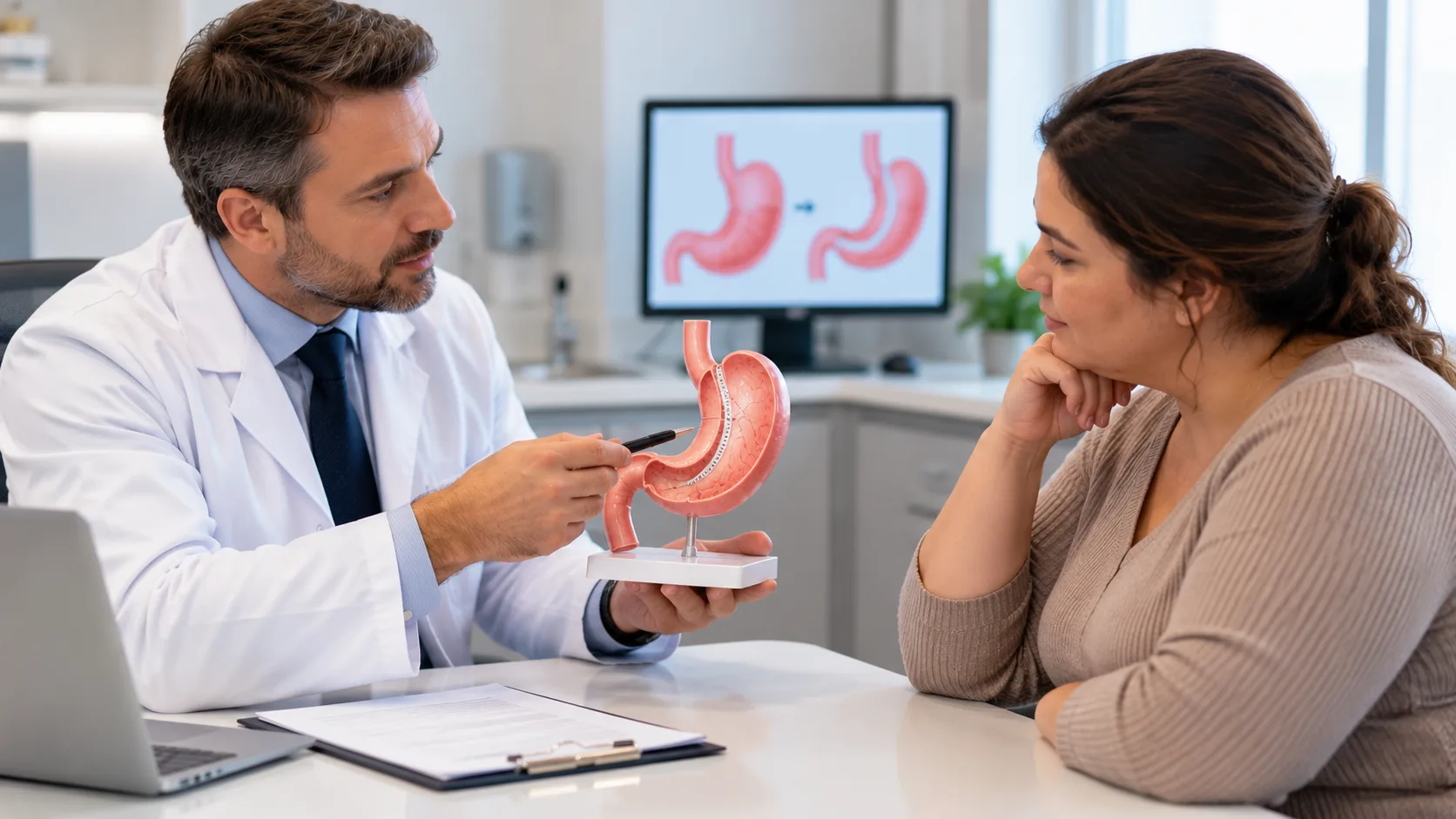
Gastric sleeve surgery removes about 75 to 80 percent of your stomach. Surgeons create a narrow sleeve from the remaining portion. This procedure helps you lose weight by restricting how much food you can eat and by reducing hunger hormones.
Bariatric surgery has changed how doctors treat severe obesity. Sleeve gastrectomy now ranks as one of the most common weight loss surgeries worldwide. Angrisani et al. (2018) reported that surgeons perform hundreds of thousands of these procedures each year across the globe. The surgery does not cure obesity by itself. It works best when you combine it with lifelong lifestyle changes. You must commit to healthy eating after surgery, regular exercise, and long-term medical follow-up. This article explains how gastric sleeve surgery works, who qualifies, what recovery looks like, and how you can achieve lasting success.
What Is Gastric Sleeve Surgery?
Gastric sleeve surgery is a type of bariatric surgery. Doctors call it sleeve gastrectomy or vertical sleeve gastrectomy. It permanently removes the large curved part of your stomach.
What Is the Medical Definition of Sleeve Gastrectomy?
Sleeve gastrectomy is a restrictive bariatric procedure. Surgeons remove approximately 75 to 80 percent of the stomach. They create a narrow tube or sleeve from the remaining tissue. This new stomach holds much less food than the original organ. Buchwald et al. (2004) described this procedure as a powerful tool for obesity treatment. The surgery changes your stomach anatomy forever. You cannot reverse this operation. The remaining sleeve-shaped stomach connects directly to your intestines. Doctors do not reroute your digestive tract. Food follows its normal path through your body.
How Does the Gastric Sleeve Procedure Work?
The gastric sleeve procedure works in two main ways. First, it reduces your stomach size. You feel full after eating a small amount of food. Second, it removes the part of your stomach that produces ghrelin. Ghrelin is the hunger hormone. King et al. (2018) found that sleeve gastrectomy significantly lowers ghrelin levels. This reduction helps control your appetite. You feel less hungry throughout the day. The surgery also improves your metabolic health. Many patients see better insulin resistance within days of the operation.
Why Do Surgeons Classify It as a Restrictive Bariatric Procedure?
Surgeons classify gastric sleeve surgery as restrictive because it limits how much food your stomach can hold. The procedure does not change how your body absorbs nutrients. Doctors call this mechanism gastric restriction. Your new stomach can only hold about 100 to 150 milliliters of food. This small capacity forces you to eat smaller portions. You feel full faster. You stay full longer. The restriction helps you reduce your daily calorie intake. Over time, this calorie reduction leads to significant weight loss.
How Does Gastric Sleeve Surgery Work?
Gastric sleeve surgery works by changing your stomach size and your hormone levels. These changes affect your eating behavior and your metabolism.
How Much Does Stomach Capacity Decrease?
Your original stomach can expand to hold about 1 to 1.5 liters of food. After sleeve gastrectomy, your new stomach holds only 100 to 150 milliliters. This represents a reduction of about 80 to 85 percent. You cannot eat large meals anymore. Your stomach sends signals to your brain much sooner. These signals tell your brain that you are full. You naturally stop eating earlier. This physical restriction forms the foundation of your weight loss.
What Hormonal Changes Reduce Hunger?
Your stomach produces ghrelin in its upper portion. Surgeons remove this portion during sleeve gastrectomy. Ghrelin normally tells your brain that you are hungry. After surgery, your ghrelin levels drop dramatically. King et al. (2018) showed that patients experience reduced appetite after this hormonal change. You feel less desire to eat. You also feel more satisfied after small meals. Other hormones change too. Your body releases more satiety hormones. These hormones help you feel full and content.
How Does Surgery Affect Digestion and Nutrient Absorption?
Gastric sleeve surgery does not change your intestines. Your food still travels through your digestive tract in the normal way. Your body absorbs nutrients through your small intestine. However, your smaller stomach means you eat less food overall. You take in fewer vitamins and minerals. This reduction creates a risk of nutritional deficiencies. Parrott et al. (2017) emphasized that patients need lifelong vitamin supplementation. Your body still digests protein, carbohydrates, and fats normally. You just consume smaller amounts.
How Does the Body Respond After Surgery?
Your body responds to surgery with rapid metabolic changes. Many patients see their blood sugar improve within days. Schauer et al. (2017) documented that type 2 diabetes often improves before significant weight loss occurs. Your insulin resistance drops. Your blood pressure falls. Your sleep apnea symptoms lessen. Your liver begins to process fats more efficiently. These changes happen because the surgery alters your metabolism, not just your stomach size.
Who Qualifies for Gastric Sleeve Surgery?
Not everyone qualifies for gastric sleeve surgery. Doctors follow strict guidelines to determine eligibility.
What BMI Do You Need for Bariatric Surgery Eligibility?
Doctors use body mass index to measure obesity. You qualify for bariatric surgery if your BMI reaches 40 or higher. You also qualify if your BMI reaches 35 or higher and you have obesity-related medical conditions. Arterburn et al. (2020) noted that these BMI thresholds remain the standard for bariatric surgery eligibility worldwide. Some programs accept patients with BMI between 30 and 35 if they have severe metabolic disease. Your bariatric surgeon will calculate your BMI during your first visit. They will also measure your waist circumference and assess your overall health.
Which Obesity-Related Medical Conditions Matter?
Several diseases improve after weight loss surgery. Type 2 diabetes ranks among the most common. High blood pressure affects many obese patients. Sleep apnea causes dangerous breathing pauses during sleep. Heart disease risk increases with obesity. Fatty liver disease damages your liver over time. Schauer et al. (2017) demonstrated that gastric sleeve surgery improves or resolves type 2 diabetes in many patients. Hypertension often drops to normal levels. Sleep apnea symptoms frequently disappear. Your bariatric team will document all your medical conditions before surgery.
What Lifestyle and Psychological Factors Do Teams Evaluate?
Your surgical team evaluates more than your physical health. They assess your eating habits. They ask about your history of weight loss attempts. They review your mental health. You must show that you understand the lifelong commitment required. You must agree to follow dietary guidelines. You must commit to regular exercise. You must attend all postoperative follow-up appointments. Multidisciplinary bariatric care includes nutritionists, psychologists, and surgeons. This team approach ensures you receive comprehensive support.
When Do Doctors Not Recommend This Surgery?
Doctors may decline to perform surgery in certain cases. Active substance abuse disqualifies you. Untreated mental illness may prevent approval. Severe heart or lung disease increases surgical risks beyond acceptable levels. Previous stomach surgery may complicate the procedure. Your surgeon will review your full medical history. They will order tests to check your heart, lungs, and blood. They want to minimize surgical risks before they operate.
How Do Surgeons Perform Gastric Sleeve Surgery?
Surgeons use advanced techniques to perform gastric sleeve surgery safely.
What Is the Laparoscopic Technique?
Surgeons use laparoscopic surgery for almost all gastric sleeve procedures. They make five to six small cuts in your abdomen. Each cut measures about 0.5 to 1 centimeter. They insert a camera and special instruments through these cuts. The camera displays your stomach on a monitor. Surgeons watch this monitor while they operate. Laparoscopic surgery causes less pain than open surgery. You recover faster. You spend less time in the hospital. Your scars remain small.
What Steps Do Surgeons Follow?
Surgeons follow a precise sequence during the operation. First, they give you general anesthesia. You sleep through the entire procedure. Next, they make small abdominal incisions. They insert the laparoscopic tools. They remove the large curved portion of your stomach. They use surgical staples to close the remaining stomach. They create a narrow sleeve. Then they test the staple line for leaks. They fill your stomach with blue dye or air. They check for any holes. Finally, they close the small incisions. Peterli et al. (2018) described this standardized approach in the SM-BOSS trial.
How Long Does the Operation Take?
Gastric sleeve surgery takes about 60 to 90 minutes. Experienced surgeons often complete the procedure in less time. Complex cases may take longer. Your surgical team will tell you the expected duration before your operation. The anesthesia team monitors you throughout. They ensure you remain comfortable and safe.
How Long Will You Stay in the Hospital?
Most patients stay in the hospital for one to two nights. Some centers discharge patients on the same day. Your medical team monitors your pain, hydration, and ability to drink liquids. They want to see that you can tolerate clear liquids before you go home. They teach you how to care for your incisions. They schedule your first follow-up appointment.
What Benefits Does Gastric Sleeve Surgery Offer?
Gastric sleeve surgery offers many benefits beyond weight loss.
How Much Excess Weight Can You Lose?
Patients typically lose 60 to 70 percent of their excess weight within two years. Excess weight means the amount you weigh above your ideal body weight. Sjöström et al. (2007) tracked patients for years and confirmed sustained weight reduction. You lose the most weight during the first six months. Your weight stabilizes after 12 to 18 months. Long-term weight management depends on your lifestyle choices.
Which Diseases Improve After Surgery?
Gastric sleeve surgery improves many obesity-related diseases. Type 2 diabetes often resolves completely. High blood pressure drops to normal ranges. Sleep apnea disappears in most patients. Joint pain decreases as you lose weight. Fatty liver disease improves. Schauer et al. (2017) showed that metabolic surgery produces better diabetes outcomes than medication alone. Your overall metabolic health improves dramatically.
How Does Quality of Life Change?
Your quality of life improves in many ways. You gain energy. You sleep better. You feel more confident. You participate in activities you avoided before. Simple tasks like climbing stairs become easier. You buy clothes in smaller sizes. Your social life expands. Many patients report feeling like a new person.
How Does Physical Mobility Improve?
As you lose weight, your joints carry less pressure. Your knees and hips feel better. You can walk longer distances. You can exercise without pain. You may start swimming, cycling, or hiking. Physical activity becomes enjoyable rather than painful. This increased mobility helps you maintain your weight loss.
How Does Mental Well-Being Improve?
Weight loss often improves your mental health. Depression symptoms lessen. Anxiety decreases. Self-esteem rises. You feel proud of your achievements. You develop a more positive body image. However, some patients need ongoing psychological support. The emotional adjustment takes time. Your bariatric team can connect you with counselors.
What Long-Term Health Benefits Can You Expect?
Long-term benefits include reduced risk of heart disease, stroke, and certain cancers. Aminian et al. (2019) found that metabolic surgery reduces major adverse cardiovascular events. Your life expectancy increases. Your healthcare costs decrease. You take fewer medications. You visit the hospital less often. These benefits last for decades when you maintain healthy habits.
How Much Weight Will You Lose After Gastric Sleeve Surgery?
Weight loss varies from person to person. Most patients see dramatic results.
What Is the Weight Loss Timeline?
You lose weight rapidly during the first few months. Most patients lose 10 to 20 pounds during the first month. By three months, you may lose 30 to 40 percent of your excess weight. At six months, you reach 50 to 60 percent excess weight loss. By one year, you approach your maximum weight loss. By two years, you stabilize at 60 to 70 percent excess weight loss. Sjöström et al. (2007) confirmed that patients maintain significant weight reduction for years.
Time Period | Expected Excess Weight Loss |
First month | 10 to 20 pounds |
Three months | 30 to 40 percent |
Six months | 50 to 60 percent |
One year | 60 to 70 percent |
Two years | Maximum reached |
What Factors Influence Your Results?
Several factors affect your weight loss. Your starting BMI matters. Higher BMI patients often lose more total pounds. Your age plays a role. Younger patients sometimes lose weight faster. Your diet quality affects results. High protein intake supports muscle preservation. Regular exercise accelerates fat loss. Your medical conditions may slow progress. Thyroid problems or medications can affect your metabolism. Your commitment to lifestyle changes determines your long-term success.
How Should You Prepare for Gastric Sleeve Surgery?
Preparation ensures a safe surgery and smooth recovery.
What Medical Assessments Do You Need?
Your bariatric surgeon orders several tests. You need blood work to check your nutrition levels. You need an electrocardiogram to evaluate your heart. You may need a sleep study to diagnose sleep apnea. You may need an ultrasound to check your gallbladder. Your team reviews all your medications. They may ask you to stop certain drugs before surgery.
What Nutritional Counseling Will You Receive?
A registered dietitian teaches you about bariatric nutrition. You learn about protein intake requirements. You learn which foods to avoid. You learn how to read nutrition labels. You practice eating small portions. Parrott et al. (2017) stressed that preoperative nutritional education improves postoperative outcomes. You must understand your new dietary needs before surgery.
What Is the Preoperative Diet?
Most programs require a preoperative diet for one to two weeks before surgery. This diet typically includes high protein shakes and low-calorie meals. The diet shrinks your liver. A smaller liver makes surgery safer. The diet also helps you start losing weight. You must avoid alcohol and sugary drinks. You must stop eating solid foods for 24 to 48 hours before surgery.
Why Must You Stop Smoking and Drinking Alcohol?
Smoking increases your risk of complications. It slows wound healing. It raises your chance of blood clots. It damages your lungs. Alcohol adds empty calories. It irritates your stomach. It interferes with medications. You must quit smoking at least six weeks before surgery. You must avoid alcohol for at least one month before and after surgery.
How Do You Prepare Mentally?
Mental preparation matters as much as physical preparation. You must accept that surgery changes your life forever. You will eat differently. You will socialize differently. You may face emotional challenges. Some patients benefit from talking to a therapist. Others join support groups. You should discuss your concerns with your family. Build a support network before your surgery date.
What Does Recovery Look Like After Gastric Sleeve Surgery?
Recovery progresses through several stages. Most patients heal quickly.
What Is the Recovery Timeline?
You spend the first night in the hospital. Nurses monitor your vital signs. They manage your pain. They help you walk. You start drinking clear liquids within hours. You go home after one to two days. During the first week, you rest at home. You take short walks. You drink liquids constantly. During weeks two to four, you add pureed foods. You gradually increase your activity. By six weeks, most patients feel nearly normal.
What Happens During Hospital Recovery?
In the hospital, your team checks your incisions. They monitor for signs of bleeding or infection. They give you pain medication. They encourage you to walk within a few hours. Walking prevents blood clots. You practice sipping water. You learn to recognize signs of dehydration. Your team teaches you how to care for yourself at home.
When Can You Return to Daily Activities?
Most patients return to desk work within one to two weeks. You should avoid heavy lifting for four to six weeks. You can drive when you stop taking narcotic pain medication. You can shower after 48 hours. You should avoid baths or swimming until your incisions heal completely. Your surgeon will give you specific instructions based on your progress.
What Physical Activity Should You Do?
Start walking on the day of surgery. Walk for five to ten minutes several times daily. Gradually increase your time and distance. After two weeks, add light stretching. After four weeks, consider low-impact exercises like swimming or cycling. After six weeks, you can resume most activities. Avoid heavy weightlifting until your surgeon clears you. Exercise supports your long-term weight management.
Why Are Follow-Up Appointments Important?
Your bariatric team monitors your recovery closely. They check your weight loss progress. They test your blood for nutritional deficiencies. They adjust your vitamin supplementation. They screen for complications. They provide ongoing support. Postoperative follow-up visits typically occur at one week, one month, three months, six months, and one year. Annual visits continue for life.
What Can You Eat After Gastric Sleeve Surgery?
Your diet progresses through five stages. Each stage prepares your new stomach for normal eating.
What Is Stage 1: Clear Liquids?
You start with clear liquids for one to two days after surgery. You can drink water, broth, and sugar-free gelatin. You sip slowly. You drink small amounts throughout the day. You avoid carbonated drinks. You avoid caffeine. You aim for at least 48 to 64 ounces of fluid daily.
What Is Stage 2: Full Liquids?
After two to three days, you advance to full liquids. You can drink protein shakes, skim milk, and strained soup. You need 60 to 80 grams of protein daily. You continue sipping slowly. You avoid sugary drinks. You avoid high-fat liquids. This stage lasts about one week.
What Is Stage 3: Pureed Foods?
After one week, you start pureed foods. You blend soft foods to a smooth consistency. You can eat scrambled eggs, cottage cheese, and blended chicken. You eat three to six small meals daily. Each meal should measure one-quarter to one-half cup. You chew thoroughly. You stop eating when you feel full.
What Is Stage 4: Soft Foods?
After three to four weeks, you add soft foods. You can eat flaky fish, ground turkey, and soft vegetables. You still eat small portions. You avoid tough meats. You avoid fibrous vegetables like celery. You avoid bread and rice initially. These foods may stick in your new stomach.
What Is Stage 5: Regular Healthy Diet?
After six to eight weeks, you return to a regular healthy diet. You focus on lean proteins, vegetables, and whole grains. You eat three small meals daily. You avoid snacking. You avoid high-sugar and high-fat foods. You prioritize protein at every meal. Parrott et al. (2017) recommended that patients maintain high protein intake for life.
How Much Water Should You Drink?
You need at least 64 ounces of water daily. You must sip constantly. You cannot gulp large amounts. Your small stomach cannot hold much liquid at once. You should drink between meals, not with meals. Drinking with meals may flush food through too quickly. Dehydration remains a common reason for hospital readmission.
How Much Protein Do You Need?
You need 60 to 80 grams of protein daily. Protein helps preserve your muscle mass. It supports wound healing. It keeps you full longer. You get protein from meat, fish, eggs, dairy, and protein shakes. You should eat protein first at every meal. If you cannot meet your goals with food alone, supplements help.
Which Vitamins and Minerals Must You Take?
You need lifelong vitamin supplementation. You must take a daily multivitamin. You need vitamin B12 supplements. You need iron and calcium. You need vitamin D and folate. Parrott et al. (2017) outlined specific supplementation protocols for bariatric patients. Your team will test your blood levels regularly. They will adjust your supplements based on your results.
Stage | Timeframe | Foods Allowed | Foods to Avoid |
Stage 1: Clear Liquids | Days 1-2 | Water, broth, sugar-free gelatin | Carbonated drinks, caffeine |
Stage 2: Full Liquids | Days 3-10 | Protein shakes, skim milk, strained soup | Sugary drinks, high-fat liquids |
Stage 3: Pureed Foods | Week 2 | Scrambled eggs, cottage cheese, blended chicken | Tough textures, large portions |
Stage 4: Soft Foods | Weeks 3-4 | Flaky fish, ground turkey, soft vegetables | Fibrous vegetables, bread, rice |
Stage 5: Regular Diet | Week 6+ | Lean proteins, vegetables, whole grains | High-sugar foods, high-fat foods |
What Risks and Complications Can Occur?
All surgeries carry risks. Gastric sleeve surgery has both short-term and long-term risks.
What Short-Term Risks Exist?
Short-term risks include bleeding, infection, blood clots, and staple line leaks. Bleeding may require a transfusion. Infection may need antibiotics. Blood clots can travel to your lungs. This condition is dangerous. Staple line leaks allow stomach contents to escape into your abdomen. This complication requires immediate surgery. Your surgical team takes many precautions to prevent these problems.
What Long-Term Risks Should You Know?
Long-term risks include GERD, vitamin deficiencies, weight regain, stricture, and dehydration. Lager et al. (2017) found that some patients develop or worsen gastroesophageal reflux disease after sleeve gastrectomy. Vitamin deficiencies can cause anemia, bone loss, or nerve damage. Weight regain affects some patients after five years. Stricture narrows the stomach outlet and causes vomiting. Dehydration remains a constant risk if you do not drink enough fluids.
How Can You Minimize These Risks?
You minimize risks by choosing an experienced bariatric surgeon. You follow all preoperative instructions. You take your vitamins every day. You attend all follow-up appointments. You report unusual symptoms immediately. You stay hydrated. You eat a balanced diet. You avoid smoking and alcohol. These actions protect your health.
How Does Gastric Sleeve Compare to Other Bariatric Procedures?
You have several options for weight loss surgery. Each procedure has different advantages.
How Does It Compare to Gastric Bypass?
Gastric bypass creates a small stomach pouch and reroutes your intestines. It causes more weight loss than sleeve gastrectomy. It also carries higher risk of nutritional deficiencies. Peterli et al. (2018) found that gastric bypass and sleeve gastrectomy produce similar diabetes remission rates at five years. Gastric bypass is more complex. Surgeons need more time to perform it. It requires more lifelong monitoring.
How Does It Compare to Adjustable Gastric Band?
The adjustable gastric band places a silicone ring around the upper stomach. You can reverse it. It causes less weight loss than sleeve gastrectomy. It requires frequent adjustments. Many patients experience band slippage or erosion. Arterburn et al. (2020) noted that bands have fallen out of favor because of high revision rates. Sleeve gastrectomy produces more reliable results.
How Does It Compare to Duodenal Switch?
The duodenal switch combines sleeve gastrectomy with intestinal bypass. It causes the most weight loss of all procedures. It also carries the highest risk of malnutrition. Doctors reserve this procedure for patients with very high BMI. It requires the most intensive nutritional follow-up.
Procedure | Excess Weight Loss | Complexity | Nutrient Deficiency Risk | Reversible | Typical Candidates |
Gastric Sleeve | 60-70% | Moderate | Moderate | No | BMI 35-50 |
Gastric Bypass | 65-75% | High | High | No | BMI 40+, severe diabetes |
Gastric Band | 40-50% | Low | Low | Yes | Lower BMI, reversible preference |
Duodenal Switch | 70-80% | Very High | Very High | No | BMI 50+, super obesity |
What Does Life Look Like After Gastric Sleeve Surgery?
Life after surgery requires permanent changes. You must adopt new habits.
What Healthy Eating Habits Should You Build?
You must eat three small meals daily. You must avoid grazing. You must chew every bite thoroughly. You must eat protein first. You must avoid high-sugar foods. You must avoid carbonated drinks. You must drink water between meals. These habits protect your sleeve and support your weight loss.
What Exercise Routine Works Best?
Start with walking. Gradually add strength training. Aim for 150 minutes of moderate activity weekly. Include resistance exercises twice weekly. Exercise preserves your muscle mass. It boosts your metabolism. It improves your mood. It supports long-term weight management.
How Do You Adjust Emotionally?
Emotional adjustment takes time. You may mourn your old eating habits. You may feel isolated at social events. You may struggle with body image changes. Some patients experience relationship changes. Counseling helps you process these feelings. Support groups connect you with others who understand your journey.
Why Do You Need Long-Term Medical Monitoring?
Your body changes after surgery. You need regular blood tests. You need annual check-ups. Your doctor monitors your vitamin levels. They check your bone density. They screen for GERD. They adjust your medications. Aminian et al. (2019) emphasized that ongoing medical care improves long-term outcomes. Your bariatric team remains your partner for life.
How Do You Prevent Weight Regain?
You prevent weight regain by following your diet plan. You exercise regularly. You attend support groups. You manage stress without food. You get enough sleep. You address emotional eating. You weigh yourself weekly. You call your team if you notice weight creeping back. Early intervention prevents major regain.
What Myths Exist About Gastric Sleeve Surgery?
Many myths surround bariatric surgery. Let us address the most common ones.
Is Surgery the Easy Way Out?
Surgery is not easy. It requires major lifestyle changes. You must completely transform your eating habits. You must exercise regularly. You must take vitamins for life. You face surgical risks. You endure a challenging recovery. Surgery provides a powerful tool. But you must do the hard work of changing your life.
Can You Eat Anything After Surgery?
No. Your new stomach cannot handle large portions. High-sugar foods may cause dumping syndrome. Fatty foods may cause nausea. Tough meats may get stuck. Carbonated drinks may cause discomfort. You must follow dietary guidelines carefully. Your food choices matter more than ever.
Is Weight Loss Guaranteed?
No. Surgery helps you lose weight. But your choices determine your success. Some patients lose less weight than expected. Others regain weight after several years. Your commitment to healthy lifestyle modifications determines your outcome. Surgery gives you an advantage. It does not guarantee results.
Does the Stomach Grow Back?
No. Your stomach does not grow back. Surgeons remove the large portion permanently. However, your remaining sleeve can stretch slightly over time. This stretching allows you to eat more. If you consistently overeat, your sleeve may expand. This expansion can lead to weight regain. You must protect your sleeve by eating appropriate portions.
What Questions Do Patients Ask Most Often?
Patients ask many questions before and after surgery. Here are the most common ones.
What Is Gastric Sleeve Surgery?
Gastric sleeve surgery removes about 75 to 80 percent of your stomach. Surgeons create a narrow sleeve from the remaining tissue. This procedure restricts food intake and reduces hunger hormones. It helps you lose significant weight and improve your health.
How Much Weight Can You Lose?
Most patients lose 60 to 70 percent of their excess weight within two years. You lose the most weight during the first six months. Long-term success depends on your diet and exercise habits.
Is Gastric Sleeve Surgery Permanent?
Yes. Surgeons remove the large portion of your stomach permanently. You cannot reverse this procedure. Your remaining sleeve stays with you for life.
How Long Does Recovery Take?
Most patients return to normal activities within four to six weeks. You stay in the hospital for one to two nights. You resume desk work within one to two weeks. You avoid heavy lifting for four to six weeks.
Does Gastric Sleeve Surgery Cure Diabetes?
Surgery does not cure diabetes. But it often puts type 2 diabetes into remission. Schauer et al. (2017) showed that many patients stop needing diabetes medication. Your blood sugar may improve within days of surgery. Long-term remission depends on maintaining your weight loss.
Can the Stomach Stretch After Surgery?
Yes. Your sleeve can stretch slightly if you consistently overeat. This stretching may reduce the restriction. You must eat small portions to protect your sleeve. Follow your dietary guidelines carefully.
Will You Need Vitamins for Life?
Yes. You need lifelong vitamin supplementation. Your smaller stomach means you absorb fewer nutrients. You must take daily multivitamins, vitamin B12, iron, calcium, and vitamin D. Your doctor will test your blood regularly.
Is Gastric Sleeve Surgery Safe?
Gastric sleeve surgery is generally safe. Serious complications occur in a small percentage of patients. Choosing an experienced surgeon reduces your risk. Following all instructions protects your health. The benefits usually outweigh the risks for qualified candidates.
Can You Become Pregnant After Surgery?
Yes. Many women become pregnant after gastric sleeve surgery. You should wait 12 to 18 months before trying to conceive. This waiting period allows your weight to stabilize. Pregnancy after surgery is often healthier. Your risk of gestational diabetes decreases. You must continue taking prenatal vitamins.
What Foods Should You Avoid?
You should avoid high-sugar foods, high-fat foods, tough meats, fibrous vegetables, bread, rice, pasta, carbonated drinks, and alcohol. These foods may cause discomfort, dumping syndrome, or weight regain. Focus on lean proteins, vegetables, and whole grains.
When Should You Consider Gastric Sleeve Surgery?
You should consider gastric sleeve surgery when conservative methods have failed. If you have tried diets, exercise, and medication without lasting success, surgery may help. If your BMI reaches 35 or higher with medical conditions, talk to a bariatric specialist. If your BMI reaches 40 or higher, you likely qualify. Your doctor will evaluate your individual case. They will create a personalized treatment plan. They will discuss all your options. They will help you make an informed decision.
What Should You Remember About Gastric Sleeve Surgery?
Gastric sleeve surgery offers a powerful tool for fighting obesity. It reduces your stomach size. It lowers your hunger hormones. It improves your metabolic health. It helps you lose significant weight. But surgery is not a cure. It is a starting point. You must commit to healthy eating after surgery. You must exercise regularly. You must take your vitamins. You must attend your follow-up appointments. You must build a support network. Success requires lifelong dedication. The surgery changes your body. You must change your habits. Together, these changes can transform your life.
References
Aminian, Ali, et al. "Association of Metabolic Surgery with Major Adverse Cardiovascular Outcomes in Patients with Type 2 Diabetes and Obesity." JAMA, vol. 323, no. 5, 2019, pp. 438–448.
Angrisani, Luigi, et al. "IFSO Worldwide Survey 2016." Obesity Surgery, vol. 28, no. 12, 2018, pp. 3785–3794.
Arterburn, David E., et al. "Comparative Effectiveness and Safety of Bariatric Procedures." JAMA Surgery, vol. 155, no. 9, 2020, pp. 826–835.
Buchwald, Henry, et al. "Bariatric Surgery: A Systematic Review and Meta-Analysis." JAMA, vol. 292, no. 14, 2004, pp. 1724–1737.
King, Wendy C., et al. "Comparison of the Effects of Roux-en-Y Gastric Bypass versus Sleeve Gastrectomy on Appetite, Taste, and Food Preference." Obesity, vol. 26, no. 4, 2018, pp. 642–651.
Lager, C. J., et al. "Sleeve Gastrectomy and Gastroesophageal Reflux Disease." Journal of the American College of Surgeons, vol. 225, no. 4, 2017, pp. 587–594.
Parrott, Julie, et al. "American Society for Metabolic and Bariatric Surgery Integrated Health Nutritional Guidelines for the Surgical Weight Loss Patient 2016 Update." Surgery for Obesity and Related Diseases, vol. 13, no. 5, 2017, pp. 727–741.
Peterli, Ralph, et al. "Effect of Laparoscopic Sleeve Gastrectomy vs Laparoscopic Roux-en-Y Gastric Bypass on Weight Loss in Patients with Morbid Obesity." JAMA, vol. 319, no. 3, 2018, pp. 255–265.
Schauer, Philip R., et al. "Bariatric Surgery versus Intensive Medical Therapy for Diabetes - 5-Year Outcomes." New England Journal of Medicine, vol. 374, no. 13, 2017, pp. 1247–1255.
Sjöström, Lars, et al. "Effects of Bariatric Surgery on Mortality in Swedish Obese Subjects." New England Journal of Medicine, vol. 357, no. 8, 2007, pp. 741–752.