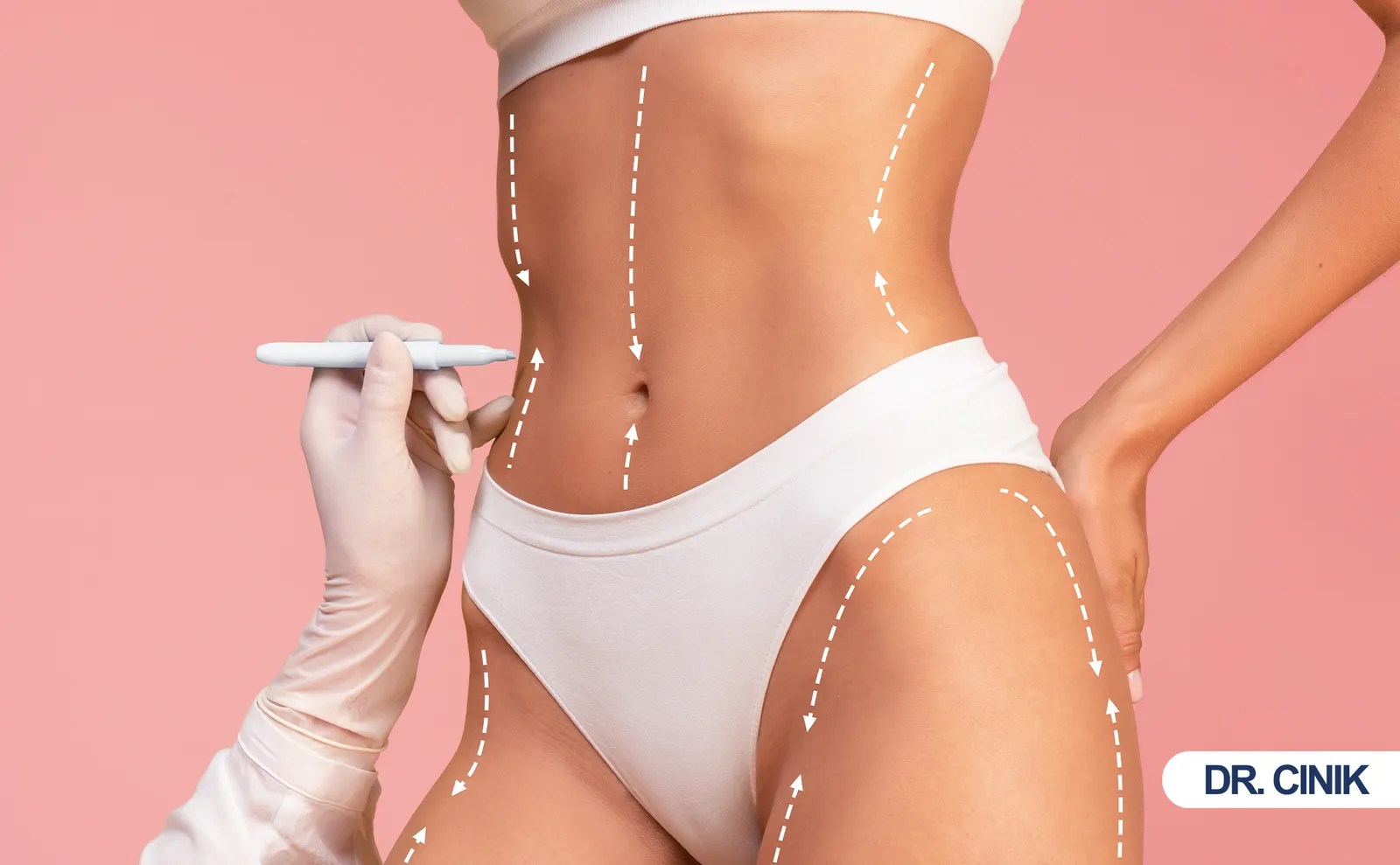
Liposucción elimina depósitos de grasa resistentes que no ceden a la dieta ni al ejercicio. Los cirujanos utilizan este procedimiento de contorno corporal para remodelar áreas específicas y mejorar las proporciones del cuerpo. Millones de pacientes eligen la liposucción cada año porque ataca la grasa localizada directamente.
La liposucción apareció por primera vez en la década de 1970. Los cirujanos han refinado la técnica a lo largo de las décadas. Hoy en día, la liposucción se posiciona como una de las cirugías estéticas más populares a nivel mundial. Los pacientes deben entender un hecho crítico: la liposucción moldea el cuerpo, pero no trata la obesidad. El procedimiento elimina células grasas de áreas específicas. No sustituye hábitos alimenticios saludables ni ejercicio regular. Este artículo explica la ciencia detrás de la liposucción. Cubre técnicas, seguridad, recuperación y resultados. Cada paciente merece hechos claros antes de tomar una decisión informada.
¿Qué Significa la Liposucción en Términos Médicos?
La liposucción es un procedimiento quirúrgico que elimina células grasas de áreas específicas del cuerpo. Los cirujanos insertan tubos delgados llamados cánulas a través de pequeñas incisiones. Las cánulas descomponen el tejido graso y lo succionan fuera del cuerpo. Los profesionales médicos llaman a este procedimiento lipectomía asistida por succión.
Las células grasas, también llamadas adipocitos, almacenan energía y amortiguan los órganos. Cada persona tiene un número fijo de células grasas después de la adolescencia. Cuando los pacientes suben de peso, estas células crecen en tamaño. Cuando los pacientes bajan de peso, estas células disminuyen. La liposucción elimina físicamente algunos adipocitos de las áreas tratadas. Las células grasas restantes aún pueden expandirse si el paciente gana peso. Por esto, los cirujanos enfatizan que la liposucción funciona mejor para el contorno corporal, no para la pérdida de peso.
¿Cómo Elimina un Cirujano las Células Grasas Durante la Liposucción?
Un cirujano realiza pequeñas incisiones cerca del área objetivo. El cirujano inserta una cánula a través de estas aberturas. La cánula se conecta a un dispositivo de vacío o jeringa. El cirujano mueve la cánula de adelante hacia atrás para aflojar las células grasas. La succión extrae la grasa desprendida del cuerpo.
Antes de eliminar grasa, el cirujano a menudo inyecta líquido tumescente. Este líquido contiene solución salina, anestésico local y epinefrina. La solución adormece el área, reduce el tamaño de los vasos sanguíneos y disminuye el sangrado. El líquido tumescente hace que la eliminación de grasa sea más segura y precisa. El cirujano debe preservar los vasos sanguíneos, nervios y tejido conectivo cercanos. Esta precisión requiere habilidad y experiencia. La elasticidad de la piel también juega un papel importante. Los pacientes con piel firme y elástica ven contornos más suaves después de la cirugía. La piel suelta puede no ajustarse adecuadamente después de la eliminación de grasa.
¿Qué Áreas del Cuerpo Responden Mejor al Tratamiento de Liposucción?
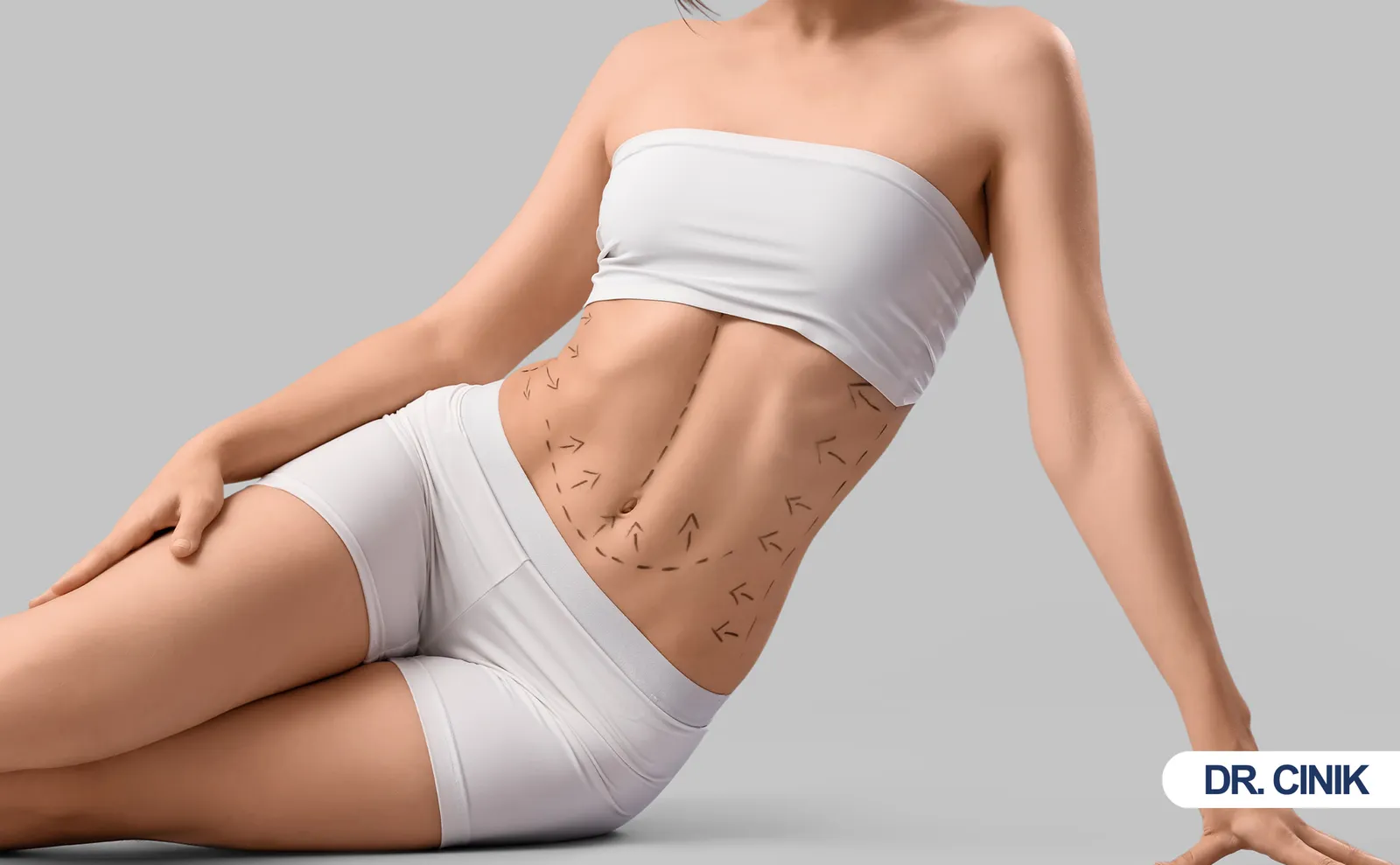
Los cirujanos pueden tratar muchas áreas del cuerpo con liposucción. El abdomen y la cintura ocupan las zonas de tratamiento más populares. Los muslos, brazos, cuello, mentón, espalda y pecho también responden bien.
Tabla 1: Áreas Comunes de Tratamiento de Liposucción y Resultados Típicos
|
Área del Cuerpo
|
Características de los Depósitos de Grasa
|
Requisito de Elasticidad de la Piel
|
Facilidad de Recuperación Típica
|
|
Abdomen
|
Capas de grasa profundas y superficiales
|
Moderada a alta
|
Moderada
|
|
Cintura y Flancos
|
Mangos del amor localizados
|
Moderada
|
Alta
|
|
Muslos
|
Cojinetes de grasa internos y externos
|
Moderada
|
Moderada
|
|
Brazos Superiores
|
Grasa blanda, piel delgada
|
Alta
|
Moderada
|
|
Cuello y Mentón
|
Pequeño volumen, tejido delicado
|
Alta
|
Alta
|
|
Espalda y Pecho
|
Grasa fibrosa en hombres
|
Moderada
|
Moderada
|
El abdomen a menudo contiene grasa profunda debajo de la pared muscular y grasa superficial encima de ella. Los cirujanos eliminan más fácilmente la grasa superficial. La cintura y los flancos, a menudo llamados mangos del amor, contienen grasa localizada que responde excelentemente al contorneo. La zona del cuello y mentón requiere cánulas pequeñas y una técnica suave. Los hombres a menudo solicitan liposucción de pecho para tratar la ginecomastia, que es el exceso de tejido mamario. Cada área demanda un enfoque personalizado basado en el grosor de la grasa y la calidad de la piel.
¿Cuáles son los Principales Tipos de Técnicas de Liposucción?
Los cirujanos ofrecen ahora varias técnicas de liposucción. Cada método utiliza diferentes tecnologías para descomponer y eliminar la grasa. La mejor técnica depende del área de tratamiento, el volumen de grasa y los objetivos del paciente. La liposucción asistida por succión tradicional sigue siendo la base. La liposucción tumescente mejoró dramáticamente la seguridad. Los métodos más nuevos utilizan ultrasonido, láser o energía mecánica para mejorar los resultados.
¿Qué sucede durante la liposucción asistida por succión tradicional?
La liposucción asistida por succión tradicional, o SAL, utiliza una cannula hueca y presión de vacío. El cirujano mueve manualmente la cannula para desalojar la grasa. SAL funciona bien para la mayoría de las áreas del cuerpo. No requiere dispositivos de energía avanzada.
SAL ofrece simplicidad y fiabilidad. Los cirujanos han utilizado este método durante décadas. Sin embargo, SAL exige un mayor esfuerzo físico por parte del cirujano. El movimiento manual puede causar más trauma en los tejidos en algunos casos. Los pacientes pueden presentar moretones e hinchazón en mayor medida en comparación con técnicas más nuevas. SAL es más eficaz para la eliminación de grasa en pacientes con un buen tono de piel.
¿Cómo mejora la liposucción tumescente la seguridad?
La liposucción tumescente inunda el área objetivo con anestésico local diluido y epinefrina. La solución hincha la capa de grasa y constriñe los vasos sanguíneos. Esta técnica reduce la pérdida de sangre a niveles mínimos. A menudo, los pacientes permanecen despiertos durante el procedimiento.
Hanke y sus colegas encuestaron a 688 pacientes de liposucción tumescente en 39 centros. Encontraron una tasa de complicaciones clínicas de solo 0.7%. El noventa y uno por ciento de los pacientes se sintieron positivos acerca de su decisión a los seis meses (Hanke et al. 967). No se registraron muertes en encuestas de liposucción tumescente a gran escala. Este récord de seguridad convierte a la liposucción tumescente en el estándar de oro para la eliminación de grasa.
¿Qué hace diferente a la liposucción asistida por ultrasonido?
La liposucción asistida por ultrasonido, o UAL, envía ondas ultrasónicas a través de una cannula especial. Las ondas sonoras licuan las células de grasa antes de su extracción. Esta licuación facilita la succión en áreas densas y fibrosas como la espalda o el pecho masculino.
UAL reduce el esfuerzo físico que los cirujanos necesitan realizar. Puede eliminar la grasa rebelde más rápidamente. Sin embargo, la energía ultrasónica produce calor. Este calor puede quemar la piel o dañar el tejido circundante si el cirujano no lo controla con cuidado. Los pacientes deben elegir cirujanos experimentados que comprendan los límites de seguridad de UAL.
¿Cómo tensa la piel la liposucción asistida por láser?
La liposucción asistida por láser, o LAL, entrega energía láser a través de una fibra delgada. El láser calienta y destruye las células de grasa. También estimula la producción de colágeno en la piel. Este aumento de colágeno puede tensar la piel con el tiempo.
Weiss y sus colegas trataron a 19 pacientes con un sistema láser de diodo de 924/975 nm. Los investigadores observaron una mejora de buena a excelente en todos los sujetos a los tres meses. El ochenta y tres por ciento de los sujetos mostró una mejora en la textura de la piel de buena a excelente. El ochenta y nueve por ciento de los sujetos sintieron que su grasa no deseada había mejorado significativamente (Weiss et al. 746). DiBernardo realizó un estudio de abdomen dividido comparando la liposucción asistida por láser con la succión tradicional sola. A los tres meses, el lado tratado con láser mostró una reducción y un tensado de la piel significativamente mayores (DiBernardo 593). Estos hallazgos apoyan las afirmaciones sobre el tensado de la piel de LAL.
¿Cuáles son los beneficios de la liposucción asistida por potencia?
La liposucción asistida por potencia, o PAL, utiliza una cánula que vibra rápidamente. La punta mecanizada se mueve hacia adelante y hacia atrás a alta velocidad. Esta vibración descompone las células de grasa con menos fuerza manual.
La PAL permite a los cirujanos eliminar volúmenes grandes de grasa de manera más eficiente. La técnica causa menos fatiga al cirujano. Los pacientes a menudo ven resultados más suaves porque la cánula se mueve de manera uniforme. La PAL funciona especialmente bien para la liposucción en áreas grandes o casos de revisión donde existe tejido cicatricial.
¿Quién califica para la liposucción de alta definición?
La liposucción de alta definición esculpe contornos atléticos. Los cirujanos eliminan grasa alrededor de grupos musculares para revelar la anatomía subyacente. Esta técnica se dirige tanto a capas de grasa profundas como superficiales. Crea sombras y líneas que imitan un físico tonificado.
Willet y colegas revisaron 21 estudios que abarcan 6,964 casos de liposucción de alta definición. Calcul hicieron una tasa global de complicaciones del 14.4%, pero solo el 0.2% fueron complicaciones mayores. Se presentó hiperpigmentación transitoria en el 3.8% de los pacientes, seroma en el 3.3% y fibrosis de tejido blando en el 2.7%. La satisfacción del paciente alcanzó el 92.6% (Willet et al. 57). La liposucción de alta definición es adecuada para pacientes sanos que ya tienen un buen tono muscular. No crea músculos donde no existen. Los pacientes deben mantener expectativas realistas sobre el esculpido atlético.
¿Quién es el candidato ideal para la cirugía de liposucción?
El candidato ideal mantiene un peso estable cerca de su objetivo personal. Esta persona tiene depósitos de grasa persistentes que ignoran la dieta y el ejercicio. Los buenos candidatos poseen piel firme y elástica y un tono muscular fuerte. Entienden que la liposucción refina contornos, no el peso corporal.
Las expectativas realistas separan a los pacientes felices de los decepcionados. Los cirujanos evalúan cuidadosamente la calidad de la piel. La piel suelta no se tensará después de la eliminación de grasa. Los pacientes con estrías o mala elasticidad pueden necesitar procedimientos adicionales de tensado de la piel. Comerci y colegas analizaron 39 estudios con 29,368 pacientes. La edad promedio fue de 40.62 años y el IMC promedio fue de 26.36 kg/m² (Comerci et al. NP454). Estos datos confirman que los pacientes promedio de liposucción no son obesos. Son adultos sanos que buscan refinamiento.
¿Qué pacientes deben evitar la liposucción?
Los pacientes con diabetes descontrolada, enfermedades del corazón o trastornos hemorrágicos enfrentan mayores riesgos. Los fumadores sanan mal porque la nicotina reduce el flujo sanguíneo a la piel. Los cirujanos requieren que los pacientes dejen de fumar semanas antes de la cirugía.
La obesidad severa descalifica a la mayoría de los pacientes de la liposucción. El procedimiento no puede eliminar de manera segura los grandes volúmenes de grasa que requiere la obesidad. Los pacientes con trastorno dismórfico corporal o expectativas poco realistas también son malos candidatos. La evaluación psicológica ayuda a identificar a los pacientes que persiguen ideales imposibles. Las condiciones cardiovasculares aumentan el peligro de coágulos sanguíneos y cambios de fluidos durante la cirugía.
¿En qué se diferencia la liposucción de la cirugía para perder peso?
La liposucción y la cirugía bariátrica sirven para propósitos completamente diferentes. La liposucción elimina depósitos de grasa externa para el contorno cosmético. La cirugía bariátrica reduce el tamaño del estómago o desvía los intestinos para forzar la pérdida de peso.
Tabla 2: Liposucción vs. Cirugía para Perder Peso
|
Característica
|
Liposucción
|
Cirugía para Perder Peso
|
|
Objetivo Principal
|
Contorno corporal y eliminación de grasa
|
Tratar la obesidad y reducir peso
|
|
Grasa Eliminada
|
3 a 5 litros típicamente
|
Eliminación mínima de grasa directa
|
|
Cambio de Peso
|
Cambio inmediato mínimo
|
Pérdida de peso significativa a largo plazo
|
|
IMC del Candidato
|
Generalmente menor de 30
|
Generalmente mayor de 35 con problemas de salud
|
|
Tiempo de Recuperación
|
Días a semanas
|
Semanas a meses
|
|
Mecanismo
|
Extracción física de grasa
|
Alteración hormonal y metabólica
|
Muchos pacientes creen erróneamente que la liposucción causa una pérdida de peso significativa. La ciencia refuta este mito. La liposucción elimina volumen de grasa pero no altera el metabolismo ni el apetito. Los pacientes que se someten a liposucción sin cambios en el estilo de vida pueden redistribuir grasa a áreas no tratadas.
¿Cómo deben prepararse los pacientes para la cirugía de liposucción?
Los pacientes deben programar primero una consulta detallada. El cirujano revisa el historial médico y realiza un examen físico. El cirujano fotografía las áreas de tratamiento y discute los resultados alcanzables. Los pacientes deben revelar todos los medicamentos, suplementos y alergias.
Las pruebas preoperatorias a menudo incluyen análisis de sangre y, a veces, un EKG. Los cirujanos indican a los pacientes que dejen de tomar medicamentos anticoagulantes antes de la cirugía. Los pacientes deben evitar el alcohol y fumar durante varias semanas. La adecuada hidratación y nutrición aceleran la curación. Algunos cirujanos recomiendan un masaje linfático antes del procedimiento para preparar los tejidos.
¿Qué Preguntas Deben Hacer los Pacientes a Su Cirujano?
Los pacientes deben verificar la certificación del consejo en cirugía plástica. La certificación demuestra que el cirujano completó una formación rigurosa y exámenes. Los pacientes deben preguntar sobre la acreditación de la instalación quirúrgica. Los centros acreditados mantienen estrictos estándares de seguridad y equipos de emergencia.
Los pacientes deben preguntar cuántos procedimientos de liposucción realiza el cirujano al año. La experiencia se correlaciona con mejores resultados. Los pacientes deben discutir los riesgos abiertamente. Deben preguntar sobre el tiempo de recuperación, los requisitos de la prenda de compresión y las pólizas de revisión. Un cirujano confiable responde de manera honesta y nunca garantiza la perfección.
¿Qué Ocurre Paso a Paso Durante la Cirugía de Liposucción?
El equipo quirúrgico primero administra anestesia. Las opciones incluyen anestesia local, sedación o anestesia general. La anestesia local es adecuada para áreas pequeñas. La anestesia general es mejor para casos de gran volumen o múltiples áreas.
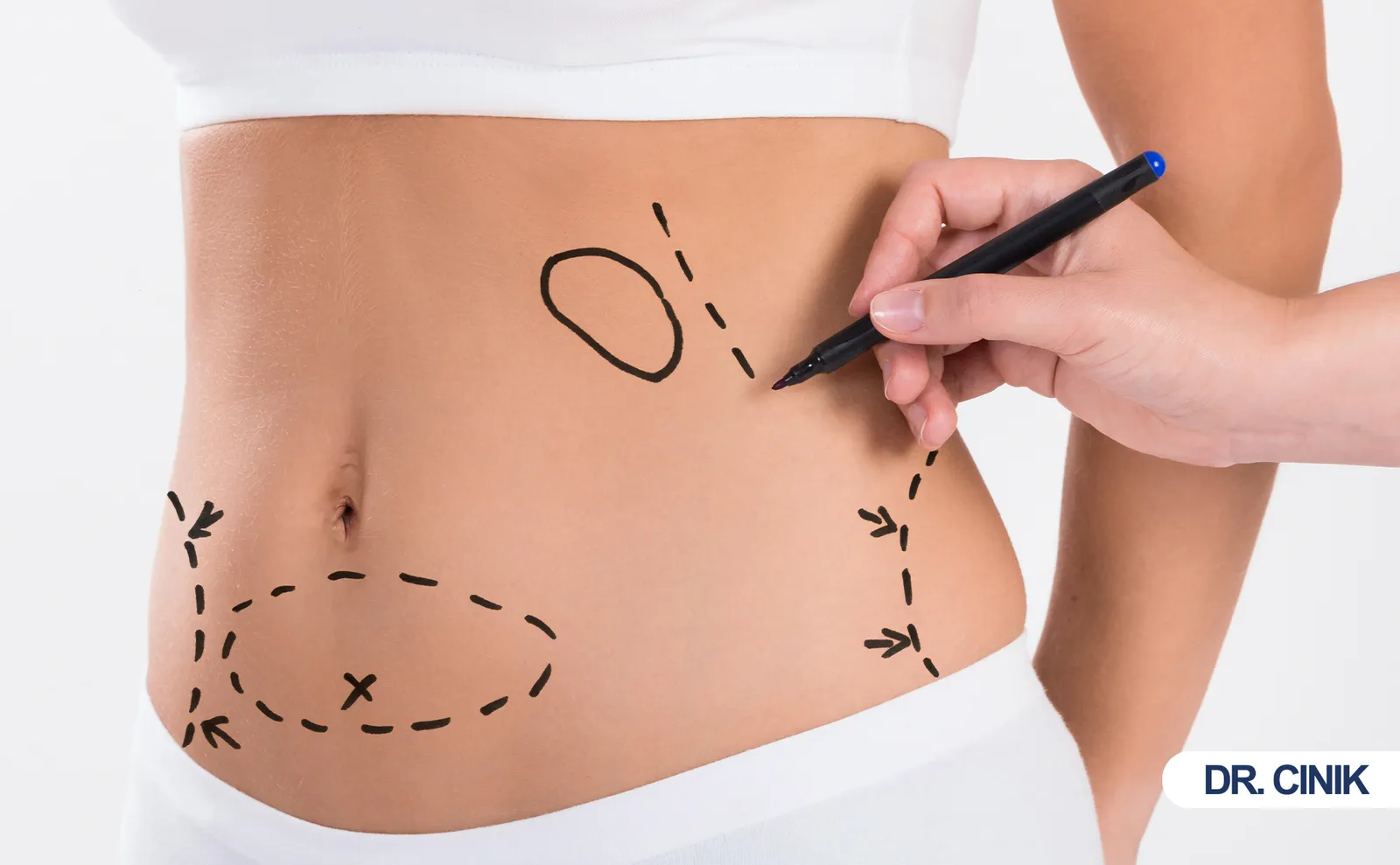
El cirujano marca las áreas de tratamiento mientras el paciente está de pie. Esta posición de pie revela la distribución natural de la grasa y los efectos de la gravedad. El equipo esteriliza la piel e inyecta líquido tumescente si es necesario. El cirujano realiza pequeñas incisiones, generalmente de 3 a 5 milímetros de largo. El cirujano inserta la cánula y comienza la aspiración de grasa. El equipo monitorea el equilibrio de fluidos y los signos vitales durante todo el proceso. Después de remover el volumen de grasa deseado, el cirujano puede cerrar algunas incisiones o dejarlas abiertas para drenar. El equipo aplica las prendas de compresión de inmediato.
¿Cuánto Tiempo Dura la Cirugía de Liposucción?
El tiempo de cirugía varía según el tamaño del tratamiento y la técnica. Una sola área pequeña puede tardar una hora. Múltiples áreas o escultura en alta definición pueden requerir de tres a cuatro horas. La liposucción de gran volumen exige más tiempo y monitoreo.
El cirujano debe trabajar de manera metódica para evitar irregularidades en el contorno. Apresurarse aumenta el riesgo de eliminación desigual de grasa. Los pacientes no deben igualar una cirugía corta con mejores resultados. La precisión importa más que la rapidez.
¿Pueden los Cirujanos Combinar la Liposucción con Otros Procedimientos?
Los cirujanos a menudo combinan la liposucción con procedimientos complementarios. Un estiramiento abdominal elimina el exceso de piel mientras que la liposucción contornea la cintura. Esta combinación crea transformaciones abdominales dramáticas. Los cirujanos también utilizan la grasa extraída para transferencias de grasa. Purifican la grasa e inyectan en los glúteos, senos o cara.
El Levantamiento de Glúteos Brasileño, o BBL, utiliza grasa extraída por liposucción para mejorar la forma de los glúteos. Los cirujanos de senos utilizan la liposucción para refinar los bordes durante la augmentación o reducción. Los cirujanos faciales eliminan grasa del cuello mientras tensan los músculos. Combinar procedimientos reduce el tiempo total de recuperación en comparación con cirugías separadas. Sin embargo, las operaciones más largas tienen perfiles de riesgo más altos.
¿Qué Deben Esperar los Pacientes Durante la Recuperación de Liposucción?
Los pacientes se despiertan con prendas de compresión. Estas prendas controlan la hinchazón y ayudan a que la piel se adhiera a los nuevos contornos. Pequeños tubos de drenaje pueden salir de las incisiones durante 24 a 48 horas. Los moretones y la sensibilidad alcanzan su punto máximo durante los primeros tres días.
El líquido continúa drenando de las pequeñas incisiones durante varios días. Este drenaje reduce la hinchazón y acelera la curación. Los pacientes deben mantener limpias las áreas de las incisiones. La mayoría de los pacientes manejan el dolor con medicamentos recetados durante dos a cinco días. Caminar previene coágulos sanguíneos y estimula la circulación.
¿Cuánto tiempo tarda la recuperación completa después de la liposucción?
La recuperación se desarrolla en etapas. Cada etapa trae cambios visibles y hitos físicos.
Tabla 3: Cronograma de recuperación de la liposucción
|
Período de tiempo
|
Cambios físicos
|
Nivel de actividad
|
Requisitos de cuidado
|
|
Primeras 48 horas
|
Drenaje, hinchazón, moretones alcanzan su punto máximo
|
Solo caminatas ligeras
|
Descanso, hidratación, medicamentos
|
|
Días 3 a 7
|
El drenaje disminuye, la sensibilidad persiste
|
Aumentan las caminatas cortas
|
Continuar con las prendas de compresión
|
|
Semanas 2 a 3
|
La hinchazón disminuye, los moretones se desvanecen
|
Regreso al trabajo ligero
|
Puede comenzar el masaje linfático
|
|
Semanas 4 a 6
|
Los contornos mejoran, la sensación de adormecimiento disminuye
|
Reanudar ejercicio moderado
|
Usar prendas 12 horas al día
|
|
Meses 3 a 6
|
Los resultados finales surgen, la piel se tensa
|
Actividad plena restaurada
|
Mantener un estilo de vida saludable
|
La hinchazón oculta los verdaderos resultados durante semanas. Los pacientes a menudo se sienten desanimados a las dos semanas cuando la hinchazón parece ser peor. Esto es normal. El cuerpo reabsorbe la grasa dañada y el líquido inflamatorio con el tiempo. Los resultados finales suelen aparecer entre tres y seis meses.
¿Cuándo pueden los pacientes reanudar el trabajo y el ejercicio?
La mayoría de los pacientes regresa a trabajos de oficina en tres a siete días. Los empleos que requieren levantar objetos pesados demandan de dos a tres semanas de descanso. Los pacientes pueden caminar inmediatamente después de la cirugía. El cardio ligero se puede reanudar después de dos semanas. El entrenamiento de pesas y el ejercicio de alto impacto deben esperar de cuatro a seis semanas.
Conducir es seguro una vez que los pacientes dejan de tomar medicamentos narcóticos para el dolor y pueden reaccionar rápidamente. Los cirujanos autorizan a los pacientes para actividades específicas según el progreso de la curación. Los pacientes no deben apresurarse en el cronograma. La actividad intensa temprana aumenta los riesgos de hinchazón y sangrado.
¿Cuáles son los beneficios físicos de la liposucción?
La liposucción mejora las proporciones del cuerpo de maneras que la dieta y el ejercicio no pueden lograr. La genética determina dónde almacena grasa el cuerpo. Algunas personas almacenan grasa en el abdomen a pesar de ser delgadas en otras partes. La liposucción elimina estos depósitos genéticamente obstinados.
Los beneficios físicos incluyen una mejor definición de contorno y un mejor ajuste de la ropa. Los pacientes observan una reducción permanente de células de grasa en las áreas tratadas. El cuerpo no regenera los adipocitos eliminados. Sin embargo, las células de grasa restantes pueden crecer. Los pacientes deben mantener un peso estable para preservar los resultados. La mejora en la simetría del cuerpo a menudo conduce a una mejor postura y mayor comodidad en el movimiento.
¿Cómo afecta la liposucción la confianza en uno mismo y la salud mental?
La cirugía estética impacta más que el cuerpo. Papadopulos y colegas estudiaron prospectivamente a 38 pacientes de liposucción. Seis meses después de la cirugía, los pacientes mostraron mejoras significativas en la satisfacción con la vida, la satisfacción con la salud y la imagen corporal. El Inventario de Personalidad de Friburgo reveló una estabilidad emocional mejorada. El Cuestionario de Salud del Paciente mostró una disminución de la ansiedad y el malestar psicológico general (Papadopulos et al. 1339).
Rankin y colegas estudiaron la calidad de vida después de varios procedimientos estéticos, incluida la liposucción. Encontraron una mejora en la calidad de vida a uno y seis meses después de la cirugía (Rankin et al. 31-50). Shakespeare y Cole midieron resultados después de la mamoplastia reductora. Informaron un beneficio sustancial para el bienestar psicológico y físico (Shakespeare y Cole 35). Schnur y colegas encontraron que el 97% de los pacientes de reducción creían que la cirugía mejoró sus vidas (Schnur et al. 875). Estos estudios confirman que los pacientes bien seleccionados experimentan beneficios psicológicos genuinos.
¿Son permanentes los resultados de la liposucción?
La liposucción elimina permanentemente las células de grasa de las áreas tratadas. Los adultos no generan nuevas células de grasa después de la adolescencia. Una vez que el cirujano elimina los adipocitos, no pueden regresar. Esta permanencia hace que la liposucción sea eficaz para el contorno a largo plazo.
Sin embargo, la permanencia no garantiza inmunidad contra el aumento de peso. Si los pacientes comen en exceso, las células de grasa restantes se expanden. Las áreas no tratadas pueden crecer de manera desproporcionada. Algunos pacientes notan que la grasa se desplaza hacia la espalda, los brazos o los senos después de la liposucción abdominal. Rohrich y sus colegas informaron que algunos pacientes en realidad ganan peso después de la liposucción, acumulando grasa en nuevas áreas. El aumento de peso después de la liposucción abdominal puede incluso aumentar el tamaño de los senos. Los pacientes deben comprometerse a mantener un peso estable a través de la dieta y el ejercicio.
¿Qué Efectos Secundarios Son Comunes Después de la Liposucción?
Moretones, hinchazón y entumecimiento temporal representan los efectos secundarios más comunes. Estos efectos se resuelven de manera natural en unas pocas semanas. Un leve malestar persiste durante varios días. Las prendas de compresión minimizan estos problemas.
Las irregularidades en el contorno lideran la lista de complicaciones reportadas. Comerci y sus colegas encontraron que la deformidad del contorno ocurrió en el 2.35% de los casos entre 29,368 pacientes. La hiperpigmentación afectó al 1.49%, el seroma al 0.65%, y el hematoma al 0.27% (Comerci et al. NP454). Las quemaduras superficiales ocurrieron en el 0.25% de los casos, principalmente con técnicas asistidas por energía. La infección se mantuvo extremadamente rara en un 0.020%. Estas estadísticas confirman que la mayoría de los efectos secundarios son leves y temporales.
¿Qué Riesgos Quirúrgicos Implica la Liposucción?
La infección, el sangrado, el seroma y las irregularidades en el contorno representan los principales riesgos quirúrgicos. Seroma significa acumulación de líquido bajo la piel. Hematoma significa acumulación de sangre atrapada. Ambos pueden requerir drenaje.
Los cirujanos previenen la infección a través de técnicas estériles y protocolos antibióticos. Relaciones adecuadas de líquidos tumescente reducen el sangrado. El movimiento hábil de la cánula previene contornos desiguales. Los factores del paciente también influyen en el riesgo. Los fumadores, los pacientes obesos y aquellos con mala circulación enfrentan tasas de complicación más altas. Las instalaciones quirúrgicas acreditadas mantienen protocolos de emergencia para eventos raros.
¿Qué Complicaciones Raras pero Serias Pueden Ocurrir?
La embolia grasa, la perforación de órganos, la trombosis venosa profunda y la toxicidad de la anestesia cuentan como complicaciones raras pero potencialmente mortales. La embolia grasa ocurre cuando la grasa desplazada entra en el torrente sanguíneo y viaja a los pulmones. Esta condición causa dificultad respiratoria y requiere atención intensiva inmediata.
Grazer y de Jong realizaron una encuesta censo de cirujanos cosméticos y encontraron una tasa de mortalidad de 19.1 por cada 100,000 casos de liposucción. La tromboembolia pulmonar causó el 23.1% de las muertes. La perforación visceral causó el 14.6%. La toxicidad de la anestesia causó el 10%. La embolia grasa causó el 8.5% (Grazer y de Jong 436). Estas tragedias ocurrieron más a menudo cuando no especialistas realizaron cirugías en instalaciones no acreditadas. Las técnicas modernas tumescentes y los cirujanos calificados han reducido estos riesgos de manera dramática.
¿Por Qué Aumenta el Riesgo la Liposucción de Gran Volumen?
La liposucción de gran volumen extrae más de cinco litros de grasa y líquido. Este cambio de volumen estresa el sistema cardiovascular. Mantener el equilibrio de líquidos se vuelve difícil. La presión arterial puede disminuir. Pueden ocurrir trastornos electrolíticos.
Comerci y colegas observaron que los volúmenes de aspiración más altos se correlacionan con mayores cambios de líquidos, mayor riesgo de seroma y tiempos de recuperación más largos (Comerci et al. NP454). Los cirujanos deben monitorear a los pacientes de cerca durante los casos de gran volumen. Muchas jurisdicciones limitan la liposucción ambulatoria a 5 litros por razones de seguridad. Los pacientes que necesiten extracciones más grandes deben considerar procedimientos escalonados o cirugía en hospital.
¿Cuándo se Volverán Visibles los Resultados de la Liposucción?
Los pacientes ven cambios inmediatos cuando se quita la prenda. Sin embargo, la hinchazón oculta los verdaderos contornos durante semanas. La cintura y el abdomen a menudo se hinchan de manera más dramática. Los pacientes pueden parecer más pesados a las dos semanas que antes de la cirugía.
El líquido tumescente residual drena durante la primera semana. Las células grasas dañadas se absorben durante cuatro a seis semanas. La retracción de la piel continúa durante tres a seis meses. Los resultados finales generalmente se estabilizan entre tres y seis meses después de la cirugía. Los pacientes deben practicar la paciencia durante este proceso.
¿Qué Factores Influyen en los Resultados Finales de la Liposucción?
La edad afecta directamente la elasticidad de la piel. Los pacientes más jóvenes tienen más colágeno y elastina. Su piel se retrae más rápido y más firme. Los pacientes mayores pueden notar piel suelta después de la extracción de grasa.
Las fluctuaciones de peso destruyen los resultados quirúrgicos. Incluso cinco kilogramos de aumento de peso pueden difuminar los contornos. La técnica quirúrgica es de suma importancia. Los cirujanos experimentados dejan capas de grasa delgadas y uniformes. Los novatos pueden crear abolladuras o ondas. El cumplimiento de los cuidados postoperatorios también influye en los resultados. Los pacientes que usan prendas de compresión y siguen las restricciones de actividad ven mejores resultados.
¿Qué Alternativas No Quirúrgicas Pueden Reemplazar la Liposucción?
Las opciones no quirúrgicas atraen a pacientes que temen a la cirugía o necesitan un tiempo de inactividad mínimo. Estos métodos reducen pequeños volúmenes de grasa sin incisiones. Sin embargo, ninguna iguala los resultados dramáticos o inmediatos de la liposucción.
¿Cómo Congela la Criolipólisis la Grasa?
La criolipólisis, comercializada como CoolSculpting, aplica enfriamiento controlado a las células grasas. La baja temperatura cristaliza los adipocitos. El cuerpo elimina lentamente estas células muertas a través del sistema linfático durante dos a tres meses.
Una revisión sistemática y metaanálisis de 2024 encontró que la criolipólisis disminuyó el IMC en una diferencia media de 1.71 y redujo la circunferencia en 3.45 centímetros. El grosor de la grasa disminuyó en 3.56 milímetros. Sin embargo, la criolipólisis no redujo significativamente el peso total. Los beneficios funcionan mejor para el contorno a corto plazo y varían según la región del cuerpo (Coleman et al. 1581). Los efectos secundarios incluyen enrojecimiento temporal, moretones y entumecimiento. La hiperplasia adiposa paradoxal, donde la grasa crece en lugar de reducirse, ocurre en aproximadamente uno de cada 20,000 casos.
Tabla 4: Comparación entre Liposucción y Criolipólisis
|
Característica
|
Liposucción
|
Criolipólisis
|
|
Invasividad
|
Quirúrgica, requiere incisiones
|
No invasiva, sin incisiones
|
|
Anestesia
|
Local, sedación o general
|
No se necesita
|
|
Volumen de Grasa Eliminada
|
Grandes volúmenes posibles
|
Pequeños volúmenes por sesión
|
|
Cronograma de Resultados
|
Inmediato, final en 3-6 meses
|
Gradual, en 2-3 meses
|
|
Tiempo de Inactividad
|
Días a semanas
|
Mínimo a ninguno
|
|
Tensado de la Piel
|
Depende de la elasticidad de la piel
|
Efecto mínimo
|
|
Costo por Área
|
Costo único más alto
|
Menor por sesión, se necesitan múltiples
|
¿Pueden las Inyecciones Reducir la Grasa sin Cirugía?
Las inyecciones de ácido desoxicólico disuelven la grasa debajo de la barbilla. La FDA aprobó este tratamiento para la plenitud submental. El ácido destruye las membranas de las células grasas. El cuerpo elimina los desechos de forma natural.
Cada sesión dura quince minutos. Los pacientes necesitan de dos a cuatro sesiones espaciadas cuatro semanas. La hinchazón y el entumecimiento duran varios días. Este método solo funciona para áreas pequeñas y definidas. No puede tratar el abdomen o los muslos de manera efectiva.
¿Los Dispositivos de Radiofrecuencia Contornean el Cuerpo?
Los dispositivos de contorno corporal por radiofrecuencia y láser calientan las células grasas a través de la piel. El calor daña los adipocitos y estimula el colágeno. Estos tratamientos no requieren tiempo de inactividad.
Los resultados aparecen gradualmente a lo largo de meses. Los pacientes típicamente necesitan múltiples sesiones. Estos dispositivos funcionan mejor para una reducción leve de grasa y tensado de la piel. No eliminan grandes volúmenes de grasa. Los pacientes con depósitos de grasa significativos verán una mejora limitada.
¿Por qué es Importante la Certificación de la Junta al Elegir un Cirujano?
Los cirujanos plásticos certificados por la junta completan años de formación especializada. Pasan exámenes escritos y orales exhaustivos. Operan solo en instalaciones acreditadas con protocolos de emergencia. Esta credencial protege a los pacientes de profesionales no calificados.
Comerci y colegas enfatizaron que las complicaciones graves ocurren desproporcionadamente cuando no expertos realizan liposucción en entornos inapropiados (Comerci et al. NP454). Las credenciales importan porque la liposucción es una cirugía real. Requiere conocimientos anatómicos, técnica estéril y preparación para emergencias. Los pacientes deben verificar la certificación a través de juntas médicas oficiales. No deben confiar solo en sitios web atractivos o en la popularidad en redes sociales.
¿Qué señales de alerta deben evitar los pacientes?
Los precios irrealmente bajos a menudo indican recortes en la calidad. La liposucción segura requiere instalaciones acreditadas, personal capacitado y equipo adecuado. Las clínicas de bajo costo pueden carecer de estas necesidades esenciales. Los profesionales no calificados incluyen dermatólogos sin formación quirúrgica o técnicos de spa. Estas personas carecen de las habilidades para manejar complicaciones.
Los procedimientos inseguros en estado de vigilia en entornos no médicos suponen un peligro extremo. Algunas clínicas publicitan liposucción barata bajo anestesia local en salas de oficina sin equipo de emergencia. Los pacientes deben evitar estos entornos. La anestesia general o la sedación profunda requieren la presencia de un profesional de anestesia. Cualquier instalación sin carros de emergencia y capacidad de resucitación no es apta para liposucción.
Los sistemas de cánula más seguros ahora cuentan con puntas redondeadas y múltiples puertos. Estos diseños reducen el daño a los vasos sanguíneos. Las técnicas asistidas por energía continúan evolucionando. Los cirujanos utilizan ultrasonido, láser y asistencia motorizada para mejorar la precisión.
Los protocolos de recuperación mejorados incluyen recomendaciones de drenaje linfático mejoradas. Los cirujanos ahora enfatizan la movilización temprana y la nutrición adecuada. Algunos centros ofrecen oxígeno hiperbárico postoperatorio para acelerar la curación. La investigación sobre soluciones tumescentes de medio salino sugiere una mejor eficiencia en la extracción de grasa. Estos avances hacen que la liposucción sea más segura y cómoda que nunca.
¿Cómo utiliza el injerto de grasa el tejido adiposo recolectado?
Los cirujanos ya no descartan toda la grasa eliminada. Pueden purificar la grasa obtenida por liposucción y reinjectarla en otros lugares. Este injerto de grasa mejora las nalgas, los senos o el volumen facial. El procedimiento utiliza el propio tejido del paciente, por lo que no ocurre rechazo.
El almacenamiento de grasa permite a los cirujanos congelar la grasa recolectada para inyecciones futuras. Esta tecnología ofrece conveniencia para los pacientes que desean mejoras graduales. Sin embargo, las tasas de supervivencia de la grasa varían. Algunas células de grasa transferidas mueren y se reabsorben. Los cirujanos corrigen ligeramente en exceso para compensar. Las cuestiones éticas sobre el almacenamiento de grasa cosmética continúan evolucionando.
¿Cuál es el futuro del contorno corporal?
Las terapias combinadas dominarán la próxima década. Los cirujanos pueden combinar liposucción con láseres de tensado de piel, estimuladores musculares e inyecciones regenerativas. La cirugía estética personalizada utiliza imágenes en 3D y planificación con IA. Estas herramientas muestran a los pacientes previsualizaciones realistas de sus resultados.
La medicina regenerativa puede mejorar pronto la calidad de la piel después de la eliminación de grasa. Los injertos de grasa enriquecidos con células madre podrían mejorar la reparación de tejidos. Los investigadores exploran maneras de tensar la piel sin cicatrices adicionales. El futuro promete resultados más seguros, predecibles y que lucen más naturales.
¿Es la Liposucción la Opción Correcta para Sus Objetivos Corporales?
La liposucción ofrece un potente contorno corporal para el paciente adecuado. Elimina la grasa rebelde de forma permanente. Mejora las proporciones y aumenta la confianza. No trata la obesidad ni reemplaza hábitos saludables.
Los pacientes deben abordar la liposucción con expectativas realistas. Deben elegir cirujanos certificados por la junta y centros acreditados. Deben comprometerse a mantener un peso estable y estilos de vida activos después de la cirugía. La seguridad, la educación y la autoevaluación honesta conducen a los mejores resultados. Los pacientes informados toman las mejores decisiones. Confíe en la ciencia, confíe en las credenciales y confíe en el proceso.
Referencias
Coleman, Katherine M., et al. "Criolipólisis para la Reducción de Grasa y el Contorno Corporal." Cirugía Plástica y Reconstructiva, vol. 135, no. 6, 2015, pp. 1581-1590.
Comerci, Alexander J., et al. "Riesgos y Tasa de Complicaciones en la Liposucción: Una Revisión Sistemática y Meta-Análisis." Revista de Cirugía Estética, vol. 44, no. 7, 2024, pp. NP454-NP463.
DiBernardo, Barry E. "Estudio Aleatorizado y Doble Ciego de Abdomen Dividido Evaluando la Reducción de la Piel y el Tensado de la Piel en la Liposucción Asistida por Láser versus Control de Liposucción." Revista de Cirugía Estética, vol. 30, no. 4, 2010, pp. 593-602.
Grazer, Frederick M., y Richard H. de Jong. "Resultados Fatales de la Liposucción: Encuesta Censal de Cirujanos Cosméticos." Cirugía Plástica y Reconstructiva, vol. 105, no. 1, 2000, pp. 436-446.
Hanke, William, et al. "Informe de Medición de Rendimiento de Liposucción Tumescent: Resultados de Encuesta Nacional." Cirugía Dermatológica, vol. 30, no. 7, 2004, pp. 967-77.
Papadopulos, Nikolaos A., et al. "Calidad de Vida Después de la Liposucción Estética: Un Estudio Prospectivo de Resultados." Revista de Cirugía Plástica, Reconstructiva y Estética, vol. 72, no. 8, 2019, pp. 1339-1348.
Rankin, M., et al. "Calidad de Vida Después de la Cirugía Estética." Revista de Cirugía Plástica, Reconstruccional y Estética, 1998, pp. 31-50.
Shakespeare, Val, y R. P. Cole. "Medición de Resultados Basados en los Pacientes en un Servicio de Cirugía Plástica: Paciente de Reducción de Mama." Revista de Cirugía Plástica, Reconstruccional y Estética, 1997, pp. 110-35.
Schnur, P. L., et al. "Reducción Mamaria: Un Estudio de Resultados." Cirugía Plástica y Reconstruccional, vol. 100, no. 4, 1997, pp. 875-883.
Weiss, Robert A., et al. "Liposucción Asistida por Láser Usando una Nueva Mezcla de Longitudes de Onda Selectivas para Lípidos y Agua." Láseres en Cirugía y Medicina, vol. 41, no. 10, 2009, pp. 746-753.
Willet, Jake W., et al. "Una Revisión Sistemática de la Eficacia y Complicaciones de la Liposucción de Alta Definición." Cirugía Plástica y Reconstruccional, vol. 152, no. 1, 2023, pp. 57-63.