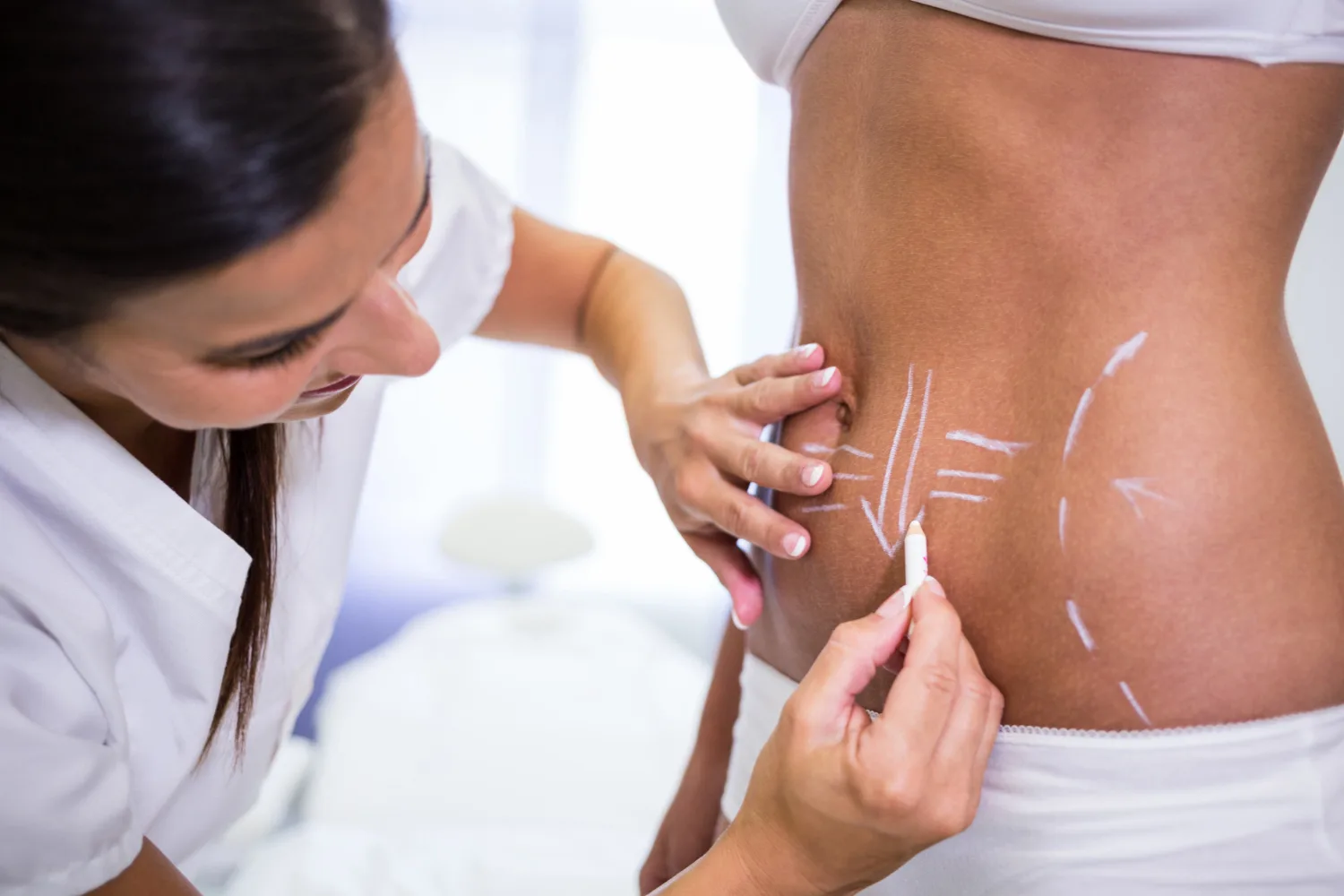
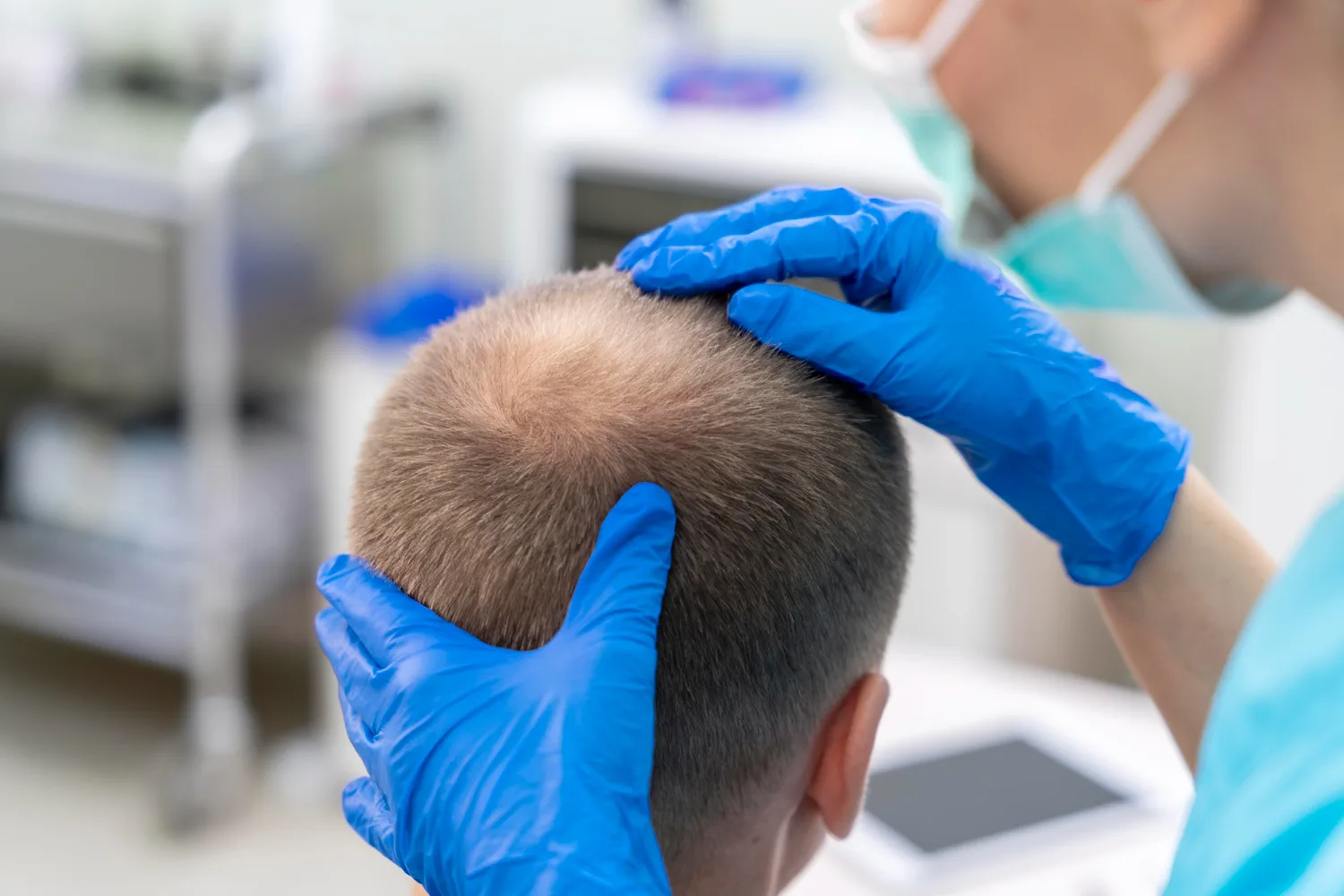
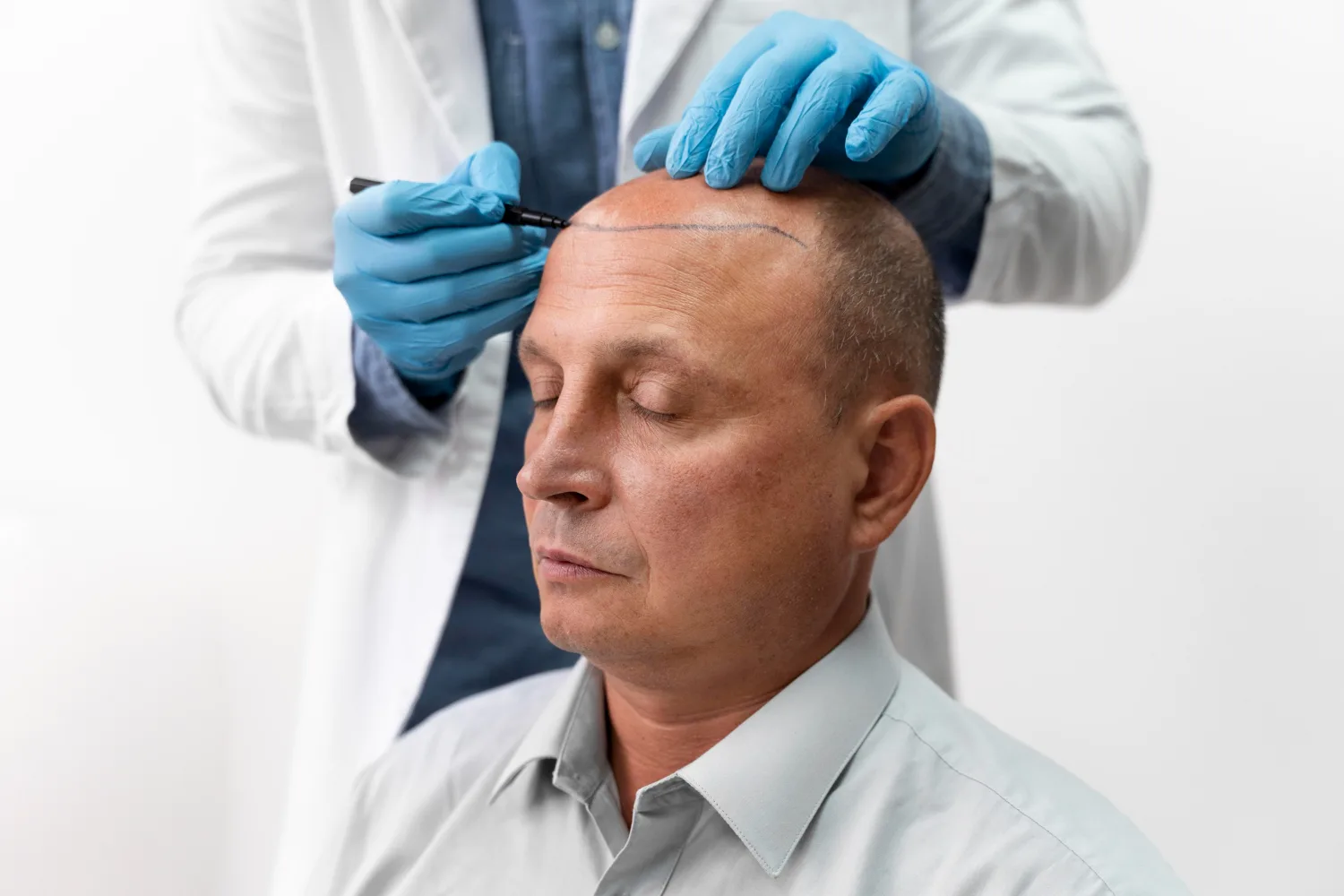
A beard transplant moves hair follicles from your scalp to your face. Turkey leads this field because skilled surgeons offer advanced techniques at fair prices. This guide explains everything you need to know.
More men want full, thick beards today. A strong beard changes how you look. It frames your face. It boosts your confidence. But not every man grows facial hair easily. Some men have patchy spots. Others have no beard growth at all. Genetics, hormones, and injuries cause these problems.
Turkey has become the top destination for beard restoration. Thousands of men travel there each year. They seek expert surgeons and modern clinics. They want natural results without breaking the bank. This guide covers every aspect of beard transplantation. You will learn how the procedure works. You will understand costs. You will know what to expect during recovery. Let us dive in.
What Is a Beard Transplant?
A beard transplant is a permanent surgery. Surgeons move hair follicles from your scalp to your face. These follicles grow naturally as beard hair for life.
What Does Beard Transplantation Mean?
A beard transplant is a permanent facial hair restoration procedure. Surgeons take healthy hair follicles from one part of your body. They place these follicles into your beard area. The transplanted hair grows just like natural beard hair. It follows the same growth cycle. You can trim it, shave it, or style it. The results last forever because the follicles come from a donor area that resists hair loss.
Most surgeons use hair from the back of your scalp. This area has strong, healthy follicles. These follicles keep growing throughout your life. Once they settle in your face, they behave like beard hair. They match your scalp hair texture. This creates a natural look that blends with any existing facial hair.
How Does Beard Transplantation Actually Work?
The procedure works on the donor dominance principle. This principle comes from hair science. It means hair follicles keep their original traits even after you move them. Scalp hair follicles resist balding. When surgeons place them on your face, they keep this strength. They continue to grow for decades.
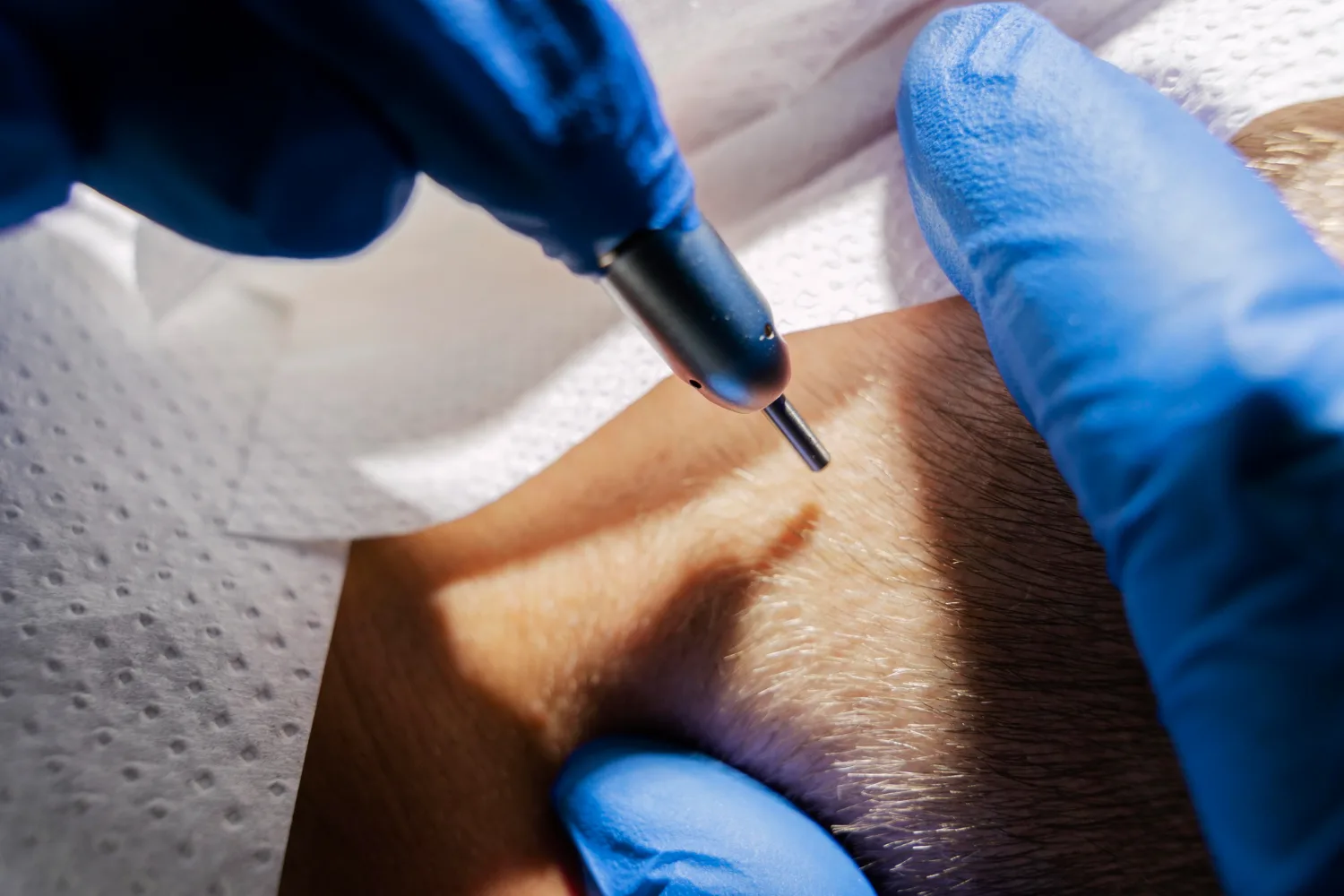
The process starts with follicular unit extraction. The surgeon removes individual follicles from the donor area. They use a tiny punch tool. This tool makes small circular cuts around each follicle. Then they implant each follicle into tiny cuts on your face. They place them at the correct angle and direction. This creates natural facial hair implantation. The hair grows in the same direction as your existing beard. No one can tell the difference.
Which Areas Can Surgeons Restore?
Surgeons can restore many facial areas. They can fill in a full beard. They can thicken a mustache. They can rebuild sideburns. They can shape a goatee. They can add density along the jawline. They can fill in cheek areas that lack hair. They can even cover scars.
Full beard restoration covers the entire face. Mustache transplantation focuses on the upper lip. Sideburn restoration fills the area in front of your ears. Goatee transplantation shapes the chin and connects to the mustache. Jawline work defines your facial border. Cheek density work fills patchy spots on the cheeks. Scar coverage hides burn marks, surgical scars, or injury marks with real hair.
Why Should You Choose Turkey for a Beard Transplant?
Turkey offers expert surgeons, modern technology, and affordable prices. Clinics there treat thousands of international patients every year. You get premium care without the premium price tag.
Do Turkish Surgeons Have Enough Experience?
Yes. Turkish hair restoration surgeons perform more beard transplants than almost anywhere else. High patient volume builds skill fast. Many surgeons have completed thousands of procedures. They see every type of facial hair pattern. They work on all ethnicities. They understand how to create natural beard designs for different face shapes.
This experience matters. Beard transplantation requires more precision than scalp work. The face has curves. The skin differs from scalp skin. Surgeons must place grafts at exact angles. They must follow natural hair direction. Turkish surgeons master these skills through repetition. They refine their techniques daily.
What Advanced Technologies Do Turkish Clinics Use?
Turkish clinics invest heavily in modern equipment. They use the latest FUE punch sizes. These tiny punches minimize scarring. They use high-powered microscopes. These help technicians sort grafts without damage. Some clinics use Choi implanter pens for DHI procedures. These pens allow direct implantation. They give surgeons precise angle control.
Digital planning tools help too. Surgeons map your face before surgery. They plan density and direction. They use magnification loops. These loops let them see each follicle clearly. They use advanced graft preservation solutions. These solutions keep follicles alive outside the body. Better technology means better graft survival.
Are Beard Transplant Costs Lower in Turkey?
Absolutely. The cost of a beard transplant in Turkey runs much lower than in Western countries. You pay a fraction of what UK or US clinics charge. This does not mean lower quality. It reflects Turkey's economic structure. Operating costs are lower. Competition among clinics drives fair pricing.
A full beard transplant in Turkey often costs between $2,000 and $5,000. The same procedure in the UK might cost $8,000 to $15,000. In the USA, prices climb even higher. Turkish clinics offer excellent value. You get world-class surgery at an accessible price.
How Many International Patients Visit Turkey?
Turkey treats hundreds of thousands of medical tourists yearly. Beard and hair transplants make up a huge portion. Istanbul alone hosts thousands of facial hair restoration patients each month. This high volume proves trust. Men from Europe, the Middle East, North America, and Africa travel there. They come for results. They leave with full beards and positive reviews.
Are Turkish Clinics Modern and Accredited?
Yes. Top Turkish clinics hold international accreditations. They follow strict hygiene standards. They use sterile operating rooms. They maintain modern facilities. Many clinics cater specifically to international patients. They speak English, Arabic, French, and other languages. They understand the needs of foreign visitors.
Do Clinics Offer All-Inclusive Packages?
Most reputable clinics offer all-inclusive medical tourism packages. These packages cover your consultation, surgery, hotel stay, airport transfers, medications, and follow-up care. You pay one price. You avoid hidden fees. This convenience attracts busy professionals. You arrive, have your procedure, recover, and return home. The clinic handles everything.
Is Travel to Turkey Convenient?
Turkey sits at the crossroads of Europe and Asia. Istanbul has direct flights from most major cities. Europeans reach Turkey in two to four hours. Middle Eastern patients travel even less. North Americans can find direct flights too. The visa process is simple for most nationalities. This accessibility makes Turkey a practical choice.
Who Qualifies as a Good Candidate for Beard Transplant Surgery?
Healthy men with patchy beards, genetic hair loss, scars, or alopecia barbae make good candidates. You need enough donor hair on your scalp. A surgeon must confirm your eligibility.
Do You Have Patchy Beard Growth?
Many men grow hair in some areas but not others. Patchy beard growth frustrates them. Transplantation fills these gaps. Surgeons place grafts in empty spots. They blend the new hair with existing growth. This creates even coverage. If you have patchy cheeks or a thin mustache, you likely qualify.
Does Genetic Facial Hair Deficiency Affect You?
Some men inherit genes that limit facial hair. Their fathers and grandfathers had sparse beards. Genetics control how your hair follicles respond to testosterone. If your genes limit beard growth, transplantation overrides this. Surgeons place strong follicles directly into your face. Genetics no longer control your beard density.
Can Surgeons Restore Beard Hair Lost After Trauma?
Injuries damage hair follicles. Car accidents, sports injuries, or falls can destroy beard growth in specific areas. Surgeons can transplant healthy follicles into scarred tissue. They bypass the damaged follicles. New hair grows through the scar. This restores both appearance and confidence.
Can Burn or Surgical Scars Be Covered?
Yes. Burn scars and surgical scars often lack hair. Hair follicles die in scar tissue. Beard transplantation places new follicles around and into scarred areas. The new hair hides the scar. This works well for acne scars too. The coverage looks natural because real hair grows there.
What Is Alopecia Barbae?
Alopecia barbae is an autoimmune disorder. Your immune system attacks beard follicles. This causes round, smooth bald patches in your beard. The condition can come and go. When it stabilizes, transplantation helps. Surgeons fill the bald patches. They restore your beard line. You must wait until the condition is stable before surgery.
Do Transgender Men Seek Gender-Affirming Facial Hair Restoration?
Yes. Transgender men often want facial hair as part of their transition. Testosterone therapy stimulates some growth. But many men need extra help. Beard transplantation creates masculine facial hair. Surgeons design beards that match the patient's face and goals. This procedure plays a key role in gender-affirming care.
What Are Healthy Donor Area Requirements?
You need enough donor hair. The surgeon checks the back and sides of your scalp. They measure density. They assess hair quality. Fine, weak donor hair limits results. Thick, curly donor hair works well. The donor area must have at least enough grafts to cover your beard goals without leaving the scalp looking thin.
Which Medical Conditions Might Disqualify You?
Some conditions affect eligibility. Uncontrolled diabetes slows healing. Blood clotting disorders increase bleeding risk. Active scalp infections must clear first. Severe heart conditions may pose risks. Your surgeon reviews your full medical history. They run blood tests. They ensure you can safely undergo surgery.
What Causes Sparse or Missing Beard Growth?
Genetics, hormones, autoimmune disorders, scarring, injuries, skin diseases, and lifestyle factors all cause patchy or missing beards. Understanding the cause helps you choose the right treatment.
How Do Genetics Control Beard Growth?
Genetics determine your beard potential. They control how many follicles sit on your face. They control how follicles respond to testosterone. Some ethnic groups naturally grow thicker beards. Others grow finer facial hair. If your family has sparse beards, you likely inherited this trait. Genes also set your hairline restoration patterns and facial hair density limits.
What Hormonal Factors Influence Facial Hair?
Testosterone drives beard growth. It converts to dihydrotestosterone (DHT) in hair follicles. DHT triggers facial hair development during puberty. Low testosterone levels limit beard growth. Thyroid disorders also affect hair. Hormonal imbalances require medical treatment. Transplantation solves the problem when hormones alone cannot.
Which Autoimmune Disorders Affect Beards?
Alopecia areata attacks hair follicles. It creates smooth, round bald patches. It can target beards specifically. Lupus and other autoimmune diseases also damage follicles. These conditions need medical management. Once stable, transplantation fills the gaps.
How Does Scarring Stop Beard Growth?
Deep scars destroy follicles. Burns, cuts, or surgical incisions leave scar tissue without hair roots. No medication regrows hair in scar tissue. Only transplantation places new follicles there. The surgeon works carefully around scar boundaries. They create natural-looking coverage.
Can Previous Injuries Cause Patchy Beards?
Yes. Any injury that damages the skin can destroy follicles. Sports injuries, accidents, or physical trauma leave bald spots. These spots stay bald because the follicles die. Transplantation replaces them. The new hair grows permanently.
Which Skin Diseases Affect Facial Hair?
Seborrheic dermatitis, psoriasis, and fungal infections inflame the skin. Chronic inflammation damages follicles. Severe acne destroys follicles with scarring. Skin cancer removal leaves bald areas. Treating the underlying disease comes first. Then transplantation restores hair.
What Lifestyle Factors Limit Beard Growth?
Poor nutrition weakens hair. Stress increases cortisol, which hurts follicles. Smoking reduces blood flow to the skin. Lack of sleep slows repair. Excessive alcohol dehydrates cells. These factors do not usually cause complete baldness. But they can thin existing hair. Fixing lifestyle habits supports better results after transplantation.
What Happens During Consultation and Beard Design?
The surgeon analyzes your face, plans symmetry, chooses a beard style, assesses density, estimates grafts, and maps natural hair direction. This planning ensures natural results.
How Does Facial Analysis Work?
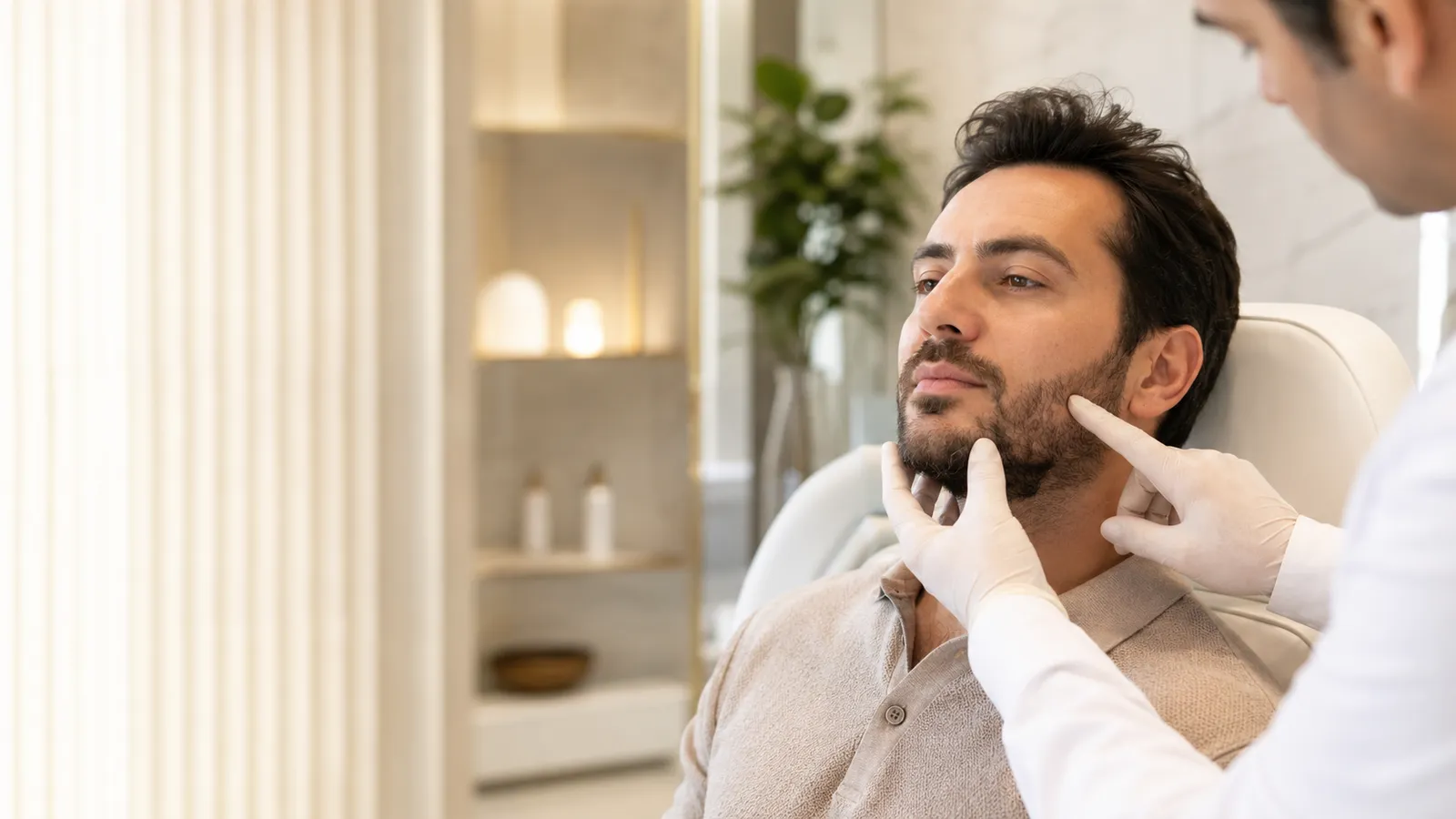
The surgeon examines your face shape. They look at your jawline, cheeks, and chin. They note existing hair patterns. They measure proportions. They consider your ethnicity. They discuss your goals. Do you want a full beard? A goatee? A thick mustache? This analysis guides every decision.
Why Does Symmetry Planning Matter?
Facial symmetry affects attractiveness. A lopsided beard looks unnatural. The surgeon plans equal density on both sides. They mark mirror-image points. They ensure the mustache centers perfectly. They balance sideburns. Symmetry creates harmony.
How Do You Choose Your Beard Style?
You pick a style that fits your face. Round faces benefit from angular beards. Square faces look good with fuller cheeks. Long faces need wider sideburns. The surgeon shows you options. They recommend styles based on your features. They also consider how many grafts you need for each style.
How Do Surgeons Assess Density?
Density means hairs per square centimeter. Natural beard density varies. The surgeon measures your existing facial hair. They identify thin areas. They calculate how many grafts per square centimeter they need. Typical beard density ranges from 20 to 50 grafts per cm². Higher density looks fuller but uses more grafts.
How Do Surgeons Estimate Required Grafts?
The surgeon counts the square centimeters in your beard zone. They multiply by desired density. A full beard might need 2,000 to 4,000 grafts. A small patch repair might need 500. They check your donor supply. They make sure you have enough grafts without overharvesting.
How Do Surgeons Create Natural Hair Direction?
Facial hair grows in specific directions. Mustache hair points downward and slightly outward. Chin hair points forward. Neck hair points down. The surgeon maps these directions before making any cuts. They implant each graft at the exact angle. This prevents a weird, sticking-out look. Natural hair direction makes the result undetectable.
Which Beard Transplant Techniques Do Turkish Surgeons Use?
Turkish surgeons mainly use FUE and DHI. FUE extracts follicles individually. DHI implants them directly with a pen. Both create natural results. The best technique depends on your specific case.
What Is FUE Beard Transplant?
Follicular Unit Extraction (FUE) removes individual follicles from the donor area. The surgeon uses a tiny punch. The punch cuts around the follicle. They extract it gently. They repeat this hundreds or thousands of times. Then they implant the follicles into your face.
FUE offers minimal scarring. The punch leaves tiny dot scars. These hide under your hair. No long scar forms. Recovery is fast. Most men return to normal activities within a few days. FUE works well for large areas. It gives surgeons flexibility in graft placement.
What Is DHI Beard Transplant?
Direct Hair Implantation (DHI) uses a Choi Implanter Pen. The surgeon loads a graft into the pen. The pen makes a cut and implants the graft in one step. This is direct implantation. No pre-made holes are necessary.
DHI offers precise angle control. The surgeon sets the exact depth and direction. This works beautifully for beards. Facial hair needs specific angles. DHI delivers that precision. It also reduces the time grafts stay outside the body. This improves graft survival.
How Do FUE and DHI Compare for Beard Restoration?
|
Feature
|
FUE
|
DHI
|
|
Precision
|
High, but requires separate site creation
|
Very high, direct placement
|
|
Recovery
|
Fast, minimal scarring
|
Fast, minimal bleeding
|
|
Density
|
Excellent for large areas
|
Excellent for detailed work
|
|
Suitable Candidates
|
Full beard restoration, large areas
|
Mustache, goatee, detailed design
|
|
Cost
|
Usually lower
|
Usually slightly higher
|
Both techniques produce excellent results. Many surgeons combine them. They use FUE to extract grafts. They use DHI to implant them. This hybrid approach maximizes benefits.
What Happens Step-by-Step During a Beard Transplant Procedure?
The surgeon evaluates you, prepares the donor area, applies local anesthesia, extracts follicles, preserves grafts, creates recipient sites, implants grafts, and examines the final result. The whole process takes four to eight hours.
What Does Medical Evaluation Involve?
Before surgery, the team checks your health. They review your blood tests. They confirm you ate breakfast. They check your blood pressure. They ask about medications. They make sure you are fit for surgery. This step prevents complications.
How Do They Prepare the Donor Area?
The surgeon shaves the donor area on your scalp. They mark the extraction zone. They clean it with antiseptic. They apply a local anesthetic. You feel no pain. The area goes numb. They wait a few minutes for the anesthesia to work.
What Is Local Anesthesia Like?
Local anesthesia means you stay awake. The surgeon injects numbing medicine into the donor area and the beard area. The injections sting briefly. Then you feel nothing. You can talk, listen to music, or watch TV. Some clinics offer sedation. This helps anxious patients relax.
The surgeon uses the FUE punch. They place it around each follicle. They twist or vibrate the punch. This cuts the skin around the follicle. They gently pull the follicle out. Technicians collect the grafts. They sort them by size. They count them. They keep them in a special preservation solution.
How Are Grafts Preserved?
Grafts are living tissue. They need moisture and nutrients. The team places them in a chilled solution. This solution mimics the body's environment. It prevents drying. Some clinics use advanced solutions with growth factors. These keep follicles alive for hours. Proper graft handling determines survival rates.
How Do Surgeons Create Recipient Sites?
The surgeon makes tiny cuts in your beard area. They use a fine blade or needle. Each cut matches the graft size. They angle each cut to match natural hair direction. They space them evenly. This planning controls density and direction. It takes great skill.
What Happens During Implantation?
Technicians or surgeons place each graft into a recipient site. They use forceps or implanter pens. They handle grafts gently. They avoid crushing the follicle. They place each graft at the correct depth. Too shallow and it falls out. Too deep and it grows buried. Precision matters.
What Is the Final Examination?
After implantation, the surgeon checks every graft. They count them. They ensure proper placement. They clean the area. They apply a light dressing. They give you instructions. They schedule your follow-up. You leave the clinic with your new beard begun.
Where Do Beard Transplant Grafts Come From?
Most grafts come from the back of your scalp. Some surgeons use neck hair. Body hair works only in rare cases. The hair texture must match your beard.
Why Is the Back of the Scalp the Main Donor Area?
The back and sides of the scalp resist balding. This is the donor dominance area. Follicles here stay strong for life. They have the best survival rate. They grow thick, healthy hair. Surgeons can harvest thousands of grafts without obvious thinning. This area provides the best grafts for beard work.
When Do Surgeons Use Neck Hair?
Some men have thick neck hair. This hair resembles beard hair. It has similar texture. Surgeons can use it in selected cases. But the neck offers limited grafts. It also leaves visible scars more easily. Neck hair works best for small touch-ups.
Can Surgeons Use Body Hair?
Body hair from the chest, back, or legs can serve as a last resort. But this is rare. Body hair differs from scalp hair. It grows thinner and shorter. It has different curl patterns. Survival rates are lower. Surgeons avoid body hair unless no scalp donor hair exists.
Why Does Hair Texture Matching Matter?
Your beard hair has a specific thickness and curl. Scalp hair usually matches well. But some men have very fine scalp hair. Others have very curly scalp hair. The surgeon considers this. They place grafts to blend with existing beard hair. Good matching creates seamless results.
How Many Grafts Do You Need for a Beard Transplant?
The number depends on the area size and desired density. A mustache might need 400 to 800 grafts. A full beard often needs 2,000 to 4,000 grafts. Your surgeon calculates the exact number.
|
Beard Area
|
Average Grafts Needed
|
|
Mustache
|
400–800
|
|
Goatee
|
600–1,200
|
|
Sideburns
|
300–600 per side
|
|
Patch Repair
|
500–1,000
|
|
Full Beard
|
2,000–4,000
|
Several factors affect your graft count. Facial anatomy plays a big role. A larger face needs more grafts. Desired density matters too. Some men want light coverage. Others want a thick, dense beard. Existing beard hair reduces the number needed. You only fill gaps.
Ethnicity influences hair characteristics. Middle Eastern and Mediterranean men often have thick, coarse hair. They need fewer grafts for full coverage. Asian men may have finer hair. They might need more grafts for the same visual density. Hair characteristics like thickness and curl also affect planning.
Typical full-beard procedures commonly require approximately 2,000–4,000 grafts, depending on desired coverage and density. Your surgeon gives you an exact number during consultation.
What Is the Beard Transplant Recovery Timeline?
Recovery takes about two weeks for visible healing. New hair growth starts around month three. Full results appear after twelve months.
What Happens in the First 24 Hours?
Your face feels numb from anesthesia. This wears off after a few hours. You might feel tightness. Small crusts form around each graft. The clinic gives you pain medication. You rest with your head elevated. Swelling may start.
What Should You Expect in the First Week?
Swelling peaks around day two or three. It can affect your eyes and cheeks. This is normal. Crusts remain around grafts. You must not pick them. The donor area on your scalp heals. Tiny scabs form there too. You wash gently as instructed. Most men feel comfortable in public after five to seven days.
What Changes Occur in Weeks 2–4?
Crusts fall off naturally. The transplanted hair may start to shed. This alarms many men. But it is normal. The follicle stays under the skin. It enters a resting phase. Redness fades. The donor area looks nearly normal. You can usually return to full social activities.
What Is the Temporary Shedding Phase?
Shock loss hits most patients. The transplanted hair shafts fall out. This happens because the follicle shifts into the telogen phase. It rests before growing new hair. This phase lasts several weeks. Do not panic. The follicle remains alive and healthy.
What Growth Happens in Months 3–6?
New hair sprouts from the follicles. It starts thin and fine. It grows slowly at first. By month four, you see real coverage. By month six, the beard looks substantial. The hair thickens. It darkens. It takes on your natural color.
What Improvements Show in Months 6–12?
The beard continues to mature. Hair shafts thicken. Density increases. The hair grows faster. You can start trimming and styling. The final texture settles in. Any patchiness fills out. The result looks more natural with each passing month.
When Do You See Final Results?
Final results appear around twelve months. The hair reaches full thickness. The growth cycle normalizes. You trim and style as you wish. The beard looks completely natural. It blends with any existing hair. The result lasts for life.
|
Timeline
|
What Happens
|
|
Day 1
|
Surgery complete, numbness, crusts form
|
|
Days 2–3
|
Swelling peaks
|
|
Days 5–7
|
Social downtime ends
|
|
Weeks 2–4
|
Shedding begins, crusts fall off
|
|
Months 3–4
|
New hair sprouts
|
|
Months 6–8
|
Visible coverage, thickening
|
|
Month 12
|
Final results
|
What Does Beard Transplant Aftercare Involve?
Aftercare includes sleeping with your head elevated, washing gently, taking medications, avoiding smoking and alcohol, limiting exercise, delaying shaving, protecting from sun, and attending follow-ups.
What Is the Best Sleeping Position?
Sleep with your head elevated for the first week. Use two pillows. This reduces swelling. It prevents you from rubbing your face on the pillow. Sleep on your back. Avoid side sleeping. This protects the grafts.
What Are the Washing Instructions?
The clinic gives you a special shampoo. You start washing after day two or three. You pour the shampoo gently. You do not rub. You let water run over the grafts. You pat dry with a soft towel. You wash daily until crusts fall off. Proper washing prevents infection.
Which Medications Do You Take?
The surgeon prescribes antibiotics. These prevent infection. They give pain relievers. They might give anti-inflammatory pills. Some clinics recommend minoxidil after month three. This stimulates growth. Take all medications as directed.
Why Must You Avoid Smoking and Alcohol?
Smoking narrows blood vessels. It reduces blood flow to your face. This hurts graft survival. Nicotine slows healing. Alcohol thins your blood. It increases bleeding risk. It dehydrates you. Avoid both for at least two weeks before and after surgery.
What Physical Activity Restrictions Apply?
Avoid heavy exercise for two weeks. Sweating increases infection risk. Blood rushes to your face during workouts. This worsens swelling. Walking is fine. Light activity after one week is okay. Wait for your surgeon's clearance before lifting weights.
When Can You Shave?
Do not shave for at least ten days. Some surgeons say wait two weeks. The razor can dislodge grafts. Even electric trimmers might disturb healing follicles. After two weeks, you can gently trim. Full shaving usually waits until month six when growth is stable.
How Do You Protect from the Sun?
Sunburn damages healing skin. It darkens scars. Wear a loose hat. Apply sunscreen after two weeks. Use SPF 30 or higher. Avoid direct sun for the first month. This protects pigment and prevents damage.
Why Are Follow-Up Visits Important?
The clinic checks your healing. They remove any remaining crusts. They assess growth. They catch problems early. They adjust your aftercare plan. Follow-up visits ensure the best outcome. Even online follow-ups help if you travel home.
What Kind of Results Can You Expect from a Beard Transplant?
You get natural-looking facial hair that grows in the correct direction. Density improves dramatically. Results are permanent. Before and after photos show dramatic transformations.
How Natural Does the Appearance Look?
Modern techniques create undetectable results. Surgeons match hair direction exactly. They place single-hair grafts along the beard edge. This creates a soft, natural hairline. Multi-hair grafts fill the interior. No one can tell you had surgery.
Does Hair Grow in the Right Direction?
Yes. The surgeon maps natural hair direction before surgery. They implant each graft at the correct angle. Mustache hair points down. Chin hair points forward. Jawline hair follows the jaw angle. This precision creates authentic facial hair.
How Much Does Density Improve?
Density improves based on graft count. A man with almost no beard hair sees the biggest change. He goes from bare skin to full coverage. Men with patchy beards see targeted improvement. The new density blends with existing hair. Most patients report high satisfaction with density gains.
Are Results Permanent?
Yes. The transplanted follicles come from the donor dominance area. They resist the hormones that cause hair loss. They keep growing for decades. You might see some thinning as you age naturally. But the transplanted hair stays. It is a permanent solution.
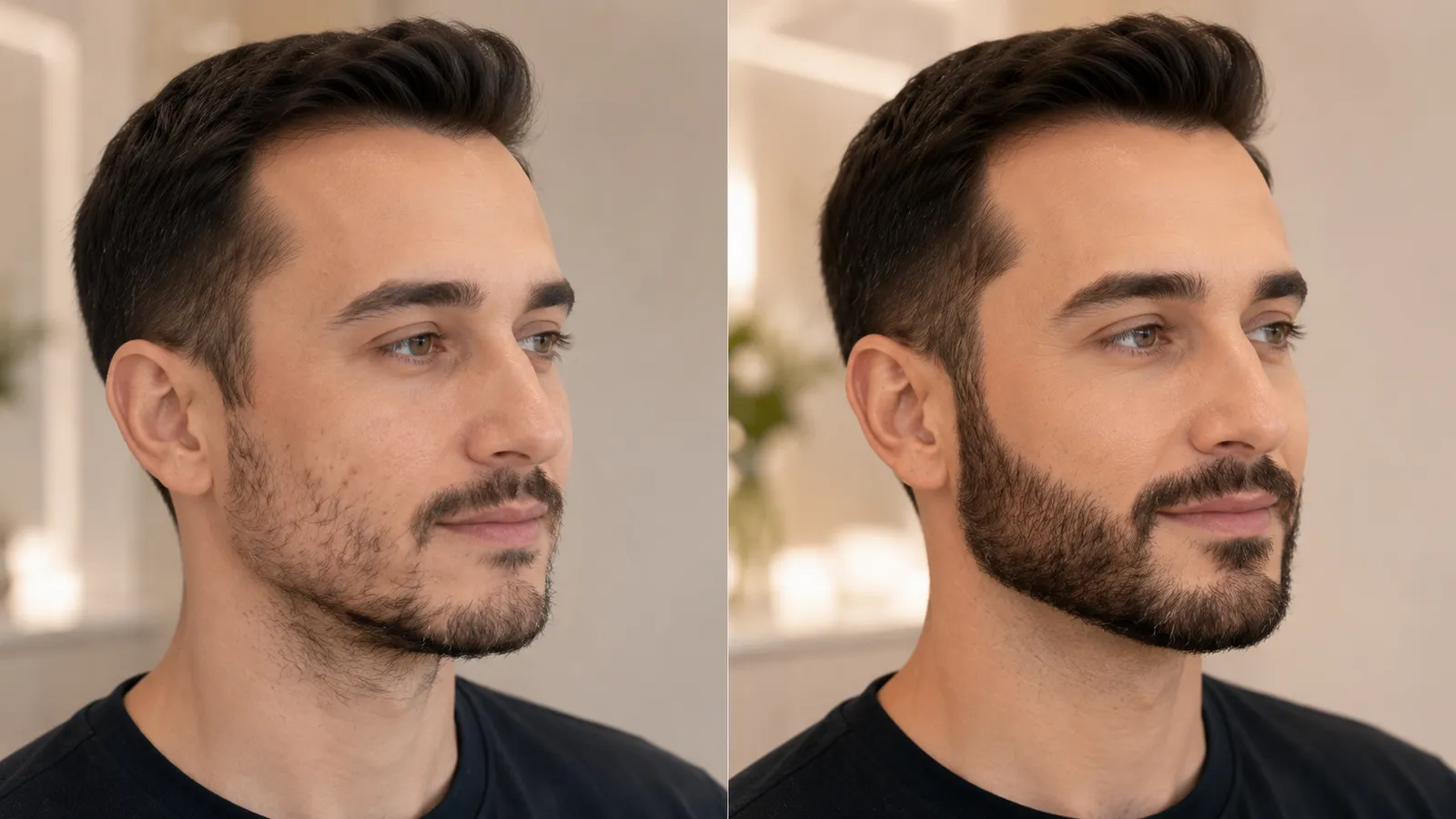
Before surgery, you see patchy, thin, or missing facial hair. After surgery, you see even, thick coverage. The change takes months to fully develop. But the final result transforms your face. It defines your jawline. It balances your features. It gives you the masculine look you want.
What Are the Benefits of Beard Transplantation?
Beard transplantation offers a permanent, natural solution. It improves facial symmetry, expands styling options, hides scars, and boosts confidence.
Is It a Permanent Solution?
Yes. Unlike minoxidil or oils, transplantation lasts forever. The follicles keep growing. You do not need ongoing treatments. Once the hair establishes, it behaves like natural beard hair.
Does It Look Natural?
Absolutely. Surgeons use your own hair. They place it at natural angles. They design the beard to fit your face. The result looks like you were born with it.
How Does It Improve Facial Symmetry?
A full beard frames your face. It balances wide cheeks. It softens a sharp jaw. It adds width to a narrow face. Symmetry makes faces more attractive. A designed beard enhances this symmetry.
What Styling Options Open Up?
With full coverage, you can try any style. You can grow a long beard. You can shape a goatee. You can trim a corporate look. You can experiment with mustache styles. Patchy beards limit options. Full beards free you to express yourself.
Can It Hide Scars?
Yes. Transplanted hair grows through scar tissue. It covers burn marks, surgical scars, and acne scars. The coverage looks natural because real hair grows there. Scar camouflage is one of the most rewarding applications.
How Does It Boost Confidence?
Men with patchy beards often feel self-conscious. They hide their face. They avoid photos. A full beard changes this. Men report higher self-esteem. They feel more masculine. They engage more socially. The psychological benefits of facial hair restoration are well documented.
How Much Downtime Is Required?
Downtime is minimal. Most men take three to five days off work. Social downtime ends within a week. You can resume light activity quickly. Compared to other cosmetic surgeries, recovery is easy.
What Risks and Side Effects Come with Beard Transplants?
Common side effects include swelling, redness, scabbing, and itching. Rare risks include infection, poor growth, or unnatural direction. Choosing an experienced surgeon minimizes all risks.
How Common Is Swelling?
Swelling affects almost everyone. It peaks at day two or three. It can spread to the eyes. It looks dramatic but causes no harm. It resolves within a week. Elevation and ice packs help.
Is Redness Normal?
Yes. The recipient area stays red for one to three weeks. Fair skin shows more redness. This fades naturally. It signals healing blood flow.
What About Scabbing?
Small crusts form around each graft. They protect the healing site. They fall off naturally in ten to fourteen days. Do not pick them. Picking dislodges grafts.
Does Itching Occur?
Itching starts as healing begins. It means the skin is repairing. Do not scratch. Scratching damages grafts. The surgeon can recommend anti-itch spray if needed.
What Is Shock Loss?
Shock loss means the transplanted hair falls out. It happens two to four weeks after surgery. It is temporary. The follicle remains. New hair grows back. Shock loss is part of the normal hair growth cycle.
Can Folliculitis Develop?
Folliculitis is inflammation of hair follicles. It looks like small pimples. It happens when new hair breaks through the skin. It usually resolves on its own. Severe cases need antibiotic cream.
How Common Is Infection?
Infection is rare in accredited clinics. Proper sterilization prevents it. Following washing instructions helps. If infection occurs, antibiotics treat it quickly.
What Causes Poor Growth?
Poor growth happens when grafts die. This occurs with improper handling. It happens if grafts dry out. It happens if the surgeon places them too deep or shallow. Experienced surgeons keep survival rates high.
Can Hair Grow in an Unnatural Direction?
Yes, if the surgeon lacks skill. Wrong angle placement makes hair stick out. It creates a weird look. This is why you must choose an experienced surgeon. Corrective surgery can fix bad angles, but prevention is better.
How Do Surgeons Minimize Risks?
They use sterile techniques. They handle grafts gently. They plan angles carefully. They screen patients for health issues. They provide clear aftercare. They follow up regularly. Experience is the best risk reducer.
What Is the Beard Transplant Success Rate?
Success rates are high when experienced surgeons use modern techniques. Graft survival often exceeds 90%. Your compliance and donor quality also matter.
How Much Does Surgeon Experience Matter?
Experience matters enormously. Skilled surgeons extract grafts without damage. They place them at perfect angles. They avoid transection. They manage large cases efficiently. High-volume surgeons consistently deliver better results.
Why Does Proper Graft Handling Affect Outcomes?
Grafts are delicate. They die if they dry out. They die if crushed. They die if kept too long outside the body. Expert teams use chilled solutions. They work quickly. They implant grafts while they are still fresh. This maximizes survival.
How Does Technique Selection Influence Success?
FUE and DHI both work well. The right technique depends on your case. DHI offers more precision for detailed work. FUE works well for large areas. A skilled surgeon picks the best approach for your goals.
Why Does Patient Compliance Matter?
You must follow aftercare instructions. You must avoid smoking. You must sleep properly. You must take medications. You must avoid trauma to the grafts. Good patients get better results.
How Does Donor Quality Affect Results?
Strong, thick donor hair produces strong beard hair. Weak, fine donor hair produces weaker results. The surgeon assesses donor quality before surgery. They set realistic expectations based on what you have.
What Is the Long-Term Survival Rate?
Experienced clinics commonly report high graft survival rates when procedures are performed with modern FUE or DHI techniques and appropriate aftercare. Most studies show survival rates between 85% and 95%. The best clinics achieve even higher numbers.
How Much Does a Beard Transplant Cost in Turkey?
Turkish beard transplants cost between $2,000 and $5,000 on average. This includes surgery, hotel, transfers, and follow-up. The same procedure costs three to five times more in the UK or USA.
What Is the Average Price Range?
A small procedure, like a mustache or patch repair, might cost $1,500 to $2,500. A full beard transplant usually runs $2,500 to $5,000. Luxury clinics with famous surgeons might charge more. But even top-tier Turkish clinics cost less than average Western clinics.
What Factors Affect the Cost?
Several factors change the price. The number of grafts matters most. More grafts mean more work. The technique affects cost too. DHI sometimes costs more than standard FUE. Clinic reputation plays a role. Famous surgeons charge premium rates. Surgeon experience adds value. Included services like hotel and transfers also factor in.
What Do All-Inclusive Packages Include?
Most packages cover everything. You get the consultation. You get the surgery itself. You get a hotel stay for two or three nights. You get airport and clinic transfers. You get medications and shampoo. You get follow-up care. Some packages include meals. You pay one price. You avoid surprise bills.
How Do Costs Compare Across Countries?
|
Country
|
Average Full Beard Transplant Cost
|
|
Turkey
|
$2,000–$5,000
|
|
United Kingdom
|
$8,000–$15,000
|
|
United States
|
$7,000–$20,000
|
|
Western Europe
|
$8,000–$18,000
|
Turkey offers the best value. You get expert care at a fraction of the cost. Even with flights and hotels, you save thousands.
How Does Beard Transplant Compare to Other Facial Hair Restoration Options?
Beard transplantation is the only permanent, natural solution. Minoxidil, oils, microneedling, and PRP require ongoing maintenance and give limited results.
|
Treatment
|
Permanent
|
Natural Look
|
Maintenance Required
|
|
Beard Transplant
|
Yes
|
Yes
|
None after healing
|
|
Minoxidil
|
No
|
Partial
|
Daily application forever
|
|
Beard Oils
|
No
|
No
|
Daily application forever
|
|
Microneedling
|
No
|
Partial
|
Regular sessions needed
|
|
PRP Therapy
|
No
|
Partial
|
Multiple sessions yearly
|
Minoxidil stimulates existing follicles. It does not create new ones. It works only while you use it. Beard oils condition hair but do not grow it. Microneedling boosts blood flow. It helps slightly but does not replace missing follicles. PRP therapy uses your own blood platelets. It stimulates weak follicles. But it cannot fill large bald areas.
Only transplantation places new follicles where none exist. It creates real, growing hair. It needs no ongoing treatment. It delivers the most dramatic and lasting change.
How Can You Choose the Best Beard Transplant Clinic in Turkey?
Check surgeon credentials, clinic accreditation, before-and-after photos, patient reviews, pricing transparency, hygiene standards, international services, and postoperative care.
What Surgeon Credentials Should You Look For?
Check the surgeon's medical degree. Look for specialization in hair restoration. Find membership in organizations like the International Society of Hair Restoration Surgery (ISHRS). Ask how many beard transplants they have performed. Experience counts more than any certificate.
Why Does Clinic Accreditation Matter?
Accredited clinics meet international standards. They follow strict hygiene rules. They use proper equipment. They maintain emergency protocols. Look for JCI accreditation or ISO certification. These marks show quality.
How Do Before and After Galleries Help?
Photos show real results. Look for patients with similar facial features to yours. Check for natural hair direction. Look for consistent density. Be wary of stock photos. Ask for unedited images. Good clinics proudly display their work.
What Should Verified Patient Reviews Tell You?
Read reviews on independent platforms. Look for detailed experiences. Check for comments about communication, comfort, and results. Be skeptical of clinics with only perfect reviews. A mix of detailed feedback is more trustworthy.
Why Does Transparent Pricing Matter?
The best clinics list prices clearly. They explain what is included. They do not hide fees. They give written quotes. Avoid clinics that pressure you to decide without clear pricing.
How Important Are Hygiene Standards?
Visit the clinic if possible. Look at cleanliness. Check sterilization protocols. Ask about instrument handling. Hygiene prevents infection. It shows professionalism.
What International Patient Services Should You Expect?
Top clinics have English-speaking coordinators. They help with travel. They arrange hotels. They provide translators. They offer 24/7 support. They understand the needs of foreign patients.
Why Is Postoperative Care Essential?
Good care does not end when you leave the clinic. The best surgeons offer follow-up for months. They answer questions. They monitor growth. They address concerns. Long-term care ensures the best results.
What Should You Know About Traveling to Turkey for Beard Transplant Surgery?
Plan your trip before arrival. Expect a consultation day, surgery day, and short recovery stay. Most patients return home within three to four days. Online follow-up continues after you leave.
What Should You Arrange Before Arrival?
Book your flights. Confirm your clinic appointment. Arrange your visa if needed. Send medical history and photos to the clinic. Stop smoking and alcohol two weeks before. Avoid blood thinners like aspirin. Pack loose, comfortable clothing. Bring a button-up shirt. Pulling a shirt over your head after surgery can disturb grafts.
What Happens on Consultation Day?
You meet your surgeon. They examine your face and scalp. They design your beard. They confirm graft numbers. They explain the procedure. They answer your questions. You sign consent forms. They take photos for records. This visit builds trust and clarity.
What Is Surgery Day Like?
You arrive at the clinic in the morning. The team prepares you. They apply local anesthesia. The surgery takes four to eight hours. You get breaks. You can eat lunch. Afterward, they review aftercare. They give you medications and instructions. You return to your hotel to rest.
How Long Is the Recovery Stay?
Most patients stay two to three nights after surgery. This allows the first follow-up visit. The clinic checks your grafts. They wash your beard. They ensure healing starts well. Then you can fly home.
What Should You Know About Returning Home?
Wait at least one day after surgery before flying. Long flights can increase swelling. Wear a loose mask if required. Do not let it press on grafts. Keep your head elevated during travel. Continue aftercare exactly as instructed.
How Does Online Follow-Up Work?
The clinic schedules video calls. They check your healing at two weeks, one month, three months, and six months. You send photos. They advise you. This remote care works well. It ensures you get support no matter where you live.
What Are the Most Frequently Asked Questions About Beard Transplants?
Patients commonly ask about permanence, pain, procedure length, shaving timelines, trimming, scar coverage, safety, combination procedures, ideal age, growth continuity, technique choice, smoking, graft counts, work return, and natural appearance.
Is a Beard Transplant Permanent?
Yes. The transplanted follicles come from your permanent donor area. They keep growing for life. You treat them like normal beard hair.
Does a Beard Transplant Hurt?
No. Local anesthesia numbs the area. You feel pressure but no pain. Afterward, you might feel tightness or mild soreness. Pain medication handles this easily.
How Long Does the Procedure Take?
Most beard transplants take four to eight hours. Small cases finish faster. Large full-beard cases take longer. You get breaks during the procedure.
When Can You Shave?
Wait at least ten to fourteen days before any shaving. Some surgeons recommend waiting longer. Follow your surgeon's specific advice. Early shaving can damage grafts.
Can You Trim Transplanted Beard Hair Normally?
Yes. After the hair establishes, you cut and style it however you want. It behaves exactly like natural beard hair.
Can Scars Be Hidden with a Beard Transplant?
Yes. Surgeons place grafts directly into scar tissue. Real hair grows through the scar. This camouflages it naturally.
Is Beard Transplantation Safe?
Yes, when performed by qualified surgeons in accredited clinics. Risks are minimal. Complications are rare. The procedure is safer than many cosmetic surgeries.
Can You Combine Beard and Hair Transplantation?
Yes. Many men do both. The surgeon uses the same donor area. They plan extraction to serve both goals. Combination procedures save travel time.
What Is the Best Age for Beard Transplantation?
Most surgeons recommend waiting until your mid-twenties. By then, your beard pattern is clear. Younger men might still develop natural growth. There is no upper age limit if you are healthy.
Will Transplanted Hair Keep Growing?
Yes. It grows continuously. It follows the anagen, catagen, and telogen hair growth cycle. It does not stop. You trim it as needed.
Is DHI or FUE Better for Beard Restoration?
Both work well. DHI offers more precision for detailed areas like the mustache. FUE works well for large coverage. Many surgeons combine both. Your surgeon recommends the best approach for your case.
Can Smokers Undergo a Beard Transplant?
Smokers can have surgery. But they must stop smoking before and after. Smoking harms graft survival. It slows healing. Quitting for at least two weeks improves results significantly.
How Many Grafts Do You Need?
This depends on your goals. A mustache needs 400 to 800 grafts. A full beard needs 2,000 to 4,000 grafts. Your surgeon calculates the exact number during consultation.
How Soon Can You Return to Work?
Most men return to work in three to five days. If your job is physical, wait one to two weeks. Office workers can return sooner. You might have slight redness, but it looks manageable.
Are the Results Natural-Looking?
Yes. Modern techniques create completely natural results. Surgeons match hair direction, angle, and density. No one can tell you had a transplant.
What Should You Remember About Beard Transplants in Turkey?
Turkey offers expert surgeons, advanced techniques, and fair prices. Choose an experienced team. Follow aftercare instructions. Expect natural, permanent results after twelve months.
This guide covered every aspect of beard transplantation. You learned what the procedure involves. You understand why Turkey leads the field. You know who qualifies as a candidate. You understand the causes of sparse beards. You saw how surgeons plan and design your beard. You explored FUE and DHI techniques. You walked through the surgical steps. You learned about donor areas and graft counts. You reviewed the recovery timeline. You discovered aftercare essentials. You examined expected results and benefits. You considered risks and how to minimize them. You compared costs across countries. You evaluated alternatives. You learned how to choose the right clinic. You prepared for travel.
Turkey remains a leading destination for beard restoration because of its combination of skill, technology, and value. Thousands of men travel there each year. They leave with fuller, more confident faces. The key is choosing an experienced surgical team. Do your research. Ask questions. Look at real results. Set realistic expectations. A beard transplant does not happen overnight. It takes months to see the full change. But the wait is worth it. Natural, long-lasting facial hair changes how you see yourself. It changes how the world sees you. Take your time. Choose wisely. Your new beard awaits.
References
Cole, John P., et al. "Follicular Unit Extraction and Graft Survival in Facial Hair Restoration." Dermatologic Surgery, vol. 43, no. 5, 2017, pp. 678–685.
Dua, Aman, and Anil Garg. "Psychological Impact of Facial Hair Restoration in Male Patients." Journal of Cutaneous and Aesthetic Surgery, vol. 11, no. 2, 2018, pp. 89–94.
Kim, Jung Chul, and Soo Hwa Hwang. "Direct Hair Transplantation: Comparison with Traditional Follicular Unit Extraction." Aesthetic Plastic Surgery, vol. 40, no. 3, 2016, pp. 412–419.
Mysore, Venkataram. "Local Anesthesia in Hair Transplant Surgery." Journal of Cutaneous and Aesthetic Surgery, vol. 3, no. 2, 2010, pp. 82–86.
Orentreich, Norman. "Autografts in Alopecias and Other Selected Dermatological Conditions." Annals of the New York Academy of Sciences, vol. 83, 1959, pp. 463–479.
Rassman, William R., et al. "Follicular Unit Extraction: Minimally Invasive Surgery for Hair Transplantation." Dermatologic Surgery, vol. 28, no. 8, 2002, pp. 720–728.
Smith, James A., et al. "Medical Tourism for Hair Restoration: A Global Cost and Quality Analysis." International Journal of Dermatology, vol. 58, no. 4, 2019, pp. 445–452.
Stenn, Kurt S., and Ralf Paus. "Controls of Hair Follicle Cycling." Physiological Reviews, vol. 81, no. 1, 2001, pp. 449–494.
Tosti, Antonella, and Sofia Bellavista. "Alopecia Areata of the Beard: Treatment and Prognosis." Journal of the American Academy of Dermatology, vol. 58, no. 2, 2008, pp. 345–348.
Uebel, Carlos O., et al. "Beard and Mustache Reconstruction with Micrografts: Aesthetic and Technical Considerations." Aesthetic Plastic Surgery, vol. 35, no. 4, 2011, pp. 562–568.
Unger, Robin H., and Ronald Shapiro. Hair Transplantation. 5th ed., Informa Healthcare, 2013.