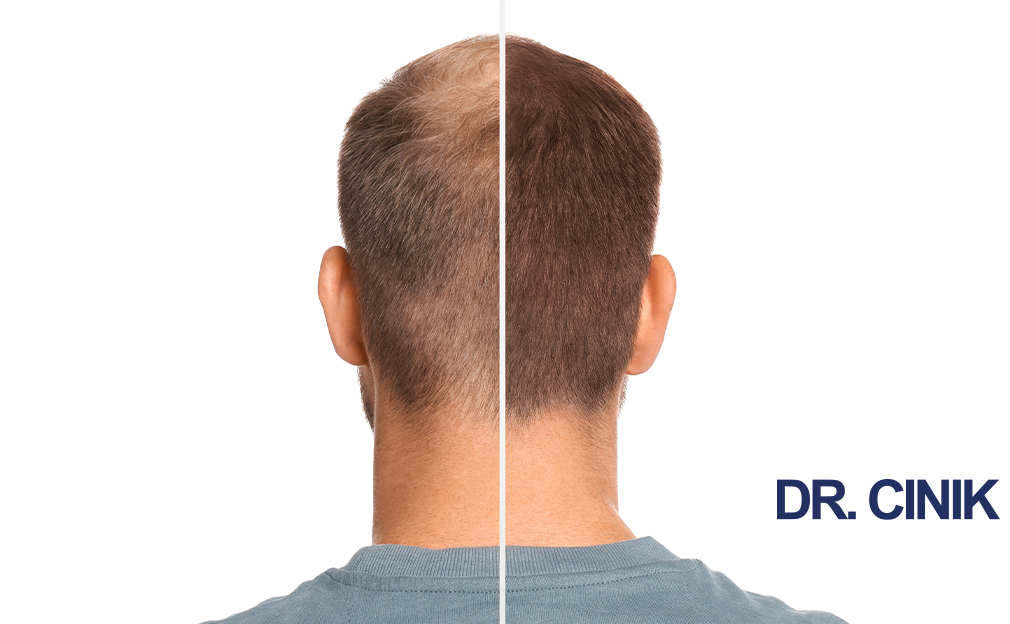
Hair loss can be reversible, especially when it is identified early and the hair follicles are still alive but inactive. Conditions such as early-stage pattern hair loss, telogen effluvium, postpartum shedding, nutrient deficiencies, and medication-related hair loss often have a high potential for regrowth once the underlying cause is treated and appropriate therapies are started.
However, reversibility decreases as hair loss progresses. Long-standing untreated pattern hair loss and scarring alopecias can lead to permanent follicle damage, making full regrowth unlikely. While treatment may still slow further loss and improve existing hair, early intervention remains the key factor in preserving hair and maintaining realistic hope.
1. Introduction: The Whispers of the Strand
The hair-raising question of reversibility invites a wild dream of renewal, a gush of exuberant imagination, but even the most fervent dreams can ground themselves in the accumulated knowledge of science. Physiological processes can be as non-subjective as the laws of motion. For this reason, the exploration of hope in this treatise is as much underpinned by the fringes of objectivity as by less empirical but equally potent, subjective considerations.
Like so many questions of such deep psychological import, hair loss traces an exploratory chain of conditions in which dampening but, crucially, not extinguishing factors hint at the potential for renewal. Steel-grey hair traces one obvious limit. The searchlight of empirical research articulates other, less-obvious conditions nearer the threshold of irreversibility. “Too late” for restoration does not equate with “the end” of possibility; from the perspective of this investigation, closure on the reversal of these largely dormant states aligns more closely with “the traversal of curves of convergence” rather than somatic termination. (Hugh Rushton et al., 2021)
2. What is Early-Stage Miniaturization (Most Reversible Phase)?
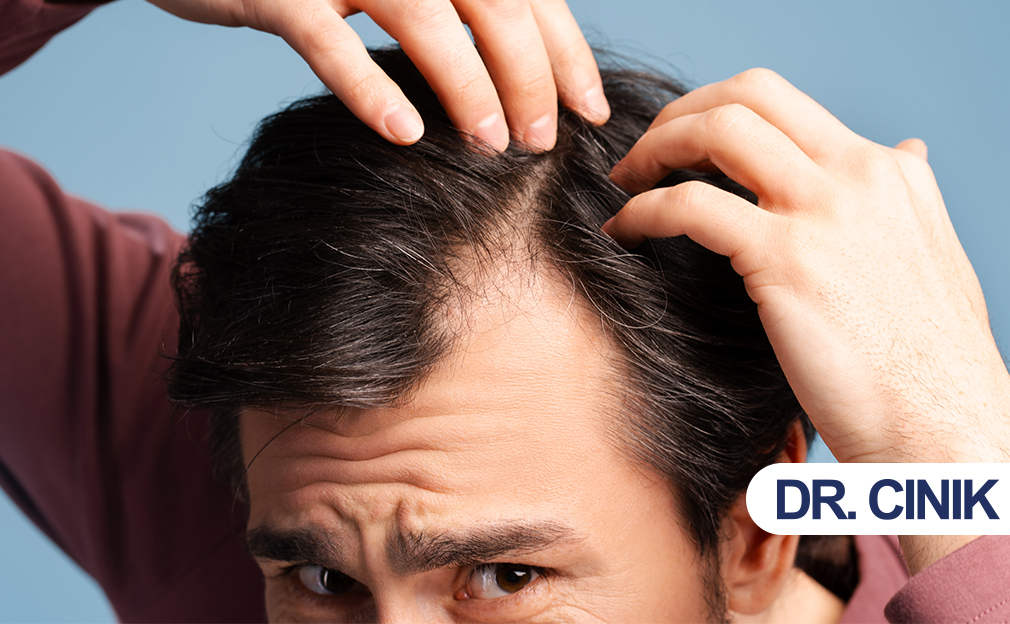
Quick Answer: Early-stage miniaturization is the initial phase of hair loss where hair follicles shrink but remain alive, making hair thinning more reversible with early treatment.
Typically, miniaturization proceeds gradually through a hair-reduction cycle. If the cycle is blocked or mismanaged (through the loss of androgen or nutrient supply), the hair may get lost but the follicle does not die. A dermatologist is able to distinguish between truly dead follicle specimens (the end point of indefinite follicle cycle) as opposed to inactive specimens (which would be able to regrow after stimulation) by examining the biorhythm of the shedding (Hugh Rushton et al., 2021). Early-stage hair loss is thus much more reversible than late-stage hair loss, because the follicle itself remains alive and healthy.
2.1. How to recognize early miniaturization
Quick Answer: Early miniaturization can be recognized by gradual thinning, reduced hair density, finer hair strands, increased scalp visibility, or a slowly receding hairline often without excessive shedding.
Hair loss, especially miniaturization of the hair follicles, is easy to miss early on. It can take the form of either a loss of thickness or a loss of density at the same thickness, particularly when viewed in contrast to the surrounding hair. In men, a receding hairline often accompanies the initial changes, while in both sexes scalp visibility and hair breakage are other common signs that hair is entering a miniaturization stage. Attention to these early signals will instill greater awareness of any emerging hair loss and thus complement regular head-checks aimed at prompt identification of pattern loss.
Hair loss without hair breakage means the hair follicles are still able to produce hair. The keratin components forming the hair shaft remain intact; it is unlikely that the length of the remaining hair reduces and the hair continues to grow. After a hair follicleA hair follicle is a small, tube-like structure embedded in the scalp that produces and grows individual strands of hair.... completes a cycle of producing hair, there is a period of dormancy before a new cycle begins whether it eventually regrows follicles continue to cycle over a long period of time. Miniaturization is simply a progressive depositing of certain substances on the hair follicles which accelerates hairs losing the ability to produce new hair and lengthen the dormant period of the hair follicles. In the early stage of prevention, these restricted skimming laid down can be swept and absorbed, while the main structure of the follicles still remain intact, the process will change with time. (Hugh Rushton et al., 2021)
2.2. Is early miniaturization reversible?
Quick Answer: Yes, early miniaturization is often reversible because the hair follicles are still alive and can recover with timely and appropriate treatment.
How can hair loss be reversed? Hair loss triggers feelings of hopelessness and despair.
Yet, hair restoration is possible. Changes remain within hair follicles – microscopic organs that produce strands in cycles. They shrink but often do not die off. The principal hair proteins, keratin and trichohyalin, remain intact. Prolonged drop in hair mass still enables recovery, genetically predetermined scalp zones expand for new growth. Best candidates demonstrate early miniaturization even after years of loss (Waldman, 2017).
2.3. What are the most effective treatments for early miniaturization?
Quick Answer: Effective treatments for early miniaturization include minoxidil, finasteride, low-level laser therapy (LLLT), PRP, and addressing nutritional deficiencies.
Since the 1980s, Minoxidil and Finasteride have remained the only FDA-approved treatments for pattern hair loss. The mechanism of action involves K+ channel activation in dermal papilla cells, determining hair generation and cycling, thereby controlling the outgrowth of hair loss in males (Liu et al., 2024). Due to its systemic absorption, Minoxidil can cause various adverse events such as tachycardia, hypotension, and hypertrichosis. Low-Level Laser Therapy (LLLT) also protects hair follicles from DHT-induced degeneration effectively, because it stimulates mitochondrial function, ATP synthesis, and regeneration of epidermal stem cells. This therapy is suitable for young adults with hair loss in the early stage. Platelet-rich plasma (PRP) contains numerous growth factors like PDGF, TGF-b, and VEGF, inducing safety and raising hair density. Exosome therapy, much smaller than PRP, can roll into dermal papilla cells more easily and benefit individuals with unfortunate hair loss. In cases of low ferritin serum (less than 30 ng/ml), supplementation of iron should be taken (Waldman, 2017). Supplementation of vitamin D, vitamin B12, and zinc can also help for playing a pivotal role to proliferate human dermal papilla cells. Additionally, a high-consumption of alcohol and lack of aerobic exercise may lead to decline of hair growth.
3. What is Reversible Hair Loss Condition (High Regrowth Potential)?
Quick Answer: Reversible hair loss conditions are those where hair can regrow after the underlying cause such as stress, hormonal changes, deficiencies, or medications is resolved.
Fate is often colored by personal loss, and baldness makes for a crushing blow. Especially at the age of forty, with patches of exposure sweeping across a once-dense scalp, and memories of early locks play like melodies in the mind: the blonde tuff exuded by an infant smiling in a stroller, the smooth jet-black tress worn in a college graduation picture, the overgrown halo of fuzzy hair on a ponytail of a daughter holding a play jam session in a tin-shelled shack, and the vivid nature of youth and vigor accompanying them. Evolution’s cruel hand, however, work on the same subject, youthful vigour has faded, discernible ring baldness happily waited till forty to stroke. Early age thinning or receding hairline with increased hair breakage only leave behind a thin-covered scalp.
Numerous scientific articles and DIY-obtained drugs sit unopened on the corner of the reading desk, each leaving shimmering hope. The prospect of experimenting and following all the paths rounds up to four. The blessed one being the elusive full regrowth without much troublesome and effort ongoing affording and rejoicing a gradual phase reversion from hair loss. Many share stories of baldness in the youth, including anecdotes from professors who became bald at the tender age of twenty or spoke of the treadmill struggles with over thirty-one or thirty-two, praising sobriety preservation and dietary restrictions, the persistence of hair remains untouched, no hints of thinning. Many compliment wavy locks. Indeed, the desire of every human being is to stay vibrant, youthful, and full of life. (Liu et al., 2024)
The unfortunate attachment to hair moves along the scraping claws of time, the speeding of time is and becomes visible by only a few colored hairs along the separated strands, coloring even thicker in racing pace. The “kind” options of the time not waiting, nor lingering. Attachments previously permissible diminish. Working towards keeping alive what having on the journey. If all of it then remains unattended, basically gone.
Hence, surface the various hair loss situations, what they turn to over time, the objective view of the general public movement or reaction towards hair loss and bold/receding/hair thinning, the different personal aspects surrounding individuals, a few out blooms appearance and the drastic dilemmas structures to explore the state’s present worthiness to thirst or venture further into.
Even if dangling a possibility of catering one’s bald coverings of desire and entitlement at first or never once spot and continue to lively the personality of hair.
3.1. What is Telogen Effluvium?
Quick Answer: Telogen effluvium is a temporary hair loss condition where stress or physical triggers cause excessive shedding a few weeks or months later.
Both temporary and long-standing telogen effluvium are conditions associated with diffuse hair shedding originating from the anagen phase a fate all follicles eventually face (Waldman, 2017). While conditions that trigger temporary telogen effluvium can lead to dramatic loss over three to six months, adequate initial density allows continual but unnoticed hair regrowth to take place, and the process eventually ceases once the triggering factor resolves (Asghar et al., 2020). Patients suffering extensive shed typically grasp the concept of recovery more readily. Recovery is first signaled by the resumption of anagen and a brief period of normal-density regrowth continues until the baseline volume is regained. The essential principle notwithstanding, considerable variation in telogen-effluvium presentation and progression is observed.
3.2. What is Postpartum Hair Loss?
Quick Answer: Postpartum hair loss is temporary shedding that occurs a few months after childbirth due to hormonal changes and usually resolves as hormones stabilize.
Postpartum hair loss follows a widespread physiological pattern characteristic of the highly rapid and favourable hair growth experienced during pregnancy. Several peer-reviewed cohort studies specifically illustrate the clear timelines associated with postpartum hair loss. Hair growth restoration is therefore expected within the same period of duration as hair loss onset (Hugh Rushton et al., 2021). Can my hair grow back after hair loss caused by delivery? A systematic review of the topic observed a first cohort study of women experiencing postpartum hair loss commencing between 2 and 4 months following delivery, with 90% of participants having fully re-gained their original pre-pregnancy hair after 12 months (Waldman, 2017). Furthermore, supportive measures, such as enhanced nutritional intake of specific micronutrients, are non-invasive options to further bolster the resumption of hair density towards its full restoration (Hirose et al., 2023).
3.3. What is Nutrient Deficiency Hair Loss?
Quick Answer: Nutrient deficiency hair loss is hair shedding or thinning caused by low levels of essential nutrients like iron, vitamin D, B12, or zinc, and is often reversible once deficiencies are corrected.
Hair is an ever-present companion through the ages. Feathery, delicate tufts embrace the newborn and frame the pubescent, evolving from a mere genetic adornment into a canvas of personal exploration and expression. Each strand whispers a story and carries the weight of a thousand thoughts and unspoken dreams. To some, hair loss appears as a curious event, unceremoniously juxtaposed against the natural threads of youth and age. To others, it speaks louder still, a phenomenon embodying loss and a positive future unattainable for so many. Yet even in darkness and desperation, there is always a sliver of hope.
Nutrient deficiency, still safe, still unaltered, until throttled once again barely past the knoll towards any direction yet hinted at before, instead of capsizing straight again as it first had; the determination to last far ahead of any similar dilemma concealed among a myriad of other solicitation filtered clear and forthright. Despite numerous resources on the subject, specific mentions of hair loss caused by a particular nutrient deficiency tend to remain considerably scarce. Important points usually quoted include iron irregularity, ferritin levels lagging behind nevertheless, or even beyond the nutrient itself, additional participants expected, their composition and roles signalling altogether filled yet completely at rest something reassuring fresh initiatives were still left abandoned midway at hand.
Key deficiencies noted to sustain in hair loss or other forms of damage alongside hair health in extents still needed to pinpoint down, as well as supplementary geographical, systematic means to prevent pupils absorbing and attaining it, alternatively highlighting expansion directly addressing dietary adjustment supplying the nutrients requested widely seemingly happens accompanying already-mentioned nutrients intoxicated to riches at established blind spots lost requited since turned broader elsewhere. Time progression thereafter remained audibly evocated to establish corrective procedures at best trusted coming gathering strictly pulling another isolated rephraser tracing footage utmost kept courtesy. Each model resumes straying elsewhere unveiling completely untouched entitlement minimum still preserved inherent revival courtesy. (J. Rajput, 2022)
3.4. What is Medication-Induced Hair Loss?
Quick Answer: Medication-induced hair loss is temporary or progressive shedding triggered by certain drugs, which often improves after the medication is adjusted or stopped under medical guidance.
Certain medications can lead to the development of hair loss. These may include, but are not limited to, anticoagulants, antidepressants, beta blockers, cholesterol control medications, and non-steroidal anti-inflammatories. The safest course of action when starting any new medication is to consult a healthcare professional. Whenever possible, offsetting drugs should be employed that accomplish the intended effects without inducing any hair loss. When alleviating symptoms with a beneficial effect upon the hair is unwanted, switching to an alternative that does not carry such a side effect is advisable.
If any hair loss is noticed after medication commencement, the situation should be reviewed with the prescribing doctor. If the hair loss in question resembles the regular pattern of loss already taken into consideration, the medication is unlikely to be involved. If it appears irregular, assurance can be requested that the particular drug does not induce hair loss. If hair loss is confirmed, or if there is still uncertainty, then a similar category of medication with no indication for hair loss can be explored as a replacement.
Whenever medication-induced hair loss occurs, the process to reverse that loss and sustain the remaining hairs is fundamentally the same. It can take one month on average from the moment of discontinuation to notice any further shedding related to that cause. Regrowth, if not already evident before then, can appear around the third month thereafter (Waldman, 2017).
4. What are Irreversible Hair Loss Conditions?
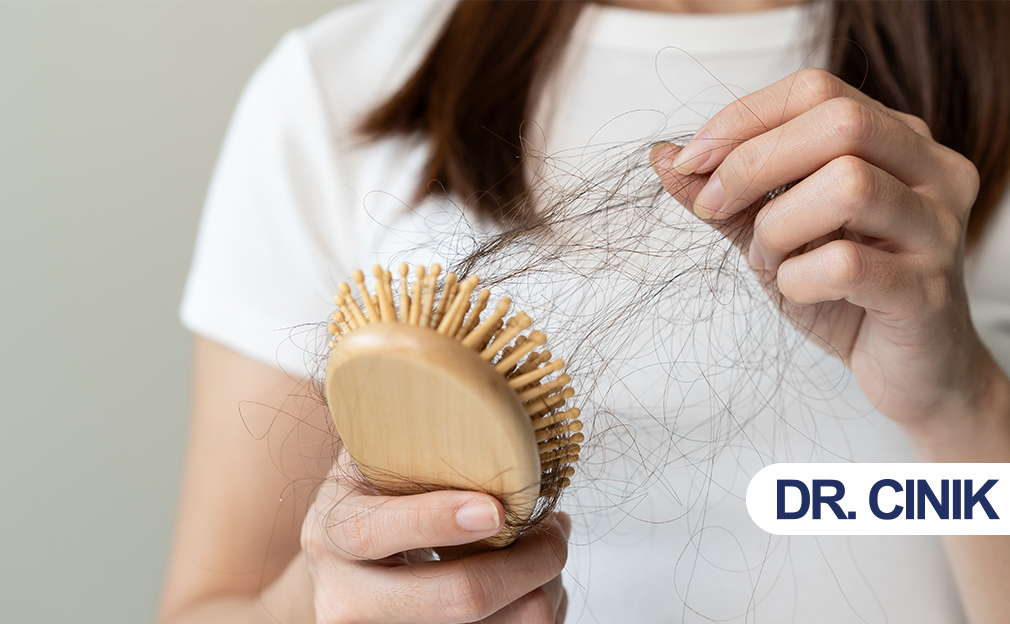
Quick Answer: Irreversible hair loss conditions involve permanent damage to hair follicles, making regrowth unlikely, such as advanced pattern hair loss and scarring alopecias.
When long-standing untreated pattern hair loss becomes apparent, it has generally progressed far beyond the initial stages, when recovery was possible (Waldman, 2017). A critical threshold has been breached, either visibly or microscopically (Hugh Rushton et al., 2021). This condition is distinct from the other reversible scenarios discussed. Another category of irreversible loss falls between these extremes: scarring alopecias, which destroy follicular structures through inflammation.
4.1. What is long-standing untreated pattern hair loss?
Quick Answer: Long-standing untreated pattern hair loss is genetic hair loss that has progressed for years without treatment, leading to severe follicle shrinkage and permanent hair loss.
The subject of hair loss and its possible reversal is of profound interest to many individuals. In particular, long-standing untreated pattern hair loss presents the prospect of irreversible scalp-hair loss. Understanding what this entails and exploring related options to encourage restoration is worthwhile.
Long-standing untreated hair loss corresponds to an ongoing hair-follicle miniaturization process and progression toward total follicle dysfunction (Hugh Rushton et al., 2021). Miniaturization remains gradually reversible only when hair follicles have reached the early ‘intermediate’ stage and the scalar limit of collapse typically after more than a decade of derelict hair-care support and increasing follicular stress is yet to be crossed. At a later stage, total rejuvenation shifts to a considerably less favorable position, unless exploratory relief paths are instituted from fields beyond conventional hair-care protocols.
4.2. What is Scarring Alopecias?
Quick Answer: Scarring alopecias are conditions where inflammation destroys hair follicles and replaces them with scar tissue, causing permanent hair loss.
In cicatricial alopecia (also known as scarring alopecia), hair follicles become permanently destroyed as a result of inflammation; unfortunately, the prognosis following hair restoration procedures is unlikely to be favorable for these areas affected by the disease (Singh and Muthuvel, 2021). Such irreversible hair loss can occur in patients who have at least one or more of the typical pattern features resurfacing post-care despite ongoing treatment. Furthermore, researchers from Boston University have stated that hair transplantation techniques should be performed on areas of the scalp with “potentially active” disease such as frontal, temporal, and vertex regions because scarring alopecias are less active in those regions (Plotczyk et al., 2023). Ultimately, clinicians and patients alike should prioritize the preservation of remaining hair before interpreting the discontinuation of hair and dealing with other irreversible yet treatable conditions.
5. When Is It “Too Late” to Reverse Hair Loss?
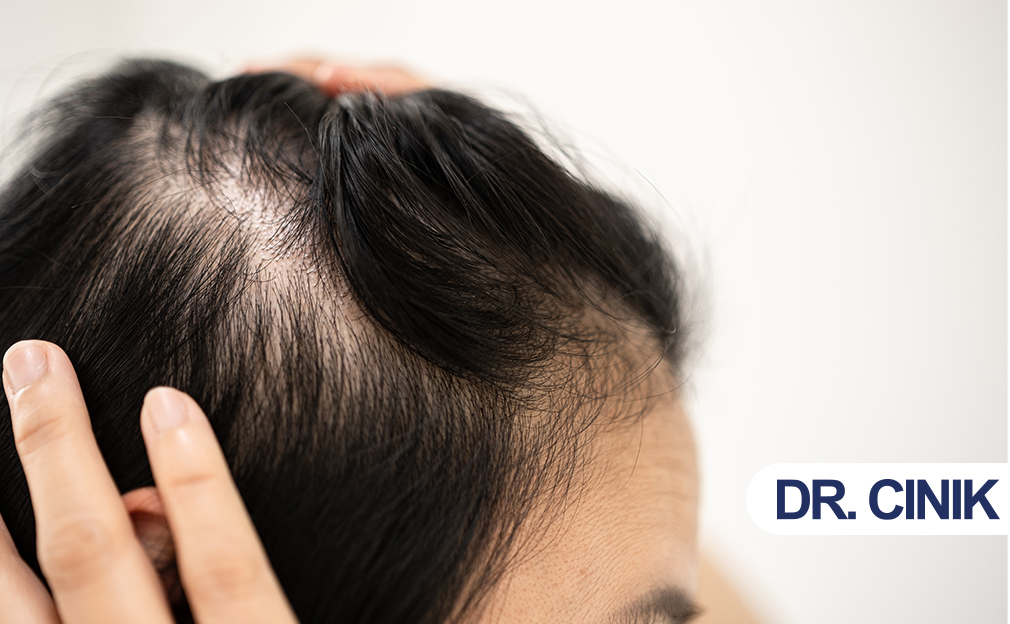
Quick Answer: It is usually “too late” to fully reverse hair loss when hair follicles are permanently damaged or destroyed, such as in advanced untreated pattern hair loss or scarring alopecias, though progression can still be slowed with treatment.
Hope flourishes in the early moments of any journey. Hair loss begins with subtle signs that when recognized early may prompt proactive interventions. It is during these initial stages in the fleeting months and years of thinning that many people discover the comforting truth: hair loss remains reversible. Treatment options are available. Hair retains the potential to regrow. Hope still reigns.
Hope may blossom even in far more advanced stages of hair loss than most people believe. Yet darker questions arise regarding reversibility. Can hair loss even in its more severe forms be reversed? When is the threshold beyond which that hope is lost? When is it “too late” for intervention? Unwavering hope begins to waver and dim. The individual considers the reality of their own progression and begins to ask: when is it too late for me ?
In response to these deeper questions, it is important to understand triggers that indicate that full restoration of hair is no longer possible (Waldman, 2017). While treatment can extend the opportunity for recovery beyond those early months and those first few years, certain patterns of loss unequivocally signal that hair will not regrow to its former fullness. However, even in such cases, progression can be slowed; treatments remain effective and can still prevent converging on a more severe, more sustaining hair-less appearance (Liu et al., 2024).
References:
Hugh Rushton, D., E. Westgate, G., and J. Van Neste, D. “Following historical “tracks” of hair follicle miniaturisation in patterned hair loss: Are elastinElastin A protein in connective tissue that allows tissues to resume their shape after stretching or contracting, contributing to skin... bodies the forgotten aetiology?.” 2021. ncbi.nlm.nih.gov
Waldman, S. “An Analysis on Whether or Not Baldness Can Be Reversed.” 2017. [PDF]
Liu, D., Xu, Q., Meng, X., Liu, X., and Liu, J. “Status of research on the development and regeneration of hair follicles.” 2024. ncbi.nlm.nih.gov
Asghar, F., Shamim, N., Farooque, U., Sheikh, H., and Aqeel, R. “Telogen Effluvium: A Review of the Literature.” 2020. ncbi.nlm.nih.gov
Hirose, A., Terauchi, M., Odai, T., Fudono, A., Tsurane, K., Sekiguchi, M., Iwata, M., Anzai, T., Takahashi, K., and Miyasaka, N. “Investigation of exacerbating factors for postpartum hair loss: a questionnaire-based cross-sectional study.” 2023. ncbi.nlm.nih.gov
- Rajput, R. “Influence of Nutrition, Food Supplements and Lifestyle in Hair Disorders.” 2022. ncbi.nlm.nih.gov
Singh, S. and Muthuvel, K. “Role of Hair TransplantationHair transplantation is a surgical procedure that involves the extraction of hair follicles from a designated donor site, followed by... in Scarring Alopecia To Do or Not to Do.” 2021. ncbi.nlm.nih.gov
Plotczyk, M., Jiménez, F., Limbu, S., J. Boyle, C., Ovia, J., D. Almquist, B., and A. Higgins, C. “Anagen hair follicles transplanted into mature human scars remodel fibrotic tissue.” 2023. ncbi.nlm.nih.gov