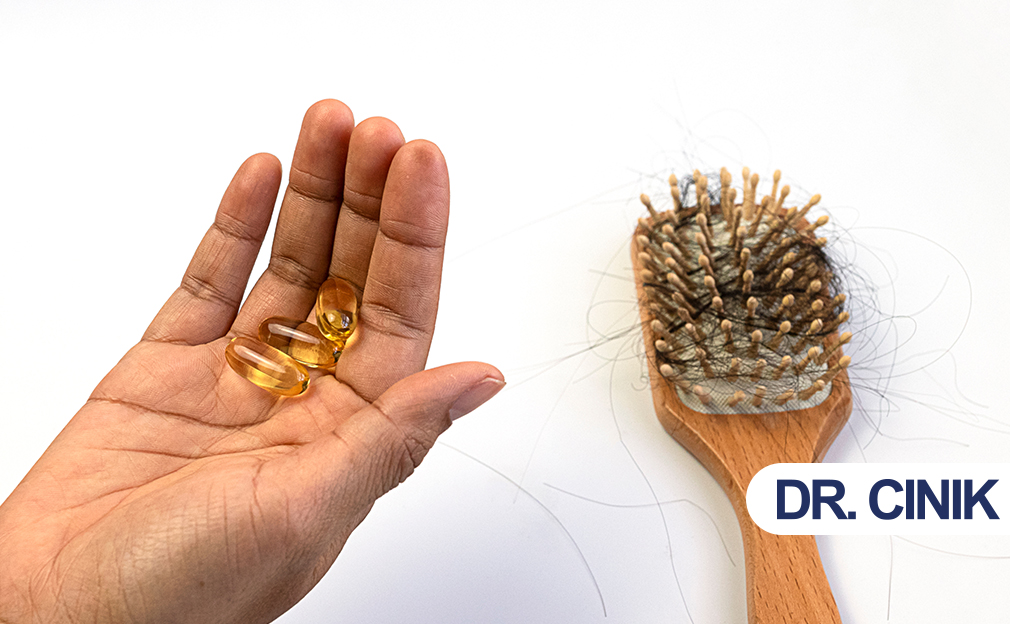
Diet plays a supportive but important role in hair health by influencing the hair growth cycle and follicle function. Poor diet quality, calorie restriction, or deficiencies especially in iron (ferritin), protein, vitamin D, zinc, and B vitamins (B12, folate) can trigger increased shedding, most commonly telogen effluvium. Adequate ferritin levels (generally ≥40–50 ng/mL), sufficient daily protein intake, and micronutrient-dense foods help stabilize shedding and support regrowth. Crash diets, fasting, and severe calorie or protein restriction are common causes of temporary but significant hair loss, usually appearing 2–3 months after the trigger. While a balanced diet supports healthier hair, persistent or sudden hair loss may indicate non-dietary causes and should be evaluated by a healthcare professional.
1. Does Diet Affect the Hair Growth Cycle?
Quick Answer: Yes diet can affect the hair growth cycle. While evidence is limited, nutrient deficiencies and poor diet quality can increase shedding and impair regrowth, with effects varying between individuals.
To date, limited evidence exists on the link between diet and hair growth. Hair has a distinct growth cycle featuring three main phases: anagen (the active phase), catagen (the transitional phase), and telogen (the resting phase). The latter phase culminates in hair shedding. At any given moment, the hair growth cycle proceeds uniformly across all follicles of a healthy scalp. Dietary deficiency of essential nutrients does influence this cycle to the detriment of healthy hair. The extent and severity of hair shedding and hair regrowth thereafter vary considerably among individuals (J. Rajput, 2022).
Overall dietary intake also influences hair biology. A diet of poor overall quality may exacerbate hair shedding and adversely affect hair regrowth. It should be borne in mind that individual responses to dietary quality can differ significantly (Sabina Goluch-Koniuszy, 2016).
2. What are the Key Nutrients That Prevent Hair Loss?
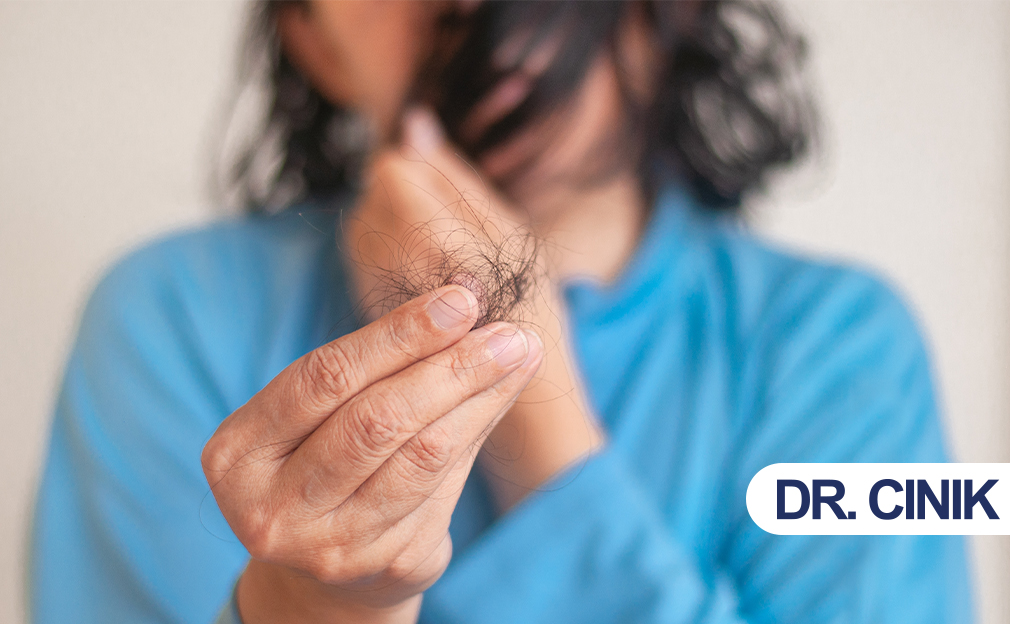
Quick Answer: Key nutrients that help prevent hair loss are iron (ferritin), protein, vitamin D, zinc, and B vitamins (especially B12 and folate). Adequate micronutrient intake supports the hair growth cycle, while deficiencies especially low ferritin are strongly linked to increased shedding.
Hair follicles undergo three stages of the hair growth cycle: anagen (active growth), catagen (transition), and telogen (resting). While several factors determine the duration of these phases and the density of hair, nutrition has an essential role. Nutrition investigation has advanced significantly in recent years. Overall diet quality primarily based on micronutrient density also matters. Diets high in micronutrient-poor foods (e.g., ultra-processed foods, refined grains, added sugars) encourage additional hair shedding. Conversely, micronutrient-dense diets promote faster hair growth through proper diet quality.
One of the most critical dietary minerals for hair growth is ferritin, the iron-storing protein found predominantly in the liver. Ferritin levels tightly correlate with hair loss severity. Interviews with patients indicate that reaching a serum ferritin of at least 50 ng·mL−1 (minimum of 40–50; optimal over 100) causes rapid improvement of thinning hair. Low ferritin often reflects reduced iron intake, leading to depletion. Contributing factors may include unbalanced vegan diets, excessive blood loss from menstruation, excessive endurance exercise, and low-carbohydrate diets. Diet-DNA change reduces the absorption of foods locked in a gluten-mucin-carb complex, damaging the intestinal wall and often causing period limit hair loss, thinning, and widening. Ferritin-boosting deep-micronutritional foods include beef liver, beef and lamb, a daily egg or two, legumes, certain dark greens, black and other berries (including juice) syrup-less, syrup-free, and smooth purée anchovies, nuts, and seeds (J. Rajput, 2022).
2.1. How does Ferritin effect hair loss (Iron Storage) — The #1 Nutrient for Hair?
Quick Answer: Ferritin is the body’s main iron store and is essential for hair growth during the active (anagen) phase. Low ferritin levels are strongly linked to increased shedding, while levels above ~40 ng/mL help prevent premature hair loss and support follicle growth.
Ferritin is recognized as the primary iron storage protein in the body (Pan et al., 2009). Healthy hair follicles require sufficient iron from ferritin to promote hair growth in the anagen phase. Several studies have emphasized the role of ferritin as one of the most important nutrients for hair growth and retention (Bou-Abdallah et al., 2018). Research on hair-follicle cells demonstrates that increasing ferritin levels stimulates hair-follicle development and growth. It is, in fact, recommended to maintain a ferritin level above 40 ng/mL to efficiently prevent premature hair loss.
Ferritin can drop significantly during extreme blood loss, pregnancy, or diets involving excessive calorie restriction. It can drop by 10% or more during intense running (incremental running of 2–5 km) if recovery is not undertaken adequately. Commonly disregarded yet the simplest food source of iron is unprocessed watermelon seed (Citrullus lanatus) as it contains approximately 11 mg per 100 g. Other good sources of heme iron include animal muscle meat, poultry, and fish.
2.1.1. What are Ideal ferritin levels for hair?
Quick Answer: Ideal ferritin levels for hair growth are at least 40–50 ng/mL. Levels below this are linked to increased shedding, while levels above this range help stabilize hair growth even if standard blood tests appear normal.
Low ferritin levels are strongly associated with increased hair shedding. Objective measurements suggest that a ferritin level of 40–50 ng/ml must be reached to ensure proper hair growth (Sabina Goluch-Koniuszy, 2016).
As soon as serum ferritin drops below this point, hair starts to shed in the telogen phase. At serum ferritin levels above 40–50 ng/ml, hair growth stabilizes, but ferritin is still the nutrient utilized in deficiency states. Hair follicles are major storage sites for ferritin, leading to an unexpected situation in which laboratory tests return normal results even though tissues are depleted (J. Rajput, 2022).
2.1.2. What does Low ferritin cause?
Quick Answer: Low ferritin reduces iron available to hair follicles, impairing energy supply and keratin production. This leads to brittle hair, increased shedding, and hair loss even without anemia.
Low ferritin, a protein responsible for storing iron, can lead to hair loss. Approximately one-third of women at menopause, a period marked by low estrogen and altered iron metabolism, show decreased ferritin. Iron deficiency, even without anemia, may restrict energy supply to the hair follicleA hair follicle is a small, tube-like structure embedded in the scalp that produces and grows individual strands of hair.... and impair proliferation of matrix keratinocytes, leading to brittle hair and increased hair loss (Sabina Goluch-Koniuszy, 2016). Low ferritin promotes hair loss regardless of the diet, as energy needs of hair follicle cells are high due to intensive keratin synthesis.
2.1.3. What are the best iron-rich foods?
Quick Answer: Animal sources (heme iron) are best absorbed red meat, poultry, fish, liver, and eggs. Plant sources include legumes, dark leafy greens, nuts, seeds, and iron-fortified cereals, though plant iron is absorbed less efficiently.
Low ferritin levels can arise due to insufficient dietary intake, malabsorption conditions (e.g., celiac disease), chronic blood loss (e.g., menstruation, heavy periods, gastrointestinal bleeding), and excessive monthly blood donation (e.g., one full liter or more). As most people can only absorb 5–25% of the non-heme iron from plants (Sabina Goluch-Koniuszy, 2016) , plant-based diets that are low in meat and fish can result in suboptimal ferritin levels. Iron-fortified cereals and similar products serve as differentiated food sources of iron.
2.2. How does Vitamin D effect hair loss — Essential for Hair Follicle Cycling
Quick Answer: Vitamin D is essential for normal hair follicle cycling. Low vitamin D levels can disrupt the hair growth cycle and contribute to increased shedding, while adequate levels mainly from sunlight, plus diet or supplements support healthy hair growth.
The human body is accustomed to hair cycling. Individual hair follicles regularly undergo a cycle comprising a growing phase (anagen), a transitional phase (catagen), and a resting phase (telogen) before shedding. Anagen typically lasts two to six years, catagen about two weeks, and telogen about three months. The rate of hair shedding can fluctuate based on the duration of these phases and differs between body regions and individuals (Sabina Goluch-Koniuszy, 2016).
The hair cycle supports body quality control, but disruption could lead to persistent hair loss or fading, yet offer an opportunity to regenerate hair. These shifts remain normal over a lifetime. Conversely, body stresses can lead to unwanted hair loss and differing life hazards necessitate support availability. Consequently, adequately nourishing the body with vitamins, minerals, and proteins is essential. Throughout a day, a minimum of 70 grams of various proteins might strengthen the hair and assist in preventing greater body loss.
Adequate vitamin D levels are significant for a healthy hair cycle. Although many foods contain a trace amount of vitamin D, sunlight exposure remains the primary source. The body produces vitamin D naturally following sunshine reception on the skin. Fish oils and vitamin D-fortified foods can assist. Diets with insufficient essential requisites consequently risk higher health loss.
2.2.1. What are the best vitamin D sources?
Quick Answer: Sunlight exposure (primary source), fatty fish and fish oils, egg yolks, fortified foods (milk, cereals), and supplements preferably vitamin D3 (cholecalciferol).
Vitamin D represents another essential nutrient for maintaining healthy hair. Recent studies have indicated a potential correlation between lower serum vitamin D levels and hair loss in both men and women (Nayak et al., 2016). While direct evidence specifically linking vitamin D to the hair growth cycle is scarce, this nutrient is crucial for the differentiation of hair follicle keratinocytes and epidermal cells, underscoring its importance to hair health. Deficiency of vitamin D is also associated with other skin disorders such as psoriasis and atopic dermatitis, which may indirectly affect hair follicles or impart symptoms usually masked by healthy hair (Sabina Goluch-Koniuszy, 2016). These connections imply that vitamin D might influence the hair growth cycle. Time will clarify its precise role.
The body synthesizes vitamin D in the skin through exposure to ultraviolet light. Obtaining sufficient amounts from diet alone can be challenging; therefore, supplementation is often necessary, especially in areas with limited sunlight during winter months. Among dietary sources, vitamin D3 (cholecalciferol) from animal origin is quantitatively more beneficial than vitamin D2 (ergocalciferol), which mainly occurs in mushrooms and yeast. For those with normal exposure to sunlight, up to 1,000 IU of vitamin D3 daily is a well-tolerated and safe level that can be obtained from food; the upper recommended limit is 4,000 IU.
2.3. How does zinc affect hair loss — Critical for Tissue Repair
Quick Answer: Zinc supports hair growth and tissue repair. Deficiency can slow growth, trigger telogen effluvium, and cause thin, brittle hair; healthy blood levels are ~70–250 μg/dL.
Zinc influences hair growth by participating in metabolism of carbohydrates, proteins, and fats, and stimulates protein transformation necessary for hair building (Sabina Goluch-Koniuszy, 2016). Proper blood zinc levels should be 70–250 μg/dl; deficiency can suppress hair growth, cause telogen effluvium, and lead to brittle, thin hair, especially in women using diuretics.
2.3.1. What are foods high in zinc?
Quick Answer: Foods high in zinc include red meat, poultry, seafood (especially oysters), dairy, and plant sources such as whole grains, legumes, nuts, and seeds. Adequate intake supports hair follicle repair and a healthy hair growth cycle.
Diet is a significant factor in hair growth and loss; the relationship is clear and predictable. Retaining a proper diet, abstaining from excessive calorie restriction, using supplements, or effectively avoiding a high-stress lifestyle may represent proactive measures that mitigate hair shedding.
Zinc plays an important role in metabolism and is critical for tissue repair. Adequate zinc levels may therefore support a healthy hair cycle. Recommended zinc blood levels are 70 to 250 μg/dl; insufficient intake usually results in low blood levels. Zinc deficiency reduces hair diameter and may extend the telogen phase (Sabina Goluch-Koniuszy, 2016). Susceptibility to fatigue and trauma enhances the risk of zinc insufficiency. After metabolic recovery, zinc concentrations typically return to normal a safe threshold limit is rarely exceeded in normal practice. Consequently, primary food sources (such as animal protein, cereals, legumes, nuts) remain crucial for individuals in recovery.
Many of the best sources for each nutrient considered are summarized below. The list is exclusive and not exhaustive; other acceptable sources exist for each nutrient. Individual tolerability may vary; some foods may therefore be unsuitable for particular individuals or circumstances.
2.4. How do B Vitamins (Especially B12 & Folate) affect hair loss?
Quick Answer: B vitamins especially B12 and folate affect hair loss by supporting red blood cell production and oxygen delivery to hair follicles. Deficiency, common in vegans and people with malabsorption, can lead to increased shedding and weakened hair growth.
Dietary patterns in midlife affect the risk of dementia in later years, but low dietary quality and specific vitamin deficiencies lead to hair loss far earlier. Folic acid (B9) and cobalamin (B12) contribute to the production of red blood cells, which emphasize oxygen in hair follicles. Therefore, the vitamin is particularly advised for individuals undertaking strict diets that preclude animal proteins such as veganism and for cholestasis patients with malabsorption of vitamin B12 from milk, meat, and fish (Rizzo et al., 2016).
Because vitamin B12 is synthesized solely by bacteria or archaea, it remains unavailable in unfortified plant foods yet may be acquired through nonanimal sources and fortified foods or supplements (Zironi et al., 2014). Furthermore, bioavailability in nonanimal sources is reduced, so food supply does not satisfy human vitamin B12 requirements. Besides being principally sourced from animals, estimates suggest that vegetarians, particularly women, are at risk for deficiency (Brito et al., 1970).
2.4.1. What are the best sources?
Quick Answer: Fish, meat (especially liver), eggs, dairy, and fortified cereals for B12; leafy greens, legumes, fruits, nuts, and whole grains for folate. Adequate intake supports hair quality and helps prevent deficiency-related shedding.
Foods rich in vitamin B12 and folate include fish (trout, salmon, tuna, sardines), meat (beef, liver, pork), eggs, dairy products (milk, yogurt), and fortified cereals. Folate is abundant in leafy vegetables (spinach, romaine, broccoli, lettuce), fruits (oranges, bananas, melons), leguminous plants (beans, peas, lentils), nuts (peanuts), and yeast. Major sources of niacin are meat, whole wheat grains, legumes, seeds, milk, green leafy vegetables, fish, peanuts, shellfish, and yeast (Sabina Goluch-Koniuszy, 2016).
The intake of micronutrients can significantly impact hair health; insufficient zinc, iron, vitamin D, or B vitamins is associated with hair quality deterioration. Increasing these elements in the diet or with supplements has positive effects in case of their deficiency.
3. How Crash Diets Cause Hair Loss
Quick Answer: Crash diets can cause temporary hair loss by creating calorie and nutrient deficiencies that push hair follicles into the shedding (telogen) phase. Shedding usually appears 2–3 months after severe dieting, fasting, or major weight loss and improves once normal nutrition is restored.
Widespread reports of hair loss and thinning surface after caloric-restricted weight loss efforts and severe diets (Sabina Goluch-Koniuszy, 2016). Adverse consequences frequently become noticeable only after the weight loss program ends or after fasting and majorly restricting overall food intake.
Dieting does not lead to excessive shedding unless prolonged or accompanied by nutrient deficiency or nutritional imbalance. In general, hair shedding does not occur with low-calorie eating where calories remain adequate. A well-planned diet alone often prevents strong hair shedding cycles. Hair loss only recurs from approximately six to eight months after a serious event, such as weight loss, pregnancy, emotional shock, trauma, surgical interventions, or calorie restriction.
Undergoing insufficient energy intake elicited by stresses of strict low-calorie-regimens triggers widespread activation of the hair cycle and scattered losses about two months later as the anagen phase completely shortens; emerging hairs rapidly elicit shedding and can fall in clusters. Several carbohydrates, vitamins and minerals gain general fatigue on low caloric restricted-phase especially vitamin D elimination co-related to perchance be significant triggers.
3.1. What is hair loss after dieting?
Quick Answer: Hair loss after dieting is usually telogen effluvium, where calorie or protein restriction pushes hair follicles into the resting phase, causing diffuse shedding a few weeks to months later.
For many individuals, dieting whether intentional or for health-related reasons can trigger hair shedding. Many people are unaware that restrictive diets can impact the hair growth cycle unless they have experienced hair loss for themselves. The hair growth cycle has three main stages: anagen (growth), catagen (transition), and telogen (resting), with each individual hair entering these stages at different times. Diets that restrict calories and/or protein intake can lead to diffuse telogen effluvium, where hair follicles prematurely enter the telogen phase, resulting in accelerated hair shedding. This cycle of hair growth and shedding can vary widely from person to person, with some people not experiencing any hair loss at all. Hair follicles also respond to fasting and calorie restriction differently, with some remaining unaffected. A variety of factors not related to dieting can also lead to hair loss, making it difficult to pinpoint diets as a true cause (Sabina Goluch-Koniuszy, 2016).
3.2. Can fasting cause hair loss?
Quick Answer: Yes. Prolonged or restrictive fasting can trigger hair shedding by disrupting protein, vitamin, and energy supply to hair follicles, potentially causing temporary telogen effluvium.
Dietary restriction, including fasting, can lead to hair loss. In one study, participants who practiced intermittent fasting complained of increased hair shedding (Sabina Goluch-Koniuszy, 2016). Fasting causes disturbing changes in fat, protein, and vitamin distribution, which can affect hair health by harming the hair growth cycle. Moreover, other essential nutrients aimed at maintaining proper hair health are frequently insufficient in diets composed solely of simple foods consumed at limited times during the day. Furthermore, reports of fat loss in ailments such as tuberculosis or chronic diseases commonly associated with hair loss too.
Reduction in protein intake during fasting also affects hair health. Body protein is essential for hair structure, yet healthy hair can remain unaffected for months following a drastic reduction in daily caloric and protein surplus.
3.3. Why crash diets trigger shedding
Quick Answer: Crash diets trigger hair shedding because they disrupt metabolism, hormones, and nutrient supply, reducing scalp blood flow and pushing hair follicles into the resting (telogen) phase, which leads to increased hair loss.
Crash diets trigger shedding because they cause metabolic disturbances that negatively impact hair health. Excess fatty acids from such diets lead to increased sebum secretion and keratinization disorders. Diets high in simple sugars impair glycemia and insulinemia, boosting ovarian androgen synthesis and decreasing SHBG levels, which contributes to hair miniaturization. Insulin affects hair growth and increases DHT levels, leading to hair thinning. Circulatory disturbances caused by insulin and blood vessel issues reduce scalp blood flow, resulting in local hypoxia and hair loss. To prevent these effects, women should consume diets rich in complex carbohydrates with low glycemic index and load, comprising 50-70% of daily energy intake. Vitamins also influence hair health; deficiencies in vitamin C impair keratin production and may cause telogenic baldness. Vitamin C improves iron absorption, aiding hair growth. Vitamin D deficiency correlates with hair loss, as it promotes hair follicle differentiation. Adequate sources include fish, eggs, dairy, and exposure to sunlight (Sabina Goluch-Koniuszy, 2016).
3.4. What are common diet-related causes?
Quick Answer: Common diet-related causes of hair loss include crash dieting, fasting, very low-calorie or low-protein diets, and eliminating entire food groups. These can trigger telogen effluvium, causing diffuse shedding 2–3 months after weight loss, illness, surgery, or pregnancy due to inadequate energy and protein intake.
Weight loss from crash diets, fasting, or limited food variety can lead to temporary but severe thinning and shedding of hair telogen effluvium (J. Rajput, 2022). Hair loss typically occurs three months after the triggering event. It is the loss of numerous hairs from many follicles that characterizes telogen effluvium. With each hair only at any stage for a limited time, overall thinning in greater volume occurs instead of bald spots (Sabina Goluch-Koniuszy, 2016).
Dietary issues after recent pregnancy, major illness, or major surgery commonly cause temporary hair loss. Hair loss has also been seen among overweight youngsters who drastically cut food intake. Overly restrictive diets that eliminate entire food groups and protein-only diets trigger hair loss; insufficient food intake generally provokes it. Protein is critical for hair structure and health.
4. How Much Protein You Need for Healthy Hair
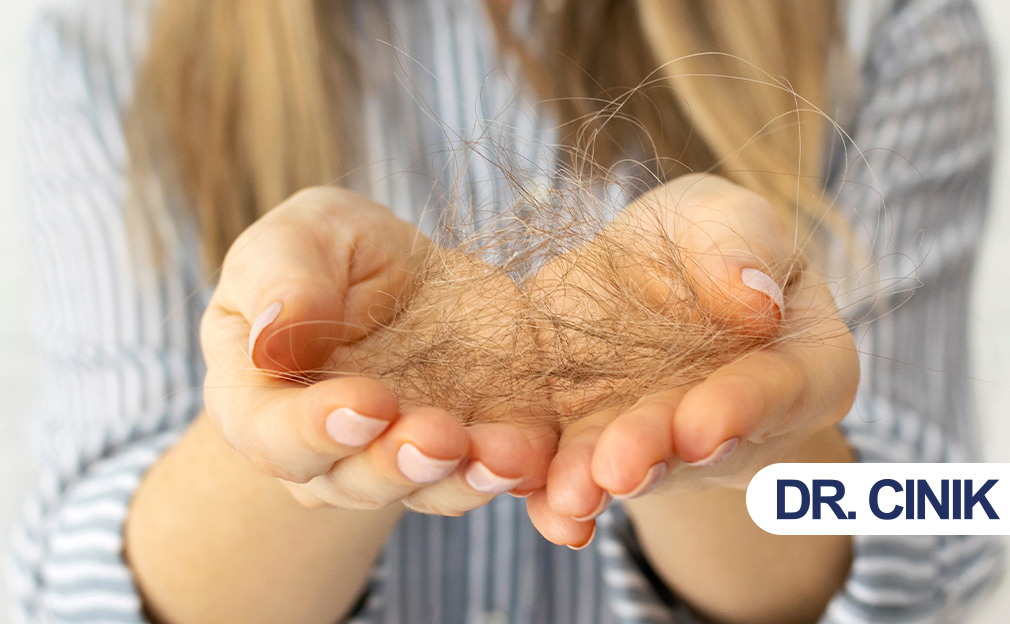
Quick Answer: Hair needs adequate protein to grow because it’s made of keratin. For healthy hair, aim for about 1.25 g of protein per kg of body weight per day; too little protein can cause thinning, brittle hair, and increased shedding.
Protein plays a vital role in building and maintaining healthy hair. Hair strands consist primarily of a fibrous protein called keratin, and this keratin is made from amino acids obtained through the protein in your diet. Insufficient dietary protein can lead to dull, thin, or brittle hair, and it is the most common nutrient deficiency affecting people who do not consume enough protein. The daily protein requirement to support hair health is 1.25 grams of protein per kilogram of body weight. Good sources of protein include meat, eggs, dairy products, soy, fish, lentils, beans, and nuts.
Dietary choices can affect hair and influence individual rates of shedding and growth, although food does not directly influence the growth cycle of hair (Sabina Goluch-Koniuszy, 2016). Even with a well-balanced diet, healthy hair cycles are still not guaranteed. Nevertheless, nourishing hair cells requires a constant intake of high-quality protein, as longer-lasting deficiencies create more permanent alterations to hair’s texture. Specific dietary habits and patterns still affect hair’s physical characteristics in good health. Consumption of frequent protein-rich meals promote thicker hair strands and maintain better water content compared to an alternate low-protein diet.
4.1. What is the minimum daily requirement?
Quick Answer: Adults need at least 0.83 g of protein per kg of body weight per day (≈56 g for men, 46 g for women) to support hair health and prevent shedding.
As hair follicles continually renew themselves throughout life, deficiencies in nutrients critical for hair, such as protein, vitamin D, or iron, may induce excessive shedding and even hair thinning. On the other hand, significant overall improvements in daily dietary quality can promote the growth of hair that may have been lost during earlier periods of severe dietary neglect (Sabina Goluch-Koniuszy, 2016).
The minimum recommended daily intake of protein for adults is 0.83 grams per kilogram of body weight. That translates to approximately 56 grams of total protein per day for the average sedentary male and 46 grams for the average sedentary female. Meeting protein recommendations is often enough to avoid hair problems. Hair is approximately 95 percent protein and thus requires a constant supply of amino acids (the building blocks of protein) to keep growing. Three essential amino acids for hair growth are cysteine, methionine, and lysine. The best sources of protein and amino acids include fish, poultry, eggs, dairy, legumes, nuts, and seeds.
4.2. What are good protein sources?
Quick Answer: Good protein sources for healthy hair include fish, poultry, eggs, dairy products, soy, legumes (lentils, beans), nuts, and seeds. These provide essential amino acids needed for keratin production and hair strength.
Protein is a fundamental nutrient for human health, providing amino acids that form the building blocks of cells, muscles, skin, and hair. Ideally, hair should form from keratinized cells, and individual keratin-like structures provide strength, rigidity, and high resistance to organic solvent attack. These structures contain bulky sulphur-containing amino acids (e.g., cystine, cysteine, and methionine) and protein-associated polysaccharides such as protein-bound galactose, glucose, or sugar amino acids. Accordingly, sufficient protein intake is essential for optimum supply of small amounts of these natural hair components, while protein quality and/or amino acid availability may help determine the type and amount of hair produced in different body regions.
Protein deficiency can perturb the hair growth cycle and result in hair loss, concentrating shedding in body areas with relatively short hair growth cycles (e.g., scalp, eyebrows). Hair loss due to protein restriction appears to be associated with a significant reduction in total peptidyl and non-peptidyl amino acid levels; the latter are generally considered to be highly critical. In male humans with normally low protein requirements, protein intake of only 42 g/day is sufficient to produce hair growth comparable to that achieved under higher intakes. Data in rodents suggest a longer-term protein intake requirement of about 137 g/day for optimized hair growth.
The protein requirement for optimum hair growth is not equivalent to the general recommendation for the maintenance of good health. It is estimated a daily protein intake requirement for male adults of about 138 g to promote the healthy restoration of hair patterns following the reduction in testosterone levels achieved through prostate surgery and drug-induced reduction in hair loss following injection therapy. The entire hair growth cycle, which is influenced by factors such as dihydrotestosterone (DHT) and topical minoxidil treatment, requires about four weeks to restore the evidence of hair growth following a regimen of five minoxidil applications per week or every other day.
Typical dietary protein intakes are likely to exceed these estimates yet protein decoration remains an important consideration for all kinds of hair loss, regardless of the initial protein supply. Nevertheless, the objectives that guide the protein decorator defined by the types of keratinize and by the lionisation of amino acids attached to other amino acids will inevitably differ. These objectives largely pertain to quality rather than quantity. Individual hair protein supplementation from dietary protein sources such as soya, dairy products, fish, and poultry may also help to alleviate such hair loss.
Records of human hair loss following either accidental or voluntary total dietary protein deprivation are rare, but such cases provide informative indications that more intensive short-term hair loss involving mixed follicle structures may occur than under other types of deprivation (Sabina Goluch-Koniuszy, 2016).
5. What are the Best Foods for Hair Growth (2025 Science-Based List)?
Quick Answer: The best foods for hair growth are iron- and protein-rich, micronutrient-dense foods that support ferritin levels and hair follicle activity. These include meat, fish, eggs, legumes (lentils, beans, soy, tofu), dark leafy greens, nuts, and iron-fortified foods, which help maintain healthy hair growth and prevent shedding when ferritin is low.
Normal ranges of ferritin, an iron storage protein, vary by age and sex: zero to 45 ng/mL in reference women, zero to 200 ng/mL in reference men, and rise to 24-154 ng/mL for ages 14–16 in both sexes; healthy levels may be lower, around 30 ng/mL, for hair growth. Low ferritin (three ng/mL) retarded growth of hair organoids deficient of iron; restoration of iron raised ferritin to 26 ng/mL increased proliferation; transfer of organoids to a ferritin-deficient medium repressed Ki67 and YAP, revealing ferritin acts progressivity on the growth of hair. Restoration of ferritin to low-culture organoids promoted hair-tube formation. Several weeks after diets reducing or eliminating meat, blood ferritin dropped sharply to below thirty, corroborated by blood donor data. Recommended dietary allowances (RDA) of iron 23 mg/d and 9 mg/d, women and men; forty-five to fifty-five percent of iron consumed dairy products; aged fifteen to eighteen % high; iron-based supplements. Proliferation of matrix cells declines at ferritin-valued declines below twenty-five ng/mL. Women ages fifteen to fifty, sixty continue to grow hair; six-to-nine-month spaces opt centre-point date on individual-user longitudinal observations; hair-growth rates under different-diet trends continual, but rest of Tsuji dietary-halfette, Hamburger-padder hair growth transversed onward-to-lack / dimen.
Animal meat, fish, dried beans, peas, lentils, soybeans, tofu, dark green leafy vegetables, prunes, raisins, nuts constitute iron-rich sources including fortified cafés. (Bassino et al., 2020)
5.1. How salmon effect hair loss
Quick Answer: Salmon supports hair growth by providing high-quality protein, bioavailable iron, vitamin D, and omega-3s that help reduce shedding and improve hair thickness.
Salmon is an excellent protein source, containing bioavailable iron and vitamin D, with a healthy omega-3 fatty acid profile (Sabina Goluch-Koniuszy, 2016). Iron availability in salmon is significantly higher than in plant foods. Iron stores are crucial for hair growth; low levels cause hair loss and reduced hair diameter. Salmon is also a rich source of vitamin D, aiding in proper hair growth and cycling.
5.2. How eggs affect hair loss
Quick Answer: Eggs support hair health by providing complete protein and essential amino acids needed for keratin production.
The complete protein found in eggs provides amino acids that are precursors for keratin, the main protein in hair. Eggs also contain choline, a precursor to the neurotransmitter acetylcholine (Sabina Goluch-Koniuszy, 2016).
5.3. How spinach & leafy greens effect hair loss
Quick Answer: Spinach and leafy greens support hair health by supplying iron, folate, and vitamins A, C, and K, which aid hair growth and help repair hair damage.
Spinach, like other leafy greens, may help with hair growth by providing many nutrients that are beneficial for hair at low caloric costs (Hodges, 1992). Dark leafy greens are a good source of folate, iron, and vitamins A, C, and K. Unlike iron, which is critical for hair growth, the other nutrients in leafy greens are known to help repair hair damage.
5.4. How pumpkin seeds affect hair loss
Quick Answer: Pumpkin seeds support hair growth by providing iron, zinc, protein, and antioxidants that help strengthen follicles and improve hair cycle function.
Pumpkin seeds, prized for their numerous nutritional benefits, merit consideration for their potential to support healthy hair growth. These seeds boast high protein, healthy fat, and iron content nutrients critical for maintaining a robust hair growth cycle. While many plant foods offer limited iron availability, pumpkin seeds are a notable exception, providing an iron form (non-heme) that is more easily absorbed than that of other plant sources (Sabina Goluch-Koniuszy, 2016). Rich concentrations of antioxidants, including vitamin E, carotenoids, and polyphenols, further enhance their value.
Pumpkin seeds also represent an excellent source of zinc, another essential element for hair. Adequate zinc levels support the repair of hair follicles damaged by stress and promote the proper functioning of hair-related genes. In a randomized study, daily supplementation of 400 mg of pumpkin seed oil, providing 9.9 mg of zinc and 165 mg of linoleic acid, stimulated hair growth in individuals with androgenetic alopecia.
5.5. How avocado affects hair loss
Quick Answer: Avocados support hair health by providing vitamins E and D, healthy fats, and potassium, which help protect hair follicles and support the hair growth cycle.
Avocados supply vitamins E and D, essential for the hair growth cycle and follicle integrity, and potassium, a crucial mineral for nutrient transport and absorption. They are also rich in monounsaturated fats, beneficial for overall health (Sabina Goluch-Koniuszy, 2016).
5.6. How lentils & beans affect hair loss
Quick Answer: Lentils and beans support hair health by providing plant-based protein, iron, zinc, and B vitamins essential for hair growth and strength.
To promote hair growth, women and men should emphasize lentils and beans. These legumes are one of the best plant-based sources of protein, essential for hair structure and maintenance. For vegetarians and others who limit food group sources, they provide many B vitamins, zinc, and iron. Canned or dried legumes, simply rinsed under running water, can be added to salads, sauces, soups and other dishes.
5.7. How nuts affect hair loss
Quick Answer: Nuts support hair growth by providing protein, healthy fats, biotin, zinc, and vitamin E, nutrients essential for hair strength, follicle repair, and reduced shedding.
Nuts are an excellent source of protein and “healthy” fats. They also provide other nutrients that can help with hair growth, such as zinc and vitamin E (Sabina Goluch-Koniuszy, 2016). They are especially high in biotin, the deficiency of which is associated with hair loss. Nuts that are rich in biotin include walnuts (particular for neuroprotection), almonds (favoring glycemic control), and hazelnuts. Nut cooking also facilitates absorption of other nutrients that support hair growth, including zinc and vitamins E and B9. Thus, nut consumption should be promoted not only for its potential to reduce the risk of hair loss but also for the multitude of additional health benefits associated with a regular intake.
5.8. How berries affect hair loss
Quick Answer: Berries support hair health by providing antioxidants (vitamins C and E, polyphenols) that protect hair follicles from oxidative stress and help maintain a healthy growth cycle.
Berries are low-calorie, low-sugar fruits rich in antioxidants like vitamins C and E, lutein, and polyphenols. Antioxidants help protect hair follicles from oxidative damage and support the hair growth cycle.
As sweet and juicy berries ripen on the vine, their antioxidant levels peak, and eating them in season particularly strawberries, blueberries, and blackberries may give hair the biggest boost. Undeniably delicious at any time of year, frozen berries are nutritious, too. Fresh berry smoothies blended with healthy fat sources such as nuts, nut butter, yogurt or milk are not only delicious but promote a healthy scalp and growth cycle as well.
6. When Diet Alone Can’t Fix Hair Loss
Quick Answer: Diet alone can’t always fix hair loss; while poor nutrition can worsen shedding, normal blood levels of key nutrients usually indicate a non-dietary cause.
Drastic dietary modifications can lead to hair loss. Unfortunately, diet alone may not always alleviate the problem. Hair loss may not improve right away (or at all). The food one eats does not determine whether one loses hair, but a nutrient-poor diet, especially a long-term or very low caloric one, can worsen the problem (Sabina Goluch-Koniuszy, 2016). Blood tests showing normal levels of ferritin, vitamin D, zinc, protein, and B vitamins including folate and B12 indicate that something other than diet is the cause of hair shedding.
7. When to See a Doctor
Quick Answer: See a doctor if hair loss is sudden, persistent, widespread, or accompanied by other symptoms, as it may be linked to hormonal issues, deficiencies, or underlying medical conditions.
If hair loss is sudden, persistent, or accompanied by other symptoms, a doctor should be consulted. Conditions such as female pattern hair loss, nutritional deficiencies, and hormonal imbalances may contribute to the problem. Vitamin D levels, ferritin, and insulin resistance can also be correlated. Sudden, widespread hair loss or shedding and other health issues warrant a visit to a healthcare professional for diagnosis and treatment (Sabina Goluch-Koniuszy, 2016).
References:
- Rajput, R. “Influence of Nutrition, Food Supplements and Lifestyle in Hair Disorders.” 2022. ncbi.nlm.nih.gov
Sabina Goluch-Koniuszy, Z. “Nutrition of women with hair loss problem during the period of menopause.” 2016. ncbi.nlm.nih.gov
Pan, Y. H., Sader, K., J. Powell, J., Bleloch, A., Gass, M., Trinick, J., Warley, A., Li, A., Brydson, R., and Brown, A. “3D morphology of the human hepatic ferritin mineral core: New evidence for a subunit structure revealed by single particle analysis of HAADF-STEM images.” 2009. ncbi.nlm.nih.gov
Bou-Abdallah, F., J. Paliakkara, J., Melman, G., and Melman, A. “Reductive Mobilization of Iron from Intact Ferritin: Mechanisms and Physiological Implication.” 2018. ncbi.nlm.nih.gov
Nayak, K., Garg, A., Mithra, P., and Manjrekar, P. “Serum Vitamin D(3) Levels and Diffuse Hair Fall among the Student Population in South India: A Case–Control Study.” 2016. ncbi.nlm.nih.gov
Rizzo, G., Simone Laganà, A., Maria Chiara Rapisarda, A., Maria Grazia La Ferrera, G., Buscema, M., Rossetti, P., Nigro, A., Muscia, V., Valenti, G., Sapia, F., Sarpietro, G., Zigarelli, M., and Giovanni Vitale, S. “Vitamin B12 among Vegetarians: Status, Assessment and Supplementation.” 2016. ncbi.nlm.nih.gov
Zironi, E., Gazzotti, T., Barbarossa, A., Farabegoli, F., Serraino, A., and Pagliuca, G. “Determination of Vitamin B(12) in Dairy Products by Ultra Performance Liquid Chromatography-Tandem Mass Spectrometry.” 2014. ncbi.nlm.nih.gov
Brito, A., Hertrampf, E., Olivares, M., Gaitán, D., Sánchez, H., H Allen, L., and Uauy, R. “[Folate, vitamin B12 and human health]..” 1970. [PDF]
Bassino, E., Gasparri, F., and Munaron, L. “Protective Role of Nutritional Plants Containing Flavonoids in Hair Follicle Disruption: A Review.” 2020. ncbi.nlm.nih.gov
Hodges, L. “G92-1123 Spinach and Swiss Chard.” 1992. [PDF]