When Is the Right Time to Have a Facelift?
A facelift is one of the surgical techniques increasing in popularity, as thousands of people globally are resorting to it annually to combat the signs of aging and look fresher and younger. Aging is a part and parcel stage of life, during which skin elasticity decreases. Sagging skin, wrinkles, and a tired look could be attributed to different factors like the environment and lifestyle.
Therefore, a facelift is one of the most guaranteed ways to rectify such unwanted symptoms, as it tightens the skin and lifts it, rendering the facial features more rejuvenated. This article will cover the main question of "when is the right time for a facelift?" as well as going over the types of facelifts, advantages, recovery stages, and other significant facts associated with this procedure that a person should take into consideration before they undertake this reconstructive surgical journey.
So whether you're interested in having it done for yourself or just want to know why it has become such an overwhelmingly popular procedure, this article brings you right into the heart of facelifts.
Understanding the Aging Process
The process of aging is very complicated and is influenced by many factors like genetic endowment, exposure to the environment, lifestyle choices, and overall health. Although everyone ages a little differently, there are certain common changes that most people undergo with aging:
- Loss of Skin Elasticity: As we age, the production of collagen and elastin proteins responsible for skin firmness and elasticity slows down. Skin elasticity and firmness are therefore distorted, causing sagging and wrinkling.
- Loss of Facial Fat Volume: A plump and full-cheeked appearance is characteristic of youth. Slowly but surely, though, the fat in our faces begins to lose volume and migrate downwards with age, resulting in hollow or sagging jowls.
- Bone Resorption: Aging also affects our bones. Gradually, the facial bones might lose volume or even resorb, thus adding to the loose and sagging appearance and change in facial form.
- Dynamic Wrinkles: Lines and wrinkles formed by repeated motion of the face, such as by smiling or frowning, develop over time, sometimes deepening into a permanent formation.
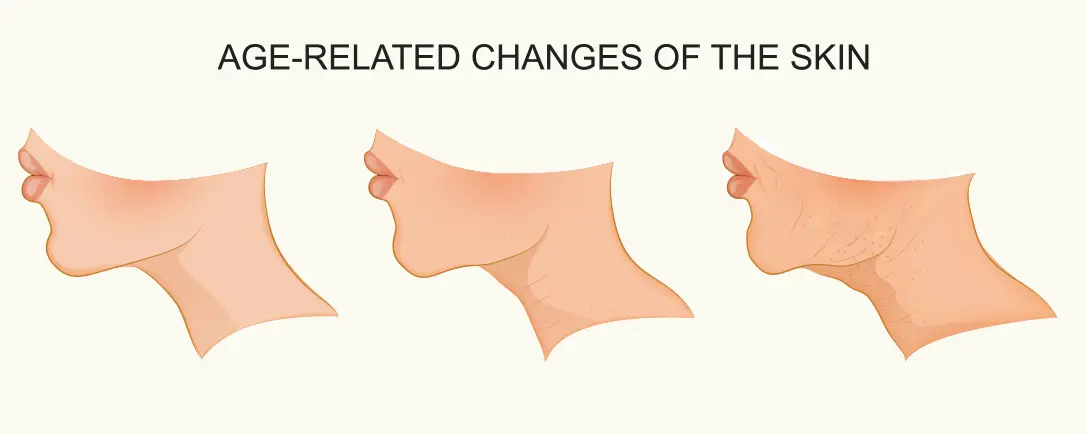
Elaborating on the aging process, Dr. Orhan Tekin, one of our experts at Dr. Cinik says, “Aging causes a decrease in the production of collagen and elastin, which results in sagging skin and deep wrinkles, as well as the loss of facial fat and bone volume. People need to understand the different aging signs in each stage of their lives and consult a trusted cosmetic surgeon to know the available treatments for each stage, and that which suits them the most. ”
What Is a Facelift?
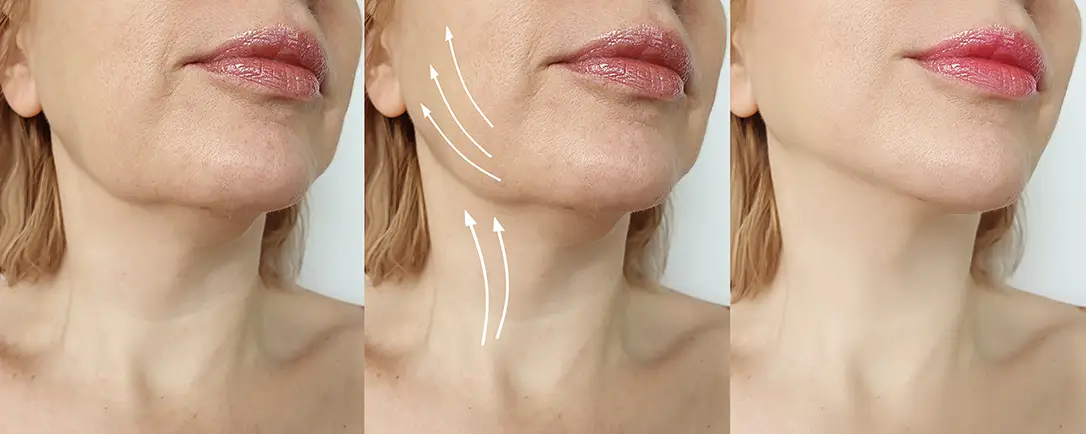
A facelift is a cosmetic surgical procedure aimed at revitalizing the appearance of the face. It is meant to tighten loose skin and can smooth out folds of skin on the cheeks and along the jawline. A facelift is also known as rhytidectomy.
During a facelift, a flap of skin is pulled on either side of a person's face. The tissue under the skin is disrupted, and excess skin is removed. These factors are part of why one's face appears more youthful.
A neck lift is frequently done in conjunction with a facelift and reduces fatty tissues and excess skin along the neck.
With this being said, while a facelift would improve sagging skin under the chin, it will not deal with the effects of sun exposure, which include fine lines and wrinkles.
Facelift After Weight Loss
After losing considerable weight, you might want to take the opportunity to schedule an appointment with a qualified facial plastic surgeon who will evaluate the probable skin changes and determine the right treatment plan for you. In fact, healthy patients who have successfully reached their weight-loss goals are commonly advised to get a facelift by plastic surgeons.
Different Types of Facelifts
If you think about lifting your face, you should know that there are several types of facelifts as follows:
The Mini Facelift
This is especially attractive to younger patients with mild to moderate facial aging, as the procedure is minimally invasive, leaving short inconspicuous scars around the ear, and has a quick recovery. Most patients can get back to their normal routine within a few days.
One Stitch Facelift
This is for the patient between the ages of 35-45 with mild facial aging and is characterized by very short incisions and very quick recovery. One stitch facelift is less risky than a conventional one and is usually combined with fat grafting to restore volume over the cheeks.
Full Facelift or Rhytidectomy
More than just a facelift, this term describes the full restoration of facial volume and the development of youthful contour. It is designed for patients in their 60s who are showing extreme signs of aging to rejuvenate deep lines, furrows, and sagging jowls. A neck lift is often performed in conjunction with it to achieve an overall youthful appearance through the en bloc excision of loose skin and tightening of facial structures.
Neck Lift
For those with sagging skin underneath the neck or a 'turkey neck,' a neck lift gives an improved appearance through the removal of wrinkles and sagging skin and definitely helps boost self-confidence, especially for those who are more concerned about their neck than their face.
Regular Facelifts vs. Mini Facelifts
Most patients choosing mini face-lifts tend to be younger in age, usually late thirties or very early forties. They target only the loss of volume and lines from the mid-face region rather than involving entire facial rejuvenation.
Of course, a mini facelift has its own positives as well, such as smaller incisions, less bruising and swelling, and fast recovery, as patients can return to work within a week.
Rhytidectomy is definitely bigger and can treat deeper lines and sagging all around one's face. Usually, this is combined with neck and brow lifts. The procedure involves a very long recovery period. You may take several months to recover fully, but the results of this procedure can last for even a decade.
Types of Facelift Procedures by Age
Facelift for 35+ of Age
Although facelift surgeries in your thirties are rare, there are still some non-surgical procedures that might be suggested to harmonize the current look or maintain a more youthful profile:
- Non-Invasive Dermal Fillings, including Restylane®, Restylane Lyft™, Restylane Silk®, and Juvéderm®
- Botulinum Toxin Type A (Botox®) and AbobotulinumtoxinA (Dysport®) for relaxing the appearance of some particularly linear fine lines and glabellar frown lines
- Lip Filler and Peri Oral Rejuvenation for fine lip lines and wrinkle filling, augmentation, as well as skin resurfacing
- Microneedling (Collagen Induction Therapy) helps in smoothing texture and scarring
- Kybella® "Double-Chin" Treatment- an injectable treatment for eliminating a "double chin"
- Dermabrasion (Dermaplaning) removes fine lines and wrinkles from your face
Facelift for 40+ of Age
Age-wise, the general observation is that people who choose to have a facelift at around their 40s to 50s usually have better and longer results than those who postpone it for later. The following facelift procedures are usually recommended:
- Facelift and/or Neck Lift (SMAS or Deep Plane facelift): Its purpose is lifting sagging jowls, mild-to-moderate skin laxity, and/or mid-face sagging. One very good benefit of this type of facelift is that it has a longer-lasting effect—about 10 to 15 years—therefore requiring fewer revisions.
- Fat Transfer (Fat Grafting or Fat Injection) is a procedure in which fat is harvested from the body and is used for facial volumization. It is an ideal treatment for filling "hollows" and creating volume for a more youthful look.
Facelift for 50+ of Age
In older patients, the following procedures exist for facelifting:
- Secondary or "refresh" facelift: A secondary facelift may give a better result than your initial facelift. For older patients (late 50s-60s) on whom the natural process of aging has diminished the effect of a previous facelift, this procedure is appropriate.
- Pan-facial rejuvenation: Facial rejuvenation is ideal for older patients wanting their first facelift. It rejuvenates the whole face and neck area.
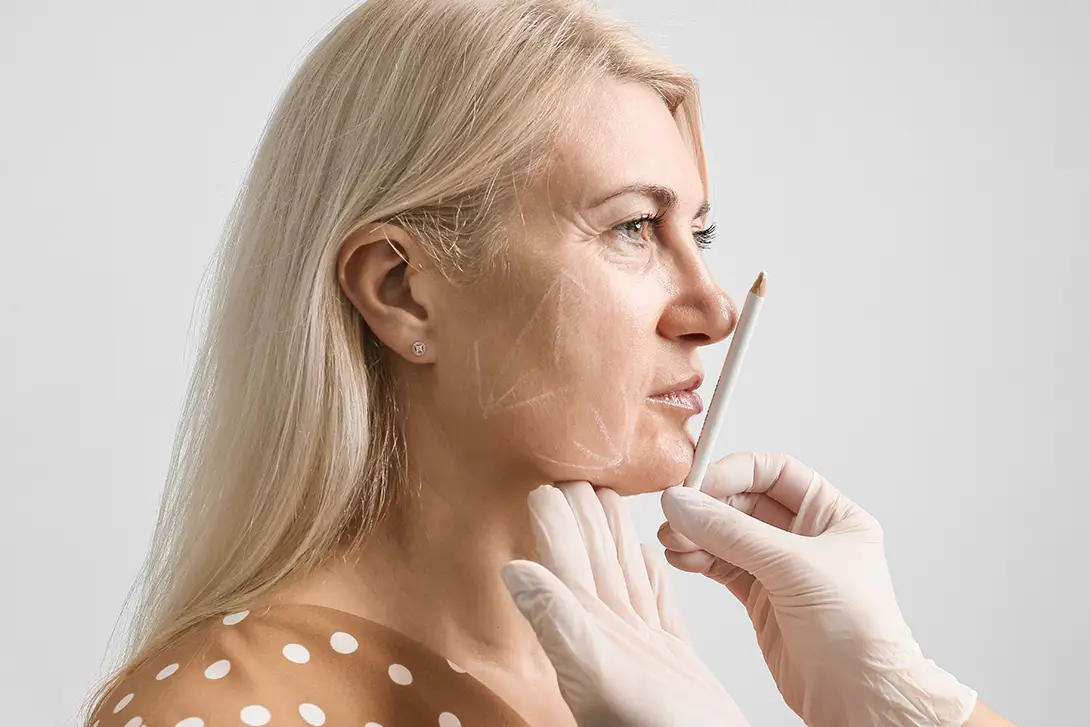
Who Is a Good Candidate for a Facelift?
Generally, the indications for being a good candidate for facelift surgery are as follows:
- Someone who is in good health with no debilitating medical condition that impairs one's body's ability to recover.
- Not a smoker.
- Someone who is mentally healthy with appropriate and realistic expectations of facelift results.
- Ideal candidates for facelift surgery are those patients who have signs of facial aging yet retain some degree of elasticity in their skin. Generally, this includes patients in their forties to sixties with occasional younger or older patients qualifying for surgery.
What is the best age for a Facelift?
Most people who undergo facelifts in their 40s, 50s, or 60s usually have the beginning appearance of age. There is no standard "best age" for facelift procedures as conditions vary with one's genetic predisposition, lifestyle, and external environment.
Importantly, facelifts can last from seven to ten years. Some people undergo their first facelift in their mid-40s to early 50s and then return for a "refreshing" facelift in their 60s.
How Do I Know Whether I Am Too Old or Too Young for a Facelift?
The right time for a facelift is a very individual thing, and so, it is impossible for us to advise our patients as to the exact right age for such a procedure. Peers of the same age originate from different backgrounds—sometimes from different life experiences—and are affected by factors like smoking, diet, sun exposure, or different genetic traits, such as oily or dry skin, all of which affect the state of the skin and thus 'age' it genetically.
But, to be honest, for women over 40 who would like to get a facelift, it is always better not to delay this surgery. This is because women in their mid-forties or early fifties still have residual skin elasticity, which will be sufficiently ideal for the surgeon to make great results.
The Advantages of a Facelift
Facelift (rhytidectomy) is a cosmetic procedure that rejuvenates aging signs of the face and neck, such as:
- Relaxation of tissue in the face causes drooping
- Deep angulation of the fold lines between the nose and lips
- Lost or displaced fat
- Jowls becoming developed on the cheek and jaw
- Excess fat and loose, skeletal skin of the neck that can appear in the form of a double chin or turkey neck
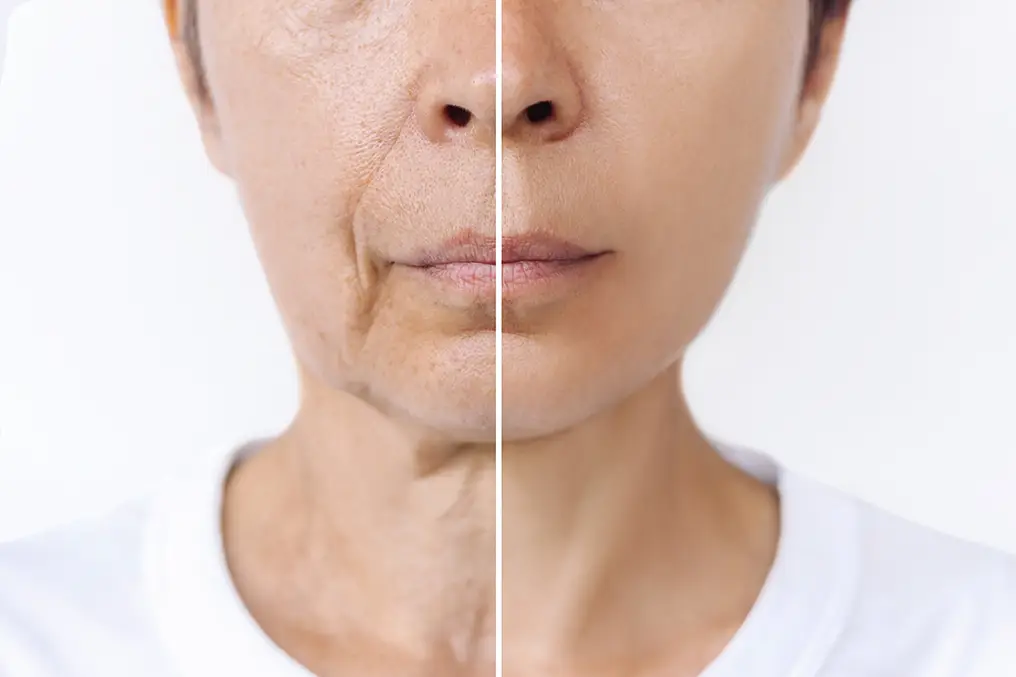
According to Dr. Tekin, “A facelift surgery is a procedure designed to reduce the signs of aging in the skin and underlying muscles, rendering a more youthful and rejuvenated appearance. Such an intervention addresses sagging skin, deep creases, and other changes related to aging, helping patients feel more comfortable with their appearance."
How Do You Prepare for a Facelift?
Before undergoing facelift surgery, a surgeon might require you to do the following:
- Get a blood test and/or medical evaluation
- Take medications or modify current medications
- Stop smoking
- Avoid certain foods or beverages
- Stop aspirin and certain other anti-inflammatory medications, as these can increase bleeding
What Does a Facelift Procedure Involve?
Most facelifts are performed under general anesthesia, although local anesthesia combined with sedation may, on occasion, be applied.
In the numerous types of facelifts that exist, in general, the surgeon would:
- Make incisions above the hairline at the temples that extend down in front of your ear and underneath and behind the earlobe
- Make incisions underneath the chin if the jawline is also being lifted
- Remove the excess skin from the face
- Stretch the remaining skin backward and upward toward its new position before stitching it
- Reposition fat and tissue in the face or graft fat onto the face posteriorly
- Wrap the face with a bandage to reduce facelift bruising and swelling
How Long Does Facelift Surgery Take?
Facelift surgery is likely to last for 2-3 hours, and a few people may have to stay overnight in the hospital.
What Are the Recovery Stages for a Facelift?
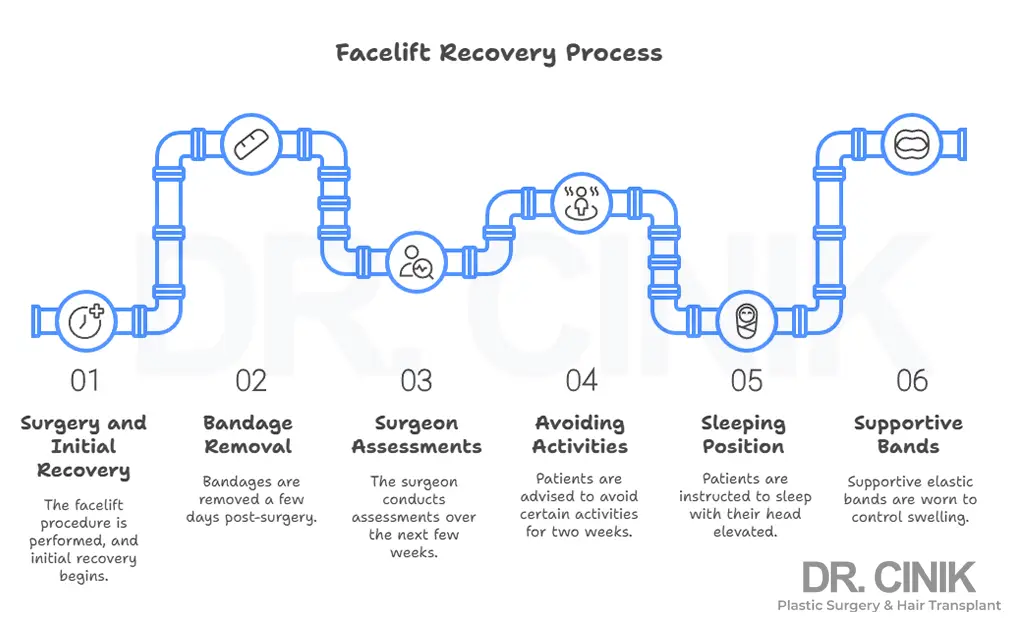
Facelift bruising and swelling will occur and take about two to three weeks to heal. Some may heal faster, whereas for others it may be a slower process.
- The bandages, in most cases, are removed a few days after facelift surgery. The surgeon would ask to see you multiple times over the following two to three weeks after surgery for an assessment of your bruising and swelling, as well as to remove your stitches.
- Do not shower or wet the bandages for at least 2 days, and do not participate in exercise, saunas, or massages for at least 2 weeks.
- You also must keep your head propped up with pillows for a few days when sleeping to keep the swelling to a minimum.
- For roughly two weeks, the patient would have to wear supportive elastic bands that, in turn, would help keep the swelling under control.
- For the best results, patients should refrain from sun exposure, smoking, and drinking too much alcohol.
What Is the Recovery Time for a Facelift?
Recovery time from a facelift largely depends on the type of surgery performed as well as the general health condition of the patient. Bruising and swelling may possibly persist for up to 2 weeks; however, full recovery may take about 2 to 3 months.
Are There Any Side Effects for Facelift Surgery?
It is expected that following the facelift, there will be some side effects, as follows:
- A swollen or numbed face, lasting from a couple of weeks to a couple of months
- Stiffness in the face and mouth, usually gone in about 6 weeks
- Bruises, which can last for weeks
- Low mood for a few days
- Scars- they will fade but probably not go completely
- An elevated hairline or sideburns
- Reduced hair density at the sides of the forehead (temples)
When Will the Results of a Facelift Appear?
Following your facelift procedure, stitches will be removed about 7 to 14 days after surgery, whereas dissolvable stitches, of course, will fall out on their own.
Bruising, scarring, and other changes to the skin color should have disappeared after several weeks.
The final results of the facelift will be evident after about 6 to 9 months.
Which Surgeries Can Be Done With a Facelift?
In numerous cases, patients undergoing facelift surgery could have it done together with some other procedures under the same anesthetic or within the same time frame, including:
-
- Rhinoplasty (nose job)
- Blepharoplasty (eyelid lift)
- Facial implants
- Brow lift
- Liquid facelift with injectable dermal fillers
- Jawline rejuvenation
- Chemical peel
- Laser skin resurfacing
Non-Surgical Alternatives of a Facelift
Non-surgical facelift methods and their results differ from classic surgical facelifts, in which incisions are made and the underlying facial tissues adjusted. Instead, noninvasive facelifts take advantage of advanced technologies to obtain a similarly desirable outcome without a scalpel.
Here are some of the most in-demand non-invasive facelift procedures:
- Botox injections temporarily relax muscles that create wrinkles and fine lines primarily on the forehead and around the eyes.
- Dermal fillers: Beautifully injected fillers will help turn back the clock by restoring volume to areas that have lost fullness, thereby plumping up wrinkles and restoring a youthful contour.
- Laser skin resurfacing: Targeted laser energy is used to stimulate collagen formation, thus improving skin texture, tone, and elasticity.
- Radiofrequency treatment: Radio-frequency waves penetrate deeper levels of the skin, stimulating collagen formation and skin tightening.
Facelift Cost in Turkey
Now that you have all the information you need to know about facelifts and are thinking about taking this step, let's talk about the cost of the procedure in Turkey and why you should choose the country as your medical tourism destination.
The average cost of a facelift in Turkey ranges between €3,000 to €6,000.
This price for a facelift is much lower than that in other countries, making Turkey one of the ideal locations for skin revitalization without breaking the bank.
Here are some reasons why facelift surgery costs are lower in Turkey:
- Turkey has favorable exchange rates, with the Turkish lira currently weaker compared to all major currencies, including USD and EUR, so your facelift in Turkey becomes very attractive.
- The cost of living is cheaper in Turkey than in the US and Europe, making the daily expenses of patients’ stays much lower than in their countries.
- Turkey is famous for its skilled and proficient surgeons, so you will receive world-class care by spending just a fraction of what you would in other parts of the globe.
Cost of a Mini Facelift
Some people prefer mini facelifts over traditional facelifts for many reasons, including:
- They are less invasive
- They recover faster
- They create milder results
- They are less expensive
- They fit younger patients with early stages of aging
With that being said, the average cost of a mini facelift ranges between €1800 and €3500.
Facelift Before and After
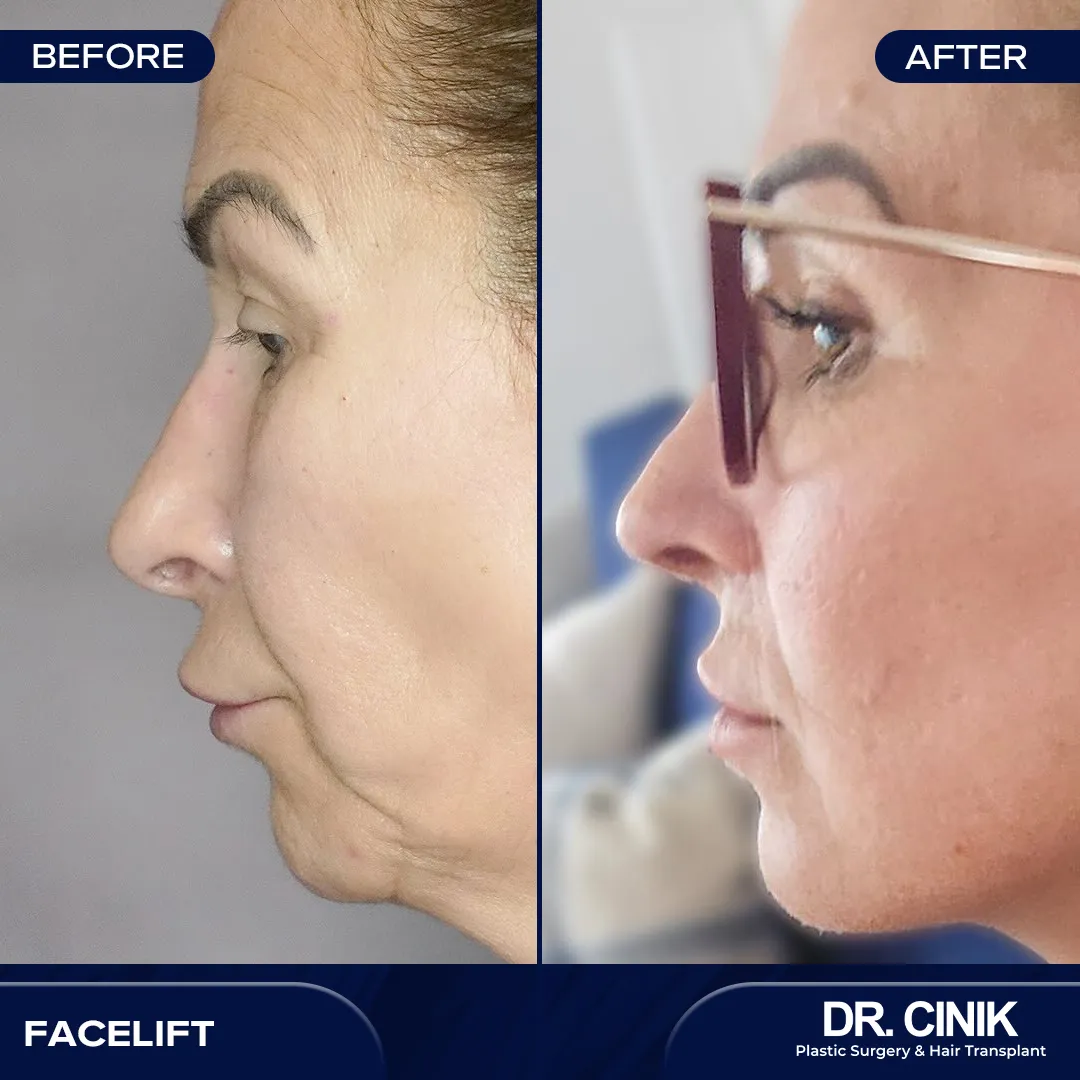
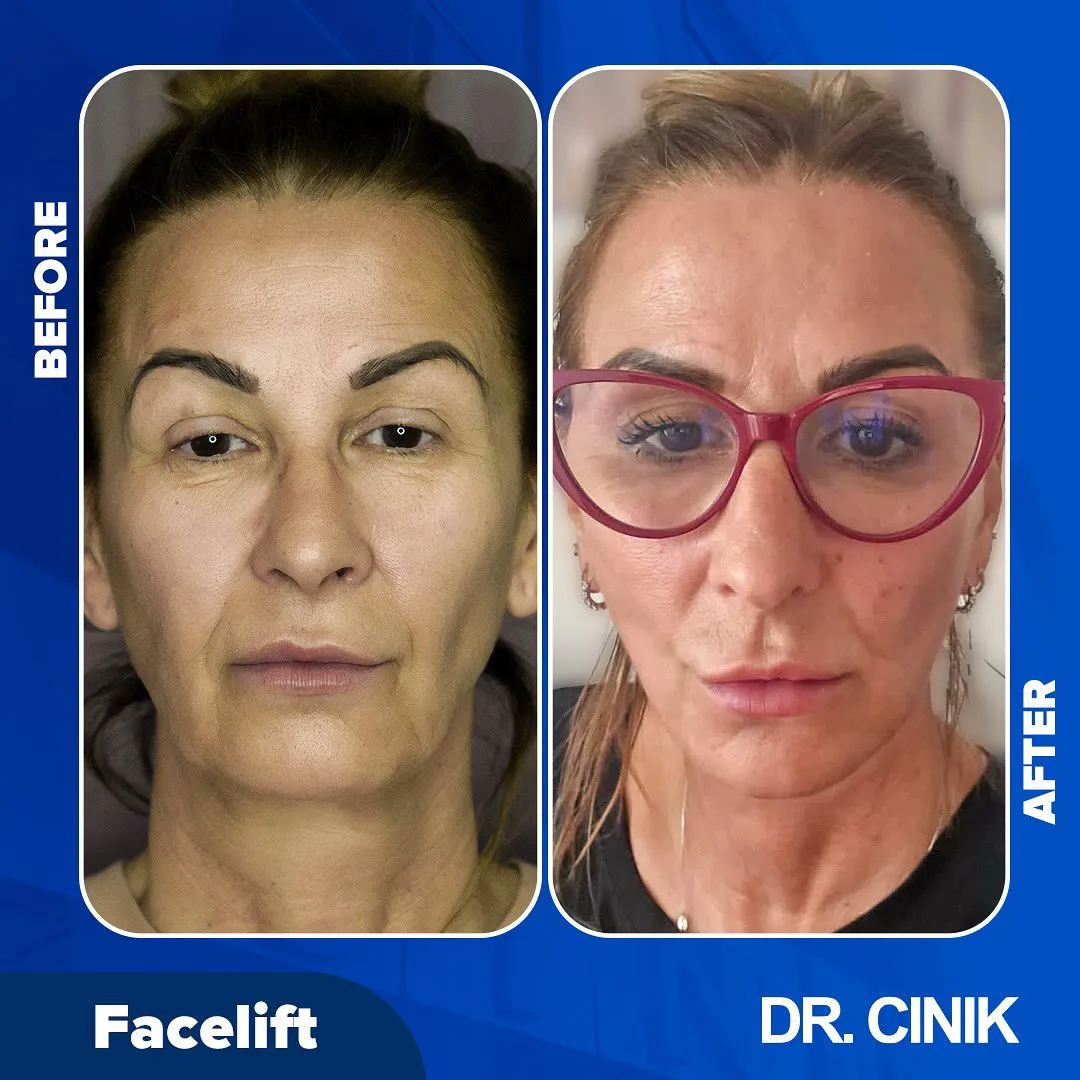
To conclude, facelifts offer a powerful solution for patients seeking to reverse the visible effects of aging and look confident in their skin. With the various techniques available as we explored, understanding the types, benefits, and recovery processes is necessary for making an informed decision.
As more individuals recognize the transformative potential of this procedure, it continues to gain popularity as a means of achieving a fresher, more youthful look. Whether for personal reasons or sheer curiosity, understanding the world of facelifts can provide valuable insights into this increasingly sought-after surgical option.
Frequently Asked Questions
Is a facelift painful?
A facelift surgery is a surgical procedure likely to have some degree of pain and discomfort. However, with the modern advancements in surgical techniques and anesthesia, facelift procedures generate minimal pain and discomfort.
Is a facelift safe?
A facelift procedure is generally safe, although, like any other surgical procedure, it might have some complications that could be avoided by a proficient surgeon.
Is a facelift permanent?
The results of a facelift are not permanent. With age, the skin on the face may begin to droop again. In general, a face-lift can be expected to last for 10 years.
When Does a Facelift Look Its Best?
Patients can start seeing improvement three weeks after the facelift when the swelling subsides.
What Is the Age Range of Most Facelift Patients?
For most people, a good time to have a facelift is somewhere between 40 and 60 years of age, when various wrinkles and lines begin to develop on the lower half of the face and the neck.
What Happens 10 Years After a Facelift?
A facelift can be expected to last for some 8 to 10 years. After that, some men and women begin seeing signs of aging, such as drooping skin, creases, and wrinkles.
What Is the Best Age for a Woman to Get a Facelift?
Women over 40 are considered ideal candidates for a facelift. This is because the majority of the visible signs of aging start appearing during women’s 40s and 50s.