بالون المعدة مقابل تحويل مجرى المعدة: أي علاج لفقدان الوزن هو الأنسب لك؟
بالون المعدة وتحويل مجرى المعدة كلاهما يعالج السمنة، لكنهما يعملان بطرق مختلفة جوهريًا. بالون المعدة هو جهاز تنظيري مؤقت يملأ جزءًا من المعدة لمدة ستة إلى اثني عشر شهرًا.
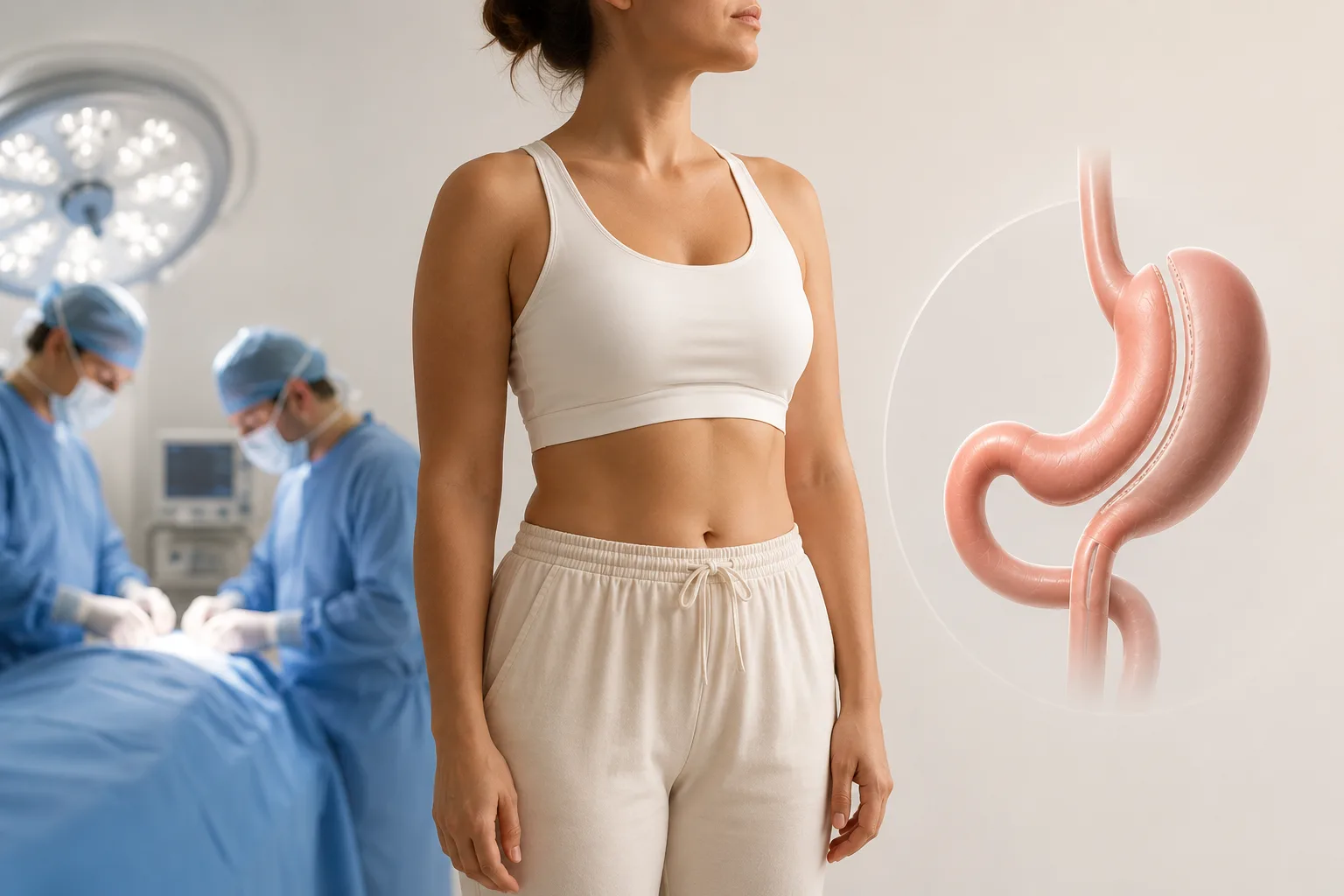
تشير جراحة البدانة إلى مجموعة من الإجراءات الجراحية التي تغير النظام الهضمي لمساعدة الأشخاص الذين يعانون من السمنة المفرطة على فقدان الوزن. تقوم هذه العمليات بتقليل حجم المعدة، وتغيير كيفية امتصاص الجسم للمواد الغذائية، وتعديل الهرمونات المعوية التي تتحكم في الشعور بالجوع.
استكشف المزيد من الرؤى حول العلاجات، التعافي، والرعاية الجمالية.
بالون المعدة وتحويل مجرى المعدة كلاهما يعالج السمنة، لكنهما يعملان بطرق مختلفة جوهريًا. بالون المعدة هو جهاز تنظيري مؤقت يملأ جزءًا من المعدة لمدة ستة إلى اثني عشر شهرًا.

الارتجاع المريئي يشير إلى مرض الارتجاع المريئي المعدي. المصطلح يصف حالة مزمنة حيث تتحرك محتويات المعدة إلى الوراء إلى المريء وتنتج أعراض مزعجة أو تلف الأنسجة.

تُشير جراحة تحويل المعدة إلى العمليات التي تُنشئ كيسًا صغيرًا في المعدة وتعيد توجيه الأمعاء الدقيقة لتعزيز فقدان الوزن. لقد أجرى الجراحون هذه الإجراءات لعقود. لا تزال تكوينات Roux-en-Y الأكثر دراسة على مستوى العالم.
يفقد معظم المرضى من 50 إلى 70 في المائة من وزنهم الزائد في السنة الأولى بعد إجراء عملية تكميم المعدة. بعض المرضى يفقدون وزناً أكبر. بينما يفقد آخرون وزناً أقل قليلاً. يعتمد الرقم الدقيق على وزنك الأساسي، ومستوى الأيض لديك، ونظامك الغذائي، وعاداتك الرياضية، ومدى التزامك بتوجيهات فريق جراحة البدانة.

تشير السمنة المفرطة، والتي تُعرف الآن بالسمنة من الفئة الثالثة أو السمنة الشديدة، إلى حالة طبية مزمنة يحمل فيها الشخص دهونًا زائدة في الجسم تزيد بشكل كبير من خطر حدوث مضاعفات صحية خطيرة.

السمنة هي مرض مزمن. تتطلب رعاية فردية. يقارن المرضى الآن بين بالون المعدة وأوزمبيك أكثر من أي وقت مضى. كلا الخيارين يقلل من وزن الجسم. يعملان من خلال مسارات مختلفة. أحدهما يستخدم التقييد الميكانيكي.
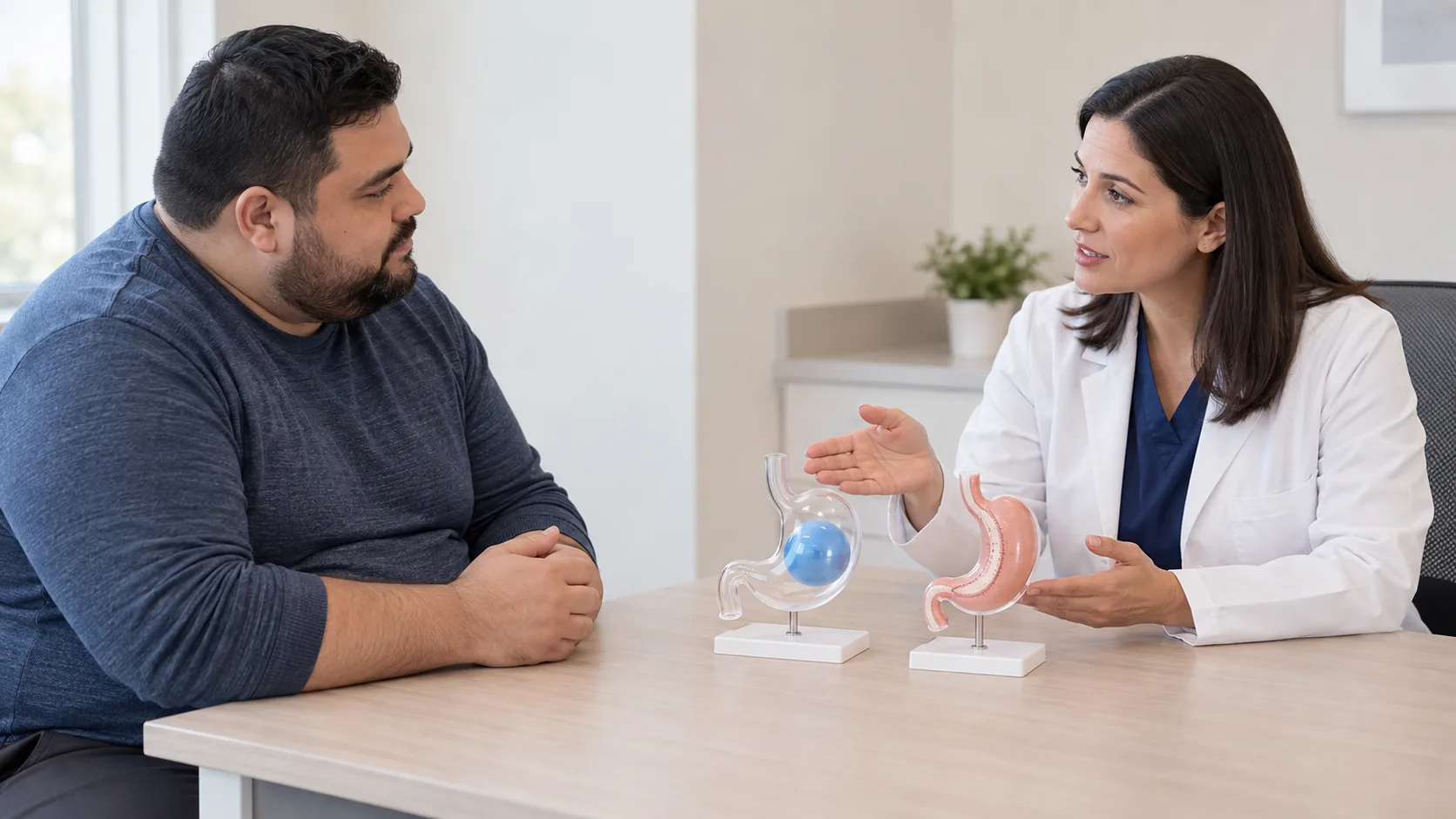
يوفر بالون المعدة جهازًا مؤقتًا داخل المعدة، بينما يوفر تكميم المعدة عملية جراحية دائمة لتقليل حجم المعدة. تشكل هذه التفرقة أساس كل فرق آخر بين هذين العلاجين.
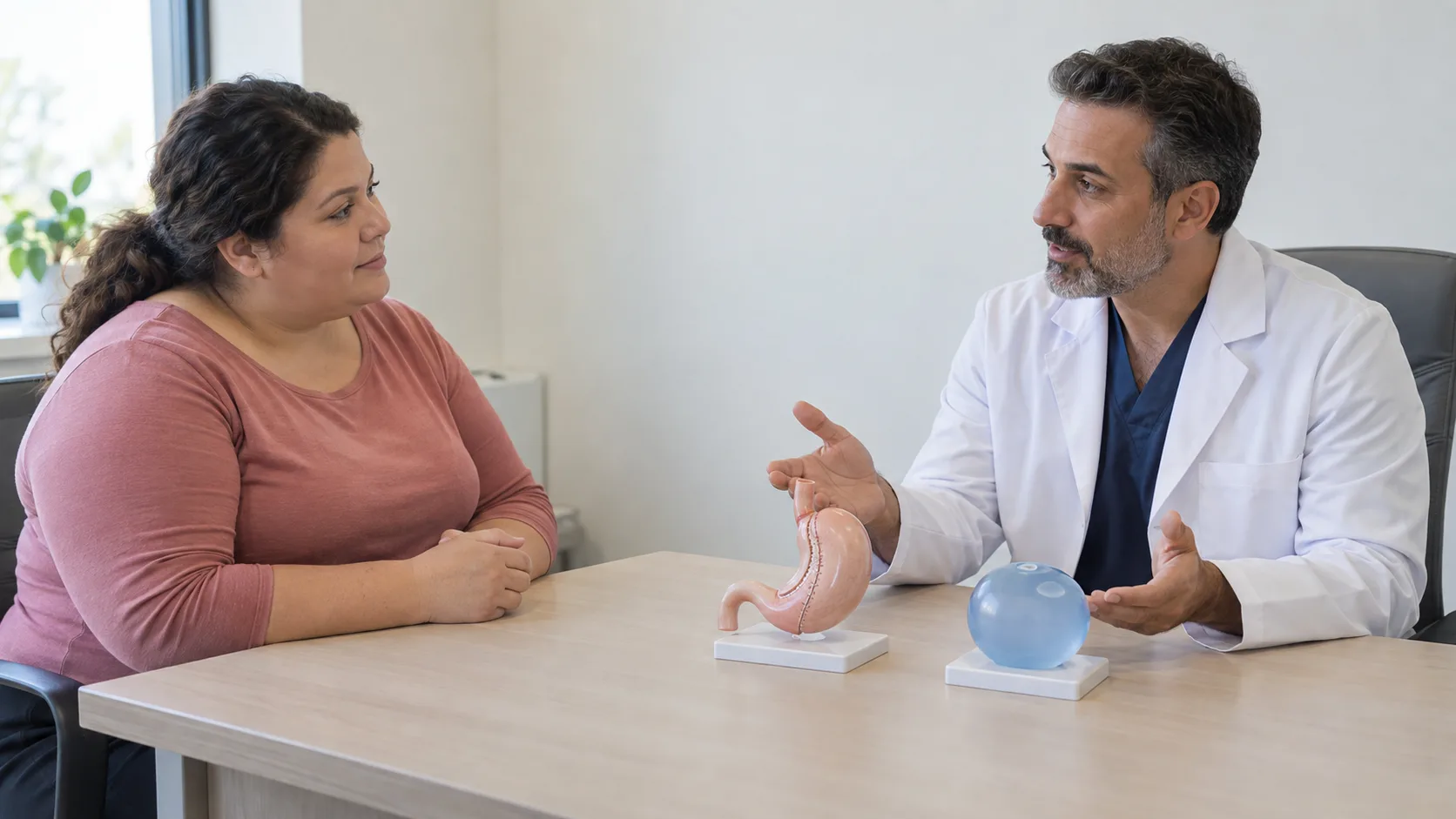
يعد تحويل مسار المعدة عملية جراحية أيضية دائمة تقوم بتغيير تشريح جسمك وتحقق فقدان وزن كبير ومستدام. أما بالون المعدة فهو جهاز تنظيمي مؤقت يشغل مساحة المعدة وينتج فقدان وزن أكثر تواضعاً.
جراحة البدانةتشير إلى مجموعة من الإجراءات الجراحية التي تغير النظام الهضمي لمساعدة الأشخاص الذين يعانون من السمنة المفرطة على فقدان الوزن. تقوم هذه العمليات بتقليل حجم المعدة، وتغيير كيفية امتصاص الجسم للمواد الغذائية، وتعديل الهرمونات المعوية التي تتحكم في الشعور بالجوع. كما يطلق الأطباء على هذا المجال جراحة الأيض لأنها تعالج الأمراض المرتبطة بالسمنة مثل داء السكري من النوع الثاني وارتفاع ضغط الدم. تعمل جراحة البدانة من خلال أكثر من مجرد تقييد المعدة. إنها تؤدي إلى تغييرات هرمونية و أيضية وعصبية تعيد ضبط أنظمة تنظيم الوزن في الجسم. تتناول هذه المقالة الإجراءات المختلفة والفوائد والمخاطر والشفاء بالتفصيل.
تشمل جراحة البدانة العمليات التي تستهدف المعدة والأمعاء لعلاج السمنة المفرطة. تأتي هذه المسمى من الكلمة اليونانية "باروس"، والتي تعني الوزن. يقوم الجراحون بإجراء هذه العمليات عندما تفشل الحمية الغذائية وممارسة الرياضة بمفردها في إنتاج نتائج دائمة.
تغير جراحة البدانة تشريح الجهاز الهضمي لتقييد تناول الطعام، أو تقليل امتصاص المواد الغذائية، أو كليهما. تعرف الجمعية الأمريكية للجراحة الأيضية وجراحة البدانة هذه العمليات على أنها تدخلات تعالج السمنة والأمراض المرتبطة بها من خلال التعديل الجراحي للجهاز الهضمي (Buchwald et al. 45). لا تقوم هذه الإجراءات بتقليص المعدة فقط. بل تعيد توصيل إشارة الهرمونات في الجسم، وتحسن من حساسية الإنسولين، وتعيد ضبط تنظيم الشهية.
تعمل جراحة البدانة من خلال أربعة طرق رئيسية: تقييد تناول الطعام، تقليل امتصاص السعرات الحرارية، تغيير هرمونات الجوع، وتحسين وظيفة الإنسولين.
تقييد تناول الطعام: معظم إجراءات جراحة البدانة تجعل المعدة أصغر. المعدة الأصغر تحمل كمية أقل من الطعام. يشعر المرضى بالشبع بعد تناول أجزاء صغيرة. يمنع هذا التقييد المادي الإفراط في الأكل.
تقليل امتصاص السعرات الحرارية: تتجاوز بعض الإجراءات أجزاء من الأمعاء الدقيقة. يمتص الجسم عددًا أقل من السعرات الحرارية والمواد الغذائية من الطعام. تسرع هذه الحالة من فقدان الوزن.
التغييرات الهرمونية التي تؤثر على الجوع والشبع: تغير جراحة البدانة مستويات هرمونات الأمعاء. ينخفض هرمون الجوع الغريلين بعد عملية قص المعدة وتحويل المسار. تزداد الهرمونات GLP-1 و PYY، التي تعزز الشعور بالشبع. هذه التحولات الهرمونية تقلل من الشهية والرغبات (Sjöström et al. 203).
تحسينات في حساسية الإنسولين: تحسن الجراحة من كيفية استخدام الجسم للإنسولين. يتحسن التحكم في نسبة السكر في الدم خلال أيام بعد عملية تحويل المسار، حتى قبل حدوث فقدان وزن كبير. تجعل هذه التأثيرات الأيضية جراحة البدانة علاجًا قويًا لداء السكري من النوع الثاني.
تغيرات في هرمونات الأمعاء: تنتج الأمعاء هرمونات تتواصل مع الدماغ. تعمل جراحة السمنة على تغيير هذا المحور بين الأمعاء والدماغ. يشعر المرضى بانخفاض الرغبة في تناول الطعام وتحسن إشارات الشبع.
يستخدم الأطباء مصطلح الجراحة الأيضية لأن هذه العمليات تعالج الأمراض الأيضية، وليس فقط السمنة. تعمل الإجراءات على تحسين مرض السكري من النوع الثاني، مرض الكبد الدهني، ارتفاع ضغط الدم، ومستويات الكوليسترول.
يعكس تغيير الاسم من "جراحة السمنة" إلى "الجراحة الأيضية" فهمًا أعمق لكيفية عمل هذه العمليات. فقدان الوزن مهم، لكن التحسينات الأيضية تحدث غالبًا أولاً. بعد إجراء تحويل مسار المعدة Roux-en-Y، تُظهر المرضى تحكمًا أفضل في نسبة السكر في الدم خلال أسبوع واحد. هذا التحسن السريع يثبت أن الجراحة تغير الأيض مباشرة، وليس فقط من خلال تقليل السعرات الحرارية (Schauer et al. 2243). يركز مصطلح الجراحة الأيضية على أن هذه الإجراءات تعالج الأمراض، وليس فقط المظهر.
تتطلب معظم الإرشادات وجود مؤشر كتلة جسم يبلغ 40 أو أكثر. قد يتأهل المرضى الذين لديهم مؤشر كتلة جسم يبلغ 35 أو أكثر إذا كانوا يعانون من أمراض مرتبطة بالسمنة مثل السكري أو ارتفاع ضغط الدم.
يعتبر مؤشر كتلة الجسم قياسًا للوزن بالنسبة للطول. يشير مؤشر كتلة جسم 30 أو أعلى إلى السمنة. تبدأ السمنة الشديدة عند مؤشر كتلة جسم 35. وضعت المعاهد الوطنية للصحة هذه الحدود في عام 1991، ولا تزال تستخدمها الجمعيات الطبية الكبرى حتى اليوم (Aminian et al. 1012). تقترح بعض الإرشادات الحديثة أن المرضى الذين لديهم مؤشر كتلة جسم بين 30 و 34.9 والسكري من النوع الثاني غير المتحكم فيه قد يستفيدون أيضاً من الجراحة.
غالبًا ما تتأهل حالات مرض السكري من النوع الثاني، وارتفاع ضغط الدم، وانقطاع التنفس أثناء النوم، ومرض الكبد الدهني، وأمراض القلب، واضطرابات المفاصل المرضى الذين لديهم مؤشر كتلة جسم 35 أو أكثر.
السكري من النوع الثاني: السكري غير المتحكم فيه يتسبب في إتلاف الأعضاء ويقصر العمر. غالبًا ما تؤدي جراحة السمنة إلى تراجع السكري.
ارتفاع ضغط الدم: الضغط العالي يضغط على القلب والشرايين. غالبًا ما يؤدي فقدان الوزن بعد الجراحة إلى تطبيع ضغط الدم.
انقطاع النفس النومي الانسدادي: الوزن الزائد يضيق الممرات الهوائية أثناء النوم. يتوقف المرضى عن التنفس بشكل متكرر. تقلل الجراحة من ضغط الممرات الهوائية وتحسن جودة النوم.
مرض الكبد الدهني غير الكحولي: تراكم الدهون في الكبد يسبب التهابًا وتندبًا. يعكس فقدان الوزن هذا الضرر.
أمراض القلب: تزيد السمنة من خطر الإصابة بالنوبات القلبية والسكتات الدماغية. تقلل الجراحة من هذه المخاطر من خلال فقدان الوزن والتحسين الأيضي.
اضطرابات المفاصل: الوزن الزائد يدمر مفاصل الركبة والورك. يشعر المرضى بألم أقل وقدرة أفضل على الحركة بعد الجراحة.
تفشل تغييرات نمط الحياة عندما يستعيد المرضى الوزن بشكل متكرر، عندما تتفاقم الأمراض على الرغم من النظام الغذائي وممارسة الرياضة، أو عندما تحد السمنة بشدة من الحياة اليومية.
يحاول العديد من المرضى اتباع حميات، وبرامج رياضية، وأدوية لسنوات. يخسر البعض الوزن في البداية لكنهم يستعيدونه. يقاوم الجسم فقدان الوزن من خلال التكيفات الهرمونية. يرتفع هرمون الجريلين. يتباطأ الأيض. تجعل هذه الدفاعات البيولوجية فقدان الوزن المستدام أمرًا صعبًا للغاية بالنسبة للأشخاص الذين يعانون من السمنة المفرطة (Arterburn et al. 2174). تكسر الجراحة هذه الدورة من خلال تغيير أنظمة تنظيم الوزن في الجسم.
يتم إجراء اختبارات الدم، وتقييمات القلب، وتقييمات التغذية، والفحوصات النفسية، وأحيانًا دراسات النوم للمرضى.
تشمل فريق العلاج الباريتريك متعدد التخصصات جراحيين، وأخصائيي تغذية، وعلماء نفس، وأطباء داخليين. يقوم هذا الفريق بتقييم كل مريض بدقة. تسجل اختبارات الدم وجود فقر الدم، ونقص الفيتامينات، ووظائف الأعضاء. يقيم أطباء القلب صحة القلب. يقوم علماء النفس بفحص اضطرابات الأكل ويتأكدون من فهم المرضى الالتزام مدى الحياة. تحدد تقييمات التغذية النواقص التي تحتاج إلى تصحيح قبل الجراحة.
يؤدي استئصال المعدة بالأنبوب إلى إزالة حوالي 80% من المعدة. يقوم الجراحون بإنشاء أنبوب معدي رفيع على شكل موزة. هذه العملية تحد من كمية الطعام المستهلكة وتقلل من إنتاج الجريلين.
نظرة عامة على الإجراءات: يقوم الجراحون بإجراء استئصال المعدة بالأنبوب بواسطة المنظار من خلال شقوق صغيرة. يقومون بإزالة الجزء الخارجي من المعدة على طول الانحناء الأكبر. يقومون بإغلاق المعدة المتبقية باستخدام الدبابيس. تستغرق العملية من 60 إلى 90 دقيقة.
كيف يعزز فقدان الوزن: يحتوي المعدة الأصغر على 100 إلى 150 مل من الطعام فقط. يشعر المرضى بالشبع بسرعة. تنتج الجزء المremoved من المعدة معظم الجريلين في الجسم. بعد الجراحة، تنخفض مستويات الجريلين بشكل حاد. يعاني المرضى من جوع أقل.
المزايا: لا تقوم جراحة استئصال المعدة بالأنبوب بإعادة توجيه الأمعاء. تحافظ على الهضم والامتصاص بشكل طبيعي. يتجنب المرضى النواقص المرتبطة بقصور الامتصاص. الإجراء أبسط من الناحية التقنية مقارنة بتجاوز المعدة. تستغرق العملية وقتًا أقل في غرفة العمليات.
القيود: لا يمكن عكس عملية استئصال المعدة بالأنبوب. تبقى المعدة المزالة غير موجودة. يصاب بعض المرضى بحرقة المعدة بعد الجراحة. تظهر البيانات الطويلة الأجل أن استعادة الوزن تحدث في 15% إلى 25% من المرضى بعد خمس إلى عشر سنوات.
النتائج المتوقعة: يفقد المرضى 50% إلى 70% من وزنهم الزائد خلال 18 إلى 24 شهرًا. يحدث الشفاء من السكري في 60% إلى 70% من المرضى (بيترلي وآخرون 1295).
يؤدي تجاوز المعدة Roux-en-Y إلى إنشاء كيس معدي صغير ويعيد توجيه الأمعاء الدقيقة. تحد هذه العملية من تناول الطعام وتقلل من الامتصاص.
التقنية الجراحية: يقوم الجراحون بإنشاء كيس صغير في الجزء العلوي من المعدة، بحجم تقريبًا بحجم بيضة. يقومون بتقسيم الأمعاء الدقيقة ويربطون الجزء السفلي مباشرة بالكيس. يتجاوز الطعام معظم المعدة وأول جزء من الأمعاء الدقيقة.
آلية العمل: يحد الكيس الصغير من حجم الحصص إلى حوالي أونصة واحدة. يقلل التجاوز المعوي من امتصاص السعرات الحرارية والمواد الغذائية. تحدث تغييرات في هرمونات الأمعاء على الفور. يرتفع مستوى GLP-1. تتحسن حساسية الإنسولين في غضون أيام.
الفوائد: ينتج تجاوز المعدة Roux-en-Y أكبر فقدان مستدام للوزن بين الإجراءات الشائعة. يفقد المرضى 60% إلى 80% من الوزن الزائد. تصل معدلات الشفاء من السكري إلى 80%. تظهر الدراسات الطويلة الأجل انخفاضًا في معدل الوفيات وتحسن النتائج القلبية الوعائية (آدامز وآخرون 757).
العيوب المحتملة: يحمل الإجراء مخاطر أعلى لنقص المواد الغذائية. يحتاج المرضى إلى تكملة الفيتامينات مدى الحياة. يمكن أن تحدث متلازمة التفريغ عند دخول الأطعمة السكرية إلى الأمعاء الدقيقة بسرعة كبيرة. العملية معقدة من الناحية التقنية أكثر من استئصال المعدة بالأنبوب.
يؤدي تجاوز المعدة الصغير إلى إنشاء كيس معدي طويل ورفيع ويقوم بربطه بدائرة من الأمعاء الدقيقة. هذا النهج المؤلف من أناستوموز واحد يبسط التجاوز التقليدي.
كيف يختلف عن تجاوز المعدة Roux-en-Y: يستخدم تجاوز المعدة الصغير اتصالًا واحدًا بدلاً من اثنين. يقوم الجراحون بإنشاء كيس ويربطونه مباشرة بدائرة من أجل الجيومن. يقلل هذا من وقت العملية والتعقيد الفني. تشير بعض الدراسات إلى فقدان وزن مشابه لتجاوز المعدة Roux-en-Y مع مضاعفات أقل.
الفوائد: تستغرق العملية وقتًا أقل. يكملها الجراحون في 45 إلى 90 دقيقة. يشعر المرضى بفقدان وزن كبير وتحسن في التمثيل الغذائي. يقلل الأنسجة الأحادية من مخاطر الفتوق الداخلية.
الاعتبارات: يمكن أن يسبب التحويل المصغر للمعدة ارتجاع الصفراء لدى بعض المرضى. تبقى بيانات المدى الطويل محدودة مقارنةً بتقنية Roux-en-Y. بعض الجراحين يشعرون بالقلق من تمدد كيس المعدة بمرور الوقت.
التحويل الثنائي يجمع بين قص المعدة مع تحويل الأمعاء الواسعة. يوفر أعلى فقدان للوزن ولكنه يتطلب مراقبة غذائية صارمة.
مزيج من التقييد وسوء الامتصاص: يبدأ الجراحون بإجراء قص المعدة. ثم يقومون بتجاوز معظم الأمعاء الدقيقة. تنتقل الطعام عبر قناة شائعة قصيرة حيث يحدث الامتصاص. تنتج هذه الآلية الثنائية نتائج دراماتيكية.
أفضل المرشحين: يناسب التحويل الثنائي المرضى الذين لديهم مؤشر كتلة الجسم فوق 50. كما أنه يساعد المرضى الذين فشلوا في إجراءات البدانة الأخرى. تعمل العملية بشكل جيد للمرضى الذين يعانون من داء السكري الشديد.
فعالية فقدان الوزن: يفقد المرضى 70% إلى 90% من الوزن الزائد. وهذا يمثل أعلى فقدان للوزن بين جميع إجراءات البدانة. تجاوز معدلات الشفاء من داء السكري 85%.
المراقبة الغذائية: يخلق سوء الامتصاص الواسع مخاطر نقص عالية. يحتاج المرضى إلى مكملات قوية مع الفيتامينات A، D، E، K، B12، الحديد، الكالسيوم، والبروتين. يجب أن تظل المتابعات صارمة مدى الحياة.
SADI-S تعني تحويل الأمعاء الدقيقة الكبير بأستئصال المعدة الكامل. يبسط التحويل الثنائي بتوصيل أمعائي واحد بدلاً من اثنين.
يجمع SADI-S بين قص المعدة مع تحويل الأمعاء الدقيقة. ينشئ الجراحون وصلة واحدة بين الاثني عشر واللفائفي. يقلل هذا من تعقيد العملية مع الحفاظ على تأثيرات الأيض القوية. تظهر الدراسات المبكرة فقدانًا ممتازًا للوزن وشفاء من داء السكري مع معدلات مضاعفات محتملة أقل من التحويل الثنائي التقليدي (Salminen et al. 482).
انخفضت زراعة الحزام المعدي القابل للتعديل بشكل حاد بسبب معدلات المضاعفات العالية، وفقدان الوزن السيئ على المدى الطويل، والحاجة المتكررة للإزالة.
لماذا أصبح أقل شيوعًا: يلتف الحزام حول الجزء العلوي من المعدة لإنشاء كيس صغير. يقوم الجراحون بضبط الشد عن طريق حقن محلول ملحي في منفذ. ومع ذلك، فإن الأحزمة تنزلق، وتآكل في المعدة، وتسبب ارتجاعًا شديدًا. يحتاج العديد من المرضى إلى إعادة العمليات. يبلغ متوسط فقدان الوزن فقط 40% إلى 50% من الوزن الزائد، وهو أقل من الإجراءات الأخرى.
الدور الحالي: تواجه معظم مراكز البدانة نادراً إجراء زراعة حزام أولية اليوم. يركز الجراحون على إزالة الحزام وتحويله إلى قص المعدة أو تحويل المعدة.
يحتاج المرضى إلى جراحة تكرارية عند استعادة وزن كبير، أو تطوير مضاعفات شديدة، أو تجربة فقدان وزن غير كافٍ من الإجراء الأصلي.
أسباب قد تحتاج التكرار: تؤثر استعادة الوزن على 15% إلى 35% من المرضى خلال عشر سنوات. يطور بعض المرضى ارتجاعًا شديدًا بعد قص المعدة. تنزلق الأحزمة أو تتآكل. يتمدد الكيس بعد التحويل.
إجراءات التكرار الشائعة: يقوم الجراحون بتحويل الأحزمة إلى قصات أو تحويلات. يحولون القصات إلى تحويلات للارتجاع أو لاستعادة الوزن. ينفذون إجراءات قص جديدة لت紧كي المعدات المتمددة. يخضع بعض المرضى الذين لم تنجح بهم التحويلات إلى عملية تقليل الامتصاص لزيادة سوء الامتصاص.
تحدد المعدة الأصغر حجم تناول الطعام فعليًا. يشعر المرضى بالشبع بعد تناول كميات صغيرة. تمنع هذه القيود تناول الطعام الزائد في الوجبات.
عادةً ما تحتوي المعدة على حوالي لتر واحد من الطعام. بعد جراحة السمنة، تحتوي المعدة على 50 إلى 150 ملليلتر. يفرض هذا الانخفاض الملحوظ التحكم في الكميات. لا يستطيع المرضى الإفراط في تناول الطعام دون الشعور بالمرض. يعمل الحاجز الفيزيائي على الفور.
تقلل الجراحة من هرمون الغريلين، وتزيد من GLP-1 وPYY، وتحسن وظيفة الأنسولين. تقلل هذه التحولات الهرمونية من الجوع وتزيد من الشعور بالشبع.
ينتج الأمعاء هرمونات تشير إلى الجوع والشبع إلى الدماغ. بعد عملية تكميم المعدة، تختفي خلايا إنتاج الغريلين في قمة المعدة المزالة. يتناقص الغريلين بنسبة تتراوح بين 50% إلى 70%. يزداد GLP-1، الذي promotes إفراز الأنسولين والشعور بالشبع، بعد عمليات تحويل مسار المعدة. يرتفع PYY، وهو هرمون للشبع آخر، بعد الوجبات (O'Brien et al. 781).
تعيد الجراحة ضبط مراكز الشهية في الدماغ. يعاني المرضى من رغبات أقل، خاصة للأطعمة السكرية والدهنية.
تتحكم محور الأمعاء-الدماغ في سلوكيات تناول الطعام. تغير جراحة السمنة الإشارات العصبية عبر العصب الحائر والمسارات الهرمونية. تظهر دراسات التصوير بالرنين المغناطيسي الوظيفي أنه بعد إجراء تحويل مسار المعدة، تستجيب مراكز المكافأة في الدماغ أقل للأطعمة العالية السعرات الحرارية. يبلغ المرضى أن "ضوضاء الطعام" لديهم تختفي.
تقصير إجراءات التحويل المسار طريقة الأمعاء. يمتص الجسم سعرات حرارية أقل من الطعام. يسهم هذا سوء الامتصاص في تسريع فقدان الوزن.
في عملية تحويل المعدة Roux-en-Y والتبديل الاثني عشر، يتجاوز الطعام أجزاءً من الأمعاء الدقيقة. تتلقى الإثني عشر والجزء الأول من الصائم، حيث يحدث معظم الامتصاص، تواصل أقل مع الطعام. تدخل سعرات حرارية أقل إلى مجرى الدم. تضيف هذه الآلية إلى تأثير القيود.
تحسن الجراحة من حساسية الأنسولين، وتقلل من الالتهابات، وتغير من استهلاك الطاقة. تحدث هذه الآثار الأيضية قبل فقدان الوزن بشكل كبير.
تظهر الدراسات أن التحكم في مستوى الغلوكوز يتحسن في غضون أيام بعد إجراء تحويل مسار المعدة، قبل أن يفقد المرضى الكثير من الوزن. تغير الجراحة تصريف أحماض الصفراء، وتركيب الميكروبيوم المعوي، واستشعار العناصر الغذائية في الأمعاء. تؤدي هذه التغيرات إلى تحسينات أيضية بغض النظر عن فقدان الوزن (Mingrone et al. 69).
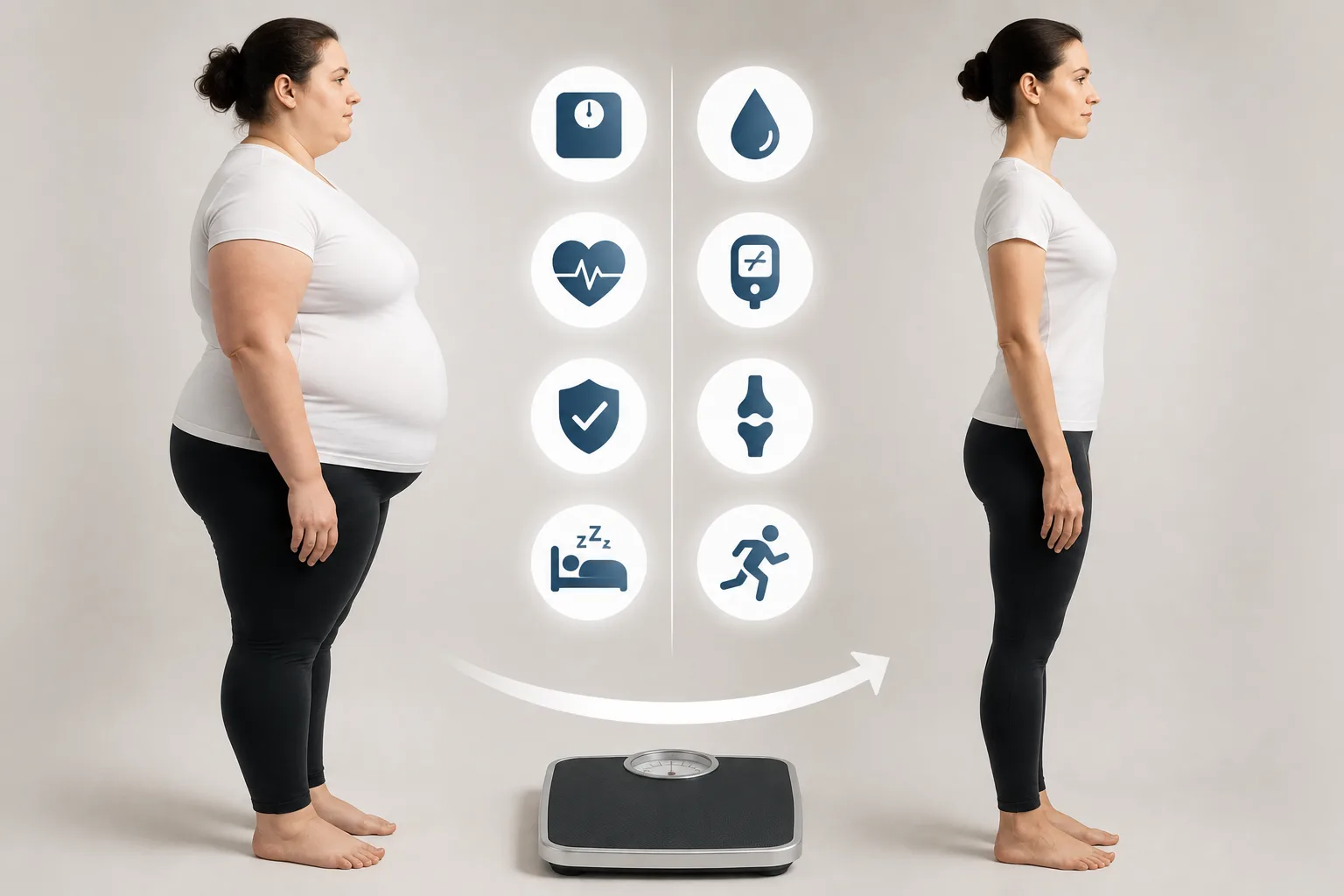
يفقد المرضى عادةً 50% إلى 80% من وزنهم الزائد خلال 18 إلى 24 شهرًا. تعتمد الصيانة على الالتزام بنمط الحياة.
يشير الوزن الزائد إلى أرطال فوق BMI صحي يبلغ 25. إذا كان المريض زائد الوزن بمقدار 100 رطل وفقد 60 رطلًا، فإنه يحقق فقدان وزن زائد بنسبة 60%. تظهر دراسة السويد لموضوعات السمنة، أطول تجربة جراحية للسمنة، فقدان وزن مستدام يتراوح بين 16% إلى 25% من الوزن الإجمالي للجسم بعد 20 عامًا (Sjöström et al. 205).
نعم. يحدث الشفاء من داء السكري في 60% إلى 80% من المرضى بعد الجراحة. يبدأ الشفاء غالبًا في غضون أيام.
أجرت تجربة STAMPEDE مقارنة بين تحويل مسار المعدة وجراحة تدبيس المعدة مقابل العلاج الطبي المكثف. بعد خمس سنوات، حافظ 29% من مرضى التحويل و23% من مرضى التدبيس على شفاء السكري. فقط 5% من المرضى الذين تم علاجهم طبياً حققوا الشفاء (Schauer et al. 2245). تثبت هذه النتائج أن الجراحة تعالج السكري بشكل أكثر فعالية من الأدوية بمفردها.
تقلل الجراحة من خطر الإصابة بالنوبات القلبية، وتحسن مستويات الكوليسترول، وتخفض الوفيات القلبية الوعائية.
تحسن جراحة السمنة من ملفات الدهون عن طريق خفض كوليسترول LDL والدهون الثلاثية في حين ترفع كوليسترول HDL. ينخفض ضغط الدم بشكل كبير. أظهرت دراسة الأشخاص البدينين السويديين انخفاضًا بنسبة 30% في الوفيات القلبية الوعائية بين مرضى الجراحة مقارنة بالمجموعة الضابطة (Sjöström et al. 207).
نعم. يعاني معظم المرضى من انخفاض كبير في ضغط الدم. كثيرون يقللون أو يتخلصون من أدوية ضغط الدم.
تشكل الوزن الزائد ضغطًا على النظام القلبي الوعائي. يقلل فقدان الوزن من المقاومة الوعائية ويحسن من حجم القلب الضارب. تظهر الدراسات أن 50% إلى 70% من المرضى المصابين بارتفاع ضغط الدم يحققون ضغط دم طبيعي بعد الجراحة.
نعم. يتم حل متلازمة انقطاع النفس أو تحسينها لدى 80% إلى 85% من المرضى بعد جراحة السمنة.
تشكل الدهون الزائدة حول الرقبة والبطن ضغطًا على مجاري الهواء. يقلل فقدان الوزن من هذا الضغط. يتوقف المرضى عن الشخير. يتنفسون بشكل طبيعي أثناء النوم. العديد من المرضى لم يعودوا بحاجة إلى أجهزة CPAP.
نعم. يُبلغ المرضى عن انخفاض كبير في آلام الركبة والورك والظهر خلال أشهر.
كل رطل من وزن الجسم يضع ضغطًا يتراوح بين أربعة إلى ستة أرطال على مفاصل الركبة. إن خسارة 100 رطل تزال 400 إلى 600 رطل من الضغط على المفاصل. يتحرك المرضى بشكل أسهل. يحتاجون إلى أدوية مسكنة أقل. يتجنب بعضهم جراحة استبدال المفاصل.
نعم. يستعيد فقدان الوزن الإباضة عند العديد من النساء المصابات بمتلازمة المبيض المتعدد الكيسات. تتحسن معدلات الحمل.
يؤدي السمنة إلى اضطراب التوازن الهرموني ويسبب دورات شهرية غير منتظمة. بعد الجراحة، تستأنف العديد من النساء دوراتهن الشهرية المنتظمة. تعود مستويات التستوستيرون إلى طبيعتها لدى النساء المصابات بمتلازمة PCOS. ومع ذلك، يجب على المرضى الانتظار من 12 إلى 18 شهرًا بعد الجراحة قبل الحمل.
نعم. يُبلغ المرضى عن تحسين في الحركة، احترام الذات، الأداء الاجتماعي، والصحة العقلية بعد الجراحة.
تحد السمنة المفرطة من النشاط البدني، والمشاركة الاجتماعية، وفرص العمل. يزيل فقدان الوزن هذه العوائق. تتحسن درجات الاكتئاب. يشارك المرضى في أنشطة كانوا يتجنبونها سابقًا. تظهر الدراسات التي تستخدم استبيانات جودة الحياة تحسنًا مستدامًا لسنوات بعد الجراحة.
نعم. تظهر الدراسات الكبيرة أن جراحة السمنة تقلل من معدل الوفيات العام بنسبة 30% إلى 40%.
دراسة رائدة من تأليف آدامز وزملائه تابعت 7,925 مريضًا أجروا الجراحة ومجموعة من الضوابط لأكثر من عقد. أظهرت الجراحة تقليلاً في الوفيات بأي سبب بنسبة 40%. انخفضت الوفيات بسبب السكري بنسبة 92%. انخفضت الوفيات بسبب الأمراض القلبية بنسبة 56% (آدامز وزملاؤه 758). تؤكد هذه النتائج أن جراحة السمنة تطيل العمر.
تشمل المخاطر الجراحية النزيف، العدوى، تجلطات الدم، التسريبات من خط الدبابيس، ومضاعفات التخدير. تتراوح نسبة المضاعفات العامة بين 4% إلى 10%.
تستخدم جراحة السمنة تقنيات minimally invasive، مما يقلل من المخاطر مقارنةً بالجراحة المفتوحة. ومع ذلك، لا تزال المضاعفات تحدث. التسريبات الأنستوموزية تحدث في 1% إلى 2% من الحالات. تتشكل جلطات الدم في أقل من 1% من المرضى. معدل الوفيات خلال 30 يومًا يبلغ حوالي 0.1% إلى 0.3%، وهو أقل من جراحة استئصال المرارة أو استبدال مفصل الورك (كوركولاس وزملاؤه 431).
تشمل المضاعفات طويلة الأجل نقص التغذية، متلازمة التفريغ، حصوات المرارة، انسداد الأمعاء، القرحة، حرقة المعدة، واستعادة الوزن.
نقص التغذية: تقلل الإجراءات الماصة من امتصاص الفيتامينات والمعادن. يؤثر نقص الحديد على 20% إلى 50% من المرضى. يحدث نقص فيتامين B12 في 30% إلى 70% من مرضى التحويل. تهدد نقص الكالسيوم وفيتامين د صحة العظام.
نقص الفيتامينات: قد تنخفض الفيتامينات القابلة للذوبان في الدهون A و D و E و K بعد عملية التحويل الثنائي. يحتاج المرضى إلى مكملات طويلة الأمد والمراقبة.
متلازمة التفريغ: يسبب مرور الأطعمة السكرية سريعًا إلى الأمعاء الدقيقة الغثيان، التقلصات، الإسهال، والتعرق. تؤثر هذه الحالة على 50% إلى 70% من مرضى التحويل، ولكنها عادة ما تتحسن مع التغييرات الغذائية.
حصوات المرارة: يزيد فقدان الوزن السريع من خطر حصوات المرارة. غالبًا ما يقوم الجراحون بإزالة المرارة أثناء الجراحة أو يصفون الأدوية لمنع تكوين الحصى.
انسداد الأمعاء: يمكن أن تحبس الفتاق الداخلية الأمعاء. تتطلب هذه المضاعفة جراحة طارئة.
القرحة: تتشكل قُرَح المعدة في مواقع الاتصال، خاصة لدى المرضى الذين يدخنون أو يتناولون مسكنات الألم غير الستيرويدية.
حرقة المعدة: يعاني بعض المرضى من تفاقم أو تطوير الارتجاع الحمضي بعد عملية استئصال المعدة الأنبوبية.
استعادة الوزن: يستعيد 15% إلى 35% من المرضى وزنًا كبيرًا بعد خمس إلى عشر سنوات. ينتج ذلك عادةً عن تمدد الكيس أو ضعف الالتزام.
يستخدم الجراحون تقنيات minimally invasive، ويصفون مميعات الدم، ويتطلبون تحسينًا قبل الجراحة، ويفرضون متابعة مدى الحياة.
يحقق الجراحون ذوو الخبرة في المراكز المعتمدة معدلات مضاعفات أقل. يتوقف المرضى عن التدخين قبل الجراحة. يفقدون بعض الوزن قبل العملية لتقليل حجم الكبد. يستخدم الجراحون خطوط دبابيس معززة وتقنية دقيقة. تتضمن البروتوكولات بعد الجراحة التحرك المبكر، والوقاية من الجلطات، والتابعة المنهجية.
يحدد تقييم التغذية النقص في العناصر الغذائية، ويؤسس صحة أساسية، وي prepares المرضى للتغييرات الغذائية بعد الجراحة.
يقيم اختصاصيو التغذية أنماط الأكل الحالية، وأحجام الحصص، ومدخول العناصر الغذائية. يحددون النقص في الحديد، وفيتامين د، وفيتامين ب12، أو البروتين. يعلّمون المرضى حول متطلبات الأكل بعد الجراحة. يقلل هذا التحضير من المضاعفات ويحسن النتائج.
يقوم علماء النفس بفحص اضطرابات الأكل، والاكتئاب، والقلق، والتوقعات غير الواقعية. يتأكدون من أن المرضى يفهمون الالتزام مدى الحياة.
تتطلب جراحة السمنة تغييرات دائمة في نمط الحياة. يجب أن يفهم المرضى أن الجراحة هي أداة، وليست علاجًا. يحدد علماء النفس اضطراب الأكل القهري، وتعاطي المواد المخدرة، أو الاكتئاب غير المعالج. يقدمون استراتيجيات للتكيف مع الأكل العاطفي. يحسن هذا الفحص من معدلات النجاح على المدى الطويل.
يجب على المرضى تبني عادات غذائية أكثر صحة، وزيادة النشاط البدني، وإرساء أنظمة الدعم قبل العملية.
تستغرق البرامج قبل العملية عادةً من ثلاثة إلى ستة أشهر. يمارس المرضى تناول كميات صغيرة، وبدء المشي أو ممارسة تمارين خفيفة. يحضرون مجموعات الدعم. تخلق هذه العادات أساسًا لنجاح ما بعد الجراحة.
يزيد التدخين من مخاطر الجراحة، ويعيق الشفاء، ويؤدي إلى قرح بعد الجراحة. يجب على المرضى التوقف عن التدخين قبل ستة أسابيع على الأقل من العملية.
يواجه المدخنون معدلات أعلى من جلطات الدم، والالتهاب الرئوي، والعدوى الجراحية. بعد إجراء عملية التحويلة المعدية، يزيد التدخين بشكل كبير من خطر القرحة عند نقطة الاتصال بين المعدة والأمعاء. يتطلب معظم الجراحين اختبار النيكوتين قبل جدولة الجراحة.
يتبع المرضى حمية منخفضة السعرات الحرارية وعالية البروتين لمدة تتراوح بين أسبوع إلى أسبوعين قبل الجراحة. تساعد هذه الحمية في تقليل حجم الكبد وتقليل مخاطر الجراحة.
يجلس الكبد فوق المعدة ويعيق الوصول الجراحي. يكون الكبد الدهني كبيرًا وهشًا. تخفض الحمية الغذائية قبل العملية حجم الكبد بنسبة 20٪ إلى 30٪. يتناول المرضى مخفوقات البروتين، واللحوم الخالية من الدهون، والخضروات، وكمية قليلة من الكربوهيدرات. يجعل هذا التحضير الجراحة أكثر أمانًا وسهولة.
تستخدم الجراحة بالمنظار شقوقًا صغيرة وأدوات طويلة. تضيف الجراحة الروبوتية روبوتًا مُتحكمًا بواسطة الكمبيوتر لزيادة الدقة. كلاهما من الإجراءات الحد الأدنى-invasive.
الجراحة بالمنظار: يقوم الجراحون بعمل من أربع إلى ست شقوق صغيرة في البطن. يدخلون كاميرا وأدوات متخصصة. يقومون بإجراء العملية أثناء مشاهدة شاشة الفيديو. تقلل هذه الطريقة الألم والتندب ومدة التعافي مقارنةً بالجراحة المفتوحة.
الجراحة الروبوتية: يجلس الجراح في وحدة التحكم ويتحكم في الذراعين الروبوتيين. يوفر الروبوت رؤية ثلاثية الأبعاد، وأدوات مزودة بمعصم، وزيادة الدقة. تشير بعض الدراسات إلى أن الجراحة الروبوتية قد تقلل من المضاعفات في الحالات المعقدة (Magouliotis et al. 312). ومع ذلك، تظل الجراحة بالمنظار هي النهج القياسي.
يتلقى المرضى تخديرًا عامًا. ينامون خلال entire العملية ولا يشعرون بأي ألم.
يُعطي أطباء التخدير الأدوية من خلال خط IV. يضعون أنبوب تنفس لحماية مجرى الهواء. يقومون بمراقبة معدل ضربات القلب، وضغط الدم، ومستويات الأكسجين، والتنفس طوال العملية.
تستغرق جراحة تكميم المعدة من 60 إلى 90 دقيقة. تستغرق عملية تحويل مسار المعدة Roux-en-Y من 90 إلى 150 دقيقة. تستغرق عملية تحويل الاثني عشر من 150 إلى 240 دقيقة.
يختلف وقت العملية بناءً على تشريح المريض، والعمليات الجراحية السابقة، وخبرة الجراح. عادة ما تستغرق عمليات المراجعة وقتًا أطول من الإجراءات الأولية.
يبقى معظم المرضى من يوم إلى ثلاثة أيام بعد الجراحة. بعض المراكز تخرج مرضى تكميم المعدة في نفس اليوم.
تسمح التقنيات الأقل تدخلاً بالتعافي السريع. يمشي المرضى خلال ساعات من الجراحة. يبدأون بشرب السوائل الصافية في اليوم التالي. تشمل معايير الخروج السيطرة على الألم، القدرة على شرب السوائل، والاستقرار في العلامات الحيوية.
يعود معظم المرضى إلى العمل المكتبي خلال أسبوع إلى أسبوعين. يستغرق التعافي الكامل من أربعة إلى ستة أسابيع. يستأنف المرضى الأنشطة العادية تدريجيًا.
الأسبوع 1: يستريح المرضى في المنزل. يشربون السوائل ويمشون لمسافات قصيرة. ينخفض الألم يوميًا.
الأسبوع 2 إلى 4: يعود المرضى إلى الأنشطة الخفيفة. يبدأون في تناول الأطعمة المهروسة. تتحسن مستويات الطاقة.
الأسبوع 4 إلى 6: يتقدم المرضى إلى الأطعمة اللينة. يزيدون من ممارسة الرياضة. يعود معظمهم إلى الأنشطة الكاملة.
الشهور 3 إلى 12: يتسارع فقدان الوزن. يحدد المرضى أنماط تناول جديدة. تراقب زيارات المتابعة التقدم.
يتقدم المرضى عبر خمس مراحل غذائية خلال 8 إلى 12 أسبوعًا: سوائل صافية، سوائل كاملة، أطعمة مهروسة، أطعمة لينة، ونظام غذائي صحي عادي.
السوائل الصافية: يشرب المرضى الماء، والمرق، والجيلاتين الخالي من السكر، والعصير المخفف لمدة يوم إلى ثلاثة أيام. هذه المرحلة تروى الجسم وتسمح للمعدة بالشفاء.
السوائل الكاملة: يضيف المرضى مشروبات البروتين، والحليب الخالي من الدسم، والزبادي، والشوربات الكريمية. تستمر هذه المرحلة من أسبوع إلى أسبوعين. تستهدف تناول البروتين 60 إلى 80 جرامًا يوميًا.
الأطعمة المهروسة: يتناول المرضى اللحوم المهروسة والخضروات والفاصولياء. يجب أن تكون قوام الطعام ناعماً مثل البودينغ. تستمر هذه المرحلة من أسبوعين إلى أربعة أسابيع.
الأطعمة الطرية: يضيف المرضى اللحوم الطرية والخضروات المطبوخة والفواكه الطرية. يجب عليهم مضغ الطعام جيداً. تستمر هذه المرحلة من أسبوعين إلى أربعة أسابيع.
النظام الغذائي الصحي المعتاد: بعد ثمانية إلى اثني عشر أسبوعاً، يتناول المرضى الأطعمة الصلبة. يجب أن يركزوا على البروتين أولاً، ثم الخضروات، ثم الحبوب الكاملة. عليهم تجنب الأطعمة السكرية والدهنية بشكل دائم.
يمشي المرضى مباشرة بعد الجراحة. يضيفون تمارين خفيفة بعد أسبوعين. يستأنفون الأنشطة الشاقة بعد أربعة إلىsix أسابيع.
المشي يمنع تجلط الدم ويساعد في الهضم. يجب على المرضى المشي عدة مرات يومياً من اليوم الأول. بعد أسبوعين، يضيفون تمارين تمدد وكارديو خفيفة. بعد ستة أسابيع، يستأنفون رفع الأثقال والتمارين الشديدة. إن النشاط البدني المنتظم يحسن فقدان الوزن ويحافظ على كتلة العضلات.
يرى المرضى فريقهم الجراحي بشكل متكرر في السنة الأولى، ثم سنويًا مدى الحياة. تشمل الزيارات فحوصات الوزن، وتحاليل غذائية، واستشارات غذائية.
تحدث المتابعة الأولى خلال أسبوع إلى أسبوعين. تحدث الزيارات التالية بعد شهر، ثلاثة أشهر، ستة أشهر، وسنة واحدة. تستمر الزيارات السنوية بشكل غير محدد. تختبر فحوصات الدم للبحث عن النقص. تعدل أخصائيات التغذية خطط الطعام. توفر مجموعات الدعم الدعم العاطفي.
يحتاج المرضى من 60 إلى 80 جراماً من البروتين يومياً. يحافظ البروتين على كتلة العضلات، يعزز الشفاء، ويزيد من الشبع.
المعدة الصغيرة لا تستطيع استيعاب كميات كبيرة من الطعام. يجب على المرضى إعطاء الأولوية للبروتين في كل وجبة. يتناولون اللحوم الخالية من الدهون، والأسماك، والبيض، ومنتجات الألبان، ومكملات البروتين. يمكن أن يؤدي نقص البروتين إلى فقدان العضلات، وت thinning الشعر، والضعف.
يحتاج المرضى إلى 64 أوقية من السوائل يومياً. يجب عليهم التجاوز باستمرار لأن المعدة الصغيرة لا تستطيع استيعاب كميات كبيرة.
الجفاف هو السبب الأكثر شيوعاً لإعادة دخول المستشفى بعد جراحة السمنة. لا يمكن للمرضى شرب الماء دفعة واحدة. يجب عليهم الشرب طوال اليوم. يجب عليهم تجنب الشرب 30 دقيقة قبل وبعد الوجبات لمنع تدفق الطعام من المعدة بسرعة كبيرة.
جميع المرضى يحتاجون إلى الفيتامينات المتعددة يومياً، بالإضافة إلى مكملات محددة بناءً على الإجراءات التي خضعوا لها.
فيتامين ب12: يتطلب الامتصاص وجود حمض المعدة والعامل الذاتي. بعد عملية التحويل، يحتاج المرضى إلى حقن ب12 أو أقراص تحت اللسان أو بخاخات أنفية شهرياً أو يومياً.
الحديد: يسبب نقص الحديد فقر الدم والإرهاق. تواجه النساء اللواتي لديهن دورة شهرية أعلى مخاطر. يحتاج المرضى إلى 18 إلى 65 ملجراماً من الحديد العنصري يومياً.
الكالسيوم: يحتاج المرضى من 1200 إلى 1500 ملليجرام من سترات الكالسيوم يوميًا، مقسمة على جرعات من 500 إلى 600 ملليجرام. تمتص سترات الكالسيوم بشكل أفضل من كربونات الكالسيوم بعد الجراحة.
فيتامين د: يحتاج المرضى إلى 3000 وحدة دولية يوميًا للحفاظ على صحة العظام ووظيفة المناعة.
حمض الفوليك: يحتاج المرضى من 400 إلى 800 ميكروجرام يوميًا. يمنع حمض الفوليك فقر الدم ويدعم نمو الخلايا.
الفيتامينات المتعددة: توفر الفيتامينات المتعددة الخاصة بجراحة السمنة التغطية الأساسية. يجب على المرضى عدم استخدام الفيتامينات العادية التي تُصرف بدون وصفة طبية، لأنها تفتقر إلى الجرعات الكافية.
يجب على المرضى تناول كميات صغيرة من الطعام، ومضغ الطعام جيدًا، وإعطاء الأولوية للبروتين، وتجنب الأطعمة السكرية، وعدم الشرب أثناء الوجبات.
يأكل المرضى الناجحون ثلاث وجبات صغيرة ووجبتين إلى ثلاث وجبات خفيفة غنية بالبروتين يوميًا. يقيسون الكميات. يأكلون ببطء، ويستغرقون من 20 إلى 30 دقيقة لكل وجبة. يتجنبون المشروبات الغازية التي توسع كيس المعدة. يبتعدون عن السوائل عالية السعرات مثل الصودا والعصائر. تصبح هذه العادات متطلبات أساسية في نمط الحياة.
يفقد المرضى من 50% إلى 80% من الوزن الزائد خلال 18 إلى 24 شهرًا. تختلف النتائج الفردية.
الجدول التالي يقارن فقدان الوزن المتوقع حسب الإجراء:
الإجراء | فقدان الوزن الزائد بعد سنة واحدة | فقدان الوزن الزائد بعد خمس سنوات |
تكميم المعدة | 60% – 70% | 50% – 60% |
تحويل مسار المعدة روش-إن-واي | 70% – 80% | 60% – 70% |
تحويل المعدة المصغر | 65% – 75% | 55% – 65% |
تحويل الاثني عشر | 80% – 90% | 70% – 80% |
يعتمد النجاح على اختيار الإجراء، الالتزام بالإرشادات الغذائية، النشاط البدني، حضور المتابعة، والصحة النفسية.
المرضى الذين يحضرون مجموعات الدعم يفقدون وزناً أكبر. من يمارس الرياضة بانتظام يحافظ على فقدان الوزن بشكل أفضل. الاستقرار النفسي يتنبأ بالنجاح على المدى الطويل. الإجراء الجراحي يوفر الأداة، لكن سلوك المريض يحدد النتيجة.
تغيّر الجراحة التشريح، لكن تغييرات نمط الحياة تحدد النجاح الدائم. المرضى الذين يعودون إلى العادات القديمة يستعيدون الوزن.
يمكن أن يتمدد كيس المعدة مع مرور الوقت. لا يزال التحويل المعوي يسمح باستهلاك السوائل عالية السعرات الحرارية. المرضى الذين يشربون المشروبات السكرية، يتناولون الطعام باستمرار، أو يأكلون الأطعمة الغنية بالدهون يمكن أن يتجاوزوا قيود الجراحة. يتطلب النجاح على المدى الطويل التزامًا دائمًا بتناول الطعام الصحي وممارسة الرياضة بانتظام.
يؤدي تعديل نمط الحياة إلى فقدان وزن يتراوح بين 5% إلى 10% في المتوسط. معظم المرضى يستعيدون الوزن في غضون سنة إلى خمس سنوات.
تظل الحمية الغذائية والتمارين الرياضية أساس علاج السمنة. ومع ذلك، فإن التكييفات البيولوجية تجعل فقدان الوزن المستدام صعبًا. يزيد الجسم من هرمونات الجوع ويخفض عملية الأيض. هذه الدفاعات تفسر لماذا يحقق أقل من 5% من الأشخاص الذين يعانون من السمنة المفرطة نجاحًا دائمًا من خلال تغييرات نمط الحياة وحدها (Arterburn et al. 2175).
تنتج مثبطات مستقبلات GLP-1 مثل السيماغلوتيد فقدان وزن يتراوح بين 15% إلى 20%. هذا مهم ولكنه أقل من الجراحة. تتطلب الأدوية الاستخدام مدى الحياة.
تقلد مثبطات GLP-1 التأثيرات الهرمونية لجراحة السمنة. إنها تقلل الشهية وتحسن مستويات السكر في الدم. ومع ذلك، يستعيد المرضى الوزن عندما يتوقفون عن تناول الدواء. تشمل الآثار الجانبية الغثيان، القيء، وفقدان محتمل للعضلات. تناسب الأدوية المرضى الذين لا يتأهلون للجراحة أو يفضلون الخيارات غير الجراحية.
تشمل الإجراءات التنظيرية بالمنظار البالونات المعدية وإعادة تشكيل المعدة بالمنظار. وهي تؤدي إلى فقدان وزن يتراوح بين 12% و18% وتكون أقل تدخلاً من الجراحة.
تشغل البالونات المعدية مساحة في المعدة لمدة ستة أشهر. حيث تقوم إعادة تشكيل المعدة بالمنظار بخياطة المعدة من الداخل. تناسب هذه الإجراءات المرضى ذوي مؤشر كتلة الجسم المنخفض أو أولئك الذين يسعون إلى تدخل مؤقت. يعتبر فقدان الوزن متواضعاً مقارنة بالجراحة، وتبقى مدة الاستمرارية غير مؤكدة.
يعتمد الخيار الأفضل على مؤشر كتلة الجسم، والحالات الطبية، وتفضيلات المريض، وتقبل المخاطر.
تلخص المقارنة التالية الخيارات:
العلاج | فقدان الوزن المتوقع | الحد من التدخل | الاستمرارية | الأفضل لـ |
تعديل نمط الحياة | 5% – 10% | غير تدخلي | منخفض | جميع المرضى كأساس |
أدوية GLP-1 | 15% – 20% | غير تدخلي (حقن) | يتطلب استخداماً مستمراً | مؤشر كتلة الجسم 27–35، يفضلون عدم الجراحة |
إجراءات بالمنظار | 12% – 18% | قليلة التوغل | متوسطة | مؤشر كتلة الجسم 30–40، حل مؤقت |
تكميم المعدة | 50% – 70% | جراحي | عالي | مؤشر كتلة الجسم 35+، الخيار الأكثر شيوعًا |
تحويل مجرى المعدة | 60% – 80% | جراحي | مرتفع جدًا | مؤشر كتلة الجسم 35+، داء السكري، ارتجاع شديد |
تحويل الاثني عشر | 70% – 90% | جراحي | مرتفع جدًا | مؤشر كتلة الجسم 50+، مرضى السمنة المفرطة |
لا. تتطلب جراحة السمنة التزامًا مدى الحياة بتغييرات في النظام الغذائي، وممارسة الرياضة، والمتابعة الطبية. إنها تتطلب انضباطًا أكبر من مجرد اتباع نظام غذائي.
يواجه المرضى الذين يختارون الجراحة تغييرات كبيرة في أسلوب حياتهم. يأكلون بشكل مختلف إلى الأبد. يأخذون الفيتامينات يوميًا. يحضرون مواعيد طبية لبقية حياتهم. توفر الجراحة أداة قوية، ولكن النجاح يتطلب جهدًا وتفانيًا.
لا. يحافظ معظم المرضى على فقدان وزن ملحوظ على المدى الطويل. ومع ذلك، فإن 15% إلى 35% من المرضى يستعيدون وزنًا كبيرًا بعد خمس إلى عشر سنوات.
تظهر دراسة السويد حول الأشخاص البدينين فقدانًا مستمرًا للوزن بنسبة 16% إلى 25% من الوزن الكلي للجسم بعد 20 عامًا (سجستروم وآخرون، 205). حتى المرضى الذين يستعيدون بعض الوزن عادة ما يبقون أكثر صحة من قبل الجراحة. تمنع المتابعة الطويلة المدى والالتزام بنمط الحياة من استعادة الوزن.
لا. المرضى الذين لديهم مؤشر كتلة جسم 35 وأمراض متعلقة بالسمنة مؤهلون. تشمل بعض الإرشادات الآن المرضى الذين لديهم مؤشر كتلة جسم 30 إلى 34.9 ومرض السكري غير المنضبط.
يعكس حد مؤشر كتلة الجسم 35 مع الأمراض المصاحبة أو 40 بدونها عقودًا من الأدلة. تدعم البيانات الحديثة توسيع الوصول للمرضى ذوي مؤشر كتلة الجسم المنخفض ومرض الأيض الحاد. يتم تحديد أهلية الفرد من خلال التقييم الفردي.
يأكل المرضى أطعمة طبيعية ولكن بكميات أصغر. يجب عليهم تجنب بعض الأطعمة بشكل دائم، لكنهم يتمتعون بتشكيلة واسعة من الخيارات الصحية.
بعد التعافي، يأكل المرضى الأطعمة الصلبة. يستمتعون باللحوم، والخضروات، والفواكه، والحبوب. يأكلون ببساطة أقل. يتجنبون الأطعمة السكرية للوقاية من متلازمة التفريغ. يتجنبون الشرب مع الوجبات. تصبح هذه التغييرات طبيعة ثانية مع مرور الوقت.
تشمل جراحة السمنة إجراءات تعدل الجهاز الهضمي لعلاج السمنة الشديدة والأمراض المتعلقة بها من خلال التقييد، والامتصاص الناقص، والتغيرات الهرمونية.
يفقد معظم المرضى من 50% إلى 80% من وزنهم الزائد خلال 18 إلى 24 شهرًا، حسب الإجراء.
عملية تحويل المعدة والتكميم دائمتان. الحلقات القابلة للتعديل قابلة للعكس. توجد بعض خيارات التعديل للإجراءات التي تم تحويلها.
نعم. معدل الوفيات خلال 30 يومًا هو 0.1% إلى 0.3%، وهو أقل من جراحة استبدال المرارة أو الورك. تحدث المضاعفات في 4% إلى 10% من المرضى.
لا يناسب إجراء واحد الجميع. تعمل عملية تكميم المعدة بشكل جيد لمعظم المرضى. يناسب تحويل مسار المعدة المرضى الذين يعانون من داء السكري الشديد أو الارتجاع. يناسب تحويل 12 الإثني المرضى الذين يعانون من السمنة المفرطة.
يعود معظم المرضى إلى العمل خلال أسبوع إلى أسبوعين. تستغرق عملية التعافي الكاملة من أربعة إلى ستة أسابيع.
نعم. يحتاج جميع المرضى إلى مغذيات متعددة مدى الحياة. يحتاج المرضى الذين خضعوا لتحويل المسار وتحويل 12 الإثني إلى الحديد الإضافي والكالسيوم وفيتامين B12 والفيتامينات القابلة للذوبان في الدهون.
نعم. يحدث تراجع داء السكري في 60% إلى 80% من المرضى. تبدأ التحسينات غالبًا خلال أيام.
نعم. يستعيد من 15% إلى 35% من المرضى وزنًا كبيرًا بعد خمس إلى عشر سنوات. تprevent الاستعادة من خلال المتابعة الدائمة والالتزام.
تغطي معظم خطط التأمين جراحة السمنة عندما يستوفي المرضى معايير مؤشر كتلة الجسم والضرورة الطبية. تختلف التغطية حسب الخطة والمنطقة.
توفر جراحة السمنة علاجًا مثبتًا علميًا قائمًا على الأدلة للسمنة المفرطة الشديدة والأمراض الأيضية. يتطلب النجاح الإجراء الصحيح، والتغييرات المستدامة في نمط الحياة، والمتابعة الغذائية، والعناية متعددة التخصصات.
تحول جراحة السمنة الحياة. تعالج السمنة المفرطة الشديدة كمرض مزمن، لا كفشل شخصي. تنتج الإجراءات خسارة وزن كبيرة، وتعيد داء السكري إلى حالة السكون، وتحسن صحة القلب، وتزيد من متوسط العمر المتوقع. ومع ذلك، تمثل الجراحة بداية رحلة مدى الحياة، لا النهاية. يجب على المرضى الالتزام بتغييرات في النظام الغذائي، والنشاط البدني، ومكملات الفيتامينات، والمتابعة الطبية المنتظمة. يساعد فريق جراحة السمنة متعدد التخصصات المرضى في هذه التحولات. يضمن اختيار الإجراء الفردي أن يحصل كل مريض على العلاج الأنسب. عندما يحتضن المرضى البرنامج الكامل، توفر جراحة السمنة نتائج دائمة تغير الحياة.
أدامز، تيد د.، وآخرون. "معدل الوفيات على المدى الطويل بعد جراحة تحويل مسار المعدة."المجلة الطبية نيو إنجلاند, المجلد 357، العدد 8، 2007، الصفحات 753–761.
أمينيان، علي، وآخرون. "بيان الموقف المحدث من ASMBS بشأن جراحة السمنة في السمنة من الفئة الأولى (BMI 30–35 kg/m2)." جراحة السمنة والأمراض المرتبطة بها، المجلد 18، العدد 8، 2022، الصفحات 1011–1021.
أرتربورن، ديفيد إي، وآخرون. "دراسة جماعية حول جراحة السمنة وحدوث مرض السكري في عينة وطنية من البالغين." ذا لانسيت للسكري والغدد الصماء، المجلد 1، العدد 3، 2013، الصفحات 217–224.
بوشوالد، هنري، وآخرون. "جراحة السمنة: مراجعة منهجية وتحليل تلوي." جاما، المجلد 292، العدد 14، 2004، الصفحات 1724–1737.
كوركولاس، أنيتا بي، وآخرون. "السلامة المحيطة بالعملية في التقييم الطولي لجراحة السمنة." المجلة الجديدة لطب إنجلترا، المجلد 361، العدد 5، 2009، الصفحات 445–454.
ماجيجوسكي، ماثيو إل، وآخرون. "جراحة السمنة وطول مدة فقدان الوزن. " جاما جراحة، المجلد 151، العدد 11، 2016، الصفحات 1046–1055.
ماجوليوتيس، ديميتريوس إي، وآخرون. "الجراحة السمنة الروبوتية مقابل الجراحة السمنة بالمنظار: مراجعة منهجية وتحليل تلوي." جراحة السمنة، المجلد 27، العدد 2، 2017، الصفحات 311–321.
مينجرون، جيلترود، وآخرون. "جراحة السمنة مقابل العلاج الطبي التقليدي لداء السكري من النوع 2." مجلة نيو إنجلاند الطبية، المجلد 366، الرقم 17، 2012، الصفحات 1577–1585.
أوبراين، بول إي، وآخرون. "إجراء حزام المعدة القابل للتعديل بالمنظار في المراهقين الذين يعانون من السمنة المفرطة." جمعية الطب الأمريكية، المجلد 303، الرقم 8، 2010، الصفحات 779–780.
بيترلي، رالف، وآخرون. "أثر عملية تكميم المعدة بالمنظار مقابل تحويل مسار المعدة لوصم روكس على فقدان الوزن لدى المرضى الذين يعانون من السمنة المفرطة." جمعية الطب الأمريكية، المجلد 319، الرقم 3، 2018، الصفحات 255–265.
ساليمين، بولينا، وآخرون. "أثر عملية تكميم المعدة بالمنظار مقابل تحويل مسار المعدة لوصم روكس على فقدان الوزن بعد 5 سنوات بين المرضى الذين يعانون من السمنة المفرطة." جمعية الطب الأمريكية، المجلد 319، الرقم 3، 2018، الصفحات 481–482.
شاوير، فيليب آر، وآخرون. "الجراحة الباريتية مقابل العلاج الطبي المكثف لمرض السكري - النتائج بعد 5 سنوات." مجلة نيو إنجلاند الطبية، المجلد 376، الرقم 7، 2017، الصفحات 2243–2253.
سجوستروم، لارس، وآخرون. "أسلوب الحياة، والسكري، وعوامل خطر القلب والأوعية الدموية بعد 10 سنوات من الجراحة الباريتية." مجلة نيو إنجلاند الطبية، المجلد 351، الرقم 26، 2004، الصفحات 2683–2693.