
Bariatric Surgery in Turkey: Everything You Need to Know
Bariatric surgery treats obesity and obesity-related diseases through surgical intervention. International patients increasingly consider Turkey for weight-loss surgery because Turkish hospitals offer modern facilities, experienced surgeons, and comprehensive international patient services at competitive costs. Bariatric surgery is not a cosmetic procedure. It is not a quick-fix weight-loss solution. It requires long-term dietary changes, lifestyle modifications, and medical follow-up. Turkey offers several bariatric procedures including gastric sleeve surgery, gastric bypass surgery, and mini gastric bypass. Patient selection, surgeon qualifications, hospital safety standards, and long-term follow-up determine surgical outcomes more than any single factor.
What Is Bariatric Surgery?
Bariatric surgery refers to surgical procedures that help patients lose weight by altering the digestive system. These procedures produce weight loss through multiple mechanisms. They restrict food intake. They change appetite and hunger signals. Some procedures alter nutrient and calorie absorption. They also create metabolic effects that improve obesity-related diseases.
Bariatric surgery directly addresses obesity-related diseases. Research shows that bariatric surgery improves Type 2 diabetes, hypertension, obstructive sleep apnea, fatty liver disease, and joint problems (Buchwald et al., 2004). Patients often see dramatic improvements in blood sugar control within days of surgery, even before significant weight loss occurs.
Surgery requires permanent dietary and lifestyle changes. Patients must commit to smaller portion sizes, specific food choices, regular exercise, and lifelong vitamin supplementation. Without these changes, patients risk nutritional deficiencies, weight regain, and other complications.
Why Choose Bariatric Surgery in Turkey?
Turkey attracts international patients for several practical reasons. Turkish surgeons perform high volumes of bariatric procedures. Turkish hospitals maintain modern medical infrastructure. International patient services streamline the entire experience. Treatment costs remain competitive compared to many Western countries.
What Makes Turkish Bariatric Surgeons Experienced?
Specialist training and high case volume matter in bariatric surgery. Surgeons who perform hundreds of procedures annually develop refined technical skills and better judgment for complex cases. International patients should ask specific questions about surgeon credentials. They should verify medical qualifications, bariatric surgery specialization, years of practice, and annual procedure volume. They should also confirm hospital affiliation and ability to communicate directly with the operating surgeon.
How Modern Are Turkish Hospitals and Medical Infrastructure?
Turkish bariatric centers maintain high operating-room standards. They provide dedicated anesthesia services, advanced laboratory and imaging facilities, intensive-care units, and emergency response capabilities. These resources matter because bariatric surgery, while generally safe, requires immediate access to emergency care if complications arise.
What International Patient Services Do Turkish Hospitals Offer?
Turkish hospitals serving international patients typically provide multilingual support staff. They arrange airport and hotel transfers. They coordinate accommodation near the hospital. They manage treatment scheduling and communication. Many hospitals maintain contact channels for patients after they return home. These services reduce logistical stress for international patients.
Why Are Treatment Costs More Competitive in Turkey?
Turkey offers lower prices than many Western countries due to differences in operational costs, currency exchange rates, and healthcare economics. However, low cost does not automatically mean superior quality. Patients should compare value across multiple factors: hospital standards, surgeon qualifications, accreditation status, and aftercare programs. Price alone should never drive the decision.
What Types of Bariatric Surgery Are Available in Turkey?
Turkey offers multiple bariatric procedures. Each procedure works differently. Each suits different patient profiles. Understanding these differences helps patients have informed discussions with their surgical team.
What Is Gastric Sleeve Surgery?
Gastric sleeve surgery, also called sleeve gastrectomy, removes approximately 80 percent of the stomach. The surgeon creates a smaller, sleeve-shaped stomach. This procedure primarily restricts food intake. It also affects appetite-related hormones by removing the portion of the stomach that produces ghrelin, the hunger hormone.
Gastric sleeve surgery is permanent and irreversible. Typical indications include patients with moderate to severe obesity who prefer a simpler procedure without intestinal rerouting. Benefits include significant weight loss, diabetes improvement, and lower complication rates compared to more complex procedures. Limitations include potential worsening of acid reflux in some patients. Risks include staple-line leak, bleeding, and nutritional deficiencies.
What Is Gastric Bypass Surgery?
Gastric bypass surgery creates a small stomach pouch and reroutes part of the small intestine. This combination restricts food intake and reduces nutrient absorption. It also produces strong metabolic effects that improve Type 2 diabetes and other obesity-related conditions.
What Is Roux-en-Y Gastric Bypass?
Roux-en-Y gastric bypass creates a small stomach pouch about the size of an egg. The surgeon connects this pouch directly to the middle portion of the small intestine, bypassing the rest of the stomach and the first part of the small intestine. This rerouting reduces calorie absorption and alters gut hormones that regulate hunger and blood sugar.
What Is One-Anastomosis Gastric Bypass?
One-anastomosis gastric bypass differs from Roux-en-Y because it uses only one surgical connection instead of two. This modification may reduce operative time and certain technical complications. However, patients must discuss bile reflux risks and nutritional considerations with their surgeon, as these factors vary between techniques (Peterli et al., 2018).
What Is Mini Gastric Bypass?
Mini gastric bypass is another term for one-anastomosis gastric bypass in many contexts. It creates a long, narrow stomach pouch and connects it to the small intestine at one point. This procedure offers potential benefits including shorter operative time and good weight-loss results. Limitations include risks of bile reflux and specific nutritional deficiencies. Patients should discuss these risks thoroughly with their surgeon.
What Other Bariatric Procedures Exist?
Several additional procedures address obesity:
Biliopancreatic diversion with duodenal switch: This complex procedure combines sleeve gastrectomy with extensive intestinal bypass. It produces the highest weight loss but carries greater nutritional risks.
Duodenal switch: Similar to biliopancreatic diversion, this procedure significantly alters nutrient absorption.
Endoscopic sleeve gastroplasty: A non-surgical procedure using an endoscope to place sutures in the stomach, reducing its volume.
Gastric balloon: A temporary, non-surgical alternative where a balloon occupies space in the stomach. This is not bariatric surgery but serves as a weight-loss aid.
How Does Gastric Sleeve Compare to Gastric Bypass in Turkey?
Factor | Gastric Sleeve | Gastric Bypass |
Stomach alteration | Large portion removed | Small pouch created |
Intestinal bypass | No | Yes |
Nutrient malabsorption | Limited | Greater |
Reversibility | Irreversible | Generally considered permanent |
Nutritional supplementation | Required | Particularly important |
Metabolic effect | Significant | Often stronger |
Reflux considerations | May worsen or cause reflux | May improve reflux in some patients |
Suitability | Patient-specific | Patient-specific |
No single procedure is universally better. The choice depends on BMI, metabolic disease severity, reflux history, eating patterns, previous abdominal surgery, overall health status, and surgeon assessment. Patients should discuss their individual case with a qualified bariatric surgeon rather than selecting a procedure based on online information alone.
Who Qualifies for Bariatric Surgery in Turkey?
What BMI and Medical Criteria Determine Eligibility?
Body Mass Index (BMI) serves as one component of eligibility assessment. Common thresholds include BMI of 40 or higher, or BMI of 35 or higher with obesity-related conditions. These conditions include Type 2 diabetes, hypertension, sleep apnea, fatty liver disease, and obesity-related joint disease.
Current international guidelines have expanded eligibility beyond older BMI-only criteria. Some guidelines now consider bariatric surgery for patients with BMI of 30 or higher who have poorly controlled Type 2 diabetes (Aminian et al., 2020). Decisions should always be individualized based on the patient's complete medical picture.
Why Do Previous Weight-Loss Attempts Matter?
Patients should document previous weight-loss efforts including structured diets, exercise programs, and medical weight management. This history helps the surgical team understand the patient's challenges and commitment level. It also forms part of the standard assessment process that insurance providers and medical guidelines require.
What Medical and Psychological Readiness Factors Apply?
Patients must demonstrate ability to tolerate general anesthesia. They should have adequate nutritional status. The surgical team evaluates eating behaviors and psychological readiness. Patients must commit to following long-term dietary and medical recommendations. Without this commitment, surgical outcomes suffer.
When Might Bariatric Surgery Be Delayed or Contraindicated?
Surgery may be delayed for patients with uncontrolled medical conditions, active substance misuse, untreated eating disorders, or inability to participate in follow-up care. Pregnancy requires special consideration, and most surgeons recommend delaying surgery until after pregnancy. These decisions require individualized medical assessment rather than absolute online rules.
What Does Preoperative Assessment for Bariatric Surgery in Turkey Involve?
What Happens During Medical History and Physical Examination?
The surgical team reviews the patient's complete medical history. They perform a thorough physical examination. They assess obesity-related conditions, previous surgeries, and current medications.
What Blood Tests and Nutritional Assessments Are Required?
Preoperative blood tests evaluate blood counts, liver function, kidney function, blood sugar, and thyroid function. Nutritional assessments check for existing vitamin and mineral deficiencies, which are common in patients with obesity and must be corrected before surgery.
Why Is Anesthesia Evaluation Necessary?
An anesthesiologist evaluates the patient's airway, heart function, and anesthesia risk. Obesity increases certain anesthesia risks, so this evaluation identifies potential problems and allows the team to plan appropriate monitoring and support.
What Cardiovascular and Respiratory Assessments Occur?
Patients undergo cardiac evaluation including electrocardiogram and often echocardiogram. Respiratory assessment may include pulmonary function tests, especially for patients with sleep apnea or breathing difficulties.
How Does Diabetes and Metabolic Evaluation Help?
The team assesses diabetes control, insulin requirements, and other metabolic conditions. Optimizing these conditions before surgery reduces operative risks and improves outcomes.
Why Is Psychological or Behavioral Assessment Important?
A psychologist or psychiatrist evaluates the patient's mental health, eating behaviors, and ability to cope with lifestyle changes. This assessment identifies patients who may need additional support before or after surgery.
How Does Weight and Dietary History Contribute?
The team reviews the patient's weight history, previous diet attempts, and current eating patterns. This information helps identify surgical risks and allows the team to optimize the patient's condition before surgery.
How Should Patients Prepare for Bariatric Surgery in Turkey?
What Steps Should Patients Take Before Traveling?
Patients should send their complete medical records to the surgical team. They must provide a full medication and supplement list. They should complete all requested preoperative tests. They need to discuss smoking and alcohol use with their surgeon, as smoking significantly increases surgical risks. They should follow any prescribed preoperative diet. They should arrange appropriate travel insurance.
What Travel Planning Is Necessary?
Patients should verify passport and visa requirements for Turkey. They should book accommodation near the hospital. They should confirm airport transfer arrangements. They should consider whether a companion will travel with them. They should arrange language support if needed. They must plan sufficient recovery time in Turkey before flying home.
What Should Patients Bring?
Patients should bring complete medical records, a current medication list, previous imaging and laboratory results, and relevant surgical reports. They should pack comfortable clothing suitable for recovery. They should bring necessary personal medications. Sharing comprehensive medical records with the surgical team before arrival ensures the team can plan appropriately.
What Happens During Bariatric Surgery in Turkey?
What Occurs During Hospital Admission?
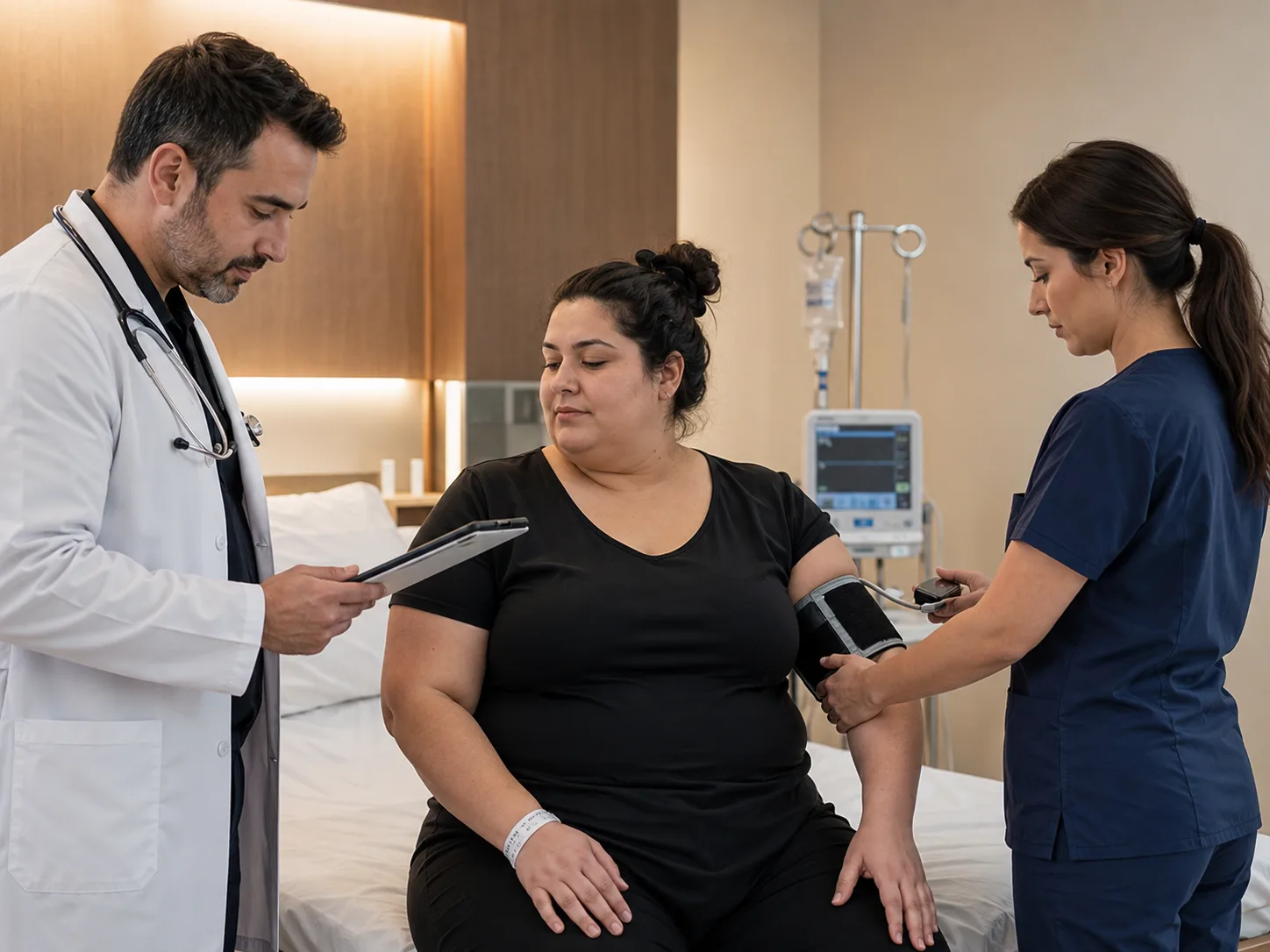
Upon arrival, the patient undergoes a final medical assessment. The team performs blood tests and other preoperative checks. An anesthesiologist conducts a final consultation. These steps confirm the patient remains fit for surgery.
What Happens During the Operation?
The patient receives general anesthesia. Surgeons usually perform bariatric procedures using laparoscopic or minimally invasive techniques. This approach uses small incisions, a camera, and specialized instruments. Procedure-specific surgical steps vary by operation type. Typical operation time ranges from one to three hours depending on the procedure and individual circumstances.
What Monitoring Occurs Immediately After Surgery?
The medical team manages pain, hydration, and nausea. They monitor breathing and oxygen levels. They implement blood-clot prevention measures including early mobilization. Patients typically begin walking within hours of surgery. Most bariatric procedures use minimally invasive approaches, though the exact surgical method depends on individual patient circumstances.
What Does Recovery After Bariatric Surgery in Turkey Look Like?
How Long Is the Hospital Stay?
Hospital stay duration varies by procedure and individual recovery. Gastric sleeve patients may stay two to three days. Gastric bypass patients may stay three to five days. Medical stability should determine discharge timing rather than a fixed tourism schedule.
What Happens in the First Days After Surgery?
Patients begin walking as soon as possible. They focus on hydration, often consuming only small sips of water initially. The team manages pain and nausea with medication. Patients learn wound care instructions. Early mobilization reduces blood-clot risk and speeds recovery.
How Does Diet Progress After Surgery?
Diet progression follows a structured timeline:
Clear liquids: Water, broth, and sugar-free clear fluids
Full liquids: Protein shakes, milk, and strained soups
Pureed foods: Blended proteins and soft vegetables
Soft foods: Tender meats, cooked vegetables, and soft fruits
Small portions of regular foods: Gradual return to normal textures
The exact schedule must follow the surgeon and dietitian's specific instructions. Patients should never advance their diet faster than prescribed.
When Can Patients Return to Normal Activities?
Patients gradually increase physical activity over weeks. Return to work depends on the procedure type and occupation. Desk workers may return sooner than those with physically demanding jobs. Patients should avoid presenting a universal recovery timeline and instead follow their surgeon's specific guidance.
How Much Does Bariatric Surgery Cost in Turkey?
What Factors Affect Bariatric Surgery Cost in Turkey?
No single fixed price exists for bariatric surgery in Turkey. Costs depend on procedure type, hospital facility, surgeon experience, length of hospital stay, accommodation arrangements, required diagnostic tests, medications, follow-up services, and any additional medical needs. Published package prices represent provider-specific estimates rather than universal Turkey prices.
What Is Usually Included in a Bariatric Surgery Package?
Typical inclusions may cover:
Surgical fees
Anesthesia services
Hospitalization
Preoperative tests
Medications during hospital stay
Hotel accommodation
Airport transfers
Patient coordinator services
Initial follow-up appointments
What Hidden or Additional Costs Should Patients Ask About?
Patients should clarify costs for:
International flights
Additional diagnostic tests
Complication treatment
Revision surgery if needed
Long-term consultations after returning home
Vitamin and mineral supplements
Excess-skin removal surgery after weight loss
Is Bariatric Surgery in Turkey Safe?
What Determines Surgical Safety?
Surgical safety depends on multiple factors: surgeon qualifications, hospital licensing and accreditation, anesthesia team expertise, emergency capabilities, intensive care unit access, infection-control protocols, blood bank services, imaging and laboratory facilities, and postoperative monitoring systems. No single factor guarantees safety. The combination of all these elements creates a safe surgical environment.
How Can Patients Check a Bariatric Surgeon?
Patients should verify medical qualifications and bariatric surgery specialization. They should ask about experience level and annual procedure volume. They should check professional memberships in recognized bariatric surgery societies. They should confirm hospital affiliation. They should ensure they can communicate directly with the operating surgeon, not just a coordinator.
How Can Patients Check a Hospital?
Patients should verify hospital licensing through official Turkish health authorities. They should check accreditation status where applicable. They should confirm emergency facilities and intensive care capabilities. They should ask who manages complications if they occur. They should check whether postoperative care occurs in the same hospital where surgery takes place.
What Questions Should Patients Ask Before Booking?
Patients should ask these practical questions:
Who will perform my surgery?
Which procedure do you recommend and why?
What are the alternatives?
What are the main risks for my specific case?
How long will I stay in hospital?
What happens if I develop a complication?
What exactly does the package include?
Who provides follow-up after I return home?
What Are the Risks and Possible Complications of Bariatric Surgery?
Risks differ between procedures and individual patients. All surgery carries risk. Understanding these risks helps patients make informed decisions and recognize warning signs.
What Early Complications Can Occur?
Early complications include bleeding, infection, anastomotic or staple-line leak, blood clots in the legs or lungs, anesthesia-related complications, dehydration, and persistent nausea and vomiting. These complications typically occur within the first few days or weeks after surgery.
What Procedure-Specific Complications Exist?
Specific complications vary by procedure:
Gastroesophageal reflux: More common after gastric sleeve
Bowel obstruction: Possible after bypass procedures
Anastomotic problems: Leakage or narrowing at surgical connections
Dumping syndrome: Rapid emptying of stomach contents causing nausea, sweating, and diarrhea, more common after bypass
Gallstones: Rapid weight loss increases gallstone risk
What Long-Term Risks Should Patients Know?
Long-term risks include vitamin and mineral deficiencies, iron deficiency, vitamin B12 deficiency, vitamin D and calcium deficiency, protein deficiency, weight regain, and other nutritional complications. These risks require prompt medical assessment and ongoing monitoring. Risk profiles differ significantly between sleeve, bypass, and other procedures (Mechanick et al., 2019).
What Diet and Nutrition Changes Follow Bariatric Surgery?
Why Is Protein Intake Critical?
Protein supports healing, maintains muscle mass, and promotes satiety. Patients must prioritize protein at every meal. They should aim for 60 to 80 grams of protein daily, though exact targets vary by procedure and individual needs.
Why Does Hydration Matter?
Patients must drink fluids throughout the day. They should avoid drinking during meals, as fluids can flush food through the stomach pouch too quickly. They should aim for at least 1.5 to 2 liters of fluid daily once fully healed.
How Does Portion Control Work?
The smaller stomach pouch holds only small amounts of food. Patients must eat slowly, chew thoroughly, and stop when satisfied. Overeating causes pain, vomiting, and potential complications.
Why Are Vitamin and Mineral Supplements Necessary?
Bariatric surgery reduces food intake and, in some procedures, nutrient absorption. Patients require lifelong supplementation including multivitamins, calcium, vitamin D, vitamin B12, and iron. Blood tests guide specific supplementation needs.
What Foods Should Patients Limit or Avoid?
Patients should limit sugary foods, which can cause dumping syndrome after bypass surgery. They should avoid carbonated beverages, which expand the stomach pouch. They should minimize high-fat foods, alcohol, and tough meats that are hard to digest.
Why Does Long-Term Nutritional Monitoring Matter?
Supplementation and laboratory monitoring continue long term, particularly after procedures involving intestinal bypass. Regular blood tests detect deficiencies before symptoms develop. This monitoring prevents serious complications like anemia and bone loss.
Why Does Long-Term Follow-Up Matter After Bariatric Surgery in Turkey?
What Does Follow-Up Monitor?
Follow-up tracks weight trends, nutritional status, blood glucose levels, blood pressure, reflux symptoms, digestive symptoms, and mental and behavioral health. Regular monitoring catches problems early and keeps patients on track.
What Should Patients Do After Returning Home?
Patients should establish contact with a local physician familiar with bariatric surgery. They should maintain communication with their Turkish bariatric team. They must complete scheduled blood tests. They should continue dietitian follow-up. They must continue prescribed supplementation without interruption.
What Documents Should Patients Take Home?
Patients should leave Turkey with:
Operative report describing the exact procedure performed
Discharge summary with postoperative instructions
Complete medication list
Laboratory results from hospital stay
Imaging reports
Detailed dietary instructions
Follow-up schedule
International patients need documentation that their local healthcare professionals can use for ongoing care. This paperwork bridges the gap between the surgical team in Turkey and the home medical team.
When Can Patients Fly Home After Bariatric Surgery?
No universally safe fixed flight date exists. Flight timing depends on procedure type, postoperative condition, blood-clot risk, hydration status, mobility level, and whether complications occurred. Patients must follow their operating surgeon's clearance. Long-haul flights require particular planning because sitting for extended periods increases blood-clot risk. Patients should walk during flights, stay hydrated, and wear compression stockings if recommended.
What Warning Signs Require Urgent Medical Attention After Bariatric Surgery?
Patients should seek urgent medical advice for these warning signs:
Fever above 38 degrees Celsius
Increasing or severe abdominal pain
Persistent vomiting
Difficulty breathing
Chest pain
Leg swelling or pain
Signs of dehydration including dizziness and dark urine
Unusual bleeding from incisions
Any rapidly worsening symptoms
These signs may indicate serious complications including infection, blood clots, or anastomotic leak. Immediate medical evaluation saves lives.
How Can Patients Choose the Best Bariatric Surgery Clinic in Turkey?
Why Should Patients Evaluate the Surgeon, Not Just the Package?
The surgeon's skill and experience directly affect outcomes. Patients should research the specific surgeon who will operate, not just the hospital brand or package price. They should verify credentials, experience, and patient outcomes.
How Should Patients Check Hospital Standards?
Patients should verify licensing, accreditation, emergency capabilities, and infection-control practices. They should ask about intensive care availability and blood bank access.
Why Does Surgical Experience Matter?
High-volume surgeons and hospitals achieve better outcomes. Patients should ask how many bariatric procedures the surgeon performs annually and what their complication rates are.
How Should Patients Review the Medical Team?
The best outcomes require a team approach. Patients should ask about dietitian support, psychological services, anesthesia expertise, and nursing care quality.
Why Should Patients Examine the Follow-Up Program?
Strong follow-up programs include clear protocols for postoperative contact, dietary guidance, and complication management. Patients should understand how follow-up works after they return home.
Why Should Patients Request a Detailed Written Quote?
A written quote prevents misunderstandings about what the package includes. Patients should request itemized pricing and clarification of potential additional costs.
Why Should Patients Understand the Complication and Revision Policy?
Patients should know who pays for complication treatment, what revision surgery policies exist, and how the hospital handles unexpected medical needs.
Why Should Patients Avoid Unrealistic Weight-Loss Guarantees?
No ethical surgeon guarantees specific weight-loss amounts. Outcomes vary by patient adherence, starting weight, procedure choice, and individual metabolism. Guarantees of specific results are red flags
How Does Bariatric Surgery in Turkey Compare to Other Countries?
Factor | Turkey | Other Destinations |
Treatment cost | Often competitive | Varies widely |
International patient services | Widely available | Varies by provider |
Travel requirements | International travel required | Depends on destination |
Follow-up | Must be planned carefully | Depends on provider |
Hospital standards | Must be individually verified | Must be individually verified |
Surgeon expertise | Must be assessed individually | Must be assessed individually |
This comparison avoids unsupported claims that Turkey is automatically better or safer. Patients must evaluate each provider individually regardless of country.
What Are the Benefits and Limitations of Bariatric Surgery in Turkey?
What Benefits Can Patients Expect?
Turkey offers access to experienced bariatric specialists. Patients can choose from multiple procedure options. Treatment costs remain competitive. International patient coordination simplifies logistics. Modern hospital infrastructure supports safe surgery.
What Limitations Should Patients Consider?
International travel after surgery poses challenges. Language and communication differences may occur. Distance from the treating hospital complicates follow-up after returning home. Follow-up coordination requires planning. Complications may generate additional costs not covered in the initial package.
What Do Patients Frequently Ask About Bariatric Surgery in Turkey?
How Much Does Bariatric Surgery Cost in Turkey?
Costs vary by procedure, hospital, and package inclusions. Patients should request detailed quotes from multiple providers and compare what each quote includes.
Is Bariatric Surgery in Turkey Safe?
Safety depends on surgeon qualifications, hospital standards, and patient selection. Patients must verify credentials and facilities individually rather than assuming universal safety.
What Is the Best Bariatric Surgery in Turkey?
No single procedure is best for everyone. The optimal procedure depends on individual medical factors, eating habits, reflux history, and surgeon recommendation.
Who Qualifies for Bariatric Surgery?
Qualification depends on BMI, obesity-related conditions, previous weight-loss attempts, medical readiness, and psychological preparedness. A qualified bariatric surgeon makes this determination.
What BMI Is Required for Bariatric Surgery?
Traditional thresholds require BMI of 40 or higher, or 35 or higher with related conditions. Updated guidelines may consider lower BMI for patients with poorly controlled diabetes.
Which Is Better, Gastric Sleeve or Gastric Bypass?
Neither is universally better. Gastric bypass often produces more weight loss and stronger metabolic effects. Gastric sleeve offers a simpler procedure with fewer nutritional risks. The surgeon recommends based on individual factors.
How Long Do Patients Need to Stay in Turkey After Bariatric Surgery?
Stay duration varies by procedure and recovery. Most patients stay one to two weeks. The surgeon determines when the patient is medically stable for travel.
How Long Does Recovery Take After Bariatric Surgery?
Full recovery takes several weeks to months. Patients typically resume light activities within two to four weeks. Complete healing and dietary normalization take three to six months.
What Can Patients Eat After Bariatric Surgery?
Diet progresses from clear liquids to full liquids, pureed foods, soft foods, and eventually small portions of regular foods. Patients must prioritize protein and avoid sugary and high-fat foods.
Do Patients Need Vitamins After Bariatric Surgery?
Yes. All bariatric patients require lifelong vitamin and mineral supplementation. Bypass patients need particularly vigilant supplementation due to malabsorption.
Can Patients Fly Home After Bariatric Surgery?
Yes, but only after surgeon clearance. Flight timing depends on procedure type, recovery progress, and individual risk factors. Long flights require special precautions.
Can Patients Regain Weight After Bariatric Surgery?
Yes. Weight regain occurs in some patients, especially those who do not follow dietary guidelines, exercise recommendations, and follow-up care. Lifelong commitment prevents regain (Sjöström et al., 2007).
What Happens If Complications Develop After Returning Home?
Patients should contact their Turkish surgical team immediately. They should also seek local medical care. Comprehensive documentation from the Turkish hospital helps local doctors provide appropriate treatment.
What Is the Bottom Line on Bariatric Surgery in Turkey?
Bariatric surgery treats obesity as a medical condition. It improves and often resolves obesity-related diseases including Type 2 diabetes, hypertension, and sleep apnea. Turkey offers multiple bariatric procedures and well-developed international patient infrastructure. However, procedure selection should follow thorough medical assessment rather than price or marketing claims.
Patients should prioritize four elements: a qualified surgeon with proven experience, an appropriate hospital with verified safety standards, transparent pricing with clear inclusions, and informed consent with realistic expectations. Safe travel planning and lifelong nutritional and medical follow-up complete the foundation for successful outcomes. Bariatric surgery changes lives, but success requires the patient's full commitment to long-term health management.
References
Adams, Ted D., et al. "Weight and Metabolic Outcomes 12 Years after Gastric Bypass." The New England Journal of Medicine, vol. 377, no. 12, 2017, pp. 1143–1155.
Aminian, Ali, et al. "ASMBS/IFSO Guidelines on Indications for Metabolic and Bariatric Surgery." Surgery for Obesity and Related Diseases, vol. 16, no. 12, 2020, pp. 1974–1986.
Angrisani, Luigi, et al. "Bariatric Surgery Worldwide 2013." Obesity Surgery, vol. 25, no. 10, 2015, pp. 1822–1832.
Buchwald, Henry, et al. "Bariatric Surgery: A Systematic Review and Meta-Analysis." JAMA, vol. 292, no. 14, 2004, pp. 1724–1737.
Chang, Su-Hsin, et al. "The Effectiveness and Risks of Bariatric Surgery: An Updated Systematic Review and Meta-Analysis, 2003–2012." JAMA Surgery, vol. 149, no. 3, 2014, pp. 275–287.
Mechanick, Jeffrey I., et al. "Clinical Practice Guidelines for the Perioperative Nutrition, Metabolic, and Nonsurgical Support of Patients Undergoing Bariatric Procedures." Obesity, vol. 27, no. 4, 2019, pp. 527–541.
Peterli, Ralph, et al. "Effect of Laparoscopic Sleeve Gastrectomy vs Laparoscopic Roux-en-Y Gastric Bypass on Weight Loss in Patients with Morbid Obesity." JAMA, vol. 319, no. 3, 2018, pp. 255–265.
Pories, Walter J., et al. "Who Would Have Thought It? An Operation Proves to Be the Most Effective Therapy for Adult-Onset Diabetes Mellitus." Annals of Surgery, vol. 222, no. 3, 1995, pp. 339–352.
Schauer, Philip R., et al. "Metabolic Surgery for Treating Type 2 Diabetes Mellitus: Now Supported by Level-1 Evidence." Diabetes Care, vol. 40, no. 2, 2017, pp. 325–327.
Sjöström, Lars, et al. "Effects of Bariatric Surgery on Mortality in Swedish Obese Subjects." The New England Journal of Medicine, vol. 357, no. 8, 2007, pp. 741–752.