Dumping Syndrome Explained
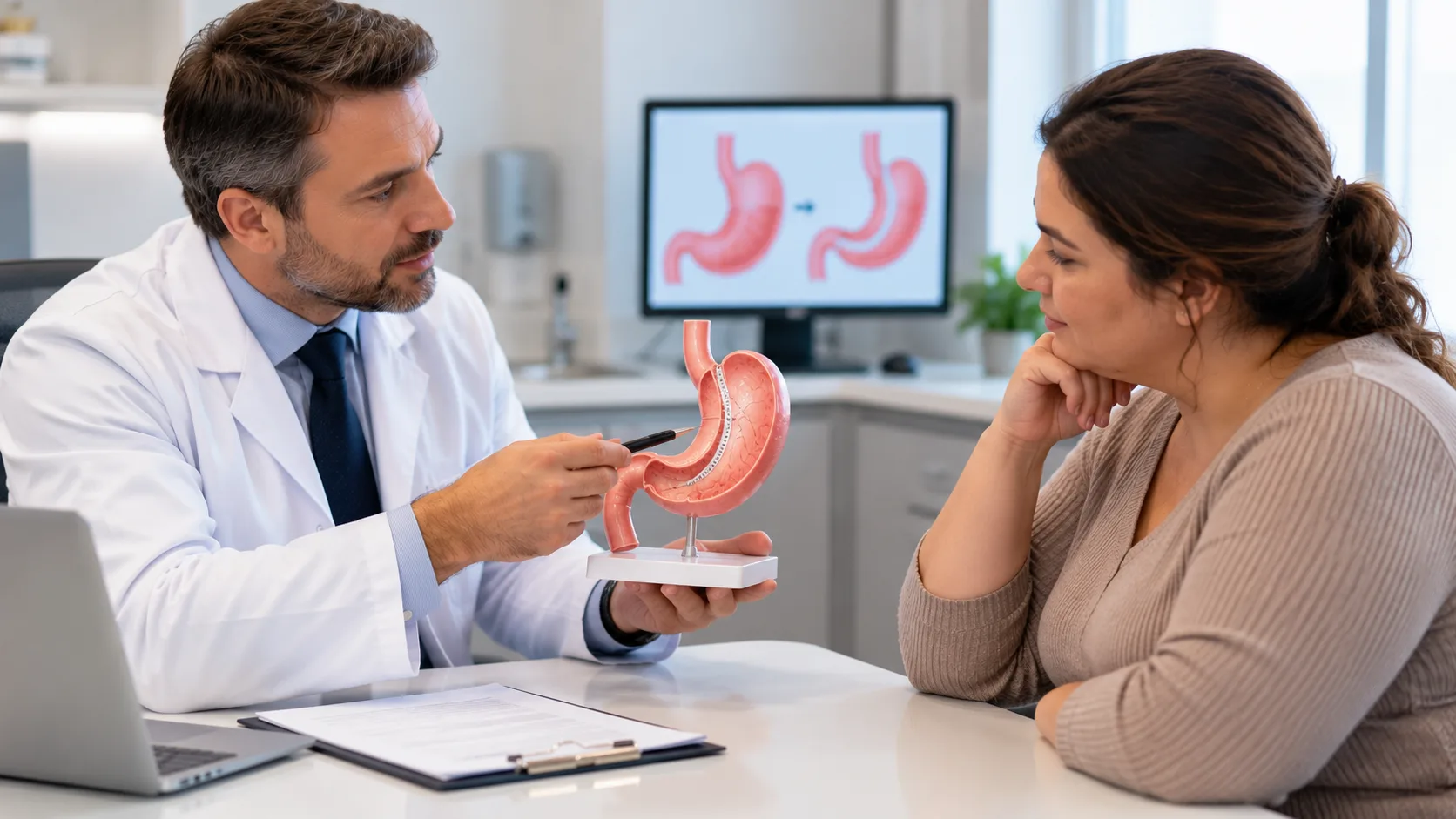
Dumping syndrome occurs when food moves too quickly from the stomach into the small intestine after eating. Surgeons call this process rapid gastric emptying. It most often develops after gastric bypass, sleeve gastrectomy, or other operations that change the shape or function of the stomach (Tack et al. 2009). The condition produces two symptom patterns. Early dumping syndrome appears 10 to 30 minutes after a meal. Late dumping syndrome appears one to three hours later. Dietary changes control most cases. Some patients need medication or closer medical follow-up. This article explains how dumping syndrome develops, how doctors recognize it, and how patients manage it safely.
What Is Dumping Syndrome and How Does Rapid Gastric Emptying Occur?
Dumping syndrome is a digestive disorder in which undigested or poorly digested food enters the small intestine faster than normal. Doctors also use the term rapid gastric emptying for the same condition (Tack et al. 2009). In a healthy digestive system, the stomach holds food, mixes it with acid and enzymes, and releases it gradually into the small intestine through the pyloric valve. This slow release protects the intestine from sudden fluid shifts and gives the body time to absorb nutrients in an orderly way.
Surgery can disrupt this process. When surgeons reduce stomach size, remove part of the stomach, or bypass the pyloric valve, food enters the small intestine in concentrated form and at high speed. Two mechanisms then drive symptoms. First, the concentrated food draws water out of blood vessels and into the intestine, a process called osmotic fluid shift. Second, rapid carbohydrate absorption triggers a surge in digestive hormones, including insulin and enteroglucagon (Tack et al. 2009). These shifts explain why symptoms vary in severity and timing from one person to another.
What Are the Two Types of Dumping Syndrome?
Dumping syndrome has two distinct types that differ in timing, mechanism, and symptoms. Early dumping syndrome develops within 10 to 30 minutes after eating. Late dumping syndrome develops one to three hours after eating. Some people experience both.
Early dumping results from fluid moving into the small intestine to dilute concentrated food. This reduces blood volume and activates the autonomic nervous system. Late dumping results from a rapid rise in blood glucose followed by an exaggerated insulin response, which drops blood sugar too low (Mignot et al. 2017). The table below compares the two phases.
Feature | Early Dumping Syndrome | Late Dumping Syndrome |
Onset after meal | 10 to 30 minutes | 1 to 3 hours |
Main mechanism | Osmotic fluid shift into intestine | Exaggerated insulin response |
Digestive symptoms | Nausea, cramps, bloating, diarrhea | Hunger, weakness, shakiness |
Systemic symptoms | Flushing, dizziness, rapid heartbeat | Sweating, confusion, palpitations |
Blood glucose change | Little or none | Reactive hypoglycemia |
Trigger food | High sugar, high osmolality meals | Rapidly absorbed carbohydrates |
What Symptoms Can Dumping Syndrome Cause?
Dumping syndrome causes two symptom groups. Digestive symptoms include abdominal cramps, bloating, nausea, vomiting, diarrhea, and uncomfortable fullness. Systemic symptoms include flushing, dizziness, weakness, sweating, and a rapid heartbeat. These symptoms reflect fluid shifts and hormonal responses rather than simple indigestion (Tack et al. 2009).
Symptom pattern depends on timing. Early symptoms track the movement of food and fluid into the small intestine. Late symptoms track the insulin surge and falling blood glucose. Meal composition strongly influences severity. Foods high in simple sugars create a concentrated intestinal load that worsens both phases. Persistent symptoms can reshape daily life. Some patients avoid eating in public, skip meals, or lose weight unintentionally, which lowers quality of life and raises the risk of nutritional deficiency (Ukleja et al. 2005).
Why Does Dumping Syndrome Develop After Gastric Surgery?
Dumping syndrome develops after surgery because the operation changes how the stomach stores, mixes, and releases food. Gastric bypass and sleeve gastrectomy reduce stomach capacity and speed up gastric emptying. These procedures are the most common triggers of dumping syndrome in modern practice (Vecht et al. 1997).
Other operations also raise risk. These include gastrectomy for stomach cancer, esophagectomy for esophageal disease, fundoplication for reflux, and pyloroplasty that widens the stomach outlet. Each procedure bypasses or alters the normal digestive pathway and delivers food to the small intestine faster. Dumping syndrome can occasionally occur without prior surgery. Rare functional disorders can produce similar rapid emptying, so doctors evaluate each case on its own terms.
How Does Dumping Syndrome Affect Blood Sugar Levels?
Dumping syndrome can cause a sharp rise and fall in blood glucose, a pattern called reactive hypoglycemia. Rapidly absorbed carbohydrates flood the small intestine and enter the bloodstream quickly. The pancreas responds with an exaggerated insulin release. Blood glucose then drops below normal one to three hours after the meal (Mignot et al. 2017).
Low blood sugar produces recognizable signs. Patients report shakiness, sweating, weakness, dizziness, and palpitations. Severe episodes can impair concentration and cause faintness. Recognizing these delayed symptoms helps patients connect them to dietary triggers. Late dumping syndrome differs from early dumping. Late symptoms follow the insulin response and glucose fall, while early symptoms follow intestinal fluid shifts and involve no major glucose change (Lee et al. 2013).
Which Factors Increase the Risk of Developing Dumping Syndrome?
Previous gastrointestinal surgery is the main risk factor for dumping syndrome. Procedures that shrink the stomach or bypass the pyloric valve increase risk most. Meals high in simple sugars and rapidly absorbed carbohydrates act as powerful triggers because they create a concentrated intestinal load.
Timing also matters. Symptoms can appear months or even years after bariatric surgery, not only in the first weeks (Ukleja et al. 2005). This delayed onset catches many patients by surprise. Risk factors do not guarantee disease. Some patients eat the same meals after the same operation and never develop symptoms. Doctors weigh surgical history, diet, and symptom pattern together rather than relying on a single factor.
How Do Doctors Diagnose Dumping Syndrome?
Doctors diagnose dumping syndrome through a combination of symptom assessment, history, and targeted testing. The evaluation starts with detailed questions about symptom timing, meal composition, and prior surgery. A physical examination and review of medical records complete the clinical picture.
The oral glucose tolerance test can help. The patient drinks a glucose solution, and clinicians measure blood glucose changes. A sharp glucose rise followed by a fall supports late dumping syndrome (Abell et al. 1988). A gastric emptying study uses scintigraphy to measure how quickly food leaves the stomach and can confirm rapid gastric emptying. Clinicians use these tests to distinguish dumping syndrome from other digestive disorders and other causes of hypoglycemia. Test selection depends on each patient’s symptoms and circumstances, so no single test fits every case.
What Foods Should You Eat or Avoid With Dumping Syndrome?

Patients with dumping syndrome benefit most from cutting simple sugars and highly sweetened foods. Sugary drinks, sweets, syrups, and sugar-rich desserts create the concentrated intestinal load that triggers symptoms. Replacing these items with protein-rich foods, complex carbohydrates, and fiber-containing foods stabilizes digestion.
Food tolerance varies between individuals. One patient tolerates dairy while another does not. A registered dietitian helps each patient identify personal triggers and maintain adequate protein, calories, vitamins, and minerals. This support matters greatly after bariatric surgery, when nutritional needs are high and intake is limited.
Eat More | Limit or Avoid | Why |
Lean meats, eggs, fish | Sugary drinks and sodas | Simple sugars trigger rapid emptying |
Whole grains | Candy, syrup, honey | High osmolality draws fluid into gut |
Vegetables and fiber | Sweet desserts and pastries | Refined carbs spike insulin |
Protein at each meal | Large single-portion meals | Oversized meals overload the intestine |
Unsweetened beverages | Alcohol on an empty stomach | Alcohol worsens glucose swings |
Which Eating Habits Help Prevent Dumping Syndrome Symptoms?
Eating smaller, more frequent meals is the single most effective dietary habit for preventing dumping syndrome symptoms. Small portions reduce the intestinal load and limit fluid shifts. Eating slowly and chewing thoroughly helps food reach the intestine in a more diluted form.
Separating liquids from solid meals also helps. Patients should drink fluids between meals rather than during meals, as advised by their care team. Pairing carbohydrates with protein slows gastric emptying further. A food and symptom diary identifies personal patterns and speeds up dietary fine-tuning. Consistent meal timing and professional dietary guidance support long-term control and protect nutritional status after weight loss surgery (Celik et al. 2016).
What Medical Treatments Are Available for Dumping Syndrome?
Dietary and behavioral changes are the first-line treatment for dumping syndrome. When these measures fall short, doctors consider medication. Acarbose blocks carbohydrate absorption in the intestine and works well for selected patients with late dumping symptoms. It blunts the glucose surge that drives the insulin response (Jansen et al. 2017). Octreotide, a somatostatin analog, slows gastric emptying and reduces hormone release for patients with persistent symptoms.
Treatment selection depends on symptom severity, the underlying mechanism, and individual medical history. Patients who do not respond to diet and medication may need specialist evaluation or further intervention. Patients should never start, stop, or adjust medication without medical advice, because these drugs affect digestion and glucose in complex ways.
Can Dumping Syndrome Cause Long-Term Complications?
Dumping syndrome can cause lasting complications when symptoms remain untreated. Persistent diarrhea leads to dehydration and electrolyte imbalance. Nausea and food aversion reduce intake and cause unintended weight loss. Over time, patients can develop nutritional deficiencies in iron, vitamin B12, calcium, and fat-soluble vitamins (Ukleja et al. 2005).
Recurrent low blood sugar carries its own risks. Repeated hypoglycemic episodes impair concentration, coordination, and consciousness, and severe episodes can cause fainting. Monitoring nutritional status is especially important after bariatric surgery because the operation already restricts absorption. Medical follow-up remains essential when symptoms persist or worsen, because complications respond well to early treatment.
When Should You Seek Medical Attention for Dumping Syndrome?
You should seek medical attention when abdominal cramps, diarrhea, dizziness, or weakness after meals keep recurring. These patterns deserve professional assessment even when they seem mild. Warning signs that require prompt evaluation include fainting, severe dehydration, persistent vomiting, and suspected severe hypoglycemia.
Unexplained weight loss or symptoms that do not improve with dietary changes also deserve attention. Patients with previous gastric surgery should report new or persistent symptoms to their surgical or digestive care team. Symptoms that resemble dumping syndrome can have other causes, including infections, medication effects, and endocrine disorders, and these require appropriate evaluation rather than self-diagnosis.
What Is the Long-Term Outlook for People With Dumping Syndrome?
Most people with dumping syndrome manage symptoms successfully through dietary adjustments and, when needed, medication. Symptom frequency and severity often change over time as the body adapts and as patients refine their eating habits (Vecht et al. 1997). Some patients improve within months. Others need ongoing structure around meals.
Long-term outlook depends on the underlying cause and the response to treatment. Ongoing nutritional monitoring and regular follow-up support the best results for patients after bariatric surgery. Adapting meal choices to individual tolerance is a practical, sustainable strategy. Complete recovery is possible for some patients but not guaranteed, so honest expectations and steady medical partnership matter more than any single fix.
Frequently Asked Questions About Dumping Syndrome
How soon after eating does dumping syndrome begin?
Early dumping syndrome begins 10 to 30 minutes after eating. Late dumping syndrome begins one to three hours after eating. The gap between the two phases reflects their different mechanisms.
Can you develop dumping syndrome without gastric bypass surgery?
Yes. Sleeve gastrectomy, gastrectomy, esophagectomy, fundoplication, and pyloroplasty can all cause dumping syndrome. Rare cases occur without any previous surgery.
Does dumping syndrome go away on its own?
Symptoms improve over time for some people as dietary habits stabilize. Others need ongoing dietary changes or medication. Persistence varies between individuals.
Can dumping syndrome cause low blood sugar?
Yes. Late dumping syndrome can trigger reactive hypoglycemia through an exaggerated insulin response to rapidly absorbed carbohydrates (Mignot et al. 2017).
Is dumping syndrome dangerous?
Most cases respond well to management. Severe or persistent cases can cause dehydration, nutritional deficiencies, weight loss, or significant hypoglycemia, which makes medical evaluation important.
What is the best diet for dumping syndrome?
The best diet centers on smaller meals, reduced simple sugars, adequate protein, and individualized food choices. A registered dietitian should guide the plan after bariatric surgery.
Can dumping syndrome occur years after bariatric surgery?
Yes. Symptoms can develop long after the original procedure. New symptoms after surgery always warrant medical evaluation.
Key Takeaways About Dumping Syndrome
Rapid gastric emptying drives the symptoms of dumping syndrome after meals. Early and late dumping differ in timing, mechanism, and presentation. Dietary modification forms the foundation of symptom management, with medication reserved for persistent cases. Medical assessment, nutritional monitoring, and individualized follow-up protect long-term health. Anyone with symptoms after gastric surgery should seek professional evaluation rather than self-diagnosing, because similar symptoms can come from other conditions.
References
Abell, Thomas L., et al. "Gastric Electromechanical and Neurohormonal Function in the Dumping Syndrome." American Journal of Surgery, vol. 155, no. 1, 1988, pp. 116-121.
Celik, Asim, et al. "Management and Treatment of Dumping Syndrome." Current Opinion in Endocrinology, Diabetes and Obesity, vol. 23, no. 2, 2016, pp. 101-106.
Jansen, Joshua Faber Max, et al. "A Systematic Review of the Effects of Acarbose in Dumping Syndrome." Obesity Surgery, vol. 27, no. 10, 2017, pp. 2818-2825.
Lee, Clare J., et al. "Glycemic Variability and Gastric Emptying in Patients With Reactive Hypoglycemia After Roux-en-Y Gastric Bypass." Diabetes Care, vol. 36, no. 11, 2013, pp. 3525-3530.
Mignot, Anne, et al. "Late Dumping Syndrome and Reactive Hypoglycemia After Bariatric Surgery." Obesity Facts, vol. 10, no. 4, 2017, pp. 399-404.
Tack, Jan, et al. "Pathophysiology, Diagnosis and Management of Postoperative Dumping Syndrome." Nature Reviews Gastroenterology & Hepatology, vol. 6, no. 9, 2009, pp. 583-590.
Ukleja, Andrew, et al. "Nutrition and the Surgical Patient." Gastroenterology Clinics of North America, vol. 34, no. 1, 2005, pp. 49-65.
Vecht, Johan, et al. "Dumping Syndrome in Current Practice." Neurogastroenterology & Motility, vol. 9, no. 1, 1997, pp. 65-70.