What Can You Eat After a Gastric Balloon Placement?
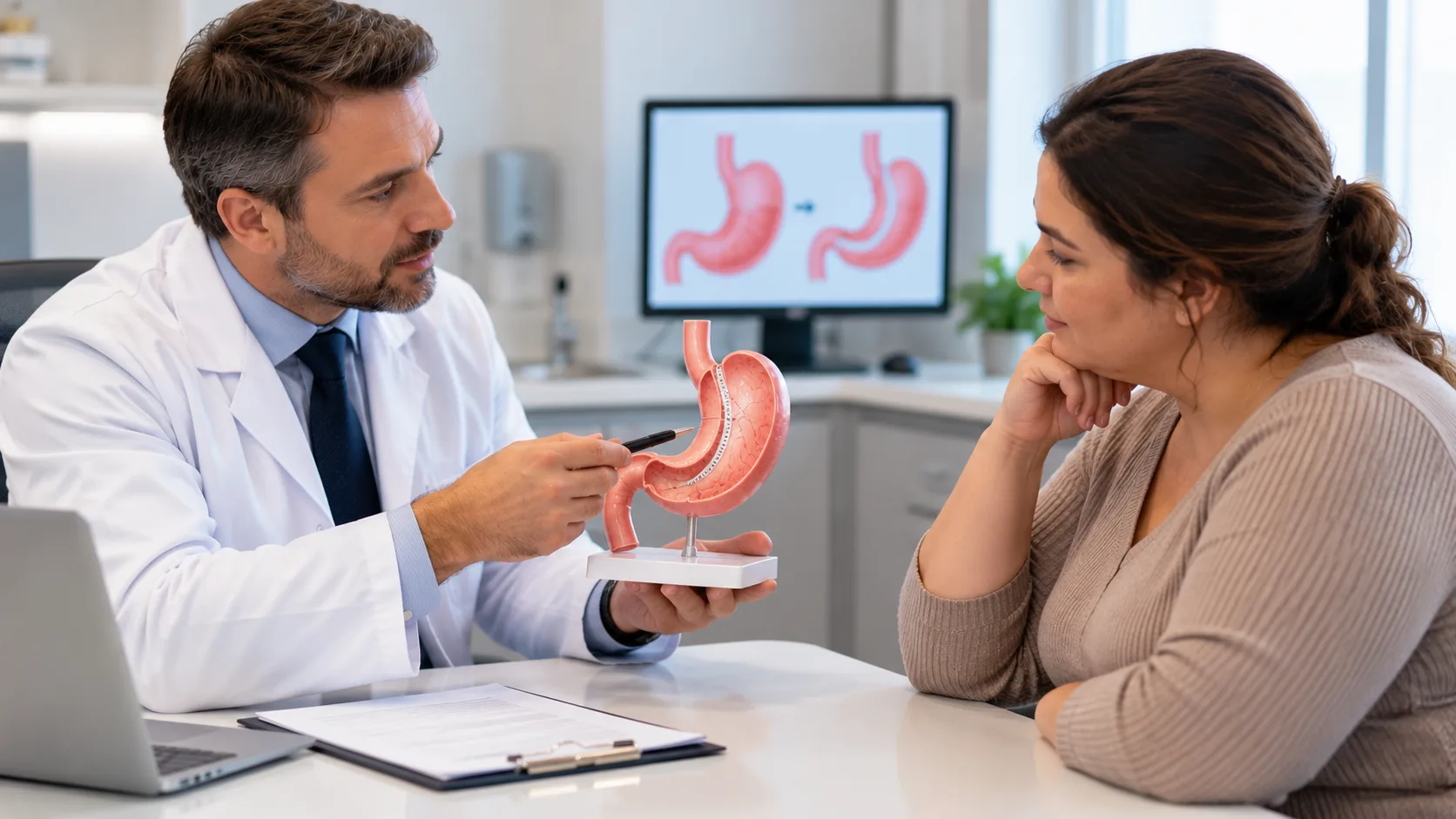
You can eat after a gastric balloon placement, but you must follow a gradual progression from clear liquids to soft foods and finally to regular-textured foods. Your stomach capacity shrinks because the balloon occupies space, so you need smaller portions, slower eating, and high-protein, nutrient-dense choices. Individual tolerance varies, and your healthcare team should guide each transition stage (Gaur et al. 2020).
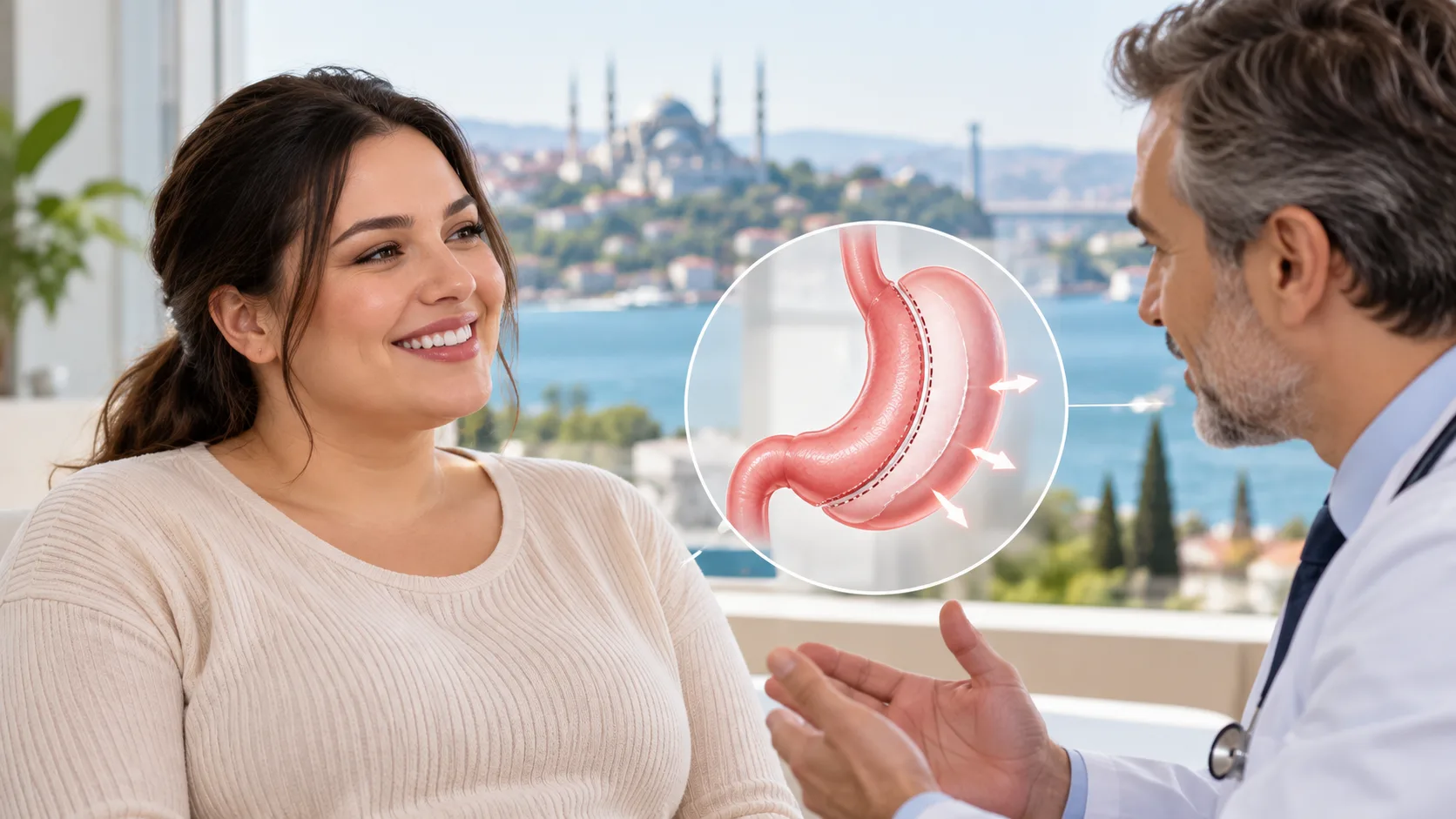
Eating after gastric balloon placement follows a structured timeline. The intragastric balloon works as a space-occupying device. It reduces gastric volume and delays gastric emptying, which helps you feel full faster (Bazerbachi et al. 2017). This mechanism changes how your stomach handles food at every stage. The main factors that shape your food choices include stomach tolerance, symptom levels, hydration status, and the recovery stage you are in. This article covers each dietary stage, portion guidance, food restrictions, beverage rules, protein strategy, fasting considerations, and warning signs, all organized so each section answers one question completely.
What Should You Eat During the First Few Days After a Gastric Balloon?
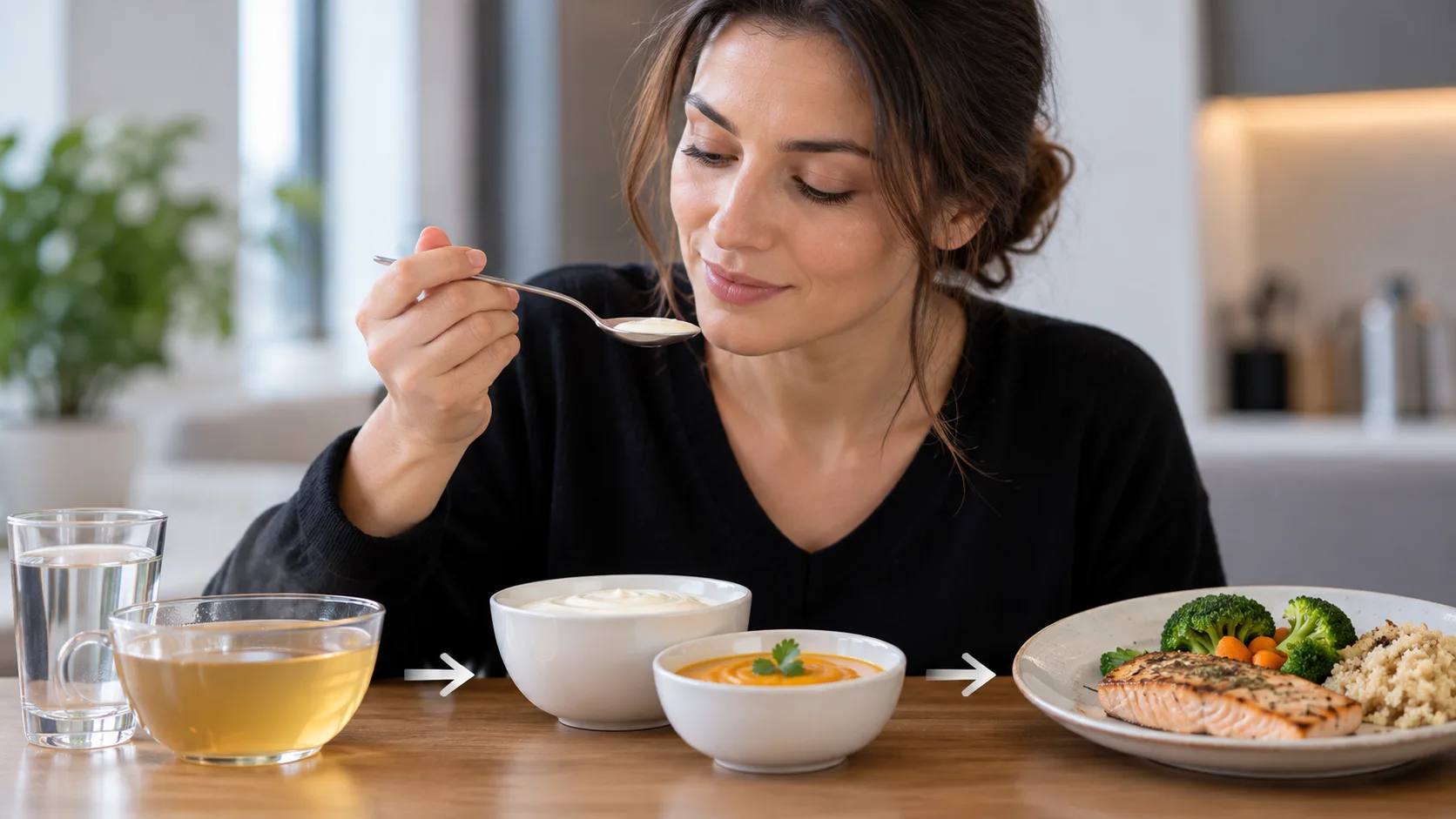
Eat clear and full liquids only during the first few days. Suitable options include water, clear broth, sugar-free fluids, diluted juices, and protein shakes if tolerated. Drink small amounts frequently instead of large volumes at once, and protect your hydration above all else (Gaur et al. 2020).
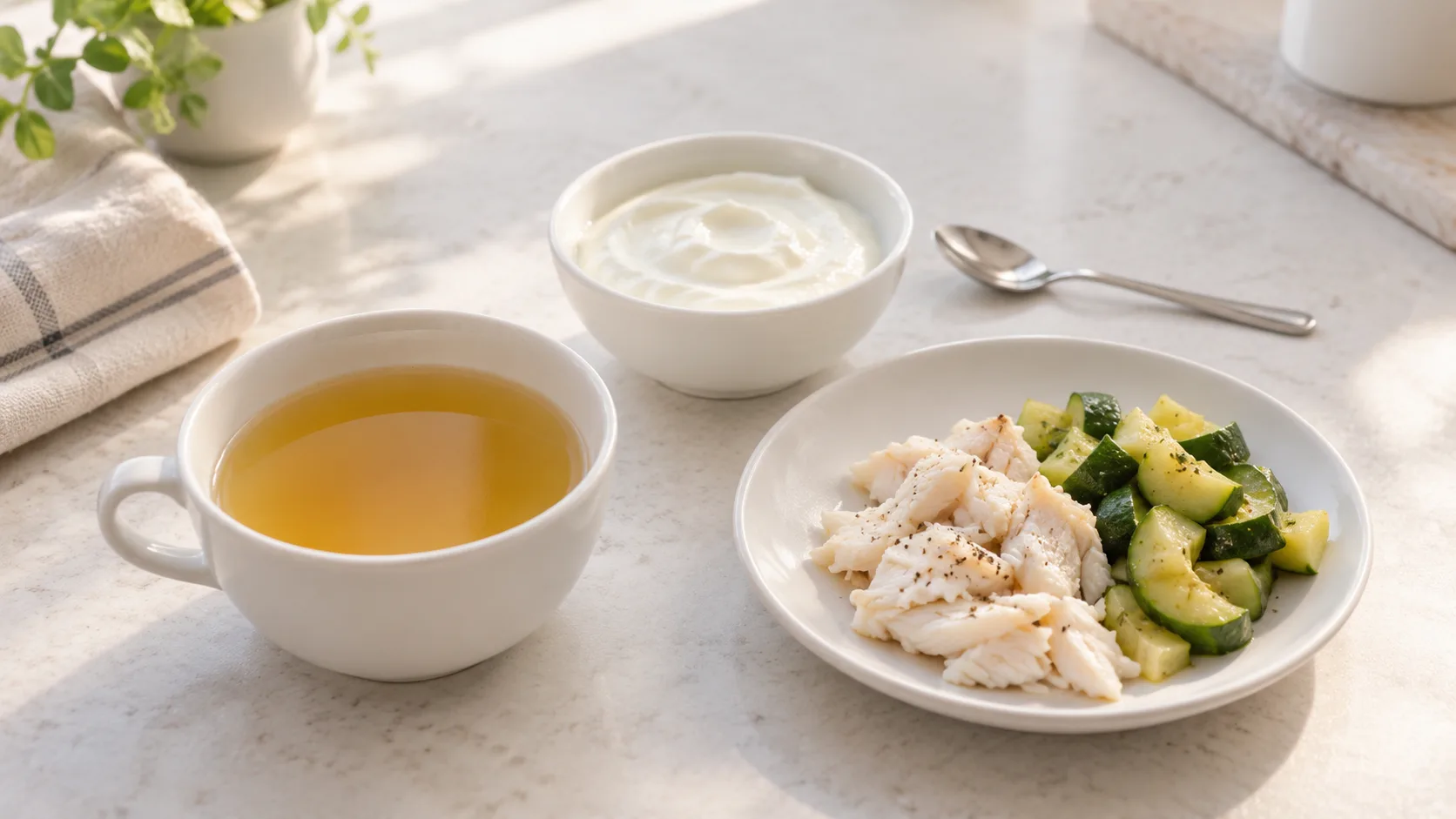
The first days after placement carry the highest nausea risk. Your stomach adjusts to a foreign object, and gastric irritation can trigger vomiting or reflux. Clear liquids minimize gastric workload while delivering fluids and some electrolytes. Water, unsweetened herbal teas, clear vegetable or chicken broth, and sugar-free gelatin work well. You can add full liquids such as milk, yogurt drinks, or protein shakes once clear liquids stay down. Small sips every few minutes outperform large gulps. Large volumes stretch the stomach against the balloon and provoke discomfort. Aim for steady fluid intake across the whole day, because dehydration remains one of the most common early complications after balloon placement (Gaur et al. 2020).
When Can You Start Eating Soft Foods After a Gastric Balloon?
Most patients start soft or blended foods within about one week, but only when liquids feel comfortable and the clinical team approves. Soft foods must be easy to chew and digest, such as yogurt, puréed vegetables, soft scrambled eggs, cottage cheese, and well-cooked tender vegetables (Yorke et al. 2016).
The transition from liquids to soft foods depends on tolerance, not a fixed calendar. You progress when you can drink adequate fluids without nausea, when vomiting episodes stop, and when your appetite begins to return. Soft foods should have a smooth or mashable texture. Avoid anything stringy, fibrous, crusty, or sharp-edged at this stage, because such textures irritate the stomach lining around the balloon. Scrambled eggs deliver protein with minimal chewing effort. Puréed soups combine hydration with nutrients. Greek yogurt adds protein and probiotics. Well-cooked carrots, zucchini, and squash soften easily. Your treating team's schedule overrides general guidelines, because balloon type and individual anatomy change the timeline.
What Foods Are Suitable Once You Return to a Regular Diet?
Return to regular-textured foods by prioritizing lean protein, vegetables, fruits, whole grains, and low-fat dairy. Eat protein first at every meal, chew food thoroughly, and stop at the first sign of fullness (Bazerbachi et al. 2017).
Regular food does not mean old habits. The balloon cuts stomach capacity by a meaningful fraction, so every bite must carry nutritional weight. Build meals around a palm-sized protein portion such as fish, poultry, eggs, tofu, or legumes. Add cooked or soft raw vegetables for fiber and micronutrients. Include a small portion of whole grains such as oats, quinoa, or brown rice for sustained energy. Choose dairy products that provide protein without heavy saturated fat, such as skyr, cottage cheese, or low-fat yogurt. Protein takes priority because reduced intake raises the risk of muscle loss during rapid weight loss (Gaur et al. 2020). Eat slowly, put your utensils down between bites, and chew each mouthful until it reaches a paste consistency. This pace prevents food from packing against the balloon and triggering pain or vomiting.
How Much Should You Eat With a Gastric Balloon?
Eat portions far smaller than your pre-balloon habits, typically starting near half a cup to one cup of food per meal. Stop eating at the first comfortable feeling of fullness, because eating beyond that point causes pain, nausea, or vomiting (Yorke et al. 2016).
The balloon physically reduces usable stomach volume. It also accelerates satiety signaling through gastric wall stretch receptors and delayed emptying (Bazerbachi et al. 2017). These effects mean your fullness threshold arrives early and rises fast. A useful portion framework appears below.
Meal Component | Typical Starting Portion | Progression Rule |
Protein | 60 to 90 grams cooked | Increase only if comfortable |
Vegetables | Half a cup cooked | Chew to full softness |
Carbohydrates | Quarter to half a cup | Add after protein tolerance |
Fluids with meals | Small sips only | Follow team guidance on timing |
Hunger and satiety cues deserve your full attention. Eat at scheduled times, pause mid-meal, and assess your comfort honestly. Discomfort, hiccups, or a pressure sensation signal that you should stop. Overeating does not speed weight loss. It strains the device and raises complication risk.
Which Foods Should You Avoid After Gastric Balloon Placement?
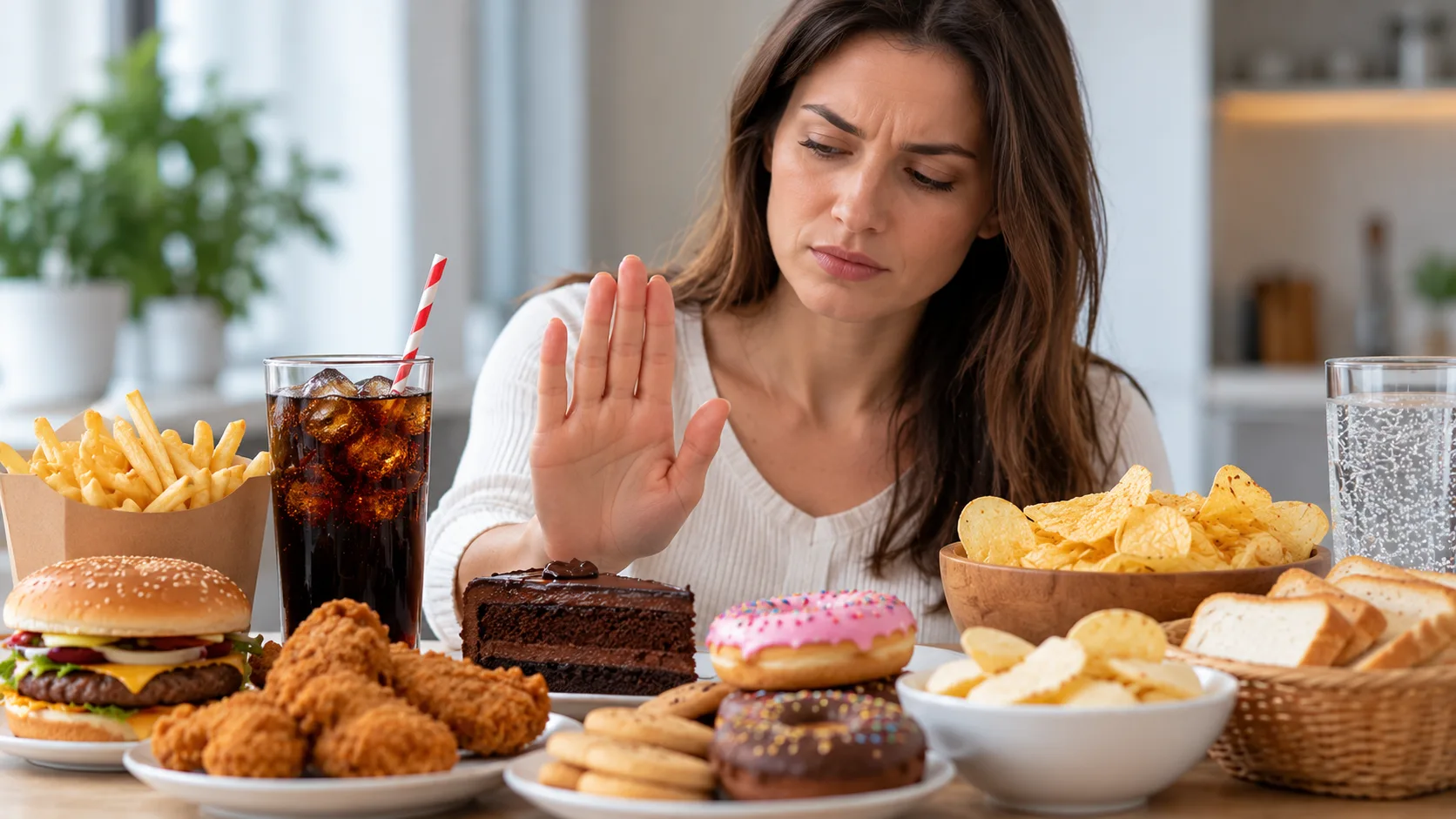
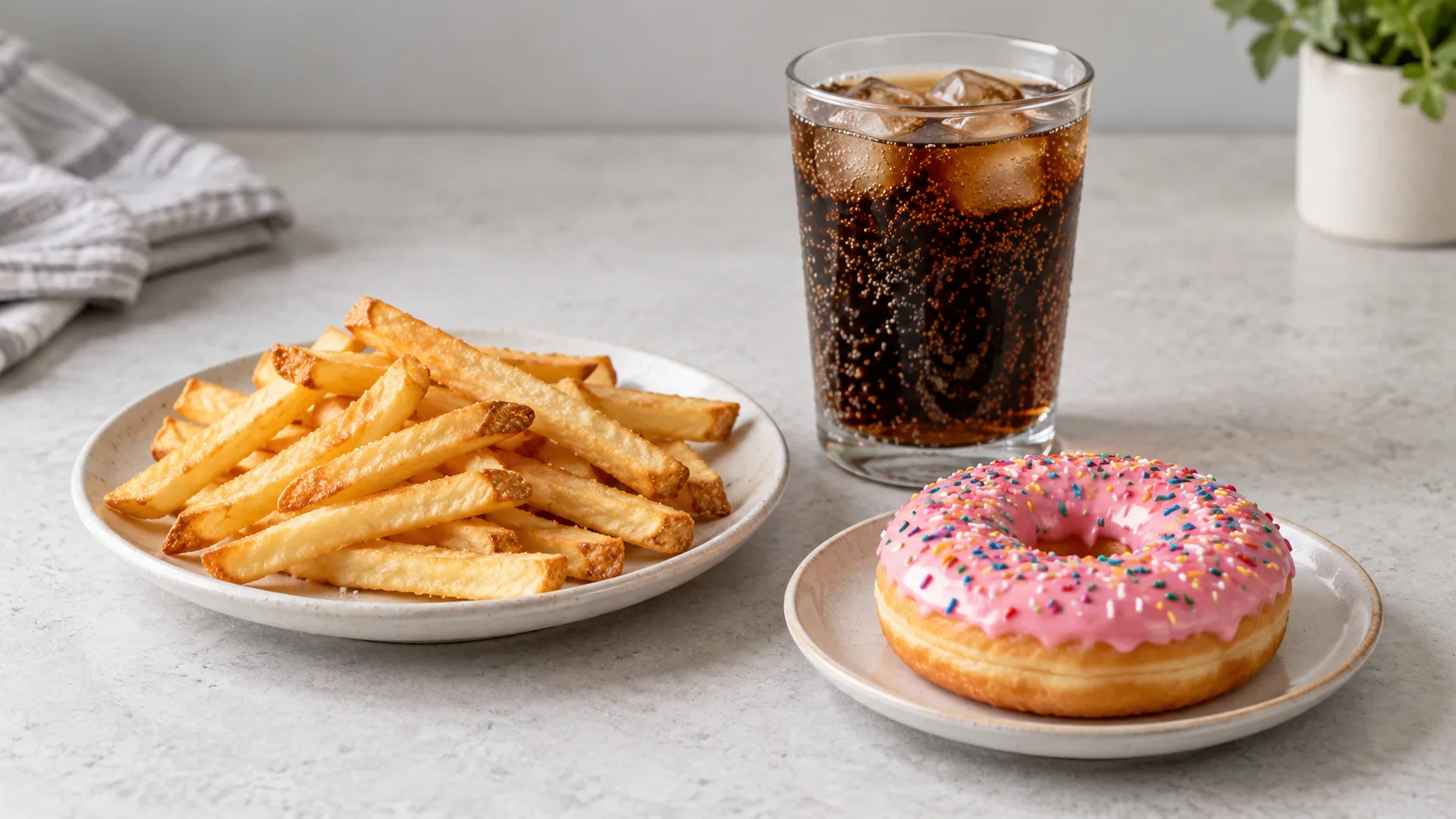
Avoid high-fat fried foods, sugary and highly processed items, very large meals, dry dense starches, and carbonated beverages. These foods trigger nausea, reflux, bloating, and abdominal discomfort, and they undermine weight-management goals (Gaur et al. 2020).
Some foods fight the balloon instead of working with it. Greasy and fried foods delay gastric emptying further and provoke reflux. Sugary foods deliver calories without satiety, which reverses the balloon's benefit. Carbonated beverages introduce gas into a reduced stomach volume, causing painful distension against the device. Dry, dense breads and large chunks of meat can lodge near the balloon and cause obstruction-type discomfort. Very spicy foods irritate the gastric mucosa during the adjustment period.
Avoid Category | Examples | Reason for Restriction |
High-fat foods | Fried chicken, fatty cuts, cream sauces | Delay emptying, trigger reflux |
Sugary items | Sodas, candy, pastries | Empty calories, poor satiety |
Carbonated drinks | Sparkling water, soft drinks | Gas distension against balloon |
Dense dry starches | Fresh bread, crackers, large pasta portions | Packing discomfort |
Very large meals | Buffet-style portions | Overstretch, vomiting risk |
Individual tolerance differs. One patient may handle a small piece of bread while another cannot. Use symptoms as your personal feedback system.
Can You Drink Coffee, Tea, and Other Beverages After a Gastric Balloon?
You can reintroduce caffeinated drinks like coffee and tea after the initial adjustment period, once your stomach settles and fluids stay down. Hydration remains the priority, and sugary or calorie-containing drinks should stay limited (Yorke et al. 2016).
Caffeine stimulates gastric acid secretion, so early reintroduction can worsen irritation while the stomach adjusts. Most patients tolerate coffee or tea again within one to two weeks if they introduce it gradually and pair it with food tolerance. Water should dominate your daily fluid intake. Sugary coffees, energy drinks, juices, and alcohol add liquid calories that bypass the balloon's satiety mechanism. Drinking any beverage in large amounts quickly fills the reduced stomach and causes pressure or vomiting. Sip slowly, treat beverages as complements to water rather than replacements, and follow your provider's guidance on whether your specific balloon type or symptom pattern requires longer caffeine restriction.
How Should You Drink Fluids With a Gastric Balloon?
Drink fluids in small, frequent sips spread across the entire day. Avoid rapid large-volume drinking, and follow your treating team's rules about drinking around meals, because fluid timing directly affects stomach comfort.
Fluid strategy matters as much as food strategy. Small sips move through the stomach smoothly. Rapid gulps hit the balloon zone and create immediate pressure, nausea, or regurgitation. A practical pattern includes a few sips every 10 to 15 minutes between meals. Many programs advise limiting fluids during meals and for a short window after, because liquids plus food overfill the restricted stomach and flush food through faster, which reduces satiety. Your team may set different rules based on your balloon type and tolerance. Dehydration signs include dark urine, dizziness, dry mouth, and low energy, and they require prompt attention, especially in the first weeks (Gaur et al. 2020).
What Is a Typical Daily Meal Pattern After Gastric Balloon?
A typical pattern includes three small structured meals and one or two planned protein-based snacks. Meals gradually balance protein, vegetables, and quality carbohydrates as tolerance improves. Consistency beats grazing all day.
Structure prevents two common failure modes: skipping meals and constant nibbling. Skipping meals leads to ravenous eating, fast intake, and overfilling. Grazing delivers calories without clear satiety signals and blunts the balloon's advantage. A sample day illustrates the pattern.
Time | Meal | Content Focus |
Morning | Breakfast | Eggs or Greek yogurt with soft fruit |
Midday | Lunch | Fish or poultry, cooked vegetables |
Afternoon | Snack | Protein shake or cottage cheese |
Evening | Dinner | Lean meat or legumes, small grain portion |
Each meal centers protein first. Vegetables add volume and micronutrients with few calories. Small grain portions provide steady energy. Planned snacks protect against hunger-driven choices. This framework also trains the eating rhythm you will need after balloon removal.
How Can You Get Enough Protein After a Gastric Balloon?
Get enough protein by including a protein source at every meal and snack, targeting roughly 60 to 80 grams daily as advised by your dietitian. Eggs, yogurt, fish, poultry, lean meat, tofu, and legumes work well, and supplements fill gaps only when recommended (Bazerbachi et al. 2017).
Protein protects lean muscle mass during rapid weight loss, supports satiety better than carbohydrates or fat, and demands more energy to digest. Those three properties make it the cornerstone nutrient of the balloon period. Distribute protein across the day because a single large serving exceeds stomach capacity. Mix protein into small meals: stir protein powder into yogurt, add shredded chicken to puréed soup, or pair cottage cheese with soft fruit. Use protein shakes only when food alone cannot meet your target, and choose products reviewed by your healthcare team. Patients with higher starting weight or muscle-loss risk may need adjusted targets set through professional assessment (Gaur et al. 2020).
How Can You Prevent Nutritional Deficiencies After a Gastric Balloon?
Prevent deficiencies by eating a varied, nutrient-dense diet and following a supplementation plan set by a healthcare professional through blood testing. Do not self-prescribe vitamins routinely, and maintain dietitian follow-up.
Reduced food volume raises deficiency risk even though the balloon causes no malabsorption. Smaller plates can hide shortfalls in iron, vitamin B12, vitamin D, folate, and calcium (Yorke et al. 2016). Blood testing at baseline and during follow-up reveals actual gaps. A dietitian then tailors supplements to your results instead of guessing. Food variety remains the first defense: rotate protein sources, include colorful vegetables, choose fortified dairy, and keep whole grains in appropriate portions. Professional follow-up also catches declining tolerance or stalled intake before they become clinical problems. Self-prescribed high-dose supplements can cause harm without addressing real needs.
Can You Eat Sweets and High-Calorie Foods After a Gastric Balloon?
You can eat occasional small portions of sweets, but habitual high-calorie eating undermines the balloon's purpose. Liquid and soft sugary foods pass easily past the device, so they deliver full calories without satiety. Choose nutrient-dense alternatives most of the time.
The balloon restricts volume, not calorie quality. Ice cream, milkshakes, chocolate, and pastries slide through comfortably and sabotage energy balance. Occasional intake fits a sustainable plan when portions stay small and frequency stays low. Habitual consumption reverses the caloric deficit that drives weight loss (Bazerbachi et al. 2017). Smart swaps maintain pleasure without the cost: Greek yogurt with berries instead of ice cream, dark chocolate squares instead of candy bars, or blended frozen fruit instead of milkshakes. Notice the difference between a planned treat and a stress-driven pattern. The second deserves attention to behavior, not just food choice.
Can You Eat Bread, Rice, Pasta, and Other Carbohydrates With a Gastric Balloon?
You can eat carbohydrates after a gastric balloon. You do not need to eliminate them. Choose modest portions of higher-quality sources such as oats, quinoa, brown rice, and whole-grain bread, and balance them with protein at the same meal.
Carohydrate restriction is unnecessary and sometimes counterproductive, because whole grains deliver fiber, B vitamins, and steady energy. The problem sits in portion size and texture, not the nutrient itself. Refined, dense, or large portions of pasta, white rice, or fresh bread pack tightly in the reduced stomach and cause discomfort for many patients. Chew bread thoroughly, choose softer whole-grain options, and keep initial portions near a quarter cup. Pairing carbohydrates with protein slows glucose absorption and extends fullness. Watch your personal response, because tolerance varies by balloon position and gastric anatomy.
What Should You Eat If You Experience Nausea or Stomach Discomfort?
Eat temporarily gentler foods and fluids when nausea or discomfort appears. Choose clear liquids, broth, dry toast if tolerated, soft bland items, and tiny portions eaten very slowly. Seek medical evaluation if symptoms persist or intensify.
Discomfort signals that the stomach needs a step back. Return to clear liquids for a short window, then reintroduce soft bland foods such as plain yogurt, oatmeal, bananas, or scrambled eggs. Avoid fatty, spicy, acidic, and carbonated items during this window. Eat five to six micro-portions across the day instead of three standard meals. Common triggers include eating too fast, drinking with meals, large bites, and lying down right after eating. The line between expected adjustment symptoms and complications matters. Brief nausea in week one is common. Continuous vomiting, severe pain, or fluid intolerance is not (Gaur et al. 2020). Contact your medical team rather than pushing through those signs.
How Can You Maintain Healthy Eating Habits During the Gastric Balloon Period?
Maintain healthy habits by practicing mindful eating, eating slowly, controlling portions, and keeping regular meal times. Treat the balloon as a training tool for long-term behavior, because weight maintenance after removal depends on the habits you build during treatment.
The balloon provides a six-to-twelve-month window in most programs, and behavior during that window predicts outcomes after removal (Bazerbachi et al. 2017). Habits worth building include putting utensils down between bites, chewing thoroughly, pausing to rate fullness mid-meal, eating at a table without screens, and planning meals in advance. These behaviors rewire eating patterns so they survive device removal. Patients who rely only on the balloon's physical restriction often regain weight once the stomach returns to normal volume. Patients who practice structured eating keep more of their results (Yorke et al. 2016). Connect every food choice to the future: each meal trains the eater you will be after the balloon leaves.
What Should You Eat During Fasting With a Gastric Balloon?
Fasting with a gastric balloon requires individual adjustment. Prioritize hydration during non-fasting hours, structure balanced meals before and after fasts, and seek dietetic or medical advice if fasting causes symptoms or blocks adequate nutrition.
Extended fasting compresses eating into short windows, which conflicts with a stomach that tolerates only small portions. Patients who fast for religious or personal reasons should plan carefully. Pre-fast meals need balanced protein, complex carbohydrates, and fluids for sustained energy. Post-fast breaking requires gentleness: start with water and dates or diluted juice, wait, then add soft protein-rich foods rather than a heavy meal. Hydration planning across night hours prevents dehydration, especially in warm climates. If fasting triggers vomiting, dizziness, or inability to drink, pause the fast and contact your care team. Religious authorities and clinicians often cooperate on safe modifications for medical device patients, and your provider can document your situation.
When Should You Contact Your Doctor After Eating With a Gastric Balloon?
Contact your doctor for persistent vomiting, severe abdominal pain, signs of significant dehydration, or inability to tolerate any fluids. Prolonged difficulty eating or drinking always deserves assessment, because these signs can indicate balloon-related complications.
Expected adjustment discomfort is mild, temporary, and responsive to dietary correction. Warning signs break that pattern. Continuous vomiting beyond the first days raises dehydration and esophageal injury risk. Sharp or severe abdominal pain can signal balloon migration, obstruction, or gastric injury. Inability to keep down even small sips marks a clinical problem, not a tolerance issue. Additional red flags include fever, chest pain, black stools, and rapidly worsening reflux (Gaur et al. 2020). Your balloon provider's written post-procedure instructions define exact thresholds and emergency contacts. Keep those instructions accessible, and follow them over any general guidance.
What Does a Healthy Long-Term Diet Look Like After Gastric Balloon Removal?
A healthy long-term diet after removal mirrors the balanced pattern built during treatment: controlled portions, protein at every meal, abundant vegetables, consistent hydration, mindful eating, and limited highly processed or calorie-dense foods. These habits protect results permanently.
Balloon removal restores stomach volume, so the physical guardrail disappears. The behavioral guardrail remains if you built it. Research shows weight regain occurs in a substantial share of patients after device removal, while structured dietary follow-up improves maintenance (Bazerbachi et al. 2017). Your long-term plate keeps the same architecture: protein first, vegetables second, quality carbohydrates in measured amounts, and fats in small quantities. Meal timing stays regular, snacking stays planned, and sweets stay occasional. Annual dietitian check-ins, continued self-monitoring, and honest response to weight trends keep small gains from compounding. The balloon opens a window. Your habits decide what happens after it closes.
References
Bazerbachi, Fateh, et al. "Intragastric Balloons in Clinical Practice." Clinical Gastroenterology and Hepatology, vol. 15, no. 2, 2017, pp. 217-225.
Gaur, Shailendra, et al. "American Society for Gastrointestinal Endoscopy Guideline on the Role of Endoscopy in the Management of Obesity." Gastrointestinal Endoscopy, vol. 92, no. 4, 2020, pp. 767-782.
Yorke, Emily, et al. "Intragastric Balloon for Obesity Treatment: Safety, Tolerability, and Efficacy." Obesity Surgery, vol. 26, no. 5, 2016, pp. 1045-1053.