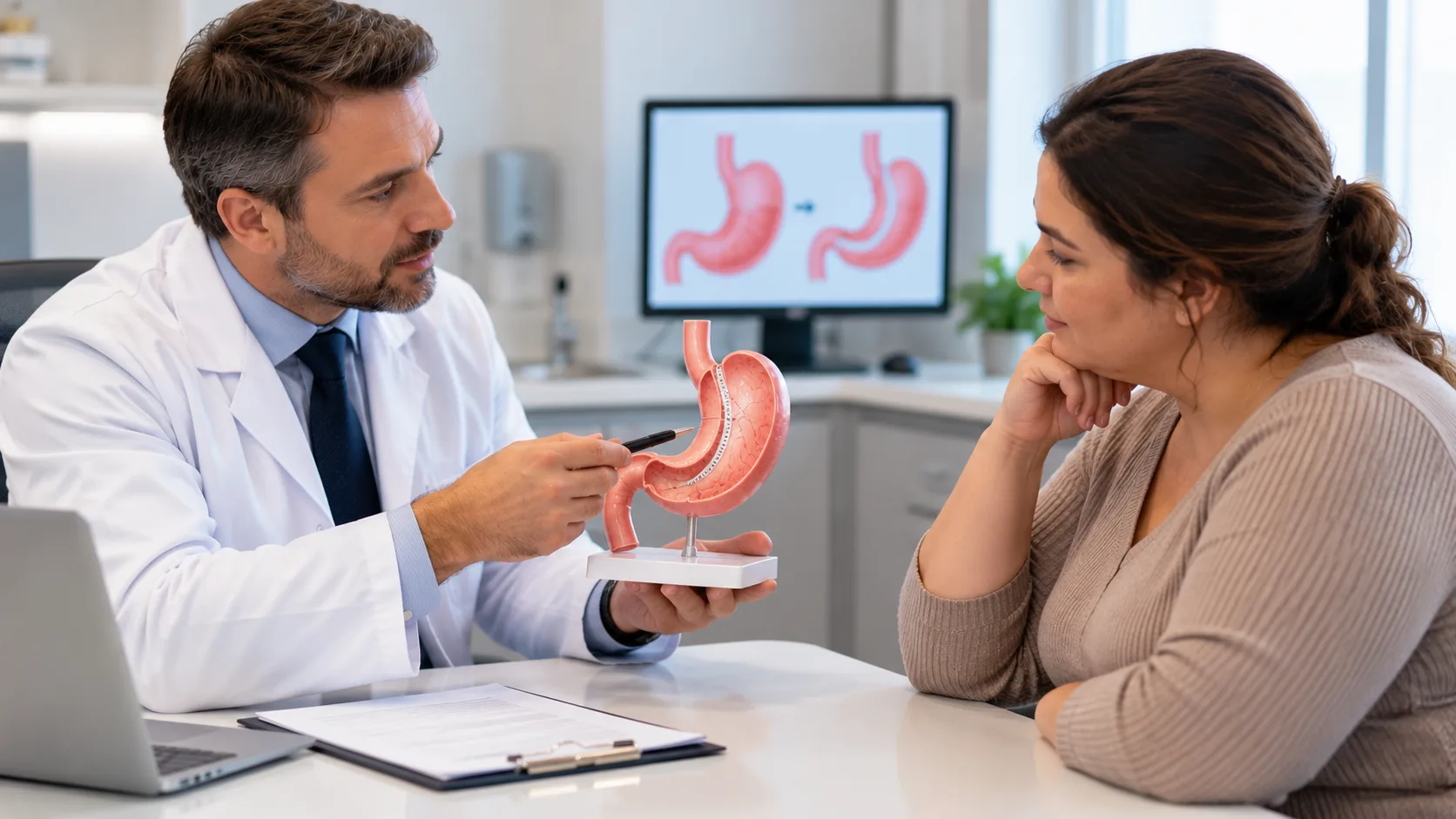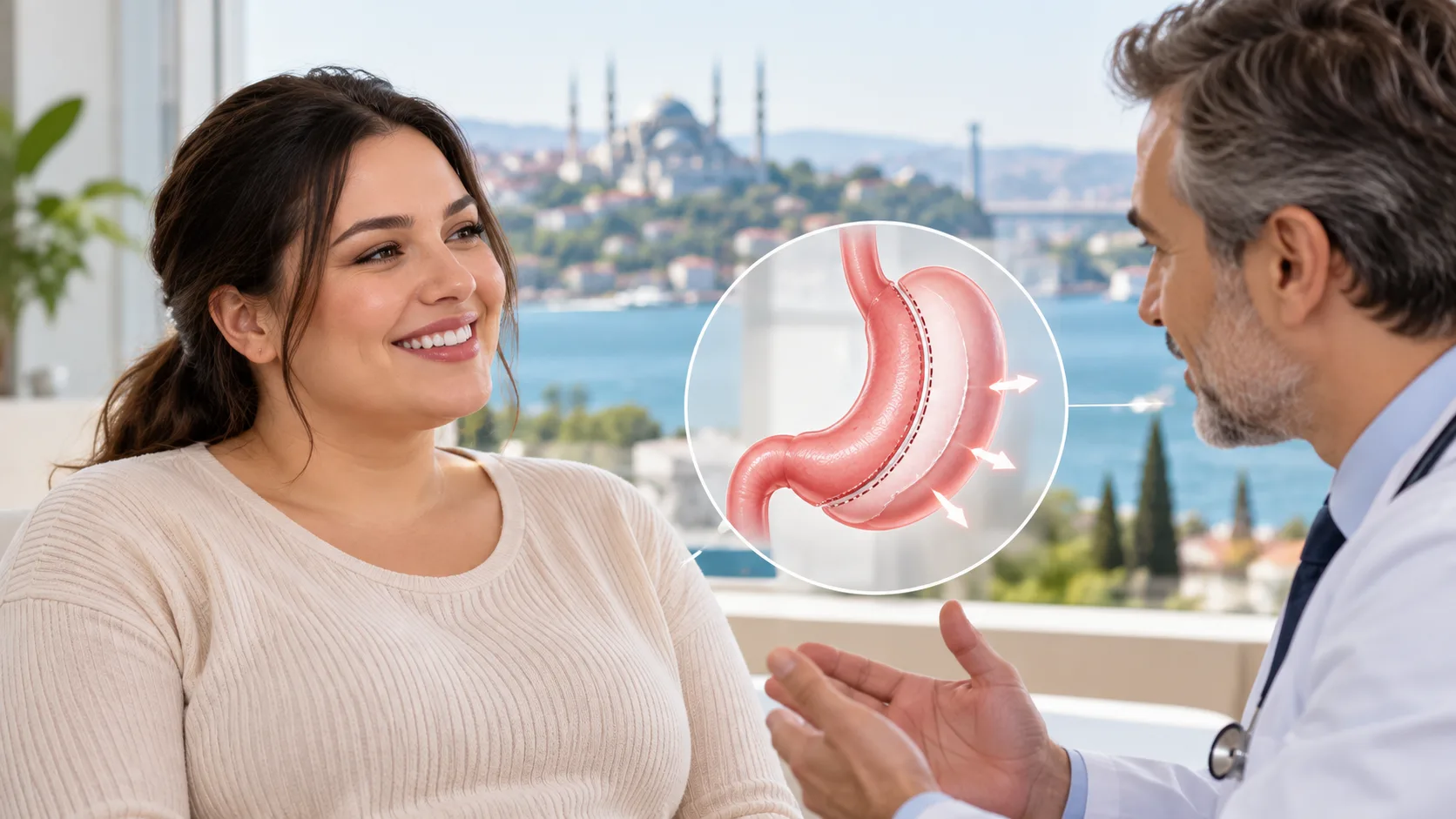
Gastric Balloon vs Gastric Sleeve: Which Weight-Loss Treatment Is Right for You?
Obesity stands as a chronic and complex disease that demands individualized treatment approaches. Millions of people worldwide struggle with excess weight, and medical science now offers multiple evidence-based interventions to support meaningful and sustained weight reduction. Among the most discussed options, patients frequently compare gastric balloon vs gastric sleeve. This comparison matters because these two treatments differ fundamentally in their approach, invasiveness, durability, and expected outcomes. A gastric balloon represents a temporary, endoscopic, non-surgical treatment. A gastric sleeve constitutes a permanent surgical procedure that removes a substantial portion of the stomach. Both options primarily reduce food intake, but they differ substantially in invasiveness, durability, expected weight loss, risks, and follow-up requirements. The most appropriate option depends on individual clinical factors, including body mass index, obesity-related comorbidities, previous medical history, personal preferences, and willingness to commit to long-term lifestyle changes. This article provides a comprehensive, evidence-based comparison to help readers understand these treatments and engage in informed discussions with qualified medical professionals.
What Is the Main Difference Between a Gastric Balloon and a Gastric Sleeve?
A gastric balloon provides a temporary intragastric device, while a gastric sleeve delivers permanent stomach-reduction surgery. This distinction forms the foundation of every other difference between these two treatments. A gastric balloon occupies space within the stomach through an endoscopic procedure that requires no surgical incisions. A gastric sleeve removes approximately 75-80% of the stomach through laparoscopic surgery. The balloon creates a temporary reduction in stomach capacity, while the sleeve creates a permanent anatomical change. Both treatments aim to reduce food intake and promote earlier satiety, but they achieve this goal through entirely different mechanisms. The gastric balloon relies on mechanical space occupation, while the gastric sleeve combines mechanical restriction with hormonal changes. Neither treatment should be presented as a stand-alone cure for obesity. Both require comprehensive lifestyle modification, nutritional counseling, and regular medical follow-up to achieve and maintain meaningful results. The choice between these treatments should never be based on popularity or convenience. It should emerge from a thorough clinical assessment that considers the patient's unique medical profile, weight-loss goals, risk tolerance, and commitment to long-term behavioral change.
How Does a Gastric Balloon Work?
What Is an Intragastric Balloon?
An intragastric balloon serves as a temporary medical device placed inside the stomach to promote weight loss. The balloon occupies physical space within the gastric cavity, which reduces the available volume for food intake. This space occupation triggers earlier satiety during meals and encourages smaller portion sizes. The balloon does not alter stomach anatomy permanently. It does not reroute the intestines. It does not remove any portion of the stomach. Instead, it functions as a temporary tool that supports behavioral modification by creating a physical reminder of portion control. Different balloon systems exist, including fluid-filled balloons, gas-filled balloons, and swallowable capsule-based systems. Each system carries specific placement protocols, duration limits, and removal requirements. The fundamental principle remains consistent across all systems: the balloon reduces functional stomach capacity to help patients adopt healthier eating patterns during the treatment period.
How Is a Gastric Balloon Placed?
A qualified endoscopist places the gastric balloon through an endoscopic procedure. The patient typically receives sedation to ensure comfort during the placement. The endoscopist inserts a flexible tube with a camera through the mouth and into the stomach. The deflated balloon travels through this tube and enters the stomach in a collapsed state. Once positioned correctly, the medical team inflates the balloon with sterile fluid or gas according to the specific device protocol. The entire procedure usually occurs in an outpatient setting. Most patients return home the same day. The placement does not require surgical incisions. It does not require general anesthesia in all cases, though deeper sedation may be used depending on the device and patient factors. The specific balloon type influences placement technique, duration in the stomach, and removal requirements. Some newer systems offer swallowable capsules that do not require endoscopic placement, though these still need imaging confirmation of proper positioning.
How Long Does a Gastric Balloon Stay in the Stomach?
The duration depends entirely on the specific balloon system and manufacturer guidelines. Most fluid-filled intragastric balloons remain in place for approximately six months. Some newer systems may stay for up to twelve months. Swallowable balloon systems may have different duration protocols. The medical team removes the balloon endoscopically at the end of the treatment period. Some systems allow for earlier removal if complications arise or if the patient cannot tolerate the device. One swallowable system is designed to deflate spontaneously after a predetermined period and pass naturally through the gastrointestinal tract. Patients should never assume that all balloons share the same duration. The treating physician provides specific guidance based on the chosen device. After removal, the stomach returns to its original volume, which makes behavioral adaptation during the balloon period critically important for maintaining weight loss.
How Does a Gastric Balloon Affect Appetite and Eating Behaviour?
The gastric balloon increases satiety through mechanical means. The occupied space within the stomach leaves less room for food, which causes patients to feel full after consuming smaller portions. This earlier satiety helps patients practice portion control and reduce overall caloric intake. The balloon does not directly alter hunger hormones. It does not remove the portion of the stomach that produces ghrelin. Its effects are primarily physical rather than hormonal. Patients must combine balloon treatment with structured nutritional counseling and behavioral modification. The device serves as a tool that supports these changes, not as a replacement for them. Weight regain remains possible after balloon removal, particularly if patients return to previous eating patterns. Regular medical follow-up and behavioral support remain essential throughout the treatment period and beyond. The Mayo Clinic describes intragastric balloon treatment as part of a broader lifestyle intervention, with regular medical follow-up and behavioral changes remaining important for long-term success (Mayo Clinic Staff).
What Is Gastric Sleeve Surgery?
What Is Sleeve Gastrectomy?
Sleeve gastrectomy, also called vertical sleeve gastrectomy (VSG), represents a permanent surgical procedure that reduces stomach size. During the operation, the bariatric surgeon removes approximately 75-80% of the stomach along the greater curvature. The remaining stomach forms a narrow, tube-shaped structure that resembles a banana or sleeve. This new stomach holds significantly less food than the original organ. The procedure does not reroute the intestines. It does not create a bypass around any portion of the digestive tract. Food travels through the same pathway as before, but the reduced stomach volume limits portion sizes substantially. Surgeons typically perform sleeve gastrectomy laparoscopically, which involves small incisions in the abdomen rather than one large open incision. This minimally invasive approach reduces recovery time and surgical complications compared to open surgery.
How Does Gastric Sleeve Promote Weight Loss?
Sleeve gastrectomy promotes weight loss through multiple mechanisms. The reduced stomach capacity physically restricts the amount of food a patient can consume at one time. Patients experience earlier satiety and must eat smaller meals. The surgery also removes the gastric fundus, which is the primary site of ghrelin production. Ghrelin is a hormone that stimulates hunger. By removing this portion of the stomach, the surgery may reduce hunger signals and help patients manage appetite more effectively. The combination of mechanical restriction and hormonal changes supports significant weight reduction. Long-term dietary adaptation remains essential. Patients must learn to eat slowly, chew thoroughly, and prioritize protein-rich foods. The surgery creates the anatomical framework for weight loss, but sustained success depends on ongoing behavioral management and nutritional compliance.
Is Gastric Sleeve Reversible?
Sleeve gastrectomy is considered a permanent procedure. The surgeon removes a substantial portion of the stomach completely. This tissue cannot be reattached or restored to its original state. The anatomical change is irreversible. Some patients may require revision surgery later if complications develop or if weight regain occurs. However, revision surgery does not constitute a true reversal. It represents a conversion to another bariatric procedure, such as gastric bypass or duodenal switch. Patients should understand this permanence before choosing sleeve gastrectomy. The decision requires careful consideration and thorough discussion with a qualified bariatric surgeon.
How Do Gastric Balloon and Gastric Sleeve Compare?
Gastric Balloon vs Gastric Sleeve: Quick Comparison
Factor | Gastric Balloon | Gastric Sleeve |
Treatment type | Endoscopic/non-surgical | Surgical bariatric procedure |
Anatomical change | Temporary device occupies stomach space | Permanent removal of part of stomach |
Incisions | No surgical incisions | Laparoscopic surgical incisions |
Anesthesia/sedation | Depends on balloon system | General anesthesia |
Reversibility | Balloon can be removed or pass depending on system | Permanent anatomical change |
Stomach removal | No | Yes |
Intestinal rerouting | No | No |
Weight-loss potential | Generally more modest | Generally greater |
Recovery | Usually shorter | Usually longer |
Weight regain | Possible, particularly after removal | Still possible despite permanent surgery |
Lifestyle modification | Essential | Essential |
Long-term follow-up | Important | Lifelong follow-up is generally required |
This comparison should not imply that one treatment is universally superior. Clinical outcomes vary according to patient characteristics, treatment system, adherence, and follow-up quality. Individual assessment remains the gold standard for treatment selection.
Which Procedure Produces More Weight Loss: Gastric Balloon or Gastric Sleeve?
How Much Weight Can You Lose With a Gastric Balloon?
Weight loss after gastric balloon treatment is typically measured as percentage of total body weight loss (%TWL) or percentage of excess weight loss (%EWL). Total body weight loss represents the percentage of the patient's initial weight that they lose. Excess weight loss represents the percentage of weight above a healthy BMI range that they lose. These measurements differ significantly, and patients should understand which metric a study or provider uses. Clinical studies report varying results depending on the balloon system, study duration, patient population, and follow-up intensity. A systematic review of endoscopic therapies found mean 12-month total body weight loss of approximately 10.35% after intragastric balloon treatment (Sullivan et al., 2022). However, this figure varies across studies and should not be interpreted as a guaranteed outcome. Some patients achieve greater weight loss, while others achieve less. The amount of weight lost depends heavily on diet quality, physical activity levels, behavioral support, and adherence to medical recommendations. Weight regain after balloon removal remains a documented concern in longer follow-up studies.
How Much Weight Can You Lose With Gastric Sleeve?
Gastric sleeve surgery generally produces greater weight loss than gastric balloon treatment. Patients typically experience rapid weight loss during the first six months after surgery. Weight loss continues at a slower pace through 12 to 24 months. Studies commonly report total body weight loss of 25-30% at 12-24 months after sleeve gastrectomy, though individual results vary widely. Excess weight loss percentages often range from 50-70% during this timeframe. The baseline BMI influences outcomes. Patients with higher starting BMI may lose more total pounds but may achieve lower percentage of excess weight loss. Adherence to dietary guidelines, physical activity recommendations, and follow-up care significantly impacts results. The permanent anatomical change supports more durable restriction compared to the temporary balloon, but long-term maintenance still requires sustained behavioral effort.
Why Can Weight Loss Measurements Be Difficult to Compare?
Weight loss measurements create confusion when patients or providers compare percentages without understanding the underlying calculations. Total body weight loss uses the entire body weight as the denominator. Excess weight loss uses only the weight above a healthy BMI threshold as the denominator. A patient who loses 50 pounds might report 20% total body weight loss or 50% excess weight loss depending on their starting weight and target weight. These figures describe the same absolute weight loss but appear very different as percentages. Standardized outcome measures help ensure accurate comparisons across studies and treatments. Patients should ask their providers which metric they use and what it means in absolute terms. The systematic review by Sullivan et al. (2022) found mean 12-month total body weight loss of approximately 10.35% after intragastric balloon treatment, while also finding weight regain after balloon removal in longer follow-up. These data concern intragastric balloons versus endoscopic sleeve gastroplasty, not sleeve gastrectomy, so they should not be used as a direct gastric-balloon-versus-sleeve-gastrectomy comparison.
Which Option Provides More Durable Weight Loss?
Why Is Gastric Sleeve Considered a Long-Term Treatment?
Sleeve gastrectomy offers more durable weight loss potential because it creates permanent anatomical changes. The reduced stomach capacity persists throughout the patient's life. The physical restriction continues to limit portion sizes years after surgery. The removal of the gastric fundus may produce lasting effects on appetite regulation through reduced ghrelin production. However, durability does not mean guaranteed permanence. Some patients do experience weight regain years after surgery. This regain typically results from behavioral factors, such as consuming high-calorie liquids or small frequent meals that bypass the mechanical restriction. The stomach sleeve can also stretch over time, though this occurs less commonly than with adjustable gastric bands. Long-term dietary and behavioral management remains essential for maintaining surgical benefits.
Why Can Weight Regain Occur After a Gastric Balloon?
Weight regain after gastric balloon removal occurs for several predictable reasons. The balloon provides temporary physical restriction. Once removed, the stomach returns to its original volume. The mechanical support for portion control disappears. Patients who have not fully adapted their eating behaviors may return to previous patterns. The temporary nature of the device means that behavioral change must occur within a limited timeframe. Some patients struggle to maintain new habits without the physical reminder that the balloon provides. Metabolic factors also contribute. The balloon does not alter the body's metabolic set point or hormone production significantly. Environmental factors, such as easy access to high-calorie foods and sedentary lifestyles, continue to exert pressure after removal. Successful long-term outcomes require intensive behavioral adaptation during the balloon period and continued support afterward.
Can Weight Regain Occur After Gastric Sleeve?
Weight regain can absolutely occur after gastric sleeve surgery. The permanent surgery does not guarantee permanent weight loss. Several factors contribute to late weight regain. Behavioral factors top the list. Patients may gradually increase portion sizes, consume calorie-dense liquids, or return to grazing behaviors. Metabolic adaptation occurs as the body adjusts to lower calorie intake and weight loss. The stomach sleeve may dilate over time, though this happens less frequently than with other procedures. Lifestyle factors, including reduced physical activity, poor sleep, and unmanaged stress, can undermine surgical benefits. Long-term monitoring helps identify weight regain early and allows for intervention. Some patients may benefit from revision surgery or additional support if significant regain occurs.
Which Procedure Is Less Invasive?
How Invasive Is a Gastric Balloon?
The gastric balloon ranks among the least invasive medical weight-loss interventions available. The procedure requires no stomach resection. It creates no surgical incisions. An endoscopist places the balloon through the mouth using a flexible tube. The outpatient nature of the procedure means most patients return home the same day. Recovery time is typically short. Most patients resume normal activities within a few days, though some experience initial nausea and discomfort. The absence of surgical cutting, stapling, or rerouting makes the balloon an attractive option for patients who want to avoid surgery entirely.
How Invasive Is Gastric Sleeve Surgery?
Gastric sleeve surgery is significantly more invasive than balloon placement. The procedure requires general anesthesia. The surgeon creates several small incisions in the abdomen for laparoscopic instruments. The team removes a large portion of the stomach and staples the remaining tissue closed. This resection constitutes major abdominal surgery. Patients typically require hospital monitoring for one to three days after surgery. The recovery period extends over several weeks. Postoperative pain management, wound care, and gradual dietary progression all require careful attention. The surgical nature of the procedure introduces risks that do not exist with endoscopic treatments.
Does Less Invasive Mean More Appropriate?
Lower invasiveness does not automatically mean greater effectiveness. The appropriate treatment depends on the patient's obesity severity, medical conditions, expectations, and willingness to undergo surgery. A less invasive procedure may suit a patient with lower BMI who wants to avoid surgery. A more invasive procedure may better serve a patient with severe obesity who requires substantial and durable weight loss. The decision framework should prioritize clinical appropriateness over procedural convenience. Patients should discuss their individual risk-benefit profile with qualified specialists rather than choosing based on invasiveness alone.
What Are the Risks and Side Effects of a Gastric Balloon?
What Are the Common Early Side Effects?
Most patients experience some gastrointestinal symptoms shortly after gastric balloon placement. Nausea affects a substantial proportion of patients during the first few days. Vomiting may occur as the stomach adjusts to the foreign object. Abdominal discomfort or cramping is common. Early satiety is expected and desired, though it can feel uncomfortable initially. Some patients experience reflux symptoms, including heartburn or regurgitation. The Mayo Clinic notes that pain and nausea can affect a substantial proportion of patients shortly after balloon placement, although these symptoms generally improve within several days (Mayo Clinic Staff). Most early side effects resolve as the body adapts to the balloon. Medications can help manage nausea and discomfort during this adjustment period.
What Are the Rare but Serious Gastric Balloon Complications?
Serious complications occur infrequently but require prompt medical attention. Balloon deflation represents a significant risk. If the balloon leaks fluid or gas, it may deflate and migrate through the digestive tract. Migration can cause gastrointestinal obstruction, which constitutes a medical emergency. Overinflation of the balloon can occur in some systems and may cause acute symptoms. Ulceration of the stomach lining can develop at the contact points with the balloon. Pancreatitis has been reported as a rare complication. Gastric perforation, though extremely rare, can occur and requires immediate surgical intervention. The Mayo Clinic specifically identifies deflation with potential migration, overinflation, acute pancreatitis, ulcers, and gastric perforation among possible complications (Mayo Clinic Staff). Patients should report severe or persistent symptoms to their medical team immediately.
What Are the Risks and Complications of Gastric Sleeve Surgery?
What Are the Early Complications?
Early complications after sleeve gastrectomy include bleeding from the staple line or surgical sites. Infection can develop in the wounds or within the abdomen. Staple-line leak represents one of the most serious early complications. A leak allows stomach contents to escape into the abdominal cavity, which can cause peritonitis and sepsis. Thromboembolic events, including deep vein thrombosis and pulmonary embolism, pose serious risks after any major surgery. Dehydration frequently occurs because patients struggle to consume adequate fluids with their reduced stomach capacity. Nausea and vomiting are common in the immediate postoperative period. These complications require prompt recognition and management by the surgical team.
What Are the Potential Long-Term Complications?
Long-term complications include gastroesophageal reflux disease, which may develop or worsen after surgery. Nutritional deficiencies affect many patients, particularly in iron, vitamin B12, folate, calcium, and vitamin D. These deficiencies require lifelong supplementation and monitoring. Gallstone disease commonly develops due to rapid weight loss. Some patients require gallbladder removal after sleeve gastrectomy. Sleeve stenosis or twisting can occur and may cause obstruction. Weight regain remains a concern for some patients over time. Regular follow-up with a bariatric team helps identify and manage these complications early.
How Does the Risk Profile Differ From a Gastric Balloon?
The risk profiles differ fundamentally due to the nature of the procedures. Surgical risks, including anesthesia complications, bleeding, infection, and organ injury, apply to sleeve gastrectomy but not to balloon placement. Device-related risks, including migration and deflation, apply to balloons but not to surgery. The reversibility of the balloon means that most complications resolve with removal. The permanence of sleeve surgery means that some complications require additional surgery to address. Patient selection and specialist follow-up reduce risks for both treatments. Patients with higher surgical risk may benefit from the lower-risk balloon option. Patients with severe obesity may accept higher surgical risk for greater potential benefit.
Which Treatment Has a Shorter Recovery Time?
What Should You Expect After Gastric Balloon Placement?
Initial gastrointestinal symptoms typically last for several days after balloon placement. Patients usually begin with a liquid diet and gradually progress to soft foods and then regular foods. The exact timeline varies by provider protocol. Most patients return to normal activities within a few days to one week. Ongoing nutrition and behavioral support continue throughout the treatment period. The Mayo Clinic describes a gradual dietary progression after balloon placement, with regular food typically resumed around three weeks in its treatment protocol (Mayo Clinic Staff). Patients should plan for some downtime immediately after placement but can expect a relatively quick return to work and daily routines.
What Should You Expect After Gastric Sleeve Surgery?
Hospital observation lasts for one to three days after sleeve gastrectomy. Patients begin with a liquid diet and progress slowly through pureed and soft foods before returning to solid foods over several weeks. Activity levels increase gradually as healing progresses. Postoperative pain management requires attention during the first week. The recovery period extends over four to six weeks for most patients, though individual timelines vary. Patients must avoid heavy lifting and strenuous activity during early recovery. The longer recovery reflects the surgical nature of the procedure and the need for internal healing.
Which Option Allows a Faster Return to Daily Activities?
Gastric balloon treatment generally allows a faster return to daily activities. The endoscopic nature of the procedure avoids surgical wounds and major tissue trauma. Most patients resume work and light activities within a few days. Gastric sleeve surgery requires a longer recovery due to surgical incisions, internal stapling, and the need for monitored healing. Recovery timelines vary by individual. Some balloon patients experience prolonged nausea that delays their return to normal function. Some sleeve patients recover more quickly than expected. However, the general pattern favors shorter recovery for balloon treatment.
Who May Be a Candidate for a Gastric Balloon?
What BMI Range Is Appropriate for a Gastric Balloon?
Eligibility depends on the specific device, regulatory approval in the patient's country, and current clinical guidelines. Different balloon systems have different approved indications. Some systems target patients with BMI between 30 and 40. Others may be approved for broader or narrower ranges. Patients should not assume that a single BMI threshold applies universally. The treating physician evaluates whether a specific balloon system matches the patient's clinical profile. BMI alone does not determine candidacy. Overall health, previous gastrointestinal history, and willingness to participate in lifestyle programs all factor into the decision.
Who May Benefit From a Temporary Weight-Loss Intervention?
Several patient profiles may benefit from temporary balloon treatment. Patients who strongly prefer a non-surgical approach often choose the balloon. Individuals who want temporary anatomical intervention rather than permanent change may find the balloon appealing. Some patients use the balloon as a bridge to more substantial weight loss before another procedure or before reducing surgical risk. Patients who demonstrate willingness to participate in structured lifestyle modification tend to achieve better outcomes. The Mayo Clinic lists BMI 30–40 among potential candidacy criteria for its intragastric balloon approach and emphasizes screening, behavioural therapy, medical follow-up, and absence of certain previous gastrointestinal surgeries (Mayo Clinic Staff). Patients with previous stomach surgery may not be eligible for certain balloon systems.
Who May Be a Candidate for Gastric Sleeve Surgery?
When Is Bariatric Surgery Considered?
Bariatric surgery is considered when obesity severity reaches levels that threaten health and when non-surgical approaches have not produced adequate results. Current professional guidelines emphasize individualized assessment rather than rigid historical thresholds. Most guidelines suggest considering bariatric surgery for patients with BMI of 40 or higher, or BMI of 35 or higher with significant obesity-related comorbidities. Some guidelines now recommend considering surgery at lower BMI thresholds for patients with type 2 diabetes. The decision should reflect the patient's overall health profile, not just a number on a scale. Previous attempts at non-surgical weight management may inform the decision, but they should not be used to blame patients for their obesity. The focus should remain on finding the most effective treatment for the individual's current health status.
Which Health Conditions May Influence Eligibility?
Several obesity-related comorbidities may support a decision for bariatric surgery. Type 2 diabetes often improves dramatically after sleeve gastrectomy. Hypertension may resolve or require less medication. Obstructive sleep apnea frequently improves with significant weight loss. Metabolic liver disease, including non-alcoholic fatty liver disease, may benefit from surgical weight reduction. Cardiovascular risk factors often improve following bariatric surgery. Other obesity-related conditions, such as joint disease, infertility, and certain cancers, may also factor into the decision. The presence of these conditions does not automatically mandate surgery, but it may shift the risk-benefit analysis toward surgical intervention.
Why Is Individual Assessment Essential?
Individual assessment remains essential because no single criterion determines candidacy. Medical history reveals previous conditions that might affect surgical risk. Previous abdominal or gastrointestinal procedures may alter anatomy and complicate surgery. Eating behavior patterns help predict postoperative adherence. Psychological readiness affects the ability to manage the behavioral demands of either treatment. Nutritional status influences healing and long-term health. Medication use may interact with surgical outcomes or require adjustment. Reflux symptoms may worsen after sleeve gastrectomy and require careful evaluation. Surgical risk varies by age, cardiac function, and other factors. A comprehensive evaluation by a multidisciplinary bariatric team provides the best foundation for treatment selection.
How Do Gastric Balloon and Gastric Sleeve Affect Obesity-Related Health Conditions?
Can Both Treatments Improve Metabolic Health?
Both treatments can improve metabolic health through weight reduction. As patients lose weight, insulin sensitivity often improves, which benefits type 2 diabetes management. Blood pressure frequently decreases with weight loss, reducing cardiovascular risk. Dyslipidemia, including elevated cholesterol and triglycerides, often improves. Sleep apnea severity typically decreases as neck circumference and visceral fat diminish. Metabolic liver disease may show improvement with even modest weight reduction. The magnitude of improvement generally correlates with the amount and durability of weight loss. The Mayo Clinic notes that weight loss following intragastric balloon treatment can reduce risks associated with conditions including cardiovascular disease, hypertension, dyslipidemia, sleep apnea, type 2 diabetes, and metabolic liver disease (Mayo Clinic Staff). Both treatments offer metabolic benefits, though the degree varies by individual and by total weight lost.
Is Gastric Sleeve More Effective for Severe Obesity?
Gastric sleeve surgery generally produces greater weight-loss potential than gastric balloon treatment. This greater weight loss may translate into more substantial metabolic improvements for patients with severe obesity. However, claiming universal superiority would be inaccurate. Some patients with severe obesity may not be appropriate surgical candidates due to medical risk factors. Some patients with lower BMI may achieve excellent metabolic improvements with balloon treatment. The magnitude and durability of weight loss influence metabolic outcomes, but individual physiology also plays a significant role. The decision should reflect the patient's specific clinical picture rather than a blanket preference for surgery in all severe cases.
How Do Gastric Balloon and Gastric Sleeve Affect Appetite?
How Does the Gastric Balloon Increase Satiety?
The gastric balloon increases satiety through purely mechanical means. The balloon occupies space within the stomach, which reduces the volume available for food. When patients eat, the smaller functional capacity fills more quickly. This rapid filling triggers stretch receptors in the stomach wall, which signal fullness to the brain. Patients feel satisfied after consuming smaller portions. The balloon does not directly alter the production of hunger hormones. Its effect on appetite is indirect and physical. Patients must learn to recognize these signals and stop eating when satiety occurs. Eating too quickly or drinking liquids with meals can bypass the balloon's space-occupying effect.
How Does Gastric Sleeve Influence Hunger Hormones?
Sleeve gastrectomy influences hunger through both mechanical and hormonal mechanisms. The reduced stomach capacity creates physical restriction similar to the balloon effect. However, the surgery also removes the gastric fundus, which produces most of the body's ghrelin. Ghrelin is a peptide hormone that stimulates appetite and promotes food intake. By removing the primary ghrelin-producing tissue, sleeve gastrectomy may reduce baseline hunger levels. This hormonal effect distinguishes the sleeve from the balloon. However, appetite regulation involves many hormones and neural pathways beyond ghrelin. The surgery does not eliminate hunger entirely. Patients still experience appetite, but the intensity may decrease. Avoiding oversimplification is important. Appetite regulation remains complex, and individual responses to hormonal changes vary.
How Do Diet and Lifestyle Changes Differ After Gastric Balloon and Gastric Sleeve?
What Diet Is Recommended After a Gastric Balloon?
Dietary progression after gastric balloon placement typically follows a staged approach. Patients begin with a liquid phase for several days to allow stomach adjustment. They then transition to soft foods that are easy to digest. Gradual return to regular foods occurs over one to three weeks depending on the protocol. Protein intake requires attention to maintain muscle mass during weight loss. Hydration remains important, though patients should avoid drinking large volumes with meals. Portion control becomes the central focus of eating behavior. The balloon physically enforces smaller portions, but patients must learn to choose nutrient-dense foods within those portions.
What Diet Is Recommended After Gastric Sleeve?
Postoperative dietary progression after sleeve gastrectomy follows a strict protocol. Patients begin with clear liquids and advance slowly to full liquids. Pureed and soft foods follow over several weeks. The transition to solid foods typically occurs over six to eight weeks. Protein intake becomes critically important due to the severely limited stomach capacity. Patients must prioritize protein at every meal to prevent deficiency and maintain lean body mass. Hydration requires careful attention because the small stomach cannot accommodate large fluid volumes at once. Vitamin and mineral supplementation becomes mandatory for life. The reduced stomach size and altered food tolerance make nutritional planning more complex than after balloon placement.
Why Is Long-Term Behaviour Change Essential for Both Treatments?
Long-term behavior change determines success for both treatments regardless of their technical differences. Nutrition quality matters even with a small stomach or an intragastric balloon. Physical activity supports weight maintenance and metabolic health. Sleep quality influences hunger hormones and energy balance. Behavioral support helps patients manage emotional eating, stress-related overeating, and disordered eating patterns where appropriate. Regular clinical follow-up identifies problems early and provides accountability. Management of emotional or disordered eating requires attention because neither procedure addresses the psychological drivers of obesity. The most successful patients embrace comprehensive lifestyle change as a permanent commitment, not as a temporary phase.
Which Treatment Is Better for People Who Want to Avoid Surgery?
The gastric balloon generally serves as the better option for patients who want to avoid surgery entirely. The endoscopic placement requires no surgical incisions. No tissue is removed or permanently altered. No general anesthesia is required in most cases. The procedure carries lower immediate risk than abdominal surgery. However, patients should understand the trade-off. Lower invasiveness comes with potentially more modest long-term weight-loss outcomes and the risk of weight regain after removal. Some patients who initially want to avoid surgery may later decide that surgical intervention better serves their health goals. Endoscopic alternatives, such as endoscopic sleeve gastroplasty, offer additional options that fall between balloon and surgery in terms of invasiveness and durability. Patients should discuss all available options with their bariatric team.
Which Treatment Is Better for Long-Term and Significant Weight Loss?
Sleeve gastrectomy generally serves as the better option when greater and more durable weight loss is clinically indicated. The permanent anatomical change supports sustained portion control. The hormonal effects on appetite may provide additional benefit. The greater weight-loss potential addresses severe obesity more effectively than temporary interventions. However, framing sleeve surgery as automatically superior for every patient would be misleading. Some patients with severe obesity may not tolerate surgery well. Some patients with moderate obesity may achieve satisfactory results with balloon treatment combined with intensive lifestyle intervention. The baseline BMI, severity of comorbidities, surgical risk, and patient preferences all influence this decision. The clinical indication for substantial weight loss should be balanced against the individual's ability to manage surgical recovery and long-term behavioral demands.
Gastric Balloon vs Gastric Sleeve: How Do Cost and Long-Term Commitment Compare?
What Factors Influence Gastric Balloon Cost?
Gastric balloon costs vary based on multiple factors. The specific balloon type influences device cost significantly. Placement and removal procedures carry separate fees. Follow-up appointments add to the total cost over the treatment period. Nutritional programs and behavioral counseling may be bundled or charged separately. Some patients require additional treatments, such as medication for nausea or replacement balloons if early removal occurs. The total cost should include all these elements rather than just the initial placement fee.
What Factors Influence Gastric Sleeve Cost?
Gastric sleeve costs reflect the complexity of surgical care. Surgeon and hospital fees constitute the largest portion. Anesthesia services add substantial cost. Preoperative testing, including blood work, imaging, and cardiac evaluation, contributes to the total. Hospital stay charges accumulate during the postoperative observation period. Postoperative care, including follow-up visits and potential complication management, adds cost. Nutritional supplements become a lifelong expense. Long-term follow-up with the bariatric team requires ongoing investment. Patients should consider these lifetime costs rather than focusing solely on the surgical fee.
Why Should Patients Compare Total Treatment Costs Rather Than Procedure Prices Alone?
Comparing only the initial procedure price creates a misleading financial picture. The gastric balloon may appear less expensive upfront, but repeat placements, follow-up care, and potential additional procedures increase the lifetime cost. The gastric sleeve carries higher initial cost but may require fewer interventions over time. Follow-up care represents a significant expense for both treatments. Potential additional procedures, such as revision surgery or gallbladder removal after sleeve gastrectomy, should factor into financial planning. Patients should request comprehensive cost estimates that include the full treatment journey rather than isolated procedure fees. Unsupported country-specific price claims should be avoided because costs vary dramatically by healthcare system, insurance coverage, and geographic location.
What Factors Should You Consider When Choosing Between a Gastric Balloon and Gastric Sleeve?
How Does BMI Influence the Decision?
BMI significantly influences treatment selection. Higher BMI generally indicates greater obesity severity, which may favor surgical intervention. Lower BMI may make balloon treatment more appropriate. However, BMI alone does not determine the decision. The distribution of body fat, muscle mass, and metabolic health all matter. Some patients with BMI below 35 have severe metabolic disease that might benefit from surgery. Some patients with BMI above 40 may have contraindications to surgery that make the balloon preferable.
How Do Obesity-Related Conditions Influence the Decision?
The presence and severity of obesity-related comorbidities shift the risk-benefit analysis. Patients with uncontrolled type 2 diabetes, severe sleep apnea, or metabolic syndrome may need the more substantial weight loss that surgery typically provides. Patients with fewer comorbidities may achieve adequate health improvement with balloon treatment. The specific conditions matter. Reflux disease may worsen after sleeve gastrectomy, which could affect the decision.
How Important Are GERD and Reflux Symptoms?
Gastroesophageal reflux disease deserves careful attention during treatment selection. Some patients experience worsening reflux after sleeve gastrectomy due to changes in stomach anatomy and pressure. Pre-existing severe reflux may contraindicate sleeve surgery in some cases. Balloon treatment can also trigger reflux symptoms in some patients, though these usually resolve with removal. A thorough evaluation of reflux history and esophageal health should precede any treatment decision.
Does Previous Stomach Surgery Affect Eligibility?
Previous stomach surgery significantly affects eligibility for both treatments. Prior gastric surgery may alter anatomy and make balloon placement unsafe or ineffective. Previous fundoplication or other anti-reflux surgery may complicate sleeve gastrectomy. Adhesions from prior abdominal surgery increase surgical risk. Patients must disclose all previous procedures to their bariatric team for proper evaluation.
How Important Is the Desired Amount of Weight Loss?
The patient's weight-loss goals should align with realistic treatment outcomes. Patients who need to lose 50-80 pounds may achieve satisfactory results with balloon treatment. Patients who need to lose 100 pounds or more may require the greater weight-loss potential of sleeve gastrectomy. Setting realistic expectations prevents disappointment and supports long-term adherence.
How Does Willingness to Undergo Surgery Affect the Choice?
Personal preference matters significantly. Some patients have strong aversion to surgery and permanent anatomical change. Others accept these factors for greater potential benefit. Neither preference is right or wrong, but it should be acknowledged and respected. Patients should not be pressured into surgery if they are not psychologically prepared. Conversely, patients should not avoid surgery solely due to fear if it represents the clinically superior option.
How Important Is Long-Term Commitment to Lifestyle Change?
Both treatments demand lifelong commitment to healthy behaviors. The balloon requires intensive behavior change during the limited treatment window. The sleeve requires permanent dietary modification and supplement adherence. Patients who are not ready to commit to these changes may not benefit from either treatment. Behavioral readiness should be assessed before proceeding with any intervention.
Should Previous Weight-Loss Attempts Influence the Decision?
Previous weight-loss attempts provide context but should not be used punitively. Many patients have tried multiple diets, exercise programs, and medications before considering procedural interventions. These attempts demonstrate effort and provide information about what strategies have or have not worked. However, previous failure of non-surgical approaches does not represent personal failure. It reflects the complex biology of obesity. The decision to proceed with balloon or sleeve should be based on current health needs and evidence-based indications, not on a history of past attempts.
Is Gastric Balloon or Gastric Sleeve Better for You?
The answer depends on individual circumstances, clinical profile, and personal preferences. A gastric balloon may be considered when the patient prefers a non-surgical approach, temporary treatment is acceptable, a less invasive intervention is preferred, and the patient is prepared to participate in structured lifestyle modification. Gastric sleeve may be considered when more substantial and durable weight loss is clinically indicated, the patient is an appropriate surgical candidate, permanent anatomical change is acceptable, and long-term bariatric follow-up is feasible. The appropriate treatment should be determined through individualized assessment by a qualified bariatric surgeon and/or obesity medicine specialist. No online article can replace this personalized evaluation. Patients should seek consultation with experienced professionals who can review their medical history, perform necessary testing, and recommend the most appropriate evidence-based treatment.
What Questions Should You Ask Your Bariatric Specialist Before Choosing?
Patients should prepare specific questions for their consultation. Ask whether you are medically eligible for a gastric balloon. Ask whether you are an appropriate candidate for sleeve gastrectomy. Ask what weight-loss outcome is realistic for your BMI and health profile. Ask whether you have reflux or other conditions that affect the choice. Ask what complications you should specifically consider given your medical history. Ask how long recovery will take for each option. Ask what nutritional supplements you will need. Ask what happens if you regain weight after either treatment. Ask what follow-up program you will receive. Ask what alternative treatments you should consider. These questions promote informed shared decision-making and help establish realistic expectations.
Frequently Asked Questions About Gastric Balloon vs Gastric Sleeve
Is a gastric balloon safer than a gastric sleeve?
The gastric balloon carries lower immediate procedural risk because it avoids surgery and general anesthesia. However, "safer" depends on the specific risks being compared. The balloon carries device-related risks that do not exist with surgery. The sleeve carries surgical risks that do not exist with the balloon. Overall safety depends on patient selection and provider experience.
Is gastric sleeve more effective than a gastric balloon?
Gastric sleeve generally produces greater and more durable weight loss. However, "more effective" depends on the patient's goals and clinical needs. Some patients achieve excellent results with balloon treatment. Effectiveness should be measured against individual targets rather than absolute comparisons.
Which causes more weight loss, gastric balloon or gastric sleeve?
Gastric sleeve typically causes more weight loss. Patients may lose 25-30% of total body weight after sleeve gastrectomy compared to approximately 10% after balloon treatment. Individual results vary widely for both procedures.
Is a gastric balloon permanent?
No. The gastric balloon is temporary by design. Most systems remain in place for six to twelve months. Removal or spontaneous passage occurs at the end of the treatment period.
Is gastric sleeve reversible?
No. Sleeve gastrectomy permanently removes a portion of the stomach. This tissue cannot be restored. Revision surgery can convert the sleeve to another procedure, but true reversal is not possible.
Which procedure has a faster recovery?
Gastric balloon placement generally allows faster recovery. Most patients resume normal activities within a few days. Gastric sleeve surgery requires several weeks of recovery due to the surgical nature of the procedure.
Can you regain weight after a gastric balloon?
Yes. Weight regain is common after balloon removal if patients do not maintain behavioral changes. The temporary nature of the device makes post-removal weight management critical.
Can you regain weight after gastric sleeve?
Yes. Weight regain can occur years after sleeve gastrectomy due to behavioral factors, stomach stretching, or metabolic adaptation. Long-term follow-up helps prevent and address regain.
Does gastric sleeve reduce hunger?
Many patients experience reduced hunger after sleeve gastrectomy due to removal of the ghrelin-producing portion of the stomach. However, individual responses vary, and hunger does not disappear entirely.
Does a gastric balloon affect appetite?
The balloon affects appetite indirectly by creating earlier satiety through mechanical space occupation. It does not directly alter hunger hormones.
Which option is better for people with a lower BMI?
Gastric balloon treatment may be more appropriate for patients with lower BMI who do not meet surgical criteria or who prefer non-surgical intervention. Individual assessment remains essential.
Can a gastric balloon be used before bariatric surgery?
Yes. Some patients use the balloon as a bridge to surgery. The balloon may help reduce surgical risk by achieving preliminary weight loss. It may also help patients demonstrate commitment to lifestyle change.
Which treatment requires more nutritional follow-up?
Gastric sleeve surgery requires more intensive and lifelong nutritional follow-up due to the risk of deficiencies and the need for permanent supplementation. Balloon treatment also requires nutritional support but typically less intensive long-term monitoring.
Can gastric balloon and gastric sleeve improve type 2 diabetes?
Both treatments can improve type 2 diabetes through weight loss and metabolic changes. Sleeve gastrectomy often produces more rapid and substantial improvement due to greater weight loss and potential hormonal effects.
How do I decide between gastric balloon and gastric sleeve?
The decision requires individualized medical assessment. Consult a qualified bariatric surgeon or obesity medicine specialist who can evaluate your BMI, comorbidities, medical history, preferences, and goals. No single factor determines the best choice.
Conclusion: Gastric Balloon vs Gastric Sleeve Requires an Individualized Decision
The central distinction between these treatments is clear. The gastric balloon offers a temporary, minimally invasive, space-occupying intervention that supports weight loss through mechanical restriction. The gastric sleeve delivers a permanent surgical reduction of stomach volume that combines mechanical restriction with hormonal changes. Gastric sleeve generally offers greater long-term weight-loss potential but involves greater invasiveness and permanent anatomical change. Gastric balloon offers a less invasive and temporary option but requires strong behavioral and lifestyle commitment to maintain results after removal. Safety, BMI, comorbidities, reflux, previous procedures, expectations, and long-term adherence should guide the decision. Neither treatment represents a stand-alone cure for obesity. Both demand comprehensive lifestyle modification, nutritional awareness, physical activity, and regular medical follow-up. The evidence strongly supports undergoing individualized medical assessment with a qualified bariatric team before choosing any treatment. This assessment ensures that the selected intervention aligns with the patient's unique clinical profile, personal preferences, and long-term health goals. The journey toward better health through weight management is deeply personal. The right treatment is the one that fits the individual, not the one that works best on average.
References
Mayo Clinic Staff. "Gastric Balloon: A Nonsurgical Weight-Loss Procedure." Mayo Clinic, 2023, www.mayoclinic.org/tests-procedures/intragastric-balloon/about/pac-20394254.
Sullivan, Shelby, et al. "Endoscopic Bariatric and Metabolic Therapies: A Comprehensive Review." Gastroenterology, vol. 162, no. 5, 2022, pp. 1351–1368., doi:10.1053/j.gastro.2021.12.278.
Arterburn, David E., et al. "Comparative Effectiveness and Safety of Bariatric Procedures for Weight Loss: A PCORnet Cohort Study." Annals of Internal Medicine, vol. 169, no. 11, 2018, pp. 741–750., doi:10.7326/m17-2786.
Angrisani, Luigi, et al. "Bariatric Surgery Worldwide 2013." Obesity Surgery, vol. 25, no. 10, 2015, pp. 1822–1832., doi:10.1007/s11695-015-1652-z.
Ponce, Jaime, et al. "The Effectiveness and Risks of Bariatric Surgery: An Updated Systematic Review and Meta-Analysis, 2003–2012." JAMA Surgery, vol. 149, no. 3, 2014, pp. 275–287., doi:10.1001/jamasurg.2013.3654.
Kumar, R. B., and L. J. Aronne. "Efficacy Comparison of Devices Approved for Bariatric Care by the U.S. Food and Drug Administration." Gastrointestinal Endoscopy, vol. 85, no. 5, 2017, pp. 882–892., doi:10.1016/j.gie.2016.10.014.
Genco, Alfredo, et al. "BioEnterics Intragastric Balloon (BIB): A Short-Term, Double-Blind, Randomised, Controlled, Crossover Study on Weight Reduction in Morbidly Obese Patients." International Journal of Obesity, vol. 30, no. 1, 2006, pp. 129–133., doi:10.1038/sj.ijo.0803068.
Peterli, Ralph, et al. "Effect of Laparoscopic Sleeve Gastrectomy vs Laparoscopic Roux-en-Y Gastric Bypass on Weight Loss in Patients With Morbid Obesity: The SM-BOSS Randomized Clinical Trial." JAMA, vol. 319, no. 3, 2018, pp. 255–265., doi:10.1001/jama.2017.20897.
Shi, X., et al. "A Review of Laparoscopic Sleeve Gastrectomy for Morbid Obesity." Obesity Surgery, vol. 20, no. 8, 2010, pp. 1171–1177., doi:10.1007/s11695-010-0112-8.
Rosenthal, Raul J., et al. "International Sleeve Gastrectomy Expert Panel Consensus Statement: Best Practice Guidelines Based on Experience of >12,000 Cases." Surgery for Obesity and Related Diseases, vol. 8, no. 1, 2012, pp. 8–19., doi:10.1016/j.soard.2011.10.018.