What Do Gastric Sleeve Before and After Results Really Show?
Gastric sleeve before and after results usually include substantial weight loss, a smaller waist, better mobility, and possible improvements in obesity-related conditions. Most change occurs during the first year, but the pace and final outcome differ between individuals.
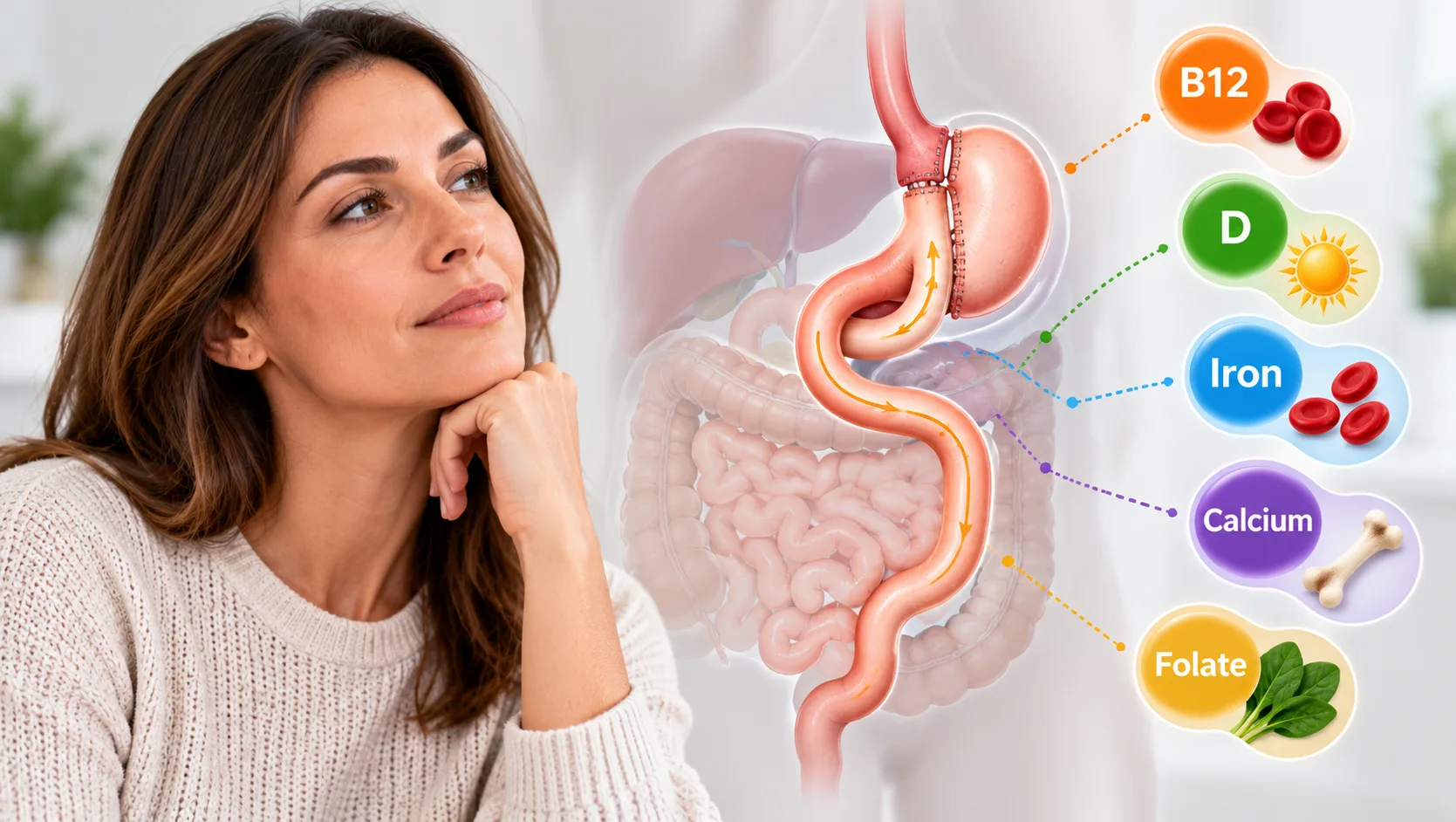
Gastric sleeve surgery also carries the names sleeve gastrectomy and vertical sleeve gastrectomy, or VSG. The surgeon removes a large part of the stomach and leaves a narrow, tube-shaped stomach. The smaller stomach limits comfortable portion sizes. Surgery also changes appetite-related signals. These effects help many patients eat less without constant hunger.
The operation starts a treatment process rather than finishing it. Recovery, diet progression, weight change, body composition, and long-term maintenance each deserve separate attention. Starting weight, body mass index (BMI), health conditions, nutrition, activity, and follow-up care all influence the final result.
What Do Gastric Sleeve Before and After Photos Reveal?
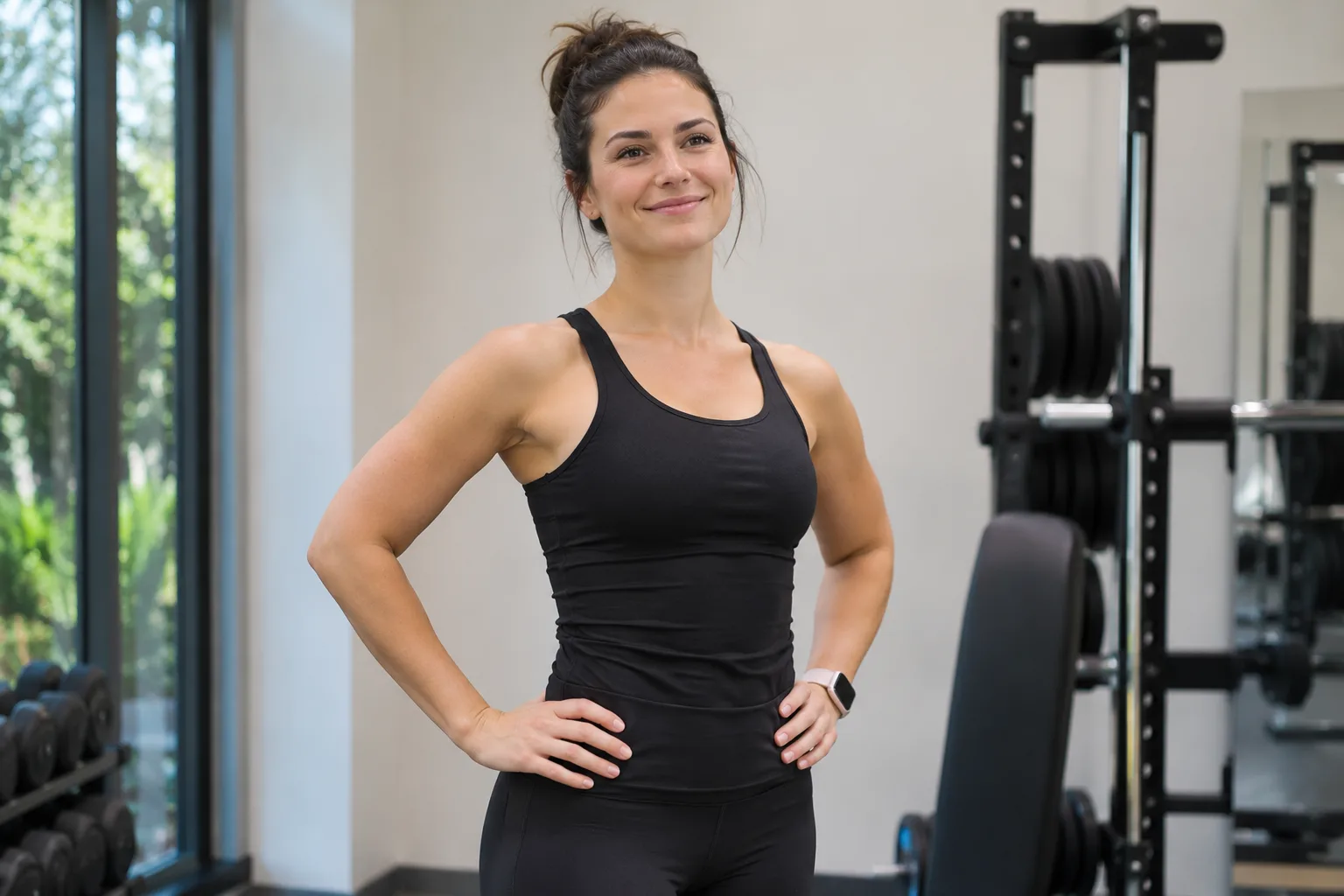
Before-and-after photos can show changes in body shape, waist size, facial fullness, posture, and clothing fit. They cannot measure metabolic health, nutritional status, muscle preservation, or the likelihood of future weight regain.
A useful comparison needs context. Check the starting weight, follow-up weight, time since surgery, and whether the person had any additional procedures. A photo taken at three months shows an early stage. A photo taken at two years gives more information about weight stability.
Technical conditions also affect appearance. Compare images with similar lighting, posture, clothing, camera distance, and camera angle. A lower camera can change body proportions. Tighter clothing can alter the apparent waistline. Standardized photos reduce these visual distortions.
Photographs cannot reveal blood glucose, blood pressure, sleep apnea severity, vitamin levels, or bone health. They also cannot establish an average outcome because publishers may select exceptional cases. Treat images as visual records, not clinical forecasts.
What Does the Gastric Sleeve Weight Loss Timeline Look Like?
Weight loss usually moves fastest during the early postoperative months and then slows. Daily fluctuations and temporary plateaus can occur, so the overall trend matters more than one scale reading.
Fluid balance, bowel contents, food intake, medication, sleep, and activity can all change short-term measurements. A plateau does not prove that surgery has stopped working. The bariatric team should assess progress against the patient’s medical plan rather than a universal deadline.
A 2023 study of 408 sleeve gastrectomy patients reported mean total weight loss of 10.6% at one month, 18.1% at three months, 29.3% at one year, and 26.6% at five years. These cohort averages describe one study population. They do not create targets for every patient (Su et al., 2023).
Stage | Main clinical focus | What may change | What needs caution |
One month | Healing, fluids, and diet progression | Early weight and appetite changes | Fluid shifts can affect the scale |
Three months | Eating routines and gradual activity | Ongoing weight loss and easier movement | Protein and supplement intake need review |
Six months | Visible and functional progress | Changes in measurements and fitness | A single weigh-in gives limited information |
One year | Weight stabilization and health review | Slower loss and more established habits | Nutrition and regain still need monitoring |
Five years | Long-term obesity management | Possible maintenance or regain | Outcomes vary across study populations |
What Results Can You Expect After One Month?
The first month centers on healing and adaptation. Patients usually notice smaller meal capacity and changes in appetite while they follow a staged postoperative diet.
The care team may progress the diet from liquids to puréed or soft foods. The exact schedule depends on the surgical protocol and individual tolerance. Hydration requires deliberate attention because thirst and total fluid intake may not match the body’s needs.
Energy can vary during this adjustment. Patients often rebuild daily routines while they manage meal timing, supplements, and gentle movement. Early weight change also reflects fluid shifts, so it cannot predict the final transformation.
What Results Can You Expect After Three Months?
At three months, many patients have established a more regular eating pattern and begun to increase everyday activity. Mobility may improve as body weight falls and recovery progresses.
Protein, hydration, and prescribed supplements support this stage. Protein provides amino acids for tissue maintenance. Fluids support normal physiological function. Supplements address nutrients that the postoperative diet may not provide reliably.
The three-month measurement gives a trend point, not a grade. Different starting weights and clinical circumstances produce different amounts of loss. The care team can review food tolerance, laboratory results, and activity alongside weight.
What Results Can You Expect After Six Months?
Six months often brings clearer changes in waist circumference, clothing fit, and physical proportions. Some patients also find walking, stairs, and routine tasks easier.
Success stories can illustrate these changes, but they cannot define a normal rate. A series of measurements gives stronger evidence than one impressive photograph. Waist size, weight trend, fitness, symptoms, and laboratory findings each answer a different question.
The care team may adjust activity according to recovery and fitness. Continued nutritional monitoring also matters because visible progress does not rule out a deficiency.
What Results Can You Expect After One Year?
By one year, many patients approach a slower rate of loss or a more stable weight. The result may include changes in body composition, eating habits, physical capacity, and medical markers.
This stage does not end treatment. Patients still need nutritional surveillance and a plan for maintaining routines. Weight regain can develop gradually, so early discussion of changes gives the care team more options for support.
Long-term evidence supports this broader view. In the SleeveBypass randomized trial, sleeve gastrectomy produced a mean total weight loss of 22.5% at five years. The same trial found significant improvements in obesity-related conditions in both surgical groups (Biter et al., 2024).
How Much Weight Can You Lose After Gastric Sleeve Surgery?

Research reports meaningful average weight loss, but no single percentage can predict an individual result. Percentage total weight loss offers the clearest starting point for comparing people with different initial weights.
Researchers use two common measurements. Percentage total weight loss, or %TWL, compares weight lost with the original body weight. Percentage excess weight loss, or %EWL, compares weight lost with the weight above a selected reference weight. These metrics use different denominators and produce different numbers.
Measurement | Formula | Main use | Key limitation |
Total weight lost | Starting weight minus current weight | Tracks absolute change | Does not account for starting size |
%TWL | Weight lost ÷ starting weight × 100 | Compares relative loss | Does not show distance from a reference BMI |
%EWL | Weight lost ÷ excess starting weight × 100 | Shows loss of defined excess weight | Depends on the chosen ideal-weight method |
Starting BMI, age, medical history, medications, eating patterns, activity, and follow-up can all affect outcomes. Biology also creates variation between people who follow similar plans. A population average cannot guarantee a personal result.
The often-repeated figure of 22.8% at one year should not appear as a primary sleeve gastrectomy benchmark without its original study details. Verified studies report different averages because their populations and methods differ. For example, Su et al. (2023) reported 29.3% mean %TWL at one year, while a Japanese multicenter study reported a median of 30.1% (Kakutani et al., 2022). Readers should use the named cohort and metric rather than an unsourced universal average.
How Can You Calculate Expected Gastric Sleeve Weight Loss?
You can calculate your current %TWL by dividing weight lost by starting weight and multiplying by 100. This calculation describes progress; it does not forecast your future weight.
Consider a hypothetical patient who starts at 140 kg and later weighs 105 kg:
Weight lost: 140 kg − 105 kg = 35 kg
%TWL: 35 ÷ 140 × 100 = 25%
This patient has lost 25% of starting body weight. The calculation does not show fat loss, muscle loss, or excess weight loss.
For %EWL, the clinician first defines excess weight using a reference weight. If the same patient had 60 kg of excess weight under that method, the calculation would be 35 ÷ 60 × 100 = 58.3% EWL. The 25% TWL and 58.3% EWL describe the same 35 kg loss through different formulas.
A bariatric surgeon and dietitian can set realistic targets using baseline health, body composition, and clinical follow-up. Online calculators cannot include all of these factors.
How Should You Interpret Real Patient Success Stories?
A responsible patient story includes consent, an authentic image, starting weight, follow-up weight, and time since surgery. It presents one experience rather than evidence of a typical outcome.
Balanced reporting includes different starting points and different rates of progress. Selecting only the largest transformations creates selection bias. Useful stories also discuss mobility, activity, eating routines, and independence instead of focusing only on appearance.
Clear image captions should state the relevant time interval. Descriptive alt text improves access for screen-reader users and gives search engines accurate context. For example: “Patient standing in similar clothing before sleeve gastrectomy and twelve months after surgery, with a documented 28 kg weight loss.” The publisher should include such details only after verifying them.
What Can Different Patient Weight Loss Journeys Teach Us?
Patient journeys show that the same operation can produce different paths. They can highlight practical challenges, but they cannot explain every cause of variation.
One patient may report steady change. Another may describe a plateau, food intolerance, or difficulty maintaining activity. These experiences can prompt useful questions for the care team. They cannot replace clinical assessment.
Dietary adherence, follow-up, physical activity, and emotional support may all shape the journey. A plateau can form part of that process. It should trigger a review of the trend and circumstances rather than automatic blame.
What Physical Changes Can You Expect After Gastric Sleeve Surgery?
Weight loss can reduce abdominal size, waist circumference, facial fullness, and clothing size. It can also improve stamina and make daily movement easier.
Fat distribution varies with genetics, age, sex, starting weight, and total loss. Some areas change sooner than others. The scale cannot predict where a person will notice the first visible difference.
Loose skin may become more apparent after substantial loss. Skin folds can also affect comfort, hygiene, exercise, and body image. These concerns deserve the same factual attention as weight change.
Does Gastric Sleeve Surgery Cause Loose Skin?
Rapid or substantial weight loss can leave skin that does not fully retract. The surgery itself does not directly create excess skin; the reduction in underlying volume makes existing laxity easier to see.
Age, genetics, smoking history, starting weight, amount of loss, and prior weight cycling can influence skin elasticity. No cream or exercise program can guarantee full tightening.
Resistance exercise can support strength and physical function, but it cannot remove redundant skin. Patients who experience persistent symptoms can seek specialist assessment after weight stabilizes. A systematic review found that body-contouring surgery improved physical, psychological, and social quality-of-life measures in affected post-bariatric patients (Toma et al., 2018).
Can Gastric Sleeve Surgery Affect Hair, Energy, and Muscle Mass?
Temporary hair shedding, fatigue, and loss of lean tissue can occur during rapid weight loss. These changes need nutritional and medical assessment when they become persistent or severe.
Hair follicles may enter a shedding phase after physiological stress. Low protein intake and deficiencies involving iron, zinc, folate, or other nutrients can also contribute. A 2021 meta-analysis linked post-bariatric hair loss with lower zinc, folic acid, and ferritin levels, especially in younger women (Zhang et al., 2021).
Weight loss does not consist only of fat. A meta-analysis of 59 studies found pooled losses of 8.13 kg of lean body mass and 8.23 kg of fat-free mass at twelve months across bariatric procedures. More than half of the twelve-month lean mass loss occurred within the first three months (van der Meij et al., 2022). These averages combined different operations, so they do not predict an individual sleeve patient’s body composition.
Prescribed supplements, adequate nutrition, laboratory monitoring, and appropriate activity help manage these risks. Persistent fatigue, substantial hair loss, weakness, or suspected deficiency warrants medical evaluation. Patients should not start high-dose supplements without professional guidance.
How Does Gastric Sleeve Surgery Affect Health Beyond Weight Loss?
Sleeve gastrectomy can improve type 2 diabetes, high blood pressure, obstructive sleep apnea, mobility, and quality of life. Improvement varies, and remission does not occur in every patient.
Clinical progress needs objective measurement. Healthcare professionals may track HbA1c, blood pressure, lipid levels, sleep-study findings, medication use, and laboratory markers. These outcomes can change independently of appearance.
The ten-year SLEEVEPASS randomized trial found sustained weight loss after sleeve gastrectomy. It also showed why long-term monitoring matters, particularly for reflux and esophagitis (Salminen et al., 2022). Patients should report ongoing reflux symptoms rather than treating them as an unavoidable trade-off.
Medication needs may change as health markers improve. Only the prescribing clinician should reduce or stop treatment for diabetes, blood pressure, or another condition.
What Influences Gastric Sleeve Before and After Results?
Results reflect interacting biological, behavioral, and clinical factors. No single habit or patient characteristic explains the whole outcome.
Preoperative BMI and starting weight shape both absolute and percentage-based results. Age, medical conditions, medications, and individual metabolic responses add further variation. These factors limit direct comparisons between patients.
Postoperative care adds another set of influences. Diet stages protect healing and establish tolerance. Portion size affects intake. Protein and fluids support physiological needs. Prescribed supplements reduce nutritional risk. Activity supports function when the clinical team considers it safe.
Follow-up connects these factors. Appointments allow clinicians to review progress, identify complications, assess mental and behavioral health, and adjust treatment. Early support can address problems before they become entrenched.
How Can You Maintain Gastric Sleeve Results Long Term?
Long-term maintenance requires ongoing obesity management after the rapid-loss phase ends. Surgery provides a powerful tool, but it does not remove the need for sustainable routines.
Balanced meals, appropriate portions, adequate protein, and regular hydration form the nutritional base. Patients can build activity gradually and add resistance training when medically appropriate. The plan should fit physical capacity and clinical advice.
Lifelong nutritional monitoring remains important because deficiencies can develop without obvious early signs. Recommended vitamin and mineral supplementation should match laboratory findings and professional guidance.
Weight regain has several possible contributors. Appetite changes, food choices, activity, medication, mental health, sleep, and biological adaptation may interact. Early clinical support offers a more constructive response than shame or unsupervised crash dieting.
What Does Recovery Involve Before Visible Results Appear?
Recovery begins with wound healing, symptom control, hydration, and a gradual return to daily activity. Weight-loss milestones and recovery milestones do not follow the same schedule.
The surgical team monitors pain, vital signs, intake, and early complications. Patients then follow a personalized diet progression under surgeon and dietitian guidance. Follow-up visits review healing, fluids, nutrition, and tolerance.
Prompt medical attention matters for severe or worsening abdominal pain, fever, persistent vomiting, inability to keep fluids down, fainting, chest pain, or breathing difficulty. These symptoms can have several causes, and timely assessment matters more than self-diagnosis.
A person may recover well while losing weight slowly. Another may lose weight quickly while developing nutritional problems. Good care evaluates both paths rather than using the scale as the only marker of progress.
What Do Readers Ask Most Often About Gastric Sleeve Results?
The most common questions concern averages, visible change, durability, loose skin, photographs, plateaus, and follow-up. Clear answers should distinguish research findings from personal predictions.
How Much Weight Do Most People Lose After Gastric Sleeve Surgery?
Study averages often fall around one quarter to one third of starting weight during the first years, but the figure depends on the cohort and follow-up point. Use %TWL to interpret the result correctly.
Su et al. (2023) reported 29.3% mean %TWL at one year. Biter et al. (2024) reported 22.5% at five years. These values answer different research questions and should not serve as personal guarantees.
When Will You Start Seeing Visible Results?
Some people notice changes within the first few weeks, while more obvious transformations usually develop over several months. Lighting, clothing, fat distribution, and starting body shape affect visibility.
Measurements and standardized photographs can document change more reliably than memory. A delayed visual change does not necessarily indicate poor medical progress.
Do Gastric Sleeve Before and After Results Last Forever?
Long-term maintenance is possible, but permanence is not guaranteed. Weight can stabilize, decline further, or increase after the lowest point.
Long-term follow-up helps patients respond to regain and monitor health even when weight remains stable. Durability depends on more than motivation alone.
Will You Have Loose Skin After Losing Weight?
Loose skin is possible, but its extent varies. Greater weight loss, age, genetics, and other personal factors influence the result.
A specialist can assess persistent discomfort, skin irritation, or body-image concerns after weight stabilizes. Exercise supports strength but cannot guarantee skin retraction.
Can You Achieve the Same Results as Patients in Photographs?
A photograph cannot predict your outcome. It rarely captures every relevant medical, nutritional, and behavioral factor.
Your starting point, health, treatment response, and postoperative care require individualized assessment. Use photographs for context rather than comparison targets.
What Happens If Your Weight Loss Plateaus?
A plateau can occur without treatment failure. The care team may review the weight trend, food intake, activity, medications, sleep, and medical factors.
Keep measurements consistent and avoid extreme dietary restriction. Clinical review provides a safer response than guesswork.
How Often Should You Attend Follow-Up Appointments?
Follow-up is especially important during the first year, and medical and nutritional monitoring should continue long term. The exact schedule should come from your bariatric team.
Additional appointments may be necessary for symptoms, abnormal laboratory results, medication changes, or weight regain. Attendance should continue even when the visible result seems satisfactory.
References
Biter, L. Ulas, et al. “Long-Term Effect of Sleeve Gastrectomy vs Roux-en-Y Gastric Bypass in People Living with Severe Obesity: A Phase III Multicentre Randomised Controlled Trial (SleeveBypass).” The Lancet Regional Health: Europe, vol. 38, 2024, article 100836. https://doi.org/10.1016/j.lanepe.2024.100836.
Kakutani, Naoki, et al. “Reference Values for Weight Loss During 1 Year After Sleeve Gastrectomy: A Multicenter Retrospective Study in Japan.” Obesity Surgery, vol. 32, 2022, pp. 2509–2516. https://pubmed.ncbi.nlm.nih.gov/35696050/.
Salminen, Paulina, et al. “Effect of Laparoscopic Sleeve Gastrectomy vs Roux-en-Y Gastric Bypass on Weight Loss, Comorbidities, and Reflux at 10 Years in Adult Patients with Obesity: The SLEEVEPASS Randomized Clinical Trial.” JAMA Surgery, vol. 157, no. 8, 2022, pp. 656–666. https://doi.org/10.1001/jamasurg.2022.2229.
Su, Yu-Ting, et al. “Prediction of 5-Year Weight Loss and Weight Regain According to Early Weight Loss After Sleeve Gastrectomy.” Obesity Surgery, vol. 33, 2023. https://pubmed.ncbi.nlm.nih.gov/36940019/.
Toma, Tania, et al. “Does Body Contouring After Bariatric Weight Loss Enhance Quality of Life? A Systematic Review of QOL Studies.” Obesity Surgery, vol. 28, 2018, pp. 3333–3341. https://pmc.ncbi.nlm.nih.gov/articles/PMC6153583/.
van der Meij, Barbara S., et al. “The Magnitude and Progress of Lean Body Mass, Fat-Free Mass, and Skeletal Muscle Mass Loss Following Bariatric Surgery: A Systematic Review and Meta-Analysis.” Obesity Reviews, vol. 23, no. 7, 2022, article e13442. https://pmc.ncbi.nlm.nih.gov/articles/PMC9285034/.
Zhang, Xin, et al. “Hair Loss After Metabolic and Bariatric Surgery: A Systematic Review and Meta-Analysis.” Obesity Surgery, vol. 31, 2021. https://pmc.ncbi.nlm.nih.gov/articles/PMC8113177/.