Gastric Balloon vs Ozempic: Which Weight-Loss Treatment Is More Effective?
Obesity is a chronic disease. It demands individualized care. Patients now compare gastric balloon vs Ozempic more than ever before. Both options reduce body weight. They work through different pathways. One uses mechanical restriction. The other uses hormonal regulation. This article examines the evidence. It compares mechanisms, outcomes, safety, and costs. It helps patients and clinicians make informed decisions.
How Do Gastric Balloon and Ozempic Compare for Weight Loss?
Both treatments target obesity. They use entirely different methods. The gastric balloon is a temporary endoscopic device. It sits inside the stomach. It reduces available space for food. Ozempic is a brand name for semaglutide. It is a GLP-1 receptor agonist. It modifies appetite and glucose metabolism. Patients increasingly ask which option works better. The answer depends on individual health status, weight-loss goals, metabolic disease, and treatment preferences. No single treatment fits every patient.
Obesity is multifactorial. Genetics, environment, behavior, and metabolism all play roles. Effective chronic weight management requires more than one tool. The gastric balloon offers rapid mechanical intervention. Semaglutide offers sustained pharmacological control. Ozempic is primarily approved for type 2 diabetes. Wegovy is the semaglutide formulation specifically approved for chronic weight management. Clinicians must evaluate BMI, medical history, comorbidities, and patient goals before selecting either approach.
What Is a Gastric Balloon and How Does It Work?
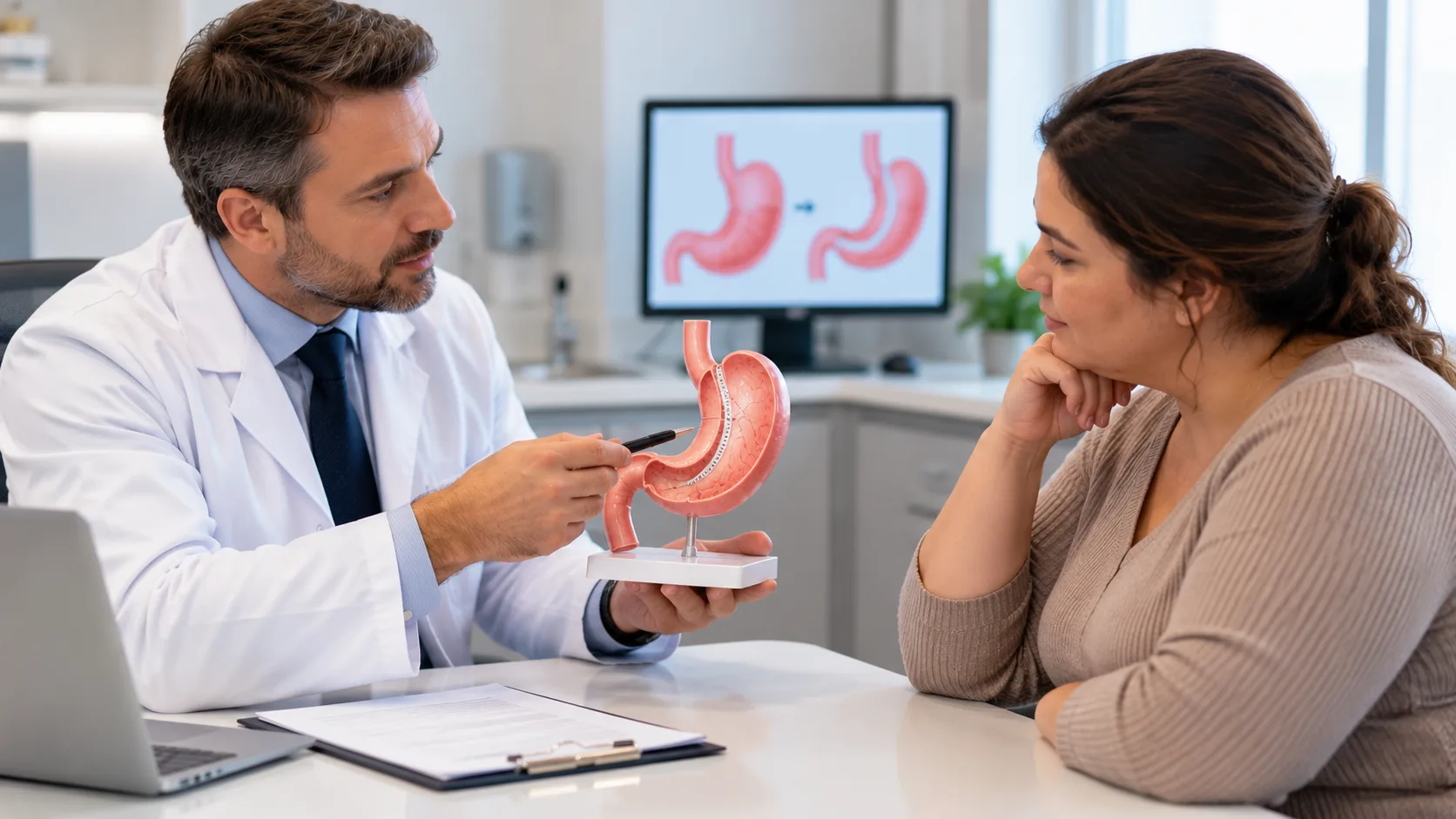
A gastric balloon is a soft silicone device. A physician places it endoscopically into the stomach. The balloon fills with saline or air. It occupies space. It reduces the functional volume of the stomach.
How Does an Intragastric Balloon Promote Weight Loss?
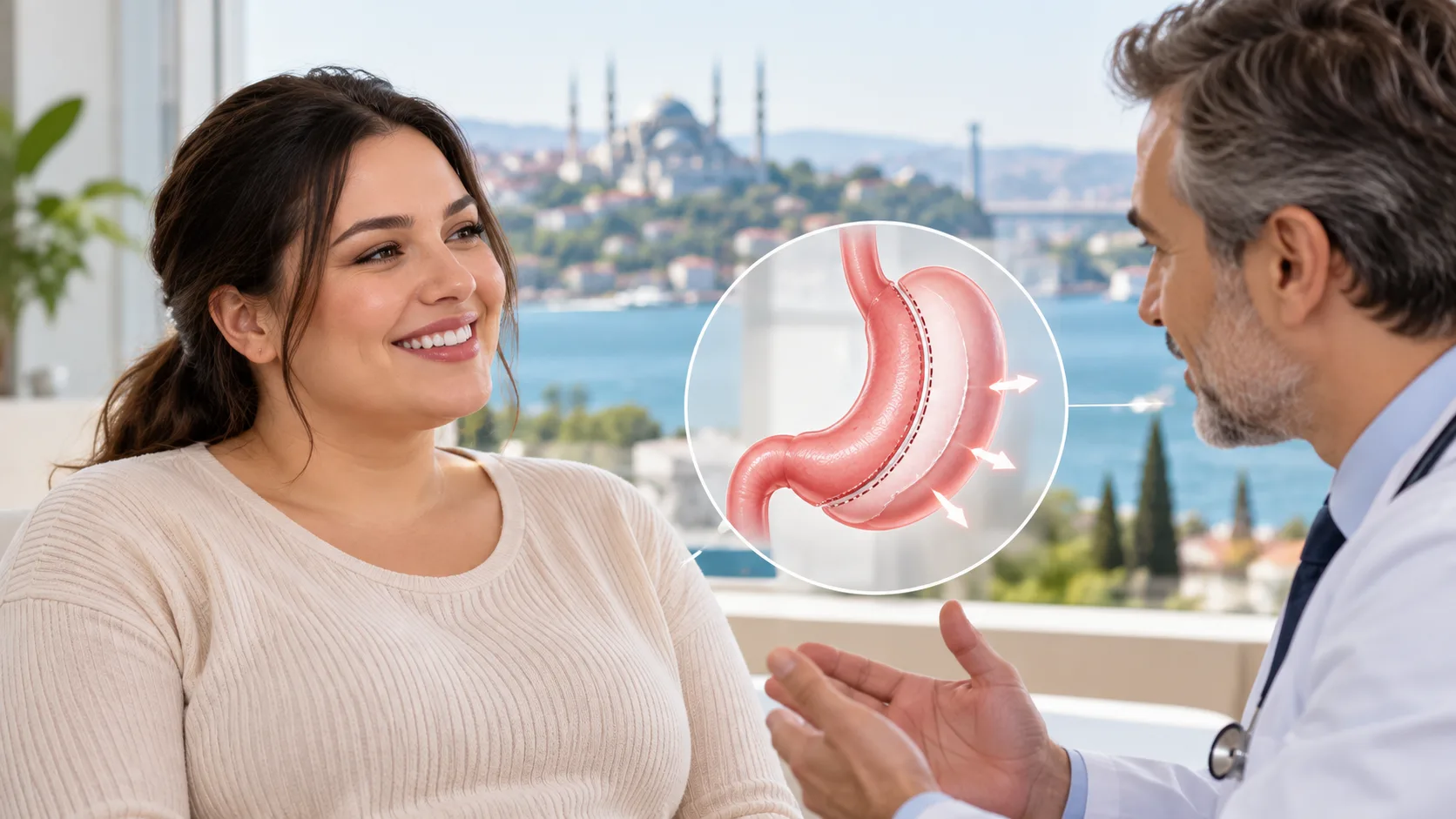
The balloon physically fills the stomach. This creates early satiety. Patients feel full after smaller meals. The device also delays gastric emptying. It activates stretch receptors in the stomach wall. These receptors send signals to the brain. The brain perceives fullness sooner. Patients naturally reduce portion sizes. They also change eating behaviors. The balloon remains in place for a limited time. Common systems stay for six to twelve months. Removal requires a second endoscopic procedure. Some newer swallowable balloons pass naturally after four months.
How Much Weight Can You Lose With a Gastric Balloon?
Weight loss varies by patient. Total body weight loss typically ranges from ten to fifteen percent. Some patients lose more. Others lose less. Results depend on balloon type, treatment duration, baseline BMI, and dietary adherence. Patients who follow structured lifestyle programs achieve better outcomes. Short-term weight loss is well documented. Long-term maintenance is more challenging. Many patients regain weight after removal.
How Long Does a Gastric Balloon Stay in the Stomach?
Treatment duration depends on the specific balloon system. Some balloons stay for six months. Others remain for twelve months. Swallowable balloons may pass after four months. The device is always temporary. After removal, the stomach returns to its normal volume. This creates a critical transition period. Patients must maintain new eating habits. Without behavioral support, weight regain is common.
What Is Ozempic and How Does Semaglutide Cause Weight Loss?
Ozempic contains semaglutide. It is a glucagon-like peptide-1 receptor agonist. It mimics a natural gut hormone. This hormone regulates appetite, satiety, and blood glucose.
How Does Ozempic Affect Appetite and Satiety?
Semaglutide activates GLP-1 receptors in the brain. These receptors control hunger and fullness. The drug also slows gastric emptying. Food stays in the stomach longer. Patients feel satisfied with fewer calories. Semaglutide reduces cravings. It changes food preferences. Many patients report reduced interest in high-calorie foods. The drug also improves insulin secretion. It lowers glucagon release. These effects help stabilize blood sugar. Stable glucose reduces hunger spikes.
Is Ozempic the Same as Wegovy for Weight Loss?
Both drugs contain semaglutide. They are not identical in clinical use. Ozempic is approved for type 2 diabetes. It improves glycemic control. Weight loss is a secondary benefit. Wegovy is specifically approved for chronic weight management. It uses a higher dose. The dosing strategy differs. The indications differ. Patients should not treat the brand names as interchangeable. A clinician must match the specific formulation to the patient's medical needs.
How Long Does Ozempic Take to Produce Weight Loss?
Weight loss begins within the first four weeks. Maximal effects develop over months. The STEP 1 trial showed sustained reduction over sixty-eight weeks. Dose escalation is gradual. This improves tolerability. Patients typically start with a low dose. The clinician increases the dose every four weeks. Early months show modest change. Continued therapy produces greater results. Adherence is essential. Lifestyle intervention amplifies the drug's effects.
Gastric Balloon vs Ozempic: How Do Their Mechanisms Differ?
The two treatments attack obesity from opposite angles. One is mechanical. The other is hormonal.
Does a Gastric Balloon Work Physically While Ozempic Works Hormonally?
Yes. The gastric balloon is a physical device. It occupies space. It restricts stomach volume. It triggers satiety through mechanical stretch. Ozempic works hormonally. It binds to GLP-1 receptors. It alters neurochemical signals in the hypothalamus and brainstem. It also affects peripheral metabolism. Both approaches reduce caloric intake. They use different physiological pathways. Some researchers suggest these mechanisms could complement each other. However, combination therapy is not yet standard care.
How Do Gastric Balloon and Semaglutide Affect Appetite?
The balloon creates physical fullness. Patients feel full because their stomach holds less. Semaglutide creates hormonal fullness. It reduces the brain's hunger signals. It also reduces the reward value of food. Some patients respond better to physical restriction. Others respond better to appetite suppression. Individual variation is significant. Clinicians must assess each patient's appetite profile.
Gastric Balloon vs Ozempic: Which Produces More Weight Loss?
The evidence is mixed. No single study answers this definitively. However, recent comparative data provides important insights.
What Does the Scientific Evidence Show About Gastric Balloon vs Semaglutide?
A 2024 retrospective study by Choy et al. offers direct comparison. The researchers analyzed patients in a multidisciplinary weight-management program. They compared seventeen patients with intragastric balloons to ninety-six patients receiving semaglutide. At zero to three months, the balloon group lost more weight. At six months, the balloon group averaged 12.7 kg of weight loss. The semaglutide group averaged 9.4 kg. The difference was statistically significant. However, after balloon removal, the picture changed. Between six and twelve months, balloon patients regained an average of 3 kg. This represented 23.6% of their initial weight loss. Meanwhile, semaglutide patients continued to lose weight during this same period (Choy et al. 2024).
This study has limitations. It was retrospective. The sample sizes were unequal. The patient population came from a single clinical program. These factors limit broad generalization. One comparative study does not prove universal superiority. It does highlight a key pattern. Balloons may win in the short term. Semaglutide may win in the long term.
Does the Gastric Balloon Produce Faster Initial Weight Loss?
Yes. Evidence supports faster early reduction with balloon therapy. The mechanical restriction works immediately. Patients cannot eat large volumes. This forces rapid caloric reduction. The first three to six months typically show the steepest decline. For patients who need rapid preoperative weight loss, this is valuable. For patients seeking a jump-start, the balloon delivers quick results.
Does Ozempic Provide Better Long-Term Weight Maintenance?
Ongoing semaglutide therapy supports continued weight reduction. The STEP 4 trial demonstrated this clearly. Patients who continued semaglutide maintained and extended their weight loss. Patients who switched to placebo regained weight (Rubino et al. 2021). This suggests that semaglutide provides durable control as long as treatment continues. The balloon cannot provide ongoing mechanical effect after removal. Therefore, pharmacological therapy offers a maintenance advantage.
What Happens to Weight After Gastric Balloon Removal?
Balloon removal is a turning point. Many patients face weight regain.
Why Can Weight Regain Occur After Gastric Balloon Treatment?
The stomach regains its full volume. The physical satiety signal disappears. Appetite returns. Previous eating patterns may resurface. Without strong behavioral support, patients consume more calories. A 2024 study by Abbitt et al. found that seventy-six percent of patients regained weight within three months of removal. The average regain was 5.8 kg. This represented 58.4% of the initial weight lost (Abbitt et al. 2024). Weight regain is a major limitation of temporary interventions. It does not mean the balloon failed. It means the transition period requires intensive support.
Can Ozempic Help Prevent Weight Regain After Balloon Removal?
Emerging evidence suggests this strategy may work. A 2025 prospective study examined combination therapy. Researchers randomized forty patients to balloon alone or balloon plus semaglutide. The combination group lost significantly more weight at six and twelve months. After balloon removal at six months, the balloon-only group regained weight. The combination group continued to lose weight. Total body weight loss at twelve months was 28.21% in the combination group versus 13.47% in the balloon-only group (Basson et al. 2025). The 2024 Choy study also explicitly called for further research into combination therapy. This approach is promising. It is not yet standard care.
Gastric Balloon vs Ozempic: Which Is Safer?
Both treatments carry risks. The risk profiles differ.
What Are the Common Side Effects of a Gastric Balloon?
Nausea is very common. Vomiting occurs frequently in the first days. Abdominal cramping and discomfort are expected. Reflux symptoms may develop. Most symptoms resolve within one to two weeks. Rare but serious complications include balloon deflation, migration, gastric obstruction, or perforation. These events may require endoscopic or surgical intervention. Proper patient selection reduces risk.
What Are the Common Side Effects of Ozempic?
Gastrointestinal symptoms dominate. Nausea affects approximately 44% of patients. Diarrhea occurs in about 30%. Vomiting and constipation each affect roughly 24%. Abdominal discomfort is common. Appetite reduction is expected. Most side effects are mild to moderate. They decrease over time. Gradual dose escalation improves tolerability. About 7% of patients discontinue due to adverse events.
What Serious Risks Should Patients Consider With Semaglutide?
Clinicians must screen for contraindications. Semaglutide is contraindicated in patients with personal or family history of medullary thyroid carcinoma. It is contraindicated in patients with multiple endocrine neoplasia type 2. Pregnant patients should not use it. Gallbladder-related events may occur. Rapid weight loss increases gallstone risk. Pancreatitis is a concern. Patients must report severe abdominal pain immediately. Dehydration can occur from gastrointestinal side effects. Kidney injury is possible if dehydration is severe. Diabetic retinopathy may worsen in some patients. Anesthetic risk increases due to delayed gastric emptying. Patients should inform surgeons before procedures.
Gastric Balloon vs Ozempic: Which Treatment Is Less Invasive?
Invasiveness is not just about surgery. It includes procedures, injections, and ongoing monitoring.
Is a Gastric Balloon a Non-Surgical Weight-Loss Procedure?
Yes. The balloon is non-surgical. Placement requires endoscopy. Removal requires endoscopy. Patients need sedation or anesthesia. The procedure is outpatient. It takes about twenty to thirty minutes. It is less invasive than bariatric surgery. It is more invasive than taking medication. Patients must understand that non-surgical does not mean risk-free.
Is Ozempic Less Invasive Than a Gastric Balloon?
Yes. Semaglutide requires no procedure. Patients self-administer a weekly injection. No endoscopy is needed. No sedation is required. However, ongoing clinical monitoring is essential. Patients need regular follow-up. They need dose adjustments. They need metabolic monitoring. The procedural burden is lower. The medication burden is ongoing.
Who May Be a Candidate for a Gastric Balloon?
Patient selection determines success.
What BMI Is Appropriate for Gastric Balloon Treatment?
Eligibility varies by balloon system and regulatory region. Some systems approve patients with BMI 30 to 40. Others extend to BMI 27 with comorbidities. Some programs use balloons for preoperative weight reduction in higher BMI ranges. No single threshold applies universally. A clinician must evaluate each case individually.
Who May Benefit From a Gastric Balloon?
Patients who want a temporary intervention may prefer the balloon. Patients who need rapid initial weight loss may benefit. Some patients need preoperative weight reduction before hernia repair or joint replacement. Others prefer a procedure-based approach over long-term medication. Patients who cannot tolerate GLP-1 agonists may choose the balloon. Patients who fear needles may prefer endoscopic therapy.
Who May Be a Candidate for Ozempic or Semaglutide?
Semaglutide serves a broad population. Proper screening is essential.
When Is Semaglutide Used for Obesity Management?
Wegovy is approved for chronic weight management in adults with BMI 30 or greater. It is also approved for BMI 27 or greater with at least one weight-related comorbidity. Ozempic is approved for type 2 diabetes. Weight loss is a beneficial side effect. Clinicians must match the formulation to the primary diagnosis. BMI alone does not determine eligibility. Metabolic health, cardiovascular risk, and patient preferences all matter.
Who Should Not Take Semaglutide?
Patients with medullary thyroid carcinoma history should avoid it. Patients with multiple endocrine neoplasia type 2 should avoid it. Pregnant or breastfeeding patients should not use it. Patients with severe gastrointestinal disease need careful evaluation. Those with a history of pancreatitis require risk assessment. Drug interactions must be reviewed. Only a qualified physician should prescribe semaglutide.
Gastric Balloon vs Ozempic: Which Is Better for Diabetes and Metabolic Health?

Metabolic outcomes influence treatment choice.
Can Ozempic Improve Blood Glucose Control?
Yes. Semaglutide is a powerful glucose-lowering agent. It stimulates insulin secretion in a glucose-dependent manner. It suppresses glucagon. It improves hemoglobin A1c. The STEP 2 trial showed significant glycemic improvement in patients with type 2 diabetes. Weight reduction adds further metabolic benefit. For patients with both obesity and diabetes, semaglutide addresses both conditions.
Can Gastric Balloon Treatment Improve Metabolic Health?
Weight loss from any modality improves metabolic parameters. Blood pressure drops. Lipid profiles improve. Insulin sensitivity increases. However, these benefits are indirect. The balloon does not directly alter pancreatic function or hepatic glucose output. The metabolic improvements stem from weight reduction itself.
Which Option Is More Appropriate for Patients With Type 2 Diabetes?
Semaglutide is generally more appropriate. It directly treats hyperglycemia. It reduces cardiovascular risk. The SELECT trial demonstrated reduced major adverse cardiovascular events in obese patients. The balloon does not offer direct glycemic control. For diabetic patients, semaglutide aligns better with therapeutic goals.
Gastric Balloon vs Ozempic: How Do Cost and Treatment Duration Compare?
Financial and time commitments differ.
Is a Gastric Balloon More Expensive Than Ozempic?
Costs vary by region and insurance. The balloon requires a procedure fee. It requires anesthesia. It requires follow-up visits. It requires removal. These are upfront costs. Semaglutide requires ongoing prescription costs. Patients pay monthly. They also pay for clinical monitoring. Over one year, costs may be comparable. Over five years, medication costs accumulate. Insurance coverage varies widely. Some plans cover the balloon for specific indications. Others cover semaglutide for diabetes but not obesity.
Is Ozempic a Long-Term Treatment?
Yes. Obesity is a chronic disease. Semaglutide works while patients take it. The STEP 4 trial showed weight regain after discontinuation. Long-term therapy is likely necessary. This mirrors treatment for hypertension or diabetes. Patients should plan for ongoing use.
Is a Gastric Balloon a Temporary Treatment?
Yes. The balloon is always temporary. It stays for months, not years. After removal, patients must maintain results through behavior change. Some patients transition to medication. Others rely on lifestyle alone. The finite nature is both a benefit and a limitation.
Can You Combine a Gastric Balloon With Ozempic?
Combination therapy is an emerging concept.
Is Combining a Gastric Balloon and Semaglutide Effective?
Early evidence is promising. The 2025 prospective study showed superior outcomes with combined therapy. The balloon provides immediate mechanical restriction. Semaglutide provides ongoing hormonal appetite control. Together, they may produce greater total body weight loss. The Choy 2024 study explicitly identified combination therapy as an area requiring further research.
What Are the Potential Benefits of Combination Therapy?
Combination therapy may offer stronger appetite control. It may produce greater short-term weight reduction. It may support patients during the transition after balloon removal. It may help patients who respond inadequately to a single modality. The synergistic effect could overcome the six-month plateau seen with balloons alone.
What Are the Potential Risks of Combining a Gastric Balloon and Ozempic?
Additive gastrointestinal symptoms are a concern. Nausea and vomiting may increase. Reduced food intake could cause nutritional deficiency. Patients need closer monitoring. Evidence is insufficient to define optimal sequencing, dosing, or duration. Clinicians should approach combination therapy cautiously.
Gastric Balloon vs Ozempic: Which Option Provides More Sustainable Results?
Sustainability depends on more than the treatment itself.
What Determines Long-Term Weight-Loss Success?
Multiple factors matter. Patients must maintain reduced caloric intake. Dietary quality must remain high. Physical activity must continue. Behavioral modification is essential. Management of obesity-related disease supports outcomes. Long-term clinical follow-up improves adherence. Continued pharmacotherapy helps where appropriate. No single intervention guarantees success.
Why Can Weight Regain Occur With Either Treatment?
Obesity is a chronic disease. Biological adaptations fight weight loss. Metabolic rate drops. Appetite hormones increase. Treatment discontinuation removes the therapeutic effect. Behavioral and environmental factors persist. These realities apply to both the balloon and semaglutide. Maintenance requires lifelong attention.
Gastric Balloon vs Ozempic: Which Treatment Is Right for You?
Individualized decision-making is essential.
When Might a Gastric Balloon Be Preferred?
Choose the balloon if you want a temporary intervention. Choose it if you prefer a procedure-based approach. Choose it if you need rapid initial weight reduction. Choose it if you meet anatomical and medical eligibility. Choose it if you wish to avoid long-term medication.
When Might Semaglutide Be Preferred?
Choose semaglutide if you need ongoing appetite control. Choose it if you have type 2 diabetes. Choose it if you want to avoid endoscopic procedures. Choose it if you need longer-term medical management. Choose it if you prefer injection-based therapy.
When Might Another Weight-Loss Treatment Be More Appropriate?
Some patients need intensive lifestyle intervention alone. Others benefit from different anti-obesity medications. Endoscopic alternatives like endoscopic sleeve gastroplasty exist. Bariatric surgery remains the most effective option for severe obesity. Do not frame gastric balloon vs Ozempic as the only choice. A comprehensive obesity-medicine evaluation reveals the best path.
What Does the Evidence Ultimately Say About Gastric Balloon vs Ozempic?
The evidence tells a nuanced story. The gastric balloon may produce faster early weight loss. Semaglutide may provide more sustained reduction while treatment continues. Balloon removal creates a vulnerable period for weight regain. Semaglutide requires ongoing treatment and monitoring. Direct comparative evidence remains limited. One 2024 retrospective study is informative but not definitive. Combination therapy remains an area for investigation. No universally superior treatment exists. Patient-specific factors drive the decision.
Gastric Balloon vs Ozempic: Frequently Asked Questions
Is a Gastric Balloon Better Than Ozempic?
Neither is universally better. The balloon excels in rapid short-term loss. Semaglutide excels in sustained long-term control. The best choice depends on your health profile and goals.
Does Ozempic Cause More Weight Loss Than a Gastric Balloon?
Over twelve months, semaglutide often produces greater sustained loss. In the first six months, the balloon may produce more rapid loss.
Which Works Faster, a Gastric Balloon or Ozempic?
The gastric balloon works faster initially. Mechanical restriction creates immediate caloric reduction. Semaglutide builds effect over weeks.
Can Ozempic Be Used After Gastric Balloon Removal?
Yes. Emerging evidence supports this transition. It may help prevent weight regain. Discuss timing with your physician.
Can You Take Ozempic With a Gastric Balloon?
Combination therapy is under investigation. Early data is promising. It is not yet standard care. Only a specialist should oversee combined treatment.
How Much Weight Can You Lose With a Gastric Balloon?
Most patients lose ten to fifteen percent of total body weight. Some lose more. Results depend on adherence and baseline characteristics.
How Much Weight Can You Lose With Ozempic?
Clinical trials show average losses of 14.9% over sixty-eight weeks. Individual results vary. Continued therapy sustains results.
Which Has Fewer Side Effects, Gastric Balloon or Ozempic?
Both cause gastrointestinal symptoms. Balloon side effects cluster in the first week. Semaglutide side effects occur during dose escalation. Severity varies by patient.
Is Weight Regain More Common After Gastric Balloon Removal?
Yes. Weight regain is well documented after removal. Seventy-six percent of patients regain some weight within three months. Behavioral support is critical.
Is Ozempic a Permanent Weight-Loss Solution?
No. Weight loss persists while you take the medication. Stopping treatment typically leads to regain. Long-term use is likely necessary.
Which Is Better for People With Type 2 Diabetes?
Semaglutide is generally better. It directly improves glycemic control. It reduces cardiovascular risk. The balloon offers only indirect metabolic benefits.
How Do You Choose Between a Gastric Balloon and Ozempic?
Consult an obesity-medicine specialist. Evaluate your BMI, metabolic health, preferences, and medical history. Consider cost, invasiveness, and duration. Make a shared decision.
Conclusion: Is Gastric Balloon or Ozempic Better for Weight Loss?
No single answer exists. The gastric balloon vs Ozempic debate requires nuance. The balloon delivers rapid initial weight loss through mechanical restriction. Semaglutide delivers sustained appetite control through hormonal regulation. The balloon is temporary. Semaglutide is ongoing. Weight regain threatens both treatments if patients discontinue support. The 2024 Choy study shows early balloon superiority and later semaglutide durability. The 2025 Basson study hints at combination benefits. Individualized assessment remains the gold standard. Evaluate weight-loss magnitude, durability, safety, comorbidities, preferences, and adherence. Consult a board-certified specialist in obesity medicine, gastroenterology, endocrinology, or bariatric surgery. Together, you can select the right tool for your chronic weight management journey.
References
Abbitt, Danielle, et al. "Weight Regain after Intragastric Balloon for Pre-Surgical Weight Loss." World Journal of Gastrointestinal Surgery, vol. 16, no. 7, 2024, pp. 2040-2046.
Basson, M., et al. "Adjunctive Semaglutide in Patients Undergoing Intragastric Balloon for Weight Loss: 12-Month Prospective Comparative Study." PubMed Central, 2025, PMC12722407.
Choy, Kevin, et al. "Weighing Your Options - Intragastric Balloon versus Semaglutide." Surgical Endoscopy, vol. 38, no. 10, 2024, pp. 6070-6075.
Davies, Melanie, et al. "Semaglutide 2.4 mg Once a Week in Adults with Overweight or Obesity, and Type 2 Diabetes (STEP 2): A Randomised, Double-Blind, Double-Dummy, Placebo-Controlled, Phase 3 Trial." The Lancet, vol. 397, no. 10278, 2021, pp. 971-984.
Rubino, Domenica, et al. "Effect of Continued Weekly Subcutaneous Semaglutide vs Placebo on Weight Loss Maintenance in Adults with Overweight or Obesity: The STEP 4 Randomized Clinical Trial." JAMA, vol. 325, no. 14, 2021, pp. 1414-1425.
Shah, Raj, et al. "AGA Technical Review on Intragastric Balloons in the Management of Obesity." Gastroenterology, vol. 160, no. 5, 2021, pp. 1811-1830.
Tzoulis, Panagiotis, and Stephen E. Baldeweg. "Semaglutide for Weight Loss: Unanswered Questions." Frontiers in Endocrinology, vol. 15, 2024, 1382814.
Wadden, Thomas A., et al. "Effect of Subcutaneous Semaglutide vs Placebo as an Adjunct to Intensive Behavioral Therapy on Body Weight in Adults with Overweight or Obesity: The STEP 3 Randomized Clinical Trial." JAMA, vol. 325, no. 14, 2021, pp. 1403-1413.
Wilding, John P.H., et al. "Once-Weekly Semaglutide in Adults with Overweight or Obesity." The New England Journal of Medicine, vol. 384, no. 11, 2021, pp. 989-1002.