How Much Weight Can You Lose After Gastric Sleeve?
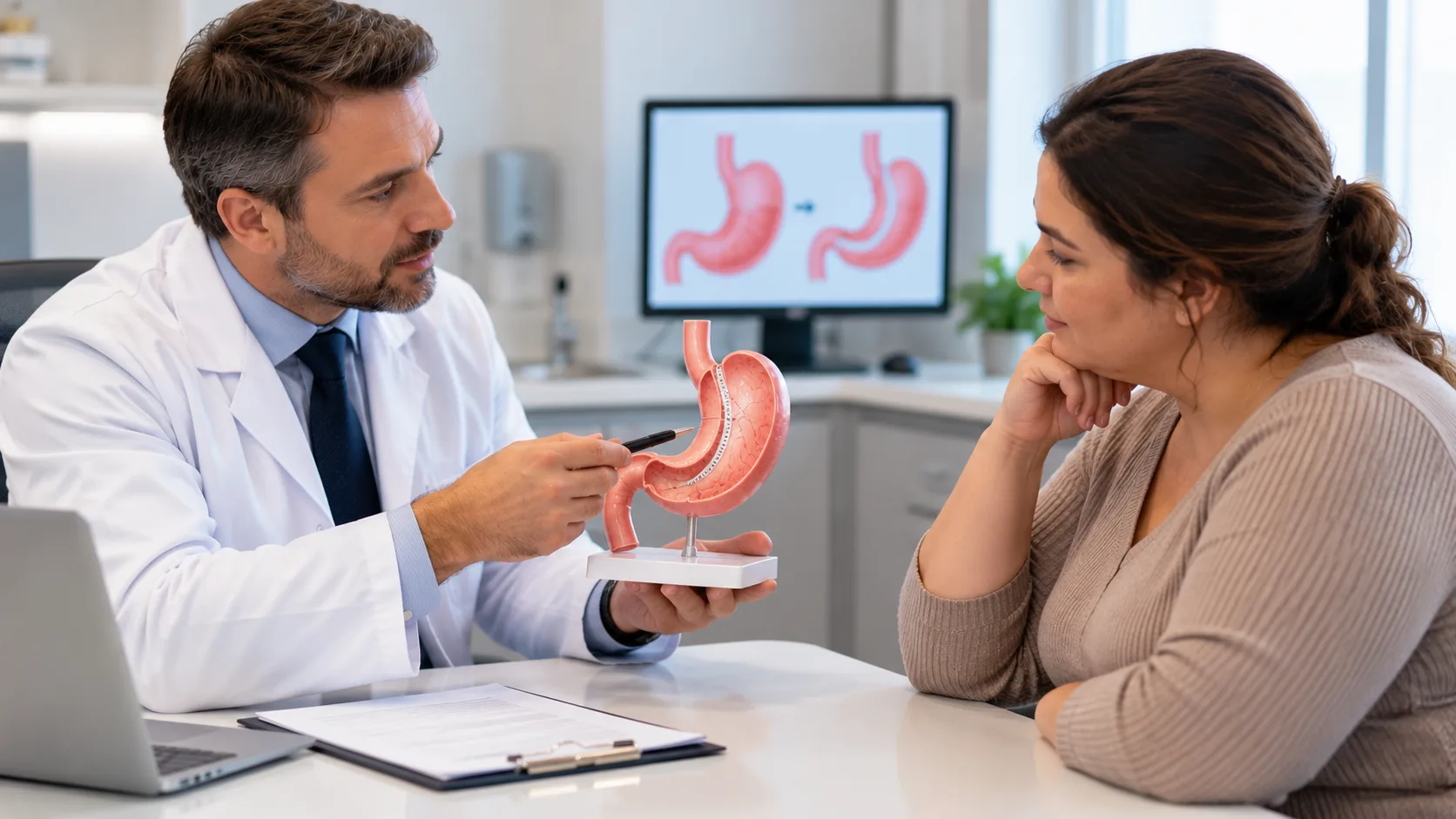
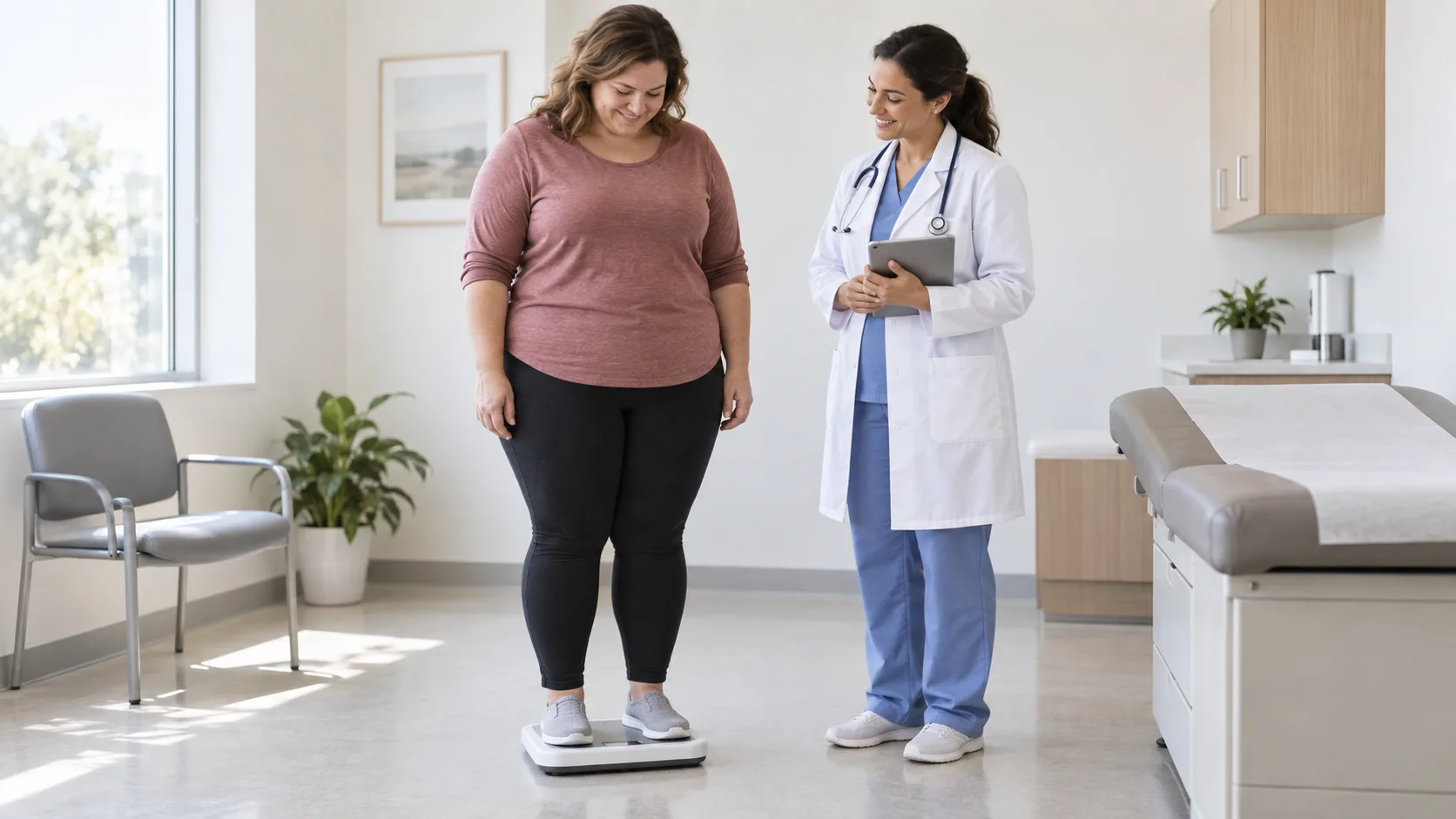
Most patients lose 50 to 70 percent of their excess weight within the first year after gastric sleeve surgery. Some patients lose even more. Others lose slightly less. The exact number depends on your starting weight, your metabolism, your diet, your exercise habits, and how closely you follow your bariatric team's guidance. Gastric sleeve surgery, also called sleeve gastrectomy or vertical sleeve gastrectomy (VSG), removes about 75 to 80 percent of your stomach. This procedure creates a narrow, banana-shaped sleeve. The smaller stomach holds less food. The surgery also reduces ghrelin, the hunger hormone. These changes work together to produce substantial weight reduction. You should not view any single average as a personal guarantee. Population data shows ranges, not certainties. Weight loss usually follows a predictable timeline. The first three to six months bring the fastest results. Weight loss then slows and eventually stabilizes between 12 and 24 months.
How Much Weight Do You Typically Lose After Gastric Sleeve?
Most patients experience significant weight reduction after sleeve gastrectomy. The amount varies widely across individuals. Surgeons and researchers measure outcomes using three main methods. Total body weight loss (TBWL) shows the percentage of your entire starting weight that disappears. Excess weight loss (EWL) shows the percentage of extra weight above your ideal body weight that you shed. Percentage of excess weight loss (%EWL) remains the most common metric in scientific literature. Each method tells a different story. Understanding all three helps you set realistic expectations.
What Percentage of Excess Weight Can You Lose?
Most patients lose 50 to 70 percent of their excess weight within the first 12 to 18 months after surgery. Some studies report even higher percentages in motivated patient groups. Excess weight loss matters more than simple kilogram or pound counts because it accounts for individual differences in starting size. A patient who starts at 300 pounds and a patient who starts at 250 pounds will lose different absolute amounts even if they both achieve 60 percent EWL. The University of California, Los Angeles (UCLA) Bariatric Surgery Program estimates that patients typically achieve approximately 60 to 70 percent excess weight loss within one year (UCLA Health). This range aligns with large multicenter studies. Peterli and colleagues found that sleeve gastrectomy patients achieved substantial EWL at five years, with results comparable to gastric bypass in many cohorts (Peterli et al., 2018). Angrisani and colleagues reported similar findings in a large international registry, confirming that sleeve gastrectomy produces durable EWL in the 50 to 70 percent range for most patients (Angrisani et al., 2015).
How Much Total Body Weight Can You Lose After Gastric Sleeve?
Total body weight loss typically falls between 25 and 35 percent of your starting weight. This metric differs from EWL. If you weigh 300 pounds before surgery, 30 percent TBWL means you lose 90 pounds total. That same patient might have 150 pounds of excess weight. Losing 90 pounds would represent 60 percent EWL. The same percentage of EWL produces different pound or kilogram results depending on your starting weight. A patient who starts at 400 pounds will lose more absolute pounds than a patient who starts at 250 pounds, even if both achieve identical EWL percentages. Maciejewski and colleagues analyzed data from over 46,000 veterans and found that bariatric surgery patients, including those who underwent sleeve gastrectomy, achieved substantial TBWL that improved cardiometabolic risk factors (Maciejewski et al., 2016).
Can You Lose More Than 70% of Your Excess Weight?
Yes, some patients exceed the commonly cited 50 to 70 percent range. Certain individuals achieve 75 to 80 percent EWL or higher. Individual metabolic factors drive these outcomes. Basal metabolic rate, insulin sensitivity, and hormonal responses vary from person to person. Behavioral factors also play a major role. Patients who strictly follow dietary protocols, maintain high protein intake, exercise regularly, and attend all follow-up appointments often achieve superior results. However, you should not treat higher outcomes as guaranteed. These figures represent the upper end of the distribution, not the standard expectation. Schauer and colleagues demonstrated that metabolic surgery, including sleeve gastrectomy, produces variable but generally robust weight loss, with some patients achieving exceptional results (Schauer et al., 2017).
How Much Weight Do You Lose Each Month After Gastric Sleeve?
Weight loss unfolds in stages. The early months bring rapid change. The pace then moderates. Understanding this timeline helps you avoid frustration and maintain realistic expectations.
How Much Weight Can You Lose During the First Month?
Most patients lose 10 to 20 pounds during the first month after surgery. Some patients lose more. Others lose less. The initial drop includes fluid loss, glycogen depletion, and reduced intestinal contents. True fat loss begins during this period but does not account for the entire early decline. The postoperative diet progresses from clear liquids to full liquids to pureed foods. This very low caloric intake drives rapid initial weight reduction. You should not use the first month to predict your final outcome. Early losses reflect postoperative physiology more than long-term trajectory. Some patients lose weight quickly at first but then stabilize at expected ranges. Others start slowly and then accelerate.
How Much Weight Can You Lose by Three Months?
By three months, many patients have lost 25 to 35 percent of their excess weight. Some clinical sources report approximately 25 to 45 percent EWL by this point. The exact figure depends on your starting weight, your adherence to dietary stages, and your activity level. During this period, you transition from pureed foods toward soft and then regular foods. Your energy expenditure increases as you resume physical activity. The stomach sleeve continues to heal and mature. Portion sizes remain very small. Protein intake becomes critical for preserving lean muscle mass. Arterburn and colleagues noted that early postoperative weight loss strongly predicts longer-term outcomes, making the three-month mark an important checkpoint (Arterburn et al., 2020).
How Much Weight Can You Lose by Six Months?
The first six months generally represent the most rapid weight-loss phase. Most patients achieve 45 to 60 percent of their excess weight loss by this point. UCLA reports approximately 50 to 60 percent EWL at six months for many patients. Your body burns calories more aggressively when you carry more weight. As your body mass drops, your energy expenditure naturally decreases. This metabolic adaptation explains why the rate gradually slows even when your behaviors remain consistent. You still lose weight, but the pace moderates. Protein targets, hydration, and regular exercise become even more important during this phase to preserve muscle and sustain momentum.
How Much Weight Can You Lose After One Year?
The one-year milestone marks a critical benchmark. Most patients have achieved the majority of their total weight loss by this point. UCLA estimates approximately 60 to 70 percent EWL at one year. Other sources report ranges of 63 to 75 percent EWL. Total body weight loss typically reaches 25 to 35 percent by this stage. Your diet has normalized to small, protein-focused meals. Your exercise routine has become established. Your bariatric team monitors nutritional labs and adjusts supplementation as needed. The stomach sleeve has fully healed. Weight loss continues for many patients beyond one year, but the pace slows considerably. Salminen and colleagues found that sleeve gastrectomy produced durable one-year weight loss comparable to gastric bypass in their randomized trial (Salminen et al., 2018).
How Much Weight Can You Lose After 18 Months?
Between 12 and 18 months, many patients approach their maximum postoperative weight loss. Some individuals achieve approximately 70 to 80 percent EWL during this period. Weight loss usually becomes slower after the first year. Your body reaches a new equilibrium. Your caloric intake stabilizes at a higher level than the immediate postoperative period. Your physical activity routine becomes consistent. Hormonal adaptations settle. This transition period moves you from active weight loss toward long-term maintenance. Patients who continue following their bariatric program typically maintain most of their losses during this phase.
How Much Weight Can You Lose After Two Years?
By two years, most patients have reached or approached their lowest postoperative weight. Long-term studies show that patients typically maintain 50 to 60 percent EWL at the two-year mark, with some maintaining higher percentages. You must distinguish maximum weight loss from sustainable weight loss. Some patients reach their lowest point at 12 months. Others continue gradual loss until 18 or 24 months. After two years, the focus shifts entirely to maintenance. Small fluctuations become normal. The goal transitions from losing weight to keeping it off. Bhatt and colleagues emphasized that long-term success requires ongoing lifestyle intervention and medical monitoring (Bhatt et al., 2022).
What Does a Gastric Sleeve Weight Loss Timeline Look Like?
The following table summarizes the typical weight-loss pattern after sleeve gastrectomy. These figures represent population averages, not individual promises.
Time After Surgery | Typical Weight-Loss Pattern | Approximate EWL Range |
First 2 weeks | Rapid initial loss, mostly fluid and glycogen | 5–10% |
1 month | High rate of early weight loss | 10–20% |
3 months | Substantial cumulative EWL | 25–45% |
6 months | Major portion of expected loss achieved | 45–60% |
12 months | Approximately 60–70% EWL in many patients | 60–75% |
18 months | Weight loss begins to plateau | 65–80% |
24 months | Weight generally approaches stabilization | 50–70% maintained |
These figures apply to populations, not to you specifically. Your starting weight, your metabolism, your adherence, and your medical history all shape your personal trajectory. Use both pounds and kilograms when tracking your progress. One kilogram equals approximately 2.2 pounds.
Why Does Gastric Sleeve Surgery Cause Weight Loss?
Sleeve gastrectomy produces weight loss through multiple mechanisms. The surgery changes your anatomy, your hormones, and your eating behaviors.
How Does Reducing Stomach Size Affect Food Intake?
The surgeon removes approximately 70 to 80 percent of your stomach. The remaining portion forms a narrow tube about the size and shape of a banana. This new stomach holds only 2 to 4 ounces of food at a time. You feel full after eating very small portions. You cannot consume large meals. This mechanical restriction forces reduced caloric intake. You eat less because your stomach physically cannot hold more. Over time, this restriction trains new eating habits. You learn to eat slowly, chew thoroughly, and stop at the first sensation of fullness.
How Does Gastric Sleeve Surgery Affect Hunger Hormones?
The stomach produces ghrelin, often called the hunger hormone. Ghrelin signals your brain to eat. When ghrelin levels rise, you feel hungry. The surgeon removes the portion of the stomach that produces most of your ghrelin. After sleeve gastrectomy, ghrelin levels drop significantly. Many patients report dramatically reduced hunger. This hormonal change makes caloric restriction easier to maintain. You feel less driven to eat. The combination of a smaller stomach and lower ghrelin creates a powerful environment for weight loss. Mingrone and colleagues demonstrated that metabolic surgery alters gut hormones in ways that improve appetite regulation and glycemic control (Mingrone et al., 2021).
Does Gastric Sleeve Change Metabolism?
Yes, sleeve gastrectomy affects metabolism beyond simple stomach restriction. The surgery alters gut hormone signaling, bile acid metabolism, and possibly gut microbiota composition. These changes influence insulin sensitivity, energy expenditure, and fat storage. However, you should not overstate metabolic benefits. The primary driver of weight loss remains reduced caloric intake. Metabolic adaptations support this process but do not replace the need for dietary discipline. As you lose weight, your metabolism naturally slows. This adaptation occurs after any substantial weight loss, whether from surgery or diet alone. Your bariatric team helps you manage this transition through proper nutrition and exercise.
What Factors Determine How Much Weight You Lose After Gastric Sleeve?

Multiple variables influence your outcome. No single factor predicts your result. Understanding these elements helps you optimize your own trajectory.
Does Starting Weight Affect Gastric Sleeve Weight Loss?
Yes, your starting weight significantly affects absolute weight loss. Patients with higher initial body weight typically lose more total pounds or kilograms. A patient starting at 350 pounds who loses 30 percent TBWL sheds 105 pounds. A patient starting at 250 pounds who loses the same percentage sheds only 75 pounds. However, higher starting weight does not guarantee higher EWL percentage. Some patients with lower starting weights achieve excellent percentage-based outcomes. The relationship between starting weight and EWL remains complex and individualized.
Does BMI Affect Expected Weight Loss?
Your body mass index (BMI) correlates with your excess weight. Higher BMI means more excess weight to lose. However, BMI alone cannot predict your individual outcome. Two patients with identical BMIs may achieve very different results based on age, sex, muscle mass, metabolic health, and adherence. BMI serves as a screening tool and a research metric. It does not determine your personal destiny. Your bariatric team evaluates your complete medical profile, not just your BMI.
Does Age Affect Gastric Sleeve Weight Loss?
Age influences postoperative weight-loss trajectories. Younger patients often lose weight more rapidly in the early months. They typically have higher baseline muscle mass and metabolic rates. Older patients may lose weight more slowly but can still achieve excellent long-term outcomes. Age-related hormonal changes, medication use, and physical limitations affect results. However, age alone does not disqualify you from success. Patients in their 50s and 60s regularly achieve substantial and sustained weight loss after sleeve gastrectomy.
Does Sex Affect Weight Loss After Gastric Sleeve?
Sex can influence average weight-loss outcomes. Men typically have higher baseline muscle mass and metabolic rates. They often lose more absolute weight in the early postoperative period. Women may face hormonal fluctuations that affect weight-loss patterns. However, both men and women achieve clinically meaningful and durable weight loss after sleeve gastrectomy. Individual factors matter more than sex alone. Your commitment to dietary and exercise protocols outweighs demographic variables.
How Do Diet and Nutrition Affect Weight Loss?
Your diet determines much of your success. Protein intake preserves lean body mass during rapid weight loss. Portion control prevents overeating as your stomach heals. Hydration supports metabolism and prevents complications. You must follow the staged dietary progression carefully. Clear liquids come first. Full liquids follow. Pureed foods come next. Soft foods transition you toward regular textures. Most programs complete this progression over approximately six weeks. This staged progression is essential for healing and long-term success. Eating calorie-dense foods, drinking sugary beverages, or grazing between meals undermines your results regardless of how small your stomach becomes.
Does Exercise Increase Weight Loss After Gastric Sleeve?
Yes, exercise supports and enhances weight loss. You begin with walking within days of surgery. You gradually progress to structured aerobic activity and resistance training. Resistance training preserves lean muscle mass. Muscle tissue burns more calories than fat tissue at rest. Aerobic activity increases overall energy expenditure. Exercise also improves mood, sleep, and cardiovascular health. The goal involves long-term physical activity, not short-term intensive exercise. Patients who maintain regular exercise habits achieve better weight loss and better maintenance than sedentary patients.
Do Medical Conditions Affect Weight Loss?
Medical conditions significantly influence outcomes. Type 2 diabetes and insulin resistance can slow initial weight loss. Endocrine disorders such as hypothyroidism affect metabolism. Certain medications, including steroids, antipsychotics, and some antidepressants, promote weight gain or impede loss. Obesity-related conditions such as sleep apnea and joint disease may limit physical activity. Your bariatric team evaluates all these factors before surgery and adjusts your care plan accordingly. Individualized medical assessment remains essential.
Why Does Gastric Sleeve Weight Loss Slow Down Over Time?
Weight loss never continues at the initial rapid pace indefinitely. Understanding why slowing occurs helps you maintain perspective and avoid discouragement.
Is a Weight-Loss Plateau Normal After Gastric Sleeve?
Yes, plateaus occur normally after sleeve gastrectomy. Your body adapts to reduced caloric intake and lower body weight. Metabolic rate decreases. Hormonal signals shift to conserve energy. You may experience weeks or even months where the scale barely moves. This plateau differs from inadequate long-term weight loss. A temporary plateau resolves with continued adherence. Inadequate loss requires clinical evaluation. Most patients encounter at least one significant plateau during their first year.
Why Does Weight Loss Slow After Six Months?
Multiple factors drive the post-six-month slowdown. Your reduced body mass requires fewer calories to maintain. A lighter body burns less energy during activity and at rest. Your caloric intake gradually increases as you transition to more normal textures and portions. Your physical activity may plateau. Metabolic adaptation reduces your energy expenditure. These changes represent normal physiology, not failure. Continued adherence to your program still produces progress, just at a slower rate.
When Does Gastric Sleeve Weight Loss Usually Stop?
Most patients approach their lowest postoperative weight between 12 and 24 months. After this point, active weight loss transitions to maintenance. Some patients continue losing small amounts beyond two years. Others stabilize earlier. The transition from weight loss to maintenance represents a psychological and behavioral shift. You must reframe your goals from seeing lower numbers on the scale to maintaining your current weight and improving your health markers.
How Can You Calculate Expected Weight Loss After Gastric Sleeve?
Understanding the math helps you set realistic goals and track progress accurately.
How Is Excess Weight Calculated?
You calculate excess weight using this formula: Excess Weight equals Current Weight minus Estimated Ideal Weight. Your estimated ideal weight typically corresponds to a BMI of 25. For example, if you are 5 feet 6 inches tall, your ideal weight at BMI 25 equals approximately 155 pounds. If your current weight equals 280 pounds, your excess weight equals 125 pounds. This figure becomes your baseline for measuring percentage-based outcomes.
How Is Excess Weight Loss Percentage Calculated?
You calculate percentage of excess weight loss using this formula: %EWL equals Weight Lost divided by Preoperative Excess Weight, multiplied by 100. If you lost 75 pounds and your preoperative excess weight was 125 pounds, your %EWL equals 60 percent. This metric allows fair comparison across patients of different sizes.
How Is Total Body Weight Loss Calculated?
You calculate total body weight loss percentage using this formula: %TBWL equals Weight Lost divided by Starting Weight, multiplied by 100. If you started at 280 pounds and lost 75 pounds, your %TBWL equals approximately 26.8 percent. This metric provides an intuitive measure of overall change.
Can a Gastric Sleeve Weight Loss Calculator Predict Your Exact Result?
No calculator can predict your exact result. Calculators use population averages and statistical models. They incorporate your starting weight, height, BMI, age, and expected EWL ranges. These tools provide educational estimates, not medical guarantees. Your individual biology, behavior, and circumstances determine your actual outcome. Use calculators to understand typical ranges. Discuss your personal expectations with your bariatric surgeon and dietitian.
What Would Gastric Sleeve Weight Loss Look Like in a Real Example?
Concrete examples clarify abstract percentages.
How Much Could Someone Weigh After Losing 60% of Their Excess Weight?
Imagine a patient who is 5 feet 5 inches tall and weighs 260 pounds. At BMI 25, their ideal weight equals approximately 150 pounds. Their excess weight equals 110 pounds. Losing 60 percent of excess weight means losing 66 pounds. Their new weight equals 194 pounds. Their %TBWL equals 66 divided by 260, multiplied by 100, which equals 25.4 percent. This example demonstrates how EWL and TBWL tell different stories about the same outcome.
What Would 70% Excess Weight Loss Mean in Kilograms?
Imagine a patient who is 170 centimeters tall and weighs 130 kilograms. At BMI 25, their ideal weight equals approximately 72 kilograms. Their excess weight equals 58 kilograms. Losing 70 percent of excess weight means losing approximately 40.6 kilograms. Their new weight equals approximately 89.4 kilograms. Their %TBWL equals 40.6 divided by 130, multiplied by 100, which equals approximately 31.2 percent. This example shows that 70 percent EWL translates to about 31 percent TBWL.
Why Can Two Patients Lose Different Amounts of Weight After the Same Surgery?
Two patients receiving identical sleeve gastrectomy procedures can achieve very different results. Starting weight determines absolute pounds lost. BMI influences excess weight calculations. Age affects metabolic rate. Sex influences body composition and muscle mass. Metabolic health, including insulin sensitivity, alters fat burning. Diet adherence determines caloric intake. Exercise habits preserve muscle and increase expenditure. Medications can promote or impede weight change. Psychological factors affect eating behaviors. Anatomical variations in sleeve size and shape may play a role. No two patients share identical biology or behavior.
What Should You Eat After Gastric Sleeve to Support Weight Loss?
Your diet evolves through distinct stages. Each stage serves a specific purpose in healing and weight loss.
What Is the Early Postoperative Gastric Sleeve Diet?
The early diet progresses through five stages. Stage one includes clear liquids such as water, broth, and sugar-free gelatin. Stage two introduces full liquids such as protein shakes, skim milk, and strained soups. Stage three advances to pureed foods with a smooth, pudding-like consistency. Stage four transitions to soft foods that you can mash with a fork. Stage five returns you to regular textures in very small portions. This progression typically spans four to six weeks. You must eat slowly, chew thoroughly, and stop at the first sign of fullness. Drinking fluids with meals can flush food through the sleeve and cause hunger sooner. You should separate eating and drinking by at least 30 minutes.
How Much Protein Do You Need After Gastric Sleeve?
Protein intake matters enormously after sleeve gastrectomy. Protein preserves lean body mass during rapid weight loss. It promotes wound healing. It supports immune function. Most bariatric programs recommend 60 to 80 grams of protein daily during the early postoperative period. Some patients need more based on their size and activity level. You must prioritize protein at every meal. Eat protein foods first. Use protein supplements if whole foods cannot meet your target. Your bariatric team sets an individualized protein goal based on your specific needs.
How Important Is Hydration After Gastric Sleeve?
Hydration prevents serious complications. The small stomach sleeve limits fluid capacity. You cannot gulp large amounts at once. Dehydration represents one of the most common reasons for hospital readmission after bariatric surgery. You should sip water and sugar-free fluids throughout the day. Most programs recommend at least 64 ounces or 2 liters daily. You must avoid caffeine and carbonation initially. You must separate fluid intake from meals. Proper hydration supports metabolism, skin elasticity, energy levels, and kidney function.
Which Foods Can Interfere With Long-Term Weight Loss?
Certain foods undermine your success regardless of surgery. Calorie-dense foods such as chips, pastries, and fried items pack excessive energy into small volumes. Sugary beverages bypass the stomach restriction and deliver empty calories directly. Frequent snacking or grazing prevents the natural fasting periods that support fat burning. Alcohol provides calories without nutrition and may irritate the stomach sleeve. Large portions stretch eating habits. Grazing behavior, where you eat small amounts constantly throughout the day, can lead to significant caloric accumulation. You must avoid these patterns to protect your results.
How Can You Maximize Weight Loss After Gastric Sleeve?
Success requires active participation. Surgery creates the opportunity. Your behaviors determine the outcome.
Should You Follow a Structured Bariatric Diet?
Yes, structured dietary guidance forms the foundation of success. Your bariatric team provides individualized meal plans. Portion control remains essential even years after surgery. Nutrient-dense foods maximize nutrition within limited volume. You must prioritize vegetables, lean proteins, and whole grains. You must minimize processed foods, added sugars, and unhealthy fats. The structure prevents you from drifting back toward old habits.
How Important Is Regular Exercise?
Exercise ranks equally important with diet. You begin walking immediately after surgery. You progress to brisk walking, swimming, cycling, or other low-impact aerobic activities. You add resistance training with weights or bands to preserve muscle. Muscle tissue maintains metabolic rate. Aerobic activity burns calories and improves cardiovascular health. The goal involves lifelong physical activity, not a temporary exercise phase. Patients who exercise regularly maintain better weight loss and better health.
Should You Take Bariatric Vitamins and Supplements?
Yes, supplementation remains mandatory after sleeve gastrectomy. The smaller stomach produces less intrinsic factor, which affects B12 absorption. The reduced stomach acid alters iron and calcium absorption. You typically need a high-potency multivitamin, calcium citrate, vitamin D, vitamin B12, and possibly iron. Your bariatric team monitors your labs and adjusts your regimen. Deficiencies can develop months or years after surgery. Regular laboratory follow-up catches problems early.
How Important Is Long-Term Bariatric Follow-Up?
Long-term follow-up determines sustained success. You should see your surgeon regularly during the first year. You should maintain annual visits thereafter. Your dietitian reviews your eating patterns and adjusts your plan. Your team monitors your weight, nutritional labs, and health markers. Behavioral support addresses emotional eating, stress management, and lifestyle adjustment. Patients who maintain follow-up appointments achieve better long-term outcomes than those who drop out of care.
Can You Regain Weight After Gastric Sleeve?
Yes, weight regain can occur. Understanding this possibility helps you prevent and address it early.
How Common Is Weight Regain After Sleeve Gastrectomy?
Some degree of weight regain occurs commonly. UCLA notes that slight regain after one to two years represents a normal part of the weight-loss trajectory. A subset of patients experiences more significant regain. Research suggests that 10 to 20 percent of patients may regain substantial weight by five years. However, most patients maintain a significant net loss compared to their preoperative weight. Regain does not equal failure. It signals the need for intervention and reassessment.
What Causes Weight Regain After Gastric Sleeve?
Multiple factors drive regain. Increased caloric intake tops the list. Grazing, emotional eating, and return to old habits gradually add calories. Reduced physical activity lowers energy expenditure. Metabolic adaptation means your body burns fewer calories at your lower weight. In some cases, the stomach sleeve may dilate slightly over time, allowing larger portions. Medications or medical conditions may promote weight gain. Stress, poor sleep, and psychological factors also contribute.
How Can You Prevent or Manage Weight Regain?
Prevention starts with maintaining your dietary and exercise habits. If regain occurs, dietary reassessment identifies problem areas. Increasing physical activity restores energy balance. Behavioral intervention addresses emotional eating and habit patterns. Medical evaluation rules out hormonal or medication-related causes. In selected cases, anti-obesity medications may help. Revisional bariatric surgery remains an option for appropriate candidates who meet specific criteria.
What Are the Health Benefits of Losing Weight After Gastric Sleeve?
Weight loss after sleeve gastrectomy produces profound health improvements beyond appearance.
Can Gastric Sleeve Improve Type 2 Diabetes?
Yes, sleeve gastrectomy often dramatically improves type 2 diabetes. Many patients achieve complete remission, meaning normal blood sugar without diabetes medications. The surgery improves insulin sensitivity within days, before significant weight loss occurs. Gut hormone changes enhance pancreatic function. Mingrone and colleagues demonstrated that metabolic surgery achieves superior diabetes remission rates compared to medical therapy alone (Mingrone et al., 2021). Even patients who do not achieve full remission typically require fewer medications and enjoy better glycemic control.
Can Gastric Sleeve Improve High Blood Pressure?
Substantial weight reduction frequently improves hypertension. Many patients reduce or eliminate blood pressure medications. Weight loss decreases vascular resistance and improves cardiac output. Reduced sodium retention and improved kidney function contribute. Sjöström and colleagues found that bariatric surgery reduced the incidence of hypertension and other cardiovascular risk factors in the Swedish Obese Subjects study (Sjöström et al., 2007).
Can Gastric Sleeve Improve Sleep Apnea?
Weight loss significantly improves obstructive sleep apnea. Excess fat around the neck and airway decreases. Many patients no longer require continuous positive airway pressure (CPAP) therapy. Even partial weight loss reduces apnea severity. Improved sleep quality enhances daytime energy, mood, and metabolic health.
Can Gastric Sleeve Improve Fatty Liver Disease?
Nonalcoholic fatty liver disease improves substantially after sleeve gastrectomy. Weight loss reduces liver fat content. Inflammation and fibrosis may regress. Liver enzymes normalize. These metabolic improvements reduce long-term risk of cirrhosis and liver failure.
Can Weight Loss Improve Quality of Life?
The benefits extend across every domain of life. Mobility improves. Joint pain decreases. Physical activity becomes enjoyable rather than burdensome. Cardiometabolic health reduces heart disease and stroke risk. Psychosocial well-being improves as confidence and social participation increase. UCLA reports improvements or remission across multiple obesity-related conditions, including type 2 diabetes, hypertension, sleep apnea, fatty liver disease, hyperlipidemia, and joint pain (UCLA Health). Weiner and colleagues confirmed that quality-of-life measures improve significantly after sleeve gastrectomy and remain durable over time (Weiner et al., 2020).
What Happens If You Do Not Lose Enough Weight After Gastric Sleeve?
Not every patient achieves expected results. Clinical assessment determines whether your outcome requires intervention.
What Counts as Inadequate Weight Loss?
Inadequate weight loss requires individualized clinical assessment. No single number defines failure. A patient who loses 40 percent EWL but eliminates diabetes and hypertension may consider their outcome successful. Another patient who loses 60 percent EWL but struggles with regain may need support. Your bariatric team evaluates your weight trajectory, your health improvements, your nutritional status, and your quality of life. Context matters more than a single metric.
Why Might Someone Lose Less Weight Than Expected?
Dietary factors such as grazing, liquid calories, or poor food choices reduce weight loss. Physical inactivity limits energy expenditure. Metabolic factors including insulin resistance or thyroid disorders slow progress. Medications may promote weight gain. Psychological factors such as depression or emotional eating undermine adherence. Medical or anatomical issues such as sleeve dilation or stricture may play a role. A thorough evaluation identifies contributing factors.
What Treatment Options Are Available After Insufficient Weight Loss?
Nutritional and behavioral intervention addresses the most common causes. A structured refresher course on bariatric eating principles often restarts progress. Medical obesity treatment with FDA-approved medications may augment weight loss. Endoscopic assessment evaluates sleeve anatomy when indicated. Revisional bariatric surgery, such as conversion to gastric bypass, remains an option for carefully selected patients who meet criteria and understand the risks.
Is Rapid Weight Loss After Gastric Sleeve Safe?
The speed of early weight loss raises important safety considerations.
Why Does Weight Drop Quickly in the First Few Months?
Very low postoperative caloric intake drives rapid initial loss. The liquid and pureed diet stages provide minimal calories. Changes in food volume reduce overall intake. Fluid shifts account for some early weight change. The rapid reduction in energy intake forces your body to burn stored fat. This process represents a normal physiological response to the postoperative state.
What Risks Can Occur With Excessively Rapid Weight Loss?
Excessively rapid loss carries risks. Dehydration threatens kidney function and overall health. Protein deficiency impairs wound healing and immune function. Micronutrient deficiencies develop when intake remains inadequate. Loss of lean muscle mass reduces metabolic rate and physical strength. Gallstones form more frequently during rapid weight loss. Nutritional complications including hair loss, fatigue, and weakness may occur. Your bariatric team monitors you closely to prevent these problems.
When Should You Contact Your Bariatric Team?
Contact your team immediately if you experience persistent vomiting, inability to maintain hydration, severe weakness, signs of nutritional deficiency such as hair loss or numbness, concerning abdominal symptoms such as severe pain or fever, or unexpected extreme changes in weight. Early intervention prevents serious complications.
How Does Gastric Sleeve Weight Loss Compare With Gastric Bypass?
Patients often ask which procedure produces better results. The answer depends on individual circumstances.
Which Procedure Produces More Weight Loss?
Gastric bypass typically produces slightly greater weight loss than sleeve gastrectomy. Bypass patients often achieve 60 to 80 percent EWL. Sleeve patients typically achieve 50 to 70 percent EWL. However, outcomes overlap considerably. Some sleeve patients outperform some bypass patients. Patient characteristics, surgeon expertise, and postoperative adherence matter more than procedure choice alone. Avoid viewing either procedure as universally superior.
Why Might Gastric Bypass Produce Greater Long-Term Weight Loss?
Gastric bypass combines restriction with malabsorption. The surgeon creates a small stomach pouch and reroutes the small intestine. This design reduces calorie absorption in addition to limiting food volume. The procedure also produces more profound hormonal changes affecting appetite and metabolism. The intestinal bypass component alters bile acid and gut bacteria signaling. These multiple mechanisms explain the slightly greater average weight loss.
Which Procedure Is More Appropriate for an Individual Patient?
Your BMI, your comorbidities, your history of gastroesophageal reflux disease (GERD), your diabetes status, your previous abdominal surgery, your nutritional considerations, and your personal preferences all influence this decision. Patients with severe GERD may benefit more from bypass. Patients with lower BMI or concerns about malabsorption may prefer sleeve. Your surgeon discusses these factors during consultation. Surgical risk and expected benefits must balance for each individual.
What Is the Long-Term Outlook After Gastric Sleeve?
Sleeve gastrectomy represents a lifelong commitment, not a one-time fix.
How Much Weight Can You Maintain After Five Years?
Long-term studies show that patients typically maintain 50 to 60 percent EWL at five years. Some maintain more. Some maintain less. The key distinction involves separating maintenance from maximum loss. You may reach your lowest weight at 18 months and then regain 10 to 20 pounds by five years. This pattern remains common and does not indicate failure. Your net loss compared to your starting weight still delivers substantial health benefits. Continued lifestyle intervention supports durability.
Can You Maintain Your Weight After Gastric Sleeve for Life?
Yes, lifelong maintenance is possible. However, it requires permanent dietary and behavioral changes. You cannot return to preoperative eating habits. You must maintain small portions, protein priority, and nutrient density. Ongoing medical monitoring catches nutritional deficiencies and metabolic changes. Regular physical activity preserves muscle and metabolic health. The surgery provides a powerful tool. Your daily choices determine whether that tool continues working.
What Does Successful Long-Term Weight Loss Mean?
Success means sustainable weight reduction, not reaching an arbitrary target. It means improvement or remission of obesity-related diseases. It means better mobility, better energy, and better quality of life. It means maintaining nutritional health without deficiencies. The number on the scale matters less than your overall health and function. A patient who maintains 50 percent EWL with excellent health markers achieves more success than a patient who reaches 80 percent EWL but develops severe nutritional deficiencies.
Frequently Asked Questions About Weight Loss After Gastric Sleeve
How much weight can you lose after gastric sleeve in one month?
Most patients lose 10 to 20 pounds during the first month. Some lose more. Some lose less. Early losses include fluid and glycogen, not just fat.
How much weight can you lose after gastric sleeve in three months?
Many patients achieve 25 to 45 percent EWL by three months. This typically translates to 30 to 60 pounds for many patients, depending on starting weight.
How much weight can you lose after gastric sleeve in six months?
Most patients reach 45 to 60 percent EWL by six months. This represents the most rapid phase of weight loss for most individuals.
How much weight can you lose after gastric sleeve in one year?
Most patients achieve 60 to 70 percent EWL by one year. Some sources report up to 75 percent. Total body weight loss typically reaches 25 to 35 percent.
How much weight can you lose after gastric sleeve in two years?
By two years, most patients have approached their maximum weight loss. Many maintain 50 to 70 percent EWL. Some continue gradual loss until 24 months.
Can you lose 100 pounds after gastric sleeve?
Yes, patients with higher starting weights frequently lose 100 pounds or more. A patient starting at 300 pounds who loses 30 percent TBWL sheds 90 pounds. A patient starting at 350 pounds who loses 30 percent TBWL sheds 105 pounds.
Can you lose all your excess weight after gastric sleeve?
Some patients do, but most do not. Losing 100 percent of excess weight remains possible but not typical. Most patients achieve 50 to 70 percent EWL and still experience dramatic health improvements.
How long does it take to reach your lowest weight after gastric sleeve?
Most patients reach their lowest weight between 12 and 24 months. Some stabilize earlier. Others continue gradual loss beyond two years.
Is it normal to stop losing weight after gastric sleeve?
Yes, weight loss naturally slows and stops as you approach your new equilibrium. Plateaus occur commonly. Complete cessation of loss by 18 to 24 months represents normal physiology.
Can you regain weight after gastric sleeve?
Yes, some regain occurs commonly. Slight regain after one to two years represents normal variation. Significant regain affects a subset of patients and requires intervention.
How can you maximize weight loss after gastric sleeve?
Follow your structured bariatric diet. Prioritize protein. Exercise regularly. Take prescribed vitamins. Attend all follow-up appointments. Avoid liquid calories and grazing.
What happens if you do not lose enough weight after gastric sleeve?
Your bariatric team evaluates your diet, activity, medications, and medical factors. Nutritional and behavioral intervention usually helps. Medical treatment or revisional surgery remains available for selected patients.
Key Takeaways: How Much Weight Can You Lose After Gastric Sleeve?
Most patients experience substantial weight reduction after sleeve gastrectomy. A commonly cited expectation is approximately 50 to 70 percent of excess weight, although published estimates vary across studies and populations. Some sources report approximately 25 to 35 percent total body weight loss. Weight loss usually occurs fastest during the first three to six months. Many patients reach their lowest postoperative weight around 12 to 24 months. Starting weight, BMI, age, sex, health status, diet, physical activity, and adherence all influence individual outcomes. Long-term success depends on maintaining nutritional, behavioral, and physical-activity changes throughout your lifetime. Individual results should be evaluated by a qualified bariatric team rather than predicted from population averages alone.
References
Angrisani, Luigi, et al. "Bariatric Surgery Worldwide 2013." Obesity Surgery, vol. 25, no. 10, 2015, pp. 1822–1832.
Arterburn, David E., et al. "Comparative Effectiveness and Safety of Bariatric Procedures for Weight Loss: A PCORnet Cohort Study." Annals of Internal Medicine, vol. 169, no. 10, 2018, pp. 741–750.
Bhatt, Deepak L., et al. "Bariatric Surgery and Cardiovascular Outcomes in Patients with Type 2 Diabetes and Obesity." Journal of the American College of Cardiology, vol. 79, no. 7, 2022, pp. 637–648.
Maciejewski, Matthew L., et al. "Bariatric Surgery and Long-term Durability of Weight Loss." JAMA Surgery, vol. 151, no. 11, 2016, pp. 1046–1055.
Mingrone, Geltrude, et al. "Metabolic Surgery versus Conventional Medical Therapy in Patients with Type 2 Diabetes: 10-Year Follow-up of an Open-Label, Single-Centre, Randomised Controlled Trial." The Lancet, vol. 397, no. 10271, 2021, pp. 293–304.
Peterli, Ralph, et al. "Effect of Laparoscopic Sleeve Gastrectomy vs Laparoscopic Roux-en-Y Gastric Bypass on Weight Loss in Patients With Morbid Obesity: The SM-BOSS Randomized Clinical Trial." JAMA, vol. 319, no. 3, 2018, pp. 255–265.
Salminen, Paulina, et al. "Effect of Laparoscopic Sleeve Gastrectomy vs Laparoscopic Roux-en-Y Gastric Bypass on Weight Loss at 5 Years Among Patients With Morbid Obesity: The SLEEVEPASS Randomized Clinical Trial." JAMA, vol. 319, no. 3, 2018, pp. 241–254.
Schauer, Philip R., et al. "Bariatric Surgery versus Intensive Medical Therapy for Diabetes - 5-Year Outcomes." The New England Journal of Medicine, vol. 376, no. 7, 2017, pp. 641–651.
Sjöström, Lars, et al. "Effects of Bariatric Surgery on Mortality in Swedish Obese Subjects." The New England Journal of Medicine, vol. 357, no. 8, 2007, pp. 741–752.
UCLA Health. "Sleeve Gastrectomy: Expected Weight Loss." UCLA Bariatric Surgery Program, 2023, www.uclahealth.org.
Weiner, Rudolf A., et al. "Indication and Outcome of Revisional Bariatric Surgery." Obesity Surgery, vol. 20, no. 8, 2010, pp. 1135–1141.