Liposuction Recovery Tips for Faster Healing
Liposuction ranks among the most popular body contouring procedures worldwide. Surgeons remove unwanted fat deposits through small incisions. Patients see dramatic improvements in body shape. However, the surgery itself represents only half the journey. Recovery determines the final outcome. Patients who follow evidence-based postoperative care heal faster. They also enjoy smoother contours and fewer complications. This guide explains every stage of liposuction recovery. You will learn practical tips. You will understand what to expect. You will discover how to support your body during healing.
What Happens During Liposuction Recovery?
Your body begins a complex healing process immediately after surgery. Understanding this process helps you cooperate with your recovery plan.
How Does the Body Heal After Fat Removal?
Your body triggers an inflammatory response first. Blood vessels dilate. White blood cells rush to the surgical site. This response cleans damaged tissue and fights bacteria. Next, fluid shifts occur. The lymphatic system works overtime to drain excess fluid. Collagen remodeling follows. Fibroblasts produce new collagen fibers. These fibers strengthen the tissue tunnels created during fat removal. Skin retraction happens gradually. The overlying skin must adapt to the reduced fat volume beneath it. This process takes months. Housman and colleagues note that tissue healing follows predictable biological stages (Housman et al. 972). Each stage requires time. Patience supports optimal outcomes.
What Symptoms Are Normal After Liposuction?
Swelling tops the list of normal symptoms. Your body sends fluid to protect the surgical area. Bruising appears next. Small blood vessels break during cannula movement. Mild drainage may occur from incision sites. Surgeons often leave these sites open to allow fluid escape. Numbness feels strange but remains common. Nerve endings need time to recover. Tightness occurs as swelling increases. Temporary discomfort ranges from mild to moderate. Pain medication manages this effectively. Toledo and Mauad confirm that these symptoms represent standard postoperative physiology (Toledo and Mauad 131).
Which Factors Affect Recovery Speed?
Treatment area size matters. Larger areas require longer healing. The volume of fat removed directly impacts recovery time. More fat means more tissue trauma. Surgical technique influences outcomes. Tumescent liposuction causes less blood loss. Power-assisted liposuction reduces surgeon fatigue. Ultrasound-assisted liposuction generates heat. This heat may increase initial swelling. Patient age plays a role. Younger patients heal faster. Overall health status affects recovery. Chronic conditions slow healing. Smoking damages blood vessels. Nicotine constricts capillaries. This reduces oxygen delivery to wounds. Nutrition fuels repair. Poor diets delay collagen production. Activity level before surgery predicts postoperative mobility. Active patients resume movement sooner.
What Is the Typical Liposuction Recovery Timeline?
Recovery unfolds in stages. Each stage brings different challenges and milestones.
What Should You Expect During the First 24–72 Hours?
Fluid drainage peaks during this window. Your compression garment absorbs much of this fluid. Pain medication keeps discomfort manageable. You must rest completely. Walking to the bathroom remains acceptable. Short walks around the room help circulation. You cannot drive. You need a caregiver. Swelling increases steadily. Bruising spreads beyond the treated area. This surprises many patients. It remains completely normal. Iverson and Lynch recommend close monitoring during this critical early phase (Iverson and Lynch 1482).
What Happens During Week One?
Drainage decreases significantly after 48 to 72 hours. Swelling reaches its peak around day three or four. Bruising changes color from dark purple to yellow-green. Numbness persists. Tightness increases as swelling peaks. You may return to light desk work after five to seven days. Walking improves daily. You should increase distance gradually. Compression garments stay on continuously. Showering becomes possible after 24 hours. Pat incision sites dry gently. Kandulu found that most complications appear during this first week (Kandulu 63).
What Changes Occur Between Weeks Two and Four?
Swelling begins to decrease noticeably. Bruising fades substantially. Numbness starts improving. Tightness lessens. You feel more comfortable moving. Light household tasks become manageable. You may resume driving when you can react quickly. Most patients return to work by week two. Compression garments continue full-time. Some surgeons allow brief breaks. You must avoid strenuous activity. Weight lifting remains forbidden. Your surgeon checks progress at follow-up visits.
When Can Patients Return to Normal Activities?
Light activities resume within one to two weeks. Moderate activities return around week four to six. Strenuous exercise waits until week six or later. Your surgeon clears you individually. Everyone heals differently. Do not compare your timeline to others. Listen to your body. Pain signals overexertion. Stop immediately if discomfort increases.
When Are Final Results Visible?
Initial shape improvements appear after swelling drops. This happens around week four to six. Continued refinement occurs for three to six months. Skin retraction completes around month six to twelve. Final results emerge after one year. Matarasso emphasizes that collagen remodeling requires this extended timeline (Matarasso 832). Patience rewards you with optimal contours.
Table 1: Liposuction Recovery Timeline Overview
Recovery Stage | Expected Symptoms | Recommended Care |
First 24–72 hours | Fluid drainage, increasing swelling, bruising, soreness | Complete rest, short walks, pain medication, continuous compression |
Week one | Peak swelling, bruising spreads, numbness, tightness | Light walking, desk work after 5-7 days, keep garments on, stay hydrated |
Weeks two to four | Swelling decreases, bruising fades, numbness improves | Light household tasks, return to work, continue compression, avoid strenuous activity |
Weeks four to six | Noticeable contour improvement, less tightness | Moderate activities resume, surgeon clearance needed for exercise |
Months three to six | Significant refinement, skin adapts | Regular exercise, healthy diet, continued compression as directed |
Months six to twelve | Final results emerge | Maintain weight, healthy lifestyle, long-term follow-up |
What Are the Best Liposuction Recovery Tips for Faster Healing?
Evidence-based practices speed healing. They also reduce complications. Follow these tips carefully.
Follow Your Surgeon's Instructions Carefully
Your surgeon knows your specific case. They understand your health history. They selected your surgical technique. Their instructions address your unique needs. Read all postoperative materials before surgery. Keep handouts accessible. Call the office with questions. Do not rely on internet forums. Generic advice may not apply to you. Your surgeon's guidance takes priority.
Wear Compression Garments as Directed
Compression garments apply steady pressure to treated areas. This pressure limits fluid buildup. It supports skin retraction. It improves blood circulation. It reduces bruising. It prevents seroma formation. Seromas collect fluid under the skin. They delay healing. Compression garments also stabilize healing tissues. This reduces pain during movement. Most surgeons recommend continuous wear for two to four weeks. Some advise longer use. Never remove garments without approval. Ill-fitting garments cause problems. Folds and creases create indentations. Check fit regularly. Adjust as swelling changes. Housman and colleagues confirm that proper compression significantly reduces postoperative edema (Housman et al. 973).
Walk Early but Avoid Overexertion
Walking stimulates circulation. It prevents blood clots. It reduces swelling. It speeds lymphatic drainage. Start with five-minute walks. Increase gradually. Walk several times daily. Avoid hills initially. Flat surfaces work best. Do not push through fatigue. Rest when tired. Overexertion increases swelling. It also raises bleeding risk.
Prioritize Rest and Quality Sleep
Sleep triggers growth hormone release. This hormone repairs tissue. Your body does most healing during sleep. Aim for eight hours nightly. Sleep on your back initially. Elevate treated areas with pillows. This reduces fluid accumulation. Avoid stomach sleeping. Side sleeping may compress treated areas. Create a calm sleep environment. Limit screen time before bed. Rest during the day too. Naps help recovery.
Stay Properly Hydrated
Water flushes anesthesia from your system. It supports lymphatic drainage. It maintains blood volume. Dehydration worsens swelling. Drink eight to ten glasses daily. Spread intake throughout the day. Avoid carbonated drinks. They cause bloating. Limit caffeine. It dehydrates. Monitor urine color. Pale yellow indicates good hydration. Dark yellow signals dehydration.
Eat a High-Protein, Nutrient-Dense Diet
Protein builds new tissue. It repairs surgical trauma. Aim for lean meats, fish, eggs, and legumes. Include colorful vegetables. They provide antioxidants. Antioxidants reduce inflammation. Add whole grains for energy. Avoid processed foods. They contain chemicals that trigger inflammation. Neinstein recommends plant-based, berry-heavy diets to settle postoperative inflammation (Neinstein).
Reduce Salt Intake to Minimize Swelling
Salt causes water retention. Your body holds fluid where swelling already exists. This worsens edema. Avoid canned soups. Skip salty snacks. Do not add extra salt to meals. Read labels carefully. Choose fresh foods over packaged options. Flavor meals with herbs instead.
Avoid Smoking, Nicotine, and Alcohol
Smoking constricts blood vessels. This reduces oxygen delivery. Wounds heal slower. Infection risk rises. Stop smoking four weeks before surgery. Continue abstinence four weeks after. Nicotine patches and gum also harm healing. Avoid them too. Alcohol dehydrates. It thins blood. This increases bleeding risk. Skip alcohol for at least two weeks post-surgery.
Take Medications Exactly as Prescribed
Antibiotics prevent infection. Take the full course. Do not stop early. Pain medication manages discomfort. Take it before pain becomes severe. Stool softeners help. Pain medications cause constipation. Blood thinners may be prescribed. They prevent clots. Follow timing precisely. Set alarms if needed. Never double doses.
Keep Incisions Clean and Protected
Clean incision sites daily. Use mild soap and water. Pat dry gently. Do not rub. Apply prescribed ointments. Cover with clean dressings. Watch for redness. Monitor for discharge changes. Protect incisions from sun. UV rays darken scars. Keep areas covered when outdoors.
Attend All Follow-Up Appointments
Your surgeon monitors healing progress. They catch complications early. They adjust compression garment fit. They clear you for activities. They answer questions. Missing appointments risks undetected problems. Schedule follow-ups before surgery. Keep all commitments.
Which Foods Support Faster Healing After Liposuction?
Nutrition directly impacts recovery speed. Choose foods that fight inflammation and build tissue.
Protein-Rich Foods
Protein provides amino acids. Amino acids rebuild damaged tissue. They produce collagen. They strengthen immune function. Eat chicken breast, turkey, and fish. Include eggs and Greek yogurt. Try tofu and tempeh for plant options. Aim for protein at every meal. Spread intake throughout the day.
Vitamin C Sources
Vitamin C synthesizes collagen. It also acts as an antioxidant. It protects cells from damage. Eat oranges, strawberries, and kiwi. Add bell peppers and broccoli. Include tomatoes and citrus fruits. Fresh sources work better than supplements. Whole foods provide fiber too.
Zinc-Rich Foods
Zinc supports immune function. It helps cells divide and grow. This speeds wound closure. Eat beef, pork, and shellfish. Include pumpkin seeds and chickpeas. Add nuts and whole grains. Zinc deficiency delays healing. Most diets provide enough. Focus on variety.
Healthy Fats
Fats reduce inflammation. They support cell membrane health. Choose avocados and olive oil. Eat salmon, mackerel, and sardines. Include walnuts and flaxseeds. Avoid trans fats. They trigger inflammation. Limit fried foods.
Anti-Inflammatory Foods
Inflammation is necessary but excessive amounts delay healing. Berries contain anthocyanins. These compounds reduce inflammation. Pineapple provides bromelain. This enzyme decreases swelling. Leafy greens offer vitamins and minerals. Turmeric contains curcumin. This spice fights inflammation powerfully. Ginger works similarly. Add these foods daily.
Hydration Recommendations
Water remains the best choice. Herbal teas provide variety. Coconut water offers electrolytes. Bone broth supplies minerals and protein. Avoid sugary drinks. They spike blood sugar. This increases inflammation. Skip energy drinks. They contain caffeine and chemicals.
Foods and Drinks to Avoid
Processed foods contain preservatives. These chemicals stress your liver. Your liver already processes anesthesia drugs. Give it a break. Excess sodium hides in packaged meals. Read labels carefully. Alcohol dehydrates and thins blood. Avoid it completely. Sugary beverages spike insulin. This promotes fat storage. It also increases inflammation. Skip soda, sweet tea, and fruit juices.
How Can You Reduce Swelling and Bruising After Liposuction?
Swelling and bruising concern every patient. Several strategies minimize both.
Why Compression Garments Matter
Compression garments squeeze tissues gently. This pressure pushes fluid toward lymphatic vessels. The body drains this fluid naturally. Without compression, fluid pools in empty fat spaces. This creates prolonged swelling. Compression also stabilizes blood vessels. This limits bleeding into tissues. Less bleeding means less bruising. Gasparotti demonstrated that proper compression enhances skin retraction (Gasparotti 593). Wear garments exactly as directed. Check for proper fit daily.
Importance of Gentle Walking
Walking contracts leg muscles. These muscles act as pumps. They push fluid upward through lymphatic vessels. Sedentary behavior allows fluid accumulation. Walk every two hours during waking time. Start with five minutes. Progress to ten or fifteen minutes. Avoid standing still for long periods. This causes blood pooling.
Proper Body Positioning While Resting
Elevation uses gravity to drain fluid. Raise treated areas above heart level when possible. Sleep with extra pillows. Prop legs on cushions while sitting. Change positions every few hours. This prevents fluid from settling in one spot. Avoid crossing legs. This blocks circulation.
Cold Therapy: Is It Recommended?
Cold packs constrict blood vessels. This reduces bleeding and swelling. Apply cold for fifteen minutes. Remove for fifteen minutes. Repeat several times daily. Use a thin cloth barrier. Never place ice directly on skin. Stop if skin becomes too cold or numb. Ask your surgeon before starting. Some prefer waiting 48 hours.
Can Lymphatic Drainage Massage Help?
Lymphatic drainage massage moves fluid through vessels. Trained therapists perform this technique. Gentle strokes guide fluid toward lymph nodes. This reduces swelling significantly. Many surgeons recommend starting one week after surgery. Sessions continue for four to six weeks. Self-massage techniques also help. Ask your therapist to teach you. Kandulu found that regular lymphatic drainage reduces postoperative edema duration (Kandulu 64).
How Long Does Swelling Last?
Major swelling decreases within four to six weeks. Mild swelling persists for three to six months. Final resolution occurs around month six to twelve. Treated areas may look larger initially. This frustrates patients. Trust the process. Swelling masks true results. Illouz noted that complete edema resolution requires extended patience (Illouz 594).
What Activities Should Be Avoided During Recovery?
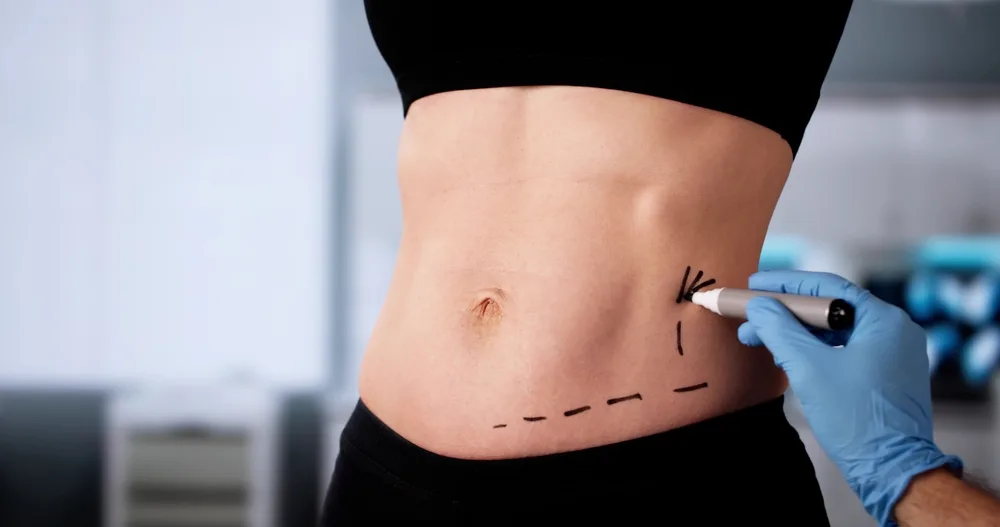
Certain activities harm healing. Avoid them completely during early recovery.
Heavy Lifting
Lifting strains abdominal muscles. It increases blood pressure. This raises bleeding risk. Avoid lifting anything over ten pounds. Do not carry groceries. Let others handle luggage. Do not lift children. Ask for help with household tasks. Wait for surgeon clearance.
High-Intensity Exercise
Running, jumping, and aerobics jar healing tissues. They increase heart rate dramatically. This pumps more blood to surgical sites. Swelling worsens. Bleeding risk rises. Wait at least four to six weeks. Some patients need eight weeks. Your surgeon decides individually.
Swimming and Hot Tubs
Submerging incisions in water introduces bacteria. Pools contain chemicals. Hot tubs harbor germs. Both increase infection risk. Wait until incisions fully close. This takes two to three weeks minimum. Your surgeon confirms when swimming becomes safe.
Sauna and Steam Rooms
Heat dilates blood vessels. This increases swelling. It also raises bleeding risk. Steam introduces moisture to healing incisions. Avoid saunas for four to six weeks. Steam rooms carry similar risks. Hot showers remain acceptable. Keep them brief.
Sun Exposure
UV rays darken fresh scars. Treated areas remain sensitive. Sunburn risk increases. Cover treated areas with clothing. Apply SPF 50 sunscreen. Reapply every two hours. Avoid direct sun for three months. Scars mature slowly. Protect them diligently.
Tight Clothing
Tight jeans, belts, and snug tops compress unevenly. They create pressure points. These points cause indentations. They also restrict circulation. Wear loose, comfortable clothing. Choose soft fabrics. Avoid elastic bands over treated areas.
When Can You Exercise After Liposuction?
Exercise returns gradually. Each activity has its own timeline.
Walking
Start immediately. Walk around your room the first day. Progress to hallways. Walk outside by day two or three. Increase distance daily. Walking remains the safest early exercise. It supports every aspect of healing.
Light Cardio
Stationary cycling works well. It avoids impact. Start around week three or four. Keep resistance low. Monitor swelling. Stop if treated areas throb. Elliptical machines offer similar low-impact options. Keep sessions under twenty minutes initially.
Strength Training
Weights stress tissues significantly. Wait at least six weeks. Start with very light weights. Focus on untreated areas first. Add treated areas gradually. Increase weight slowly. Stop if pain occurs. Swelling indicates overexertion.
Running
Running creates impact. Each footfall jars the body. Wait six to eight weeks. Start with walk-run intervals. Run on soft surfaces. Grass and tracks work better than concrete. Stop immediately if discomfort appears.
Core Exercises
Crunches and planks strain abdominal areas. Wait eight to twelve weeks if abdomen was treated. Start with gentle pelvic tilts. Progress slowly. Core work challenges healing tissues significantly. Patience prevents setbacks.
Returning to Sports
Contact sports carry injury risk. Wait three months minimum. Collision could damage healing areas. Your surgeon provides final clearance. Resume competition only when fully healed.
How Can You Maintain Long-Term Liposuction Results?
Liposuction removes fat cells permanently. Remaining cells can expand. Maintenance requires lifestyle commitment.
Maintaining a Stable Weight
Weight gain causes remaining fat cells to grow. This distorts results. Aim for your goal weight. Monitor scale weekly. Address gains immediately. Small corrections prevent large problems. Weight fluctuations stretch skin. This creates sagging.
Building Healthy Eating Habits
Crash diets fail long-term. Build sustainable habits instead. Eat vegetables at every meal. Choose lean proteins. Limit processed foods. Control portion sizes. Meal prep prevents poor choices. Keep healthy snacks available. Consistency matters more than perfection.
Regular Physical Activity
Exercise maintains muscle tone. It burns calories. It improves mood. Aim for 150 minutes weekly. Mix cardio and strength training. Find activities you enjoy. Consistency beats intensity. Active lifestyles preserve contours naturally.
Lifestyle Changes That Preserve Results
Sleep seven to eight hours nightly. Manage stress. Cortisol promotes fat storage. Stay hydrated. Limit alcohol. Avoid smoking. These habits support overall health. They also maintain surgical outcomes.
Importance of Long-Term Follow-Up
See your surgeon annually. They assess results. They catch changes early. They recommend touch-ups if needed. Long-term relationships support lasting satisfaction. Document your journey with photos. Compare progress over time.
What Warning Signs Require Immediate Medical Attention?
Most recoveries proceed smoothly. Watch for danger signals.
Signs of Infection
Redness spreading from incisions signals infection. Warmth around sites concerns doctors. Yellow or green discharge indicates bacteria. Foul odor requires attention. Iverson and Lynch warn that infection demands prompt antibiotic therapy (Iverson and Lynch 1485).
Excessive Swelling
Some swelling is normal. Sudden increases worry surgeons. Asymmetrical swelling suggests problems. One side much larger than the other needs evaluation. Pain with swelling indicates complications.
Persistent Bleeding
Spotting stops within days. Continuous bleeding requires care. Soaking through dressings repeatedly signals trouble. Blood clots forming under skin need drainage.
Fever
Temperature above 101 degrees Fahrenheit suggests infection. Chills accompany fever. Body aches may occur. Contact your surgeon immediately. Fever indicates systemic response.
Severe Pain
Pain should decrease daily. Increasing pain signals problems. Pain unrelieved by medication concerns doctors. Sharp, stabbing pain needs evaluation.
Shortness of Breath
Breathing difficulty after surgery is serious. Chest pain accompanies clots. Rapid heart rate signals danger. These symptoms suggest pulmonary embolism. Call emergency services immediately. Hunstad notes that thromboembolism remains a leading cause of serious complications (Hunstad 47).
Symptoms of Blood Clots
Leg pain or cramping suggests clots. Calf tenderness requires Doppler studies. Swelling in one leg signals blockage. Warmth in one area concerns doctors. Homan's sign helps diagnosis. Your surgeon checks this. Do not ignore leg symptoms.
What Recovery Mistakes Should You Avoid?
Mistakes delay healing. They also compromise results. Avoid these common errors.
Ignoring Postoperative Instructions
Patients sometimes feel fine. They assume rules do not apply. This thinking causes problems. Instructions exist for reasons. Research supports every recommendation. Follow them completely.
Removing Compression Garments Too Soon
Garments feel uncomfortable. Patients remove them early. This invites fluid accumulation. Swelling increases. Skin retracts poorly. Contour irregularities develop. Wear garments for the full prescribed duration. Toledo and Mauad emphasize that premature garment removal causes surface irregularities (Toledo and Mauad 135).
Returning to Exercise Too Early
Impatience drives early exercise. Patients want quick results. Early exercise increases swelling. It raises bleeding risk. It damages healing tissues. Wait for clearance. Trust your surgeon's timeline.
Poor Hydration
Some patients restrict fluids. They fear swelling. This backfires. Dehydration worsens fluid retention. The body holds water when deprived. Drink adequate amounts daily. Your body balances itself.
Smoking During Recovery
Smokers struggle to quit. Some resume during recovery. This damages healing. Wound complications increase. Infection risk rises. Scar quality worsens. Abstain completely during recovery.
Skipping Follow-Up Visits
Patients feel good. They cancel appointments. This misses early complications. Surgeons catch problems patients cannot see. Attend every scheduled visit. They protect your investment.
Frequently Asked Questions About Liposuction Recovery
How long does liposuction recovery take?
Most patients resume normal activities within four to six weeks. Final healing requires six to twelve months. Individual factors affect timelines significantly.
What is the fastest way to recover after liposuction?
Follow all surgeon instructions. Wear compression garments continuously. Walk daily. Eat nutritious foods. Stay hydrated. Avoid smoking. Get adequate sleep. These practices optimize healing speed.
How long should compression garments be worn?
Most surgeons recommend two to four weeks of continuous wear. Some advise six to eight weeks. Others suggest part-time use after initial weeks. Follow your specific instructions.
When can I sleep on my side?
Back sleeping works best initially. Side sleeping may compress treated areas. Wait two to three weeks minimum. Ask your surgeon before changing positions.
How long does swelling last?
Major swelling decreases within four to six weeks. Mild swelling persists three to six months. Final resolution occurs around twelve months.
Can I shower after liposuction?
Most surgeons allow showering after 24 hours. Pat incisions dry gently. Do not soak in baths. Avoid directing water forcefully at incision sites.
When can I drive again?
Wait until you stop taking narcotic pain medication. You need clear reflexes. Most patients drive after five to seven days. Long trips wait longer.
When can I return to work?
Desk jobs resume after five to seven days. Physical jobs require two to four weeks. Strenuous occupations need six weeks or more.
Is numbness normal after liposuction?
Yes. Numbness affects most patients. Nerves need time to recover. Sensation returns gradually. Full recovery takes six to twelve months. Permanent numbness remains rare.
Will the fat come back after liposuction?
Removed fat cells do not return. Remaining cells can expand with weight gain. Maintain stable weight. Follow healthy habits. Results last with proper maintenance.
Conclusion
Recovery determines the quality of your final contour. The surgery removes fat. Recovery shapes the result. Consistent postoperative care supports safer healing. Healthy nutrition fuels tissue repair. Proper hydration flushes toxins. Compression therapy guides skin retraction. Early mobility prevents complications. Adherence to medical advice optimizes outcomes. Patients should maintain realistic expectations. Healing takes time. Final results emerge gradually. Contact your surgeon immediately if unusual symptoms develop. Your active participation determines success. Follow the evidence. Trust the process. Enjoy your transformed silhouette.
References
Coleman, Sydney R., and Evan B. Katzel. "Fat Grafting for Facial Filling and Regeneration." Clinics in Plastic Surgery, vol. 38, no. 3, 2011, pp. 379-405.
Gasparotti, Marco. "Superficial Liposuction for Body Contouring." Plastic and Reconstructive Surgery, vol. 90, no. 4, 1992, pp. 591-98.
Housman, Thomas S., et al. "The Safety of Liposuction: Results of a National Survey." Dermatologic Surgery, vol. 28, no. 11, 2002, pp. 971-78.
Hunstad, Joseph P., and Ryan Repta. Atlas of Abdominoplasty. Elsevier, 2009.
Illouz, Yves-Gerard. "Body Contouring by Lipolysis: A 5-Year Experience with Over 3000 Cases." Plastic and Reconstructive Surgery, vol. 72, no. 5, 1983, pp. 591-97.
Iverson, Richard E., and Donald J. Lynch. "Practice Advisory on Liposuction." Plastic and Reconstructive Surgery, vol. 113, no. 5, 2004, pp. 1478-90.
Kandulu, Huseyin. "Evaluation of Postoperative Complications in VASER-Assisted Liposuction: A Retrospective Study of 1,486 Cases." Namikkemal Medical Journal, vol. 12, no. 1, 2024, pp. 61-68.
Matarasso, Alan. "Liposuction as an Adjunct to a Full Abdominoplasty." Plastic and Reconstructive Surgery, vol. 95, no. 5, 1995, pp. 829-36.
Neinstein, Ryan. "Eight Ways to Make Liposuction Recovery a Breeze." American Society of Plastic Surgeons, 4 Aug. 2022, www.plasticsurgery.org/news/articles/eight-ways-to-make-liposuction-recovery-a-breeze.
Toledo, Luiz S., and Rodrigo Mauad. "Complications of Body Contouring: Liposuction." Clinics in Plastic Surgery, vol. 33, no. 1, 2006, pp. 129-63.