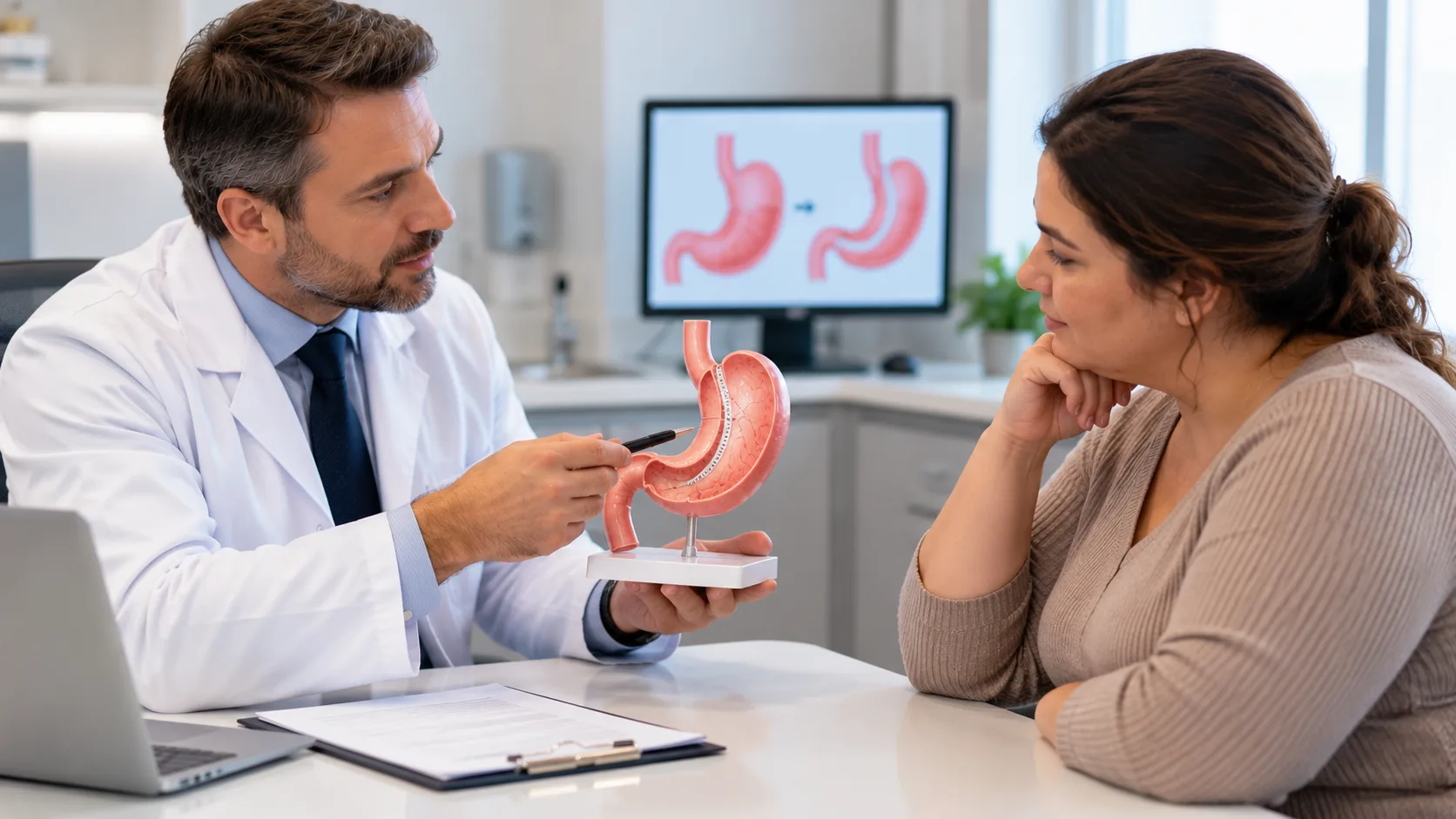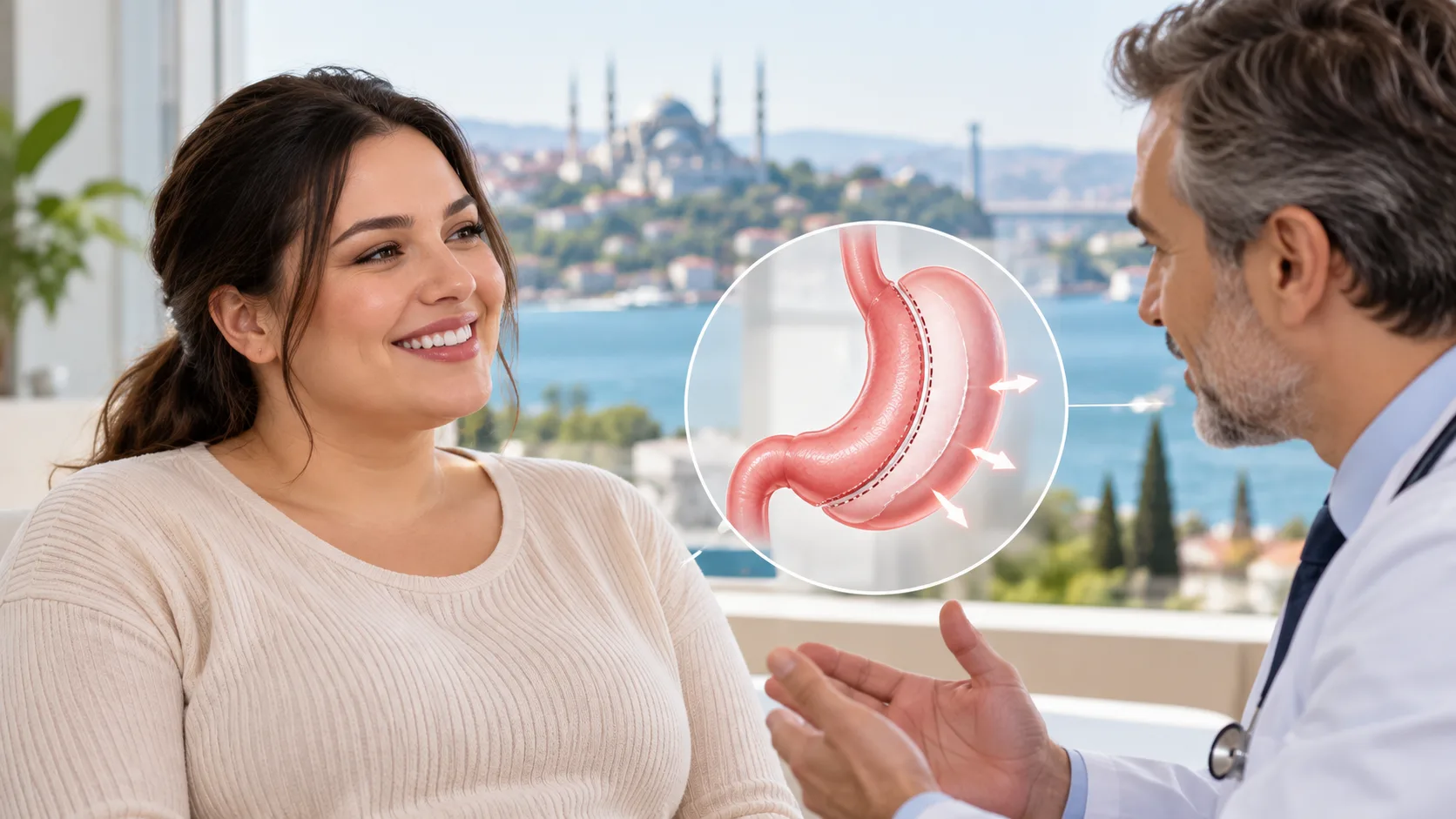
Top Benefits of Gynecomastia Surgery in Turkey
Gynecomastia surgery in Turkey offers men a flatter chest, higher self-confidence, and significant psychological relief. Turkey leads global medical tourism because experienced surgeons deliver world-class results at affordable prices.
Gynecomastia affects millions of men worldwide. This condition causes enlarged breast tissue in males. It creates physical discomfort and deep emotional distress. Many men feel shame about their chest appearance. They avoid beaches, gyms, and social events. Turkey has emerged as the top destination for male breast reduction. Patients from Europe, the Middle East, and beyond travel here for treatment. Turkish surgeons perform thousands of gynecomastia procedures each year. They combine advanced techniques with personalized care. This article explores every major benefit of choosing Turkey for gynecomastia surgery. It covers medical, psychological, functional, and practical advantages. Readers will understand why Turkey stands out as the premier choice for male chest contouring.
What Is Gynecomastia?
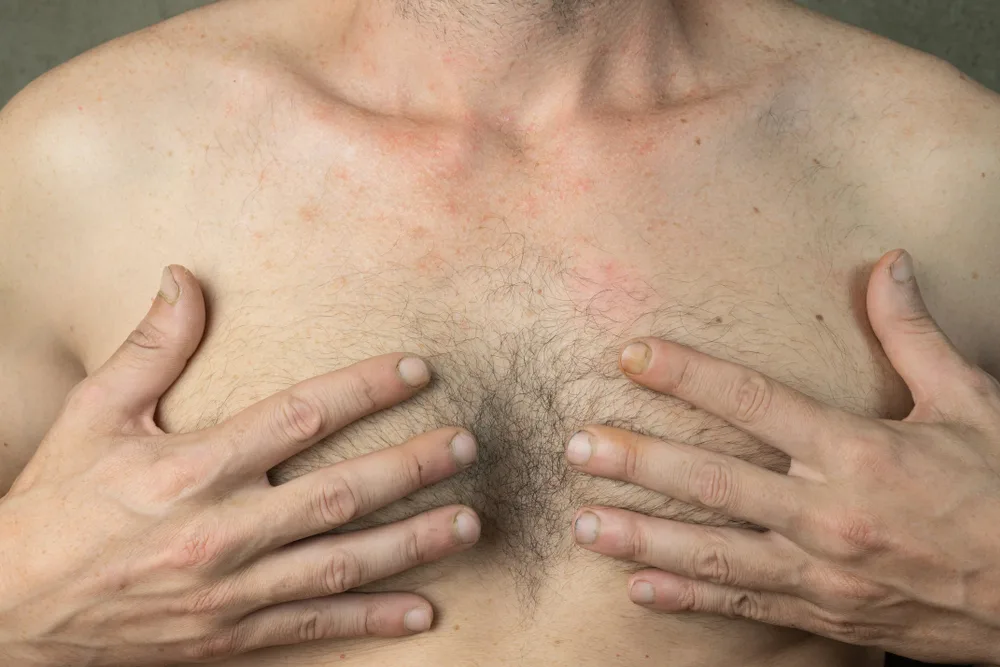
Gynecomastia means enlarged glandular breast tissue in males. It differs from simple fat accumulation. Hormonal changes, medications, or genetics trigger this condition.
What Causes Male Breast Enlargement?
Male breast enlargement stems from hormonal imbalance, genetics, obesity, medications, steroid use, and certain medical conditions.
Gynecomastia involves true glandular tissue growth. Pseudogynecomastia involves only fat deposits without glandular enlargement. Doctors distinguish these conditions through physical examination and imaging. Hormonal imbalance ranks as the leading cause. Estrogen levels rise relative to testosterone. This shift stimulates breast tissue growth in males. Adolescents experience this during puberty. Older men face it as testosterone declines naturally. Genetics also play a major role. Some men inherit a predisposition to breast tissue overgrowth. Obesity contributes significantly. Fat cells convert testosterone into estrogen. This conversion worsens glandular proliferation. Medications cause gynecomastia too. Anti-androgens, anabolic steroids, antidepressants, and some heart medications trigger breast enlargement. Athletes using anabolic steroids face particularly high risk. Medical conditions like liver disease, kidney failure, and hyperthyroidism also promote gynecomastia development (Braunstein 2007).
Who Gets Gynecomastia Most Often?
Adolescents, adult men, older males, and steroid-using athletes develop gynecomastia most frequently.
Adolescents represent the largest group. Up to 65% of boys experience some breast tissue enlargement during puberty. Most cases resolve within two years. Adults aged 50 to 80 show the next highest prevalence. About 25% of men in this age group develop gynecomastia. Testosterone levels drop with age. Older men also take more medications that affect hormones. Athletes using anabolic steroids form another high-risk group. Synthetic testosterone disrupts natural hormone balance. The body compensates by increasing estrogen production. This rebound effect causes significant breast growth in muscular men.
When Should a Man Consider Gynecomastia Surgery?
Doctors recommend surgery when breast enlargement persists for over one year, causes emotional distress, creates physical discomfort, and resists diet and exercise.
What Signs Indicate Surgery Is the Right Choice?
Persistent breast tissue, failed weight loss efforts, emotional suffering, physical pain, and stable body weight signal readiness for surgery.
Men should consider surgery when breast enlargement lasts longer than 12 months. Tissue present beyond this window rarely resolves naturally. Many patients try diet and exercise first. They lose weight everywhere except their chest. This stubborn fat and glandular tissue frustrates them. Emotional distress serves as another clear indicator. Men report avoiding intimate relationships. They refuse to remove their shirts in public. Some develop anxiety or depression. Physical discomfort matters too. Tender breast tissue rubs against clothing. Skin irritation develops underneath the folds. Surgeons also require stable body weight. Significant weight fluctuations after surgery compromise results (Cordova and Moschella 2008).
What Makes Someone an Ideal Candidate?
Healthy adult non-smokers with stable weight and realistic expectations qualify best for gynecomastia surgery.
Ideal candidates maintain good overall health. They manage chronic conditions like diabetes or hypertension. Non-smokers heal faster. Smoking reduces blood flow and increases complication risk. Stable weight proves essential. Patients should maintain their goal weight for at least six months before surgery. Realistic expectations protect patient satisfaction. Surgery improves chest contour dramatically. It does not create perfection. Men must understand the difference between improvement and idealization.
How Do Surgeons Perform Gynecomastia Surgery?
Surgeons use liposuction, gland excision, or a combination. They customize the technique based on tissue type and severity.
How Does the Liposuction Technique Work?
Liposuction removes excess fat through small incisions. It suits men with primarily fatty tissue and good skin elasticity.
Surgeons insert a thin cannula through tiny incisions. They suction out excess fat cells. This technique works best for pseudogynecomastia or mild true gynecomastia. Patients need firm, elastic skin. The skin retracts naturally after fat removal. Advantages include smaller scars and faster recovery. Most men return to light activities within one week. Liposuction alone cannot remove dense glandular tissue. Doctors must assess tissue composition before choosing this method (Rohrich et al. 2003).
What Happens During Gland Excision?
Gland excision removes dense glandular tissue through incisions near the areola. It fixes puffy nipples and hard breast tissue.
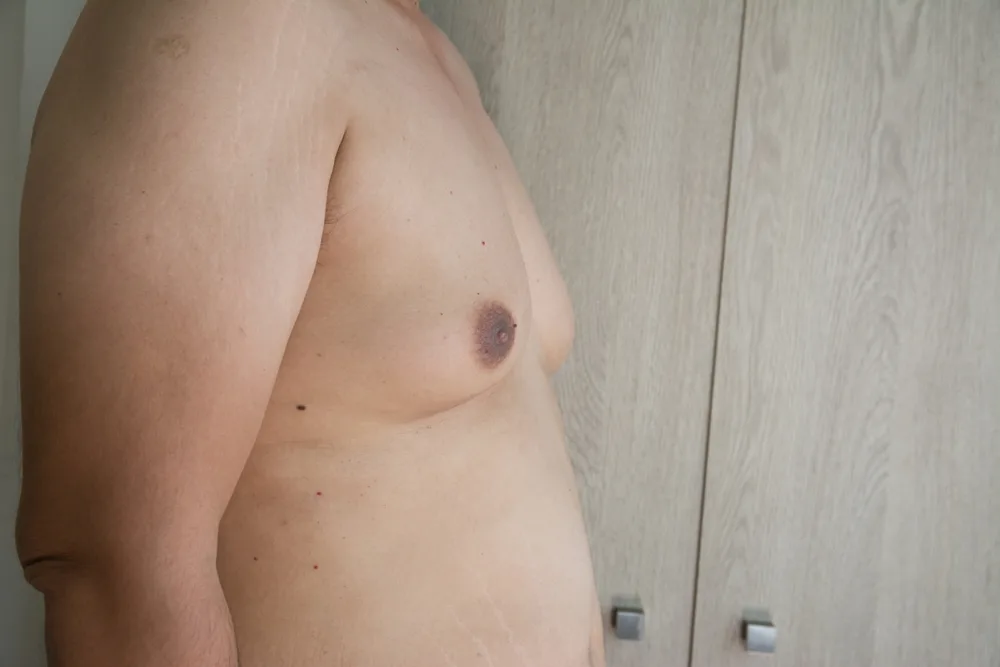
Surgeons make a semicircular incision along the lower areola border. They dissect and remove the glandular disc. This technique addresses the root cause of true gynecomastia. Fat alone does not create the firm, rubbery mass. Glandular tissue does. Excision eliminates puffy nipples. It flattens the central chest. Surgeons preserve a thin layer of tissue beneath the areola. This prevents contour deformities like saucer-shaped nipples.
Why Do Surgeons Combine Liposuction and Excision?
Combined techniques remove both fat and glandular tissue. This approach creates the best chest contour and represents the most common method.
Most men have both fatty and glandular components. Liposuction addresses the peripheral fat. Excision removes the central gland. Together they sculpt a natural masculine chest. Customized surgical planning guides tissue removal. Surgeons mark the chest before anesthesia. They identify asymmetries and fat distribution patterns. This combination reduces recurrence risk. It also improves skin retraction across the entire chest wall (Simon et al. 1973).
How Do Surgeons Treat Severe Gynecomastia?
Severe cases require excess skin removal, chest reshaping, and sometimes nipple repositioning.
Massive weight loss or long-standing gynecomastia stretches the skin. The skin loses elasticity. It cannot shrink after tissue removal. Surgeons remove excess skin through additional incisions. They reshape the entire chest. Nipple repositioning becomes necessary when the nipple-areola complex sits too low. Surgeons preserve nerve supply and blood circulation. They move the nipple to a higher, more masculine position. This creates a taut, athletic chest appearance.
What Are the Top Benefits of Gynecomastia Surgery in Turkey?
Gynecomastia surgery in Turkey delivers a flatter chest, higher confidence, psychological relief, physical comfort, better clothing fit, permanent results, minimal scarring, natural contours, and high patient satisfaction.
How Does Surgery Create a Flatter, More Masculine Chest?
Surgery permanently removes excess tissue. It improves chest definition and restores natural body proportions.
Surgeons sculpt the chest to match masculine anatomy. They remove the feminine breast mound. The result shows a flat, firm chest wall. Pectoral muscles become visible. The torso achieves balanced proportions. Patients see their chest as an asset rather than a source of shame. This transformation changes how men view themselves in mirrors and photographs.
How Does Surgery Boost Self-Confidence?
Men gain confidence at beaches, gyms, and social events. They stop feeling embarrassed about their appearance.
Before surgery, many men hide their chests. They wear multiple layers of clothing. They avoid swimming pools and locker rooms. After recovery, this fear disappears. Men participate fully in social activities. They feel comfortable dating and being intimate. The psychological weight lifts immediately. Confidence extends beyond physical appearance. It improves professional interactions and personal relationships (Wiesman et al. 2004).
How Does Surgery Improve Psychological Well-Being?
Surgery reduces anxiety, builds self-esteem, enhances quality of life, and increases social participation.
Research confirms the mental health benefits. Men report lower anxiety scores after surgery. They feel normal for the first time in years. Self-esteem rises across all age groups. Quality of life improves measurably. Social participation increases. Men join sports teams. They attend beach vacations without dread. The condition no longer dominates their thoughts. They focus on living rather than hiding.
How Does Surgery Eliminate Physical Discomfort?
Surgery reduces tenderness, stops skin irritation, and improves comfort during exercise.
Enlarged breast tissue causes chronic tenderness. Clothing friction irritates the skin. Men experience pain during running or jumping. Surgery removes the source of this discomfort. The chest feels normal again. Men exercise without pain. They sleep comfortably on their stomachs. Daily activities no longer trigger physical reminders of the condition.
How Does Surgery Improve Clothing Fit?
Men wear tighter shirts, sportswear, formal clothing, and swimwear with confidence.
Before surgery, men buy oversized shirts. They avoid fitted styles. Swimwear causes extreme anxiety. After surgery, clothing options expand. T-shirts fit properly across the chest. Suits drape naturally. Athletic wear highlights muscle definition rather than breast tissue. This practical benefit surprises many patients. They rediscover the joy of shopping and dressing well.
Are the Results Permanent?
Results last long-term. Recurrence stays low when patients control underlying causes and maintain healthy habits.
Removed glandular tissue does not grow back. Fat cells suctioned out do not regenerate. However, remaining fat cells can expand. Weight gain alters results. Patients must maintain stable weight. They should avoid anabolic steroids. They must manage medications that affect hormones. With proper lifestyle choices, results endure for decades. Most men enjoy their new chest for life (Fricke et al. 2013).
How Minimal Is the Scarring?
Surgeons use small incisions and hide them near the areola. Modern techniques keep scars nearly invisible.
Incisions measure only a few millimeters for liposuction. Gland excision incisions hide along the areola edge. The color difference between areola and chest skin conceals the scar line. Over 12 months, scars fade significantly. Surgeons use meticulous closure techniques. They place sutures carefully. Most men find scars acceptable and easily hidden.
How Natural Do the Results Look?
Customized planning, balanced tissue removal, and masculine preservation create completely natural chest contours.
Turkish surgeons excel at natural aesthetics. They study male chest anatomy extensively. They avoid over-resection. Over-resection creates a caved-in, unnatural look. They preserve appropriate tissue thickness. They maintain the natural slope from chest to abdomen. The result looks like the patient always had this chest. Friends and family notice improvement. They rarely identify surgery as the cause.
How Satisfied Are Patients Overall?
Studies show very high satisfaction rates for both functional and cosmetic improvements.
Patient satisfaction surveys consistently score above 90%. Men report functional improvements. They move freely. They exercise without restriction. Cosmetic improvements satisfy deeply. The chest looks masculine and proportionate. Quality of life benefits exceed expectations. Most patients say they wish they had surgery years earlier (Petty et al. 2010).
Why Should Men Choose Turkey for Gynecomastia Surgery?
Turkey offers experienced surgeons, modern hospitals, affordable prices, comprehensive packages, and short waiting times.
How Experienced Are Turkish Plastic Surgeons?
Turkish surgeons perform high surgical volumes. They hold specialized expertise. They treat thousands of international patients annually.
Istanbul ranks among the world's top cities for cosmetic surgery. Surgeons here complete hundreds of gynecomastia cases yearly. This volume builds exceptional skill. They encounter every variation of the condition. They master complex revision cases. Many surgeons train internationally. They speak English, Arabic, and other languages. They understand cultural expectations. International patient experience shapes their approach. They know how to care for medical tourists from first contact through full recovery.
What Standards Do Turkish Hospitals Meet?
Turkish hospitals use advanced technology. They meet international accreditation standards. They provide comprehensive patient care.
Leading Turkish clinics hold JCI accreditation. This certification ensures global quality standards. Operating rooms feature state-of-the-art equipment. Hospitals maintain strict sterilization protocols. Patient safety remains the top priority. Comprehensive care includes preoperative testing, anesthesia monitoring, and postoperative nursing. Recovery suites offer comfort and privacy. International patients receive the same quality as domestic patients.
How Affordable Is Gynecomastia Surgery in Turkey?
Lower operational costs create value for international patients. Transparent package pricing includes surgery, hospital stay, and transfers.
Turkey offers prices 50% to 70% lower than Western Europe or the United States. This difference does not reflect lower quality. Lower staff costs, favorable currency exchange, and government support for medical tourism drive affordability. Patients receive premium care at mid-range prices. Package pricing eliminates surprise costs. Men know the total investment before traveling. This transparency builds trust and simplifies budgeting.
What Do Medical Tourism Packages Include?
Packages cover airport transfers, hotel accommodation, interpreter services, and follow-up appointments.
Medical tourism companies handle logistics. They greet patients at the airport. They provide VIP transfers. Hotels sit near the hospital. Interpreters bridge language gaps. Follow-up appointments ensure proper healing. Some packages include city tours for companions. This comprehensive approach reduces stress. Patients focus on recovery rather than logistics.
How Short Are the Waiting Times?
Patients schedule surgery within days or weeks. Treatment planning proceeds efficiently.
National health systems in many countries create long queues. Patients wait months for elective surgery. Turkey offers immediate scheduling. Men book consultations online. They receive surgery dates within one to two weeks. This efficiency appeals to busy professionals. It helps men who have delayed treatment for years.
What Medical Benefits Extend Beyond Appearance?
Surgery improves posture, increases exercise motivation, and enhances daily comfort in ways patients rarely expect.
How Does Surgery Improve Posture?
Reduced chest heaviness allows better body mechanics. Men stand straighter naturally.
Heavy breast tissue pulls the shoulders forward. Men develop rounded posture to hide their chest. This strains the neck and upper back. After surgery, the weight disappears. Shoulders roll back naturally. Spine alignment improves. Men report less back pain. They look taller and more confident. Good posture projects strength and self-assurance.
How Does Surgery Motivate Exercise?
Men feel confident during physical activity. They participate more fully in fitness programs.
Before surgery, men avoid gyms. They fear judgment. They skip cardio because bouncing tissue causes pain. After surgery, this barrier disappears. Men join fitness programs. They build pectoral muscles. They enjoy running, swimming, and weight training. Improved fitness creates a positive cycle. Better health supports long-term surgical results.
How Does Daily Comfort Improve?
Reduced friction, easier movement, and better sleep comfort transform everyday life.
Skin no longer rubs against skin. Men move without adjusting their shirts constantly. They sleep in any position. Summer heat no longer causes rashes beneath the breasts. These small improvements accumulate. They create a fundamentally more comfortable existence. Men describe feeling "free" for the first time in years.
What Does Recovery Look Like After Gynecomastia Surgery?
Recovery progresses through distinct phases. Compression garments, rest, and follow-up care ensure smooth healing.
What Happens During the First Week?
Patients wear compression garments. They experience mild swelling, bruising, and manageable pain.
Surgeons place a compression vest immediately after surgery. This garment reduces swelling. It supports the healing tissues. Patients wear it 24 hours daily for two to four weeks. Swelling peaks around day three. Bruising appears on the chest and sides. Pain remains mild to moderate. Prescription medications control discomfort. Most men feel well enough for light walking within 48 hours. They should not lift their arms above shoulder level during this period (Hammond 2009).
What Can Patients Do in Weeks Two to Four?
Men return to work. They walk daily. They resume light activities gradually.
Office workers return to desk jobs within five to seven days. Manual laborers need two to three weeks. Walking promotes circulation. It reduces swelling faster. Patients gradually increase activity levels. They still avoid heavy lifting. The compression garment continues. Swelling decreases noticeably. Bruising fades to yellow and disappears.
How Does Long-Term Healing Progress?
Scars mature over months. Swelling resolves completely. Final results appear around six months.
Scars start red and raised. They flatten and fade over 6 to 12 months. Surgeons recommend silicone sheets or gels. These products optimize scar appearance. Subtle swelling persists for three to four months. The final chest contour emerges around month six. Patience during this period rewards patients. Early results improve continuously.
What Recovery Tips Ensure the Best Outcome?
Wear compression garments faithfully. Avoid heavy lifting. Eat nutritious food. Attend every follow-up appointment.
Compression garment compliance prevents fluid accumulation. It helps skin adhere to the chest wall. Patients should avoid lifting more than 5 kilograms for four weeks. Proper nutrition supports tissue repair. Protein intake matters especially. Follow-up appointments allow surgeons to monitor healing. They address concerns early. They guide the return to full activity.
What Results Can Patients Realistically Expect?
Patients see immediate contour improvement. Long-term outcomes include stable results and lasting confidence.
What Improvements Appear Immediately?
The chest looks flatter right after surgery. Symmetry improves dramatically.
Even with swelling, patients see major change. The feminine breast mound disappears. The chest wall looks flat beneath the compression garment. Surgeons show before and after photos during follow-ups. Patients often express amazement. They cannot believe the difference. Improved symmetry pleases men with unilateral gynecomastia. One-sided enlargement creates particular distress. Correction restores balance.
What Long-Term Outcomes Follow?
Results remain stable. Confidence endures. Aesthetic improvements last for years.
Weight stability preserves surgical results. Men maintain their new chest for decades. Confidence grows rather than fades. The initial excitement settles into quiet self-assurance. Men forget they ever had gynecomastia. Their chest becomes simply part of who they are. Durable aesthetic improvements justify the investment of time and money.
What Risks and Complications Exist?
Temporary side effects occur commonly. Serious complications remain rare. Proper selection and care minimize all risks.
What Temporary Side Effects Occur?
Swelling, bruising, temporary numbness, and mild discomfort represent normal healing.
Swelling lasts several weeks. Bruising resolves within two weeks. Nipple numbness occurs frequently. Sensation usually returns within three to six months. Some men experience hypersensitivity instead. Mild discomfort responds well to medication. These effects trouble patients temporarily. They do not threaten long-term success.
What Complications Remain Rare?
Infection, hematoma, seroma, contour irregularities, scar problems, and revision needs occur infrequently.
Infection rates stay below 2%. Surgeons prescribe antibiotics preventively. Hematoma means blood collection beneath the skin. Surgeons address this immediately if it occurs. Seroma means fluid accumulation. Compression garments and drainage prevent this. Contour irregularities include unevenness or dimpling. Experienced surgeons avoid these through meticulous technique. Poor scarring affects some men. Revision surgery corrects persistent problems. The need for revision stays under 5% in expert hands (Niewoehner and Schorer 2008).
How Do Surgeons Minimize Risks?
Proper patient selection, experienced surgeons, thorough postoperative care, and patient compliance reduce complications significantly.
Surgeons screen patients carefully. They exclude uncontrolled medical conditions. They choose appropriate techniques for each case. Experience teaches surgeons to anticipate problems. They manage them before they escalate. Postoperative care includes clear instructions. Patient compliance matters enormously. Men who follow guidelines heal faster and better. They achieve superior outcomes with fewer complications.
How Should Men Prepare for Gynecomastia Surgery in Turkey?
Preparation includes medical evaluation, lifestyle changes, and careful travel planning.
What Medical Evaluation Is Required?
Surgeons conduct health assessments, laboratory tests, and imaging when indicated.
Patients complete a detailed medical history. Surgeons review medications and allergies. Blood tests check blood count, clotting function, and chemistry panels. Some men need chest imaging. Ultrasound distinguishes fat from glandular tissue. It rules out rare breast masses in older men. ECG testing ensures heart health before anesthesia. These evaluations protect patient safety.
What Lifestyle Changes Matter?
Men must stop smoking. They should review medications. They need stable weight.
Smoking cessation must begin at least four weeks before surgery. Nicotine constricts blood vessels. It impairs healing dramatically. Patients review all medications with their surgeon. Some drugs increase bleeding risk. Surgeons advise stopping these temporarily. Weight stabilization proves crucial. Significant weight loss after surgery creates loose skin. Weight gain restores fat to the chest.
What Travel Planning Should Patients Consider?
Plan a 7 to 10 day stay. Understand the recovery timeline. Book return travel with comfort in mind.
International patients should stay in Turkey for one week minimum. This allows surgery, initial recovery, and the first follow-up. Some men prefer 10 days for extra comfort. Return flights should allow aisle seating. Patients need to walk during long flights. They should avoid overhead lifting of luggage. Travel companions provide valuable assistance. They help with bags and emotional support.
What Do Patients Ask Most About Gynecomastia Surgery in Turkey?
Patients ask about permanence, pain, recovery time, scarring, and safety. This section answers every common question.
Is Gynecomastia Surgery Permanent?
Yes. Removed glandular tissue does not regenerate. Results last when patients maintain stable weight.
Can Gynecomastia Return After Surgery?
Recurrence is rare. It happens only if patients gain significant weight, use steroids, or develop new hormonal disorders.
How Painful Is Gynecomastia Surgery?
Pain remains mild to moderate. Medications control it effectively. Most men describe soreness rather than sharp pain.
How Long Does Recovery Take?
Initial recovery takes one to two weeks. Full healing requires four to six weeks. Final results appear around six months.
When Can Men Return to Work?
Desk jobs allow return in five to seven days. Physical jobs need two to three weeks.
When Can Men Exercise Again?
Walking starts immediately. Light cardio resumes after two weeks. Weight training returns after four to six weeks.
Will Scars Stay Visible?
Scars hide near the areola. They fade significantly within one year. Most men find them barely noticeable.
How Long Should International Patients Stay?
Plan seven to ten days in Turkey. This covers surgery, recovery, and follow-up care.
Can Liposuction Alone Treat Gynecomastia?
Liposuction alone treats pseudogynecomastia. True gynecomastia requires gland excision. Most men need both techniques.
Is Turkey Safe for Gynecomastia Surgery?
Yes. Accredited hospitals, experienced surgeons, and regulated medical tourism make Turkey very safe.
What Conclusions Should Men Draw?
Gynecomastia surgery in Turkey transforms lives physically, psychologically, and functionally. Turkey leads globally because it combines expertise, quality, and value.
Gynecomastia surgery delivers profound benefits. Men achieve flatter, masculine chests. They shed years of embarrassment. They participate fully in life again. Turkey has earned its reputation as a premier destination. Experienced surgeons perform thousands of procedures. Modern hospitals meet international standards. Affordable packages remove financial barriers. Comprehensive care supports international patients from arrival through recovery. Men considering this surgery should research thoroughly. They should select qualified surgeons. They should choose accredited facilities. They should commit to individualized treatment plans. These steps ensure safe, natural, and long-lasting outcomes. The investment in gynecomastia surgery pays dividends across every aspect of life. Confidence, comfort, and freedom await those who take this step.
Comparison Table: Surgical Techniques for Gynecomastia
Technique | Best For | Tissue Removed | Scar Size | Recovery Time |
Liposuction | Fatty tissue, good skin | Fat only | Very small | 1 week |
Gland Excision | Dense glandular tissue | Gland only | Small, hidden | 1–2 weeks |
Combined Approach | Mixed tissue types | Fat and gland | Small | 2 weeks |
Skin Removal | Severe cases with loose skin | Fat, gland, skin | Moderate | 3–4 weeks |
Comparison Table: Turkey vs. Other Destinations
Factor | Turkey | Western Europe | United States |
Average Cost | $2,500–$4,000 | $6,000–$10,000 | $8,000–$15,000 |
Surgeon Experience | Very high volume | High volume | High volume |
Hospital Standards | JCI accredited | High | High |
Waiting Time | 1–2 weeks | 2–6 months | 1–3 months |
Package Inclusions | Comprehensive | Limited | Limited |
Language Support | Multilingual | Varies | English only |
Comparison Table: Recovery Milestones
Timeframe | Activity Level | Garment Use | Expected Symptoms |
Days 1–3 | Bed rest, walking | 24/7 | Swelling, bruising, mild pain |
Days 4–7 | Light activity | 24/7 | Decreasing swelling, less bruising |
Weeks 2–4 | Return to work | Most of day | Minimal discomfort, fading scars |
Weeks 4–6 | Light exercise | Part of day | Near-normal appearance |
Months 3–6 | Full activity | None | Final results visible |
References
Braunstein, G. D. "Clinical Practice: Gynecomastia." New England Journal of Medicine, vol. 357, no. 12, 2007, pp. 1229–1237.
Cordova, A., and F. Moschella. "Algorithm for Clinical Evaluation and Surgical Treatment of Gynecomastia." Journal of Plastic, Reconstructive & Aesthetic Surgery, vol. 61, no. 1, 2008, pp. 41–49.
Fricke, A., et al. "Gynecomastia: A Systematic Review." Journal of Plastic, Reconstructive & Aesthetic Surgery, vol. 66, no. 7, 2013, pp. 903–908.
Hammond, D. C. "Surgical Correction of Gynecomastia." Plastic and Reconstructive Surgery, vol. 124, no. 1S, 2009, pp. 61e–68e.
Niewoehner, C. B., and A. E. Schorer. "Gynaecomastia and Breast Cancer in Men." BMJ, vol. 336, no. 7639, 2008, pp. 429–430.
Petty, P. M., et al. "Outcomes in Gynecomastia Surgery." Aesthetic Surgery Journal, vol. 30, no. 4, 2010, pp. 528–532.
Rohrich, R. J., et al. "Gynecomastia: Classification and Management." Plastic and Reconstructive Surgery, vol. 111, no. 2, 2003, pp. 909–923.
Simon, B. E., et al. "Classification and Surgical Correction of Gynecomastia." Plastic and Reconstructive Surgery, vol. 51, no. 1, 1973, pp. 48–52.
Wiesman, I. M., et al. "Gynecomastia: An Outcome Analysis." Annals of Plastic Surgery, vol. 52, no. 1, 2004, pp. 23–27.