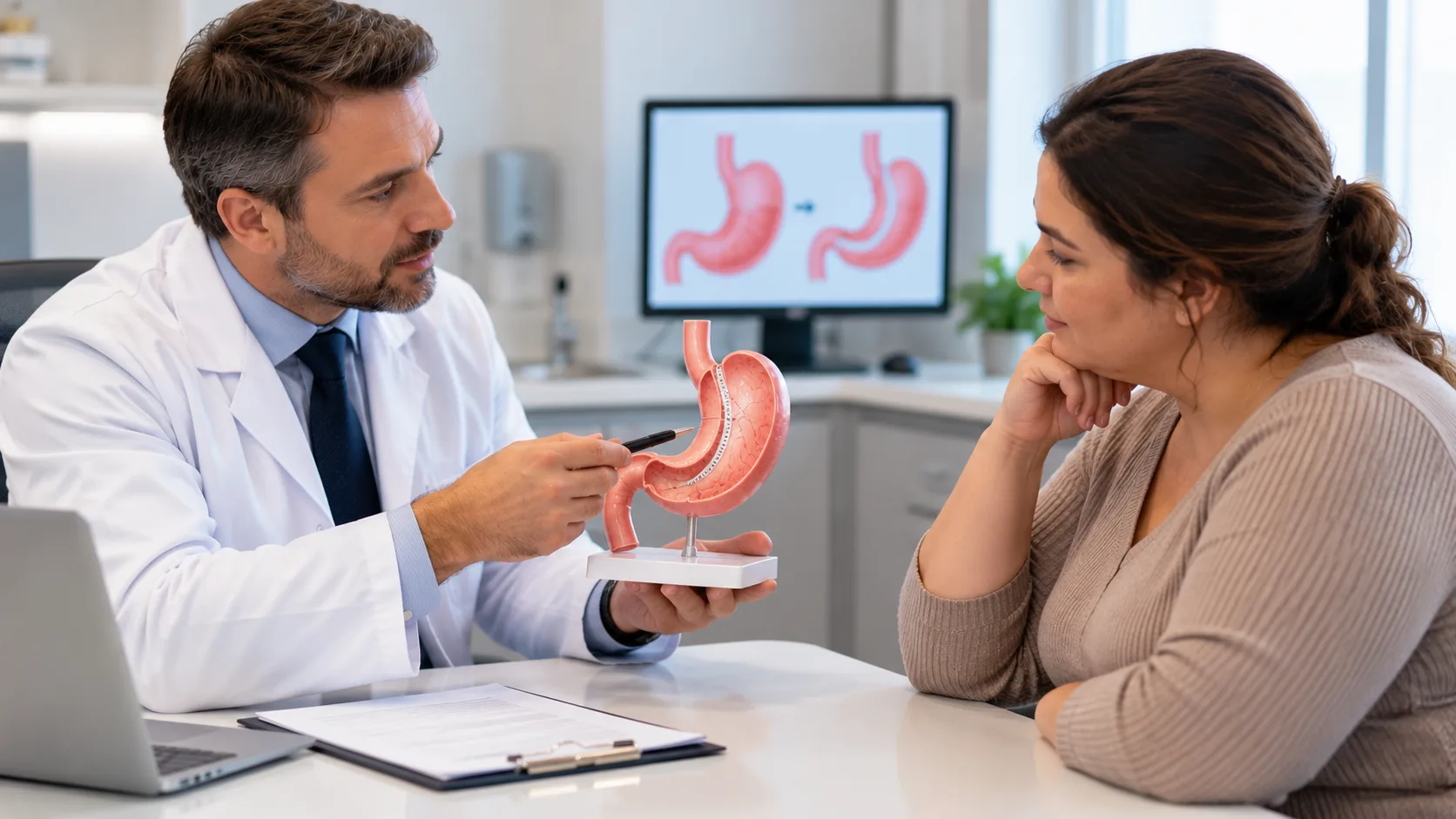
Tummy Tuck After Major Weight Loss: Is It the Right Choice?
Major weight loss transforms your health, your energy, and your outlook on life. Yet many people discover that excess abdominal skin refuses to shrink back, no matter how hard they exercise or how carefully they eat. This loose skin creates physical discomfort, hygiene challenges, and emotional distress. Abdominoplasty, commonly called a tummy tuck, offers a proven surgical solution for removing this redundant skin and tightening the abdominal wall. This guide explains everything you need to know about tummy tuck surgery after major weight loss, from biological causes of loose skin to surgical options, recovery, risks, and long-term outcomes.
What Happens to the Abdomen After Major Weight Loss?
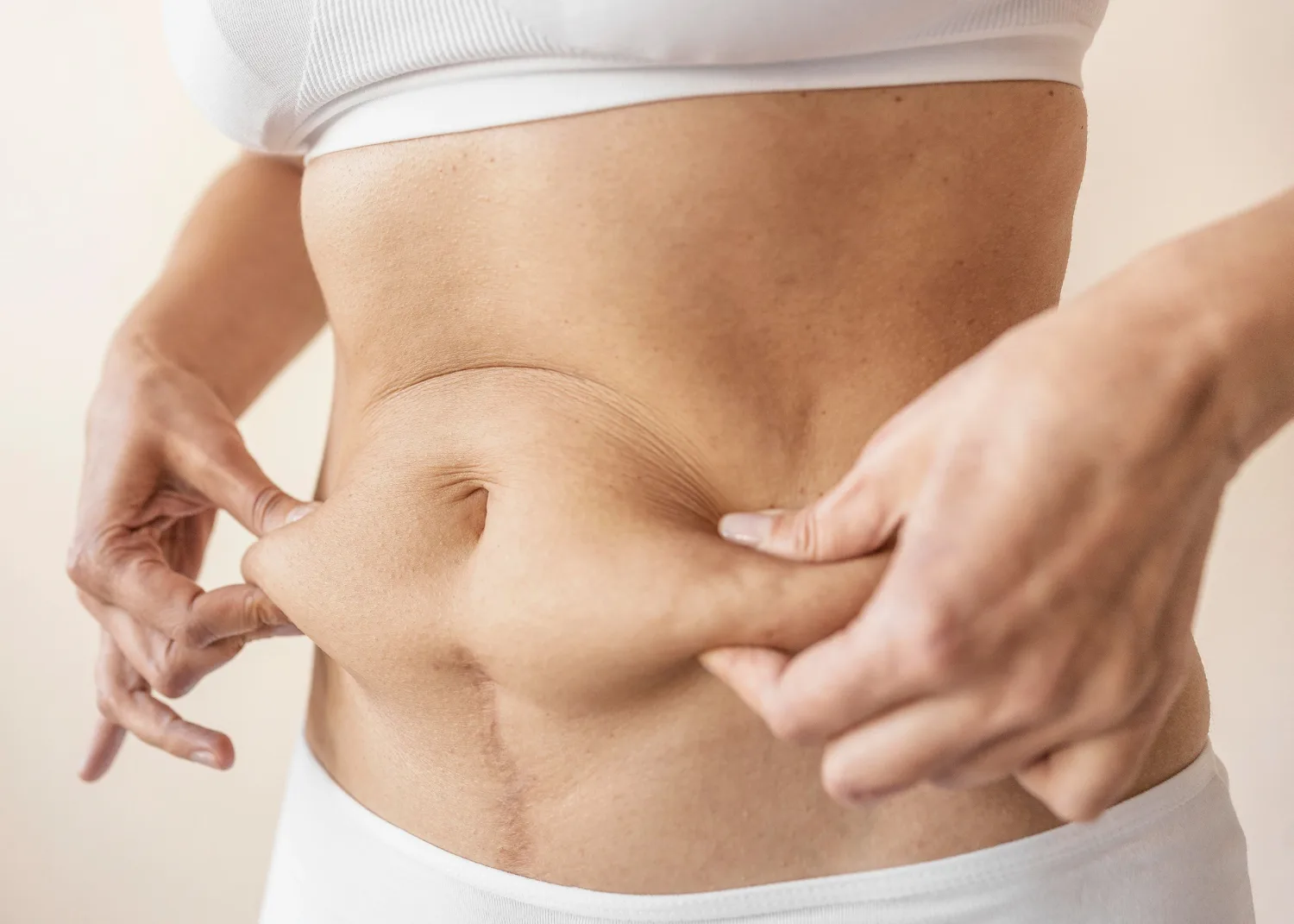
Excess abdominal skin develops because stretched skin loses its ability to snap back. Collagen and elastin fibers suffer damage during long-term obesity. Age and genetics further reduce skin elasticity. Patients often face hanging skin folds, persistent fat pockets, separated abdominal muscles, stretch marks, and chronic skin irritation.
Why Does Excess Skin Develop?
Weight gain stretches the skin beyond its natural capacity. The dermis contains collagen and elastin fibers that give skin its strength and elasticity. Chronic obesity damages these fibers. Research shows that prolonged stretching disrupts the normal architecture of collagen bundles and reduces elastin production (van der Beek et al. 61). Age compounds this problem because collagen synthesis naturally declines after age forty. Genetics also play a major role. Some people inherit genes that produce more robust collagen, while others inherit weaker connective tissue that rebounds poorly after stretching.
Common Changes Following Massive Weight Loss
Patients notice several distinct physical changes after losing substantial weight. The pannus, or hanging abdominal apron, drapes over the pubic area and thighs. This fold traps moisture and creates friction. Persistent fat deposits cling to the flanks and lower abdomen despite overall leanness. Diastasis recti, or separation of the rectus abdominis muscles, leaves the belly protruding even when body fat is low. Stretch marks mar the skin surface. Skin-on-skin contact causes rashes, chafing, and recurrent infections in the folds.
Why Exercise Cannot Remove Loose Skin
Exercise burns calories and builds muscle, but it cannot shrink loose skin. Skin retraction depends on elastin integrity, not muscle mass. Once elastin fibers break down, no amount of crunches or cardio repairs them. Biological limitations prevent skin from contracting after extreme stretching. This reality frustrates many patients who have worked hard to lose weight. Surgery remains the only effective method for removing this redundant tissue.
What Is a Tummy Tuck (Abdominoplasty)?
A tummy tuck is a surgical procedure that removes excess abdominal skin and tightens the underlying muscle fascia. Surgeons perform this operation to restore a flatter, firmer abdominal contour. The procedure addresses skin laxity, muscle separation, and stubborn fat that diet and exercise cannot eliminate.
Definition and Surgical Goals
Abdominoplasty removes redundant skin and fat from the abdominal wall. Surgeons tighten the rectus abdominis fascia to narrow the waist and flatten the profile. The operation restores functional anatomy and improves body proportions. Plastic surgeons have refined this technique over decades to maximize safety and aesthetic outcomes.
What Does a Tummy Tuck Correct?
Surgeons remove excess skin through a low transverse incision. They repair separated abdominal muscles by suturing the fascia along the midline. This muscle repair creates a tighter core and often reduces back pain. The procedure improves abdominal contour and waistline definition. Patients gain a smoother, more proportional silhouette that matches their weight loss achievement.
What a Tummy Tuck Cannot Do
A tummy tuck does not produce weight loss. Surgeons typically remove only two to five pounds of tissue. The procedure cannot replace regular exercise or healthy eating habits. Future weight gain will stretch the remaining skin and compromise results. Stretch marks that lie outside the excision zone remain visible. Patients must understand these limitations before scheduling surgery.
Who Is an Ideal Candidate for a Tummy Tuck After Major Weight Loss?
Ideal candidates maintain stable body weight for at least six to twelve months. They enjoy good overall health and possess realistic expectations. Candidates commit to healthy lifestyle habits and avoid smoking.
Stable Weight Requirements
Surgeons require weight stability before operating. Fluctuating weight jeopardizes surgical outcomes and increases complication risk. Research demonstrates that patients with stable weight for three months or longer experience significantly fewer complications than patients with variable weight (van der Beek et al. 63). Most surgeons prefer a twelve-month stable plateau. This stability ensures that the body has completed its metabolic adjustment and that remaining skin laxity represents the true surgical target.
Recommended Waiting Period After Bariatric Surgery
Patients who undergo bariatric surgery need time to reach their weight nadir and stabilize. The body continues losing weight for twelve to eighteen months after gastric bypass or sleeve gastrectomy. Nutritional deficiencies peak during this period. Surgeons typically recommend waiting eighteen to twenty-four months after bariatric surgery before pursuing body contouring. This delay allows weight to stabilize and nutritional status to improve.
BMI and Overall Health Considerations
Most surgeons prefer a body mass index below thirty before performing abdominoplasty. Higher BMI increases wound healing problems, infection risk, and thromboembolic events. Patients must control chronic conditions such as diabetes and hypertension. Uncontrolled medical problems raise complication rates substantially. A thorough preoperative medical evaluation identifies and addresses these risks.
Lifestyle Factors That Improve Surgical Outcomes
Smoking cessation dramatically improves healing. Nicotine constricts blood vessels and reduces oxygen delivery to tissues. Research confirms that smoking increases wound complications in post-bariatric body contouring patients (Greco et al. 238). Balanced nutrition supports collagen synthesis and immune function. Regular physical activity strengthens the cardiovascular system and prepares the body for surgery. Controlled medical conditions minimize perioperative risk.
How Long Should You Wait Before Having a Tummy Tuck?
Patients should wait until their weight stabilizes for at least six to twelve months. Bariatric surgery patients need eighteen to twenty-four months. Nutritional optimization requires additional time. Proper timing directly influences long-term satisfaction and safety.
Weight Stability Guidelines
Weight stability means your scale shows minimal fluctuation over several months. Most plastic surgeons define stability as a variation of less than five to ten pounds. Rapid weight loss after abdominoplasty creates new skin laxity and wastes surgical investment. Weight gain stretches the repaired tissues and compromises the aesthetic result. Patience during this waiting period pays dividends in surgical outcomes.
Recovery After Bariatric Surgery
Bariatric surgery triggers profound metabolic and hormonal changes. The body sheds weight rapidly for the first year. Nutritional absorption suffers, especially after gastric bypass. Patients need time to adapt to new eating patterns and supplement regimens. Rushing into body contouring during this adaptation phase invites complications.
Importance of Nutritional Optimization
Malnutrition undermines wound healing. Post-bariatric patients frequently develop deficiencies in protein, iron, vitamin B12, vitamin D, and folate. Agha-Mohammadi and Hurwitz emphasize that nutritional deficiencies impair collagen synthesis, immune function, and tissue tensile strength (1901). Surgeons often require preoperative laboratory screening and nutritional supplementation. Correcting these deficiencies before surgery reduces wound dehiscence and infection rates.
Why Timing Influences Long-Term Results
Proper timing allows the skin to reach its maximal retraction potential. It gives patients time to establish sustainable exercise and eating habits. Emotional adjustment to the new body size also takes time. Patients who rush into surgery sometimes face regret or unrealistic expectations. Waiting ensures physical readiness and psychological maturity.
What Problems Can a Tummy Tuck Solve After Weight Loss?
A tummy tuck removes excess skin, repairs muscle separation, improves body contours, enhances clothing fit, relieves skin irritation, and boosts psychological wellbeing.
Excess Skin Removal
Surgeons excise the pannus and redundant abdominal folds. This removal eliminates the physical burden of carrying heavy skin. Patients experience immediate relief from the weight and bulk of hanging tissue. The excision also removes stretch marks located within the resected skin zone.
Repair of Separated Abdominal Muscles
Pregnancy and obesity stretch the rectus abdominis fascia and create diastasis recti. Surgeons plicate, or sew together, these separated muscle edges. This repair restores core strength and creates a flatter midsection. Many patients report improved posture and reduced back discomfort after muscle repair.
Better Body Contours
The procedure sculpts a natural waistline and abdominal profile. Surgeons contour the transition zones between the abdomen, flanks, and pubic region. This sculpting creates harmony between the torso and lower body. The result looks proportional and balanced.
Improved Clothing Fit
Excess skin forces patients to wear larger sizes than their frame requires. After abdominoplasty, clothing fits properly. Pants and skirts sit correctly at the waist. Patients enjoy expanded wardrobe options and greater comfort in fitted garments.
Relief from Skin Irritation and Chafing
Skin folds trap moisture and create friction. This environment breeds fungal infections, intertrigo, and dermatitis. Removing the redundant skin eliminates these folds. Patients experience immediate relief from rashes, odor, and hygiene difficulties.
Psychological and Quality-of-Life Benefits
Research using the BODY-Q instrument shows that body contouring after massive weight loss significantly improves body image and quality of life (Klassen et al. 80). Patients report higher self-esteem, greater social confidence, and improved intimacy. The surgery completes the transformation that weight loss began.
Which Type of Tummy Tuck Is Best After Massive Weight Loss?
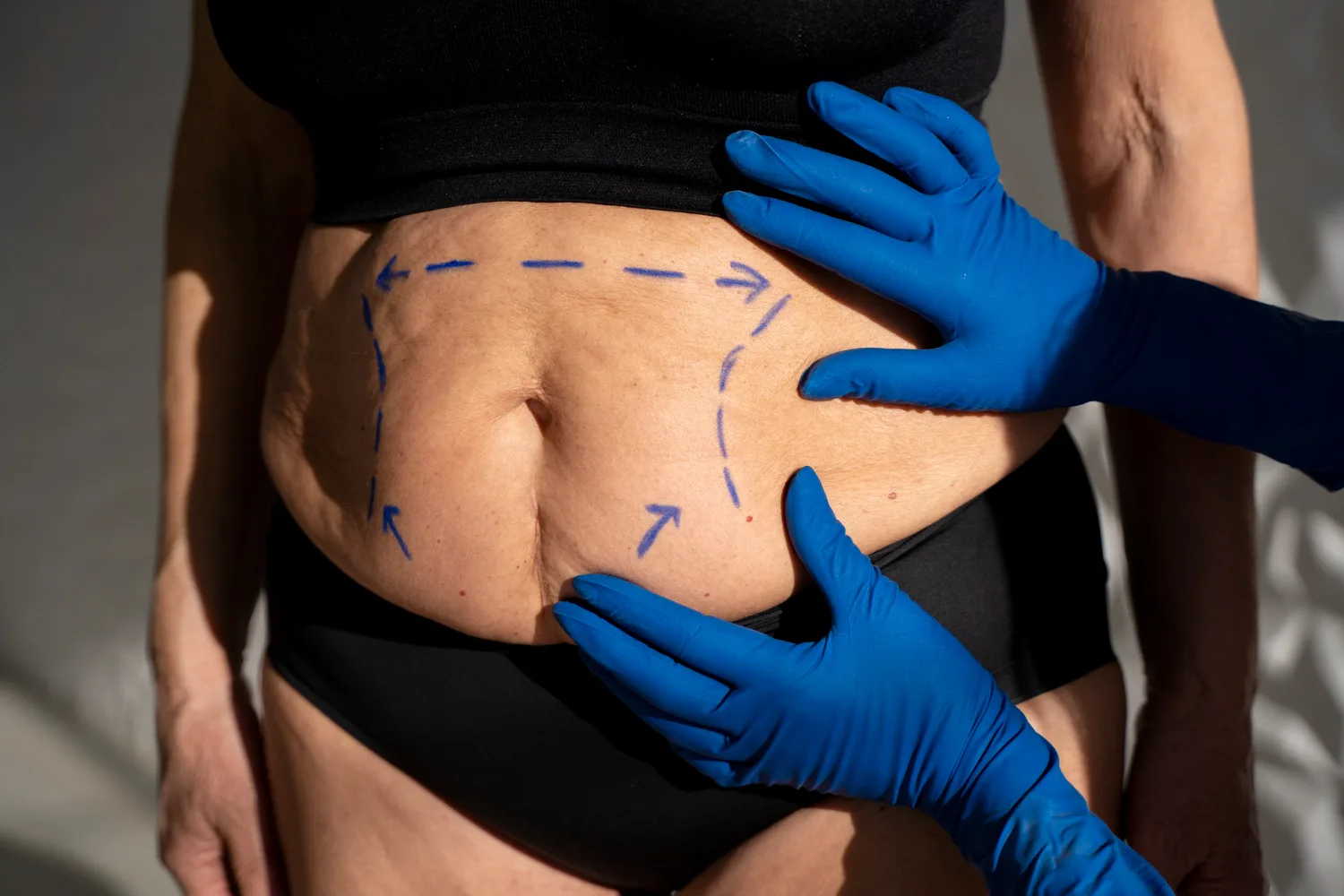
The best procedure depends on the amount of excess skin, its distribution, and the patient's anatomy. Options include mini tummy tuck, standard tummy tuck, extended tummy tuck, fleur-de-lis tummy tuck, and circumferential body lift.
Mini Tummy Tuck
A mini tummy tuck addresses only the lower abdomen below the navel. Surgeons make a shorter incision and do not reposition the belly button. This option suits patients with minimal skin excess confined to the suprapubic area. Most massive weight loss patients require more extensive procedures.
Standard (Full) Tummy Tuck
The standard tummy tuck removes excess skin from the entire abdomen from the lower chest to the pubic bone. Surgeons reposition the umbilicus and repair muscle separation. This procedure suits patients with moderate skin excess and good upper abdominal skin quality.
Extended Tummy Tuck
The extended tummy tuck carries the incision around the flanks toward the back. This extension removes love handles and lateral skin rolls. Patients with significant hip and flank redundancy benefit from this approach.
Fleur-de-Lis Tummy Tuck
The fleur-de-lis technique adds a vertical incision to the standard horizontal one. This combination removes excess skin in both horizontal and vertical dimensions. Friedman and colleagues demonstrated that this approach safely treats massive weight loss patients with severe circumferential skin laxity (1525). The vertical scar enables greater skin excision and tighter contouring.
Circumferential Body Lift
The circumferential body lift, or belt lipectomy, removes skin from the abdomen, flanks, and lower back in one continuous operation. This procedure suits patients with circumferential trunk laxity. It provides the most dramatic transformation but involves longer surgery and recovery.
How Surgeons Choose the Appropriate Procedure
Surgeons evaluate skin quality, fat distribution, muscle status, and patient goals. They mark the incision patterns preoperatively while the patient stands. The choice balances scar placement against tissue removal. Experienced surgeons tailor each plan to the individual anatomy.
Procedure | Incision Pattern | Skin Removal | Muscle Repair | Best For |
Mini Tummy Tuck | Short horizontal, below navel | Lower abdomen only | Limited or none | Minimal lower skin excess |
Standard Tummy Tuck | Horizontal, hip to hip | Full abdomen | Full plication | Moderate overall laxity |
Extended Tummy Tuck | Horizontal plus flank extension | Abdomen and flanks | Full plication | Significant flank rolls |
Fleur-de-Lis Tummy Tuck | Horizontal plus vertical midline | Maximum abdominal removal | Full plication | Severe horizontal and vertical excess |
Circumferential Body Lift | Continuous 360-degree belt | Abdomen, flanks, back | Full plication | Circumferential trunk laxity |
Tummy Tuck vs Body Lift: Which Is Better After Major Weight Loss?
A body lift treats more areas but requires more surgery. A tummy tuck focuses on the front abdomen. The better choice depends on the distribution of excess skin and the patient's priorities.
Key Differences
A tummy tuck addresses the anterior abdomen. A lower body lift treats the abdomen, flanks, mons pubis, lateral thighs, and buttocks. The body lift uses a circumferential incision. The tummy tuck uses a limited anterior incision.
Areas Each Procedure Treats
The tummy tuck removes front abdominal skin and tightens front muscles. The body lift removes skin from the entire lower trunk and lifts the outer thighs and buttocks. Patients with back rolls and buttock ptosis need a body lift. Patients with isolated anterior redundancy do well with a tummy tuck.
Advantages and Limitations
The tummy tuck offers shorter operative time, faster recovery, and lower complication rates. However, it cannot address posterior or lateral trunk laxity. The body lift provides comprehensive trunk rejuvenation but involves longer surgery, higher blood loss, and extended recovery. Nemerofsky and colleagues reported their experience with 200 consecutive body lift cases in massive weight loss patients, demonstrating the procedure's safety in experienced hands (414).
When Combination Procedures Are Recommended
Surgeons often combine tummy tuck with breast lift, arm lift, or thigh lift. Staging multiple procedures reduces operative time and complication risk. Some patients undergo a lower body lift first, then return for upper body contouring. Coon and colleagues recommend careful staging to balance aesthetic goals with patient safety in the massive weight loss population (691).
Feature | Tummy Tuck | Lower Body Lift |
Incision Length | Anterior only | 360-degree circumferential |
Areas Treated | Front abdomen | Abdomen, flanks, back, thighs, buttocks |
Operative Time | 2-4 hours | 4-7 hours |
Recovery Duration | 2-4 weeks | 4-6 weeks |
Complication Rate | Lower | Higher |
Best Candidate | Anterior skin excess only | Circumferential trunk laxity |
Can Liposuction Be Combined with a Tummy Tuck?
Yes, surgeons often combine liposuction with tummy tuck surgery. This combination enhances body contouring. Proper candidate selection ensures safety. Careful technique minimizes complications. Patients enjoy improved waist definition and smoother transitions.
Benefits of Combination Surgery
Liposuction removes stubborn fat deposits that lie outside the skin excision zone. Surgeons sculpt the flanks, upper abdomen, and pubic region during the same operation. This combination creates more harmonious contours. Patients avoid a second surgery and additional anesthesia exposure.
Candidate Selection
Healthy patients with stable weight qualify for combination surgery. Surgeons avoid extensive liposuction in patients with poor circulation, bleeding disorders, or high BMI. Winocour and colleagues analyzed combined procedure safety and found that careful patient selection keeps complication rates acceptable (597e). The amount of liposuction must remain conservative when combined with abdominoplasty.
Safety Considerations
Combining procedures increases operative time and fluid shifts. Surgeons must monitor blood loss and body temperature carefully. Progressive tension suturing and limited undermining reduce seroma risk. Drains or tissue adhesives may manage fluid accumulation. An experienced surgical team minimizes risks.
Expected Improvements in Body Contouring
Patients achieve flatter abdomens and narrower waists. The combination addresses both skin excess and fat excess. Results appear more natural and comprehensive. Clothing fits better across the entire trunk.
What Happens During a Tummy Tuck Procedure?
Surgeons plan the operation carefully. They make precise incisions, repair muscles, remove skin, reposition the umbilicus, and close the wound with layered sutures.
Preoperative Planning
Surgeons photograph and examine the patient in standing and sitting positions. They mark incision lines, planned excision zones, and liposuction areas. Patients receive antibiotics and compression stockings. Anesthesia teams prepare general anesthesia or sedation.
Surgical Steps
The surgeon makes a low transverse incision across the lower abdomen. This incision stays within the bikini line whenever possible. The surgeon lifts the abdominal skin flap upward toward the rib cage. This dissection exposes the underlying muscle fascia.
Muscle Repair
The surgeon identifies the separated rectus abdominis muscles. He places permanent sutures to plicate the fascia from the sternum to the pubic bone. This repair narrows the waist and restores core integrity. Some patients also need repair of umbilical hernias at this stage.
Skin Removal
The surgeon pulls the elevated skin flap downward like a window shade. He marks the excess tissue and removes it precisely. The remaining skin redrapes smoothly over the tightened muscles. This step eliminates the redundant folds.
Umbilical Repositioning
The surgeon creates a new opening for the belly button at the proper height. He preserves the umbilical stalk and its blood supply. The navel sits naturally within the tightened abdominal skin. Proper positioning prevents an unnatural, too-high or too-low appearance.
Incision Placement
The final closure places the scar low on the abdomen, typically at the level of the pubic hairline. Surgeons use layered sutures to minimize tension on the skin edges. Some surgeons place drains to prevent fluid accumulation. Others use progressive tension sutures to eliminate dead space without drains.
What Is Recovery Like After a Tummy Tuck?
Recovery progresses through distinct phases. The first week brings the most discomfort. Weeks two through four show steady improvement. Weeks four through eight restore most normal activities. Exercise returns gradually. Scars mature over months.
First Week
Patients experience tightness, swelling, and soreness. Surgeons prescribe pain medication and antibiotics. Patients walk slightly bent forward to protect the incision. Drains collect fluid and require emptying several times daily. Most patients need help with basic activities during this period.
Weeks 2–4
Swelling begins to subside. Patients stand more upright. Surgeons remove drains when output decreases. Many patients return to desk work during the third week. Light walking promotes circulation and reduces clot risk. Patients wear compression garments continuously.
Weeks 4–8
Bruising fades and energy improves. Patients resume light household tasks and longer walks. The incision line strengthens but remains pink and raised. Numbness around the scar gradually improves. Most patients feel comfortable driving and socializing.
Returning to Exercise
Surgeons typically clear patients for light cardio at four to six weeks. Core exercises and heavy lifting require eight to twelve weeks. Patients must avoid straining the muscle repair. Gradual progression prevents setbacks. Patience during this phase protects the surgical result.
Scar Healing Timeline
Scars appear red and firm for the first three months. They gradually flatten and fade over six to twelve months. Silicone sheets, scar massage, and sun protection optimize scar appearance. Final scar maturation takes up to eighteen months.
Long-Term Recovery Expectations
Numbness near the incision may persist for months. Some patients notice temporary changes in skin sensation across the abdomen. Swelling fluctuates with activity and salt intake. Most patients see their final contour emerge at six months. The result continues refining for a full year.
What Are the Possible Risks and Complications?
Tummy tuck surgery carries risks like any major operation. These include infection, bleeding, seroma, delayed healing, blood clots, sensation changes, and scarring. Proper preparation reduces these risks significantly.
Infection
Bacteria can enter the surgical wound and cause redness, warmth, and pus. Surgeons administer antibiotics during surgery. Patients must keep the incision clean and dry. Early detection and prompt treatment with antibiotics resolve most infections.
Bleeding
Blood vessels may leak during or after surgery. Surgeons control bleeding with cautery and sutures. Patients must avoid blood-thinning medications before surgery. A hematoma, or blood collection, sometimes requires surgical drainage.
Seroma Formation
Serous fluid accumulates in the dead space under the skin flap. This complication occurs frequently in post-bariatric patients. Progressive tension suturing reduces seroma rates below five percent in many series. Drains also help prevent this complication. Large seromas require needle aspiration or drain placement.
Delayed Wound Healing
Poor circulation, tension, or infection slows wound closure. Smokers face significantly higher rates of wound dehiscence. Nutrition deficiencies impair collagen production. Surgeons manage delayed healing with wound care, antibiotics, and occasionally revision surgery.
Blood Clots
Deep vein thrombosis and pulmonary embolism pose serious threats. Immobility after surgery increases clot risk. Surgeons use compression devices, early ambulation, and blood thinners to prevent thrombosis. Patients must walk as soon as possible after surgery.
Changes in Skin Sensation
Nerve disruption during skin elevation causes numbness or tingling. Most patients regain normal sensation within six to twelve months. Some permanent numbness near the scar may remain. This change rarely causes functional problems.
Scar Formation
All tummy tucks produce permanent scars. Scar quality depends on genetics, tension, and aftercare. Hypertrophic scars appear raised and red. Keloids extend beyond the incision boundaries. Proper wound care and silicone therapy minimize abnormal scarring.
How Risks Can Be Reduced
Patients reduce risks by quitting smoking, optimizing nutrition, maintaining stable weight, and choosing a board-certified plastic surgeon. Following preoperative and postoperative instructions precisely also lowers complication rates. Research shows that comprehensive preoperative assessment and medical optimization dramatically improve safety in body contouring after massive weight loss (Marouf and Mortada 2810).
How Long Do Tummy Tuck Results Last?
Results last many years when patients maintain stable weight. Pregnancy after surgery alters results. Healthy habits preserve contours. Several factors influence longevity.
Maintaining a Stable Weight
Weight fluctuations stretch the remaining skin and separate the muscle repair again. Patients who maintain their post-weight-loss weight enjoy lasting results. Even modest weight gain of fifteen to twenty pounds can compromise the aesthetic outcome.
Pregnancy After Surgery
Pregnancy stretches the abdominal wall and separates repaired muscles. Surgeons recommend completing childbearing before undergoing abdominoplasty. If pregnancy occurs afterward, patients may need revision surgery. However, the procedure does not endanger future pregnancies.
Healthy Lifestyle Habits
Regular exercise preserves muscle tone and prevents fat accumulation. Balanced nutrition supports skin health and collagen maintenance. Adequate hydration keeps skin supple. Sun protection prevents scar darkening and skin damage.
Factors That Influence Longevity of Results
Age continues affecting skin elasticity. Genetics determine how well skin ages. Hormonal changes influence body fat distribution. Patients who commit to long-term wellness enjoy the most durable improvements.
What Results Can Patients Realistically Expect?
Patients can expect flatter abdomens, stronger cores, better-fitting clothes, improved hygiene, and enhanced confidence. Results look natural but not perfect. Scars remain visible. Some asymmetry may persist.
Physical Improvements
The abdomen appears flatter and firmer. The waistline looks more defined. Clothing sizes often drop. Back pain frequently improves after muscle repair. Physical mobility increases without the burden of excess skin.
Functional Benefits
Patients move more freely during exercise and daily activities. Skin irritation and infections disappear. Hygiene becomes easier. The core supports the spine more effectively. These functional gains often surprise patients.
Body Image Enhancement
Research confirms that abdominoplasty significantly improves body image after massive weight loss. Hensel and colleagues found high satisfaction rates among 199 consecutive abdominoplasty patients, with most reporting improved self-confidence (357). Patients finally see a body that reflects their weight loss effort.
Increased Confidence
Social interactions, intimacy, and wardrobe choices improve. Patients no longer hide behind loose clothing. They participate in activities they previously avoided. This psychological boost complements the physical transformation.
Setting Realistic Expectations
Scars remain permanent. Some skin irregularities may persist. Perfect symmetry does not exist. Patients must view surgery as improvement, not perfection. Open communication with the surgeon ensures aligned expectations.
Frequently Asked Questions About Tummy Tuck After Major Weight Loss
Is a tummy tuck worth it after losing a lot of weight?
Yes, most patients find tummy tuck surgery worthwhile after major weight loss. The procedure removes uncomfortable skin folds, repairs muscle separation, and completes the physical transformation. Studies show high satisfaction rates and improved quality of life after post-bariatric body contouring.
How much weight should I lose before surgery?
Patients should reach their goal weight or come within ten to fifteen pounds of it. More importantly, weight must remain stable for six to twelve months. This stability ensures accurate surgical planning and lasting results.
Can loose skin come back after a tummy tuck?
Loose skin returns only if the patient gains significant weight or becomes pregnant. The removed skin does not regenerate. Maintaining stable weight preserves the surgical result indefinitely.
Will my abdominal muscles be repaired?
Yes, surgeons repair diastasis recti during standard tummy tuck surgery. They place sutures to bring the separated muscles together. This repair flattens the abdomen and often reduces back pain.
Is a tummy tuck painful?
Patients experience moderate discomfort for the first week. Muscle repair causes more soreness than skin removal alone. Surgeons manage pain with medication. Most patients transition to over-the-counter pain relievers within one to two weeks.
Can I combine a tummy tuck with other procedures?
Yes, surgeons frequently combine tummy tuck with liposuction, breast surgery, or arm lifts. Combination surgery reduces total recovery time. However, safety limits the number and extent of combined procedures.
How visible will the scar be?
The scar sits low on the abdomen, typically hidden by underwear or swimwear. It appears red and raised for several months, then fades over one to two years. Proper scar care minimizes visibility.
Will insurance cover surgery after weight loss?
Insurance sometimes covers panniculectomy when excess skin causes documented medical problems such as recurrent infections or functional impairment. Pure abdominoplasty remains a cosmetic procedure that insurance rarely covers. Patients should verify coverage with their carrier.
Is bariatric surgery required before a tummy tuck?
No, bariatric surgery is not required. Patients who lose weight through diet and exercise also qualify for tummy tuck surgery. The key requirement is stable weight, regardless of how they achieved it.
Can men also benefit from tummy tuck surgery?
Yes, men achieve excellent results from tummy tuck after major weight loss. Male patients often develop significant abdominal skin laxity after bariatric surgery or massive diet-induced weight loss. The surgical principles remain the same.
Conclusion: Is a Tummy Tuck the Right Choice After Major Weight Loss?
A tummy tuck offers a powerful solution for excess abdominal skin after major weight loss. The procedure removes redundant tissue, repairs separated muscles, and restores a natural contour. Patients experience physical relief, improved hygiene, and enhanced self-confidence. However, surgery requires stable weight, good health, and realistic expectations. Timing matters greatly. Patients who wait until their weight stabilizes and their nutrition optimizes enjoy safer surgery and better outcomes. Individualized surgical planning ensures the right technique for each body. Consulting a board-certified plastic surgeon with experience in post-bariatric body contouring represents the essential first step. Long-term success depends on maintaining the healthy lifestyle that achieved the weight loss in the first place.
References
Agha-Mohammadi, Sasan, and Dennis J. Hurwitz. "Potential Impacts of Nutritional Deficiency of Postbariatric Patients on Body Contouring Surgery." Plastic and Reconstructive Surgery, vol. 122, no. 6, 2008, pp. 1901-1914.
Coon, Devin, et al. "Multiple Procedures and Staging in the Massive Weight Loss Population." Plastic and Reconstructive Surgery, vol. 125, no. 2, 2010, pp. 691-698.
Friedman, Tanya, et al. "Fleur-de-Lis Abdominoplasty: A Safe Alternative to Traditional Abdominoplasty for the Massive Weight Loss Patient." Plastic and Reconstructive Surgery, vol. 125, no. 5, 2010, pp. 1525-1535.
Greco, Joseph A., et al. "The Effect of Weight Loss Surgery and Body Mass Index on Wound Complications after Abdominal Contouring Operations." Annals of Plastic Surgery, vol. 61, no. 3, 2008, pp. 235-242.
Hensel, Jeremy M., et al. "An Outcomes Analysis and Satisfaction Survey of 199 Consecutive Abdominoplasties." Annals of Plastic Surgery, vol. 46, no. 4, 2001, pp. 357-363.
Klassen, Anne F., et al. "Using the BODY-Q to Understand Impact of Weight Loss, Excess Skin, and the Need for Body Contouring Following Bariatric Surgery." Plastic and Reconstructive Surgery, vol. 142, no. 1, 2018, pp. 77-86.
Marouf, Abdullah, and Hatem Mortada. "Complications of Body Contouring Surgery in Postbariatric Patients: A Systematic Review and Meta-Analysis." Aesthetic Plastic Surgery, vol. 45, 2021, pp. 2810-2820.
Nemerofsky, Robert B., et al. "Body Lift: An Account of 200 Consecutive Cases in the Massive Weight Loss Patient." Plastic and Reconstructive Surgery, vol. 117, no. 2, 2006, pp. 414-430.
Shermak, Michele A. "Body Contouring." Plastic and Reconstructive Surgery, vol. 129, no. 6, 2012, pp. 963e-978e.
van der Beek, E. S., et al. "Complications after Body Contouring Surgery in Post-Bariatric Patients: The Importance of a Stable Weight Close to Normal." Obesity Facts, vol. 4, no. 1, 2011, pp. 61-66.
Winocour, Julian, et al. "Abdominoplasty: Risk Factors, Complication Rates, and Safety of Combined Procedures." Plastic and Reconstructive Surgery, vol. 136, no. 5, 2015, pp. 597e-606e.