What Is Gastric Bypass Surgery?
Gastric bypass surgery remains one of the most effective treatments for severe obesity. Surgeons have performed this procedure for decades. It helps patients lose significant weight. It also improves many obesity-related diseases. The surgery changes how the digestive system processes food. It creates a small stomach pouch. It reroutes the small intestine. These changes reduce food intake and nutrient absorption. Patients experience long-term weight loss. They also see improvements in type 2 diabetes, high blood pressure, and sleep apnea. This article explains everything you need to know about gastric bypass surgery. It covers how the procedure works. It discusses who qualifies. It examines benefits, risks, recovery, and long-term lifestyle changes.
What Is Gastric Bypass Surgery?
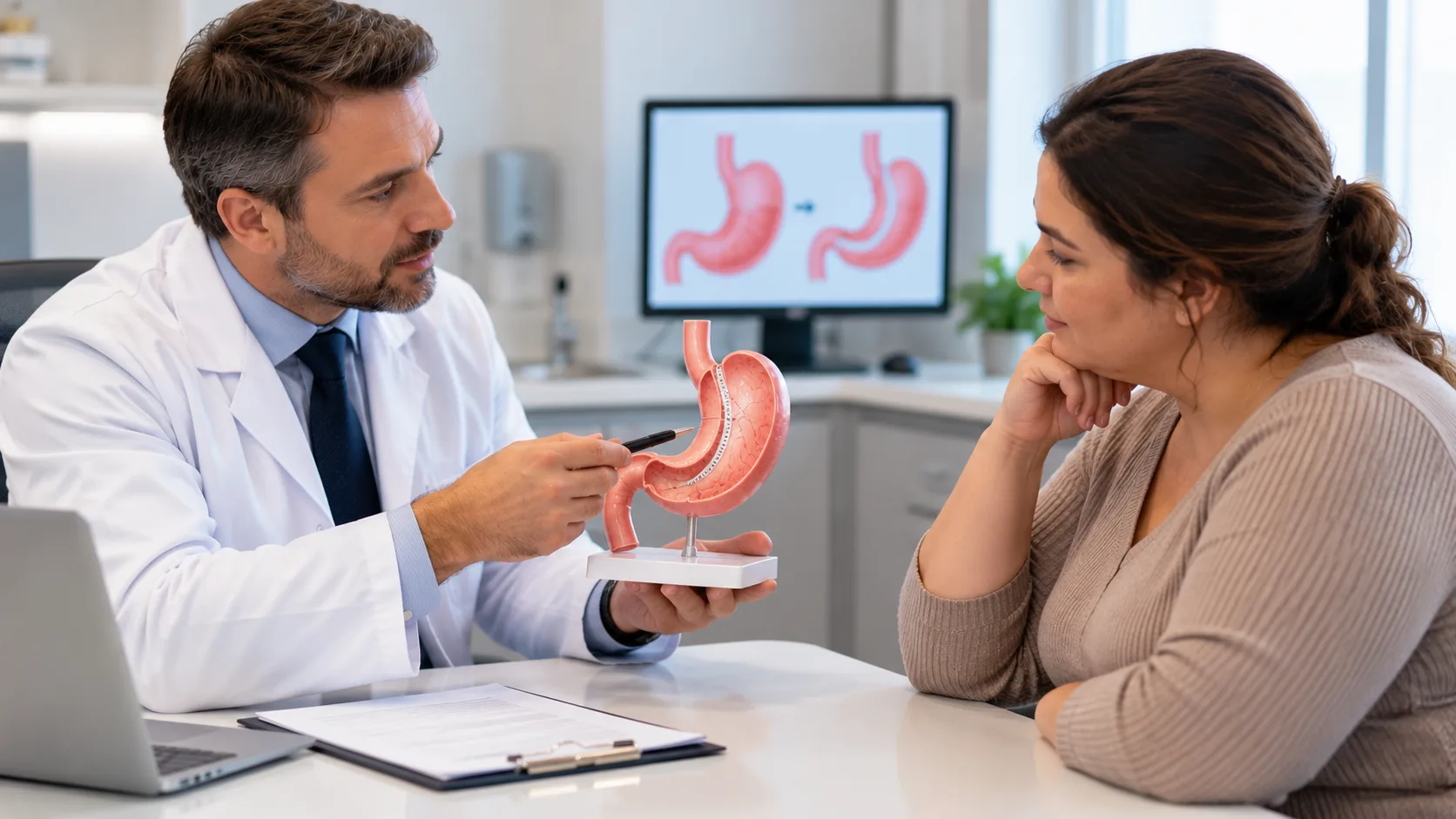
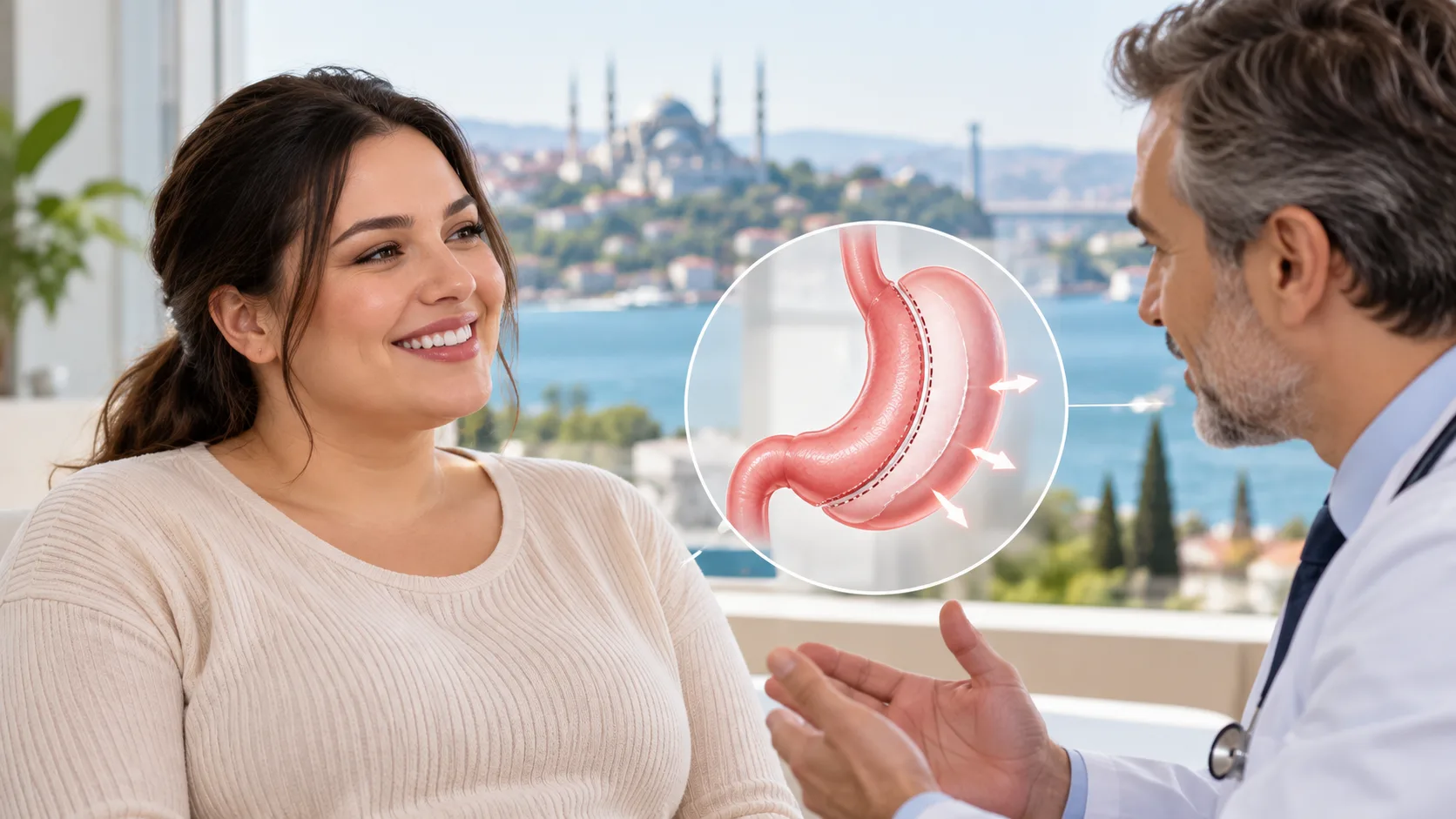
Gastric bypass surgery is a bariatric procedure that creates a small stomach pouch and reroutes the small intestine to reduce food intake and calorie absorption.
What Is the Definition of Gastric Bypass?
Gastric bypass surgery treats severe obesity. It combines two mechanisms. First, it restricts food intake. Second, it causes malabsorption. Surgeons most commonly perform the Roux-en-Y Gastric Bypass (RYGB). This procedure remains the gold standard in bariatric surgery. The American Society for Metabolic and Bariatric Surgery recognizes RYGB as one of the most effective weight loss procedures available today (Adams et al. 2017).
The surgery addresses both the amount of food a patient eats and the calories the body absorbs. It creates a metabolic shift. This shift goes beyond simple calorie restriction. The procedure alters gut hormones. It changes how the brain regulates appetite. These changes help patients maintain weight loss for many years.
Why Do Surgeons Call It a "Bypass"?
The name describes exactly what happens during surgery. Food bypasses most of the stomach. Food also bypasses the first section of the small intestine. This section normally absorbs many nutrients and calories. By skipping this area, the body absorbs fewer calories. The stomach pouch holds only a small amount of food. Patients feel full after eating very little. The bypass changes nutrient absorption patterns. It also changes how the gut communicates with the brain.
How Does Gastric Bypass Surgery Work?
Gastric bypass works by creating a tiny stomach pouch, rerouting the small intestine, and triggering hormonal changes that reduce hunger and improve blood sugar control.
How Does the Surgeon Create a Small Stomach Pouch?
The surgeon divides the upper part of the stomach. This creates a pouch about the size of an egg. The pouch holds roughly one ounce of food. A normal stomach holds about 40 ounces. This drastic reduction forces portion control. Patients feel full after eating a small amount of food. The pouch stretches slightly over time. However, it never returns to its original size. This restriction remains permanent. Patients must eat slowly. They must chew thoroughly. Large bites can cause discomfort or vomiting.
How Does the Procedure Bypass the Small Intestine?
The surgeon divides the small intestine. They connect the lower portion directly to the new stomach pouch. Food skips the duodenum and part of the jejunum. These sections normally handle most digestion and absorption. By bypassing them, the body absorbs fewer calories and nutrients. The bile and pancreatic juices still enter the digestive tract. They meet the food further down the intestine. This rerouting changes how the body processes fats, sugars, and proteins.
What Hormonal Changes Occur After Surgery?
Gastric bypass triggers major hormonal shifts. The gut produces hormones that regulate appetite. Ghrelin, the hunger hormone, decreases significantly. GLP-1 and PYY, the satiety hormones, increase. These changes reduce hunger. They increase feelings of fullness. Insulin sensitivity improves dramatically. Many patients see their blood sugar normalize within days of surgery. This happens before significant weight loss occurs. The surgery changes the gut-brain axis. It resets metabolic signals. These hormonal benefits explain why gastric bypass often puts type 2 diabetes into remission (Schauer et al. 2017).
Who Qualifies for Gastric Bypass Surgery?
Candidates typically have a BMI of 40 or higher, or a BMI of 35 or higher with obesity-related health conditions like diabetes or high blood pressure.
What BMI Do Patients Need for Gastric Bypass?
The National Institutes of Health established clear guidelines. Patients need a Body Mass Index (BMI) of 40 or higher. Patients with a BMI of 35 or higher may qualify if they have obesity-related diseases. Some surgeons consider patients with BMI between 30 and 35 who have uncontrolled type 2 diabetes. BMI measures body fat based on height and weight. A BMI over 40 indicates severe obesity. This level of obesity rarely responds to diet and exercise alone.
Which Medical Conditions Improve After Gastric Bypass?
Many obesity-related diseases respond well to this surgery. Type 2 diabetes often goes into remission. High blood pressure drops significantly. Obstructive sleep apnea improves or resolves. Heart disease risk factors decrease. Non-alcoholic fatty liver disease improves. Joint pain decreases as weight falls. Many patients reduce or eliminate their medications. Some patients see their cholesterol levels normalize. The metabolic benefits often start immediately.
What Other Factors Determine Eligibility?
BMI alone does not determine candidacy. Surgeons evaluate the whole patient. They review previous weight-loss attempts. Most insurance companies require documentation of failed diets. Patients must show psychological readiness. They must understand the lifelong commitment. Nutritional evaluation ensures patients can follow post-surgery requirements. Age matters too. Most surgeons operate on patients between 18 and 65. Some teenagers and older adults may qualify in special cases.
Which Conditions Does Gastric Bypass Improve?
Gastric bypass improves or resolves type 2 diabetes, hypertension, sleep apnea, high cholesterol, GERD, metabolic syndrome, and fertility issues while enhancing overall quality of life.
Can Gastric Bypass Put Type 2 Diabetes Into Remission?
Yes. Gastric bypass often puts type 2 diabetes into remission. Studies show remission rates between 60% and 80%. The surgery changes gut hormones. These hormones regulate insulin production. Many patients leave the hospital with reduced medication needs. Some stop taking diabetes medication entirely. The effect often occurs before major weight loss. This proves the surgery works through metabolic mechanisms, not just calorie reduction (Mingrone et al. 2015).
How Does Gastric Bypass Affect Hypertension?
High blood pressure drops significantly after surgery. Most patients reduce their blood pressure medications. Many stop them completely. Weight loss reduces strain on the heart. It improves blood vessel function. The hormonal changes also help regulate blood pressure. Studies show sustained improvements even years after surgery.
Does Gastric Bypass Help Sleep Apnea?
Obstructive sleep apnea improves dramatically. Excess weight around the neck collapses the airway during sleep. Losing weight reduces this pressure. Many patients stop using CPAP machines. Their sleep quality improves. Daytime fatigue disappears. Partners report less snoring. The benefits appear within weeks of surgery.
What Happens to Cholesterol Levels?
LDL cholesterol and triglycerides decrease. HDL cholesterol often increases. These changes reduce cardiovascular risk. The malabsorptive component of the surgery reduces fat absorption. Weight loss improves lipid metabolism. Many patients no longer need statin medications.
Does Gastric Bypass Improve GERD?
Yes. Gastric bypass often eliminates gastroesophageal reflux disease. The small pouch produces less acid. The rerouting prevents bile from entering the stomach. Unlike gastric sleeve, which can worsen reflux, gastric bypass typically resolves it. Patients stop needing antacid medications.
What About Metabolic Syndrome?
Metabolic syndrome includes high blood sugar, high blood pressure, high cholesterol, and abdominal obesity. Gastric bypass addresses all these factors. The syndrome often disappears completely. This reduces the risk of heart attack and stroke.
How Does Surgery Affect Fertility?
Obesity disrupts hormones. It causes irregular periods. It reduces fertility in both men and women. Weight loss restores normal hormone levels. Many women conceive naturally after surgery. Doctors recommend waiting 12 to 18 months after surgery before becoming pregnant. This allows weight to stabilize.
How Does Quality of Life Improve?
Patients report dramatic improvements. They move more easily. They participate in activities they avoided. Depression and anxiety often decrease. Social interactions improve. Work productivity increases. Studies using quality-of-life scores show sustained improvements for years.
What Are the Different Types of Gastric Bypass?
The main types include Roux-en-Y gastric bypass, laparoscopic gastric bypass, robotic-assisted gastric bypass, and open gastric bypass for special situations.
What Is Roux-en-Y Gastric Bypass?
Roux-en-Y Gastric Bypass (RYGB) remains the standard procedure. Surgeons create a small pouch at the top of the stomach. They connect it to a lower section of the small intestine. The shape resembles a "Y." This configuration allows digestive juices to meet food at the right location. RYGB provides excellent weight loss. It offers strong metabolic benefits. Surgeons have performed this procedure for over 50 years. Long-term data supports its safety and effectiveness.
What Is Laparoscopic Gastric Bypass?
Most surgeons now use laparoscopic techniques. They make several small incisions. They insert a camera and specialized instruments. This approach causes less pain. It reduces infection risk. Patients recover faster. They leave the hospital sooner. Most return to work within two to three weeks. Laparoscopic surgery leaves small scars. It reduces hernia risk compared to open surgery.
What Is Robotic-Assisted Gastric Bypass?
Some surgeons use robotic systems. The robot provides enhanced precision. It offers 3D visualization. The surgeon controls the robot from a console. This technology helps with complex cases. It improves suturing precision. It may reduce complications. However, it costs more. Not all hospitals offer this option.
When Do Surgeons Use Open Gastric Bypass?
Open surgery requires a large abdominal incision. Surgeons reserve this for special situations. Previous abdominal surgeries may cause extensive scarring. Some patients have anatomy that prevents laparoscopic access. Emergency situations may require open surgery. Recovery takes longer. Pain lasts more weeks. Infection risk increases. Most patients today avoid open surgery.
How Should Patients Prepare for Gastric Bypass?
Preparation includes medical evaluation, nutritional counseling, psychological assessment, preoperative diet, smoking cessation, and medication adjustments.
What Medical Evaluation Is Required?
Patients undergo comprehensive testing. Blood work checks for deficiencies. Cardiac evaluation ensures heart safety. Pulmonary tests assess lung function. Endoscopy examines the stomach and esophagus. Imaging studies map abdominal anatomy. Surgeons identify any issues that could complicate surgery. They optimize medical conditions before the operation.
Why Do Patients Need Nutritional Counseling?
Registered dietitians teach patients about post-surgery eating. Patients learn about protein requirements. They understand portion sizes. They learn which foods to avoid. Counseling starts before surgery. It continues for years afterward. Patients must understand that surgery changes eating forever. They cannot return to old habits.
What Does Psychological Assessment Involve?
Mental health professionals evaluate patients. They screen for eating disorders. They assess depression and anxiety. They identify substance abuse issues. They evaluate support systems. Patients must demonstrate realistic expectations. They must show ability to handle stress without turning to food. Some patients need treatment before surgery.
What Is the Preoperative Diet?
Most surgeons require a preoperative diet. Patients eat high-protein, low-carbohydrate meals. Some follow a liquid diet for one to two weeks before surgery. This shrinks the liver. A large liver makes surgery difficult. It blocks access to the stomach. The diet reduces surgical risk. It also prepares patients for post-surgery eating patterns.
Why Must Patients Stop Smoking?
Smoking increases surgical risks significantly. It impairs healing. It increases blood clot risk. It raises the chance of leaks and infections. Most surgeons require smoking cessation at least six weeks before surgery. Patients must remain smoke-free forever. Smoking after surgery increases ulcer risk. It can cause serious complications.
How Do Surgeons Adjust Medications?
Patients stop blood thinners before surgery. They adjust diabetes medications. Blood pressure drugs may change. Surgeons provide specific instructions. Patients must follow them exactly. Some supplements must stop. Others must start. The medical team coordinates all changes.
What Happens During Gastric Bypass Surgery?
The surgery involves general anesthesia, creation of a gastric pouch, division of the small intestine, connection of the Roux limb, and closure of surgical sites, typically taking two to four hours.
How Does Anesthesia Work?
Patients receive general anesthesia. An anesthesiologist monitors them throughout. They insert a breathing tube. This protects the airway. Patients sleep deeply. They feel no pain. They remember nothing. Monitoring tracks heart rate, blood pressure, oxygen levels, and breathing. The anesthesia team manages any issues immediately.
How Does the Surgeon Create the Gastric Pouch?
The surgeon uses staples to divide the stomach. They separate the upper portion. This creates the small pouch. They ensure the pouch is tight. It must hold food without leaking. They test the seal. The remaining stomach stays in place. It still produces digestive juices. These juices flow into the intestine downstream.
How Does the Surgeon Divide the Small Intestine?
The surgeon measures the small intestine. They divide it at a specific point. They create two limbs. The Roux limb carries food from the pouch. The biliopancreatic limb carries digestive juices. These limbs reconnect later. The surgeon measures carefully. Too short a bypass causes malnutrition. Too long reduces weight loss.
How Do Surgeons Connect the Roux Limb?
The surgeon brings the Roux limb up to the pouch. They create a small connection. This anastomosis must be precise. Leaks cause serious infections. Surgeons test the connection. They may use dye or air. They ensure no leaks exist. They secure the connection with sutures or staples.
How Do Surgeons Close the Sites?
They close the mesenteric defects. These are gaps in the tissue. If left open, intestines can herniate through. This causes dangerous blockages. They close the abdominal incisions. They place drains if needed. They dress the wounds. The operating team counts all instruments and sponges. They ensure nothing remains inside.
How Long Does the Procedure Take?
Typical surgery lasts two to four hours. Complex cases take longer. First-time surgeries usually finish faster. Revision surgeries take more time. The anesthesia team monitors throughout. Patients go to recovery immediately after.
How Does Gastric Bypass Compare to Other Bariatric Procedures?
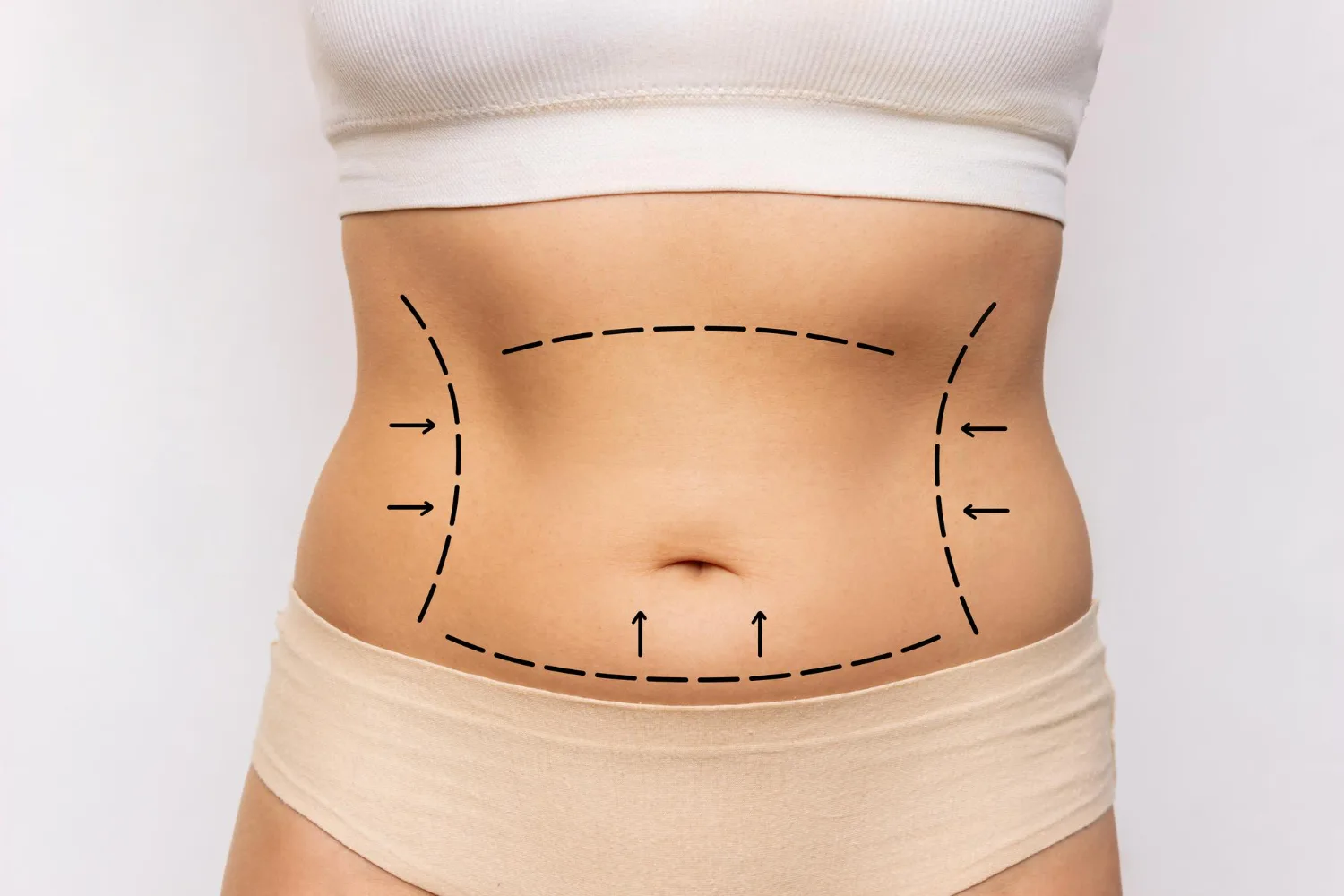
Gastric bypass offers greater weight loss and diabetes remission than gastric banding, differs from sleeve gastrectomy in its malabsorptive component, and provides less extreme malabsorption than duodenal switch.
How Does Gastric Bypass Compare to Gastric Sleeve?
Feature | Gastric Bypass | Gastric Sleeve |
Surgical technique | Reroutes intestine, creates pouch | Removes 80% of stomach |
Weight-loss potential | 60-80% excess weight loss | 50-70% excess weight loss |
Diabetes remission | 60-80% remission rate | 40-60% remission rate |
GERD improvement | Usually resolves reflux | May worsen reflux |
Nutrient deficiencies | Higher risk | Lower risk |
Reversibility | Technically reversible | Irreversible |
Gastric bypass provides more weight loss. It offers better diabetes remission. However, it carries higher nutrient deficiency risk. Gastric sleeve preserves normal anatomy. It has lower complication rates. But it may worsen reflux. The choice depends on patient factors.
How Does Gastric Bypass Compare to Adjustable Gastric Band?
The gastric band wraps around the stomach. It creates a small opening. It restricts food intake. It does not cause malabsorption. Weight loss is less dramatic. Many patients lose only 40-50% of excess weight. The band requires frequent adjustments. It can slip or erode. Many patients need removal. Gastric bypass provides more reliable results. It requires fewer follow-up procedures.
How Does Gastric Bypass Compare to Duodenal Switch?
Duodenal switch combines sleeve gastrectomy with intestinal bypass. It causes more malabsorption. Patients lose more weight. They maintain weight loss longer. However, nutritional deficiencies are severe. Patients need intensive monitoring. The surgery takes longer. It carries higher risk. Surgeons reserve it for super-obese patients. Gastric bypass offers a middle ground. It provides significant weight loss with manageable risk.
What Benefits Does Gastric Bypass Provide?
Benefits include significant weight loss, long-term maintenance, diabetes remission, cardiovascular improvements, increased mobility, better quality of life, and improved life expectancy.
How Much Weight Do Patients Lose?
Patients typically lose 60% to 80% of their excess weight. Excess weight means weight above a healthy BMI. Most patients reach their lowest weight 12 to 18 months after surgery. They maintain most of this loss long-term. Studies show sustained weight loss even 20 years later (Sjöström et al. 2014).
Does Weight Loss Last?
Yes. Long-term maintenance exceeds other methods. Diet and exercise alone rarely maintain weight loss. Medications provide modest results. Gastric bypass changes the body's weight set point. The hormonal changes help maintain lower weight. Patients must follow dietary guidelines. But the surgery makes maintenance easier than dieting alone.
How Does Diabetes Remission Work?
The surgery resets glucose metabolism. The gut releases hormones that stimulate insulin. The liver becomes more sensitive to insulin. The muscles absorb glucose better. These changes happen immediately. Weight loss adds further benefits. Many patients maintain remission for years. Some need medication again. But their diabetes remains better controlled.
What Cardiovascular Improvements Occur?
Heart disease risk drops significantly. Blood pressure improves. Cholesterol normalizes. Inflammation decreases. The heart works more efficiently. The risk of heart attack and stroke decreases. Patients live longer. Studies show reduced mortality compared to obese patients who do not have surgery.
How Does Mobility Increase?
Joint pain decreases. Patients walk more easily. They climb stairs without effort. They participate in sports. Back pain improves. Knee and hip pain decrease. Many patients delay or avoid joint replacement surgery. Physical activity becomes enjoyable rather than painful.
How Does Quality of Life Improve?
Patients report better mental health. They feel more confident. Social anxiety decreases. They engage more with family and friends. Employment prospects improve. They travel more easily. Airplane seats fit comfortably. They enjoy activities they previously avoided.
Does Life Expectancy Increase?
Yes. Studies show significant mortality reduction. The Swedish Obese Subjects study followed patients for decades. Surgical patients lived longer than matched controls. They had fewer heart attacks. They had less cancer. The benefits outweighed the surgical risks.
What Risks and Complications Can Occur?
Short-term risks include bleeding, infection, blood clots, and leaks, while long-term risks include dumping syndrome, hernias, bowel obstruction, ulcers, gallstones, and nutritional deficiencies.
What Are the Short-Term Surgical Risks?
Bleeding can occur during surgery. Surgeons control it immediately. Infection affects the wounds or abdomen. Antibiotics treat most infections. Blood clots form in the legs. They can travel to the lungs. This is dangerous. Patients receive blood thinners. They walk soon after surgery to prevent clots. Anastomotic leaks are serious. Food or digestive juices leak into the abdomen. This causes infection and sepsis. Surgeons test for leaks before closing. They place drains to catch any leaks. Anesthesia complications are rare but possible.
What Long-Term Risks Should Patients Know?
Dumping syndrome causes uncomfortable symptoms. Food moves too quickly into the intestine. Patients feel nauseous. They may vomit. They experience diarrhea, sweating, and palpitations. Sugary foods trigger dumping. Avoiding sugar prevents it. Internal hernias occur when intestine slips through gaps. This causes blockages. Bowel obstruction requires emergency surgery. Ulcers form where the pouch meets the intestine. Smoking and NSAIDs increase ulcer risk. Gallstones form with rapid weight loss. Surgeons often remove the gallbladder during surgery. Kidney stones may increase in some patients.
What Nutritional Deficiencies Can Develop?
Nutrient | Risk | Prevention |
Iron | Anemia | Daily supplements, monitoring |
Vitamin B12 | Nerve damage, anemia | Monthly injections or high-dose oral |
Folate | Anemia, birth defects | Daily supplements |
Calcium | Bone loss | Calcium citrate with vitamin D |
Vitamin D | Bone disease | High-dose supplementation |
Protein | Muscle wasting | 60-80g protein daily |
The bypassed intestine absorbs fewer nutrients. Patients must take supplements forever. Blood tests monitor levels. Deficiencies can cause serious problems. Iron deficiency causes fatigue. B12 deficiency causes nerve damage. Calcium deficiency weakens bones. Protein deficiency causes muscle loss. Strict adherence to supplementation prevents most deficiencies.
What Does Recovery After Gastric Bypass Involve?
Recovery includes a 2-3 day hospital stay, pain management at home, gradual return to physical activity, return to work in 2-4 weeks, and regular follow-up appointments.
How Long Is the Hospital Stay?
Most patients stay two to three days. Laparoscopic patients recover faster. They walk the day of surgery. They start drinking liquids quickly. The medical team monitors for leaks. They manage pain. They ensure patients can drink enough fluids. Patients go home when they meet safety criteria.
What Happens When Patients Return Home?
Patients need help at first. They tire easily. They must sip fluids constantly. Dehydration is a risk. They take pain medication. They walk several times daily. This prevents clots. They monitor their incisions. They watch for fever or increasing pain. These signs need immediate medical attention.
How Do Surgeons Manage Pain?
Pain decreases quickly. Most patients need prescription pain medication for one week. Then over-the-counter drugs suffice. The laparoscopic approach causes less pain than open surgery. Shoulder pain from gas used during surgery resolves in a few days. Patients must avoid NSAIDs like ibuprofen. These drugs cause ulcers.
When Can Patients Resume Physical Activity?
Patients walk immediately. They increase activity daily. Light exercise starts within two weeks. They avoid heavy lifting for four to six weeks. Swimming must wait until incisions heal. Most patients resume normal activities within six weeks. Regular exercise becomes important for long-term success.
When Can Patients Return to Work?
Desk jobs allow return in two to three weeks. Physical jobs require four to six weeks. Patients need energy for their work. They must manage their new eating schedule. They need bathroom access. They must drink fluids regularly. Most employers accommodate these needs.
What Follow-Up Appointments Are Needed?
Patients see their surgeon frequently at first. Visits occur at one week, one month, three months, six months, and one year. Then annually forever. Blood work checks nutrient levels. Weight tracking monitors progress. Dietitians review eating habits. Mental health professionals offer support. These appointments catch problems early.
What Are the Diet Stages After Gastric Bypass?
Patients progress through clear liquids, full liquids, pureed foods, soft foods, and finally long-term healthy eating with specific protein goals and portion controls.
What Is the Clear Liquid Diet?
Patients start with clear liquids. They drink water, broth, and sugar-free gelatin. They sip constantly. They aim for 64 ounces daily. This phase lasts one to two days. It allows the stomach to heal. It prevents dehydration.
What Are Full Liquids?
Patients advance to protein shakes. They drink skim milk. They eat sugar-free pudding. They add strained cream soups. Protein intake becomes crucial. The goal is 60 to 80 grams daily. This phase lasts one to two weeks.
What Are Pureed Foods?
Foods blend to a smooth consistency. Patients eat scrambled eggs, cottage cheese, and blended chicken. They avoid chunks. They eat small amounts. They chew thoroughly. This phase lasts two to four weeks.
What Are Soft Foods?
Patients add tender foods. They eat flaky fish, ground turkey, and soft vegetables. They avoid tough meats. They avoid fibrous vegetables. They continue small portions. This phase lasts several weeks.
What Does Long-Term Healthy Eating Look Like?
Patients eventually eat regular foods. They follow specific rules. They eat protein first. They limit carbohydrates. They avoid sugar. They drink fluids between meals, not with meals. Portions remain small. They eat three small meals daily. They may have one small snack. They take their vitamins. They avoid alcohol. They avoid carbonated drinks.
What Lifestyle Changes Must Patients Make?
Patients must commit to regular exercise, mindful eating habits, lifelong vitamin supplementation, emotional health support, and ongoing medical follow-up.
What Exercise Do Patients Need?
Patients start with walking. They progress to more activity. They aim for 150 minutes of moderate exercise weekly. They add strength training. This preserves muscle mass. It boosts metabolism. It improves mood. Exercise becomes a daily habit.
What Eating Habits Must Change?
Patients must eat slowly. They must chew thoroughly. They must stop when full. They must prioritize protein. They must avoid grazing. They must plan meals. They must read labels. They must avoid trigger foods. These habits require constant attention.
Why Are Vitamin Supplements Essential?
The bypassed intestine cannot absorb enough nutrients from food alone. Patients need multivitamins. They need calcium with vitamin D. They need iron. They need B12. Some need additional supplements. Blood tests guide adjustments. Missing supplements causes serious deficiencies.
How Does Emotional Health Factor In?
Food often serves emotional needs. After surgery, patients cannot use food the same way. They need new coping strategies. Support groups help. Therapy helps. Friends and family provide support. Some patients experience depression. This requires treatment. Mental health is as important as physical health.
Why Is Long-Term Follow-Up Care Critical?
Regular monitoring catches problems early. It ensures adequate nutrition. It provides accountability. It offers encouragement. It adjusts plans as needed. Patients who attend follow-up appointments succeed more often. They maintain weight loss better. They avoid complications.
How Much Weight Do Patients Lose After Gastric Bypass?
Patients typically lose 10-20 pounds in the first month, 30-40% of excess weight by three months, 50% by six months, and 60-80% by 12 months, with continued gradual loss beyond two years.
What Is the Weight Loss Timeline?
Timeframe | Expected Weight Loss |
1 Month | 10-20 pounds |
3 Months | 30-40% of excess weight |
6 Months | 50% of excess weight |
12 Months | 60-80% of excess weight |
Beyond 2 Years | Gradual stabilization |
Weight loss is fastest in the first six months. It slows after that. Patients reach their lowest weight around 18 months. Some regain 10-20 pounds after that. This is normal. They maintain most of their loss long-term.
What Factors Influence Success?
Diet adherence matters most. Patients who follow guidelines lose more. Physical activity increases loss. Regular follow-up provides accountability. Behavioral changes address emotional eating. Patients who address all these factors achieve the best results.
What Is Life Like After Gastric Bypass Surgery?
Life requires long-term success strategies, careful pregnancy planning, limited alcohol, adjusted medication management, and vigilance against weight regain.
What Are Long-Term Success Strategies?
Patients must maintain their new habits forever. They weigh themselves regularly. They track their food. They attend support groups. They stay connected with their medical team. They address problems immediately. They celebrate non-scale victories. They focus on health, not just weight.
Can Patients Become Pregnant After Surgery?
Yes. Fertility often improves. However, patients should wait 12 to 18 months. This allows weight to stabilize. It ensures adequate nutrition. Pregnancy requires close monitoring. Patients need extra vitamins. They need to gain appropriate weight. Most patients have healthy pregnancies.
How Does Alcohol Affect Patients?
Alcohol affects patients differently after surgery. It absorbs faster. Patients feel effects sooner. Some develop transfer addiction. They replace food with alcohol. This is dangerous. Patients should limit or avoid alcohol. They must never drink and drive.
How Do Medications Change?
The bypass affects drug absorption. Extended-release medications may not work. Patients may need different forms. Some drugs require higher doses. Others need lower doses. Patients must tell all doctors about their surgery. Pharmacists can help adjust medications.
How Can Patients Prevent Weight Regain?
Weight regain affects some patients. It usually happens years later. Patients must return to basics. They must track food. They must increase exercise. They must address emotional eating. They must see their bariatric team. Early intervention prevents major regain. Support groups provide accountability.
Frequently Asked Questions
Is gastric bypass surgery permanent?
Yes. The anatomical changes are permanent. Surgeons can technically reverse the procedure. However, reversal is rare and complex. It carries significant risk. Most patients consider it permanent. They commit to lifelong changes.
How much weight can I lose after gastric bypass surgery?
Most patients lose 60% to 80% of their excess weight. Some lose more. Some lose less. Success depends on adherence to guidelines. Long-term maintenance requires ongoing effort.
How long does gastric bypass surgery take?
The procedure typically takes two to four hours. Complex cases may take longer. Patients spend additional time in preparation and recovery. Most leave the hospital within two to three days.
Is gastric bypass reversible?
Technically yes, but practically no. Reversal requires major surgery. It carries high risk. It rarely happens. Patients should consider it permanent. They must commit fully before proceeding.
Will I need lifelong vitamin supplements?
Yes. This is non-negotiable. The bypassed intestine cannot absorb enough nutrients. Missing supplements causes serious deficiencies. Blood monitoring guides adjustments. Patients must take supplements forever.
How painful is gastric bypass surgery?
Pain is manageable. Laparoscopic surgery causes less pain than open surgery. Most patients need prescription pain medication for one week. Discomfort decreases significantly within days. Walking helps reduce pain.
When can I return to work?
Most patients return in two to three weeks for desk jobs. Physical jobs require four to six weeks. Energy levels vary. Patients should plan for gradual return. They may need part-time hours initially.
Can type 2 diabetes go into remission after gastric bypass?
Yes. Remission rates range from 60% to 80%. Many patients leave the hospital with reduced medication. Some stop all diabetes drugs. The effect often occurs before major weight loss. Remission may last for years.
Can I regain weight after gastric bypass surgery?
Yes. Some regain is possible. It usually happens years later. Patients may regain 10-20% of their lost weight. Major regain is uncommon with proper habits. Regular follow-up catches problems early. Intervention prevents significant regain.
Is gastric bypass safer than gastric sleeve?
Both procedures have risks. Gastric bypass carries higher complication rates than sleeve. However, it provides better weight loss and diabetes remission. The choice depends on individual factors. A qualified surgeon helps patients decide.
Conclusion
Gastric bypass surgery transforms lives. It creates a small stomach pouch. It reroutes the small intestine. These changes reduce food intake and calorie absorption. The surgery also triggers hormonal changes. These changes reduce hunger. They improve blood sugar control. They reset metabolism.
Patients lose 60% to 80% of their excess weight. They maintain most of this loss for years. Type 2 diabetes often goes into remission. High blood pressure improves. Sleep apnea resolves. Quality of life increases dramatically. Life expectancy extends.
However, gastric bypass is not a magic solution. It requires lifelong commitment. Patients must follow dietary guidelines. They must exercise regularly. They must take vitamin supplements forever. They must attend follow-up appointments. They must address emotional eating. Success depends on these choices.
The procedure carries risks. Short-term complications include bleeding, infection, and leaks. Long-term issues include dumping syndrome, hernias, and nutritional deficiencies. Proper preparation and ongoing care minimize these risks.
Candidates need a BMI of 40 or higher. Those with BMI 35 or higher may qualify if they have obesity-related diseases. Medical evaluation, nutritional counseling, and psychological assessment ensure readiness.
Gastric bypass remains one of the most effective treatments for severe obesity. Decades of research support its safety and effectiveness. It outperforms diet, exercise, and medication alone. It provides lasting metabolic benefits.
If you struggle with severe obesity, consult a qualified bariatric specialist. They will evaluate your individual health status. They will discuss your goals. They will help you choose the right treatment. Gastric bypass surgery may offer the fresh start you need. It can restore your health. It can renew your energy. It can give you back your life.
References
Adams, Ted D., et al. "Weight and Metabolic Outcomes 12 Years after Gastric Bypass." The New England Journal of Medicine, vol. 377, no. 12, 2017, pp. 1143-1155.
Mingrone, Geltrude, et al. "Bariatric Surgery versus Conventional Medical Therapy for Type 2 Diabetes." The New England Journal of Medicine, vol. 366, no. 17, 2015, pp. 1577-1585.
Schauer, Philip R., et al. "Bariatric Surgery versus Intensive Medical Therapy for Diabetes - 5-Year Outcomes." The New England Journal of Medicine, vol. 376, no. 7, 2017, pp. 641-651.
Sjöström, Lars, et al. "Association of Bariatric Surgery with Long-Term Remission of Type 2 Diabetes and with Microvascular and Macrovascular Complications." JAMA, vol. 311, no. 22, 2014, pp. 2297-2304.