Who Is a Good Candidate for a Gastric Balloon?
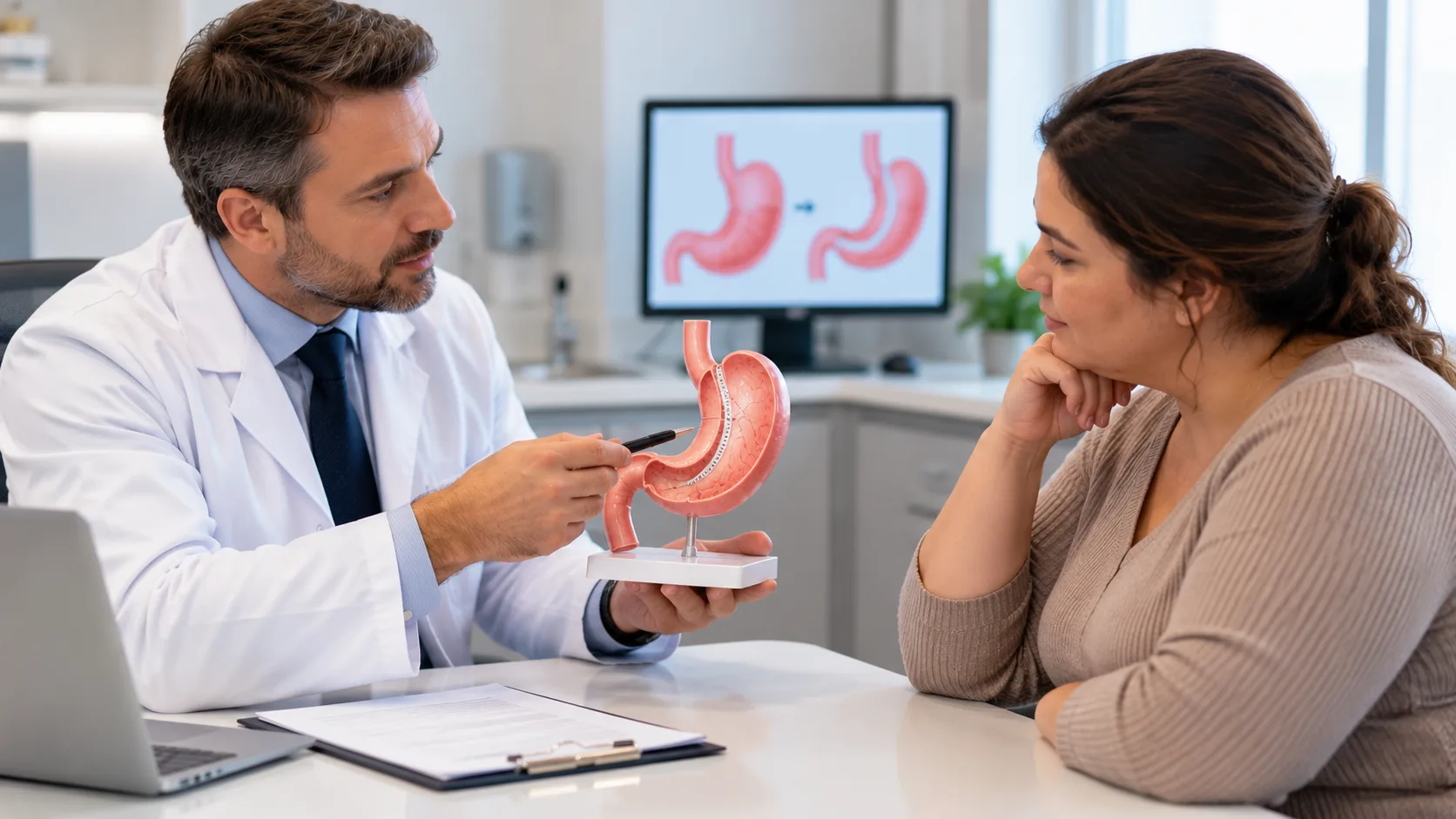
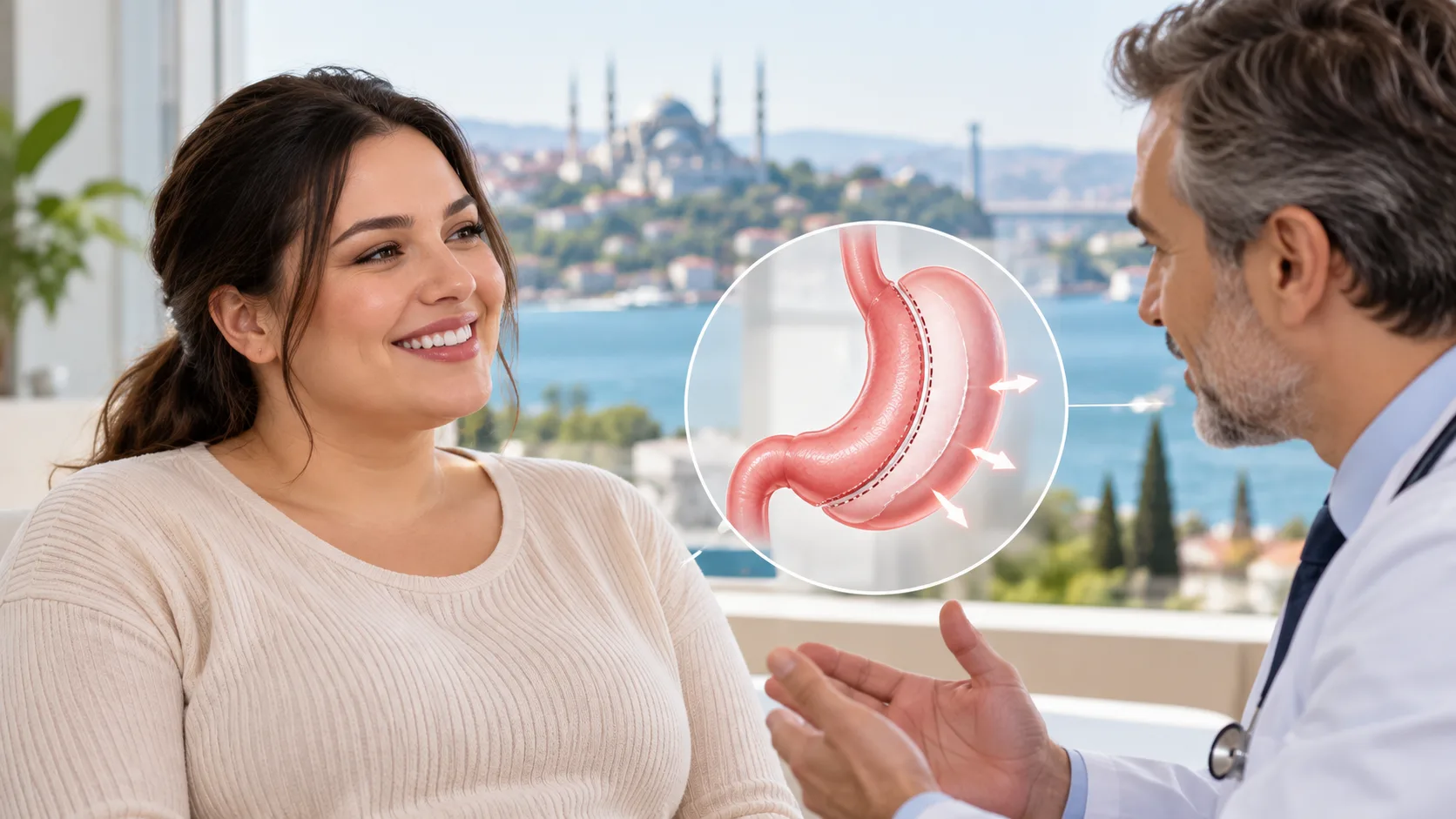
A good candidate for a gastric balloon is an adult with obesity, usually a body mass index (BMI) between 30 and 40, who has struggled to lose weight through diet and exercise alone, who has no major gastrointestinal abnormalities, and who commits to structured nutrition, physical activity, and medical follow-up. A gastric balloon is a temporary, minimally invasive device placed into the stomach through an endoscope. It takes up space, helps the patient feel full sooner, and supports portion control for about six months. Eligibility depends on BMI, medical history, gastrointestinal health, medications, pregnancy status, and lifestyle commitment. No single criterion decides candidacy on its own.
A gastric balloon, also called an intragastric balloon or stomach balloon, is a soft silicone device that a clinician fills with saline inside the stomach. It does not change stomach anatomy. It does not require surgical cuts. The balloon works as a tool, not a cure. It helps a motivated patient build the habits that sustain weight loss after removal. This article explains who qualifies for this treatment, who should avoid it, and how doctors evaluate each case.
What Is a Gastric Balloon and How Does It Support Weight Loss?
A gastric balloon is a temporary device placed endoscopically into the stomach and filled with fluid. It occupies space, slows eating, and promotes early fullness. It supports weight loss for approximately six months and then requires removal.
How Does an Intragastric Balloon Reduce Food Intake?
The balloon reduces how much a person can comfortably eat by limiting stomach volume and triggering earlier satiety. Patients naturally eat smaller portions. Some evidence also suggests effects on hunger signals and gastric emptying.
An average stomach holds roughly one to two liters when fully distended. A filled intragastric balloon occupies 400 to 700 milliliters of that space. This mechanical reduction shrinks the functional volume available for each meal. The stomach wall stretches less per bite, so stretch receptors signal fullness earlier in the meal. Patients report feeling satisfied with portions they previously found too small.
Portion control becomes almost automatic during the first weeks of treatment. This early window matters most, because it lets patients practice eating slowly and stopping at comfortable fullness. Research also indicates that balloons may delay gastric emptying in some patients, which extends the sensation of satiety between meals (Kumar et al. 2020). These combined effects explain why balloon therapy works best when paired with active dietary retraining rather than used as a passive device.
How Long Does a Gastric Balloon Stay in the Stomach?
Most endoscopic balloons remain in place for six months. The placement is temporary by design, and planned removal with follow-up care is a required part of treatment.
The six-month window reflects device design and clinical evidence. Balloons that stay longer than recommended risk deflation, migration, or mucosal injury. After removal, the stomach returns to its normal capacity. Patients who maintain their eating and activity habits keep most of their weight loss, while those who revert to previous patterns often regain weight. This is why programs pair the balloon with nutrition counseling and scheduled medical visits throughout treatment and for months afterward.
What Are the Main Criteria for Gastric Balloon Candidacy?
The main criteria include BMI within an accepted range, unsuccessful previous weight-loss attempts, absence of contraindicating gastrointestinal disease, safe medication use, and willingness to follow a structured program. Doctors weigh these factors together, never in isolation.
How Does BMI Affect Eligibility?
BMI is the first screening measure for candidacy. Most programs accept patients with a BMI of 30 to 40, though thresholds vary by balloon system, country, and clinical program. BMI alone never determines suitability.
BMI, or body mass index, divides weight in kilograms by height in meters squared. It provides a standardized starting point for classifying obesity. Balloon systems approved in the United States typically target patients with a BMI of 30 to 40. European and Middle Eastern programs sometimes use a range of 27 to 35 or extend up to 50 in selected cases (Kumar et al. 2020). These variations exist because regulators and clinical teams balance expected benefit against procedural risk for different populations.
BMI also fails to capture body composition, metabolic health, or fat distribution. A muscular patient and a sedentary patient can share the same BMI with very different health profiles. For this reason, BMI opens the eligibility conversation, but it never closes it.
BMI Range | Typical Classification | Common Program Position |
25 to 29.9 | Overweight | Usually not eligible unless comorbidities exist and criteria are individualized |
30 to 34.9 | Class I obesity | Standard eligibility range for most balloon systems |
35 to 39.9 | Class II obesity | Standard eligibility range, often with obesity-related conditions |
40 and above | Class III obesity | Some programs consider; bariatric surgery often evaluated first |
Can People With a BMI Below 30 Have a Gastric Balloon?
Some specialized programs consider patients with a BMI below 30 when strong medical reasons exist, such as significant cardiometabolic risk. This remains an individualized clinical decision, not a standard indication.
A small subset of programs evaluates lower-BMI patients who carry high metabolic risk despite modest excess weight. Clinical judgment in these cases weighs insulin resistance, blood pressure, sleep apnea, and family history. Patients should understand that lower-BMI treatment lacks the same evidence base as standard indications, and outcomes tend to be more modest. Any decision below the labeled range requires direct specialist assessment.
Does Previous Difficulty Losing Weight Matter?
Yes. Documented difficulty losing weight with diet, exercise, and often medication forms a core candidacy requirement. The balloon targets patients who need structured support, not patients seeking a quick fix.
Most programs ask for evidence of at least one serious, supervised weight-management attempt before balloon placement. This history confirms that lifestyle treatment alone has not produced adequate results. When weight-loss medication has failed or caused intolerance, the balloon offers a non-drug alternative with a defined time frame. Medically supervised attempts also matter because they build the counseling relationship that the balloon phase depends on. A patient who has never worked with a dietitian may benefit from starting there before device placement.
Which Health Goals May Make a Gastric Balloon Relevant?
A balloon may be relevant for patients who need preoperative weight reduction, who carry obesity-related conditions such as type 2 diabetes or hypertension, or who require a bridge to another treatment. The device serves the goal, so the goal must be clearly defined first.
Can a Gastric Balloon Be Used to Reduce Weight Before Surgery?
Yes. Clinicians sometimes use a balloon to produce preoperative weight loss before bariatric surgery or other operations. This bridge approach requires individual assessment by the surgical team.
Losing 10 to 15 percent of body weight before surgery can shrink liver volume, reduce abdominal fat, and lower operative risk in patients with severe obesity. Endoscopic balloon placement offers a reversible method to achieve this reduction without delaying surgery for months of dieting. Not every patient qualifies for the bridge strategy, and timing between removal and surgery requires coordination. The surgical team decides whether this step adds value for a specific operation.
Can It Be Considered When Obesity-Related Health Conditions Are Present?
Yes. Type 2 diabetes, hypertension, and elevated cardiometabolic risk often strengthen the case for balloon therapy, because weight loss directly improves these conditions. Treatment decisions still depend on overall health rather than weight alone.
Clinical studies consistently show improvements in glycemic control and blood pressure during balloon treatment, driven primarily by the weight loss itself and secondarily by dietary restructuring (Abu Dayyeh et al. 2015). However, active uncontrolled disease changes the risk picture. Severe heart failure, unstable angina, or bleeding disorders may push the clinical team toward safer alternatives. The balloon treats the weight; the physician treats the whole patient.
What Lifestyle Commitment Is Required Before Choosing a Gastric Balloon?
Candidacy requires a firm commitment to dietary change, gradual physical activity, and long-term follow-up. The balloon creates a learning window, and only consistent behavior inside that window produces lasting results.
Why Are Diet and Nutrition Changes Important?
The balloon forces smaller portions, but nutrition quality determines health outcomes. Structured dietary support converts temporary restriction into sustainable eating habits.
During the first two weeks after placement, patients follow a liquid-to-soft-food progression to accommodate nausea and adaptation. After this phase, the program shifts to a balanced, calorie-controlled plan built around protein adequacy, fiber, and hydration. Nutrition counseling teaches portion estimation, meal timing, and label reading. These skills survive balloon removal; the device itself does not.
What Role Does Physical Activity Play During Treatment?
Physical activity preserves muscle mass during weight loss and builds the exercise habit needed for maintenance. Programs typically start with walking and progress toward 150 minutes of moderate activity weekly.
Rapid weight loss without exercise strips lean tissue along with fat. Resistance training two to three times per week protects muscle and supports metabolic rate. Activity also reinforces the behavioral restructuring that the balloon phase is designed to create. Patients who establish an enjoyable routine during treatment carry it forward with far greater success than those who treat exercise as a temporary obligation.
Why Is Long-Term Follow-Up Important After Balloon Removal?
Follow-up after removal protects against weight regain and catches complications early. The balloon leaves the stomach, and only maintained behavior keeps the weight off.
Weight regain after balloon removal is well documented when behavioral support ends at six months. Programs that continue monthly contact through the first post-removal year report noticeably better maintenance (Sallet et al. 2015). Follow-up also covers endoscopic surveillance when mucosal irritation occurred during placement. Patients should view the balloon as the opening phase of a multiyear management plan, not a finished treatment.
Which Medical Conditions May Affect Gastric Balloon Eligibility?
Gastrointestinal disease, certain medications, and pregnancy are the principal medical factors that affect candidacy. A complete medical evaluation, usually including endoscopy, identifies these issues before placement.
Why Is a Gastrointestinal Evaluation Necessary?
Endoscopic evaluation before placement identifies structural and mucosal problems that would make the balloon unsafe. Conditions such as a large hiatal hernia or active gastric ulcer can disqualify a patient.
Endoscopy lets the clinician inspect the esophagus, stomach, and duodenal bulb in real time. A hiatal hernia larger than five centimeters raises the risk of balloon-induced obstruction at the gastroesophageal junction. Gastric ulcers increase bleeding risk from device contact. Severe esophagitis, varices, and prior gastric surgery also alter the decision. Skipping this step to save time exposes the patient to preventable complications, which is why reputable programs treat endoscopy as standard, not optional (Kumar et al. 2020).
Which Medications Should Be Discussed With the Doctor?
Anticoagulants, anti-inflammatory drugs, and medications that affect gastric acid or bleeding risk must be reviewed before placement. A complete medication list, including supplements, protects procedural safety.
Blood thinners such as warfarin or direct oral anticoagulants raise bleeding risk during endoscopic placement and removal. Clinicians coordinate temporary interruption with the prescribing physician. Daily NSAIDs irritate the gastric mucosa and compound balloon-related ulcer risk. Some programs also adjust acid-suppressing therapy to protect the stomach lining during the six-month placement. Honesty about every pill, vitamin, and herbal product prevents dangerous surprises.
How Can Pregnancy or Breastfeeding Affect Eligibility?
Pregnancy and active breastfeeding generally exclude balloon placement, and planned pregnancy should wait until after removal. These situations require individualized medical advice.
No balloon system is approved during pregnancy. Weight loss itself is contraindicated during gestation, and device-related complications could endanger both mother and fetus. Breastfeeding creates uncertainty about medication use during placement and nutritional adequacy during rapid weight loss. Women of childbearing potential should discuss contraception timing with their care team before committing to a treatment window that spans six months or more.
Who May Not Be Suitable for a Gastric Balloon?

Patients with significant gastrointestinal disease, certain previous bariatric operations, or an inability to attend follow-up may not be suitable. These exclusions exist to protect patients from harm the device could cause.
Which Gastrointestinal Problems Can Make Treatment Unsafe?
Large hiatal hernias, gastric ulcers, severe reflux with esophagitis, gastric varices, and structural abnormalities of the upper GI tract can rule out treatment. Endoscopic screening detects most of these conditions.
The balloon sits against the stomach wall for six months. Any surface that is already inflamed, fragile, or abnormally shaped faces elevated risk of bleeding, perforation, or obstruction. Patients with these findings are not simply deferred; they are redirected toward treatments matched to their anatomy, which may include medication, supervised lifestyle programs, or bariatric surgery in selected cases.
When Might Previous Bariatric Surgery Affect Eligibility?
Prior bariatric surgery does not automatically exclude balloon treatment, but it changes the risk profile substantially. Suitability depends on the specific operation performed and the balloon system under consideration.
A patient with a previous sleeve gastrectomy has a reduced stomach volume that may not accommodate a standard balloon safely. Prior gastric banding leaves hardware that interacts unpredictably with an intragastric device. Some programs use balloons specifically to treat weight regain after certain procedures, under specialist supervision (Popov et al. 2018). This decision belongs to an experienced bariatric endoscopist, never to a general screening questionnaire.
When Might an Inability to Participate in Follow-Up Be a Concern?
Patients who cannot attend regular medical appointments, nutrition counseling, or monitoring visits face reduced candidacy. The balloon demands active management, and lost follow-up converts a controlled treatment into an unmonitored risk.
Complications such as intolerance, reflux, or early deflation announce themselves through symptoms that require prompt clinical response. Weight progress needs measurement and adjustment. A patient living far from care, traveling frequently, or unable to commit to the schedule should consider whether the timing is right. Delaying treatment until follow-up is realistic serves the patient better than placing a device into an unsupported situation.
What Does the Gastric Balloon Evaluation Process Involve?
The evaluation combines clinical consultation, endoscopic examination, nutritional assessment, and behavioral review. The medical team synthesizes all findings into a shared treatment decision.
What Happens During the Initial Consultation?
The consultation measures weight and BMI, documents medical and surgical history, reviews previous weight-loss attempts, lists current medications, and clarifies goals. This visit sets the foundation for every later decision.
Clinicians record height, weight, BMI, waist circumference, and blood pressure. They ask about prior diets, medications, and programs in detail, because credible effort history supports candidacy. The conversation also explores expectations. A patient seeking twenty kilograms of loss from a balloon alone needs counseling, because average outcomes are more modest. Honest goal setting at this stage predicts satisfaction at removal.
Why Is an Endoscopic Examination Sometimes Performed Before Placement?
Endoscopy examines the esophagus, stomach, and upper GI tract directly, identifies contraindications, and confirms procedural safety. Most established programs perform it routinely before balloon placement.
The examination takes minutes under sedation. Beyond contraindication screening, endoscopy occasionally reveals unexpected findings such as H. pylori-associated gastritis that clinicians treat before placement. Some capsule-based balloon systems omit pre-placement endoscopy, but these systems still require thorough evaluation because they cannot be inspected after swallowing. The principle remains constant: know the stomach before you fill it.
How Does the Medical Team Determine Whether the Balloon Is Appropriate?
The team integrates medical, endoscopic, nutritional, and behavioral findings into one decision. No single criterion qualifies or disqualifies a patient. The final plan emerges from shared discussion between patient and clinicians.
A multidisciplinary team typically includes a bariatric physician, an endoscopist, a dietitian, and sometimes a behavioral specialist. Each contributes a distinct lens: procedural safety, metabolic status, dietary feasibility, and psychological readiness. The patient contributes personal priorities and constraints. When all lenses align, placement proceeds. When they conflict, the team recommends alternatives. This collective structure mirrors the standard of care in modern obesity management (Kumar et al. 2020).
What Results Can an Appropriate Candidate Expect From a Gastric Balloon?
Appropriate candidates typically lose 10 to 15 percent of total body weight during the six-month treatment, though results range widely. Percentage of excess weight loss is a separate, larger figure. Outcomes vary by system and by patient adherence.
How Much Weight Can Be Lost With a Gastric Balloon?
Meta-analyses report average total body weight loss of roughly 10 to 13 percent and excess weight loss of 25 to 45 percent, with substantial individual variation. No honest program guarantees a specific number.
Excess weight loss compares results to a target based on BMI 25, so a 120-kilogram patient has more excess weight than a 95-kilogram patient at the same BMI. This makes total body weight percentage the clearer metric for patients. Reported averages also blend highly adherent patients with those who struggle, which explains the wide ranges in published data (Abu Dayyeh et al. 2015; Kumar et al. 2020). Adherence to nutrition and activity guidance is the strongest modifiable predictor of individual outcome.
When Does Weight Loss Usually Occur?
The fastest loss occurs in the first three months after placement. Progress continues through month six at a slower rate. Lifestyle integration determines how much of that loss survives removal.
Early loss reflects restricted intake during adaptation plus fluid shifts. As the stomach accommodates the balloon, the rate naturally slows. Patients who use the second half of treatment to solidify habits see flatter regain curves after removal. The balloon buys time and structure; behavior writes the ending.
What Are the Benefits and Limitations of Gastric Balloon Treatment?
The balloon offers non-surgical, reversible, temporary treatment with meaningful short-term weight loss. Its limitations include temporary effects, gastrointestinal side effects, and dependence on patient behavior for lasting results.
What Makes the Gastric Balloon Different From Bariatric Surgery?
The balloon requires no incisions, changes no anatomy, and reverses completely at removal. Bariatric surgery permanently alters the digestive tract and produces larger, more durable weight loss at higher procedural risk.
These are fundamentally different interventions serving different patient profiles. Surgery suits patients with severe obesity who accept permanent change for greater effect. The balloon suits patients with moderate obesity, operative risk factors, or a preference for reversibility. Neither is a lesser version of the other; they are distinct tools in the same therapeutic landscape.
What Are the Potential Side Effects and Complications?
Nausea, vomiting, abdominal cramping, and reflux are common in the first days to weeks and usually resolve with medication and adaptation. Balloon intolerance requires early removal in a minority of patients. Serious complications such as migration, obstruction, or perforation are rare.
The first 72 hours after placement are the hardest. Anti-nausea protocols and a liquid diet carry most patients through. Intolerance, defined by persistent symptoms despite treatment, affects roughly five to ten percent of patients and ends with deflation and removal. Rare events such as spontaneous deflation with intestinal migration, gastric outlet obstruction, or perforation appear in published series at low single-digit rates (Sallet et al. 2015). Patients receive clear instructions on red-flag symptoms that demand urgent evaluation.
How Does a Gastric Balloon Compare With Other Weight-Loss Treatments?
The balloon occupies a middle position: more effective than lifestyle treatment alone for motivated patients, less invasive than surgery, and non-pharmacologic compared with medication. Each option serves a different patient profile.
Gastric Balloon vs Weight-Loss Medication
The balloon works mechanically and temporarily; medication works physiologically and requires ongoing use. The balloon avoids drug side effects and systemic exposure, while medication avoids endoscopy and device removal.
Modern anti-obesity medications produce comparable or greater weight loss but demand indefinite continuation to maintain effect. The balloon delivers its effect during a fixed window and then exits the body. Patients averse to long-term drug use often prefer the device; patients unwilling to undergo endoscopy often prefer medication.
Gastric Balloon vs Bariatric Surgery
Surgery produces greater and more durable weight loss through permanent anatomical change. The balloon produces moderate, temporary loss through a reversible device. Surgery carries operative risk; the balloon carries adaptation-period symptoms.
Factor | Gastric Balloon | Bariatric Surgery | Weight-Loss Medication | Lifestyle Treatment Alone |
Mechanism | Mechanical space occupation | Permanent anatomical change | Appetite/metabolic signaling | Caloric deficit through behavior |
Invasiveness | Endoscopic, no incisions | Major operation, incisions | Oral or injection, none | None |
Duration | Six months, then removal | Permanent | Continuous while effective | Continuous |
Average total weight loss | 10 to 15 percent | 20 to 30 percent or more | 10 to 20 percent | 3 to 8 percent |
Reversibility | Fully reversible | Generally irreversible | Reversible by stopping | Fully reversible |
Anatomy altered | No | Yes | No | No |
Gastric Balloon vs Lifestyle Treatment Alone
Lifestyle treatment remains the foundation of all weight management. The balloon adds a structured, medically supervised boost for patients whose biology and history resist diet-and-exercise approaches alone.
Multidisciplinary lifestyle programs that combine nutrition, activity, and behavioral therapy produce real but modest average losses. The balloon magnifies the effect of that same discipline for six months, functioning as an intensive phase within a longer program. Patients with strong adherence often do well with lifestyle treatment alone; the balloon serves those who need the additional structure without wanting surgery.
What Questions Should You Ask Before Having a Gastric Balloon?
Ask about suitability, device choice, realistic targets, required examinations, nutritional programming, follow-up frequency, removal logistics, and warning signs. Direct answers to these questions define a quality program.
Confirm your medical suitability with the physician rather than assuming it from BMI alone. Ask which balloon system the program uses and why it fits your case. Request a realistic weight-loss target expressed in percentage terms. Clarify which examinations precede placement and what each costs. Review the nutritional program week by week. Establish the follow-up calendar before the procedure date. Understand exactly when and how removal occurs. Finally, obtain a written list of symptoms such as severe abdominal pain, persistent vomiting, or signs of bleeding that require urgent attention. A program that answers all eight questions clearly deserves your confidence.
How Can You Find Out Whether You Are a Good Candidate for a Gastric Balloon?
Candidacy requires professional assessment. The evaluator weighs your BMI, overall health, gastrointestinal anatomy, previous weight-loss history, medications, pregnancy status, and willingness to follow a structured program. No single number decides.
Bring your complete medical history, medication list, and records of previous weight-loss attempts to your consultation. Expect measurement, discussion, and probably endoscopy. Expect honest guidance toward alternatives when the balloon does not fit. The right outcome of an evaluation is the right treatment, not necessarily the one you first requested.
Frequently Asked Questions About Gastric Balloon Candidacy
What BMI Do You Need for a Gastric Balloon?
Most programs require a BMI between 30 and 40. Some extend the range down to 27 or up to 50 for selected patients under specialist supervision.
Can You Get a Gastric Balloon With a BMI Under 30?
Occasionally, when strong medical reasons exist and a specialist judges the benefit to outweigh the limited evidence. This is not a standard indication.
Is a Gastric Balloon Suitable for People Who Have Tried Diets Before?
Yes. Documented difficulty with diet-based weight management is actually a core eligibility requirement, not a barrier.
Can You Have a Gastric Balloon if You Take Weight-Loss Medication?
Previous medication use is expected and acceptable. Combining an active balloon with current medication requires individualized physician review rather than a blanket rule.
Can You Have a Gastric Balloon Before Another Surgery?
Yes. Preoperative weight reduction is an established bridge indication in selected surgical candidates, decided jointly by the treating teams.
Can You Have a Gastric Balloon After Bariatric Surgery?
Sometimes. Prior operations change the anatomy and risk profile, so this decision belongs to an experienced bariatric endoscopist.
Is a Gastric Balloon Suitable During Pregnancy?
No. Pregnancy and active breastfeeding exclude placement, and planned pregnancy should follow removal.
How Long Does a Gastric Balloon Stay in Place?
Typically six months for endoscopic systems. Removal at the planned time is a required part of treatment.
What Happens After the Balloon Is Removed?
The stomach returns to normal capacity. Continued nutrition, activity, and follow-up determine whether weight loss persists.
Does Everyone Who Gets a Gastric Balloon Lose the Same Amount of Weight?
No. Average losses range widely, and individual adherence to the structured program is the strongest predictor of personal outcome.
References
Abu Dayyeh, Barham K., et al. "Weight Loss and Emotional Gains: A Comparative Analysis Between the Orbera Intragastric Balloon and a Behavioral Change Program." Obesity Surgery, vol. 25, no. 11, 2015, pp. 2080-2089.
Kumar, Nitin, et al. "ASGE Bariatric Endoscopy Task Force Systematic Review and Meta-Analysis Assessing the ASGE PIVI Thresholds for Adopting Endoscopic Bariatric Therapies." Gastrointestinal Endoscopy, vol. 92, no. 4, 2020, pp. 567-576.e3.
Popov, Victor, et al. "The Obalon Swallowable 6-Month Balloon System: A Multicenter, Single-Arm Study." Digestive Diseases and Sciences, vol. 63, no. 12, 2018, pp. 3439-3445.
Sallet, Paulo C., et al. "Mucosal Changes Induced by the Intragastric Balloon: A Prospective Study." Obesity Surgery, vol. 25, no. 10, 2015, pp. 1802-1807.